Author: Kusum Khemani (Translated from Hindi by Banibrata Mahanta)
Publisher: Orient BlackSwan Private Limited
Lavanyadevi is an award-winning 2013 novel by Kusum Khemani written in Hindi that chronicles five generations of a traditional aristocratic Bengali zamindar family as it transitions into modernity from British India to the present with the eponymous protagonist as its principal focus. Lavanyadevi—a compelling woman of perfection, extraordinary vision, qualities, and grace—remains real and credible because she is self-aware, self-critical, open to others, and to change. As a Marwari (people originally belonging to Marwar in Rajasthan) living in Kolkata, in Khemani’s fiction the schisms between ‘Bengali’ and ‘Marwari’ blur to reveal a delightfully plural, composite, and distinctively Indian ethos. Lavanyadevi is a story about women and their search for self, about shared laughter and friendships that endure across generations, beliefs and cultures—between mother and daughter, grandmother and granddaughter, and Marwari and Bengali women. Khemani’s women protagonists are strong, clear-sighted, both worldly and sublime, embodying a larger-than-life idealism while being grounded firmly in the everyday.
In his introduction to his novel Kanthapura (1938), Raja Rao had defined it as a sthala-purana[1], which he defined as a “legendary history” in which the old lady narrator in the village took recourse to the traditional Indian narrative technique, digressed at will to bring forth her point. Somehow the way Kusum Khemani takes recourse to multiple narrative techniques in Lavanyadevi and binds the different digressive stories and incidents into one contiguous whole when she tells us about the history of five generations of the Bengali zamindar family, reminds one of Raja Rao’s theory. She uses diverse narrative strategies like flashbacks, diaries, letters and emails, history, memory and the third person narrator to enrich its telling, lending it depth and range. A large part of the narrative revolves around telling us about past history when Lavanyadevi manages to lay her hands on her mother Jyotirmoyidevi’s diaries and finds great pleasure and thrill of reading one’s own family history. Not only do they offer a wonderful eye-witness account of the private and public sphere of Kolkata of those times, but they also make her easy transition into reading about her mother’s youth, her elaborate description of her magnificent wedding and the rituals that spread over almost a month.
The diary as metanarrative and the protagonist as reader/narrator are particularly effective, offering a telescopic perspective. Though at times it rambles a bit, the polyphonic structure of the novel engages Lavanyadevi the granddaughter, the daughter, the wife, the mother and the grandmother in conversations with her preceding and her succeeding generations. One must sometimes go back to the family tree and chart provided at the beginning of the novel to place people in proper perspective.
From the very beginning of the novel, Khemani portrays the character of Lavanyadevi in superlatives and this continues in different phases of her life till the end when she decides to remain incognito in the mountain ashram and yet control the lives of her descendants, well-wishers and others. From a child who always stood first in school and remained wholly ignorant of the real world, to her unusual marriage to a gentleman who moved over to Rangoon and then to London where she acquired many more degrees, till she came back to Kolkata, to rear her three children successfully, she seemed to excel in everything. This is how she is described at one place:
“Lavanyadevi was indefatigable. She administered the work of several institutions, her college and her home efficiently and with ease. She was never seen to panic. She was like Goddess Durga with her many hands – untiring in her zeal, handling all her duties unfailingly, responsibly and meticulously. No one could ever complain of being ignored by her. She loved all and treated everyone with the same degree of love and warmth. Scrupulous and hardworking, always upholding truth, Lavanyadevi was the unmatched standard of excellence in all aspects of life, her words worth their weight in gold.”
After judiciously assigning different welfare projects in the city as well as in far-flung places like Dhaka and the hills in Uttarkashi from the immense money she inherited from the family, and after her husband’s demise, Lavanyadevi decided it was time for her to leave the family premises and go and live in an ashram in the hills. There she did not stay in hibernation but her travels for work grew even more frenetic.
From the very beginning her rootedness and belief in the philosophical framework of Hinduism formed the core of her being. They propelled her to seek answers to questions of satya (truth) and mukti (liberation) that confronted her in the latter half of her life. She decided to transcend immediate personal concerns and address larger universal issues. Her transition from grihastha (householder) to sanyasa (renunciate) harkens back to the Hindu ideal of human life divided into four phases. However, contrary to the conception of life in isolation, Lavanyadevi, free of any kind of worldly considerations in this final phase of life, marshaled material and human resources to create a strong network of seva (social service) across the country and even beyond its borders. The list of her welfare schemes is too long to mention in the purview of this review, but ranged from renovating brothels in Kolkata’s red-light areas, creating self-help centres for rural women in Dhaka, de-addiction centres, eco-friendly schools in the hills, organic farming in South India, etc.
In the latter half of the novel, we find Lavanyadevi successfully transmitting her values and ideals to her children and grandchildren who are called the “Saptarshi Mandal friends” and who carry her legacy forward and emphasise that progress does not always mean breaking from the past. Here the novelist becomes too idealistic and brings in too many issues that seem a bit far-fetched. Issues of inter-caste and inter-religious relationships apart, the list of social welfare missions seems endless. Her “soul-children” unobtrusively usher in change and create space for diversity in relationships and ways of living. Harmonious cohabitation with nature became the foundational principle of all the education centres she built in the hills but the way she invisibly controls the activities of all her soldiers through emails and emphasises the middle path of life makes the advocacy of humanitarian concerns a bit overemphasised. She becomes larger than life for ideas and wish-fulfilment.
A Hindi novel about a Bengali family by a Marwari woman from Kolkata became significant when it was commissioned for translation into English. Winner of the PEN/Heim Translation Grant 2021, the jury called Lavanyadevi an ‘ambitious, far-reaching’ novel, lauding Khemani’s ‘energetic prose, deadpan sense of humor, and exquisite control’, and Banibrata Mahanta’s translation that ‘stretches and manipulates language to produce a vivid text’ and a must-read for lovers of Indian literature. Here one needs to mention the seriousness with which Mahanta gives us the ‘Translator’s Introduction’ at the beginning of the text and again ‘Translator’s Note’ at the end. This reviewer feels that both these could have been combined into one general essay highlighting the significance of the evolution of the Marwaris in Bengal, how Khemani’s novel is a hybrid artefact born out of multiple linguistic and cultural encounters, how the characters in the novel speak in languages other than Hindi produces dialogues in Bangla, Marwari, Haryanvi or Punjabi; and how between a breezy translation and a linguistically nuanced one, wherever possible the translator has eschewed the former and gone for the latter. As he rightly admits, translating this complex narrative into global or even a pan-Indian English is always risky, but Mahanta should be given due credit for overcoming all obstacles and bringing this immensely readable novel to a wide readership.
They bring hope, solace and love to those who believe in them. But, when the structures holding the fiestas in place start to crumble, what do we do then?
Our lives have moved out of wilderness to cities over centuries. Now, we have covered our world with the gloss of technology which our ancestors living in caves would have probably viewed as magic. And yet we violate the dignity of our own kind, war and kill, destroy what we built in the past. The ideological structures seem ineffective in instilling love, peace, compassion or hope in the hearts of the majority. Suddenly, we seem to be caving in to violence that destroys humanity, our own kind, and not meting out justice to those who mutilate, violate or kill. Will there be an end to this bleak phase? Perhaps, as Tagore says in his lyrics[1], “From the fount of darkness emerges light”. Nazrul has gone a step further and stated clearly[2], “Hair dishevelled and dressed carelessly/ Destruction makes its way gleefully. / Confident it can destroy and then build again …Why fear since destruction and creation are part of the same game?”
And yet, destruction hurts humans. It kills. Maims. Reduces to rubble. Can we get back the people whose lives are lost while destruction holds sway? We have lost lives this year in various wars and conflicts. As a tribute to all the young lives lost in Bangladesh this July, we have a poem by Shahin Hossain. Afsar Mohammad has brought in the theme of festivals into poetry tying it to the current events around the world. In keeping with the times, Michael Burch has a sense of mirthlessness in his poems. Colours of emotions and life have been woven into this section by Malashri Lal, Luis Cuauhtémoc Berriozábal, Fhen M, Shamik Banerjee, George Freek, Matthew James Friday, Jenny Middleton and many more. This section in our journal always homes a variety of flavours. Stuart MacFarlane has poems for Wordsworth… and some of it is funny, like Rhys Hughes’ poem based on photographs of amusing signposts. But then life has both sorrows and laughter, and poetry is but a slice of that as are other genres. We do have non-fiction in a lighter vein with Hughes’ story and poem about pizzas. Devraj Singh Kalsi has given a tongue in cheek narrative about his library experiences.
Festivals have also been taken up in fiction by Tanika Rajeswari V with a ghostly presence hovering over the arrangements. Paul Mirabile has taken us around the world with his story while Saeed Ibrahim writes from his armchair by the Arabian sea. Sahitya Akademi winner for his children’s stories, Naramsetti Umamaheswara Rao, has showcased peer pressure among youngsters in his narrative.
Our book excerpts usher good cheer with a narrative by Ruskin Bond from Let’s Be Best Friends Forever: Beautiful Stories of Friendship. And also hope with a refugee’s story from Ukraine, which travels through deserts, Italy and beyond to US and has a seemingly happier outcome than most, Lara Gelya’s Camel from Kyzylkum. This issue’s conversations take us around the world with Keith Lyons interviewing Lya Badgley, who has crossed continents to live and write. Malashri Lal, the other interviewee, is an academic and writer with sixteen books under her belt. She travels through the world with her poetry inMandalas of Time.
Huge thanks to the Borderless team for putting this issue together – the last-minute ties – and the art from Sohana Manzoor. Without all this, the edition would look different. Heartfelt thanks to our contributors without whose timely submissions, we would not have a journal. And most of all we thank our readers – we are because you are – thank you for reading our journal. As all our content, despite being indispensable, could not be mentioned here, do pause by our content’s page for this issue.
In Conversation with Malashri Lal, about her debut poetry collection, Mandalas of Time, Hawakal Publishers
Professor Malashree Lal
Time present and time past Are both perhaps present in time future, And time future contained in time past. If all time is eternally present All time is unredeemable.
‘Mandalas’ means circle in Sanskrit, the root, or at last the influencer, of most of the Indian languages in the subcontinent. Sanskrit belongs to the Indo-Germanic family, which homes Latin and Greek among other languages. Malashri Lal, a former professor in Delhi University, has called her poetry collection Mandalas of Time.
Her poetry reiterates the cyclical nature of the title, loaning from the past to blend the ideas with the present and stretching to assimilate the varied colours of cultures around the world.
Embracing an array of subjects from her heritage to her family — with beautiful touching poems for her grandchild — to migrants and subtle ones on climate change too, the words journey through a plethora of ideas. Nature plays an important role in concretising and conveying her thoughts. In one of the poems there is a fleeting reference to wars — entwined with the Pilkhan (fig) tree:
The Pilkhan tree thinks of its many years
Of shedding leaves, bearing inedible fruit, of losing limbs
But smiles at his troubles being far less
Than of unfortunate humans
Who kill each other in word and deed
But gather around the tree each Christmas
With fulsome gifts and vacant smiles
To bring in another New Year.

--Another New Year
Amaltas (Indian Laburnum) or Bougainvillea bind her love for nature to real world issues:
Only the Amaltas roots, meshed underground
Thrust their tendrils into the earth’s sinews below.
Sucking moisture from the granular sand, desperately.
The golden flowers pendent in the sun, mock the traveller
Plump, succulent, beacon-like, they tease with
The promise of water
Where there is none.

--Amaltas in Summer
And…
The Bougainvillea is a migrant tree, blossom and thorn
That took root in our land
And spread its deception
Of beauty.

--Bougainvillea
Her most impactful poems are women centric.
Words crushed into silence
Lips sealed against utterance
Eyes hooded guardedly
Body cringing into wrinkled tightness
Is this what elders called
‘Maidenly virtue?’

--Crushed
There is one about a homeless woman giving birth at Ratlam station during the pandemic chaos, based on a real-life incident:
Leave the slum or pay the rent
Who cares if she is pregnant,
Get out — go anywhere.
…
Ratlam station; steady hands lead her to the platform.
Screened by women surrounding her
A kind lady doctor takes control.
Pooja sees a puckered face squinting into the first light.
"This is home," she mutters wanly,
"Among strangers who cut the cord and feed my newborn,”

-- Ladies Special
In another, she writes of Shakuntala — a real-world migrant who gave birth during the covid exodus. She birthed a child and within the hour was on her way to her home again — walking. It reminds one of Pearl S Buck’s description of the peasant woman in Good Earth (1931) who pauses to give birth and then continues to labour in the field.
Most interesting is her use of mythology — especially Radha and Sita — two iconic characters out of Indian lore. In one poem, she finds a parallel to “Sita’s exile” in Italy, at Belisama’s shrine. In another, she finds the divine beloved Radha, who was older to Krishna and married to another, pining after the divinity when he leaves to pursue his life as an adult. And yet, she questions modern stances through poems on more historical women who self-immolated themselves when their husbands lost in battle!
Malashri Lal has turned her faculties post-retirement to literary pursuits. One of her co- authored books around the life of the poet Michael Madhusudan Dutt, received the Kalinga award for fiction. She currently serves on the English advisory board of Sahitya Akademi. In this conversation, Lal discusses her poetry, her journey and unique perceptions of two iconic mythological women who figure in her poetry.
When did you start writing poetry?
Possibly my earliest poetry was written when I was about twelve, struggling with the confusing emotions of an adolescent. I would send off my writing to The Illustrated Weekly which used to have pages for young people, and occasionally I got published. After that, I didn’t write poetry till I was almost in my middle age when the personal crisis of losing my parents together in a road accident brought me to the outpourings and healing that poetry allows.
What gets your muse going?
Emotional turmoil, either my own or what I observe within the paradigms of social change. With my interest in women’s issues, my attention is arrested immediately when I hear or read about injustice, violence, exploitation or negligence of women or girl children. It doesn’t have to be a dramatic or extreme event but even the simple occurrences of decision making by a husband without consulting his wife has me concerned about the dignity and agency of a woman. Some poems like “Escape”, hint at such inequality that society takes for granted. On the other hand, my poems about migrant women giving birth on the long march to a hypothetical village “home” during the pandemic, are vivid transferences from newspaper stories. “Ladies Special” is about Pooja Devi giving birth at Ratlam station; “The Woman Migrant Worker” is based on a report about Shakuntala who stopped by the roadside to give birth to a baby and a few hours later, joined the walking crowd again.
Why did you name your poetry book Mandalas of Time?
To me ‘Mandalas’ denote centres of energy. Each node, though distinct in itself, coheres with the others that are contiguous, thus resulting in a corporeal body of interrelatedness. My poems are short bursts of such energy, concentrated on a subject. They are indicative of a situation but not prescriptive in offering solutions. Hence the spiritual energy of ‘Mandalas’, a term used in many traditions, seemed best suited to my offering of poems written during periods of heightened consciousness and introspection. The poems are also multilayered, hence in constant flux, to be interpreted through the reader’s response. Many of them end in questions, as I do not have answers. The reader is implicitly invited to peruse the subject some more . It’s not about closure but openness. See for instance: “Crushed”, or “Shyamoli”.
Today, I rebel and tug at a
Divided loyalty —
The feudal heritage of my childhood
Fights off the reformist Bengali lineage,
My troubled feminism struggling
Between Poshak  and Purdah
White Thaan  and patriotism
Can one push these ghosts aside?

--Shyamoli
*Poshak: Rajasthani dress
*Thaan: White saree worn by the Bengali widow
You have written briefly of your mixed heritage, also reflected in your poem dedicated to Tagore, in whose verses it seems you find resolution. Can you tell us of this internal clash of cultures? What exactly evolved out of it?
My bloodline is purely Bengali but my parents nor I ever lived in Bengal. My father was in the IAS in the Rajasthan cadre and my mother, raised in Dehradun, did a lot of social work. In the 1950s and 1960s, Rajasthan was economically and socially confined to a feudal heritage and a strictly hierarchical structure. Rama Mehta’s novel Inside the Haveli (1979), describes this social construction with great sensitivity. Elite homes had separate areas for men and women, and, within that, a layout of rooms and courtyards that were defined for specific use by specified individuals according to their seniority or significance. Such hierarchies existed in Bengal too — the ‘antarmahal[1]’ references bear this out — but the multiple layers in Rajasthan seemed more restrictive.
In my “mixed heritage” of being born of Bengali parents but raised in Rajasthan, I started noting the contrasts as well as the similarities. I recall that when my father went on tours by jeep into the interior villages along rutted roads, I would simply clamber on. At one time I lived in a tent, with my parents, during the entire camel fair at Pushkar. I would listen to the Bhopa singers of the Phad painting tradition late into the evening. So my understanding and experience of Rajasthan is deep into its roots.
Phad paintingBhopa singersFrom Public Domain
Bengal– that is only Calcutta and Santiniketan–I know through my visits to grandparents, aunts and uncles. My cousins and I continue to be very close. I saw a fairly elite side of Calcutta—the Clubs, the Race Course, the restaurants on Park Street, the shopping at New Market, and sarees displays at Rashbehari Avenue. Santiniketan though was different. I was drawn to the stories of the Santhal communities, visited their villages, attended the Poush Mela[2] regularly and knew several people in the university. After Delhi, the wide-open spaces, the ranga maati (red soil), the Mayurakhi River, and the tribal stories were fascinating. I am fluent in Bengali and because of my relatives in Calcutta as well as Santiniketan, I never felt an outsider. My father’s side of the family has been at Viswa Bharati since the time of Rabindranath Tagore. So, I felt comfortable in that environment. And through an NGO called Women’s Interlink Foundation, established by Mrs Aloka Mitra, I had easy access to Santhal villages such as Bonerpukur Danga.
Poush Mela, started by the Tagore Family in 1894Santhali Performance at Poush Mela
However, in summary, though I lived with both the strains of Bengal and Rajasthan, the daily interaction in Jaipur where I received all my education till PhD, was more deeply my world. The fragmented identity that some poems convey is a genuine expression of figuring out a cultural belonging. Poems such as “To Rabindranath Tagore” helped me to understand that one can have multiple exposures and affiliations and be enriched by it.
Do you feel — as I felt in your poetry — that there is a difference in the cultural heritage of Bengal and Rajasthan that leads you to be more perceptive of the treatment of women in the latter state? Please elaborate.
Indeed, you are right. Bengal has a reformist history, and my family are Brahmo Samaj followers. Education for women, choice in marriage partner, ability to take up a career were thought to be possible. My paternal grandmother, Jyotirmoyi Mukerji, was one of the early graduates from Calcutta University; she worked as an Inspectress of Schools, often travelling by bullock carts, and she married a school teacher who was a little younger than her. They together chose to live in Rangoon in undivided India, heading a school there. These were radical steps for women in the late 19th century. My father grew up in Rangoon and came to Rajasthan as a refugee during the Second World War. My grandmother, who lived with us, was a tremendous influence denoting women’s empowerment. But what we saw around us in Jaipur was the feudal system and purdah for women in Rajasthan.
Fortunately, Maharani Gayatri Devi had set up a school in 1943 in Jaipur to bring modern thinking in the women, and I was fortunate to study there till I went to university. Let’s recall that Maharani Gayatri Devi was from Coochbehar (Bengal) and had studied at Santiniketan. She brought Bengal’s progressive ideas to the privileged classes of Rajasthan. My classmates were mostly princesses. I visited their homes and families and delved deeply into their history of feudalism. Without being judgmental, I must say that Rajasthan’s heritage is very complex and one must understand the reasons behind many practices and not condemn them.
You have brought in very popular mythological characters in your poems — Sita and Radha — both seen from a perspective that is unusual. Can you explain the similarity between Sita’s exile and Belisama’s shrine (in Italy)? Also why did you choose to deal with Radha in a post-Krishna world?
Namita Gokhale and I have completed what is popularly known as the “Goddess Trilogy”. After In Search of Sita and Finding Radha, the latest book, Treasures of Lakshmi: The Goddess Who Gives, was launched in February 2024 at the Jaipur Literature Festival, and the Delhi launch was on 8th October 2024 to invoke the festive season.
Version 1.0.0
In answering your question let me say that myth is storytelling, an indirect way of contending with issues that are beyond ordinary logic or understanding. Sita and Belisama coming together is an illustration of what I mean. The backstory is that Namita Gokhale and I had a joint residency at Villa Serbelloni in Bellagio (Italy) and we were revising the final manuscript of our book In Search of Sita. The thrust of that book is to recall the strength of Sita in decision making, in being supportive of other women, in emerging as an independent minded person. Our research had unearthed a lot of new material including oral history and folklore. In Bellagio, we started enquiring about local mythical stories and chanced upon Belisama,[3] a Celtic goddess known for her radiant fire and light, and in the village we chanced upon an old grotto like structure. Unlike in India, where we have a living mythology of commonly told and retold tales, in Italy the ancient legends were not remembered. The poem “Bellagio, Italy” took shape in my imagination bringing Sita and Belisama, two extraordinary women, together.
As to my poems on Radha, I cannot think of a “post-Krishna” world since Vrindavan and Mathura keep alive the practices that are ancient and continuous. Radha is the symbol of a seeker and Krishna is the elusive but ever watchful divine. They are body and soul, inseparable. The stories about “Radha’s Flute” or “Radha’s Dilemma” in poems by those names have an oral quality about them. The craft of writing is important, and for me, the theme decides the form.
Interesting, as both the poems you mention made me think of Radha after Krishna left her for Rukmini, for his role in an adult world. You have a poem on Padmini. Again, your stance is unusual. Can you explain what exactly you mean — can self-immolation be justified in any way?
This is a poem embedded in the larger query about comparative cultural studies. Rani Padmini’s story was written by Jayasi[4] in 1540, and it described a ‘heroic’ decision by Padmini that she and her handmaidens should commit Jauhar (mass self-immolation) rather than be taken prisoners and face humiliation and violent abuse by the men captors. You will note that my poem ends on a question mark: “I ask you if you can rewrite /values the past held strong?” Self-immolation has to be seen in the context of social practices at the time of Padmini (13-14th queen in Mewar, Rajasthan). The jauhar performed by Rani Padmini of Chittor is narrated even now through ballads and tales extolling the act if one goes into oral culture. But there is counter thinking too, as was evident in the controversy over Sanjay Leela Bhansali’s film Padmavat (2018) which stirred discussions on historicity, customary practice and oral traditions. Sati and Jauhar are now punishable offences under Indian law, but in recording oral history can one change the storyline? It’s not just self-immolation that comes under such a category of questioning the past — polygamy, polyandry, child marriage, prohibitions on widows and many other practices are to be critiqued in modern discourse, but one cannot rewrite what has already been inscribed in an old literary text.
This is a question that draws from what I felt your poems led to, especially, the one on Padmini. Do you think by changing text in books, history can be changed?
“History” is a matter of perspective combined with the factual record of events and episodes. Who writes the “history” and in what circumstances is necessary to ask. The narration or interpretation of history can be changed, and sometimes ought to be. To take an obvious case why is the “Sepoy Mutiny” of 1857 now referred to as the “First War of Independence”? In current discussions on Rana Pratap[5] in Rajasthan’s history, there are documents in local languages that reinterpret the Haldighati battle of 1576 not as the Rana’s defeat but his retreat into the forests and setting up his new kingdom in Chavand where he died in 1597. The colonial writers of history—at least in Rajasthan– were dependent on local informers and had little understanding of the vast oral repertoire of the state. Even Col. James Tod’s Annals and Antiquities of Rajasthan (1829) about the history, culture, and geography of some areas in Rajasthan, is often reproducing what he has heard from the bards and balladeers which are colourful and hyperbolic renderings as was the custom then. In Bengal, the impact of Tod is seen in Abanindranath Tagore’s[6]Rajkahini (1946), which is storytelling rather than verified facts. I feel history cannot be objective, it is author dependent.
Nature, especially certain trees and plants seem to evoke poetry in you. It was interesting to see you pick a fig tree for commenting on conflicts. Why a Pilkhan tree?
The Pilkhan is an enormous, bearded old fig tree that lives in our garden and is a witness to our periodic poetic gatherings. Mandalas of Time is dedicated to “The Poets under the Pilkhan Tree” because my book emerged from the camaraderie and the encouragement of this group. I see the tree as an observer and thinker about social change—it notes intergenerational conflict in “Another New Year”, it offers consolation against the terrors of the pandemic in the poem “Krishna’s Flute”. It’s my green oasis in an urban, concrete-dominated Delhi. In the evening the birds chirp so loudly that we cannot hear ourselves speak. Squirrels have built nests into the Pilkhan’s wide girth. It’s not a glamorous tree but ordinary and ample—just as life is. By now, my poet friends recognise the joy of sharing their work sitting in the shadow of this ancient giant. There are no hierarchies of age or reputation here. We are the chirping birds—equal and loquacious!
You have successfully dabbled in both poetry and fiction, what genre do you prefer and why?
Mandalas of Time is my first book of poems and it comprises of material written unselfconsciously over decades. During the pandemic years, I decided to put the manuscript together, urged by friends. Meanwhile my poems started appearing in several journals.
As to fiction, I’ve published a few short stories and I tend to write ghostly tales set in the mountains of Shimla. Its possibly the old and the new that collides there that holds my attention. I’ve been urged to write a few more and publish a book—but that may take a while.
Should we be expecting something new from your pen?
Mandalas of Time has met with an amazing response in terms of reviews, interviews, speaking assignments, and online presentations. The translation in Hindi by 13 well known poets is going into print very soon. Permission has been sought for a Punjabi translation. I’m overwhelmed by this wide empathy and it is making me consider putting together another book of poems.
Story by Veena Verma, translated from Punjabi by C. Christine Fair
In the darkest of night, a black car was winding its way along the black, wide, and desolate roads of Germany like a snake. Only the sound of the wind broke the all-pervasive silence. The wind and the car seemed to be competing to outpace each other. Far away in the distance, a glimmer of light briefly appeared and then vanished like a firefly. The silence and darkness returned once more. The electricity poles on the side of the road appeared to be standing with their heads bowed in exhaustion, yawning forth a light so dim that Manjit couldn’t even make out the time on her watch.
But Manjit didn’t even bother looking at her watch. She didn’t know the date, the day, much less the time. She didn’t know whether this country’s time zone was ahead of or behind that of India. She only knew that she had left her home on the 25th of October. She didn’t even have a calendar to look at the dates. But nature had given women one way to know the passing of a month. But that clock gifted from nature had become broken along the way. Manjit seemed to bleed every third day.
Sitting in the car, with eyes half open, she looked at her fellow travelers. There was the Gujarati driver and a white man in the passenger seat. Manjit was in the back with her son, Dipu, who rested his head in her lap. Dipu was the only one she knew. Manjit didn’t know who the others were, where they were taking her, or which routes they were driving. She only knew that she would soon meet her husband, Harjit.
Harjit, to whom she had been married six years ago. After spending only two weeks together, Harjit returned to Germany after promising to take her to Germany soon. The two weeks spent with Harjit felt like two minutes. It was like a beautiful dream which disappeared once she opened her eyes. Harjit promised her that within two months at the most, she would be with him in Germany. But years had passed, and Harjit still hadn’t sent the paperwork to call Manjit to Germany. He only wrote once to say that up to now, he had not yet divorced his German wife. Manjit and her family remained silent.
The Bride by Amrita Shergil (1913-1941). From Public Domain.
In this silence, there was also regret. Why did they marry this tall, slender, beautiful Manjit at the tender age of 20 to Harjit, who was already married? Manjit was faultless. No one ever said anything bad about her character. After finishing the tenth grade in the village, her father arranged for her to do her BA in a hostel in Ludhiana. Pragat Singh lived for his daughter whose mother died while she was a child. She was only five years old and her brother was only one year old when their mother passed away from pneumonia. Pragat Singh brought his young children, wailing like birds, under his wing and accepted God’s will. His relatives tried very hard to get him a second wife, but Pragat Singh was not ready to hear this.
“I will not allow a stepmother to come into this home…My children will not be neglected. What happened has happened. If I had had any luck at all, why did my first wife die? My God will take care of me. My children will grow up. Manjit will leave my home. When Kulbir turns 16, I will get him married. Happiness will return to the house. I’ve lived my life. All of you should pray for my children’s well-being.” Whenever Pragit Singh spoke with sorrow in his voice, the entire family wept.
Manjit remembered everything. Even though she was only five years old at the time, she remembered her mother’s passing very well. Throughout her childhood, she carried this loss in her gut. Without a mother, Manjit had to grow up early. She had to care for her little brother. She had to cook food for her father. All of the household responsibilities fell on her. Even though she ostensibly had a large family, they did nothing to help her other than expressing their sympathies.
Passing the tenth grade was a major milestone for Manjit. She had passed with distinction. Pragat Singh was very excited.
“Who says that daughters are less than sons? My daughter is my son. I will make her a lawyer…” Pragat Singh said with pride.
“Excessive education spoils girls…Moreover, because of her education, finding a suitable boy for her will be difficult. It’s hard to marry off well-educated girls. If the girl becomes a lawyer, you’ll have to find a judge,” the relatives caviled.
“So according to your logic, I should dump my daughter on some run-of-the-mill boy? I am going to send her to America or Canada. There, my daughter will enjoy her life. What is there for her here? Here, she’ll just toil away her life.” Pragat Singh had such lofty dreams for his daughter. He wanted to do everything he could to make up for the fact that the children had no mother. He wanted to give them all manner of comforts.
He enrolled Manjit in a girls’ college in Ludhiana where she stayed in a hostel. Sorrow tempered her father’s nature. With Kulbir, her relationship was more like that of a friend. Both siblings shared their secrets freely with each other. Kulbir paid less attention to his studies. She advised him to focus more on his studies, but he would just shrug his shoulders in response.
One day Manjit grabbed his ear and asked, “What do you mean to say by this shoulder shrugging?”
“Sister…If you leave after completing your studies and if I become a government officer, then Father will be left alone. If we both leave, then people will steal our land.” Manjit was incredulous hearing such a profound thing from Kulbir’s tiny mouth.
“I don’t understand, Biri…” She called her brother Biri from childhood.
“Father is alone, sister…All night he is exhausted…He needs someone to help him…Even though he doesn’t say anything, how long can this go on? Moreover, sons are supposed to take over the responsibilities of the family. Daughters become the assets of another family. You have studied a lot. You’ve studied enough for both of us. I am going to stay with Father. I have no plans for further study.” Manjit sighed upon hearing her brother speak as if he were an old man. It seemed to her as if neither she nor her brother ever got to be children. Both had to become responsible as soon as they were born. Both siblings sat there for some time, sharing their sorrows.
From that point onwards, Manjit didn’t pressure Kulbir to study. Moreover, she was very happy when she got called home right before the holidays to go meet a girl for Kulbir.
Kulbir was married even though he hadn’t even passed the tenth grade. The sadness was lifted. Happiness returned to Pragat Singh’s house. The family had a new member and liveliness returned. Relatives visited the house more often. The empty place of a woman had been filled.
Manjit had completed her BA and preparations were underway to marry her off. But no boy met Pragat Singh’s expectations. The prospective grooms came and went, but each time he found some fault with them. The search stretched out. Finally, Pragat Singh’s brother-in-law, Baldev Singh, said that a boy had come to Ludhiana from Germany. He’s an engineer there. To live in Germany permanently, he married a white woman in a “paper marriage” but they lived separately, and they would get divorced. The boy came from so far to marry a special Punjabi girl. He’s a boy from a very good family. He’s an educated, good-looking, strapping young man. He had no shortage of prospects. But because Baldev was Manjit’s uncle he could persuade them not to see these other girls right away. If they were to take out a matrimonial advertisement in the newspaper, there would be a huge line of girls, and it wouldn’t take long for there to be a bidding war.
Pragat Singh began to think about the boy’s second marriage.
Pragat Singh asked, “My daughter is not lacking anything. Why would I marry her off to a boy who is already married?”
Baldev Singh explained, “Look, it’s different in other countries…No one is virtuous there. People get married to settle there permanently. These white women do not find our sons suitable nor do they suit our sons. My friend’s son did exactly this. He went to England and married a white woman. Then after paying her off, he left her. White women agree easily. They never stay with one man for long. Now that boy is very wealthy, and he has taken a bride from Kapurthala back with him. The girl did a double BA!”
“But what will people say?” Pragat Singh was not convinced.
“How can you convince them? You don’t need to tell anyone…The boy knows and you know…Do what suits you. Don’t make a big deal about it. Fulfil your responsibility while you are still alive. In the future, we don’t know what your son and daughter-in-law will do.” Baldev Singh instilled in him the fear of an unknown future.
“No! My son would never betray his sister…” Pragat Singh was hurt by his suggestion.
“You married off your boy. He’s no longer yours to control. For now, you are the boss of your household. Whether you spend five rupees or fifty. It’s your call. No one would dare question you. Moreover, finding a boy from this kind of family is very difficult. The boy is a gem. A total gem. He is beyond reproach. He even takes care to iron his underwear. For the sake of my dead sister, I don’t want my niece to get caught up in the ruses of a mother-in-law or a sister-in-law. In a foreign country, there won’t be such family fights. Both the husband and wife are educated. They can enjoy life. Here, even the best government employee doesn’t make in a month what this boy makes in a week. And this is not temporary work. He has houses and cars. What difference does it make if he married a white woman to live there permanently? If a jatt [1]has land and vigour, then he can marry twice in one year, during the March and July harvests. These days, no one is a saint like you.” Baldev Singh’s flattery brought a smile to Pragat Singh’s sad face which flickered for a moment then disappeared much like a lightning bolt flashing ever so briefly in a dark cloud.
“Okay. I’ll consider your suggestion. You should do as you like. You are family. My daughter is your daughter…But I am asking Manjit’s preference.” Pragat Singh laid down this condition.
“You talk to Manjit. And also get Kulbir’s views. Even though he’s younger, his opinion still matters. By the grace of God, Kulbir is happily married.” Baldev Singh said his peace and got up.
Even though Manjit never argued with her father, Pragat Singh still wanted to have her consent before taking such a big step. When he raised the issue of Harjit with her, she became very bashful.
“If your mother were still alive, I wouldn’t have to ask you about this or discuss this with you. She would have done this herself.” Today he remembered his wife for the first time in years and his eyes welled up in front of his children.
Bride’s Toilette, Painting by Amrita Shergil. From Public Domain
“Do whatever you want father.” Manjit, crying, hugged her father tightly.
They cried for a long time in each other’s embrace.
The next week, he brought Manjit to a friend of Baldev Singh’s to meet Harjit. Manjit kept her eyes lowered and didn’t look at Harjit. Harjit took a liking to the fair-complected, serious, and shy girl. Five days later, she was married to Harjit. Harjit, lacking vacation time, returned to Germany two weeks later. It didn’t seem like two weeks had passed. Manjit dropped Harjit off at the Delhi airport. She felt as if she had seen off her own soul. Only her body was returning. Harjit’s loving touch awoke her virginal body and aroused a thirst in her. Like the hot earth which, upon experiencing a sudden momentary burst of rain, becomes ever thirstier.
Manjit no longer felt at home in her village. What game is Mother Nature playing that she feels like a stranger in her own home?
“It’s a matter of a little time. Harjit will send the papers…Then this separation will be over.” She was trying to console herself and care for the keepsakes of Harjit’s love. But Harjit had left her a hidden gift that she would realise much later – Harjits’s child. This was the real token of his love. Upon learning of this, a wave of happiness swept over the entire family. Manjit went to Ludhiana for the sole purpose of informing Harjit of the good news via phone. Harjit was very happy to hear this news.
Manjit forthrightly told him “Call me soon as I don’t want to remain alone.”
“I also want this…but I am helpless…That bitch is obstinate. She says that she will leave me and have me deported. She isn’t divorcing me. Just be patient for a while. I will do something,” Harjit assured her.
It was like this every time. She would stay up until the middle of the night writing him letters. She told him about her anxieties, she wrote about their love, and their child. She asked him about a name for the child, told him about the village gossip questioning why she hadn’t gone to her in-law’s family, and the growing burden on her father. But every question got the same response, “I am helpless…The issues are still being sorted….”
Some time had passed. Manjit’s son Dipu, began to crawl. But the paperwork from Harjit still had not come. The hopes and aspirations with which Pragat Singh had married off his daughter failed to materialise. After four years of having his daughter sitting at his home, he began to feel fits of panic. On several occasions, he wrote to Harjit to say that even though there was no shortage of wealth in the house, it still didn’t look good to have his daughter at her parent’s home. But Harjit repeated the same story that he wanted to do something but couldn’t.
In the meantime, Kulbir had two daughters. His wife, who had been an adolescent girl, grew into a woman and she began to rule the house indirectly. That very sister-in-law who out-danced everyone in the village at her wedding now did not speak with her politely. Leave aside not having conversations, she found a way to taunt her even in basic matters. She wasn’t half as smart or attractive as Manjit. But a woman whose husband loves her is the queen. The world will bow down to a woman—howsoever ugly or moronic she may be–if her husband values her. But even the most useless man will consider a woman who is beautiful and intelligent to be irrelevant if her husband is not with her. In our society, a man is like a woman’s identity card without which she cannot be identified.
Manjit was an intelligent girl. She very well understood her husband’s compulsions and her father’s responsibilities. So, she made a compromise with time and quietly waited for the papers to be sent from Harjit. She could tolerate all of this. But she couldn’t tolerate Kulbir’s avoidance and silence. Kulbir’s nature had completely changed in the last two years. Her little brother had been a friend. They spent their childhood laughing and playing together. They supported each other in times of sorrow. Now, he didn’t speak to her. He never spoke to her son Dipu nicely– as if he were some illegitimate child. And he didn’t speak that much with Father either. He usually spent his time away and the rest of the time with his wife.
Harjit occasionally sent a bit of money. But Pragit Singh forbade her from spending that money on expenses and told her to save it. Harjit sent clothes for Dipu a few times but Kulbir’s wife burned with jealousy. When her eldest daughter insisted upon wearing new clothes, she would drag her and punch her.
“Your father did not go to Germany…We are villagers…We have to make do with the little we have. I am not going to pamper my girls. I won’t let them become lawyers….” The sister-in-law let out her frustration that had been festering for several days.
“Sister-in-law, why do you beat your daughter? It makes no difference to me whether she or Dipu wear the clothes. Both are the same.” Manjit took her sister-in-law’s hand.
“How can they be the same? He has a rich father…His father seems to be some bigshot and her father toils all day in the soil. This will spoil the girls. There’s no question of me pampering my girls. I’m going to keep them on the straight and narrow otherwise they’ll make my life hell. We are already screwed because we haven’t sorted out the previous problem and we can’t bear more difficulties. My husband can’t sleep at all at night…” The sister-in-law, having made a mountain out of a molehill, went inside.
It seemed to Manjit that her sister-in-law wasn’t taunting her but simply speaking the truth. She hadn’t realised that Kulbir wasn’t her little brother anymore; rather, he was now the father of two daughters. The burden of Manjit wasn’t just born by her father or Kuldip but by the entire family. And not just by the family, but the entire village. And maybe by the entire country, whose culture views women as a burden or the wealth of another family. Perhaps, Harjit had forgotten his culture having settled in Germany. This was perhaps why he had become irresponsible.
Several such incidents made Manjit feel uneasy. Silence spread across the house. It was as if everyone was sulking at each other. Dipu began going to school. He went along with Kulbir’s daughters. Manjit never dropped him off at school. She had stopped leaving the house because people would pepper her with questions.
One asked, “Girl! Do you have any clue about your husband?”
Another said, “We know about those who live abroad…They do what suits them. We heard that he keeps a white woman. What was the need for your father to make this mess by marrying you off to someone so far away? Were there no boys in the Punjab?”
Because Manjit didn’t have the courage to leave the house, she remained inside. She kept her face hidden like a thief. Pragat Singh began to fall ill. His body was not robust to begin with. But the sorrow of his daughter devastated him. He was bedridden. Manjit’s heart sank when she saw him.
One day, Pragat Singh and Kulbir were engrossed in an argument about something. Just two days before, Manjit had gone to her friend’s home in Ludhiana to call Harjit. Upon her return, no one spoke to her.
“Have you done anything for Manjit or not, father?” This was perhaps the first time that Kulbir spoke to their father in a loud voice.
“What should I do, son? The boy turned out to be a duffer. We took a risk with this second marriage…” Pragat Singh took a deep sigh.
“The boy turned out to be a good-for-nothing. Are there no other boys in the world? Marry her off somewhere…” Kulbir’s patience had run out.
“How can we marry her off? What will people say?” Pragat Singh understood his son’s predicament.
“What are people already saying? You are always inside the house. I’m the one who has to interact with them. It’s going to be six years of her living here. In the future, I’ll have to marry off my daughters.” Kulbir was worried about his daughters’ futures.
“It’s not a big deal. Six years have passed by. So will another four. If he doesn’t call her, then he’ll return. Where will a woman with a child get a second husband?” Pragat Singh began coughing.
“So, you keep her for four more years. I can’t care for her. She frequently goes to Ludhiana. People are talking shit about us. So how long can you keep her here? Until her hair goes grey? Then you’ll marry her off? Right now, you should find someone who has been married twice or even thrice. But you won’t like any of them. You said, ‘My daughter will be a magistrate.’ Has the women’s revolution come? Yet, you gave her more education. Even though our relatives objected to more education, you did what you wanted. Even now if I say something, you are unwilling to listen. You, like mom, are going to die. But I’m the one who has to deal with the problems. If in the future she does something that disgraces us, who will we blame?” Kulbir seemed to be trying to find a solution.
Pragat Singh sat there thinking quietly.
“I am going to call your uncle. You don’t worry. First, we’ll hear what advice he has. He was the middleman.” Pragat Singh wanted to calm the situation.
“Forget this useless uncle. This is his mess. This son-of-a-bitch has never even visited. After getting us wrapped up in this bad marriage, he has stepped aside.” Kulbir abused his uncle profusely.
“It’s not a big deal. Don’t worry. Tomorrow, I am going to send someone to Tutian Ali village to call Baldev Singh,” Pragat Singh said calmly.
“Why will you send someone? I am going to Tutian Ali myself to get that bastard.” Kulbir got up.
And the next day, at the break of dawn, he brought Baldev Singh on his motorcycle.
The three men went on arguing for some time. After considerable discussion, Baldev promised to do something quickly and then left.
Even though Manjit didn’t hear everything, she sensed that something important would happen. She was like a bird in the forest who seeing the direction of the wind can predict a storm.
A few days later, Baldev returned and explained that an agent who lived in Jalandhar would illegally deliver Manjit to Germany for Rs 5 lakhs. Once she reached Germany, she could apply for political asylum just as others did. She could live there till Harjit got his divorce and they could live together.
At first, Pragat Singh was not amenable to this. But, seeing no other way, he relented. When Kulbir and his wife learned about the amount of 5 lakhs, they made it clear that they were not going to pay for it. From that point onward, neither spoke to the father or the uncle. Upon hearing this, Manjit felt as if finally, there was a glimmer of hope in her dark world.
When they discussed this with Harjit, he refused.
Harjit explained, “Coming here through an agent is very dangerous. Women are raped by them. How can a woman come like this? Moreover, she has a child with her.”
“The legendary lovers of the Punjab, Sassi and Sohni, took even greater risk to cross rivers to meet their lovers. I will be coming by plane. Don’t worry. It’s become very difficult for me to live here now. I can’t explain everything on the phone. With great difficulty, God has given us this opportunity.” Manjit choked up as she made her appeal. Harjit relented.
“It’s fine. Do as you wish. I won’t stop you.” Harjit gave the green signal.
Pragat Singh immediately agreed without seeking the advice of the pandit. After speaking with his brother-in-law, Baldev, Pragat Singh sold some land and arranged the 5 Lakhs to give to the agent. He didn’t ask Kulbir. However, he did inform him that by selling Manjit’s share of the land, he had fulfilled his obligation. Hearing Kulbir use such hurtful words for his sister, Pragat Singh felt aggrieved, and he wanted to do anything to bring back happiness to his depressed and hapless daughter.
“Why should this poor girl be punished for our mistakes? I feel like I have had two daughters. I spent five lakhs for the marriage of my second daughter. Parents will do anything to settle a daughter in her own home.” God knows how Pragat Singh managed to summon such confidence despite being ill and frail.
Manjit knew that her brother and sister-in-law would be angry when they heard about selling the land. But there were no other options available. She hesitated to speak to her brother. But a woman could understand a woman’s pain. So, she tried to explain everything clearly to her sister-in-law.
“Sister-in-law, I don’t know why I am so unfortunate that my father had to sell ancestral land to reunite me with my husband. But all of these things are on my mind. This is a loan to me and to Harjit. When I reach, I will return every cent.” Manjit felt like a criminal.
“Sister-in-law, go to your in-laws even if you have to take the earrings off my ears to do it. It’s not a loan. Educated girls take their equal share. Had Harjit intended to send money, he would have done it a long time before. Why does he need to do this? Harjit has artfully extracted his share of the land. Fine. It’s finished. We’ll make do. Father must also be very happy that he gave his daughter her share. But he never even spoke with us politely about this.” Manjit lost her courage to discuss things further when her sister-in-law spoke rudely, nostrils flaring.
She didn’t want there to be a conflict in the house because of her. Whatever relationship that she still had with her brother would also be lost. With a heavy heart, she swallowed her tears so that her father wouldn’t know what she was suffering.
Kesar Singh, the agent, was given Rs 4 lakhs. The remaining one lakh was promised to be handed over once Manjit reached Germany. Dipu, who from childhood had picked up on the idea of flying, would see a plane flying in the sky and say “Daddy’s plane has come! I am going to see Daddy!” With her child in her lap, Manjit said her final goodbyes to her village. In the middle of the night, she left her beloved village, like a thief.
“Father, we will come back soon.” She placed her head upon her father’s chest as he lay upon the bed.
Pragat Singh began to wail. He took $500 and some jaggery from underneath his pillow and gave it to his daughter and grandson as a blessing.
“Child, if your mother were alive…” His pillow was soaked with tears.
“Father, my sister-in-law and mother are the same. Don’t you worry about me. Both Kulbir and my sister-in-law have taken very good care of me.” Manjit paid her respects to her brother and sister-in-law who were standing nearby.
Pragat Singh took a deep sigh. Manjit picked up Dipu and left the house.
She had no idea when she left her house how long her journey would be or even how she would know when she reached her destination. The agent, Kesar Singh, had her passport delivered with a visa for Moscow. Kesar Singh’s man would take her from here. At the Moscow airport, she hid herself among the other passengers and came outside. Standing outside the airport she was looking everywhere frantically. For some 15 minutes or so, she stood there waiting for the agent’s man but no one came. She didn’t have a lot of luggage. She had only three suits for herself and three for Dipu in a handbag. The agent explained that she shouldn’t take a lot of luggage because she would have to walk along the way.
Just as she was thoroughly exhausted and thinking about sitting upon the ground, a South Asian man passed by her.
“You are Manjit, right?,” the man asked discretely.
Upon hearing her name, Manjit was startled. But she quickly got a hold of herself and nodded her head affirmatively.
He instructed, “Follow behind me slowly. Don’t arouse suspicion.” He then slipped in front of her.
Manjit put Dipu down to walk, and they began to slowly follow the man. Outside the airport, a white car was waiting, driven by a white man. When the South Asian man went and sat in the car, she picked up Dipu and walked briskly to the car. She climbed inside and sat Dipu on her lap. The car started with a jerk and took off slowly like a bullock cart.
Manjit looked outside the window. people with strange faces and clothes roamed about. Store sign boards were written in Russian, which she didn’t understand. She prayed to God and sat quietly with her son in her lap.
They arrived at some desolate place and stopped in front of a building. When the old, rusty door opened, a foul odor filled the air. Manjit was seated in a room on the second floor. In the room, there was only one bed, a desk, and a chair. Manjit laid the sleeping Dipu on the bed and began looking for water to wash her hands and face.
The South Asian man explained, “There’s a shared kitchen here, Madam…Boys in your situation are staying in the adjoining rooms. I mean those with illegal papers.”
Confused, Manjit responded, “Illegal? But Uncle Kesar arranged my papers…These are genuine…”
“In our profession, no one has an uncle. Agents and goldsmiths don’t even spare their own fathers…. How did you get this wrong impression?” The man gave a lecherous laugh, his black, filthy teeth glimmered like watermelon seeds.
Manjit was in disbelief. “This is fraud,” she said in English.
“Don’t speak English. You will get caught…And if you get caught, four other men will suffer along with you…Sit here quietly. The kitchen and the bathroom are below. You go and wash your face and hands, and I will bring you something to eat.” And as he was leaving, Manjit handed him Dipu’s empty milk bottle.
“Oh. I forgot to tell you my name…People call me Tony…But this is my fake name, just like your passport.” As soon as Tony said this, Manjit’s whole body began to tremble.
After Tony left, she locked the door to the room. Not only did she not go downstairs to wash her hands and face, but she didn’t even as much as turn on the lights in her room. She shivered as she sat in the darkness.
About an hour later, Tony returned with things to eat and drink.
He was worried. “Something terrible has happened.”
“What happened…?” She also became concerned.
“Because your visa is fake your name is not showing up in the computer at the embassy here. The embassy people told me to bring the woman because they are starting a case.” Tony sat down with his head in his hands.
Fearfully, she stood up from the bed. “Now what will happen?”
“Who knows what will happen…We have a man working in the embassy. I have just returned from meeting him. He is on his way here. Look, maybe this will get sorted out…The man is very useful…If he uploads your name in the computer somehow…Otherwise….” Concerned, Tony shook his head.
“Otherwise, what will happen?” Manjit went and stood next to him.
Tony laid out the possible punishments. “The police will capture you. Jail is also possible. They may send you back to India…and you may spend seven years in jail here. They’ll send your kid to an orphanage…”
“No…No…This cannot happen.” Manjit let out a shriek.
“Shut up, you crazy bitch! You’re going to get caught and you’re going to get me caught.” Tony got up and put his hand over her mouth to muffle her sounds and he put the other hand on her back.
“This can’t happen.” Manjit shook her head in disbelief.
“Why can’t it happen? Everything is possible. In the underworld, everything is possible.” Tony removed his hand from her mouth but not from her back.
An idea came to Manjit’s mind. “Can I call my husband or the uncle in India?”
“I thought you’re an intelligent and educated women. But you seem like a complete moron. Where are you going to find a phone here? What if the police record your voice on the phone? You will bring this trouble upon yourself.” Tony expressed sympathy.
Manjit, out of options, asked him, “So…what should I do?”
“Look. I’m not nuts. I am worried about you. This guy is coming, Peter. He can do a lot of things. If he manages to understand the problem, then he will sort it out. Guaranteed.” Tony grabbed her and sat her down on the bed.
Manjit asked, “How should he understand?”
“Bas[2]. Just watch what is going on…” As Tony elaborated, there was a knock on the door.
“Look, he’s here.” Tony ran to open the door.
A short, obese man entered. It was hard to tell from his colour whether he was white or South Asian. He sat down as he blew smoke from his cigar. He stared at Manjit and then at Dipu, who suddenly got up from his sleep. Seeing the situation, Tony picked up Dipu and carried him outside.
Manjit was stunned. Peter got up from the chair and sat her on the bed. Manjit was terrified and tried to get up, but he had pinned down her arms.
“Sit up. Don’t worry.” When Peter spoke Punjabi, Manjit sighed relief.
“I…I…I…am very tired…I want to relax.” She began to sense some looming danger.
“Don’t make such a fuss. There is no shortage of women in Russia. I have come here only to help you because you are an Indian girl. I have an obligation to help out my own people because no one over here is going to look after us.” When Peter spoke, Manjit could smell the alcohol on his breath.
“I don’t need any help.” Manjit pushed him and she ran towards the door.
“Don’t be so stupid, girl. You entered this country illegally. It’s very rare to come across Indian girls here. If anyone gets suspicious, you’ll get caught. You need a visa for Germany, and you need papers.” Peter pulled back her dupatta.
“I don’t need anything…” Manjit tried to open the door, but it was locked from the outside.
Manjit threatened, “I am going to scream and call the others for help.”
“Screaming happens every day here. No one will bother. Everyone here is a thief. Illegal immigrants like you. They value their lives.” Rather than kowtowing to her threat, he scared the shit out of her.
Manjit felt as if she were imprisoned. She banged her head on the door with all her might then she began to wail.
“Don’t be foolish. In life, nothing happens exactly as a person wants. You have to give something to get something. I am with you…I’m going to help you cross over…” Peter forcefully took her into his embrace and turned off the light in the room.
Helpless and in tears, Manjit sat on the floor with her head in her knees. Peter did not force her onto the bed. He satisfied his lust on the foul-smelling carpet on the floor. Leaving Manjit lying on the floor, he took a key from his pocket and opened the door then put on his coat and went outside.
Injured, Manjit stood up and began looking everywhere for something with which she could take her life. Amidst the things on the table, she glimpsed a long knife. She had just picked up the knife when the door opened, and Dipu came in alone.
“Mommy…” Dipu yelled. The knife fell from Manjit’s hand.
“Mommy. Uncle has given me so many toys…” Dipu showed her a large packet which he held in his small hands.
“My son…If you hadn’t been born, I would have killed myself. How can I go to your father being disgraced like this?” Manjit hugged her son and began to sob.
“Mother, who beat you?” It was very difficult for little Dipu to understand his mother’s suffering.
“No one, son.” Manjit collected her wits.
While feeding Dipu, she thought that some way or another, she would hand over Dipu to Harjit to whom he belonged. After this, nothing else would matter. What had she done with her life? She was living only for Dipu. Otherwise, given all that happened after her marriage, she would have killed herself somehow to remove the burden from her father’s mind. She tried to move on from the rape that had happened. Then she wiped her eyes and began to put Dipu to sleep.
That night, Tony did not return. She spent the entire night awake. The next morning, Tony returned with fresh milk and bread. Manjit wanted to smash Tony’s head with a brick. Tony understanding her mental condition went downstairs with eyes glancing downward to make tea. After some time, he came upstairs. He had a smile on his face.
“Your situation will be sorted out, Madam.” Tony said in a conciliatory tone of voice.
But Manjit did not respond. She looked in Tony’s direction with fury in her eyes. With that same, old lustful smirk, he began to pour the tea into the cups.
“Whatever was meant to happen, has happened…Take this tea. Wash your face and hands and change your clothes…Take a look at how ugly you look.
“Your man lives in a country of white women… Where women stand beneath streetlights and call men with a gesture of their hand. How did your husband pick you, such low-grade stuff?” When Tony exceeded all limits of indecency, Manjit could no longer control herself.
“What do you know about my husband, you bastard? When I tell him of your misdeeds, he will eat you alive.” Abuses shot from Manjit’s mouth like bullets.
“You are going to tell your husband? About my misdeeds? From where has this brave man come who will eat me alive? If he had any feelings for you, why didn’t he come and get you himself? Why are you going through an agent?” Tony laughed sarcastically.
“He had to…” Manjit began to say something but quickly stopped herself.
“Compulsion is just an excuse. Here, men sleep around with dozens of women. What do you know about your husband? What will you get by telling him? Your honour is in your hands. Moreover, no man in this world would keep a woman in his house who has slept with strange men. You’ll just create problems for yourself. You’ll pay the price.” Tony’s words silenced Manjit.
For some time, she went on thinking in silence.
“You don’t worry. You are a married woman. Here, we don’t abandon unmarried girls. What will come of you? So, has anyone compromised your virginity? After all, you have a kid…Who will ever know? Your sacrifice will not go wasted. Take a look. I bought your papers from Peter. You’ll be allowed to travel onwards.” Tony withdrew the paperwork from his pocket.
A sparkle returned to Manjit’s sad eyes. Having forgotten all of her pain and sorrow, she began to eat a biscuit with her tea.
“What else is going to happen to me?” Manjit made herself get up to go to the bathroom to wash her face and hands.
Looking at herself in the mirror, she saw that what Tony said was true. Her face looked haggard. Looking at herself carefully after so many months, she sobbed. Her face was gaunt. Her eyes were sunken with dark circles appearing all around them.
Her face had become skeletal. The veins in her long neck were clearly visible. Her body was emaciated. The darkness of her sorrows snatched her rosy glow and left her face sallow. Her one-expressive face had become a portrait of despair. Her youth had faded.
“Sorrow and anguish consume a person…,” she said to her reflection in the mirror then she washed her hands and face.
Deep inside a person, no matter how despondent and defeated by life they may feel, there is still some glimmer of life that illuminates a path out of this darkness. This is where Manjit was. Somehow, her heart told her that there would be an end to her misery. She, like an ordinary woman, would reach her husband’s house and forget all of her hardships. Holding this thought, she spent the whole day playing with Dipu. Just like a person, who after sustaining an injury is weak but healed by nature and rebounds twice as strong to face down challenges, Manjit too resolved to ford this difficult path.
“What was to happen, has happened. What was my fault?” Holding this thought, she began trying to forget the incident of that night.
She was asleep at midnight when she felt something moving on her chest. Fear seized her breath. When she opened her eyes and looked, she saw Tony stretched out next to her, his right hand exploring her body.
“Bastard.” Manjit grabbed his hand and twisted it.
“Don’t speak loudly, Madam. People outside will hear,” Tony whispered.
“Let them hear, you prick. Get out of my room.” Manjit, with all of her strength, kicked him in the legs.
“Stop it…Stop it. It’s not good to get so angry. Am I any worse than Peter? If Peter could enjoy himself, what’s your problem with me taking a turn?” Tony didn’t mind her kicks of rage and smiled, revealing those black teeth.
“That happened once,” Manjit clarified.
“If it happened once, then what’s the problem with it happening again and again?” Tony now began to show his manliness. He tore Manjit’s clothes. Manjit was helpless and looking all around. Tony spread a blanket out on the floor and put Dipu to sleep. Manjit was grateful that at least her child was not watching him violate her.
But Manjit’s wish would not remain fulfilled for long. On the third day, Tony came with two other men, Pala and Narman.
“These are our men, and they will take you across the border with Russia…” Tony introduced them to her.
Upon seeing these men, Manjit didn’t like them. One could see the debauchery in their eyes. Then Manjit began to shake with some unknown fear. A woman, no matter how simple she may be, is an expert in reading the eyes of men. And Manjit set out on that path where there was no dignity or honour. She put Dipu to sleep then she took a blanket and tried to sleep. The loud drunken laughter coming from the other room kept her awake.
A while later, Pala came into her room and dragged her out from underneath the blanket. He was the rape champion. He didn’t let Manjit put up the slightest resistance and, like Peter, gave evidence of manliness on the floor of the room. When Pala had exhausted himself, Narman came. He couldn’t speak a word of Punjabi, but every torturer understands the language of cruelty and how to use it. Narman was not unfamiliar with this language. This happened repeatedly throughout the night. As if both men had decided their turns. Inside, Manjit had lost her will to say anything. She was not prepared for these sudden assaults.
The next day, Tony stayed with her the entire day. Because of the incident the night before, whatever hesitation he had was now gone. Now he violated Manjit in front of Dipu. If Dipu cried, he threatened to turn him over to the police. Several days passed like this. So, when Tony finally handed over the paperwork to travel onwards, Manjit could not believe it. Tony took four hundred dollars from her, claiming that it was for purchasing things and bribing onward agents.
“Take these jeans and top and put it on. You’ll get caught in Indian clothes.” And then he told her to change her clothes.
The next day, Pala and Narman put her on the train going to Budapest. The long trip took two days and nights and was exhausting. But at all times, on the train, there were checkers and other passengers. Because of this, she was not afraid of those two sadists. At the border with Hungary, the railway employees gathered the passports which, upon reaching Budapest, were returned.
Once they reached Budapest, Pala and Narman dropped her off at a flat and returned.
“So be it. I escaped that hell,” Manjit consoled herself.
According to what Paul said, two men going by the names of Ali and Makhan would facilitate her border crossing into Austria that evening. Manjit stretched out on the sofa and began waiting for these two strange men.
It was now quite dark but the two men had not come. Manjit felt restless. She didn’t know where she was, their ages or even what they looked like. But it turns out that she didn’t have to wait much longer. Around nine o’clock at night, the door to the flat opened and the two young men came in together. One was dark complexioned and the other was wheatish.
Manjit sat up on the sofa.
“It’s okay. Be comfortable. You can stay where you were,” the dark-complexioned man said.
The two men looked at each other and made secretive gestures. Manjit saw everything and ignored it. She had become used to tolerating such filthy gazes and rapacious behavior. The two of them went into the kitchen and began warming something. Then they took out a bottle of booze and put it on the table. The dark one, Ali, filled two glasses with alcohol and offered some to Manjit.
“No.” Manjit answered with hatred.
“Makhna. You take this,” Ali yelled at Makhan who was standing in the kitchen.
“No. I am not drinking,” Makhan answered from the kitchen.
“Drink it, bastard! If you drink, you’ll have the courage to act.” Ali picked up the glass and went to give it to him in the kitchen.
Ali returned and put Manjit’s neck in his right arm and kissed her for a long time. Manjit did not resist. It was as if she had lost the power to fight back. Dipu got up and began to play with the brass statues on the shelf. He had become accustomed to seeing everything.
“You do not have a visa for Austria. The police are very strict here…,” Ali began to strike fear in Manjit’s heart.
“I know. I do not have a visa. I know how strict the police are. However strict they are, compared to animals like you, they will be gentle…” Manjit suddenly boiled with rage.
Ali and Makhan looked in her direction in bewilderment.
“What do you want to say, girl?” Ali asked in an annoyed voice.
“Why are all of you dogs all alike?” Manjit’s voice was also piqued.
“From which jackal and wolf-infested jungle have you come? You should be grateful that they didn’t chew on your bones or your kid’s.” Ali’s eyes had the sparkle of a butcher, and he grabbed Manjit by her braid and yanked it hard. Manjit let out a cry and even Dipu began to cry out of fear. Ali slapped Manjit on the face two or three times and grabbing her braid dragged her into the other room.
Ali said “We have become bored with white meat. These days, we rarely get any Indian women.” He then rendered Manjit helpless and threw her on the bed.
“Makhan’s turn came after Ali’s. Then came Ali’s turn, then Makhan’s. Both of them repeatedly did their duty.
After abusing her like this for some time, Ali demanded one hundred dollars from her so that he could give it to the agent who would take her onward. Manjit withdrew the last one hundred dollars from her bag and handed it to him. In the evening, Ali put her in a car and took her to the snow-covered mountains ahead. Before getting out of the car, he gave some instructions to Manjit.
“The next station after this will be your husband’s house. Once you’ve reached there, you should not talk about us. Even we have a reputation. You also will be disgraced. For this reason, you should forget everything that has happened during your journey.” Then he handed her over to Jack, the driver of the Sky Train, and left.
Jack took her to a guest house. He then said something in an unknown language to the older white woman sitting at the reception and they both laughed. Manjit could neither understand anything nor did she want to.
At night, Jack came to make use of his manliness. Manjit laid quietly on the bed like a corpse.
The next evening, Jack took her on foot along the twisting mountainous route. Ahead there was a dense forest and the darkness of night. But Jack wanted to make her cross the border at midnight, when the soldiers on guard would change shifts at midnight. They spent several hours walking along the uneven path. Both were ready to drop due to the cold and exhaustion. Both took turns carrying Dipu, who was asleep.
“Look! There is Germany…” Jack signaled towards the wire fencing ahead.
Manjit looked ahead with wide eyes as if she were searching for her lost destination in the darkness.
“We must crawl under this wire. There is a current running through it twenty-four hours a day. If it is touched by you ever so slightly, you will be caught.” Jack warned her of the dangers.
She hesitated for a moment.
Jack warned her, “Do it quickly. Otherwise, I will leave you here and go back.” Then she gathered her courage and laid herself out in the crevice that had been excavated beneath the wire. She squeezed herself through to the other side on her back. Jack handed her Dipu in the same way, then ran towards the dark forest.
Manjit, without wasting a single minute, turned towards the left following Jack’s instruction. Around five hundred feet ahead, there was a black car waiting for her in the darkness. Without giving it much thought or consideration, she got into the car. The Gujarati driver started the car without even turning around to look.
As the car sped up, Manjit’s memories came flooding back just as rapidly. She remembered each and every moment of her life like some story. Only she knew what had happened to her, what she had suffered, and what she endured in silence. She could tell no one. She was contemplating the deep extent of a woman’s suffering. She worships like a God the very one who destroys her. She wasn’t even considered worthy of explaining the reality of these so-called gentlemen who have been appointed the caretakers of society. If she were to say the slightest thing in protest of their cruelties, she would be punished. Society would boycott her. She would be exiled from the homes of her father and husband, and the mark of the stigma would always be a target on her forehead. Perhaps fearing this, she would tolerate all of the abuse quietly and would not share her agony.
Up to this point, she had endured in silence. Her heart had already been crushed in her own country, where people and her relatives taunted her and ruined her life. Without any other option, she had to set upon this dangerous path. Otherwise, somehow or the other, she would have remained waiting for Harjit her entire life. She had no objection. But in this way, she was kicked out of her village.
Physically, she had been eviscerated by the monsters of this unknown land. Monsters who roamed around everywhere in the guise of men, whose hunger could only be sated by the flesh of women. They didn’t leave any meat on her body. Ali was correct when he said that if they could, they would chew on her bones. There was no part of her body that did not have the marks of the teeth and nails of those monstrous beasts. Even now, she felt their rough hands probing her body as if they wanted to tear away her flesh. Who knew which hand belonged to whom? There were so many hands, and they all felt the same. It was as if they weren’t fingers on her entire body, but lizards slithering. Filthy lizards, under whose stench, the fragrance of the beautiful moments spent with Harjit were vitiated.
She was thinking about Harjit when she recalled with great intensity all of those incidents that happened to her.
“Should I tell Harjit about this?” she asked herself.
“No. You’ll just cause problems for yourself.” Tony’s words were ringing in her ears.
“How can one keep such an enormous truth away from the man with whom one will spend her entire life?” she asked of the darkness.
“In the entire world, there has never been a man born who will let a woman who has been with another man in his house.” Ali’s eyes glimmered in the dark.
“Then what should I do?” Worried, she clutched her bag.
She found a packet of hard cane sugar, which her father had given her for good luck. She felt as if her hands had frozen.
“When your father comes to know your story, he will kill himself by eating poison. Harjit won’t keep you…How will you go — having left Dipu alone in this cruel world? You have seen the savagery and reality of this world. For this reason, you will remain quiet. Leave the decision in the hand of God…Women tolerate anything to preserve the honour of the family.” The packet grabbed her hand.
“So be it…If this ever gets out, then I will explain to Harjit that I destroyed myself for his son. If it hadn’t been for Dipu, she would have ended her story by leaping into a well in the village. Maybe Harjit will forgive me. He is so educated and gentle. If he cannot understand my pain, then curse this life.” Thinking about this, she began her journey quietly like a train that would stop at several stations, and travelers would get on and off continuing forward towards its final destination.
“In just ten minutes, we will deliver you to your husband.” The Gujarati driver said in Hindi, breaking the silence.
Manjit’s heart began to pound hard and her hands and feet began to tremble. Her mouth was dry. She ran her hands over her hair and fixed her chunni[3].
“Have I really reached my husband’s country? What will be the first words I say to him?” But Harjit wouldn’t let her say anything. He would run to her and bring her into his arms in front of everyone…Maybe he’d even forget Dipu…But she would stop him herself to say, “Take care of your child. With great difficulty, I cared for him these last five years. Now it’s your turn.” All of this seemed to be a dream.
Suddenly the car stopped with a jerk beneath an electricity poll. Manjit looked outside from the window. Some man was standing there with his hands inside the pockets of a leather jacket. Manjit watched with great attention. This was indeed Harjit. He got a little heavier and perhaps this was why she didn’t recognise him.
The driver got out of the car and was talking with Harjit for some time. Manjit began to feel anxious. Why was Harjit taking so long? Why hasn’t he come over to open the door and embrace her? When Manjit could no longer control herself, she slowly opened the door and came outside. Outside there was a frigid wind blowing and her chunni flew off, but Manjit didn’t realise this. Taking soft steps, she approached Harjit and the Gujarati man.
“Who is this,” Harjit asked in surprise.
“This is your wife…,” the Gujarati said happily.
“My wife? Dude, you have brought me the wrong woman. This is not my wife…” Harjit said worriedly.
“Believe me, sir… This is your wife. Look carefully.” The Gujrati was very distressed.
“Do you think that I am looking at my wife for the first time? She is very beautiful. Here. Look at her picture…” Harjit took his wallet from his pocket.
Manjit saw that Harjit was showing the photo of her when she was a maiden with two braids in which she is standing holding a book to her chest…a young girl.
Manjit wanted to say something, but the words would not come out.
“You certainly should be able to recognise your child?” The driver wanted to give more proof.
“When the wife isn’t mine, how can the kid be mine? Go. Go make an idiot of someone else…,” Harjit said in a stern voice and quickly went and sat in his car parked on the other side of the road.
“You…You. Please listen to me.” The driver ran behind him.
But Harjit, with a jolt, turned his car around and disappeared in a plume of smoke.
Just as Harjit’s car turned around, Manjit’s mind began to spin… She felt dizzy, and everything around her seemed to be spinning. It was as if the entire universe was spinning…Manjit lost her footing. Before the driver could do anything, she fell to the ground.
[1] Jat here refers to a person from the farming community. It also could be the caste of the boy
Veena Verma is a Punjabi short story writer based in UK. She has brought out three anthologies of short stories.
C. Christine Fair, the translator, is a professor in Georgetown University’s Security Studies Program. Her books include In Their Own Words: Understanding the Lashkar-e-Tayyaba (OUP 2019); Fighting to the End: The Pakistan Army’s Way of War (OUP, 2014); and Cuisines of the Axis of Evil and Other Irritating States (Globe Pequot, 2008). Her translations of Hindi, Urdu and Punjabi stories have appeared in the Bombay Literary Magazine, Bombay Review, Muse India, Kitaab, The Punch Magazine, and Borderless Journal. She reads, writes and speaks Punjabi, Hindi, and Urdu.
.
PLEASE NOTE: ARTICLES CAN ONLY BE REPRODUCED IN OTHER SITES WITH DUE ACKNOWLEDGEMENT TO BORDERLESS JOURNAL
“This novel became a way to collect the strands of the past, to pull these disparate lives together and to give me an imagined place to stand upon.” Ammar Kalia
Debut novels have a unique quality – the author takes extra care to deliver his best, whether in the form of storyline, or setting or stylistic devices. And though either subconsciously or deliberately borrowing from family history, he always tries to justify that the novel is not autobiographical, but a piece of fiction. A similar thing takes place with Ammar Kalia, the author of this novel under review, who is a writer, musician and journalist living in London. Beginning and ending his narration in March 1955, he tells us the story of the Bedis, a Punjabi family who went through multiple migrations from India to Kenya and then to England. Like all diasporic Indians in search of their roots and still longing for somewhere they can call home, and find ‘something to belong to’, Kalia got the idea to develop this novel when he came to India in 2019, especially to Haridwar, to spread his grandmother’s ashes in the Ganges. As he stood in the dust near the river, several questions popped up in his mind – where did my grandparents grow up? How did they meet? Why did they move multiple continents in a lifetime (from Asia to Africa to Europe)? What were their dreams? Why did I never ask them anything important?
With all these questions lurking in his mind, Kalia opens Part I of the novel in March 1955 with a detailed description of how his grandfather Bedi’s marriage was arranged with a girl called Sushma through a middleman. Coming from far off Nairobi where he was the son of an engine driver and had seven other siblings, he came all the way to India, but Bedi was a tourist and not a prodigal son. We are given the details of the bride-viewing, the discussions of both parties on what they want and what to expect, and finally give the green signal to marry.
Part II of the book jumps straight ahead to February 1994, and it is located in London and Bournemouth where Bedi was spending his time trying to erase the past and not to be engaged in his three grown kids’ lives anymore, wanting to be left alone, to be respected from a distance, to ultimately be ignored. The story of his life in England is like all immigrants who had to make that a new home and go on living with the hope that maybe one day they would be able to go back. After mentioning the generation gap and how the children would not be stuck between continents, there is a sudden catastrophe in the family when Sushma goes out for a last-minute shopping trip for the family get-together and dies after meeting with a street accident. Everything goes haywire in their lives.
The story then moves ahead to September 2019 with three long sections comprising Part III of the novel and is narrated by the three siblings – Selena, Rohan and Tara – who come to India along with their family members on a ‘dreaded pilgrimage’ to scatter their father’s ashes in the Ganges at Haridwar. The heat knocked them out of their daze, and they could feel the looks of the surrounding men bearing down on them. They realsed they didn’t belong here but needed to be here as this was the only place they were meant to say goodbye. It was also a chance to reconnect with their ‘roots.’ By far the most powerful section in the entire novel, we are told how pilgrimage sites in India were dens of corrupt individuals, who tried to fleece the tourist or visitor at every step. After suffering from the heat and dust and a futile attempt to trace their father’s genealogical chart from the family records maintained by different pandits in the long family scrolls, they ultimately decide to scatter the ashes at the end of the day with the help of a new pandit and complete the ceremony for which they had travelled all the way from England.
Tara narrates:“We began to sprinkle him into the bubbling water and after each round we would watch as he dissolved like dropped candy floss in a puddle. … And now all of Dad is in the water and Sel and Rohan bow their heads for a moment of silence amid the strange harmonies of splashing, calling and praying. And I see myself, as if in a painting, unhook from their chain and step into the water, as if in my dreams, and I can feel its cold needles between my toes.”
Divided into several sub-sections and narrated in the first person, we get the detailed background and fill-up of the personal lives and family relationships of each of the three narrators. Kalia does a remarkable job here. We are told how each sibling follows a different profession, gets embroiled in different relationships, and how they ultimately behave with their own children. Incidentally, one is reminded of William Faulkner’s novel As I Lay Dying (1930), which narrates the story of the death of a matriarch in a family and keeping to her last wish, the family members carry her coffin for forty miles to the town of Jefferson to bury her next to her own kith and kin. While they are travelling, Faulkner devotes each chapter to a different family member who narrates the same incident in the first person and from a different point of view. Thus, it gives us his or her background along with the reason for travelling to Jefferson.
In the ‘Author’s Note’ at the end of the novel, Kalia categorically states: “I like to call it an act of remembrance, but it’s all fiction. It’s bringing people back to life – with those we can no longer reach. This is a story of a family like mine, but that isn’t mine; it is a novel about people hoping for a better future, longing for an idealized past and striving to survive in the present. It is about so many families.”
This personalisation and universalisation of the narration at the same time is what makes this novel a unique reading experience. Kalia’s narrative style is appreciable, and one can go through these 284 pages without feeling bored or mired into unnecessary details for long. The observant eye of a foreigner blends subjectivity and objectivity in balanced proportion and so the book is recommended for all classes of readers – serious and casual alike.
Somdatta Mandal, critic and translator, is a former Professor of English at Visva-Bharati University, Santiniketan, India.
PLEASE NOTE: ARTICLES CAN ONLY BE REPRODUCED IN OTHER SITES WITH DUE ACKNOWLEDGEMENT TO BORDERLESS JOURNAL
Narrative by Debendranath Tagore, translated from Bengali by Somdatta Mandal
Note from the Translator
Debendranath, Father of Rabindranath Tagore
Born to Dwarkanath Tagore in Shelaidah, Debendranath Tagore (15 May 1817 – 19 January 1905) was a Hindu philosopher and religious reformer. One of the founders of the Brahmo religion in 1848, his journey in the role of ‘Maharshi’, the great ascetic, was an attempt to spread the Brahmo faith and he travelled extensively to various places, especially in different parts of the Himalayas like Mussourie, Shimla, Kashmir, and Dalhousie. He even constructed a house in Bakrota called ‘The Snow Dawn’ where he used to reside for months. Although Debendranath was deeply spiritual, he managed to continue to maintain his worldly affairs — he did not renounce his material possessions, as some Hindu traditions prescribed, but instead continued to enjoy them in a spirit of detachment. His considerable material property included estates spread over several districts in Bengal. Debendranath was a master of the Upanishads and played no small role in the education and cultivation of the faculties of his sons.
In his memoir, Jeevan Smriti [Memories of Life], Rabindranath also narrates in detail about his trip with his father in the Himalayas when he was just eleven years old. Debendranth founded the Tattwabodhini Patrika (1843) as a mouthpiece of the Brahmo Samaj and apart from his autobiography, wrote several other prose pieces which also reveal his wanderlust.
Among the two entries included here, we have ‘Moulmein Bhraman’ which is an interesting travel piece narrating his sojourn in Burma in September/October 1850. In the Chaitra 1817 Saka issue of Tattwabodhini Patrika, a travelogue ‘Mori Bhraman’ narrating Debendranath’s trip to Mori was published. Interestingly, as a prologue to this piece Sri Chintamani Chattopadhyay tells us that he was so enamoured after listening to Debendranath’s oral narration of the trip undertaken 28 years earlier, that he decided to transcribe it for the satisfaction of the readers.
Moulmein Bhraman (Travel to Moulmein)
After a year, the splendour of autumn revealed once again and the desire to travel blossomed in my mind. I could not make up my mind where to go for a trip this time. I thought I would make a trip on the river and so went to the bank of the Ganges to look for a suitable boat. I saw that several khalasis — dockyard workers – of a huge steamer were busy at their work. It seemed that this steamer would soon set sail.
“When would this steamer go to Allahabad?” I asked them.
In reply they said, “Within two or three days this will venture into the sea.”
On hearing that this steamer would go to the sea, I thought that this was the easiest way my desire for a sea journey could be fulfilled. I went to the captain instantly and rented a cabin and in due time boarded that steamer to begin my sea journey.
I had never seen the blue colour of the sea water before. I kept on watching the beautiful sights by day and night amid the continuous bright blue waves and remained immersed in the glory of the eternal spirit. After entering the sea and swaying with the waves for one night, the ship dropped anchor at three o’clock the next afternoon. In front of us, I saw a stretch of white sand and something that looked like human habitation. So, I took a boat and went to see it. As I was wandering about the place, I saw a few Bengali men from Chittagong with charms around their necks coming towards me. I asked them, “How come you are here? What do you do?”
“We do business here. We have procured the idol of Goddess Durga in this month of Ashwin[1],” they replied.
I was really surprised to hear that they celebrate Durga puja here in Khaekfu town of Burma. Durga puja was celebrated even here!
From there, I came back to the ship and started towards Moulmein. When the ship left the sea and entered the Moulmein River, I remembered the scene of leaving Gangasagar Island and going into the Ganges River. But this river did not offer any such good scenery. The water was muddy and full of crocodiles; no one bathed in it. The ship came and dropped anchor at Moulmein. Here a Madrasi resident called Mudeliar came and greeted me[2]. He came on his own and introduced himself. He was a high-level government official and a true gentleman. He took me to his house, and I remained a guest there and accepted his hospitality for the few days I stayed at Moulmein. I stayed very comfortably in his house.
The streets in the city of Moulmein were wide and clean. The shops that lined both sides of the street selling different kinds of things were all manned by women. I bought a box, and some very fine silk clothes from them. Going around the marketplace I went to the fish market at one time. I saw big fish for sale displayed on huge tables.
“What are these big fish called?”
They replied, “Crocodiles.” So, the Burmese ate crocodiles; they spoke verbally about ahimsa and the Buddhist religion, but their stomachs were filled with crocodiles!
One evening when I was wandering on the wide streets of Moulmein, I saw a man walking towards me. When he came close, I understood that he was a Bengali. I was quite surprised to see a Bengali there. From where did this Bengali arrive across the ocean? It seemed there were no places where Bengalis did not go. I asked him, “From where have you come?”
“I was in trouble and so came here,” he replied.
Instantly I understood his trouble[3]. I asked him further, “How many years of trouble?”
“Seven years,” he replied again.
“What did you do?”
“Nothing much. I just duplicated some papers of a company. Now my term is over, but I cannot go home because I do not have the money.”
I offered to give him the passage money. But how will he go home? He had set up a business, had got married, and was living quite comfortably. Would he ever go back to our country to show his shameful black face there?
Mudeliar told me that there was a mountain cave here which people went to visit[4]. If I wished he would accompany me there. I agreed. On the first moon night[5], he brought a long boat during the high tide. There was a wooden cabin in the centre of that boat. That night, Mudeliar, I, the captain of the ship and seven or eight other people boarded the boat and it left at two o’clock at night. We sat up for the whole night in that boat. The foreigners kept on singing English songs and requested me to sing Bengali songs. So, I kept on singing Brahma-sangeet occasionally. No one understood anything. They did not like them and went on laughing. We travelled for about twenty-seven miles that night and reached our destination at four o’clock in the morning.
Our boat reached the shore. Everything was still dark. On the shore I saw a cottage full of trees and creepers from which light was coming out. I got curious and ventured alone to that unknown place in the darkness. On reaching there I found it was a tiny cottage. Inside several bald-headed priests in yellow ochre robes were placing candles in different parts of the room. I was quite surprised to see people resembling the priests of Kashi[6] here. How did they come here? Later I came to know that they were the leaders of the Buddhist monks and known as Phungis. I hid myself and observed them playing with the lamps but suddenly one of them saw me and took me inside. They gave me a mat to sit on and water to wash my feet. I had come to their house, so this was their way of entertaining guests. According to the Buddhists, serving guests was a sacred act.
I returned to the boat at early dawn. The sun rose. Mudeliar and the other invited guests came and joined us. This made us fifty in number. Mudeliar fed all of us there. He had arranged for several elephants; about two or four people got on each elephant and proceeded towards the dense jungle. There were small hills all around and in between was that dense forest. There was no other way of travelling here except on elephant back. We reached the entrance of the cave in the mountain around three o’clock in the afternoon.
We descended from the back of the elephants and started to walk in the jungle where the undergrowth was waist high. The entrance to the cave was small; we had to crawl in. After crawling in a little we could stand up straight. It was very slippery inside and we kept on slipping and falling. So, we started walking very cautiously. It was pitch dark inside. Though it was three in the afternoon it seemed like three at night. I was scared that if we lost our way in the tunnel, we would not be able to come out. We would then have to wander inside the cave for the whole day. So, wherever I went, I kept an eye on the faint light at the entrance of the cave. All the fifty of us spread ourselves in various parts of the cave and everyone had sulfur powder in their hands. Then each person put a little sulfur powder in the little holes in the cave next to where he was standing.
After everyone’s place was defined, the captain lit his share of the sulfur powder. Instantly each one of us lit matches and ignited our portion. Now the cave was lit simultaneously at fifty different places like fireworks, and we could see the inside clearly. What a huge cave it was! On looking up to the ceiling our vision could not gauge its height. We saw the different natural formations that had been caused by rainwater seepage inside and were really surprised.
Later, we came out and had a picnic in the forest and then came back to Moulmein. On our way back we heard different musical instruments being played together. Locating that sound, we went forward and saw a few Burmese people dancing with all kinds of gestures of their bodies. Our captain and the foreigners also joined them and started to dance in a similar manner. They found great pleasure. A Burmese lady was standing at the entrance of her house. She watched the mimicry of the foreigners and went and whispered something in the men’s ears. They stopped their singing and dancing immediately, and all of them suddenly left the scene and disappeared somewhere. The captain went on entreating them to resume their dance, but they did not listen. It was amazing to see how much hold the Burmese women had over their men.
We came back to Moulmein. I went to meet a high-level Burmese official at his house. He received me very politely. There was a huge room and in its four corners sat four young women stitching something.
One of the girls instantly came and handed me a round box full of betel leaves. On opening it I found it to contain different condiments. This was the local Buddhist custom of receiving guests. He then gifted me some excellent saplings resembling the Ashok flower. I had brought them home and planted them in my garden, but they did not survive despite great care. The fruit of this tree is very popular with the Burmese. If someone had sixteen rupees then he would spend the entire amount to buy that fruit. We disliked their favourite fruit because of its smell[8].
Mori Bhraman (Travel to Murree)
On the 10th of Pous, 1789 Saka[9], I abandoned all work and ventured in full earnest to go for a tour in the west. I did not decide where I would go. Just as a confined river feels overjoyed when released, I too left home with equal enthusiasm. Two servants accompanied me. One was a Punjabi Sikh called Gour Singh, the other was Kashi Singh, an Odiya Kshatri. At that time the train went only up to Delhi.
Upon arriving at Delhi, I found out that there was no other way to go except by mail coach. So, I booked a seat on it. My destination was Punjab. The horses of the coach in which I travelled up to a place near Sutlej were not steady. Because of them the coach swayed on both sides. I feared that it might topple, and it did tilt on one side and fell down on the ground.
I got out of the coach through its panel and shouted at the driver in the topmost voice – “You made me fall down, the body is hurt in many places and the nose is bleeding.” The driver had assumed that I had already died under the pressure of the carriage. Feeling assured after hearing my voice he replied, “Baancha to – at least you are alive.” My servant brought some water from a nearby well. I washed my nose. It was almost evening by then. Seeing a rest house nearby, I spent the night there.
Early next morning, I boarded the mail carriage again. It crossed the huge bridge upon the river Sutlej. Upon looking down I saw that the water had a tremendous current. I had never seen such a large bridge before. The wind was blowing fiercely. The strange sound of the waves hitting one another created great pleasure in my mind.
After that I reached an inn near the Beas River. Having our lunch there, I boarded the coach again at four in the afternoon. It was almost evening; we hadn’t progressed far when all of a sudden, a heavy storm rose. The road was just along the river. Sand started blowing to form clouds and cover the surroundings. Nothing was visible in front of us. Sand filled our nostrils and the coach could hardly move. I couldn’t decide where to go and take shelter. We found a settlement a little further ahead. Seeing a two-storied house I got off the coach and spent the night there. The storm continued unabated till three o’clock at night. As soon as it stopped, I boarded the coach again.
In this manner, travelling from one inn to another, I ultimately reached Amritsar. Earlier when I had gone to Shimla, I had spent a few days with great pleasure in Amritsar in an old, dilapidated house located next to a narrow sewer line. Immediately upon reaching Amritsar, I went looking for that beloved house.
I came next to the sewage line but saw that the house did not exist anymore. There wasn’t even a sign of it anywhere. This was an example that nothing was permanent in our lives.
I came back from there in a depressed mood. I rented a small single storied hut next to the road. As a traveller on the road, I stayed there amid the dust in that small room quite stoically but with great excitement. I cannot express in words how much I enjoyed living in such seclusion. The room wasn’t much taller than the road. Unknown travellers would stop by and speak to me in a manner as if we had been acquainted before. I was also happy to interact with them. One of them was a devotee of Hafiz and I too became an admirer. He did not want to leave me and became an earnest friend of mine.
Days went by in this manner. One day a Brahmo gentleman called Shibchandra babu came from the Brahmo Samaj at Lahore. He said that he had been sent by the Brahmos there once they heard that I was here, and I had to go to Lahore. Seeing his eagerness I started for Lahore. Babu Nabinchandra Roy had arranged for my accommodation beforehand in a house located next to a wide road at Anarkali. Once I reached there, the Brahmos came and surrounded me with devotion. During my stay in Lahore, I even had to deliver a lecture in Hindi.
From there the Brahmos arranged for my stay inside a garden. Surrounded by lime trees, the dwelling house was in the middle. With only two servants accompanying me, who was going to cook for me? I developed diarrhoea after eating the hard rotis that were served. Soon, I was also attacked by malaria. The Brahmos informed a Muslim doctor, and he came and saw me. I did not take the medicines prescribed by him. My own medicine was powdered Myrobalan and I took that. The next day there was a lot of emission of blood. I became weak; wanting fresh air I went up to the first floor. There I felt the tremendous heat of the sun and my head started reeling. The very next moment I fainted. Upon hearing this news, two Brahmos came and started feeding me sugar cane and I regained my consciousness after their nursing.
The body was in a miserable condition. The next day I sat wondering where I could go in such a state and that too without a cook. How could I return home in the heat of summer? As I was feeling tense thinking about it and could not decide what to do, my heart suddenly said, “Go to Murree.”
Thinking this to be a god-sent instruction I started preparing to go to Murree. The local Brahmos came to meet me at around two in the afternoon. My body was still very weak, and I didn’t have the energy to even talk much. They asked me what I wanted to do now, and I told them that I had decided to go to Murree and would begin my journey that day itself. After they left, Nabin babu and a few other Brahmos came.
I told them, “I want to go to Murree today so please arrange for a coach.”
They sent Gour Singh and arranged a mail carriage for me. Nabin babu asked me what I would eat on the way. He then gave me two bottles of pomegranate juice. After the coach arrived, I had the two big trunks loaded on its roof and got inside with the two bottles of juice as sustenance. Two servants sat on the roof of the coach. Despite my objection, the Brahmos dismantled the horses and started pulling the coach by themselves. I had to persuade them to stop. The coachmen attached the horses again and started moving.
After travelling a little I realised that the coach was swaying too much, and it was also not strong enough. The Sikh Gour Singh who was sitting on top was very strong, and there were two heavy trunks; if the roof collapsed on my head, there would be nothing I could do. I started feeling scared. Travelling in this manner, I reached a dak bungalow. It was a great relief and I felt that my life was saved. After eating there, I boarded the coach again. Gradually I came to the Jhelum. Gour Singh’s house was located there. He stopped the coach and was pleased to call his relatives and introduce me to them.
In this manner I arrived at Rawalpindi, which was situated in the Murree valley. From this point the road went up and down. Many broken wheels lay scattered here and there as proof of this dangerous road. I became scared on seeing them and kept wondering what would happen to me if the wheels of this unstable coach also broke. But by God’s grace, we overcame all these various hurdles and safely reached another dak bungalow[10]. As soon as I arrived there, the local Bengali gentlemen came to meet me. The pain in my body and the strain of travel made it difficult for me to speak. A gentleman called Dwarik babu started taking special care of me. He went here and there looking for a house, and at last went and requested a Parsi gentleman to allow me to stay in his garden.
I stayed in that garden and a Punjabi doctor came to see me. I told him that milk was my only food, but I could not digest that milk very well. I asked him for some medicines that would help me to digest that milk and was slightly relieved with what he gave me. I had become very weak. At night when I went to bed, I felt that I would not be able to get up the next day.
When Dwarik babu came the following day, I told him that I wanted to go to Murree. He told me that there were still no shops and markets at Murree, and I would find it difficult to stay there. But I went on pestering him. So having no other way he arranged for two basket carriages called dulis that would take me to Murree. I went in one duli and my luggage was put in the other one, while the servants went walking. I reached Murree after three days and a lot of hardship.
It was situated at a height of 7,500 feet. The bearers asked me where I wanted to go, and I told them to take me to the place where the sahibs usually landed. They took me to a huge house which was totally deserted and not a single human being was around.
I told them, “Why did you bring me here? Take me to a bungalow where people are staying.”
So, they took me to another bungalow. But the people there told me that it was a club house and not a place for travellers to stay. So, I could not put up there. I told the bearers to take me back to that same uninhabited house where they had taken me at first. They got annoyed and went back there and said that they would not go anywhere else. They placed my duli under a tree in front of that house. Looking up I saw the sky overcast with clouds. Here in the hills, it doesn’t take long for clouds to gather and rain. I was worried and wondered where to go now. I asked the bearers to take me inside and they carried the duli up to the verandah. I got down and inspected the house. There was no one anywhere. I selected a room and again asked the bearers to bring all by bedding from the carriage and spread it out near the wall so that I could sit up and take some rest. They did that and the very next moment quickly disappeared with their dulis.
A little later it started raining. The servants had not reached till then. Through the windowpanes, I could see that a heavy storm was raging outside. The leafless branches of all the big trees were fiercely swaying and big hailstones started hitting the windowpanes as if they would break them, but nothing happened. I kept on thinking that if I arrived here a little late then I would surely have died inside the duli in this severe hailstorm.
After a while the two servants came shivering. With the cold, the rain, and the hailstorm, they were in very bad shape. After wringing their clothes, they came near me. I told Gour Singh to look for a bearer or the caretaker of this hotel and bring him to me.
So he went and got the chowkidar. I asked him to fetch the furniture for the room, but he said he couldn’t do that till he received orders from the master. I threatened him that if he did not bring the furniture out under my orders and if his owner got to know about it, then he would be instantly dismissed from his job. The man got scared and then brought out a charpoi. I spread out my bedding on that cot and lay down. That night Gour Singh brought me a roti and some water. I could neither eat that hard roti nor drink the ice-cold water of Murree. So, I spent the night without any food. In the morning, I sent Gour Singh to fetch some milk and kept on counting the hours until his return.
It was eight o’clock and still there was no sign of Gour Singh. Those eight hours seemed like eight days. At last, he came back at 9 am with some buffalo milk. Upon drinking it, I found it to be diluted with water and tasteless. I could not digest that milk, and nothing remained in my stomach. The milk just passed out as it was. I covered myself with layers of blankets and shawls and went to sleep in the charpoi in that tremendously cold weather.
While I was lying down, I saw a shivering sahib entering my room. I realised how extremely cold it was outside when I found his teeth were chattering. He lit a fire in the next room and because of that I felt a bit comfortable.
The next day Gour Singh brought such diluted buffalo milk once again. I drank it but again the milk went out of my body as it is. Having starved for three nights I felt almost half-dead on the third night. I laid down quite comfortably on the charpoi with all the warm clothes layered upon my body and did not feel any pain. I felt as if someone like my mother was sitting near my head. I was breathing and along with that breath I saw my friend, Sajuja, also looking at me. Breathing in and out in that manner I spent the whole night doing easy yoga and cannot describe how happy I felt.
Soon the night was over, and it was morning. Once again Gour Singh brought that kind of diluted buffalo milk. I drank it. How strange! I digested the milk that day. Since pure milk was unavailable here, I told Gour Singh that it would be nice if he went looking for a cow. So, he went to Rawalpindi and bought a small cow for thirty rupees. He said that she gave ten seers of milk per day. Now milk has become my staple diet.
After drinking that milk my body became a little stronger. I had been staying in Bekereya Hotel from the beginning but now I decided that it was not feasible to continue staying there any longer. So, I went to look for a rented house. I went up the hill in that extremely weak condition and found an empty house. But it was so cold there that I did not find it suitable. A little lower from that point I found another house and liked it. I rented it for nine hundred rupees and started staying there. The next day the postal peon brought me a letter from my nephew Gnanendranath. I opened it with excitement, and he had included a Brahma-sangeet which read thus:
Gao rey tahar naam
Rochito jaar visvadhaam.
Dayar jaar nahi biram
Jharey abitito dhaarey.

[Sing His name/He who has created this world/Whose blessings endless/Falls continuously on earth]
I had already received His blessings to get back my life from the verge of death; the same blessings that were referred to in this song made me feel excited and my heart leaped with joy. This sort of a letter, and at such a time! How strange! How strange!
In this new house I managed to get a cook. He prepared green moong dal for me, and I liked its taste. It was sufficient for my lunch. After a long time, I felt satiated after an afternoon meal. As my health started improving, I gradually began to increase the quantity of my milk consumption. Early in the morning after the upasana was over, they brought the cow in front of me, and I would immediately send a bowl for the cow to be milked before my eyes. The bowl of milk was brought to me; I drank it and sent the bowl back. The cow would then be milked again, and I would once again drink from the bowl. This procedure was repeated several times and after drinking four or five bowls of milk, I would go for a walk in the mountains. Walking in the fresh cool breeze and under the direct rays of the morning sun, I wandered here and there and then came home. Instantly I would have tea, chocolate, and milk. During lunch I would drink milk again, and in the evening, and before going to bed. In this manner, I would drink about ten seers of milk each day and whatever was left over was made into butter to be consumed with rotis the next morning.
Within seven days, I regained my strength and, feeling exuberated started travelling in the mountains. I started singing songs praising the grace of our creator and there was no end to those songs. For a long time, I had been cherishing dreams of visiting Kashmir and it seemed that our creator would now fulfill it. So, I started enquiring about how to go to Kashmir. By the beginning of May, Murree became full of people and the place took a new look with the red uniform of the British soldiers and the fanciful clothes of the other British men and women. Deserting its shabby look, even nature filled up the place with varieties of flowers. After staying in Murree for three months, I heartily began my journey to Kashmir on the 4th of September.
[ Excerpted from Wanderlust: Travels of the Tagore Family. Translated and Edited by Somdatta Mandal. Kolkata: Visva-Bharati, 2014]
[2] Sri Murugesam Mudeliar was the then Commissariat contractor of the military outpost at Moulmein.
[3] The fact was that the man had been banished here. Usually, political prisoners were interned in Moulmein prior to 1848. But after 1848 Port Blair in the Andaman Islands was made the new place for banishment and imprisonment. This narrative is dated 1850.
[4] The local name of this famous cave was Kha-yon-gu, and Farm Cave in English. It was situated in the northeast part of Moulmein town and was approachable through the Ataran River.
Tahira Naqvi, the Pakistani American writer, has extensively translated the works of Saadat Hasan Manto, Khadija Mastur, Hajra Masroor, and the majority of works by Ismat Chughtai from Urdu into English. As a teacher/professor of Urdu language and literature at New York University, she has regaled us with several short stories that speak of cross-cultural encounters of immigrant Pakistanis in America, especially about how women experience acculturation in the New World. The History Teacher of Lahore is her first novel where she recollects the sights, sounds, and ambience of growing up in Lahore in intimate details. The setting of this novel is the nineteen eighties, which was particularly a time of unrest in Lahore. In this debut political novel, Naqvi eloquently portrays the struggle between a besieged democracy and the rise of Islamic fundamentalism on the one hand, and the thriving cultural traditions of Urdu poetry on the other.
The story begins with the young protagonist Arif Ali who moves from his hometown of Sialkot to Lahore with a dream of being a history teacher and a poet. A ‘tall, slight man in his late twenties,’ we find him relaxing on a bench in Jinnah Park — a place that has become haven for him to spend his time reading, far away from the ferocity of traffic and street crowds. In the days that followed, Arif realised that in the Government Model School for Boys where he taught, he was forced to teach the boys another kind of history for his sake as much as theirs. But that required deep thought, time, and enthusiasm. He befriended Salman Shah, another teacher in his school, and his rapport with him grew stronger by the day. But once again, Arif found the atmosphere in the school was becoming increasingly confining. He would often engage in animated chatter with the high school Islamiyat teacher Samiullah Sheikh, whom he found disagreeable. Not only dressed in Shariyah compliant clothes, but this man was also waiting for his opportunity to teach at a madrassah[1]. This was the period when bans were being imposed on popular music of the kind Nazia Hasan and her brother sang for the younger generation, and even though ‘Disco Deewane’ and ‘Dreamer Deewane’ were sung loud, fear had become an elixir for rebellion. Arif was forced to resign from the school and along with his friend Salman. he ultimately got another position as a history teacher in another private school, Lahore Grammar Institute, where there was more freedom to teach than in the earlier one. The free socializing among the sexes here was new and noteworthy for Arif.
As Arif’s impotent rage towards the increasing religious intolerance grew, he joined his friend’s uncle Kamal and his partner Nadira to secretly help them rescue underprivileged children in clandestine ways. In the meantime, his poetic creations found great impetus when he found a secret admirer in Roohi, Salman’s sister, and started sending her his poems regularly. Though they never met, Roohi would write letters to him every week, and gradually, the more letters Arif received from her, the more his feelings for her grew. The secrecy of their epistolary courtship continued for quite some time till things were disclosed and after a lot of twists and turns in the story, they were finally engaged to get married.
In the meantime, his friend Salman got engaged to a colleague Zehra Raza, and despite the Shia-Sunni clashes that prevailed in society all around, they were unaffected by such ideology. The three of them developed a close camaraderie among themselves, but soon after, the General’s death brought in a lot of political turmoil in the city. The mentality of the public also changed, people went en-masse to watch public flogging, and trouble loomed ahead when Sunni Shia, Ahmadi non-Ahmadi, Punjabi Urdu-speaking, Protestant-Catholic, divisions and sub-divisions, inter-faith, inter-class and inter-religion issues became more and more marked in all spheres of society. The warp and weft of faith produced such tangled intricacies as could only be imagined in nightmares.
As the nation was caught in the vortex of religious extremism, Arif’s position also underwent a great change in the school when he wanted to teach ‘true’ history to his students. He was caught in a dilemma when he found he was forced to teach false historical information in the doctored textbook that Aurangzeb with his hatred of other religions was adored whereas Akbar with more religious tolerance was totally sidelined. He tried to rectify the errors by providing supplementary notes to his students, but that landed him in more trouble. Apart from differences of opinion with the other teachers in school, Arif’s was gripped with a kind of fear and frustration when some unidentified goons threatened him to stay away from issues that did not concern him. Things got worse when a Christian student in his class was falsely accused of blasphemy and Arif decided to save him from being arrested. He embarked on a dangerous mission to resolve this Christian-Muslim conflict that landed him in the middle of sectarian clashes and without giving out all the details, one just mentions that the novel ends at a tragic moment.
In the acknowledgement section Naqvi states that she is grateful to her father for many things but especially for his Urdu poetry which she has used freely in translation. These poems, ghazals and nazms, help to explain the different moods of the protagonist and his mental situation very clearly. One interesting aspect of the novel is that each of the twenty-two chapters is prefaced by a small quote that in a way summarizes the mood and content of that chapter. Most of these quotes are from Jean-Paul Sartre, while others are from Spinoza, Ghalib, Shakespeare’s Sonnet 116, H.W. Longfellow, Jacques Derrida, Tertullian, Thomas Mann, and four entries particularly from The Lahore Observer dated 15 September 1990, December 1990, January 1997, and January 1998 respectively. These wide-ranging quotes not only increase the story-telling impact, but also endorse the erudition of the novelist herself.
To conclude we can say that Bapsi Sidhwa’s The Ice-Candy Man gave us the sights, sounds and details of Lahore during the Partition in 1947, and the same city becomes wonderfully alive again through the pen of another woman writer from Pakistan who had spent her growing years there, and who gives us details about it from the 1980’s onwards when the political situation of the country was once again very murky. The novel wonderfully portrays the radical Islamisation of the country that included murder, mayhem, and public flogging and more that was visible in Lahore, as this process resulted in terrible uncertainty in the lives of the city’s residents from all walks of life. Strongly recommended for all readers, we eagerly wait for more novels by Tahira Naqvi in the future. The insider-outsider’s point of view offered by her is remarkable and this debut novel can be counted as a collector’s item.
Let’s look forward to things getting better this New Year with wars tapering off to peace— a peace where weapons and violence are only to be found in history. Can that ever happen…?
Perhaps, all of us need to imagine it together. Feeling the need for peace, if we could dwell on the idea and come up with solutions, we could move towards making it a reality. To start with, every single human being has to believe firmly in the need for such a society instead of blaming wars on natural instincts. Human nature too needs to evolve. Right now, this kind of a world view may seem utopian. But from being hunter-gatherers, we did move towards complex civilisations that in times of peace, built structures and created art, things that would have seemed magical to a cave dweller in the Palaeolithic times. Will we destroy all that we built by warring – desecrating, decimating our own constructs and life to go on witch-hunts that lead to the destruction of our own species? Will human nature not evolve out of the darkness and chaos that leads to such large-scale annihilation?
Sometimes, darkness seems to rise in a crescendo only to be drowned by light emanating from an unknown source. This New Year — which started with an earthquake followed the next day by a deadly plane collision — was a test of human resilience from which we emerged as survivors, showing humanity can overcome hurdles if we do not decimate each other in wars. Bringing this to focus and wringing with the pain of loss, Suzanne Kamata, in her column tells us: “Earthquakes and other natural disasters are unavoidable, but I admire the effort that the Japanese people put into mitigating their effects. My hope is that more and more people here will begin to understand that it is okay to cry, to mourn, to grieve, and to talk about our suffering. My wish for the Japanese people in the new year is happiness and the achievement of dreams.”
And may this ring true for all humanity.
Often it is our creative urges that help bring to focus darker aspects of our nature. Laughter could help heal this darkness within us. Making light of our foibles, critiquing our own tendencies with a sense of humour could help us identify, creating a cathartic outcome which will ultimately lead to healing. An expert at doing that was a man who was as much a master of nonsense verses in Bengal as Edward Lear was in the West. Ratnottama Sengupta has brought into focus one such book by the legendary Sukumar Ray, Abol Tabol (or mumbo jumbo), a book that remains read, loved and relevant even hundred years later. We have more non-fiction from Keith Lyons who reflects on humanity as he loses himself in China. Antara Mukherjee talks of evolving and accepting a past woven with rituals that might seem effete nowadays and yet, these festivities did evoke a sense of joie de vivre and built bridges that stretch beyond the hectic pace of the current world. Devraj Singh Kalsi weaves in humour and variety with his funny take on stocks and shares. Rhys Hughes does much the same with his fun-filled recount on the differences between Sri Lanka and India, with crispy dosas leaning in favour of the latter.
Our stories take us around the world with Paul Mirabile from France, Ravi Shankar from Malaysia, Srinivasan R from India and Rebecca Klassen from England, weaving in the flavours of their own cultures yet touching hearts with the commonality of emotions.
In conversations, Ratnottama Sengupta introduces us to the multifaceted Bulbul Sharma and discusses with her the celebrated filmmaker Mrinal Sen, in one of whose films Sharma ( known for her art and writing) had acted. We also have a discussion with eminent screenplay writer Gajra Kottary on her latest book, Autumn Blossoms and an introduction to it.
Somdatta Mandal has reviewed Sudha Murty’s Common Yet Uncommon: 14 Memorable Stories from Daily Life, which she says, “speaks a universal language of what it means to be human”. Bhaskar Parichha takes us to Scott Ezell’s Journey to the End of the Empire: In China Along the Edge of Tibet. Parichha opines: “The book evokes the majesty of Tibetan landscapes, the unique dignity of the Tibetan people, and the sensory extremity of navigating nearly pre-industrial communities at the edge of the map, while also encompassing the erosion of cultures and ecosystems. Journey to the End of the Empire is both a love song and a protest against environmental destruction, centralised national narratives and marginalised minorities.” Meenakshi Malhotra provides a respite from the serious and emotional by giving us a lively review of Rhys Hughes’ The Coffee Rubaiyat, putting it in context of literature on coffee, weaving in poetry by Alexander Pope and TS Eliot. Rakhi Dalal has reviewed a translation from Punjabi by Ajeet Cour and Minoo Minocha of Cour’s Life Was Here Somewhere. Our book excerpts from Anuradha Kumar’s The Kidnapping of Mark Twain: A Bombay Mysteryintroduces a lighter note as opposed to the intense prose of Srijato’s AHouse of Rain and Snow, translated from Bengali by Maharghya Chakraborty.
Translations this time take us to the realm of poetry again with Fazal Baloch introducing us to a classical poet from Balochistan, the late Mulla Fazul. Ihlwha Choi has self-translated his poetry from Korean. Niaz Zaman brings us Nazrul’s Samya or Equality – a visionary poem for the chaotic times we live in — and Fakrul Alam transcribes Masud Khan’s Bengali verses for Anglophone readers. Our translations are wound up with Tagore’s Prarthonaor Prayer, a poem in which the poet talks of keeping his integrity and concludes saying ‘May the wellbeing of others fill my heart/ With contentment”.
May we all like Tagore find contentment in others’ wellbeing and move towards a world impacted by love and peace! The grand polymath always has had the last say…
I would like to thank our contributors, the Borderless team for this vibrant beginning of the year issue, Sohana Manzoor for her fabulous art, and all our readers for continuing to patronise us.
With hope of moving towards a utopian future, I invite you to savour our fare, some of which is not covered by this note. Do pause by our contents page to check out all our fare.
We all know that Christmas Day, the night that Jesus came to earth, bringing with him peace and love for all humanity, is celebrated by Christians all around the world with great enthusiasm and merriment. Interestingly, for a multicultural country like India, Christmas is equally celebrated — not only as a religious festival but also as a cultural one. For a country where less than three percent of the population is Christian, the central celebration is the birth of a child, but it takes on new meaning in different Indian homes. Known in local parlance also as “Burradin”[big day] Indians from all classes and communities look forward to this day when they can at least buy a cake from the local market, shower their children with stars, toys, red Santa caps and other decorative items, and go for a family picnic for lunch, dine at a fancy restaurant or visit the nearby church. This syncretic cult makes this festival unique, and for Jerry Pinto and Madhulika Liddle editing this very interesting anthology comprising of different genres of Indian writing on the topic – essays, images, poems and hymns, both in English and also translated from India’s other languages is indeed unique.
Mary and Jesus’ a painting by Sister Marie Claire. (Picture courtesy: SMMI Provincialate, Bengalaru) ‘Adivasi Madonna’, a painting by Jyoti SahiImages from Indian Christmas: Essays, Memories, Hymns
In his introduction which he titles “Unto All of Us a Child is Born,” Jerry Pinto reminisces how he was surprised when he saw his first live Santa Claus. He was a figure in red that Akbarally’s, Bombay’s first department store, wheeled out around Christmas week. “He was a thin man, not very convincingly padded… seemed to be from my part of the world, someone who would climb up our narrow Mahim stairs and leave something at the door for us at three or four a.m., then take the local back to his regular job as a postman or seller of second-hand comics. The man in the cards and storybooks preferred London and New York. And a lot of snow. … Today, it is almost a cliché to say that Christmas, like every other festival, is hostage to the market.”
The other editor, Madhulika Liddle in her introduction “Christmas in Many Flavours” states, “According to the annals of the Mambally Royal Biscuit Factory bakery in Thalassery, Kerala, its founder Mambally Bapu baked the first Christmas cake in India”. It was way back in 1883, at the instance of an East India Company spice planter he set about trying to create a Christmas cake. Liddle wondered what that first Christmas cake tasted like; how close it was to the many thousands of cakes still baked and consumed at Christmas in Kerala? She also writes about the situation in India, where instead of wholesale and mindless importing of Christmas ideas, the people have been discerning enough to amalgamate all our favourite (and familiar) ideas of what a celebration should be and fit them into a fiesta of our own.
Images from Indian Christmas: Essays, Memories, Hymns: dressed up as Santa Claus leave for school in Punjab. (Picture courtesy: Ecocabs,Fazilka).
There are several other aspects of Christmas celebrations too. The Christmas bazaars are now increasingly fashionable in bigger cities. The choral Christmas concerts and Christmas parties are big community affairs, with dancing, community feasts, Christmas songs, and general bonhomie. Across the Chhota Nagpur area, tribal Christians celebrate with a community picnic lunch, while many coastal villages in Kerala have a tradition of partying on beaches, with the partying spilling over into catamarans going out into the surf. In Kolkata’s predominantly Anglo-Indian enclave of Bow Bazar, Santa Claus traditionally comes to the party in a rickshaw, and in much of northeast India, the entire community may indulge in a pot-luck community feast at Christmas time. Thus Liddle states:
“Missionaries to Indian shores, whether St Thomas or later evangelists from Portugal, France, Britain, or wherever brought us the religion; we adopted the faith, but reserved for ourselves the right to decide how we’d celebrate its festivals.”
Apart from their separate introductions, the editors have collated twenty-seven entries of different kinds, each one more interesting than the other, that showcase the richness and variety of Christmas celebrations across the country. Though Christianity may have come to much of India by way of missionaries from Europe or America, it does not mean that the religion remained a Western construct. Indians adopted Christianity but made it their own. They translated the Bible into different Indian languages, translated their hymns, and composed many of their own. They built churches which they at times decorated in their own much-loved ways. Their feasts comprised of food that was often like the ones consumed during Holi or Diwali.
Thus, Christmas in India turned to a great Indian festival that highlighted the syncretism of our culture. Damodar Mauzo, Nilima Das, Vivek Menezes, Easterine Kire, Hansda Sowvendra Shekhar, Nazes Afroz, Elizabeth Kuruvilla, Jane Borges and Mary Sushma Kindo, among others, write about Christmas in Goa, Nagaland, Kerala, Jharkhand, Delhi, Kolkata, Mumbai, Shillong and Saharanpur. Arul Cellatturai writes tender poems in the Pillaitamil tradition to the moon about Baby Jesus, and Punjabi singers compose tappe-boliyan about Mary and her infant. There are Mughal miniatures depicting the birth of Jesus, paintings by Jyoti Sahi and Sister Claire inspired by folk art, and pictures of Christmas celebrations in Aizawl, Bengaluru, Chennai and Kochi and these visual demonstrations enrich the text further.
Seventeenth-century painting depicting Mary and Joseph travelling to Bethlehem. From a Mir’at al-quds of Father Jerome, 2005, Cleveland Museum of Art. (Wikimedia Commons) ‘Mother Mary and Child Christ’. Mid-eighteenth century, late Mughal, Muhammad Shah period. National Museum of India, New Delhi (Wikimedia Commons)Images from Indian Christmas: Essays, Memories, Hymns
Interestingly, the very first entry of this anthology is an excerpt from the final two sections of one of Rabindranath Tagore’s finest long poems, inspired by the life of Jesus Christ. Tagore wrote the poem “The Child” in 1930, first in English and translated it himself into Bengali the following year, titling it “Sishutirtha.” But many years even before that, every Christmas in Santiniketan, Tagore would give a talk about Christ’s life and message. Speaking on 25 December 1910, he said:
“The Christians call Jesus Man of Sorrow, for he has taken great suffering on himself. And by this he has made human beings great, has shown that the human beings stand above suffering.”
India celebrates Christmas with its own regional flair, its own flavour. Some elements are the same almost everywhere; others differ widely. What binds them together is that they are all, in their way, a celebration of the most exuberant festival in the Christian calendar.
Apart from the solemnity of the Church services, there is a lot of merrymaking that includes the food and drink, the song and dance. The songs often span everything from the stirring ‘Hallulujah Chorus’ to vibrant paeans sung in every language from Punjabi to Tamil, Hindi to Munda, Khariya and Mizo tawng.
Among the more secular aspects of Christmas celebrations are the decorations, and this is where things get even more eclectic. Whereas cities and towns abound in a good deal of mass decorating, with streets and public places being prettied up weeks in advance, rural India has its own norms, its own traditions. Wreaths and decorated conifers are unknown, for instance, in the villages of the Chhota Nagpur region; instead, mango leaves, marigolds and paper streamers may be used, and the tree to be decorated may well be a sal or a mango tree. Nirupama Dutt tells us how since her city had no firs and pines, she got her brother’s colleague to fetch a small kikar tree as kikars grew aplenty in the wild empty plots all over Chandigarh. In many entries we read about how Christmas decorations were rarely purchased but were cleverly constructed at home.
A very integral part of the Christmas celebrations of course is music. In many Goan Catholic neighbourhoods, Jim Reeves continued to haunt the listeners in his smooth baritone: “I’ll have a blue Christmas without you/ I’ll be so blue thinking about you/ Decorations of red on a green Christmas tree/ Won’t mean a thing, dear, if you’re not here with me.” Simultaneously, the words and music of “A Christmas Prayer” by Alfred J D’Souza are as follows: “Play on your flute/ Bhaiyya, Bhaiyya/ Jesus the saviour has come./ Put on your ghungroos/ Sister, Sister/ Dance to the beat of the drums!/ Light up a deepam in your window/ Doorstep, don with rangoli/ Strings of jasmine, scent your household/ Burn the sandalwood and ghee,/ Call your neighbour in, smear vermillion/ Write on his forehead to show/ A sign that we are one/ Through God’s eternal Son/ In friendship and in love ever more!/ Ah! Ah!” But the most popular Christmas song was of course “Jingle bells, jingle bells, jingle all the way….”
In “Christmas Boots and Carols in Shillong”, Patricia Mukhim tells us how the word ‘Christmas’ triggers a whole host of activities in Meghalaya and other Northeastern states that have a predominantly Christian population. Apart from cleaning and painting the houses, everything looks like fairyland during Christmas, a day for which they have been waiting for an entire year. She particularly mentions the camaraderie that prevails during this time:
“Christmas is a time when invitations are not needed. Friends can land up at each others’ homes any time on Christmas Eve to celebrate. Most friends drop by with a bottle of wine and others pool in the snacks and the party continues until the wee hours of morning. It’s one day in the year when the state laws that noise should end at 10 p.m. is violated with gay abandon. …Shillong [is] a very special place on Planet Earth. Everyone from the chief minister down can strum the guitar and has a voice that could put lesser mortals to shame. And Christmas is also a day when all VIPism and formalities are set aside. You can land up at anyone’s home and be welcomed in. It does not matter whether someone is the chief minister, a top cop, or the terrifying headmistress of your school.”
One very significant common theme in all the multifarious entries is the detail descriptions provided on food, especially the makeshift way Christmas cakes are baked in every home and the Indian way meat and other specialties are being prepared on the special day. There are several entries that give us details about the particular food that was prepared and consumed at the time along with actual recipes about baking cakes. “Christmas Pakwan[1]” by Jaya Bhattcharji Rose, “The Spirit of Christmas Cake” by Priti David, and “Armenian Christmas Food in Calcutta” by Mohona Kanjilal need special mention in this context. Liddle in her introduction wrote:
“Our Christmas cakes are a reflection of how India celebrates Christmas: with its own religious flair, its own flavour. Some elements are the same almost everywhere; others differ widely. What binds them together is that they are all, in their way, a celebration of the most exuberant festival in the Christian calendar.”
Later in her article “Cake Ki Roti at Dua ka Ghar[2],” the house where they lived in Saharanpur, Uttar Pradesh, she wrote how her parents told her that ‘bajre ki tikiyas’, thin patties made of pearl millet flour sweetened with jaggery, used to be a staple at Christmas teatime at Dua ka Ghar[3], though she has no recollection of those. She of course vividly recalls the ‘cake ki roti’. This indigenisation of Christmas is something that’s most vividly seen in the feasting that accompanies Christmas celebrations across the country. While hotels and restaurants in big cities lay out spreads of roast turkey (or chicken, more often), roast potatoes and Christmas puddings, the average Indian Christian household may have a Christmas feast that comprises largely of markedly regional dishes.
In Kerala, for instance, duck curry with appams is likely to be the piece de resistance. In Nagaland, pork curries rich in chillies and bamboo shoots are popular, and a whole roast suckling pig (with spicy chutneys to accompany it) may hold centre stage. A sausage pulao, sorpotel and xacuti would be part of the spread in Goa, and all across a wide swathe of north India, biriyanis, curries, and shami kababs are de rigueur at Christmas.
This beautifully done book, along with several coloured pictures, endorses the idea of religious syncretism that prevails in India. As a coiner of words, Nilima Das came up with the idea that ‘Christianism’ in our churches is after all, a kind of ‘Hinduanity’ (“Made in India and All of That”). This reviewer feels guilty of not being able to mention each of the unique entries separately that this anthology contains, so it is suggested that this is a unique book to enjoy reading, to possess, as well as to gift anyone during the ensuing Christmas season.
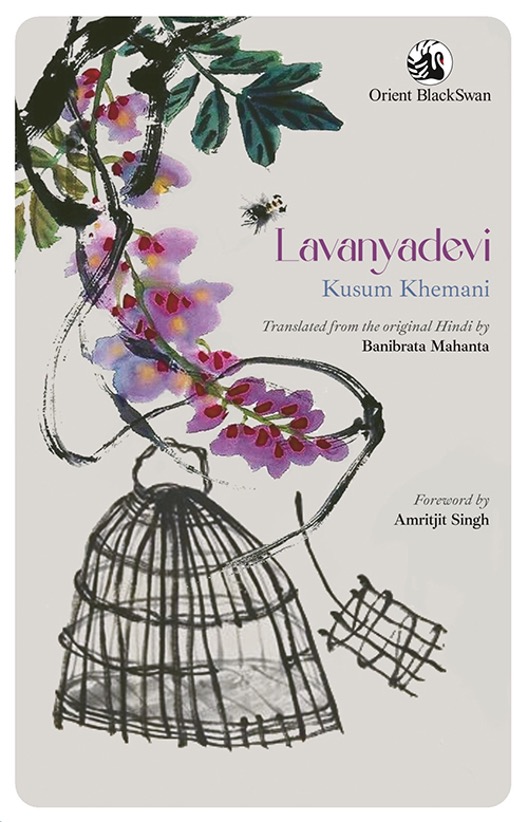


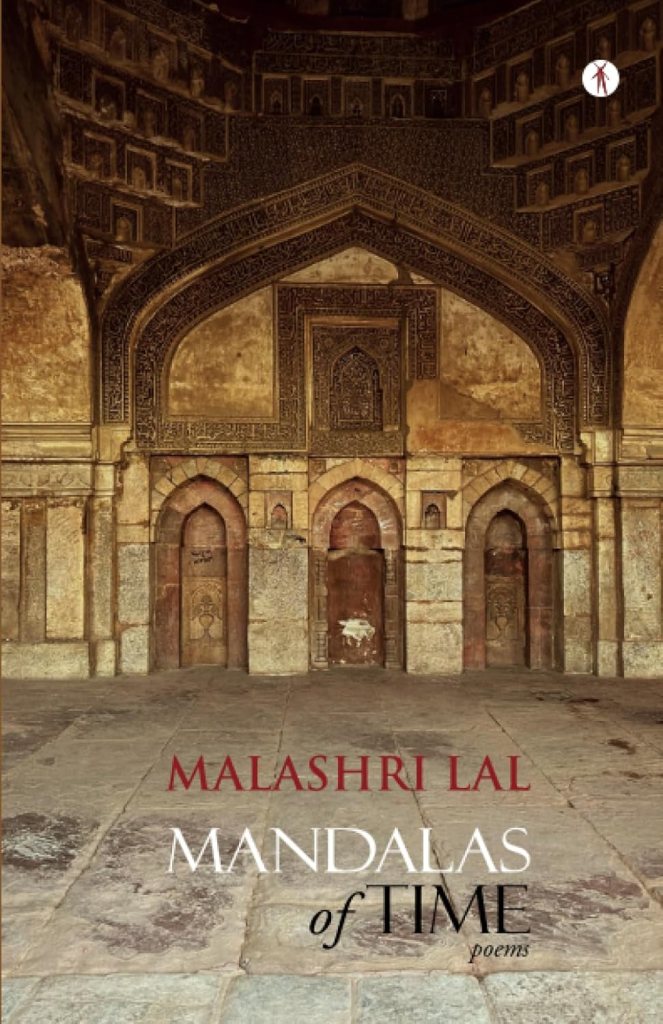
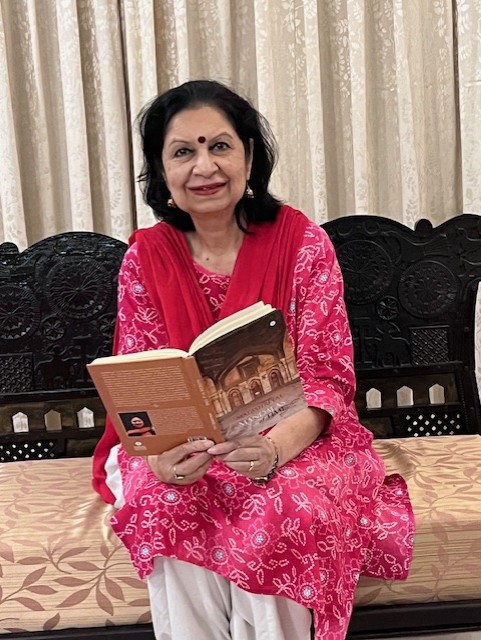
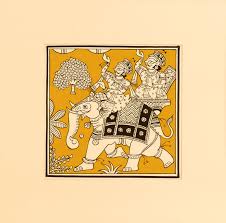
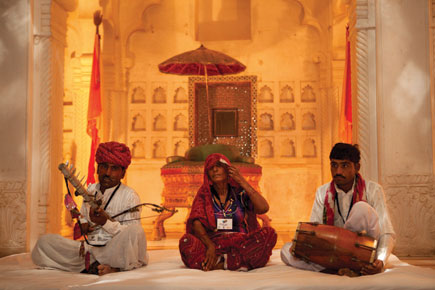
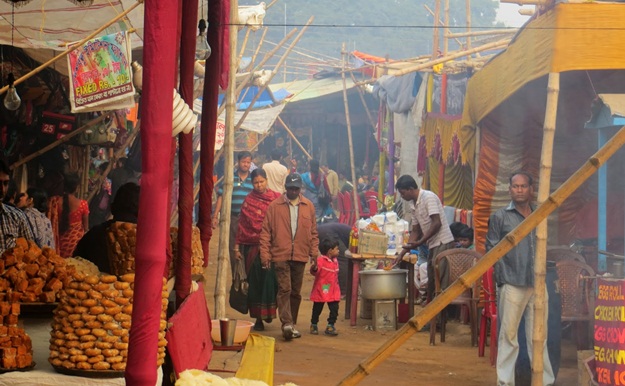
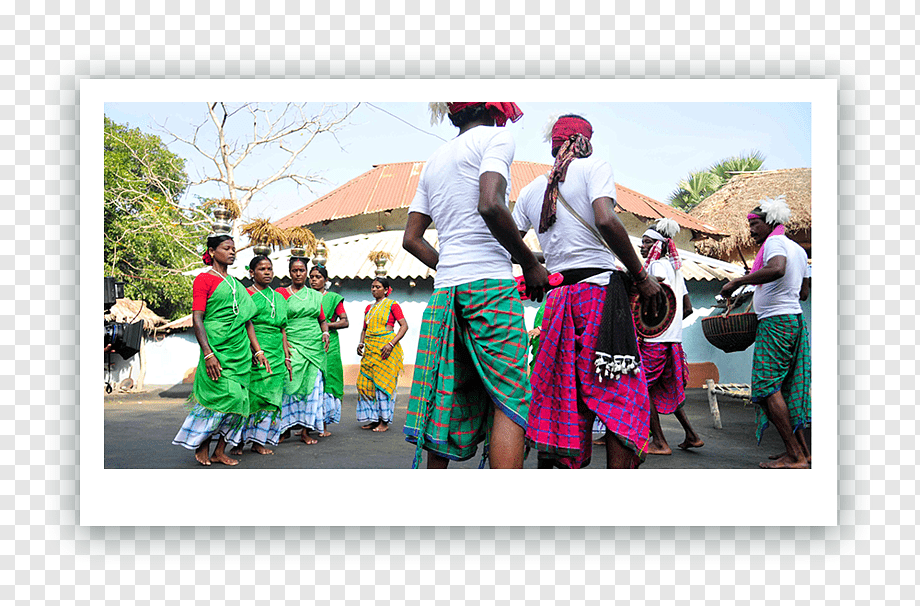
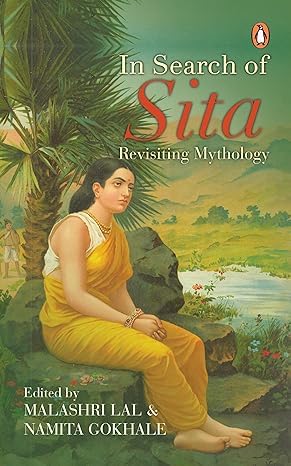
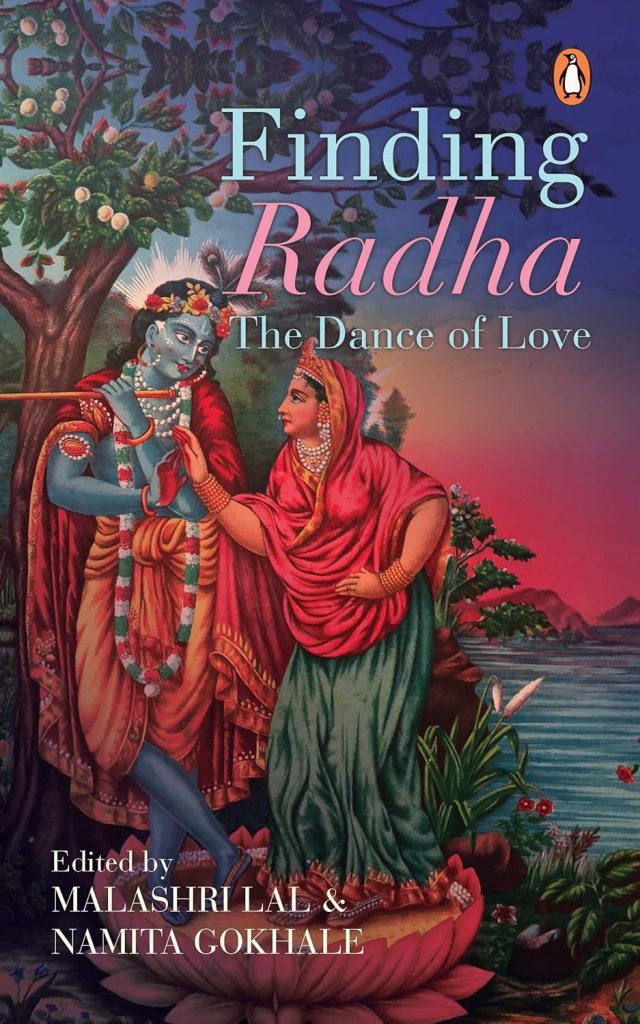
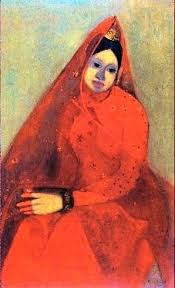
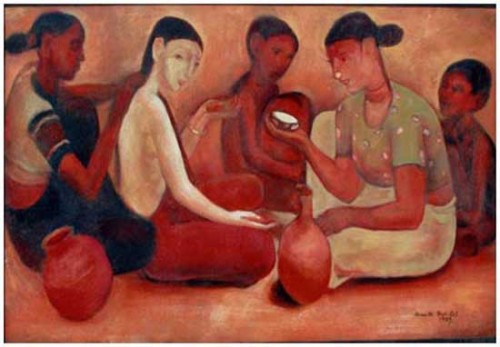



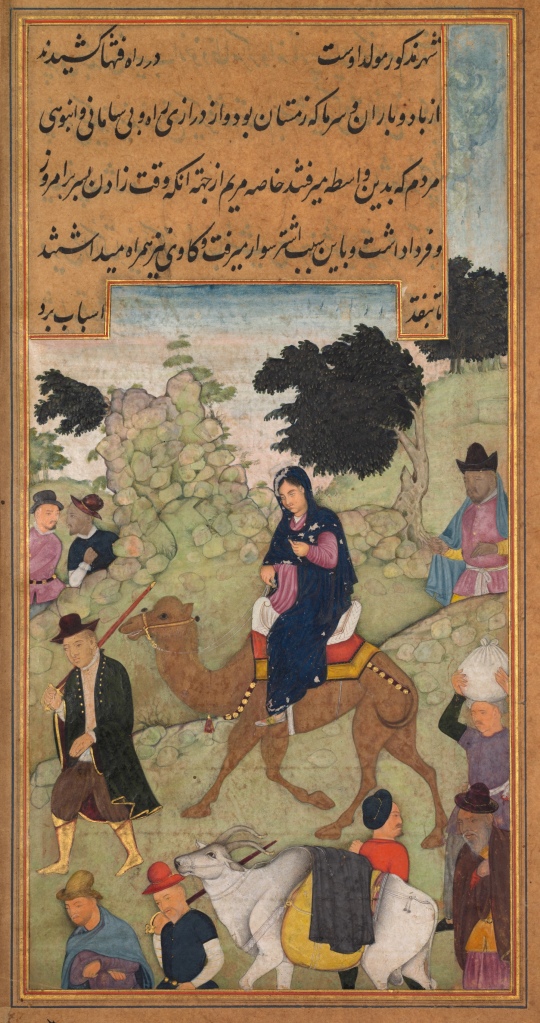

 Borderless