Categories
Tagore Translations

Flowers and Tagore

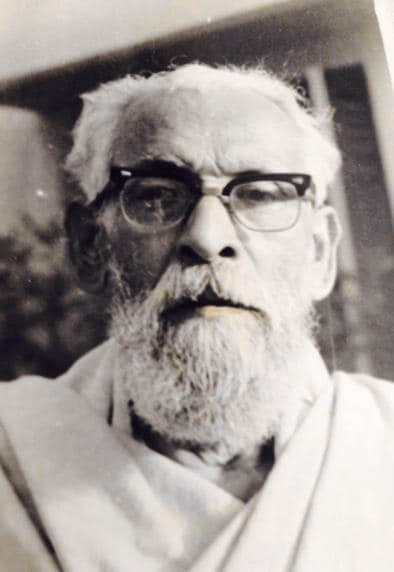
Phul Photano (Making Flowers Bloom) by Tagore was first published in 1906 in Kheya (Ferrying), a collection of 55 poems. The book was dedicated to the Indian scientist, Jagadish Chandra Bose (1858-1937), who discovered plants can feel pleasure, pain, understand affection and make sounds of distress.

MAKING FLOWERS BLOOM 

You cannot force,
Force flowers to bloom.
Whatever you say or do,
However hard you try,
Day and night, excitedly
Striking the stem —
None of you can force,
Force flowers to bloom.

You can repeatedly
Fatigue with your glances.
You can tear the bunches,
And throw them in the dust —
In such extreme chaos,
If they break their silence,
Their colours could spill,
Their perfumes could overwhelm.
None of you can force,
Force flowers to bloom.

He who can make flowers bloom,
Does so on his own.
He radiates
With his eyes rays
Of the lifeforce
To enchant the stem.
He who can make flowers bloom,
Does so on his own.

Just his breath, seems
To make the flowers yearn to fly.
With wings made of leaves,
They waft in the breeze.
Vibrant varied hues bloom
Like the heart in a swoon.
Many are drawn to them,
Allured by the scents.
He who can make a flower bloom,
Does so on his own.

This poem has been translated from Bengali by Mitali Chakravarty with editorial input from Sohana Manzoor

.

PLEASE NOTE: ARTICLES CAN ONLY BE REPRODUCED IN OTHER SITES WITH DUE ACKNOWLEDGEMENT TO BORDERLESS JOURNAL

Click here to access the Borderless anthology, Monalisa No Longer Smiles

Click here to access Monalisa No Longer Smiles on Kindle Amazon International

Categories
Celebrating Humanity

Autumnal Melodies

Art by Sybil Pretious


October spins a series of celebrations that carry on to herald a glorious start of a new year and beyond. From the Chinese Festival of the Nine Emperor Gods which happens to coincide with Navratri to Christmas and beyond — festivals bring joy into our lives. Majority of these human constructs ring in happiness and hope while reflecting the victory of what we consider good over evils. Often these celebrations are syncretic, roping in people from all cultures and religious creeds, creating a sense of oneness in a way that only a stream of contentment can.

Here we bring to you writings that reflect this cross cultural joyous streak of humanity with translations of Tagore, Nazrul, poetry from the contemporary voices of Ihlwha Choi and John Grey and more prose from Fakrul Alam, Aruna Chakravarti, Ravi Shankar, Snigdha Agrawal, Rhys Hughes, Keith Lyons and Farouk Gulsara. Let us celebrate our commonalities with joy and revive love in a war-torn world. 

Poetry

A Lovesong in the Battlefield by Afsar Mohammad. Click here to read.  

One Star by Ihlawha Choi. Click here to read.

Groundhog Day by John Grey. Click here to read.

Nazrul’s Prolloyullash ( The Frenzy of Destruction) has been translated from Bengali by Professor Fakrul Alam. Click here to read.

 Tagore’s Andhokaarer Utso Hote(From the Fount of Darkness) has been translated from Bengali. Click here to read.

Prose 

The Oral Traditions of Bengal: Story and Song by Aruna Chakravarti describes the syncretic culture of Bengal through its folk music and oral traditions. Click here to read.

Memories of Durga Puja : Fakrul Alam recalls the festivities of Durga Puja in Dhaka during his childhood. Click here to read.

An Alien on the Altar! Snigdha Agrawal writes of how a dog and lizard add zest to festivities with a dollop of humour. Click here to read

In Dim Memories of the Festival of Lights, Farouk Gulsara takes a nostalgic trip to Deepavali celebrations in the Malaysia of his childhood. Click here to read.

A Doctor’s Diary: Syncretic Festivities: Ravi Shankar writes of his early life in Kerala where festivals were largely a syncretic event. Click here to read.

In I Went to Kerala, Rhys Hughes treads a humorous path bringing to us a mixed narrative of Christmas on bicycles . Click here to read.

Hold the roast turkey please Santa  Celebrating the festive season off-season with Keith Lyons from New Zealand, where summer solstice and Christmas fall around the same time. Click here to read.

Categories
Contents

Borderless, October 2024

Art by Sohana Manzoor

Editorial

Where Are Those Happy Days? … Click here to read.

Conversations

In conversation with Malashri Lal with focus on her poetry book, Mandalas of Time. Click here to read.

Keith Lyons speaks to novelist Lya Badgley about her life, books and travels. Click here to read.

Translations

Tagore’s poem on Africa has been translated from Bengali by Debali Mookerjea-Leonard. Click here to read.

Nazrul’s Shukno Patar Nupur Paye (With Ankle Bells of dried leaves) has been translated from Bengali by Professor Fakrul Alam. Click here to read.

Veena Verma’s story, Galat Aurat or The Wrong Woman, has been translated from Punjabi by C Christine Fair. Click here to read.

Sharaf Shad’s story, The Melting Snow, has been translated from Balochi by Fazal Baloch. Click here to read.

Tagore’s Andhokaarer Utso Hote (From the Fount of Darkness) has been translated from Bengali by Mitali Chakravarty. Click here to read.

Poetry

Click on the names to read the poems

Rhys Hughes, Afsar Mohammad, Fhen M, Luis Cuauhtémoc Berriozábal, Shamik Banerjee, George Freek, Shahin Hossain, Stuart MacFarlane, Matthew James Friday, Udita Banerjee, Jenny Middleton, Alpa Arora, Stephen Philip Druce, Malashri Lal, Michael Burch

Poets, Poetry & Rhys Hughes

In Two Pizza Fantasies, Rhys Hughes recounts myths around the pizza in prose, fiction and poetry, Click here to read.

Musings/Slices from Life

An Alien on the Altar!

Snigdha Agrawal writes of how a dog and lizard add zest to festivities with a dollop of humour. Click here to read.

To Be or Not to Be…

Farouk Gulsara ponders over the nature of humanity. Click here to read.

Memories of my Grandfather

Alpana writes of her interactions with her late grandfather. Click here to read.

From Diana to ‘Dayaan’

Rajorshi Patronobis talks of Wiccan lore. Click here to read.

Musings of a Copywriter

In Libraries and Me, Devraj Singh Kalsi recalls his experiences in school and University in a lighter vein. Click here to read.

Notes from Japan

In Among Ghosts in the Land of a Thousand Hills, Suzanne Kamata travels with a Japanese colleague and students to Rwanda. Click here to read.

Essays

Memories of Durga Puja

Fakrul Alam recalls the festivities of Durga Puja in Dhaka during his childhood. Click here to read.

A Doctor’s Diary: Syncretic Festivities

Ravi Shankar writes of his early life in Kerala where festivals were largely a syncretic event. Click here to read.

Stories

The Return

Paul Mirabile unravels the homecoming of a British monk. Click here to read.

The Mango Thief

Naramsetti Umamaheswara Rao writes a story about peer pressure among children. Click here to read.

Sunset Memories

Saeed Ibrahim writes from near the Arabian Sea. Click here to read.

A Whiff of the Past…

Tanika Rajeswari V gives a haunting story set in Kerala. Click here to read.

Book Excerpts

An excerpt by Ruskin Bond from Let’s Be Best Friends Forever: Beautiful Stories of Friendship. Click here to read.

An excerpt from Lara Gelya’s Camel from Kyzylkum. Click here to read.

Book Reviews

Meenakshi Malhotra reviews Anjum Katyal’s Safdar Hashmi: Towards Theatre for a Democracy. Click here to read.

Somdatta Mandal reviews Ammar Kalia’s A Person Is a Prayer. Click here to read.

Bhaskar Parichha reviews Selected Works of Vyasa Kavi Fakir Mohan Senapati, edited by Monica Das. Click here to read.

.

Click here to access the Borderless anthology, Monalisa No Longer Smiles

Click here to access Monalisa No Longer Smiles on Amazon International

Categories
Editorial

Where Are Those Happy Days?

Festivals are like friends.

They bring hope, solace and love to those who believe in them. But, when the structures holding the fiestas in place start to crumble, what do we do then?

Our lives have moved out of wilderness to cities over centuries. Now, we have covered our world with the gloss of technology which our ancestors living in caves would have probably viewed as magic. And yet we violate the dignity of our own kind, war and kill, destroy what we built in the past. The ideological structures seem ineffective in instilling love, peace, compassion or hope in the hearts of the majority. Suddenly, we seem to be caving in to violence that destroys humanity, our own kind, and not meting out justice to those who mutilate, violate or kill. Will there be an end to this bleak phase? Perhaps, as Tagore says in his lyrics[1], “From the fount of darkness emerges light”. Nazrul has gone a step further and stated clearly[2], “Hair dishevelled and dressed carelessly/ Destruction makes its way gleefully. / Confident it can destroy and then build again …Why fear since destruction and creation are part of the same game?”

And yet, destruction hurts humans. It kills. Maims. Reduces to rubble. Can we get back the people whose lives are lost while destruction holds sway? We have lost lives this year in various wars and conflicts. As a tribute to all the young lives lost in Bangladesh this July, we have a poem by Shahin Hossain. Afsar Mohammad has brought in the theme of festivals into poetry tying it to the current events around the world. In keeping with the times, Michael Burch has a sense of mirthlessness in his poems. Colours of emotions and life have been woven into this section by Malashri Lal, Luis Cuauhtémoc Berriozábal, Fhen M, Shamik Banerjee, George Freek, Matthew James Friday, Jenny Middleton and many more. This section in our journal always homes a variety of flavours. Stuart MacFarlane has poems for Wordsworth… and some of it is funny, like Rhys Hughes’ poem based on photographs of amusing signposts. But then life has both sorrows and laughter, and poetry is but a slice of that as are other genres. We do have non-fiction in a lighter vein with Hughes’ story and poem about pizzas. Devraj Singh Kalsi has given a tongue in cheek narrative about his library experiences.

Suzanne Kamata has written for us about her visit to Rwanda. Farouk Gulsara has pondered over humanity’s natural proclivitiesWiccan lore has been discussed by Rajorshi Patranabis. And Snigdha Agrawal has tuned into humour with her rendition of animal antics that overran festivities. Ravi Shankar, on the other hand, has written about the syncretic nature of festivals in Kerala. Professor Fakrul Alam has given a nostalgic recap of Durga Puja during his childhood, a festival recognised as an “Intangible Cultural Heritage of Humanity” by UNESCO, and known for its syncretic traditions where people from all backgrounds, religions and cultures celebrate together.

Festivals have also been taken up in fiction by Tanika Rajeswari V with a ghostly presence hovering over the arrangements. Paul Mirabile has taken us around the world with his story while Saeed Ibrahim writes from his armchair by the Arabian sea. Sahitya Akademi winner for his children’s stories, Naramsetti Umamaheswara Rao, has showcased peer pressure among youngsters in his narrative.  

Two stories have also featured in our translations. Christine C Fair has rendered Veena Verma’s Punjabi story about an illegal immigrant into English. Hinting at climate concerns, Sharaf Shad’s fiction, has been translated from Balochi by Fazal Baloch. Tagore’s powerful poem on Africa has been brought to Anglophone readers by Debali Mookerjea-Leonard as well as his inspiring lyrics, Andhokaarer Utso Hote (From the Fount of Darkness), by our team. Nazrul’s vibrant lyrics, Shukno Patar Nupur Paye (With Ankle Bells of Dried Leaves), has been rendered into English from Bengali by Professor Alam.

Our reviews explore immigrant stories in fiction with Somdatta Mandal reviewing Ammar Kalia’s A Person Is a Prayer. Bhaskar Pariccha has written about Selected Works of Vyasa Kavi Fakir Mohan Senapati, edited by Monica Das. Fakir Mohan is a legendary writer from Odisha. Meenakshi Malhotra has discussed a book on another legend, Safdar Hashmi, one of the greatest names in street theatre in India. The book is by Anjum Katyal and called, Safdar Hashmi: Towards Theatre for a Democracy.

Our book excerpts usher good cheer with a narrative by Ruskin Bond from Let’s Be Best Friends Forever: Beautiful Stories of Friendship. And also hope with a refugee’s story from Ukraine, which travels through deserts, Italy and beyond to US and has a seemingly happier outcome than most, Lara Gelya’s Camel from Kyzylkum. This issue’s conversations take us around the world with Keith Lyons interviewing Lya Badgley, who has crossed continents to live and write. Malashri Lal, the other interviewee, is an academic and writer with sixteen books under her belt. She travels through the world with her poetry in Mandalas of Time.

Huge thanks to the Borderless team for putting this issue together – the last-minute ties – and the art from Sohana Manzoor. Without all this, the edition would look different. Heartfelt thanks to our contributors without whose timely submissions, we would not have a journal. And most of all we thank our readers – we are because you are – thank you for reading our journal.  As all our content, despite being indispensable, could not be mentioned here, do pause by our content’s page for this issue.

We wish you a wonderful month!

Cheers,

Mitali Chakravarty

borderlessjournal.com

[1] Tagore’s Andhokaarer Utso Hote (From the Fount of Darkness)

[2] Nazrul’s Proloyullash translated by Professor Alam as The Frenzy of Destruction

Click here to access the content’s page for the October 2024 Issue.

.

READ THE LATEST UPDATES ON THE FIRST BORDERLESS ANTHOLOGY, MONALISA NO LONGER SMILES, BY CLICKING ON THIS LINK.
Categories
Tagore Translations

A Hymn by Rabindranath Tagore

Tagore published the lyrics of Andhokaarer Utso Hote (From the Fount of Darkness) in his collection called Gitali[1] in 1914.

From the Fount of Darkness 

From the fount of darkness emerges light.
That is your luminescence.
A beacon shines amidst all rebellions, conflicts.
That is your radiance.
The hut that lies along a dusty path,
That is your abode.
Being immortalised by war is cruel affection.
That is your love.
When all is lost, what remains,
That is your invisible gift.
Death contains life like a vessel.
That is the life you give us.
The dust that lies under our feet laces the land.
That is your heavenly land.
Amidst all of us, you conceal yourself.
That is You for me.

[1] Gita means song or sacred hymn in Sanskrit.

A rendition of the song in Bengali by Srabani Sen and Abhinaba Basak

These lyrics have been translated by Mitali Chakravarty from Bengali with editorial input by Sohana Manzoor 

.

PLEASE NOTE: ARTICLES CAN ONLY BE REPRODUCED IN OTHER SITES WITH DUE ACKNOWLEDGEMENT TO BORDERLESS JOURNAL

Click here to access the Borderless anthology, Monalisa No Longer Smiles

Click here to access Monalisa No Longer Smiles on Kindle Amazon International

Categories
Celebrating Translations

Transmitting across Cultures

Rabindranath Tagore (1861-1941)

Translations are like bridges. Three years ago, we decided to start a bridge between Tagore’s ideas and the world that was unfamiliar with his language, Bengali. He has of course written a few pieces in Brajbuli too. We started our journey into the territory of Tagore translations with Aruna Chakravarti’s Songs of Tagore. Now we have expanded hugely this section of our translations with many prose pieces and more translations of his lyrics and poetry by writers like Aruna Chakravarti, Fakrul Alam, Radha Chakravarty, Somdatta Mandal, Himadri Lahiri, Ratnottama Sengupta, Chaitali Sengupta and Nishat Atiya other than our team’s efforts. To all these translators our heartfelt thanks. We share with you their work celebrating one of the greatest ideators of the world.

Prose

Stories

.Aparichita by Tagore :This short story has been translated as The Stranger by Aruna Chakravarti. Click here to read. 

Musalmanir Galpa (A Muslim Woman’s Story): This short story has been translated by Aruna Chakravarti. Click here to read.

One Small Ancient Tale: Rabindranath Tagore’s Ekti Khudro Puraton Golpo (One Small Ancient Tale) from his collection Golpo Guchcho ( literally, a bunch of stories) has been translated by Nishat Atiya. Click here to read.

 Bolai: Story of nature and a child translated by Chaitali Sengupta. Click here to read.

Humorous Skits

(All translated by Somdatta Mandal)

 Playlets by Rabindranath Tagore : Click here to read.

 The Ordeal of Fame: Click here to read.

The Funeral: Click here to read. 

The Welcome: Click here to read.

 The Treatment of an Ailment: Click here to read.

Non-fiction

Baraf Pora (Snowfall) : This narrative gives a glimpse of Tagore’s first experience of snowfall in Brighton and published in the Tagore family journal, Balak (Children), has been translated by Somdatta Mandal . Click here to read.

 Travels & Holidays: Humour from Rabindranath: Translated from the original Bengali by Somdatta Mandal, these are Tagore’s essays and letters laced with humour. Click here to read.

Himalaya Jatra ( A trip to Himalayas) :This narrative about Tagore’s first trip to Himalayas and beyond with his father, has been translated from his Jibon Smriti (1911, Reminiscenses) by Somdatta Mandal. Click here to read.

Raja O Praja or The King and His Subjects, an essay by Tagore, has been translated by Himadri Lahiri. Click here to read.

 Library: A part of Bichitro Probondho (Strange Essays) by Rabindranath Tagore, this essay was written in 1885, translated by Chaitali Sengupta. Click here to read.

Book Excerpts

The Parrot’s Tale: Excerpted from Rabindranth Tagore. The Land of Cards: Stories, Poems and Plays for Children, translated by Radha Chakravarty, with a foreword from Mahasweta Devi. Click here to read

Rabindranath Tagore Four Chapters: An excerpt from a brilliant new translation by Radha Chakravarty of Tagore’s controversial last novel Char Adhyay. Click here to read.

Farewell Song :An excerpt from Radha Chakravarty’s translation of Tagore’s  novel. Click here to read.

An excerpt from Kobi’ and ‘Rani’: Memoirs and Correspondences of Nirmalkumari Mahalanobis and Rabindranath Tagore, translated by Somdatta Mandal, showcasing Tagore’s introduction and letters. Click here to read.

 Letters from Japan, Europe & America :An excerpt from letters written by Tagore from Kobi & Rani, translated by Somdatta Mandal. Click hereto read.

Gleanings of the Road: Book excerpt brilliantly translated by Somdatta Mandal. Click here to read.

Songs and Poems

Songs of Seasons: Translated by Fakrul Alam

Bangla Academy literary award winning translator, Dr Fakrul Alam, translates seven seasonal songs of Tagore. Click here to read.

  • Garland of Lightening Gems (Bajromanik Diye Gantha
  • In The Thunderous Clouds (Oi Je Jhorer Meghe
  • The Tune of the New Clouds (Aaj Nobeen Megher Shoor Legeche)
  • The Sky’s Musings (Aaj Akashe Moner Kotha
  • Under the Kadamba Trees (Esho Nipo Bone
  • Tear-filled Sorrow (Ashrubhara Bedona)

Endless Love: Tagore Translated by Fakrul Alam

Ananto Prem (Endless Love) by Tagore, translated from Bengali by Professor Fakrul Alam. Click here to read.

Giraffe’s Dad by Tagore

Giraffer Baba (Giraffe’s Dad), a short humorous poem by Tagore, has been translated from Bengali by Professor Fakrul Alam. Click here to read. 

Oikotan or Harmonising

Oikotan (Harmonising) has been translated by Professor Fakrul Alam and published specially to commemorate Tagore’s Birth Anniversary. Click hereto read.

Monomor Megher O Shongi (or The Cloud, My friend) has been translated by Professor Fakrul Alam. Click here to read. 

Professor Fakrul Alam has translated Tomra Ja Bolo Tai BoloHridoy Chheele Jege and Himer Raate — three songs around autumn from Click here to read.

Tagore’s Achhe Dukhu, Achhe Mrityu(Sorrow Exists, Death Exists) has been translated from Bengali by Fakrul Alam. Click here to read.

Colour the World: Translated by Ratnottama Sengupt: Rangiye Diye Jao, a song by Tagore, transcreated by Ratnottama Sengupta. Click here to read.

Bhumika (Introduction) by Tagore has been translated  by Ratnottama Sengupta. Click here to read.

On behalf of Borderless Journal 

Esho, He Baisakh, Esho Esho (Come Baisakh: A song to welcome the Bengali New Year) Click here to read.

Tagore Songs in Translation. Click here to read the next five.

  • Kothao Amar Hariye Jawa Nei Mana ( Losing myself)
  • Akash Bhora Shurjo Tara (The Star-studded Sky)
  • Krishnokoli ( Inspired by a girl who lives in a village)
  • Phoole Phoole Dhole Dhole (The Swaying Flowers)
  • Shaongagane Ghora Ghanaghata (Against the Monsoon Skies, Brajbuli to English)

Tagore’s Diner Sheshe Ghoomer Deshe (At the close of the day, in the land of sleep).Click here to read the translation.

Tagore’s Amar Shonar Horin Chai (I want the Golden Deer). Click here to read the translation.

Tagore’s long poem, Dushomoy (translated as Journey of Hope though literally the poem means bad times). Click here to read the poem in English and listen to Tagore’s voice recite his poem in Bengali. We also have a sample of the page of his diary where he first wrote the poem as ‘Swarga Pathhe'(On the Path to Heaven).

Deliverance by Tagore: ‘Tran’ by Tagore, a prayer for awakening of the subjugated. Click here to read the translation.

Abhisar by Tagore: A story poem about a Buddhist monk by Rabindranath Tagore in Bengali. Click here to read the translation.

Amaar Nayano Bhulano Ele describes early autumn when the festival of Durga Puja is celebrated. Click here to read the translation from Bengali.

Morichika or Mirage by Tagore is an early poem of the maestro that asks the elites to infringe class divides and mingle. Click here to read the translation from Bengali. 

 Purano Sei Diner Kotha or ‘Can old days ever be forgot?’ based on Robert Burn’s poem, Auld Lang Syne. Click here to read the translation.

 Aaji Shubhodine Pitaar Bhabone or On This Auspicious Day, a Brahmo Hymn. Click here to read the translation.

Raatri Eshe Jethay Meshe or Where the Night comes to Mingle , a song written in 1910. Click here to read the translation.

 Anondodhara Bohichche Bhubone (The Universe reverberates with celestial ecstasy), a song …Click here to read the translation.

Ebar Phirao More (Take me Back) a poem… Click here to read the translation.

Lukochuri has been translated from Bengali as Hide and Seek. Click here to read the translation.

Taal Gaachh or The Palmyra Tree, a lilting light poem, has been translated from Bengali. Click here to read the translation.

Nobobarsha or New Rain, a poem describing the rain transports one to Tagore’s world. Click here to read the translation.

Hobe Joye has been translated as  Song of Hope for that is exactly what it is in spirit. Click here to read.

Eshechhe Sarat, a poem describing autumn in Bengal, has been translated as Autumn. Click here to read the translation.

Aalo Amar Aalo is a paean to light and its impact on us. Click here to read the translation.

Tomar Shonkho Dhulay Porey (your conch lies in the dust), is an inspirational poem to shed apathy. Click here to read the translation.

 Prothom Diner Shurjo (The Sun on the First day) is one of the last poems of Tagore. Click here to read the translation.

 Banshi or Flute is an inspirational poem delving into the relationship with the divine muse. Click here to read the translation.

 Somudro or Ocean has probably been written during Tagore’s travels. Click here to read the translation.

 Borondala (Basket of Offerings) is a poem of ecstasy. Click here to read the translation.

Nobo Borsho or New Year, is a poem written on the Bengali New Year, urging people to rid themselves of past angst. Click here to read the translation.

Bhoy hote tobo is the first Birthday Song by Tagore, a poem written in 1899. Click here to read the translation.

Pran or Life, a poem that reflects the poets outlook on life. Click here to read the translation.

Megh or Cloud is a poem about clouds with spiritual undertones reflecting transience . Click here to read.

Proshno or Question  with its poignant overtones continues relevant to this date. Click here to read.

Sharat or Autumn, describes Bengal in the season of sharat or early autumn. Click here to read.

Amra Bedhechhi Kasher Guchho (We have Tied Bunches of Kash) is a hymn to an autumnal goddess. Click here to read. 

Tomar Kachhe Shanti Chabo Na (I Will Not Pray to You for Peace) is a song that inspires to survive the dark phases of life. Click here to read.

Tagore’s 1400 Saal (The Year 1993), was read in London in 1993, including Tagore’s own rather brief translation and had a response from Nazrul. Click here to read.

Prarthona or Prayer is a poem in which the poet seeks inner strength. Click here to read.

Tagore’s Dhoola Mandir or Temple of Dust is a poem that questions norms, even from the current times. Click here to read.

Phalgun or Spring  describes spring in Bengal. Click here to read.

Pochishe Boisakh (25th of Baisakh) is a birthday poem Tagore wrote in 1922 and from he derived the lyrics of his last birthday song written in 1941. Click here to read.

Chhora or Rhymes , a poem describing the creative process, it was written in 1941. Click here to read.

Okale or Out of Sync gives a glimpse of how out of sync situations are also part of our flow. Click here to read.

Mrityu or Death dwells on Tagore’s ability to accept death as a reality. Click here to read.

 Olosh Shomoy Dhara Beye (Time Flows at an Indolent Pace) reflects his perspective on history. Click here to read.

Suprobhat or Good Morning gives an unusual interpretation to morning. Click here to read.

Book Excerpts

Songs of TagoreSeven songs translated by Aruna Chakravarti from a collection that started her on her litrary journey and also our Tagore translation section. Click here to read.

Songs from Bhanusingher Padabali: Translated by Radha Chakravarty: Two songs by Tagore written originally in Brajabuli, a literary language developed essentially for poetry, has been translated by Radha Chakravarty. Click here to read.

Categories
Contents

Borderless, September 2024

Art by Sohana Manzoor

Editorial

And Wilderness is Paradise Enow… Click here to read.

Translations

Raja O Praja or The King and His Subjects, an essay by Tagore, has been translated from Bengali by Himadri Lahiri. Click here to read.

Nazrul’s Roomu Jhoomu Roomu Jhoomu has been transcreated from Bengali by Professor Fakrul Alam. Click here to read.

The Mirror by Mubarak Qazi has been translated from Balochi by Fazal Baloch. Click here to read.

The Source by Ihlwha Choi has been translated from Korean by the poet himself. Click here to read.

Suprobhat or Good Morning by Tagore has been translated from Bengali by Mitali Chakravarty. Click here to read.

Poetry

Click on the names to read the poems

Rhys Hughes, Cal Freeman, Jackie Kabir, Jennifer McCormack, Pramod Rastogi, Miriam Bassuk, K B Ryan Joshua Mahindapala, Paul Mirabile, Shamik Banerjee, Craig Kirchner, Thomas Emate, Stuart MacFarlane, Supriya Javalgekar, George Freek, Ryan Quinn Flanagan, Luis Cuauhtémoc Berriozábal, Michael Burch

Musings/Slices from Life

Finding the Fulcrum

Farouk Gulsara gives a poignant account of looking after an aged parent. Click here to read.

Watery World

Keith Lyons finds the whole world within a swimming pool. Click here to read.

Days that don’t Smell of Cakes and Candy

Priyanka Panwar muses on days which not much happens… Click here to read.

Rayban-dhan

Uday Deshwal revisits his life with his companion sunglass. Click here to read.

In Favour of a Genre…

Saeed Ibrahim argues in favour of short stories as a genre. Click here to read.

Musings of a Copywriter

In Shades of Grey – Hair and There, Devraj Singh Kalsi writes of adventures with premature greying. Click here to read.

Notes from Japan

In Sneaky Sneakers, Suzanne Kamata grins at life in Japan. Click here to read.

Essays

Ah Nana Bari!

Fakrul Alam writes nostalgically of his visits to Feni in Noakhali, a small town which now suffers from severe flooding due to climate change. Click here to read.

A Manmade Disaster or Climate Change?

Salma A Shafi writes of floods in Bangladesh from ground level. Click here to read.

A Doctor’s Diary: Life in the High Ranges

Ravi Shankar writes of his life in the last century among the less developed highlands of Kerala. Click here to read.

Stories

The Useless Idler

Paul Mirabile writes of a strange encounter with someone who calls himself an ‘idler’. Click here to read.

Imitation

Naramsetti Umamaheswararao explores parenting. Click here to read.

Final Hours

Mahila Iqbal gives a poignant story about aging. Click here to read.

Friends

G Venkatesh writes a story stirring environmental concerns. Click here to read.

Conversation

Ratnottama Sengupta converses with Reba Som, who recently brought out, Hop, Skip and Jump; Peregrinations of a Diplomat’s Wife. Click here to read.

Book Excerpts

An excerpt from Mineke Schipper’s Widows: A Global History. Click here to read.

An excerpt from Anuradha Marwah’s Aunties of Vasant Kunj. Click here to read.

Book Reviews

Somdatta Mandal reviews Karan Mujoo’s This Our Paradise: A Novel. Click here to read.

Rakhi Dalal reviews Swadesh Deepak’s A Bouquet of Dead Flowers translated from Hindi by Jerry Pinto, Pratik Kanjilal, Nirupama Dutt, Sukant Deepak. Click here to read.

Meenakshi Malhotra reviews Anuradha Marwah’s Aunties of Vasant Kunj. Click here to read.

Bhaskar Parichha reviews Ayurveda, Nation and Society: United Provinces, c. 1890–1950 by Saurav Kumar Rai. Click here to read.

.

Click here to access the Borderless anthology, Monalisa No Longer Smiles

Click here to access Monalisa No Longer Smiles on Amazon International

Categories
Editorial

And Wilderness is Paradise Enow…

Prayer Wheel at Nurulia, Ladakh. Photo Courtesy: Farouk Gulsara
We lock eyes, find glimmers
of smiles, trust our leaders.
We break bread with strangers
because there aren’t any.

--Imagine by Miriam Bassuk

Imagine the world envisioned by John Lennon. Imagine the world envisioned and partly materialised by Tagore in his pet twin projects of Santiniketan and Sriniketan, training institutes made with the intent of moving towards creating a work force that would dedicate their lives to human weal, to closing social gaps borne of human constructs and to uplifting the less privileged by educating them and giving them the means to earn a livelihood. You might well call these people visionaries and utopian dreamers, but were they? Tagore had hoped to inspire with his model institutions.  In 1939, he wrote in a letter: “My path, as you know, lies in the domain of quiet integral action and thought, my units must be few and small, and I can but face human problems in relation to some basic village or cultural area. So, in the midst of worldwide anguish, and with the problems of over three hundred millions staring us in the face, I stick to my work in Santiniketan and Sriniketan hoping that my efforts will touch the heart of our village neighbours and help them in reasserting themselves in a new social order. If we can give a start to a few villages, they would perhaps be an inspiration to some others—and my life work will have been done.”  But did we really have a new social order or try to emulate him?

If we had acted out of compassion and kindness towards redefining with a new social order, as Miriam Bassuk points out in her poem based on Lennon’s lyrics of Imagine, there would be no strangers. We’d all be friends living in harmony and creating a world with compassion, kindness, love and tolerance. We would not have wars or regional geopolitical tensions which act against human weal. Perhaps, we would not have had the issues of war of climate change take on the proportions that are wrecking our own constructs.

Natural disasters, floods, fires, landslides have affected many of our lives. Bringing us close to such a disaster is an essay by Salma A Shafi at ground level in Noakhali. More than 4.5 million were affected and 71 died in this disaster. Another 23 died in the same spate of floods in Tripura with 65,000 affected. We are looking at a single region here, but such disasters seem to be becoming more frequent. And yet. there had been a time when Noakhali was an idyllic vacation spot as reflected in Professor Fakrul Alam’s nostalgic essay, filled with memories of love, green outdoors and kindnesses. Such emotions reverberate in Ravi Shankar’s account of his medical adventures in the highlands of Kerala, a state that suffered a stupendous landslide last month. While Shafi shows how extreme rainfall can cause disasters, Keith Lyons writes of water, whose waves in oceanic form lap landmasses like bridges. He finds a microcosm of the whole world in a swimming pool as migrants find their way to New Zealand too. Farouk Gulsara muses on kindness and caregiving while Priyanka Panwar ponders about ordinary days. Saeed Ibrahim gives a literary twist to our musings.   Tongue in cheek humour is woven into our nonfiction section by Suzanne Kamata’s notes from Japan, Devraj Singh Kalsi’s piece on premature greying and Uday Deshwal’s paean to his sunglasses!

Humour is wrought into poetry by Rhys Hughes. Supriya Javelkar and Shamik Banerjee have cheeky poems that make you smile. We have poetry on love by Michael Burch and poetry for Dylan Thomas by Ryan Quinn Flanagan. Miriam Bassuk has described a Utopian world… but very much in the spirit of our journal. Variety is brought into our journal with poetry from Jackie Kabir, Jennifer McCormack, Craig Kirchner, Stuart MacFarlane, George Freek, Luis Cuauhtémoc Berriozábal and many more.

In translations, we have Nazrul lyrics transcreated from Bengali by Professor Alam and poetry from Korean by Ihlwha Choi. We pay our respects to an eminent Balochi poet who passed on exactly a year ago, Mubarak Qazi, by carrying a translation by Fazal Baloch. Tagore’s Suprobhat (Good morning) has been rendered in English from Bengali. His descriptions of the morning are layered and amazing — with a hint of the need to reconstruct our world, very relevant even today.  A powerful essay by Tagore called Raja O Praja (The King and His Subjects), has been translated by Himadri Lahiri.

Our fiction hosts two narratives that centre around childhood, one by Naramsetti Umamaheswararao and another by G Venkatesh, though with very different approaches. Mahila Iqbal relates a poignant tale about aging, mental health and neglect, the very antithesis of Gulsara’s musing. Paul Mirabile has given a strange story about a ‘useless idler’.

A short story collection has been reviewed by Rakhi Dalal, Swadesh Deepak’s A Bouquet of Dead Flowers, translated from Hindi by Jerry Pinto, Pratik Kanjilal, Nirupama Dutt, Sukant Deepak. Somdatta Mandal has written about a book by a Kashmiri immigrant which is part based on lived experiences and part fictive, Karan Mujoo’s This Our Paradise: A Novel. Bhaskar Parichha has reviewed Ayurveda, Nation and Society: United Provinces, c. 1890–1950 by Saurav Kumar Rai, a book which shows how healthcare was even a hundred years ago, politicised. Meenakshi Malhotra has reviewed Anuradha Marwah’s novel, Aunties of Vasant Kunj, of which we also have an excerpt. The other excerpt is from Mineke Schipper’s Widows: A Global History. Ratnottama Sengupta converses with Reba Som, author of Hop, Skip and Jump; Peregrinations of a Diplomat’s Wife.

We have more content that adds to the vibrancy of the issue. Do pause by this issue and take a look. This issue would not have been possible without all your writings. Thank you for that. Huge thanks to our readers and our team, without whose support we could not have come this far. I would especially like to thank Sohana Manzoor for her continued supply of her fabulous and distinctive artwork and Gulsara for his fabulous photographs.

Let us look forward to a festive season which awakens each autumn and stretches to winter. May we in this season find love, compassion and kindness in our hearts towards our whole human family.

Have a wonderful month!

Mitali Chakravarty

borderlessjournal.com

Click here to access the content’s page for the September 2024 Issue.

.

READ THE LATEST UPDATES ON THE FIRST BORDERLESS ANTHOLOGY, MONALISA NO LONGER SMILES, BY CLICKING ON THIS LINK.

Categories
Conversation

Peregrinations of a Diplomat’s Wife

Ratnottama Sengupta converses with Reba Som

Reba Som

“If Washington goes to Dhaka, there’s a chance that Paris might make it to Stockholm. And of course Moscow would be moved to Geneva!?”

Sounds like gibberish? But this is a piece of the speculative conversation on transfers and postings that is regular in the drawing rooms of embassies and consulates, Dr Reba Som found out on her very first posting after her marriage with Himachal Som.

Both were Presidency graduates pursuing higher careers — he in Foreign Service, she on the threshold of a doctorate. But life as the wife of an ambassador wasn’t only about glamour postings, fancy holidays and brush with celebrities. It was a mixed bag of blessings, as the woman who had grown up in Kolkata with a grounding in Tagore’s music would soon conclude. For, there were the dark clouds of life away from ageing parents and school going children; from the comfort of familiar food and mastered language; from developing your potential and crafting your own identity in the world out there.

In recent years we have read accounts of retired ambassadors and career diplomats’ experiences in diplomatic life. In her memoirs, Hop, Skip and Jump; Peregrinations of a Diplomat’s Wife, Dr Som’s is a woman’s voice, abounding in stories and observations about how the spouses keep a brave front in alien surroundings to hold up the best image of her country. In this conversation, she voices outmore about her encounters with racism, with political emergencies and exigencies. In short, about her lessons in a borderless world of multicoloured humanity.

You went to Brazil (1972), then to Denmark (1974), then Delhi (1976), Pakistan (1978), New York (1981), Dhaka (1984), then Ottawa (1991), Laos (1994), Italy (2002). Please share your gleanings from these lands.

The roller coaster ride was a saga of discovery. Travelling across expanses of the planet earth that we had seen only on the pages of geography books and atlases was a great learning experience. I gained an understanding of diverse cultures, imbibed social customs, became proficient in languages, and was exposed to exotic cuisines. At the same time I faced homesickness. Each posting entailed the challenge of uprooting oneself, finding schools for children, and reinventing oneself every time.

A large part of this life was in the years that had no mobile phones, no video calls, no social media, no internet communication. What did you thrive on?

Continents and hemispheres away from home, the only link with family and friends then was the diplomatic bag. The weekly mail service ferried across oceans by the ministry in Delhi contained letters and parcels from home. We were asked to judiciously use the weight allowed to bring spices, tea, condiments, clothing and other necessities. It became a ritual to write long letters and send them weekly by the diplomatic bag to Delhi from where they would be posted to respective destinations throughout India.

Along with letters would come bundles of magazines and newspapers. These brought us news of home from which we were truly cut off. With no television or internet or phone calls, we were in the dark about all news, be it political, social or entertainment. Every week on the bag day we waited anxiously to receive the newspapers – and the letters, which had instructions, news, recipes, advice, gossip. All of these were crucial for nurturing our souls.

One telegram from my father in 1973 carried the cryptic message: ‘Reba, solitary First class.’ These were the MA results of Calcutta University which were out after a delay of two years.

I was most taken up by the understated humour of some of your encounters in your memoir. Please recount some of them.

On our very first posting, to Brazil, not only our unaccompanied baggage but also our accompanied baggage did not arrive. Eventually when the lost luggage showed up, Himachal’s ceremonial bandhgala[1]was steeped brown — in the colour of the gur[2] my mother had lovingly packed in!

In Brazil, we found the people to be fun loving but too flamboyant. They made tall claims that their institutions were the biggest in the world. But reality often proved the claims to be hollow. Such was the Presidential bid to make the tallest flag pole in the world in Brazil’s new capital, Brasilia. A very tall flag mast was indeed built but the huge flag atop it was torn to shreds since the engineers had not factored in the wind speed at that height. Brazilians mirthfully called it the President’s erection!

And at Denmark. we were surprised by a sudden news of our posting to Mozambique. We had long realised that we were mere players on the chessboard of postings – we could be shunted off across continents at the whims of the powers that be. By the same token, a couple of phone calls by the newly arrived ambassador undid the mischief. We were happy to unpack and settle down again. The only guilt I felt was when I met the owner of Anthony Berg chocolates: I had in no time demolished the entire carton of chocolates he had sent as farewell gift!

You are among the few I know who have mothered in different continents. So how different is it to become a mother away from India?

I always felt that the best way to get to know certain nuances of a country’s cultural tradition was to have babies in them. My elder son, Vishnu was born in Copenhagen and Abhishek, the younger one, in New York — and my experiences each time couldn’t be more different.

In Copenhagen, a social democrat country, hospital visits for full term pregnant women were fixed on a certain day of the week. On the preceding day they had to collect their urine in a jerry can and present it for lab examination. I was confounded and not a little embarrassed to meet other mothers-to-be, swinging their jerry cans like designer bags without fail on the appointed day. I learnt only later that, from the urine examination doctors would note the condition of the placenta and not unnecessarily rush patients into childbirth with caesarean and surgical intervention!

In NY, on the day of my discharge, the hospital staff were highly excited because Elizabeth Taylor had come in for one of her facelifts. I could not forgive them their magnificent obsession when, along with a goodbye hamper, they wheeled in a bassinet with a different baby. On my protestation the nurse rudely shouted, “Can’t you read… the tag says Som Junior?” Shocked by the implication I said, I could not only read but also see! And it was not my child. While everyone was looking on in disbelief another nurse wheeled in my little one. The babies had their diapers changed and were put back in the wrong bassinet.

Years later, we discovered in an informal meeting with an American ambassador that Abhishek was indeed an American citizen. Because, at the time of the child’s birth Himachal was posted not to the embassy in Washington but to the consulate in New York. Only consulate children were given the privilege. This discovery, rechecked by State Department Records, gave our son the US passport. It was a windfall as Abhishek went on to graduate summa cum laude from a prestigious management school in the US and enter Wall Street as an investment banker.

I must also share another truth about birthing away from India. Before Vishnu’s birth, my parents had come to Copenhagen. When I was discharged from the hospital I received their care and being fed Ma’s cuisine was the best gift I could have. So, when phone calls came from hospital, followed by visits enquiring about my state of depression, I was totally confused. I realised how many mothers suffered from postpartum depression in a society bereft of nurturing family care.

How could you master languages as removed as Portuguese from Lao and Italian from Urdu? Is a flair for languages the key to this proficiency or the training imparted before each posting?

 I enjoy learning languages. My stint at learning French at Ramakrishna Mission Golpark stood me in good stead in grasping Portuguese in Brazil, French in Ottawa and Italian in Rome — all Latin languages. But there was also the hazard of mixing up some phrases and words, so similar yet so different! Like Bon Appetit in French and Bueno Appetito in Italian. Or Amor in Portuguese; amore in Italian and amour in French.

Sometimes though, I accidentally learnt how language travels. My mother had packed in many petticoats to match with my saris but without their cord. We went to a store that promised to hold all we need but all my sign language did not bring what I needed. “Phita is obviously not available here,” I told Himachal, preparing to leave. Suddenly the storekeeper perked up. ‘Fita, si senhora!” he said and produced bundles of cord.

In due time I found out that janala, kedara and chabi – Bengali for window, chair and keys – had travelled from India to become janela, cadeira and chavi.

What did Dhaka mean to one raised in West Bengal – per se the Ghoti-Bangal[3]divide, your roots  or the cultural side with Firoza Begum and Nazrul Geeti?

Dhaka was a great posting in so many ways. It was a hop, skip and jump away from my home town Kolkata, with the same language and culture and yet was a foreign posting with foreign allowances!

As you know, there’s a subtle cultural difference in East and West Bengal. Both speak Bengali but in East Bengal, it’s a colloquial rustic dialect while West Bengal speaks its refined cultural form. This formed the infamous ‘Ghoti-Bangal’ divide: Urban Calcuttans looked askance at their country cousins from the East.

The difference extended to the palate. East Bengalis flavoured their dishes with more chillies and West Bengalis, with a pinch of sugar. For the fish loving people, the two iconic symbols are Hilsa and Prawns, for East and West. Emotions soared high in Kolkata when the supporters of the football teams, East Bengal and Mohun Bagan, clashed, after intensely fought matches that spurred deadly arguments and bets.

Given this background, Himachal created a minor storm by announcing to his parents from Chinsurah, Hooghly in West Bengal that he would marry a girl whose parents were from Dhaka and Faridpur in East Bengal.  Ghoti-Bangal feud remained the subject of much friendly banter between Himachal and me until we were posted in Dhaka. There, in a diplomatic turnaround, Himachal played down his Ghoti background to announce that his mother’s family was from Chittagong and he was born in the principal’s bungalow in Daulatpur, Khulna, where his grandfather was posted.

To give a bit of Himachal’s family background: Dr Pramod Kumar Biswas, the first Indian doctorate in Agricultural Sciences from Hokkaido University in Japan, had settled in Dhaka as principal of the Agricultural College. His charming daughter Kana won the heart of Dr Rabindranath Som, a veterinarian who weathered the predictable Ghoti Bangal storm to win her hand in marriage. 

When my parents Jyotsnamay and Manashi Ray visited us, we couldn’t visit Patishwar in Rajshahi district, where my maternal grandfather Atul Sen had worked with Rabindranath Tagore before he was arrested for revolutionary activities with Anushilan Samiti, and exiled to Kutubdia, an isolated island in the Bay of Bengal. As a headmaster, he had given shelter to Jatirindranath Mukherji, popularly known as Bagha Jatin[4].

It was a breezy day when my octogenarian father revisited Faridpur Zilla School. The colonial bungalow had acquired a fresh coat of terracotta paint. Finding his way to the headmaster’s room, he announced with a lump in his throat that history had been rewritten, boundaries redefined and new national identities forged since 1923, the year he had matriculated.

The headmaster, delving through yellowing files, fished out the matriculation results for that year. My father’s face was that of an excited school boy impatient to show off his prowess: “Look at my maths marks! Oh yes, my English scores were a trifle lower than expected because I had a touch of fever, but look at Jasimuddin’s marks in English! Thank God, he passed it.” We looked around in hushed surprise. This isn’t The Jasimuddin, the beloved poet of Bangladesh? “But of course,” my father responded. “Jasim’s weakness in English was my strength!”

Dhaka was also personally fulfilling as my doctoral studies, which I had carried across three continents, found fruition at last! On another front, I met with success in gaining the confidence and blessings of Firoza Begum, the legendary exponent of Nazrul Geeti.

The songs of Kazi Nazrul Islam were a great favourite of my father. He often hummed those made famous by Firoza Begum. Since I had trained in Tagore songs from age five, I never aspired to master the distinctly different style of rendition. A chance encounter with the golden voice revived this desire. Firoza Begum bluntly refused. When I persisted, she wanted to hear me sing a few Tagore songs.

One morning I mounted three flights of steps, harmonium on my driver’s shoulder, to enter her flat with apprehension. At her bidding, I sang four songs of Tagore. She heard me without any comment, then she asked why I hadn’t been singing for Bangladesh television. My relief was palpable! I had passed her test.

Over the next two years, my weekly classes with her extended well beyond the music lessons to serious discussions on life itself and the meaning of religion. What began as a guru-shishya[5]relationship, transcended to deep friendship. She declined any remuneration and dearly wished that I should cut a disc. This wish of hers came true only when Debojyoti Mishra heard me and decided to record my Nazrul-songs for Times Music in 2016.

Food is perhaps the first face of culture. So please share with us some of your culinary adventures. Or should I say ‘fishy’ stories?

Adventures? I could talk about the chapli kebabs in Pakistan, or about putting samosas in Bake Sales. I could tell you about making rasgullas from powder milk. I could even tell you about our gardener in Laos who merrily collected every scorpion and caterpillar that came his way, “for snacks,” he told me. But let me focus on fish.

The very first party I hosted at home in Brazil led me to seek substitutes for Indian ingredients. Fish of course had to be on the menu, mustard fish at that. I had already learnt from the Brazilian ambassador in Delhi that surubim, being boneless, was the most suited for curries. So surubim it was for months until the day I had to go to the fishmongers – and found it was a monster of a whale!

In Pakistan, traversing the arid countryside of Sind, the train would stop at stations where fillets of pala were being shallow fried on large skillets. Savouring its delicate flavour we went into a discussion on the merits of pala versus hilsa. Both have a shiny silver body with thin bones, both swim upstream against current. The taste of hilsa steam-cooked in mustard sauce is a super delight in both Dhaka and Kolkata. There of course the discussions are on the merits of the hilsa from Padma and Ganga respectively.

In Laos I once called the plumber to ease the draining of the bathtub since the pipe had got clogged. He arrived with a live fish in a plastic bag and promptly emptied it into the pipe. It would eat through the slush as it travelled through the pipe, he assured me!

Post retirement, Himachal settled to honing his culinary skills. Cooking, which he had started in Ottawa, became his lasting hobby. He would shop for fish in C R Park or INA Market[6]. He would pore over cookbooks and plot innovative recipes. “Cooking,” he was quoted in Outlook magazine, “is art thought out with palate.” And his piece de resistance was the salmon baked whole.

Which was your most cherished, or striking, brush with celebrities in world history?

At one of the finest dinners in Copenhagen I found myself seated next to a countess. She invited me to visit her since she lived in the neighbourhood. The next day a liveried man arrived to escort us to an imposing manor house. We were welcomed with sherry and we had to select a card from a silver salver with the name of our partner for the dinner. I was escorted by a handsome young man who floored me when we exchanged names. He was the descendent of Count Leo Tolstoy!

Another memorable encounter was with a person straight out of the history books. I was strolling in a forested park outside Copenhagen. I noticed with a shock that I was looking into a glass topped coffin. The aristocratic face inside had an aquiline nose and a goatee that lent a refinement to the visage that still sported a faint smile. The starched lace collar was held in place by a jewelled button that showed impeccable taste. But the elegant hands tapered off to skeletal fingers, and the feet too had become skeletal.

The plaque at the bottom of the coffin informed us that this was James Hepburn, the Earl of Bothwell, with whom Mary, Queen of Scots had fallen in love. It was a fatal attraction since both were married. But soon her husband, Lord Darnley, the father of her son James, the future king of Scotland and England, was mysteriously burnt down in a manor, and Bothwell was granted a divorce. However, their marriage incensed Catholic Europe, so Mary gave herself up to buy the release of Bothwell, who fled to Denmark.

‘Whoever marries your mother is your father’: this dictum defines the acceptance of whatever political dispensation you are forced to live with, at home or abroad. So how did you cope with a turmoil like Emergency or antagonism in Islamabad? 

We had returned to Delhi in the midst of Emergency. We felt some relief to see trains running on time and punctuality being maintained in government offices. Corrupt officers were being hauled up and over-population being addressed. But the atmosphere was sombre and conversations hushed. The deep scar left by the Emergency saw Indira Gandhi being swept out of power the following year.

In Islamabad tension had mounted when I arrived over the imminent execution of Zulfiqar Ali Bhutto[7]. Our residence had become the favourite watering hole for Indian and international journalists who knew Himachal from his Delhi days. Animated discussions over drinks were followed by quick despatches typed out on my rickety typewriter. Unending speculations on the unfolding drama had kept us on tenterhooks. Then one morning in April 1979, the phone rang to say, “It’s done.” [8]

How did Italy change your life?

Italy was easily the best posting of my life in embassies, not only because of its rich history. There I found Italian artists painting inspired by Tagore’s lyrics, and singers like Francesca Cassio singing Alain Danielou’s translations. What made them take it on? The question led me to rediscover Tagore.

My singing of Rabindra Sangeet also found recognition in Rome. My first CD album was released there. I was in many concerts. It was so fulfilling when my translation of Tagore’s lyrics into English found appreciation. Tagore himself believed that his songs were ‘real songs’ with emotions that speak to all people. I began translation in earnest. And that led me to write Rabindranath Tagore: The Singer and his Song (Penguin 2009). The book, with my translation of 50 Tagore songs, was considered very useful to many performing artistes who could understand and represent Tagore better in their art forms.

Please tell us about growing up with Tagore.

Like many girls in Kolkata I began learning Rabindra Sangeet from the age of five. Over the years the songs grew on me. The unique lyrics conveying a gamut of emotions spoke to me when I was far away on postings abroad. I continued my practice of the music through the years and felt vindicated when I got the opportunity to perform to appreciative audiences abroad and back in India.

Why did you work on his songs rather than his poems or stories?

There’s something compelling about Tagore songs. Remember that Gitanjali, which won him the Nobel, was a collection of ‘Song Offerings.’ Songs had given Tagore the strength to ride over the tragedies that had beset his life. They not only helped him express his grief over the deaths and suicides in his family, they were also his mode of expressing his frustration over the political situation that obtained then. And he felt his songs would help others too. “You can forget me but not my songs,” he had written.

Did you ever feel the need to jazz up the songs for Western audiences?

Tagore’s songs are like the Ardhanariswar[9] – the lyrics and the music are inseparable. The copyright restrictions that prevailed after this death did not allow translations. And that was a handicap since his music cannot be appreciated without comprehending his lyrics which are an expression of his creative thoughts.

I would say his songs have near-perfect balance between evocative lyrics, matching melody and rhythmic structure. And the incredible variety of his musical oeuvre touches every emotion felt by any human soul, without jazzing up.

Tagore’s songs are the national anthem of India and Bangladesh, and have also inspired that of Sri Lanka. But will his internationalism hold up with the change of order indicated by the recent developments on the subcontinent?

Tagore was known to be anti-nationalistic. He believed no man-made divisions can keep people segregated. He did not agree with the Western concept of ‘nation,’ he was an internationalist who accepted the ideals of democracy – ‘aamra sabai raja[10], of gender equality – ‘aami naari, aami mohiyoshi[11]; indeed, in equality of humans. What he wrote in lucid Bengali suited every mood. Georges Clemenceau, who was the Prime Minister of France for a second time from 1917 to 1920, had turned to Gitanjali when he heard that World War I had broken out. Even today people can relate to what he wrote.

How did all the hop skip and jump shape the feminist within Reba Som?

The wives of Foreign Service officers are often seen as decorative extensions of their spouses. People only saw the glamour we enjoyed on postings abroad, not the heartbreaks and disappointments we battled. Despite their qualifications the wives were not allowed to work abroad. Instead they had to be perfect hostesses: clad in colourful Kanjeevarams they had to prepare mounds of samosas and gulab jamuns.

But there was little recognition, appreciation or compensation by the Ministry of External Affairs of all the hard work and struggle they put in. To settle down in different postings in rapid succession. To host representational parties where they had to conjure Indian delicacies with improvised ingredients. To raise disgruntled children on paltry allowances.

Once, as the Editor of our in-house magazine, I had floated a questionnaire to all the missions abroad asking about the changing perceptions of the Foreign Service wives. That had opened a Pandora’s Box. Eventually in response to our requests the Ministry relaxed service conditions and allowed the wives to work abroad if they had the professional qualifications and received the host country’s permission. This was a veritable coup!

My own act of rebellion was accepting the Directorship of the Tagore Centre ICCR Kolkata (2008-13) after we returned to Delhi on Himachal’s retirement. It became a challenge for me to try and get the Tagore Centre on the cultural map of Kolkata, proving to myself and my disbelieving family in Delhi that it was possible!

[1] Somewhat like a Chinese collared coat

[2] Molasses

[3] Ghoti – People from West Bengal state in India
Bangal – People from Bangladesh

[4] Bagha Jatin or Joyotinadranth Mukherjee (1879-1915) was a famous name in the Indian Independence struggle

[5] Teacher-student

[6] Markets in Delhi

[7] Zulfikar Ali Bhutto(1928-1979) was the fourth president of Pakistan and later he served as the Prime Minister too.

[8] Bhutto was executed on 4th April 1979

[9] Half man half woman

[10] We are all kings

[11] I am a woman, noble and great

Ratnottama Sengupta, formerly Arts Editor of  The Times of India, teaches mass communication and film appreciation, curates film festivals and art exhibitions, and translates and write books. She has been a member of CBFC, served on the National Film Awards jury and has herself won a National Award. 

.

PLEASE NOTE: ARTICLES CAN ONLY BE REPRODUCED IN OTHER SITES WITH DUE ACKNOWLEDGEMENT TO BORDERLESS JOURNAL

Click here to access the Borderless anthology, Monalisa No Longer Smiles

Click here to access Monalisa No Longer Smiles on Amazon International

Categories
A Special Tribute

Blazing across the Darkness: Kazi Nazrul Islam

Why fear destruction? It’s the gateway to creation!
The new will arise and rip through the unlovely.
Hair disheveled and dressed carelessly
Destruction makes its way gleefully.
Confident it can destroy and then build again!
Ring bells of victory!

-- Prolloyullash (The Frenzy of Destruction) by Nazrul; translated from Bengali by Professor Fakrul Alam

As the world swerves in disarray, Kazi Nazrul Islam, who died the same month as Tagore, leaves behind a treasury of prose and poetry which, if we imbibe into our blood and bones, could perhaps heal dysfunctional constructs made by humans. Given the current situation, one cannot but help recall Nazrul’s lines from his poem, Prolloyullash (The Frenzy of Destruction), hoping for better times. Known as the rebel poet of Bengal, in his poem, Bidrohi (Rebel), he becomes the force that creates the change. His powerful writing and idealism continues to inspire over the decades.

Tagore saw brilliance in him and even wrote a poem for him that Radha Chakravarty has shared in her essay as a tribute on his 48th death anniversary. We also revisit his own inspiring words with translations of his poetry, lyrics and fiction by Professor Alam and Sohana Manzoor, along with the tribute by Chakravarty.

Poetry

Rebel or ‘Bidrohi’ by Nazrul has been translated by Professor Fakrul Alam. Click here to read.

Two Songs of Parting by Nazrul have been translated by Professor Fakrul Alam. Click here to read. 

Prose

The Snakecharmer, Shapuray by Nazrul, has been translated from Bengali by Sohana Manzoor. Click here to read.

The Comet’s Trail: Remembering Kazi Nazrul Islam

Radha Chakravarty pays tribute to the rebel poet of Bengal. Click here to read.