Categories
A Wonderful World

Poets beyond Borders

In Conversation with Ryan Quinn Flanagan, George Freek, Luis Cuauhtémoc Berriozabal, Ihlwha Choi , Sutputra Radheye, Anasuya Bhar

We surfed virtually around the globe to gather half-a-dozen poets for the lovely lines they write to ask them what makes them write as such. We start from the top of the cold frozen north to travel down to warmer climes where birds and bees have started singing tunes of a vibrant spring. Meet some of the moderns who contribute towards a world undivided by manmade constructs...  
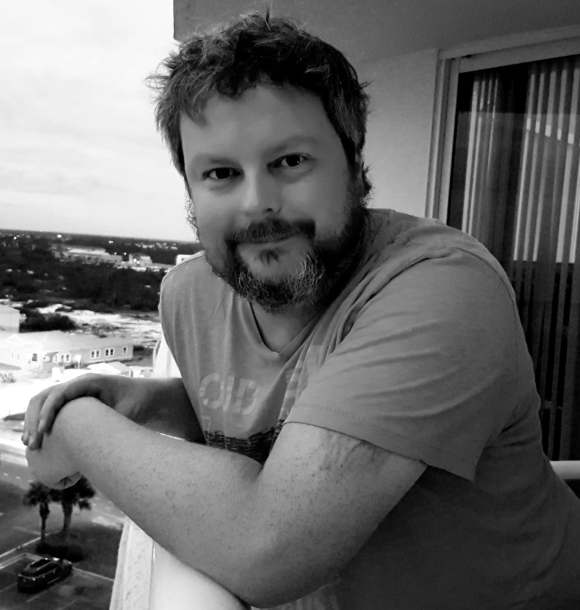
Ryan Quinn Flanagan is a Canadian-born author residing in Elliot Lake, Ontario, Canada with his wife and many bears that rifle through his garbage.  His work can be found both in print and online. He is truly prolific and his poetry endears as you read it repeatedly. Click here to read a poem by him.

Why do you write poetry?

Writing, particularly the physical mechanism, has always been something I enjoyed.  It is a solitary act that I derive great enjoyment from.  To be able to sit down and create something seems a wonderful thing to me, regardless of medium.  I love fine art as you know, but cannot paint.  Writing is my music, my form of painting I guess.  It is a great release as well.  To be able to create and express as I wish is the ultimate freedom.

What is your poetic process? 

I may have a few rough notes and ideas/titles, but nothing really fleshed out.  I get up and never shower on a writing day.  I don’t know why, but it seems to get me in the right head space.  Then I listen to the same music and eat the same thing I have for years.  For writing days, that is oatmeal.  Then I head upstairs and sit down to write with some wine.  I tend to put on some classical music so that my voice is the only one, but I can still zone out to the musicality of what is playing.  I tend to do that for about six hours at a time.  That is the same writing process I have followed for years now. 

Do you believe in inspiration and the Muse? Or is it the sweat of your brow alone?

I most definitely believe in inspiration and the Muse.  That is why I repeat the same processes, to put myself in the right inspirational mood or be ready for the Muse or whatever you wish to call it.  I believe that things are created in a certain time and space and once created, belong to that specific time and space.  You can never really return to that exact place, but you can look back on it through the work for sure.  Other things are then created in a whole other head space and the process continues.  Sweat of the brow or hard work is also important though, not only in creation but in submissions, building and assembling, as well as editing books.  There is a lot of work that goes into everything, so hard work must be there to compliment any inspiration that may come.

Do you think what can be said in poetry can be said in prose too?

I think so.  I don’t really differentiate between poetry and prose that much.  It’s all a voice and time and expression to me, so whatever way it chooses to come out is not overly importance to me.  For me, it is much more to get it out instead of caring much about how or why.  And to enjoy the mechanism while doing so.
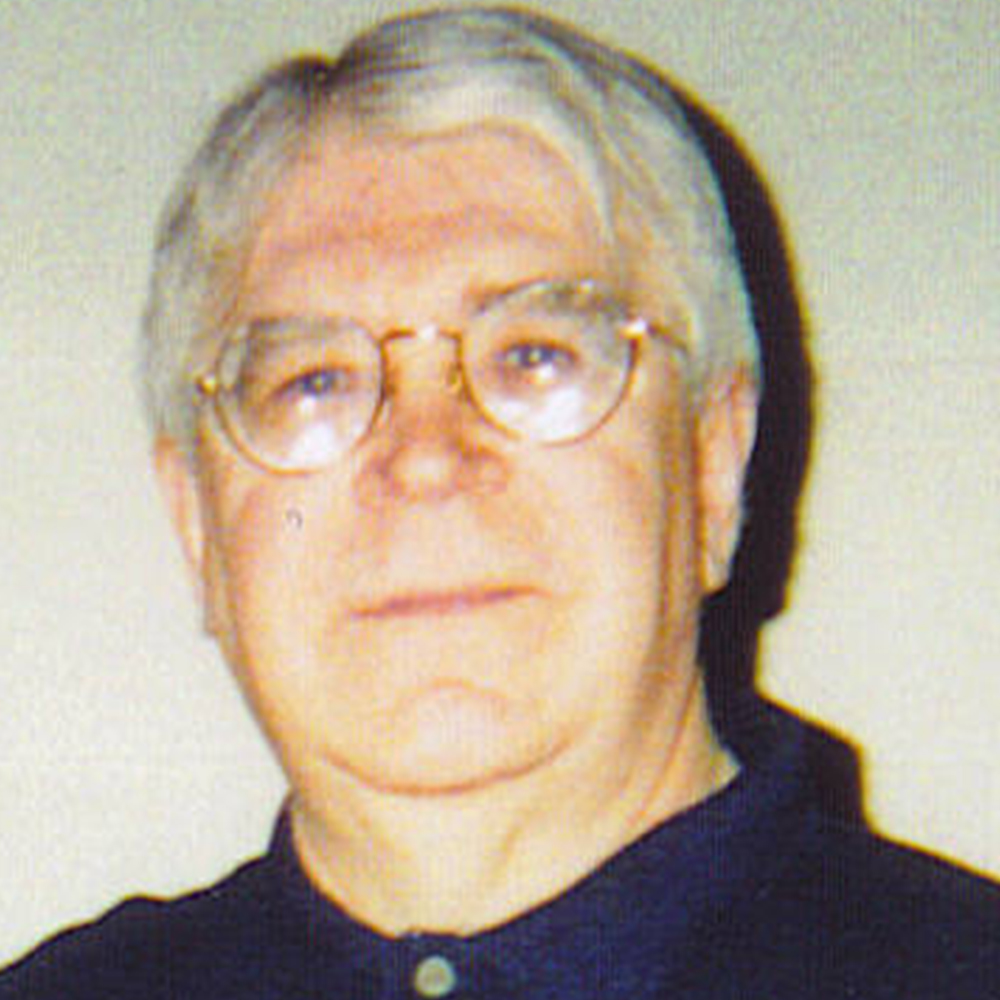
George Freek is a poet and playwright living in Illinois. His poetry and plays have been widely published. His plays have been performed by the Milwaukee Repertory Theatre, the Changing Scene in Denver, and the Organic Theatre in Chicago, among others. He has also received grants from the Illinois Arts Council and The National Endowment for the Arts. His poetry is modelled often after Chinese poets of the Tang and Song dynasty. Click here to read his poem.

Why do you write poetry?

I write poetry because it’s the form that best suits my thoughts and feelings.

What is your poetic process?

The process begins with the need to express an emotion. Then it’s work to find the appropriate “objective correlative” in T.S. Eliot’s words.

Do you believe in inspiration and the Muse? Or is it the sweat of your brow alone?

I don’t necessarily believe in “Inspiration” unless that means simply the initial urge to express the emotion or the thought. After that it’s mostly work to make it sound right and unpretentious and yet avoid banality.

Do you think what can be said in poetry can be said in prose as well?

I think my response to your last question is included in my first statement. If something can be expressed in prose, it’s not poetry, although there is some prose which has the quality of poetry, e.g. Joseph Conrad!

Luis Cuauhtémoc Berriozabal is a Mexican-born author, who resides in California and works in the mental health field in Los Angeles. He is prolific and often his poetry shuttles is enriched by his ability to assimilate varied cultures into one lore. Click here to read his poetry.

Why do I write poetry?

I write poetry because I like to read it. In the many years I have been reading poetry, I continue to find new writers, some no longer in this world. These writers have influenced my work over the years. I write poetry because I enjoy writing it. Sometimes I write personal poetry. It is a sort of catharsis. It is a way describing how I am feeling about myself, about others, and about the world. Sometimes I write nonsense and rubbish, which I try to keep away from readers. 

What is your poetic process?

My poetic process is writing one poem a day. It is really that simple for me. It could be a three liner, a ten liner, or a long poem of more than 20 to 30 lines. If a poem comes out like rubbish or a journal entry, I try my best to come up with something better the next time around. There are times I get lucky, and a keeper comes along. I am not writing to impress anyone. I am writing for myself most of all and I share my words with readers. If some like what I have written, then that makes me feel good. If someone hates what I have written, I could not care less. I will not lose any sleep over it. I will continue to write as long as I have breath or until something else comes along that takes up my interest.

Do you believe in inspiration and the Muse? Or is it the sweat of your brow alone?

I do believe in inspiration and the Muse. I am inspired by everything and everyone I come in contact with: nature, night and day, moon and sun, the stars and the rain; the woman I love and the dreams that come along, some haunting and some sublime. I am inspired by the poetry, art, lyrics, and music of others. I am inspired by the news of the world, by the clients I work with in mental health, and those close to me that care for me (my family and friends). I am influenced by the birds in flight, the landscape of Los Angeles, trees, flowers, and animals. The sweat of my brow alone only comes into play when you consider everything else that provides knowledge to one’s mind. Whether clever or strange, imagination is also a great thing to have.

Do you think what can be said in poetry can be said in prose as well?

While poetry is brief and concise as opposed to prose, what can be said in poetry can also be said in prose. Authors writing prose can be poetic in their words and have been throughout the years. If I had more patience, I would give prose a try one day. I am more comfortable in poetry, where I can express something in a few words. Get in, write it, and get it out.

Ihlwha Choi is a South Korean poet. He has published multiple poetry collections and what is most interesting is that he translates his own Korean poetry to English to reach out to the world. Click here to read his poetry.

Why do you write poetry?

I grew up in the countryside. Most of the people at that time were poor agriculturists. I was accustomed to the lifestyle of a farmer. I couldn’t access musical instruments or painting equipment. I naturally expressed my thoughts and feeling with my pencils on the notebook. During my middle school, I fell in love with a popular girl. She was popular because she received a poetry award. I fell in love with her, but my love was unrequited. I was very disappointed, so I began to write something on the paper. Most of them were poems but I have never learned the method of poetry writing. There were no teachers around me who taught me about poetry. I tried hard to write good poetry but always failed. After that period, I was very busy studying for university entrance exam and military service. In our country, all young men must go to the army or navy or air force. I served as a sergeant in the army for three years. Then, I had another problem of earning a living and marriage. My passion for writing poetry revived after I married. I don’t think that I had been born with lot of poetic talent. I don’t want to be famous but try hard to write better poetry for my own satisfaction.

What is your poetic process?

Usually, I do not sit in front of the desk to write a poetry. When I brush my teeth, wash dishes or read, one line of a poem comes to me and I catch it in my memory or on the memo of cell phone. I call it the seed of poetry. Later, when I sit in front of my personal computer, I write a poem based on that line. Sometimes I write a poem very quickly because of the first line and sometimes it is a longer process.

Do you believe in inspiration and the Muse? Or is it the sweat of your brow alone?

I think both sides are necessary. Inspiration gives the poet pleasure and happiness. But if he does not try hard, he will not be able to write poetry.

Do you think what can be said in poetry can be said in prose too?

Yes, what we say in a poetry can be said in prose. The only difference is the form of expression. One poet said that when you want to know if a poem is good or not, it is necessary to rewrite it in prose. Some poems are so difficult to understand that ordinary reader cannot grasp it. When a poetry can be explained meaningfully into prose they are recognised as good poetry. But every prose cannot be changed into poetry. Poetry needs symbol, metaphor, rhythm, simile, compression etc. Though nowadays a poems are sometimes written like a prose without any stanza or poetic line. There should at least be some rhythm to make it into a poem, even  though it is written like a prose.
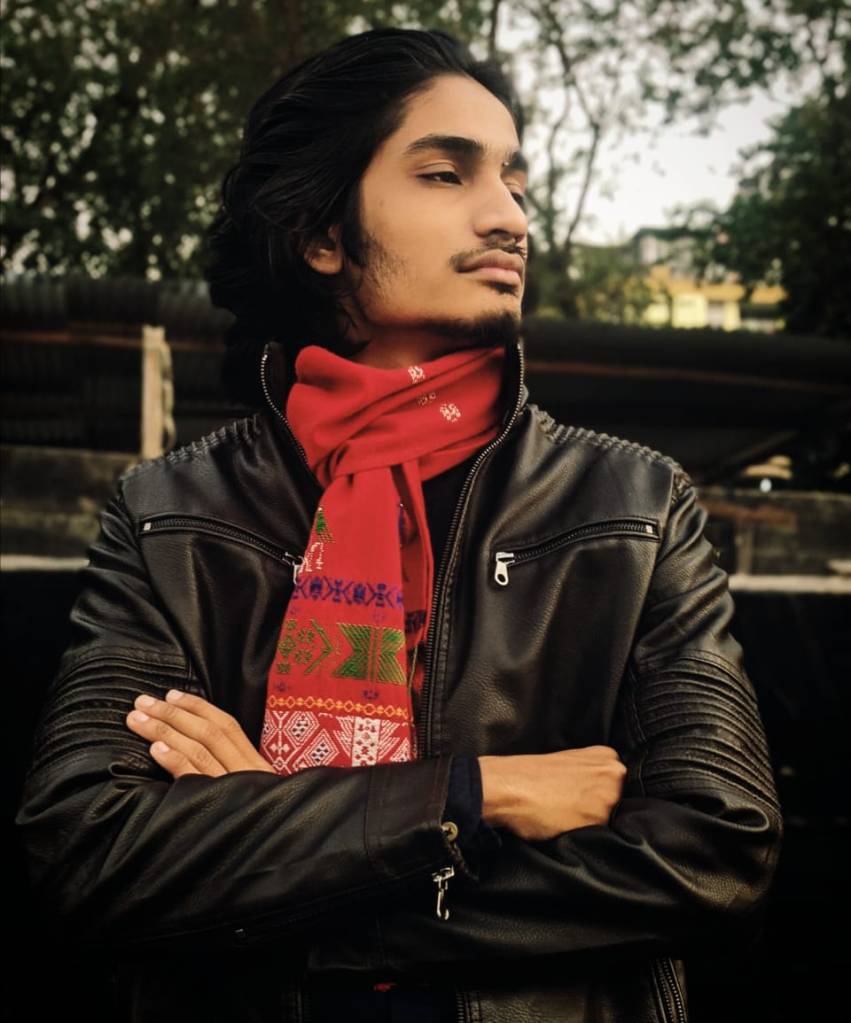
Sutputra Radheye is a poet from India. He has published two poetry collections — Worshipping Bodies (Notion Press) and Inqalaab on the Walls (Delhi Poetry Slam). His works are reflective of the society he lives in and tries to capture the marginalised side of the story. Click here to read his poetry.

Why do you write poetry? 

I write poetry because it gives me a voice. For me, it is a personal and intimate affair. In poems, I can be naked. I can roam naked on the streets of my mind without pretending. I can be blunt, and raw without filtering myself. I feel safe in my poetry and so I write.

What is your poetic process? 

There is no such process for me. I write when I feel something. I write when I am angry. I write when I am happy (though this only happens sometimes). I write when I am depressed and pessimistic. I write to unleash my demons on paper so that I don’t need to carry them to bed with me. It is more like a release for me. Sometimes, I find it to be metaphysical where you can just leave everything behind once you write it down. But not always. The process keeps changing. I used to listen to music while writing two years back. Now, I don’t. What has remained constant is this burst of raw feelings. 

Do you believe in inspiration and the Muse? Or is it the sweat of your brow alone?

Yes. I believe in inspiration and muse. As human beings with different tastes or choices, we will get intrigued by different things in life and they somehow become a part of our poetry. It is those things that separates our poetry, I believe.

Do you think what can be said in poetry can be said in prose too?

Yes it can be said in prose too. But, the way it will be said will be different. It will lose certain elements that poetry brings but will gain what prose has to offer. 
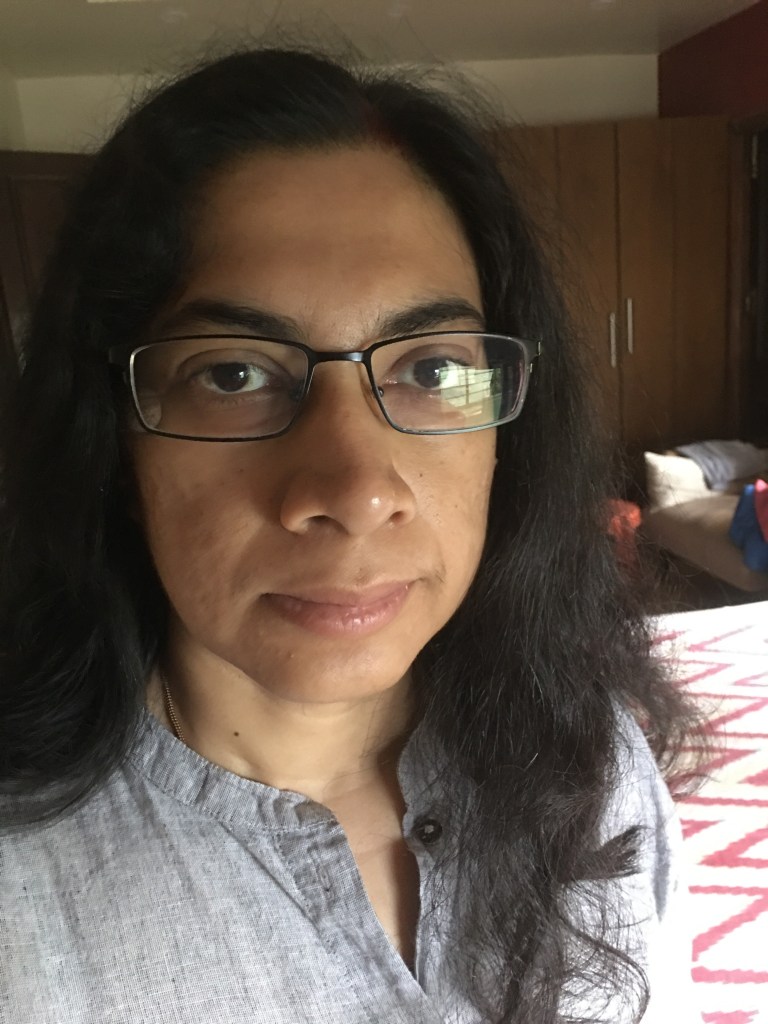
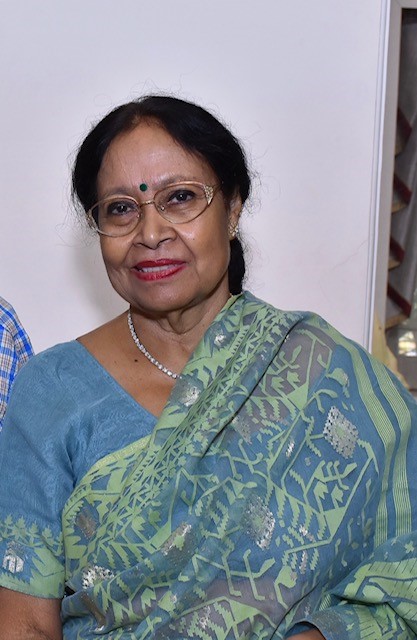
Anasuya Bhar is an academic teaching English literature in St. Paul’s Cathedral Mission College, Kolkata, India. She would also want to be known as a poet. She writes lovely essays and has written on eminent voices like Tagore and Satyajit Ray. Click here to savour her poetry.

Why do you write poetry?

I write poetry merely to unburden. In many ways, poetry is also therapeutic for me. The motive impulse for my poetry is mostly a moment of pain and sorrow. I feel that the best way to come to terms with such moments is to weave words around them in comfort, camaraderie and friendship. My poetry usually concentrates on the self and its many experiences, moods and flavours.

What is your poetic process? 

Most commonly, poetry comes to me in a whiff of words, pluri-significant and usually in a gust, like a burst of fresh air, triggered by memory. I also often get excited by particular and occasional colours, shades of light, and even smells, because they bring with them a certain cosiness, which is both intimate and personal.  It is only in moments of calm and silence, when my mind usually processes these sudden words into some kind of meaning, trying to give concrete forms to fleeting bouts of impressions. My poems are usually ready after one, or two revisions, but they do need tending and pruning. 

Do you believe in inspiration and the Muse? Or is it the sweat of your brow alone?

Yes, I do believe in inspiration and the concept of the Muse. My poetry is imbued with a feminine presence – that of warmth, care, nurture, protection and sometimes even passion. Such a presence has sometimes found embodiment but, almost always remains elusive and a figment of my imagination, unseen but, powerfully felt. This has always remained with me; it is only now that it has compelled me to express myself in words and through poetry. My muse is a picture of beauty and charm and sometimes even of spirituality.

Do you think what can be said in poetry can be said in prose too?

Yes, at times, perhaps. But poetry is metaphorical, and one can suppress as well as express oneself in it. Prose might prove to be more probing at times. I feel that there are subtle differences between prose and poetry, even though prose can be poetic and philosophical. 

We are grateful to all the poets for sharing with us their personal journeys.

The poets have been interviewed online by Mitali Chakravarty.

PLEASE NOTE: ARTICLES CAN ONLY BE REPRODUCED IN OTHER SITES WITH DUE ACKNOWLEDGEMENT TO BORDERLESS JOURNAL. 

Categories
Contents

Borderless, March 2022

Painting by Sohana Manzoor

Editorial

Where Have All the Sunflowers Gone?… Click here to read.

Ukranian Refrains

In When will we ever learn? Oh, will we ever learn?, Ratnottama Sengupta, comments on the current situation in Ukraine while dwelling on her memorable meeting with folk legend Pete Seeger, a pacifist, who wrote ‘Where have all the Flowers gone’, based on a folk song from Ukraine. Click here to read.

In Can Peace come Dropping by,Candice Louisa Daquin explores war and peace pausing over the attack on Ukraine. Click here to read.

Three Poems from Ukraine by Leslya Bakun. Click here to read.

Translations

Manush: Nazrul’s Lines for Humankind: Translated from Bengali by Professor Fakrul Alam. Click here to read.

Jibananda Das’s Where have all these Birds Gone & On the Pathways for Longtranslated from Bengali by Professor Fakrul Alam. Click here to read.

Munir Momin’s You & I translated from Balochi by Fazal Baloch. Click here to read.

Down the stairs by Nabendu Ghosh, a gripping story exploring the greyer areas of ethical dilemmas, has been translated by Sarmishta Mukhopadhyay with editorial input from Ratnottama Sengupta. Click here to read.

Autumn is Long, a poem written in Korean and translated to English by Ihlwha Choi. Click here to read.

Tagore’s Anondodhara Bohichche Bhubone (The Universe reverberates with celestial ecstasy)…translated from Bengali by Mitali Chakravarty. Click here to read.

Pandies’ Corner

These narratives are written by youngsters from the Nithari village who transcended childhood trauma and deprivation. A letter to God by Tanveer Hussain  uses the epistolary technique to asks questions that would be relevant for all humankind. It has been translated from Hindustani by Vritika Thareja. Click here to read.

Poetry

Click on the names to read

Kirpal Singh, Rhys Hughes, Sutputra Radheye, Jay Nicholls, Uma Gowrishankar, Mike Smith, Anasuya Bhar, Luis Cuauhtémoc Berriozábal, Supatra Sen, George Freek, Pramod Rastogi, Ryan Quinn Flanagan, Ananta Kumar Singh, Michael R Burch, Shaza Khan

Nature’s Musings

In Storms & Seas, Penny Wilkes explores birds and the ocean during rough weather. Click here to read.

Poets, Poetry or Rhys Hughes

In Tall or Short Tales, Rhys Hughes explores the absurd. Click here to read.

Musings/Slices from Life

Eva Zu Beck & Marco Polo

San Lin Tun writes of how, in Yangon, he spends the lockdown watching a travel blog by Eva Zu Beck. Click here to read.

Messages through Space and Time

Meredith Stephens explores how the art of letter writing creates links across borders of time and place. Click here to read.

It’s Amazing the Things We can Do

Erwin Coombs takes us through his life in Egypt and has a relook at Nazi occupied Europe with a dollop of humour to come to an amazing conclusion. Click here to read.

An Existential Dilemma

G Venkatesh uses the laws of thermodynamics to try to interpret the laws that define life. Click here to read.

Musings of a Copywriter

Devraj Singh Kalsi ponders on his Visit to a Book Fair. Click here to read.

Notes from Japan

In Imagining a Possible Future: Filmmaker Felicity Tillack, Suzanne Kamata introduces us to an Australian film maker who is making films in Japan now and some are in Japanese. Click here to read.

Mission Earth

Kenny Peavy starts his column with Mama Calling, a cry to go back to living with nature. Click here to read.

Interviews

From the Himalayas to the Banks of Thames: In Conversation with Sangita Swechcha, a writer shuttles between England and Nepal and writes of her homeland. Click here to read.

At Home Across Continents : In Conversation with Neeman Sobhan, a Bangladeshi-born writer who writes of her experiences as an expat in Pakistan, Bangladesh, Italy and America. Click here to read.

Stories

The Man Who got Eaten

 Kieran Martin tells a tall tale or is it short? Click here to read.

Death Will Come

Munaj Gul Muhammed captures the wafting sadness of grieving in this short poetic narrative. Click here to read.

SofieMol

Sharika Nair paints a vignette of the past merging with the present in her narrative. Click here to read.

Faith & Fortune

Devraj Singh Kalsi shows how the twists of faith are aligned to wealth and fame. Click here to read.

Henrik’s Journey

Farah Ghuznavi follows a conglomerate of people on board a flight to address issues ranging from Rohingyas to race bias. Click here to read.

Essays

The Kaleidoscopic World of Satyajit Ray

Anasuya Bhar takes us into the literary world of Satyajit Ray, the world famous film director. Click here to read.

Are Some of Us More Human than Others ?

Meenakshi Malhotra ponders at the exclusivity that reinforces divisions, margins and borders that continue to plague humankind, against the backdrop of the Women’s Month, March. Click here to read.

The Observant Immigrant

In The Paradox of Modern Communication, Candice Louisa Daquin takes us through the absurdities that haunt modern verbal communication. Click here to read.

Book Excerpts

An excerpt from Friends in Wild Places: Birds, Beasts and Other Companions by Ruskin Bond. Click here to read.

An excerpt of a short story by Yang Ming from Asian Anthology, edited by Ivy Ngeow. Click here to read an excerpt.

Book Reviews

Meenakshi Malhotra reviews Mahasweta Devi, Our Santiniketan translated by Radha Chakravarty. Click here to read.

Indrashish Banerjee reviews The Tombstone in My Garden: Stories From Nagaland by Temsula  Ao. Click here to read.

Keith Lyons reviews Asian Anthology: New Writing Vol. 1: Stories by Writers from Around the World, edited by Ivy Ngeow. Click here to read.

Bhaskar Parichha reviews Why They Killed Gandhi; Unmasking the Ideology and the Conspiracy by Ashok Kumar Pandey. Click here to read.

Special Issues

Imagine… Click here to read our World Poetry Day Special.

Categories
Editorial

Where Have All the Sunflowers Gone?

Only when the cries of the wretched of the earth will stop renting the skies,
Only when the oppressor’s bloody sword will cease smearing battlefields,
			A rebel, weary of war,
			Only then I won’t stir.
…
I’m the ever-rebellious hero--
	Soaring over the world, all alone, head forever held high!

--  Rebel or 'Bidrohi' (1922) by Nazrul, translated by Fakrul Alam
Borderless: Digital Art by Ayaan Ghoshal
These fragments I have shored against my ruins
…
Datta. Dayadhvam. Damyata.         
 Shantih shantih shantih

-- Wasteland (1922) by TS Eliot

These lines reiterate values we would do well to live by in a war-torn, dissension-worn world where the need for a rebel to recreate a humane society that lives with values such as peace, generosity, acceptance, tolerance, compassion and restraint — is a felt need. The two great poems made history by remaining as popular a hundred years after they were written — ‘The Rebel’ by Nazrul and TS Eliot’s ‘Wasteland’. Nazrul defined a rebel as an iconoclast who breaks norms to find peace, justice and love for all, to move towards the creation of an ideal world. TS Eliot quoted from the Upanishads and ended with redemption coming with giving (giver perhaps denoted generosity), compassion and restraint. Despite the wisdom of these great poets and seers, war still continues a reality. The values remain neglected not just in as we see in conflicts, like the one in Ukraine that destroys lives, property and nature with intolerance towards differences, but also in our personal lives. Tagore also reiterated the same need for stepping out of personal, social, economic and political insularity. We carry a translation of a song that echoed this need while inviting participation in his ecstasy. He wrote:

Why do you sit in isolation,
Dwelling on self-centred issues? 

Tagore had not only written of the negative impact of isolation from the world but he led by example, building institutions that could lead the world towards pacifism with acceptance of diversity and inclusiveness. Sriniketan and Santiniketan were created to move towards these ideals. Many of the people he influenced or who studied in Santiniketan made history, like Prime Minister Indira Gandhi, Satyajit Ray; many added to the sense of inclusiveness, like Mahasweta Devi, who other than her enormous work to integrate different cultures, also wrote a memoir about Santiniketan in Bengali. Radha Chakravarty, nominated for the Crossword Translation Award (2004) for In the Name of the Mother by Mahasweta Devi, has translated this memoir, a narrative which brings us close to Tagore’s ideals of the whole world being a family. How wonderful it would be if the world were open to such ideals and would behave like a global family and not go to war!  Mahasweta Devi, Our Santiniketan, which has been reviewed by Meenakshi Malhotra, reiterates Tagore’s vision of a planet living in harmony with the flora and fauna.

Bhaskar Parichha has reviewed another non-fiction by Ashok Kumar Pandey, Why They Killed Gandhi; Unmasking the Ideology and the Conspiracy. Parichha writes: “The finest point about this book is its storytelling…” The book review brings to mind in the midst of a war and violence that Gandhi had tried to erase this mindless destruction of lives, nature and cities with Ahimsa or non-violence. Will we ever rise up to it? Perhaps… We see strains of recognising the negative impact of insular outlook in writings like that of Temsula Ao, a Sahitya Akademi Award winner, according to Indrashish Banerjee who has reviewed her new book, The Tombstone in My Garden: Stories from Nagaland. Keith Lyons has reviewed Asian Anthology: New Writing Vol. 1: Stories by Writers from Around the World, edited by Ivy Ngeow, an exotic medley of Asian stories, one of which has been excerpted as well.

We are privileged to carry another excerpt from Ruskin Bond’s Friends in Wild Places: Birds, Beasts and Other Companions, a hilarious story about a pet tiger adopted by the legendary writer’s grandfather. What is amazing about Ruskin Bond’s writing is the love and compassions for all creatures great and small that colours the tongue-in-cheek humour he rolls out to his readers. If only we could think like Bond, there would be no wars. His writing, I feel, transcends political borders or ‘isms’, and laces with love and compassion tales of menageries of monkeys, snakes, mongoose, humans of different denominations. This excerpt is a treat we are giving Borderless Journal as the journal completes two years of its existence. We are truly grateful to Speaking Tiger for sharing this excerpt with us. But our celebrations this time are sombre as the war rages with incoherence accompanied by heart-breaking ravages.

The refrain from Ukraine has been taken up by Ratnottama Sengupta as she takes us through the past and present experiences of the devastated country, bringing in the views of the legendary folk singer and pacifist, Pete Seeger (1919-2014), who she had interviewed over a span of four days. The writer of ‘Where have all the Flowers Gone?’, a song based on an Ukrainian folk song, Seeger said, “The point is not to ask for yourself alone — one has to ask for everybody: Either we all are going to make it over the rainbow or nobody is going to make it.” Candice Louisa Daquin has also pondered on the justification of war, contextualising it with the current one along with her essay on the paradox of modern linguistic communication.

We have an exhaustive essay on the legendary Satyajit Ray’s creations by Anasuya Bhar. Malhotra has pondered at exclusivity reinforcing divisions, margins and borders to plague humankind, against the backdrop of the Women’s Month, March. Highlighting women in writing, we have interviewed two female writers, one from Nepal and another from Bangladesh. Sangita Swechcha lives in UK but her writing, till now largely in Nepali, often pines for her home embedded in the Himalayas whereas, an expat, Neeman Sobhan, shuttles between Bangladesh and Italy with the affluence and assurance of a privileged background.

Finding a way to override lack of privileges, deprivation and violence, are the youngsters of Nithari on the outskirts of Delhi where less than two decades ago other than poverty, savage criminality devastated the local populace. These youngsters transcended the suffering over time with help from volunteering NGOs to create narratives that amaze with their inventiveness and confidence. Tanveer Hussain from Nithari, self-motivated and self-made from a young age, asks questions that would be relevant for all humankind in a letter to God. It has been translated from Hindustani by Vritika Thareja of pandies’. This edition’s translations include Professor Fakrul Alam’s mellifluous rendition of Jibanananda Das’s poetry from Bengali to English, Ihlwha Choi’s Korean poetry and a Balochi poem by Munir Momin rendered in English by Fazal Baloch. Baloch had earlier translated poems by Akbar Barakzai, a great poet who departed on 7th March, depriving the world of yet another powerful writer who imbibed hope of a better future in his poetry. We are privileged to have hosted the translations of some of his poems and his last interview.

Another well-known poetic voice from Singapore, Kirpal Singh, has given us poignant poetry that can be applied to the situation that is leading to the wreck of Ukraine. Anasuya Bhar has  poetry, one of which despite being in the ilk of Nazrul’s great poem, ‘Rebel or Bidrohi’, questions gently mainly social constructs that obstruct the flow of harmony. Ryan Quinn Flanagan has pondered on the acceptance of a changed world. We have humour from Rhys Hughes in poetry and wonderful poems by Michael R Burch on spring. Jay Nicholls shares the last of her dozen Pirate poems as Blacktarn sails the lemon seas to fight pollution. Luis Cuauhtémoc Berriozábal, George Freek, Sutputra Radheye, Mike Smith, Shaza Khan and many more have contributed a wealth of beautiful lines. Penny Wilkes has captured storms and seas with photographs and text and Rhys has surprised us with some strange, bizarre tales in his column.

We have musings from around the world. San Lin Tun, Meredith Stephens, Erwin Coombs, G Venkatesh have all brought in flavours of multiple cultures. Devraj Singh Kalsi has spoken of a book fair he visited in a semi-sardonic tone. He has also given us a short story as has Farah Ghuznavi – a truly borderless story which takes place in an aeroplane, in the sky where all borders collapse. We have more stories from Balochistan, US and India.

Suzanne Kamata continues writing on Japan as she  introduces us to an Australian film maker who is making films in Japan and in Japanese, called Felicity Tillack. Cultures are perhaps truly crossing borders as we can see Kenny Peavy, an environmentalist who moved from US to Indonesia start a new column with us called ‘Mission Earth’. We hope, like Tagore or Rousseau, he will help to revive our felt need to live with nature, acknowledge the nurture that we get from the planet to live in harmony with it and on it.

At the end of twenty-four months of existence – that sounds better than a mere two years— we are happy to host a melange of writers from across the borders and be the meeting grounds of writers and readers from across continents. I am truly thankful to all of you for helping concretise an ideal. Huge thanks to all the writers, artists, photographers and the readers for the contribution of their time, effort and love. And thanks to our fabulous team who continue to support the journal unwaveringly. I would also like to thank Sohana for the lovely visuals she generously shares with us. A special thanks also to young Ayaan Ghoshal for his digital art where hands reach out to support a truly borderless world.

As usual, all the content has not been covered here, I invite you all to enjoy our March edition of Borderless Journal.

At the start of the third year of our existence, let us march onwards towards renewed hope – maybe the Ukraine experience will take us closer to a war-free world with an awakening of a felt need for peace and compassion in a planet without borders.

In quest of a peaceful, humane world, I invite you all to continue being part of this journey.  

Mitali Chakravarty

Borderless Journal

Categories
Poetry

Eve, Raphael & the Proletariat

Poetry by Sutputra Radheye

Painting by Raphael
(1)

when she walks away
she melts the snowflakes
as raphael stares
to draw lines and exhibit
in a gallery in Paris
where woody allen would
direct a film on her untamed
skin before the midnight grows
old and falls down

she causes earthquakes
in multiple planets
with each step marching
forward as eyes gather
to glimpse the art
that inspired raphael
to move away from God
and draw Eve


(2)

If anyone asks you
Who are you?
Tell them
You are violence
The violence of the sickle
That a farmer carries
The violence of the hammer
That a majdoor uses
The violence of words
That Paash vomited
The violence of dissent
That proletariats hold
In their warm hearts

*majdoor is a labourer
*Paash is a Punjabi poet

Sutputra Radheye is a young poet from India. He has published two poetry collections — Worshipping Bodies (Notion Press) and Inqalaab on the Walls (Delhi Poetry Slam). His works are reflective of the society he lives in and tries to capture the marginalised side of the story.

.

PLEASE NOTE: ARTICLES CAN ONLY BE REPRODUCED IN OTHER SITES WITH DUE ACKNOWLEDGEMENT TO BORDERLESS JOURNAL. 

Categories
Seasonal Outpourings

Auf Wiedersehen Autumn

Autumn by Sohana Manzoor

As autumn gives way to winter, here are explorations that give us a glimpse of the season, its colours, its feel across different parts of the world and their varied interpretations. We have the vibrancy captured in colours by Sohana Manzoor and Sybil Pretious. There are reactions to events that happened at this time in different parts of the globe from Ratnottama Sengupta and Sutputra Radheye — have we healed after these events? Have things got better?

As Europe starts a new wave of pandemic lockdowns, Mike Smith takes us for a trip to Trieste, rich with the heritage of James Joyce, Umberto Saba and Baron Von Trapp of Sound of Music. Prose from Tagore(1861-1941) translated by Somdatta Mandal showcases some of his reactions while traveling in Japan, America and Europe in the autumn of his life. We can vicariously travel to different parts of the planet! While verses by Michael Burch and George Freek explore the season and the autumn of life, poetry by Rhys Hughes and Sekhar Banerjee add zest to the fall with humour. Revathi Ganeshsundram brings us a poignant narrative of new friendships. A short story from maestro storyteller from Holland, Louis Couperus(1863-1923), translated by Chaitali Sengupta, paints a darker hue of autumn while Tagore’s poetry gives us a festive feel generated by the season in Bengal. Enjoy our melange of autumnal lores!

Poetry

Autumn & Me: Poetry by Michael Burch. Click here to read.

Algae Masks: Poetry by Sekhar Banerjee. Click here to read.

Autumnal Dirge: Poetry by Sutputra Radheye. Click here to read.

The Night Music: Poetry by George Freek. Click here to read.

A story poem by Rhys Hughes about The Clock Tower of Sir Ticktock Bongg, who spends his autumn of life in the most peculiar way. Click here to read.

Translation of Amaar Nayano Bhulano Ele or The Advent Song by Tagore describes autumn in Bengal. Click here to read. 

Prose

Yesterday Once More?: Ratnottama Sengupta revisits an autumn in Egypt. Click here to read.

Me & James Joyce in Trieste: Mike Smith travels in autumn to Trieste, an autumn in a pre-pandemic world. Click here to read.

Of Days & Seasons: A parable by Louis Couperus, translated from Dutch by Chaitali Sengupta. Click here to read

The Cockatoo: A short story about new friendships in the autumn of life by Revathi Ganeshsundaram. Click here to read.

 Letters from Japan, Europe & America: An excerpt from letters written by Tagore in the autumn of his life, translated from Bengali by Somdatta Mandal. Click hereto read.

Painting by Sybil Pretious
Categories
Poetry

Autumnal Dirge

By Sutputra Radheye

Courtesy: Creative Commons
30 October 2008


there were

only black clouds

around ganeshguri


a sound

of high frequency 

distorted the crowd


they were

running in madness

all around


the motors

were burning

black


so were

the tiny pieces

of flesh scattered


minutes after

the bomb blasted

the city stopped


people were

glued to the televisions

and the radio


now after years

we have moved on

or have we?

This poem centres around 30th October, 2008, where a series of bomb blasts killed many in the Indian state of Assam.

Sutputra Radheye is a young poet from India. He has published two poetry collections — Worshipping Bodies(Notion Press) and Inqalaab on the Walls (Delhi Poetry Slam). His works are reflective of the society he lives in and tries to capture the marginalized side of the story.

.

PLEASE NOTE: ARTICLES CAN ONLY BE REPRODUCED IN OTHER SITES WITH DUE ACKNOWLEDGEMENT TO BORDERLESS JOURNAL. 

Categories
Independence Day

Born Free

Born free
As free as the wind blows
As free as the grass grows
Born free to follow your heart
-- Born Free by Andy Williams

These are lines from a song by Andy Williams, a pop icon whose song was the theme song in Born Free, a film made in 1966 about a lion cub bred in captivity, who had to be trained to live free even though she was born free. Does that apply to all living creatures, including humans? What is freedom? And who is free? Does political independence mean ultimate freedom?

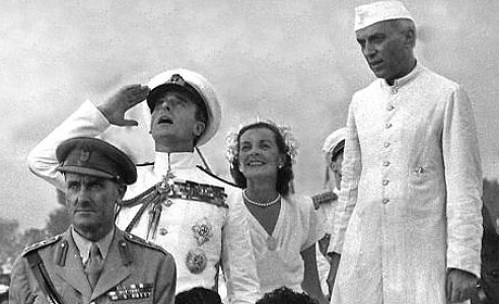
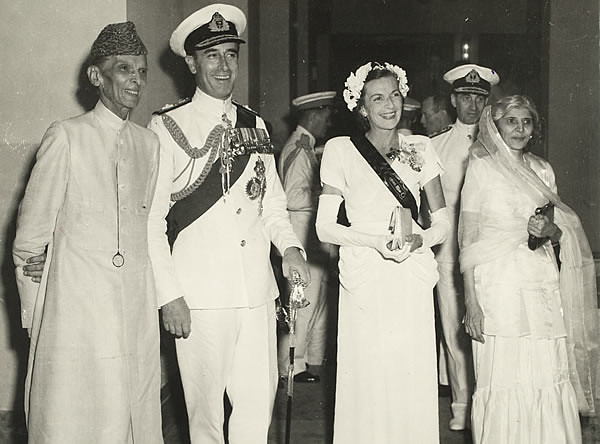
We celebrate political ‘freedom’ of countries as national or independence days. Sometimes, as in the case of India and Pakistan, independent nationhood can be laced with bloodshed and grief . Two new countries were born of a single colonial India in the August of 1947. Pakistan awoke as a country on the midnight of 14th August and India called the late hour 15th August. Nehru’s speech has become an iconic one: “Long years ago we made a tryst with destiny, and now the time comes when we shall redeem our pledge… At the stroke of the midnight hour, when the world sleeps, India will awake to life and freedom…”

Common people while crossing the boundary line between the two new nations lost their lives, homes and lands over the mob violence. The resentment still simmers in a few hearts. In an attempt to find peace and amity, we have put forward a combined selection of writing from across borders, words devoid of angst or hate, words that look for commonality and harmony.

Interview

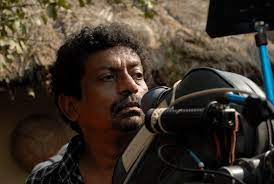
Goutam Ghose. Courtesy: Creative Commons

In Conversation with Goutam Ghose, multiple award-winning filmmaker, writer, actor discusses his films, film-books and journey as a humanitarian artiste who makes cross cultural films across all boundaries. Click here to read.

Poetry

Akbar Barkzai’s Songs of Freedom translated from Balochi by Fazal Baloch. Click here to read.

Poems by Jaydeep Sarangi: Click here to read

For Danish Siddiqui by Sutputra Radheye: Click here to read.

The Equalizer by Nazrul translated from Bengali to English by Shahriyer Hossain Shetu from Sammyabadi. Click here to read.

Deliverance by Tagore translated from Bengali to English from Tran (Sanchayita). Click here to read.

Non-Fiction

In The Idea of India: Bharata Bhagya Bidhata – The Making of a Motherland Anasuya Bhar explores the history around the National Anthem of India which started as a song, composed by Tagore. Only the first paragraph of the whole song in Bengali was adapted as the National Anthem. We include the translations of the complete song both by Tagore and by Aruna Chakravarti. Click here to read.

In An August Account of ‘Quit India’ Movement Ratnottama Sengupta,  translates from Bengali the excerpts recorded by Sandhya Sinha (1928-2016), who witnessed an upsurge in the wake of the Quit India Movement. Click here to read.

Temples & Mosques by Nazrul has been translated by Sohana Manzoor. Click here to read.

In Seventy-four Years After Independence…“Mil ke rahe gi Azadi” (We will get our Freedom), Aysha Baqir muses on Pakistani women’s role in the independence movement and their current state. Click here to read.

 In 2147 without Borders, Devraj Singh Kalsi meanders over Partitions, borders and love stories and looks for an amicable solution in a happier future. Click here to read.

Fiction

Bundu, Consoler of the Rich is a story based on memories of Partition by Nadir Ali, translated from Punjabi by Amna Ali. Click here to read.

In The Best Word, Maliha Iqbal explores the impact of wars in a spine chilling narrative, journeying through a range of emotions. Click here to read.

In Do Not Go!, Moazzam Sheikh explores dementia, giving us a glimpse of the lives of Asian immigrants in America. Click here to read.

In The Chained Man Who Wished to be Free, Sunil Sharma explores freedom and democracy versus conventions. We are left wondering is this the freedom we fought for? Click here to read. 

Categories
Contents

Borderless August 2021

Editorial

Triumph of the Human Spirit… Click here to read.

Interviews

Goutam Ghose, multiple award-winning filmmaker, writer, actor discusses his films, film-books and journey as a humanitarian artiste. Click here to read.

Dr Kirpal Singh, a well-known poet and academic from Singapore, talks of his life and times through colonial rule, as part of independent Malaya, and the current Singapore. Click here to read.

Translations

Bundu, Consoler of the Rich

A story based on memories of Partition by Nadir Ali, translated from Punjabi by Amna Ali. Click here to read.

Akbar Barakzai’s Songs of Freedom

Akbar Barakzai’s poetry translated from Balochi by Fazal Baloch. Click here to read.

An August Account of ‘Quit India’ Movement

Ratnottama Sengupta translates from Bengali the excerpts recorded by Sandhya Sinha (1928-2016), who witnessed an upsurge in the wake of the Quit India Movement, part of India’s struggle against colonial rule. Click here to read.

Froth

A short story by Dev Kumari Thapa, translated from Nepali by Mahesh Paudyal. Click here to read.

Mother’s Birthday Dinner Table

Ihlwha Choi translates his own poem set in Santiniketan from Korean to English. Click here to read.

Deliverance by Tagore

Tran’ by Tagore translated from Bengali to English by Mitali Chakravarty, art and editing by Sohana Manzoor for Borderless Journal. Click here to read.

Essays

The Idea of India: Bharata Bhagya Bidhata – The Making of a Motherland

Anasuya Bhar explores the history of the National Anthem of India, composed by Tagore in Bengali and translated only by the poet himself and by Aruna Chakravarti. Click here to read.

A Life Well-Lived

Candice Louisa Daquin discusses the concepts of a life well-lived. Click here to read.

Once Upon a Time in Burma: Land of a Thousand Pagodas

John Herlihy explores the magnificent sites of Mandalay in company of a Slovenian friend in the first episode of his quartet on his Myanmar. Click here to read.

Bhaskar’s Corner

In Tagore & Odisha, Bhaskar Parichha explores Tagore’s interactions with Odisha, his impact on their culture and the impact of their culture on him. Click here to read

Poetry

Click on the names to read the poems

Jaydeep Sarangi, Joan McNerney, Vandana Sharma Michael Lee Johnson, Priyanka Panwar, Mihaela Melnic, Ryan Quinn FlanaganKirpal Singh, Sutputra Radheye, John Linwood Grant, Julian Matthews, Malachi Edwin Vethamani, Rhys Hughes, Rachel Jayan, Jay Nicholls, Jared Carter

Nature’s Musings

Becoming Marco Polo: Poetry and photography by Penny Wilkes

Poets, Poetry & Rhys Huges

In Dinosaurs in France, Rhys Hughes explores more than tall tales; perhaps, the passage of sense of humour in our lives. Click here to read.

Musings/Slices from Life

Me and Mr Lowry’s Clown

Mike Smith’s nostalgia about artist Pat Cooke (1935-2000) takes us back to England in the last century. Click here to read.

Seventy-four Years After Independence…

“Mil ke rahe gi Azadi” (We will get our Freedom) by Aysha Baqir muses on Pakistani women’s role in the independence movement and their current state. Click here to read.

The Road to Freedom

Kanchan Dhar explores personal freedom. Click here to read.

The Coupon

Niles Reddick tells us how Covid and supermarkets combined into a discount coupon for him. Click here to read.

Musings of a copywriter

 In 2147 without Borders, Devraj Singh Kalsi meanders over Partitions, borders and love stories. Click here to read.

Stories

Rituals in the Garden

Marcelo Medone discusses motherhood, aging and loss in this poignant flash fiction from Argentina. Click here to read.

The Best Word

Maliha Iqbal explores the impact of wars in a spine chilling narrative, journeying through a range of emotions. Click here to read.

Do Not Go!

Moazzam Sheikh explores dementia, giving us a glimpse of the lives of Asian immigrants in America. Click here to read.

The Protests Outside

Steve Ogah talks of trauma faced by riot victims in Nigeria. Click here to read.

Brother Felix’s Ward

Malachi Edwin Vethamani takes us to an exploration of faiths and borders. Click here to read.

The Literary Fictionist

In The Chained Man Who Wished to be Free, Sunil Sharma explores freedom and democracy versus conventions. Click here to read.

Book Excerpts

Beyond The Himalayas by Goutam Ghose, based on a five-part documentary taking us on a journey along the silk route exploring parts of Pakistan and China. Click here to read.

Our Home in Myanmar – Four years in Yangon by Jessica Muddit, a first hand account of a journalist in Burma. Click here to read.

Book Reviews

A review by Meenakshi Malhotra of Somdatta Mandal’s The Last Days of Rabindranath Tagore in Memoirs, a translation from a conglomeration of writings from all the Maestro’s caregivers. Click here to read.

A review by Keith Lyons of Jessica Muddit’s Our Home in Myanmar – Four years in Yangon. Click here to read.

A review by Rakhi Dalal of Maithreyi Karnoor’s Sylvia: Distant Avuncular Ends. Click here to read.

A review by Bhaskar Parichha of Arundhathi Subramaniam’s Women Who Wear Only Themselves. Click here to read.

Categories
Editorial

Triumph of the Human Spirit

On August 8th 2021, the chief of the International Olympic Committee, Thomas Bach, pointed out during the closing ceremony that these games were “unprecedented” and brought messages of “hope, solidarity and peace” into a world torn with the desolation generated by the pandemic. It was a victory of the human spirit again, a precursor of what is to come. That the Japanese could get over their pandemic wrought hurdles, just as they did post the nuclear disasters wrought by the Second World War and by the 2011 earthquake-tsunami at Fukushimaya, to host something as spectacular and inspiring as these international games reflects, as the commentators contended, a spirit of ‘harmony and humility’. The last song performed by many youngsters seemed to dwell on stars in the sky — not only were the athletes and organisers the stars but this also reminded of unexplored frontiers that beckon mankind, the space.What a wonderful thing it was to see people give their best and unite under the banner of sports to bring messages of survival and glimpses of a future we can all share as human beings! Our way of doing things might have to evolve but we will always move forward as a species to thrive and expand beyond the known frontiers.

One such explorer of yet unknown frontiers who mingles the historic with the contemporary, Goutam Ghose, an award-winning filmmaker and writer, has honoured our pages with an extensive interview showing us how art and harmony can weave lores that can help mankind survive. This is reinforced by the other interview with Singaporean academic, Dr Kirpal Singh, whose poetry reflects his convictions of a better world. With our intelligence, we can redefine processes that hold us back and grind our spirits to dust — be it the conventional ‘isms’ or norms that restrict our movement forward – just as Tagore says in the poem, we have translated this time, ‘Deliverance’.

…On this auspicious dawn,
Let us hold our heads high in the infinite sky 
Amidst the light of bounteousness and the heady breeze of freedom.

As the Kobiguru mentioned earlier in the poem, the factors that oppress could be societal, political, or economic. Could they perhaps even be the fetters put on us by the prescribed preconceived definition of manmade concepts like ‘freedom’ itself? Freedom can be interpreted differently by multiple voices.

This month, on our pages, ‘freedom’ has found multiple interpretations in myriad of ways — each voice visualising a different dream; each dream adding value to the idea of human progress. We have discussions and stories on freedom from Nigeria, Argentina, India, Pakistan, Myanmar, Malaysia and more. Strangely enough, August holds multiple independence/ national days that are always for some reason seen as days of being ‘freed’ by many — at least from oppression. But is that true?

From Malaysia, Julian Matthews and Malachi Edwin Vethamani cry out against societal, religious and political bindings – quite a powerful outcry at that with a story and poems. Akbar Barakzai continues his quest with three poems around ideas of freedom translated from Balochi by Fazal Baloch. Jaydeep Sarangi and Joan Mcnerny pick up these reverberations of freedom, each defining it in different ways through poetry.

Jared Carter takes us back to his childhood with nostalgic verses. Ryan Quinn Flanagan, Michael Lee Johnson, Vandana Sharma and many more sing to us with their lines. Rhys Hughes has of course humour in verse that makes us smile as does Jay Nicholls who continues with her story-poems on Pirate Blacktarn – fabulous pieces all of them. The sport of hummingbirds and cats among jacaranda trees is caught in words and photographs by Penny Wilkes in her Nature’s Musings. A poetic tribute to Danish Siddiqui by young Sutputra Radheye rings with admiration for the Pulitzer prize-winning photographer who met his untimely end last month on 16th while at work in Afghanistan, covering a skirmish between Taliban and Afghanistan security forces. John Linwood Grant takes up interesting issues in his poetry which brings me back to ‘freedom’ from colonial regimes, perhaps one of the most popular themes for writers.

Indo-Pak independence, celebrated now on 14th (Pakistan) and 15th August (India), reflects not only the violence of the Partition which dislocated and killed millions historically but also the trauma caused by the event. Capturing this trauma is a short story based on memories of Partition by Nadir Ali, translated from Punjabi by his daughter, Amna Ali. Ratnottama Sengupta translates from the diary of Sandhya Sinha (1928-2016), a woman’s voice from the past that empathises with the subjugated who were subdued yet again after an upsurge of violence during the Quit India Movement (1942) against the colonials. Sinha contends that though the movement frittered away, the colonials were left with an after-taste of people hankering for self-rule. A thought-provoking short story by Sunil Sharma explores the results of self-rule in independent India.

Alluding to Jinnah’s vision for women, Aysha Baqir muses emotionally about the goals that remain yet to be fulfilled 74 years after independence. Moazzam Sheikh’s story of immigrants explores dementia, giving us a glimpse of the lives of Asian immigrants in America, immigrants who had to find a new home despite independence. Was this the freedom they dreamt of — all those who fought against various oppressive regimes or colonialism?

Tagore’s lyrics might procure a few ideas on freedom, especially in the song that India calls its National Anthem. Anasuya Bhar assays around the history that surrounds the National Anthem of India, composed by Tagore in Bengali and translated to English by the poet himself and more recently, only by Aruna Chakravarti. We also carry Dr Chakravarti’s translation of the National Anthem in the essay. Reflecting on the politics of Partition and romance is a lighter piece by Devraj Singh Kalsi which says much. ‘Dinos in France’ by Rhys Hughes and Neil Reddick’s ‘The Coupon’ have tongue-in-cheek humour from two sides of the Atlantic.

A coming-of-age story has been translated from Nepali by Mahesh Paudyal – a story by a popular author, Dev Kumari Thapa – our first Nepali prose piece.  We start a four-part travelogue by John Herlihy, a travel writer, on Myanmar, a country which has recently been much in the news with its fight for surviving with democracy taking ascendency over the pandemic and leaving the people bereft of what we take for granted.

Candice Louisa Daquin discusses a life well-lived in a thought provoking essay, in which she draws lessons from her mother as do Korean poet, Ihlwha Choi, and Argentinian writer, Marcelo Medone. Maybe, mothers and freedom draw similar emotions, of blind love and adulation. They seem to be connected in some strange way with terms like motherland and mother tongue used in common parlance.

We have two book excerpts this time: one from Beyond the Himalayas by the multi-faceted, feted and awarded filmmaker we have interviewed, Goutam Ghose, reflecting on how much effort went in to make a trip beyond boundaries drawn by what Tagore called “narrow domestic walls”. We carry a second book excerpt this time, from Jessica Muddit’s Our Home in Myanmar – Four years in Yangon. Keith Lyons has reviewed this book too. If you are interested in freedom and democracy, this sounds like a must read.

Maithreyi Karnoor’s Sylvia: Distant Avuncular Ends, is a fiction that seems to redefine norms by what Rakhi Dalal suggests in her review. Bhaskar Parichha has picked a book that many of us have been curious about, Arundhathi Subramaniam’s Women Who Wear Only Themselves. Parichha is of the opinion,Elevated or chastised, exonerated or condemned, the perturbation unworldly women in India face is that they have never been treated as equal to men as spiritual leaders. This lack of equality finds its roots not only in sociological and cultural systems, but more particularly at the levels of consciousness upon which spirituality and attitudes are finally based.”One wonders if this is conclusive for all ‘unworldly women’ in India only or is it a worldwide phenomenon or is it true only for those who are tied to a particular ethos within the geographical concept of India? The book reviewed by Meenakshi Malhotra,  Somdatta Mandal’s The Last Days of Rabindranath Tagore in Memoirs, dwells on the fierce independence of the early twentieth century women caregivers of the maestro from Bengal. These women did not look for approval or acceptance but made their own rules as did Jnadanandini, Tagore’s sister-in-law. Bhaskar Parichha has also added to our Tagore lore with his essay on Tagore in Odisha.

As usual, we have given you a peek into some of our content. There is more, which we leave for our wonderful readers to uncover. We thank all the readers, our fantastic contributors and the outstanding Borderless team that helps the journal thrive drawing in the best of writers.

I wish you all a happy August as many of the countries try to move towards a new normal.

Mitali Chakravarty

Borderless Journal, August 2021

Categories
Poetry Tribute

For Danish Siddiqui

A tribute by Sutputra Radheye for Pulitzer Prize winning photojournalist, Danish Siddiqui, who died while covering a clash between Pakistan, Afghan security forces and Taliban on 16th July 2021. He is known to have said :”I shoot for the common man…”

Danish Siddiqui. Courtesy: Creative commons
For Danish Siddiqui

“I shoot for the common
 man” 

in the future
when no one will remember 
the crows anchoring
inside the small boxes
we call televisions
Danish and his photographs
will be discussed --
appreciated far beyond 
the boundaries
of classrooms and exhibitions
in streets, in protests
in the songs of humanity
and in the voices of people

the streets will never forget
the smile, the eyes
and the camera that could speak
write stories
and shake the city
inside every human
where humanity lives

Click here to see photographs by Danish Siddiqui.

Sutputra Radheye is a young poet from India. He has published two poetry collections — Worshipping Bodies(Notion Press) and Inqalaab on the Walls (Delhi Poetry Slam). His works are reflective of the society he lives in and tries to capture the marginalized side of the story.

.

PLEASE NOTE: ARTICLES CAN ONLY BE REPRODUCED IN OTHER SITES WITH DUE ACKNOWLEDGEMENT TO BORDERLESS JOURNAL.