Categories
World Poetry Day

Imagine…

And as imagination bodies forth 
The forms of things unknown, the poet's pen 
Turns them to shapes and gives to airy nothing 
A local habitation and a name. 

-- Midsummer Night's Dream (premiered 1605)by William Shakespeare

Imagine… if words could weave a world in harmony! Perhaps… then as Shakespeare declared and more recently John Lennon wrote in his song ‘Imagine’ (1971), we might have constructed a new world…

In hope of the same perhaps, Nazrul had published his poem, ‘Bidrohi‘ or the rebel a hundred years ago, a few months before TS Eliot published Wasteland, again a poem raising humane concerns and reinforcing values post the First World War. More recently Akbar Barakzai who has passed on at the start of this month, wrote about a better world in his poem, ‘We are all Human‘. And yet we have a war …

In response to the war, we have modern voices that ring out in harmony, including the voice of a Ukranian refugee. In reaffirmation of a world that can transcend divisions created by human constructs and soar in a virtual world, we also present to you interviews of half-a-dozen poets.

From the Treasury

Rebel or ‘Bidrohi’: Nazrul’s signature poem from 1922, ‘Bidrohi, translated by Professor Fakrul Alam. Click here to read.

A Special Tribute

We are All Human by Akbar Barkzai, translated by Fazal Baloch, has been published as not only a tribute to the poet who left us forever on 7/3/2022, but also as his paean to humanity to rise about differences which lead to war and horror, to unite us as one humankind. Click here to read.

War, Peace and Poetry

Poetry from across the world in support of peace and voicing concerns over the humanitarian crisis in Ukraine, we have Ukranian Lesya Bakun give us poetry as a war victim, a refugee. Rhys Hughes, Ron Pickett, Michael R Burch, Kirpal Singh, Malachi Edwin Vethamani, Suzanne Kamata, Mini Babu, Sybil Pretious and Mitali Chakravarty have contributed poetry written for the Ukraine crisis. Click here to read.

Poets across Borders

Half-a-dozen poets from different continents tell us about their poetry. The poets include Ryan Quinn Flanagan, George Freek, Luis Cuauhtémoc Berriozabal, Ihlwha Choi, Sutputra Radheye, Anusuya Bhar. Click here to read.

Categories
War & Peace

“How Many Times Must the Cannonballs Fly…?”

Featuring poetry by Lesya Bakun, Rhys Hughes, Ron Pickett, Michael R Burch, Kirpal Singh, Suzanne Kamata, Mini Babu, Malachi Edwin Vethamani, Sybil Pretious and Mitali Chakravarty

These fragments I have shored against my ruins
…
Datta. Dayadhvam. Damyata.         
 Shantih shantih shantih

-- Wasteland (1922) by TS Eliot

These lines from a hundred year old poem by TS Eliot continue to cry out to be part of our civilisation’s ethos as do the lyrics of Bob Dylan’s pacifist song, ‘Blowin’ in the Wind‘ which wonders : “Yes, and how many times must the cannonballs fly/Before they’re forever banned?” The world continues to war destroying nature, lives and a common human’s need to exist in peace and go about his daily tasks, secure that the family will meet in their home for dinner and a good night’s rest. Cries of humanity in crisis from the battle grounds of Ukraine take precedence as Ukrainian Lesya Bakun writes about the plight of the people within the country stalked by violence and death.

REFUGEE IN MY OWN COUNTRY/ I AM UKRAINE
By Lesya Bakun (07.03.2022, Ukraine)


I am Kharkiv.
I am Volnovakha.
I am Kyiv.
I am the blocked Mariupol on the verge of humanitarian catastrophe.

I am the completely destroyed
City of Shchastia --
That is literally translated as "happiness" --
Where people have to sit in the bomb shelters,
Because nothing else is preserved.
The Russian troops are not letting them out.

I am Ukraine.
I am a fighter. 

I am a refugee
In my own country.

What's in the minds of Russians?

Nine years ago, I was in Strasbourg, France.
Seven years ago, I was in Dublin, Ireland.
Two years ago, I was in Istanbul, Turkey.

Today, I am 
In an internally displaced people’s centre --
In a city that I cannot even publicly disclose
For the security of too many families
Who are fleeing to remain safe.

"The Ukrainian IT company N has left the markets of Russia and Belarus forever".
We should have done it eight years ago.
We should have done it thirty-one years ago.

A lot of my friends are switching from Russian to Ukrainian.
We should have done that thirty-one years ago
So that no one comes to "protect us".

I am the gasoline 
that NATO sent us
Instead of closing the sky -- 
Apparently so that we can burn
The Budapest Memorandum

We have seen the real face of Russians
Again
They negotiated green corridors
And started shelling from the heavy weaponry.

Evacuation is cancelled.

"I wish you survival, 
Health
And the closed sky above you."

As the battle rages and razes, some react to what we have gleaned from media reports, some of which move hearts with stories of bravery and the spirit of the people battling the invaders who kill and destroy what they cannot possess… But can freedom of thought and resilience ever be destroyed?

THEY SHALL NOT PASS
By Rhys Hughes

They shall not pass
we cried as we held the pass
against the enemy.
And our sleepy student
days in sunlight
suddenly seemed long gone
and very far away
though it was only
a few weeks since war began.
Would such times
ever return? We had no idea.

Now the conflict is over
and the years pass
with increasing velocity
and right here
in the rebuilt city I am young
no longer. I am
the teacher: it is my turn.
And as I watch my students
dozing in sunlight
instead of revising for exams
an old refrain fills
my head: They shall not pass.

ADVANTAGE INTRUDER
By Ron Pickett

The sun edges over the cluttered horizon.
The cell towers, eucalyptus and large water tank are comforting.
The sun slowly fills the dark.
Life is safe and warm and good – for now.
The sun slides below the western horizon in Kyiv and darkness returns.
 
The dark brings its special unseen terrors.
The rumble and rattle of distant rockets and bombs.
The roar of jets and the throb of helicopters.
Flashes of light fill the night sky but there are no storms in the distance.
The earth trembles: the people quiver.
Daylight is ten long hours away, we who have been there remember, and shudder.
 
There are patches of dirty snow on the ground.
On trees and shrubs and the Peoples Friendship Arch.
And under the rubble of bombed buildings.
The snow is marked by the black stains of explosions and the red stains.
The snow will melt with the coming of spring, but the stains will remain.
The stains are physical and psychological and deep.
 
Dark is the province of the predator.
Dark is a comforting cover for the aggressor.
Dark is the source of fear and anguish for the weak.
This predator is man who can see in the dark.
To see at night is a huge advantage.
Advantage intruder.


FRAIL ENVELOPE OF FLESH
By Michael R Burch
 
for the mothers and children of Ukraine
 
Frail envelope of flesh,
lying cold on the surgeon’s table
with anguished eyes
like your mother’s eyes
and a heartbeat weak, unstable ...
 
Frail crucible of dust,
brief flower come to this—
your tiny hand
in your mother’s hand
for a last bewildered kiss ...
 
Brief mayfly of a child,
to live two artless years!
Now your mother’s lips
seal up your lips
from the Deluge of her tears ...
 

FOR A UKRANIAN CHILD WITH BUTTERFLIES
By Michael R Burch
 
Where does the butterfly go ...
when lightning rails ...
when thunder howls ...
when hailstones scream ...
when winter scowls ...
when nights compound dark frosts with snow ...
where does the butterfly go?
 
Where does the rose hide its bloom
when night descends oblique and chill,
beyond the capacity of moonlight to fill?
When the only relief’s a banked fire’s glow,
where does the butterfly go?
 
And where shall the spirit flee
when life is harsh, too harsh to face,
and hope is lost without a trace?
Oh, when the light of life runs low,
where does the butterfly go?


THE TIMES, THE MORALS
By Kirpal Singh
(After Ee Tiang Hong)

Testy times
Tempers flake, bruise
Blood swells veins
As memories burn.

Times were
When reason prevailed
And men talked --
Eyes glittering.

Now it’s tit for tat
No relenting
Frayed nerves
Know no restraint.

We pray n plead
For sanity’s return
As pall bearers 
Carry another dead.

When will all this horror, violence and sorrow end? Will there be peace anytime soon… many voices across the globe join in quest of harmony.

Mt Fuji: Photo Courtesy: Suzanne Kamata
A VIEW OF MT. FUJI (March 3, 2022)
By Suzanne Kamata

On the third day 
of the third month 
of the fourth year of 
Beautiful Harmony (Reiwa)
which followed the era of
Heiwa (Peaceful Harmony)
my husband, son, and I traveled to Gotemba.
We checked into our mostly vacant hotel
wandered the grounds amongst
oaks and bamboo and volcanic rocks
gazed upon the majestic mountain
symbol of Japan.
Mt. Fuji stood
calm and dormant and frilled by cloud
spotlit by late afternoon sun.

As we stared in wonder and awe
   BOOM!
an explosion resounded.
A black helicopter
like the ones over Kyiv
flew into view.
I recalled the military vehicles 
we’d passed on the highway
those young men driving to 
practice for self-defence.

When will there be peace in Ukraine?
When will there be peace in the world?

RUSSIA AND UKRAINE
By Mini Babu

After the war,
the repose of the dead,
settles over the nations.
The leaders will smile,
shake hands and
interchange the bodies
of the dead, maimed,
captives and,
each will dust
that which belongs to 
the other, wash 
their hands and 
walk away.

Children hold on
expecting their fathers,
unknowing that
fathers never come back
after war.

And I, the ordinary,
instruct my children
how historic these names
are for examination.
Putin and Zelensky.

PEACE TALKS IN THE FOREST
By Sybil Pretious

I breathe
I sit on the hard cushion of root, foundation of growth
Peace talks to me  in the forest
Leaning against the rough trunk  bark,  feeling of strength
Peace talks to me in the forest
Above the leaves, cover me with a protective shade
Peace talks to me in the forest
Flowers flutter giving a splash of colour
Peace talks to me in the forest
Seeds heralding new life hang, dispersed on the wind
Peace talks to me in the forest
And I wonder
Why do warring nations not meet in forests
For peace talks
 where peace talks.


PRICE OF PEACE
By Malachi Edwin Vethamani

(I)

Peace is
a gentle brook,
natural and real. 

Peace is 
not things to come,
not imagined. 

We arrive as beings of peace.
One with all around us,
same flesh, same blood. 

Then labels are thrust upon us.
baptised into communities,
branded as nations. 

Essentialist labels 
bind us and blind us. 
We shed our individual beings,
stitched into communities. 

If you are not with us
You are against us, they say. 
Taking a stand 
comes with a price. 

The price is often peace. 


(II)

This is yet another call to stop a war.
A new plea for peace.
A shout out for prayers. 

The callers change 
with each new 
war cry. 

This too will pass.
How much will remain?
How much decimated?

Then these cries will be repeated. 
What is lost?
Is anything ever gained?

We will smell 
the stink of death 
and see the rubble of destruction.  

All the display of human unkindness 
we inflict on our fellow beings.


(III)

What new enterprise,
what profiteering,
has brought on this new war?
Surely, no noble cause 
can condone this waste of lives.

Whose monuments will we pull down now?
What new statues will we raise for self-proclaimed heroes?

What of the spouses who lost their partners? 
What of the parents who lost their children?
Children and citizenry 
casualties all.
Crushed and broken.


WASTELAND REVISITED AFTER A CENTURY                             
By Mitali Chakravarty

The river flowed with debris, with bodies
of the dead. When the waters reddened
with corpses crossing borders on a train,
nightmares haunted myriads of lives.

The undead cried till infecting more, the
anger, the hatred spread. That was more than
seven decades ago. History repeats itself. 
Will it ever stop? This hatred? This war?

Does killing, destroying ever help? Does 
it dissolve the buried hate, the anger, the 
deaths? Swigging blood like vodka, the madmen 
brew war with oil, weapons, the threat of nukes 
to annihilate all lives — make barren the Earth. 

Cosmic clouds gather to thunder,
‘Da, datta, dayadham, damyata’ till peace 
comes with love songs that echo through the 
Universe. A Brahmic vision of kalpas like waves 
ebb and flow, calming the cries of tortured souls. 

Oh God! Help us learn Mercy. When will the 
white horse ride to our rescue? Or was that all 
a myth? Kalki? Does the white horse ride out of each 
soul to form a lightening that dispels mushroom clouds? 

Peace be unto you.
Om Shantih, Shantih, Shantih! 

PLEASE NOTE: ARTICLES CAN ONLY BE REPRODUCED IN OTHER SITES WITH DUE ACKNOWLEDGEMENT TO BORDERLESS JOURNAL

Categories
Greetings from Borderless

Merry Christmas

Christmas Candle: Painting by Sybil Pretious

Christmas brings not just the end of the year closer to us but also the spirit of loving and giving. The festival generates a feeling of hope in our hearts for a better New Year. The world links up together to celebrate this day which has a touch of beliefs from earlier times. Some connect to the festival with religious beliefs but others join in with the feeling of goodwill generated by the season, to celebrate in winter, summer or tropical weather with the same zest. In the same spirit, we at Borderless wish all of you fabulous Christmas holidays. 

For your entertainment, we have put together some pieces which not only showcases writings around the festival but the spirit that revives hope unfailingly each year. As a special Christmas bonanza to our readers, we would like to also present a selection of a few eminent authors who have added lustre to the gems in our treasure chest.

Enjoy our oeuvre & Merry Christmas!

Poetry

Christmas Poems by Rhys Hughes. Click here to read.

One Star by Ihlawha Choi. Click here to read.

Christmas Cheer by Malachi Edwin Vethamani. Click here to read.

Prose

Rakhamaninov’s Sonata

A short story by Sherzod Artikov, translated from Uzbeki by Nigora Mukhammad. Click here to read.

Hold the Roast Turkey Please Santa !

Celebrating the festive season off-season with Keith Lyons from New Zealand, where summer solstice and Christmas fall around the same time. Click here to read.

Authors from Around the World

We have an amalgam of writers from across borders who will bring the flavours of their part of the world right up to your doorstep.

Jared Carter: Click here to read.

Akbar Barakzai: Click here to read

Suzanne Kamata: Click here to read

Arundhathi Subramaniam: Click here to read

Aruna Chakravarti: Click here to read

Fakrul Alam: Click here to read

Ratnottama Sengupta: Click here to read

Somdatta Mandal: Click here to read

Categories
Contents

Borderless December 2021

Editorial

Towards a Brave New World… Click here to read.

Interviews

In Bridge over Troubled Waters, academic Sanjay Kumar tells us about Pandies, an activist theatre group founded by him that educates, bridging gaps between the divides of University educated and the less fortunate who people slums or terror zones. Click here to read.

In Lessons Old and New from a Stray Japanese Cat, Keith Lyons talks with the author of The Cat with Three Passports, CJ Fentiman who likes the anonymity loaned by resettling in new places & enjoys creating a space for herself away from her birthplace. Click here to read.

Translations

Poetry by Jibananda

Translated from Bengali by Fakrul Alam, two poem by the late Jibananda Das. Click here to read.

Shorter Poems of Akbar Barakzai

Translated from Balochi by Fazal Baloch, five shorter poems by Akbar Barakzai. Click here to read.

Long Continuous Battle

Written and translated from Korean by Ihlwha Choi. Click here to read.

Colour the World

Rangiye Diye Jao, a song by Tagore, transcreated by Ratnottama Sengupta. Click here to read.

Rakhamaninov’s Sonata

A short story by Sherzod Artikov, translated from Uzbeki by Nigora Mukhammad. Click here to read.

Robert Burns & Tagore in Harmony

A transcreation of Tagore’s song, Purano Sei Diner Kotha, based on Robert Burn’s poem associated with new year’s revelries by Mitali Chakravarty. Click here to read.

Poetry

Click on the names to read

Michael R Burch, Dibyajyoti Sarma, Anasuya Bhar, Ryan Quinn Flanagan, Sambhu Nath Banerjee, Michael Brockley, Malachi Edwin Vethamani, George Freek, Mitra Samal, William Miller, Harsimran Kaur, Jay Nicholls, Sangeeta Sharma, Rhys Hughes

Nature’s Musings

In Lewie, the Leaf, Penny Wilkes explores the last vestiges of autumn with her camera and a touching story. Click here to read.

Poets, Poetry & Rhys Hughes

In Trouser Hermits, Rhys Hughes muses over men’s attire and the lack of them. Click here to read.

Musings/ Slices from Life

Kungfu Panda & Matrimony

Alpana gives a glimpse into her own marital experiences through the lockdown. Click here to read.

How I Transitioned from a Desk Worker to a Rugged Trail Hiker at Age Sixty

Meredith Stephens shares the impact of the pandemic on her life choices. Click here to read.

A Tale of Two Houses

P Ravi Shankar travels back to the Kerala of his childhood. Click here to read.

The Voice that Sings Hope through Suffering…

Rakibul Hasan Khan pays a tribute with a twist to a recently deceased Bangladeshi writer, Hasan Azizul Huq. Click here to read.

Canada: A Live Canvas

Sunil Sharma reflects on the colours of the fall in Canada. Click here to read.

To Infinity & Beyond!

Candice Louisa Daquin explores the magic of space travel. Click here to read.

Joy Bangla: Memories of 1971

Ratnottama Sengupta recaptures a time when as a teenager she witnessed a war that was fought to retain a language and culture. Click here to read.

Musings of a Copywriter

In Statue Without Stature, Devraj Singh Kalsi muses on erecting a bust with a dollop of humour. Click here to read.

Stories

Flash Fiction: In Search of a New Home

Marzia Rahman shares a short narrative about refugees. Click here to read.

Floating Free

Lakshmi Kannan travels with a humming bird to her past. Click here to read.

Driving with Murad

Sohana Manzoor unfolds her experiences while learning to drive with a dash of humour. Click here to read.

Dinner with Bo Stamford in Hong Kong

Steve Davidson has a ghostly encounter in Hong Kong. Click here to read.

The Literary Fictionist

In Walls, Sunil Sharma peers into fallacies and divides. Click here to read.

Essays

What’s Novel in a Genre?

Indrasish Banerjee explores why we need a genre in this novel-based essay. Click here to read.

Of Palaces and Restorations

Rupali Gupta Mukherjee visits a restored palace in the heartland of Bengal. Click here to read.

The Incongruity of “Perfect” Poems

Rakibul Hasan Khan discusses Bangladeshi poet Sofiul Azam’s poetry from a post colonial perspective. Click here to read.

The Birth of Bangladesh & the University of Dhaka

Professor Fakrul Alam takes us through the three Partitions of Bengal which ultimately led to the creation of Bangladesh, with focus on the role of Dhaka University. Click here to read.

The Observant Migrant

In When is a mental illness not a mental illness?, Candice Lousia Daquin provides us with a re-look into what is often judged as a psychiatric issue. Click here to read.

Book Excerpts

Somdatta Mandal’s translation of A Bengali Lady in England by Krishnabhabini Das (1885). Click here to read.

Suzanne Kamata’s The Baseball Widow. Click here to read.

Book Reviews

Aruna Chakravarti reviews Devika Khanna Narula’s Beyond the Veil. Click here to read.

Rakhi Dalal reviews Anirudh Kala’s Two and a Half Rivers. Click here to read.

Keith Lyons reviews CJ Fentiman’s The Cat with Three Passports: What a Japanese cat taught me about an old culture and new beginnings. Click here to read.

Bhaskar Parichha reviews BP Pande’s In the Service of Free India –Memoirs of a Civil Servant. Click here to read.

Categories
Poetry

Christmas Cheer

By Malachi Edwin Vethamani

Christmas Cheer

The familiar sounds of carols 
and hymns are distant 
as are the smells of 
curries and freshly baked cookies. 

Boyhood memories warm the spirit
but the passing of the years
missing loved ones
brings a chill to the heart. 

The present so varied
and so unfamiliar 
of the once held dear
Christmas joy. 

A chef is roasting the turkey.
A waiter is pouring my wine.
Text messages are streaming in 
but give little Christmas cheer.

Malachi Edwin Vethamani is a poet and writer. His poetry publications include: Life Happens (Maya Press, 2017) and Complicated Lives (Maya Press, 2016). His edited volume of poems entitled Malchin Testament: Malaysian Poems (Maya Press, 2017) won the Best Book prize in the English Language category for the Malaysian Best Book Award 2020 organised by the Malaysian Publishers Association. His latest publication is an edited volume of poems entitled Malaysian Millennial Voices (Maya Press, 2021). His poems have appeared in various literary journals. He is Founding Editor of Men Matters Online Journal.

.

PLEASE NOTE: ARTICLES CAN ONLY BE REPRODUCED IN OTHER SITES WITH DUE ACKNOWLEDGEMENT TO BORDERLESS JOURNAL

Categories
Independence Day

Malaysia

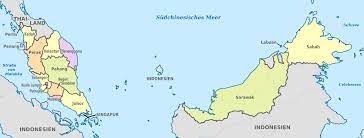
Malaysia is said to have been inhabited 40,000 years ago by the same tribes who populated the Andamans. Situated on the trade route between China and India, they assimilated varied cultures into their lore, including that of the Arabs. Phases of colonial occupation by the Portuguese, Dutch and British wracked their history from 1511. They suffered from Japanese occupation during the Second World War. The Federation of Malaya achieved independence after a struggle on 31st August 1957. In 1963, the British colonies of Singapore, Sarawak and North Borneo were combined with Malaya and the country was rechristened Malaysia.

In 1965, Singapore was voted out due to ideological reasons, some of it being racial and political. This Partition was free of political bloodshed or violence between the two countries, unlike the earlier Partitions within Asia which led to much violence and bigotry — India, Pakistan and North Korea and South Korea (where the split along the 38th parallel was initiated by the West post-Second World War to settle matters between the ideological blocks of communism and capitalism).

Malaysia continues a federal constitutional monarchy with a Sultan and an elected Prime Minister at the helm and has a mixed population of Malays (Bumiputera), Chinese, Indians, Portuguese and other ethnicities. We present a selection of writing from this country, put together on the occasion of their 64th independence day, also known as Hari Merdeka or National day.

Poetry

Benderaku (My Flag) by Julian Matthews. Click here to read.

A False Dawn by  Malachi Edwin Vethamani. Click here to read.

Colours of Words, three poems by A Jessie Michael. Click here to read.

Prose

Brother Felix’s Ward

Malachi Edwin Vethamani takes us to an exploration of faiths and borders. Click here to read.

The Night of Sirens

A Jessie Michael tells us of riots that set in during elections in Malaysia. Click here to read.

Categories
Contents

Borderless August 2021

Editorial

Triumph of the Human Spirit… Click here to read.

Interviews

Goutam Ghose, multiple award-winning filmmaker, writer, actor discusses his films, film-books and journey as a humanitarian artiste. Click here to read.

Dr Kirpal Singh, a well-known poet and academic from Singapore, talks of his life and times through colonial rule, as part of independent Malaya, and the current Singapore. Click here to read.

Translations

Bundu, Consoler of the Rich

A story based on memories of Partition by Nadir Ali, translated from Punjabi by Amna Ali. Click here to read.

Akbar Barakzai’s Songs of Freedom

Akbar Barakzai’s poetry translated from Balochi by Fazal Baloch. Click here to read.

An August Account of ‘Quit India’ Movement

Ratnottama Sengupta translates from Bengali the excerpts recorded by Sandhya Sinha (1928-2016), who witnessed an upsurge in the wake of the Quit India Movement, part of India’s struggle against colonial rule. Click here to read.

Froth

A short story by Dev Kumari Thapa, translated from Nepali by Mahesh Paudyal. Click here to read.

Mother’s Birthday Dinner Table

Ihlwha Choi translates his own poem set in Santiniketan from Korean to English. Click here to read.

Deliverance by Tagore

Tran’ by Tagore translated from Bengali to English by Mitali Chakravarty, art and editing by Sohana Manzoor for Borderless Journal. Click here to read.

Essays

The Idea of India: Bharata Bhagya Bidhata – The Making of a Motherland

Anasuya Bhar explores the history of the National Anthem of India, composed by Tagore in Bengali and translated only by the poet himself and by Aruna Chakravarti. Click here to read.

A Life Well-Lived

Candice Louisa Daquin discusses the concepts of a life well-lived. Click here to read.

Once Upon a Time in Burma: Land of a Thousand Pagodas

John Herlihy explores the magnificent sites of Mandalay in company of a Slovenian friend in the first episode of his quartet on his Myanmar. Click here to read.

Bhaskar’s Corner

In Tagore & Odisha, Bhaskar Parichha explores Tagore’s interactions with Odisha, his impact on their culture and the impact of their culture on him. Click here to read

Poetry

Click on the names to read the poems

Jaydeep Sarangi, Joan McNerney, Vandana Sharma Michael Lee Johnson, Priyanka Panwar, Mihaela Melnic, Ryan Quinn FlanaganKirpal Singh, Sutputra Radheye, John Linwood Grant, Julian Matthews, Malachi Edwin Vethamani, Rhys Hughes, Rachel Jayan, Jay Nicholls, Jared Carter

Nature’s Musings

Becoming Marco Polo: Poetry and photography by Penny Wilkes

Poets, Poetry & Rhys Huges

In Dinosaurs in France, Rhys Hughes explores more than tall tales; perhaps, the passage of sense of humour in our lives. Click here to read.

Musings/Slices from Life

Me and Mr Lowry’s Clown

Mike Smith’s nostalgia about artist Pat Cooke (1935-2000) takes us back to England in the last century. Click here to read.

Seventy-four Years After Independence…

“Mil ke rahe gi Azadi” (We will get our Freedom) by Aysha Baqir muses on Pakistani women’s role in the independence movement and their current state. Click here to read.

The Road to Freedom

Kanchan Dhar explores personal freedom. Click here to read.

The Coupon

Niles Reddick tells us how Covid and supermarkets combined into a discount coupon for him. Click here to read.

Musings of a copywriter

 In 2147 without Borders, Devraj Singh Kalsi meanders over Partitions, borders and love stories. Click here to read.

Stories

Rituals in the Garden

Marcelo Medone discusses motherhood, aging and loss in this poignant flash fiction from Argentina. Click here to read.

The Best Word

Maliha Iqbal explores the impact of wars in a spine chilling narrative, journeying through a range of emotions. Click here to read.

Do Not Go!

Moazzam Sheikh explores dementia, giving us a glimpse of the lives of Asian immigrants in America. Click here to read.

The Protests Outside

Steve Ogah talks of trauma faced by riot victims in Nigeria. Click here to read.

Brother Felix’s Ward

Malachi Edwin Vethamani takes us to an exploration of faiths and borders. Click here to read.

The Literary Fictionist

In The Chained Man Who Wished to be Free, Sunil Sharma explores freedom and democracy versus conventions. Click here to read.

Book Excerpts

Beyond The Himalayas by Goutam Ghose, based on a five-part documentary taking us on a journey along the silk route exploring parts of Pakistan and China. Click here to read.

Our Home in Myanmar – Four years in Yangon by Jessica Muddit, a first hand account of a journalist in Burma. Click here to read.

Book Reviews

A review by Meenakshi Malhotra of Somdatta Mandal’s The Last Days of Rabindranath Tagore in Memoirs, a translation from a conglomeration of writings from all the Maestro’s caregivers. Click here to read.

A review by Keith Lyons of Jessica Muddit’s Our Home in Myanmar – Four years in Yangon. Click here to read.

A review by Rakhi Dalal of Maithreyi Karnoor’s Sylvia: Distant Avuncular Ends. Click here to read.

A review by Bhaskar Parichha of Arundhathi Subramaniam’s Women Who Wear Only Themselves. Click here to read.

Categories
Editorial

Triumph of the Human Spirit

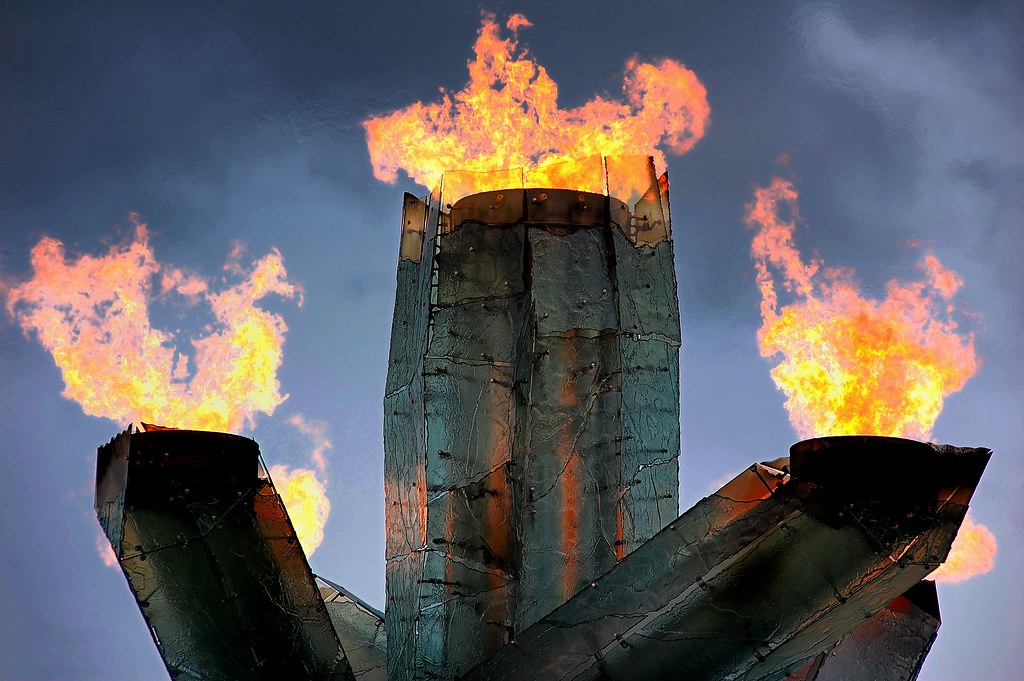
On August 8th 2021, the chief of the International Olympic Committee, Thomas Bach, pointed out during the closing ceremony that these games were “unprecedented” and brought messages of “hope, solidarity and peace” into a world torn with the desolation generated by the pandemic. It was a victory of the human spirit again, a precursor of what is to come. That the Japanese could get over their pandemic wrought hurdles, just as they did post the nuclear disasters wrought by the Second World War and by the 2011 earthquake-tsunami at Fukushimaya, to host something as spectacular and inspiring as these international games reflects, as the commentators contended, a spirit of ‘harmony and humility’. The last song performed by many youngsters seemed to dwell on stars in the sky — not only were the athletes and organisers the stars but this also reminded of unexplored frontiers that beckon mankind, the space.What a wonderful thing it was to see people give their best and unite under the banner of sports to bring messages of survival and glimpses of a future we can all share as human beings! Our way of doing things might have to evolve but we will always move forward as a species to thrive and expand beyond the known frontiers.

One such explorer of yet unknown frontiers who mingles the historic with the contemporary, Goutam Ghose, an award-winning filmmaker and writer, has honoured our pages with an extensive interview showing us how art and harmony can weave lores that can help mankind survive. This is reinforced by the other interview with Singaporean academic, Dr Kirpal Singh, whose poetry reflects his convictions of a better world. With our intelligence, we can redefine processes that hold us back and grind our spirits to dust — be it the conventional ‘isms’ or norms that restrict our movement forward – just as Tagore says in the poem, we have translated this time, ‘Deliverance’.

…On this auspicious dawn,
Let us hold our heads high in the infinite sky 
Amidst the light of bounteousness and the heady breeze of freedom.

As the Kobiguru mentioned earlier in the poem, the factors that oppress could be societal, political, or economic. Could they perhaps even be the fetters put on us by the prescribed preconceived definition of manmade concepts like ‘freedom’ itself? Freedom can be interpreted differently by multiple voices.

This month, on our pages, ‘freedom’ has found multiple interpretations in myriad of ways — each voice visualising a different dream; each dream adding value to the idea of human progress. We have discussions and stories on freedom from Nigeria, Argentina, India, Pakistan, Myanmar, Malaysia and more. Strangely enough, August holds multiple independence/ national days that are always for some reason seen as days of being ‘freed’ by many — at least from oppression. But is that true?

From Malaysia, Julian Matthews and Malachi Edwin Vethamani cry out against societal, religious and political bindings – quite a powerful outcry at that with a story and poems. Akbar Barakzai continues his quest with three poems around ideas of freedom translated from Balochi by Fazal Baloch. Jaydeep Sarangi and Joan Mcnerny pick up these reverberations of freedom, each defining it in different ways through poetry.

Jared Carter takes us back to his childhood with nostalgic verses. Ryan Quinn Flanagan, Michael Lee Johnson, Vandana Sharma and many more sing to us with their lines. Rhys Hughes has of course humour in verse that makes us smile as does Jay Nicholls who continues with her story-poems on Pirate Blacktarn – fabulous pieces all of them. The sport of hummingbirds and cats among jacaranda trees is caught in words and photographs by Penny Wilkes in her Nature’s Musings. A poetic tribute to Danish Siddiqui by young Sutputra Radheye rings with admiration for the Pulitzer prize-winning photographer who met his untimely end last month on 16th while at work in Afghanistan, covering a skirmish between Taliban and Afghanistan security forces. John Linwood Grant takes up interesting issues in his poetry which brings me back to ‘freedom’ from colonial regimes, perhaps one of the most popular themes for writers.

Indo-Pak independence, celebrated now on 14th (Pakistan) and 15th August (India), reflects not only the violence of the Partition which dislocated and killed millions historically but also the trauma caused by the event. Capturing this trauma is a short story based on memories of Partition by Nadir Ali, translated from Punjabi by his daughter, Amna Ali. Ratnottama Sengupta translates from the diary of Sandhya Sinha (1928-2016), a woman’s voice from the past that empathises with the subjugated who were subdued yet again after an upsurge of violence during the Quit India Movement (1942) against the colonials. Sinha contends that though the movement frittered away, the colonials were left with an after-taste of people hankering for self-rule. A thought-provoking short story by Sunil Sharma explores the results of self-rule in independent India.

Alluding to Jinnah’s vision for women, Aysha Baqir muses emotionally about the goals that remain yet to be fulfilled 74 years after independence. Moazzam Sheikh’s story of immigrants explores dementia, giving us a glimpse of the lives of Asian immigrants in America, immigrants who had to find a new home despite independence. Was this the freedom they dreamt of — all those who fought against various oppressive regimes or colonialism?

Tagore’s lyrics might procure a few ideas on freedom, especially in the song that India calls its National Anthem. Anasuya Bhar assays around the history that surrounds the National Anthem of India, composed by Tagore in Bengali and translated to English by the poet himself and more recently, only by Aruna Chakravarti. We also carry Dr Chakravarti’s translation of the National Anthem in the essay. Reflecting on the politics of Partition and romance is a lighter piece by Devraj Singh Kalsi which says much. ‘Dinos in France’ by Rhys Hughes and Neil Reddick’s ‘The Coupon’ have tongue-in-cheek humour from two sides of the Atlantic.

A coming-of-age story has been translated from Nepali by Mahesh Paudyal – a story by a popular author, Dev Kumari Thapa – our first Nepali prose piece.  We start a four-part travelogue by John Herlihy, a travel writer, on Myanmar, a country which has recently been much in the news with its fight for surviving with democracy taking ascendency over the pandemic and leaving the people bereft of what we take for granted.

Candice Louisa Daquin discusses a life well-lived in a thought provoking essay, in which she draws lessons from her mother as do Korean poet, Ihlwha Choi, and Argentinian writer, Marcelo Medone. Maybe, mothers and freedom draw similar emotions, of blind love and adulation. They seem to be connected in some strange way with terms like motherland and mother tongue used in common parlance.

We have two book excerpts this time: one from Beyond the Himalayas by the multi-faceted, feted and awarded filmmaker we have interviewed, Goutam Ghose, reflecting on how much effort went in to make a trip beyond boundaries drawn by what Tagore called “narrow domestic walls”. We carry a second book excerpt this time, from Jessica Muddit’s Our Home in Myanmar – Four years in Yangon. Keith Lyons has reviewed this book too. If you are interested in freedom and democracy, this sounds like a must read.

Maithreyi Karnoor’s Sylvia: Distant Avuncular Ends, is a fiction that seems to redefine norms by what Rakhi Dalal suggests in her review. Bhaskar Parichha has picked a book that many of us have been curious about, Arundhathi Subramaniam’s Women Who Wear Only Themselves. Parichha is of the opinion,Elevated or chastised, exonerated or condemned, the perturbation unworldly women in India face is that they have never been treated as equal to men as spiritual leaders. This lack of equality finds its roots not only in sociological and cultural systems, but more particularly at the levels of consciousness upon which spirituality and attitudes are finally based.”One wonders if this is conclusive for all ‘unworldly women’ in India only or is it a worldwide phenomenon or is it true only for those who are tied to a particular ethos within the geographical concept of India? The book reviewed by Meenakshi Malhotra,  Somdatta Mandal’s The Last Days of Rabindranath Tagore in Memoirs, dwells on the fierce independence of the early twentieth century women caregivers of the maestro from Bengal. These women did not look for approval or acceptance but made their own rules as did Jnadanandini, Tagore’s sister-in-law. Bhaskar Parichha has also added to our Tagore lore with his essay on Tagore in Odisha.

As usual, we have given you a peek into some of our content. There is more, which we leave for our wonderful readers to uncover. We thank all the readers, our fantastic contributors and the outstanding Borderless team that helps the journal thrive drawing in the best of writers.

I wish you all a happy August as many of the countries try to move towards a new normal.

Mitali Chakravarty

Borderless Journal, August 2021

Categories
Independence Day Poetry

A False Dawn

By Malachi Edwin Vethamani

A False Dawn

We sang a song of victory.
Raised a new flag. 
Held our heads high.
Shouted new slogans. 

A new nation we said
has risen bursting 
through the dark clouds. 
Malaysia Baru. 

Then came Deceit, 
old Greed reared its ugly head,
murky waters returned
and undid us all.

 Malachi Edwin Vethamani is a Malaysian Indian poet, writer, editor, critic, bibliographer and academic. He is Emeritus Professor with University of Nottingham. More details in: www.malachiedwinvethamani.com 

.

.

PLEASE NOTE: ARTICLES CAN ONLY BE REPRODUCED IN OTHER SITES WITH DUE ACKNOWLEDGEMENT TO BORDERLESS JOURNAL.

Categories
Independence Day Stories

Brother Felix’s Ward

By Malachi Edwin Vethamani 

Johan sat very still. His head was bowed low. His fingers were clasped together tightly. As he heard Brother Felix say, ‘Amen’, his fingers relaxed and slowly disengaged. He slowly raised his head. He saw Brother Felix’s radiant, happy, glowing face.  Brother Felix’s gaze fell on him and he seemed to smile a little broader. The other boys were already leaving their seats. Johan wanted to linger a little longer. He felt a calmness within him. Johan knew where he ought to be and slowly made his way out of the chapel and headed to the mosque. Today, he had lingered a little longer than he should have.

Johan knew he was not supposed to attend chapel. At the sound of the last bell on Fridays, his Muslim classmates would leave school and head for lunch or sometimes go directly to the mosque for Friday prayers. Johan was a loner and did not go with his classmates. They found him aloof and different. Soon, they found out that he went for chapel at school before going to the mosque for Friday prayers. They were amused and did not care what Johan did. They did not say anything to the adults. 

When his first year at his new school ended, Johan longed for the Friday chapel. Johan yearned for the music, the songs and the stories he heard each week. When Brother Felix mentioned certain prophets, he would recognize them as Adam, Ibrahim, Musa and most of all, Nabi Isa. He had been taught about all of them by his Al-Quran and Fardu Ain teachers. 

Brother Felix had often talked about Jesus or Nabi Isa, as Johan had first known of him. Johan did not tire hearing stories of Jesus’ miracles or the parables with their teachings. Soon Jesus was rarely Isa to Johan. He did not go beyond these stories. Johan did not want to hear about the Jesus who was crucified and was said to have risen. He did not want to hear about the Jesus who was resurrected from the dead and whom the Christians called god. The Jesus alive and preaching love was enough for him.

Johan was drawn to Jesus, the man. He was drawn to Brother Felix. Brother Felix told the stories Jesus had. Stories about love, kindness and forgiveness. Soon, Johan wanted to be like Brother Felix. His young mind could not have comprehended the ramifications of his desire. Johan did not see in his young, innocent mind the transgressions he would be making by just desiring to be like Brother Felix.

Brother Felix treated Johan as he did all the young boys under his care. He was aware of the complex and complicated racial and religious situation in the newly formed Malaysia. He was glad that a missionary school like his could continue to operate in a Muslim country.

Brother Felix enjoyed playing football as a young man and continued to play when he found time. He had broad shoulders and a well-built body, a soldier’s body. He was strong and had felt ready to go to a distant country in Asia. Brother Felix heard his calling to come to Malaysia in his thirties. He did not have to wait long. One of the other Brothers who had just returned from a short stint in Malaysia informed him of a teaching position in a secondary school in Malacca and he immediately applied for it. 

He arrived in Singapore and made his way to Malacca. He was welcomed by the other Brothers and Sisters who were already there in this small town. He was to teach English in the only school set up for boys by the Catholic church. His first day of teaching went by quite uneventfully. What struck him was the different colours of his students. They were certainly quite different from those in Dublin. However, the colours meant little to Brother Felix. They were all the same in his flock. 

It did not take long for Brother Felix to discover that they were certainly not the same and a few had to be treated slightly differently. In his induction to Malaysian life, Brother Felix discovered the religious mosaic in the country. The main concerns were to be with the Muslim students. They were to be set apart and given different religious instruction in the Catholic School. Brother Paul, the Headmaster, had been very clear about it when he met Brother Felix for the first time. Brother Paul, now in his late 50s, had arrived on Malayan shores just like Brother Felix. Over two decades he had learned the ways of the local authorities and adapted accordingly. ‘There will be no preaching or conversion of Muslim students to Christianity,’ Brother Paul had instructed Brother Felix. That would be at the peril of closing down this school and the Brothers’ Provincialate. The La Sallian Brothers certainly did not want that to befall them, he was explicitly cautioned. 

Brother Felix, however, wondered why Muslim parents would want their children to attend a missionary school. A local teacher gave him the answer. One day, a young twenty something Chinese English language teacher, Miss Esther Lim, informed him, ‘They want their children to learn English well and be able to go overseas for further studies.’ With that Brother Felix’s lessons on Malaysia and Malaysians, especially Muslim Malaysians, had slowly begun. It was made clear to him that Christianity was out of bounds for Malay boys in missionary schools. There was no compromise on this matter, none whatsoever ever. 

Brother Felix was in his eighth year of teaching when Johan joined the school in a Form Two class. He was a precocious young boy. Johan was in Brother Felix’s English language class. Johan was a keen reader and his language proficiency was the highest among his peers. Johan had breezed through Enid Blyton stories and gone on to the more adventurous Hardy Boys mysteries. Brother Felix could not help but take notice of this young boy. He wrote excellent compositions but spoke only when called to answer a question. Johan did not enjoy sports, and this kept him very much on his own. He chose to sit in the last row in the class and was often by himself. 

Johan was a fair-skinned lad. His facial features were not typically Malay. When he spoke, it was always in English. He looked like some of the Eurasian boys in the school. Johan did not join the Malay boys in his class, either. They spoke both English and Malay but seemed unwelcoming towards this new kid who spoke only in English.  Most people did not think him to be Malay. Brother Felix was one of those who did not think of Johan being Malay, either until he saw the young man’s full name in the class register. 

Brother Felix was given the task of conducting the weekly lessons from the Bible during Chapel. The students arrived for the sessions with mixed feelings. Most seemed reluctant to attend. It took a while for them to settle down. The other Brothers were present to help the boys settle down. Soon the chapel was almost full. Johan was among the last to enter the chapel and as usual, he sat alone and in the last pew. Brother Felix only noticed Johan after a few Fridays. Just as in the English Language class, Johan sat there quietly, listening with a faraway look. Lost in his own world. Brother Felix chose not to say anything.

Johan listened to Brother Felix’s Bible stories but rarely waited for the moral lessons that followed. His attention would wane as the stories drew to a close and as soon as the pedantic part began, his mind would switch off and he would quietly slip away before the others could notice him. 

Johan’s thoughts often lingered on the stories he heard during Chapel. Many of these stories he had heard before about prophet Ibrahim and Ishak, Musa and Adam. Just the names had been changed here. He was fascinated when he heard the stories that Jesus had told. Johan understood sibling rivalry and envy in the tale about the prodigal son. In his gentle heart, he glowed on the kindness of the good Samaritan. These were new stories to him. 

A desire slowly began to grow in Johan. He wanted to read and hear more about this gentle prophet who preached love and was later scorned by some of his own people and the Romans. Johan scoured a few history books in the school library and found the historical Jesus mentioned in passing. Then one day, by sheer chance he found a Bible stories series in the fiction section. And over the next few weeks, he managed to read the twenty-five titles in the whole series. 

Brother Felix prepared for his English language classes with the same enthusiasm as he did for Chapel. In both, Johan remained seated at the back and Brother Felix thought it best to leave the boy alone. He sensed Johan was different and he was not sure if there was something troubling the lad.

During the double-period English language classes which were towards the end of a long school day, Brother Felix would play a game with the students. He would tell them a story and ask them to give an ending or ask the students to give a lesson they could learn from the story. These stories were short enough to hold their attention and the class would listen intently. The students would respond rather enthusiastically, knowing someone would get a small prize from Brother Felix. Johan listened intently like the others. He enjoyed the stories and knew the lessons they taught. He had read many of them in the books on the library shelves. His heart warmed when he heard Brother Felix now re-tell these stories. Yet, Johan felt no desire to raise his hand to answer Brother Felix’s questions. Hearing the stories was gift enough from Brother Felix. He also did not want to draw any attention to himself.

Soon there were only a few more weeks before public examinations. Johan and his classmates were busy with their preparations for the examinations. The school Chapel sessions continued as usual. One Friday, just as Johan was slipping away from the chapel and rushing off to the mosque for the prayers, his Bahasa Malaysia teacher saw him. The teacher called him aside and asked Johan what he was doing coming out from the chapel? 

“Listening to the Bible stories, sir,” he replied in Malay. 

The teacher gave him a stern warning, “Stop going to the chapel. It is not for you. If you go again, your parents will be informed.”  

Johan nodded, thanked his teacher and fled. He knew why the teacher forbade him to go to the Chapel. It broke his heart that he had been caught. He sobbed all the way to the mosque, knowing he could not return to the chapel anymore. His mind was troubled throughout the Friday prayers. He found it hard to pay attention to the sermon that was being preached. As the prayers drew to a close and the worshippers began to leave, Johan remained seated in his place. His eyes were closed, and he tried to clear his mind. But the troubling words from his Bahasa Malaysia teacher continued to ring loudly in his head. After a few minutes, finding no solace, he got up and left for home. 

Johan was back at his seat in his classroom on Monday. Classes went on as usual. Brother Felix was his usual self, completely unaware of what had transpired for Johan on Friday. The Bahasa Malaysia teacher came to class and taught his lesson. Just as the bell rang, and Johan was about to sigh a relief, the teacher called out Johan’s name and said, ‘Johan, jangan lupa apa yang saya kata pada kamu (Johan Don’t forget what I told you)’, reminding Johan of his warning. His classmates however, paid no heed to what the teacher told Johan.

As Friday drew close, Johan longed to go to chapel. He had grown accustomed to it. The whole of that Friday morning was a struggle within him. He could not see the problem of attending Friday Chapel, then rushing off for Friday prayers. Attending chapel had not turned him away from his religion. After the final class on Friday, Johan walked slowly to the mosque. He knew the chapel routine well and that by the time he reached the mosque, Brother Felix would be giving his weekly lesson to his schoolmates. Johan did his ablutions and joined the men in the mosque. 

The last week of class finally arrived. There were a few revision lessons and “spotting” of exam questions for the examination. Brother Felix walked into the classroom with his usual bright smile. Johan knew that this would be the final class with Brother Felix. They would have a few days of study leave before the examination began the following week. Like the other teachers, Brother Felix gave tips for the examinations. Unlike his regular way of ending his lessons, today, Brother Felix had no time for a story for his students. He ended his class in an unusual manner. He looked at all his students and bid them farewell, “You have my best wishes and God bless each one of you.” He beamed at the students, picked up his books, and waited for their practised reply. The students shouted out, “Thank you, Brother Felix.”

Johan felt a sadness descend upon him. He saw the end of something he had treasured. This second year in the new school had been trying. His parents had demanded excellent grades from him so that he could enter the Science stream the next year, in a new school overseas. Brother Felix had been a beacon in his lonely life. English language classes had not just been learning the English language but listening to Brother Felix’s Bible stories, listening to his calming voice. 

He remembered his English language teacher in the previous school. Puan Halimah taught English using so many Malay words, it frustrated Johan. He felt his Bahasa Malaysia was improving but not his English language. His classmates were generally weak in English and were quite happy with Puan Halimah’s style of teaching. Johan’s parents wanted more for him and got him transferred out of the school.

Johan knew this day would come. It had been scheduled and was expected. Not the way his attending chapel had suddenly been terminated. That had been unexpected and painful. He thought it cruel, even. He felt something he enjoyed and loved being snatched away from him. His young mind was completely oblivious of what could have happened if his Bahasa Malaysia teacher had made a complaint to the religious authorities.

Johan wanted to see Brother Felix. He wanted to say thank you for all that Brother Felix had done for him. Johan feared he might not see Brother Felix again, unsure when he would be leaving for England.

Johan knocked on Brother Felix’s office door. On the door, he saw Brother Felix’s name and job designation. It read, Brother Felix and beneath it, Senior Assistant. A familiar voice answered, “Come in.” Brother Felix was seated at his table. Johan had never been into this office. Brother Felix gave him his familiar warm smile. 

“Ah, Johan! Wasn’t expecting you to be coming to see me. Sit down.”

“Good afternoon, Brother Felix,” Johan replied. 

Johan sat on the chair in front of Brother Felix. 

“Sir, I wanted to come and thank you,” he said. 

Brother Felix was not accustomed to having students drop by his office to thank him. Most shied away from his office and some dreaded being called to see him. It often meant some disciplinary issue needed to be addressed. 

“Johan, it’s been a pleasure teaching you. You should speak up more in class,” Brother Felix said. 

“Brother Felix, I really liked your stories, too.”

“They are not my stories, they are stories from The Bible, Johan.”

“Sir, I know. I read a few in the library…. Brother Felix, could you give me a copy of The Bible?” Johan asked. Johan could not believe what he had just said. He had merely come to thank his English language teacher. And now, he had blurted a request for a copy of The Bible

Brother Felix sat in front of Johan with the most perplexed look. No student had ever asked him for a Bible. And there sat in front of him a Muslim boy asking for a Bible. Brother Felix remembered Brother Paul’s words, “There will be no preaching or conversion of Muslim students to Christianity.” 

Johan sensed a change coming upon his favourite teacher’s face. There was no anger welling up. Just some confusion and a sadness.

“Brother Felix, I’m not sure why I suddenly asked you for a Bible. I just came to say thank you for the English classes and for the stories during Chapel on Fridays. I will miss both.”

Johan quickly got up, gave Brother Felix a bow and fled from his office. Anyone seeing Johan leave Brother Felix’s office would have thought that he had just received a punishment from the school Senior Assistant. 

Brother Felix sat at his table for a long time thinking of Johan and all his wards. He began to weep silently. He did not know why he wept.

.

Malachi Edwin Vethamani is a Malaysian Indian poet, writer, editor, critic, bibliographer and academic. He is Emeritus Professor with University of Nottingham. More details in: www.malachiedwinvethamani.com 

.

PLEASE NOTE: ARTICLES CAN ONLY BE REPRODUCED IN OTHER SITES WITH DUE ACKNOWLEDGEMENT TO BORDERLESS JOURNAL