Our home is our planet with it’s unique combinations which have made life possible. These evolve and mutate with human intervention and the passage of time. The changes affect the flora and the fauna — of which we are a part — of this beautiful green planet. The World Environment Day is a UN initiative to protect the environment and to create an awareness about the changes wrought on it and how it could impact us as a species. Writers from yore have written of the beauty and the inspiration invoked by nature as have the moderns. Today, we share with you vintage writings as well as modern writing in prose on the world around us, showcasing the concerns of a century ago and the reality today.
Vintage Prose
One Small Ancient Tale: Rabindranath Tagore’s Ekti Khudro Puraton Golpo (One Small Ancient Tale) has been translated by Nishat Atiya. Click hereto read.
Bolai: Story of nature and a child translated by Chaitali Sengupta. Click hereto read.
Baraf Pora (Snowfall) : This narrative gives a glimpse of Tagore’s first experience of snowfall in Brighton and published in the Tagore family journal, Balak (Children), has been translated by Somdatta Mandal . Clickhere to read.
The Day of Annihilation, an essay on climate change by Kazi Nazrul Islam, has been translated from Bengali by Radha Chakravarty. Clickhereto read.
Modern Prose
The Gift : Rebecca Klassen shares a sensitive fiction about a child and an oak tree. Click here to read.
A Penguin’s Story: Sreelekha Chatterjee writes a fiction from a penguin’s perspective. Clickhere to read.
Navigational Error: Luke P.G. Draper explores the impact of pollution with a short compelling narrative. Click here to read.
Pigeons & People : In his fiction, Srinivasan R explores human nature and imagines impact on our fauna. Click here to read
The Theft of a River: Koushiki Dasgupta Chaudhuri reveals a poignant truth about how a river is moving towards disappearance due to human intervention. Clickhereto read.
Potable Water Crisis & the Sunderbans: Camellia Biswas, a visitor to Sunderbans during the cyclone Alia, turns environmentalist and writes about the potable water issue faced by locals. Click here to read.
Sometimes I wonder what makes us exclusive as a species on Earth? Do we really have some kind of superiority over the flora and fauna without which we may not survive? With multiple species of wildlife being threatened by human exploits, perhaps there is a need to remind ourselves of our dependence on our planet and the lives it supports while acknowledging our existence as just one of the many species. In this issue, we celebrate life on this planet… I do not know if a cockroach or a cow would be considered wildlife, but it seems only right to see all of them as our brethren… along with yetis who could be a figment of the human mind… Enjoy some of our selected fare from around the world on World Wildlife Day today.
Translations are like bridges. Three years ago, we decided to start a bridge between Tagore’s ideas and the world that was unfamiliar with his language, Bengali. He has of course written a few pieces in Brajbuli too. We started our journey into the territory of Tagore translations with Aruna Chakravarti’s Songs of Tagore. Now we have expanded hugely this section of our translations with many prose pieces and more translations of his lyrics and poetry by writers like Aruna Chakravarti, Fakrul Alam, Radha Chakravarty, Somdatta Mandal, Himadri Lahiri, Ratnottama Sengupta, Chaitali Sengupta and Nishat Atiya other than our team’s efforts. To all these translators our heartfelt thanks. We share with you their work celebrating one of the greatest ideators of the world.
Prose
Stories
.Aparichitaby Tagore :This short story has been translated as The Stranger by Aruna Chakravarti. Click hereto read.
Musalmanir Galpa(A Muslim Woman’s Story): This short story has been translated by Aruna Chakravarti. Clickhere to read.
One Small Ancient Tale: Rabindranath Tagore’s Ekti Khudro Puraton Golpo (One Small Ancient Tale) from his collection Golpo Guchcho ( literally, a bunch of stories) has been translated by Nishat Atiya. Click hereto read.
Bolai: Story of nature and a child translated by Chaitali Sengupta. Click hereto read.
Baraf Pora (Snowfall) : This narrative gives a glimpse of Tagore’s first experience of snowfall in Brighton and published in the Tagore family journal, Balak (Children), has been translated by Somdatta Mandal . Clickhere to read.
Himalaya Jatra( A trip to Himalayas) :This narrative about Tagore’s first trip to Himalayas and beyond with his father, has been translated from his Jibon Smriti (1911, Reminiscenses) by Somdatta Mandal. Click here to read.
Library: A part of Bichitro Probondho(Strange Essays) by Rabindranath Tagore, this essay was written in 1885, translated by Chaitali Sengupta. Click hereto read.
Book Excerpts
The Parrot’s Tale: Excerpted from Rabindranth Tagore. The Land of Cards: Stories, Poems and Plays for Children, translated by Radha Chakravarty, with a foreword from Mahasweta Devi. Clickhere to read
Rabindranath Tagore Four Chapters: An excerpt from a brilliant new translation by Radha Chakravarty of Tagore’s controversial last novel Char Adhyay. Click here to read.
Farewell Song :An excerpt from Radha Chakravarty’s translation of Tagore’s novel. Click hereto read.
Oikotan(Harmonising) has been translated by Professor Fakrul Alam and published specially to commemorate Tagore’s Birth Anniversary. Click hereto read.
Monomor Megher O Shongi (or The Cloud, My friend) has been translated by Professor Fakrul Alam. Click here to read.
Professor Fakrul Alam has translated Tomra Ja Bolo Tai Bolo, Hridoy Chheele Jege and Himer Raate — three songs around autumn from Clickhere to read.
Tagore’sAchhe Dukhu, Achhe Mrityu, (Sorrow Exists, Death Exists) has been translated from Bengali by Fakrul Alam. Click hereto read.
Tagore’s long poem, Dushomoy (translated as Journey of Hope though literally the poem means bad times). Click here to read the poem in English and listen to Tagore’s voice recite his poem in Bengali. We also have a sample of the page of his diary where he first wrote the poem as ‘Swarga Pathhe'(On the Path to Heaven).
Deliverance by Tagore: ‘Tran’by Tagore, a prayer for awakening of the subjugated. Click here to read the translation.
Abhisar byTagore: A story poem about a Buddhist monk by Rabindranath Tagore in Bengali. Click here to read the translation.
Amaar Nayano Bhulano Eledescribes early autumn when the festival of Durga Puja is celebrated. Click here to read the translation from Bengali.
Morichika or Mirage by Tagoreis an early poem of the maestro that asks the elites to infringe class divides and mingle. Click here to read the translation from Bengali.
Pochishe Boisakh(25th of Baisakh) is a birthday poem Tagore wrote in 1922 and from he derived the lyrics of his last birthday song written in 1941. Click here to read.
Chhora or Rhymes, a poem describing the creative process, it was written in 1941. Click here to read.
Okale or Out of Syncgives a glimpse of how out of sync situations are also part of our flow. Click here to read.
Mrityu or Death dwells on Tagore’s ability to accept death as a reality. Clickhere to read.
Songs of Tagore: Seven songs translated by Aruna Chakravarti from a collection that started her on her litrary journey and also our Tagore translation section. Click here to read.
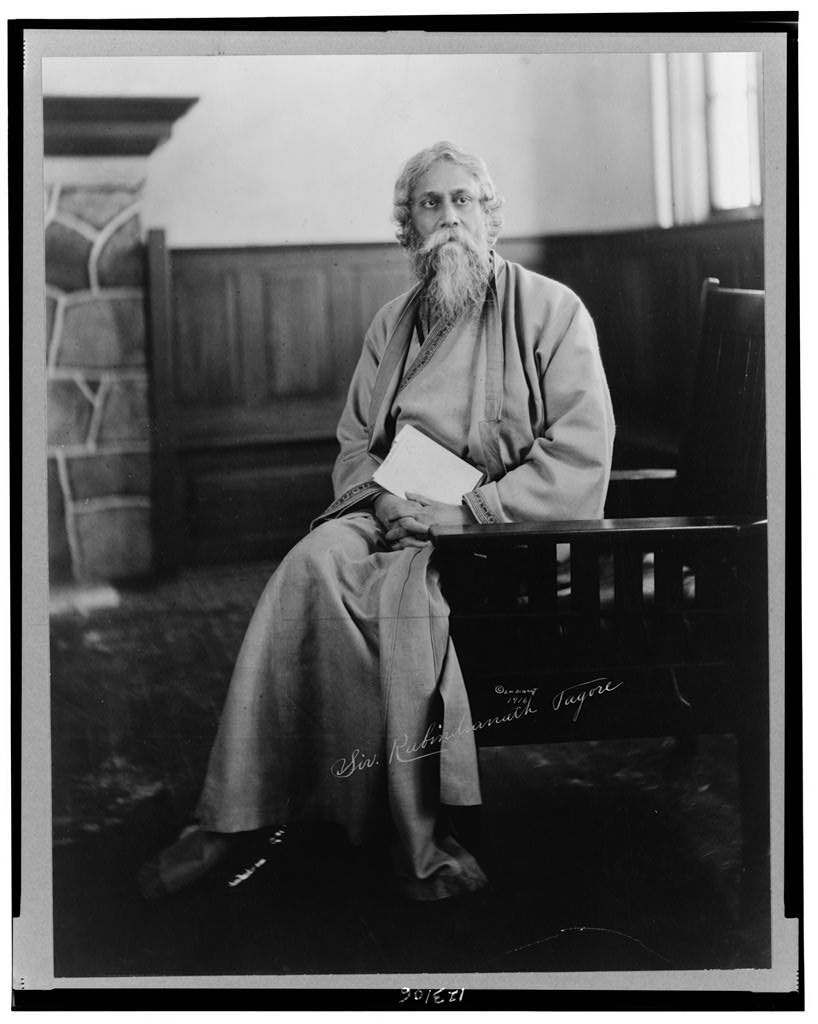
Rabindranath Tagore (May 7th 1861-August 7 1941). From Public Domain.
One of the greatest minds of centuries, Tagore wondered about life and death… about posterity. He lost his wife, some of his children and many more loved ones in his lifetime. He took a philosophical stance on death. On his death anniversary, we bring to you his ideas on death and life too…
As a salute to his pen, we start with his poems and stories, mostly in translation, and move on to tributes by Nazrul (translated by Professor Fakrul Alam), by Aruna Chakravarti , by the late Sunil Gangopadhyay and more…
Tagore’s Poetry
The Child, a poem by Tagore originally written in English. Click here to read.
Tagore in Translation
Tagore’sAchhe Dukhu, Achhe Mrityu, (Sorrow Exists, Death Exists): These lyrics were composed by the poet when on the death of his wife. It has been translated by Fakrul Alam. Click hereto read.
Mrityu or Death,a poemby Tagore has been translated by Mitali Chakravarty. Click here to read.
One Small Ancient Tale: Rabindranath Tagore’s ‘Ekti Khudro Puraton Golpo (One Small Ancient Tale)’ from his collection Golpo Guchcho ( literally, a bunch of stories) has been translated by Nishat Atiya. Click here to read.
Tributes
Nazrul’sGhumaite Dao Shranto Robi Re(Let Robi Sleep in Peace) has been translated from Bengali by Professor Fakrul Alam. Click here to read.
Rabindranath Tagore: A Universal Bard :This conversation between Aruna Chakravarti and Sunil Gangopadhyay that took place at a Tagore Conference organised by the Sahitya Akademi in Kochy in 2011. Click here to read.
We share the planet with creatures great and small. To commemorate the World Wild Life Day, we present to you a selection of non-fiction, stories and poems around the fauna and its conservation
Rabindranath Tagore’s Ekti Khudro Puraton Golpo (One Small Ancient Tale) from his collection Golpo Guchcho (literally, a bunch of stories) has been translated by Nishat Atiya. The story centres around birds in wilderness. Click hereto read.
Meredith Stephens introduces us to the varied fauna (ranging from seals to monitors) found in South Australia with vivid photographs. Click here to read.
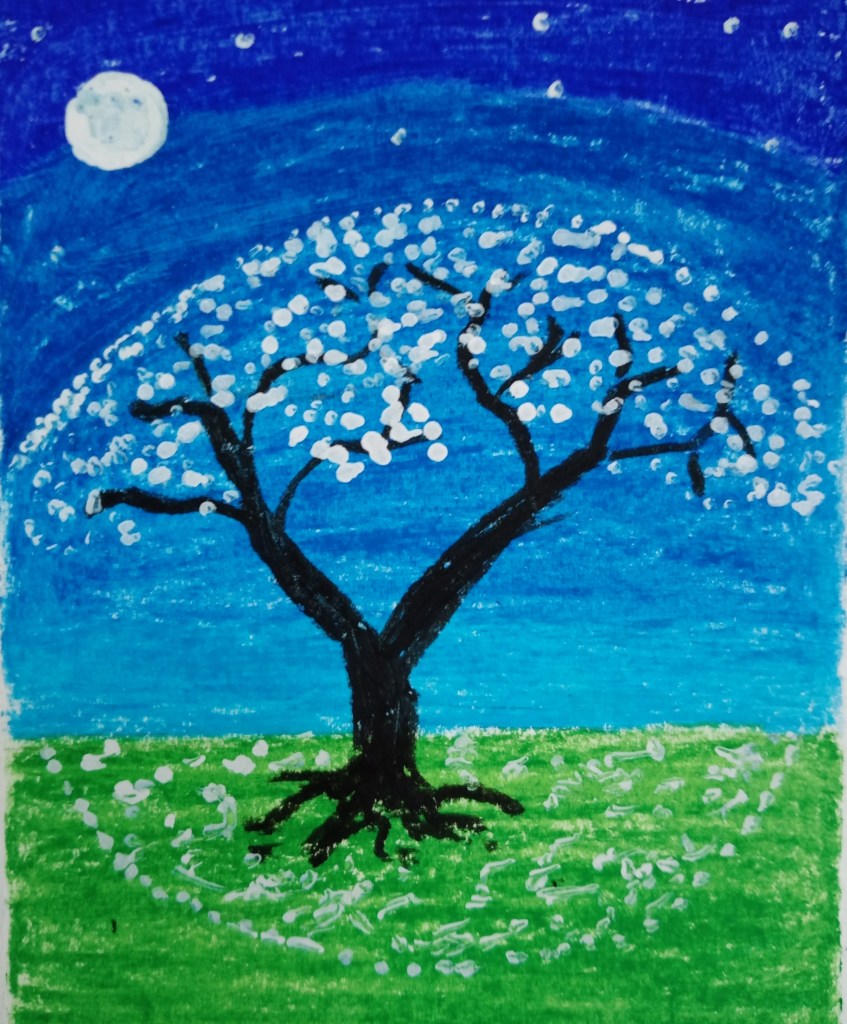
What will the New Year bring? Will it connect us all like a tree that has its roots deep in the Earth but reaches out to the sky with its branches rearing high? Its blooms seem like stars on the planet, connecting all life and non-living in its embrace. We hope as global consciousness grows for living in harmony with nature and science, love and kindness, may we all move towards a better more connected world. We, at Borderless Journal, wish you all a happy start to a wonderful New Year!
Our oeuvre this time brings to you a selection from the year 2021 that showcases the change makers we met, and writing that with their values connect us or ring with goodwill and look forward to a better future.
Meet & Greet
These are people you can meet on our pages — people who impact the world in a way that touches lives.
Goutam Ghose, who finds colouring the world with syncretic lore as the best alternative to sectarian violence. Click here to read.
Anvita Abbi, an empathetic linguist who builds bridges to create a seamless world, accepting and co-existing with different ways of life as colours of a rainbow. Click here to read.
Nazes Afroz translated a book on Afghanistan by Tagore’s disciple, Syed Mujtaba Ali, a memoir that shows the roots of the current crises go deep. Also, a senior BBC editor of South Asia, Afroz takes us through the situation with compassion. Click here to read.
Jessica Mudditt travelled to Myanmar and wrote a book, which is an eye-opener about the current situation. She was brought to focus by Keith Lyons who interviewed her for us. Click hereto read.
Sanjay Kumar founded Pandies, an activist theatre group that educates, bridging gaps between the divides of University educated and the less fortunate who people slums or terror zones. Click here to read.
Sybil Pretious, a teacher who has taught in six countries to impact children, starting her career in Africa and living through and beyond Apartheid. Click here to read.
Poetry
Robert Burns & Tagore in Harmony : A transcreation of Tagore’s song, Purano Sei Diner Kotha, based on Robert Burn’s poem associated with new year’s revelries. Click here to read.
Snowball Earth: A long poem by Rhys Hughes in the spirit of a modern man’s Auld Lang Syne, touching on our climate debacle. Click here to read.
Gathering Blossoms: Poetry by Michael R Burch that lingers in the heart. Click here to read.
Near the River Chenab and Under The trees: Sunil Sharma in a poignant telling takes us on a journey to the banks of a river where life, love and death sheathed in terrorism cumulate to a peak. Click here to read.
Environment and man — are they separate or is man a part of nature? Different writers have interpreted nature and its forces in different ways over a period of time, in glory, in storm and at battle. Explore some of our selections on nature on World Environment Day… Enjoy our oeuvre.
Rabindranath Tagore’sEkti Khudro Puraton Golpo (One Small Ancient Tale) from his collection Golpo Guchcho ( literally, a bunch of stories) has been translated by Nishat Atiya. Click hereto read.
Bhaskar Parichha gives us a glimpse of the life of Wangari Muta Maathai founder of the Green Belt Movement, which has — through networks of rural women — has planted over 30 million trees. Click here to read.
As cyclone Amphan fireballed and ripped through Kolkata, Nishi Pulugurtha gives a first hand account of how she survived the fear and the terror of the situation. Click here to read.
Celebrating the 160th birth anniversary of the polymath, Kobiguru Rabindranath, we offer our readers a selection of translations of his songs and stories and some essays on and around him. For more exhaustive translations and coverage on Tagore, do visit our new section — Tagore & Us.
We launched this section with the translation of seven of his songs by the gifted Sahitya Akademi winning translator and author, Aruna Chakravarti.
This selection of seven songs has been excerpted from Songs of Tagore translated by Aruna Chakravarti and brought out by Niyogi books. Click here to read.
Rabindranath Tagore’s Ekti Khudro Puraton Golpo (One Small Ancient Tale) from his collection Golpo Guchcho ( literally, a bunch of stories) has been translated by Nishat Atiya. Click here to read.
Meenakshi Malhotra explores the role of masculinity in Nationalism prescribed by Tagore, his niece Sarala Debi, Gandhi and Colonials. Click here to read.
Sohana Manzoor explores the social relevance of a dance drama by Tagore, Natir puja. We carry this to commemorate Tagore’s birth anniversary. Click hereto read
Greetings fromBorderless Journalfor all Asian New Years!Click here to read our message along with the video and a translation of a Tagore song written to greet the new year, with lyrics that not only inspire but ask the fledgling to heal mankind from deadly diseases.
Rabindranath Tagore’s Ekti Khudro Puraton Golpo (One Small Ancient Tale) from his collection Golpo Guchcho ( literally, a bunch of stories) has been translated by Nishat Atiya. Click here to read.
Sohana Manzoor shares the Bengali New Year celebrations in Bangladesh with colourful photographs and interesting history and traditions that mingle beyond the borders. Click here to read.
Ratnottama Sengupta, a well-known senior journalist and film critic lives through her past to make an interesting discovery at the end of recapping about the silk route. Click here to read and find out more.
Mike Smith drifts into nostalgia about mid-twentieth century while exploring a box of old postcards. What are the stories they tell? Click here to read.
Over 150 Authors and Artists from five continents have written on mental illness in an anthology called Through the Looking Glass. Candice Louisa Daquin, a psychotherapist and writer and editor, tells us why this is important for healing. Click here to read.
Meenakshi Malhotra explores the role of masculinity in Nationalism prescribed by Tagore, his niece Sarala Debi, Gandhi and Colonials. Click here to read.
Sohana Manzoor explores the social relevance of a dance drama by Tagore, Natir puja. We carry this to commemorate Tagore’s birth anniversary. Click here to read
Bhaskar Parichha reviews Reconciling Differencesby Rudolf C Heredia, a book that explores hate and violence. Click here to read.
Nivedita Sen reviews Nomad’s Landby Paro Anand, a fiction set among migrant children of a culture borne of displaced Rohingyas, Syrian refugees, Tibetans and more. Click here to read
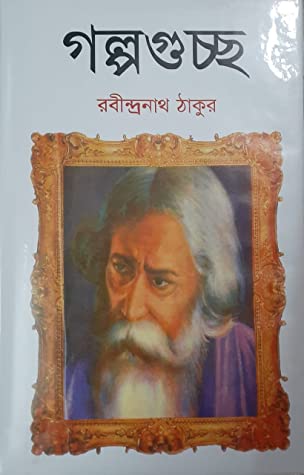
Rabindranath Tagore’s Ekti Khudro Puraton Golpo (One Small Ancient Tale, written in September 1893) from his collection Golpo Guchcho ( literally, a bunch of stories, constituted of 95 short stories, published in five volumes between 1908-1909), translated by Nishat Atiya
Golpo Guchcho by Tagore
I am meant to start another story — a brand new one — aren’t I? It can be tiring at times, you see. I mean, truly.
I look back but can hardly remember who offered me the position and why. It was five of you who arrived in perfect synchrony one after another; and still, it is a mystery to me as to why I was the vassal of your keen interest in the first place and what made you choose me to carry this Daedalian of a métier as if it was nothing short of a child’s play? I wonder … and conclude that it must have been destiny itself to command your kindness in my direction and though minute and mortal, the endeavor is pursued with the same fervour now as it was in the beginning. At least I am inclined to imagine it thus.
Nevertheless, with due regard to the learned quintet, I would venture to propose that this grave burden does not quite suit the small and cowering casket that I am. Whether or not the individual in question here possesses the writerly tenacity required to prove true to his split-self, that is a different matter altogether, for I was created merely as a biological being with his infirmities ad infinitum. No amount of iron mantlets could persuade me otherwise. Therefore, to have to endure the overwhelming voices of elation from my readers is a mere torture as it was ordained by God that I will find peace in stillness. My very being breathes and lives that secrecy, the hour of glorious quietude. But I do recall my grandfather pushing me into the limelight of a fully packed theatre show (perhaps by divine irony or just a random set of occurrences), swaying lightly back and forth as he failed to muffle the waves of sneaky laughter that managed to slip through the fingers pressed tightly against his lips. I wanted to be a part of the audience as well and laugh at myself to fulfill the historical obligation of a fool, but could not.
I wondered if hiding was a probable option, of course. But that would be an attempt in vain, for when a paid soldier pledges to attend the frontline and is expected to perform as an active entrant, the fading comfort he might be enjoying in a no man’s land can turn out to be the very weapon ready to come back and interrupt his otherwise innocuous impulse to simply flee and survive. It will be a pleasant change of subject for once to hope that the Supreme Being knows better and since He does, perhaps it makes more sense if we comply and we comply diligently, with proper devotion and finesse.
It is my duty to entertain people from all walks of life who come and visit their storyteller of choice before they say polite goodbyes, exchanging sweet glances or occasional intellectual swordplay. They recognise me with great admiration which, nonetheless, is an episodic pretense play followed by a devious delight of unknown origin and an artful dismissal of what once used to be alluring but now is démodé. It’s only the way of the world and indeed, this is the primary reason behind auxiliaries of an apparatus denouncing the king component of all routine affairs called “commonality” and its questionable amusement principle. The sense that is common, thus, runs the risk of becoming suspicious and eventually, an easy prey for exploitation. And yet, the cascade of men begging or pleading for a story of ‘one’s own’ does not stop, making it tough for me to not believe that ultimately what I write becomes an end product of their imagination, not mine.
That being so, you can stop for a while if you want. Neither the tale will tire, nor shall I look for a desperate sparkle in your eyes. That is a promise.
If I am asked, however, a most ancient and quick airy storyline spread about the cosmos I do remember. It might not suit your fine palate at first but will definitely tempt you just enough to stay till the brief chain of charming events ends.
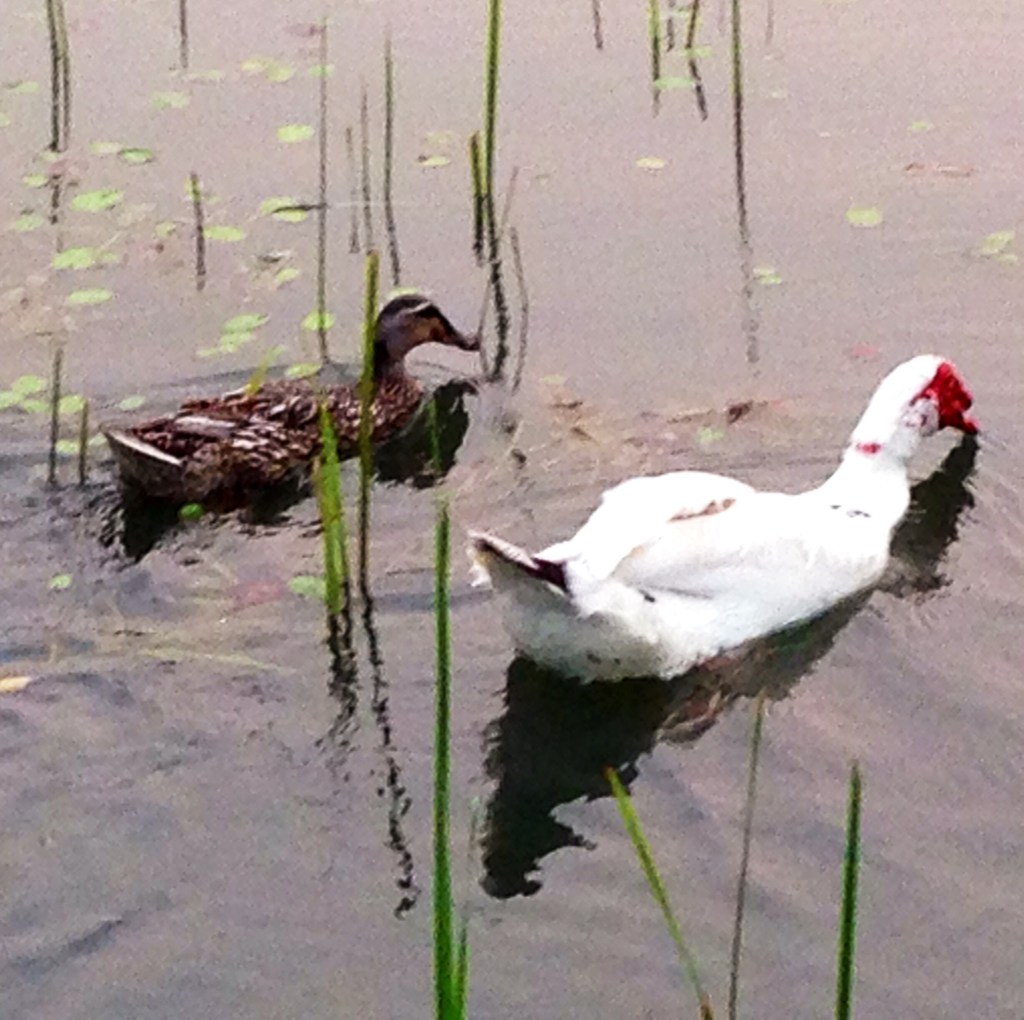
There was once an enormous woodland along the coast-side of a mighty waterway. A woodpecker and a snipe used to live there in separate abodes, the former inside the forest and the latter across a rivulet nearby.
Once the world was lush and fructuous, the feathered friends would be well-fed and pleased. Sublunary benefactions would gratify their appetite and to their relief, it had seemed as if their heydays were never to end.
Yet came a day when they found no mites, mosquitoes or any other vermin.
The bird by the riverbank addressed the one on the bough, “Brother mine, it all seemed particularly robust and radiant at first, didn’t it? The sparkle of life in its green folioles and soft hibiscus! But now that the times have changed this little realm of ours has never been more sterile and lifeless, revealing its hideous face once and for all.”
The bird on the bough replied to the one by the riverbank, “Brother mine, remember how they would praise to the skies about our once-splendid habitat and all it had to offer us? Even if you do, I say the wasteland is quite unforgiving and has been as such ever since it came into existence.”
Both felt it mandatory to prove that their mutual observation was true. Thereby, they immediately undertook an exploration of their respective territories which they felt were their personal possessions. First, the snipe dived deep into the murky purlieu of the earth and began to excavate long trenches inside its soft bosoms, desperate to verify his conviction about his ‘private property’ or so to speak, its ill-health. Likewise, the woodpecker on the other end of the forest kept drilling into the firm skin of tree trunks so their bare skeletons would unfold even an emptier stomach underneath.
Fully immersed in their common passionate goal, these disruptors of different feathers were unmindful of the greater confrontation awaiting them ahead — being songbirds and not singing. Consequently, as the springtime came and took over a dreary winter of discontent to replace it with florae and faunae of all sorts or nightingales recounting shared moments of ecstasy, the birds of woe continued their mournful quest for an imaginary resolution. The mute passerines thus pursued a shadowy sphere that neither existed nor surely expired.
I can go on, but you did not quite develop a liking for this one, did you? Perhaps, the story is not one of those kinds that you would easily find admirable after all. But the biggest virtue of it, you wonder? Well, a neatly finished exquisite product within five to seven paragraphs ready to be preserved in the pages of human history, which is mind-blowing in and of itself if you ask me!
Wait, you don’t even believe that the story is ancient and always has been so as evidenced in our blood, do you? Well, it is not entirely unlikely for one to have frequent amnesiac attacks as the very humanized notion of historicity has been exchanging the old with the new and the new with the old from times immemorial. Also, a great many days have passed since then. Not to mention, the ungrateful woodpecker has been carrying on his duty, causing significant damage to the earth’s interior by pecking holes into its subastral surface, whereas the ruthless snipe also can be found to enjoy invading the privacy of the aged planet and its mysterious watercourses. Both are trapped, indeed. Both are lost in their own ways.
Now, what’s the concrete tone of happiness or loss one can identify in this sort of authorial technicality, you ask? If you look closely you will find both in each other’s warm embrace, whispering sweet nothings in a magical melody. It does not matter whether or not the gargantuan universe has a tendency to connect humanities across borders, for what is more important is to understand the sheer delight the snipes across the world might acquire on a daily basis by hammering on the ground, happy to change into a parasite and manage meager meals once or twice a day. On the other hand, a small and seemingly ineffective glimmer of hope beacons forth as we dream of a better future, provided that green patches and pastures are somehow still around the cold and distant city dwellers who consider stomping on organisms a certified hobby. To conclude, a moment of silence for those unfortunates that envy and resent with no chance of redemption — and to catastrophize more — not a single living soul knows that they ever really existed!
I dread to assume correctly that you did not understand a single word of this garbled set of whimsies and whispers. I can only predict that someday soon, the impregnable walls of nothingness will crack into pieces, leaving only a trail of a void behind. Give yourself some time and see if you can come back to the story again, will you?
All in all, is it just as meaningless as I feared it would be? Is it a terrible beauty waiting to be reborn this way?
I guess time will tell.
.
Nishat Atiya is a Lecturer in the Department of English and Humanities at the University of Liberal Arts Bangladesh, Dhaka. She is also a sub-editor at the Star Literature and Review pages of The Daily Star.
.
PLEASE NOTE: ARTICLES CAN ONLY BE REPRODUCED IN OTHER SITES WITH DUE ACKNOWLEDGEMENT TO BORDERLESS JOURNAL






 Borderless