Durga Puja, a community- based festival. Courtesy: Creative Commons
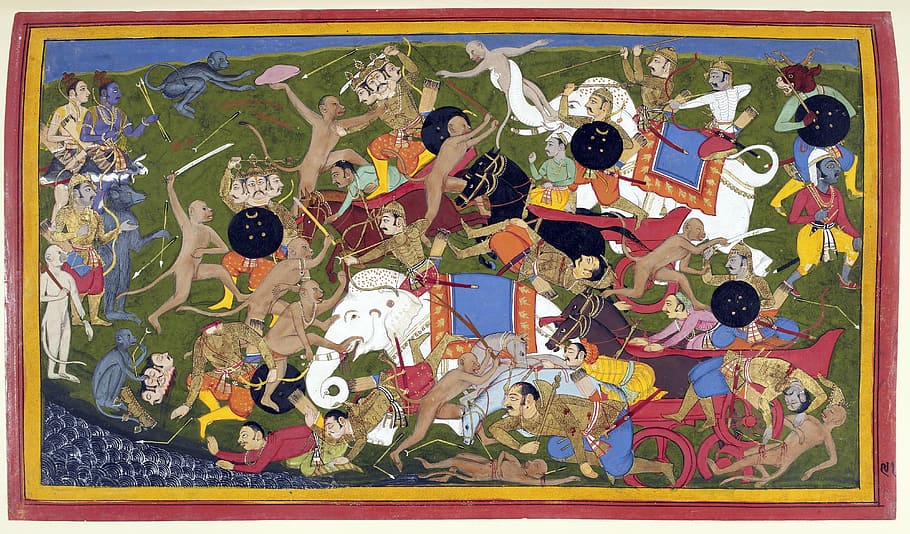
Long ago as children, we looked forward to the autumnal festival of Durga Puja. For those who lived outside Bengal, there was no holiday but it was still a break, a season filled with joie de vivre, when family and friends would gather to celebrate the community-based festival, Durga Puja. Parallelly, many from diverse Indian cultures celebrated Navratri — also to do with Durga. On the last day of the Durga Puja, when the Goddess is said to head home, North Indians and Nepalese and some in Myanmar celebrate Dusshera or Dashain, marking the victory of Rama over Ravana, a victory he achieved by praying to the same Goddess. Perhaps, myriads of festivals bloom in this season as grains would have been harvested and people would have had the leisure to celebrate.
Over time, Durga Puja continues as important as Christmas for Bengalis worldwide, though it evolved only a few centuries ago. For the diaspora, this festival, declared “Intangible Cultural Heritage of Humanity” by UNESCO, is a source of joy. While devotees welcome the Goddess Durga and her children home, sons and daughters living away would use this event as a reason to visit their parents. Often, special journals featuring writings of greats, like Satyajit Ray, Tagore, Syed Mujtaba Ali, Nazrul would be circulated in the spirit of the festival.
The story around the festival gives out that like an immigrant, the married Goddess who lived with her husband, Shiva, would visit her parent’s home for five days. Her advent was called Agomoni. Aruna Chakravarti contends in her essay, Durga’s Agomoni “is an expression, pure and simple, of the everyday life of women in a rural community –their joys and sorrows; hopes and fears”. While some war and kill in the name of religion, as in the recent Middle Eastern conflict, Chakravarti, has given us an essay which shows how folk festivities in Bengal revelled in syncretism. Their origins were more primal than defined by the tenets of organised religion. And people celebrated the occasion together despite differences in beliefs, enjoying — sometimes even traveling. In that spirit, Somdatta Mandal has brought us travel writings by Tagore laced with humour. The spirit continues to be rekindled by writings of Tagore’s student, Syed Mujtaba Ali, and an interview with his translator, Nazes Afroz.
We start this special edition with translations of two writers who continue to be part of the syncretic celebrations beyond their lives, Tagore and Nazrul. Professor Fakrul Alam brings to us the theme of homecoming explored by Nazrul and Tagore describes the spirit that colours this mellow season of Autumn
Poetry
Nazrul’s Kon KuleAaj Bhirlo Tori ( On which shore has my boat moored today?), translated from Bengali by ProfessorFakrul Alam, explores the theme of spiritual homecoming . Click here to read.
Tagore’sAmra Bedhechhi Kasher Guchho (We have Tied Bunches of Kash), translated from Bengali by Mitali Chakravarty, is a hymn to the spirit of autumn which heralds the festival of Durga Puja. Click here to read.
Somdatta Mandal translates from Bengali Travels & Holidays: Humour from Rabindranath. Both the essay and letters are around travel, a favourite past time among Bengalis, especially during this festival. Click here to read.
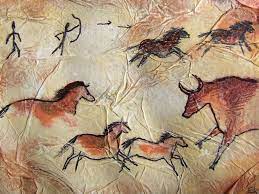
Pre-historic cave painting in France La Tauromaquia. Leap with the Spear by Picasso (1881-1973)Courtesy: Creative Commons
There was a time when there were no boundaries drawn by humans. Our ancestors roamed the Earth like any other fauna — part of nature and the landscape. They tried to explain and appease the changing seasons, the altering landscapes and the elements that affected life and living with rituals that seemed coherent to them. There were probably no major organised structures that laid out rules. From such observances, our festivals evolved to what we celebrate today. These celebrations are not just full of joie de vivre, but also a reminder of our syncretic start that diverged into what currently seems to be irreparable breaches and a lifestyle that is in conflict with the needs of our home planet.
Reflecting on this tradition of syncretism in our folklore and music, while acknowledging the boundaries that wreak havoc, is an essay by Aruna Chakravarti. She expounds on rituals that were developed to appease natural forces spreading diseases and devastation, celebrations that bring joy with harvests and override the narrowness of institutionalised human construct. She concludes with Lalan Fakir’s life as emblematic of the syncretic lore. Lalan, an uneducated man brought to limelight by the Tagore family, swept across religious divides with his immortal lyrics full of wisdom and simplicity. Dyed in similar syncretic lore are the writings of a student and disciple of Tagore from Santiniketan, Syed Mujtaba Ali (1904-1974). His works overriding these artificial constructs have been brought to light, by his translator, former BBC editor, Nazes Afroz. Having translated his earlier book, In a Land Far from Home: A Bengali in Afghanistan, Afroz has now brought to us Syed Mujtaba Ali’s Tales of a Voyager (Jolay Dangay), in which we read of his travels to Egypt almost ninety years ago. In his interview, the translator highlights the current relevance of this remarkable polyglot.
Humming the tunes of Mujtaba Ali’s tutor, Tagore, a translation of Tagore’s song, AmraBeddhechhi Kasher Guchho (We have Tied Bunches of Kash[1]) captures the spirit of autumnal opulence which heralds the advent of Durga Puja. A translation by Fazal Baloch has brought a message of non-violence very aptly in these times from recently deceased eminent Balochi poet, Mubarak Qazi. Professor Fakrul Alam has translated a very contemporary poem by Quazi Johirul Islam on Barnes and Nobles while from Korea, we have a translation of a poem by Ihlwha Choi on the fruit, jujube, which is eaten fresh of the tree in autumn.
A poem which starts with a translation of a Tang dynasty’s poet, Yuan Zhen, inaugurates the first translation we have had from Mandarin — though it’s just two paras by the poet, Rex Tan, who continues writing his response to the Chinese poem in English. Mingling nature and drawing life lessons from it are poems by George Freek,Ryan Quinn Flanagan and Gopal Lahiri. We have poetry which enriches our treasury by its sheer variety from Hawla Riza, Pramod Rastogi, John Zedolik, Avantika Vijay Singh, Tohm Bakelas and more. Michael Burch has brought in a note of festivities with his Halloween poems. And Rhys Hughes has rolled out humour with his observations on the city of Mysore. His column too this time has given us a table and a formula for writing humorous poetry — a tongue-in-cheek piece, just like the book excerpt from The Coffee Rubaiyat. In the original Rubaiyat, Omar Khayyam (1048–1131) had given us wonderful quatrains which Edward Fitzgerald immortalised with his nineteenth century translation from Persian to English and now, Hughes gives us a spoof which would well have you rollicking on the floor, and that too, only because as he tells us he prefers coffee over wine!
Humour tinged with irony is woven into Devraj Singh Kalsi’s narrative on red carpet welcomes in Indian weddings. We have a number of travel stories from Peru to all over the world. Ravi Shankar takes us to Lima and Meredith Stephens to Californian hot springs with photographs and narratives while Sayani De does the same for a Tibetan monastery in Lahaul. Keith Lyons converses with globe trotter Tomaž Serafi, who lives in Ljubljana. And Suzanne Kamata adds colour with a light-veined narrative on robots and baseball in Japan. Syncretic elements are woven by Dr. KPP Nambiar who made the first Japanese-Malyalam Dictionary. He started nearly fifty years ago after finding commonalities between the two cultures dating back to the sixteenth century. Tulip Chowdhury brings in colours of Halloween while discussing ghosts in Bangladesh and America, where she migrated.
The theme of immigration is taken up by Gemini Wahaaj as she reviews South to South: Writing South Asia in the American South edited by Khem K. Aryal. Japan again comes into focus with Aditi Yadav’s Makoto Shinkai’s and Naruki Nagakawa’s She and Her Cat, translated from Japanese by Ginny Tapley Takemori. Somdatta Mandal has also reviewed a translation by no less than Booker winning Daisy Rockwell, who has translated Usha Priyamvada’sWon’t You Stay, Radhika? from Hindi. Our reviews seem full of translations this time as Bhaskar Parichha comments on One Among You: The Autobiography of M.K. Stalin, the current Chief Minister of Tamil Nadu, translated from Tamil by A S Panneerselvan. In fiction, we have stories that add different flavours from Paul Mirabile, Neera Kashyap, Nirmala Pillai and more.
“One of the children gave it [the bunch of bananas] to the child sitting in front. An emaciated girl and a little boy were seated next to me. I told them to pass on the fruit to everyone in the back and keep one each for themselves. The girl looked curiously at the bunch as she turned it around in her hands. Then she looked at the other children.

“‘I’ve never seen an onion like this one,’ she said.

“Her little companion also touched the fruit gingerly and innocently added, ‘Yes, this is not even a potato.’

“I was speechless to say the least. These children had never seen anything apart from onions and potatoes. They had definitely never chanced upon bananas…”
Heart-wrenching but true! Maybe, we can all do our bit by reaching out to some outside our comfort or social zone to close such alarming gaps… Uma Dasgupta’s book tells us that Tagore had hoped many would start institutions like Sriniketan all over the country to bridge gaps between the underprivileged and the privileged. People like Satyarthi are doing amazing work in today’s context, but more like him are needed in our world.
We have more writings than I could mention here, and each is chosen with much care. Please do pause by our contents page and take a look. Much effort has gone into creating a space for you to relish different perspectives that congeal in our journal, a space for all of you. For this, we have the team at Borderlessto thank– without their participation, the journal would not be as it is. Sohana Manzoor with her vibrant artwork gives the finishing touch to each of our monthly issues. And lastly, I cannot but express my gratefulness to our contributors and readers for continuing to be with us through our journey. Heartfelt thanks to all of you.
Title:The Wizard of Festival Lighting – The Incredible Story of Srid
Author: Samragngi Roy
Publisher: Speaking Tiger Books
There are two things that make this book interesting. Firstly, it is the story of a man who decorated lights during festivals and got worldwide fame for what he did. Secondly, the author of the biography is a young writer. The Wizard of Festival Lighting: The Incredible Story of Srid is written by the protagonist’s granddaughter, Samragngi Roy, who published her debut novel, a young adult fiction in 2017.
Nevertheless, what makes this book stand out most is its unconventional theme. History is presented innovatively in this 352-page book, and folklore is at the center. Just like Durga puja can’t be mentioned without Kolkata, Jagatdhatri puja can’t be mentioned without lighting. This isn’t just West Bengal’s festival history, but India’s. Here’s how one man conquered the world through his vision. Documents like this are historical.
The blurb reads: “Eleven year old Sridhar was fascinated by light. Growing up among a dozen siblings in a mud cottage in Chandannagar in West Bengal, he longed to create something beautiful. A school dropout who never studied beyond Class Eight, he taught himself about lights and electricity by doing odd jobs at an electrician’s shop—an act that earned him a severe beating from his father. In spite of his family’s opposition, he grew up to become a celebrated light artist and inventor, setting new standards for festival lighting and pioneering new techniques.”
Recalls Sridhar “In 1968, when I was hired by the Bidyalankar Puja Committee for the purpose of providing street lighting, I had volunteered to additionally decorate the banks of our old pond too for three primary reasons. Number one, I had grown up next to it. Number two, it had been the source of some of our most sumptuous meals in childhood. And number three, it had been the setting for several of my childish shenanigans.
“However, when the lights glowed around the pond after sundown, the space enclosed by the banks of the pond looked extremely empty. But of course, I couldn’t have done anything about it because the enclosed space contained nothing but neck-deep water. That’s when I first contemplated the possibility of making lights glow under water and laughed at myself for being so impractical.”
The narrative continues: “So, I closed my eyes, muttered a quick prayer and used my stick to smash a glowing lamp. Then I waited for the impact. There was none that I could feel. My muscles, which had been tense and stiff all along, slowly relaxed. Parashuram and I looked at each other, and my gentle nod was met with a happy little jig that he performed on the steps of the ghat, bursting with excitement. But then the idea stuck with me for a while and what had seemed impossible in the evening had started to seem like an idea worth giving a shot by the night. I wasn’t even sure if the idea was feasible since it was unprecedented.”
Sridhar Das’s work received great acclaim throughout the world. His work has been exhibited in the Festival of India in Russia, Ireland, Los Angeles and Malaysia. The cover of the book is based on his exhibit in the Thames Festival in London — his famous illuminated peacock boat in three dimensions.
As a result of his fame and commitment to work, Sridhar, along with those closest to him, suffered from a variety of issues. His wife had to combat illness and loneliness to care for the family, leaving her husband free to forge his own path. His daughter grew up with her famous father largely absent. The telling encapsulates the true story of his meteoric rise, as well as his family with an unflinching exploration of what his meteoric rise cost him.
The story, poignantly related by his granddaughter, is both a subtle portrait of a complex individual and an affectionate tribute to a grandfather loved by his grandchildren. It takes readers back to vanished times, and introduces them to a man who pursued his dreams and created his own field through sheer determination.
.
Bhaskar Parichha is a journalist and author of Unbiased, No Strings Attached: Writings on Odisha and Biju Patnaik – A Political Biography. He lives in Bhubaneswar and writes bilingually. Besides writing for newspapers, he also reviews books on various media platforms.
.
PLEASE NOTE: ARTICLES CAN ONLY BE REPRODUCED IN OTHER SITES WITH DUE ACKNOWLEDGEMENT TO BORDERLESS JOURNAL
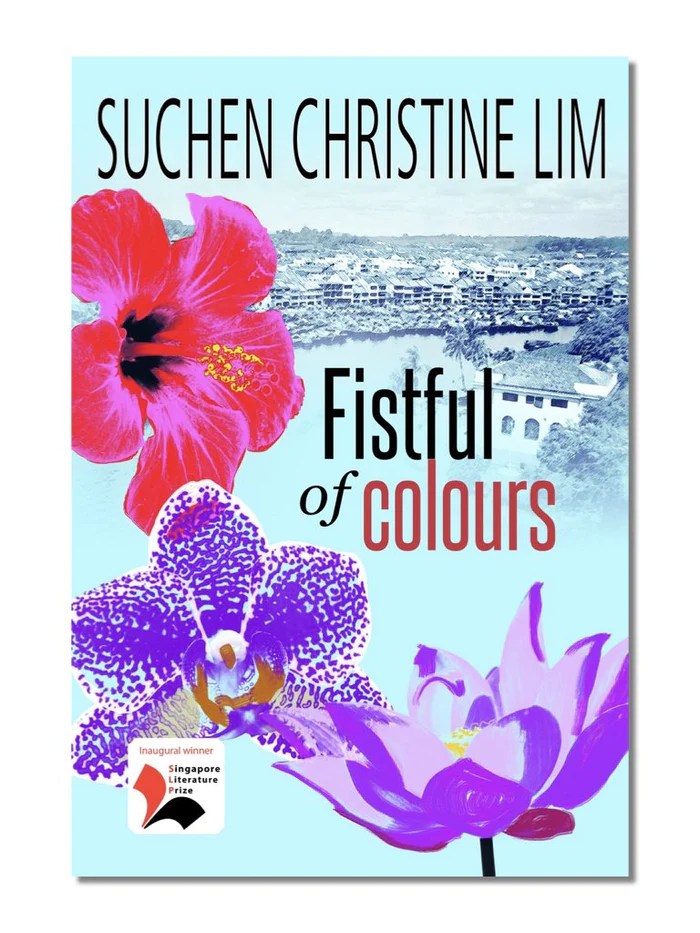
Singapore moved from being a little island to a trading port to an affluent glamorous city that bridges the East and the West. Spanning the spirit of the wide expanse of this movement within a century are some iconic writers. One of them is Suchen Christine Lim, an award-winning author who writes narratives embedded in history, lined with hope and love — two values that need to be nurtured in today’s war-torn world.
Dearest Intimate is her most recent novel that shuttles against the backdrop of Japanese invasion of not just China but of what was then Malaya and modern-day Singapore. The story revolves between the worlds of Chan Kam Foong and her granddaughter, Xiu Yin. A passion for Cantonese opera that spans across generations weaves all the threads together into a single multi-layered rich tapestry of life. That life is never about a single strand or a single facet is brought into play by her intricate craftsmanship.
Suchen has taken seven years to complete this novel creating a story that immerses the reader in different time periods. The time periods are congealed with a variety of techniques of narration. Both, the first-person narrative — the voice of Xiu Yin — and the third person — the diary which unravels her grandmother’s story — are seamlessly knit into a whole. Though to me, the diary is perhaps more compelling with its historic setting and its interludes of amazing passionate poetry, like these lines:
“Though hills and mountains, rivers and plains separate us,
nothing can separate our thoughts and dreams.
Though a thousand li separate our bodies, no mountains nor
rivers, not even the Four Mighty Oceans can separate our heart.”
As the book progresses, it unfolds Xiu Yin’s journey towards rediscovering her strength and love. She rises from the ashes of an abusive marriage which is in sharp contrast to the marriage of her grandmother, Kam Foong, arranged by the family in a traditional Chinese village in the early part of the twentieth century. That victimisation and abuse see no borders of education and can be born of a sense of frustration and an over-competitive outlook is skilfully reflected in the marriage of Xiu Yin, whose husband is from an educated Westernised Catholic background. She had been brought up on traditional lores among Chinese opera artists. Interesting observations on gender issues and local concerns — like the housing policies in Singapore — are wound into the narrative.
To me, one of the most enduring qualities of Suchen’s novels are that they deal with the common man against a historical backdrop. In an earlier interview, she had said: “I wanted to see the past from the perspective of coolies, the illiterate, who have largely been left out of history books. And yet without them, who would pick up the nightsoil?” In this novel too, she has dealt with the common man — farmers and opera singers only the historic setting and their responses have changes because of changed circumstances. We live, feel, emote with the common people before, during and after the second World War to the modern twenty first century Singapore. The author’s skilful characterisation enlivens her creations. The cruelty of Japanese invaders during 1940s is highlighted in the suffering of the people and their abuse. Published around the same time as Sumantra Bose’s Netaji Subhas Chandra Bose’s Life, Struggle and Politics, which shows how the Indian leader thrown out of Congress took support from the Axis powers (German and Japanese), it gives a contrasting perspective. Though this is fiction, Singapore history does corroborate that the Japanese invaders were extremely brutal in their outlook, even among the colonials. Suchen’s reiteration of their cruelty is heart rending.
She has through her characters reiterated on the need of art not just to express but to make people laugh, give them hope and cheer them in dark times. This is an interesting theme which in itself makes one wonder if it is a comment on the perspectives of writers depicting unmitigated darkness. We find this strand of hope in great fiction from the last century — like JRR Tolkien’s Lord of the Rings series or Margaret Mitchell’s Gone with the Wind. They all end with hope as do Suchen’s works.
Suchen’s oeuvre very often encompasses the story of migrants as it has done here. And the interesting progression in this novel is the migrants’ complete acceptance of their new homelands — Singapore and Malaysia. In an earlier interview, Suchen had said, “A man can rise and go beyond borders but the land that he leaves will always be in his bones and heart.” And some of her protagonists had headed back to China. But in this novel, one is left wondering if the characters from China have not transcended their national frontiers to embrace the Cantonese opera, declared an intangible cultural heritage, like Durga Puja, by UNESCO. Art and love have overridden all kinds of borders — and perhaps, that is why the name of the novel Dearest Intimate, which is used by Kam Foong for her love and for Xiu Yin by her beloved justifies the title. At the end, it is a heartfelt love story between humans and even between humanity and an art form that evolved to embrace the common man. Like all good books — it touches hearts across all borders with its message of love and acceptance as do Suchen’s other novels. To discuss, her world view and her novel, we had a brief conversation with Suchen —
What made you write this novel, Dearest Intimate? What led you to it?
I had a strange dream while I was on the Writers Immersion and Cultural Exchange (WrICE) residency in the ancient city of Hoi An in Vietnam. I dreamt of a pale orange pillow embroidered with two mandarin ducks and two rows of Chinese characters. When I woke up, I wrote down the two sentences in English, which eventually became the opening paragraph of this novel. So, you can say it was an unexpected gift from the universe that led me to write this novel.
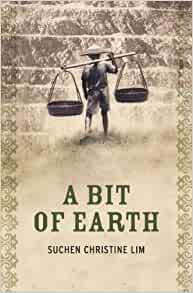
In your earlier novels like A Bit of Earth the protagonist always felt for part of their homelands. However, in Dearest Intimate, the protagonists dwelt on the theme of love and Cantonese opera, not so much on homeland. Has your world view changed since your first novel? How and why?
Published in 1984Published in 2001
Well, I don’t think there is a quick easy answer to the how and why of change in worldview. The time gap between the publication of my first novel, Rice Bowl, and the latest, Dearest Intimate, is more than 30 years. Over that span of time my novels had examined issues of political /historical import, race and identity, moving from the past to the contemporaneous. Over the course of 30 years, it is natural for an author’s ideas and obsessions to change. I would be very worried if I do not change, or my characters and themes do not change. For example, my sudden interest in the pipa led to the writing of The River’s Song, which in turn led me to Chinese music and Hong Kong Cantonese opera and the learning of Cantonese.
Tell us about why you took up the Cantonese opera in a major way in this novel?
It was the strange gift of a dream of two mandarin ducks embroidered on a pillowcase, which reminded me of the Cantonese operas I used to watch as a child with my grandmother and mother. Such pillowcases with embroidered mandarin ducks were symbols of love and fidelity and were sewn by young women in love in Chinese operas. Cantonese opera was a part of my childhood that was largely forgotten till this dream. Looking back, I think in writing Dearest Intimate I was reclaiming that forgotten part of my childhood.
Why did the novel take seven years to write? What kind of research went into the novel?
Partly because the research was such fun. I wasn’t concerned about deadlines. I had already flung away deadlines the moment I resigned from the Ministry of Education years ago. And I must admit I was fortunate that I didn’t have to write to fill my rice bowl. My research obsession began after I had watched a Hong Kong Cantonese opera troupe perform at the Kreta Ayer People’s Theatre, and later, other operas at the Esplanade during Moon Festival. Curious about the actors’ training, I went to the National Archives and listened to the many interviews with old opera actors and actresses of local Chinese opera troupes. Every year, I flew to Hong Kong to watch one or two Cantonese operas, and once I even met Chan Poh Chee and Bak Suet Xin, the icons of Hong Kong’s Cantonese opera. When I started writing the novel I would watch one Cantonese opera on YouTube every afternoon, even re-watching a few favourites. Unhappy that I could not understand the literary Cantonese used in the operas I joined a Cantonese class in Chinatown to deepen my understanding of Cantonese.
Why did the novel take seven years to write? Well, one of the reasons is my troublesome health. I had several health issues to deal with. Very boring chronic issues which, naturally, gobbled up my time and distracted my attention. The most serious of these troublesomes was a minor stroke that affected my movement and speech for some months.
You have written many children’s stories, a play, short stories, non-fictions and novels. What is your favourite form of storytelling and why?
The novel. It is humanity’s greatest literary invention. Within the novel, raw messy lived experience is transformed into coherent narrative.
All your novels have a sense of hope and seem to reach out with the message of love and acceptance. Why is it you feel reiterating this is important?
I am glad you think my novels have a sense of hope. Hope is often the reason we live another day. Hope is what helps us to endure, to wait. To write, to make art is an act of hope.
What in your opinion is the purpose of art? You have repeatedly mentioned in your novel that people will respond better to hope or laughter in opera in dark times. Would you say this also applies to writing? Do you think people in dark times prefer books that give hope? Please elaborate.
I will quote Master Wu in the novel: “Play our music! Tell our stories! Sing our songs! Write our histories! Preserve our humanity! That is what the arts are for. Never, never for one moment forget who we are …” in the age of robotics, story-generating AI and Twittering twitterati.
Do you have any advice or message for budding writers?
Suffering is good for the writer. It will deepen lived experience and expand the heart’s empathy.
Thank you for your wonderful answers and for giving us the time.
Published in 2014Published in 1992More books by Suchen Christine Lim
(The book has been reviewed and the interview conducted online by emails by Mitali Chakravarty)
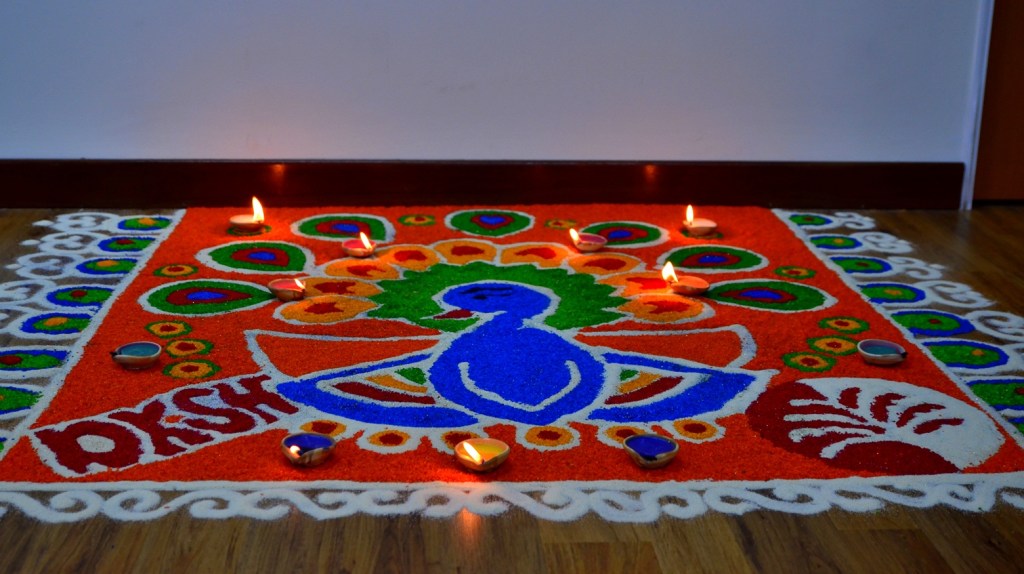
In my naive childhood, I thought that Deepavali was one big celebration all over India and of those of the Indian diaspora the world over, at least of those of the Hindu faith. Bizarrely, I must have thought the whole of India would be up in jubilation anticipating the arrival of the festival of lights. Obviously not: the discussions surrounding the recent UNESCO recognition of Durga Puja as an Intangible Cultural Heritage are anything but unison. Now the Gujaratis want Navaratri[1] as a cultural loom. Interestingly, the people in power in Tamil Nadu want the harvest festival of Pongal as the main Tamil festival.
Indians who were brought in by the British to work in the Malayan rubber estates in the 1930s were mainly from Tamil Nadu. They celebrated Thaipusam[2] and Deepavali with much pomp and fanfare. Both days were soon declared holidays in many states of Malaysia.
I do not particularly remember my childhood memory of Deepavali being particularly joyous. Deepavali was another unnecessary expenditure in my home. We were a lower middle-class Malaysian Indian family of the 1970s. My thrifty Amma looked at this merrymaking as a hindrance. It was also the busiest time of the year for her. She was a kind of Indian Auntie Scrooge. She would drum up upon us at every moment that if one is healthy and wealthy, every day would be Deepavali. Deepavali comes once a year, right. But then, it comes every year.
Amma was a kind of local rock star amongst the flat dwellers when it came to stitching saree blouses. She was the go-to person for the aunties to enhance their assets and anatomy to look good in their sarees, even though most of them were overtly oversized and out of shape, to look trim and alluring, in their eyes, of course. Amma would use her talent to supplement Appa’s meagre take-home after the creditors’ scavenging.
She took in more orders than she could chew in her zeal to make hay while the sun was out. As the days grew nearer, she would become edgier and edgier. She would burn the midnight oil trying to finish the orders, as her customers would trickle in, demanding in desperation for their Deepavali blouses. She would smile apologetically to her clientele, but once they left, all of us, including Appa, would be the brunt of her frustrations. She would go on a monologue about the hopelessness of life, blaming all the people in her life, including God, for her miseries.
My sister, Sheela, grudging, had to help her, cutting loose ends, stitching buttons, edgings, and general tidying the blouses. Occasionally, Amma would cut or sew something wrongly, and that was when all hell would break loose. No one was spared of her screaming tirade. The smacking of children was legal then.
Deepavali was generally not what Malaysian Indian students, that is, those keen to score well in the Malaysian public examinations, looked forward to. Most, if not all, major public examinations were held at the end of the year. It made perfect sense as that was when the rest of the school would have finished their academic year, and there would be peace and quiet to conduct examinations. The trouble is that Deepavali mainly falls in late October or early November. Sometimes, the celebrations fell right smack between papers. The school would also be holding their end-of-year examinations if it was not for the public papers. Hence, we thought Deepavali was just another off-day to cramp up for the tests.
We, the children, could look forward to our annual sort of ‘pilgrimage’ thronging the bargain-hunting haven of Penang’s Campbell Street’s cheap sale’s stores two to three weeks before the auspicious day. We could look forward to the only two sets of new attire they would buy for the next twelve months. Seeing Amma bargain with the shopkeepers for the best price, I sometimes pitied the sellers. Sometimes, I feel like telling Amma to just pay what he asked. No, she would not do that. She would go to another shop, start another boxing match, loose, and return to the first shop smiling sheepishly.
As the days got closer, Amma would get even more and more high-strung. The children would be at the receiving end as the sewing orders piled up, and she could not find the correct thread colours for her blouses. In the midst of all that, some cloth piece or button would go missing, and then there would be a ruckus. Everyone would be roped in to search only to find the missing item right under her nose, where it would have been all the while.
Amma would become more desperate. The children, all preparing for the examinations, would be nagged for not helping enough, unlike other children – as if we were the only children in the world who needed to study! The sewing sessions would go on and on till the morning of Deepavali. On one occasion, probably due to fatigue, she actually cut out the wrong design for the wrong customer, and Amma had to replace the material later. Probably that customer must have ‘celebrated’ Deepavali that year with no saree blouse! She might have passed it off as another new fad – as an empress in ‘new clothes’, perhaps!
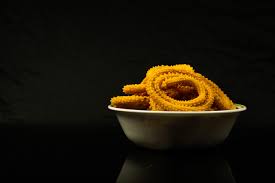
About a week before Deepavali, cookies would have to be prepared in the middle of this entire melee. By tradition, the first to be cooked must be oil based; hence the opening ceremony was done by pressing murukku (a deep-fried snack made from rice flour and spices) and ghee balls (ney orundei). With a traditional and cumbersome murukku squeezing device, I would be assigned to give my muscle power to press down the murukku dough. A few other cookies would be baked in the then-spanking-new electric oven. To add to the local flavour, Amma would stir up sticky glutinous in brown sugar for a delicacy called ‘wajik‘.
One particular Deepavali eve, I remember an incident that triggered a stir in my neighbourhood. We were living on the 15th floor of a 17-storey low-cost flat. Residents were packed into tiny pigeonholes we called home. Privacy was the most diminutive of the priorities as we paved through life. Sheela was left to guard the fortress as my parents went off to the evening market to get groceries for the big day. I had gone off to school. I was in the afternoon session[3] that year.
I returned home to a big commotion outside my flat. Most of the neighbours were standing outside the unit, banging on the door, calling for Sheela and talking loudly amongst themselves. I peeked through the blind panel of the door. I could see Sheela slouched cosily on a sofa with her hands on her right cheek deep in slumberland. The television in front of her was blaring loudly, further drowning all the commotion outside. She was not too far from the door, but she continued snoozing. I guess all the late nights helping Amma must have gotten to her.
Residents getting locked out was nothing new in our neighbourhood. I suppose it is one of the events that got the neighbours together to mingle and get to know each other. Among us were self-appointed ‘specialists’ who devised their own gadgets to deal with any locked-out situation. The most typical item used by most was a charcoal stirrer. I guess that is how laparoscopic surgeons got the idea of performing keyhole surgery. One with hyper-flexible joints was sometimes sorted after to insert his hand through the door blinds!
Yours truly saved the day when I managed to manoeuvre my hand through the door to flip the lock open. All through the melee, my sister was in total bliss. Finding her snoring, oblivious to all the pandemonium outside, Appa went on to reprimand her in the usual way – KABOOM! (i.e. smack).
With all that build-up, preparation and countdown, Deepavali was actually an anti-climax – except for the new clothes, the food and the angpows (money packets) we received after distributing cookies to our neighbours. Amma would be sleeping after finally finishing her sewing and cooking. Appa would catch his forty winks on his easy chair, and we, the children, would watch all the special programmes on TV. Nobody actually came to visit us, even on Deepavali day. The afternoon would come, and the family would again manifest in front of the idiot box to watch the Deepavali special Tamil movie on TV. When this was over, essentially Deepavali was over and reality bit in. It was time to prepare for school the following day. On Deepavali nights, we would fire up a couple of Chinese sparklers.
All the money collected in the angpows would go straight into our Post Office Savings accounts in the next few days. The grand finale of the Deepavali curtain would fall a few days later with the family outing to the movies, a Tamil movie, packed with cookies that Amma had prepared as viewing snacks. Then, it was the school holidays, and another school year would come.
[1] A Western Indian festival in honour of the Goddess Durga, celebrated around the same time as Durga Puja
[2] The festival in January- February (called Thai in the Tamil calendar) commemorates the occasion when Durga gave her son, Murugan (or Kartikeya) a divine spear to defeat a demon. It is also commonly believed that Thaipusam marks Murugan’s birthday. It is a national holiday in many countries such as Malaysia, Sri Lanka and Mauritius. In India, in Tamil Nadu, it is declared as a holiday but not celebrated in other parts of India.
[3] Schools in Malaysia and Singapore often ran two session – morning and afternoon.
Farouk Gulsara is an occasional writer who blogs at riflerangeboy.com. Whenever he gets nostalgic about the time that whisked by, he pens down whatever his grey cells are still able to retrieve.
.
PLEASE NOTE: ARTICLES CAN ONLY BE REPRODUCED IN OTHER SITES WITH DUE ACKNOWLEDGEMENT TO BORDERLESS JOURNAL
Petronas Twin Towers in Kuala Lumpur. Courtesy: Creative CommonsThe ‘Twin Towers’ at Nadia. Courtesy: Devraj Singh Kalsi
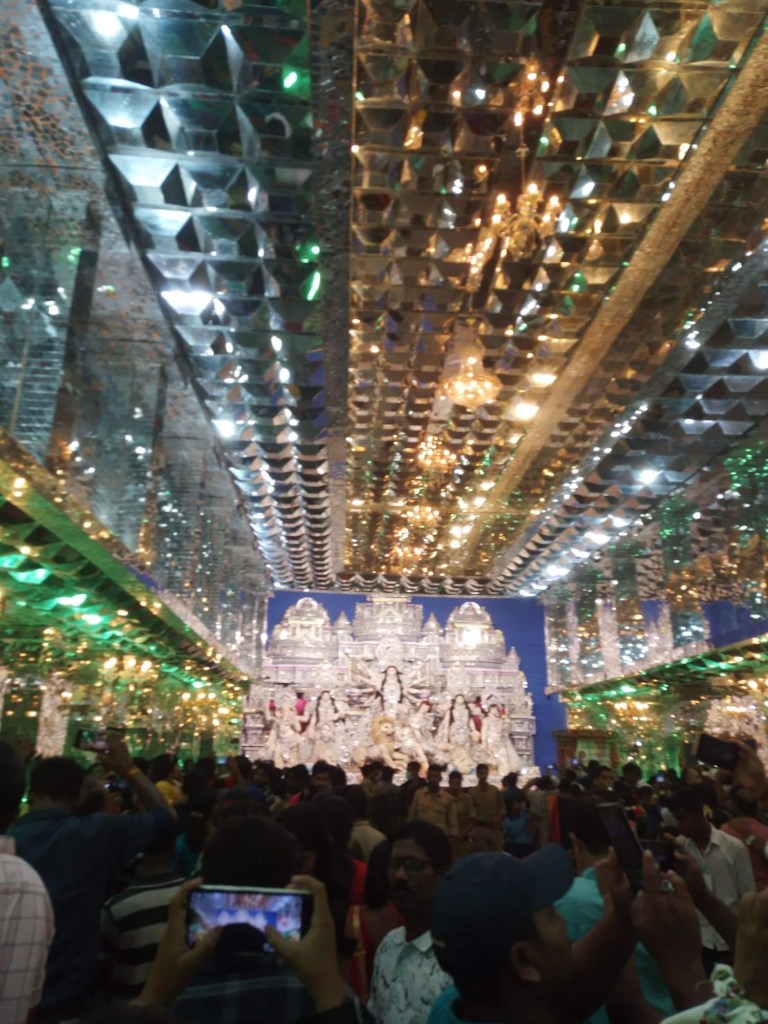
On Panchami, the Fifth Day of Durga Puja, around noon, I was stopped by a small girl riding a pillion on her father’s motorbike. In a polite but hurried and restless voice, she asked me the way to reach the ‘Twin Towers’. Usually, I am not comfortable while offering directions, and often goof it up by saying left when I mean right. On this occasion, I exercised caution and pondered over the easiest and quickest route before advising her father to enter through the next lane and then turn right to find what was nothing short of a wonderland for the schoolgirl. She smiled and waved for prompt assistance while her father accelerated the two-wheeler. It was apparent they were new to this small town that had suddenly grown big in stature within weeks and emerged as a hotspot because of the replica of the Twin Towers from Malaysia as one of the Puja pandal themes here.
The Puja organisers were surprised as the turnout surpassed their expectations and broke all previous records. Some analysts explained this unprecedented wave was the public response to the pandemic that had kept them indoors for two consecutive years. With people sharing images and reels across social media platforms, the ‘Twin Towers’ went viral, generating a big buzz among pandal hoppers to include it in the must-see list. The sea of humanity in this small town surged from neighbouring towns, far-off districts, and even other states.
The grandeur of tall towers led to a google search for architectural wonders, modern and ancient, from around the world as likely themes for the puja pandals next year. The appeal of tall and towering structures offers a valid reason to see the lavish artificial mounts to be dismantled within a few days of idol immersion. Painstakingly built over the months, the hard work of artisans and craftsmen has paid off rich dividends – without any special efforts by the organisers. The public informed fellow citizens of all faiths, through every possible means of communication, to visit the Twin Towers and make the Puja celebrations complete.
It was much bigger than the crowds milling at any cadre-driven political rally organised in Bengal. Missing this marvel was a loss for devotees and non-believers who thronged the Puja pandals to see art and creativity in full bloom. “Have you seen the Twin Towers?” became the common refrain that gained currency among local people drawn from all sections. Tens of thousands of people stood in queues that moved at a snail’s pace, their floral and musk fragrances overpowering their perspiration. Driven by faith and the desire to see the architectural marvel and the Goddess, the crowds showed patience for hours, braving thunderstorms and intermittent showers without complaints, standing with umbrellas for their turn, without any attempt to jump the fence.
Droves of people – armed with camera-flashing mobile phones – were busy capturing the Twin Towers from various angles, looking for a different click for their feeds, slowing down their pace to capture the images without blurring. The volunteers brandished batons to keep the crowds moving toward the exit gate. The entire process of entering the pandal and exiting was over within two minutes. The wait outside the pandal took a couple of hours at least.
Although I had visited other pandals where the turnout was modest, I intended to see the ‘Twin Towers’ after Dashami, the last day of the festival, after the crowds thinned. I wanted to be bedazzled by the lights, so I did not venture during the daytime. I chose to go during in the late evening for a fully lit-up view of the colossal towers, to stand behind the crowds discussing bus routes and means of transport available at night, apart from momos and biriyani outlets in the vicinity. It was the last day after the week-long festival drew to a close. But the turnout remained steady and suggested it was perhaps the first day, showing once again that aesthetic appeal allures people and creates a hangover that refuses to subside even after the curtains are drawn.
I came out of the premises and checked the random clicks on my phone. I was overwhelmed with the pride of having seen the replica. I had captured the precious moments, posing against the backdrop of the Twin Towers forever.
Whether this Puja inspires people from Bengal to travel to Malaysia to see the towers is pure speculation. But it has made people complacent, and they happily declare they have seen the Malaysia ‘Twin Towers’ in Bengal. Crossing borders, oceans, countries, and continents to select themes, the Pujas in Bengal offer people the vicarious pleasure of seeing the global wonders come alive in the art form.
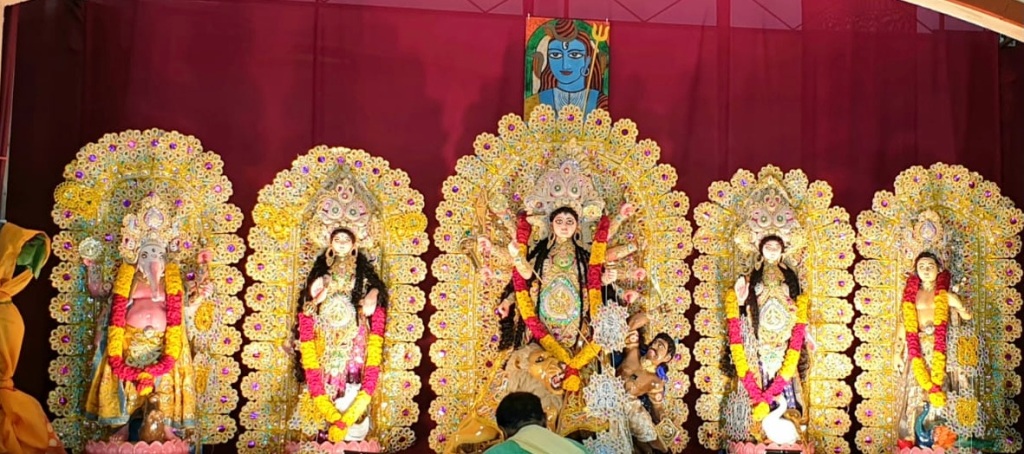
Durga & her pantheonCrowds inside the Nadia ‘Twin Towers’ Inside the pandal or marquee. Courtesy: Devraj Singh Kalsi
Devraj Singh Kalsiworks as a senior copywriter in Kolkata. His short stories and essays have been published in Deccan Herald, Tehelka, Kitaab, Earthen Lamp Journal, Assam Tribune, and The Statesman. Pal Motors is his first novel.
PLEASE NOTE: ARTICLES CAN ONLY BE REPRODUCED IN OTHER SITES WITH DUE ACKNOWLEDGEMENT TO BORDERLESS JOURNAL.
Durga Puja is an annual festival that marks a time of joyous celebration among the Bengali community worldwide. The UNESCO declared this festival as an ‘Intangible Cultural Heritage of Humanity’. A festival that has become the most looked forward to cultural event in the year, among the communities celebrating them, it is the biggest event in the festive calendar of Bengalis. Durga Puja in certain ways has transcended its religious context to assume mammoth proportions as can be seen in the UNESCO citation: “Durga Puja is seen as the best instance of the public performance of religion and art, and as a thriving ground for collaborative artists and designers. The festival is characterized by large-scale installations and pavilions in urban areas, as well as by traditional Bengali drumming and veneration of the Goddess. During the event, the divides of class, religion and ethnicities collapse as crowds of spectators walk around to admire the installations.”
The idol of Durga, drowned at the end of the festival, is made by local craftsmen and is at the fulcrum of all the festivities as people come to worship her and celebrate her homecoming.The goddess is said to have descended from her husband’s home to visit her parents. According to art historians, the UNESCO tag will give a boost to the crafts around the festival — from the idol-making at Kumartuli to the designing and making of elaborate sets to house the idol. What is worth noting, moreover, is that no effort is spared when it comes to embellishing or decorating the goddess, in spite of its transient and impermanent nature. For, on the last day of the festival, the idol is immersed in the river, signifying the evanescence and temporality that marks human life and all its endeavours.
Her descent on earth with her four children (Lakshmi, goddess of prosperity; Saraswati, goddess of learning; Ganesh, god of wisdom, and Kartik, god of war) for the five days of the festival, is also perceived as the advent of a daughter to the house of the mother, a moment which overflows with affection and emotions. The event happens at a certain time in the Hindu calendar and participates in linear time, as well as part of a larger ongoing cycle of temporality. In the Hindu pantheon, Durga or Parvati is a prominent mother goddess, the consort of Shiva. Her names refer to split roles of the feminine imaginary. As Durga she is the fiery slayer of demons, as Kali she has to be appeased through blood and slaughter. Interestingly, in the cultural imaginary and imagery of the Durga Puja, she is also mother as well as the daughter, whose visit to the paternal home is brief and fleeting and therefore, provides the occasion for a joyous celebration.
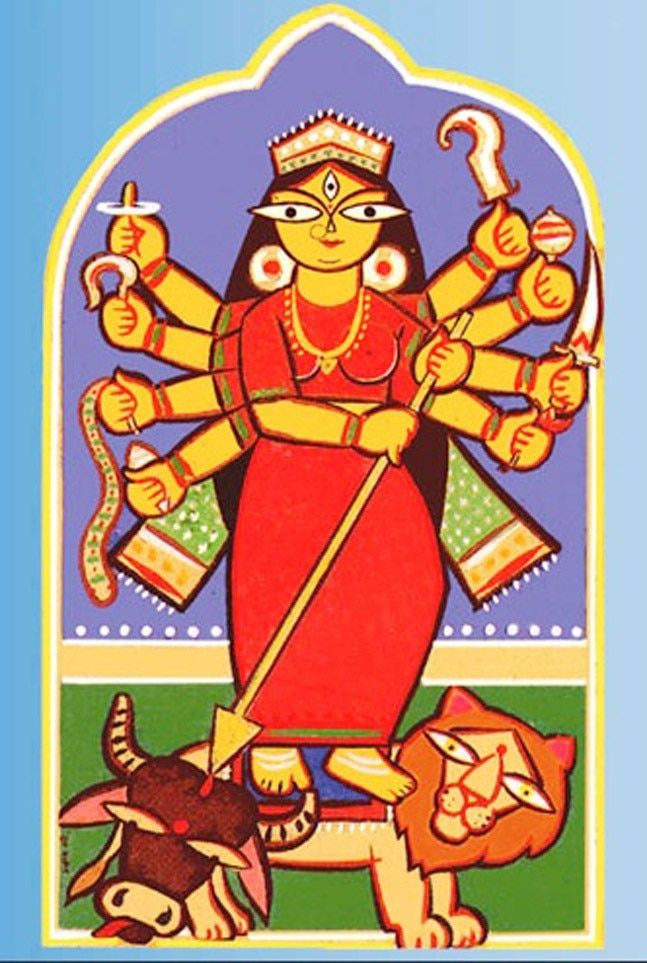
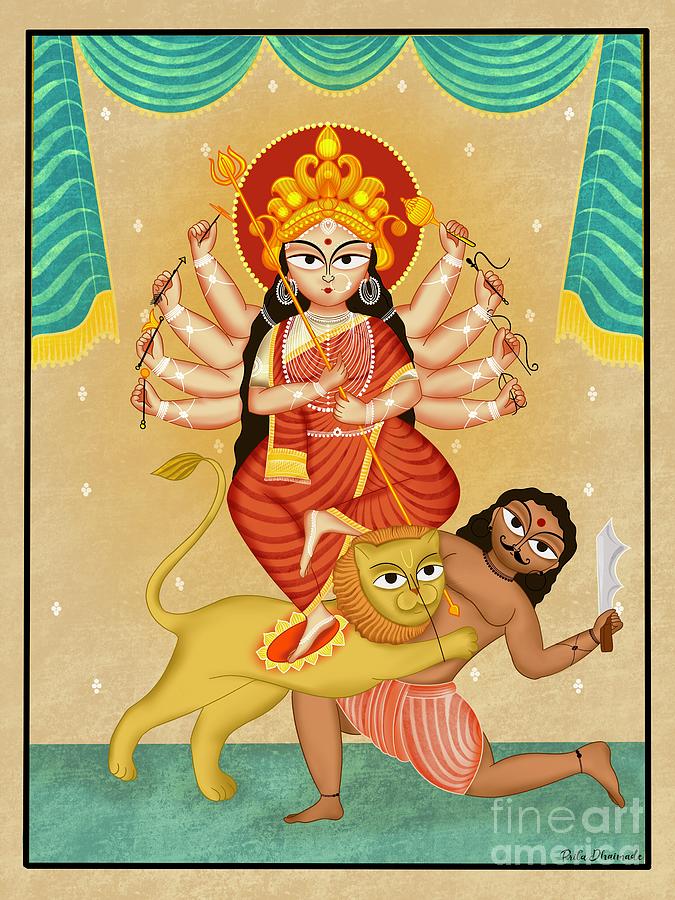
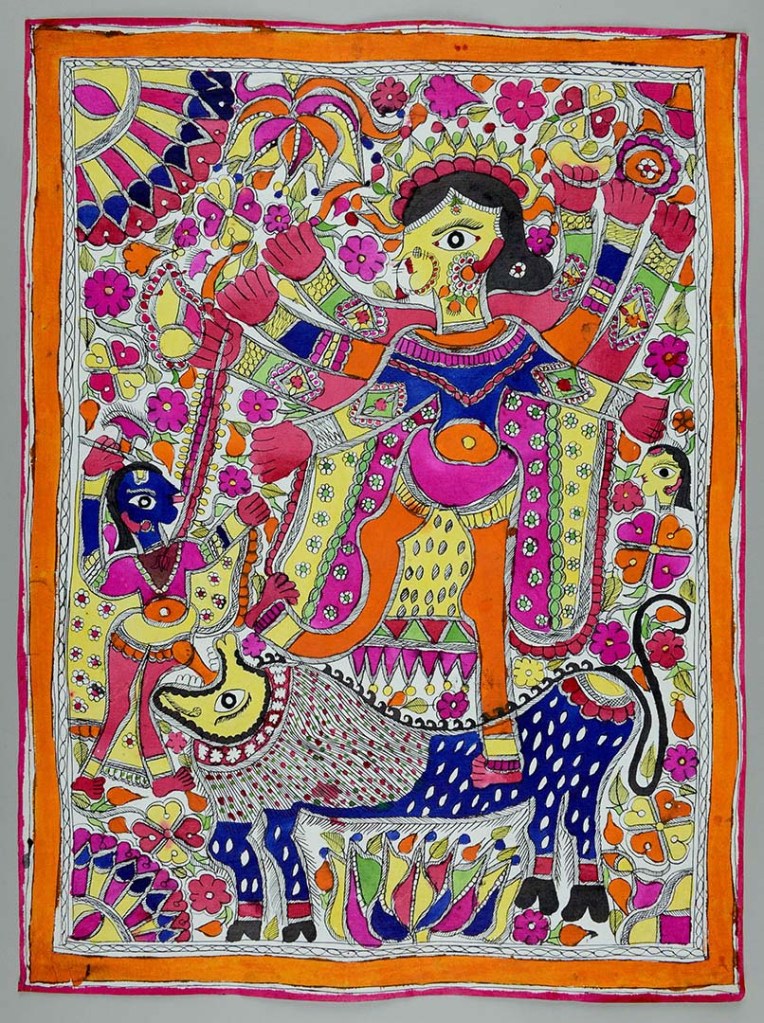
Significantly, the Shaktik or the empowered feminine goddess, Durga, signifies the triumph of good over evil. The divine is represented both in terms of mythic abstractions and the material every day, as power and poetry, as divine and human, as mother and daughter. Thus she is the resplendent and refulgent goddess but also the all-powerful who eliminates all suffering and is thus referred to as “durgati-nashini”(destroyer of troubles). The goddess is shown as ten-armed, mounted on a lion, the king of the animals, ready to go into battle against the demonic strength of the demon king, Mahisasura. She is fully geared to destroy the demon king as her ten hands hold weapons.
The weapons tell a tale, which is intricately linked to the narrative and symbolism of Durga. They were given to her by male Gods who had failed to defeat Mahisasur to empower her to kill the evil demon. The trident was said to be given by her spouse, Shiva, and its three sharp points symbolised the three qualities (called ‘gunas’) of ‘sattva’(signifying wisdom and purity), ‘rajas’(signifying activity and material gain ) and ‘tamas’(signifying darkness and destruction). The snake, a part of the iconography of Shiva who is depicted with a snake wound around his neck, was also gifted by him. The conch signifying the primordial sound called “aum”, the seed word for all creation, was gifted by Varuna, the god of water bodies. The sword was given by Yama, the god of death and Justice. The lotus, which represents the emergence of spiritual consciousness even under trying circumstances, was gifted by the creator of the universe, Brahma. The discus-also known as the “Sudarshan chakra” was given by the preserver of the universe, Vishnu, and spins on Durga’s index figure to symbolise how the energy provided by the goddess sets the universe in motion. The chakra represents the cosmic cycle of life and death in continuum, emphasising that though time destroys everything, inner awakening can help transcend the transience of time.
The thunderbolt or ‘vajra’ given by the king of gods, Indra, symbolises firmness of character, determination, and supreme power. The divinity empowers her devotee with unshaken confidence and implacable will. The bow and infinite arrows, gifted by Vayu, the air god, is a weapon whose combination of potential and kinetic powers symbolises energy. The spear is a gift from Agni or the fire god; it represents pure, fiery power. It also represents the power to judge and act with fairness and wisdom, differentiating the right from the wrong. The club or axe, gifted by Vishwakarma (a deity mentioned in the Rig veda and considered the architect or the engineer of the universe) represents the power to defeat evil and embodies fearlessness while fighting against the wicked. Solar radiance is gifted to her by Surya, the sun god, to banish darkness and evil around her.
Finally, the goddess is depicted as mounted on a lion, the king of all animals and the most powerful. Her mount signifies the need to keep strength and power within one’s control and use it only when required. The weapons of Durga are depictive of qualities we need to possess to empower ourselves to achieve our dreams.
Her fight with Mahisasur was not just to eradicate evil from the universe at a particular conjuncture, but also to set an example for generations to come. Yet the iconography and the narrative symbolism of the Goddess begs a question: Does she become more than a site or ground where masculine power is on display? Does her iconography also highlight the gap between the sexes and the fact that the source of her power lies in the weapons she is given by the male gods and is, therefore, ultimately controlled by them? Or can it be seen as a joint effort of the male and the female to find a world free of hatred, violence and evil?
.
Dr Meenakshi Malhotra is Associate Professor of English Literature at Hansraj College, University of Delhi, and has been involved in teaching and curriculum development in several universities. She has edited two books on Women and Lifewriting, Representing the Self and Claiming the I, in addition to numerous published articles on gender, literature and feminist theory.
.
PLEASE NOTE: ARTICLES CAN ONLY BE REPRODUCED IN OTHER SITES WITH DUE ACKNOWLEDGEMENT TO BORDERLESS JOURNAL
Eshechhe Sarat ( Autumn) by Rabindranath Tagore was published in 1937. The poem flows to describe the season of Sarat, or the early part of autumn, when Bengalis celebrated their major festival, Durga Puja
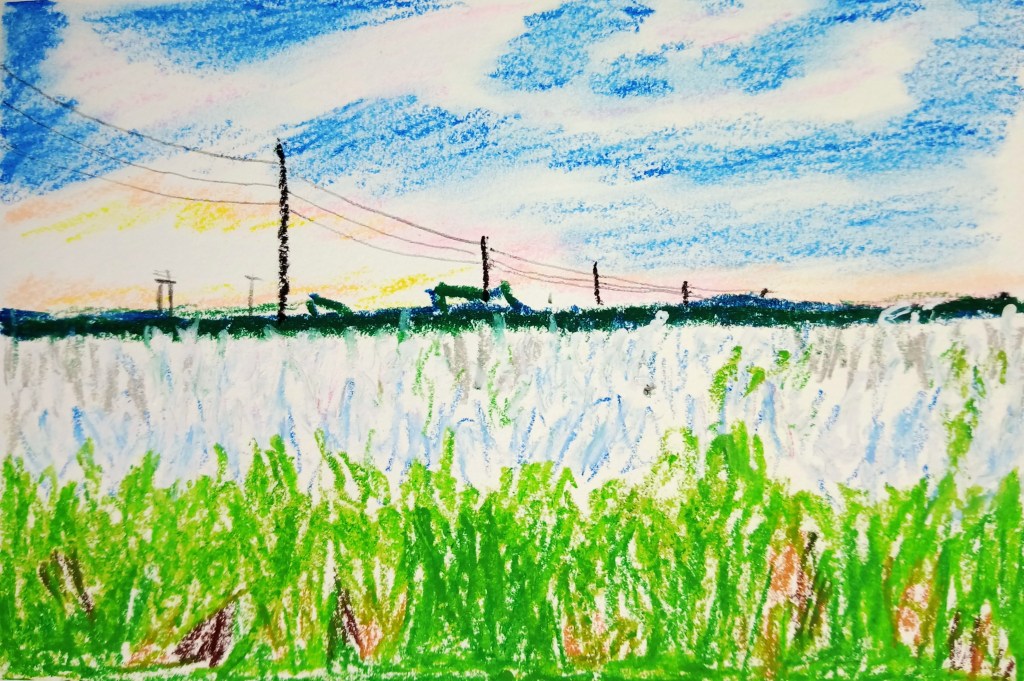
Autumn in Bengal by Sohana Manzoor
AUTUMN

A cool breeze awakens
Autumn anew.
At dawn, the grass rim
Is lined with dew.

The amloki groves shiver.
Their hearts pound like drums,
As they know the time to shed
Leaves has clearly come.

The shiuli branches are laden with buds.
The togor blossoms hold sway.
The bees visit sprays of the
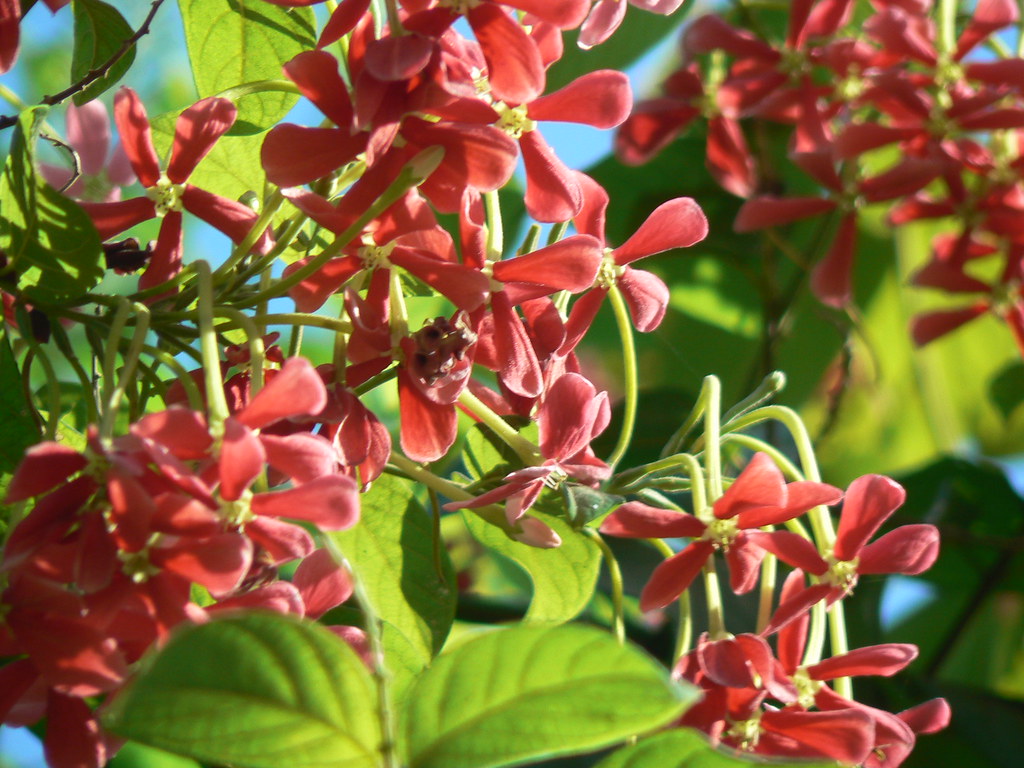
Malatilata twice a day.

As the rains have ended,
The clouds roam the skies free.
They drift with the breeze,
At leisure and full of glee.

The ponds ripple with water.
Their banks bloom with flowers.
The young rice plants fill the fields
The wind swings the paddy bowers.

Wherever I look, a golden light
Suffuses a vision of holidays,
The festive sun rises in the woods
Of puja* blossoms drenched in gold rays.


------------------------------------------
Amloki is Indian gooseberry
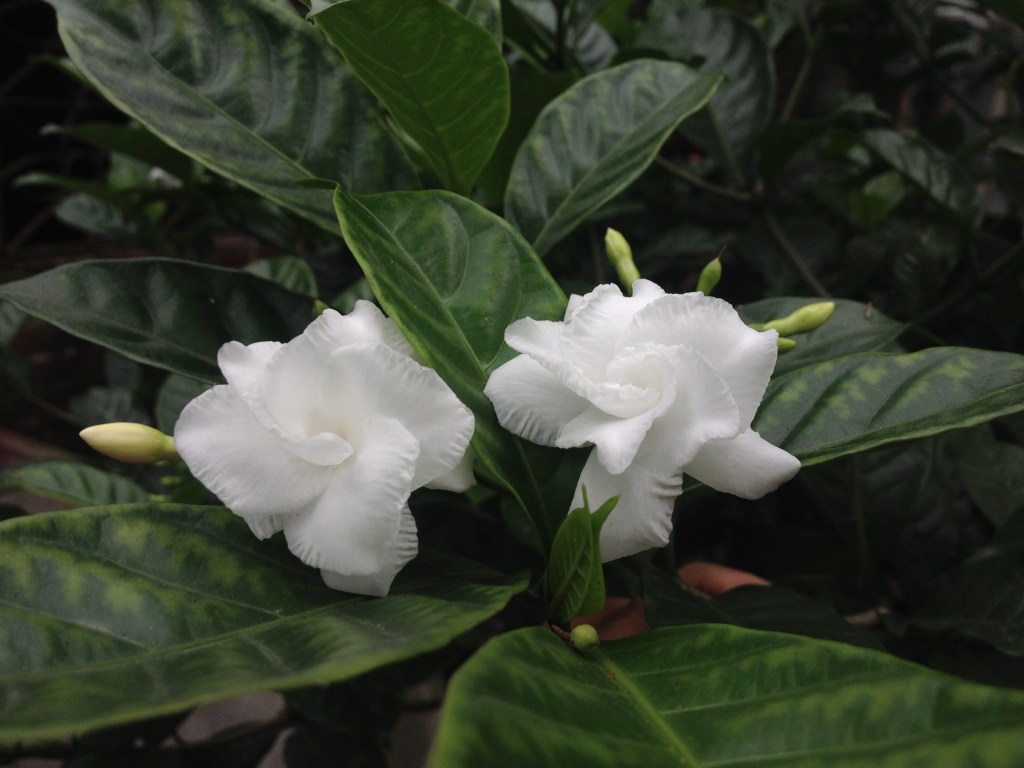
Togor (genera: milkwood), shiuli (jasmine)and Malatilata (Rangoon creeper) are flowers that bloom around autumn
*Durga Puja
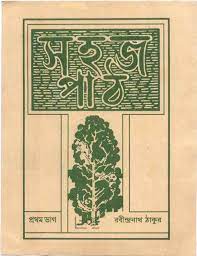
This poem was a part of Sahaj Path, a set of books created by Tagore to teach the Bengali language. The four books that constitute the set were illustrated by the famed artist Nandalal Bose (1882-1966), who was also a major part of Santiniketan.
Sahaj Path, Tagore’s Bengali primer, of which this poem was a part. Courtesy: Creative Commons
(This poem has been translated by Mitali Chakravarty with editorial backing from Anasuya Bhar and Sohana Manzoor)
.
PLEASE NOTE: ARTICLES CAN ONLY BE REPRODUCED IN OTHER SITES WITH DUE ACKNOWLEDGEMENT TO BORDERLESS JOURNAL
“Beauty is truth, truth beauty — that is all
                Ye know on earth, and all ye need to know.”

John Keats (1795-1821), Ode to a Grecian Urn
‘Beauty is Truth’ : The Potato Eaters(1885) by Vincent van Gogh (1853-1890). Courtesy: Creative Commons
What makes for great literature? To me, great literature states the truth — the truth that touches your heart with its poignancy, preciseness, sadness, gentleness, vibrancy, or humour. If Khayyam, Rumi, Keats, Tagore, Frost or Whitman had no truths to state, their poetry would have failed to mesmerise time and woo readers across ages. Their truths – which can be seen as eternal ones — touch all human hearts with empathetic beauty. Lalon Fakir rose from an uneducated illiterate mendicant to a poet because he had the courage to sing the truth about mankind — to put social norms and barriers aside and versify his truth, which was ours and still is. This can be applied to all genres. Short stories by Saki, O’ Henry or plays and essays by Bernard Shaw — what typifies them? The truth they speak with perhaps a sprinkle of humour. Alan Paton spoke the truth about violence and its arbitrariness while writing of South Africa — made the characters so empathetic that Cry, My Beloved Country(1948) is to me one of the best fictions describing divides in the world, and the same divides persist today. The truth is eternal as in George Orwell’s 1984 (1949) or Suskind’s Perfume(1985). We love laughter from Gerald Durrell or PG Wodehouse too because they reflect larger truths that touch mankind as does the sentimentality of Dickens or the poignancy of Hardy or the societal questioning of the Bronte sisters, George Eliot, and Jane Austen. The list of greats in this tradition would be a very long one.
Our focus this time is on a fearless essayist in a similar tradition, one who unveiled truths rising above the mundane, lacing them with humour to make them easily digestible for laymen – a writer and a polyglot who knew fourteen languages by the name of Syed Mujtaba Ali (1904-1974). He was Tagore’s student, a Humboldt scholar who lived across six countries, including Afghanistan and spoke of the things he saw around him. Cherished as a celebrated writer among Bengali readers, he wrote for journals and published more than two dozen books that remained untranslated because his witticisms were so entrenched by cultural traditions that no translator dared pick up their pen. Many decades down the line, while in Afghanistan, a BBC editor for South and Central Asia, Nazes Afroz, translated bits of Mujtaba Ali’s non-fiction for his curious friends till he had completed the whole of the travelogue.
The translation named In a Land Far from Home: A Bengali in Afghanistan was published and nominated for the Crossword Awards. This month, we not only run an excerpt from the translated essays but also have an interview with the former BBC journalist, Afroz, who tells us not only about the book but also of the current situation in ravaged Afghanistan based on his own first-hand experiences. Nazes himself has travelled to forty countries, much like our other interviewee, Sybil Pretious, who has travelled to forty and lived in six. She had been writing for us till she left to complete her memoirs — which would cover much of history from currently non-existent country Rhodesia to apartheid and the first democratic election in South Africa. These would be valuable records shared with the world from a personal account of a pacifist who loves humanity.
We have more on travel — an essay by Tagore describing with wry humour vacations in company of his niece and nephew and letters written by the maestro during his trips, some laced with hilarity and the more serious ones excerpted from Kobi and Rani, all translated by Somdatta Mandal. We have also indulged our taste for Tagore’s poetry by translating a song heralding the start of the Durga Puja season. Durga Puja is an autumnal festival celebrated in India. An essay by Meenakshi Malhotra explains the songs of homecoming during this festival. It is interesting that the songs express the mother’s views as highlighted by Malhotra, but one notices, never that of the Goddess, who, mythology has it, gave up her life when the husband of her own choosing, Shiva, was perceived by her family as ‘uncouth’ and was insulted in her parent’s home.
In spirit of this festival highlighting women power and on the other hand her role in society, we have a review by Somdatta of T. Janakiraman’s Wooden Cow, translated from Tamil by Lakshmi Kannan, where the protagonist upends all traditional values ascribed to women. Another book which is flavourful with food and would be a real fit on every festive occasion is Mohana Kanjilal’s A Taste of Time: A Food History of Calcutta. Bhaskar Parichha tells us in his review, “In the thriving universe of Indian food books, this clearly stands out.”
Aruna Chakravarti’s review of Shazia Omar’s Golden Bangladesh at Fifty also stands out embracing the colours of Bengal. It traces the title back to history and their national anthem — a Tagore song called ‘Amaar Sonar Bangla – My Golden Bengal’. Gracy Samjetsabam’s review of Suzanne Kamata’sThe Baseball Widow, a cross cultural novel with an unusual ending that shuttles between America and Japan, winds up our review section this time.
As Kamata’s book travels across two continents in a pre-covid world, Sunil Sharma in reality moved home from one continent to another crossing multiple national borders during the pandemic. He has written an eye-opening account of his move along with his amazing short story on Gandhi. Another unusual story creating a new legend with wonderful photographs and the narrative woven around them can be relished in Nature’s Musings by Penny Wilkes. This time we have fiction from India, Malaysia, Bangladesh and America. Steve Davidson has given a story based partly on Tibetan lore and has said much in a light-hearted fashion, especially as the Llama resumes his travels at the end of the story. Keeping in step with light humour and travel is Devraj Singh Kalsi’s account of a pony ride up a hill, except it made me laugh more.
The tone of Rhys Hughes cogitations about the identity of two poets across borders in ‘Pessoa and Cavafy: What’s in a Name?’ reminds me of Puck or Narada! Of course, he has given humour in verses with a funny story poem which again — I am not quite sure — has a Welsh king who resisted Roman invasion or is it someone else? Michael Burch has limericks on animals, along with his moving poem on Martin Luther King Junior. We have much poetry crossing borders, including a translation of Akbar Barakzai’s fabulous Balochi poetry by Fazal Baloch and Sahitya Akademi winning Manipuri poet, Thangjam Ibopishak, translated by Robin S Ngangom. A Nazrul song which quests for a spiritual home has been translated from Bengali by no less than Professor Fakrul Alam, a winner of both the SAARC award and Bangla Academy Literary Award.
Former Arts Editor of Times of India, Ratnottama Sengupta, has shared an essay on how kantha (hand embroidered rug) became a tool to pass on information during the struggle against colonial occupation. The piece reminded me of the narrative of passing messages through mooncakes among Chinese. During the fourteenth century, the filling was of messages to organise a rebellion which replaced the Yuan dynasty (1271-1368) with the Ming (1368-1644). Now the filling is delicious lotus paste, chocolates or other edible delicacies. Women were heavily involved in all these movements. Sameer Arshad Khatlani has highlighted how women writers of the early twentieth century writing in Urdu, like Ismat Chughtai, created revolutionary literature and inspired even legendary writers, like Simone de Beauvoir. There is much more in our content — not all of which has been discussed here for again this time we have spilled over to near fifty pieces.
We have another delightful surprise for our readers – a cover photo of a painting by Sohana Manzoor depicting the season titled ‘Ode to Autumn’. Do pause by and take a look at this month’s issue. We thank our writers and readers for their continued support. And I would personally like to give a huge thanks to the team which makes it possible for me to put these delectable offerings before the world. Thank you all.
As the year stretches towards the next one, festivals welcome the delights of autumn. Though our celebrations have been restricted by the ongoing pandemic, human spirit continues to revel with music, words and more. Festivals are a part of this jubilation — a refulgent celebration of our existence across the globe. Some of these occasions jubilate the commencement of our journey home and some of the arrival of Gods and Goddesses, who other than killing demons, are shown to like being with their families too. For those who abstain from worshipping forms, a festival could be just visiting and meeting with families to express their thanks. Autumn is a time when tradition had many headed home to celebrate these events with their near and dear ones.
During Durga Puja, a festival which celebrates the home coming of the Goddess along with that of her devotees, we had a cultural splurge — music, dancing, theatre and special magazines featuring writing that moves to unite people in the spirit of love and harmony. Concerts of songs by bauls or traveling minstrels, Kazi Nazrul Islam and Tagore — both of who believed differently from Hindus — are a part of the celebrations. Writings by many, irrespective of their religious preferences, featured in the special editions of journals around literary and non-literary issues. Often these issues were coveted for being exquisite melanges, showcasing the most flavourful writers.
The cultural mingling despite being attached to a religious observance transcended narrow barriers imposed on faith. It continued inclusive in its celebrations, with food and embracing all cultures. Anyone could attend the festivities, even the British in colonial India. Taking a page off that, Borderless celebrates with writings across all boundaries.
Tagore’sAmaar Nayano Bhulano Eledescribes early autumn when the advent of the Goddess, translated from Bengali by Mitali Chakravarty. Click here to read.
Prose
An excerpt from Shakti Ghoshal’s The Chronicler of the Hooghly & Other Stories describes the historic evolution of the Durga Puja around the eighteenth century as a social occasion where the colonials and the nabobs mingled. Click hereto read.
Somdatta Mandal translates from Bengali Travels & Holidays: Humour from Rabindranath. Both the essay and letters are around travel, a favourite past time among Bengalis, especially during this festival. Click here to read.
An excerpt of In a Land Far From Home: A Bengali in Afghanistan bySyed Mujtaba Ali, translated from Bengali by Nazes Afroz. Syed Mujtaba Ali was a popular writer who often featured in such journals. Click here to read.
Bhaskar Parichha reviews Mohona Kanjilal’s A Taste of Time: A Food History of Calcutta. Exploring food has always been a part of festivities. Hope you find some good hints here. Click hereto read.
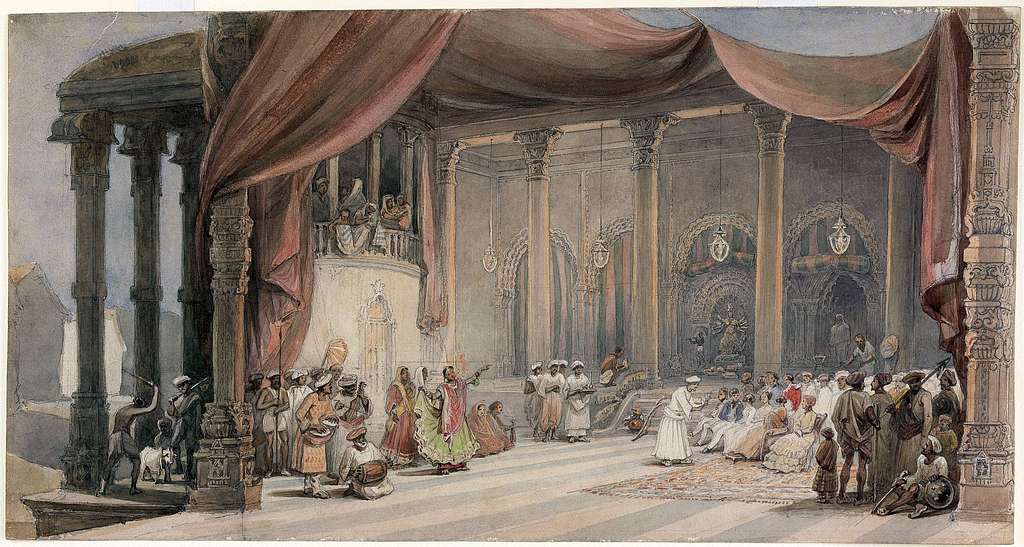
A depiction of celebrations inside a house during Durga Puja in Calcutta (around 1830-40), West Bengal, India, where Europeans are being entertained, water colour by William Prinsep(1794–1874), a merchant with the Calcutta firm of Palmer & Company. Courtesy: Creative Commons










 Borderless