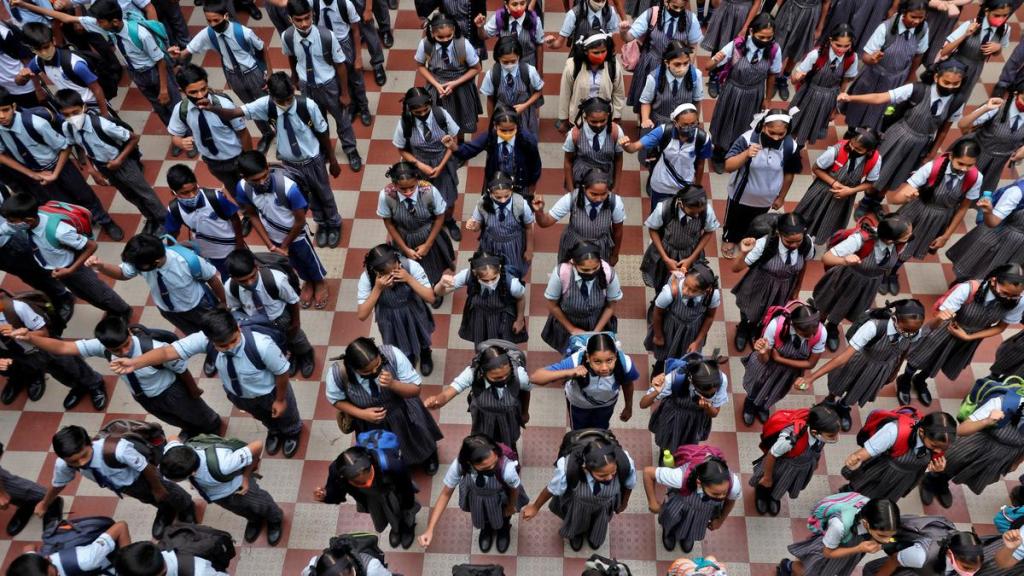
All the students of Seethanagaram High School stood in the playground for the morning prayer. The headmaster, along with the other teachers, was also present.
After the prayer, the headmaster addressed the students: “A new academic year began yesterday. Many new students will be joining us today. We will start lessons from tomorrow. For today, let’s spend the day playing games. Are you all ready?”
The mention of games excited the children. They enthusiastically replied, “Yes, Sir!”
“Alright! From where you are standing, try to reach the other end of the playground by hopping on one leg,” the headmaster instructed.
The students replied, “We can’t do that, Sir.”
“Don’t say that. You shouldn’t give up without trying. All of you, give it a shot,” he encouraged.
Some students stepped forward and tried to hop on one leg. A few managed to go a little distance before falling, while others gave up after a short while. The headmaster praised their efforts and asked them to return.
Next, the headmaster said, “Now, close your eyes and walk to the end of the playground.”
Just like before, the students shook their heads and said, “We can’t do that, Sir.”
“Don’t worry. We will be right behind you. No one should open their eyes or cheat,” the headmaster assured them.
Trusting his words, the students attempted the task. They walked slowly, but it was very difficult to walk with their eyes closed. They didn’t know what lay ahead—there could be stones or pits. They took each step with great fear. About three-quarters of the students gave up halfway, saying it was impossible. A few, with great difficulty, made it to the end of the playground. The headmaster praised their efforts and asked all the students to gather in the assembly hall.
Once all the teachers arrived in the assembly hall, the headmaster selected twenty students and paired them up to face each other. He tore some chits and wrote on them. Placing the chits in some of the students’ hands, he instructed them to convey the words in the torn scrap of paper to their partners using gestures. The students tried as instructed.
When asked if they understood what their partners were trying to convey, everyone said they did not.
Ravi, who had just started the tenth grade and was known for his courage, watched these games and asked, “Why did you have us do these activities, Sir? Do these games have anything to do with our studies? Walking on one leg, walking with eyes closed, and conveying messages through gestures were all very difficult. We struggled a lot, and some even fell. Why did you make us do this?”
The headmaster responded, “Ravi mentioned that walking on one leg, walking with eyes closed, and communicating through gestures were difficult. Do the rest of you agree?”
All the students nodded in agreement.
The headmaster then said, “You’re right. I agree with you. These tasks were indeed difficult. But due to the disabilities given to them by God, some people with physical impairments, like blindness or deafness, have to live their entire lives like this. Can we agree that their lives are more challenging than ours?”
The students remained silent, unable to answer. When the headmaster repeated the question, Ravi replied, “How would we know, Sir?”
“Didn’t you just experience what it feels like to be lame, blind, or deaf while playing those games? That should have given you some understanding. That’s why I asked,” the headmaster explained to Ravi, who nodded in agreement.
“Another question for all of you. If someone is in trouble, what should we do as fellow human beings?” the headmaster asked.
“We should help them,” the students replied.
“Good job! That’s the right answer,” the headmaster praised them, and the students responded loudly, “That’s right, Sir!”
The headmaster then asked, “We shouldn’t make fun of people like that, right?”
“No, Sir,” the students replied in unison.
At that moment, the headmaster called an attendant and had three students brought before the assembly.One student walked with the help of a stick. Another was visually impaired, and the third student’s disability was not visible but had a hearing impairment.
The headmaster showed these three students to the others and said, “These students joined our school yesterday. Two of their disabilities are visible, and the third has a hearing problem. They are already suffering from these disabilities. We should show compassion and offer our help to them. I have seen with my own eyes some students mocking and making them cry. That’s why I made you experience how difficult life is for those with such impairments through these games. These three students need your support and assistance. Not just these three, but anyone with disabilities, wherever they may be, should be helped. We should give them the assurance that we are here for them and give them moral support.”
The students responded loudly, “Yes Sir!”
At that moment, three students stood up and walked to the front of the assembly.
They said, “Sir, we were the ones who mocked them yesterday. We behaved wrongly because we didn’t understand their difficulties. Please forgive us.”
The headmaster advised them to help those in need and behave well in the future, and then he dismissed all the students to their classrooms.
Naramsetti Umamaheswararao has written more than a thousand stories, songs, and novels for children over 42 years. he has published 32 books. His novel, Anandalokam, received the Central Sahitya Akademi Award for children’s literature. He has received numerous awards and honours, including the Andhra Pradesh Government’s Distinguished Telugu Language Award and the Pratibha Award from Potti Sreeramulu Telugu University. He established the Naramshetty Children’s Literature Foundation and has been actively promoting children’s literature as its president.
.
PLEASE NOTE: ARTICLES CAN ONLY BE REPRODUCED IN OTHER SITES WITH DUE ACKNOWLEDGEMENT TO BORDERLESS JOURNAL
She showed them the way,
but they dismissed her.
They called her an old piece of art
and fell into the hands of the night.

She urged them to listen to the trees.
There’s a message they convey in their swaying.
They loathed and abhorred her words,
Losing themselves in the woods.

She told them to follow the rhythm of drumbeats
that would lead to chambers of secrets.
They claimed the ancient stories were irrelevant for the modern
and were swallowed by mysteries.

She encouraged them to look into the tranquil stream,
to see who they truly were.
They considered it an illusion of the mind,
and so, lived in the darkness all their lives.
Thompson Emate spends his leisure time on creative writing, particularly poetry and prose. He has a deep love for nature and the arts. He lives in Lagos, Nigeria.
.
PLEASE NOTE: ARTICLES CAN ONLY BE REPRODUCED IN OTHER SITES WITH DUE ACKNOWLEDGEMENT TO BORDERLESS JOURNAL
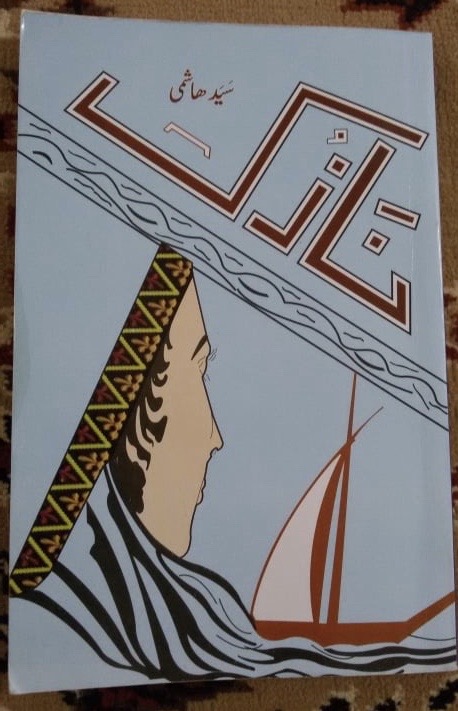
This is first chapter of the first Balochi novel that was published in 1976. It has been translated into Urdu and Persian. The narrative depicts everyday life and experiences of the people living around the coastal area of Makkuran especially Gwadar and its surroundings.
The cover of Nazuk. provided by Fazal Baloch.
For about a week, the weather had been pleasant, with a cool wind blowing across the sea—a true blessing for the fishermen. A calm sea meant loss for them, while a rough sea spelled devastation. Over the past few days, the fleet of fishing boats had been returning to the shore with plenty of catch.
The sun had completed three-quarters of its journey, racing through the sky like a messenger in haste in the final quarter. Its burning rays were yielding to the soothing coolness of the approaching evening. The long, serene shadows stretching behind the houses provided an ideal setting for a public gathering.
Away from the shore, an old voyager boat, anchored in the red sands, stood tall like a pyramid—a symbol of the unshakable bond between the boundless sea and its people. Who could say how many joyful and sad years the sea’s companions had spent navigating across its waters on that very boat? Though the sea often rocked their boat like a cradle, not once had these brave sons of the ocean furrowed their brows in fear or discontent.
The fleeting morning shadows soon vanished to the unknown but the evening shadows lingered longer, creeping towards the damp sands of the shore and eventually reaching the water, as if embodying the spirit of the giant old boat longing for the sea’s embrace to soothe its heart.
The shadow it cast offered an ideal venue for one of the biggest public gatherings in the evening. At times, it seemed as if people sitting on its plank were aboard the boat chatting to pass their time on a deep-sea trip. The cool breeze blew across reflected the pleasant weather at sea.
The wind had cooled the sands of the shore, making them so comfortable that those who lay on them forgot the comfort of even the most luxurious mattresses and cushions. Men, women, and children all came to enjoy themselves, especially today, which was more crowded than usual as it was Friday and no one had ventured into the sea for fishing the night before, giving the fishermen a day off.
For those who lived around the sea, there were only two vocations: fishing or navigating across the sea on a boat. And everyone acknowledged that sea navigation was one of the most cherished vocations in the world. Thanks to these navigations and explorations, humans had even set foot on the moon.
Navigation in the sea made fishermen exceptionally skilled and resourceful. They sailed from one country to another, learning about different lands and their people. Some sailors, despite being illiterate, exhibited such remarkable knowledge that even the learned were left in awe.
On the right, in front of a small roadside hotel, people sat on benches, sipping tea and chatting with each other. Some distance away, a group had gathered around a tall and smart man, listening intently to him. Let’s draw closer. Oh! He is Captain Naguman, moving his lips and hands alike. With his hands, he fidgets with a rope, perhaps knitting a net, while with his lips, he narrates the story of the First World War so enthusiastically as if he were a part of it himself. At that moment, someone called out from behind: “Captain! Hey Captain Naguman!”
Naguman turned around, shaking his head annoyingly, and said, “This jinxed fellow never lets me speak properly.”
“Captain! Hey Captain Naguman!”
The call came from inside the hotel’s kitchen, and from his voice, the Captain recognised him.
“Abdul is really a cursed man! Look how he disturbed the Captain in the middle of his speech,” someone said with rage.
“Exactly. He always jumps in during my speech,” Naguman turned somewhat dismayed.
“Hey Captain! Would you like tea? A cup of tea?” Abdul’s voice reached their ears again.
“If you’re going to give him a cup of tea, then bring it, you the cursed scoundrel,” someone whispered, and the Captain replied loudly, “Yes, bring it.”
Abdul immediately came and placed the cup before the Captain. He too sat down to listen. A few people from the audience cast side-glances at Abdul. The Captain smiled, sipped his tea, and resumed his speech, “Listen, you blind fishermen! Just in a single day, over a hundred planes swarmed in like locusts…”
A little farther away, a few women and children were sitting. Children were playing with the sands. The first woman was busy weaving a net, and the second one was keenly observing her. The third one was still pondering about what to do or say. The second woman said with great lament: “Mamma Papi didn’t help me weave a net. At least I could have moved my otherwise idle hands,” lamented the first woman.
“Move your hands or make some money?” replied the third woman, as if she had been waiting for the perfect moment to speak.
Papi raised her experienced eyes slightly, smiled gently, and stopped weaving the net and glanced around. When she was sure that nobody was looking at them, she retorted in a hushed tone, “The ‘Young Man’ wouldn’t let you bother yourself with work, dear Mahbalok!”
“Waiy waiy! Mamma Papi, don’t defame me,” Mahbalok said slowly, taken by surprise.
“Mamma Papi! Mamma Papi! Look there. He’s coming right here,” the third woman hastily whispered. No sooner had she uttered these words, Mahbalok became so edgy that she almost broke into a sprint.
But Mamma Papi let out a hearty laugh, then she threw the spool of thread and half-woven net on the ground. With both her hands, she held Mahbalok’s shoulders and said: “What happened to you, the cursed woman? Where are you going? Look, you’re even getting fooled by this little Hajok. I’ve had enough with you. You’re almost out of your mind,” exclaimed one of the women.
“Hajok! May the lord of the sea curse you! I’ve never seen such a jinxed woman in my entire life. Mamma Papi, by God, my heart almost sank,” Mahbok tried to maintain her unsteady breath.
“Waiy Mahbok! Hajok is your neighbor and best friend,” remarked Mamma Papi.
“By God, Mahbok, don’t tease me again. I wouldn’t like it,” Mahbok was yet to come to herself.
“It’s alright. Don’t open your basket-like mouth. Men are looking at us,” Papi warned them.
Rows of boats lined up along the arched shore, resembling horses ready for a race. It seemed as if riders had tightly held the reins and were waiting for the whistle to be blown. A few boys were playing tag behind those boats and yawls. On the left, some nets were placed on a plank.
“Come! They taste like halwa. Come! They’re fresh and hot,” Zalya shouted as if warning those who couldn’t get any that they’d only have to blame themselves. And it did the trick. In a moment, people swarmed around her cauldron. A while later, a young man and his friend called out to her:
“O, Mamma Zalya! Send us half a rupee worth of Mat, please.”
“Pindi, my son! I don’t have that much left. They’re barely worth twenty-five paisa.”
“It’s alright. Leave it.” Then he turned to his friend and said, “We’ll go to the bazaar and have tea with biscuits.”
Pindi and his friend Guli got up and made their way towards the bazaar. Two young men were playing Liddi. The game seemed to absorb to the duo as if it were the greatest challenge of their lives.
“Jalu! Jalu! Come on, boy. Pass this net to your uncle. Every day these blind fishermen return it damaged. They’ve spent their entire lives at sea, yet they can’t keep the net away from the rocks,” an old man, while weaving a net, turned to a boy sitting next to him.
“Jalu, my son! Go and get me your uncle Shahdost’s net.”
“Uncle, let me finish my peanuts first,” the boy replied indifferently.
“I’ll keep your peanuts. Get me the net first, then you can eat your peanuts.”
The boy slipped the peanuts into his pocket and scurried off. He returned almost panting and threw the net with a thud before his uncle.
He closely examined the net to determine the nature of the damage. Startled, he suddenly blurted out, “Such a new net! They have damaged it terribly,” he mumbled in anger. “They’re blind in both eyes. Neither do they know how to properly cast the net nor do they know how to untangle it.”
The sea was crowded. A few boys were playing tip-cat, and some other people were watching and enjoying the game. It’s played differently in different areas, but the version played in the coastal area is distinct. Some other boys were playing hopscotch. Two young boys were drawing sketches of fish, boats, and yawls in the sand with knife-like-sharp fish bones. A little farther away, a few young men were playing bazari. Two young men looked at them and tempted them, “You blind men! Is this the time to play this game? You’re flaunting your skills. We’ll challenge you to a match. Come tonight at the sands of Kala Teembok. We’ll show you how it’s played and won.”
A few girls were playing with beads, and some others were collecting salps[1]. It is believed that when you bury them in the ground, after seven days they will turn into beads provided no boy sees you burying them. On the seventh day, when they fail to unearth any beads, they wouldn’t turn dismayed. But at that moment, one of the girls would claim, “You know, Mami is a… he had been following us. He secretly watched us behind the wall. Thus, we couldn’t get beads.”
“Today I will complain to her mother,” the second girl replied.
“Anok! Anok! It’s better not to visit his mother.”
“Why, Jani?”
“Yesterday his father severely thrashed his mother… “
“Ah! But why?”
“You know Sayaki, the carpenter? She had visited his house.”
“May God keep us away from…”
Far in the distance, a woman called out, “Sharok! Come on, dear, look after the baby. I’ll be back from the bazaar just in a while.” Sharok, who was playing with beads, strode towards her mother. The youngest of them took all the beads from the girls, dismantled the holes, and chanted, “The game is over. Yes, it is all over.”
Two younger girls cried out, “Give us back our beads!” But by the time their sobbing subsided, she had already gone home. Determined, the two girls began digging through the holes again, hoping to find a bead hidden somewhere. However, there was nothing. Disappointed, they stood up and walked to the sea to wash their hands. Spotting other girls collecting salps nearby, they joined in, clinging to the hope that by the next Friday, the salps might somehow transform into beads.
The sun descended lower, casting the shore in hues of orange and gold. By sunset, the beach was nearly deserted, save for the men gathered around, engrossed in Naguman’s tale of the German War.
Sayad Zahoor Shah Hashumi (1926-78) is known as the pioneer of modern Balochi literature. He was simultaneously a poet, fiction writer, critic, linguist and a lexicographer par excellence. Though he left undeniable marks on various genres of Balochi literature, poetry remained his mainstay. With his enormous imagination and profound insight he laid the foundation of a new school of Balochi poetry especially Balochi ghazal which mainly emphasises on the purity of language and simplicity of poetic thoughts. This school of poetry subsequently attracted a wide range of poets to its fold. He also authored the first ever Balochi novel ‘Nazuk’ and compiled the first comprehensive Balochi-to-Balochi dictionary containing over twenty thousand words and hundreds of pictorial illustrations.
Fazal Baloch is a Balochi writer and translator. He has translated many Balochi poems and short stories into English. His translations have been featured in Pakistani Literature published by Pakistan Academy of Letters and in the form of books and anthologies. Baloch has the translation rights of this novel.
PLEASE NOTE: ARTICLES CAN ONLY BE REPRODUCED IN OTHER SITES WITH DUE ACKNOWLEDGEMENT TO BORDERLESS JOURNAL
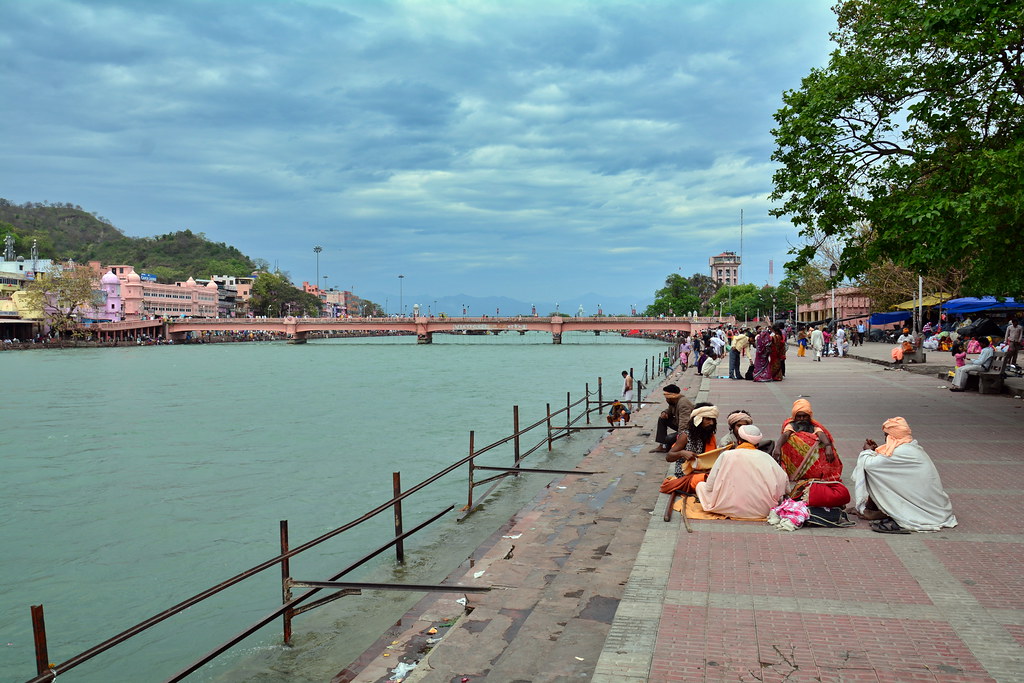
I am in Haridwar. Haridwar is a holy town where people wash sins in the Ganges.
I watch the waves touch my feet, then tumble over the cobblestones, take the curve and veer off.
I watch the horizon dissolve, vanish into the darkness of the night.
These kind acts of nature are reminders of the years I still have.
There is absolute uniformity in the sound from conch-shells.
The blower has no control over the notes of appeasement.
The blower is dressed like a sage. I cannot vouch if he is one.
I hear the cow-bells shake off satisfaction,
I envy the bovines heading home for a regular meal from the wife of the herdsman.
The cows have before them a whole night of masticating after the day-long grazing is done.
The river or horizons or even the cows and their sweet  moos are mere physical things.
An angel comes in my dream and proclaims that we are products of time.
Though men often wish not to ponder over this labyrinth of metaphysics --
Nothing is truer than death, death is real, it is the only truth --
The angel doesn’t explain in so many words, simply leaves the footpath of left over life ahead.
I sit on a stone to study the footprints left by the muster of crows,
What made them descend to the ground although they have wings?
What did they forage?
Oh angel, you are evanescent as are my dreams. Do not go away. I long for you. I have no power to criticise or doubt.
I will even drink for your presence -- though I stopped drinking long ago.
There, let us join! Young monks prepare for the aarti*  of mother Ganges!
The lights from the aarti act as beacons for the dingy boats of sins,
Are there  labs to check the density of sins or instruments to measure the river’s purity?
A horde of pelicans fill the wintry sky with rosy feathers and fade out
Giving the sky back it’s blue.
Nothing is permanent -- everything seems good, everything –
And that’s why I’d feel secure when I close my eyes later in the night.

*Offerings accompanying prayers
Religious offerings on Ganges. From Public Domian
Saranyan BV is poet and short-story writer, now based out of Bangalore. He came into the realm of literature by mistake, but he loves being there. His works have been published in many Indian and Asian journals. He loves the works of Raymond Carver.
.
PLEASE NOTE: ARTICLES CAN ONLY BE REPRODUCED IN OTHER SITES WITH DUE ACKNOWLEDGEMENT TO BORDERLESS JOURNAL
Ratnottama Sengupta tracks the journey of Leslie Carvalho over a quarter century
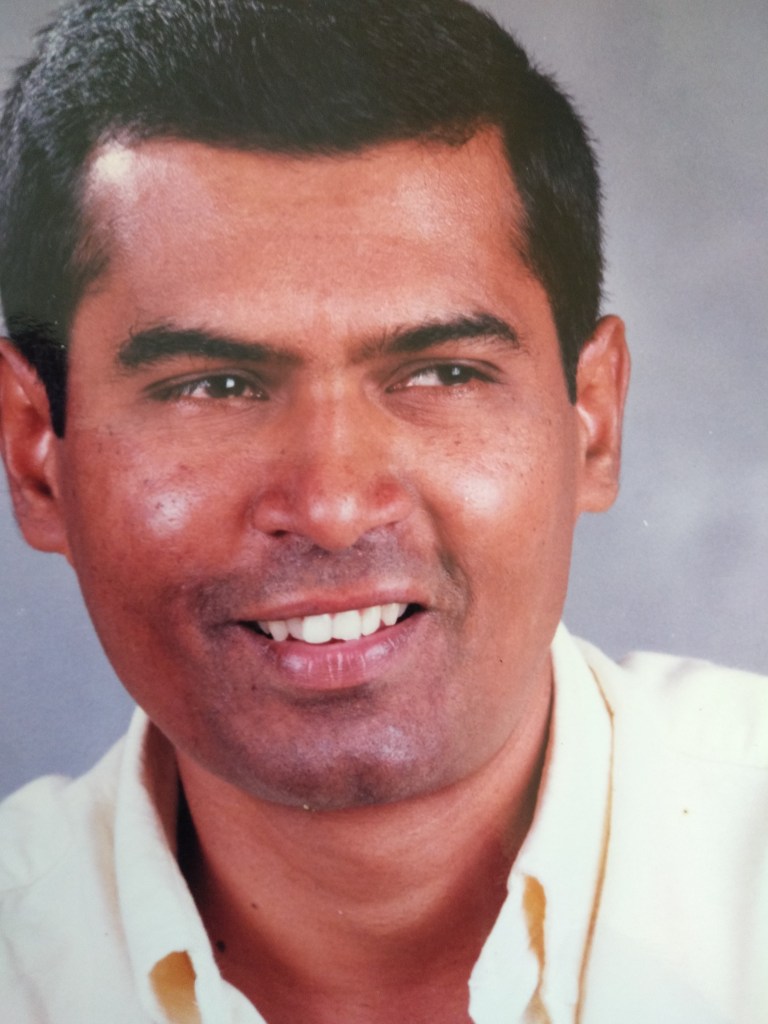
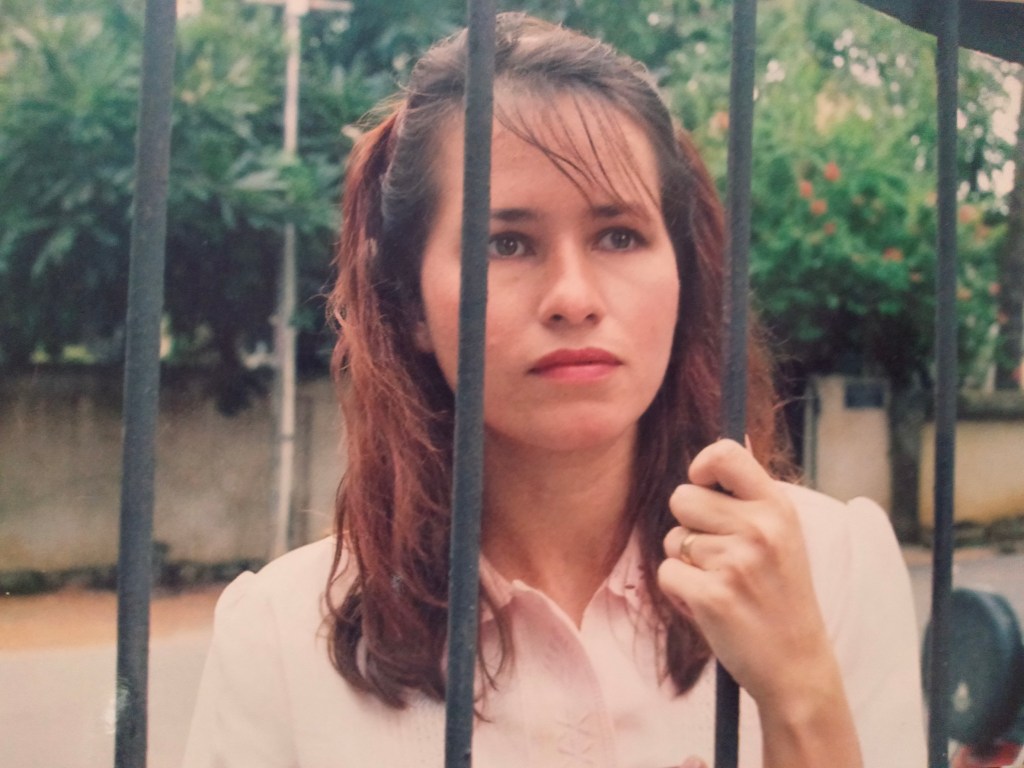
Leslie CarvalhoPhotos provided by Ratnottama Sengupta
It seems like only the other day. The International Film Festival of India, IFFI, 1998 was on. Along with a colleague, I was seated on the steps outside Siri Fort I auditorium connected to a long corridor going to Siri 2. Someone introduced Leslie Carvalho. “Aha! The young filmmaker from Mangalore?” I responded. “There’s a write up on you in The Times of India today. It says there’s a lot of expectation from The Outhouse.”
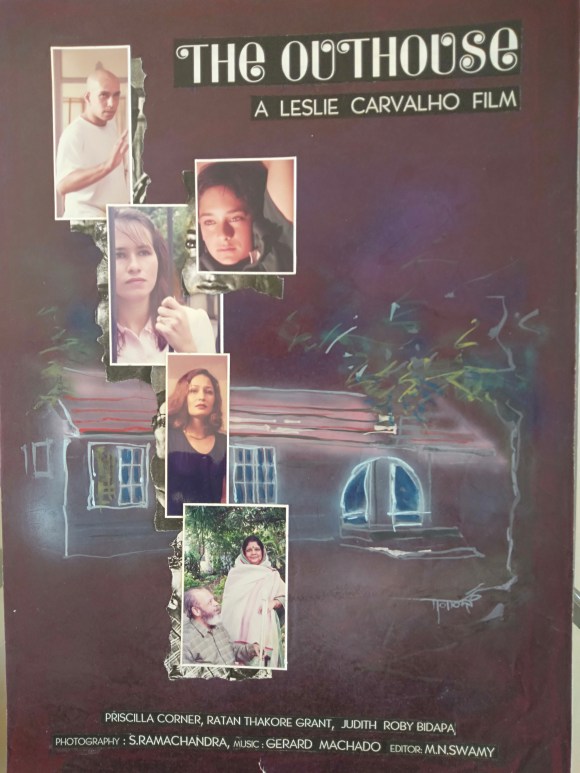
The “delightfully sweet” film had lived up to the expectation of the critics. It was bestowed the Aravindan Puraskaram, presented by the Kerala Chalachitra Film Society to commemorate the iconic Malayalam director, and the first Gollapudi Srinivas award, another national level award to recognise filmmakers marking their debut in Indian cinema. So I was not surprised to meet him next as a co-member of the jury for the National Film Awards 2000.
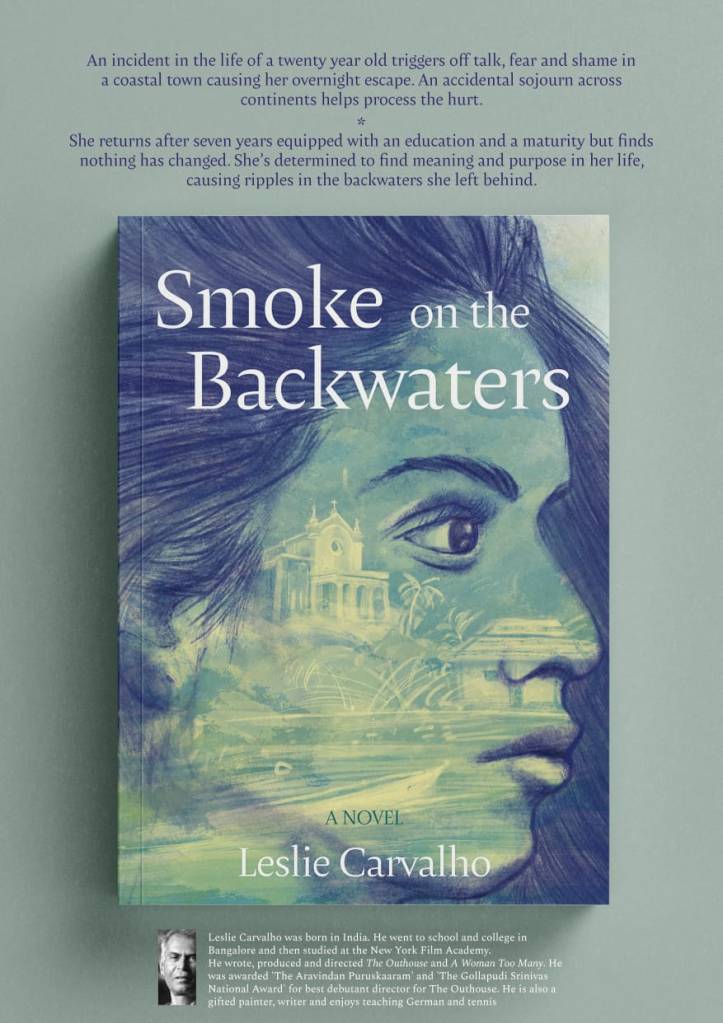
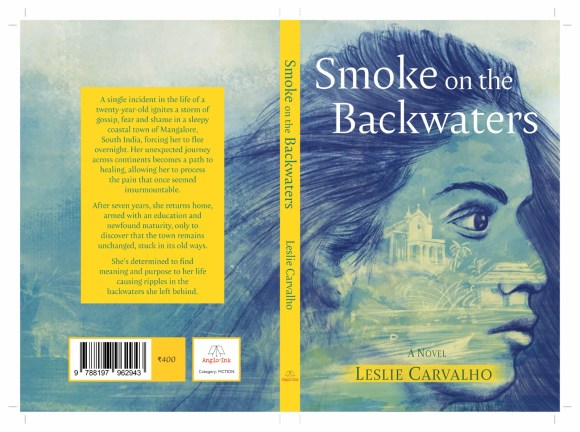
The Tennis coach who is also a German language teacher with a passion for painting has now published his first novel, Smoke on the Backwaters. It centres on Rosa, a twenty-year-old from Mangalore, who is forced to flee overnight because of the storm of gossip, fear and shame unleashed by a single incident in her life. Her unexpected journey across continents becomes a path of healing. Seven years later, armed with education and maturity, she returns home, determined to pursue her purpose in life. But how much had the town she left altered from its old ways?
RS: Leslie, before we talk Backwaters, can we briefly revisit The Outhouse? From where did you derive its content? And what was your compulsion for choosing that subject?
Provided by Ratnottama Sengupta
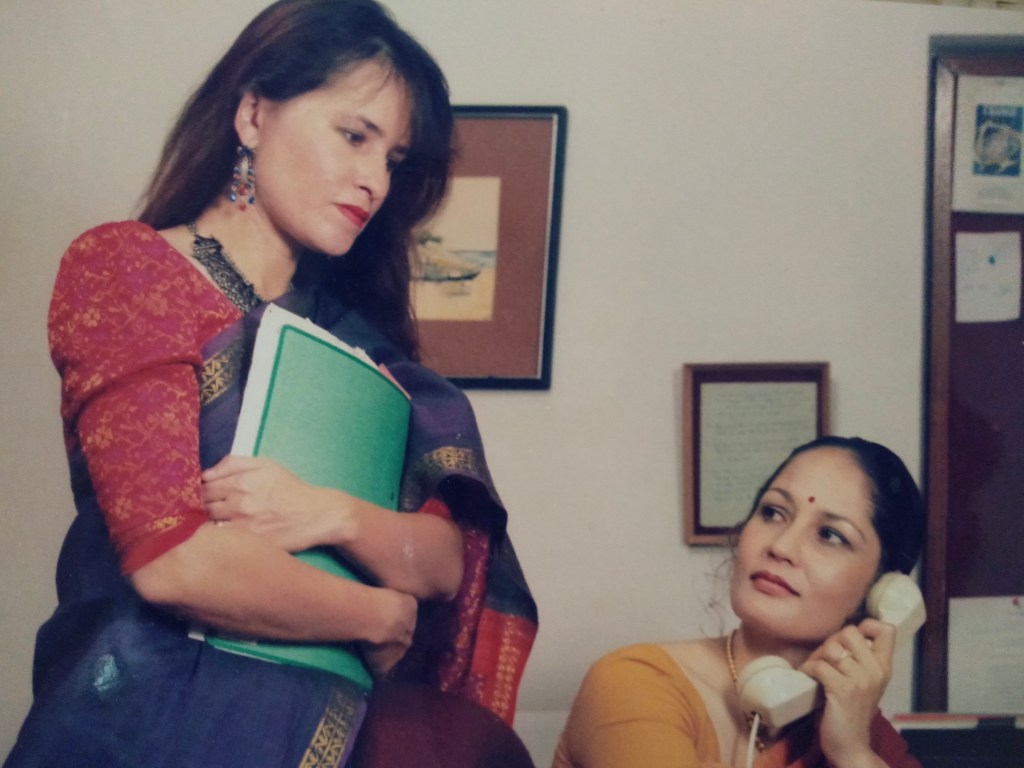
LC: The Outhouse was a simple, linear narrative about moving on in life despite the odds. A young mother’s need to gain economic independence to supplement the family income; the help she received from her financially independent sister; a kind hearted Bengali landlady’s generosity which causes stress and violence in the Anglo-Indian couple’s day to day life, and how it affects the two children growing up.
RS: Why did you choose this subject as your debut vehicle? If you were to travel in a time machine, would you choose a ‘mainstream’ subject?
LC: I chose this subject as my debut vehicle as I had seen quite a bit of violence in the Anglo- Indian community in the Lingarajapuram area of Bangalore I grew up in.
I was itching to make a movie after my six-month course at the New York Film Academy. As I was working on a very tight budget, I just stuck to what was taught — to keep it simple, straightforward and just tell a story using the various tools of cinema — in short, to make it cinematic.
If I were to go back in time, I don’t think I would have chosen a ‘mainstream subject’. I derived immense satisfaction along with the cast and crew as we felt we were working on something we were passionate about. We all felt drawn towards the characters, the story and the theme of the film.
RS: How did you get interested in cinema? And what were the problems you faced while filming The Outhouse – in terms of funding, casting, shooting location, distribution?
LC: I grew up watching Tamil, Kannada, Hindi, a couple of Konkani and lots of Hollywood films. My mother tailored clothes at home, and she taught a whole lot of women stitching. They were fans of Tamil cinema, especially of Sivaji Ganesan, MGR, and the heroes of Kannada cinema, Dr. Rajkumar and Vishnuvardhan. She also enjoyed the Hindi films of Rajesh Khanna, Dharmendra, Hema Malini, Amitabh Bachchan, Sanjeev Kumar, Jaya Bhaduri and Rekha — that is the popular cinema.
And my father, being an Army person, took us to see English films, like The Ten Commandments, The Bible, Hatari, To Sir, With Love[1]. Also, St. Germain’s School where I studied, screened English films every Friday afternoon in the Hall, from spools off a projector that made a jarring sound. It was an amazing experience — black and white Charlie Chaplin, Laurel & Hardy films and also Patton with all the bad words. Later, when in college, we would bunk classes to watch most of the popular Hindi and English movies.
At the New York Film Academy, I was exposed to an entire range of the world’s best in cinema. Satyajit Ray, Akira Kurosawa, Ingmar Bergman, Antonioni, John Ford, William Wyler, Fellini, Jean Renoir… And I watched a whole lot of films on the American Movie Chain (AMC). There I discovered all of Spencer Tracy’s films and fell in love with his sense of timing and under playing. It was also a time when I discovered Guru Dutt and marveled at his brand of filmmaking from Pyaasa, Kaagaz Ke Phool, Chaudhvin Ka Chand, Sahib Biwi Aur Ghulam to Aar Paar and Mr & Mrs 55[2].
It is hard to believe I began the shoot for The Outhouse on September 18, 1996, and completed it in 14 days – on October 1. After we went through the rushes, we required two more shots to link the gaps. Since I was on a shoestring budget of a few lakh rupees, I had rehearsals with the cast for close to three months. I doff my hat to them in gratitude as 90% of the film was canned on first takes. I could not afford retakes, and I worked with a brilliant cameraman, S Ramachandra, who was very supportive and encouraging. He shot most of B V Karanth, Girish Karnad, and Girish Kasaravalli films as well as the popular tele-serial Malgudi Days[3]. A number of first-time directors like myself, had benefitted immensely by his generosity and patience.
Since it was an independent film, whatever little finance I had, I sunk into the film. And then it took me a year to complete post-production for lack of finance.
I was particular about the casting. I wanted the Anglo-Indian look, feel, mannerisms, costume, interiors to be authentic. I met each cast member and spoke to them at length about the vision I had for my film. Almost all of them were from the Bangalore English Theatre, and all of them were cooperative. Moreover, Cooke Town is a quaint little place with many English bungalows and outhouses. After some struggle, I found one on Milton Street which suited my story perfectly.
After The Outhouse was selected for the Indian Panorama in IFFI ’98 and received the two national awards, I just walked into Plaza Theatre on MG Road in Bangalore and met the owner, Mr Ananthanarayan. He had heard about the film and asked me to meet the distributor, Nitin Shah of Hansa Pictures in Gandhi Nagar, the biggest distributor of English films. He put it on for a noon show for three weeks while Fire was on for the matinee and evening shows. The distributor then put it in Mangalore and Udupi for a week. And when I received the Gollapudi Srinivas National Award in Chennai, Aparna Sen was one of the honoured guests. She saw a small portion of the film and said that she would speak to Mr Ansu Sur to screen it at Nandan in Kolkata — founded by Satyajit Ray to help screen small independent films. A theatre owner in Kolkata recommended a person who took the film to the North East. It was also screened in parts of Kerala.
Coincidentally, this April 30th, The Outhouse will be screened in the leafy neighbourhood of Cooke Town next to the outhouse where the film was shot.
Still from The Outhouse, provided by Ratnottama Sengupta
RS: In the last 50 years we have seen films by directors like Aparna Sen, Ajay Kar, Anjan Dutt. Even before these, Ray had touched upon Anglo Indians in Mahanagar. These are all films made in Kolkata. Is it because this is the erstwhile capital of the Raj?
LC: Many of the films on Anglo-Indians were based in Calcutta. It was the influence of the British Raj and its culture that was so much a part of their long history of ruling there. Of course their influence was in other parts of the country as well like Madras, Hyderabad, Bangalore, Whitefield and Kolar Gold Fields, the railway colonies all over the country, the hill stations, and many other cities which has pockets of Anglo-Indians.
RS: I remember one Hindi film, Julie that had an Anglo-Indian protagonist. How has the community been projected in popular culture? Was it lopsided or biased?
LC: Throughout our film history Anglo-Indians have played bit roles here and there. Some significant roles came their way in Bhowani Junction, the teleserial Queenie, 36 Chowrighee Lane, Bow Barracks Forever, Bada Din, Cotton Mary, The Outhouse, Saptapadi, Mahanagar, Julie, and Calcutta I’m Sorry[4].
Some of the characterisations have been quite biased; some not well fleshed out; some in passing fleeting moments of drunkenness, prostitution. The song and dance sequences have not helped the community, sadly.
RS:What led you to writing? The screenplay for The Outhouse?
LC: I wrote the screenplay of The Outhouse on plain A4 sheets of paper, on both sides. This is not done but I did it to save on cost. I gave the screenplay to my cinematographer S. Ramachandra, and in his generosity he understood my purpose. I went by what was taught at the New York Film Academy. Of course, I had to combine all the elements to make it whole. The idea of the screenplay came to me while I was at the film school in 1995.
RS: What was the trigger for writing Smoke in the Backwaters?
LC: As an artist, filmmaker, and writer, I have tried to combine all the elements of story-telling – fact and fiction — keeping in mind the flow of ideas, pace and momentum to engage and interest my audience and readers.
I remember beginning to write the novel two decades ago when my mother — who studied in Kannada medium — said, “I hope you will write it in simple English so I can read it too.”
And I wanted it to be reader friendly with regard to the font size, the brightness of the paper, the spacing, the clarity and the size of the book. I was lucky my publisher ‘Anglo-Ink’ was supportive and combined well to find that centre.
Provided by Ratnottama Sengupta
RS: How are you marketing the book? Through Litfests? Bookstore readings? Airport bookstalls? A H Wheelers?
LC: Since Anglo-Ink is a small-time publisher, we’ve had a dream launch in my hometown Bangalore at the Catholic Club. My book seller is Bookworm on Church Street in the heart of Bangalore and for people in Cooke Town it is in The Lightroom’ library.
We are looking at launches in various cities as well, through book readings, LitFests, Airport book stalls, AH Wheelers, readings at schools and colleges.
Since a major portion of the novel is set in Germany, we are looking at translating it into German. I hope to get it translated in a few Indian languages as well.
RS:Since the sunset decade of 1900s, Anglo Indians have been migrating to Australia and Canada. What triggered this migration? Economics or politics?
LC: The migration of Anglo-Indians was inevitable. It was bound to happen for reasons more than one, be it political, economic or social. First under the ‘Whites Only’ policy, many fair skinned Anglo-Indians migrated — the brown and dark skinned were left behind. Slowly they opened up and even they left. Some felt they would adapt better to a western culture, and have adopted their new country as their homeland.
RS:You were a big support for me when my son joined NLSUI in 2000. Again, when I curated Anadi, the exhibition of paintings by Contemporary and indigenous artists from MP and Chhattisgarh. Bangalore has since become an international megalopolis. How has life changed for the locals?
LC: Bangalore has changed dramatically and drastically. The change was bound to happen because of its growing prominence of an International City. The IT industry brought jobs, slowly other industries, started picking up from real estate, fashion, digital technology and social media platforms, start-ups, academics, sports, games, recreational and tourism.
The moderate climate was a huge bonus that attracted people from all over. Bangalore has always been cordial, encouraging and accommodative of people from all over through their mild manners, hospitality and gentleness.
Today Bangalore is unrecognisable. Still, some pockets retain that old world charm of neat, clean and green Bengaluru from the old Pensioners Paradise of Bangalore.
.
[1]The Ten Commandments (1956), The Bible (1966), Hatari (1962), To Sir, with Love (1967)
[2]Pyaasa (Thirsty, 1957), Kaagaz Ke Phool (Paper flowers, 1959), Chaudhvin Ka Chand (The Full Moon, 1960), Sahib Biwi Aur Ghulam (The Master, the Wife and the Slave, 1962), Aar Paar (This shore or that, 1954), Mr &Mrs 55 (1955).
[4]Bhowani Junction (1956), TV miniseries Queenie (1987), 36 Chowrighee Lane (1981), Bow Barracks Forever (2004), Bada Din (1998), Cotton Mary (1999), Saptapadi (Seven Steps, 1981), Mahanagar (The Big City, 1963), Julie (1975), and Calcutta I’m Sorry (2019)
Ratnottama Sengupta, formerly Arts Editor of The Times of India, teaches mass communication and film appreciation, curates film festivals and art exhibitions, and translates and write books. She has been a member of CBFC, served on the National Film Awards jury and has herself won a National Award.
.
PLEASE NOTE: ARTICLES CAN ONLY BE REPRODUCED IN OTHER SITES WITH DUE ACKNOWLEDGEMENT TO BORDERLESS JOURNAL
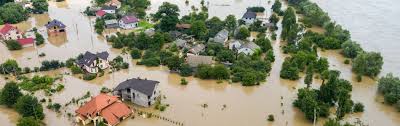
World Poetry Day falls in March — the same month that houses the World Wildlife Day. Our beautiful planets’ flora and fauna, impacted by the changing climate, might have to adapt or alter. Part of the land masses are likely to return to rest under rising tides. And humanity, how will we respond or survive these phenomena?
We have here responses in poetry from our newly-minted section on Environment and Climate. We celebrate with poetry on our home and hearth, the Earth.
From Public Domain
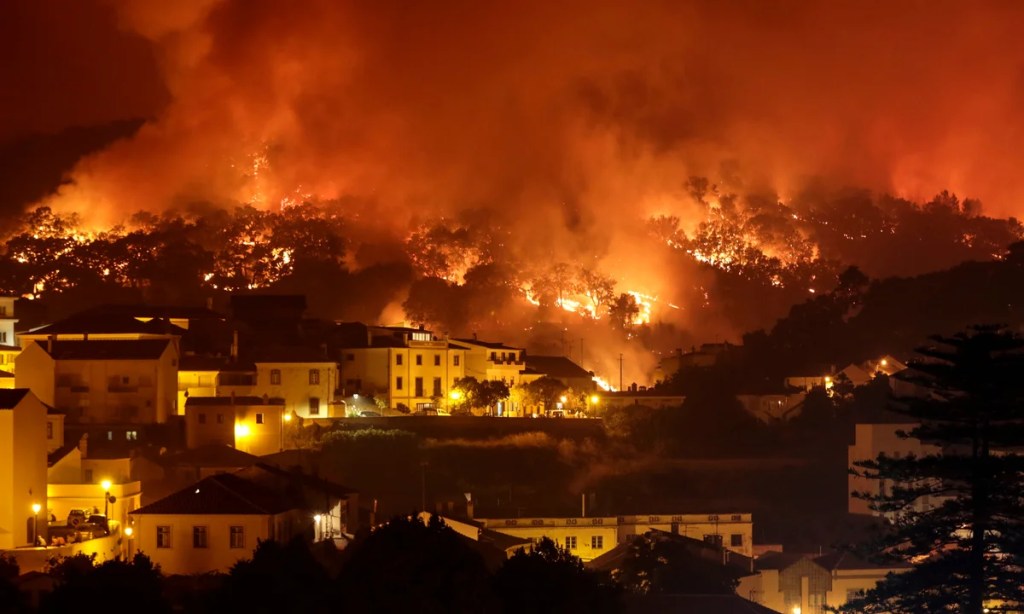
We start with poetry on fires that seems to have razed large parts of our planet recently…
Jibanananda Das’ poems on war and for the common masses have been translated from Bengali by Professor Fakrul Alam. Click here to read.
A Scene with an Aged Queen, a poem by Ihlwha Choi has been translated from Korean by the poet himself. Clickhere to read.
Tagore’sEsho Bosonto, Esho Aj Tumi(Come Spring, Come Today) has been translated from Bengali by Mitali Chakravarty. Click here to read.
Pandies’ Corner
For Sanjay Kumar: To Sir — with Love has been written for the founder of pandies’ theatre by Tanvir, a youngster from the Nithari village where pandies’ worked with traumatised victims. Over time, these kids have transcended the trauma to lead fulfilling lives. The late Sanjay Kumar passed on this January. This is a tribute to him by one of his students. It has been translated from the Hindustani original by Lourdes M Surpiya. Click here to read.
Drops of water gather to make a wave. The waves make oceans that reshape land masses over time…
Five years ago, on March 14th, in the middle of the pandemic, five or six of us got together to start an online forum called Borderless Journal. The idea was to have a space that revelled with the commonality of felt emotions. Borderless was an attempt to override divisive human constructs and bring together writers and ideators from all over the Earth to have a forum open to all people — a forum which would be inclusive, tolerant, would see every individual as a part of the fauna of this beautiful planet. We would be up in the clouds — afloat in an unbordered stratosphere— to meet and greet with thoughts that are common to all humans, to dream of a world we can have if we choose to explore our home planet with imagination, kindness and love. It has grown to encompass contributors from more than forty countries, and readers from all over the world — people who have the same need to reach out to others with felt emotions and common concerns.
Borderless not only celebrates the human spirit but also hopes to create over time a vibrant section with writings on the environment and climate change. We launch the new section today on our fifth anniversary.
Devraj Singh Kalsi with a soupçon of ironic amusement muses on humans’ attitude to the fauna around him and Farouk Gulsara lays on a coating of sarcasm while addressing societal norms. Meredith Stephens brings us concerns for a green Earth when she beachcombs in a remote Australian island. Prithvijeet Sinha continues to familiarise us with his city, Lucknow. Suzanne Kamata, on the other hand travels to Rwanda to teach youngsters how to write a haiku!
Professor Fakrul Alam takes us to libraries in Dhaka with the hope that more will start writing about the waning of such paradises for book lovers. Other than being the month that hosts World Environment Day, March also homes, International Women’s Day. Commemorating the occasion, we have essays from Meenakshi Malhotra on the past poetry of women and from Ratnottama Sengupta on women in Bengali Cinema. Sengupta has also interviewed Poulami Bose Chatterjee, the daughter of the iconic actor Soumitra Chatterjee to share with us less-known vignettes from the actor’s life. Keith Lyons has interviewed Malaysian writer-editor Daphne Lee to bring to us writerly advice and local lores on ghosts and hauntings.
We also have a translation by Lourdes M Supriya from Hindustani of a student’s heartrending cry to heal from grief for a teacher who faced an untimely end — a small dirge from Tanvir, a youngster with his roots in Nithari violence who transcended his trauma to teach like his idol and tutor, the late Sanjay Kumar. With this, we hope to continue with the pandies corner, with support from Lourdes and Anuradha Marwah, Kumar’s partner.
Borderless has grown in readership by leaps and bounds. There have been requests for books with writings from our site. On our fifth anniversary, we plan to start bringing out the creative writing housed in Borderless Journal in different volumes. We had brought out an anthology in 2022. It was well received with many reviews. But we have many gems, and each writer is valued here. Therefore, Rhys Hughes, one of our editorial board members, has kindly consented to create a new imprint to bring out books from the Borderless Journal. We are very grateful to him.
We are grateful to the whole team, our contributors and readers for being with us through our journey. We would not have made it this far without each one of you. Special thanks to Sohana Manzoor for her artwork too, something that has almost become synonymous with the cover page of our journal. Thank you all from the bottom of my heart.
Wish you all happy reading! Do pause by our content’s page and take a look at all the wonderful writers.
Esho Bosonto, Esho Aj Tumi (Come Spring, Come Today) was part of Tagore’s collection called Smaran (Remembrances) in 1903. Here is a translation of the poem.
Art by Sohana Manzoor
O Spring, come today,
Welcome to my world steeped
In untidy darkness and emptiness.
The flowers remain unplucked.
Mock at the poverty
And disarray if you must.
Still O Spring, today,
Do visit my home.
Today, all my windows—
all of them — are open.
The day stretches without hindrances.
There is no hope, no work.
The heart swings as
All the windows stay open
In the empty house.
For many days, laughter and tears
Have not been heard here.
Let them find freedom in your skies.
Let them breathe your breeze.
Let them be reborn with
Blooms of bokul and champa.
The past is over —
all its tears and laughter.
Revel with your festivities
Amidst the wounds in my heart.
Play your flute.
Blossom in abundance.
Let all the returning birds
Sing in chorus.
Celebrate your vernal festivals
Tuning in with my pain.
I will heal with the joy
Of your celebrations.
The heaven and Earth will
Come together as you celebrate.
They will laugh at death’s door
Repeatedly. Such festivities
Will heal, touch deep within
My being to find closure.
Champa FlowersBokul Blooms From Public Domain
This poem has been translated from Bengali by Mitali Chakravartywith editorial input from Sohana Manzoor
.
PLEASE NOTE: ARTICLES CAN ONLY BE REPRODUCED IN OTHER SITES WITH DUE ACKNOWLEDGEMENT TO BORDERLESS JOURNAL
Poetry and Photography by Luis Cuauhtémoc Berriozábal
PUT OUT THE FLAMES: 01:12:2025

Rain is no consolation
but it is as essential as
sunshine, even more
so as the white smoke
and fire flow is what
your camera spotlights
for miles. So many dreams
destroyed. Each helping
hand is in need of rain, a
sea of rain to put out
the flames. Rain is no
consolation but crucial.

WEATHER REPORT: 01:22:2025

Behind the tree
The moon’s reflection
On a cold Wednesday morning

The fires in the distance
Still burn this winter season
With no rain in sight in the West

Acres burn, homes burn
And back in the South and East
Freezing temperatures and snow
Luis Cuauhtémoc Berriozábal lives in California, works in Los Angeles in the mental health field, and is the author of Raw Materials (Pygmy Forest Press). His poetry has appeared in Blue Collar Review, Borderless Journal, Escape Into Life, Mad Swirl, and Unlikely Stories. His latest poetry book, Make the Water Laugh, was published by Rogue Wolf Press. Kendra Steiner Editions has published 8 of his chapbooks.
.
PLEASE NOTE: ARTICLES CAN ONLY BE REPRODUCED IN OTHER SITES WITH DUE ACKNOWLEDGEMENT TO BORDERLESS JOURNAL









 Borderless