Categories
World Environment Day

This is Our Home…

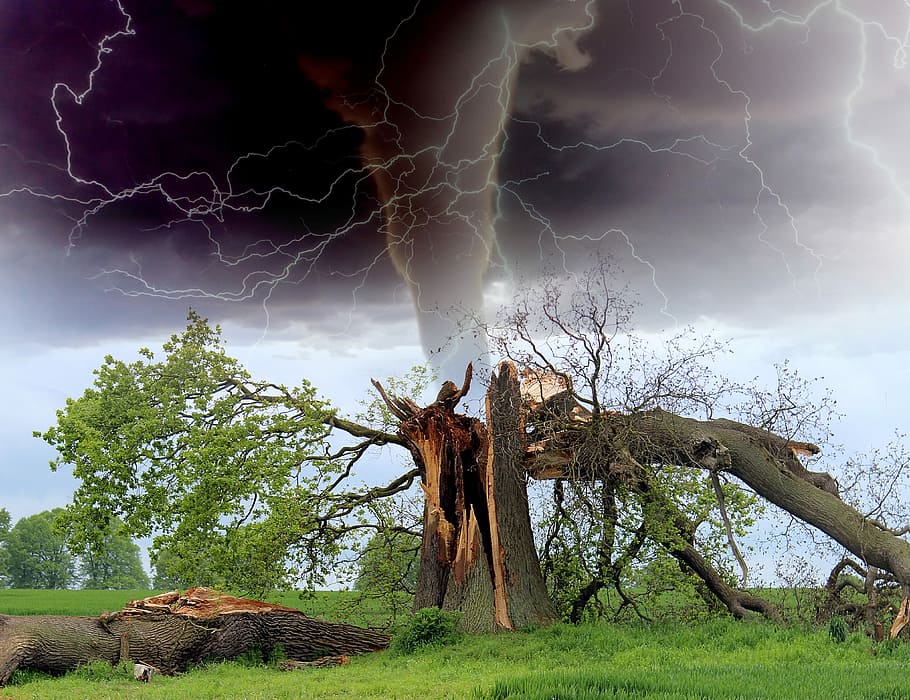
Our home is our planet with it’s unique combinations which have made life possible. These evolve and mutate with human intervention and the passage of time. The changes affect the flora and the fauna — of which we are a part — of this beautiful green planet. The World Environment Day is a UN initiative to protect the environment and to create an awareness about the changes wrought on it and how it could impact us as a species. Writers from yore have written of the beauty and the inspiration invoked by nature as have the moderns. Today, we share with you vintage writings as well as modern writing in prose on the world around us, showcasing the concerns of a century ago and the reality today.

Vintage Prose

One Small Ancient Tale: Rabindranath Tagore’s Ekti Khudro Puraton Golpo (One Small Ancient Tale) has been translated by Nishat Atiya. Click here to read.

 Bolai: Story of nature and a child translated by Chaitali Sengupta. Click here to read.

Baraf Pora (Snowfall) : This narrative gives a glimpse of Tagore’s first experience of snowfall in Brighton and published in the Tagore family journal, Balak (Children), has been translated by Somdatta Mandal . Click here to read.

The Day of Annihilation, an essay on climate change by Kazi Nazrul Islam, has been translated from Bengali by Radha Chakravarty. Click here to read.

Modern Prose

The Gift Rebecca Klassen shares a sensitive fiction about a child and an oak tree. Click here to read.

A Penguin’s StorySreelekha Chatterjee writes a fiction from a penguin’s perspective. Click here to read.

Navigational ErrorLuke P.G. Draper explores the impact of pollution with a short compelling narrative. Click here to read.

Pigeons & People : In his fiction, Srinivasan R explores human nature and imagines impact on our fauna. Click here to read

The Theft of a RiverKoushiki Dasgupta Chaudhuri reveals a poignant truth about how a river is moving towards disappearance due to human intervention. Click here to read.

Better Relations Through Weed-pullingSuzanne Kamata introduces us to an annual custom in Japan. Click here to read.

The Toughness of Kangaroo Island Vela Noble draws solace and lessons from nature around her with her art and narrative. Click here to read.

Potable Water Crisis & the SunderbansCamellia Biswas, a visitor to Sunderbans during the cyclone Alia, turns environmentalist and writes about the potable water issue faced by locals. Click here to read.

The Malodorous Mountain: A Contemporary FolkloreSayantan Sur looks into environmental hazards due to shoddy garbage disposal. Click here to read.

Four Seasons and an Indian SummerKeith Lyons talks of his experiences of seasons in different places, including Antarctica. Click here to read.

Tsunami 2004: After 18 yearsSarpreet Kaur travels back to take a relook at the tsunami in 2004 from Andaman and Nicobar Islands. Click here to read.

A discussion on managing cyclones, managing the aftermath and resilience with Bhaksar Parichha, author of Cyclones in Odisha: Landfall, Wreckage, and Resilience. Click here to read.

Categories
Editorial

Clinging to Hope

I will cling fast to hope.

— Suzanne Kamata, ‘Educating for Peace in Rwanda

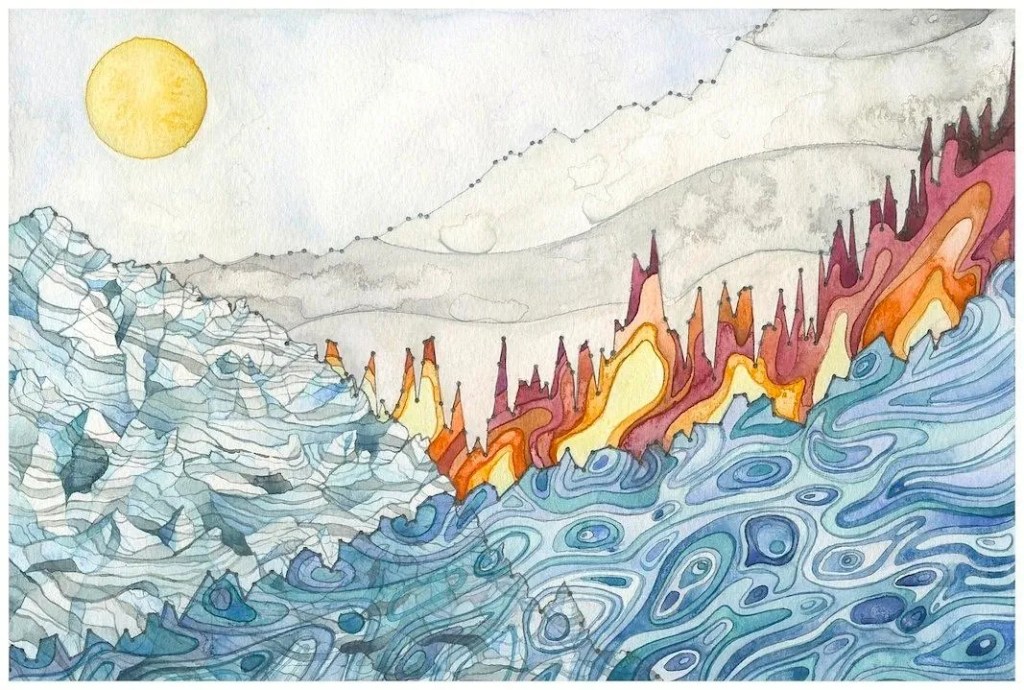
Landscape of Change by Jill Pelto, Smithsonian. From Public Domain

Hope is the mantra for all human existence. We hope for a better future, for love, for peace, for good weather, for abundance. When that abundance is an abundance of harsh weather or violence wrought by wars, we hope for calm and peace.

This is the season for cyclones — Dana, Trami, Yixing, Hurricanes Milton and Helene — to name a few that left their imprint with the destruction of both property and human lives as did the floods in Spain while wars continue to annihilate more lives and constructs. That we need peace to work out how to adapt to climate change is an issue that warmongers seem to have overlooked. We have to figure out how we can work around losing landmasses and lives to intermittent floods caused by tidal waves, landslides like the one in Wayanad and rising temperatures due to the loss of ice cover. The loss of the white cover of ice leads to more absorption of heat as the melting water is deeper in colour. Such phenomena could affect the availability of potable water and food, impacted by the changes in flora and fauna as a result of altered temperatures and weather patterns. An influx of climate refugees too is likely in places that continue habitable. Do we need to find ways of accommodating these people? Do we need to redefine our constructs to face the crises?

Echoing concerns for action to adapt to climate change and hoping for peace, our current issue shimmers with vibrancy of shades while weaving in personal narratives of life, living and the process of changing to adapt.

An essay on Bhaskar Parichha’s recent book on climate change highlights the action that is needed in the area where Dana made landfall recently. In terms of preparedness things have improved, as Bijoy K Mishra contends in his essay. But more action is needed. Denying climate change or thinking of going back to pre-climate change era is not an option for humanity anymore. While politics often ignores the need to acknowledge this crises and divides destroying with wars, riots and angst, a narrative for peace is woven by some countries like Japan and Rwanda.

Suzanne Kamata recently visited Rwanda. She writes about how she found by educating people about the genocide of 1994, the locals have found a way to live in peace with people who they addressed as their enemies before… as have the future generations of Japan by remembering the atomic holocausts of 1945.

Writing about an event which wrought danger into the lives of common people in South Asia is Professor Fakrul Alam’s essay on the 1971 conflict between the countries that were carved out of the 1947 Partition of the Indian subcontinent. As if an antithesis to this narrative of divides that destroyed lives, Luke Rimmo Minkeng Lego muses about peace and calm in Shillong which leaves a lingering fragrance of heartfelt friendships. Farouk Gulsara muses on nostalgic friendships and twists of fate that compel one to face mortality. Abdullah Rayhan ponders about happiness and Shobha Sriram, with a pinch of humour, adapts to changes. Devraj Singh Kalsi writes satirically of current norms aiming for a change in outlook.

Humour is brought into poetry by Rhys Hughes who writes about a photograph of a sign that can be interpreted in ways more than one. Michael Burch travels down the path of nostalgia as Ryan Quinn Flanagan shares a poem inspired by Pablo Neruda’s bird poems. Luis Cuauhtémoc Berriozábal writes heart wrenching verses about the harshness of winter for the homeless without shelter. We have more colours in poetry woven by Jahanara Tariq, Stuart MacFarlane, Saranyan BV, George Freek, G Javaid Rasool, Heath Brougher and more.

In translations, we have poetry from varied countries. Ihlwha Choi has self-translated his poem from Korean. Ivan Pozzoni has done the same from Italian. One of Tagore’s lesser-known verses, perhaps influenced by the findings of sensitivity in plants by his contemporary, Jagadish Chandra Bose (1858-1937) to who he dedicated the collection which homed this poem, Phool Photano (making flowers bloom), has been translated from Bengali. Professor Alam has translated Nazrul’s popular song, Tumi Shundor Tai Cheye Thaki (Because you are so beautiful, I keep gazing at you).

In reviews, Somdatta Mandal has discussed The Collected Short Stories of Kazi Nazrul Islam, translated by multiple translators from Bengali and edited by Syed Manzoorul Islam and Kaustav Chakraborty. Rakhi Dalal has written about The Long Strider in Jehangir’s Hindustan: In the Footsteps of the Englishman Who Walked From England to India in the Year 1613 by Dom Moraes and Sarayu Srivatsa, a book that looks and compares the past with the present. Bhaskar Parichha has written of a memoir which showcases not just the personal but gives a political and economic commentary on tumultuous events that shaped the history of Israel, Palestine, and the modern Middle East prior to the more than a year-old conflict. The book by the late Mohammad Tarbush (1948-2022) is called My Palestine: An Impossible Exile.

Stories travel around the world with Paul Mirabile’s narrative giving a flavour of bohemian Paris in 1974. Anna Moon’s fiction set in Philippines gives a darker perspective of life. Lakshmi Kannan’s narrative hovers around the 2008 bombing in Mumbai, an event that evoked much anger, violence and created hatred in hearts. In contrast, Naramsetti Umamaheswararao brings a sense of warmth into our lives with a story about a child and his love for a dog. Sreelekha Chatterjee weaves a tale of change, showcasing adapting to climate crisis from a penguin’s perspective.

Hoping to change mindsets with education, Mineke Schipper has a collection of essays called Widows: A Global History, which has been introduced along with a discussion with the author on how we can hope for a more equitable world. The other conversation by Ratnottama Sengupta with Veena Raman, wife of the late Vijay Raman, a police officer who authored, Did I Really Do All This: Memoirs of a Gentleman Cop Who Dared to be Different, showcases a life given to serving justice. Raman was an officer who caught dacoits like Paan Singh Tomar and the Indian legendary dacoit queen, Phoolan Devi. An excerpt from his memoir accompanies the conversation. The other book excerpt is from an extremely out of the box book, Rhys Hughes’ Growl at the Moon, a Weird Western.

Trying something new, being out of the box is what helped humans move out from caves, invent wheels and create civilisations. Hopefully, this is what will help us move into the next phase of human development where wars and weapons will become redundant, and we will be able to adapt to changing climes and move towards a kinder, more compassionate existence.

Thank you all for pitching in with your fabulous pieces. There are ones that have not been covered here. Do pause by our content’s page to see all our content. Huge thanks to the fantastic Borderless team and to Sohana Manzoor, for her art too.

Hope you enjoy our fare!

Mitali Chakravarty

borderlessjournal.com

Click here to access the  content’s page for the November 2024 Issue

.

READ THE LATEST UPDATES ON THE FIRST BORDERLESS ANTHOLOGY, MONALISA NO LONGER SMILES, BY CLICKING ON THIS LINK.

Categories
Stories

A Penguin’s Story

By Sreelekha Chatterjee

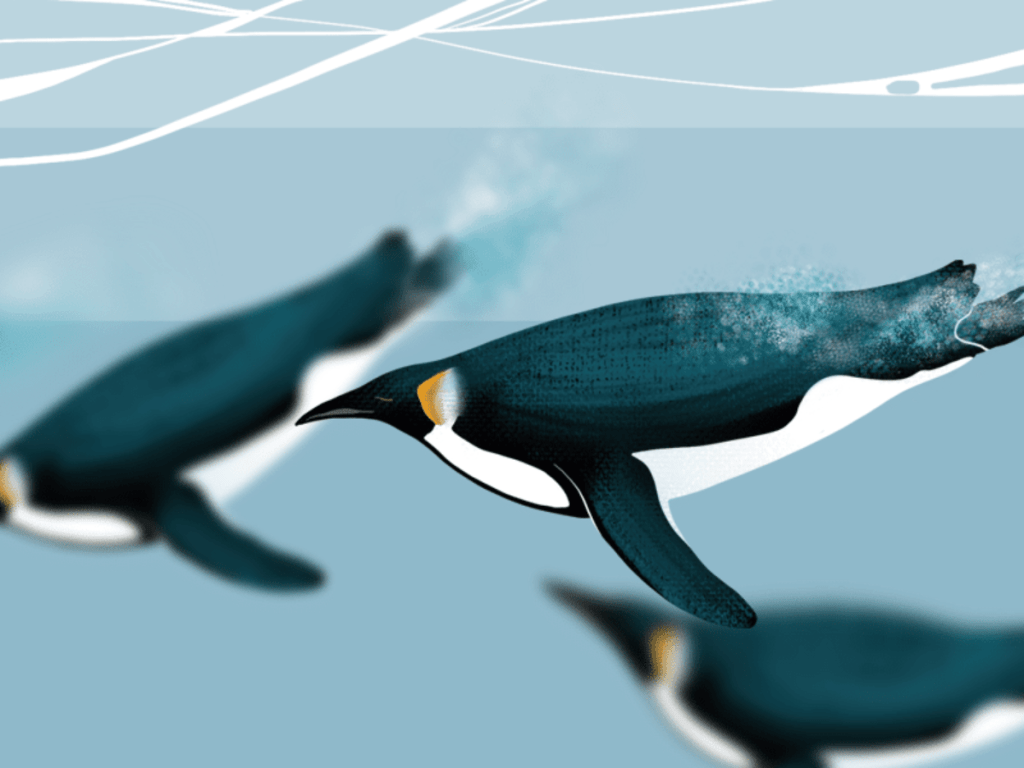
Along with a colony of huddling youngsters—at the threshold of adolescence—I gather at the edge of a giant ice cliff, from where the sea below appears like a distant dream. A prolonged weakening, retreat of the ice shelf has suddenly realised into the shape of water, as if its very existence has vanished into thin air. The occasional sprawling of luxuriant colonisation—a bulk of freshness in shades of jade—seems out of place in the otherwise stark white carpet all around. As always, a frontbencher, I station myself at the farthest point on the extremity. Behind me, the onlookers crane their necks to get a better glimpse of the liquesced pale-blue water.

As I am always draped in black and white, I notice the blue-grey hue near my throat when I eat. My siblings have additional golden-yellow ear patches. The wandering, winged creatures in the sky generate an indomitable desire in me. I wish I could fly. I galumph, leaning towards one side, a waddling gait with a lazy swag. My perspectives immobilise in the turbulent, sweeping wind chills.

Stranded on this towering cliff together with fellow earthlings, I gaze at the sky and contemplate the changes. Smitten by uneasy, unprecedented anxiety, without the comfort of the abundance of krill[1], till I decide it’s now or never. Unless we proceed, we will forever remain dependent on our parents. Though I am very close to my parents, I do not wish to be a continued burden to them.

Turning around, I look at my fellow beings for the last time. Their ocean eyes are like static travellers, their noses filled with unrelenting salty tears.

I take the colossal leap of faith, plummeting down like forever, holding my breath, and splashing straight into the icy water below. The biting, piercing hostile water smacks hard at my face in its embrace, as I feel its bitter presence in my shuddering bones. I resurface almost instantly, my heaving chest breathing in the tranquil air—my mind suddenly resorts to flight.

I swim with short strokes, flapping my preternatural wings, traversing the wild sea in style like a fish in known territory. The tiny spectators above remain quiet, admiring the victory ahead of the giant trepidation. A momentary eloquent sound of silence, followed by jubilant cheer. The celebration begins as one by one my mates plunge into the sea unhindered. Initial discomfort, followed by floating in the alien water—our very first step towards filling our bellies with krill, fresh fish and squid. The accomplishment that once bordered insuperability now rests parallel with peace.   

From Public Domain

[1] Krill is growing scarce due to climate change. https://www.cbc.ca/news/canada/saskatchewan/penguin-diets-climate-change-1.5383720

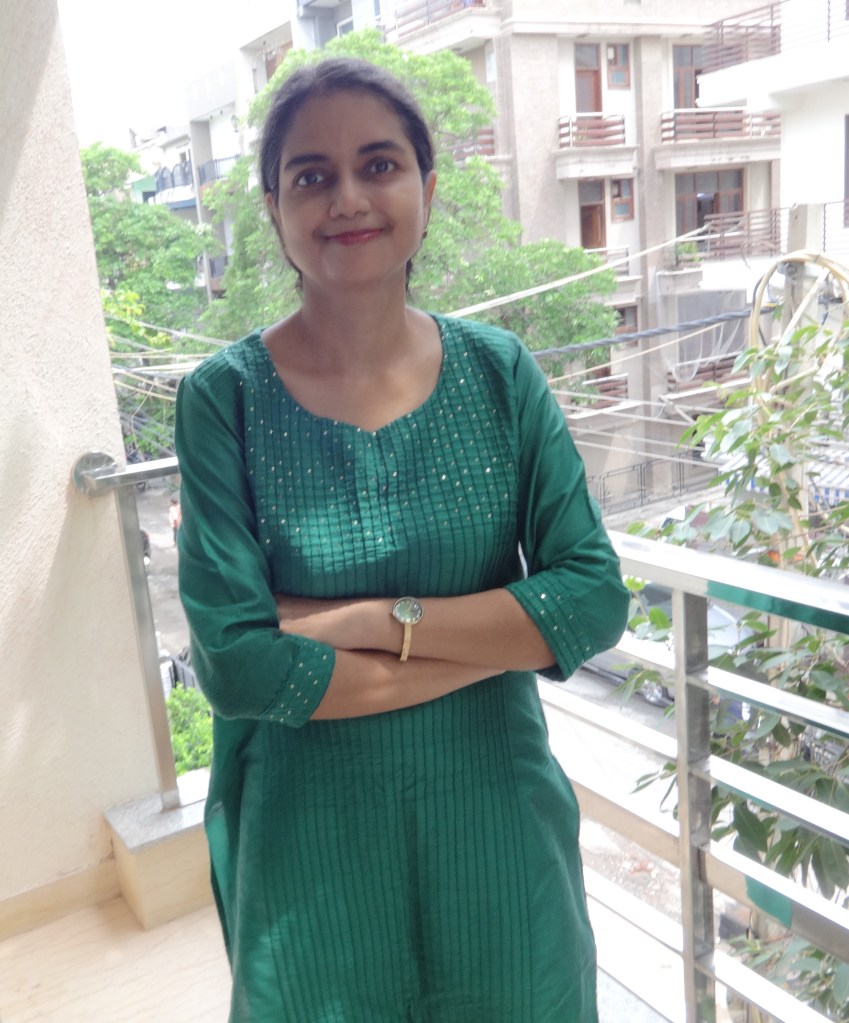
Sreelekha Chatterjee lives in New Delhi. Her short stories have been widely published in various national, international magazines, journals, and have been included in numerous print and online anthologies.

George Freek’s poetry has recently appeared in The Ottawa Arts Review, Acumen, The Lake, The Whimsical Poet, Triggerfish and Torrid Literature.

PLEASE NOTE: ARTICLES CAN ONLY BE REPRODUCED IN OTHER SITES WITH DUE ACKNOWLEDGEMENT TO BORDERLESS JOURNAL

Click here to access the Borderless anthology, Monalisa No Longer Smiles

Click here to access Monalisa No Longer Smiles on Amazon International

Categories
Editorial

Dancing in May?

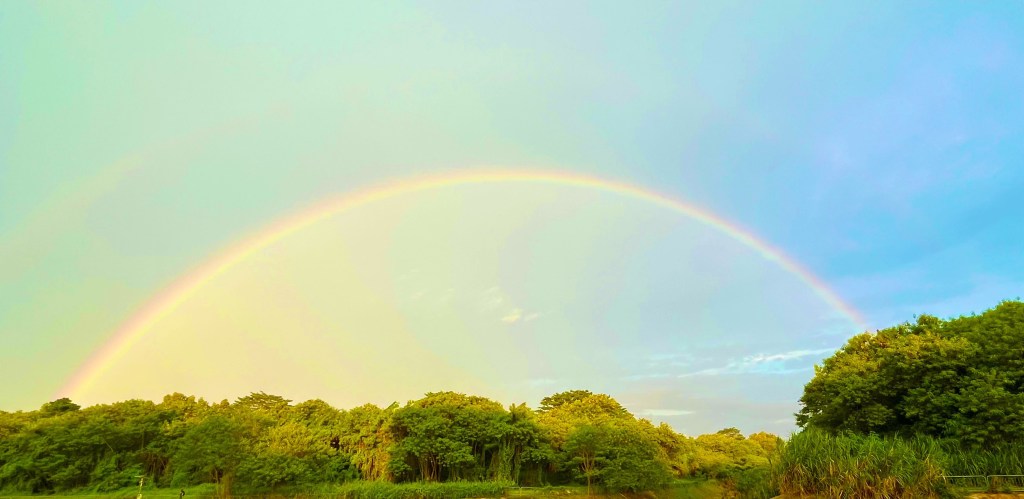
Courtesy: Creative Commons
“May is pretty, May is mild,
Dances like a happy child…”

Annette Wynne (Early twentieth century)

Each month is expressed in a different form by nature in various parts of the world. In the tropics, May is sweltering and hot — peak summer. In the Southern hemisphere, it is cold. However, with climate change setting in, the patterns are changing, and the temperatures are swinging to extremes. Sometimes, one wonders if this is a reflection of human minds, which seem to swing like pendulums to create dissensions and conflicts in the current world. Nothing seems constant and the winds of change have taken on a menacing appearance. If we go by Nazrul’s outlook, destruction is a part of creating a new way of life as he contends in his poem, ‘Ring Bells of Victory’ — “Why fear destruction? It’s the gateway to creation!” Is this how we will move towards ‘dancing like a happy child’?

Mitra Phukan addresses this need for change in her novel, What Will People Say — not with intensity of Nazrul nor in poetry but with a light feathery wand, more in the tradition of Jane Austen. Her narrative reflects on change at various levels to explore the destruction of old customs giving way to new that are more accepting and kinder to inclusivity, addressing issues like widow remarriage in conservative Hindu frameworks, female fellowship and ageing as Phukan tells us in her interview. Upcoming voice, Prerna Gill, lauded by names like Arundhathi Subramaniam and Chitra Divakaruni, has also been in conversation with Shantanu Ray Choudhuri on her book of verses, Meanwhile. She has refreshing perspectives on life and literature.

Poetry in Borderless means variety and diaspora. Peter Cashorali’s poem addresses changes that quite literally upend the sky and the Earth! Michael Burch reflects on a change that continues to evolve – climate change. Ryan Quinn Flanagan explores societal irritants with irony. Seasons are explored by KV Raghupathi and Ashok Suri. Wilda Morris brings in humour with universal truths. William Miller explores crime and punishment. Lakshmi Kannan and Shahriyer Hossain Shetu weave words around mythical lore. We have passionate poetry from Md Mujib Ullah and Urmi Chakravorty. It is difficult to go into each poem with their diverse colours but Rhys Hughes has brought in wry humour with his long poem on eighteen goblins… or is the count nineteen? In his column, Hughes has dwelt on tall tales he heard about India during his childhood in a light tone, stories that sound truly fantastic…

Devraj Singh Kalsi has written a nostalgic piece that hovers between irony and perhaps, a reformatory urge… I am not quite sure, but it is as enjoyable and compelling as Meredith Stephen’s narrative on her conservation efforts in Kangaroo Island in the Southern hemisphere and fantastic animals she meets, livened further by her photography. Ravi Shankar talks of his night hikes in the Northern hemisphere, more accurately, in the Himalayas. While trekking at night seems a risky task, trying to recreate dishes from the past is no less daunting, as Suzanne Kamata tells us in her Notes from Japan.

May hosts the birthday of a number of greats, including Tagore and Satyajit Ray. Ratnottama Sengupta’s piece on Ray’s birth anniversary celebrations with actress Jaya Bachchan recounting her experience while working for Ray in Mahanagar (Big City), a film that has been restored and was part of celebrations for the filmmaker’s 102nd Birth anniversary captures the nostalgia of a famous actress on the greatest filmmakers of our times. She has also given us an essay on Tagore and cinema in memory of the great soul, who was just sixty years older to Ray and impacted the filmmaker too. Ray had a year-long sojourn in Santiniketan during his youth.

Eulogising Rabindrasangeet and its lyrics is an essay by Professor Fakrul Alam on Tagore. Professor Alam has translated number of his songs for the essay as he has, a powerful poem from Bengali by Masud Khan. A transcreation of Tagore’s first birthday poem , a wonderful translation of Balochi poetry by Fazal Baloch of Munir Momin’s verses, another one from Korean by Ihlwha Choi rounds up the translated poetry in this edition. Stories that reach out with their poignant telling include Nadir Ali’s narrative, translated from Punjabi by his daughter, Amna Ali, and Aruna Chakravarti’s translation of a short story by Tagore. We have more stories from around the world with Julian Gallo exploring addiction, Abdullah Rayhan with a poignant narrative from Bangladesh, Sreelekha Chatterjee with a short funny tale and Paul Mirabile exploring the supernatural and horror, a sequel to ‘The Book Hunter‘, published in the April issue.

All the genres we host seem to be topped with a sprinkling of pieces on Tagore as this is his birth month. A book excerpt from Chakravarti’s Daughters of Jorasanko narrates her well-researched version of Tagore’s last birthday celebration and carries her translation of the last birthday song by the giant of Bengali literature. The other book excerpt is from Bhubaneswar@75 – Perspectives, edited by Bhaskar Parichha/ Charudutta Panigrahi. Parichha has also reviewed Journey After Midnight – A Punjabi Life: From India to Canada by Ujjal Dosanjh, a book that starts in pre-independent India and travels with the writer to Canada via UK. Again to commemorate the maestro’s birth anniversary, Meenakshi Malhotra has revisited Radha Chakravarty’s translation of Tagore’s Farewell Song. Somdatta Mandal has critiqued KR Meera’s Jezebeltranslated from Malayalam by Abhirami Girija Sriram and K. S. Bijukuma. Lakshmi Kannan has introduced to us Jaydeep Sarangi’s collection of poems, letters in lower case.

There are pieces that still reach out to be mentioned. Do visit our content page for May. I would like to thank Sohana Manzoor for her fantastic artwork and continued editorial support for the Tagore translations and the whole team for helping me put together this issue. Thank you. A huge thanks to our loyal readers and contributors who continue to bring in vibrant content, photography and artwork. Without you all, we would not be where we are today.

Wish you a lovely month.

Mitali Chakravarty

borderlessjournal.com

Categories
Stories

Look but with Love

By Sreelekha Chatterjee

The laptop glows, as Ruby gazes at the email sent by an author. Her bespectacled, middle-aged eyes are like two ignited blocks of coal, burning with irritation from the constant stare at the computer and the revelation that the message has brought.

Dear Editor Ruby,
         Please reinsert the word “effigy” in the following sentence as the author himself wasn’t burnt down. Probably the word had been inadvertently missed out at the time of typesetting.

Typeset sentence: “Mr White was burnt down by a group of agitators who thought that his book dealt with controversial topics.”

Original sentence: “Mr White’s effigy was burnt down by a group of agitators who thought that his book dealt with controversial topics.”

Comparing the original manuscript with that of the copyedited version, Ruby calls Victor to her desk.

 “Tell me the meaning of the word ‘effigy’?” She asks with an air of seriousness about her, adjusting her glasses which have almost reached the tip of her nose.

The frivolous young lad, in his early twenties, keeps quiet, toys with his mobile, while his eyes waver around the books, clutter of files, papers on her table. He notices the page tugged onto the clipboard in front of her table where he reads the well-known lines once again: “When I take a long time to finish, I’m slow, but when my boss takes a long time, he is thorough.”

Victor usually takes a long time to edit the manuscripts and the end result is mostly devastating, though he always makes a point to look everything up in the dictionary as well as do an online search on the internet. What he is unable to understand is that despite all his efforts, things don’t turn up the way they should have been and lead to fresh miseries. He stares at the clipboard and thinks of inserting another line there which he mumbles under his breath with a supercilious smile:“When you take a long time to discuss about something, then you are wasting your time, but when your boss takes a long time to discusses it, then it’s a serious matter that needs attention.”

He keeps his head obstinately lowered, determined that he will not look up.

Ruby squirms in her chair, observing his quivering lips. Is he muttering abuses? Or, calling her a devil (as they do behind her back)?

“Look at me, look into my eyes. Last time you’d queried an author about ellipsis points at several quoted instances in his article and asked him what he intended by that. Don’t you know what they are meant for?”

Victor winces as his face twists, struggling hard to appear unmoved. Impatiently, he wriggles his right toe on the floor as if he’ll create holes in it or trample her down.

“A copyeditor needs to be hawk-eyed. Use your damn eyes. The editing eyes reach the desired perfection based on their use and cultivation. Last time you misspelt the word ‘snacks’ in the sentence and it read: ‘Tea, coffee, and sacks served here.’ And you didn’t correct the word ‘molest’ to ‘mullet’—‘His eyes sparkled like the shiny skin of the molest.’ The words ‘soul’ and ‘peace’ were replaced by some ridiculous words in the sentence: ‘May his sole rest in piece. Can you bake a cake with flowers as was mentioned in the sentence—‘The main ingredient of the cake was flower.’”

In response to Ruby’s usual mocking harangue, he recalls a famous quote on shame and vulnerability:“Grace means that all of your mistakes now serve a purpose instead of serving shame.”

His sun sign is Cancer and he believes in the prophecies made by a Panditji every morning on a popular TV channel. Though he didn’t quite understand what Panditji’s astrological predictions for the day indicated when he watched the show early in the morning, but now it feels somewhat relevant in the present context:“Remember, the things that are occurring today are not happening ‘to’ you. You need to have a greater perspective in mind to understand that the so-called challenges you are facing at the moment aren’t what they appear to be. Turn your experience into wisdom and you’ll find the way ahead.” 

That morning when he was stuck at the traffic signal, he recalled having seen a truck on which it was written “Sunil Treaders”. People often say that they write wrong spellings to attract attention, then why is it that editors are blamed for all the spelling errors that the authors make.

“When an editor makes a mistake, he is an idiot, but when an author makes a mistake, he is only human.” He utters in a low voice so that it doesn’t reach Ruby.

“Why don’t you look at me?” she yells.

Victor still keeps his eyes lowered or rather fixed on to the ground. Are those eyes loaded with tears?  

Suddenly, he recalls that Panditji had mentioned something important and he totally forgot about it. He mumbles what Panditji repeated again and again today morning, “All Cancerians should be cautious about their position today. They should be standing on the left side of all their senior officials to avoid any sort of conflict.” But he is standing in front of his boss. How will he change his position now? That’s why things are not going in his favour. Absentmindedly, he moves towards the nearby wall.

Immediately, Ruby says testily, “Where are you going? Come closer.” After a brief pause, she resumes watching him through the edge of her eyes, “Look into my eyes. It’s where the truth lies.”

In an instant he is strangely reminded of the phrase that he has mostly seen painted on the rear side of trucks, lorries:“Dekho magar pyaar se.” (“Look but with love.”)

At last he raises his head, his cheeks flushed red, sweaty, tense-limbed, and says, wide-eyed, showing his tobacco-stained blackish teeth, “I’ve never looked into the eyes of my wife, how can I look into yours?”

Sreelekha Chatterjee lives in New Delhi, India. Her short stories have been published in various national, international magazines, journals, and have been included in numerous print and online anthologies.

PLEASE NOTE: ARTICLES CAN ONLY BE REPRODUCED IN OTHER SITES WITH DUE ACKNOWLEDGEMENT TO BORDERLESS JOURNAL

Click here to access the Borderless anthology, Monalisa No Longer Smiles

Click here to access Monalisa No Longer Smiles on Kindle Amazon International

Categories
Contents

Borderless, February 2023

Painting by Sohana Manzoor

Editorial

And Wilderness is Paradise Enow…Click here to read.

Conversations

Andrew Quilty, an award winning journalist for his features on Afghanistan, shares beyond his book, August in Kabul: America’s Last Days in Afghanistan and the Return of the Taliban, in a candid conversation. Click here to read.

Abhirup Dhar, a horror writer whose books are being extensively adopted by Bollywood, talks about his journey and paranormal experiences. Click here to read.

Translations

Munshi Premchand’s Balak or the Child has been translated from Hindi by Anurag Sharma. Click here to read.

Atta Shad’s Today’s Child has been translated from Balochi by Fazal Baloch. Click here to read.

Masud Khan’s History has been translated from Bengali by Professor Fakrul Alam. Click here to read.

Ihlwha Choi translates his own poem, Lunch Time, from Korean. Click here to read.

Tagore’s Somudro or Ocean has been translated from Bengali by Mitali Chakravarty. Click here to read.

Poetry

Click on the names to read the poems

Rhys Hughes, Chad Norman, Amit Parmessur, Sister Lou Ella Hickman, Anjali V Raj, Alex Z Salinas, Swati Mazta, Pragya Bajpai, John Grey, Saranyan BV, Dee Allen, Sanjukta Dasgupta, David Francis, Mitra Samal, George Freek, Vineetha Mekkoth, Ron Pickett, Ryan Quinn Flangan, Asad Latif

Poets, Poetry & Rhys Hughes

In Climbing Sri Pada, Rhys Hughes takes us on a trek to the hilltop with unusual perceptive remarks which could evoke laughter. Click here to read.

Musings/Slices from Life

Wanderlust or Congealed Stardust

Aditi Yadav meanders through the human journey and suggests travel as an ultimate panacea. Click here to read.

The Roy Senguptas

Ratnottama Sengupta continues with her own family saga looking back to the last century. Click here to read.

From Gatwick to Kangaroo Island

Meredith Stephens compares her experience of immigration at London airport to the bureaucracy she faces at Kangaroo Island. Click here to read.

Musings of a Copywriter

In Camel Ride in Chandigarh, Devraj Singh Kalsi talks of animal rides with a dollop of humour. Click here to read.

Notes from Japan

In Sweet Diplomacy, Suzanne Kamata tells us how candies can well save the day in Japan. Click here to read.

Essays

Gandhi in Cinema

Shantanu Ray Chaudhuri explores Gandhi in films and also his views on the celluloid screen. Click here to read.

Where Three Oceans Meet

P Ravi Shankar takes us on a photographic and textual tour of the land’s end of India. Click here to read.

When ‘they’ Danced…

Ratnottama Sengupta discusses the unique Bhooter Naach or the Ghost Dance, in Satyajit Ray’s Goopy Gyne Bagha Byne. Click here to read.

Stories

Between Light and Darkness

Sreelekha Chatterjee tells us a spooky tale of intrigue. Click here to read.

Letting Go

Tasneem Hossian gives a story of what bipolar disorders can do to a relationship. Click here to read.

Is it the End Today?

Anjana Krishnan gives a poignant flash fiction spanning eras. Click here to read.

Book Excerpts

An excerpt from Andrew Quilty’s August in Kabul: America’s Last Days in Afghanistan and the Return of the Taliban. Click here to read.

An excerpt from Vinoy Thomas’s Anthill, translated by Nandakumar K. Click here to read.

Book Reviews

Somdatta Mandal reviews Sudeshna Guha’s A History of India Through 75 Objects. Click here to read.

Meenakshi Malhotra reviews  Priyadarshini Thakur Khayal’s Padmini of Malwa: The Autobiography of Rani Ruupmati. Click here to read.

Bhaskar Parichha reviews Colleen Taylor Sen’s Ashoka and The Maurya Dynasty: The History and Legacy of Ancient India’s Greatest Empire. Click here to read.

.

Click here to access the Borderless anthology, Monalisa No Longer Smiles

Categories
Editorial

And Wilderness is Paradise Enow…

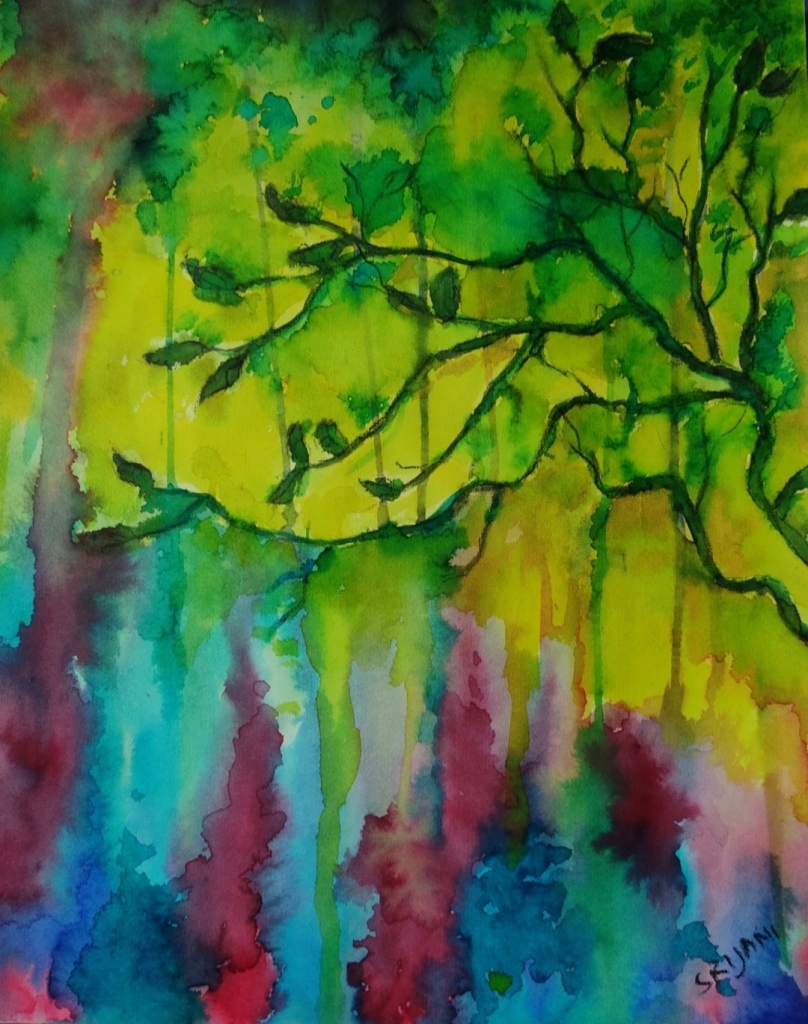
Hope in Winter(2020) by Srijani Dutta
“Here with a Loaf of Bread beneath the Bough,
A Flask of Wine, a Book of Verse -- and Thou
Beside me singing in the Wilderness --
And Wilderness is Paradise enow.”

― Omar Khayyám (1048-1131); translation from Persian by Edward Fitzgerald (Rubaiyat, 1859)

I wonder why Khayyam wrote these lines — was it to redefine paradise or just to woo his beloved? I like to imagine it was a bit of both. The need not to look for a paradise after death but to create one on Earth might well make an impact on humankind. Maybe, they would stop warring over an invisible force that they call God or by some other given name, some ‘ism’. Other than tens of thousands dying in natural disasters like the recent earthquake at the border of Turkiye and Syria, many have been killed by wars that continue to perpetrate divides created by human constructs. This month houses the second anniversary of the military junta rule in Myanmar and the first anniversary of the Ukrainian-Russian war that continues to decimate people, towns, natural reserves, humanity, economics relentlessly, polluting the environment with weapons of mass destruction, be it bombs or missiles. The more weapons we use, the more we destroy the environment of our own home planet. 

Sometimes, the world cries for a change. It asks to be upended.

We rethink, reinvent to move forward as a species or a single race. We relook at concepts like life and death and the way we run our lives. Redefining paradise or finding paradise on Earth, redefining ‘isms’ we have been living with for the past few hundred years — ‘isms’ that are being used to hurt others of our own species, to create exclusivity and divisions where none should exist — might well be a requisite for the continuance of our race.

Voices of change-pleaders rang out in the last century with visionaries like Tagore, Gandhi, Nazrul, Satyajit Ray urging for a more accepting and less war-bound world. This month, Ratnottama Sengupta has written on Ray’s legendary 1969 film, Goopy Gyne, Bagha Byne: “The message he sent out loud and with laughter: ‘When people have palatable food to fill their belly and music to fill their soul, the world will bid goodbye to wars.’” Shantanu Ray Chaudhuri has given an essay on one of the greatest pacifists, Gandhi, and his attitudes to films as well as his depiction in movies. What was amazing is Gandhi condemned films and never saw their worth as a mass media influencer! The other interesting thing is his repeated depiction as an ethereal spirit in recent movies which ask for changes in modern day perceptions and reforms. In fact, both these essays deal with ghosts who come back from the past to urge for changes towards a better future.

Delving deeper into the supernatural is our interviewee, Abhirup Dhar, an upcoming writer whose ghost stories are being adapted by Bollywood. While he does investigative stories linked to supernatural lore, our other interviewee, Andrew Quilty, a renowned journalist who has won encomiums for his coverage on Afghanistan where he spent eight years, shows in his book, August in Kabul: America’s Last Days in Afghanistan and the Return of the Taliban, what clinging to past lores can do to a people, especially women. Where does one strike the balance? We also have an excerpt from his book to give a flavour of his exclusive journalistic coverage on the plight of Afghans as an eyewitness who flew back to the country not only to report but to be with his friends — Afghans and foreigners — as others fled out of Kabul on August 14 th 2021. While culturally, Afghans should have been closer to Khayyam, does their repressive outlook really embrace the past, especially with the Taliban dating back to about only three decades?

The books in our review section have a focus on the past and history too. Meenakshi Malhotra’s review of Priyadarshini Thakur Khayal’s Padmini of Malwa: The Autobiography of Rani Rupmati, again focusses on how the author resurrects a medieval queen through visitations in a dream (could it be her spirit that visited him?). Somdatta Mandal writes of a book of history too — but this time the past and the people are resurrected through objects in Sudeshna Guha’s A history of India through 75 Objects. Bhaskar Parichha has also reviewed a history book by culinary writer-turned-historian Colleen Taylor Sen, Ashoka and The Maurya Dynasty: The History and Legacy of Ancient India’s Greatest Empire.

This intermingling of life and death and the past is brought to life in our fiction section by Sreelekha Chatterjee and Anjana Krishnan. Aditi Yadav creates a link between the past and our need to travel in her musing, which is reminiscent of Anthony Sattin’s description of asabiyya, a concept of brotherhood that thrived in medieval times. In consonance with wanderlust expressed in Yadav’s essay, we have a number of stories that explore travel highlighting various issues. Meredith Stephens travels to explore the need to have nature undisturbed by external interferences in pockets like Kangaroo Island in a semi-humorous undertone. While Ravi Shankar travels to the land’s end of India to voice candid concerns on conditions within Kerala, a place that both Keith Lyons and Rhys Hughes had written on with love and a sense of fun. It is interesting to see the contrasting perspectives on Southern India.

Hughes of course brings in dollops of humour with his travel to Adam’s Peak in Sri Lanka as does Devraj Singh Kalsi who writes about camel rides in Chandigarh, a place I known for its gardens, town planning and verdure. Suzanne Kamata colours Japan with humour as she writes of how candies can save the day there! Sengupta continues to travel to the past delving into the history of the last century.

Poetry that evokes laughter is rare but none the less the forte of Hughes as pensive but beautiful heartfelt poetry is that of Asad Latif. This February, the edition features poetry by Ryan Quinn Flanagan that borders on wry humour and on poignancy by George Freek. More poems by Pragya Bajpai, Sanjukta Dasgupta, Chad Norman, John Grey, Amit Parmessur, Sister Lou Ella Hickman, Saranyan BV and many more bring in varied emotions collected and honed to convey varieties that flavour our world.

Professor Fakrul Alam has also translated poetry where a contemporary Bengali writer, Masud Khan, cogitates on history while Ihlwha Choi has translated his own poem from Korean. A translation of Tagore’s poem on the ocean tries to capture the vastness and the eternal restlessness that can be interpreted as whispers carried through eons of history. Fazal Baloch has also shared a poem by one of the most revered modern Balochi voices, that of Atta Shad. Our pièce de resistance is a translation of Premchand’s Balak or the Child by Anurag Sharma.

This vibrant edition would not have been possible without all the wonderful translators, writers, photographers and artists who trust us with their work. My heartfelt thanks to all of you, especially, Srijani Dutta for her beautiful painting, ‘Hope in Winter’, and Sohana for her amazing artwork. My heartfelt thanks to the team at Borderless Journal, to our loyal readers some of whom have evolved into fabulous contributors. Thank you.

Do write in telling us what you think of the journal. We look forward to feedback from all of you as we head for the completion of our third year this March.

Best wishes,

Mitali Chakravarty

borderlessjournal.com

Click here to access the Borderless anthology, Monalisa No Longer Smiles

Categories
Stories

Between Light and Darkness

By Sreelekha Chatterjee

The atmosphere was stiflingly hot. A sense of infinite void prevailed amongst impenetrable darkness; its strange tranquillity was disturbed by a sudden intrusion of a speeding car’s headlight. I was blindfolded, struggling hard to keep my eyes open. The deafening sound of the accelerating engine kept increasing as the car drew nearer and nearer, escalating my wild heartbeat and an uninviting dread. There was no escape. I needed to react, but my limbs wouldn’t move; a sense of fatality gripped me as my reflexes resigned. An instant of acute tension and then there was quiet. I opened my eyes to the brilliance of the table lamp spreading over my desk. It was the usual vision—which kept haunting me for the past six months—all over again while at work.

I concentrated on the sheets of papers that lay before me. The edits marked on them seemed like worms wriggling about. My nerves were screaming in my head. I looked up. The chairs of the office hall were empty. It was always the same every single day. The whole day I would dig my head into work partly due to the necessity to cope with the work pressure and partly to hide my embarrassment. I only looked up when everyone left. After hours was the time for me to finish any pending work along with my search.

It all started about six months ago when the only copy of the manuscript of a book being edited by me had disappeared from my desk—lost forever and never to be found. I couldn’t forget the harsh words that my supervisor uttered for me, questioning my loyalty and emphasising on how irresponsible I’d been. The edited papers vanished a day before it had to be sent for typesetting. Being a fast-track project, the book had to be published within a month’s time. It wasn’t a feasible proposition for me to re-edit the entire book within a day’s time. To save our publishing firm’s reputation, the work was outsourced to freelance editors on urgent basis so that we could still be on track.

Who had stolen it from my table? What was the motive for the theft? During the past six months I had searched every table, every drawer, every cupboard, except the ones that were in our senior managers’ cabins on the first floor, but the manuscript was nowhere to be found. It could be possible that the culprit had removed the manuscript from office. Wearied and assailed by hopelessness of my never-ending search, I surveyed the semi-dark hall. My eyes stuck at the glow of light coming from the farthest corner. I checked my watch. It was almost 8 o’clock. Who could be there at this time? I felt my hair rise with alarm. Someone was working late or spying on me.

On reaching the end of the hall, I found a young lady with spectacles concentrating on something that was open on her computer. I felt a pang of anger, a sting of possessiveness on seeing her use my computer. But I had stopped working on it for the past six months and had no reason to entertain jealousy. After the manuscript theft, there was a significant change in my job pattern, and I had been assigned the role of quality checking instead of editing. I had myself volunteered for that, as I was losing my eyesight due to long work hours without any break in front of the computer—an unacceptable professional hazard in late-twenties.

I leaned forward, peering closely at her file that was displayed on the computer. I coughed aloud but she didn’t stir a bit, oblivious of my presence. She seemed to be unusually engrossed in chatting with a friend on a social networking site open on her system.

Perhaps she was a new employee as I hadn’t seen her before. She seemed to ignore me. Being reticent by nature, I didn’t have the courage to ask her name or to initiate a conversation. Just as I turned to go away, her mobile rang.

“I’m working late… nothing urgent, just needed to impress my boss…after all the appraisal time is drawing near…” I heard snippets of a brief conversation before she hung up.  

There was some movement outside and a human shadow appeared on the frosted glass door. I quickly concealed myself behind a nearby table, as I didn’t want anybody to know that I was there. Someone moved inside. As the light from the computer lit the man, I could recognise him. It was the security guard.

“Will you be late, ma’am?”

“Ah…probably by an hour or so.”

“In that case, inform the duty officer at the watch room as I’ll be leaving now.”

“Okay.”

He sauntered away and the lady once again concentrated on the computer.

Those who worked till late hours had to enter their names in the register at the watch room outside office. I could go and check her name there. I followed the security guard outside. The night watchman was already there. While the two men were chatting, I quickly turned the pages of the register and to my utter disbelief, no name had been entered. Had the rules changed?

As I was going inside, I found the security guard loading something in his car.

“You might get caught.” I heard the night watchman say.

“Don’t worry. Nobody cares to notice what happens to an old computer.”

Bewildered at the contrast between their outward pretension of duty-bound appearance and the reality, I moved inside the office. I needed to get away from the web of bitterness and keep focused. As I approached the coffeemaker which lay at a distance, the machine started automatically all of a sudden startling me. I found a cup placed near the pipe from which coffee poured out. Suddenly the lady whom I had seen earlier came from nowhere. I heard the sound of the printer working somewhere. The lady turned towards me, shook violently with a start as she huddled together. She shot a terrifying glance at me and then averted her eyes as if I didn’t exist. Some people exhibited arrogance to an extent that was disgusting.

I walked unmindfully and reached the printer. Pages were coming out like a fountain, flying in all directions. Some of the pages fell on the floor and the rest inside the wastepaper bin that was kept beside the printer. I bent down to pick up the papers when the lady reappeared. The very thought that the lady was following me everywhere scared me. A few days ago, I heard people saying that our office was haunted, and the mysterious lady triggered my suspicion about her possible supernatural connection.

*

I strolled randomly from one desk to another. Something inside me felt strongly that the stolen manuscript was somewhere in the office, and I had to look for it. But the lady in the office was a big hindrance to my mission. I tampered with the main telephone operating box, removing all the cables. I checked the phones kept at the reception—all of them were dead. Next, I locked the hall door from outside to make sure that the lady couldn’t come out. I’d already stolen her mobile phone from her desk. Satisfied with the initial execution of my plan, I went tiptoed to the first floor.  

The entire office seemed like a graveyard of computers. It felt as if I was walking on a dark, lonely road faintly lit by streetlights. Suddenly a car came from nowhere, its dazzling headlights blinding my eyesight, my ability to search. A momentary loud explosion followed by suffocating silence. I opened my eyes to the stillness of the dark office corridor where I had ventured to find a closure to my search. A strange numbness overpowered me, and I feared betraying the purpose of my visit. I had to continue with my search even if it went on forever. Although aware of the consequences if I got caught while checking the senior managers’ cabins, I couldn’t rest until and unless I figured out what was haunting me.

As I collected myself and groped my way through the impenetrable darkness of the corridor, I heard footsteps coming from behind accompanied by a faint, persistent knock on the floor, perhaps with a stick. Was it the night watchman? What if it was the CEO? I heard on innumerable occasions that the CEO visited our office late at night to work on important projects. I had hardly seen the middle-aged guy once or twice during my 6-year-long service and vaguely remembered his face. To my surprise, I found myself outside his cabin door. A faint suspicion about his involvement in the theft lurked in my mind. My body trembled with nervous agitation and the burden of wrong doings as I tried the door handle.

It opened. The large, spacious room had a single closed window with blinds raised, allowing a faint light to penetrate from outside. I switched on the lady’s mobile torch to discern my way as I progressed from one cupboard to another. A subconscious uneasiness loomed as I checked all the drawers except one which was locked. I looked for the keys and found a bunch of them in a side table drawer. In spite of all my efforts, none of them worked. Suddenly, I recalled having seen a key inside one of the drawers of the computer table placed at the centre of the room. I went back to fetch it. The drawer opened as I turned the key which fitted perfectly. A foul smell of old papers wafted in the air. I checked the papers inside but none of them were related to the manuscript.

After locking the drawer, I was about to leave, relieved of the guilt that I had wrongly accused a respectable man, when slow footsteps were audible outside the room. I hid behind the computer table and waited with bated breath. The shadow of a man fell on the floor near the open door. It seemed to be that of a tall man. My faint recollections hinted that our CEO was a tall man. Was it him? The shadow gradually became elongated and moved towards the wall indicating that he was walking away. Perhaps there were dead souls other than me looking for something or the other—our missions were different but our search had become closely intertwined. Suddenly the shadow stopped as if it had become a statue and the sound of footsteps ceased. I glanced at the glass window visible from my hiding place. The sky seemed to brighten up with a faint glow of light trickling down. My search had to be stalled, as there wasn’t much time to look into other senior managers’ cabins. I had to leave before the next security guard came in at 4 o’clock in the morning.      

I heard footsteps all of a sudden and this time those were quick and faster than before. I could hardly comprehend further, as a tall fellow with scarcely perceptible features and hunched back entered hurriedly. Positioning a torch with his right hand and a file beneath his left elbow, he cautiously unlocked the same cupboard drawer which I had opened earlier. He slid a file and locked it. In the middle of the room near the computer table, he paused to respond to a phone that vibrated in his pocket. He answered it while turning his back towards the door. It was the perfect instance when I could easily slip out of the door. Endeavouring to leave, I crawled up to the door but my curiosity about the hidden object in the drawer got the better of me. I couldn’t afford to get caught, and the dull blue sky outside was brightening up bit by bit.

“Yes. I’ve removed the manuscript. Now they’ll have no other option but to give it to the freelancers.” His words drew my attention while I shifted behind the open door.

He kept quiet for a while as if listening to the person at the other end and then blurted out angrily, “Yes, yes, have faith in me.”

“Do remember my commission.” He disconnected the phone and turned towards the side where I was hiding. Heedless of the fear that paralysed my faculties, I looked up to find that he was staring at me—his eyes gleaming with unearthly lustre, focused on mine; his expression changing from triumph to that of horror. A few seconds elapsed before he stooped to pick up something from the floor.

Was there a chance of survival? Did he see me? Random thoughts kept crowding in my head. Realising the need for instant action, I attempted to plan out my next move. I wished that he left the room without seeing me. I observed him carefully as he walked towards the door. I knew that time was running out but suppressed the urge to check my watch. I took a deep breath and started counting in reverse under my breath. “Ten, nine, eight, seven…” I closed my eyes and after what seemed like a second. When I looked up, there was nobody around. Was it a dream that I was witnessing all the while? I had actually seen the man enter the room…

I walked up to the drawer where the man had concealed something. I unlocked the drawer once again but couldn’t open as it had got stuck. On pulling the drawer with all my strength, it came off, throwing me off my balance, I fell with arms flailing wildly and landed on the ground with it. As I dusted myself, I found my lost manuscript lying among the heap of papers that had fallen off the drawer. I didn’t experience any pleasure on finding my culprit at last. Nauseated by an oppressed dread mingled with disgust, I decided to quit that life and moving out.

I managed to reach the front door where I observed the CEO, the lady and the security guard talking amongst themselves.

“How come you were in office the entire night?” CEO asked the lady.

“Someone had locked me from outside. The whole evening, I experienced such weird things. My phone was stolen, and I couldn’t contact anybody outside as the landline wasn’t working.”

“Is this your mobile phone?” CEO asked while taking out something from his pocket.

“Yes! Where did you find it?”

“In my cabin… why did you go there?”

“I swear! I’ve never been to your cabin…”

The security guard interrupted with an impatient eye roll, “This place is haunted. Strange things have been happening ever since the senior editor’s accident…”

I sensed freedom as the truth finally unfolded before me. I walked past the trio while they were trying to figure out a logical explanation to what had happened with them. I knew that they wouldn’t notice me anymore, after all I didn’t belong to their world.

.

Sreelekha Chatterjee lives in New Delhi. Her short stories have been published in various national, international magazines, journals, and have been included in numerous print and online anthologies.

PLEASE NOTE: ARTICLES CAN ONLY BE REPRODUCED IN OTHER SITES WITH DUE ACKNOWLEDGEMENT TO BORDERLESS JOURNAL

Click here to access the Borderless anthology, Monalisa No Longer Smiles