Categories
Editorial

‘I wondered should I go or should I stay…’

I flow and fly
with the wind further
still; through time
and newborn worlds…

--‘Limits’ by Luis Cuauhtémoc Berriozábal

In winters, birds migrate. They face no barriers. The sun also shines across fences without any hindrance. Long ago, the late Nirendranath Chakraborty (1924-2018) wrote about a boy, Amalkanti, who wanted to be sunshine. The real world held him back and he became a worker in a dark printing press. Dreams sometimes can come to nought for humanity has enough walls to keep out those who they feel do not ‘belong’ to their way of life or thought. Some even war, kill and violate to secure an exclusive existence. Despite the perpetuation of these fences, people are now forced to emigrate not only to find shelter from the violences of wars but also to find a refuge from climate disasters. These people — the refuge seekers— are referred to as refugees[1]. And yet, there are a few who find it in themselves to waft to new worlds, create with their ideas and redefine norms… for no reason except that they feel a sense of belonging to a culture to which they were not born. These people are often referred to as migrants.

At the close of this year, Keith Lyons brings us one such persona who has found a firm footing in New Zealand. Setting new trends and inspiring others is a writer called Harry Ricketts[2]. He has even shared a poem from his latest collection, Bonfires on the Ice. Ricketts’ poem moves from the personal to the universal as does the poetry of another migrant, Luis Cuauhtémoc Berriozábal, aspiring to a new, more accepting world. While Tulip Chowdhury — who also moved across oceans — prays for peace in a war torn, weather-worn world:

I plant new seeds of dreams
for a peaceful world of tomorrow.

--‘Hopes and Dreams’ by Tulip Chowdhury

We have more poems this month that while showcasing the vibrancy of thoughts bind with the commonality of felt emotions on a variety of issues from Laila Brahmbhatt, John Grey, Saba Zahoor, Diane Webster, Gautham Pradeep, Daniel Gene Barlekamp, Annwesa Abhipsa Pani, Cal Freeman, Smitha Vishwanath, John Swain, Nziku Ann and Anne Whitehouse. Ramzi Albert Rihani makes us sit up by inverting norms while Ryan Quinn Flangan with his distinctive style raises larger questions on the need for attitudinal changes while talking of car parks. Rhys Hughes sprinkles ‘Hughesque’ humour into poetry with traffic jams as he does with his funny spooky narrative around Christmas.

Fiction in this issue reverberates across the world with Marc Rosenberg bringing us a poignant telling centred around childhood, innocence and abuse. Sayan Sarkar gives a witty, captivating, climate-friendly narrative centred around trees. Naramsetti Umamaheswararao weaves a fable set in Southern India.

A story by Nasir Rahim Sohrabi from the dusty landscapes of Balochistan has found its way into our translations too with Fazal Baloch rendering it into English from Balochi. Isa Kamari translates his own Malay poems which echo themes of his powerful novels, A Song of the Wind (2007) and Tweet(2017), both centred around the making of Singapore. Snehaprava Das introduces Odia poems by Satrughna Pandab in English. While Professor Fakrul Alam renders one of Nazrul’s best-loved songs from Bengali to English, Tagore’s translated poem Jatri (Passenger) welcomes prospectives onboard a boat —almost an anti-thesis of his earlier poem ‘Sonar Tori’ (The Golden Boat) where the ferry woman rows off robbing her client.

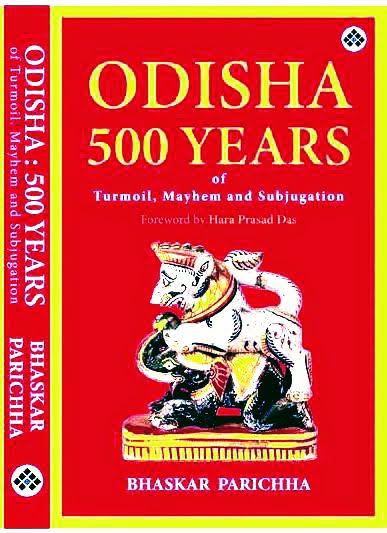
In reviews, we also have a poetry collection, This Could Be a Love Poem for You by Ranu Uniyal discussed by Gazala Khan. Bhaskar Parichha introduces a book that dwells on aging and mental health issues, Indira Das’s Last Song before Home, translated from Bengali by Bina Biswas. Rakhi Dalal has reviewed Anuradha Kumar’s Love and Crime in the Time of Plague:A Bombay Mystery, a historical mystery novel set in the Bombay of yore, a sequel to her earlier The Kidnapping of Mark Twain. Andreas Giesbert has woven in supernatural lore into this section by introducing Ariel Slick’s The Devil Take the Blues: A Southern Gothic Novel. In our excerpts too, we have ghostly lore with an extract from Ghosted: Delhi’s Haunted Monuments by Eric Chopra. The other excerpt is from Marzia Pasini’s Leonie’s Leap, a YA novel showcasing resilience.

We have plenty of non-fiction this time starting with a tribute to Jane Austen (1775-1817) by Meenakshi Malhotra. Austen turns 250 this year and continues relevant with remakes in not only films but also reimagined with books around her novels — especially Pride and Prejudice (which has even a zombie version). Bhaskar Parichha pays a tribute to writer Bibhuti Patnaik. Ravi Varmman K Kanniappan explores ancient Sangam Literature from Tamil Nadu and Ratnottama Sengupta revisits an art exhibition that draws bridges across time… an exploration she herself curated.

Suzanne Kamata takes us on a train journey through historical Japan and Meredith Stephens finds joy in visiting friends and living in a two-hundred-year-old house from the Edo period[3]. Mohul Bhowmick introduces a syncretic and cosmopolitan Bombay (now Mumbai). Gower Bhat gives his opinion on examination systems in Kashmir, which echoes issues faced across the world while Jun A. Alindogan raises concerns over Filipino norms.

Farouk Gulsara — with his dry humour — critiques the growing dependence on artificial intelligence (or the lack of it). Devraj Singh Kalsi again shares a spooky adventure in a funny vein while Malachi Edwin Vethamani woos us with syncretic colours of Christmas during his childhood in Brickfields, Malaysia — a narrative woven with his own poems and nostalgia.

We have a spray of colours from across almost all the continents in our pages this time. A bumper issue again — for which all of the contributors have our heartfelt thanks. Huge thanks to our fabulous team who pitch in to make a vibrant issue for all of us. A special thanks to Sohana Manzoor for the fabulous artwork. And as our readers continue to grow in numbers by leap and bounds, I would want to thank you all for visiting our content! Introduce your friends too if you like what you find and do remember to pause by this issue’s contents page.

Wish all of you happy reading through the holiday season!

Best wishes,

Mitali Chakravarty

borderlessjournal.com

CLICK HERE TO ACCESS THE CONTENTS FOR THE DECEMBER 2025 ISSUE.

[1] UNHCR Refugees

[2] Harry Ricketts born and educated in  England moved to New Zealand.

[3] Edo period in Japan (1603-1868)

.

READ THE LATEST UPDATES ON THE FIRST BORDERLESS ANTHOLOGY, MONALISA NO LONGER SMILES, BY CLICKING ON THIS LINK.

Categories
Editorial

Spring in Winter?

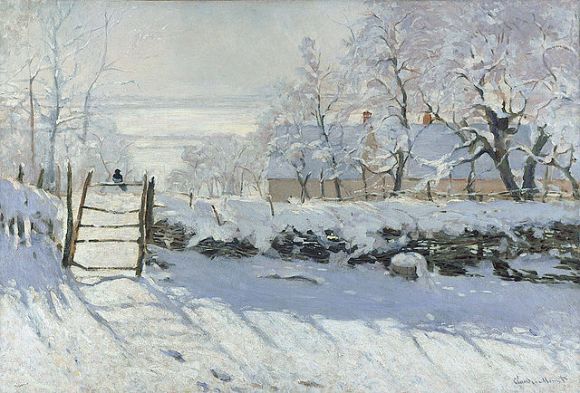
Painting by Claude Monet (1840-1926)
If Winter comes, can Spring be far behind?

'Ode to the West Wind', Percy Bysshe Shelley (1792 -1822)

The idea of spring heralds hope even when it’s deep winter. The colours of spring bring variety along with an assurance of contentment and peace. While wars and climate disasters rage around the world, peace can be found in places like the cloistered walls of Sistine Chapel where conflicts exist only in art. Sometimes, we get a glimpse of peace within ourselves as we gaze at the snowy splendour of Himalayas and sometimes, in smaller things… like a vernal flower or the smile of a young child. Inner peace can at times lead to great art forms as can conflicts where people react with the power of words or visual art. But perhaps, what is most important is the moment of quietness that helps us get in touch with that inner voice giving out words that can change lives. Can written words inspire change?

Our featured bookstore’s owner from Bangladesh, Amina Rahman, thinks it can. Rahman of Bookworm, has a unique perspective for she claims, “A lot of people mistake success with earning huge profits… I get fulfilment out of other things –- community health and happiness and… just interaction.” She provides books from across the world and more while trying to create an oasis of quietude in the busy city of Dhaka. It was wonderful listening to her views — they sounded almost utopian… and perhaps, therefore, so much more in synch with the ideas we host in these pages.

Our content this month are like the colours of the rainbow — varied and from many countries. They ring out in different colours and tones, capturing the multiplicity of human existence. The translations start with Professor Fakrul Alam’s transcreation of Nazrul’s Bengali lyrics in quest of the intangible. Isa Kamari translates four of his own Malay poems on spiritual quest, while from Balochi, Fazal Baloch bring us Munir Momin’s esoteric verses in English. Snehprava Das’s translation of Rohini K.Mukherjee poetry from Odia and S.Ramakrishnan’s story translated from Tamil by B.Chandramouli also have the same transcendental notes. Tagore’s playful poem on winter (Sheeth) mingles a bit for spring, the season welcomed by all creatures great and small.

John Valentine brings us poetry that transcends to the realms of Buddha, while Ryan Quinn Flanagan, Ron Pickett and Saranyan BV use avians in varied ways… each associating the birds with their own lores. George Freek gives us poignant poetry using autumn while Luis Cuauhtémoc Berriozábal expresses different yearnings that beset him in the season. Snehaprava Das and Usha Kishore write to express a sense of identity, though the latter clearly identifies herself as a migrant. Young Debadrita Paul writes poignant lines embracing the darkness of human existence. Joseph C. Ogbonna and Raiyan Rashky write cheeky lines, they say, on love. Mohit Saini interestingly protests patriarchal expectations that rituals of life impose on men. We have more variety in poetry from William Doreski, Rex Tan, Shivani Shrivastav and John Grey. Rhys Hughes in his column shares with us what he calls “A Poem Of Unsuccessful Excess” which includes, Ogden Nash, okras, Atilla the Hun, Ulysees, turmeric and many more spices and names knitting them into a unique ‘Hughesque’ narrative.

Our fiction travels from Argentina with Fabiana Elisa Martínez to light pieces by Deborah Blenkhorn and Priyanjana Pramanik, who shares a fun sketch of a nonagenarian grandma. Sreenath Nagireddy addresses migrant lores while Naramsetti Umamaheswararao gives a story set in a village in Andhra Pradesh.

We have non-fiction from around the world. Farouk Gulsara brings us an unusual perspective on festive eating while Odbayar Dorj celebrates festivals of learning in Mongolia. Satyarth Pandita introduces us to Emil Cioran, a twentieth century philosopher and Bhaskar Parichha pays a tribute to Professor Sarbeswar Das.  Meredith Stephens talks of her first-hand experience of a boat wreck and Prithvijeet Sinha takes us to the tomb of Sadaat Ali Khan. Ahmad Rayees muses on the deaths and darkness in Kashmir that haunt him. Devraj Singh Kalsi brings in a sense of lightness with a soupçon of humour and dreams of being a fruit seller. Suzanne Kamata revisits a museum in Naoshima in Japan.

Our book excerpts are from Anuradha Kumar’s sequel to The Kidnapping of Mark Twain, Love and Crime in the Time of Plague: A Bombay Mystery and Wayne F Burke’s Theodore Dreiser – The Giant, a literary non-fiction. Our reviews homes Somdatta Mandal discussion on M.A.Aldrich’s Old Lhasa: A Biography while Satya Narayan Misra writes an in-depth piece on Amal Allana’s Ebrahim Alkazi: Holding Time Captive. Anita Balakrishnan weaves poetry into this section with her analysis of Silver Years: Senior Contemporary Indian Women’s Poetry edited by Sanjukta Dasgupta, Malashri Lal and Anita Nahal. And Parichha reviews Diya Gupta’s India in the Second World War: An Emotional History, a book that looks at the history of the life of common people during a war where soldiers were all paid to satiate political needs of powerbrokers — as is the case in any war. People who create the need for a war rarely fight in them while common people like us always hope for peace.

We have good news to share — Borderless Journal has had the privilege of being listed on Duotrope – which means more readers and writers for us. We are hugely grateful to all our readers and contributors without who we would not have a journal. Thanks to our wonderful team, especially Sohana Manzoor for her fabulous artwork.

Hope you have a wonderful month as we move towards the end of this year.

Looking forward to a new year and spring!

Mitali Chakravarty

borderlessjournal.com

CLICK HERE TO ACCESS THE CONTENTS FOR THE NOVMBER 2025 ISSUE.

.

READ THE LATEST UPDATES ON THE FIRST BORDERLESS ANTHOLOGY, MONALISA NO LONGER SMILES, BY CLICKING ON THIS LINK.

Categories
Contents

Borderless, October 2025

Painting by Sohana Manzoor

Editorial

Imagine… All the People… Click here to read

Translations

Jani Jani Priyo, Ea Jebone  (I know my dear one, in this life) by Nazrul has been translated from Bengali by Professor Fakrul Alam. Click here to read.

Four of his own poems in Malay have been translated by Isa Kamari. Click here to read.

Five poems by Hrushikesh Mallick have been translated from Odia by Snehprava Das. Click here to read.

The Headstone, a poignant story by Sharaf Shad has been translated by Fazal Baloch. Click here to read.

Shukh (Happiness) by Tagore has been translated from Bengali by Mitali Chakravarty. Click here to read.

Poetry

Click on the names to read the poems

John Valentine, Saranyan BV, John Swain, Ahmad Al-Khatat, Stephen Druce, Jyotish Chalil Gopinath, Jenny Middleton, Maria Alam, Ron Pickett, Tanjila Ontu, Jim Bellamy, Pramod Rastogi, John Grey, Laila Brahmbhatt, John Zedolik, Snehaprava Das, Joseph K.Wells, Rhys Hughes

Poets, Poetry & Rhys Hughes

Rhys Hughes shares his play, Night in Karnataka. Click here to read.

Musings/ Slices from Life

Just Passing Through

Farouk Gulsara muses on humans and their best friends. Click here to read.

Feeding Carrots to Gentle Herbivores

Meredith Stephens looks back to her past adventures with horses and present ones with giraffes. Click here to read.

Linen at Midnight

Pijus Ash relates a real-life spooky encounter in Holland. Click here to read.

Two Lives – A Writer and A Businessman

Chetan Datta Poduri explores two lives from the past and what remains of their heritage. Click here to read.

My Forest or Your City Park?

G Venkatesh muses on the tug of war between sustainabilty, ecology and economies. Click here to read.

Musings of a Copywriter

In Karmic Backlog, Devraj Singh Kalsi explores reincarnations with a twinge of humour. Click here to read.

Notes from Japan

In DIY Dining in Japan, Suzanne Kamata in a light note talks about restaurants with robots. Click here to read.

Essays

Peddling Progress?

Jun A. Alindogan writes about what is perceived as progress from Philippines. Click here to read.

From Madagascar to Japan: An Adventure or a Dream…

Randriamamonjisoa Sylvie Valencia writes of her journey from Africa to Japan with a personal touch. Click here to read.

From Bombay to Kolkata — the Dhaaks of Durga 

Ratnottama Sengupta explores a UNESCO Intangible Cultural Heritage Festival. Click here to read.

Stories

Sleeper on the Bench

Paul Mirabile sets his strange story in London. Click here to read.

Sandy Cannot Write

Devraj Singh Kalsi takes us into the world of adverstising and glamour. Click here to read.

The Wise Words of the Sun

Naramsetti Umamaheswararao relates a fable involving elements of nature. Click here to read.

Discussions

A conversation with Swati Pal, academic and poet, on healing through writing and bereavement. Click here to read.

A conversation with five translators — Aruna Chakravarti, Radha Chakravarty, Somdatta Mandal, Fakrul Alam and Fazal Baloch from across South Asia. Click here to read.

Book Excerpts

An excerpt from That’s A Fire Ant Right There! Tales from Kavali by Mohammed Khadeer Babu, translated from Telugu by D.V. Subhashri. Click here to read.

An excerpt from Swati Pal’s poetry collection, Forever Yours. Click here to read.

Book Reviews

Somdatta Mandal reviews Banu Mushtaq’s Heart Lamp: Selected Stories, translated from Kannada by Deepa Bhasthi. Click here to read.

Meenakshi Malhotra has reviewed Malachi Edwin Vethamani’s anthology, Contours of Him: Poems. Click here to read.

Rupak Shreshta reviews Sangita Swechcha’s Rose’s Odyssey: Tales of Love and Loss, translated from Nepali by Jayant Sharma. Click here to read.

Bhaskar Parichha has reviewed Kalpana Karunakaran’s A Woman of No Consequence: Memory, Letters and Resistance in Madras. Click here to read.

.

Click here to access the Borderless anthology, Monalisa No Longer Smiles

Click here to access Monalisa No Longer Smiles on Amazon International

Categories
Excerpt

A Perpetual Struggle

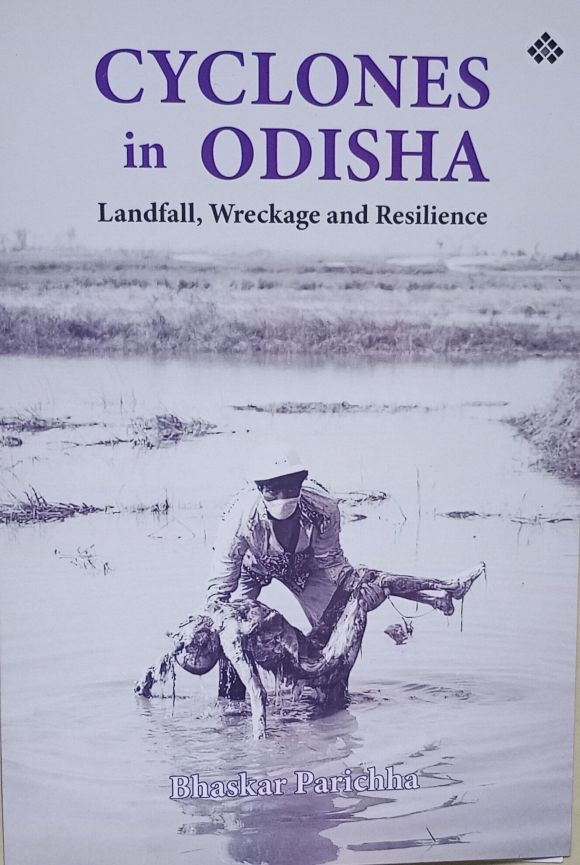
Title: Cyclones in Odisha: Landfall, Wreckage, and Resilience

Author: Bhaskar Parichha

Publisher: Pen In Books

Chapter 10

 A Perpetual Struggle

“Humans and nature can never be friends! Nature will never hesitate to starve you in the drought, drown you in the rain, burn you in the sun, and kill you with an earthquake, a hurricane or a disease; and as such, nature should always be seen as an enemy not a friend.”
― Mouloud Benzadi

 Cyclones exert a significant influence on the economy and agricultural sector of Odisha, leading to considerable disruptions and enduring challenges for the region. Agriculture serves as a fundamental component of Odisha’s economy, accounting for approximately 26% of the Gross State Domestic Product (GSDP) and providing employment for around 85% of the rural populace. The occurrence of cyclones frequently results in severe crop damage, exemplified by the 1999 Super Cyclone, which led to the loss of nearly 2 million tons of rice and devastated approximately 18.43 lakh hectares of farmland. More recent cyclones, such as Fani in 2019, inflicted damage on about 60% of the paddy crop and had a detrimental effect on vegetable production.

The fishing industry, crucial for the livelihoods of local communities, also suffers significant setbacks due to cyclonic events. Damage to fishing infrastructure and interruptions in fishing operations result in decreased catch and income for fishermen, thereby intensifying the economic difficulties faced by coastal populations.

Cyclones inflict extensive damage on infrastructure, including roads, electricity, and housing. This destruction not only affects immediate livelihoods but also obstructs long-term economic recovery. For instance, Cyclone Amphan in 2020 caused widespread infrastructural damage, impacting millions of consumers and resulting in prolonged power outages.

Job Loss

The devastation wrought by cyclones leads to job losses, particularly affecting daily wage laborers and roadside vendors, who are often the most susceptible to economic disruptions. The reduction in employment opportunities further exacerbates poverty levels in a state that is already economically disadvantaged.

Research indicates that cyclones adversely affect local economic growth, with studies revealing a significant decline in the growth rate in the years following such events. For instance, after the catastrophic cyclones of 2013 and 2014, the growth rate plummeted to 1.8% in 2014-15, a stark decrease from 9.3% in the preceding year.

Cyclones result in flooding, soil salinization, and erosion, which significantly undermine agricultural productivity. Coastal areas, where a majority of agricultural activities are concentrated, are especially susceptible to these effects, resulting in diminished crop yields and heightened food insecurity. Farmers are compelled to adjust to the evolving climate and the rising occurrence of cyclones. This adaptation may involve altering planting schedules, implementing multiple cropping strategies, and enhancing irrigation systems to alleviate the impact of cyclones on their livelihoods. The financial challenges associated with recovering from cyclone-related damage can be daunting for farmers, many of whom do not possess sufficient insurance coverage. This economic pressure can perpetuate cycles of poverty and obstruct agricultural advancement in the region.

Ongoing Struggle

The ongoing struggle of the people in Odisha against the backdrop of cyclones is a complex interplay of psychological trauma, economic hardship, and the need for improved disaster management. While strides have been made in preparedness and response, the experiences of survivors underscore the necessity for continued support and infrastructure development to mitigate the impacts of future cyclones.

Resilience to cyclones involves implementing a range of strategies to minimize the impact of these natural disasters on communities and infrastructure. This can include building stronger and more resilient infrastructure, such as storm-resistant buildings and flood barriers, as well as developing early warning systems and evacuation plans. Investing in disaster preparedness and response training for communities can help them cope better with the aftermath of a cyclone. By taking proactive measures to increase resilience to cyclones, communities can reduce the loss of life and property damage caused by these powerful storms.

Incorporating nature-based solutions such as mangrove restoration and coastal vegetation can help absorb the impact of cyclones and reduce erosion. Building codes and regulations can also be updated to ensure that new construction is more resilient to extreme weather events.

 Promoting community engagement and participation in resilience-building efforts can help foster a sense of ownership and responsibility among residents. This can include educating communities on how to prepare for cyclones, providing resources for emergency supplies, and establishing communication networks to disseminate information during a crisis.

Resilience to cyclones requires a multi-faceted approach that involves collaboration between government agencies, non-profit organizations, businesses, and local communities. By working together to implement these strategies, we can better protect vulnerable populations and infrastructure from the devastating impacts of cyclones.

Livelihood Loss

The economic impact of cyclones is profound highlighting the broader economic devastation faced by many in the fishing and agricultural sectors. Initial estimates indicated that thousands of fishing boats were lost, and agricultural land became salt-encrusted, rendering it unusable for years. This dual loss of livelihood and resources has compounded the stress for displaced communities.

Survivors of Cyclone Fani, which struck Odisha in May 2019, have faced severe mental health issues, including stress disorders and depression. Many individuals expressed feelings of despair and anxiety about their future, struggling to cope with the trauma of the cyclone’s destruction. Mental health experts have emphasized the need for immediate interventions to address these issues, as the fear of future cyclones continues to haunt the affected communities.

Mental health professionals have been mobilized to assess the psychological impact of the cyclone. A study conducted a month after Cyclone Fani found that approximately 42.9% of participants exhibited probable PTSD, while 36.7% experienced severe anxiety and 16.5% showed moderately severe depression. Additionally, suicidal thoughts increased by 14% among the affected population. These findings underscore the urgent need for targeted mental health interventions.

Efforts are being made to enhance community-based mental health support. This includes training local volunteers to identify individuals in need of psychological assistance and providing them with referral support. Such grassroots initiatives are crucial for ensuring that mental health care reaches those who may not have access to formal healthcare services.

Despite these interventions, challenges remain. Many survivors continue to experience sleep deprivation and anxiety due to the trauma of the cyclone and the ongoing fear of future disasters. The presence of mosquitoes in temporary shelters has further exacerbated sleep issues, highlighting the need for improved living conditions during recovery.

Moreover, the long-term psychological effects of such disasters necessitate sustained mental health support beyond the immediate aftermath. Historical data from the 1999 supercyclone indicates that without adequate post-disaster psychological support, issues like PTSD can persist for years.

Government’s Role

Cyclones in Odisha lead to devastating impacts on local communities, including loss of life, destruction of homes, and significant economic losses. The recurrent nature of these disasters has resulted in long-term challenges, such as food insecurity and displacement among vulnerable populations. The state government has been working on improving cyclone preparedness and response mechanisms to mitigate these impacts.

Early warning systems play a crucial role in reducing the impact of cyclones on the East Coast of India. These systems involve the use of advanced meteorological technology to track and predict the path and intensity of cyclones, allowing for timely evacuation and preparation. Additionally, coastal defense infrastructure such as seawalls, breakwaters, and mangrove restoration projects can help mitigate the impact of storm surges and erosion caused by cyclones.

Initiatives to prepare and build resilience within the community are also essential in reducing the impact of cyclones. This includes educating the public about cyclone preparedness, conducting drills and simulations, and providing access to emergency supplies and shelters. Building resilient infrastructure, such as cyclone-resistant housing and public buildings, can also help minimize the damage caused by cyclones.

Despite these measures, the East Coast of India remains vulnerable to the devastating impact of cyclones. Continuous research into cyclone behavior, climate change adaptation strategies, and the development of innovative technologies are crucial in improving the effectiveness of measures to reduce disaster risk. Strategic planning at the national and local levels is also necessary to ensure that resources are allocated effectively and that policies are in place to address the long-term impacts of cyclones.

Climate Change

In recent years, there has been a noticeable increase in the frequency and intensity of cyclones in the region. This trend is believed to be linked to climate change, which is causing rising sea levels and warmer ocean temperatures. These changes create more favorable conditions for cyclones to form and intensify, posing a significant threat to the people of Odisha.

Climate change has a profound effect on Odisha’s disaster preparedness plans in a variety of ways. The increasing temperatures and sea levels are contributing to more frequent and severe disasters such as cyclones, floods, droughts, and heat waves. This necessitates more robust and frequent evacuation drills, shelter maintenance, and emergency response planning. The prevalence of water and vector-borne diseases like malaria and dengue fever is worsened by climate change. Consequently, the health sector must incorporate climate change considerations into health policies, enhance disease management, and implement measures to mitigate the impact of heat waves.

Changes in monsoon patterns and more frequent cyclones result in widespread food and nutrition insecurity. Disaster preparedness efforts should prioritize ensuring access to nutritious food and promoting sustainable agricultural practices. The rise in sea levels due to climate change and the increased intensity of storms pose a threat to coastal infrastructure, including cyclone shelters and evacuation routes. Regular maintenance and improvement of these structures are essential to minimize the impact of climate change.

Raising awareness about climate change and being prepared require ongoing community involvement and capacity building. This involves training volunteers, promoting safe migration practices, and increasing media coverage of climate change issues. Climate change can negatively impact economic growth and exacerbate poverty. Disaster preparedness strategies need to address these economic risks by encouraging sustainable industries, renewable energy, and climate-resilient infrastructure.

Given the changing impacts of climate change, Odisha’s disaster preparedness strategies must evolve to ensure effective response and mitigation measures. This requires ongoing investment in disaster preparedness and response measures, as well as efforts to address the underlying causes of climate change. By taking proactive steps to mitigate the impact of cyclones and adapt to changing climatic conditions, Odisha can better protect its coastal region and ensure the safety and well. Financial investment in measures to reduce disaster risk and adapt to climate change is essential for the East Coast of India. This includes funding for the development and maintenance of early warning systems, the construction of resilient infrastructure, and community preparedness initiatives.

Investment in research and development of new technologies and strategies for cyclone mitigation is crucial in building a more resilient and adaptive East Coast community.

As climate change continues to influence weather patterns, the frequency and intensity of cyclones in this region may increase, further highlighting the need for effective disaster management strategies and resilient infrastructure to protect the vulnerable populations of Odisha. In the face of a cyclone, communities must come together to prepare and respond to the impending disaster. Early warning systems and evacuation plans can help to minimize the impact of a cyclone, saving lives and reducing property damage. In the aftermath of a cyclone, communities must work together to rebuild and recover, showing resilience in the face of adversity.

Political Accountability

The impact of cyclones on political dynamics in Odisha has been significant, particularly following the devastating 1999 Super Cyclone. This event not only caused immense human suffering but also reshaped the political landscape and public sentiment towards various parties. The destruction prompted widespread criticism of the government, particularly regarding its preparedness and response to the disaster. Many survivors expressed dissatisfaction with the lack of support and infrastructure improvements in the years following the cyclone, leading to a sense of betrayal among the electorate.

In the years following the cyclone, political parties in Odisha, especially Biju Janata Dal and its leader Naveen Patnaik have faced scrutiny over their handling of disaster relief and infrastructure development. Although the BJD asserts that significant advancements have been made in the reconstruction initiatives, numerous inhabitants of regions impacted by the cyclone have indicated persistent challenges, including insufficient compensation and a shortage of cyclone shelters. This dissatisfaction has affected electoral choices in later elections, as those who survived the disaster frequently perceive a lack of attention from political figures who pledged assistance but did not fulfill their commitments. The political narrative in Odisha has continued to evolve, especially in light of more recent cyclones like Fani and Phailin. The BJD had maintained a significant foothold in the state, leveraging its disaster management initiatives as part of its campaign strategy. Opposition parties have capitalized on public grievances, framing their campaigns around issues of local pride and accountability in disaster management.

NGO’s Role

Non-Governmental Organizations (NGOs) play a crucial role in disaster mitigation and recovery efforts in Odisha. NGOs sensitize local communities about disaster risks and preparedness measures through awareness campaigns, mock drills, and training programs. They build the capacity of communities, especially vulnerable groups like women, children, the elderly, and the disabled, to cope with and recover from disasters. NGOs collaborate with the government in preparing disaster management plans at the district and state levels.

During disasters, NGOs are involved in rescue operations, providing temporary shelters, organizing health camps and setting up communication facilities.  They work closely with the government in relief distribution, ensuring equitable access to food, water, sanitation, and other essential supplies for affected populations. NGOs focus on protecting vulnerable groups and providing special care for pregnant women, lactating mothers, children, elderly, and disabled persons during emergencies.

In the recovery phase, NGOs support the rebuilding of damaged houses and public infrastructure and restoring the livelihoods of affected communities. They promote the use of disaster-resilient construction techniques and make rehabilitation efforts disability-friendly.  NGOs help in reviving local economies by providing livelihood support, forming self-help groups, and establishing market linkages.

NGOs coordinate their efforts with the government through dedicated coordination cells at the state and district levels. They advocate for inclusive and equitable disaster management policies that address the needs of marginalized sections of society. NGOs also collaborate with the private sector through CSR initiatives and public-private partnerships in disaster management.

The Government of Odisha recognizes the critical role of NGOs in building community resilience. The state has involved NGOs in its disaster management framework, leveraging their grassroots presence, flexibility, and innovative approaches to complement government efforts in protecting lives and livelihoods from disasters.

Media Coverage

The historical context of cyclones in Odisha is characterized by significant events, particularly during the late 20th and early 21st centuries. The Super Cyclone of 1999 stands out as one of the most devastating. This disaster prompted substantial reforms in the state’s disaster management approach, leading to the establishment of the “Odisha model” for disaster preparedness.

The evolution of media coverage regarding cyclones in Odisha has been notable, especially in the aftermath of catastrophic occurrences like the Super Cyclone. Reports increasingly focus on the state’s preparedness initiatives, including early warning systems and community-managed cyclone shelters, which have played a crucial role in significantly lowering casualties in recent cyclones compared to earlier incidents.

The relationship between media coverage, public awareness, and government preparedness has been instrumental in shaping Odisha’s response to cyclones. The proactive strategies adopted by the state, along with community engagement, have established a framework for disaster management that reflects a transition from reactive to proactive measures in addressing climate-related challenges.

Public Perception

In the wake of the 1999 disaster, the Odisha government launched a “Zero Casualty” initiative aimed at reducing fatalities in future cyclones. This strategic shift is evident in media narratives, which increasingly highlight the state’s proactive efforts, such as the implementation of early warning systems and community-based disaster preparedness programs. During Cyclone Fani in 2019, for instance, media coverage underscored the successful evacuation of more than 1.2 million people, illustrating the effectiveness of the state’s preparedness strategies and garnering international recognition for its response efforts.

Media narratives have progressively included discussions regarding climate change and its effects on the frequency and severity of cyclones. Reports indicate that climate change is expected to intensify the challenges encountered by Odisha, with predictions of more powerful cyclones in the future. This evolution signifies an increasing recognition of the wider environmental factors associated with cyclonic events and has led to demands for more effective climate adaptation measures.

The public’s perception of cyclones in Odisha has significantly transformed over the years, shaped by a blend of historical experiences, governmental actions, and improvements in disaster management practices.

Changing Paradigm

Odisha encounters several significant obstacles in upholding its high standard of disaster preparedness. Despite the establishment of extensive cyclone shelters and evacuation routes, the state’s power, communication, and transportation infrastructure are still at risk. Disruptions of these systems can lead to widespread consequences during disasters. The continuous challenge lies in investing in underground power lines and disaster-resilient infrastructure. A considerable portion of coastal housing in Odisha remains vulnerable to cyclone damage. The transition of at-risk families from straw huts to disaster-resilient homes is an area that demands sustained attention and investment.

The success of Odisha’s disaster preparedness efforts heavily relies on the mobilization of local communities and volunteers. Ensuring the maintenance of this level of preparedness and response capability along the state’s extensive coastline poses an ongoing challenge that necessitates consistent training and drills. With the escalating frequency and intensity of cyclones due to climate change, Odisha must consistently enhance its early warning systems, evacuation strategies, and disaster management approaches to proactively address evolving threats.

Despite the significant progress made by Odisha, disaster preparedness is a continuous process that demands unwavering commitment, innovation, and allocation of resources to tackle emerging challenges effectively. Sustaining the state’s prominent position in global leadership in this domain remains a persistent priority.

Odisha’s disaster management paradigm has evolved from a relief-centric model to a comprehensive, proactive, and integrated framework that emphasizes risk reduction, community participation, and efficient response mechanisms.

About the Book

Cyclones in Odisha presents an in-depth exploration of the complex dynamics surrounding the storms that have impacted the coastal region of Odisha. It delivers a thorough examination of their frequency, the catastrophic effects they inflict, and the remarkable resilience exhibited by the communities in the aftermath. The book investigates the underlying factors that contribute to these extreme weather phenomena, analyzing the geographical and meteorological conditions that render the area vulnerable to such formidable storms. The book explores the devastating power of cyclones and their profound impact on the state, carefully chronicling the extensive destruction caused. It also highlights the remarkable resilience of the communities affected, showcasing their determination to rebuild and thrive in the face of adversity. The roles of governmental bodies, non-governmental organizations, and various stakeholders in facilitating recovery and reconstruction efforts are also examined. The text assesses the effectiveness of disaster management strategies and initiatives, shedding light on both successes and shortcomings in addressing the needs of the affected communities. By scrutinizing the diverse approaches employed, it offers critical insights into how the impacts of future cyclones can be mitigated and managed more effectively. This groundbreaking book is the first of its kind to explore the entirety of severe weather events, serving as an invaluable resource that offers a thorough overview while equipping readers with crucial insights for future preparedness.

About the Author

Bhaskar Parichha (1957) is a senior journalist and author of six books, including ‘Unbiased: Writings on India’; ‘No Strings Attached: Writings on Odisha’; Madhubabu: The Global Indian’; and ‘Biju Patnaik: A Biography’. He has also edited three anthologies of essays entitled ‘Naveen @ 25: Perspectives’; ‘Bhubaneswar @ 75: Perspectives’ and ‘Essential Odisha: Portrait of a State’. He is a bilingual writer and lives in Bhubaneswar.

.

Click here to read more about the book and an author interview.

PLEASE NOTE: ARTICLES CAN ONLY BE REPRODUCED IN OTHER SITES WITH DUE ACKNOWLEDGEMENT TO BORDERLESS JOURNAL. 

Click here to access the Borderless anthology, Monalisa No Longer Smiles

Click here to access Monalisa No Longer Smiles on Kindle Amazon International

Categories
Review

Saga of Palestinian Identity

Book Review by Bhaskar Parichha

Title: My Palestine: An Impossible Exile 

Author: Mohammad Tarbush 

Publisher: Speaking Tiger Books

“The theme of this book is Palestine and its history, and the displacement and exile of its people. But it is, above all, a human story… My father’s story makes the basic point that, like all people, the Palestinians are made of flesh and blood and their children feel the agony of pain as strongly as they enjoy the warmth of happiness.”

—Nada Tarbush (Son of Mohammed Tarbush) in the ‘Foreword’.

Mohammad Tarbush was born in Beit Nattif, located in proximity to Jerusalem. In 1988, he assumed the role of managing director at Deutsche Bank, subsequently moving to UBS. He has authored multiple books, including Reflections of a Palestinian. His articles concerning Palestine have been published in various esteemed outlets, such as the International Herald Tribune, The Guardian, and the Financial Times among others.

 As a child, he and his family were compelled to leave their village along with the entire community following the Zionist victory that resulted in the formation of the State of Israel. This upheaval marked a profound turning point in their lives, as they were forced to abandon their homes, their memories, and the land that had been their ancestral heritage for generations. The trauma of displacement was palpable, as families were torn apart and communities fragmented, leaving behind a deep sense of loss and longing.

Subsequently, as displaced refugees in the West Bank, the family fell into a state of poverty. The harsh realities of refugee life were stark — they struggled to find adequate shelter, access to education, and basic necessities. The once vibrant community they had known was replaced by a life of uncertainty and hardship, where every day was a battle for survival. The children, including him, were often caught in the crossfire of political tensions, their dreams overshadowed by the weight of their circumstances. Yet, amidst the adversity, a resilient spirit emerged, fostering a sense of solidarity among the displaced families.

During his teenage years, Tarbush departed from home, ostensibly to visit relatives in Jordan; however, he embarked on a year-long hitchhiking adventure across Europe. This journey was not merely a quest for adventure but a profound exploration of identity and purpose.

As he traversed the diverse landscapes of Europe, he encountered a myriad of cultures, ideas, and perspectives that broadened his worldview. Each hitchhike brought new experiences, from the bustling streets of Paris to the serene countryside of Italy, and he absorbed the lessons of resilience and ambition that he witnessed in the lives of others.

Ultimately, he achieved great success as an international banker, navigating the complex world of finance with skill and acumen. His rise in the banking sector was marked by a blend of hard work, strategic thinking, and an innate ability to connect with people from various backgrounds.

Despite his professional accomplishments, he remained deeply aware of his roots and the struggles of his people. He became a significant, albeit discreet, advocate for the Palestinian cause, using his influence and resources to raise awareness and support for those who continued to suffer from the consequences of displacement and conflict.

Through his advocacy, Tarbush sought to bridge the gap between his successful life in the West and the harsh realities faced by his community back home. He understood that his journey was not just about personal achievement but also about giving voice to the voiceless and fighting for justice. His story became a testament to resilience.

In My Palestine, Mohammad Tarbush intertwines a moving personal narrative with sharp political and economic analysis, reflecting on the significant events that have influenced the history of Israel, Palestine, and the contemporary Middle East.

The sturdy book offers a profound exploration of the Palestinian experience, capturing the essence of resilience that defines a people who have faced immense challenges and adversities. Through a lens of deep empathy and insight, the narrative delves into the multifaceted struggles and triumphs of the Palestinian community, illustrating how they navigate the calamities that have profoundly impacted their lives.

 At its core, the narrative serves as a heartfelt and poignant testament to the ingenuity of the human spirit. It highlights not only the hardships endured but also the remarkable ways in which individuals and communities adapt, innovate, and find strength in the face of overwhelming odds. The stories woven throughout the narrative reflect a rich tapestry of cultural heritage, personal sacrifice, and unwavering hope, showcasing how the Palestinian people maintain their identity and dignity despite the challenges they encounter.

The book chronicles the everyday realities of those living in a region marked by conflict and uncertainty. It emphasises the importance of storytelling as a means of preserving history and fostering understanding, allowing the voices of the Palestinian people to resonate with authenticity and depth.

Through vivid imagery and compelling accounts, the narrative underscores the resilience that is not merely a response to adversity but a fundamental aspect of the Palestinian identity.

Bhaskar Parichha is a journalist and author of Cyclones in Odisha: Landfall, Wreckage and Resilience, UnbiasedNo Strings Attached: Writings on Odisha and Biju Patnaik – A Political Biography. He lives in Bhubaneswar and writes bilingually. Besides writing for newspapers, he also reviews books on various media platforms.

.

PLEASE NOTE: ARTICLES CAN ONLY BE REPRODUCED IN OTHER SITES WITH DUE ACKNOWLEDGEMENT TO BORDERLESS JOURNAL

Click here to access the Borderless anthology, Monalisa No Longer Smiles

Click here to access Monalisa No Longer Smiles on Amazon International
Categories
Contents

Borderless, October 2024

Art by Sohana Manzoor

Editorial

Where Are Those Happy Days? … Click here to read.

Conversations

In conversation with Malashri Lal with focus on her poetry book, Mandalas of Time. Click here to read.

Keith Lyons speaks to novelist Lya Badgley about her life, books and travels. Click here to read.

Translations

Tagore’s poem on Africa has been translated from Bengali by Debali Mookerjea-Leonard. Click here to read.

Nazrul’s Shukno Patar Nupur Paye (With Ankle Bells of dried leaves) has been translated from Bengali by Professor Fakrul Alam. Click here to read.

Veena Verma’s story, Galat Aurat or The Wrong Woman, has been translated from Punjabi by C Christine Fair. Click here to read.

Sharaf Shad’s story, The Melting Snow, has been translated from Balochi by Fazal Baloch. Click here to read.

Tagore’s Andhokaarer Utso Hote (From the Fount of Darkness) has been translated from Bengali by Mitali Chakravarty. Click here to read.

Poetry

Click on the names to read the poems

Rhys Hughes, Afsar Mohammad, Fhen M, Luis Cuauhtémoc Berriozábal, Shamik Banerjee, George Freek, Shahin Hossain, Stuart MacFarlane, Matthew James Friday, Udita Banerjee, Jenny Middleton, Alpa Arora, Stephen Philip Druce, Malashri Lal, Michael Burch

Poets, Poetry & Rhys Hughes

In Two Pizza Fantasies, Rhys Hughes recounts myths around the pizza in prose, fiction and poetry, Click here to read.

Musings/Slices from Life

An Alien on the Altar!

Snigdha Agrawal writes of how a dog and lizard add zest to festivities with a dollop of humour. Click here to read.

To Be or Not to Be…

Farouk Gulsara ponders over the nature of humanity. Click here to read.

Memories of my Grandfather

Alpana writes of her interactions with her late grandfather. Click here to read.

From Diana to ‘Dayaan’

Rajorshi Patronobis talks of Wiccan lore. Click here to read.

Musings of a Copywriter

In Libraries and Me, Devraj Singh Kalsi recalls his experiences in school and University in a lighter vein. Click here to read.

Notes from Japan

In Among Ghosts in the Land of a Thousand Hills, Suzanne Kamata travels with a Japanese colleague and students to Rwanda. Click here to read.

Essays

Memories of Durga Puja

Fakrul Alam recalls the festivities of Durga Puja in Dhaka during his childhood. Click here to read.

A Doctor’s Diary: Syncretic Festivities

Ravi Shankar writes of his early life in Kerala where festivals were largely a syncretic event. Click here to read.

Stories

The Return

Paul Mirabile unravels the homecoming of a British monk. Click here to read.

The Mango Thief

Naramsetti Umamaheswara Rao writes a story about peer pressure among children. Click here to read.

Sunset Memories

Saeed Ibrahim writes from near the Arabian Sea. Click here to read.

A Whiff of the Past…

Tanika Rajeswari V gives a haunting story set in Kerala. Click here to read.

Book Excerpts

An excerpt by Ruskin Bond from Let’s Be Best Friends Forever: Beautiful Stories of Friendship. Click here to read.

An excerpt from Lara Gelya’s Camel from Kyzylkum. Click here to read.

Book Reviews

Meenakshi Malhotra reviews Anjum Katyal’s Safdar Hashmi: Towards Theatre for a Democracy. Click here to read.

Somdatta Mandal reviews Ammar Kalia’s A Person Is a Prayer. Click here to read.

Bhaskar Parichha reviews Selected Works of Vyasa Kavi Fakir Mohan Senapati, edited by Monica Das. Click here to read.

.

Click here to access the Borderless anthology, Monalisa No Longer Smiles

Click here to access Monalisa No Longer Smiles on Amazon International

Categories
Editorial

Where Are Those Happy Days?

Festivals are like friends.

They bring hope, solace and love to those who believe in them. But, when the structures holding the fiestas in place start to crumble, what do we do then?

Our lives have moved out of wilderness to cities over centuries. Now, we have covered our world with the gloss of technology which our ancestors living in caves would have probably viewed as magic. And yet we violate the dignity of our own kind, war and kill, destroy what we built in the past. The ideological structures seem ineffective in instilling love, peace, compassion or hope in the hearts of the majority. Suddenly, we seem to be caving in to violence that destroys humanity, our own kind, and not meting out justice to those who mutilate, violate or kill. Will there be an end to this bleak phase? Perhaps, as Tagore says in his lyrics[1], “From the fount of darkness emerges light”. Nazrul has gone a step further and stated clearly[2], “Hair dishevelled and dressed carelessly/ Destruction makes its way gleefully. / Confident it can destroy and then build again …Why fear since destruction and creation are part of the same game?”

And yet, destruction hurts humans. It kills. Maims. Reduces to rubble. Can we get back the people whose lives are lost while destruction holds sway? We have lost lives this year in various wars and conflicts. As a tribute to all the young lives lost in Bangladesh this July, we have a poem by Shahin Hossain. Afsar Mohammad has brought in the theme of festivals into poetry tying it to the current events around the world. In keeping with the times, Michael Burch has a sense of mirthlessness in his poems. Colours of emotions and life have been woven into this section by Malashri Lal, Luis Cuauhtémoc Berriozábal, Fhen M, Shamik Banerjee, George Freek, Matthew James Friday, Jenny Middleton and many more. This section in our journal always homes a variety of flavours. Stuart MacFarlane has poems for Wordsworth… and some of it is funny, like Rhys Hughes’ poem based on photographs of amusing signposts. But then life has both sorrows and laughter, and poetry is but a slice of that as are other genres. We do have non-fiction in a lighter vein with Hughes’ story and poem about pizzas. Devraj Singh Kalsi has given a tongue in cheek narrative about his library experiences.

Suzanne Kamata has written for us about her visit to Rwanda. Farouk Gulsara has pondered over humanity’s natural proclivitiesWiccan lore has been discussed by Rajorshi Patranabis. And Snigdha Agrawal has tuned into humour with her rendition of animal antics that overran festivities. Ravi Shankar, on the other hand, has written about the syncretic nature of festivals in Kerala. Professor Fakrul Alam has given a nostalgic recap of Durga Puja during his childhood, a festival recognised as an “Intangible Cultural Heritage of Humanity” by UNESCO, and known for its syncretic traditions where people from all backgrounds, religions and cultures celebrate together.

Festivals have also been taken up in fiction by Tanika Rajeswari V with a ghostly presence hovering over the arrangements. Paul Mirabile has taken us around the world with his story while Saeed Ibrahim writes from his armchair by the Arabian sea. Sahitya Akademi winner for his children’s stories, Naramsetti Umamaheswara Rao, has showcased peer pressure among youngsters in his narrative.  

Two stories have also featured in our translations. Christine C Fair has rendered Veena Verma’s Punjabi story about an illegal immigrant into English. Hinting at climate concerns, Sharaf Shad’s fiction, has been translated from Balochi by Fazal Baloch. Tagore’s powerful poem on Africa has been brought to Anglophone readers by Debali Mookerjea-Leonard as well as his inspiring lyrics, Andhokaarer Utso Hote (From the Fount of Darkness), by our team. Nazrul’s vibrant lyrics, Shukno Patar Nupur Paye (With Ankle Bells of Dried Leaves), has been rendered into English from Bengali by Professor Alam.

Our reviews explore immigrant stories in fiction with Somdatta Mandal reviewing Ammar Kalia’s A Person Is a Prayer. Bhaskar Pariccha has written about Selected Works of Vyasa Kavi Fakir Mohan Senapati, edited by Monica Das. Fakir Mohan is a legendary writer from Odisha. Meenakshi Malhotra has discussed a book on another legend, Safdar Hashmi, one of the greatest names in street theatre in India. The book is by Anjum Katyal and called, Safdar Hashmi: Towards Theatre for a Democracy.

Our book excerpts usher good cheer with a narrative by Ruskin Bond from Let’s Be Best Friends Forever: Beautiful Stories of Friendship. And also hope with a refugee’s story from Ukraine, which travels through deserts, Italy and beyond to US and has a seemingly happier outcome than most, Lara Gelya’s Camel from Kyzylkum. This issue’s conversations take us around the world with Keith Lyons interviewing Lya Badgley, who has crossed continents to live and write. Malashri Lal, the other interviewee, is an academic and writer with sixteen books under her belt. She travels through the world with her poetry in Mandalas of Time.

Huge thanks to the Borderless team for putting this issue together – the last-minute ties – and the art from Sohana Manzoor. Without all this, the edition would look different. Heartfelt thanks to our contributors without whose timely submissions, we would not have a journal. And most of all we thank our readers – we are because you are – thank you for reading our journal.  As all our content, despite being indispensable, could not be mentioned here, do pause by our content’s page for this issue.

We wish you a wonderful month!

Cheers,

Mitali Chakravarty

borderlessjournal.com

[1] Tagore’s Andhokaarer Utso Hote (From the Fount of Darkness)

[2] Nazrul’s Proloyullash translated by Professor Alam as The Frenzy of Destruction

Click here to access the content’s page for the October 2024 Issue.

.

READ THE LATEST UPDATES ON THE FIRST BORDERLESS ANTHOLOGY, MONALISA NO LONGER SMILES, BY CLICKING ON THIS LINK.

Categories
Editorial

And Wilderness is Paradise Enow…

Prayer Wheel at Nurulia, Ladakh. Photo Courtesy: Farouk Gulsara
We lock eyes, find glimmers
of smiles, trust our leaders.
We break bread with strangers
because there aren’t any.

--Imagine by Miriam Bassuk

Imagine the world envisioned by John Lennon. Imagine the world envisioned and partly materialised by Tagore in his pet twin projects of Santiniketan and Sriniketan, training institutes made with the intent of moving towards creating a work force that would dedicate their lives to human weal, to closing social gaps borne of human constructs and to uplifting the less privileged by educating them and giving them the means to earn a livelihood. You might well call these people visionaries and utopian dreamers, but were they? Tagore had hoped to inspire with his model institutions.  In 1939, he wrote in a letter: “My path, as you know, lies in the domain of quiet integral action and thought, my units must be few and small, and I can but face human problems in relation to some basic village or cultural area. So, in the midst of worldwide anguish, and with the problems of over three hundred millions staring us in the face, I stick to my work in Santiniketan and Sriniketan hoping that my efforts will touch the heart of our village neighbours and help them in reasserting themselves in a new social order. If we can give a start to a few villages, they would perhaps be an inspiration to some others—and my life work will have been done.”  But did we really have a new social order or try to emulate him?

If we had acted out of compassion and kindness towards redefining with a new social order, as Miriam Bassuk points out in her poem based on Lennon’s lyrics of Imagine, there would be no strangers. We’d all be friends living in harmony and creating a world with compassion, kindness, love and tolerance. We would not have wars or regional geopolitical tensions which act against human weal. Perhaps, we would not have had the issues of war of climate change take on the proportions that are wrecking our own constructs.

Natural disasters, floods, fires, landslides have affected many of our lives. Bringing us close to such a disaster is an essay by Salma A Shafi at ground level in Noakhali. More than 4.5 million were affected and 71 died in this disaster. Another 23 died in the same spate of floods in Tripura with 65,000 affected. We are looking at a single region here, but such disasters seem to be becoming more frequent. And yet. there had been a time when Noakhali was an idyllic vacation spot as reflected in Professor Fakrul Alam’s nostalgic essay, filled with memories of love, green outdoors and kindnesses. Such emotions reverberate in Ravi Shankar’s account of his medical adventures in the highlands of Kerala, a state that suffered a stupendous landslide last month. While Shafi shows how extreme rainfall can cause disasters, Keith Lyons writes of water, whose waves in oceanic form lap landmasses like bridges. He finds a microcosm of the whole world in a swimming pool as migrants find their way to New Zealand too. Farouk Gulsara muses on kindness and caregiving while Priyanka Panwar ponders about ordinary days. Saeed Ibrahim gives a literary twist to our musings.   Tongue in cheek humour is woven into our nonfiction section by Suzanne Kamata’s notes from Japan, Devraj Singh Kalsi’s piece on premature greying and Uday Deshwal’s paean to his sunglasses!

Humour is wrought into poetry by Rhys Hughes. Supriya Javelkar and Shamik Banerjee have cheeky poems that make you smile. We have poetry on love by Michael Burch and poetry for Dylan Thomas by Ryan Quinn Flanagan. Miriam Bassuk has described a Utopian world… but very much in the spirit of our journal. Variety is brought into our journal with poetry from Jackie Kabir, Jennifer McCormack, Craig Kirchner, Stuart MacFarlane, George Freek, Luis Cuauhtémoc Berriozábal and many more.

In translations, we have Nazrul lyrics transcreated from Bengali by Professor Alam and poetry from Korean by Ihlwha Choi. We pay our respects to an eminent Balochi poet who passed on exactly a year ago, Mubarak Qazi, by carrying a translation by Fazal Baloch. Tagore’s Suprobhat (Good morning) has been rendered in English from Bengali. His descriptions of the morning are layered and amazing — with a hint of the need to reconstruct our world, very relevant even today.  A powerful essay by Tagore called Raja O Praja (The King and His Subjects), has been translated by Himadri Lahiri.

Our fiction hosts two narratives that centre around childhood, one by Naramsetti Umamaheswararao and another by G Venkatesh, though with very different approaches. Mahila Iqbal relates a poignant tale about aging, mental health and neglect, the very antithesis of Gulsara’s musing. Paul Mirabile has given a strange story about a ‘useless idler’.

A short story collection has been reviewed by Rakhi Dalal, Swadesh Deepak’s A Bouquet of Dead Flowers, translated from Hindi by Jerry Pinto, Pratik Kanjilal, Nirupama Dutt, Sukant Deepak. Somdatta Mandal has written about a book by a Kashmiri immigrant which is part based on lived experiences and part fictive, Karan Mujoo’s This Our Paradise: A Novel. Bhaskar Parichha has reviewed Ayurveda, Nation and Society: United Provinces, c. 1890–1950 by Saurav Kumar Rai, a book which shows how healthcare was even a hundred years ago, politicised. Meenakshi Malhotra has reviewed Anuradha Marwah’s novel, Aunties of Vasant Kunj, of which we also have an excerpt. The other excerpt is from Mineke Schipper’s Widows: A Global History. Ratnottama Sengupta converses with Reba Som, author of Hop, Skip and Jump; Peregrinations of a Diplomat’s Wife.

We have more content that adds to the vibrancy of the issue. Do pause by this issue and take a look. This issue would not have been possible without all your writings. Thank you for that. Huge thanks to our readers and our team, without whose support we could not have come this far. I would especially like to thank Sohana Manzoor for her continued supply of her fabulous and distinctive artwork and Gulsara for his fabulous photographs.

Let us look forward to a festive season which awakens each autumn and stretches to winter. May we in this season find love, compassion and kindness in our hearts towards our whole human family.

Have a wonderful month!

Mitali Chakravarty

borderlessjournal.com

Click here to access the content’s page for the September 2024 Issue.

.

READ THE LATEST UPDATES ON THE FIRST BORDERLESS ANTHOLOGY, MONALISA NO LONGER SMILES, BY CLICKING ON THIS LINK.

Categories
Contents

Borderless, August 2024

Art by Sohana Manzoor

Editorial

A Sprinkling of Happiness?… Click here to read.

Conversation

A review of and discussion with Rhys Hughes about his ‘Weird Western’, The Sunset Suite. Click here to read.

Translations

Two Songs of Parting by Nazrul have been translated by Professor Fakrul Alam. Click here to read.

The Snakecharmer, Shapuray by Nazrul, has been translated from Bengali by Sohana Manzoor. Click here to read.

Leaving for Barren, Distant Lands by Allah Bashk Buzdar has been translated from Balochi by Fazal Baloch. Click here to read.

Loneliness has been translated from Korean by the poet, Ihlwha Choi. Click here to read.

Tagore’s Olosh Shomoy Dhara Beye (Time Flows at an Indolent Pace) has been translated from Bengali by Mitali Chakravarty. Click here to read.

Poetry

Click on the names to read the poems

Michael Burch, Arshi Mortuza, Jason Ryberg, Saranyan BV, Koiko Tsuuda, Jane Hammons, Noopur Vedajna Das, Adeline Lyons, George Freek, Naisha Chawla, John Grey, Lakshmi Chithra, Craig Kirchner, Nia Joseph, Stuart MacFarlane, Sanjay C Kuttan, Nilsa Mariano, G Javaid Rasool, Ryan Quinn Flanagan, Rhys Hughes

Musings/ Slices from Life

Breaking Bread

Snigdha Agrawal has a bovine encounter in a restaurant. Click here to read.

That Box of Colour Pencils

G Venkatesh writes of a happy encounter with two young children. Click here to read.

The Chameleon’s Dance

Chinmayi Goyal muses on the duality of her cultural heritage. Click here to read.

Musings of a Copywriter

In Godman Ventures Pvt. Ltd., Devraj Singh Kalsi looks into a new business venture with a satirical glance. Click here to read.

Notes from Japan

In In Praise of Parasols, Suzanne Kamata takes a light look at this perennial favourite of women in Japan. Click here to read.

Essays

The Comet’s Trail: Remembering Kazi Nazrul Islam

Radha Chakravarty pays tribute to the rebel poet of Bengal. Click here to read.

From Srinagar to Ladakh: A Cyclist’s Diary

Farouk Gulsara travels from Malaysia for a cycling adventure in Kashmir. Click here to read.

Bottled Memories, Inherited Stories

Ranu Bhattacharyya takes us back to Dhaka of the 1930s… and a world where the two Bengals interacted as one with her migration story. Click here to read.

Landslide In Wayanad Is Only The Beginning

Binu Mathew discusses the recent climate disaster in Kerala and contextualises it. Click here to read.

Stories

The Orange Blimp

Joseph Pfister shares a vignette set in the Midwest. Click here to read.

A Queen is Crowned

Farhanaz Rabbani traces the awakening of self worth. Click here to read.

Roberto Mendoza’s Memoirs of Admiral Don Christopher Columbus

Paul Mirabile explores myths around Christopher Columbus in a fictitive setting. Click here to read.

Book Excerpts

An excerpt from Syed Mujtaba Ali’s Shabnam, translated from Bengali by Nazes Afroz. Click here to read.

An excerpt from Maaria Sayed’s From Pashas to Pokemon. Click here to read.

Book Reviews

Somdatta Mandal reviews Upamanyu Chatterjee’s Lorenzo Searches for the Meaning of Life. Click here to read.

Meenakshi Malhotra reviews Shuchi Kapila’s Learning to Remember: Postmemory and the Partition of India. Click here to read.

Rakhi Dalal reviews Namita Gokhale’s Never Never Land. Click here to read.

Bhaskar Parichha reviews Malvika Rajkotia’s Unpartitioned Time: A Daughter’s Story. Click here to read.

.

Click here to access the Borderless anthology, Monalisa No Longer Smiles

Click here to access Monalisa No Longer Smiles on Amazon International
Categories
Editorial

A Sprinkling of Happiness?

A Pop of Happiness by Jeanie Douglas. From Public Domain

Happiness is a many splendored word. For some it is the first ray of sunshine; for another, it could be a clean bill of health; and yet for another, it would be being with one’s loved ones… there is no clear-cut answer to what makes everyone happy. In Harry Potter and the Half Blood Prince (JK Rowling, 2005), a sunshine yellow elixir induces euphoria with the side effects of excessive singing and nose tweaking. This is of course fantasy but translate it to the real world and you will find that happiness does induce a lightness of being, a luminosity within us that makes it easier to tackle harder situations. Playing around with Rowling’s belief systems, even without the potion, an anticipation of happiness or just plain optimism does generate a sense of hope for better times.  Harry tackles his fears and dangers with goodwill, friends and innate optimism. When times are dark with raging wars or climate events that wreck our existence, can one look for a torch to light a sense of hope with the flame of inborn resilience borne of an inner calm, peace or happiness — call it what you will…?

It is hard to gauge the extreme circumstances with which many of us are faced in our current realities, especially when the events spin out of control. In this issue, along with the darker hues that ravage our lives, we have sprinklings of laughter to try to lighten our spirits. In the same vein, externalising our emotions to the point of absurdity that brings a smile to our lips is Rhys Hughes’ The Sunset Suite, a book that survives on tall tales generated by mugs of coffee. In one of the narratives, there is a man who is thrown into a bubbling hot spring, but he survives singing happily because his attacker has also thrown in packs of tea leaves. This man loves tea so much that he does not scald, drown or die but keeps swimming merrily singing a song. While Hughes’ stories are dark, like our times, there is an innate cheer that rings through the whole book… Dare we call it happiness or resilience? Hughes reveals much as he converses about this book, squonks and stranger facts that stretch beyond realism to a fantastical world that has full bearing on our very existence.

Poetry brings in a sprinkling of good cheer not only with a photo poem by Hughes, but also with more in a lighter vein from Ryan Quinn Flanagan, Michael R Burch, Arshi Mortuza, Jason Ryberg and others. Sanjay C Kuttan has given a poem dipped in nostalgic happiness with colourful games that evolved in Malaysia. Koiko Tsuuda, an Estonian, rethinks happiness. George Freek, Stuart MacFarlane and Saranyan BV address mortality. Nilsa Mariano and G Javaid Rasool have given us powerful migrant poetry while John Grey, Craig Kirchner, Jane Hammons, Nia Joseph, Noopur Vedajna Das and Adeline Lyons refer to climate or changes wrought by climate disasters in their verses.

A powerful essay by Binu Mathew on the climate disaster at Wayanad, a place that earlier had been written of as an idyllic getaway, tells us how the land in that region has become more prone to landslides. The one on July 30th this year washed away a whole village! Farouk Gulsara has given a narrative about his cycling adventure through the state of Kashmir with his Malaysian friends and finding support in the hearts of locals, people who would be the first to be hit by any disaster even if they have had no hand in creating the catastrophes that could wreck their lives, the flora and the fauna around them. In the wake of such destructions or in anticipation of such calamities, many migrate to other areas — like Ranu Bhattacharya’s ancestors did a bit before the 1947 Partition violence set in. A younger migrant, Chinmayi Goyal, muses under peaceful circumstances as she explores her own need to adapt to her surroundings. G Venkatesh from Sweden writes of his happy encounter with local children in the playground. And Snigdha Agrawal has written of partaking lunch with a bovine companion – it can be intimidating having a cow munching at the next table, I guess! Devraj Singh Kalsi has given a tongue-in-cheek musing on how he might find footing as a godman. Suzanne Kamata has given a lovely summery piece on parasols, which never went out of fashion in Japan!

Radha Chakravarty, known for her fabulous translations, has written about the writer she translated recently, Nazrul. Her essay includes a poem by Tagore for Nazrul. Professor Fakrul Alam has translated two of Nazrul’s songs of parting and Sohana Manzoor has rendered his stunning story Shapuray (Snake Charmer) into English. Fazal Baloch has brought to us poetry in English from the Sulaimani dialect of Balochi by Allah Bashk Buzdar, and a Korean poem has been self-translated by the poet, Ihlwha Choi. The translations wind up with a poem by Tagore, Olosh Shomoy Dhara Beye (Time Flows at an Indolent Pace), showcasing how the common man’s daily life is more rooted in permanence than evanescent regimes and empires.

Fiction brings us into the realm of the common man and uncommon situations, or funny ones. A tongue-in-cheek story set in the Midwest by Joseph Pfister makes us laugh. Farhanaz Rabbani has given us a beautiful narrative about a girl’s awakening. Paul Mirabile delves into the past using the epistolary technique highlighting darker vignettes from Christopher Columbus’s life. We have book excerpts from Maaria Sayed’s From Pashas to Pokemon and Nazes Afroz’s translation of Syed Mujtaba Ali’s Shabnam with both the extracts and Rabbani’s narratives reflecting the spunk of women, albeit in different timescapes…

Our book reviews feature Meenakshi Malhotra’s perspectives on Shuchi Kapila’s Learning to Remember: Postmemory and the Partition of India and Bhaskar Parichha’s thought provoking piece on Malvika Rajkotia’s autobiographical Unpartitioned Time: A Daughter’s Story. While both these look into narratives around the 1947 Partition of the Indian subcontinent, Rakhi Dalal’s review captures the whimsical and yet thoughtful nuances of Namita Gokhale’s Never Never Land. Somdatta Mandal has written about Upamanyu Chatterjee’s latest novel, Lorenzo Searches for the Meaning of Life, which is in a way a story about a migrant too.

When migrations are out of choice, with multiple options to explore, they take on happier hues. But when it is out of a compulsion created by manmade disasters — both wars and climate change are that — will the affected people remain unscarred, or like Potter, bear the scar only on their forehead and, with Adlerian calm, find happiness and carpe diem?

Do pause by our current issue which has more content than mentioned here as some of it falls outside the ambit of our discussion. This issue would not have been possible without an all-out effort by each of you… even readers. I would like to thank each and every contributor and our loyal readers. The wonderful team at Borderless deserve much appreciation and gratitude, especially Manzoor for her wonderful artwork. I invite you all to savour this August issue with a drizzle of not monsoon or April showers but laughter.

May we all find our paths towards building a resilient world with a bright future.

Good luck and best wishes!

Mitali Chakravarty

borderlessjournal.com

Click here to access the content’s page for the August 2024 Issue.

.

READ THE LATEST UPDATES ON THE FIRST BORDERLESS ANTHOLOGY, MONALISA NO LONGER SMILES, BY CLICKING ON THIS LINK.