Categories
Editorial

We had Joy, We had Fun…

There was a time when there were no boundaries drawn by humans. Our ancestors roamed the Earth like any other fauna — part of nature and the landscape. They tried to explain and appease the changing seasons, the altering landscapes and the elements that affected life and living with rituals that seemed coherent to them. There were probably no major organised structures that laid out rules. From such observances, our festivals evolved to what we celebrate today. These celebrations are not just full of joie de vivre, but also a reminder of our syncretic start that diverged into what currently seems to be irreparable breaches and a lifestyle that is in conflict with the needs of our home planet.

Reflecting on this tradition of syncretism in our folklore and music, while acknowledging the boundaries that wreak havoc, is an essay by Aruna Chakravarti. She expounds on rituals that were developed to appease natural forces spreading diseases and devastation, celebrations that bring joy with harvests and override the narrowness of institutionalised human construct. She concludes with Lalan Fakir’s life as emblematic of the syncretic lore. Lalan, an uneducated man brought to limelight by the Tagore family, swept across religious divides with his immortal lyrics full of wisdom and simplicity. Dyed in similar syncretic lore are the writings of a student and disciple of Tagore from Santiniketan, Syed Mujtaba Ali (1904-1974). His works overriding these artificial constructs have been brought to light, by his translator, former BBC editor, Nazes Afroz. Having translated his earlier book, In a Land Far from Home: A Bengali in Afghanistan, Afroz has now brought to us Syed Mujtaba Ali’s Tales of a Voyager (Jolay Dangay), in which we read of his travels to Egypt almost ninety years ago. In his interview, the translator highlights the current relevance of this remarkable polyglot.

Humming the tunes of Mujtaba Ali’s tutor, Tagore, a translation of Tagore’s song, Amra Beddhechhi Kasher Guchho (We have Tied Bunches of Kash[1]) captures the spirit of autumnal opulence which heralds the advent of Durga Puja. A translation by Fazal Baloch has brought a message of non-violence very aptly in these times from recently deceased eminent Balochi poet, Mubarak Qazi. Professor Fakrul Alam has translated a very contemporary poem by Quazi Johirul Islam on Barnes and Nobles while from Korea, we have a translation of a poem by Ihlwha Choi on the fruit, jujube, which is eaten fresh of the tree in autumn.

A poem which starts with a translation of a Tang dynasty’s poet, Yuan Zhen, inaugurates the first translation we have had from Mandarin — though it’s just two paras by the poet, Rex Tan, who continues writing his response to the Chinese poem in English. Mingling nature and drawing life lessons from it are poems by George Freek, Ryan Quinn Flanagan and Gopal Lahiri. We have poetry which enriches our treasury by its sheer variety from Hawla Riza, Pramod Rastogi, John Zedolik, Avantika Vijay Singh, Tohm Bakelas and more. Michael Burch has brought in a note of festivities with his Halloween poems. And Rhys Hughes has rolled out humour with his observations on the city of Mysore. His column too this time has given us a table and a formula for writing humorous poetry — a tongue-in-cheek piece, just like the book excerpt from The Coffee Rubaiyat. In the original Rubaiyat, Omar Khayyam (1048–1131) had given us wonderful quatrains which Edward Fitzgerald immortalised with his nineteenth century translation from Persian to English and now, Hughes gives us a spoof which would well have you rollicking on the floor, and that too, only because as he tells us he prefers coffee over wine!

Humour tinged with irony is woven into Devraj Singh Kalsi’s narrative on red carpet welcomes in Indian weddings. We have a number of travel stories from Peru to all over the world. Ravi Shankar takes us to Lima and Meredith Stephens to Californian hot springs with photographs and narratives while Sayani De does the same for a Tibetan monastery in Lahaul. Keith Lyons converses with globe trotter Tomaž Serafi, who lives in Ljubljana. And Suzanne Kamata adds colour with a light-veined narrative on robots and baseball in Japan. Syncretic elements are woven by Dr. KPP Nambiar who made the first Japanese-Malyalam Dictionary. He started nearly fifty years ago after finding commonalities between the two cultures dating back to the sixteenth century. Tulip Chowdhury brings in colours of Halloween while discussing ghosts in Bangladesh and America, where she migrated.

The theme of immigration is taken up by Gemini Wahaaj as she reviews South to South: Writing South Asia in the American South edited by Khem K. Aryal. Japan again comes into focus with Aditi Yadav’s Makoto Shinkai’s and Naruki Nagakawa’s She and Her Cat, translated from Japanese by Ginny Tapley Takemori. Somdatta Mandal has also reviewed a translation by no less than Booker winning Daisy Rockwell, who has translated Usha Priyamvada’s Won’t You Stay, Radhika? from Hindi. Our reviews seem full of translations this time as Bhaskar Parichha comments on One Among You: The Autobiography of M.K. Stalin, the current Chief Minister of Tamil Nadu, translated from Tamil by A S Panneerselvan. In fiction, we have stories that add different flavours from Paul Mirabile, Neera Kashyap, Nirmala Pillai and more.

Our book excerpt from Nobel laureate Kailash Satyarthi’s Why didn’t You Come Sooner? Compassion in Action—Stories of Children Rescued from Slavery deserves a special mention. It showcases a world far removed from the one we know. While he was rescuing some disadvantaged children, Satyarthi relates his experience in the rescue van:

“One of the children gave it [the bunch of bananas] to the child sitting in front. An emaciated girl and a little boy were seated next to me. I told them to pass on the fruit to everyone in the back and keep one each for themselves. The girl looked curiously at the bunch as she turned it around in her hands. Then she looked at the other children.

“‘I’ve never seen an onion like this one,’ she said.

“Her little companion also touched the fruit gingerly and innocently added, ‘Yes, this is not even a potato.’

“I was speechless to say the least. These children had never seen anything apart from onions and potatoes. They had definitely never chanced upon bananas…”

Heart-wrenching but true! Maybe, we can all do our bit by reaching out to some outside our comfort or social zone to close such alarming gaps… Uma Dasgupta’s book tells us that Tagore had hoped many would start institutions like Sriniketan all over the country to bridge gaps between the underprivileged and the privileged. People like Satyarthi are doing amazing work in today’s context, but more like him are needed in our world.

We have more writings than I could mention here, and each is chosen with much care. Please do pause by our contents page and take a look. Much effort has gone into creating a space for you to relish different perspectives that congeal in our journal, a space for all of you. For this, we have the team at Borderless to thank– without their participation, the journal would not be as it is. Sohana Manzoor with her vibrant artwork gives the finishing touch to each of our monthly issues. And lastly, I cannot but express my gratefulness to our contributors and readers for continuing to be with us through our journey. Heartfelt thanks to all of you.

Have a wonderful festive season!

Best wishes,

Mitali Chakravarty

borderlessjournal.com

[1] Wild long grass

.

.

Visit the October edition’s content page by clicking here

READ THE LATEST UPDATES ON THE FIRST BORDERLESS ANTHOLOGY, MONALISA NO LONGER SMILES, BY CLICKING ON THIS LINK.

Categories
Poetry

Poems for Halloween

By Michael Burch

A statue of Lorelei on the Rhine. Courtesy: Creative Commons
SIREN SONG	

The Lorelei’s
soft cries
entreat mariners to save her ...

How can they resist
her seductive voice through the mist?

Soon she will savour
the flavour
of sweet human flesh.


GHOST

White in the shadows
I see your face,
unbidden. Go, tell	
Love it is commonplace;

Tell Regret it is not so rare.			

Our love is not here
though you smile,
full of sedulous grace.

Lost in darkness, I fear
the past is our resting place.

(Published by Carnelian)

BELFRY

There are things we surrender
to the attic gloom:
they haunt us at night
with shrill, querulous voices.

There are choices we made
yet did not pursue,
behind windows we shuttered
then failed to remember.

There are canisters sealed
that we cannot reopen,
and others long broken
that nothing can heal.

There are things we conceal
that our anger dismembered,
gray leathery faces
the rafters reveal.


SOMETIMES THE DEAD 

Sometimes we catch them out of the corners of our eyes—
     the pale dead.
          After they have fled
the gourds of their bodies, like escaping fragrances they rise.

Once they have become a cloud’s mist, sometimes like the rain
     they descend;
	they appear, sometimes silver like laughter,
to gladden the hearts of men.

Sometimes like a pale grey fog, they drift
     unencumbered, yet lumbrously,
          as if over the sea
there was the lightest vapour even Atlas could not lift.

Sometimes they haunt our dreams like forgotten melodies
     only half-remembered.
          Though they lie dismembered
in black catacombs, sepulchres and dismal graves; although they have committed felonies,

yet they are us. Someday soon we will meet them in the graveyard dust
     blood-engorged, but never sated
          since Cain slew Abel.
But until we become them, let us steadfastly forget them, even as we know our children must ...
Courtesy: Creative Commons

Michael R. Burch’s poems have been published by hundreds of literary journals, taught in high schools and colleges, translated into fourteen languages, incorporated into three plays and two operas, and set to music by seventeen composers.

PLEASE NOTE: ARTICLES CAN ONLY BE REPRODUCED IN OTHER SITES WITH DUE ACKNOWLEDGEMENT TO BORDERLESS JOURNAL

Click here to access the Borderless anthology, Monalisa No Longer Smiles

Click here to access Monalisa No Longer Smiles on Kindle Amazon International

Categories
Editorial

What do they Whisper?

No, they whisper. You own nothing.
You were a visitor, time after time
climbing the hill, planting the flag, proclaiming.
We never belonged to you.
You never found us.
It was always the other way round.

‘Moment’ by Margaret Atwood

With an unmanned mission reaching the moon — that moon that was chipped off the Earth’s surface when Theia bashed into the newly evolving planet — many feel mankind is en route to finding alternate biomes and perhaps, a solution to its housing needs. Will we also call moon our ‘Homeland’ and plant flags on it as we do on Earth?  Does the Earth — or the moon — really belong to our species. Do we have proprietary rights on these because of lines drawn by powerbrokers who say that the land belongs to them?

These are questions Margaret Atwood addresses in her writings which often fall into a genre called cli-fi. This is gaining in popularity as climate has become uncertain now with changes that are wringing fear in our hearts. Not all fear it. Some refuse to acknowledge it. While this is not a phenomenon that is fully understood by all of us, it’s impact is being experienced by majority of the world — harsh stormy weather, typhoons, warmer temperatures which scorch life and rising water levels that will eventually swallow lands that some regard as their homeland. Despite all these prognostications, wars continue to pollute the air as much as do human practices, including conflicts using weapons. Did ‘climbing a hill’ and ‘planting the flag’ as Atwood suggests, ever give us the rights over land, nature or climate? Do we have a right to pollute it with our lifestyle, trade or wars — all three being human constructs?

In a recent essay Tom Engelhardt, a writer and an editor, contended, “Vladimir Putin’s greatest crime wasn’t simply against the Ukrainians, but against humanity. It was another way to ensure that the global war of terror would grow fiercer and that the Lahainas of the future would burn more intensely.” And that is true of any war… Chemical and biological weapons impacted the environment in Europe and parts of Afghanistan. Atom bombs polluted not only the cities they were dropped in, but they also wreaked such havoc so that the second generation’s well-being continues impacted by events that took place more than seven decades ago. Yet another nuclear war would destroy the Earth, our planet that is already reeling under the impact of human-induced climate change. Flooding, forest fires and global warming are just the first indications that tell us not only do we need to adapt to living in changed times but also, we need to change our lifestyles, perhaps even turn pacifist to survive in a world evolving into an altered one.

This month some of our content showcase how to survive despite changes in norms. Suggesting how to retain our flora in a warming world is a book, Roses in the Fire of Spring: Better Roses for a Warming World and Other Garden Adventures, by M.S. Viraraghavanand Girija Viraraghavan, the grandson-in-law and granddaughter of the second President of India, Sarvepalli Radhakrishnan (1888-1975). They have been in conversation with Shantanu Ray Chaudhuri to explain how they have adapted plants to create hybrids that survive changing climes. Would it be wishful to think that we can find solutions for our own survival as was done for the flora?

Critiquing the darker trends in our species which leads to disasters is a book by an eminent Singaporean writer, Isa Kamari, called Maladies of the Soul. He too looks for panacea in a world where the basic needs of humans have been satiated and they have moved on towards overindulgence that can lead to redundancy. In a conversation, he tells us how he hopes his writings can help towards making a more hopeful future.

This hope is echoed in the palliative poems of Sanket Mhatre from his book, A City full of Sirens, excerpted and reviewed by Basudhara Roy. Bhaskar Parichha’s review of Samragngi Roy’s The Wizard of Festival Lighting: The Incredible Story of Srid, is a tribute also from a granddaughter to her grandfather celebrating human achievements. Somdatta Mandal’s discussion of fiction based on history, Begum Hazrat Mahal: Warrior Queen of Awadh by Malathi Ramachandran not only reflects the tenacity of a woman’s courage but also explores the historicity of the events. Exploring bits of history and the past with a soupcon of humour is our book excerpt from Syed Mujtaba Ali’s Tales of a Voyager (Joley Dangay[1]), translated from Bengali by Nazes Afroz. Though the narrative of the translation is set about ninety years ago, a little after the times of Hazrat Mahal (1820 –1879), the excerpt is an brilliant introduction to the persona of Tagore’s student, Syed Mujtaba Ali (1904-1974), by a translator who describes him almost with the maestro’s unique style. Perhaps, Afroz’s writing bears these traces as he had earlier translated a legendary work by the same writer, In a Land Far from Home: A Bengali in Afghanistan. Afroz starts with a startling question: “What will you call someone who puts down his profession as ‘quitting job regularly’ while applying for his passport?”

Other than a semi-humorous take on Mujtaba Ali, we have Rhys Hughes writing poetry in a funny vein and Santosh Bakaya giving us verses that makes us laugh. Michael Burch brings in strands of climate change with his poems as Jared Carter weaves in nature as we know it. George Freek reflects on autumn. We have more poetry by Luis Cuauhtémoc Berriozábal, Pramod Rastogi, Peter Devonald, Afshan Aqil, Hela Tekali and many more, adding to the variety of colours that enhance the vivacity of conversations that run through the journal. Adding more vibrancy to this assortment, we have fiction by Paul Mirabile, Saranyan BV and Prakriti Bandhan.

In non-fiction, we have Devraj Singh Kalsi’s funny retelling of his adventures with a barber while Hughes‘ essay on the hugely popular Tintin makes us smile. The patriarchal past is reflected in an essay by G Venkatesh, whereas Suzanne Kamata from Japan talks of women attempting to move out of invisibility. Meredith Stephens and Candice Louisa Daquin both carry on the conversation on climate change. Stephens explores the impact of Californian forest fires with photographs and first-hand narrative. Vela Noble draws solace and strength from nature in Kangaroo Island and shares a beautiful painting with us. Madhulika Vajjhala and Saumya Dwivedi discuss concepts of home.

Two touching tributes along with a poem to recently deceased poet, Jayanta Mahapatra, add to the richness of our oeuvre. Dikshya Samantrai, a researcher on the poet, has bid a touching adieu to him stating, “his legacy will continue to inspire and resonate and Jayanta Mahapatra’s name will forever remain etched in the annals of literature, a testament to the enduring power of the poet’s voice.”

Our translations this time reflect a diverse collection of mainly poetry with one short story by Telugu writer, Ammina Srinivasaraju, translated by Johny Takkedasila. Professor Fakrul Alam has introduced us to an upcoming voice in Bengali poetry, Quazi Johirul Islam. Ihlwha Choi has translated his own poetry from Korean and brought to us a fragment of his own culture. Fazal Baloch has familiarised us with a Balochi ballad based on a love story that is well known in his region, Kiyya and Sadu. Our Tagore translation has attempted to bring to you the poet’s description of early autumn or Sharat in Bengal, a season that starts in September. Sohana Manzoor has painted the scene depicted by Tagore for all of us to visualise. Huge thanks to her for her wonderful artwork, which invariably livens our journal.

Profound thanks to the whole team at Borderless for their support and especially to Hughes and Parichha for helping us source wonderful writings… some of which have not been mentioned here. Pause by our content’s page to savour all of it. And we remain forever beholden to our wonderful contributors without who the journal would not exist and our loyal readers who make our existence relevant. Thank you all.

Wish you all a wonderful month.

Mitali Chakravarty

borderlessjournal.com

[1] Translated literally, it means Water & Land

.

.

Visit the September edition’s content page by clicking here

READ THE LATEST UPDATES ON THE FIRST BORDERLESS ANTHOLOGY, MONALISA NO LONGER SMILES, BY CLICKING ON THIS LINK.

Categories
Poetry

Global Warming in Verse

Poems by Michael Burch

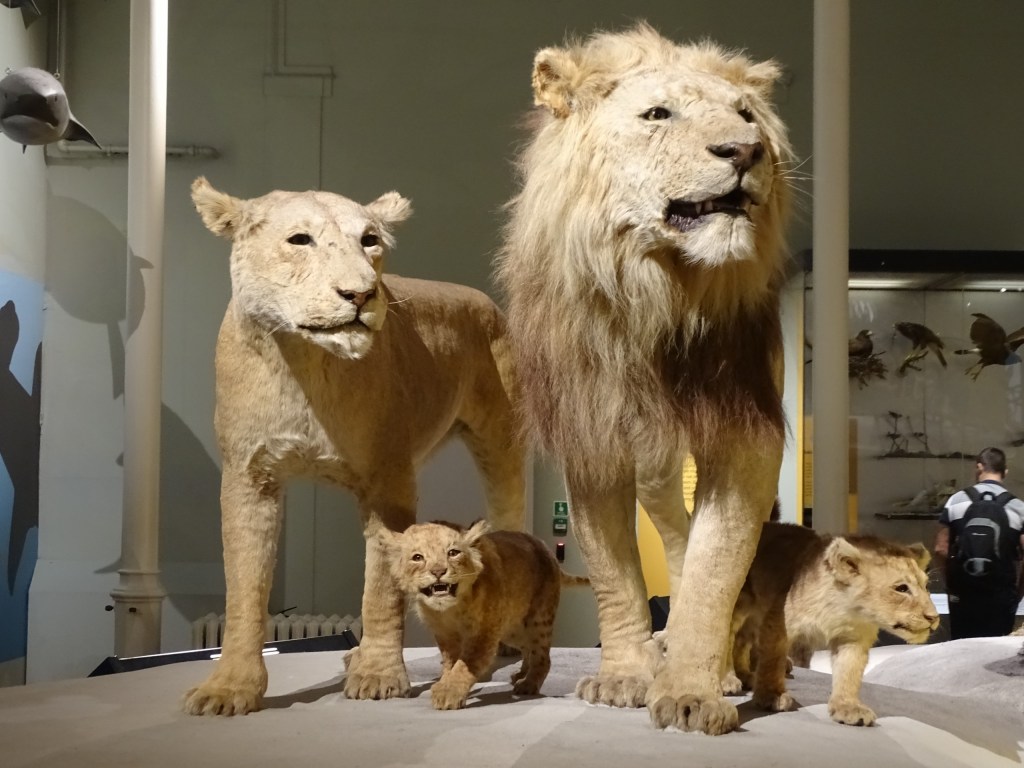
The King of Beasts in the Museum of the Extinct

The king of beasts, my child,
was terrible, and wild.

His roaring shook the earth
till the feeble cursed his birth.

And all things feared his might:
even rhinos fled, in fright.

Now here these bones attest
to what the brute did best

and the pain he caused his prey
when he hunted in his day.

For he slew them just for sport
till his own pride was cut short

with a mushrooming cloud and wild thunder;
Exhibit "B" will reveal his blunder.


After the Poetry Recital

Later there’ll be talk of saving whales
over racks of lamb and flambéed snails. 


Evangelical Fever

Welcome to global warming:
     temperature 109.
You don’t believe in science,
     but isn’t the weather Divine?


God to Man, Contra Bataan

Earth, what-d’ya think of global warming?
Perth is endangered, the high seas storming.
Now all my creatures, from worm to man
Know how it felt on the march to Bataan.

Michael R. Burch’s poems have been published by hundreds of literary journals, taught in high schools and colleges, translated into fourteen languages, incorporated into three plays and two operas, and set to music by seventeen composers.

PLEASE NOTE: ARTICLES CAN ONLY BE REPRODUCED IN OTHER SITES WITH DUE ACKNOWLEDGEMENT TO BORDERLESS JOURNAL

Click here to access the Borderless anthology, Monalisa No Longer Smiles

Click here to access Monalisa No Longer Smiles on Kindle Amazon International

Categories
Contents

Borderless August 2023

Art by Sohana Manzoor

Editorial

Other Echoes in the Garden… Click here to read.

Interviews

Ujjal Dosanjh, former Minister from Canada and former Premier of British Columbia, discusses his autobiography, Journey After Midnight – A Punjabi Life: From India to Canada, and the need for a world with less borders. Click here to read.

Professor Fakrul Alam discusses his new book of Tagore translations, Gitabitan: Selected Song-Lyrics of Rabindranath Tagore. Click here to read.

Translations

Tagore’s Musalmanir Galpa (A Muslim Woman’s Story) has been translated from Bengali by Aruna Chakravarti. Click here to read.

Masud Khan’s poem, In Another Galaxy, has been translated from Bengali by Professor Fakrul Alam. Click here to read.

Wakeful Stays the Door, a poem by Munir Momin, has been translated from Balochi by Fazal Baloch. Click here to read.

Dangerous Coexistence, written in Korean and translated by Ilhwah Choi. Click here to read.

Proshno or Questions by Tagore has been translated by Mitali Chakravarty. Click here to read.

Pandies Corner

Songs of Freedom: An Ordinary Tale is a narrative by Nandani based on her own experiences, translated from Hindustani by Janees. These narrations highlight the ongoing struggle against debilitating rigid boundaries drawn by societal norms, with the support from organisations like Shaktishalini and Pandies. Click here to read.

Poetry

Click on the names to read the poems

Jared Carter, Rhys Hughes, Malachi Edwin Vethamani, Luis Cuauhtémoc Berriozábal, Saranyan BV, Ryan Quinn Flanagan, A Jessie Michael, Jahnavi Gogoi, George Freek, Koushiki Dasgupta Chaudhuri, David Francis, Akil Contractor, Michael Burch

Poets, Poetry & Rhys Hughes

In An Experiment with Automatic Poetic Translation, Rhys Hughes auto translates an English poem sequentially through 28 languages and then back to English with hilarious results. Click here to read.

Musings/ Slices from Life

Mister, They’re Coming Anyway

Timothy Jay Smith writes on the refugee crisis in Lesbos Island, Greece with photographs by Michael Honegger. Click here to read.

Migrating to Myself from Kolkata to Singapore

Asad Latif explores selfhood in context of diverse geographies. Click here to read.

Islands that Belong to the Seas

Paul Mirabile muses on how humans are like migrants on islands borrowed from the seas. Click here to read.

Of Dreams, Eagles and Lost Children

Aysha Baqir muses on the narrow, closed borders that condemn children. Click here to read.

Mushroom Clouds and Movies: Response from a Hibakusha’s Daughter

Kathleen Burkinshaw discusses Oppenhiemer the movie. Click here to read.

Sleepless in the High Desert, Slumber in the Sierra

Meredith Stephens covers Nevada to Columbia in a car with her camera. Click here to read.

My Hostel Days

Ravi Shankar reminisces on bygone days. Click here to read.

Musings of a Copywriter

In The Amateur Professional, Devraj Singh Kalsi writes of a amateur who thought of himself as a professional. Click here to read.

Notes from Japan

In How I Wound Up in Japan, Suzanne gives her story as an immigrant. Click here to read.

Essays

A Different Persuasion: On Jane Austen’s Novels & their Adaptations

Deepa Onkar delves into the world of Jane Austen books and films. Click here to read.

A Foray into Andamans

Mohul Bhowmik explores Andaman with a camera and narrative. Click here to read.

Bhaskar’s Corner

In Chittaranjan Das: A Centenary Tribute, Bhaskar Parichha discusses the life of one of the most legendary Odia writers. Click here to read.

Stories

Belacan

Farouk Gulsara shares a story based on the life of a migrant in 1950s. Click here to read.

The Japanese Maple

Shivani Shrivastav weaves a story of friendship and loneliness among migrants. Click here to read.

The Coin

Khayma Balakrishnan explores human and supernatural interactions in a school setting in Malaysia. Click here to read.

The Vagrant

Reeti Jamil narrates a strange tale set in a village and told by a farmer. Click here to read.

Book Excerpts

An excerpt from Ujjal Dosanjh’s Journey After Midnight: A Punjabi Life from Canada to India. Click here to read.

An excerpt from Roses in the Fire of Spring: Better Roses for a Warming World and Other Garden Adventures, by M.S. Viraraghavan and Girija Viraraghavan. Click here to read.

Book Reviews

Somdatta Mandal reviews Amitav Ghosh’s Smoke and Ashes: A Writer’s Journey Through Opium’s Hidden Histories. Click here to read.

Basudhara Roy reviews Greening the Earth: A Global Anthology of Poetry, edited by K. Satchidanandan & Nishi Chawla. Click here to read.

Bhaskar Parichha reviews Arunava Sinha’s The Greatest Indian Stories Ever Told: Fifty Masterpieces from the Nineteenth Century to the Present. Click here to read.

.

Click here to access the Borderless anthology, Monalisa No Longer Smiles

Click here to access Monalisa No Longer Smiles on Kindle Amazon International

Categories
A Special Tribute

Will Peace Come Dropping by?

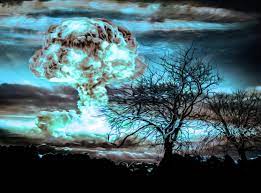
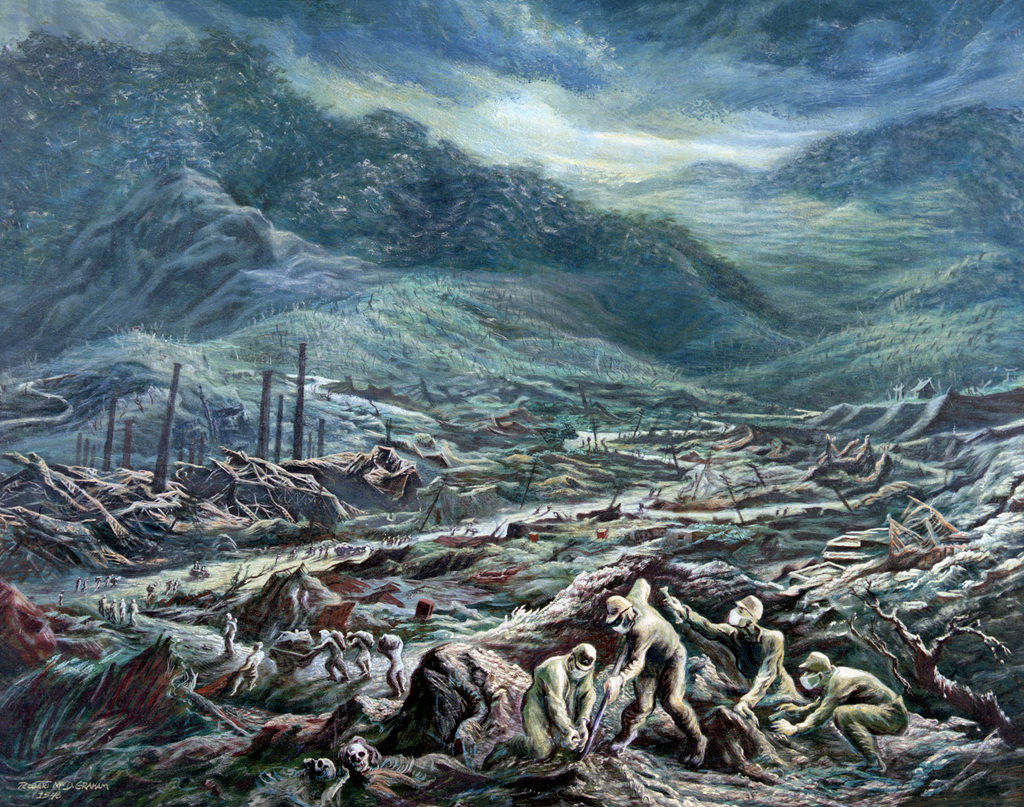
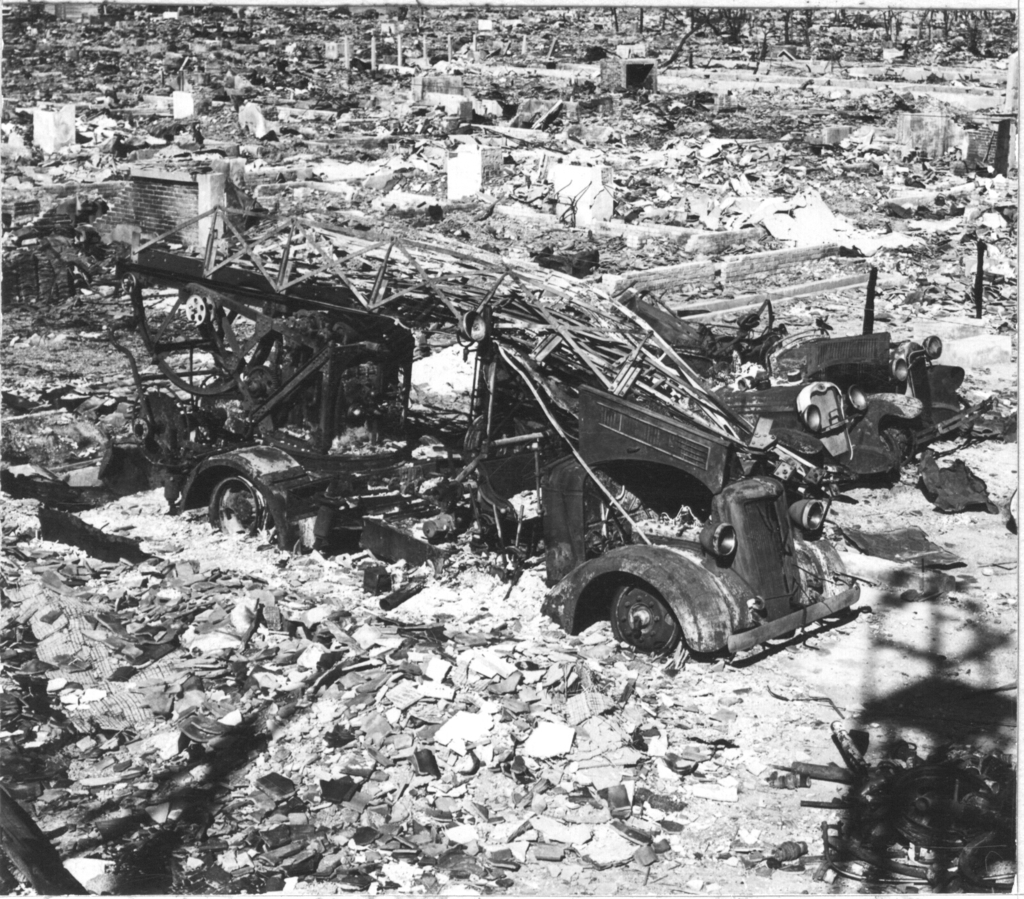
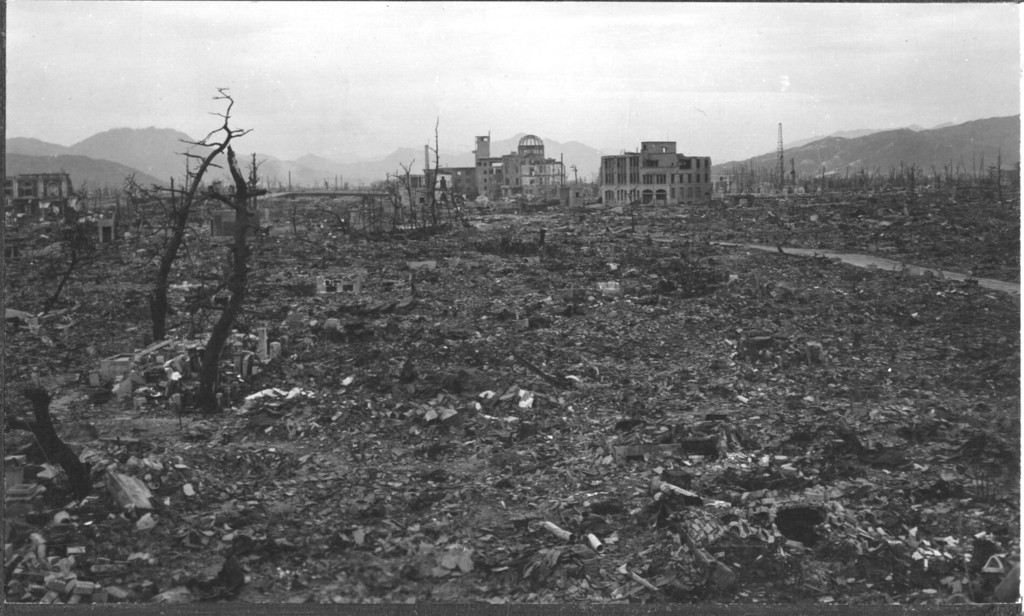
When in 1945, the Allied forces dropped atom bombs on August 6th in Hiroshima and on August 9th in Nagasaki, the Second World War drew Japanese aggression to a halt. But what was the impact on the lives of those innocents whose home, family and future changed forever? Their lives were wrecked — within a few seconds for no fault of their own. The impact clearly continues to ravage the second generation, as can be seen from the narrative of a hibakusha’s daughter who shares her travails while expressing her candid views on the recent movie, Oppenheimer, and the sale of ‘Boppenheimer’ products. She writes: “I live with it1 now having a chronic progressive nerve pain disease. My damaged immune system is attributed to my mother’s exposure to radiation from the atomic bombing.”

Are we forgetting that past, where two whole towns were decimated by atomic bombings with uncountable numbers of deaths and suffering handed down generations? Will we repeat the horrific story again to resolve issues as conflicts continue to ravage the planet with weapons, without considering their impact on the already felt climate crises? Will there be a replay of the bombing of 1945 to annihilate a people, their way of life and create suffering among all humanity? We may not be around to comment on the outcome!

Way back in 2017,  climate experts contended that in case of another such bomb blast, “The effect would be similar to that of the giant meteor believed to be responsible for the extinction of the dinosaurs. This time, we would be the dinosaurs.” 

With that in mind, we hope for a world without wars. In this special edition, writings look for peace by creating awareness and suggesting alternatives. Kathleen Burkinshaw writes about the 1945 bombings and her perspectives on media packaging of mushroom clouds. We have a story from a soldier’s perspective during the First World War by the eminent Bengali poet, Nazrul, who fought in it as a soldier for the British army. Current conflicts show up in the writing of Ramy-Al-Asheq, who was born in a refugee camp in the Middle East. They move to Ukraine with voices of Lesya Bakun, a refugee on the run, and Ron Pickett, a US army veteran. Poetry on Myanmar in the past by Sister Lou Ella Hickman and a story of the Rohingya’s plight by Shaheen Akhtar brings the focus into civil wars within Asia. More poems by Don Webb and Michael Burch urge for peace through poetry. Awareness about conflicts that nonetheless impact an interconnected world are brought in with interviews with journalists who were in Afghanistan (Andrew Quilty) and Myanmar (Jessica Muddit) when the takeovers by the current regimes started. We conclude with a discussion for alternatives towards a better future with Anthony Sattin.

Non-Fiction

Mushroom Clouds and Movies: Response from a Hibakusha’s Daughter: Kathleen Burkinshaw, a second generation victim who suffers nerve disorders from the atom bomb dropped on Hiroshima, where her mother watched her own father perish, responds to the recent media packaging of the event. Click here to read.

The Refugee and the Other, an excerpt from Ever Since I Did Not Die by  Ramy Al-Asheq, translated by  Isis Nusair. Click here to read.

Poetry 

I am Ukraine by Lesya Bakun, a refugee from Ukraine. Click here to read.

Wars and Rumours of War, a response on the war in Ukraine by Ron Picket, a a retired naval aviator with over 250 combat missions and 500 carrier landings. Click here to read.

My Visit to Myanmar in 1997, a poem about peace in the land where Buddha flourished by Sister Lou Ella Hickman. Click here to read.

Philosophical Fragments by Don Webb, an anti-war poem. Click here to read.

Poetry for Peace by Michael Burch. Click here to read 

Fiction 

Hena is a short story by Nazrul from the perspective of a soldier during the first world war, translated from Bengali by Sohana Manzoor.  Click here to read.

The Magic Staff is a poignant short story about a Rohingya child seeking refuge by Shaheen Akhtar, translated from Bengali by Arifa Ghani Rahman. Click here to read.

Interviews 

A discussion about Afghanistan, with journalist Quilty who went back to Kabul as Taliban entered the city. Click here to read.

Keith Lyons talks to Jessica Mudditt, who watched from within the country as the Myanmar Junta took over. Click here to read.

Could there be a way out of this world wide unrest? A discussion with Anthony Sattin as he explores concept of brotherhood unique to earlier times, when borders were not this well defined. Click here to read.

*

  1. the impact of the atomic bomb ↩︎
Categories
Contents

Borderless July 2023

Painting by Sohana Manzoor

Editorial

As Imagination Bodies Forth Click here to read.

Translations

Bankim Chandra Chattopadhyay’s Bangalar Nobbyo Lekhokdiger Proti Nibedon (a request to new writers of Bengali), has been translated from Bengali and introduced by Abdullah-Al-Musayeb. Click here to read.

Poetry on Rain by Masud Khan has been translated from Bengali by Professor Fakrul Alam. Click here to read.

Dancer by Bashir Baidar, has been translated from Balochi by Fazal Baloch. Click here to read.

Motherhood: A Tiny Life inside Me, a poem by Sangita Swechcha, has been translated from Nepali by Hem Bishwakarma. Click here to read.

The Wind and the Door, has been written and translated from Korean by Ihlwha Choi. Click here to read.

Megh or Cloud by Tagore has been translated from Bengali by Mitali Chakravarty. Click here to read.

Conversation

In conversation with Afsar Mohammad, a poet, a Sufi and an academic teaching in University of Pennsylvania. Click here to read.

Poetry

Click on the names to read the poems

Afsar Mohammad, Rhys Hughes, Kirpal Singh, Don Webb, Masha Hassan, Vernon Daim, George Freek, Arya KS, Robert Nisbet, Dr Kanwalpreet, John Grey, Nivedita N, Samantha Underhill, Vikas Sehra, Ryan Quinn Falangan, Saranyan BV, Heath Brougher, Carol D’Souza, Michael Burch

Poets, Poetry & Rhys Hughes

In Productivity, Rhys Hughes muses tongue-in-cheek on laziness and its contribution in making a nation more productive. Click here to read.

Musings/ Slices from Life

Should I stay or should I go?

Keith Lyons muses on our attitude towards changes. Click here to read.

Bangal-Ghoti-Bati-Paati or What Anglophilia did to My Palate

Ramona Sen journeys in a lighter vein through her taste buds to uncover part of her identity. Click here to read.

Awesome Arches and Acrophobia

Meredith Stephens takes us for a fabulous treat of Sierra Nevada mountains with her camera and narrative. Click here to read.

Musings of a Copywriter

In The Lost Garden, Devraj Singh Kalsi writes of how his sense of wellbeing mingles with plants. Click here to read.

Notes from Japan

In Better Relations Through Weed-pulling, Suzanne Kamata introduces us to an annual custom in Japan. Click here to read.

Essays

The Story of a Land at War with Itself

Ratnottama Sengupta presents the first hand account of the war in Bosnia-Herzegovina (1992-1995) from a letter from her brother, who was posted there as part of the peace-keeping troops. Click here to read.

‘Wormholes to other Worlds’

Ravi Shankar explores museums in Kuala Lumpur. Click here to read.

Stories

A Troubled Soul

Mahim Hussain explores mental illness. Click here to read.

The Llama Story

Shourjo shares a short fun piece written from a llama’s perspective. Click here to read.

Mister Wilkens

Paul Mirabile gives a strange tale set in Europe of the 1970s. Click here to read.

Book Excerpts

An excerpt from Red Sky Over Kabul: A Memoir of a Father and Son in Afghanistan by Baryalai Popalzai and Kevin McLean. Click here to read.

An excerpt from The Blue Dragonfly – healing through poetry by Veronica Eley. Click here to read.

Book Reviews

Somdatta Mandal reviews The Past is Never Dead: A Novel by Ujjal Dosanjh. Click here to read.

KPP Nambiar reviews The Stolen Necklace: A Small Crime in a Small Town by Shevlin Sebastian and VK Thajudheen. Click here to read.

Rakhi Dalal reviews Drop of the Last Cloud by Sangeetha G. Click here to read.

Bhaskar Parichha reviews Burning Pyres, Mass Graves and A State That Failed Its People : India’s Covid Tragedy by Harsh Mander. Click here to read.

.

Click here to access the Borderless anthology, Monalisa No Longer Smiles

Click here to access Monalisa No Longer Smiles on Kindle Amazon International

Categories
Editorial

As Imagination Bodies Forth…

Painting by Sybil Pretious
And as imagination bodies forth
The forms of things unknown, the poet's pen
Turns them to shapes and gives to airy nothing
A local habitation and a name

 A Midsummer Night's Dream (1595) by William Shakespeare

Famous lines by Shakespeare that reflect on one of the most unique qualities in not only poets — as he states — but also in all humans, imagination, which helps us create our own constructs, build walls, draw boundaries as well as create wonderful paintings, invent planes, fly to the moon and write beautiful poetry. I wonder if animals or plants have the same ability? Then, there are some who, react to the impact of imagined constructs that hurt humanity. They write fabulous poetry or lyrics protesting war as well as dream of a world without war. Could we in times such as these imagine a world at peace, and — even more unusually — filled with consideration, kindness, love and brotherhood as suggested by Lennon’s lyrics in ‘Imagine’ – “Imagine all the people/ Livin’ life in peace…”. These are ideas that have been wafting in the world since times immemorial. And yet, they seem to be drifting in a breeze that caresses but continues to elude our grasp.

Under such circumstances, what can be more alluring than reflective Sufi poetry by an empathetic soul. Featuring an interview and poetry by such a poet, Afsar Mohammad, we bring to you his journey from a “small rural setting” in Telangana to University of Pennsylvania, where he teaches South Asian Studies. He is bilingual and has brought out many books, including one with his translated poetry. Translations this time start with Bankim Chandra Chattopadhyay’s advice to new writers in Bengali, introduced and brought to us by Abdullah-Al-Musayeb. Tagore’s seasonal poem, ‘Megh or Cloud’, has been transcreated to harmonise with the onset of monsoons. However, this year with the El Nino and as the impact of climate change sets in, the monsoons have turned awry and are flooding the world. At a spiritual plane, the maestro’s lines in this poem do reflect on the transience of nature (and life). Professor Fakrul Alam’s translation of Masud Khan’s heartfelt poetry on rain brings to the fore the discontent of the age while conveying the migrant’s dilemma of being divided between two lands. Fazal Baloch has brought us a powerful Balochi poet from the 1960s in translation, Bashir Baidar. His poetry cries out with compassion yet overpowers with its brutality. Sangita Swechcha’s Nepali poem celebrating a girl child has been translated by Hem Bishwakarma while Ihlwha Choi has brought his own Korean poem to readers in English.

An imagined but divided world has been explored by Michael Burch with his powerful poetry. Heath Brougher has shared with us lines that discomfit, convey with vehemence and is deeply reflective of the world we live in. Masha Hassan is a voice that dwells on such an imagined divide that ripped many parts of the world — division that history dubs as the Partition. Don Webb upends Heraclitus’s wisdom: “War is the Father of All, / War is the King of All.” War, as we all know, is entirely a human-made construct and destroys humanity and one cannot but agree with Webb’s conclusion.  We have more from Kirpal Singh, Ryan Quinn Flanagan, Nivedita N, John Grey, Carol D’Souza, Vernon Daim, George Freek, Saranyan BV, Samantha Underhill and among the many others, of course Rhys Hughes, who has given us poetry with a unique alphabetical rhyme scheme invented by him and it’s funny too… much like his perceptions on ‘Productivity’, where laziness accounts for an increase in output!

Keith Lyons has mused on attitudes too, though with a more candid outlook as has Devraj Singh Kalsi with a touch of nostalgia. Ramona Sen has brought in humour to the non-fiction section with her tasteful palate. Meredith Stephens takes us on a picturesque adventure to Sierra Nevada Mountains with her camera and narrative while Ravi Shankar journeys through museums in Kuala Lumpur. We travel to Japan with Suzanne Kamata and, through fiction, to different parts of the Earth as the narratives hail from Bangladesh, France and Singapore.

Ratnottama Sengupta takes us back to how imagined differences can rip humanity by sharing a letter from her brother stationed in Bosnia during the war that broke Yugoslavia (1992-1995). He writes: “It is hard to be surrounded by so much tragedy and not be repulsed by war and the people who lead nations into them.” This tone flows into our book excerpts section with Red Sky Over Kabul: A Memoir of a Father and Son in Afghanistan by Baryalai Popalzai and Kevin McLean. Popalzai was affected by the Russian invasion of Afghanistan in 1980 and had to flee. A different kind of battle can be found in the other excerpt from The Blue Dragonfly – healing through poetry by Veronica Eley – a spiritual battle to heal from experiences that break.

In our reviews section, KPP Nambiar reviews The Stolen Necklace: A Small Crime in a Small Town by Shevlin Sebastian and VK Thajudheen, a book that retells a true story. Sangeetha G’s novel, Drop of the Last Cloud, we are told by Rakhi Dalal, explores the matrilineal heritage of Kerala, that changed to patriarchal over time. Bhaskar Parichha reviews Burning Pyres, Mass Graves and A State That Failed Its People: India’s Covid Tragedy by Harsh Mander. Parichha emphasises the need never to forget the past: “It is a powerful book and sometimes it is even shattering. The narrative is a live remembrance of a national tragedy that too many of us wish to forget when we should, instead, etch it in our minds so that we can prevent another national tragedy like this one from recurring in the future.”  While we need to learn from the past as Parichha suggests, Somdatta Mandal has given a review that makes us want to read Ujjal Dosanjh’s book, The Past is Never Dead: A Novel. She concludes that it “pays tribute to the courage and tenacity of the human spirit and its capacity for hope despite all odds.”

We have more content than mentioned here… all of it enhances the texture of our journal. Do pause by our July issue to savour all the writings. Huge thanks to all our contributors, artists, all our readers and our wonderful team. Without each one of you, this edition would not have been what it is.

Thank you all.

Have a wonderful month!

Mitali Chakravarty

borderlessjournal.com

.

Visit the July edition’s content page by clicking here

READ THE LATEST UPDATES ON THE FIRST BORDERLESS ANTHOLOGY, MONALISA NO LONGER SMILES, BY CLICKING ON THIS LINK.

Categories
Poetry

Veiled Defences

Poetry by Michael Burch

Courtesy: Creative Commons
VEILED

She has belief
without comprehension
and in her crutchwork shack
she is
much like us ...

tamping the bread
into edible forms,
regarding her children
at play
with something akin to relief ...				

ignoring the towers ablaze
in the distance
because they are not revelations
but things of glass,
easily shattered ...

and if you were to ask her,
she might say—
sometimes God visits his wrath
upon an impious nation
for its leaders’ sins,

and we might agree:
seeing her mutilations.

(Published by Modern War Poems)


DEFENCES

Beyond the silhouettes of trees
stark, naked and defenceless
there stand long rows of sentinels:
these pert white picket fences.

Now whom they guard and how they guard,
the good Lord only knows;
but savages would have to laugh
observing the tidy rows.

Michael R. Burch’s poems have been published by hundreds of literary journals, taught in high schools and colleges, translated into fourteen languages, incorporated into three plays and two operas, and set to music by seventeen composers.

PLEASE NOTE: ARTICLES CAN ONLY BE REPRODUCED IN OTHER SITES WITH DUE ACKNOWLEDGEMENT TO BORDERLESS JOURNAL

Click here to access the Borderless anthology, Monalisa No Longer Smiles

Click here to access Monalisa No Longer Smiles on Kindle Amazon International

Categories
Contents

Borderless June 2023

Art by Sohana Manzoor

Editorial

Where have All the People Gone? … Click here to read.

Translations

Hena, a short story by Nazrul, has been translated from Bengali by Sohana Manzoor. Click here to read.

Mohammad Ali’s Signature, a short story by S Ramakrishnan, has been translated from Tamil by Dr B Chandramouli. Click here to read.

Three poems by Masud Khan have been translated from Bengali by Professor Fakrul Alam. Click here to read.

Shadows, a poem in Korean, has been translated by the poet himself, Ihlwha Choi. Click here to read.

Pran or Life by Tagore has been translated from Bengali by Mitali Chakravarty. Click here to read.

Conversations

Shantanu Ray Chaudhuri converses with Vinta Nanda about the Shout, a documentary by Vinta Nanda that documents the position of women in Indian society against the backdrop of the #MeToo movement and centuries of oppression and injustice. Click here to read.

In Conversation with Advait Kottary about his debut historic fiction, Siddhartha: The Boy Who Became the Buddha. Click here to read.

Poetry

Click on the names to read the poems

Michael Burch, Ananya Sarkar, George Freek, Smitha Sehgal, Rachel Jayan, Michael Lee Johnson, Sayantan Sur, Ron Pickett, Saranyan BV, Jason Ryberg, Priya Narayanan, Ryan Quinn Flanagan, Evangeline Zarpas, Ramesh Karthik Nayak, Rhys Hughes

Poets, Poetry & Rhys Hughes

In Ghee-Wizz, Rhys Hughes talks of the benefits of Indian sweets while wooing Yetis. Click here to read.

Musings/Slices from Life

Humbled by a Pig

Farouk Gulsara meets a wild pig while out one early morning and muses on the ‘meeting’. Click here to read.

Spring Surprise in the Sierra

Meredith Stephens takes us hiking in Sierra Nevada. Click here to read.

Lemon Pickle without Oil

Raka Banerjee indulges in nostalgia as she tries her hand at her grandmother’s recipe. Click here to read.

Apples & Apricots in Alchi

Shivani Shrivastav bikes down to Alchi Ladakh to find serenity and natural beauty. Click here to read.

Musings of a Copywriter

In Trees from my Childhood, Devraj Singh Kalsi muses on his symbiotic responses to trees that grew in their home. Click here to read.

Notes from Japan

In Superhero Sunday in Osaka, Suzanne Kamata writes of her experience at the Osaka Comic Convention with her daughter. Click here to read.

Stories

The Trial of Veg Biryani

Anagha Narasimha gives us a social satire. Click here to read.

Am I enough?

Sarpreet Kaur explores social issues in an unusual format. Click here to read.

Arthur’s Subterranean Adventure

Paul Mirabile journeys towards the centre of the Earth with his protagonist. Click here to read.

Essays

No Bucket Lists, No Regrets

Keith Lyons muses on choices we make while living. Click here to read.

In Search of the Perfect Dosa

Ravi Shankar trots around the world in quest of the perfect dosa — from South India to Aruba and West Indies. Click here to read.

“Bookshops don’t fail. Bookshops run by lazy booksellers fail.”

Shantanu Ray Chaudhuri takes us for a tour of the Kunzum bookstore in New Delhi. Click here to read.

Book Excerpts

An excerpt from Greening the Earth: A Global Anthology of Poetry, edited by K. Sachitanandan and Nishi Chawla. Click here to read.

An excerpt from Advait Kottary’s Siddhartha: The Boy Who Became the Buddha. Click here to read.

Book Reviews

Somdatta Mandal reviews Behind Latticed Marble: Inner Worlds of Women by Jyotirmoyee Devi Sen, translated from Bengali by Apala G. Egan. Click here to read.

Rakhi Dalal reviews Rhys Hughes’ The Wistful Wanderings of Perceval Pitthelm. Click here to read.

Basudhara Roy reviews Prerna Gill’s Meanwhile. Click here to read.

Bhaskar Parichha reviews Zac O’Yeah’s Digesting India: A Travel Writer’s Sub-Continental Adventures With The Tummy (A Memoir À La Carte). Click here to read.

.

PLEASE NOTE: ARTICLES CAN ONLY BE REPRODUCED IN OTHER SITES WITH DUE ACKNOWLEDGEMENT TO BORDERLESS JOURNAL

Click here to access the Borderless anthology, Monalisa No Longer Smiles

Click here to access Monalisa No Longer Smiles on Kindle Amazon International