Festivals are affirmations of joy and love that bind humanity with their sense of hope even in a world torn by violence and climate change. As the end of the year approaches, we invite you to savour flavours of festivals past and, a few, yet to come, before the cycle starts again in the new year. The colours of celebrations are vibrant and varied as shades of nature or the skies.
We have new years spread out over the year, starting with January, moving on to the Chinese New Year around February, the Bengali new year in April to festivals of environment, light, darkness as in Wiccan beliefs, Tagore’s birth, more conventional ones like Deepavali, Eid, Durga Puja and Christmas. People celebrate in different ways and for different reasons. What we have also gathered is not only the joie de vivre but also the sadness people feel when celebrations are muted whether due to the pandemic, wars or for social reasons. In some cases, we indulge in excesses with funny results! And there are of course festivals of humanity … as celebrated by the bauls — the singing mendicants of Bengal — who only recognise the religion of love, compassion and kindness.
Ramakanta Rath’sSri Radha celebrating the love of Radha and Krishna have been translated from Odiya by the late poet himself, have been excerpted from his full length translation. Click here to read.
Bijoya Doushumi, a poem on the last day of Durga Puja, by the famous poet, Michael Madhusudan Dutt, has been translated from Bengali by Ratnottama Sengupta. Click here to read.
A Clean Start: Suzanne Kamata tells us how the Japanese usher in a new year. Click here to read.
Shanghai in Jakarta: Eshana Sarah Singh takes us to Chinese New Year celebrations in Djakarta. Click here to read.
Cherry Blossom Forecast: Suzanne Kamata brings the Japanese ritual of cherry blossom viewing to our pages with her camera and words. Clickhere to read.
Pohela Boisakh: A Cultural Fiesta: Sohana Manzoor shares the Bengali New Year celebrations in Bangladesh with interesting history and traditions that mingle beyond the borders. Clickhere to read.
The New Year’s Boon: Devraj Singh gives a glimpse into the projection of a new normal created by God. Click here to read.
A Musical Soiree: Snigdha Agrawal recalls how their family celebrated Tagore’s birth anniversary. Click here to read.
An Alien on the Altar! Snigdha Agrawal writes of how a dog and lizard add zest to Janmashtami (Krishna’s birthday) festivities with a dollop of humour. Click here to read
Memories of Durga Puja : Fakrul Alam recalls the festivities of Durga Puja in Dhaka during his childhood. Click hereto read.
KL Twin Towers near Kolkata?: Devraj Singh Kalsi visits the colours of a marquee hosting the Durga Puja season with its spirit of inclusivity. Click here to read.
Hold the roast turkey please Santa: Celebrating the festive season off-season with Keith Lyons from New Zealand, where summer solstice and Christmas fall around the same time. Click here to read.
Odbayar Dorj writes of celebrating the start of the new school year on September 1st in Mongolia and of their festivals around teaching and learning…
A school in MongoliaInside the classroom…From Public Domain
Mongolians are a people who celebrate festivals wholeheartedly and work with the same kind of enthusiasm. Among our many traditions, one of the most beautiful and meaningful to me is the way we welcome each new school year. In Mongolia, September 1st is not just the beginning of classes—it is a joyful national celebration for teachers and students. On this day, schools across the country hold ceremonies to mark the opening of the academic year. Students eagerly wait for this day, dressed in clean uniforms, their faces full of excitement. Traditionally, the new school year officially begins with a special lesson taught by the President of Mongolia, often about Mongolian script or history, which symbolises the importance of education and cultural heritage.
My own memories of this day are filled with music, excitement, and warmth. Unlike in many countries, Mongolian schools do not separate students into different buildings for primary, lower secondary, and upper secondary levels. Instead, everyone studies in the same school building, simply moving from classroom to classroom as they grow older. This creates a strong sense of community—older students and younger students share the same space, the same celebrations, and the same traditions. The ceremony usually begins with a speech from the school principal, followed by short performances by younger students. Songs about schools and teachers are sung, and the gentle melodies of the morin khuur—the traditional horsehead fiddle—fill the air. We sing, dance, and perform music to welcome the new academic year. Sometimes, I wonder how many other nations celebrate the start of school with such joy and artistry.
A man holding a morin khuur, whose music has been named as an Intangible Cultural Heritage of Humanity by UNESCO. From Public Domain
One of the most touching parts of the ceremony is the first bell ringing. This moment marks the official opening of the school year. First graders who are starting school for the very first time are given the honor of ringing a small handbell, while teachers line up their classes and lead them ceremoniously into the building. To ring the bell is considered a great honor, both for the child and their family. I will never forget the day my daughter entered first grade. She was chosen, together with a little boy, to represent all first graders and ring the bell. It was a chilly September morning, as it usually is in Mongolia. With one hand tucked into her uniform pocket to keep warm, she raised her other hand high to match the boy’s height and rang the bell. She was one of the smallest children in her class, but in that moment she seemed so brave and proud. That image remains clear in my mind even now—such memories stay with us forever.
For Mongolians, bells carry deep meaning. We even call our graduation ceremonies “Bell Ceremonies”. These are held for students finishing 5th grade (primary), 9th grade (lower secondary), and 12th grade (upper secondary). For 12th graders, the final bell has special significance: it is the last time they will hear the school bell as students before moving on to university or the adult world. That sound marks both an ending and a new beginning.
For teachers, September 1st is a day of joy. It is the moment we reunite with our students after the long summer break and see how much they’ve grown and changed in just three months. For students, it’s the thrill of seeing their classmates again. The entire month of September is a period of readjustment to school life, and it is followed in early October by Teacher’s Day, one of the few days in the year when teachers can celebrate their profession. Another beloved tradition in Mongolia is “Student Day.” On this day, graduating students—or, if the class is small, students from other classes too—take on the role of teachers for one day, while teachers become students. It’s a playful and meaningful role reversal that leaves deep impressions on both sides.
I still remember my first Student Day vividly. I was in 9th grade when my Mongolian language and literature teacher selected me to become a teacher for the day. It was the first time a lower secondary student had been chosen. I was nervous, especially standing alongside the older students from upper secondary school. I spent the entire night preparing, determined not to let my teacher down. On that day, I taught a 9th grade literature class. I was frightened at first, but the time passed in a flash, leaving me exhilarated.
The following years, I was chosen again—first as a biology teacher in 10th grade, then as a Russian language teacher in 11th grade. I participated as a student-teacher for three consecutive years. I especially remember the biology lesson; that day, I felt a special joy and excitement, a spark that would later lead me to choose teaching as my profession.
Years later, after graduating from university, I returned to school as a real teacher. During my first year at a public school, Student Day came again—this time, from the teacher’s side. My 12th
grade students drew lots to choose teachers, and a sweet girl named Khulan was selected to teach English in my place. She told me with a smile, “Teacher, you probably don’t have a student uniform anymore, so you can borrow mine tomorrow and join our class as a 12th grader.” The next day, the 12th graders handed us invitations, asking us to come to their class as students. Attached to each invitation was a class schedule for the day. When I put on the school uniform again, it truly felt as if I had traveled back in time to my childhood.
As a student, I used to think, “I can’t wait to grow up and start working. I’m tired of wearing this uniform.” But as a teacher, wearing it again brought back a wave of nostalgia. Returning to the classroom as a student for one day became one of the most unforgettable experiences of my life. On Student Day, everyone—teachers, administrators, and staff—puts on uniforms and attends classes together as “students.” The day is filled with laughter and playful mischief. Some pretend to be naughty students: interrupting class, asking silly questions, teasing each other. We laugh and call each other “bad students”.
At the end of the day, both the student-teachers and teacher-students gather to share their thoughts. This is always a moving moment. Older students often talk about how difficult it is to teach large classes and apologise for times when they had been troublesome. They express a newfound respect for their teachers, having experienced the challenges themselves. For us teachers, hearing this is incredibly rewarding. If there were a train that could take us back to our childhood, I think everyone would want to ride it. For teachers, Student Day is exactly that—a once-a-year chance to return to childhood.
For the past three years, I have spent September 1st, Student Day, and Teacher’s Day far away from Mongolia. At first, when I saw my friends’ photos and posts on social media, I felt a quiet envy. But at the same time, remembering these traditions filled me with warmth, pride, and a deep love for my profession. Throughout my life, I have met many wonderful teachers. Thanks to them, I have continued to learn and grow, always inspired by their example. These traditions, these bells, these memories—they are not just part of my past. They are part of who I am, both as a former student and as a teacher.
No matter where I am in the world, once a student, once a teacher—those identities live within me, carrying the echoes of September bells wherever I go.
.
Odbayar Dorj is an international student from Mongolia currently studying in Japan. Her writing reflects on cultural identity, personal memory, and the power of connection across borders and generations.
.
PLEASE NOTE: ARTICLES CAN ONLY BE REPRODUCED IN OTHER SITES WITH DUE ACKNOWLEDGEMENT TO BORDERLESS JOURNAL
Before I ever stepped into a classroom, I had already learned to read and write. Over twenty years ago in Mongolia, children typically started school at the age of eight. But I began a year earlier—at seven—already recognising the letters and words on the page.
I don’t remember exactly how I learned, but I do recall asking my mother, who worked at a school dormitory, to bring me a copy of the Tsagaan Tolgoi (Alphabet Book) from the school library. With the help of my grandparents, I memorized all 35 letters and began reading. Because my mother worked at a school, we often visited the homes of her coworkers. On one such visit, we stopped by the home of the school librarian, Mr. Bayaraa. I remember flipping through one of the literature books for older students and seeing a drawing of a giant with one eye standing before frightened people in a cave. Later, I realised it must have been The Odyssey. From that moment on, I was fascinated. I longed to read every book I could find—especially those with pictures and stories.
When I finally started school, I couldn’t wait to dive into books. But the first-grade routine quickly wore me down: we spent most of our time copying words neatly into our notebooks. Then our family moved from the countryside to the city, and I transferred to a new school. By fourth grade, I was enrolled in a class called Reading and Writing, which would later become Literature. It was my favorite subject. Our teacher encouraged us to borrow books from the school library and read outside of class. That was, without a doubt, the most exciting homework I’d ever been given.
Still, getting into the school library wasn’t easy. Our school operated in two shifts, and my classes were in the morning—from 8:00 to 11:00. I lived nearby and could be home in under five minutes. My grandmother always had lunch ready, usually a warm bowl of bantan. Those were some of my happiest moments.
In the afternoons, I would walk back to school and try to visit the library. But the teacher on duty at the entrance always interrogated me: “Where are you going? Who are you meeting?” I explained that I just wanted to visit the library. Even after getting permission, I often found a sign on the door that read: “Closed for internal work.” Many times, I left disappointed. The librarian never opened the door.
Everything changed when I entered junior high school and gained the independence to ride buses. I started visiting the National Public Library named after D. Natsagdorj. It took about thirty minutes by bus, and I could only afford to go once or twice a week. The library was mostly empty, except for a few elderly men reading newspapers. It used the old Soviet-era catalog system, which was difficult to navigate. Instead, I approached the librarian directly and told her the kinds of books I liked. She always picked something out for me, and even though I never knew what it would be, the anticipation became one of my favorite parts of the week. I spent many summer days in the tiny reading room, lost in stories. When the fall semester began and university students returned, seats became scarce. They, too, relied on public libraries for study space.
By the time I entered high school, our school librarian had changed. Finally, we were allowed to use the library after classes. It had a wide range of books—both Mongolian and international literature. It felt like a dream come true.
Years later, in 2020, my daughter started school. In Mongolia, we celebrate the moment children finish learning their 35 letters with a Tsagaan Tolgoi celebration—a joyful milestone that marks the beginning of reading and writing. Sadly, due to COVID, my daughter never got to experience that celebration. More than that, she never even had a chance to experience a library. Unlike my school, hers didn’t even have a library corner. Due to overcrowding, the library space had been converted into a classroom. After textbooks were distributed during the first few weeks of the school year, the “library” served no other purpose.
As a mother and a former student, I couldn’t help but feel heartbroken by this quiet loss.
Now, as I study in Japan, I’ve started volunteering as an English teacher for first- to fourth-grade students at a local elementary school. It was my first time being at a Japanese school not as a visitor, but as a teacher. Two retired female teachers welcomed me warmly and introduced me to the principal. I would start teaching on May 1st. Even though my Japanese was limited, I felt their kindness beyond words.
We visited the classroom—a spacious room, half of it open for movement and activities. I was shown the storage room where they kept teaching materials, including flashcards. I was given two weeks to prepare. I was thrilled—not just to be working, but to finally be using my professional skills.
I reviewed every flashcard, thinking carefully about how to incorporate them into my lessons. I created a 12-week lesson plan and excitedly prepared for my first class.
But the first class didn’t go as I imagined. Sixteen students joined the English club, and as soon as I started speaking in English, some children looked surprised. Because I am Mongolian and physically resemble Japanese people, many often assume I am Japanese. The students seemed confused—some even asked if I was pretending or acting, wondering why a “Japanese-looking” person was speaking to them in English. I had prepared fun activities like Simon Says and The Alphabet Song, hoping to create a lively atmosphere, but without help from the two retired teachers, it was hard to hold their attention. Somehow, I made it through the class, but I left feeling defeated.
Thankfully, the teachers encouraged me: “Don’t be discouraged,” they said. “Especially with first graders—it’s only been a month since they started school.”
I spent the following week stressed and unsure. How could I communicate with children from another culture? How could I teach kids of different ages and learning levels?
There’s a Mongolian saying: “If God doesn’t know, ask a book.” I realised books were my only hope.
Just like the times I hesitated to enter unfamiliar spaces in Japan, I found myself nervous about entering the university’s children’s library. But I gathered courage, walked in, and soon found myself surrounded by picture books in English.
There were so many beautiful titles—more than I had ever imagined. I felt I was more excited than the children. Since then, finding the right book for my students has become my favourite part of lesson planning. I spend hours reading reviews, flipping through pages, and selecting stories that are both accessible and engaging.
At the same time, I couldn’t help but reflect on how lucky Japanese children are. Back in Mongolia, many children grow up without ever experiencing a library. And here I am, surrounded by cozy furniture and shelves filled with books, just a few steps away from the classroom.
Every week, I arrive an hour early to prepare for class. Right next to my classroom is the school’s library—bright, welcoming, and full of choices. Sometimes I see the first graders visiting with their teacher, eagerly choosing books and settling into child-sized chairs to read. And I think of my daughter. I feel sad—not only because I miss her, but because I know she doesn’t have access to a space like this. At her school in Mongolia, there is no library—not even a reading corner. Watching these children enjoy books so freely makes me wish my daughter could experience the same joy and comfort that comes from being surrounded by stories.
I remember my childhood dream: to one day have a small children’s library of my own. A place where I could read aloud to children, draw with them, fold origami, and spend quality time. That dream has only grown stronger.
In Mongolia, there are very few children’s book authors. Most publishers produce simplified versions of Disney movies or classic tales, often filled with too much text to engage young readers. Finding the right book for my daughter has always been a challenge. That’s when I began to dream—not just of reading books, but of writing one myself. After all, books hold countless lives, stories, and dreams. They are entire worlds we can live in.
I miss my daughter very much. I often make a list of things we could do together—places I want to show her if she ever comes here, places I want to go with her. I especially dream of going to the library with her, choosing and reading books together. I want to read aloud to her the book I think is the most beautiful, and then watch what she imagines, what she draws, and what she creates after reading it.
Sitting here in my university’s children’s library, I felt like I became a child again, and I found myself wishing that children everywhere in the world could have access to a library like this—one that sparks their imagination. That’s when I began writing this essay.
Because libraries are not just buildings filled with books—they are spaces where children begin to dream. I hope that one day, more schools in Mongolia will make room for those dreams. And until then, I’ll keep turning pages, teaching stories, and imagining that little library I still dream of—for my daughter, and for so many others like her.
Odbayar Dorj is an international student from Mongolia currently studying in Japan. Her writing reflects on cultural identity, personal memory, and the power of connection across borders and generations.
.
PLEASE NOTE: ARTICLES CAN ONLY BE REPRODUCED IN OTHER SITES WITH DUE ACKNOWLEDGEMENT TO BORDERLESS JOURNAL
Poems of Longing by Jibananada Das homes two of his poems translated from Bengali by Professor Fakrul Alam. Clickhereto read.
Four cantos from Ramakanta Rath’sSri Radha, translated from Odiya by the late poet himself, have been excerpted from his full length translation. Clickhere to read.
Naramsetti Umamaheswararao takes us back to school. Click here to read.
Conversation
Ratnottama Sengupta talks to filmmaker and author Leslie Carvalhoabout his old film, The Outhouse, that will be screened this month and his new book, Smoke on the Backwaters. Clickhere to read.
Offerings during Qing Ming Jie, a festival honouring ancestorsSongkran(Thai New Year) CelebrationsFestivals in April: From Public Domain
April is a month full of celebrations around the world. Asia hosts a spray of New Year festivities. Then there are festivals like Qing Ming Jie, Good Friday and Easter. All these are in a way reminders of our past. And yet, we critique things as old fashioned! So, where does tradition end and ‘outdated’ or ‘outmoded’ start? Meanwhile we continue to celebrate these festivals with joy but what happens to those who have lost their home, family and their living due to war or climate disasters? Can they too join in with the joie de vivre? Can we take our celebrations to them to give solace in some way?
In our April issue, we have stories from climate and conflict-ridden parts of the world. From Bangkok, Amy Sawitta Lefevre gives an eyewitness account of the March 28th Earthquake that originated in Myanmar. While in her city, the disaster was managed, she writes: “I’m also thinking of all the children in Myanmar who are sleeping in the open, who lost loved ones, who are feeling scared and alone, with no one to reassure them.” As news reels tell us, in Myanmar there have been thousands of casualties from the earthquake as well as shootings by the army.
From another troubled region, Pakistan, Zeeshan Nasir gives a heartrending narrative about climate change, which also dwells on the human suffering, including increase in underage marriages.
Human suffering can be generated by rituals and customs too. For instance, if festivals dwell on exclusivity, they can hurt those who are left out of the celebrations. Odbayar Dorje muses along those lines on Mongolian traditions and calls for inclusivity and the need to change norms. On the other hand, Devraj Singh Kalsi hums with humour as he reflects on social norms and niceties and hints at the need for change in a light-hearted manner. Farouk Gulsara makes us laugh with the antics of his spoilt pet cat. And Suzanne Kamata dwells on her animal sightings in Kruger National Park with her words and camera while Meredith Stephens takes us sailing on stormy seas… that too at night.
Art is brought into focus by Ratnottama Sengupta who introduces artist Haren Thakur with his adaptation of tribal styles that has been compared to that of Paul Klee (1879-1940). She also converses with filmmaker Leslie Carvalho, known for his film The Outhouse, and his new novel, Smoke on the Backwaters. Both of these have a focus on the Anglo-Indian community in India. Also writing on Indian film trends of the 1970s is Tamara Raza. Bhaskar Parichha pays tribute to the late Ramakanta Rath (1934-2025), whose powerful and touching poetry, translated from Odia by the poet himself, can be found in our translations section.
We have an excerpt from Professor Fakrul Alam’s unpublished translation of Tagore’sRed Oleanders. It’s a long play and truly relevant for our times. Somdatta Mandal shares with us her translation of Tagore’s essay called ‘The Classification in Society’, an essay where the writer dwells on the need for change in mindsets of individuals that make up a community to move forward. A transcreation of a poem by Tagore for his birthday in 1935 reflects the darkness he overcame in his own life. Two poems expressive of longings by Jibananada Das have been translated from Bengali by Professor Alam aswell. From Balochistan, we have an excerpt from the first Balochi novel, Nazuk, written by the late Syad Zahoor Shah Hashmi and rendered into English by Fazal Baloch. Among contemporaries, we have a short story by Bitan Chakraborty translated from Bengali by Kiriti Sengupta, a poignant story that reflects on gaps in our society. And a Korean poem by Ihlwha Choi rendered to English by the poet himself.
This issue has been made possible because of support from all of you. Huge thanks to the team, all our contributors and readers. Thanks to Sohana Manzoor for her fabulous artwork. Do pause by our contents page as all the content could not be covered here.
Perhaps, world events leave a sense of pensiveness in all of us and an aura of insecurity. But, as Scarlett O’ Hara of Gone with the Wind[2] fame says, “After all, tomorrow is another day.”
Looking forward to a new day with hope, let’s dream of happier times filled with sunshine and change.
Mongolians hold a special ceremony called the “haircut celebration” for young children, but not everyone is invited to this event. Especially not someone like me, who has gone through a divorce.
I had been meaning to write about this for a while, and now, nine months later, I finally find myself sitting in front of my computer, ready to share my thoughts. After coming to Japan as a student for the second time, I have had the opportunity to take many interesting classes. Among them, the most captivating one was Kamata-sensei’s English Language Cultural Class. Every week, the professor selected a story for us to read before class, and during the lessons, we would discuss our favorite parts and share our thoughts. Sometimes, the professor would ask thought-provoking questions, sparking lively discussions. This class quickly became one of my favorites, something I eagerly looked forward to each week.
We primarily read short stories written by foreign authors living in America. I was amazed by how much emotion, thought, and complexity could be packed into such short narratives. The professor’s careful selection of stories made me admire her even more.
One of the stories we read was Kyoko Mori’s Yellow Mittens and Early Violets. During our class discussion, we talked about cultural differences across countries. There were only four students in our class—one from Morocco, one from Mongolia (me), one from the Philippines, and one from Japan—plus our American professor. This small group allowed us to exchange ideas freely and truly listen to one another. It was fascinating to see how five people from five different cultural backgrounds could read the same story but interpret it in completely different ways.
During this discussion, I shared a personal story about Mongolian traditions, which I now want to write about here.
For Mongolians, hair holds deep symbolic meaning. For instance, women traditionally do not leave their hair loose; it is always braided. Only those in mourning let their hair down. Similarly, if a child’s hair is left uncombed and tangled, it is believed to shorten their lifespan and diminish their fortune.
One of Mongolia’s most significant traditions related to hair is the sevleg urgeh (first haircut) ceremony. Since ancient times, Mongolians have referred to a young child’s untouched hair as sevleg or daakhi, showing deep respect for it. The first haircut is performed with great care, wishing the child a long, prosperous life.
Traditionally, a girl’s hair is cut in mid-summer, guided by the call of the cuckoo, while a boy’s hair is cut in mid-autumn, following the sound of the stag. Families invite relatives and friends to participate in the ceremony. The ritual is conducted when boys reach an odd-numbered age (for example, 3, 5) and girls reach an even-numbered age (for example, 2, 4). This belief stems from the Mongolian spiritual concepts of arga (odd numbers, representing action) and bileg (even numbers, representing wisdom).
The ceremony begins with an elder—typically the most senior and respected person present—touching the child’s hair with a wooden knife before using scissors to snip the first lock. The elder then dips the wooden knife into a cup of milk, allowing a drop to fall onto the scissors. This ritual ensures that the blade does not “harm” the child, symbolically purifying the act. The child’s father carves the wooden knife himself, while the mother sews the child’s traditional deel(Mongolian robe) for the occasion.
Guests take turns cutting a small lock of hair, offering blessings as they do so. The cut hair is respectfully wrapped in a ceremonial scarf (khadag) and preserved. Those invited to touch the child’s hair are carefully chosen; they must be seen as virtuous, fortunate, and stable figures.
I, however, do not belong in this category.
I became a mother at nineteen, and although my daughter’s father and I once dreamed of a future together, our paths eventually diverged. In Mongolian culture, divorced individuals are not invited to participate in a child’s haircut ceremony. There is a belief that if someone like me were to touch a child’s hair, the child might also face a broken marriage in the future. This tradition, deeply rooted in the idea that a person’s energy influences a child’s life, means that people like me are excluded.
At first, it hurt.
Now, I have grown used to it. Though I have come to accept this tradition, I still wonder—should cultural heritage come at the cost of human connection? Perhaps the true essence of tradition is not just in preserving rituals, but in ensuring that no one is made to feel like an outsider in their own culture.
I sometimes wonder—have we become so devoted to tradition that we have forgotten the importance of human compassion?
This was the story I shared in class—the story of why I am not allowed to take part in one of my own culture’s most sacred ceremonies.
.
Odbayar Dorj is an international student from Mongolia currently studying in Japan. She reflects on cultural traditions, personal experiences, and the intersection of human connection and societal norms in her writing.
.
PLEASE NOTE: ARTICLES CAN ONLY BE REPRODUCED IN OTHER SITES WITH DUE ACKNOWLEDGEMENT TO BORDERLESS JOURNAL
TWO HUNDRED YEARS ago mountains were regarded as useless and terrible masses of inert matter where dragons had their lairs and the spirits of the damned lay in wait to claim the unwary. But as man emerged from the superstitions and materialisms of the Middle Ages he began to realise that mountains were beautiful and their summits worthy of attainment. The nineteenth century saw the conquest of the Alps. Unknown difficulties and dangers had to be faced by the pioneers of mountaineering. Disasters occurred, lives were lost, and mountaineering thrown into disrepute. The mountaineer was not dismayed. He knew that beauty was his for the seeking; he rejoiced in a newfound comradeship and in the acquirement and exercise of a new craft.
The great alpine summits fell one by one; traditions were established; a technique was evolved; a literature was born. The ripples of alpine mountaineering radiated outwards, bearing with them mountaineers to other ranges: the Caucasus, the Rockies, the Andes, the New Zealand Alps. On their highest peaks the skill acquired in the Alps was sufficient to ensure success. But there remained one great range that defied invasion of its strongholds – the Himalaya. There, the technique acquired in the Alps was not sufficient. Height alone was a physical deterrent, and coupled to height was steepness and danger. Expeditions had to be organised to reach even the foot of the great peaks; time and money had to be found. Yet, despite these disadvantages, Himalayan mountaineering and exploration progressed steadily. Pioneers such as the Schlagintweit Brothers, Sir Joseph Hooker, The Duke of the Abruzzi, Mr W.W. Graham, Lord Conway, Sir Francis Younghusband, Mr D.W. Freshfield, Doctor T.G. Longstaff, Doctor A.M. Kellas, General Bruce, Mr C.F. Meade, Doctor and Mrs Bullock Workman, Messrs. Rubenson and Monrad Aas, and many other pre-war pioneers opened up a region unsurpassed for its beauty and grandeur, and by their experiences pointed the way to the highest summits.
Many people refer to the Himalaya as though their limitations in scenery and climate were similar to those of the Alps. The tourist who gazes upon Kangchenjunga, 28,226 feet, from Darjeeling returns home saying that he has seen the Himalaya. So he has, but how much of two thousand miles of mountains stretching from the Pamirs to the borders of Indo-China, and beyond these limits, in terms of mountains? A lifetime might be spent wandering about the Himalaya, yet the knowledge acquired would embrace but an infinitesimal portion of that vast labyrinth of peaks, valleys and plateaux scrawled across the map of Asia.
In climate alone there is an extraordinary variety. From hot steamy tropical valleys, filled with luxuriant vegetation, it is but a few horizontal miles to zero temperatures and the highest snows in the world. Between these two extremes is an immense range of climate, the common despot of which is a fierce sun. Added to the complexities of climate due to height alone is the added complexity of seasonal weather fluctuations, due directly or indirectly to the influence of the monsoons and weather conditions emanating from the plateaux of Central Asia.
Racial characteristics are as diversified as the climate. From the people of Hunza and Chitral to the Sherpas and Bhotias of Northern Nepal, the almost extinct Lepchas of Sikkim and the wild races of Bhutan, the Himalaya can show many different types, for they form a natural frontier between India and Tibet, and a pudding-bowl wherein is stirred a mixture of Mongolian and Indian blood.
Politically, only a comparatively small portion of the Himalaya is accessible to the mountaineer and explorer. Democracy is unknown in Tibet and Nepal, and both these countries have closed their frontiers to Europeans and resolutely set themselves against infiltration of European thought and ideas. Some of the finest peaks of the Himalaya lie within the borders of Nepal, including the southern side of Everest, 29,140 feet, Dhaulagiri, 26,795 feet, Gosainthan (Shisha Pangma), 26,305 feet, and many other great peaks. In addition there are other districts where the mountaineer is not always welcomed, owing to political and other objections. The three most interesting districts accessible to mountaineers and explorers are the Karakorams, the Kumaun and Garhwal Himalaya and the Sikkim Himalaya, including the eastern side of Kangchenjunga, and it is in these three districts that the most notable mountaineering expeditions have been carried out, with the exception of Everest (now barred politically) and the northern side of Nanga Parba (forbidden territory to expeditions at present). Each of these districts is magnificent in its own way. In the Karakoram there is no glacier to rival in grandeur the Baltoro, and no peaks surpassing in ferocity the terrific ice- armoured spires dominated by K2 (Mount Godwin Austin), 28,187 feet. From the Kumaun Himalaya rises Nanda Devi, 25,645 feet; the highest peak entirely within the confines of the British Empire, a mountain so difficult to approach that no one has yet succeeded in treading the glaciers at the foot of it, whilst Kamet, 25,447 feet, dominates the ranges of Northern Garhwal. In Sikkim, Kangchenjunga boasts the most wonderful snow and ice scenery in the Himalaya, owing to its exposure to the moisture-laden airs of the monsoon. It has defeated three determined attempts to climb it, in 1929, 1930 and 1931 by mountaineers well versed in the technique of high-altitude mountaineering. The highest point reached was 26,000 feet, by the gallant Bavarian expedition in 1931 and that only after incredible difficulty.*
Geologically, the Himalaya are a young mountain range, due to an uplift of the ancient seabed covering Central Asia. This uplift took place so slowly that rivers such as the Indus and the Brahmaputra, which have their sources to the north of the Himalaya, have been able to carve their way through the range as it rose. This is the only explanation that can account for the deep valleys cutting through from Tibet to India.
.
(Extracted from The Great Himalayan Ascents by Frank S. Smythe. Published by Speaking Tiger Books, 2025.)
About the Book
Frank S. Smythe (1900-1949) was one of the greatest mountaineers of the twentieth century, and a celebrated memoirist and adventure writer. This collection brings together three accounts of Smythe’s most thrilling ascents in the Himalayas—The Kangchenjunga Adventure, Kamet Conquered and Camp Six.
The Kangchenjunga Adventure narrates in detail the 1930 expedition to climb the third-highest mountain in the world: how Smythe, as part of an international team of mountaineers, attempts to reach the summit of Kangchenjunga, before a deadly avalanche—which kills one of the Sherpas— forces them to change course and scale the Jonsong Peak instead. In Kamet Conquered, Smythe makes a successful bid at ascending Mount Kamet in 1931, which was at that time still unscaled. On their way back, Smythe and his team chance upon the spectacular and colourful Bhyundar Valley, which they christen the ‘Valley of Flowers’, and which is now a National Park. Camp Six recounts a gripping adventure on the world’s highest mountain—the 1933 Everest Expedition, in which Smythe, climbing alone, ascends to a point higher than any human had reached before. Made without ropes or oxygen to support him, and in terrible snow conditions, the climb is regarded as one of the greatest endeavours in the history of mountaineering.
This majestic omnibus edition offers a fascinating window into early mountain climbing and Himalayan exploration. It is also a rare treat for every lover of fine, entertaining writing.
About the Author
Frank Sydney Smythe was a British mountaineer, botanist and adventurer. Smythe, who began his mountaineering career in the Alps, joined the international Kangchenjunga expedition of 1930 which ended in failure. In 1936, he led the expedition which successfully ascended Mount Kamet, then the highest peak ever to have been climbed. Subsequently, in the 1930s, Smythe was thrice part of teams which attempted to climb Mount Everest. An accomplished photographer and a prolific writer, Smythe wrote twenty-seven books in all, the best known among which are The Kangchenjunga Adventure, Kamet Conquered and Adventures of a Mountaineer. Smythe died in 1949.
.
PLEASE NOTE: ARTICLES CAN ONLY BE REPRODUCED IN OTHER SITES WITH DUE ACKNOWLEDGEMENT TO BORDERLESS JOURNAL
Blazing trails, as well as retracing the footsteps of great explorers, Christopher Winnan, a travel writer, delves into the past, and gazes into the future while conversing with Keith Lyons.
Chris Winnan in Shangri La. Photo courtesy: Chris Winnan
Christopher Winnan is a man of many hats. He has travelled widely throughout Asia, seeking out the latest breakthroughs and emerging technologies; with an uncanny ability to pick and forecast trends. As a travel writer and location scout, he’s explored off-the-beaten-track places; contributing to National Geographic and Frommers. When not consulting or publishing about Asia’s newest frontiers, he has an on-going fascination with past exploration, from the karst landscapes of south China’s opium trails to the ancient tea-horse trading routes across the Tibetan borderlands and eastern Himalayas. He writes on a wide range of subjects, both non-fiction and fiction, transporting guests to worlds old and new. Keith Lyons introduces us to the multi-faceted persona of Christopher Winnan, his past, present and future…
Tell us about growing up in the UK. When did you first get into writing?
The first paid writing gigs that I had in the UK were for top shelf men’s magazines, titles like Mayfair, Knave and Men Only. I was still too young to write the Readers Wives’ Real Stories, and so instead, I would pitch them bizarre subjects that they used as factual fillers. One I remember doing was a deep dive on the Scottish cannibal Sawney Beane, and another was about the Sultan’s harem in Constantinople. I used to find obscure books at the library on strange subjects and then compress them into articles. I may not have been Pulitzer Prize work, but the pay was good, and the work was steady.
Before you moved to Asia, what things did you do?
In the UK, I worked as a manager in a pet food warehouse, and I was one of the first casualties in the steady move to logistics automation. Just about everybody I worked with has since been replaced by AI and robots. I was not all that cut up because I had been working almost every hour that God sent, and the great boss that had originally hired me had since moved on a replaced by someone I could not get along with. I was happy to go, just to get away from him. Fortunately, I got a nice redundancy settlement, and decided to spend it on one of those round-the-world air tickets. I always thought that I would be back in twelve months and find another job. I would not have believed that I was never going back.
What first brought you to visit Asia, and where did you go? What was your first impression?
I heard about a big military parade in Seoul, and so I decided to make that my first stop. I was only planning to stay a couple of days before moving onto Tokyo, but an Australian at my guesthouse persuaded me to go for an interview at a local English school. I had never done a days’ teaching in my life, but they did not seem to care, and I was hired on the spot. I started work two days later. The school was a massive Hagwon[1], a cram school right in the middle of downtown. There were at least 300 foreign teachers, and about two-thirds of us were illegals, working on three-month tourist visas. Back in those days, the authorities did not care. South Korea was an Asian Tiger economy and everybody and their dog wanted to learn English. The Korean won was really strong against the dollar, and so we were all making bank. We would do three months on and three months off. During the down time, we would go off and explore other parts of Asia, and party like animals. Then we would come back and work like dogs for three months. I can remember that it was not long that I knew all the textbooks by heart and was teaching 14 contact hours a day, starting at 6am and finishing at 10pm. I had taught just about every class at least a dozen time so my prep time was minimal, and honestly, I loved every minute of it. The entire country was on a massive growth streak, and everybody had high hopes for the future. It was an amazing time. Eventually, I started dating one of the Korean teachers at my school. Unfortunately, she was not an ordinary local. He father had been an ambassador, she had studied at Oxford, and Papa was now the mayor in Korea’s second largest city. When he found out that his precious daughter was with a dirty foreigner, he hit the roof. The following Monday six immigration officers turned up at the office of my Director of Studies. They were all wearing long black trench coats and dark glasses and looked like the Gestapo.
“Tell us which classroom Chris Winnan is in. If you do not tell us we will arrest every teacher you have and close down the entire school.” Clearly, he did not have a lot of choice. I spent a couple of nights in an out-of-town jail and was then on a plane back to the UK. I was not too cut up about it, because at the time, Kim Il-sung[2] in North Korea, was jumping up and down threatening to turn Seoul into “a sea of fire”. A lot of the other teachers were desperate to leave but could not get out of their contracts. Anyway, it had been a good run. I had only planned to be in Seoul for three days, but I ended up staying for nearly three years.
And China, what was your first encounter like, and what made you decide to live and work there?
Like I said, we were doing three months on and three months off in Seoul, which gave us plenty of chance to explore the rest of Asia. Some places were just starting to open-up in those days. We went wreck diving in the largest WWII warship graveyard in the Philippines and ancient coin hunting in Cambodia. Cambodia, for example, was still a scary place in those days. The Khmer Rouge had only recently been ousted from power, and there were still UN peacekeepers everywhere. The markets were full of weapons, and much of the country was still off limits. We went down to Sihanoukville because we heard about an intrepid Frenchman was setting up the country’s first dive centre down there. When we went back three months later, he had been murdered by Khmer Rouge militants. We took the once-a-week train back to Phnom Penh and then just a week later, Khmer Rouge bandits kidnapped a dozen westerners and twenty odd locals off the very same train. Every one of them was executed and ended up in a shallow cave. That was a very close shave. If we had been travelling just one week later, we too would have been on this train, and I would not be talking to you now. Unsurprisingly, there were not a lot of other travellers at the time. Back in the capital, we met a Swiss who was smuggling looted artefacts out of places like Angkor back to Europe. Then there was the young Belgium kid who was trying to buy authentic Khmer Rouge uniforms. He was heading off to Battambang, which was the militants last remaining stronghold. We never saw or heard from him again.
It was dangerous but incredibly cheap. We met an American who had rented a massive nine-bedroom villa out of town for just a hundred dollars a month. It turned out he was a bit of an idiot though. He was petrified of being abducted and so he went to the Russian market and bought a load of land mines. He buried them all around the perimeter of his place, and then that night the monsoons rains came, and washed them all away.
When I was deported from Korea, I was still quite flush with cash and I had really enjoyed my teaching experience, so I decided to do a year-long intensive TEFL[3] course back at university in the UK. The course itself was a waste of time, far too academic to be of any real practical use in the real world, but I was one of the only native speakers, on the course so I had a wonderful time partying with teachers in training from all over the world. Even in those days, the universities were corporate money-making machines. My course had about thirty students and nearly all of them were non-EU residents, which meant that they were paying around four or five times as much we UK residents.
This was long before the influx of mainland Chinese students, but there were at least half a dozen Koreans and Japanese in my class. They could barely speak a word of English between them, but the professors were instructed to give them every possible assistance, in order that they would come back and sign on for even more lucrative Masters and PhD courses. The faculty would bend over backwards to help them and practically wrote their essays for them, while we English students were generally ignored. I can only imagine that universities are far, far worse now that they are full of rich tuhao[4] Mainlanders. At my university, there were only two Mainlanders in the whole place out of about 6,000 students in total, and they both looked as though they had stepped right out of the Cultural Revolution. They were more like a pair of North Koreans than the Chinese students you see today.
Their English was excellent, but they both wore Mao caps, and they talked as if they had come out of a time warp. They wanted to exchange stamps and discuss Marxism, while everybody else wanted to go down to the student union and get drunk. They must have had a tough time of it. Talking to them I realised that mainland China was about the only place in Asia I had not yet visited and so once I finished my course, that was where I decided to go.
What was China like when you first went, and how has it changed?
I initially went to Shanghai and worked at the very first English First language school. I soon saw what cowboys they were at that company, but fortunately, there was an abundance of work in Shanghai at the time, so I quickly jumped ship and went to work as a ‘Training Manager’ at a local five-star hotel. There were only a handful[5] of luxury foreign hotels in Shanghai, and so I was really lucky to have landed such a plum job. I got my own room and ate like a king at the restaurants along with the other executives. My hours were few, especially when compared to that of the interns who had come out from the UK and who had to share rooms and eat in the staff canteen.
Shanghai in those days felt much like it must have done in the twenties nearly a century earlier. In the clubs that we went to at the weekend, famous MTV VJs and Cantopop stars from Hong Kong would fly in to party. There were so few foreigners at that time, that we still had a kind of rock star status, which I fully took advantage of. I ended up dating the Prima Ballerina from the Shanghai Ballet, which gave me all kinds of incredible introductions to the local movers and shakers. For a year or so, I felt like I was living a charmed life.
Unfortunately, all good things come to an end. Shanghai was growing so fast that scores of new five-star hotels were being built. The one where I worked was one of the first, and therefore one of the oldest. Occupancy rates dropped as other more exciting options came online. They had to make cuts and having a full time English teacher on the management roster seemed to be rather extravagant and so I was one of the first to be let go.
I decided to take a job in Guangzhou at the Guangdong Foreign Language University. I went for that option because I had heard that university jobs were becoming more prestigious, even if they were not as well paid. The salary back then was 1,100 RMB per month which was about US$100. Fortunately, I had been earning ten times that at the hotel, and as it was full board, I had been able to save most of it.
I can still remember the staff of the foreign affairs office picking me up at the Railway Station and how we drove though the downtown of Guangzhou. We passed a couple of big five-star hotels, and I immediately felt more comfortable, thinking that this will not be so bad after all. We then continued to drive for another hour, and I found out to my dismay, that I was going to be working out in a secondary campus way out in the sticks.
The teacher apartments had definitely seen better days and the student canteen was like something out of the Cultural Revolution. This time, I was in for a major culture shock. Fortunately, the students were all very keen and enthusiastic. They were mainly from poor second and third tier cities out in the hinterland. Most of them had been delighted to be accepted into this particular big city university, but like me, hit the ground with a bump when they realised that were going to be at an out of town, secondary campus.
Immediately, corruption reared its ugly head. The waiban (the foreign affairs office) had a nice little earner going where they would hire out their teachers to the local joint ventures at the weekend for inordinate corporate rates. I was immediately placed at Coca Cola in a nearby industrial city. The money was good, but it was two hours travel either way and really ate into my weekend.
The other big problem that I was one of only two qualified teachers. All the other foreigners were undercover Christian missionaries from some American church organisation, who actually paid the University to hire them. Most of them were far more interested in preaching than teaching.
After a couple of months of extreme boredom, stuck out in the middle of the Chinese countryside, I started to take the long bus trip downtown to explore Guangzhou. The city itself was amazing and far more interesting than Shanghai, as it really was the Workshop of the World in those days. It was filled with every kind of wholesale market you could imagine. If it was a ‘Made-in-China’ product that ended in the west, it was guaranteed that it had gone through the markets in Guangzhou first. And they were huge sprawling places, as big as any shopping mall back home, and each one focussed on just one range of products. There were vast buildings filled with suppliers of tools, toys, Tupperware and textiles. Every time I ventured downtown, I would visit a new one and it would usually take me the whole day to explore the entire place.
I remember the day I first went to the Toy Market. There was a peasant woman outside with a bunch of plastic Star Trek figures on a piece of battered plastic tarp. Upon closer inspection, I found that they were all stamped with serial numbers on the feet, and most of them were very low numbers indeed. There was a 0001 Captain Picard, a 0002 Commander Riker and a 0003 Mr Data. I quickly realised that these were probably the factory prototypes, the original production batch that had gone up to marketing for displays and presentations before the main quantity was shipped out. I made her an offer and bough the lot, some thirty or forty figures. This was in the days before Ebay, so I went on a few early Star Trek collectors’ forums and told them what I had found and offered them for sale. Unfortunately, I made the mistake of telling them where I had found these, and everybody immediately accused that the figurines were fakes. China’s reputation was terrible even in those days. I could not give them away, let alone sell them, and so I sent them back to a friend in the UK as a gift. I hear that many of them are now worth hundreds of dollars apiece. This experience got me very interested in export opportunities, and from then on, I bolstered my measly teaching income by buying all kinds of oddities that I would stumble across in my travels and sell them overseas. One day I found the factory who made all the patches and insignia for the FBI and the Secret Service. For many years, I exported vast quantities to collectors in the US. I was buying them for pennies and selling them at high prices on eBay, with the help of a couple of partners in the US.
How was your experience in Beijing, Guangzhou and Shanghai?
Guangzhou was an interesting place to be in the early days. It really felt as though I had been taken back in a time machine. In the decade before the handover, Hong Kong was at its most exciting and vibrant, and crossing the border back into the mainland after a visa run was like suddenly going back fifty years. Bicycles ruled the road, there was no such thing as the internet and there was not even any English language TV. I might as well have been on another planet. Guangzhou was the first city to open up to western business interests, and this had also been the case in the past, and so the people that were drawn there were curious about all things western and what was going on in the largely unknown outside world. The city had been hosting the world’s largest international Trade Fair for more than fifty years, and so twice a year I was able to make friends with intrepid entrepreneurs from the remotest corners of the earth. I remember developing a passion for Yemeni cuisine, partying with Senegalese ambassador and exploring the factory slums with a group of businessmen from Madagascar.
Living conditions were most definitely in the hardship category, but the opportunities were immense. I left the university and went to work for an American corporate training company right in the heart of downtown, and fully immersed myself in what was, at the time, the most exciting city on earth. I had always felt myself to be somewhat of an ugly duckling, but here I quickly transformed into a tall, handsome swan. While I was coaching the eager new managers at the world’s biggest multi-nationals, I had a nice little sideline in modelling gigs. One year, I played the role of visiting businessman in an advertisement for the first state-owned five-star hotel in the city, and suddenly, my face was on TV all over Guangdong and Hong Kong, twenty times a night. I could not walk down the street without people recognising me and wanting to talk to me.
It was ironic that I was so popular downtown because my name was mud back at the University that I had just left. I was talking to some of my old students, and they told me that one of the missionary teachers had been caught in bed with one of the students. Rather than fire and deport the missionary, they expelled the student. They then announced at a student assembly that it was me that had been caught en-flagrante, and that I had been fired for this indiscretion. This was of course a lie, but I was no longer there to defend myself, and it also meant that they got to keep a missionary teacher that they did not have to pay.
I later landed a short-term six-month contract at the brand new computing campus of BeiDa, Beijing’s most prestigious university, and I hated just about every minute of it. I had been looking forward to working with the crème de la crème of Chinese education, but the students turned out to be robotic study machines, superb exam takers, many with photographic memories, but barely a shred of imagination between the lot of them. Nobody ever asked any pointed questions, contradicted what I said or suggested interesting alternatives. All that they were capable of was rote-memorisation and mindless regurgitation of the textbook.
Obviously, any discussion of current affairs, geo-politics and domestic issues was completely off the table. Here I was, with what was supposed to be a few thousand of the brightest young minds in China, and not one of them wanted to discuss anything of consequence. To make things worse the climate was appalling, the freezing temperatures made worse by industrial smog that was so thick that you could cut it with a knife and spread on your toast for breakfast. I did a little bit of sightseeing on my days off, but everywhere had been so thoroughly transformed with revisionist propaganda that I soon gave up. Even the food was appalling. Chinese cuisine is disappointing at the best of times, especially if you have spent any length of time in any other Southeast Asian countries but coming directly from Guangzhou where Cantonese really bucks the national trend, being in Beijing was like being on prison rations. After six months, I was going crazy and incredibly relieved to leave.
What has it been like to be in China at its peak in terms of energy, growth, dynamism?
I am not really sure I saw China at its peak, not by a long shot. You have to remember that China was way ahead of the rest of the world back in the days of Confucius and then again back in the Tang and Ming Dynasties. When I was there in the nineties, China was still reeling from a series of the worst man-made disasters that the world has ever seen, including the Great Famine and The Cultural Revolution. It was not surprising the Deng Xiaoping era was a period of rapid growth. They were after all starting from almost nothing and just about every other country on the planet was years ahead of them. People talk about the Chinese economic miracle, but in hindsight, which other way could it have gone? They were already at rock bottom in terms of economy and technology. From there the only way was up.
I was very lucky that I was living there as a foreigner with all the advantages that entailed, but it was still pretty unpleasant to be a Chinese citizen, especially a female. For ordinary Chinese people, life was not much better than it is in Iran, Russia or even North Korea. It was slightly better for a few years after Deng’s reforms, up until, say the Beijing Olympics, but it was not some Golden age of equality and mass prosperity.
As foreigners, we were somewhat isolated from the most unpleasant aspects. In fact, many existed entirely inside an expat bubble of privilege and protection, not even wanting to know what was going on in the real China. As an explorer, I saw with my own eyes what life was like in the mega-city slums, or back in the quasi-medieval villages of the hinterlands, and it was really grim. I can only imagine what it is like now, with the mass lock downs and large-scale crackdowns.
Most of the expats I knew enjoyed the exoticness of their existences, but it is not like we lived like the British colonials of the Raj. Yes, occasionally you met the kind of expat businessman who live in a gated villa and threw away a thousand dollars a night on karaoke whores, but most of us were teachers who lived in regular apartments and shopped at local wet markets. The fact was that life in China was so unpleasant that the really rich folks simply did not want to go there. I can remember briefly doing some consulting work for the heir to the VW[6] fortune, who was planning to invest millions, if not billions in green technology and environmentalism. Once he arrived, he found that he hated the place so much that he immediately flew back to Tokyo permanently and handed off all responsibility to his subordinates. Once his initial enthusiasm disappeared, so did the funds and the whole thing came to nothing.
I can also remember meeting an eighty-year-old who was backpacking his way around Yunnan, staying in hostels and guesthouses with youngsters that were around a quarter of his age. It turns out that he had been stationed in Shanghai as a Marine, just after the war when he was still in his twenties. For me, that would have been a much more interesting period to experience China, or maybe even earlier, in the days of Chiang Kai Skek and the gangsters that ruled the city.
How did you get into researching and writing travel articles and guidebooks?
I was on a visa run in Hong Kong, browsing through the China travel books in a bookstores in Tsim Sha Tsui. I was quite proud of the growing body of knowledge that I was slowly accumulating on the growing megalopolis of Guangzhou, and I wanted to see what the existing guidebooks said about the place.
I was very disappointed when I saw that the writer for Frommer’s claimed the entire city was a complete waste of time. He talked about a few lacklustre tourist sites, but this was completely unfair as Guangzhou was never a tourist city. It was an international business hub. He practically ignored all the wholesale markets, and the vibrant restaurant culture. I was very disappointed and wrote to the publisher telling them so, and that Guangzhou deserved much better. They agreed and asked me if I would contribute to their forthcoming edition, and could I cover another eight provinces at the same time.
When did you venture into Southwest China and how did it contrast with other parts of coastal city China?
It was when I got that first commission that I really started venturing into the Hinterlands. Obviously, I was required to cover all the coastal cities, but honestly, most of them were just provincial versions of Guangzhou filled with pop up factories and very little else. Huizhou Hangzhou, Fuzhou, Wenzhou and every other bloody Zhou were almost all identical. A few fake temples to replace everything that had been destroyed during the Cultural Revolution, but otherwise all pretty similar and boring. I was glad to get out into the sticks and explore the mountains and the countryside. Of course, this also had its downsides.
The second time I worked for Frommers’, I recommended a guy that I had met on the road who had been working for Rough Guides. They gave him Shanghai, Beijing and Xinjiang, all the places that I did not want and so it worked out really well. I had just had a meeting in Shenzhen with the new Director of PR for Shangri La hotels, who had been incredibly gracious and offered to comp me at any of her properties all over the country. I was grateful, but back in those days there were only about two Shangri Las in all the provinces that I was covering, so it was not really a big deal. Anyway, I told my friend Simon from Rough Guides to get in touch with her, and she quickly offered him the same deal. There were so many Shangri Las in his patch that over the next twelve months he enjoyed more than 200 free room nights completely at her expense. She was so happy with all the free coverage that he gave the brand, that she put him and his entire family up for a two-week, all-expenses-paid vacation at the company’s flagship hotel in Hong Kong. All meals included, unlimited bar tab, limo, everything. It must have been the holiday of a lifetime. As for me, I can remember turning up at the Shangri La in Beihia, and it was a worn-out shell of a state-owned enterprise dump that had yet to be renovated. I took one look at the place and decided to pay for a guest house in town out of my own pocket instead.
Exploring an old town in China. Photo Courtesy: Chris Winnan
What’s your fascination with things like the ancient tea-horse routes or opium trails?
I was very lucky working for Frommers’, as the editor encouraged me to explore and find new places. She gave me a freedom that most other guidebook writers did not enjoy. If you work for Lonely Planet, you have to cover the three must see sites, the three most popular eateries and three of the most well-known hotels. They cover so much that there simply is not room for anything else.
With Frommers, I had much more autonomy. For example, the first edition that I did they asked me to go and cover the up-and-coming destination of Hainan. It was so disappointing that I told them if they insisted that I go back, I would not be doing another edition for them. Fortunately, they agreed.
I was fascinated by the real history of China, not the propaganda that the official guides had to memorise in tourism school. I knew that there were stories that were being suppressed, fascinating takes of history and adventure that deserved to be told. The Opium Trails was a great example. For hundreds of years opium has been the main cash crop in Southern China, and much of the North too. Not only was in popular domestically as a recreational drug, but it was also exported to feed the habits of all the coolies that worked in the Chinese enclaves that existed all over Southeast Asia and beyond. So much of it was grown by the greedy landlords that it often led to regional famines and conflict. When the Communists took over, they changed the names of most cities, but if you start looking at the old records, you soon see that opium was the key commodity of the domestic economy. In Kunming alone, there were more than 120 opium distilleries.
How do you feel as a guidebook writer knowing later others will use your expertise to make it easier, but also that it might change a place?
Nowhere stays the same forever. Brigadoon is not real. Everywhere changes, whether I write about or not. In fact, it would be incredibly arrogant of me to assume that I can do anything alter the vector of a specific location. I agree that tourism can cause irreparable damage to pristine environments, but that is a problem that is caused by the many flaws of capitalism, not by me writing about it. To be honest, most of the very best places that I ever discovered are still relatively unknown even by the most adventurous travellers. For a while I did consider keeping them a secret, but I soon realised that was completely pointless. The real damage is caused by mass tourism, not by a few adventurous backpackers trying to get off the beaten path. From what I have seen, even the most remote locations were pillaged and plundered long before I was even born. Occasionally, I would find a remnant of what existed before, but it is usually just a brief glimpse of what was there previously.
How have you managed to stay at the cutting edge of ideas, new places, trends etc?
I love to read old guidebooks that have long been out of print. One time, I found an eighties paperback that had been compiled by a couple of overseas language students who wanted to explore the provinces of Guangxi and Guizhou during their summer vacation. Much of what they had written was tips on how to avoid the local authorities and visit places that were usually off limits to foreigners. Back in those days, nearly everywhere was forbidden and those two guys seemed to have spent half their holiday being escorted onto buses by local policemen who really did not want them to be there. Their explorations were long before the first Lonely Planet, and so their guidebook was filled with places that I never heard of before. This is the main problem with guidebooks. They establish well-travelled routes, which then receive so much traffic that everywhere else is usually ignored, even if the places recommended in the book have gone so far downhill that they are hardly worth considering any more.
I was always on the lookout for new places that I had never heard of. Whenever I arrived in a new town, the first place that I would check out was the local Xinhua bookstore. In the days before mobile phone and even owning a GPS device was completely illegal and likely to get you arrested as a spy, locally printed maps were always a treasure trove of information. Libraries are few and far between in rural China, but everywhere has a state-owned bookstore that disseminates all the government propaganda and school textbooks.
Sometimes I would really on local expertise. I remember one time I was travelling through Yunnan with a really glamorous Shanghai socialite. I think that she was slumming it with me, probably to enrage her parents. While we were in Kunming, she insisted on visiting one of the most expensive hairdressers in town for a suitably elegant coiffure. I asked her to quiz the head stylist on the trendiest new restaurants in town, and he gave us some amazing leads. One of the best was an amazingly innovative new place that had set up shop in what was previously a retail outlet for the local, state-owned Chinese medicine factory. It was full-on oriental apothecary in style, wall-to-wall with all those tiny wooden drawers that they used to store all the herbs and tinctures inside. The menu was a bamboo pot full of temple shaker sticks, the kind that are used by Chinese fortune tellers. You shake the sticks and depending on what falls out they tell you your future. In this case, we shook the sticks in order to decide what to order. All the food had medicinal ingredients like Lion’s Mane mushroom, gingko nuts and goji berries. It was a unique experience, that I would never have found by myself. Sometimes, insider information is essential.
How glamorous is being a travel writer and how does the reality compare with the perception?
As I explained before with regard to my friend from Rough Guides and all his free comps, it can be extremely glamorous. I imagine that if you are working for the New York Times and writing about the Caribbean, it must be a non-stop life of luxury. If, on the other hand you are out in the back of beyond in rural China, working for an English language guidebook in a place where absolutely zero percent of the population speaks any English, it is more of a challenge. In a place like China, in terms of finding interesting places, you have to kiss an awful lot of frogs before you ever meet any princes. Unfortunately, I can never be absolutely sure of that fact until I had actually been there and had a good look around for myself.
There again, some of the most spectacular discoveries come from the most uncomfortable conditions. The further you get away from civilisation, the more unspoiled the nature becomes, but the harder the travel becomes. I can remember spending endless hours in a horribly cramped minibus to reach a remote one-donkey mountain village that probably had barely changed in the last five hundred years. The accommodation would have been considered hardship conditions even by Mary and Joseph. There was no heating, the bed was carved into the bare rock and the toilet was a couple of planks over the adjoining pig sty. Despite all of this, the terrain was some of the most spectacular karst that I have ever seen, ancient stone staircases cut directly into the side of the mountains surrounded by vistas straight out of a Tolkien epic poem.
What’s the process of writing for you? How do you find topics or get ideas?
I try to keep abreast of interesting new developments by dipping into a wide as range of media as possible. Fortunately, this is easier than ever with the modern internet. I especially like websites that have very active comments sections, where people express a wide range of opinions and add valuable insights to the original article.
It is only when you dig into sites that have very active comments sections that you start to get some contrary opinions and interesting leads to follow up. Reddit is obviously one of the most useful resources, while Youtube videos have by far the most comments.
I recently watched a video about the future of resin 3D printers, and the presenter asked his viewers to share their thoughts on the way that that the industry was heading in the comments. The result was a selection a very knowledgeable individuals offering some very valuable insights that would have been difficult to find anywhere else. Good videos can often have thousands of individual comments and so in that case, I find that it is always good to sort them by the most replies received. That way you can start with the most active conversations and avoid all the mundane monosyllabic comments.
I recently found an interesting website called Exploding Topics. They have a regular newsletter where they highlight the most searched for trending topics on Google. Most of them are quite obscure but it is still interesting what is going viral before it hits the mainstream.
With subjects that I am especially interested in, I will do a regular Youtube search every month or so and sort the results by date uploaded. This way I can see all the latest content since I last searched and see for myself what is trending. For example, I regularly search for new 3D printing related videos, and recently discovered that the field of 3D musical instruments is suddenly taking off. Some wind instruments, such as clarinets can be extremely expensive, often requiring rare tropical hardwoods and craftsman engineering for all of the finger controls. Seeing and hearing some of the 3D printed versions showed me that the technology is rapidly catching up, and it probably will not be long before we see the very first entirely 3D printed orchestras. A 3D printed violin might not sound like a Stradivarius, but open-source designs are being improved on all the time and are vastly reducing the cost of entry for any aspiring musicians.
The general media is slowly being eviscerated and they simply have not got the resources to cover all the interesting stories out there. Even with the field of 3D printing, there are so many new areas opening up. Mainstream media cannot be expected to cover niche topics such as 3D printed firearms, 3D printed clockwork mechanisms or 3D printed crossbows, but all of these are making very rapid advancements and are fascinating subjects to watch develop.
What satisfaction do you get from being an expert in your many fields, getting positive reviews, gaining acknowledgement?
I am not sure it is possible to really become an expert these days, especially when so many fields are advancing so rapidly. It is good to try and keep an overview over a broad range of topics. Anyway, that is where the most interesting breakthroughs come from. From people in different fields making imaginative connections between topics that would otherwise seem completely unrelated. Hopefully, one day I will be able to make one of those world-changing cross-fertilisations that nobody else had ever considered before.
How vital are language skills, contacts, connections and your own drive to help find the latest?
The world has become such a huge place that I am not sure that personal networks are really of all that much value as they were in the past. If anything, I would say that social media is a distinct disadvantage in this sense. It is too much of distraction and too often becomes an echo chamber. Look at Wechat in China for example. Everybody is separated out into their little special interest groups which really makes it difficult to get an accurate view of the bigger picture. It is for this reason that I choose not to have a phone, and I notice that slowly, more and more people are starting to see the advantages of this choice. Not many at the moment, admittedly, but I recently found out that both Alan Moore[7] and Andy Hamilton[8] both choose not to have mobiles. These are two great examples of amazing writers, and so I am tempted to believe that I am following the right path.
How do you stay disciplined for your writing?
My last job in China was as the director of Marketing with a Chinese travel agency. The Chinese owner had very little clue of what was involved in the creation of quality content. Towards the end of my contract, she signed a contract that would have required me to write about 400,000 words in a matter of months. In the end, the project never came to fruition, but for a for weeks, I found myself under enormous pressure and realised that I was quite capable of writing 10,000 words per day, something that I would never have dreamed possible previously. I would not like to have to maintain that kind of output on a regular basis, but it is very useful to know that you can do it when push comes to shove.
These days, I like to get at least a thousand words out of the way first thing in the morning before I check my email or get sucked into Reddit. This gives me a sense of achievement early in the day and means that I can be more productive for the rest of the day.
How has the guidebook industry changed from the days of Lonely Planet/Frommers to now in the digital age?
On-line Travel Agencies such as Agoda, Tripadvisor and Booking.com killed the guidebook publishing industry stone dead. I hear that there are still a few Lonely Planet guidebooks being published, but they do not really count, as that company never paid a decent living wage in the first place. I read that that the brand has been sold twice in the last couple of years and are now a major money sink. Unfortunately, the OTAs are no better, and in many ways much worse. Having worked in the travel industry for such a long and having experienced all the tricks that hotels and travel agencies get up to, I would estimate that at least 90% of TripAdvisor reviews are fakes. They might not be paid for in cash, but are usually part of some quid pro quo deal, like a kind of insider trading within the hospitality industry. The remaining 10% that might be genuine are usually for the most popular, well-travelled places that everybody already knows about. The end result is that there are plenty of reviews of five-star business hotels that are paid for with points or exchanged air miles, but hardly anybody is going out finding new routes, and discovering new places.
The other main problem is the fact that the OTAs charge 20% or 30% per booking which has put huge financial pressure on a lot of the smaller accommodations. Admittedly, this was also partly true for Lonely Planet. In any location, the three places that got included in the book usually had more business than they could handle, while everybody else struggled to find customers. The OTAs have only made the situation far worse and have caused endless numbers of smaller operations to simply give in and shut up shop completely.
Still, what grates me most about about the OTAs is that they did away with one of the most rewarding jobs in the world. Anybody that was paid to be a professional travel writer literally had their dream job. I am all for automating as many of the dull, dirty and dangerous jobs out of existence as possible, but why do away with the most exciting jobs on the planet, just so that another Internet company can improve its bottom line by a few bucks? The demise of the paid guidebook writer is the end of an era, amazing job opportunities that future generations will never even know existed.
How different is factual writing from writing fiction?
Writing fiction is far more difficult because you need to be constantly creating an original storyline. Either you need to be a natural born storyteller, or you need to do a lot of drugs. I have been working on a solar punk novel for many years now but it requires much more effort than non-fiction. Rather than repackaging facts, you have you come up with truly novel ideas and then back them up with believable facts anyway, which makes it at least twice the work of producing non-fiction. Some of the more prolific novelists seem to be able to channel stories from another dimension. I remember reading that Robert E Howard[9], for example, would just sit down at the typewriter and the character of Conan the Barbarian would just flow out of him, like he was possessed by some literary spirit. Only very occasionally have I had that kind of experience, but I sure wish it was something that I could turn on and off at will. Now I understand why so many fiction writers struggle with writer’s block. At least when you are writing about real world facts for a work of non-fiction, you can always go out and do some more research. It is really frustrating when you are halfway through a fictional plot line and suddenly the inspiration just dries up and will not come back.
What is travel like post-Covid? What have been the best places you’ve lived in, and where are you now?
Honestly, I have not yet done any post Covid travel. It is still too much hassle to consider at the moment and anyway, I am lucky that I have spent the lock downs in a very pleasant Thai beach resort, and I could not have been more comfortable if I had tried.
As for the best places that I have lived, well I always found that tourist locations were a better bet than solely industrial or commercial centres. Tourist towns are usually popular with good reason, and as long as you find one that is not too developed, then they are often quite affordable. Obviously, this does not apply to the Bahamas or Tahiti or Monte Carlo. While I was living up in the Himalayas, I would often bump into fellow guidebook writers who were there on vacation, but who like me had chosen to live full time in one of their favourite discoveries. I met an Australian who had relocated to Thimphu in Bhutan, a Kiwi that was living up on the terraces of Ubud above Bali, and a couple who were enjoying the high life in Hong Kong. This was shortly after the handover but still long before the descent into despair, back when Hong Kong was still a world class city.
What was interesting was that most guidebook writers would choose to settle somewhere that had been a highlight in their travels, and that these places were often far more attractive than any of the places that you see in these entirely fabricated Top Ten Places to Retire articles. The only exception was the Lonely Planet writer who was compiling the latest China edition. It turned out that he lived in Ulan Bataar of all places, the capital of Inner Mongolia. It turned out that he had married a Mongolian girl and that is why he was stuck in Bataar.
These days, there are far fewer places to choose from than before. Most countries have clamped down on long term visas, and the end of the globalisation era will see far fewer long-term expats than I have experienced in my lifetime. A worldwide wave of fear and xenophobia prevails all over and the only foreigners that are welcome are those with huge amounts of disposable cash, even though they often end up wrecking the housing market and the economy for the locals.
I was very lucky to experience as much travel as I did, and it is sad to see that current generations will not have the same opportunities. When I was young it was easy to travel and find work as an English teacher or in the tourist industry, but those days have rapidly come to a close, and in the future, I think that if you really want to travel to exotic climes, you will probably have to go with the military as part of an invasion force.
Untried paths. Photo courtesy: Chris Winnan
How about air travel in the age of climate change? Is it better to view documentaries?
Oh yes, definitely. I gave up flying in the early part of my writing career, but I was lucky in that I had plenty of time to travel, and so going everywhere by boat and train was an adventure that I could justify. These days the new cost of flying is so prohibitive that it is going to be restricted mainly to the very wealthy from now on. The good news is that you can explore many of the most amazing parts of the world through travel documentaries. When I was young, we were lucky to see the occasional show about the rain forest or the outback, but these days, there are amazing films of some of the most remote places on the planet. These guys that jet around the globe with the aim of visiting every single country on the planet, honestly make me sick. What utterly narcissistic excess, when you can now travel all the way around the globe from the comfort of your very own armchair!
What future travel plans do you have?
Not many at the moment. Covid has put pay to just about everything and it looks like we are entering into a global recession that will make travel expensive and difficult for a long time to come. Still, there were not all that many places left on my bucket list anyway. It is ironic that most of the places that I really wanted to tick off were locations that most people had either never heard of or would never dream of actually visiting. For example, Kigali, the capital of Rwanda, has been at the very top of my list for a long time now, and yet the UK government only considers it a place to forcibly deport unwelcome refugees. In truth, Kigali was one of the fastest developing cities in Africa, attracting lots of high-tech investment and with a wonderfully cool climate and beautiful countryside. Admittedly, it was not ideal when it came to democracy and freedom of speech. I really wanted to experience the urban chaos and incredible opportunities of Lagos in Nigeria.
I always wanted to see the Tepuis of Venezuela, and I always fancied the idea of living in one of those medieval tower blocks in Sana’a in Yemen. Unfortunately, more and more of these places are now becoming off limits to even the most intrepid of travellers, and so maybe I will have to wait until my next life before I get chance to experience their charms.
The good news is that life in Thailand is really not so bad.
What’s your advice for aspiring writers?
There is good money to be made on Amazon, but only if you approach writing as a business. This means putting in long hours and hard work when you are getting started. It means having a wide selection of attractive products for your potential customers to choose from and making sure that they are up to date and relevant. I took all the unique experience that I built in Guangzhou and created the world’s only guidebook to the city and its hundreds of specialist wholesale markets. Unfortunately, as soon as the Chinese economic miracle began to grind to a halt, so did my sales. Although I had recommendations from embassies, consulates and chambers of commerce, I could not get any official backing at all from the local government or tourist authorities. Then, on top of this I had to deal with assassination reviews from local tour guides and interpreters because my work was so thorough that it negatively impacted their business. Finally, Covid struck and by now, my book is probably completely out of date.
Initially it took years of adventure and exploration to compile, and now I doubt that I could ever afford to update it, even if I could get back into the country in the first place. Therefore, my advice is to try and make sure that your writing has a long shelf life. If you want to create an evergreen title that provides you with a long-term passive income, then you will need to choose your subject matter very carefully. Find a good cover designer on Fiverr or develop the necessary skills yourself. A good cover sells your work and a bad cover will quickly consign it to Amazon oblivion. Find a fellow author who will help you with proof-reading and editing. You will never catch every single spelling mistake by yourself, no matter how many times to go over your work, and this will be the first thing that readers will complain about in their reviews. Professional editors are very expensive, so find someone who you can share the task with.
Always be looking for new subjects to write about. Your breakthrough book will very likely be the title that you least expected to succeed, but the more you publish, the more you increase your chances of it happening.
Keith Lyons (keithlyons.net) is an award-winning writer, author and creative writing mentor, who gave up learning to play bagpipes in a Scottish pipe band to focus on after-dark tabs of dark chocolate, early morning slow-lane swimming, and the perfect cup of masala chai tea. Find him@KeithLyonsNZor blogging at Wandering in the World (http://wanderingintheworld.com).
PLEASE NOTE: ARTICLES CAN ONLY BE REPRODUCED IN OTHER SITES WITH DUE ACKNOWLEDGEMENT TO BORDERLESS JOURNAL




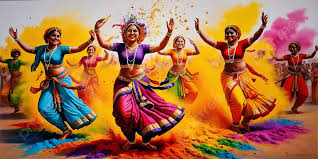
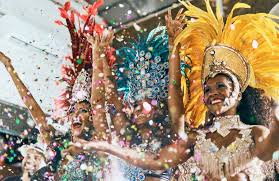
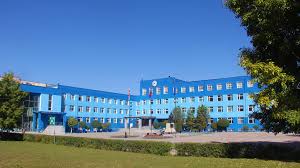
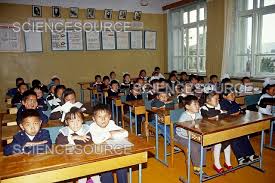
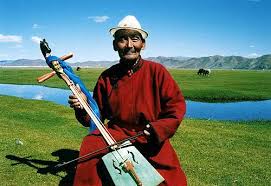

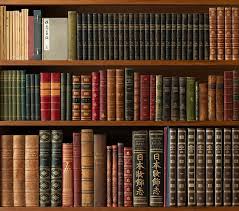


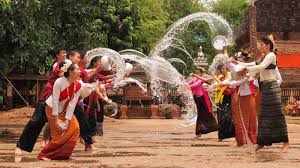

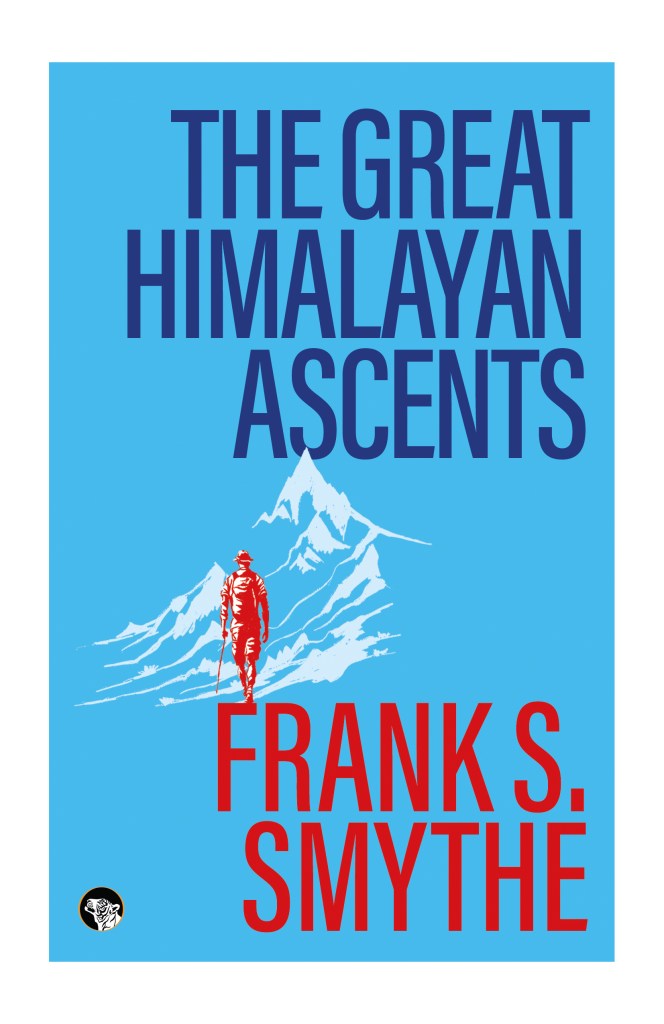
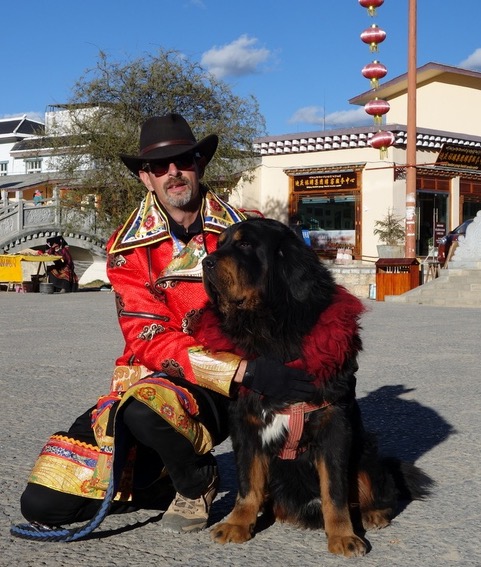
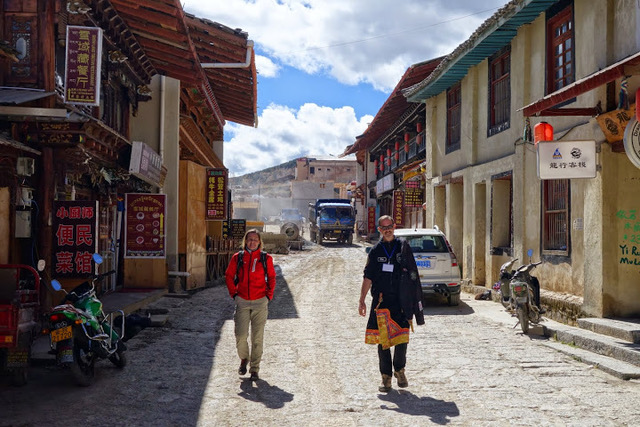
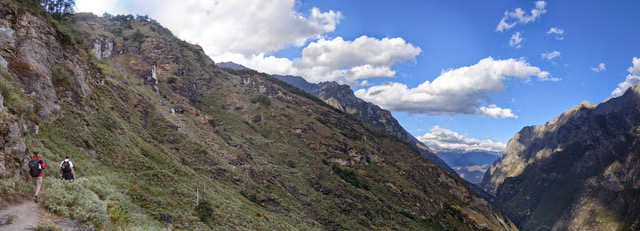
 Borderless