Categories
celebrations

Six Years of Borderless Journal…

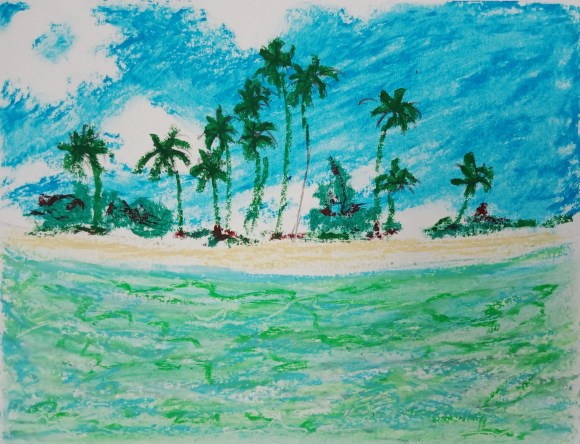
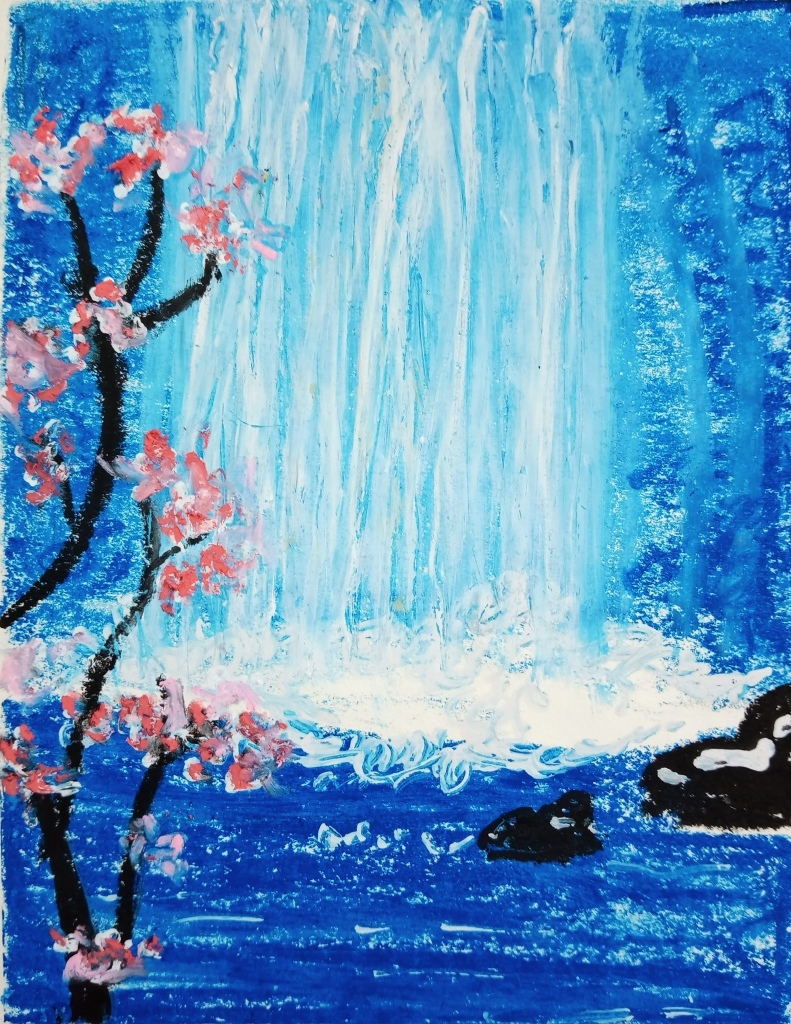
Art by Sohana Manzoor

Six years ago, a few of us got together to bring out the first issue of Borderless Journal. We started as a daily blog and then congealed into a monthly journal offering content that transcends artificial borders to meet with the commonality of felt emotions, celebrating humanity and the Universe. Today as we complete six years of our existence in the clouds, we would like to celebrate with all writers and readers who made our existence a reality. We invite you to savour writings collected over the years that reflect and revel in transcending borders, touching hearts and some even make us laugh while exploring norms. 

In this special issue. we can only offer a small sample of writings but you can access many more like these ones at our site…Without further ado, let us harmonise with words. We invite you to lose yourselves in a borderless world in these trying times.

Poetry

Click on the names to read

Jared CarterSnehaprava Das,  Manahil Tahir, Ryan Quinn Flanagan,  Luis Cuauhtémoc BerriozábalSaptarshi Bhattacharya, John Swain, Ron Pickett, Saba Zahoor, Momina Raza, Annette GagliardiJenny Middleton, Afsar Mohammad, Rhys Hughes, George FreekMitra SamalLizzie PackerShamik BanerjeeMaithreyi Karnoor,  Hela Tekali, Rakhi Dalal, Prithvijeet SinhaAsad Latif, Stuart MacFarlane

Isa Kamari translates his poems from Malay in The Lost Mantras. Click here to read.

Two of her own Persian poems have been written and translated by Akram Yazdani. Click here to read.

A Poet in Exile by Dmitry Blizniuk has been translated from Ukranian by Sergey Gerasimov. Click here to read.

Refugee in my Own Country/ I am Ukraine… Poetry by Lesya Bakun of Ukraine. Click here to read. 

Sukanta Bhattacharya’s poem, Therefore, has been translated from Bengali by Kiriti Sengupta. Click here to read.

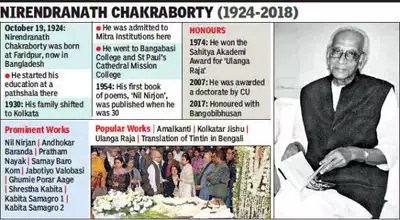
Amalkanti by Nirendranath Chakraborty has been translated from Bengali by Debali Mookerjea-Leonard. Click here to read

Ye Shao-weng’s poetry ( 1100-1150) has been translated from Mandarin by Rex Tan. Click here to read.

Rebel or ‘Bidrohi’, Nazrul’s signature poem, ‘Bidrohi‘, translated by Professor Fakrul Alam. Click here to read.

Manish Ghatak’s Aagun taader Praan (Fire is their Life) has been translated from Bengali by Indrayudh Sinha. Click here to read.

Tagore’s poem, Tomar Shonkho Dhulay Porey (your conch lies in the dust), has been translated from Bengali by Mitali Chakravarty as ‘The Conch Calls’. Click here to read.

Waiting for Godot by Akbar Barakzai; Akbar Barakzai’s poem has been translated by Fazal Baloch. Click here to read.

Ihlwha Choi spent some time in Santiniketan and here are poems he wrote in reaction to his observations near the ‘home of R.Tagore’, as he names Santiniketan and the Kobiguru. Click here to read Nandini.

Fiction

Flash Fiction: Peregrine: Brindley Hallam Dennis tells us the story of a cat and a human. Click here to read.

Rituals in the Garden: Marcelo Medone discusses motherhood, aging and loss in this poignant flash fiction from Argentina. Click here to read.

Navigational Error: Luke P.G. Draper explores the impact of pollution with a short compelling narrative. Click here to read.

Henrik’s Journey: Farah Ghuznavi follows a conglomerate of people on board a flight to address issues ranging from Rohingyas to race bias. Click here to read.

The Magic Staff , a poignant short story about a Rohingya child by Shaheen Akhtar, translated from Bengali by Arifa Ghani Rahman. Click here to read.

A Cat Story : Sohana Manzoor leaves one wondering if the story is about felines or… Click here to read. 

Pus Ki Raat or A Frigid Winter Night by Munshi Premchand has been translated from Hindi by C Christine Fair. Click here to read. 

American WifeSuzanne Kamata gives a short story set set in the Obon festival in Japan. Click hereto read.

Hena, a short story by Nazrul, has been translated from Bengali by Sohana Manzoor. Click here to read. 

A Queen is Crowned: Farhanaz Rabbani traces the awakening of self worth. Click here to read.

A Penguin’s Story: Sreelekha Chatterjee writes a story from a penguin’s perspective. Click here to read.

Disappearance by Bitan Chakraborty has been translated from Bengali by Kiriti Sengupta. Click here to read.

The Sixth Man: C. J. Anderson-Wu tells a story around disappearances during Taiwan’s White terror. Click here to read.

Looking for Evans: Rashida Murphy writes a light-hearted story about a faux pas. Click here to read.

Used Steinways: Jonathan B. Ferrini shares a story about pianos and people set in Los Angeles. Click here to read.

The Beaten Rooster, a short story by Hamiruddin Middya, has been translated from Bengali by V Ramaswamy. Click here to read.

The Onion: JK Miller brings to us the story of a child in Khan Yunis. Click here to read.

Santa in the Autorickshaw: Snigdha Agrawal takes us to meet a syncretic spirit with a heartwarming but light touch. Click here to read.

The Untold Story: Neeman Sobhan gives us the story of a refugee from the 1971 Bangladesh Liberation War. Click here to read. 

The Wise Words of the Sun: Naramsetti Umamaheswararao relates a fable involving elements of nature. Click here to read.

The Headstone, a poignant story by Sharaf Shad has been translated by Fazal Baloch. Click here to read.

Sandy Cannot Write: Devraj Singh Kalsi takes us into the world of adverstising and glamour. Click here to read.

Musalmanir Galpa (A Muslim Woman’s Story) Tagore’s short story has been translated by Aruna Chakravarti. Click here to read.

Non-Fiction

 Haiku for Rwandan Girls: Suzanne Kamata writes of her trip to Africa where she teaches and learns from youngsters. Click here to read.

Menaced by a Marine Heatwave: Meredith Stephens writes of how global warming is impacting marine life in South Australia. Click here to read.

 ‘All Creatures Great and Small’: Devraj Singh Kalsi writes of animal interactions. Click here to read.

One Life, One Love, 300 Children: Keith Lyons writes of a woman who looked after 300 children. Click here to read.

When West Meets East & Greatness Blooms: Debraj Mookerjee reflects on how syncretism impacts greats like Tagore,Tolstoy, Emerson, Martin Luther King Jr, Gandhi and many more. Click here to read.

The Day Michael Jackson Died: A tribute  by Julian Matthews to the great talented star who died amidst ignominy and controversy. Click here to read.

Amrita Sher-Gil: An Avant-Garde Blender of the East & West: Bhaskar Parichha shows how Amrita Sher-Gil’s art absorbed the best of the East and the West. Click here to read.

Dramatising an Evolving Consciousness: Theatre with Nithari’s Children: Sanjay Kumar gives us a glimpse of how theatre has been used to transcend trauma and create bridges. Click here to read.

Potable Water Crisis & the Sunderbans: Camellia Biswas, a visitor to Sunderbans during the cyclone Alia, turns environmentalist and writes about the potable water issue faced by locals. Click here to read.

T.S Eliot’s The Waste Land: Finding Hope in Darkness: Dan Maloche muses on the century-old poem and its current relevance. Click here to read. 

 My Love for RK NarayanRhys Hughes discusses the novels by ths legendary writer from India. Click here to read.

Travels of Debendranath Tagore : These are travel narratives by Debendranath Tagore, father of Rabindranath Tagore, translated from Bengali by Somdatta Mandal. Click here to read.

The Comet’s Trail: Remembering Kazi Nazrul Islam: Radha Chakravarty pays tribute to the rebel poet of Bengal. Click here to read.

From Srinagar to Ladakh: A Cyclist’s Diary: Farouk Gulsara travels from Malaysia for a cycling adventure in Kashmir. Click here to read.

 Baraf Pora (Snowfall): This narrative gives a glimpse of Tagore’s first experience of snowfall in Brighton and published in the Tagore family journal, Balak (Children), has been translated by Somdatta Mandal . Click here to read.

In The Hidden Kingdom of Bhutan: Mohul Bhowmick explores Bhutan with words and his camera. Click here to read.

The Day of Annihilation: An essay on climate change by Kazi Nazrul Islam has been translated from Bengali by Radha Chakravarty. Click here to read.

Reminiscences from a Gallery: The Other Ray: Dolly Narang muses on Satyajit Ray’s world beyond films and shares a note by the maestro and an essay on his art by the eminent artist, Paritosh Sen. Click here to read.

The Bauls of Bengal: Aruna Chakravarti writes of wandering minstrels called bauls and the impact they had on Tagore. Click here to read.

The Literary Club of 18th Century London: Professor Fakrul Alam writes on literary club traditions of Dhaka, Kolkata and an old one from London. Click here to read.

From Madagascar to Japan: An Adventure or a Dream: Randriamamonjisoa Sylvie Valencia writes of her journey from Africa to Japan with a personal touch. Click here to read.

250 Years of Jane Austen: A Tribute: Meenakshi Malhotra pays a tribute to the writer. Click here to read.

The Chickpea That Logged More Mileage Than You: Ravi Varmman K Kanniappan gives an interesting account of the chickpeas journey through time and space, woven with a bit of irony. Click here to read.

The Day the Earth Quaked : Amy Sawitta Lefevre gives an eyewitness account of the March 28th earthquake from Bangkok. Click here to read.

Where Should We Go After the Last Frontiers: Ahamad Rayees writes from a village in Kashmir which homed refugees and still faced bombing. Click here to read.

The Last of the Barbers: How the Saloon Became the Salon (and Where the Gossip Went): Charudutta Panigrahi writes an essay steeped in nostalgia and yet weaving in the present. Click here to read.

That Time of Year: Rick Bailey muses about the passage of years. Click here to read.

The Untold Stories of a Wooden Suitcase: Larry S. Su recounts his past in China and weaves a narrative of resilience. Click here to read.

Adventures of a Backpacking Granny: Sybil Pretious recalls her travels across the world post sixty, including Kiliminjaro. Click here to read.
Categories
Greetings from Borderless

Auld Lang Syne…

As we wait for the new year to unfold, we glance back at the year that just swept past us. Here, gathered together are glimpses of the writings we found on our pages in 2024 that herald a world of compassion and kindness…writings filled with hope and, dare I say, even goodwill…and sometimes filled with the tears of poetic souls who hope for a world in peace and harmony. Disasters caused by humans starting with the January 2024 in Japan, nature and climate change, essays that invite you to recall the past with a hope to learn from it, non-fiction that is just fun or a tribute to ideas, both past and present — it’s all there. Innovative genres started by writers to meet the needs of the times — be it solar punk or weird western — give a sense of movement towards the new. What we do see in these writings is resilience which healed us out of multiple issues and will continue to help us move towards a better future.

A hundred years ago, we did not have the technology to share our views and writings, to connect and make friends with the like-minded across continents. I wonder what surprises hundred years later will hold for us…Maybe, war will have been outlawed by then, as have been malpractices and violences against individuals in the current world. The laws that rule a single man will hopefully apply to larger groups too…

Poetry

Whose life? by Aman Alam. Click here to read.

Winter Consumes by Luis Cuauhtémoc Berriozábal. Click here to read.

Hot Dry Summers by Lizzie Packer. Click here to read.

House of Birds (for Pablo Neruda) by Ryan Quinn Flanagan. Click here to read.

Poems for Dylan Thomas by Michael Burch. Click here to read.

Dylan Thomas in Ardmillan Terrace? by Stuart McFarlane. Click here to read.

Bermuda Love Triangle & the Frothiest Coffee by Rhys Hughes. Click here to read.

Satirical Poems by Maithreyi Karnoor. Click here to read.

Three Poems by Rakhi Dalal. Click here to read.

Manish Ghatak’s Aagun taader Praan (Fire is their Life) has been translated from Bengali by Indrayudh Sinha. Click here to read.

Manzur Bismil’s poem, Stories, has been translated from Balochi by Fazal Baloch. Click here to read.

Ye Shao-weng’s poetry ( 1100-1150) has been translated from Mandarin by Rex Tan. Click here to read.

Amalkanti by Nirendranath Chakraborty has been translated from Bengali by Debali Mookerjea-Leonard. Click here to read.

The Mirror by Mubarak Qazi has been translated from Balochi by Fazal Baloch. Click here to read.

Homecoming, a poem by Ihlwha Choi on his return from Santiniketan, has been translated from Korean by the poet himself. Click here to read.

Pochishe Boisakh (25th of Baisakh) by Tagore (1922), has been translated from Bengali by Mitali Chakravarty. Click here to read.

Nazrul’s Ghumaite Dao Shranto Robi Re (Let Robi Sleep in Peace) has been translated from Bengali by Professor Fakrul Alam. Click here to read.

Jibananada Das’s Andhar Dekhecche, Tobu Ache (I have seen the dark and yet there is another) has been translated from Bengali by Professor Fakrul Alam. Click here to read.

Tagore’s Shotabdir Surjo Aji ( The Century’s Sun today) has been translated from Bengali by Mitali Chakravarty. Click here to read.

Non-fiction

Baraf Pora (Snowfall)

A narrative by Rabindranath Tagore that gives a glimpse of his first experience of snowfall in Brighton and published in the Tagore family journal, Balak (Children), has been translated from Bengali by Somdatta Mandal. Click here to read.

Dylan on Worm’s Head

Rhys Hughes describes a misadventure that the Welsh poet had while hiking as a tribute to him on Dylan Thomas Day. Click here to read.

Travels of Debendranath Tagore 

These are from the memoirs of Tagore’s father translated from Bengali by Somdatta Mandal. Click here to read.

Two Pizza Fantasies

Rhys Hughes recounts myths around the pizza in prose, fiction and poetry, Click here to read

Is this a Dagger I See…?

Devraj Singh Kalsi gives a tongue-in-cheek account of a writer’s dilemma. Click here to read.

Still to Moving Images 

Ratnottama Sengupta explores artists who have turned to use the medium of films… artists like the legendary MF Husain. Click here to read.

How Dynamic was Ancient India?

Farouk Gulsara explores William Dalrymple’s latest book, The Golden Road: How Ancient India Transformed the World. Click here to read.

The Magic Dragon: Cycling for Peace

Keith Lyons writes of a man who cycled for peace in a conflict ridden world. Click here to read.

A Cover Letter

Uday Deshwal muses on writing a cover letter for employment. Click here to read.

A Manmade Disaster or Climate Change?

Salma A Shafi writes of floods in Bangladesh from ground level. Click here to read.

Pinecones and Pinky Promises

Luke Rimmo Minkeng Lego writes of mists and cloudy remembrances in Shillong. Click here to read.

 Educating for Peace in Rwanda

Suzanne Kamata discusses the peace initiatives following the terrors of the 1994 Rwandan Genocide while traveling within the country with her university colleague and students. Click here to read.

Breaking Bread

Snigdha Agrawal has a bovine encounter in a restaurant. Click here to read.

From Srinagar to Ladakh: A Cyclist’s Diary

Farouk Gulsara travels from Malaysia for a cycling adventure in Kashmir. Click here to read.

A Saga of Self-empowerment in Adversity

Bhaskar Parichha writes of Noor Jahan Bose’s Daughter of The Agunmukha: A Bangla Life, translated from Bengali by Rebecca Whittington. Click here to read.

Safdar Hashmi

Meenakshi Malhotra writes of Anjum Katyal’s Safdar Hashmi: Towards Theatre for a Democracy. Click hereto read.

Meeting the Artists

Kiriti Sengupta talks of his encounter with Jatin Das, a legendary artist. Click here to read.

The Comet’s Trail: Remembering Kazi Nazrul Islam

Radha Chakravarty pays tribute to the rebel poet of Bengal. Click here to read.

The Myriad Hues of Tagore by Aruna Chakravarti

Aruna Chakravarti writes on times and the various facets of Tagore. Click here to read.

The Year of Living Dangerously

Professor Fakrul Alam takes us back to the birth of Bangladesh. Click here to read.

A Short, Winding, and Legendary Dhaka Road 

Professor Fakrul Alam takes us on a historical journey of one of the most iconic roads of Dhaka, Fuller Road. Click here to read.

 A Sombre Start 

Suzanne Kamata talks of the twin disasters in Japan. Click here to read.

Fiction

The Snakecharmer

Shapuray by Nazrul, has been translated from Bengali by Sohana Manzoor. Click here to read.

Significance

Naramsetti  Umamaheswararao creates a fable around a banyan tree and it’s fruit. Click here to read.

Just Another Day

Neeman Sobhan gives a story exploring the impact of the politics of national language on common people. Click here to read.

The Ghosts of Hogshead

Paul Mirabile wanders into the realm of the supernatural dating back to the Potato Famine of Ireland in the 1800s. Click here to read.

A Queen is Crowned

Farhanaz Rabbani traces the awakening of self worth. Click here to read.

The Last Hyderabadi

Mohul Bhowmick talks of the passage of an era. Click here to read.

The Gift 

Rebecca Klassen shares a sensitive story about a child and an oak tree. Click here to read.

Galat Aurat or The Wrong Woman

Veena Verma’s story has been translated from Punjabi by C Christine Fair. Click here to read.

The Melting Snow

A story by Sharaf Shad,  has been translated from Balochi by Fazal Baloch. Click here to read.

Conversations

Ratnottama Sengupta talks to Ruchira Gupta, activist for global fight against human trafficking, about her work and introduces her novel, I Kick and I Fly. Click here to read.

A conversation with eminent Singaporean poet and academic, Kirpal Singh, about how his family migrated to Malaya and subsequently Singapore more than 120 years ago. Click here to read.

A brief overview of Rajat Chaudhuri’s Spellcasters and a discussion with the author on his book. Click here to read.

A review of and discussion with Rhys Hughes about his ‘Weird Western’, The Sunset Suite. Click here to read.

Categories
Editorial

Seasons Out of Time

...the horror of dark red sky – the gates of hell opened wide so they say that even atheists prayed to save the souls of the dead...

— Lizzie Packer, 'Hot Dry Summers'

The description in ‘Hot Dry Summers’ is not of hell but what is perceived as happening on certain parts of Earth due to global warming or climate change. Forest fires. Nearer the equator, the storms have become harsher with lightning strikes that seem to connect the Earth to the sky. Trees get uprooted as the soil is softened from excessive rain. Sometimes, they fall on passers-by killing or injuring them. There is no rain in some places, forest fires or flooding in others… The highest temperatures touched 55 degrees Celsius this year. Instead of worrying about losing our homes lodged on land masses to the oceans that continue to rise, becoming dark heat absorbers due to loss of white ice cover, we persistently fight wars, egged on by differences highlighting divisive constructs. It feels strange that we are witness to these changes which seem to be apocalyptic to doomsday sayers. Are they right? Our flora, fauna and food will also be impacted by global climate change. How will we survive these? Will we outlive these as a species?

Keeping the myriad nuances of living on this planet in mind, we have writings from more than a dozen countries showcased in this issue, with a few highlighting climate change and wars — especially in poetry. Michael Burch has given us poetry on weather. John Grey has celebrated nature. Other than Lizzie Packer, Mitra Samal has a subtle poem on climate change. Stuart McFarlane and David Mellor bring the disaster of war to our doorstep. Jared Carter, Kirpal Singh, Ryan Quinn Flanagan, Averi Saha, Shamik Banerjee, David Francis, George Freek, Rakhi Dalal and more have reflected on the varied nuances of life. Rhys Hughes has brought in humour and a comment on our perspectives, with his poem ‘Devil’s Bridge to Istanbul’… Can a shortcut be found across continents with the magic of a signboard?

Poetry in our translations’ section travels to Balochistan, from where a Hafeez Rauf translated from Balochi by Fazal Baloch, talks of burning tyres, again conflicts. It takes on a deeper hue as Ihlwha Choi translates his poignant poem from Korean, reflecting on the death of his mother. We have a translation of Tagore’s less popular poem, Mrityu[1], reflecting on the same theme. His reflections on his wife’s death too have been translated by Professor Fakrul Alam who has also shared a song of Nazrul, written and composed on the death of Tagore. Another lesser-known poet but brilliant nonetheless, Nirendranath Chakraborty, has been translated for us by Debali Mookerjea-Leonard. And what a tremendous poem it is when the person called Amalkanti wanted to be sunshine! We have a story too — ‘Speech Matters’ by Naramsetti Umamaheswararao translated by Johny Takkedasila.

Our stories as usual travel around the world — from Holland (by Paul Mirabile) to Hyderabad (by Mohul Bhowmick) and with a quick pause at Bangalore (by Anagha Narasimha). Travels in the real world are part of our non-fiction. Sai Abhinay Penna takes to a the second largest mangrove forest in the world and Ravi Shankar to Colombo. Madhuri Bhattachrya gives us a glimpse of an Indian summer and Snigdha Aggrawal explores the impact of climate change in her part of the world. Farouk Gulsara actually writes his reflections at a traffic junction. And it reads droll…

We have an in memoriam by Keith Lyons on Morgan Spurlock, the documentary maker who ate McDonald fare for a month and then made a film on it. We have two tributes to two legends across time. Wayne F Burke has given a brief piece on the iconic illustrator, Norman Rockwell. And Aruna Chakravarti, the queen of historic fiction who brought the Tagore family alive for us in her two very well researched novels, Jorasanko and Daughters of Jorasanko, has given us a fabulous tribute to Tagore on the not-so common aspects of him.

We have excerpts from another historical novel set in Bengal of Tagore’s time, Dan Morrison’s The Prince and the Poisoner: The Murder that Rocked the British Raj and Hughes’ The Sunset Suite, a set of absurd tall tales that make you smile, squirm or wonder…  Reviews of Salman Rushdie’s Knife: Meditations After an Attempted Murder by Somdatta Mandal and of Arundhathi Subramaniam’s Wild Women: Seekers, Protagonists and Goddesses in Sacred Indian Poetry by Basudhara Roy bring two latest books to our readers. Navleen Multani reflects on Mapping the Mind, Minding the Map, edited by Basudhara Roy and Jaydeep Sarangi. And Bhaskar Parichha tells us about a group of men called Pundits during British Raj, “In the closed files of the government of British India, however, they were given their true designation as spies…” in his review of Derek Waller’s The Pundits: British Exploration of Tibet and Central Asia.

Suzanne Kamata, the novelist who does a column from Japan for us normally, has spoken to us about her new novel, Cinnamon Beach, which overrides multiple manmade constructs. It’s an interesting read from someone who lives her life across multiple cultures and transcends many boundaries.

This is a bumper issue, and it is difficult to convey the vibrant hues of words that colour this edition. Please do pause by our contents page for a more comprehensive look.

This issue would not have been possible without all our fabulous contributors and a wonderful, dedicated team. We are delighted that Rakhi Dalal — who has done many reviews and shares her poetry with us in this issue — has agreed to be a writer-in-residence with us. A huge thanks to all of you, and especially Sohana Manzoor for her artwork. I am truly grateful to our readers for popularising our efforts to put together an online space with free and vibrant reads.

I would like to end with a few lines that gives me hope despite climate change, wars and doomsday predictions.

There’s more to life,
he says to me,
than what you choose to see.

— George Freek, 'The Imponderables'

Enjoy the reads.

Mitali Chakravarty

borderlessjournal.com

[1] Death

Click here to access the content’s page for the July 2024 Issue.

.

READ THE LATEST UPDATES ON THE FIRST BORDERLESS ANTHOLOGY, MONALISA NO LONGER SMILES, BY CLICKING ON THIS LINK.

Categories
Poetry

Amalkanti by Nirendranath Chakraborty

Translated from Bengali by Debali Mookerjea-Leonard

Nirendranath Chakraborty (1924 – 2018) was born in united Bengal. A poet, translator and novelist, he was awarded the Sahitya Akademi Award for his poem based on the Emperor’s New Clothes in 1974, voicing the need to reacquaint with the innocence of childhood. The same year he was also awarded the Ananda Puraskar. Nirendranth Chakraborty translated Hergé’s comics into Bengali. Calcutta University bestowed on him an honorary Doctor of Literature degree. Amalkanti is one of his well-known poems, again critiquing societal trends.

AMALKANTI*

Amalkanti is my friend,
We had been at school together.
He came late to class every day, lessons unprepared.
When asked verb-declensions,
He gazed at the window in such amazement,
That we felt sorry for him.

Some of us aspired to be teachers, some, doctors, others, lawyers.
Amalkanti didn’t want any of that.
He aspired to be sunshine.
The blushing sunshine after the rains, in the late-afternoon of cawing crows,
Sunshine that lingers on the leaves of the rose-apple and bell fruit
Like a momentary smile.

Some of us became teachers, some, doctors, others, lawyers.
Amalkanti couldn’t become sunshine.
Today, he works in a dark printing press.
And he visits me from time to time;
Drinks a cup of tea, chats a little, then he says, “I’ll be off.”
I see him to the door.

The one among us who is a teacher today,
Could easily have been a doctor,
The one who aspired to be a doctor,
Would have also done well as a lawyer.
Somehow, we all got our wishes, all except Amalkanti.
Amalkanti couldn’t become sunshine.
Musing and musing, musing and musing
Upon the sun’s unflawed radiance,
He had once aspired to become sunshine.

*(lit. “unflawed radiance”; also used as a name)
A Bengali recitation of Amalakanti by Shamshuzzoha, a poem by Nirendranth Chakraborty.

Debali Mookerjea-Leonard is the Roop Distinguished Professor of English at James Madison University. Together with research and teaching, she also translates Bengali poetry and fiction. Debali has the permission to publish this translation.

.

PLEASE NOTE: ARTICLES CAN ONLY BE REPRODUCED IN OTHER SITES WITH DUE ACKNOWLEDGEMENT TO BORDERLESS JOURNAL

Click here to access the Borderless anthology, Monalisa No Longer Smiles

Click here to access Monalisa No Longer Smiles on Amazon International