Categories
A Wonderful World

Vignettes from a Borderless World

Enjoy some of the most memorable gems from our treasury … gems that were borne of pens that have written to make our world bloom and grow over time.
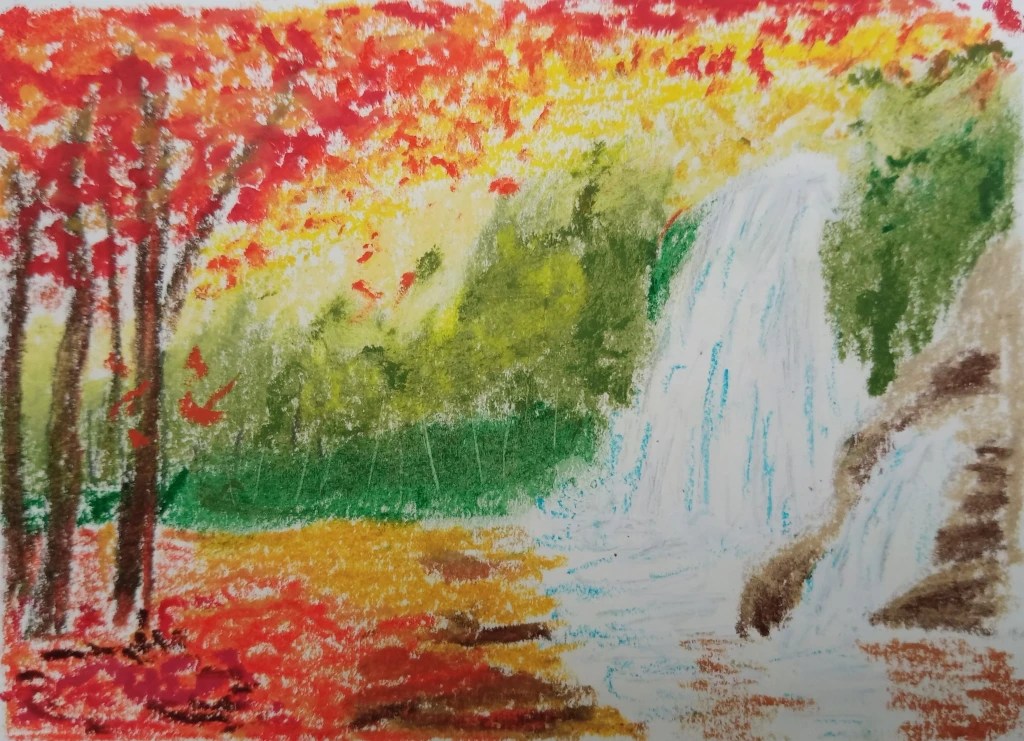
The first cover art by Sohana Manzoor published in Borderless Journal

Poetry

An excerpt from Rabindranath Tagore’sThe Child‘, a poem originally written in English by the poet. Click here to read.

Click on the names to read the poems

 Luis Cuauhtémoc Berriozábal,  Masha Hassan, Ryan Quinn Flangan LaVern Spencer McCarthy, Prithvijeet Sinha, Shamik Banerjee, George FreekG Javaid RasoolRakhi Dalal, Afsar Mohammad, Kiriti Sengupta, Adeline Lyons, Nilsa Mariano, Jared Carter,  Mitra SamalLizzie PackerJenny MiddletonAsad Latif, Stuart Mcfarlane, Kumar Bhatt, Saranyan BVRex Tan, Jonathan Chan, Kirpal Singh, Maithreyi Karnoor, Rhys Hughes, Jay Nicholls

Tumi Kon Kanoner Phul by Tagore and Anjali Loho Mor by Nazrul, love songs by the two greats, have been translated from Bengali by Professor Fakrul Alam. Click here to read.

Poetry of Jibananda Das translated by Fakrul Alam and Rakibul Hasan Khan from Bengali. Click here to read.

Mahnu, a poem by Atta Shad, translated from Balochi by Fazal Baloch. Click here to read. 

Manish Ghatak’s Aagun taader Praan (Fire is their Life) has been translated from Bengali by Indrayudh Sinha. Click here to read.

Amalkanti by Nirendranath Chakraborty has been translated from Bengali by Debali Mookerjea-Leonard. Click here to read.

Ye Shao-weng’s poetry ( 1100-1150) has been translated from Mandarin by Rex Tan. Click here to read.

Homecoming, a poem by Ihlwha Choi on his return from Santiniketan, has been translated from Korean by the poet himself. Click here to read.

Essays

 Travels & Holidays: Humour from Rabindranath: Translated from the original Bengali by Somdatta Mandal, these are Tagore’s essays and letters laced with humour. Click here to read.

Temples and Mosques: Kazi Nazrul Islam’s fiery essay translated by Sohana Manzoor. Click here to read.

The Comet’s Trail: Remembering Kazi Nazrul Islam: Radha Chakravarty pays tribute to the rebel poet of Bengal. Click here to read.

The Oral Traditions of Bengal: Story and Song: Aruna Chakravarti describes the syncretic culture of Bengal through its folk music and oral traditions. Click here to read.

Discovering Rabindranath and My Own Self: Professor Fakrul Alam muses on the impact of Tagore in his life. Click here to read.

One Life, One Love, 300 Children : Keith Lyons writes of Tendol Gyalzur, a COVID 19 victim, a refugee and an orphan who found new lives for many other orphans with love and an ability to connect. Click here to read.

When West Meets East & Greatness Blooms: Debraj Mookerjee reflects on how syncretism impacts greats like Tagore,Tolstoy, Emerson, Martin Luther King Jr, Gandhi and many more. Click here to read.

Amrita Sher-Gil: An Avant-Garde Blender of the East & West: Bhaskar Parichha shows how Amrita Sher-Gil’s art absorbed the best of the East and the West. Click here to read.

A Manmade Disaster or Climate Change?: Salma A Shafi writes of floods in Bangladesh from ground level. Click here to read.

Dilip Kumar: Kohinoor-e-Hind: In a tribute to Bollywood legend Dileep Kumar,  Ratnottama Sengupta, one of India’s most iconic arts journalists, recollects the days the great actor sprinted about on the sets of Bombay’s studios …spiced up with fragments from the autobiography of Sengupta’s father, Nabendu Ghosh. Click here to read. 

Dramatising an Evolving Consciousness: Theatre with Nithari’s Children: Sanjay Kumar gives us a glimpse of how theatre has been used to transcend trauma and create bridges. Click here to read.

Are Some of Us More Human than Others ?: Meenakshi Malhotra ponders at the exclusivity that reinforces divisions, margins and borders that continue to plague humankind, against the backdrop of the Women’s Month, March. Click here to read.

To Be or Not to Be or the Benefits of Borders: Wendy Jones Nakanishi argues in favour of walls with wit and facts. Click here to read. 

Reminiscences from a Gallery: MF Husain: Dolly Narang recounts how she started a gallery more than four decades ago and talks of her encounter with world renowned artist, MF Husain. Click here to read.

In The Hidden Kingdom of Bhutan: Mohul Bhowmick explores Bhutan with words and his camera. Click here to read.

From Srinagar to Ladakh: A Cyclist’s Diary: Farouk Gulsara travels from Malaysia for a cycling adventure in Kashmir. Click here to read.

Musings

Baraf Pora (Snowfall) by Rabindranath Tagore, gives a glimpse of his first experience of snowfall in Brighton and published in the Tagore family journal, Balak (Children), has been translated from Bengali by Somdatta Mandal. Click here to read.

Migrating to Myself from Kolkata to Singapore: Asad Latif explores selfhood in context of diverse geographies. Click here to read. 

Cherry Blossom ForecastSuzanne Kamata brings the Japanese ritual of cherry blossom viewing to our pages with her camera and words. Click here to read.

 Hair or There: Party on My HeadDevraj Singh Kalsi explores political leanings and hair art. Click here to read.

 Ghosts, Witches and My New Homeland: Tulip Chowdhury muses on ghosts and spooks in Bangladesh and US. Click here to read.

 Two Pizza Fantasies, Rhys Hughes recounts myths around the pizza in prose, fiction and poetry, Click here to read.

An Alien on the Altar!: Snigdha Agrawal writes of how a dog and lizard add zest to festivities with a dollop of humour. Click here to read.

Where it all Began: Sybil Pretious recounts her first adventure, an ascent on Mt Kilimanjaro at the age of sixty. Click here to read.

Conversations

Rabindranath Tagore: A Universal Bard.: This conversation between Aruna Chakravarti and Sunil Gangopadhyay that took place at a Tagore Conference organised by the Sahitya Akademi in Kochy in 2011. Click here to read.

Sriniketan: Tagore’s “Life Work”: In Conversation with Professor Uma Das Gupta, Tagore scholar, author of A History of Sriniketan, where can be glimpsed what Tagore considered his ‘life’s work’ as an NGO smoothening divides between villagers and the educated. Click here to read. (Review & Interview).

In conversation with the late Akbar Barakzai, a Balochi poet in exile who rejected an award from Pakistan Academy of Letters for his principles. Click here to read.

In A Voice from Kharkiv: A Refugee in her Own CountryLesya Bukan relates her journey out of Ukraine as a refugee and the need for the resistance. Click here to read.

Andrew Quilty, an award winning journalist for his features on Afghanistan, shares beyond his book,August in Kabul: America’s Last Days in Afghanistan and the Return of the Taliban, in a candid conversation. Click here to read. 

Jim Goodman, an American traveler, author, ethnologist and photographer who has spent the last half-century in Asia, converses with Keith Lyons. Click here to read.

In Bridge over Troubled Waters, the late Sanjay Kumar tells us about Pandies, an activist theatre group founded by him that educates, bridging gaps between the divides of university educated and the less fortunate who people slums or terror zones. Click here to read.

In Lessons Old and New from a Stray Japanese CatKeith Lyons talks with the author of The Cat with Three PassportsCJ Fentiman who likes the anonymity loaned by resettling in new places & enjoys creating a space for herself away from her birthplace. Click here to read.

Fiction

 Aparichita by Tagore: This short story has been translated as The Stranger by Aruna Chakravarti. Click here to read.

Hena by Nazrul has been translated from Bengali by Sohana Manzoor. Click here to read. 

Playlets by Rabindranath Tagore : Two skits that reveal the lighter side of the poet. They have been translated from Bengali by Somdatta Mandal. Click here to read.

Pus Ki Raat or A Frigid Winter Night by Munshi Premchand has been translated from Hindi by C Christine Fair. Click here to read. 

Abhagi’s Heavena poignant story by Saratchandra Chattopadhyay translated by Aruna Chakravarti. Click here to read.

An Eternal Void, a Balochi story by Munir Ahmed Badini translated by Fazal Baloch. Click here to read.

The Witch, a short story by renowned Bengali writer Tarasankar Bandopadhyay (1898 to 1971), translated by Aruna Chakravarti. Click here to read.

I Grew into a Flute: Balochi Folktale involving magic retold by Fazal Baloch. Click here to read.

Give Me A Rag, Please:A short story by Nabendu Ghosh, translated by Ratnottama Sengupta, set in the 1943 Bengal Famine, which reflects on man’s basic needs. Click here to read

Rakhamaninov’s Sonata: A short story by Sherzod Artikov, translated from Uzbeki by Nigora Mukhammad. Click here to read.

The Magic Staff , a poignant short story about a Rohingya child by Shaheen Akhtar, translated from Bengali by Arifa Ghani Rahman. Click here to read.

Khaira, the Blind, a story by Nadir Ali, has been translated from Punjabi by Amna Ali. Click here to read. 

The Browless Dolls by S.Ramakrishnan, has been translated from Tamil by B Chandramouli. Click here to read.

Orang Minyak or The Ghost: A Jessie Michael explores blind belief in a Malay village. Click here to read.

Flash Fiction: Peregrine: Brindley Hallam Dennis tells us the story of a cat and a human. Click here to read.

No Man’s Land: Sohana Manzoor gives us surrealistic story reflecting on after-life. Click here to read.

The Protests Outside: Steve Ogah talks of trauma faced by riot victims in Nigeria. Click here to read.

Flash Fiction: Turret: Niles M Reddick relates a haunting tale of ghosts and more. Click here to read.

Henrik’s Journey: Farah Ghuznavi follows a conglomerate of people on board a flight to address issues ranging from Rohingyas to race bias. Click here to read.

Does this Make Me a Psychic?; Erwin Coombs tells a suspenseful, funny, poignant and sad story, based on his real life experiences. Click here to read. 

Phôs and Ombra: Paul Mirabile weaves a dark tale about two people lost in a void. Click here to read.

A Queen is Crowned: Farhanaz Rabbani traces the awakening of self worth. Click here to read.

The Chopsy Moggy: Rhys Hughes gives us a feline adventure. Click here to read.

Happy Birthday Borderless… Click here to read.
Art by Sybil Pretious
Categories
Contents

Borderless, August 2024

Art by Sohana Manzoor

Editorial

A Sprinkling of Happiness?… Click here to read.

Conversation

A review of and discussion with Rhys Hughes about his ‘Weird Western’, The Sunset Suite. Click here to read.

Translations

Two Songs of Parting by Nazrul have been translated by Professor Fakrul Alam. Click here to read.

The Snakecharmer, Shapuray by Nazrul, has been translated from Bengali by Sohana Manzoor. Click here to read.

Leaving for Barren, Distant Lands by Allah Bashk Buzdar has been translated from Balochi by Fazal Baloch. Click here to read.

Loneliness has been translated from Korean by the poet, Ihlwha Choi. Click here to read.

Tagore’s Olosh Shomoy Dhara Beye (Time Flows at an Indolent Pace) has been translated from Bengali by Mitali Chakravarty. Click here to read.

Poetry

Click on the names to read the poems

Michael Burch, Arshi Mortuza, Jason Ryberg, Saranyan BV, Koiko Tsuuda, Jane Hammons, Noopur Vedajna Das, Adeline Lyons, George Freek, Naisha Chawla, John Grey, Lakshmi Chithra, Craig Kirchner, Nia Joseph, Stuart MacFarlane, Sanjay C Kuttan, Nilsa Mariano, G Javaid Rasool, Ryan Quinn Flanagan, Rhys Hughes

Musings/ Slices from Life

Breaking Bread

Snigdha Agrawal has a bovine encounter in a restaurant. Click here to read.

That Box of Colour Pencils

G Venkatesh writes of a happy encounter with two young children. Click here to read.

The Chameleon’s Dance

Chinmayi Goyal muses on the duality of her cultural heritage. Click here to read.

Musings of a Copywriter

In Godman Ventures Pvt. Ltd., Devraj Singh Kalsi looks into a new business venture with a satirical glance. Click here to read.

Notes from Japan

In In Praise of Parasols, Suzanne Kamata takes a light look at this perennial favourite of women in Japan. Click here to read.

Essays

The Comet’s Trail: Remembering Kazi Nazrul Islam

Radha Chakravarty pays tribute to the rebel poet of Bengal. Click here to read.

From Srinagar to Ladakh: A Cyclist’s Diary

Farouk Gulsara travels from Malaysia for a cycling adventure in Kashmir. Click here to read.

Bottled Memories, Inherited Stories

Ranu Bhattacharyya takes us back to Dhaka of the 1930s… and a world where the two Bengals interacted as one with her migration story. Click here to read.

Landslide In Wayanad Is Only The Beginning

Binu Mathew discusses the recent climate disaster in Kerala and contextualises it. Click here to read.

Stories

The Orange Blimp

Joseph Pfister shares a vignette set in the Midwest. Click here to read.

A Queen is Crowned

Farhanaz Rabbani traces the awakening of self worth. Click here to read.

Roberto Mendoza’s Memoirs of Admiral Don Christopher Columbus

Paul Mirabile explores myths around Christopher Columbus in a fictitive setting. Click here to read.

Book Excerpts

An excerpt from Syed Mujtaba Ali’s Shabnam, translated from Bengali by Nazes Afroz. Click here to read.

An excerpt from Maaria Sayed’s From Pashas to Pokemon. Click here to read.

Book Reviews

Somdatta Mandal reviews Upamanyu Chatterjee’s Lorenzo Searches for the Meaning of Life. Click here to read.

Meenakshi Malhotra reviews Shuchi Kapila’s Learning to Remember: Postmemory and the Partition of India. Click here to read.

Rakhi Dalal reviews Namita Gokhale’s Never Never Land. Click here to read.

Bhaskar Parichha reviews Malvika Rajkotia’s Unpartitioned Time: A Daughter’s Story. Click here to read.

.

Click here to access the Borderless anthology, Monalisa No Longer Smiles

Click here to access Monalisa No Longer Smiles on Amazon International

Categories
Editorial

A Sprinkling of Happiness?

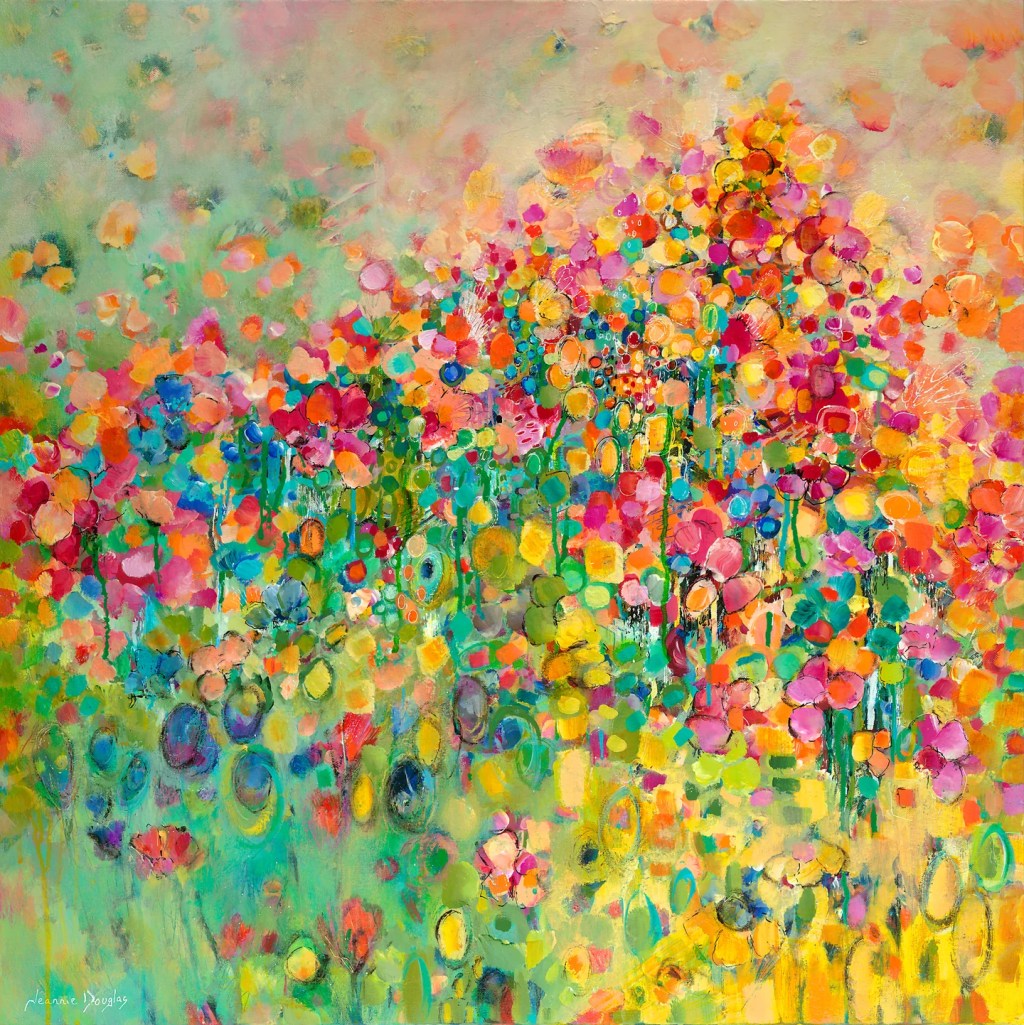
A Pop of Happiness by Jeanie Douglas. From Public Domain

Happiness is a many splendored word. For some it is the first ray of sunshine; for another, it could be a clean bill of health; and yet for another, it would be being with one’s loved ones… there is no clear-cut answer to what makes everyone happy. In Harry Potter and the Half Blood Prince (JK Rowling, 2005), a sunshine yellow elixir induces euphoria with the side effects of excessive singing and nose tweaking. This is of course fantasy but translate it to the real world and you will find that happiness does induce a lightness of being, a luminosity within us that makes it easier to tackle harder situations. Playing around with Rowling’s belief systems, even without the potion, an anticipation of happiness or just plain optimism does generate a sense of hope for better times.  Harry tackles his fears and dangers with goodwill, friends and innate optimism. When times are dark with raging wars or climate events that wreck our existence, can one look for a torch to light a sense of hope with the flame of inborn resilience borne of an inner calm, peace or happiness — call it what you will…?

It is hard to gauge the extreme circumstances with which many of us are faced in our current realities, especially when the events spin out of control. In this issue, along with the darker hues that ravage our lives, we have sprinklings of laughter to try to lighten our spirits. In the same vein, externalising our emotions to the point of absurdity that brings a smile to our lips is Rhys Hughes’ The Sunset Suite, a book that survives on tall tales generated by mugs of coffee. In one of the narratives, there is a man who is thrown into a bubbling hot spring, but he survives singing happily because his attacker has also thrown in packs of tea leaves. This man loves tea so much that he does not scald, drown or die but keeps swimming merrily singing a song. While Hughes’ stories are dark, like our times, there is an innate cheer that rings through the whole book… Dare we call it happiness or resilience? Hughes reveals much as he converses about this book, squonks and stranger facts that stretch beyond realism to a fantastical world that has full bearing on our very existence.

Poetry brings in a sprinkling of good cheer not only with a photo poem by Hughes, but also with more in a lighter vein from Ryan Quinn Flanagan, Michael R Burch, Arshi Mortuza, Jason Ryberg and others. Sanjay C Kuttan has given a poem dipped in nostalgic happiness with colourful games that evolved in Malaysia. Koiko Tsuuda, an Estonian, rethinks happiness. George Freek, Stuart MacFarlane and Saranyan BV address mortality. Nilsa Mariano and G Javaid Rasool have given us powerful migrant poetry while John Grey, Craig Kirchner, Jane Hammons, Nia Joseph, Noopur Vedajna Das and Adeline Lyons refer to climate or changes wrought by climate disasters in their verses.

A powerful essay by Binu Mathew on the climate disaster at Wayanad, a place that earlier had been written of as an idyllic getaway, tells us how the land in that region has become more prone to landslides. The one on July 30th this year washed away a whole village! Farouk Gulsara has given a narrative about his cycling adventure through the state of Kashmir with his Malaysian friends and finding support in the hearts of locals, people who would be the first to be hit by any disaster even if they have had no hand in creating the catastrophes that could wreck their lives, the flora and the fauna around them. In the wake of such destructions or in anticipation of such calamities, many migrate to other areas — like Ranu Bhattacharya’s ancestors did a bit before the 1947 Partition violence set in. A younger migrant, Chinmayi Goyal, muses under peaceful circumstances as she explores her own need to adapt to her surroundings. G Venkatesh from Sweden writes of his happy encounter with local children in the playground. And Snigdha Agrawal has written of partaking lunch with a bovine companion – it can be intimidating having a cow munching at the next table, I guess! Devraj Singh Kalsi has given a tongue-in-cheek musing on how he might find footing as a godman. Suzanne Kamata has given a lovely summery piece on parasols, which never went out of fashion in Japan!

Radha Chakravarty, known for her fabulous translations, has written about the writer she translated recently, Nazrul. Her essay includes a poem by Tagore for Nazrul. Professor Fakrul Alam has translated two of Nazrul’s songs of parting and Sohana Manzoor has rendered his stunning story Shapuray (Snake Charmer) into English. Fazal Baloch has brought to us poetry in English from the Sulaimani dialect of Balochi by Allah Bashk Buzdar, and a Korean poem has been self-translated by the poet, Ihlwha Choi. The translations wind up with a poem by Tagore, Olosh Shomoy Dhara Beye (Time Flows at an Indolent Pace), showcasing how the common man’s daily life is more rooted in permanence than evanescent regimes and empires.

Fiction brings us into the realm of the common man and uncommon situations, or funny ones. A tongue-in-cheek story set in the Midwest by Joseph Pfister makes us laugh. Farhanaz Rabbani has given us a beautiful narrative about a girl’s awakening. Paul Mirabile delves into the past using the epistolary technique highlighting darker vignettes from Christopher Columbus’s life. We have book excerpts from Maaria Sayed’s From Pashas to Pokemon and Nazes Afroz’s translation of Syed Mujtaba Ali’s Shabnam with both the extracts and Rabbani’s narratives reflecting the spunk of women, albeit in different timescapes…

Our book reviews feature Meenakshi Malhotra’s perspectives on Shuchi Kapila’s Learning to Remember: Postmemory and the Partition of India and Bhaskar Parichha’s thought provoking piece on Malvika Rajkotia’s autobiographical Unpartitioned Time: A Daughter’s Story. While both these look into narratives around the 1947 Partition of the Indian subcontinent, Rakhi Dalal’s review captures the whimsical and yet thoughtful nuances of Namita Gokhale’s Never Never Land. Somdatta Mandal has written about Upamanyu Chatterjee’s latest novel, Lorenzo Searches for the Meaning of Life, which is in a way a story about a migrant too.

When migrations are out of choice, with multiple options to explore, they take on happier hues. But when it is out of a compulsion created by manmade disasters — both wars and climate change are that — will the affected people remain unscarred, or like Potter, bear the scar only on their forehead and, with Adlerian calm, find happiness and carpe diem?

Do pause by our current issue which has more content than mentioned here as some of it falls outside the ambit of our discussion. This issue would not have been possible without an all-out effort by each of you… even readers. I would like to thank each and every contributor and our loyal readers. The wonderful team at Borderless deserve much appreciation and gratitude, especially Manzoor for her wonderful artwork. I invite you all to savour this August issue with a drizzle of not monsoon or April showers but laughter.

May we all find our paths towards building a resilient world with a bright future.

Good luck and best wishes!

Mitali Chakravarty

borderlessjournal.com

Click here to access the content’s page for the August 2024 Issue.

.

READ THE LATEST UPDATES ON THE FIRST BORDERLESS ANTHOLOGY, MONALISA NO LONGER SMILES, BY CLICKING ON THIS LINK.

Categories
Poetry

Poetry on Migrations

By Nilsa Mariano


BEAUTIFUL AND COLD

Soundlessly they move at night beautiful and cold
morning light reveals a lawn covered in snow
a red headed woodpecker chips and drums steady
oak trees that stand strong bare witnesses to it all

morning light reveals a lawn covered in snow
blood spatters announce predators overhead and near
a red headed woodpecker bangs steady blows
hungry finches frantically feed watching the sky in fear

blood spatters announce predators overhead and near
the news announces more dead due to Ice and climate
hungry finches frantically feed watching the sky in fear
we fight for climate change but tolerate ICE

the news announces the dead in Ice and snow
the damaged fall like tree branches on the border
we fight for climate change but tolerate ICE
children in tents watch the snow and cry mother

the damaged fall like tree branches on the border
both sides claim and deny any blame
children in tents watch the snow and cry mother
the red headed woodpecker watches with shame

Both sides claim and deny any blame
the oak trees stand strong bear witness to it all
children in tents watch the snow and cry mother
soundlessly they cross at night resolute beautiful and cold


CORN BEANS SALT

Querida madre,

we crossed the border made it here tired but well
we were caught by la migra there are many of us in a shelter
which smells bad but they feed us and give us water
the food is cold and bland
I am grateful and do not complain
but at night at bedtime
the lights make it hard to sleep
in the quiet you hear the little ones crying
for their families or because they are afraid
as for me …it is you I worry about I miss your face mama
keep the dog near it can keep you safe it will bark and warn you of intruders
try to keep your strength do not wander far from the house
right now I see you clearly
hair dark as frijoles negros held back in place with a thin ribbon
you are smiling and shaking your head
that here I am far away telling you what to do

I have faith that any day now I will make my case
the judge will understand after he hears my plans and sees how strong I am
despite all the weight I have lost
I will tell them that I am already fifteen
I will work hard so I can send for you
they are lining us up for a shower it's been a long time
God keep you safe
I hope you have corn beans and salt
enough to keep you going
you are always in my heart

te quiero mama

tu hijo


SWEETWATER


Just the name made my mouth water
With sugary southern syllables
Sweetwater
he carefully tracked the path of the Eclipse
this was one of the cities (he smiled)
spectacular prime viewing
Although the shabby hotel
The best in town did not meet my big city artificial aspirations
fine-tuned over the years to four dollar hotel ratings
But It was outside town had an expansive lawn and the right cost
Arriving the night before the blessed event we drove into town
Looking it over with small expectations
The town center howled back with pacemaker shattering music
A stuffed astronaut dressed in silver affixed to a post
like a symbol of Christ
Vendors and stray dogs filled the streets
Around the plaza were small shops with enticing windows
I could not resist
I saw some old luggage I envisioned using as props
the owner strode over as backup to the salesgirl
We looked each other up and down
New York she said
Brooklyn I said
Williamsburg we said
Espanol we Espanglished
Screaming and laughing like teenagers
We hugged and traded ancestral names and towns
trying to establish our connections
We discovered we lived blocks from each other in Brooklyn
We knew the same vibrant scary neighbourhoods
We had Family names we shared
I kept quiet about the stories
of my father the case worker
Visiting families to assess their needs
long hours away from home with select
Desperately beautiful women
As she drew me close to answer her questions
and we declared we were sisters
She wanted me to meet her blind mother
blind with the same rare disease
My blind father had….
my heart went on pause…. breathe
We traded phone numbers
Made plans to visit each other
Had a glass of wine
A toast to life
I paid for my discounted luggage

I imagined my future with a sister I never had
let the past be past and welcome the new
The next day we sat in wait
With hundreds of others
Waiting for the eclipse
The crickets and frogs alerted us
Special glasses in place
We watched as the moon
Passed between the sun and the earth
Darkness came with a loud gasp

Packing the car the next day
Sweating in the heat we left
high with expectations
But there were
No Emails no calls
Nothing but
crickets from Sweetwater
A chance meeting
unexpected eclipse

Glossary:

La migra: Informal Mexican Spanish term  for US Immigration

Querida madre: Dear mother

frijole negros: Latin American dish made with black beans

te quiero mama: I love you Mum. I have to go

tu hijo: your son

Nilsa Mariano is a graduate in comparative literature from Binghamton University New York. She has been published in Stone Canoe, Five Minute Magazine and MicroFiction Monday Magazine, Muleskinner Journal, Wildgreens Magazine and Chicken Soup for the Latino Soul.

.

PLEASE NOTE: ARTICLES CAN ONLY BE REPRODUCED IN OTHER SITES WITH DUE ACKNOWLEDGEMENT TO BORDERLESS JOURNAL

Click here to access the Borderless anthology, Monalisa No Longer Smiles

Click here to access Monalisa No Longer Smiles on Kindle Amazon International