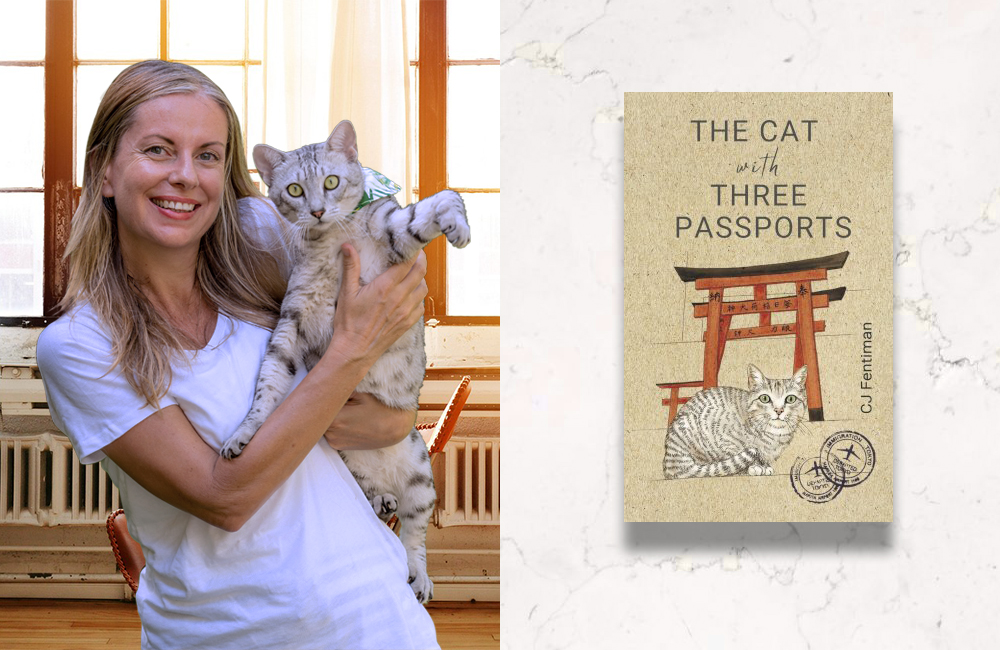
CJ Fentiman & the much travelled cat. Courtesy: CJ Fentiman
CJ Fentiman is a writer, an entrepreneur, and an animal lover, originally from the UK, but currently living in Australia with her partner and two cats. She runs the Australian website, Pet Friendly Accommodation, and published a handy guidebook Travelling with Pets on Australia’s East Coast now in its fifth edition. Regarded as an expert on pet travel, CJ’s memoir The Cat with Three Passports: What a Japanese cat taught me about a old culture and new beginnings tells the story of her adventures as an English teacher in Japan, a fateful encounter with a homeless cat, and her own personal journey of growth and discovery, Fentiman and her partner, Ryan, lived in Japan from 2004 to 2007, but as we’ll learn, some of the biggest challenges came from CJ’s past and their future after working in Japan.
What attracted you to live and work in a place which is very foreign?
When a teaching opportunity came up in Japan, complete with two cats in the work apartment, I jumped at the chance. At first, Japan offered a way to travel and make money, I never thought I’d fall in love with the culture as much as I did, and that I’d learn so much from living there.
Do you think living in a strange and foreign place, and living as a couple, focused more on you, how you are in the world, and past patterns?
It can be quite a culture shock with regard to the work ethic and way of doing things in Japan, but the longer I was there I developed a real appreciation for the attention to detail to things, the politeness, respect, and courtesy. It also made me appreciate how fortunate I am to have the opportunities I have as an English speaker to work and study abroad without too many visa restrictions. I love the anonymity that Japan provided me. There I was just another ‘foreigner’.
Living as a couple in Japan was attractive to many employers, as I guess they saw you as more stable than a single person, so it actually helped when applying for jobs.
One of the themes is about your running away from things in the past. What do you think was behind this flight/escape urge?
That’s a good question. Three generations of women in my family have all emigrated internationally for one reason or another, so I guess I was following in their footsteps. The main temptation in living away from home offers you the opportunity to reinvent yourself and start afresh.
How did Japan, travel and cats (and Ryan) help you deal with this instinctive response?
Being able to just be the gaijin (foreigner) was really liberating for me, I was able to shed a lifetime of labels and reboot myself in a very positive way. Having a cat also meant a commitment, so I couldn’t just flit off when I chose. It gave me a reason to stay in one place and put down some roots and by doing so, connected with local people on a much deeper level, and was warmly welcomed as part of their community.
What do you think makes your book a little different from the standard foreigner goes to Japan travel memoir?
I like to think that it has a message of hope that no matter how bad things get, there is a way out. Changing your location and your surroundings can have a huge impact on how you see the world, and for me travel has been the greatest teacher.
How did your experiences in Japan and then moving Gershwin develop into articles and then your book and website?
It happened very naturally. Seeing people take their pets on holiday in Japan, was the inspiration for my first book, which is about ‘Travelling with Pets’. I remember seeing a couple at Lake Inawashiro in Fukushima Prefecture with a cat and dog, thinking that’s exactly what I want to do! The inspiration for my second book, The Cat with Three Passports, was the experience of relocating internationally with a pet, and all the amazing people I met along the way.
How was the process of writing The Cat with Three Passports, given that it was your first book of that kind?
It was a challenge because I had so many positive experiences while living in Japan that I felt would be good material, I almost had too much, so I had to spend a lot of time editing. My first book pretty much wrote itself, but as a travel memoir is much more personal, I had to dig a lot deeper, which wasn’t always easy!
Who do you think your book will appeal to?
It will definitely appeal to people interested in going to Japan, cat lovers, and even Japanese people themselves. Recently, I received a lovely message from a Japanese lady, who said how much she enjoyed the book because she was living in New Zealand during the lockdown and couldn’t return home to Japan, she said my book helped her with homesickness. It was a very special moment for me.
How are sales of your book going, and in what countries is it selling?
It seems to be hugely popular in the USA at the moment, and it even won an award there at the International Book Awards for American Book Fest in the narrative non-fiction category for animals.
What have been the highlights and lasting experiences of having your book appear in print and in bookshops?
I would say the biggest highlight has been the people that I have met, to hear that people have felt connected to the story is amazing. It’s nice to know that there are others out there that have had similar experiences in life.
The comments I get from different people around the world about how much people related to my story are beyond rewarding and make it all worthwhile.
You’ve lived away from the UK for quite some time — where are you now, and what are your plans for future, such as going back to the UK?
Never say never – but the older I get, the more I realise how lucky I am to have lived in many countries. I love the UK and will always consider it home, it’s just there are so many other places I’d love to visit and live in. We currently live in Australia, and although I do have a romantic idea of living back in the UK, I’m unsure when that will happen at the moment.
Keith Lyons (keithlyons.net) is an award-winning writer, author and creative writing mentor, who gave up learning to play bagpipes in a Scottish pipe band to focus on after-dark tabs of dark chocolate, early morning slow-lane swimming, and the perfect cup of masala chai tea. Find him@KeithLyonsNZor blogging at Wandering in the World (http://wanderingintheworld.com).
.
PLEASE NOTE: ARTICLES CAN ONLY BE REPRODUCED IN OTHER SITES WITH DUE ACKNOWLEDGEMENT TO BORDERLESS JOURNAL
December is often a time when we look forward to a vacation and travel. Through the pandemic ravaged years, moving out of the house itself had become a challenge. Now as the world opens up slowly (hopefully the Omicron variant of the virus will be more benign), travel stretches its limbs to awaken to a new day with new trends and rules. Borderless invites you to savour of writing that takes you around the world with backpackers, travellers, hikers, sailors and pirates — fantastical, imaginary or real planned ones in a post-pandemic world. Enjoy!
Rhys Hughes time travels back to the first century voyaging vicariously with his imagination and a Welsh king who resisted Roman invasion. Click here to read.
Do you enjoy babysitting nieces, nephews on trips and have you ever traveled with ‘hundreds of pieces of luggage, a few coolies, five women and only one man’? Tagore did. Somdatta Mandal translates hilarious writings from young Tagore on travel. Click here to read.
Travel through Bengal with Shorodhoni, a woman dubbed a ‘Daini’ or witch, in her quest to find a home in Aruna Chakravarti’s translation of Tarasankar Bandhopadhyay’s poignant story. Click here to read.
“Stories that tell us about human lives and human emotions highlight one simple thing: Humans are the same everywhere.” That is what Ratnottama Sengupta concludes as she vicariously travels through the famed route from the past. Click here to read.
One of the countries often in news nowadays is Myanmar or Burma. George Orwell’s novel,Burmese Days (1934), showcased a society afflicted by racism, exclusivity, nepotism and ignorance. Was his depiction accurate? What has changed from then to now? While the international community looks on, waiting for the country to solve its internal crises, citizens are victimised not only by the pandemic but also by a military coup. Some of them have been stateless for some time now, thrown out altogether for being ‘a threat to Buddhism’. Jessica Mudditt, an author and journalist, who spent four years in Myanmar saw fit to voice her experiences within a country with 135 ethnicities. Her memoir, Our Home in Myanmar – Four Years in Yangon ( 2021), showcases a country where anyone can be displaced at any point like the Rohingyas. With 90% of the populationfollowing Buddhism, how is the religion, born of the compassionate quest of a prince to alleviate human suffering, being interpreted? Recently, in an interview, Muddit said, “Most people outside Myanmar assume that Buddhism is a religion of peace, so they don’t understand why so much violence has taken place, or that Buddhism can turn militant and be infected with extreme nationalism.”
This special showcases Myanmar from various perspectives: from that of an expat journalist, from a travellers’, a local writer’s and it even has a translation of a Tagore poem that reflects on the compassion of a Buddhist sage revered in Myanmar, called Shin Upagutta or Upagupta. Why should Shin Upagutta’s devotees resort to violence? Seeking answers, we present this selection from our treasury.
Content
The Tryst, a story poem about Upagupta’s mercy by Rabindranath Tagore translated from Bengali. Click here to read.
In Once Upon a Time in Burma: Land of a Thousand Pagodas, John Herlihy explores the magnificent sites of Mandalay in company of a Slovenian friend in the first episode of his quartet on his Myanmar, set in the pre-covid world. Click here to read.
Professor Anvita Abbi, a Padma Shri, discusses her experience among the indigenous Andamanese and her new book on them, Voices from the Lost Horizon. Click here to read.
Keith Lyons talks to Jessica Muddittabout her memoir, Our Home in Myanmar, and the current events. Click here to read.
Geetha Ravichnadran explores additions to our vocabulary in a tongue-in-cheek article. Clickhere to read.
Musings of a Copywriter
In When I Almost Became a Professor, Devraj Singh Kalsi gives humour tinged reasons on why he detached himself from being an academician. Click here to read.
We are living in strange times that seem to be filled with events to challenge the innovativeness of man. As if the pandemic were not enough, concepts that had come out of the best in our civilisation to unite mankind have been convoluted by a minority to manipulate and hurt the majority into submission. Life is not about surviving with faint-hearted compliance but about having the courage to live it as you want, facing it full up front, to voice out in unison against injustices, wrongs, and most of all to loan strength to help and care for each other. Often to understand this, we need to hinge on to our past, to learn from our heritage. But do we do that? In the hectic drive to be successful, we tend to ignore important lessons that could have been imbibed from the past. Like, did you know that the tribes in the Andaman can save themselves from a tsunami?
Padma Shri Anvita Abbi tells us all about the Andamanese and her attempts to revive their moribund language in her interview and book, Voices from the Lost Horizon, reviewed by Rakhi Dalal. While the review focusses on the uniqueness of Abbi’s work and the publication with its embedded recordings of the tribe fast dissolving into the morass of mainstream civilisation, her interview highlights the need to revive their lores that evolved out of a 70,000-year-old culture. On the other hand, Jessica Mudditt, interviewed by Keith Lyons, dwells on the ongoing crisis in Myanmar, which has been clearly the focus of her book, Our Home in Yangon. This interview focusses on the here and now of the crisis. But most crises have their roots deep and perhaps an exploration of these could help. There are 135 ethnicities in Myanmar but how many are actually integrated into the mainstream? Are they in the process of getting ‘lost’ like the voices of the speakers of Greater Andamanese?
That is why we tried to showcase a few such strains that are going unheard in the loudness of the ‘civilised’ mainstream. We have translations in poetry from Santhali and Adivasi, touching on the concerns of those who are often considered underdeveloped. And, perhaps, as Abbi said in her interview about the Andamanese, we can say much the same for these tribes too.
“These tribes are neither poor, nor uneducated (their knowledge of environment comprising birds, fishes, medicinal plants and their … weather predictions, and the Earth they walk on is amazing) …”
Distinctions have been created by a ‘civilisation’ entrenched in mono-cognitive enforcements leading to the loss of trust, confidence, languages, cultures and valuable knowledge about basic survival. Perhaps we can attempt to heal such wounds by imbibing the openness, love, devotion and compassion shown by the Buddhist monk, Upagupta (who is still revered in Myanmar as Shin Upagutta), in the translation of Tagore’s story poem, ‘Abhisar’ or ‘The Tryst’. Somdatta Mandal’s translation of Tagore’s letters introduce similar humanitarian concerns when the maestro mentions a German anthropologist and his wife who for the betterment of mankind were journeying to study tribals in India. Tagore remarks, “The people for whom they are willingly prepared to undergo hardship and to overlook all sorts of danger are not their relatives, nor are they civilised.” And yet even a century ago to fathom more about mankind, attempts were being made to integrate with our ancient lore. The concept of being ‘civilised’ is of course now much under the microscope. What is being ‘civilised’?
Is it about having power? We have Akbar Barakzai’s poem translated by Fazal Baloch on creation looking at the divide between a ‘civilised’ God and man. The theme stresses the two sides of the divide. More translations from Odiya, Dutch and Korean further mingle different flavours of the world into our journal — each questioning the accepted norm in different ways.
In an edition focussed on myths and stories from which we evolved, Rhys Hughes has created an unusual legend around elephants. His poetry also deals with animals — cats. One wonders if the T S Eliot’s famed ‘Macavity, the Mystery Cat’ could have to do something with his choices? We were fortunate to have Arundhathi Subramaniam share her poetry on myths around Indian figures like Shakuntala and Avvaiyar and the titular poem from When God is a Traveller that won her the 2020 Sahitya Akademi Award. Michael R Burch continues on the theme dwelling on Circe, Mary Magdalene and Helen. Sekhar Banerjee has a more iconoclastic approach to myths in his poetry. Jared Carter talks of modern myths perpetuated through art and cultural studies as does Mike Smith in his musings with his glance back at the last century through a photograph.
We have poetry by a Filipino writer Gigi Baldovino Gosnell from South Africa, looking for a new world, a new legend, perhaps a world without borders. Tohm Bakelas has given us a few lines of powerful poetry. Could these poems be a reaction to world events? Smitha Vishwanath has responded to the situation in Afghanistan with a poem. In this edition, photographs and verses in Penny Wilkes’ ‘Nature’s Musings‘ draw from the universe. She writes, “The sun never asks for applause” — a powerful thought and perhaps one mankind can learn from.
Ghost stories by Niles Reddick and Sunil Sharma perpetuate the theme, especially the latter has a ghost that questions myths of ‘isms’ created in the modern-day world. We also have a writer from Malaysia, P Ravi Shankar, with a futuristic legend set in a far-off time where man has embraced the reality of climate change and artificial intelligence. An interesting and fun read as is Devraj Singh Kalsi’s professions about why he did not become a professor, Geetha Ravichandran’s light musing on word play and a young writer Saurabh Nagpal’s musing, ‘Leo Messi’s Magic Realism‘ — a footballer viewed from a literary perspective!
While our musings make us laugh, our essays this time take us around the world with the myth of happiness deconstructed by Candice Louisa Daquin, to Burma and deep into Kolkata’s iconic history of the detective department started in the nineteenth century. There is an essay by Bhaskar Parichha that explores politics and media and mentions ‘gatekeepers’ of the media who need to be responsible for influencing public opinion. Guess who would be the gatekeepers?
Bhaskar Parichha’s review of Wendy Donniger’s non-fiction exploring myths around horses, Winged Stallion and Wicked Mares,and Basudhara Roy’s review of Bina Sarkar Ellias’ Song of a Rebel and Other Selected Poems perpetuate the theme of the importance of the past on the one hand and question it on the other. But that is what Borderless is about — exploring the dialectics of opposing streams to re-invent myths towards a better future.
We have a bumper issue again this time with nearly fifty posts. I invite our wonderful readers on a magical journey to unfold the hidden, unmentioned gems scattered on the pages of the September Issue of Borderless. Thank you again to an outstanding team, all our global contributors who make every edition an adventure and a reality and our wonderful readers. Thank you all.
A new book launched this month enables unimpeded international travel with open borders. Readers can easily fly to destinations around the globe, as Keith Lyons finds out.
There are no pre-screening forms to fill out, no health tests required, and no quarantines to endure. You don’t even need to mask up. That’s right, you could instantly be transported to another world, another country, another place. That’s the unexpected bonus for borderless readers in the The Whole Wide World (Sweetycat Press), a unique crime fiction anthology co-authored by different 80 writers, with each chapter set in a new location.
Locations include Chennai, New Delhi, Bangalore, Kochin, and Kolkata, as well as the Maldives, Thailand, Sri Lanka and Japan. Through the wonderful medium of the printed word, access to exotic places can only happen virtually — through the imagination — rather than in real life.
The newly released detective book was written and produced during a time when most of the world’s 7.9 billion population have been under Covid-19 pandemic lockdowns, stay-at-home orders or cross-border travel restrictions. However, armchair travelers and avid sleuths can follow the twists and turns of a transnational manhunt crisscrossing the globe.
The plot centres around efforts to solve one of the greatest heists ever pulled off, with Detective Curly Knucklewad and his assistant Wanda Wowzer pursuing leads and clues in search of the thief who stole a secret recipe.
Authors selected for the anthology include award-winning detective writers, lawyers, TV news correspondents, and college English professors. There is even a Vietnam War Top Secret counter-insurgency writer and press agency photographer.
Sweetycat Press publisher and editor Steve Carr wanted the experimental project to highlight not just the 80 authors selected for inclusion in the book, but also diverse settings throughout the planet, ranging from Kolkata’s Chinatown to ‘Indian Switzerland’, Ooty. “The book is really a global initiative, with contributing authors from 18 countries around the world, including the United States, Australia, India, and Canada, as well as the Maldives, Nigeria, Israel, and Mexico. As a result, The Whole Wide World takes readers on a journey to nearly two dozen nations, as well as under-water, back to the 1970s, and to the final frontier: outer space.”
Mr Carr says although contributors were given a short brief with just two main characters and the master plot, and the book was compiled in the order the submissions were received, suspense is maintained throughout the novel. “Each chapter has a unique location, with every author bringing their own fresh perspective, voice and tone to the manhunt. The parts range from comic to chilling. Even though the locations jump around from one episode to the next, incredibly each instalment builds anticipation and follows on from the previous part, with the storyline remaining consistent.”
For some contributors, such as Myanmar’s San Lin Tun, English is not their first language: “With around two billion people speaking or reading English, I am pleased to have my work and my location represented in this global project. Many of the original Sherlock Holmes stories were adapted and translated into the Burmese language in the 1930s, so in placing my episode of the crime caper in Myanmar, I am following in the footsteps of that tradition. I have always wanted to write Yangon Noir, and this anthology gives me a chance to showcase it.”
The short action-packed episodes of ‘The Whole Wide World’ will have broad appeal, says Thailand-based travel writer Christopher Winnan, author of Around the World in Eighty Documentaries.”This new book about an international manhunt is a great idea, and in this post-pandemic world, it shows the value of co-operation and collaboration beyond borders, as well as the value of armchair travel in exploring the world in a more sustainable, zero-carbon way. The Whole Wide World joins the list of ‘must-reads’ for 2021 for any stay-at-home sleuth-hound, amateur private investigator or wannabe gumshoe. Ultimately The Whole Wide World is about re-discovering the joy of international travel and place, something almost all of us are missing right now.”
The Whole Wide World publisher Virginia-based Sweetycat Press (www.Sweetycatpress.com) was founded in 2020 to support and encourage new writers, and each year produces a Who’s Who of Emerging Writers.
With some of the biggest names in crime fiction failing to make the cut and new debut authors among those shortlisted for the Scottish McIlvanny Prize this week, Mr Carr believes readers might discover some exciting new talent in the pages of The Whole Wide World, even if they don’t solve the case with Detective Curly Knucklewad. “Readers are fascinated by the characters, the tension of their relationships, and the unresolved mystery, as well as the broader themes of intellectual property theft, the quest for answers, and ultimately, human nature.”
.
Keith Lyons (keithlyons.net) is an award-winning writer, author and creative writing mentor, who gave up learning to play bagpipes in a Scottish pipe band to focus on after-dark tabs of dark chocolate, early morning slow-lane swimming, and the perfect cup of masala chai tea. Find him@KeithLyonsNZor blogging at Wandering in the World (http://wanderingintheworld.com).
.
PLEASE NOTE: ARTICLES CAN ONLY BE REPRODUCED IN OTHER SITES WITH DUE ACKNOWLEDGEMENT TO BORDERLESS JOURNAL
Keith Lyons interviews Jessica Mudditt, who spent four years in Myanmar and wrote a book about it
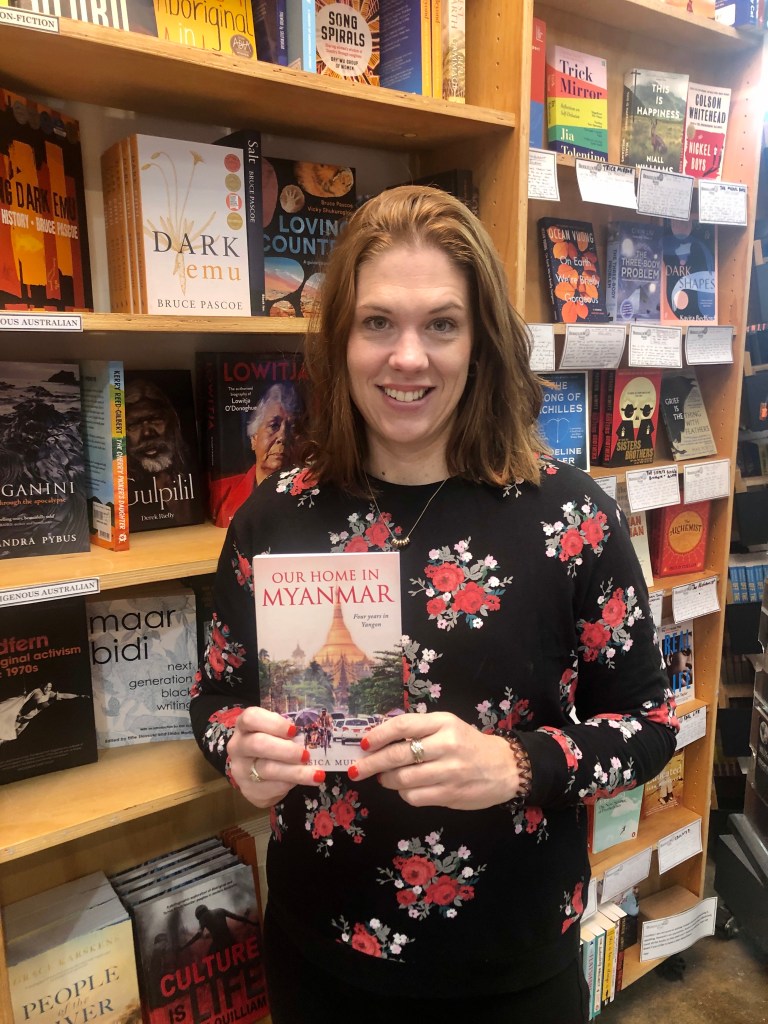
Jessica Mudditt holding her book. Photo sourced from author
Australian author and journalist Jessica Mudditt studied and worked in the UK, but it is the seven years she spent in Bangladesh and Myanmar which seems to have made the most significant impact on her professional career and personal life. Mainly covering business, technology and lifestyle, her articles have appeared in The Economist, BBC, The Telegraph, The Guardian, CNN, GQ and Marie Claire.
She lived and worked in Myanmar’s former capital Yangon in the mid-2010s, and after returning to Australia, Our Home in Myanmar – Four Years in Yangon (Hembury Press, May 2021) was published with an Epilogue placing the book’s focus in the context of the military coup which stole back power in February this year following democratic elections.
From Sydney, Jessica reflected on her time in Myanmar, and the recent events which have curtailed hopes for democracy, freedom and economic growth.
Looking back on what happened this year, does it make your time in Myanmar seem more special?
In a way, it makes even my most happy and carefree memories bittersweet. When I was reading back over the book as part of the editing process, some of the situations I described became quite poignant, knowing what I know in hindsight. For example, after the 2015 elections, it was Senior General Min Aung Hlaing who was the first to come out and say that as the commander-in-chief, he would respect the election results and the will of the people in voting for Aung San Suu Kyi’s party. Five years later, it was he who staged this terrible coup and is holding the entire country hostage. What changed for him, I wonder, between then and now? It was like he tried the shoe on one day and decided that it didn’t fit.
If you were still in Myanmar at the time of the coup, would you get out or stay given the dangerous time for journalists right now?
I would leave. It is simply too unsafe. There are no newspapers left to write for at any rate, other than The Global New Light of Myanmar. Mizzima and Irrawaddy and others have been stripped of their operating licenses and as such, are illegal entities. If you go on The Myanmar Times website, it turns black, and then a pop-up notice announces that the newspaper has been suspended for three months. That was six months ago. There are very, very few foreign journalists left inside the country. Of course, every expat was heartbroken to leave and many have expressed that they feel guilty about the people they have left behind. Everyone is in an impossible situation right now.
You added to the book from 2015 with updates on where some of the key players are now: The Myanmar Times co-founder Ross Dunkley was pardoned after the coup and is now back in Australia, have you had any contact with him, and if so, how do you feel about how it all panned out for him?
When Ross got a 13-year sentence in 2019 on drugs charges, I worried that he may not survive such a long period in prison. He is not a young man anymore. However, Ross turned out to be a cat with nine lives. He was released shortly after the coup (he joked in an interview that he is the only person to have benefitted from the coup). What astounded me was that despite everything he has been through in Myanmar, he expressed a wish to return there. I suppose it is his home, after all the years he has spent there. But even so! I sent him a message on Facebook just saying I was glad and relieved for him. However, I don’t think he has logged onto it since his release.
Photos of jailed former advisor to Aung San Suu Kyi, Sean Turnell, being vaccinated were released recently; are you concerned about his fate and also that of journalist Danny Fenster from Frontier who is also in Insein?
I feel sick when I think about them. I don’t know Danny personally, but Sean was a source for a few stories, and I met him in Sydney. I have so much respect for him, and he was always so kind and helpful. I am friends with his wife, Ha Vu, on Facebook, and her anguished posts are deeply upsetting. Yesterday was her birthday and she wrote that it was the first time in a decade that her husband hadn’t been able to wish her a happy birthday. She knew it would upset him. Sean has done nothing wrong – nor has Danny, of course – and I just wish that the military would let them go – along with the other 6,000 innocent people they have arrested.
Do you think you were lucky to have been in the country during its opening up and transformation?
I was incredibly lucky. The pace of change was so fast that I often had the sensation that I was watching history unfold in front of me. That may never happen again in my life. The liberalisation of the media was incredible. As a freelance journalist, when I had an idea for a story, I would google the topic to see what had been previously written. There were many instances when there was virtually nothing at all because it had never been possible to write of such topics under the draconian censorship laws (most of these laws were lifted not long after I arrived). I wrote the first stories on Myanmar’s human hair trade, cobras being found inside peoples’ homes in Yangon, children with cancer and elderly care. Journalism was challenging in Myanmar because there was a dearth of reliable data and finding sources could be tricky, as people were not always willing to speak as they still mistrusted the military (with good reason, it turned out). But it was also rewarding because it gave people the chance to tell their stories for the first time, and to provide information to readers that had perhaps not been in the public domain before.
What do you think attracted others from overseas to witness, take part or benefit from the changes?
One of the reasons I loved living in Yangon was because the ex-pat community was very interesting. At a party, for example, I could walk up to someone and ask, “What brought you to Myanmar?” or “What are you doing in Myanmar” and the answer would just about always be fascinating. Myanmar is a beautiful country with wonderful people, but it isn’t an easy place to live and many of the things associated with the ‘good life’ are unavailable. I think that if you moved to Myanmar, you wanted something different out of life, or to do things in a different way.
I’m pretty sure that there were a host of motivations though, and I’m sure that a few were motivated partially by greed. Myanmar was an untapped market with a large population, although spending power is comparatively low. There were also few laws regulating business dealings, so it was a bit of a wild west and that attracted a few shandy operators. But I think, for the most part, people’s intentions were good. They were there because they wanted to make a difference as well as to witness something really historic, in a political sense.
As a woman in Myanmar how safe did you feel, and do you think that helped or hindered your work?
I felt safe in Myanmar, as it has some of the lowest crime rates in Asia. I remember reading in Lonely Planet that muggings and pickpocketing are rare, and that if you accidentally drop money on the ground in a big city like Yangon, it’s more likely that someone will come chasing after you to return it. That actually happened to me. I would sit at a beer station in the evening with my bag slung behind my chair or on the ground or whatnot, and I never gave it a second thought. I wouldn’t do that in Sydney.
Sexual harassment is nowhere near as prevalent as it is in places such as India. In saying that, I am referring to sexual harassment against expat women. There were frequent reports of Burmese women being groped on crowded buses, for example.
Someone in Yangon told me last week that even though the current situation is desperate, and millions of people are starving and displaced, there is a huge amount of cooperation among the people, who help each other in any way they can. Sadly, we all know that the criminals in Myanmar are the military. The reams of razor wire that sit atop six-foot fences around people’s homes are there not because there are a lot of burglaries, but because the military comes for people in the night. They were doing it for decades before I arrived, and they are doing it again now.
What misconceptions about Myanmar do you think are held outside the country?
I’m not sure if it’s a misconception, but Myanmar’s political history is so complex that it can be difficult for people to get their head around it, and difficult to explain. The first thing most people say to me when the subject of Myanmar comes up is “What is the deal with Aung San Suu Kyi? I thought she was a good person – why did she fall from grace?” Or they will say they have heard of the terrible situation with the Rohingya, but they don’t understand how the genocide came about, or why they are still living in refugee camps. Most people outside Myanmar assume that Buddhism is a religion of peace, so they don’t understand why so much violence has taken place, or that Buddhism can turn militant and be infected with extreme nationalism.
Were you more surprised about the frosty reception you got from fellow ex-pats at your first newspaper job, or the treatment you got working for a newspaper once considered a mouthpiece for the military and government?
I was more surprised by the frosty reception I got at The Myanmar Times. I was wildly excited to be working there and went through a lot of difficulties to get my first visa (I brush over it in the book, but Sherpa and I initially applied from Bangladesh and were denied visas, so in the end we had to apply from Thailand). My colleagues at newspapers in Bangladesh had always been fantastically friendly, so it just never crossed my mind that my expat colleagues in Myanmar wouldn’t be friendly. My expectations were way too high, but I was pretty crushed, I have to say. Over time though, things improved, and I ended up with a terrific group of friends at work. We had a lot of fun nights out too.
My colleagues at The Global New Light of Myanmar were really kind and wonderful. I learnt so much about Myanmar from them, both on the job and during the casual conversations we’d have while smoking cigarettes or drinking whisky together after work. Myanmar people are so kind –so it wasn’t my colleagues’ kindness that surprised me. It was how strongly opposed to the military they were. I had not expected them to be staunch supporters of Aung San Suu Kyi, or even to themselves be former political prisoners. Many worked at the state-run newspaper because it was one of the few opportunities to use English in a professional context. To me, it showed just how pervasive the desire is for democracy and human rights among the people of Myanmar.
When did you get the idea for writing a book about your time in Myanmar?
I got the idea after I returned from Myanmar to Australia. Funnily enough, while I was living in Myanmar, I had been writing a book about Bangladesh. When I got back to Australia, I had no luck getting a publishing deal for the memoir on Bangladesh, so I decided to put it aside and start one on Myanmar. I started it in 2018 and finished it in April 2021. I’m glad that I decided to do that, because it would be hard to write the same book knowing that a coup would take place after I left. I am sure I would write it differently — with less optimism. As I mention in the epilogue, I thought I was simply writing about the ‘new Myanmar’ and that many books would follow in the same vein. I had no idea that I was inadvertently writing a history book.
In light of the events of 2021 with the military coup and Covid, do you see any hope for Myanmar, or is it a failed state?
There has possibly never been a darker time in Myanmar’s history, with the twin crises of COVID-19 and the military takeover to endure. But I don’t believe that this is how the story ends for Myanmar. It is evident that the people are unwilling to give up their democratic freedoms and human rights – I get the sense that they will fight until there is no one left standing.
However, the country is on the brink of becoming a failed state, if it isn’t already, and the suffering has already been immense. I know from my time in Myanmar that building back after half a century of dictatorship and a mismanaged economy was already difficult enough – I worry about how much this puts the country back on the path to progress. I take a long-term view of things though, and I believe that democracy will be restored, and the military will be booted out of all aspects of civilian life, including their 25% quota of parliamentary seats. I have no idea when this may occur, but I do believe that it will.
Keith Lyons (keithlyons.net) is an award-winning writer, author and creative writing mentor, who gave up learning to play bagpipes in a Scottish pipe band to focus on after-dark tabs of dark chocolate, early morning slow-lane swimming, and the perfect cup of masala chai tea. Find him@KeithLyonsNZor blogging at Wandering in the World (http://wanderingintheworld.com).
.
PLEASE NOTE: ARTICLES CAN ONLY BE REPRODUCED IN OTHER SITES WITH DUE ACKNOWLEDGEMENT TO BORDERLESS JOURNAL
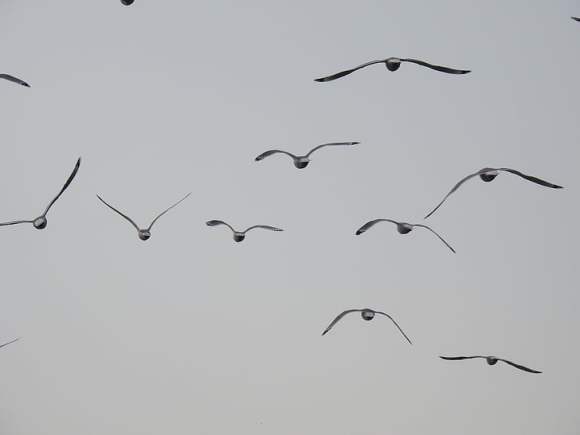
Romanticised by writers and artists over time, freedom has been variously interpreted. There is the freedom of birds that fly, of the clouds that float across the connecting blue skies, of the grass that grows across manmade borders, of the blood that flows to protect the liberty of confines or constructs drawn by man, the river that gurgles into the ocean, of the breeze that blows.
The many-splendored interpretations of freedom and its antitheses in Borderless journal are presented here for you to ponder … tell us what you think. Can freedom come without responsibility or a tryst with circumstances?
Exploring the freedom from bondages of education social norms and more, this story has been translated by Radha Chakravarty from Bengali. Clickhere to read.
Goutam Ghose, multiple award-winning filmmaker, writer, actor discusses his films, film-books and journey as a humanitarian artiste. Click here to read.
DrKirpal Singh, a well-known poet and academic from Singapore, talks of his life and times through colonial rule, as part of independent Malaya, and the current Singapore. Click here to read.
Ratnottama Sengupta translates from Bengali the excerpts recorded by Sandhya Sinha (1928-2016), who witnessed an upsurge in the wake of the Quit India Movement, part of India’s struggle against colonial rule. Click here to read.
‘Tran’by Tagore translated from Bengali to English by Mitali Chakravarty, art and editing by Sohana Manzoor for Borderless Journal. Click here to read.
Anasuya Bhar explores the history of the National Anthem of India, composed by Tagore in Bengali and translated only by the poet himself and by Aruna Chakravarti. Click here to read.
John Herlihy explores the magnificent sites of Mandalay in company of a Slovenian friend in the first episode of his quartet on his Myanmar. Click here to read.
Bhaskar’s Corner
In Tagore & Odisha, Bhaskar Parichha explores Tagore’s interactions with Odisha, his impact on their culture and the impact of their culture on him. Click here to read
“Mil ke rahe gi Azadi”(We will get our Freedom) by Aysha Baqir muses on Pakistani women’s role in the independence movement and their current state. Click here to read.
Beyond The Himalayas by Goutam Ghose, based on a five-part documentary taking us on a journey along the silk route exploring parts of Pakistan and China. Click here to read.
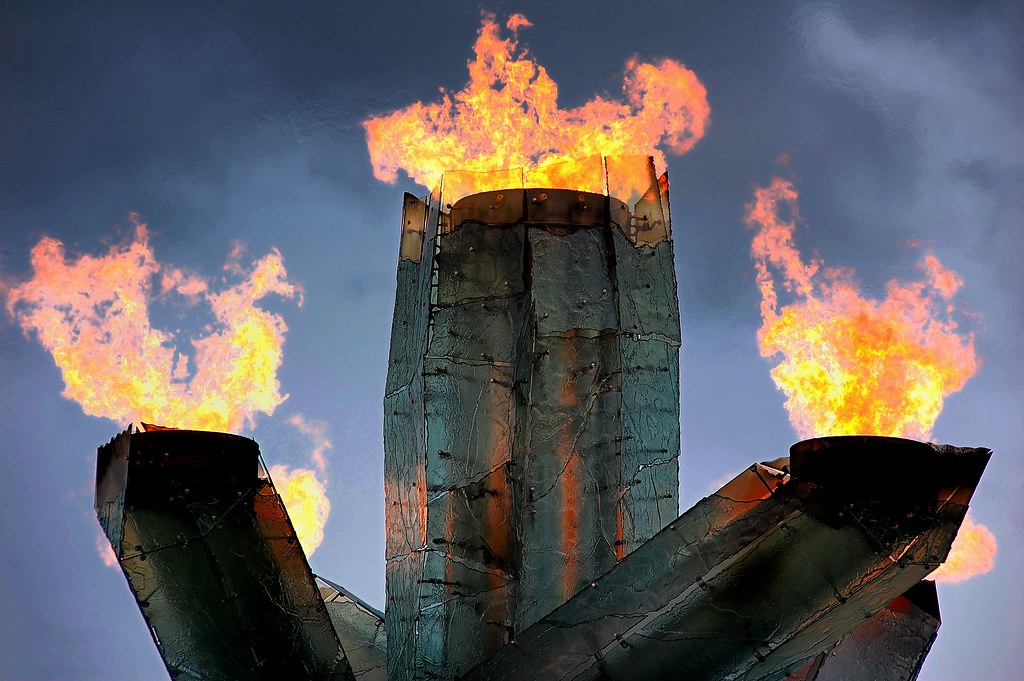
On August 8th 2021, the chief of the International Olympic Committee, Thomas Bach, pointed out during the closing ceremony that these games were “unprecedented” and brought messages of “hope, solidarity and peace” into a world torn with the desolation generated by the pandemic. It was a victory of the human spirit again, a precursor of what is to come. That the Japanese could get over their pandemic wrought hurdles, just as they did post the nuclear disasters wrought by the Second World War and by the 2011 earthquake-tsunami at Fukushimaya, to host something as spectacular and inspiring as these international games reflects, as the commentators contended, a spirit of ‘harmony and humility’. The last song performed by many youngsters seemed to dwell on stars in the sky — not only were the athletes and organisers the stars but this also reminded of unexplored frontiers that beckon mankind, the space.What a wonderful thing it was to see people give their best and unite under the banner of sports to bring messages of survival and glimpses of a future we can all share as human beings! Our way of doing things might have to evolve but we will always move forward as a species to thrive and expand beyond the known frontiers.
One such explorer of yet unknown frontiers who mingles the historic with the contemporary, Goutam Ghose, an award-winning filmmaker and writer, has honoured our pages with an extensive interview showing us how art and harmony can weave lores that can help mankind survive. This is reinforced by the other interview with Singaporean academic, Dr Kirpal Singh, whose poetry reflects his convictions of a better world. With our intelligence, we can redefine processes that hold us back and grind our spirits to dust — be it the conventional ‘isms’ or norms that restrict our movement forward – just as Tagore says in the poem, we have translated this time, ‘Deliverance’.
…On this auspicious dawn,
Let us hold our heads high in the infinite sky
Amidst the light of bounteousness and the heady breeze of freedom.
As the Kobiguru mentioned earlier in the poem, the factors that oppress could be societal, political, or economic. Could they perhaps even be the fetters put on us by the prescribed preconceived definition of manmade concepts like ‘freedom’ itself? Freedom can be interpreted differently by multiple voices.
This month, on our pages, ‘freedom’ has found multiple interpretations in myriad of ways — each voice visualising a different dream; each dream adding value to the idea of human progress. We have discussions and stories on freedom from Nigeria, Argentina, India, Pakistan, Myanmar, Malaysia and more. Strangely enough, August holds multiple independence/ national days that are always for some reason seen as days of being ‘freed’ by many — at least from oppression. But is that true?
From Malaysia, Julian Matthews and Malachi Edwin Vethamani cry out against societal, religious and political bindings – quite a powerful outcry at that with a story and poems. Akbar Barakzai continues his quest with three poems around ideas of freedom translated from Balochi by Fazal Baloch. Jaydeep Sarangi and Joan Mcnerny pick up these reverberations of freedom, each defining it in different ways through poetry.
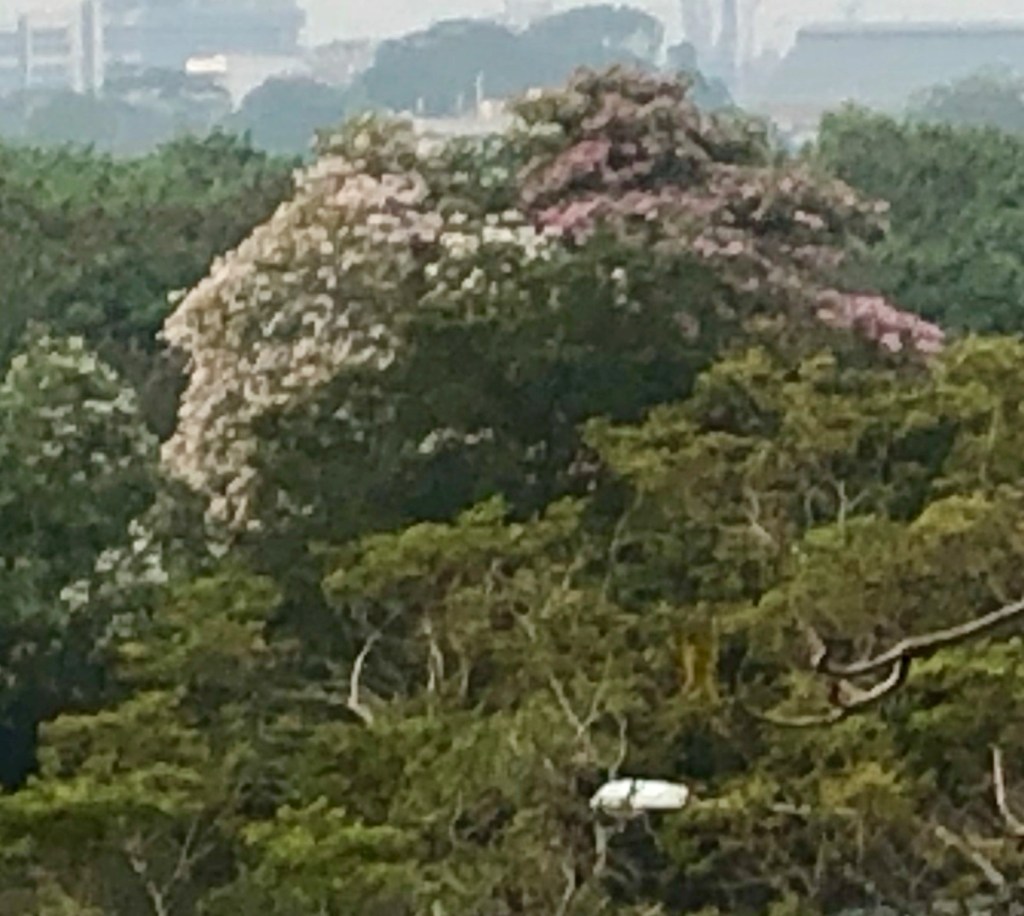
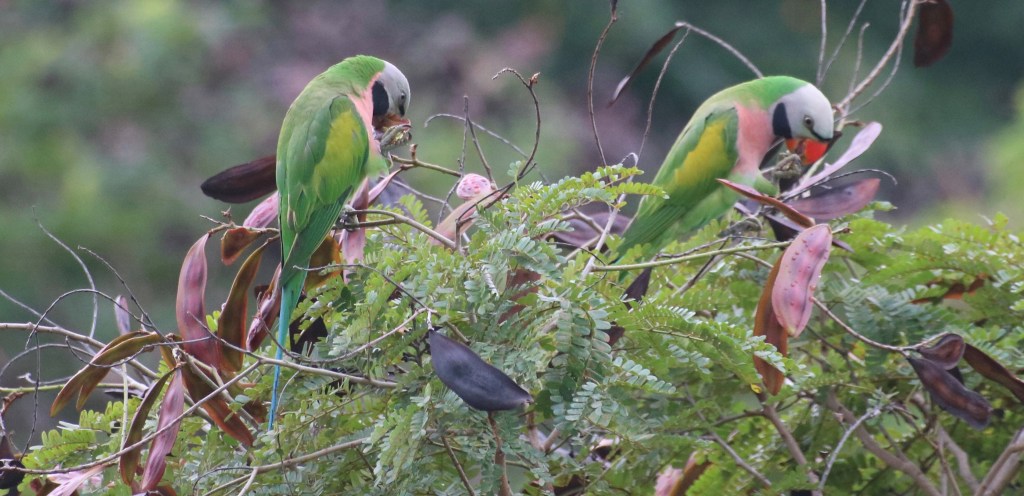
Jared Carter takes us back to his childhood with nostalgic verses. Ryan Quinn Flanagan, Michael Lee Johnson, Vandana Sharma and many more sing to us with their lines. Rhys Hughes has of course humour in verse that makes us smile as does Jay Nicholls who continues with her story-poems on Pirate Blacktarn – fabulous pieces all of them. The sport of hummingbirds and cats among jacaranda trees is caught in words and photographs by Penny Wilkes in her Nature’s Musings. A poetic tribute to Danish Siddiqui by young Sutputra Radheye rings with admiration for the Pulitzer prize-winning photographer who met his untimely end last month on 16th while at work in Afghanistan, covering a skirmish between Taliban and Afghanistan security forces. John Linwood Grant takes up interesting issues in his poetry which brings me back to ‘freedom’ from colonial regimes, perhaps one of the most popular themes for writers.
Indo-Pak independence, celebrated now on 14th (Pakistan) and 15th August (India), reflects not only the violence of the Partition which dislocated and killed millions historically but also the trauma caused by the event. Capturing this trauma is a short story based on memories of Partition by Nadir Ali, translated from Punjabi by his daughter, Amna Ali. Ratnottama Sengupta translates from the diary of Sandhya Sinha (1928-2016), a woman’s voice from the past that empathises with the subjugated who were subdued yet again after an upsurge of violence during the Quit India Movement (1942) against the colonials. Sinha contends that though the movement frittered away, the colonials were left with an after-taste of people hankering for self-rule. A thought-provoking short story by Sunil Sharma explores the results of self-rule in independent India.
Alluding to Jinnah’s vision for women, Aysha Baqir muses emotionally about the goals that remain yet to be fulfilled 74 years after independence. Moazzam Sheikh’s story of immigrants explores dementia, giving us a glimpse of the lives of Asian immigrants in America, immigrants who had to find a new home despite independence. Was this the freedom they dreamt of — all those who fought against various oppressive regimes or colonialism?
Tagore’s lyrics might procure a few ideas on freedom, especially in the song that India calls its National Anthem. Anasuya Bhar assays around the history that surrounds the National Anthem of India, composed by Tagore in Bengali and translated to English by the poet himself and more recently, only by Aruna Chakravarti. We also carry Dr Chakravarti’s translation of the National Anthem in the essay. Reflecting on the politics of Partition and romance is a lighter piece by Devraj Singh Kalsi which says much. ‘Dinos in France’ by Rhys Hughes and Neil Reddick’s ‘The Coupon’ have tongue-in-cheek humour from two sides of the Atlantic.
A coming-of-age story has been translated from Nepali by Mahesh Paudyal – a story by a popular author, Dev Kumari Thapa – our first Nepali prose piece. We start a four-part travelogue by John Herlihy, a travel writer, on Myanmar, a country which has recently been much in the news with its fight for surviving with democracy taking ascendency over the pandemic and leaving the people bereft of what we take for granted.
Candice Louisa Daquin discusses a life well-lived in a thought provoking essay, in which she draws lessons from her mother as do Korean poet, Ihlwha Choi, and Argentinian writer, Marcelo Medone. Maybe, mothers and freedom draw similar emotions, of blind love and adulation. They seem to be connected in some strange way with terms like motherland and mother tongue used in common parlance.
We have two book excerpts this time: one from Beyond the Himalayas by the multi-faceted, feted and awarded filmmaker we have interviewed, Goutam Ghose, reflecting on how much effort went in to make a trip beyond boundaries drawn by what Tagore called “narrow domestic walls”. We carry a second book excerpt this time, from Jessica Muddit’s Our Home in Myanmar – Four years in Yangon. Keith Lyons has reviewed this book too. If you are interested in freedom and democracy, this sounds like a must read.
Maithreyi Karnoor’sSylvia: Distant Avuncular Ends,is a fiction that seems to redefine norms by what Rakhi Dalal suggests in her review. Bhaskar Parichha has picked a book that many of us have been curious about, Arundhathi Subramaniam’s Women Who Wear Only Themselves. Parichha is of the opinion, “Elevated or chastised, exonerated or condemned, the perturbation unworldly women in India face is that they have never been treated as equal to men as spiritual leaders. This lack of equality finds its roots not only in sociological and cultural systems, but more particularly at the levels of consciousness upon which spirituality and attitudes are finally based.”One wonders if this is conclusive for all ‘unworldly women’ in India only or is it a worldwide phenomenon or is it true only for those who are tied to a particular ethos within the geographical concept of India? The book reviewed by Meenakshi Malhotra, Somdatta Mandal’s The Last Days of Rabindranath Tagore in Memoirs, dwells on the fierce independence of the early twentieth century women caregivers of the maestro from Bengal. These women did not look for approval or acceptance but made their own rules as did Jnadanandini, Tagore’s sister-in-law. Bhaskar Parichha has also added to our Tagore lore with his essay on Tagore in Odisha.
As usual, we have given you a peek into some of our content. There is more, which we leave for our wonderful readers to uncover. We thank all the readers, our fantastic contributors and the outstanding Borderless team that helps the journal thrive drawing in the best of writers.
I wish you all a happy August as many of the countries try to move towards a new normal.









 Borderless