Categories
Contents

Borderless, June 2024

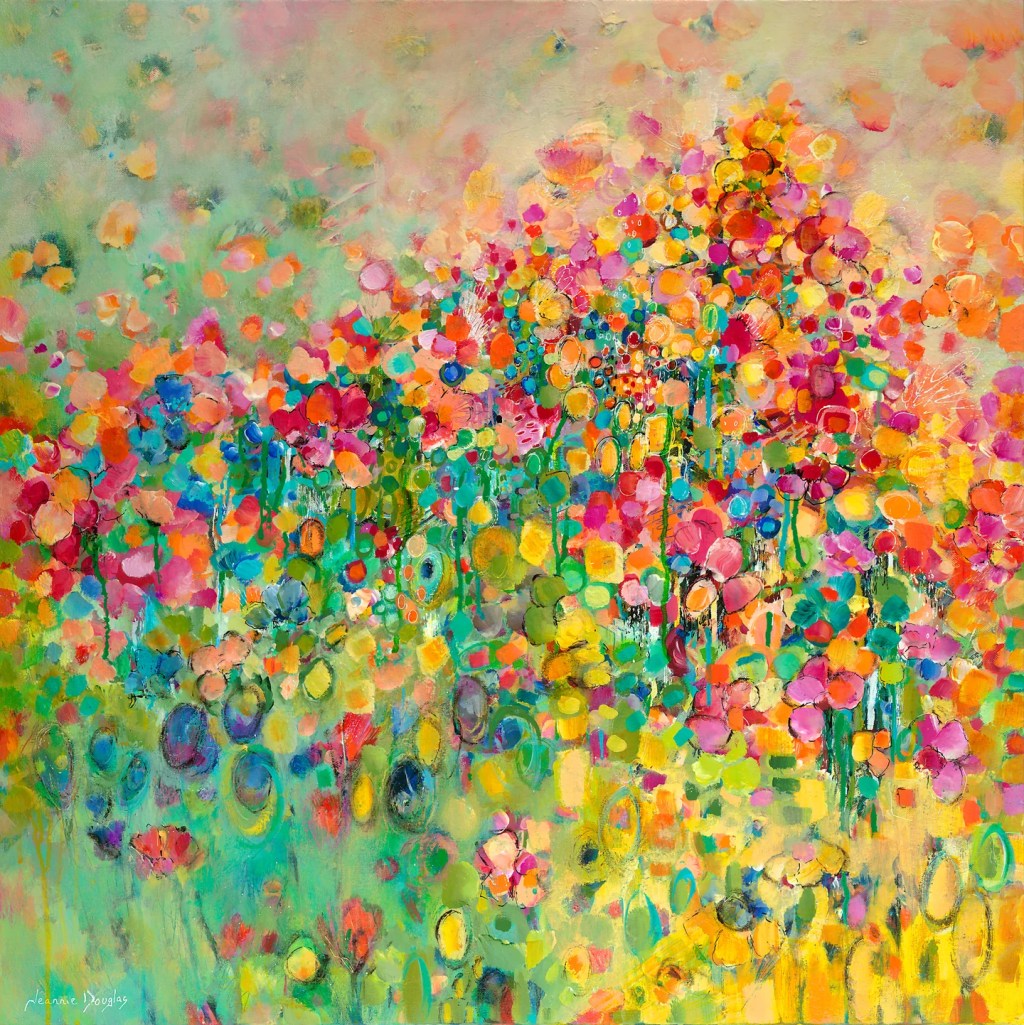
Art by Sohana Manzoor

Editorial

Fly High…Like Birds in the Sky… Click here to read.

Translations

Nazrul’s Nur Jahan, the Mughal empress, has been translated from Bengali to English by Professor Fakrul Alam. Click here to read.

Eight Short Poems by Munir Momin have been translated from Balochi by Fazal Baloch. Click here to read.

An Age-old Struggle by Ihlwha Choi has been translated from Korean by the poet himself. Click here to read.

Okale or Out of Sync by Tagore has been translated from Bengali by Mitali Chakravarty. Click here to read.

Poetry

Click on the names to read the poems

Michael Burch, Ryan Quinn Flanagan, Kumar Sawan, LaVern Spencer McCarthy, Shamik Banerjee, Prithvijeet Sinha, Gregg Norman, Rinku Dutta, Alex S. Johnson, Anushka Chaudhury, Wayne Russell, Nusrat Jahan Esa, Ahmad Rayees, Ivan Ling, Swetarani Tripathy, R.L.Peterson, Ayesha Binte Islam, Rhys Hughes

Musings/ Slices from Life

In the Grip of Violence

Ratnottama Sengupta muses on acts of terror and translates a Bengali poem by Tarik Sujat which had come as a reaction to an act of terror. Click here to read.

Meeting the Artists

Kiriti Sengupta talks of his encounter with Jatin Das, a legendary artist from Bengal. Click here to read.

A Musical Soiree

Snigdha Agrawal recalls how their family celebrated Tagore’s birth anniversary. Click here to read.

A Cover Letter

Uday Deshwal muses on writing a cover letter for employment. Click here to read.

Musings of a Copywriter

In Berth of a Politician, Devraj Singh Kalsi muses on an encounter with a politician. Click here to read.

Notes from Japan

In A Day with Dinosaurs, Suzanne Kamata visits the ancient dino bones found in Fukui Prefecture. Click here to read.

Essays

From Place to Place

Renee Melchert Thorpe recounts her mother’s migration story, hopping multiple countries, starting with colonial Calcutta and Darjeeling. Click here to read.

My Love Affair with (Printed) Books

Ravi Shankar writes of his passion for print media. Click here to read.

A Story Carved in Wood, Snow and Stone  

Urmi Chakravorty travels with her camera and narrative to a scenic village in the Indo China border. Click here to read.

Stories

Spunky Dory and the Wheel of Fortune

Ronald V. Micci takes the readers on a fantastical adventure. Click here to read.

Rani Pink

Swatee Miittal sheds light on societal attitudes. Click here to read.

The Ghosts of Hogshead

Paul Mirabile wanders into the realm of the supernatural dating back to the Potato Famine of Ireland in the 1800s. Click here to read.

Conversations

In conversation with eminent Singaporean poet and academic, Kirpal Singh, about how his family migrated to Malaya and subsequently Singapore more than 120 years ago. Click here to read.

In conversation with Jessica Muddit, author of Once Around the Sun: From Cambodia to Tibet, and a review of her book. Click here to read.

Book Excerpts

An excerpt from Suzanne Kamata’s Cinnamon Beach. Click here to read.

An excerpt from Ryan Quinn Flanagann’s These Many Cold Winters of the Heart. Click here to read.

Book Reviews

Somdatta Mandal reviews Maya Nagari: Bombay-Mumbai A City in Stories, edited by Shanta Gokhale and Jerry Pinto. Click here to read.

Basudhara Roy reviews Trailokyanath Mukhopadhyay’s Tales of Early Magic Realism in Bengali, translated by Sucheta Dasgupta. Click here to read.

Rakhi Dalal reviews Damodar Mauzo’s Boy, Unloved, translated from Konkani by Jerry Pinto. Click here to read.

Bhaskar Parichha reviews The Dilemma of an Indian Liberal by Gurcharan Das. Click here to read.

.

Click here to access the Borderless anthology, Monalisa No Longer Smiles

Click here to access Monalisa No Longer Smiles on Amazon International

Categories
Editorial

Fly High… Like Birds in the Sky…

He sees a barrier where soldiers stand
with rifles drawn, encroachers kept at bay.
A migrant child who holds his mother's hand


— LaVern Spencer McCarthy, Are We There Yet?

There was a time when humans walked the Earth crossing unnamed landmasses to find homes in newer terrains. They migrated without restrictions.  Over a period of time, kingdoms evolved, and travellers like Marco Polo talked of needing permissions to cross borders in certain parts of the world. The need for a permit to travel was first mentioned in the Bible, around 450BCE. A safe conduct permit appeared in England in 1414CE. Around the twentieth century, passports and visas came into full force. And yet, humanity had existed hundreds of thousand years ago… Some put the date at 300,000!

While climate contingencies, wars and violence are geared to add to migrants called ‘refugees’, there is always that bit of humanity which regards them as a burden. They forget that at some point, their ancestors too would have migrated from where they evolved. In South Africa, close to Johannesburg is Maropeng with its ‘Cradle of Humanity’, an intense network of caves where our ancestors paved the way to our evolution. The guide welcomes visitors by saying — “Welcome home!” It fills one’s heart to see the acceptance that drips through the whole experience.  Does this mean our ancestors all stepped out of Africa many eons ago and that we all belonged originally to the same land?

And yet there are many restrictions that have come upon us creating boxes which do not allow intermingling easily, even if we travel. Overriding these barriers is a discussion with Jessica Mudditt about Once Around the Sun: From Cambodia to Tibet, her book about her backpacking through Asia. Documenting a migration more than a hundred years ago from Jullundur to Malaya, when borders were different and more mobile, we have a conversation with eminent scholar and writer from Singapore, Kirpal Singh. Telling the story of another eminent migrant, a Persian who became a queen in the Mughal Court is a lyric by Nazrul, Nur Jahan, translated by Professor Fakrul Alam from Bangla. Ihlwha Choi has self-translated his own poem from Korean, a poem bridging divides with love. Fazal Baloch has brought to us some exquisite Balochi poems by Munir Momin. Tagore’s poem, Okale or Out of Sync, has been translated from Bengali to reflect the strange uniqueness of each human action which despite departing from the norm, continue to be part of the flow.

Among our untranslated poetry is housed LaVern Spencer McCarthy’s voice on the plight of migrants of the current times. Michael Burch gives us poems for Dylan Thomas. We have a plethora of issues covered in poetry ranging from love to women’s issues, even an affectionate description of his father by Shamik Banerjee. Ryan Quinn Flanagan, Kumar Sawan, Prithvijeet Sinha, Gregg Norman, Anushka Chaudhary, Wayne Russell, Ahmad Rayees, Ivan Ling, Ayesha Binte Islam and many more add verve with their varied themes. Rhys Hughes has shared a poem on a funny sign he photographed himself.

We have a tongue in cheek piece from Devraj Singh Kalsi on traveling in a train with a politician. Uday Deshwal writes with a soupçon of humour as he talks of applying for jobs. Snigdha Agrawal brings to us flavours of Bengal from her past while Ratnottama Sengupta muses on the ongoing wars and violence as acts of terror in the same region and looks back at such an incident in the past which resulted in a powerful Bengali poem by Tarik Sujat. Kiriti Sengupta has written of a well-known artist, Jatin Das, a strange encounter where the artist asks them to empty fully even a glass of water! Ravi Shankar weaves in his love for books into our non-fiction section. Recounting her mother’s migration story which leads us to perceive the whole world as home is a narrative by Renee Melchert Thorpe. Urmi Chakravorty takes us to the last Indian village on the borders of Tibet. Taking us to a Dinosaur Museum in Japan is our migrant columnist, Suzanne Kamata. Her latest multicultural novel, Cinnamon Beach, has found its way to our book excerpts as has Flanagan’s poetry collection, These Many Cold Winters of the Heart.

In reviews, Somdatta Mandal has written about an anthology, Maya Nagari: Bombay-Mumbai A City in Stories edited by Shanta Gokhale and Jerry Pinto. Rakhi Dalal has discussed a translation from Konkani by Jerry Pinto of award-winning writer Damodar Mauzo’s Boy, Unloved. Basudhara Roy has reviewed Trailokyanath Mukhopadhyay’s Tales of Early Magic Realism in Bengali, translated by Sucheta Dasgupta. Bhaskar Parichha has introduced us to The Dilemma of an Indian Liberal by Gurcharan Das, a book that is truly relevant in the current times in context of the whole world for what he states is a truth:In the current polarised climate, the liberal perspective is often marginalised or dismissed as being indecisive or weak.” And it is the truth for the whole world now.

Our short stories reflect the colours of the world. A fantasy set in America but crossing borders of time and place by Ronald V. Micci, a story critiquing social norms that hurt by Swatee Miittal and Paul Mirabile’s ghost story shuttling from the Irish potato famine (1845-52) to the present day – all address different themes across borders, reflecting the vibrancy of thoughts and cultures. That we all exist in the same place and have the commonality of ideas and felt emotions is reflected in each of these narratives.

We have more which adds to the lustre of the content. So, do pause by our content’s page and enjoy the reads!

I would like to thank all our team without who this journal would be incomplete, especially, Sohana Manzoor, for her fabulous artwork. Huge thanks to all our contributors who bring vibrancy to our pages and our wonderful readers, without who the journal would remain just part of an electronic cloud… We welcome you all to enjoy our June issue.

Wish you happiness and good weather!

Thank you all.

Mitali Chakravarty

borderlessjournal.com

Click here to access the content’s page for the June 2024 Issue.

.

READ THE LATEST UPDATES ON THE FIRST BORDERLESS ANTHOLOGY, MONALISA NO LONGER SMILES, BY CLICKING ON THIS LINK.

Categories
Musings of a Copywriter

Berth of a Politician

By Devraj Singh Kalsi
During long-distance train travel, I stay anxious about my fellow passengers in the neighbouring seats. Like any other optimist, I am hopeful of finding beautiful, exciting people to make the hours fly like minutes, to ensure I do not have to pull the curtains and switch on the reading lamp. When the attraction of the window seat offering a panoramic view of the green world fades after a few hours, having engaging people occupying the opposite seats to converse with on a wide range of issues ranging from politics to films is a boon. The presence of yawning bores makes it soporific as their loud, unending phone conversations detailing domestic drudgery start getting on the nerves after a while. Unfortunately, most of my train journeys have nothing refreshing to offer. So, the sight of a young smart lady walking in with her ticket to locate the seat was a huge visual relief. But the joy was short-lived when an elderly lady with a bawling baby in her arms followed her.

Understandably, they were related and perhaps shared a mother-daughter relationship. The young lady understood they were allotted the upper berths. She requested a swap. But the greed of the window seat prevailed. I declined the switch. This bland refusal left her shocked. The elderly lady also did not pitch in with her personalised appeal as she understood that if I could say no to a beautiful young lady, my response would remain the same in her case.

Before they could climb up, a gentleman wearing a hat walked in and seeing their predicament, offered his lower berth to the young lady. Delighted that the young lady would be seated opposite, I took it as some kind of relief but sadly the young lady climbed up while the elderly lady with the child sat in front and started changing diapers. The beautiful lady and the hatted gentleman went up. The gentleman spread himself above my seat while the lady occupied the upper berth on the opposite side. I thought this would provide some opportunity to catch a glimpse of the beauty, but she was so grateful that she enjoyed conversing with the hatted gentleman regarding her difficult journey to the national capital for medical treatment. The gentleman continued to guide her even though she did not seem interested in his advice.

He showed his sensitive side by asking the railway staff to control the air-conditioning temperature as it was quite chilling at night. He made it appear he was doing it for the small child and the lady out of concern even though they had not asked for it. The elderly lady thanked him by saying her arthritic knees needed this relief. As the AC turned warmer with his intervention, the women were assured they were in the presence of a genuinely caring person whereas I was a villain who declined to help women in need and now stayed wide awake to overhear their conversation. When the young lady found my furtive glances too hot to handle, she pulled half the curtain to block my sight. Perhaps this was well-deserved for being from her perspective, uncaring.  

During the night, the hat belonging to the gentleman toppled onto my berth and awakened me. I sat up and threw it near the corner gently, hoping not to disturb his snores. In the wee hours of the morning, the hat fell again but this time his legs also dangled in front of me. Perhaps, he was getting up from his berth to probably visit the loo. He suddenly jumped down and took the hat from me, with a barely audible thank-you, and searched for his slippers underneath the seat. When he returned to the cabin, he picked up his phone and gave a wake-up call to his family and reminded them that his parcel would arrive via courier that morning, much before he reached home. They would have to receive it in his absence.

When the railway catering staff came for taking breakfast orders, the hatted gentleman was accorded great respect. They seemed to be familiar with him. During their conversation, it emerged he was a former parliamentarian who still travelled quite frequently by the same train to the national capital. When the elderly lady on the opposite sought to know his name, he revealed his full identity. I searched online. The first page gave the image of the gentleman wearing a hat, with a short biodata revealing his long, illustrious political journey spread over the decades doing social service. In a way switching the berth for the lady showcased his sensitive side and also hinted at the comfort and ease with which he could switched sides during his political innings. Had the lady and her family been a resident of his constituency, he would have definitely got their votes.

He got a grand salute for the tip he gave to the staff member after breakfast, and it reminded him of how common such genuflection had been during his heydays. I felt I should have started a conversation with him to know the state of politics today, but since he appeared to relive the past glory, it did not appear he had any connection with the present dispensation. It was not likely he was positive of a grand comeback, as he remained wedded to the glorious past, with his worn-out hat representing the outdated courteousness and etiquette long associated with the past. When the elderly lady thanked him profusely for his kindness, he folded his hands like an astute politician does in front of the public during election time and stayed modest about his generosity with a smile spread wide on his puckered face.

When it was time to disembark, he sat on one side of my berth and shuffled his dossiers, and called up an associate, asking him to fix an appointment in the second half of the day. That a former member of the House slept on my upper berth was a privilege indeed. Now I could boast about it and for that, I needed to have a selfie with him or his autograph at least.  I was sceptical since he knew I had declined to help the women he might refuse to entertain my request. My hesitation prevailed as I could not countenance a rejection in front of the ladies. So, I resisted my urge for an introduction.

When he stood up clutching his files and dragged the wheeled trolley with the other hand, I maintained a safe distance from him, scared of dashing my luggage against his legs. I was expecting there would be a few acolytes waiting with marigold garlands to receive him at the station, but I was surprised to see there was not a single person waiting for the former leader. He was a lone man pulling his burden and finding his way among the crowd. He kept walking the length of the platform with his hat almost toppling in the wind, firmly holding his set of files and the trolley with the other hand.

Devraj Singh Kalsi works as a senior copywriter in Kolkata. His short stories and essays have been published in Deccan Herald, Tehelka, Kitaab, Earthen Lamp Journal, Assam Tribune, and The Statesman. Pal Motors is his first novel.  


PLEASE NOTE: ARTICLES CAN ONLY BE REPRODUCED IN OTHER SITES WITH DUE ACKNOWLEDGEMENT TO BORDERLESS JOURNAL

Click here to access the Borderless anthology, Monalisa No Longer Smiles

Click here to access Monalisa No Longer Smiles on Kindle Amazon International

Categories
Contents

Borderless, May 2024

Painting by Sohana Manzoor

Editorial

Though I Sang in my Chains like the Sea… Click here to read

Translations

Three poems by Nazrul have been translated by Niaz Zaman from Bengali. Click here to read.

Projapoti (Butterfly) by Nazrul has been translated by Fakrul Alam from Bengali. Click here to read.

Human by Manzur Bismil has been translated by Fazal Baloch from Balochi. Click here to read.

Now, What I Can Do by Ihlwha Choi has been translated from Korean by the poet himself. Click here to read.

Chhora or Rhymes by Tagore has been translated from Bengali by Mitali Chakravarty. Click here to read.

Poetry

Click on the names to read the poems

Michael Burch, Kirpal Singh, Ryan Quinn Flanagan, Shamik Banerjee, Stuart McFarlane, Mary Tina Shamli Pillay, George Freek, Radhika Soni, Craig Kirchner, Tapas Sarkar, Stephen Philip Druce, Anjali Chauhan, Michael Lee Johnson, Milan Mondal, Rhys Hughes

Poets, Poetry & Rhys Hughes

In Dylan on Worm’s Head, Rhys Hughes describes a misadventure that the Welsh poet had while hiking as a tribute to him on Dylan Thomas Day. Click here to read.

Musings/Slices from Life

Hooked for Life and Beyond…

Ravi Shankar looks at the computer revolution in a light vein. Click here to read.

Sundays are Only for Some…

Snigdha Agrawal introduces us to the perspectives of a child of parents who iron clothes for the middle class in India. Click here to read.

Eternalising the Beauty of Balochistan

Munaj Gul gives an in memoriam for a photographer from Balochistan. Click here to read.

Musings of a Copywriter

In Is this a Dagger I See…?, Devraj Singh Kalsi gives a tongue-in-cheek account of a writer’s dilemma. Click here to read.

Notes from Japan

In A Golden Memory of Green Day in Japan, Suzanne Kamata tells us of a festival where she planted a tree in the presence of the Japanese royalty. Click here to read.

Essays

When the Feminist and the Revolutionary Met

Niaz Zaman writes of the feminist leanings of Nazrul’s poetry in context of Madam Roquiah, a contemporary of the poet. Click here to read.

Metaphorical Maladies

Satyarth Pandita looks into literature around maladies. Click here to read.

The Storied Past of Khiva

Gita Viswanath takes us to the heritage city in Uzbekistan. Click here to read.

Akbar Barakzai: A Timeless Poet

Hazaran Rahim Dad explores the universal poetry of Akbar Barakzai. Click here to read.

Stories

Don Quixote’s Paradise

Farouk Gulsara takes us through a dystopian adventure. Click here to read.

The Buyback

Devraj Singh Kalsi gives a tale of reconnecting with the past. Click here to read.

Pier Paolo’s Idyll

Paul Mirabile traces a story of a young boy in the outskirts of Rome. Click here to read.

Conversations

Ratnottama Sengupta in conversation with Sohini Roychowdhury, who tries to bridge cultures with dance. Click here to read.

A brief overview of Rajat Chaudhuri’s Spellcasters and a discussion with the author on his book. Click here to read.

Book Excerpts

An excerpt from Selected Essays: Kazi Nazrul Islam, translated by Radha Chakravarty from Bengali. Click here to read.

An excerpt from Aruna Chakravarti’s Jorsanko. Click here to read.

Book Reviews

Somdatta Mandal reviews Radha Chakravarty’s translation of Selected Essays: Kazi Nazrul Islam. Click here to read.

Malashri Lal reviews Lakshmi Kannan’s Nadistuti: Poems. Click here to read.

Ajanta Paul reviews Bitan Chakraborty’s The Blight and Seven Short Stories. Click here to read.

Bhaskar Parichha reviews Will Cockrell’s Everest, Inc. The Renegades and Rogues who Built an Industry at the Top of the World. Click here to read.

.

Click here to access the Borderless anthology, Monalisa No Longer Smiles

Click here to access Monalisa No Longer Smiles on Amazon International

Categories
Editorial

Though I Sang in my Chains like the Sea…

      Time held me green and dying
Though I sang in my chains like the sea.

Fern Hill by Dylan Thomas (1914-1953)

Perhaps when Dylan Thomas wrote these lines, he did not know how relevant they would sound in context of the world as it is with so many young dying in wars, more than seven decades after he passed on. No poet does. Neither did he. As the world observes Dylan Thomas Day today — the day his play, Under the Milkwood, was read on stage in New York a few months before he died in 1953 — we have a part humorous poem as tribute to the poet and his play by Stuart McFarlane and a tribute from our own Welsh poet, Rhys Hughes, describing a fey incident around Thomas in prose leading up to a poem.

May seems to be a month when we celebrate birthdays of many writers, Tagore, Nazrul and Ruskin Bond. Tagore’s birthday was in the early part of May in 1861 and we celebrated with a special edition on him. Bond, who turns a grand ninety this year, continues to dazzle his readers with fantastic writings from the hills, narratives which reflect the joie de vivre of existence, of compassion and of love for humanity and most importantly his own world view. His books have the rare quality of being infused with an incredible sense of humour and his unique ability to make fun of himself and laugh with all of us. 

Nazrul, on the other hand, dreamt, hoped and wrote for an ideal world in the last century. The commonality among all these writers, seemingly so diverse in their outlooks and styles, is the affection they express for humanity. Celebrating the writings of Nazrul, we have one of his fiery speeches translated from Bengali by Radha Chakravarty and a review of her Selected Essays: Kazi Nazrul Islam by Somdatta Mandal. An essay from Niaz Zaman dwells on the feminist side of Nazrul while bringing in Begum Roquiah. Zaman has also shared translations of his poetry. Professor Fakrul Alam, who had earlier translated Nazrul’s iconic ‘Bidrohi or Rebel‘, has given us a beautiful rendition of his song ‘Projapoti or Butterfly’ in English.  Also in translation, is a poem by Tagore on the process of writing poetry. Balochi poetry by Manzur Bismil on human nature has been rendered into English by Fazal Baloch and yet another poem from Korean to English by Ilwha Choi.

Reflecting on the concept of a paradise is poetry from Michael Burch. Issues like climate, women, humanity, mourning, aging and more have been addressed in poetry by Shamik Banerjee, Ryan Quinn Flanagan, Milan Mondal, Kirpal Singh, Craig Kirchner, George Freek, Michael Lee Johnson and many more. Hughes brings in a dollop of humour with his response to a signpost in verse. Irony is woven into our non-fiction section by Devraj Singh Kalsi’s musing on writers and assailants. Ravi Shankar explores his passion for computers in a light vein. Snigdha Agrawal gives us a poignant story about a young child from the less privileged classes in India. Suzanne Kamata writes to tell us about the environment friendly Green Day in Japan.

Ratnottama Sengupta this month converses with a dancer who tries to build bridges with the tinkling of her bells, Sohini Roychowdhury. Gita Viswanthan travels to Khiva in Uzbekistan, historically located on the Silk Route, with words and camera.  An essay on Akbar Barakzai by Hazran Rahim Dad and another looking into literature around maladies by Satyarth Pandita add zest to our non-fiction section. Though these seem to be a heterogeneous collection of themes, they are all tied together with the underlying idea of creating links to build towards a better future.

Our stories travel from Malaysia to France and India. Farouk Gulsara sets his in futuristic Malaysia, again exploring the theme of utopia as did his earlier musing. Paul Mirabile creates a story where a child tries to create his own idyllic paradise while Kalsi writes of fiction centring around a property tussle. The book reviews feature a couple of non-fiction. Other than Kazi Nazrul Islam’s essays, Bhaskar Parichha reviews Will Cockrell’s Everest, Inc. The Renegades and Rogues Who Built an Industry at the Top of the World. Ajanta Paul discusses Bitan Chakraborty’s The Blight and Seven Short Stories, translated from Bengali by Malati Mukherjee. Malashri Lal has written on Lakshmi Kannan’s Nadistuti: Poems, poems dedicated to Jayanta Mahapatra who the poet reflects lives on with his verses. And that is so true, considering this issue is full of poets who continue in our lives eternally because of their words. That is why perhaps, we recreate their lives as has Aruna Chakravarti in Jorasanko.

In focus this time is a writer whose prose is almost akin to poetry, Rajat Chaudhuri. A proponent of solarpunk, his novel, Spellcasters, takes us to fictitious cities modelled on Delhi and Kolkata. In his interview, Chaudhuri tells us: “The path to utopia is not necessarily through dystopia. We can start hoping and acting today before things get really bad. Which is the locus of the whole solarpunk movement with which I am closely associated as an editor and creator…”

On that note, I would like to end with a couple of lines from Nazrul, who reiterates how the old gives way to new in Proloyullash (The Frenzy of Destruction, translated by Alam): “Why fear destruction? / It’s the gateway to creation!” Will destruction be the turning point for creation of a new world? And should the destruction be of human constructs that hurt humanity (like wars and weapons) or of humanity and the planet Earth? As the solarpunk movement emphasises, we need to act to move towards a better world. And how would one act? Perhaps, by getting in touch with the best in themselves and using it to act for the betterment of humankind? These are all points to ponder… if you have any ideas that need a forum on such themes, do share with us.

We have more content which has not been woven into this piece for the sheer variety of themes they encompass. Do pause by our content’s page and browse on all our pieces.

With warm thanks to our wonderful team at Borderless — especially Sohana Manzoor for her fabulous art — I would like to express gratitude to all our contributors, without who we could not create this journal. We would also like to thank our readers for making it worth our while to write — for all of our words look to be read, savoured and mulled, and maybe, some will evolve into treasured wines.

Thank you all.

Mitali Chakravarty

borderlessjournal.com

Click here to access the content’s page for the May, 2024 Issue

.

READ THE LATEST UPDATES ON THE FIRST BORDERLESS ANTHOLOGY, MONALISA NO LONGER SMILES, BY CLICKING ON THIS LINK.

Categories
Musings of a Copywriter

‘Is this a Dagger I see…?’

By Devraj Singh Kalsi

Although I do not think I have the potential to write a controversial book that ends up hurting or offending the sentiments of readers or non-readers in any part of the world, the recent episode of a violent attack on an internationally acclaimed author has brought about a fundamental change. Now, I spend more time pondering over novel attacks and how to protect myself and my vital organs from fundamentalists and other hardliners stepping across the line to seek revenge and make the ground beneath my feet disappear. I do not dismiss the possibility of being attacked or hounded by a crazy fellow who does not like the colour of my skin or my hair or the aquiline shape of my nose or simply finds the entire set of features not aligned with his sensibilities. As a small-time writer who cannot afford a full-time, fully armed bodyguard shadowing me wherever I go, I must find other cost-effective ways to keep my creative head safe from bullets and pellets. 

Whenever I go out for a walk during the day, I should wear a helmet even if pedestrians find it weird. I do not need to explain to them the hazardous profession I am part of, riskier even than that of a mining engineer. There are many themes and plots for stories and novels brewing in the cerebral pot, so I cannot risk a fatal hit. A broken leg can assure me of recovery, but a cracked-up skull will end my writing career before it could take flight. Some years ago, I remember being hit on my head by a super charged cricket ball that came at top speed. Just after this episode, my writing speed has suffered, and I suspect the neurological wiring suffered some irreversible damage.  

As a precautionary move, I should also put an end to my flirtatious tendencies since the possibility of being attacked by a jealous lover haunts me these days. Attending marriage ceremonies, getting close to the bride, and wasting no time to put my hands around her slender waist for a joint photograph by edging out her obese husband from the frame is a risky act indeed. As waiters keep moving around with trays loaded with forks and knives, the offended husband could pick up a sharp one and jab one at me while hurling the most abusive words I fear to use for wily characters in my prose. Having identified this area of darkness, I should throw more light on my behavioural pattern and avoid building a huge female fan following that activates life-threatening impulses in men. 

As a writer, my attempt should be to hammer harsh truths. But the sight of labourers and carpenters working with hammers and other heavy tools induces fear of another kind. Whenever I find myself close to such working class people, I feel an unexplained fear that the bitter truths have stopped flowing from my pen, and this has not gone down well with them. One of them running after me with a hammer to silence my voice, generates a fear that compels me to think of the need to get closer to the realities of life instead of being an escapist. I fail to convince them that the need to offer relief is far greater than reminding them of the depressing truths all the time.

Humour in my writing could also be the potential reason for disaster to strike me. This entertaining streak possibly offends some people who do not like a writer to be an entertainer but an eye opener. Cordoning myself from such a mindset is not easy. In the park, in the subway or in the market, such offended folks keep lurking and stalking. The scissors and blades at the barber’s shop generate a rising sense of fear as the most unlikely source of danger often shocks and silences you. The truth behind losing an eye[1] is an eye-opener in many ways and makes a lily-livered writer like me extra cautious when it relates to scribbling thoughts and ideas on the page. 

Signing book copies and then being surrounded by a guy holding a knife near the throat is a scary possibility that has made me stay away from book launches forever. Losing the scope to interact with readers to build new bonds comes with the high risk of losing my bond with life. I do not know the reason why such a thing should happen to me, but the dire consequences of such a deadly attack compels me to stay away from the limelight and keep writing in anonymity. 

My voracious appetite for humour could also provoke a person to serve me a lethal delight. The food delivery app guy who presses the doorbell and offers me a food packet with poisoned foodstuffs comes prepared to seek revenge for my attempt at making fun of food in my writing, calling it a violent act of mastication. As I imagine retribution, I should stop my writing contribution or funnel my sentiments through a different outlet. Survival of writers has always been challenging, but now it goes beyond the financial domain and includes his right to life.  

More bubbles up my mind. An acid attack or any such violent attack truncates the life of a writer. Though the writer kills characters the way he likes, he does not know his end. Sitting in a café could bring on his sudden end as a biker enters and fires at point-blank range and leaves behind a note of apology.

My crime of poking fun and being satirical might trigger the dangerous sentiment. The offended fellow for whom life is no fun finds such humour unacceptable. And the writer must meet his end for making fun of his situation, for not focusing on serious issues, for the unlisted crime of offering light reads of little or no worth or value to readers who seek literary merit in words. Not being an ideal writer could be the reason for my premature end, with dollops of humour dying along with me. 

[1] Salman Rushdie lost an eye in 2022: https://www.bbc.com/news/entertainment-arts-68739586#

Devraj Singh Kalsi works as a senior copywriter in Kolkata. His short stories and essays have been published in Deccan Herald, Tehelka, Kitaab, Earthen Lamp Journal, Assam Tribune, and The Statesman. Pal Motors is his first novel.  


PLEASE NOTE: ARTICLES CAN ONLY BE REPRODUCED IN OTHER SITES WITH DUE ACKNOWLEDGEMENT TO BORDERLESS JOURNAL

Click here to access the Borderless anthology, Monalisa No Longer Smiles

Click here to access Monalisa No Longer Smiles on Kindle Amazon International
Categories
Stories

The Buyback

By Devraj Singh Kalsi

Ten years after selling the ancestral house, Anoop returned to his roots – to the small town he was eager to leave, to grow big and flourish where a plethora of opportunities lived. Finding a new building constructed on what was once his inherited land, he stood outside the entrance in awe, pulled out a postcard-size photograph from his shirt pocket, and tried to match the similarities between the past and the present. 

Gazing intently to observe the elements that stood firm despite the ravages of time and circumstances, the heavy iron-gate that guarded the grand entrance to the bungalow was the solitary link to his forgotten past. With a fresh coat of paint of a different shade, it looked ready to embrace visitors with the same warmth that it exuded earlier. As he pushed it gently to enter the premises, the creaking noise that used to irritate him was music to his ears now, capable of bringing a wistful smile to his face that conveyed a lot about his changed mindset.

Trudging along the cobbled path leading to the porch, Anoop decided to thank Girish, the present owner of the property, for showing the rare spirit of preservation. There were several similarities adding up, carving the image of a liberal owner who did not exercise the freedom to overhaul everything for a complete makeover. The jackfruit tree close to the boundary wall and the alcove with the tulsi plant stood green and abundant as it did in the past, offering ample evidence that he maintained a fine balance between legacy and modernity. 

Anoop was sequencing the thoughts he would share as soon as he was welcomed in. A dilemma prevailed over whether he should take time to unfold his actual purpose or quickly get to the agenda that had ferried him here. The tension was palpable as he pressed the doorbell with the arrogance of a feudal landlord who was still not ready to wake up and accept the new reality. 

His roller-coaster journey was a classic example of the story of an unexpected downfall, followed by a meteoric rise in no time. He felt it was his responsibility to erase the era of his decline because the lost ground was recovered. He made it a mission to acquire everything he had lost during the lean phase. With confidence in divine support, he knew a miracle was waiting to happen, to turn the tide in his favour and bestow upon him the status of ownership of this property once again. 

Not quite confident of an enthusiastic welcome, Anoop had come alone to strike a deal that did not carry the support or consent of his family though they shadowed him wherever he went. This would be the first occasion he would get full credit from his wife and son if he achieved success in what appeared to be a challenging task: buying back the house he had sold. 

The question that remained unanswered was whether Girish would agree to sell. Anoop was aware that such a proposal had rarely been made and was unlikely to be accepted. Even though the odds were high, Anoop was prepared to make it lucrative. As a businessman, he believed deals are sealed only when they are attractive and the greed for more money envelopes the wisest. 

Guests and visitors turning up without a prior appointment were fobbed off. The big bang of his arrival was met with a louder response as the afternoon siesta was disturbed. A mumbling, grumbling Girish opened the teakwood door and recognised Anoop standing at the threshold with folded hands. His expression of annoyance changed to a warm, receptive tenor, inviting him in with a quick shower of queries related to the absence of his family. Anoop was accorded the deferential treatment he deserved as a former owner of the property.

“Seems my arrival at an odd hour has impacted your rest,” Anoop apologised after making himself comfortable on the leather sofa.  

“Not at all, brother, I was about to go out for a stroll in the garden before having my evening tea. Now I will have your company,” Girish sounded courteous as he sat opposite Anoop who looked around to admire the aesthetic beauty of the interiors and could not resist asking him whether his spouse had done it all. 

“She is an artist, and whatever you see here is her choice or creation,” Girish attributed the pervasive beauty to his beautiful wife Amla who was waiting to be introduced with a glowing compliment. She emerged from the bedroom in her casual dress and flip-flops, flashing a radiant smile, and reached out to Anoop for a warm handshake. Anoop stood up to greet her while Girish sat cross-legged and kept his fingers crossed while watching their handshake that stretched unduly long. The connection was instant as Amla had a preference for well-dressed men wearing good perfume. His body language suggested he was far superior to the host in every possible way including mannerisms. 

Amla sat on the other side of the couch where Girish spread himself, adjusting her curls and waiting for Anoop to throw a question at her. Before he could ask for anything, Girish ordered Amla to bring tea and snacks for the guest. 

Anoop seized the moment with an offer that compelled Amla to remain seated. Employing sharp, concise language to outline his decent proposal, Anoop opened his briefcase and took out the cheque book. The couple, unable to guess what he was up to, looked at each other with curiosity that was settled once Anoop offered Girish a blank cheque and clarified, “Actually, I am here to buy this property. At the price you quote.”  

Having dropped a bombshell, Anoop waited for some time to see how they reacted. He put on his dark shades to prevent them from reading his mind, reposing full faith in the power of money to deliver the best deal in his favour. The swiftness of the episode was making it difficult for Girish to internalize it. But the reality of a blank cheque was nothing less than winning a lottery. It was a tough contest between the greed of ownership and the greed of wealth – the seller had to resist the temptation of growing richer and the buyer had to get the property at any cost. Anoop did not want to engage local heavyweights to apply pressure tactics on Girish, to compel him to sell. He chose to come to the suburban town to ink the deal with the most lucrative offer Girish could ever get during his lifetime. 

“Other than the price factor, there are aspects you must realise. For example, my willingness matters first. What made you think I was going to sell it in the first place? Did I buy this property from you with the condition of selling it to you after a decade? Even if you shell out the highest price, I will not sell it,” Girish made his decision categorically clear and looked eager to show him the exit door. 

Unwilling to lose the opportunity, Anoop tried to soften his stance with an emotional pitch, citing a bright future in the autumn years. “Stop being a fool. I am paying you as much as you want. Do you have any idea of how much this property means? I did not spend the money to buy in Mumbai or Dubai. This piece of land is of greater value to me. You can take the amount you want and buy a fancy penthouse in any posh project. Wake up and grab it,” Anoop rallied forth like an aggressive dealer. 

“I am well-settled here. My wife and kids are happy. Why should I sell it? Just because you are paying an exorbitant amount? Or simply because you need it now? It appears your memories buried here have become more important after you turned rich. If you did not have excess wealth, I’m sure you would not have bothered to come here again,” Girish went ahead with much greater conviction and candour. 

The abundance of wealth made Anoop keen to get back in touch with his past. Girish was accurate in his analysis and chose to defend his right to refuse the lucrative offer.  

“Let me be honest since you have put it right. I am here because the house, more than a century old, belonged to an illustrious family that had migrated from the Punjab during the British Raj and built an empire. Four generations lived here. Eleven members died here. Fourteen were born here. I am the last survivor with two kids with the burden to preserve the heritage. Something I cannot explain, and you cannot understand. You cannot rationalise a blank cheque for this property that was sold for peanuts to you because the circumstances were different then. You gained because of my misfortune, and you paid much below the market price but I am offering you many times more than the current market price. It is not just another piece of land for me,” Anoop put it bluntly, to make his position clear. 

Girish was a first-generation entrepreneur introduced to wealth in recent years. He rose from a middle-class family background and slogged hard to garner success. He was pricked by what Anoop said to make his accomplishments look tame.  

“You have come unannounced and thrown a blank cheque, with no regard for the thing called consent. This is undemocratic even if you offer the best price, thinking I will not have the choose to refuse because you offer the highest price possible. Remember, you were in debt when you sold this property. You accuse me of paying less than the market price but it was the highest price you got. Exploiting people in trouble is nothing new. We all do it to build our fortune. Before you add another word related to the memory of your ancestors here, just think that my kids are growing up and creating memories for themselves. Tell me, are the memories of the dead more important than the memories of those alive? No compulsion prevails in my life as my circumstances are skewed in my favour. Forget the idea of buyback. Scout for something else. You are possessed by the idea of fixing the past. But this property is not up for grabs,” Girish gave his final two cents.

The conversation was losing mutual respect, with a distinct possibility of unilateral withdrawal. Girish was not sure how long he would be able to essay the role of a good host despite being insulted and lured by the guest who had the singular agenda of securing possession of the property. Amla had been a patient listener throughout the exchange, without interrupting the flow with her opinion. Before Girish asked Anoop to leave the house, Amla chose to engage with Anoop without her husband’s consent. 

Sensing this as a god-gifted opportunity, Anoop took interest in her words. Unlike Girish, she wowed the offer and was glad to get it. Showing her hand to stop Girish from interfering at this point, Amla silenced him and took center stage. “I am his better half, and I must think better. He has grown attached to this house in just a decade and you are naturally attached to this property as you have spent almost your entire life. You have a valid argument in this regard. This is our first property as we lived on rent earlier. But I do not mind selling it since your offer is fabulous. So, let’s do like this. You can issue two cheques – in the name of the husband, and in the name of the wife. You can split the amount equally – 25 crores[1] for each.”

Anoop could not believe this deal would click with her intervention. He did not have to try coercion or anything like that. Amla co-operated and took complete charge while the argumentative Girish was now a meek lamb, unable to utter a word against her decision.  

Anoop wrote the cheques as he was asked to write by Amla. Girish was still unable to comprehend why she accepted the deal with Anoop. He knew Anoop was paying far more than the market price and Amla facilitated it without his consent. Girish had every right to ask her why she did so, but the aspect of marital turbulence weighed heavy on his mind.

“So, you got the property quite unexpectedly. It is a small price for something precious like the Kohinoor. Girish wouldn’t have agreed to sell. It is profit and gains for both parties. We should celebrate it,” Amla proposed, with absolute disregard for her husband who could not recover from the shock of his wife’s unilateral decision. He regretted making his wife the co-owner of the property. 

It would take a month to complete the formalities of transfer and the ownership would return to Anoop. He was eagerly looking forward to the day when he would become its legal owner once again. He had no changes in mind except the installation of the marble statues of his father and mother. He felt this would be the best honour as he thought the only child would make the lineage proud, thanks to the solid principles inculcated during his childhood years. To safeguard the future of the property from his own son, Anoop created a trust to maintain the ancestral property and deprived his son of the right to inherit it. Besides, the price he had paid for its buyback would never become the market price, even in the next hundred years.   

The entire town got to know about the buyback, and how Anoop had returned to strike a deal. Usually, the old gives way to the new but this was an odd case where the new paved the way for the return of the old. The revival of the past caught the imagination of the young and the old. He wanted to be ready with a convincing narrative for those who were interested to hear the story of his turnaround although there would be some skeptics who would never buy the idea of a vision that propelled him to rebuild his life.

The burden of guilt was off his chest and Anoop thanked Amla for making it possible. Trapped in a loveless marriage, she wanted to look at the world with new hope through a firmly supportive financial window. Her reaching out to Anoop helped her fund her dream venture and begin life anew while he got back the property without facing a struggle. The divorce from Girish would happen without a long-drawn legal battle as she would not have to claim alimony from him. Amla realised this was the best opportunity and encashed it. 

In her subsequent exchanges with Anoop, Amla mentioned she had moved to the West to pursue her dreams at forty. Anoop gave full credit for this buyback to Amla who wanted wealth and freedom at the same time. At times Anoop felt bad for Girish who lost his house and wife around the same time, but Amla assured him that Girish was not the kind of person worth shedding tears for as he had hurt many people in his life without a tinge of remorse.

.

[1] Rs 250,000,000 – Crore is an Indian unit for ten million

Devraj Singh Kalsi works as a senior copywriter in Kolkata. His short stories and essays have been published in Deccan Herald, Tehelka, Kitaab, Earthen Lamp Journal, Assam Tribune, and The Statesman. Pal Motors is his first novel.  


PLEASE NOTE: ARTICLES CAN ONLY BE REPRODUCED IN OTHER SITES WITH DUE ACKNOWLEDGEMENT TO BORDERLESS JOURNAL

Click here to access the Borderless anthology, Monalisa No Longer Smiles

Click here to access Monalisa No Longer Smiles on Kindle Amazon International

.

Categories
Contents

Borderless April, 2024

Art by Sohana Manzoor

Editorial

April Showers… Click here to read.

Translations

Baraf Pora (Snowfall) by Rabindranath Tagore, gives a glimpse of his first experience of snowfall in Brighton and published in the Tagore family journal, Balak (Children), has been translated from Bengali by Somdatta Mandal. Click here to read.

Himalaya Jatra ( A trip to Himalayas) by Tagore, has been translated from his Jibon Smriti (1911, Reminiscenses) by Somdatta Mandal from Bengali. Click here to read.

Bhumika (Introduction) by Tagore has been translated from Bengali by Ratnottama Sengupta. Click here to read.

The Fire-grinding Quern by Manzur Bismil has been translated from Balochi by Fazal Baloch. Click here to read.

The Tobacco Lover by Ihlwha Choi has been translated from Korean by the poet himself. Click here to read.

Pochishe Boisakh (25th of Baisakh) by Tagore(1922), has been translated from Bengali by Mitali Chakravarty. Click here to read.

Pandies Corner

Songs of Freedom: Dear Me… is an autobiographical narrative by Ilma Khan, translated from Hindustani by Janees. These narrations highlight the ongoing struggle against debilitating rigid boundaries drawn by societal norms, with the support from organisations like Shaktishalini and pandies’. Click here to read.

Poetry

Click on the names to read the poems

Michael Burch, Kirpal Singh, Scott Thomas Outlar, Nusrat Jahan Esa, George Freek, Snigdha Agrawal, Phil Wood, Pramod Rastogi, Stuart McFarlane, Ahmad Al-Khatat, Shamik Banerjee, Ryan Quinn Flanagan, Lisa Sultani, Jenny Middleton, Kumar Bhatt, Rhys Hughes

Poets, Poetry & Rhys Hughes

In The Desk, Rhys Hughes writes of his writerly needs with a speck of humour. Click here to read.

Musings/Slices from Life

Heatwave & Tagore

Ratnottama Sengupta relates songs of Tagore to the recent heatwave scorching Kolkata. Click here to read.

The Older I get, the More Youthful Feels Tagore

Asad Latif gives a paean in prose to the evergreen lyrics of Tagore. Click here to read.

No Film? No Problem

Ravi Shankar takes us through a journey of cameras and photography, starting with black and white films. Click here to read.

Musings of a Copywriter

In Witches and Crafts: A Spook’s Tale, Devraj Singh Kalsi finds a ghostly witch in his library. Click here to read.

Notes from Japan

In Of Peace and Cheese, Suzanne Kamata gives us a tongue in cheek glimpse of photo-modelling mores. Click here to read.

Essays

Discovering Rabindranath and My Own Self

Professor Fakrul Alam muses on the impact of Tagore in his life. Click here to read.

The Lyric Temper

Jared Carter explores the creative soul of poets through varied times and cultures. Click here to read.

Bengaliness and Recent Trends in Indian English Poetry: Some Random Thoughts

Somdatta Mandal browses over multiple Bengali poets who write in English. Click here to read.

Stories

Hope is the Waking Dream of a Man

Shevlin Sebastian gives a vignette of life of an artist in Mumbai. Click here to read.

Viceregal Lodge

Lakshmi Kannan explores patriarchal mindsets. Click here to read.

The Thirteen-Year Old Pyromaniac

Paul Mirabile gives a gripping tale about a young pyromaniac. Click here to read.

Conversation

Ratnottama Sengupta in conversation about Kitareba, a contemporary dance performance on immigrants, with Sudarshan Chakravorty, a choreographer, and founder of the Sapphire Dance Company. Click here to read.

Book Excerpts

An excerpt from Jessica Mudditt’s Once Around the Sun – From Cambodia to Tibet. Click here to read.

An excerpt from Bhaskar Parichha’s Biju Patnaik: The Rainmaker of Opposition Politics. Click here to read.

Book Reviews

Meenakshi Malhotra reviews Mahasweta Devi: Writer, Activist, Visionary, edited by Radha Chakravarty. Click here to read.

Basudhara Roy reviews Out of Sri Lanka: Tamil, Sinhala and English Poetry from Sri Lanka and its Diasporas, edited by Vidyan Ravinthiran, Seni Seneviratne, Shash Trevett. Click here to read.

Swagata Chatterjee reviews Sanjukta Dasgupta’s Ekalavya Speaks. Click here to read.

Bhaskar Parichha reviews Bhang Journeys: Stories, Histories, Trips and Travels by Akshaya Bahibala. Click here to read.

.

Click here to access the Borderless anthology, Monalisa No Longer Smiles

Click here to access Monalisa No Longer Smiles on Amazon International

Categories
Editorial

April Showers

Whan that Aprill with his shoures soote
The droghte of March hath perced to the roote,
….
Thanne longen folk to goon on pilgrimages.

— Prologue, The Canterbury Tales, Geoffrey Chaucer (1342-1400)

Centuries ago, April was associated with spring induced travel… just as pilgrims set out on a journey in Chaucer’s Canterbury Tales. Some of the journeys, like to Mecca, become a part of religious lore. And some just add to the joie de vivre of festivities during different festivals that punctuate much of Asia during this time — Pohela Boisakh (Bengali), Songkran (Thai), Navavarsha (Nepali), Ugadi (Indian), Vaisakhi (Indian), Aluth Avurudda (Sri Lankan) and many more.

A hundred years ago, in April 1924, Tagore had also set out to journey across the oceans to China — a trip which, perhaps, led to the setting up of Cheena Bhavan in Vishwa Bharati. Recently, Professor Uma Dasgupta in a presentation stated that Tagore’s Nobel prize winning Gitanjali, and also a collection called The Crescent Moon (1913), had been translated to Chinese in 1923 itself… He was renowned within China even before he ventured there. His work had been critically acclaimed in literary journals within the country. That arts connect in an attempt to override divides drawn by politics is well embodied in Tagore’s work as an NGO and as a writer. He drew from all cultures, Western and Eastern, to try and get the best together to serve humankind, closing gaps borne of human constructs. This spirit throbbed in his work and his words. Both towered beyond politics or any divisive constructs and wept with the pain of human suffering.

This issue features translations of Tagore’s writings from his childhood — both done by professor Somdatta Mandal — his first trip with his father to the Himalayas and his first experience of snow in Brighton. We have a transcreation of some of his lyrics by Ratnottama Sengupta. The translation of his birthday poem to himself — Pochishe Boisakh (his date of birth in the Bengali calendar) along with more renditions in English of Korean poetry by Ihlwha Choi and Manzur Bismil’s powerful poetry from Balochi by Fazal Baloch, add richness to our oeuvre. Bismil’s poetry is an ode to the people — a paean to their struggle. It would seem from all the translations that if poets and writers had their way, the world would be filled with love and kindness.

Yet, the world still thunders with wars, with divides — perhaps, there will come a time when soldiers will down their weapons and embrace with love for, they do not fight for themselves but for causes borne of artificial human divides. It is difficult to greet people on any festival or new year, knowing there are parts  of the world where people cannot celebrate for they have no food, no water, no electricity, no homes and no lives… for many have died for a cause that has been created not by them as individuals but by those who are guided solely by their hankering for power and money, which are again human constructs. Beyond these constructs there is a reality that grows out of acceptance and love, the power that creates humanity, the Earth and the skies…

Exploring the world beyond these constructs are poems by Scott Thomas Outlar, Nusrat Jahan Esa and Shamik Banerjee, who spins out an aubade to Kanchenjunga extolling the magnificence of a construct that is beyond the human domain.  Michael Burch brings in the theme of evolution and adaptation — the survival of the fittest. We have colours of life woven into our issue with poetry from Ryan Quinn Flangan, Kirpal Singh, George Freek, Stuart McFarlane, Lisa Sultani, Jenny Middleton, Phil Wood, Kumar Bhatt, Snigdha Agrawal and more. Rhys Hughes adds a zest of humour as he continues to explore signs and names with poetry and, in his column, he has written to extoll the virtues of a writing desk!

Humour is brought into non-fiction by Devraj Singh Kalsi’s narrative about being haunted by an ancient British ghost in Kolkata! Suzanne Kamata adds to the lightness while dwelling on modelling for photographs in the Japanese way. Ravi Shankar plunges into the history of photography while musing on black and white photographs from the past.

Tagore again seeps into non-fiction with Professor Fakrul Alam and Asad Latif telling us what the visionary means to the Bengali psyche. Starting with precursors of Tagore, like Michael Madhusudan Dutt, and post-him, Sarojini Naidu, Mandal has shared an essay on Bengaliness in contemporary poetry written by those born to the culture. Jared Carter has given discussed ‘the lyric temper’ in poetry — a wonderful empathetic recap of what it takes to write poetry. Exploring perspectives of multiple greats, like Yeats, Keats, George Santyana, Fitzgerald, Carter states, “Genuine lyricism comes only after the self has been quieted.”

Sengupta has conversed with a dance choreographer, Sudershan Chakravorty, who has been composing to create an awareness about the dilemmas faced by migrants. An autobiographical narrative in Hindustani from Ilma Khan, translated by Janees, shows the resilience of the human spirit against oppressive social norms. Our fiction has stories from Lakshmi Kannan and Shevlin Sebastian urging us to take a relook at social norms that install biases and hatred, while Paul Mirabile journeys into the realm of fantasy with his strange story about a boy obsessed with pyromania.

We carry excerpts from journalistic books by Jessica Muddit, Once Around the Sun: From Cambodia to Tibet, and by Bhaskar Parichha, Biju Patnaik: The Rainmaker of Opposition Politics.  Parichha has also reviewed for us an interesting book by Akshaya Bahibala, called Bhang Journeys: Stories, Histories, Trips and Travels. Basudhara Roy has explored migrant poetry in Out of Sri Lanka: Tamil, Sinhala and English Poetry from Sri Lanka and its Diasporas, edited by Vidyan Ravinthiran, Seni Seneviratne, Shash Trevett. Meenakshi Malhotra has discussed the volume brought out by Radha Chakravarty on the legendary Mahasweta Devi — Mahasweta Devi: Writer, Activist, Visionary. Meenakshi concludes her review contending:

“It is an ironical reflection on our times that a prolific and much awarded Indian writer– perhaps deserving of the Nobel prize — should be excised from the university syllabus of a central university. This move has, perhaps paradoxically, elicited even more interest in Mahasweta Devi’s work and has also consolidated her reputation as a mascot, a symbol of resistance to state violence. A timely intervention, this volume proves yet again that a great writer, in responding to local, regional, environmental ethical concerns sensitively, transcends his/her immediate context to acquire global and universal significance.”

There is more content than I mention here. Do pause by our current issue to take a look.

I would hugely like to thank the Borderless team for their unceasing support, and especially Sohana Manzoor, also for her fantastic art. Heartfelt thanks to all our wonderful writers and our readers. We exist because you all are — ubuntu.

Hope you have a wonderful month. Here’s wishing you all wonderful new years and festivals in March-April — Easter, Eid and the new years that stretch across Asian cultures.

Looking forward and hoping for peace and goodwill.

Mitali Chakravarty

borderlessjournal.com

.

Click here to access the content page for the April 2024 Issue.

.

READ THE LATEST UPDATES ON THE FIRST BORDERLESS ANTHOLOGY, MONALISA NO LONGER SMILES, BY CLICKING ON THIS LINK.

Categories
Musings of a Copywriter

Witches and Crafts: A Spook’s Tale

By Devraj Singh Kalsi

Getting the opportunity to interact with witches in real life is a bigger privilege than meeting celebrities from the world of fashion and entertainment. The paranormal world remains full of mysteries to unravel and the element of human interest in spooky affairs never dips.

I must say I have known and heard a lot about their cauldron – pot, potions, and potency – ever since the school days when I read Shakespearean plays. From Macbeth came the supreme knowledge that fair is foul, and foul is fair as they hover through the fog and filthy air. While there remains the possibility of classifying them as good or evil, my template was I would prefer not to label them without having a first-hand encounter.

Their culinary delights are unsavoury for most of us as the menu list, as mentioned in Macbeth, includes blood, carcass and animal parts considered unfit for human consumption in the civilised society. While these items are possibly sources of good nutrition for them, we feel like puking whenever there is a mention of these being cooked.

Frankly speaking, I did not have a whit of an idea that witches would make such a swift entry and grand entry into my life that would leave me rattled and throw me into a dizzy state of disarray. Like a gentle knock on the door announces the likelihood of a visitor, they should have first tried the sleep, dream route instead of barging into the dilapidated house to lay siege and hold me hostage.

I confess not being a casual or avid reader of eerie, ghostly tales. I do not have the voracious appetite to watch horror flicks even if they are the sophisticated types without blood dripping through the corner of the mouth like saliva or through the eyes like tears. So, this rules out of the possibility of my sending across any signal or invitation to visit my abode.

That the evil forces were living with me was brought to my notice by a tarot-reading relative during her visit this winter. Probably, they had tagged along with her, but she specified that the spirit was a single, permanent resident living in my home for several years. It was surprising that I had never had any alarming encounter in the past during the phase of co-existence. I asked her particular questions about eviction but she refused to answer them except clarifying that the spirit was living in the rear portion of the house. Since I do not often venture to that side, probably I missed bumping into the evil power that had turned benevolent inside the house, influenced by my benevolent company that must have reformed her even if she had arrived with malicious intent.

My probing mind concluded that the spooky, invisible witch’s visit must be an act of mischief by the relative who lived in a matchbox-size apartment while I have an old, dilapidated but sprawling house with branches sprouting from parapets. To draw my attention to the possibility of the residence being a haunted one, she appeared to have concocted a weird potpourri to seek retribution of sorts. That she enjoyed the stay and only at the time of departure chose to reveal the big secret made me suspect that it was something to be taken with a pinch of salt. The presence of evil spirits was confirmed by the senior lady guest who also added a twist by saying this could be the handiwork of an envious neighbour who performed some black magic and despatched a witch to my place to cause harm. Almost immediately I was ready with a roster of queries that seemed to put her in a fix. The wide-open spaces were dubbed as haunted, but no clue was provided so I suspected she wanted to scare me and make me join her by living in a flat next to her complex and this was an effective strategy to attain that goal.

Since this information had been registered in my brain, the fear of a sudden encounter with the spirit of the witch inside the house has unnerved me and compelled me to sleep with lights on. The slightest sound woke me up with a jolt. I had no idea how the witch sneaked in, through which open or closed door or window or ventilator. I had no idea how the witch found me a suitable resident without focusing on my bad habits. Assuming for a moment that there was indeed a vampire shaking my empire, with a special fixation for sucking blood, I decided to buy a one litre of lamb’s blood from the nearby butcher’s shop and keep it in a bowl in a desolate corner where the witch could quench her thirst without any disturbance. I decided to wear proper clothes at home all the time so that my attire never appeared offensive or inviting to the resident witch for a seductive encounter. I had no idea about her age but I visualised her to be an eternal, graceful beauty with an effervescent smile.

Coming back to facts, the bowl of blood remained in place even after a week. It meant that the witch preferred other drinks. When I checked my refrigerator, I found juice cans missing and a rose sherbet bottle almost empty. This confirmed there was indeed a witch who enjoyed the stuff in the fridge and never complained or agitated because the diet was healthy and nutritious even though completely vegetarian, non-alcoholic, and milk-based.

Still not fully convinced that my haemoglobin was not gobbled up by a goblin during my sleep hours using a straw pipe penetrated through the nostrils or ears, I decided to undergo a blood test to confirm the level had not plummeted to an anemic level. To remain on the safer side, I asked the doctor to pump more blood in my body through transfusion and clear my confusion. He had a hearty laugh when he heard the reason. I invited him to my place to have an experience of sorts, which he declined with a grin. His scientific temperament did not revolt, and he did not prescribe anything for my safety but suggested I use this material to write more fanciful stories.   

Perhaps he spread this news to other retired folks in the locality, who visited his clinic for regular check-ups. They landed up at my entrance gate with curiosity and suggested a fresh coat of lime wash on the building to ward off evil spirits as it looked haunted to them. The logic that freshly painted homes do not attract witches was anything but convincing.  

In terms of palpable changes, my urge to write was at an all-time high as I felt I could finish off a novel within a fortnight. My writing picked up pace and clarity and I began to think the witch was probably a literary heavyweight trying to express her ideas through my pen. This comforting thought buoyed me and I felt assured that it was sending cosmic powers to support my fledgling writing career.  Perhaps the witch had a failed literary past and did not want another aspirant to hit the nadir.

The witch had improved my craft as my writing began to be livelier. I wanted to entertain more through incredible stories. I must share the credit for this transformation with the appealing witch working secretly in my favour and acknowledge the contribution in the foreword of my next novel. 

Waking up in the middle of the night after hearing weird noises sent a shiver down the spine – as if the spirit was dining in the hall, with the sound of cutlery and mastication. When the pastry or ice-cream tub went missing from the fridge, I did not remember if I had polished it off but suspected the witch had a sweet tooth. Despite all negativity evil powers bring in wherever they go, this one ushered in a splash of positive vibes. During the prayer session, I could hear some other person mumbling. The act of worship liberates and cleanses spirits as well and brings more goodness to their invisible lives. I do not worry much now as I find the witch to have a cordial rapport with me – more generous than what wily relatives have with me.

Several months had passed and the earlier fear has subsided a lot, replaced by a strange friendly feeling towards the witch even though I have not seen her. I look around for signs of any spooky activity to add spice to life, but I find none. Empty beer cans lying scattered in the backyard do not belong to the witch but the bachelors living in the next apartment, who throw these including cigarette and contraceptive packs in my compound.

To bring this matter to a close and ensure my sanity, I was advised to consult a magician with rich occult experience. Driven by the urge to see how he managed to unfold the truth and the strategy he chalked out to exterminate the spirit from my premises, I opted for a budget-friendly professional wearing black robes.

He came and sniffed and some stray dogs standing on the boundary wall started barking loudly. He silenced them all with a finger on the lips like a school headmaster. The obedient dogs surprised me with their submissive behaviour though he was a stranger in the locality. He explained that dogs and cats have innate powers to feel the presence of spirits around if a magician can generate those in canine creatures though I had only read about sniffer dogs trained to track gangsters and detect hidden explosives.

He picked up some ash mixed with talcum powder from the staircase and suggested the spirit was living there. He walked ahead of me while I followed him with a torch and stick. When he reached the landing area and the loft beside it, he stopped in his tracks as he said there was a struggle and heckling going on which I could not witness with my naked eyes. He was being stopped to climb further so he opened his tool box and read out some mumbo jumbo and gave a stern warning in English that surprised me. He explained to me the witch was not of Indian origin but someone from abroad who came in search of her sailor lover from the Orient, travelling thousands of miles and finally found the right address.

I said I was no sailor. But the professional occultist said the previous owner of the house from whom I had purchased this old, haunted house at a cheap price was her lover. Since his family died here, the witch from Scotland also chose to follow the Indian tradition of true love and united with her lover here. He said she was communicating with him in the house and their love affair was still ongoing.

So where did I fit in here? And what was I supposed to do? Was there any risk of her falling in love with me? These questions rushed to my mind, but instead of answering me, he asked her when she would leave this house and she grumbled and replied she would never leave this place. I told the magician to remind her that true love is never fulfilled, never fully reciprocated but the witch was in no mood to listen to his command. I said the backlog of love stories, failed and unrequited, was heavy in India and there was no hope of quick clearance for some more centuries at least.  

The occult practitioner said the witch would definitely leave the house if I was ready to pay extra for some special rituals.  When he quoted the premium price, I felt the pinch in the pocket. As the witch had not caused any harm to me, I gave in to her continuing in the house and I retrieved a framed photograph of her sailor lover from the storeroom and placed it on the staircase wall for emotional comfort. The occult expert tried to scare me by saying she might change her mind or accidentally bite you out of love, and the oozing blood from my arterial nerve in the neck could suspend blood supply to my brain and cause sudden death. I said I was confident she would not prove to be a treacherous lover, unlike the ones today and remain loyal to the dead sailor lover smiling in the portrait.  

Sometimes, books in the library could be found open those days. Most of them were British classics. I was proud of an avid reader of classic literature residing in the house of another writer who was yet to finish reading those books. Her literary thirst was quenched in the house full of books and that is why there was no sucking up of blood. Maybe, she was a writer herself and she wrote novels, poems, and stories. So I asked the magician to disclose her name during the session. I was ready to continue the live-in relationship with a bewitching witch even though I had not seen her. I asked the magician to give me an idea of how she looked and he said she was nothing less than a film heroine in terms of complexion and looks.

Now, I am living in a different city and the haunted house remains locked. I strongly believe the witch still remains there. But while I am crafting this tale, I hear a flush in the pan and the digestive biscuits have gone missing from the glass jar along with the bottle of mixed pickle, making me suspect the witch has joined me here or my hyperactive brain is conjuring up images to feed a nutritious diet to my imagination. Or perhaps, I want to derive consolation by thinking that I have finally succeeded in driving a wedge between those lovers and made her fall madly in love with me now!

Devraj Singh Kalsi works as a senior copywriter in Kolkata. His short stories and essays have been published in Deccan Herald, Tehelka, Kitaab, Earthen Lamp Journal, Assam Tribune, and The Statesman. Pal Motors is his first novel.  


PLEASE NOTE: ARTICLES CAN ONLY BE REPRODUCED IN OTHER SITES WITH DUE ACKNOWLEDGEMENT TO BORDERLESS JOURNAL

Click here to access the Borderless anthology, Monalisa No Longer Smiles

Click here to access Monalisa No Longer Smiles on Kindle Amazon International