Categories
Contents

Borderless, November 2025

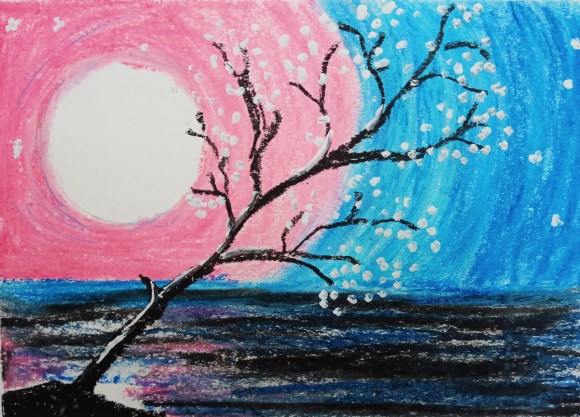
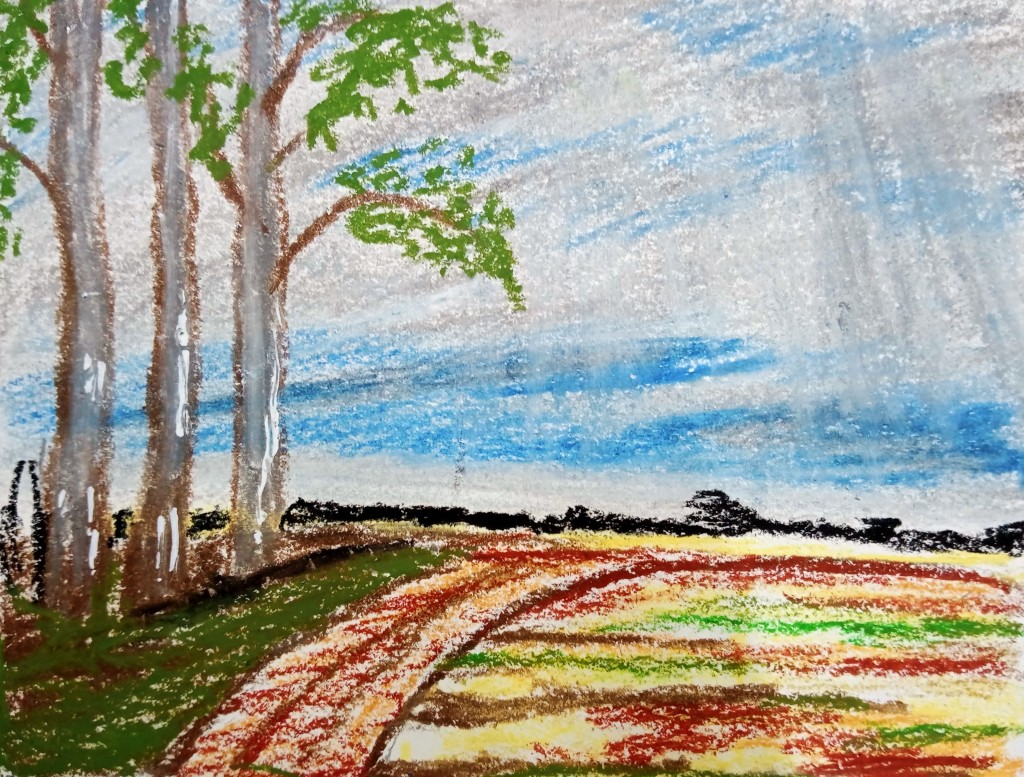
Art by Sohana Manzoor

Editorial

Spring in Winter?… Click here to read.

Translations

Nazrul’s Musafir, Mochh re Aankhi Jol (O wayfarer, wipe your tears) has been translated from Bengali by Professor Fakrul Alam. Click here to read.

Four of his own Malay poems have been translated by Isa Kamari. Click here to read.

Five short poems by Munir Momin have been translated from Balochi by Fazal Baloch. Click here to read.

Five poems by Rohini K.Mukherjee have been translated from Odia by Snehprava Das. Click here to read.

S.Ramakrishnan’s story, Steps of Conscience, has been translated from Tamil by B.Chandramouli. Click here to read.

Tagore’s poem, Sheeth or Winter, has been translated from Bengali by Mitali Chakravarty. Click here to read.

Poetry

Click on the names to read the poems

Ryan Quinn Flanagan, Usha Kishore, Joseph C. Ogbonna, Debadrita Paul, John Valentine, Saranyan BV, Ron Pickett, Shivani Shrivastav, George Freek, Snehaprava Das, William Doreski, Mohit Saini, Rex Tan, John Grey, Raiyan Rashky, Luis Cuauhtémoc Berriozábal

Poets, Poetry & Rhys Hughes

In Nomads of the Bone, Rhys Hughes shares an epic poem. Click here to read.

Musings/Slices from Life

When Nectar Turns Poisonous!

Farouk Gulsara looks at social norms around festive eating. Click here to read.

On a Dark Autumnal Evening

Ahmad Rayees muses on Kashmir and its inhabitants. Click here to read.

The Final Voyage

Meredith Stephens writes of her experience of a disaster while docking their boat along the Australian coastline. Click here to read.

Embracing the Earth and Sky…

Prithvijeet Sinha takes us to the tomb of Saadat Ali Khan in Lucknow. Click here to read.

Musings of a Copywriter

In A Fruit Seller in My Life, Devraj Singh Kalsi explores the marketing skills of his fruit seller a pinch of humour. Click here to read.

Notes from Japan

In Return to Naoshima, Suzanne Kamata takes us to an island museum. Click here to read.

Essays

The Trouble with Cioran

Satyarth Pandita introduces us to Emil Cioran, a twentieth century philosopher. Click here to read.

Once a Student — Once a Teacher

Odbayar Dorj writes of celebrating the start of the new school year in Mongolia and of their festivals around teaching and learning. Click here to read.

Bhaskar’s Corner

In ‘Language… is a mirror of our moral imagination’, Bhaskar Parichha pays a tribute to Prof. Sarbeswar Das. Click here to read.

Stories

Visions

Fabiana Elisa Martínez takes us to Argentina. Click here to read.

My Grandmother’s Guests

Priyanjana Pramanik shares a humorous sketch of a nonagenarian. Click here to read.

After the Gherkin

Deborah Blenkhorn relates a tongue-in-cheek story about a supposed crime. Click here to read.

Pause for the Soul

Sreenath Nagireddy writes of migrant displacement and adjustment. Click here to read.

The Real Enemy 

Naramsetti  Umamaheswararao gives a story set in a village in Andhra Pradesh. Click here to read.

Feature

A conversation with Amina Rahman, owner of Bookworm Bookshop, Dhaka, about her journey from the corporate world to the making of her bookstore with a focus on community building. Click here to read.

Book Excerpts

An excerpt from from Love and Crime in the Time of Plague: A Bombay Mystery by Anuradha Kumar. Click here to read.

An excerpt from Wayne F Burke’s Theodore Dreiser – The Giant. Click here to read.

Book Reviews

Somdatta Mandal reviews M.A.Aldrich’s Old Lhasa: A Biography. Click here to read.

Satya Narayan Misra reviews Amal Allana’s Ebrahim Alkazi: Holding Time Captive. Click here to read.

Anita Balakrishnan reviews Silver Years: Senior Contemporary Indian Women’s Poetry edited by Sanjukta Dasgupta, Malashri Lal and Anita Nahal. Click here to read.

Bhaskar Parichha reviews Diya Gupta’s India in the Second World War: An Emotional History. Click here to read.

.

Click here to access the Borderless anthology, Monalisa No Longer Smiles

Click here to access Monalisa No Longer Smiles on Amazon International

Categories
Editorial

Spring in Winter?

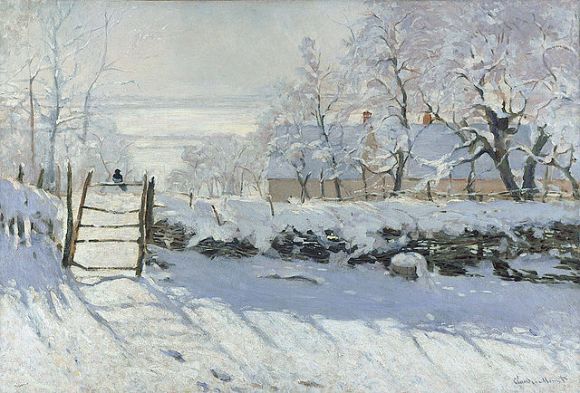
Painting by Claude Monet (1840-1926)
If Winter comes, can Spring be far behind?

'Ode to the West Wind', Percy Bysshe Shelley (1792 -1822)

The idea of spring heralds hope even when it’s deep winter. The colours of spring bring variety along with an assurance of contentment and peace. While wars and climate disasters rage around the world, peace can be found in places like the cloistered walls of Sistine Chapel where conflicts exist only in art. Sometimes, we get a glimpse of peace within ourselves as we gaze at the snowy splendour of Himalayas and sometimes, in smaller things… like a vernal flower or the smile of a young child. Inner peace can at times lead to great art forms as can conflicts where people react with the power of words or visual art. But perhaps, what is most important is the moment of quietness that helps us get in touch with that inner voice giving out words that can change lives. Can written words inspire change?

Our featured bookstore’s owner from Bangladesh, Amina Rahman, thinks it can. Rahman of Bookworm, has a unique perspective for she claims, “A lot of people mistake success with earning huge profits… I get fulfilment out of other things –- community health and happiness and… just interaction.” She provides books from across the world and more while trying to create an oasis of quietude in the busy city of Dhaka. It was wonderful listening to her views — they sounded almost utopian… and perhaps, therefore, so much more in synch with the ideas we host in these pages.

Our content this month are like the colours of the rainbow — varied and from many countries. They ring out in different colours and tones, capturing the multiplicity of human existence. The translations start with Professor Fakrul Alam’s transcreation of Nazrul’s Bengali lyrics in quest of the intangible. Isa Kamari translates four of his own Malay poems on spiritual quest, while from Balochi, Fazal Baloch bring us Munir Momin’s esoteric verses in English. Snehprava Das’s translation of Rohini K.Mukherjee poetry from Odia and S.Ramakrishnan’s story translated from Tamil by B.Chandramouli also have the same transcendental notes. Tagore’s playful poem on winter (Sheeth) mingles a bit for spring, the season welcomed by all creatures great and small.

John Valentine brings us poetry that transcends to the realms of Buddha, while Ryan Quinn Flanagan, Ron Pickett and Saranyan BV use avians in varied ways… each associating the birds with their own lores. George Freek gives us poignant poetry using autumn while Luis Cuauhtémoc Berriozábal expresses different yearnings that beset him in the season. Snehaprava Das and Usha Kishore write to express a sense of identity, though the latter clearly identifies herself as a migrant. Young Debadrita Paul writes poignant lines embracing the darkness of human existence. Joseph C. Ogbonna and Raiyan Rashky write cheeky lines, they say, on love. Mohit Saini interestingly protests patriarchal expectations that rituals of life impose on men. We have more variety in poetry from William Doreski, Rex Tan, Shivani Shrivastav and John Grey. Rhys Hughes in his column shares with us what he calls “A Poem Of Unsuccessful Excess” which includes, Ogden Nash, okras, Atilla the Hun, Ulysees, turmeric and many more spices and names knitting them into a unique ‘Hughesque’ narrative.

Our fiction travels from Argentina with Fabiana Elisa Martínez to light pieces by Deborah Blenkhorn and Priyanjana Pramanik, who shares a fun sketch of a nonagenarian grandma. Sreenath Nagireddy addresses migrant lores while Naramsetti Umamaheswararao gives a story set in a village in Andhra Pradesh.

We have non-fiction from around the world. Farouk Gulsara brings us an unusual perspective on festive eating while Odbayar Dorj celebrates festivals of learning in Mongolia. Satyarth Pandita introduces us to Emil Cioran, a twentieth century philosopher and Bhaskar Parichha pays a tribute to Professor Sarbeswar Das.  Meredith Stephens talks of her first-hand experience of a boat wreck and Prithvijeet Sinha takes us to the tomb of Sadaat Ali Khan. Ahmad Rayees muses on the deaths and darkness in Kashmir that haunt him. Devraj Singh Kalsi brings in a sense of lightness with a soupçon of humour and dreams of being a fruit seller. Suzanne Kamata revisits a museum in Naoshima in Japan.

Our book excerpts are from Anuradha Kumar’s sequel to The Kidnapping of Mark Twain, Love and Crime in the Time of Plague: A Bombay Mystery and Wayne F Burke’s Theodore Dreiser – The Giant, a literary non-fiction. Our reviews homes Somdatta Mandal discussion on M.A.Aldrich’s Old Lhasa: A Biography while Satya Narayan Misra writes an in-depth piece on Amal Allana’s Ebrahim Alkazi: Holding Time Captive. Anita Balakrishnan weaves poetry into this section with her analysis of Silver Years: Senior Contemporary Indian Women’s Poetry edited by Sanjukta Dasgupta, Malashri Lal and Anita Nahal. And Parichha reviews Diya Gupta’s India in the Second World War: An Emotional History, a book that looks at the history of the life of common people during a war where soldiers were all paid to satiate political needs of powerbrokers — as is the case in any war. People who create the need for a war rarely fight in them while common people like us always hope for peace.

We have good news to share — Borderless Journal has had the privilege of being listed on Duotrope – which means more readers and writers for us. We are hugely grateful to all our readers and contributors without who we would not have a journal. Thanks to our wonderful team, especially Sohana Manzoor for her fabulous artwork.

Hope you have a wonderful month as we move towards the end of this year.

Looking forward to a new year and spring!

Mitali Chakravarty

borderlessjournal.com

CLICK HERE TO ACCESS THE CONTENTS FOR THE NOVMBER 2025 ISSUE.

.

READ THE LATEST UPDATES ON THE FIRST BORDERLESS ANTHOLOGY, MONALISA NO LONGER SMILES, BY CLICKING ON THIS LINK.

Categories
Musings

On a Dark Autumnal Evening…

By Ahmad Rayees

From Public Domain

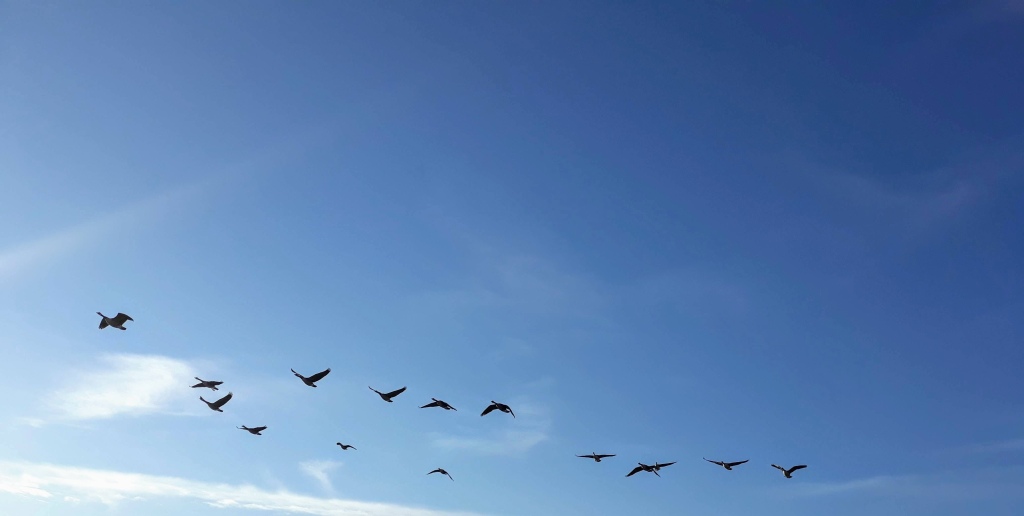
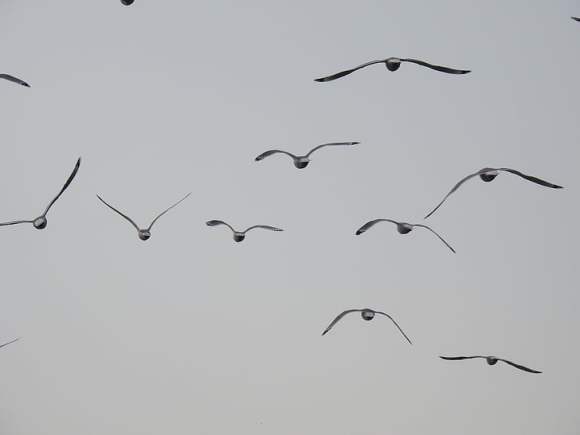
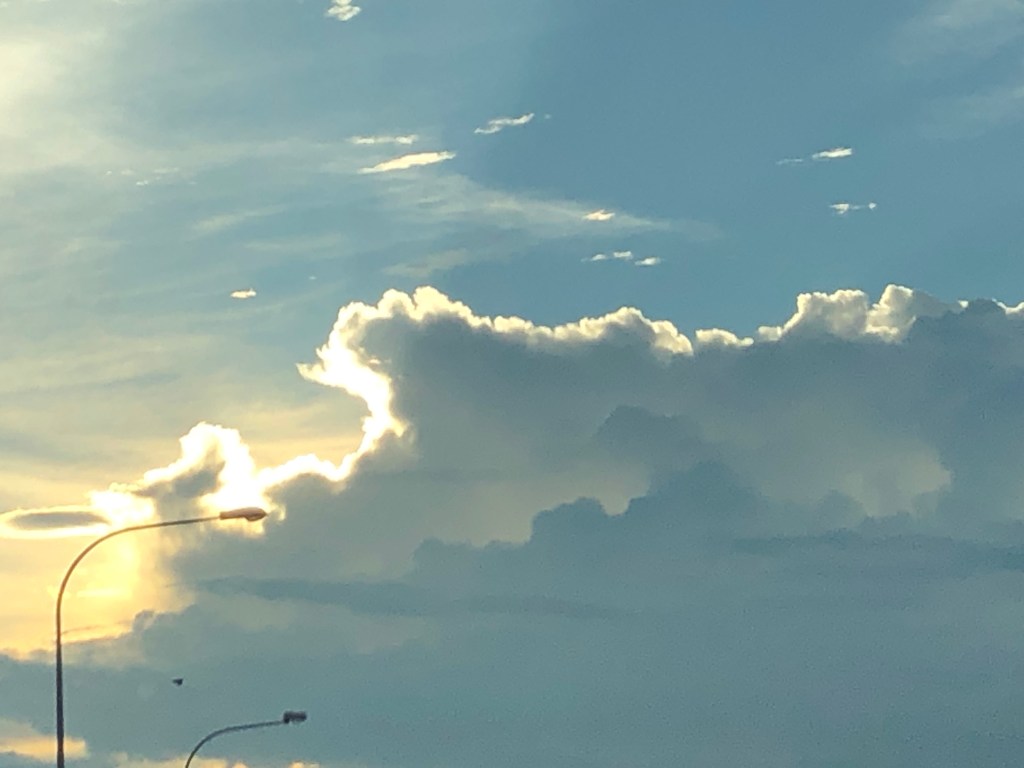
That evening was a Friday in autumn. I was sitting by the window pane and looking at the meadows beneath the mountain. The plot and idea for my new story changed colours as I watched the evening sky. The sun was vehemently trying to emerge from behind dense clouds that were outlined in silver. At a glance, it looked like a Renaissance painting, with a line of birds flying hurriedly towards an unknown destination.

I was engrossed by the beauty of the evening. Suddenly, the sun disappeared into the smoky oblivion of the phantom clouds. When the last rays of the embers reflected feebly on the heavily darkened sky, I could hear the shepherds shouting from the vast mountain peaks to their fellow men to hurry back to the tents. The bleating of the sheep and the clip-clop of their hooves on the rocky mountain echoed as they hurried to return to their dwellings. I felt a strange sadness without any obvious reason. Maybe I was overwhelmed with a sense of loss and abandonment.

I was still standing near the glass window, gazing at the sky. I could feel the northern wind pass through me, chilling my entire body. The dark night shrouded the valley with its creased onyx veil. Slowly, everything was immersed in a sea of darkness.

Yes, I needed to start. I was very keen to begin writing that very night and finish it as quickly as possible for a journal. I looked at my writing table—the blank white paper placed on the dark walnut surface seemed to be calling out to me. I could feel the pages waiting for words bleeding blue ink of pain and tears.

I have this irresistible urge to speak for those who have forgotten how to talk, who have forgotten how to cry, who have forgotten how to live. Maybe I will be the voice of the unheard. And maybe I am blessed to be a journalist and storyteller. But now, I feel lethargic, restless, and disturbed. I could feel the autumn creeping in with a deathly coldness hovering over the fallen leaves on this frosty night. Unlike previous years, this year autumn had arrived hurriedly with a cold vengeance. The rustling of dead leaves crumbling in the wind was unsettling, and I felt uneasy. I tried my best to calm the anxious spirit within me, to connect with the purity of those white sheets.

Time was ticking faster. Once again, I returned to my table and took the pen…

But—did I hear something?

Yes, I heard it again. I was distracted by noises from the distant forest. From the deep wilderness of the bushes, the haunting cries of wolves echoed, as if they had been left lonely and abandoned. I looked outside my window, then back at myself. Was I just imagining it? Was I hallucinating?

Suddenly, I was there—in front of them. I could see them clearly in the darkness, silhouetted against the white snow. When they saw me, they stopped howling and stared with shimmering red eyes.

Was I dreaming? Did I walk to them?

No… no…

I returned to my senses—to my reality! I was still sitting in my room. Just as I was trying to write the first line of my story, again I heard it. A faint sound of rustling leaves. The hollow whistle of the chilly wind gushed through the woods. It seemed as though autumn had conquered summer, pushing all living beings to their deathbed. The dried flowers were scattered by the wind. The buds had withered before they could bloom, ruthlessly destroyed—unable to spread fragrance and fill the valley with charm. Now everything had changed. Autumn was lashing wildly through the air with the howling wind, leaving grief and sorrow to linger on the withered branches.

The chilly wind blew fiercely, making the trees and their branches shiver. The cold night rendered everyone helpless and powerless. Humans stayed inside their homes, just like the animals in their burrows.

Did I hear an unnatural voice?

I sharpened my ears and listened.

Yes—I did hear a strange voice! It came from the nearby woods, from the bushes behind my house. It sounded like the voice of a mysterious person, filled with loss and sorrow. It wasn’t just a voice—it was more like a wail. I tried to ignore it, but it seemed to plead for help—something I couldn’t quite understand. No matter how hard I tried to focus on my story and look away, the voice disturbed my soul and compelled me to go out and uncover the truth.

The voice grew louder. It seemed like someone was standing in front of my house, knocking on the door. I waited for it to repeat, but the noise stopped.

Confused and tired, I turned back to my room. But something urged me on. With a compelling curiosity, I slowly opened the door and stood on the lawn. It was empty. There was no one.

With fear and uncertainty, I began walking in the direction of the voice. As I started moving, the invisible voice faded—but I continued to try to find it. I wanted to follow it. It was not only alluring, but terrifying. I wondered if it was just an illusion, leading me nowhere. Yet, the voice carried pain and helplessness that pushed me beyond imagination. I followed it through the narrow, bushy lanes of the forest in the dark of night.

The sky was starless, gloomy. The night was filled with ghostly noises from every direction. A waning crescent hid behind the clouds. I was aware of the danger, but I continued—driven by something deep inside me.

The lanes were lined with cold, dew-covered plants. The withered branches stood lifeless. Autumn hovered above them like a deadly witch. I reached the upper edge of the field where the forest met the mountain. The huge mountain stood like a dark phantom before me.

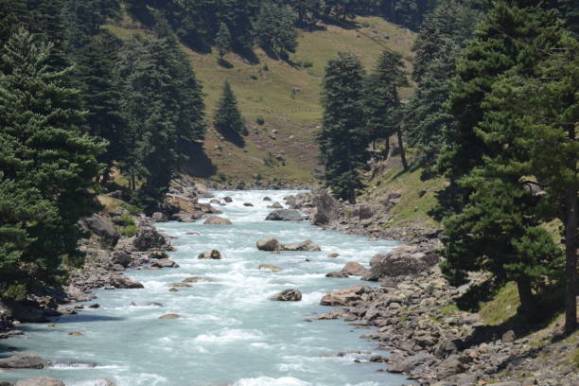
I stood under the walnut tree near the channel. The voice became faint. I crossed a small bridge to climb the hill, glancing at the dark water. It flowed from the river Jhelum, nourishing the upper mountain crops and connecting many villages like veins in a body. The clear glacier water flowed endlessly, season after season. It never stopped—an eternal source of hope.

And I remembered that day—the day we fought for that channel. How we went to the water authority office after sending so many applications which remained unanswered. We marched through town—fifty of us. Near the army camp, we had to walk one by one. Danish and I led with the petition signed by 500 villagers. Afnan and Usman chanted slogans, while Faris and Mujib carried placards. I had to calm them down to behave in the office…

Lost in thought, I didn’t realise how far I had gone. The voice still called—haunting and surreal.

Then, I heard laughter—children laughing.

By the stream, children were swimming and splashing, shrieking and giggling. They looked like marble statues come to life in the moonlight. I was stunned. How could they be playing on such a frosty night?

As I approached, my feet suddenly froze. I couldn’t move. I stood there, watching.

And once again—the mysterious voice.

The same voice that had pulled me from my home now called from close by. I turned and saw a woman in a long veil, her hair loose, her figure merging with the darkness. She gestured for me to leave the children and follow her.

Her blurred presence held me spellbound. I walked hurriedly, determined to stop her and see her face. I followed her along the channel until we reached a graveyard.

She turned to me and said, “I just want you to know that my children have disappeared and are buried in this unknown graveyard. I came here to take their blood-soaked clothes as our last memory.”

She cried, then added, “They will remain lost until the truth is unveiled.”

I tried to ask her who she was.

She replied, “We are the unknown truth.”

And then—she disappeared.

I screamed, “Hey… stop! For God’s sake, who are you?”

Suddenly—I woke up!

The alarm clock on the opposite wall read 3:00 a.m.

It was a dream.

As I tried to piece together the events, the haunting imagery still lingered. It felt so real—as if I had already known them, in another phase of my life, long ago.

Maybe I was one of them?

Why do I always walk among the dead in my dreams?

Dreams are often a jumble of our daily experiences, but they can also reveal our deepest fears or hidden desires. In them, we confront what already lives within us. Frosty nights are the darkest and most haunting, where we seek comfort in dreams that bind us to the painful echoes of the past and the uncertainties of the future. In this realm, a person’s core essence trembles, leaving them defenceless as the barren wilderness intrudes upon their imagination. These nightmares are as cold and unrelenting as the frost-covered nights themselves.

(The little ones who are sleeping will be haunted and continuously disturbed by the stories of children who were terrorised to death long ago in faraway places. Their serene sleep and dreams can be subverted by a red river that continually competes and devastates the territories beneath them).

Ahmad Rayees is a freelance journalist. 

.

PLEASE NOTE: ARTICLES CAN ONLY BE REPRODUCED IN OTHER SITES WITH DUE ACKNOWLEDGEMENT TO BORDERLESS JOURNAL

Click here to access the Borderless anthology, Monalisa No Longer Smiles

Click here to access Monalisa No Longer Smiles on Kindle Amazon Internationa

Categories
Slices from Life

Where Should We Go After the Last Frontiers?

By Ahmad Rayees

It was late evening in the Valley—the kind of dusky calm that usually tucks our village into a blanket of silence before nightfall. But that night, the situation wasn’t peaceful. It was tense, suffocating. A silence not of rest, but of retreat. A silence that echoed with the footsteps of the displaced, the sobs of children, and the distant rumble of a war edging ever closer.

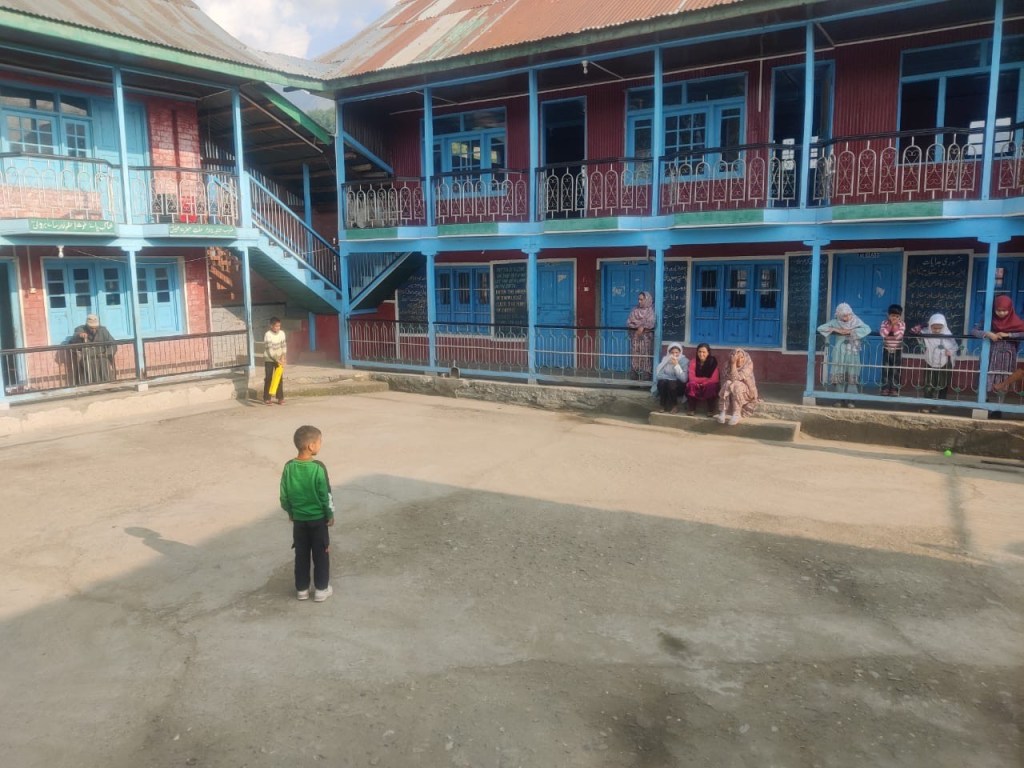
Nestled along the Srinagar-Muzaffarabad Highway, my village (Sheeri) had never imagined becoming a place of refuge. But over the past few days, it had slowly transformed into a shelter—not by design, but out of sheer necessity. It wasn’t a government-built camp or an official safe zone. It was a modest private school—its classrooms stripped of desks, Its walls were painted green, and its floors were covered with modest mats. The blackboard still bore lessons from a world that now felt impossibly far away.

They came by the dozens—families from the frontier town of Uri and other nearby hamlets, fleeing the deadly storm that had erupted along the Line of Control. The shells and gunfire hadn’t spared anyone. Mothers clutching newborns, elderly men barely able to walk, children with dust in their hair and tears in their eyes—each carried with them a fear that couldn’t be packed away. Their homes? Gone or abandoned. Their cattle? Lost. Their belongings? Scattered to the wind. All they had brought with them was survival.

We did what little we could, each small act stitched together into a fragile lifeline—volunteers arriving with rations and essential supplies, neighbours wrapping strangers in donated blankets, and someone rigging a single battery-powered generator in the school courtyard to pierce the darkness—just enough light to charge phones and confirm what we already feared through shaky mobile updates: India and Pakistan were at war again.

Just as we began preparing food that night, the sky above us erupted into unnatural color—bursts of red and orange, glowing like fireworks. For a breathless second, we hoped it was a celebration somewhere far away. But the thunderous roar that followed shattered that hope. These were no celebrations. They were drones. Missiles. Rockets. Tools of destruction lighting up the sky like angry constellations.

Panic was instant. Some people ran instinctively, nowhere in particular. Others froze. Mothers clutched children closer. Prayers spilled into the night air like smoke. The school—our fragile sanctuary—quaked with fear. And so did we.

I had heard stories of war. I had seen its images in books and on screens. But that night, war had a smell. A taste. A sound. That night, war breathed down our necks.

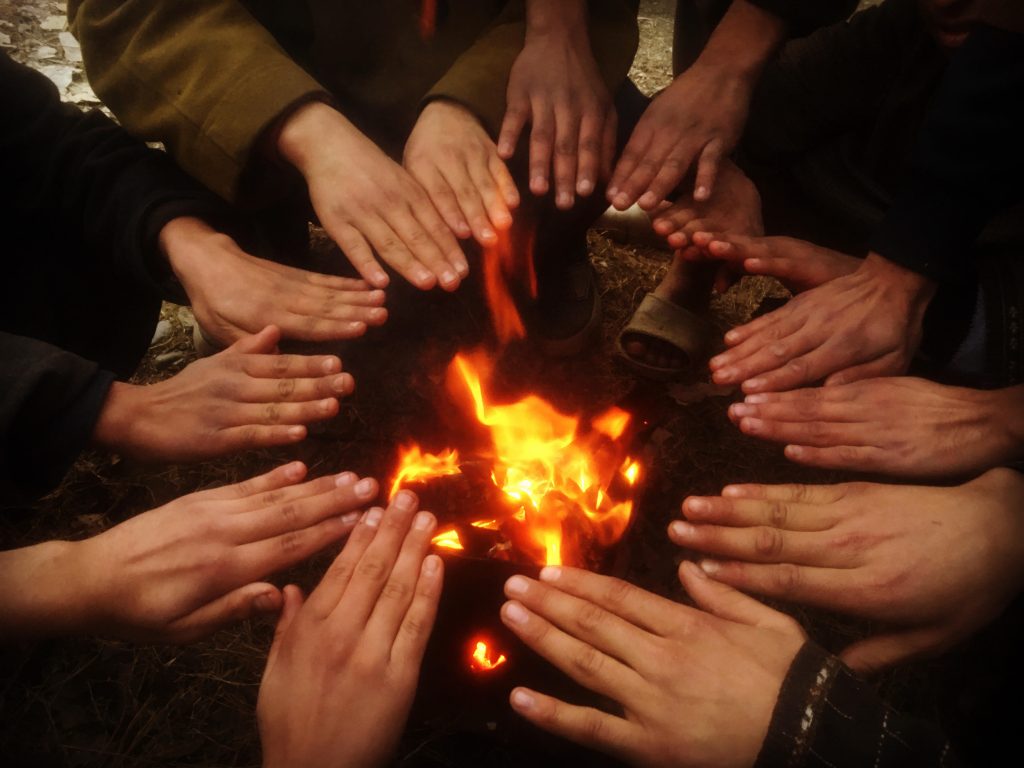
We stayed awake through the dark hours, huddled close under a full moon that bore witness to everything. The distant mountains glowed—not from moonlight, but from mortar fire.

The explosions echoed back and forth across the valley like angry giants arguing. Sleep was impossible. For many, so was hope.

For four harrowing days, the shelling continued. Relentless. Unforgiving. As India and Pakistan traded fire, villages on both sides were emptied. The front-lines moved like ghosts—never visible, always fatal. Each explosion wasn’t just an act of violence; it was a theft. It stole security, trust, homes, futures.

The ones who suffered weren’t the architects of war. They weren’t the men in polished suits or behind mahogany desks. They were farmers, schoolteachers, shopkeepers, daily wage earners. The ones who raised goats and crops, not guns. The ones who wanted nothing more than to be left alone.

And yet, here they were—broken by a war they didn’t start, begging for a peace that never came.

The soldiers too—barely out of their teens—were casualties in a different way. Sent to defend lines drawn generations ago, they carried weapons they barely understood, defending ideologies they didn’t create. On both sides, the blood spilled looked the same. The mothers’ grief sounded the same.

And as the bombs fell, something else collapsed quietly: Faith. Faith in leaders who promise peace and deliver bullets. Faith in ceasefires that last only until the next provocation. Faith that tomorrow would be better.

When the ceasefire was finally announced, there was no celebration. There were no cheers. Just silence—and not the comforting kind. It was the silence of disbelief, of loss too deep for words. People walked back not to homes, but to ruins. Entire communities had been reduced to ash and rubble. Crops were destroyed, livestock gone, schools turned into shelters or craters.

How do you rebuild a life when all that remains is dust?

These are the questions that haunt the air like the smoke refusing to clear —

Where should the birds fly after the last sky?
Where should we go after the last frontiers?
Where should the plants sleep after the last breathe of air? – Mahmoud Darwish

Ahmad Rayees is a freelance journalist and a fellow at Al-Sharq Youth fellow program. 

.

PLEASE NOTE: ARTICLES CAN ONLY BE REPRODUCED IN OTHER SITES WITH DUE ACKNOWLEDGEMENT TO BORDERLESS JOURNAL

Click here to access the Borderless anthology, Monalisa No Longer Smiles

Click here to access Monalisa No Longer Smiles on Kindle Amazon International

Categories
Editorial

“We are the World”

In 1985, famous artistes, many of whom are no longer with us, collaborated on the song, We are the World, to raise funds to feed children during the Ethiopian famine (1983-85). The song was performed together by Michael Jackson, Willie Nelson, Bob Dylan, Ray Charles, Diana Ross, Stevie Wonder, Smokey Robinson, Paul Simon, Tina Turner, Dionne Warwick, Lionel Richie, Billy Joel and Bruce Springsteen.  The producer, Julia Nottingham, said: “It’s a celebration of the power of creativity and the power of collective humanity.” The famine was attributed to ‘war and drought’.

Over the last few years, we have multiple wars creating hunger and drought caused by disruptions. Yet, the world watches and the atrocities continue to hurt common people, the majority who just want to live and let live, accept and act believing in the stories created by centuries of civilisation. As Yuval Noah Harari points out in a book written long before the current maladies set in, Homo Deus (2015), “…the stories are just tools. They should not become our goals or our yardsticks. When we forget that they are mere fiction, we lose touch with reality. Then we begin entire wars ‘to make a lot of money for the corporation’ or ‘to protect the national interest’. Corporations, money and nations exist only in our imagination. We invented them to serve us; why do we find ourselves sacrificing our lives in their service?”

What Harari says had been said almost ninety years ago by a voice from another region, by a man who suffered but wrote beautiful poetry, Jibanananda Das… and here are his verses —

“The stories stored in my soul will eventually fade. New ones—
New festivals—will replace the old — in life’s honey-tinged slight.”

Jibananda Das, from ‘Ghumiye Poribe Aami’ (I’ll fall asleep), 1934, translated from Bengali by Professor Fakrul Alam

We carry the poem in this issue translated by Professor Fakrul Alam, lines that makes one dream of a better future. These ideas resonate in modern Balochi poet Ali Jan Dad’s ‘Roll Up Not the Mat’ brought to us in English by Fazal Baloch. Korean poet Ihlwha Choi’s translation takes us to longing filled with nostalgic hope while Tagore’s ‘Probhat’ (Dawn) gives a glimpse of a younger multi-faceted visionary dwell on the wonders of a perfect morning imbibing a sense of harmony with nature.

“I feel blessed for this sky, so luminous. 
I feel blessed to be in love with the world.”

--‘Probhat’ (Dawn) by Tagore, 1897, translated from Bengali by Mitali Chakravarty

Starting a new year on notes of hope, of finding new dreams seems to be a way forward for humanity does need to evolve out of self-imposed boundaries and darknesses and move towards a new future with narratives and stories that should outlive the present, outlive the devastating impact of climate change and wars by swapping our old narratives for ones that will help us harmonise with the wonders we see around us… wonders created by non-human hands or nature.

We start this year with questions raised on the current world by many of our contributors. Professor Alam in his essay makes us wonder about the present as he cogitates during his morning walks. Niaz Zaman writes to us about a change maker who questioned and altered her part of the world almost a century ago, Begum Roquiah. Can we still make such changes in mindsets as did Roquiah? And yet again, Ratnottama Sengupta pays homage to a great artiste, filmmaker Shyam Benegal, who left us in December 2024 just after he touched 90. Other non-fictions include musings by Nusrat Jan Esa on human nature contextualising it with Milton’s Paradise Lost (1667); Farouk Gulsara’s account of a fire in Sri Lanka where he was visiting and Suzanne Kamata’s column from Japan on the latest Japanese Literary Festival in the Fukushimaya prefecture, the place where there was a nuclear blast in 2011. What is amazing is the way they have restored the prefecture in such a short time. Their capacity to bounce back is exemplary! Devraj Singh Kalsi shares a tongue-in-cheek musing about the compatibility of banks and writers.

Rhys Hughes’ poem based on the photograph of a sign is tongue-in- cheek too. But this time we also have an unusual exploration of horror with wry humour in his column. Michael Burch shares a lovely poem about a hill that was planted by his grandfather and is now claimed as state property… Afsar Mohammad explores hunger in his fasting poems and Aman Alam gives heart rending verses on joblessness. Poems by Kirpal Singh contextualise Shakespearian lore to modern suffering. We have more poems by Kiriti Sengupta, Michelle Hillman, Jenny Middleton, G Javaid Rasool, Stephen Druce, John Grey, George Freek and many others — all exploring multiple facets of life. We also have a conversation with Kiriti Sengupta on how he turned to poetry from dentistry!

Exploring more of life around us are stories by Sohana Manzoor set in an expat gathering; by Priyatham Swamy about a migrant woman from Nepal and by Naramsetti Umamaheswararao set against rural Andhra Pradesh. While Ahmad Rayees gives a poignant, touching story set in a Kashmiri orphanage, Paul Mirabile reflects on the resilience of a child in a distant Greek island. Mirabile’s stories are often a throwback to earlier times.

In this issue, our book excerpts explore a writer of yore too, one that lived almost a hundred years ago, S. Eardley-Wilmot (1852-1929), a conservationist and one who captures the majesty of nature, the awe and the wonder like Tagore or Jibanananda with his book, The Life of an Elephant. The other book takes us to contemporary Urdu writers but in Kolkata —Contemporary Urdu Stories from Kolkata, translated by Shams Afif Siddiqi and edited by Shams Afif Siddiqi and Fuzail Asar Siddiqi. A set of translated stories of the well-known Bengali writer, Bibhutibhushan Bandopadhyay by Hiranmoy Lahiri, brought out in a book called Kaleidoscope of Life: Select Short Stories has been reviewed by Somdatta Mandal. Malashri Lal has discussed Basudhara Roy’s A Blur of a Woman. Roy herself has explored Afsar Mohammad’s Fasting Hymns. Bhaskar Parichha has taken us to Sri Lanka with a discussion on a book on Sri Lanka, Return to Sri Lanka: Travels in a Paradoxical Island by an academic located in Singapore, Razeen Sally.

Bringing together varied voices from across the world and ages, one notices recurring themes raising concerns for human welfare and for the need to conserve our planet. To gain agency, it is necessary to have many voices rise in a paean to humanity and the natural world as they have in this start of the year issue.  

I would like to thank all those who made this issue possible, our team and the contributors. Thank you all from the bottom of my heart. I cannot stop feeling grateful to Sohana Manzoor for her fabulous artwork too, art that blends in hope into the pages of Borderless Journal. As all our content has not been mentioned here, I invite you to pause by our content’s page to explore more of our exciting fare. Huge thanks to all readers for you make our journey worthwhile.

I would hope we can look forward to this year as being one that will have changes for the better for all humanity and the Earth… so that we still have our home a hundred years from now, even if it looks different.

Wish you a year filled with new dreams.

Mitali Chakravarty

borderlessjournal.com

Click here to access the content’s page for the January 2025 issue

.

READ THE LATEST UPDATES ON THE FIRST BORDERLESS ANTHOLOGY, MONALISA NO LONGER SMILES, BY CLICKING ON THIS LINK.

Categories
Stories

 The Forgotten Children

By Ahamad Rayees

Photo Courtesy: Rayees Ahmed

The cold grip of winter had settled over the orphanage, where the silence of early morning was usually unbroken. Yet today, there was a palpable stir. Azaan, whose life had long been a steady rhythm of routine and absence, woke up with an energy he hadn’t felt in years. Today was different. Today, his father was coming.

He had learned the news the night before. His father, Usman, who had disappeared when Azaan was just a child—remarried and drifted from memory—had promised to visit. It wasn’t just a visit; it was a thread of hope, a promise of belonging. In the brief moment of connection, Azaan borrowed a phone from the staff and heard his father’s reassuring voice: “Once I’m near, I’ll come to your hostel and meet you.”

That voice, steady and calm, had been enough to reignite a spark of joy in Azaan’s heart. He dashed through the orphanage with the news, eager to share it with anyone who would listen. “My father is coming! He promised to meet me. He’ll bring gifts, so many gifts!” His voice was full of hope, fragile yet unwavering. Even the other children—those familiar with abandonment’s bitter taste—did not have the heart to burst his bubble.

The night passed in a haze of anticipation. Azaan dreamed of a time when his father wasn’t a distant figure but the man who had once walked beside him in the forest, laughing as they picked berries, chasing mushrooms after a storm. Those fleeting memories clung to him, serving as a quiet beacon of hope.

When morning broke, Azaan leapt out of bed, more alive than he had been in months. He hurried down the narrow hallway, bumping into Amir, who looked up groggily.

“Watch it!” Amir grumbled, half-awake.

“Today’s special! My Abba[1] is coming!” Azaan shouted, his face glowing.

In the washroom, he eagerly poured water from the orphanage’s boiler into a basin, enjoying the warmth it provided on this bitter morning. Carefully, he scrubbed his face, his hands, and then, with a small pouch of shampoo borrowed from Salim, he lathered his hair into a frothy mess. The others watched, amused by his energy and enthusiasm, but Azaan didn’t care. Today, he would look perfect.

His freshly trimmed hair—thanks to Salim Bhai, the local barber—looked sharp. “Abba will be proud,” he thought, smiling at his reflection in the dim hallway mirror.

Azaan moved to his iron trunk, his most prized possession waiting inside. A kurta his father had given him two years ago on Eid. He pressed it to his face, inhaling the faint scent of attar[2]still lingering in the fabric. It wasn’t just a piece of clothing; it was a symbol of love, of his father’s warmth, and it made him feel closer to the man he so longed to see again.

Dressed in the kurta, Azaan stood a little taller, feeling ready for the day. His heart raced with excitement. The hours passed slowly, but Azaan kept himself busy—washing and folding his clothes, tidying his room, and preparing for his father’s arrival. Everything had to be perfect.

As the day turned into afternoon, Azaan stationed himself by the window, his eyes fixed on the road. Every distant sound, every approaching car, made his heart leap. But the day dragged on, and the road remained empty. The gate didn’t open. No familiar face appeared.

The other children, sensing his growing unease, tried to comfort him. “Maybe he’s stuck in traffic,” one suggested. “He’ll come tomorrow,” another offered, though their words rang hollow in the air. Azaan simply nodded, his gaze still fixed on the road, the hope in his chest beginning to fray at the edges.

As evening drew near, Azaan could bear the waiting no longer. He borrowed the phone again and dialled his father’s number, his hands trembling.

“Your stepmother… she didn’t want me to come,” Usman’s voice was hesitant, full of an apology Azaan couldn’t quite understand.

The words struck him with the force of a blow. “Okay,” he whispered, unable to say anything else. The phone call ended, and for a long moment, Azaan sat still, his mind spinning with confusion and hurt.

That night, the other children gathered around him. They didn’t speak much. What was there to say? But their quiet presence, their comforting touches, spoke volumes. They led him back to his bed, where he lay staring at the ceiling, his heart heavy with shattered hopes.

Tears slid down Azaan face, silent and unbidden. He thought of the other children—his brothers and sisters in pain—who shared his grief. They were the Forgotten Children, the ones left behind in the shadows of society’s indifference. The world saw them as nameless faces, often forgotten even as donations flowed in for their care. People gave money, food, clothes—but few ever paused to ask how they truly felt, what they needed beyond material comforts.

In that moment, Azaan understood. These children were not just orphans; they were symbols of a broken world, a world that had failed to give them the love and connection they deserved.

As the darkness deepened, Azaan was surrounded by the other children. They didn’t have answers, and there was no fix for the pain he carried. But in their shared silence, in their collective resilience, there was strength. They had found a thread of connection, fragile but real, that reminded them they were not alone.

For Azaan, the pain of his father’s absence was sharp, but the quiet comfort of his orphanage family was there to soften the blow. And in that comfort, there was hope—not for the perfect reunion he had dreamed of, but for something more profound: the knowledge that no child, no matter how forgotten, was never truly alone.

One day, perhaps, the Forgotten Children would no longer be forgotten. But for now, in the presence of those who cared, Azaan found a glimmer of the belonging he had yearned.

From Public Domain

[1] father

[2] Perfume (normally rose)

Ahmad Rayees is a freelance poet and writer from Kashmir valley.

.

PLEASE NOTE: ARTICLES CAN ONLY BE REPRODUCED IN OTHER SITES WITH DUE ACKNOWLEDGEMENT TO BORDERLESS JOURNAL

Click here to access the Borderless anthology, Monalisa No Longer Smiles

Click here to access Monalisa No Longer Smiles on Kindle Amazon International

Categories
Contents

Borderless, June 2024

Art by Sohana Manzoor

Editorial

Fly High…Like Birds in the Sky… Click here to read.

Translations

Nazrul’s Nur Jahan, the Mughal empress, has been translated from Bengali to English by Professor Fakrul Alam. Click here to read.

Eight Short Poems by Munir Momin have been translated from Balochi by Fazal Baloch. Click here to read.

An Age-old Struggle by Ihlwha Choi has been translated from Korean by the poet himself. Click here to read.

Okale or Out of Sync by Tagore has been translated from Bengali by Mitali Chakravarty. Click here to read.

Poetry

Click on the names to read the poems

Michael Burch, Ryan Quinn Flanagan, Kumar Sawan, LaVern Spencer McCarthy, Shamik Banerjee, Prithvijeet Sinha, Gregg Norman, Rinku Dutta, Alex S. Johnson, Anushka Chaudhury, Wayne Russell, Nusrat Jahan Esa, Ahmad Rayees, Ivan Ling, Swetarani Tripathy, R.L.Peterson, Ayesha Binte Islam, Rhys Hughes

Musings/ Slices from Life

In the Grip of Violence

Ratnottama Sengupta muses on acts of terror and translates a Bengali poem by Tarik Sujat which had come as a reaction to an act of terror. Click here to read.

Meeting the Artists

Kiriti Sengupta talks of his encounter with Jatin Das, a legendary artist from Bengal. Click here to read.

A Musical Soiree

Snigdha Agrawal recalls how their family celebrated Tagore’s birth anniversary. Click here to read.

A Cover Letter

Uday Deshwal muses on writing a cover letter for employment. Click here to read.

Musings of a Copywriter

In Berth of a Politician, Devraj Singh Kalsi muses on an encounter with a politician. Click here to read.

Notes from Japan

In A Day with Dinosaurs, Suzanne Kamata visits the ancient dino bones found in Fukui Prefecture. Click here to read.

Essays

From Place to Place

Renee Melchert Thorpe recounts her mother’s migration story, hopping multiple countries, starting with colonial Calcutta and Darjeeling. Click here to read.

My Love Affair with (Printed) Books

Ravi Shankar writes of his passion for print media. Click here to read.

A Story Carved in Wood, Snow and Stone  

Urmi Chakravorty travels with her camera and narrative to a scenic village in the Indo China border. Click here to read.

Stories

Spunky Dory and the Wheel of Fortune

Ronald V. Micci takes the readers on a fantastical adventure. Click here to read.

Rani Pink

Swatee Miittal sheds light on societal attitudes. Click here to read.

The Ghosts of Hogshead

Paul Mirabile wanders into the realm of the supernatural dating back to the Potato Famine of Ireland in the 1800s. Click here to read.

Conversations

In conversation with eminent Singaporean poet and academic, Kirpal Singh, about how his family migrated to Malaya and subsequently Singapore more than 120 years ago. Click here to read.

In conversation with Jessica Muddit, author of Once Around the Sun: From Cambodia to Tibet, and a review of her book. Click here to read.

Book Excerpts

An excerpt from Suzanne Kamata’s Cinnamon Beach. Click here to read.

An excerpt from Ryan Quinn Flanagann’s These Many Cold Winters of the Heart. Click here to read.

Book Reviews

Somdatta Mandal reviews Maya Nagari: Bombay-Mumbai A City in Stories, edited by Shanta Gokhale and Jerry Pinto. Click here to read.

Basudhara Roy reviews Trailokyanath Mukhopadhyay’s Tales of Early Magic Realism in Bengali, translated by Sucheta Dasgupta. Click here to read.

Rakhi Dalal reviews Damodar Mauzo’s Boy, Unloved, translated from Konkani by Jerry Pinto. Click here to read.

Bhaskar Parichha reviews The Dilemma of an Indian Liberal by Gurcharan Das. Click here to read.

.

Click here to access the Borderless anthology, Monalisa No Longer Smiles

Click here to access Monalisa No Longer Smiles on Amazon International

Categories
Editorial

Fly High… Like Birds in the Sky…

He sees a barrier where soldiers stand
with rifles drawn, encroachers kept at bay.
A migrant child who holds his mother's hand


— LaVern Spencer McCarthy, Are We There Yet?

There was a time when humans walked the Earth crossing unnamed landmasses to find homes in newer terrains. They migrated without restrictions.  Over a period of time, kingdoms evolved, and travellers like Marco Polo talked of needing permissions to cross borders in certain parts of the world. The need for a permit to travel was first mentioned in the Bible, around 450BCE. A safe conduct permit appeared in England in 1414CE. Around the twentieth century, passports and visas came into full force. And yet, humanity had existed hundreds of thousand years ago… Some put the date at 300,000!

While climate contingencies, wars and violence are geared to add to migrants called ‘refugees’, there is always that bit of humanity which regards them as a burden. They forget that at some point, their ancestors too would have migrated from where they evolved. In South Africa, close to Johannesburg is Maropeng with its ‘Cradle of Humanity’, an intense network of caves where our ancestors paved the way to our evolution. The guide welcomes visitors by saying — “Welcome home!” It fills one’s heart to see the acceptance that drips through the whole experience.  Does this mean our ancestors all stepped out of Africa many eons ago and that we all belonged originally to the same land?

And yet there are many restrictions that have come upon us creating boxes which do not allow intermingling easily, even if we travel. Overriding these barriers is a discussion with Jessica Mudditt about Once Around the Sun: From Cambodia to Tibet, her book about her backpacking through Asia. Documenting a migration more than a hundred years ago from Jullundur to Malaya, when borders were different and more mobile, we have a conversation with eminent scholar and writer from Singapore, Kirpal Singh. Telling the story of another eminent migrant, a Persian who became a queen in the Mughal Court is a lyric by Nazrul, Nur Jahan, translated by Professor Fakrul Alam from Bangla. Ihlwha Choi has self-translated his own poem from Korean, a poem bridging divides with love. Fazal Baloch has brought to us some exquisite Balochi poems by Munir Momin. Tagore’s poem, Okale or Out of Sync, has been translated from Bengali to reflect the strange uniqueness of each human action which despite departing from the norm, continue to be part of the flow.

Among our untranslated poetry is housed LaVern Spencer McCarthy’s voice on the plight of migrants of the current times. Michael Burch gives us poems for Dylan Thomas. We have a plethora of issues covered in poetry ranging from love to women’s issues, even an affectionate description of his father by Shamik Banerjee. Ryan Quinn Flanagan, Kumar Sawan, Prithvijeet Sinha, Gregg Norman, Anushka Chaudhary, Wayne Russell, Ahmad Rayees, Ivan Ling, Ayesha Binte Islam and many more add verve with their varied themes. Rhys Hughes has shared a poem on a funny sign he photographed himself.

We have a tongue in cheek piece from Devraj Singh Kalsi on traveling in a train with a politician. Uday Deshwal writes with a soupçon of humour as he talks of applying for jobs. Snigdha Agrawal brings to us flavours of Bengal from her past while Ratnottama Sengupta muses on the ongoing wars and violence as acts of terror in the same region and looks back at such an incident in the past which resulted in a powerful Bengali poem by Tarik Sujat. Kiriti Sengupta has written of a well-known artist, Jatin Das, a strange encounter where the artist asks them to empty fully even a glass of water! Ravi Shankar weaves in his love for books into our non-fiction section. Recounting her mother’s migration story which leads us to perceive the whole world as home is a narrative by Renee Melchert Thorpe. Urmi Chakravorty takes us to the last Indian village on the borders of Tibet. Taking us to a Dinosaur Museum in Japan is our migrant columnist, Suzanne Kamata. Her latest multicultural novel, Cinnamon Beach, has found its way to our book excerpts as has Flanagan’s poetry collection, These Many Cold Winters of the Heart.

In reviews, Somdatta Mandal has written about an anthology, Maya Nagari: Bombay-Mumbai A City in Stories edited by Shanta Gokhale and Jerry Pinto. Rakhi Dalal has discussed a translation from Konkani by Jerry Pinto of award-winning writer Damodar Mauzo’s Boy, Unloved. Basudhara Roy has reviewed Trailokyanath Mukhopadhyay’s Tales of Early Magic Realism in Bengali, translated by Sucheta Dasgupta. Bhaskar Parichha has introduced us to The Dilemma of an Indian Liberal by Gurcharan Das, a book that is truly relevant in the current times in context of the whole world for what he states is a truth:In the current polarised climate, the liberal perspective is often marginalised or dismissed as being indecisive or weak.” And it is the truth for the whole world now.

Our short stories reflect the colours of the world. A fantasy set in America but crossing borders of time and place by Ronald V. Micci, a story critiquing social norms that hurt by Swatee Miittal and Paul Mirabile’s ghost story shuttling from the Irish potato famine (1845-52) to the present day – all address different themes across borders, reflecting the vibrancy of thoughts and cultures. That we all exist in the same place and have the commonality of ideas and felt emotions is reflected in each of these narratives.

We have more which adds to the lustre of the content. So, do pause by our content’s page and enjoy the reads!

I would like to thank all our team without who this journal would be incomplete, especially, Sohana Manzoor, for her fabulous artwork. Huge thanks to all our contributors who bring vibrancy to our pages and our wonderful readers, without who the journal would remain just part of an electronic cloud… We welcome you all to enjoy our June issue.

Wish you happiness and good weather!

Thank you all.

Mitali Chakravarty

borderlessjournal.com

Click here to access the content’s page for the June 2024 Issue.

.

READ THE LATEST UPDATES ON THE FIRST BORDERLESS ANTHOLOGY, MONALISA NO LONGER SMILES, BY CLICKING ON THIS LINK.

Categories
A Special Tribute

The Many Faces of ‘Freedom’

Romanticised by writers and artists over time, freedom has been variously interpreted. There is the freedom of birds that fly, of the clouds that float across the connecting blue skies, of the grass that grows across manmade borders, of the blood that flows to protect the liberty of confines or constructs drawn by man, the river that gurgles into the ocean, of the breeze that blows.

The many-splendored interpretations of freedom and its antitheses in Borderless journal are presented here for you to ponder … tell us what you think. Can freedom come without responsibility or a tryst with circumstances?

Poetry

Then Came the King’s Men by Himadri Lahiri, tracing dreams of freedom through the ages. Click here to read.

Poetry in Bosnian from Bosnia & Herzegovina, written and translated by Maid Corbic, explores the freedom of speech. Click here to read.

The Storm that Rages from the conflict ridden state of Kashmir, Ahmed Rayees writes of hope, freedom and peace. Click here to read.

Prose

The Protests Outside

Steve Ogah talks of trauma faced by riot victims in Nigeria while exploring the bondage of tyranny. Click here to read.

A Prison of Our Own Making

Keith Lyons gives us a brief essay on how we can find freedom. Click here to read.

A Life Well-Lived

Candice Louisa Daquin discusses the concepts of the role of responsibility that goes with the freedom of choices. Click here to read.

The Parrot’s Tale by Tagore

Exploring the freedom from bondages of education social norms and more, this story has been translated by Radha Chakravarty from Bengali. Click here to read.

Categories
Poetry

The Storm that Rages

From the conflict ridden state of Kashmir, Rayees Ahmed writes of hope and restoration of peace. He translates his own poem, Ab tak Toofan, from Urdu to English. 

Neither this torrential rain has the will to stop

Nor the monsoon sky has the will to light up this darkness!

.

God only knows what happened to the skies,

That breaks and explodes on us!

Maybe the sky is bleeding and wailing in agony,

As the Earth is clutched by the claws of oppression

.

Is this the end?

Perhaps there may be another tempest broiling.

Yes, I could see this droplet of rain encapsulating the Psalms of freedom

Neither does this rain want to stop.

Nor the sky light up to burn this darkness.

.

This will not stop!

How on Earth will this mayhem stop?

When innocents were killed and buried under mountains,

And the grass blanketed the pain and cries choked inside the soil

The Earth was bloodied with murder and arson! 

From that wetness of blood bloom new voices.

Voices of wisdom and humanity will resonate freedom,

new slogans of humanness will echo through the mountains.

.

Yes the mother Earth  nurtures us with her milky dews,

The trees wait to witness the secret moves

Of a whirlwind that brawls faraway!

The time will stop when doomsday arrives,

Yes I know this rain will bring back a Hurricane…

.

The thunderous clouds looming over with war-cry!

Yes this thwarting rain is bringing back the storm

And will wash away the pain and bloodshed,

uncover, and unveiling the nameless tombs and free the souls.

.

Yes, these Dark clouds will clear up for a new Dawn

Yes, this New sky of Freedom will prevail Peace

the new sky will bring warmth of Hope and Life.

.

Rayees Ahmad is a budding writer and poet from Kashmir. He has bachelor’s in mass communication and masters in Peace and Conflict Studies. He hopes to add a new colour to Kashmir and the conflict it faces through his poetry. He has written many poems and articles on the Kashmiri diaspora. 

.

PLEASE NOTE: ARTICLES CAN ONLY BE REPRODUCED IN OTHER SITES WITH DUE ACKNOWLEDGEMENT TO BORDERLESS JOURNAL.