As the eastern sky turned red, Ileana woke up early in her bedroom. She stood by the window, tall and still, gazing absently at the blurred distance. The rays of the morning sun caught the zigzagging wings of quails and pigeons which created patterns across the sky in Siliguri. After some time, her eyes fell on the shades of blossoming bougainvilleas at the still waters of the abandoned pool which had a rusty drift of different pollens on its surface. She noticed some blue birds — they were house martins– take flight towards the open sky. A warm spring breeze ruffled her black hair. Nature was exploding with new foliage, and colourful flowers which filled her with hope and expectations.
Ileana was startled by a booming voice as her father rushed through the door in his own inimitable way. “How’re the online classes going, dear?” asked her old man, chewing methodically on his pipestem.
“Fine dad,” Ileana replied with a little quaver.
“You seem very busy with your laptop!” he said, curling part of the upper lip upwards.
“The online classes are already in progress today, dad.”
Ileana’s father left the room giving an indifferent shrug while she kept gazing out of the window at the snow-capped peaks of Mt. Kanchenjunga and their lovely little garden. She felt relieved when her father left the room. Ileana felt bogged down with online classes, exams, and pressure to perform, though her teachers had always addressed the critical concern with tips to maintain her emotional well-being during examinations.
2
Ileana was startled by a dull buzz on that afternoon. The phone rang continuously. She picked up the receiver and held it to her ear. She looked worried as her friend’s feeble voice wailed from the other end. “I’m Covid-19 positive, Ileana. I’m down with a little fever, dry cough and tiredness.”
“Don’t worry dear,” Ileana tried to lift her friend’s spirits. “Those are only mild symptoms and you would soon recover without hospitalisation.”
“Thank you!” said Ileana’s friend.
“Remember that healthy mind is very important for a healthy life,” Ileana advised, taking off her glasses.
“I’m feeling insecure and alone, Ileana.”
“Stay connected to your loved ones by telephone,” Ileana advised.
“Yeah, I’ll do that,” said Ileana’s friend.
“Practice breathing exercises during home workouts,” Ileana counselled, looking at the rotating blades of the ceiling fan as the power returned after a prolonged breakdown.
“Thanks for being so kind, Ileana.”
Later when the setting sun turned the western sky to an eerie orange, sunlight streamed in through the window blinds — dusty and mellow. Darkness descended. Ileana looked up, and then stared out of the room window, looking worried. She let the breeze cool her face. Streaks of lightning illuminated her. They rippled and danced. She gazed upwards till her neck ached.
At nightfall, Ileana walked through the dark corridors in an off-shoulder blouse and took the elevator to the roof of the building. There were thick gathering clouds in the sky, but she took no note of them. She shivered in the gust of wind. Suddenly, freezing drops from the sky pierced her bare shoulders.They were hailstones. Ileana shut her eyes and walked against the downpour feeling the sting of the pouring hailstones on her face. She caught the tiny hailstones in her palm and shoved them into her mouth to crunch them between her molars. She went inside.
Ileana listened to the tuneful sonatas of Beethoven’s third symphony on her headphones. After some time, she lent an ear to the pitter-patter rhythm that dissolved her troubles into cascading cadences of music. The sky and the sonatas grew darker and darker.
3
The rain fell gently on the roof of the apartment building. She heard the whistling wind fly over the stretched wire and buildings creating a droning hum. “This lockdown is threatening my physical well-being, my identity and also my self-esteem,” she whispered to herself. She kept gazing at the rainwater that had replaced the hailstones and was turning the ground slippery. She felt everything was an aimless slog. She conjured up the faces of her loved ones though they had fallen severely short of her expectations.
She felt that the situation was so bad that nothing she could do would change it. “I cannot endure this any longer. I want to escape from this living hell,” she whispered into the night air blowing in through her window. Only a draft of wind gushed through her curly hair. Everything appeared dark and there were no redeeming features that could give her hope. Death seemed preferable to her in comparison to the imagined future which seemed like a living hell.
It was nearing dawn. Ileana was back to the rooftop. She slipped and fell when she tried to walk on the wet surface slippery with rainwater from the night. She got up slowly and walked to the farthest end of the roof. When she reached the end, she peered down. Her face suddenly softened and tears filled her eyes.
Ileana gaped blankly as the sun crept over the lofty buildings into the horizon. The first light of dawn touched everything with ripples of gold. It was another beautiful morning. Everything looked cheerful.
.
Dipayn Chakrabarti (Jalpaiguri, India) is a novel and short story writer. His works have received numerous awards and have been published in several literary journals.
.
PLEASE NOTE: ARTICLES CAN ONLY BE REPRODUCED IN OTHER SITES WITH DUE ACKNOWLEDGEMENT TO BORDERLESS JOURNAL
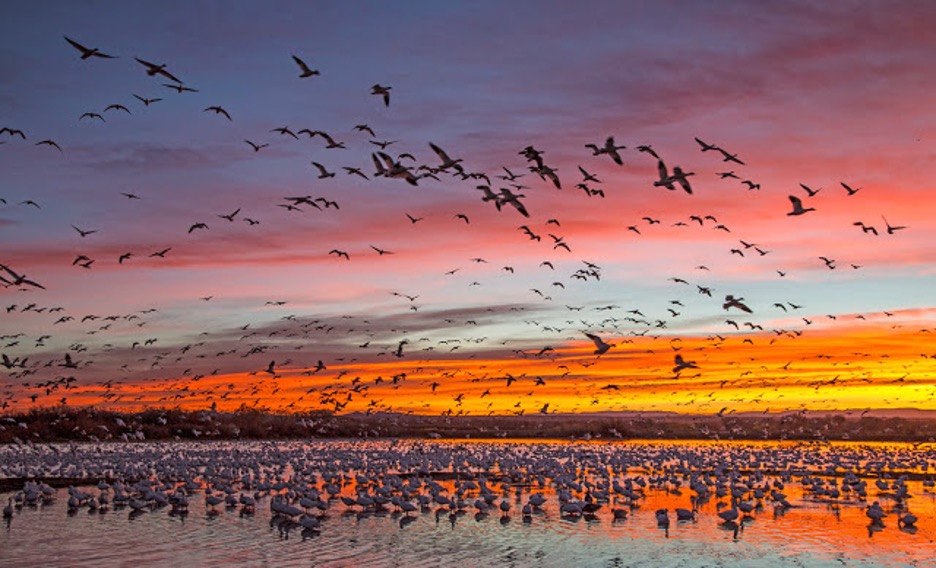
The sun never asks for applause
while the moon gets all the credit
for her glow and romantic stimulation.

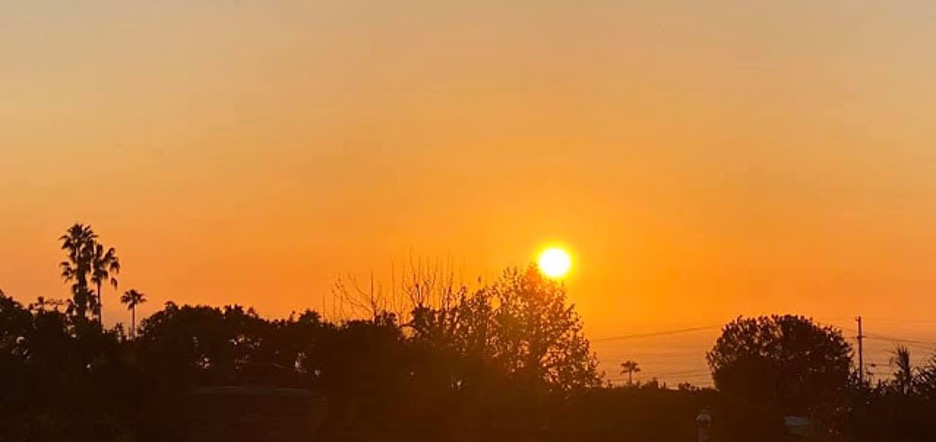
The sun sends energy into the morning sky.
Clouds collect and play on his palette.
The sun waits to outshine all droplets.
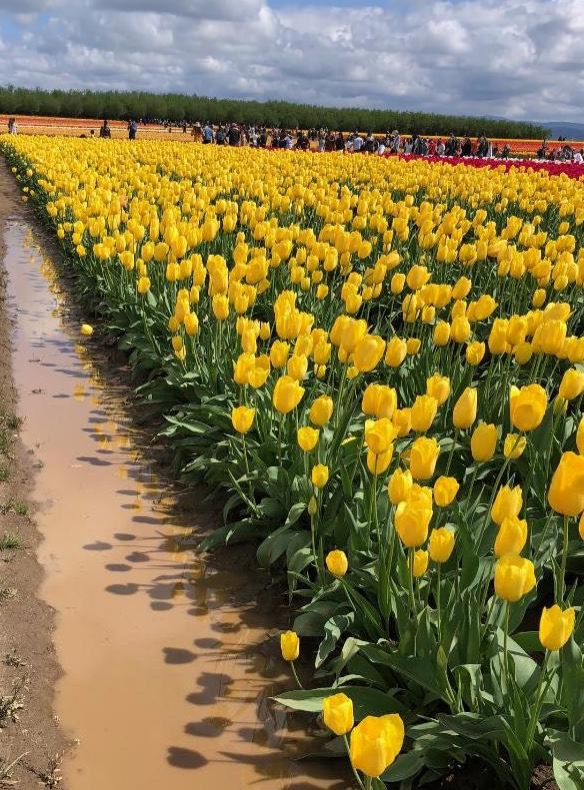
How many forget his nurture of tulips?
Yet, the audience blames him for sunburns,
the need for blinds, or those stormy days.

The sun shines on beyond crankiness,
swirls and provides a master show each evening.
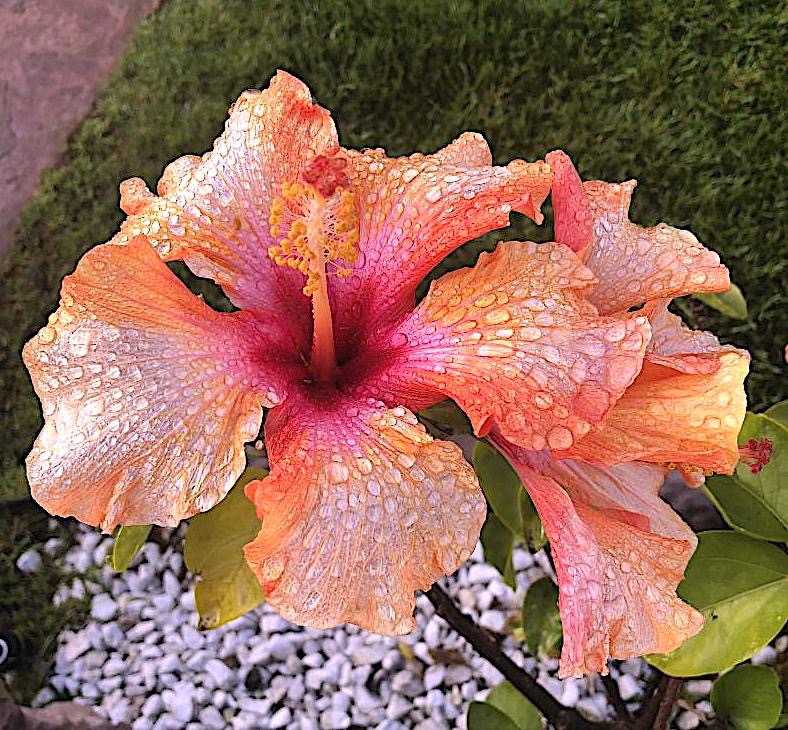
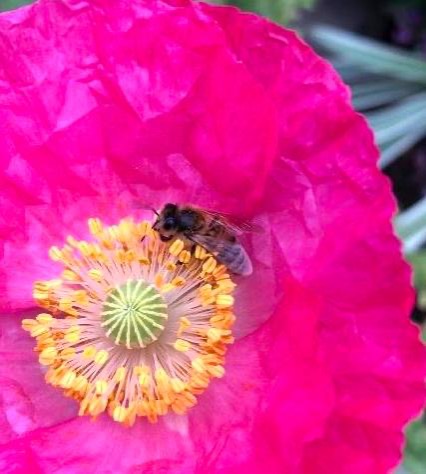
The morning’s dew on hibiscus
reflects the tangerine sunrise
diverts focus beyond teardrops.
Imagine a bee’s view
as a creative exploration
to evaporate all fears.

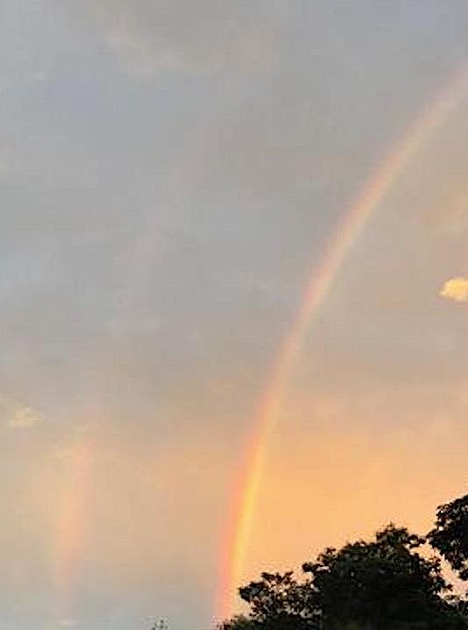
Collect a collage of rainbows
to rise and shine above
the storms of frustration.
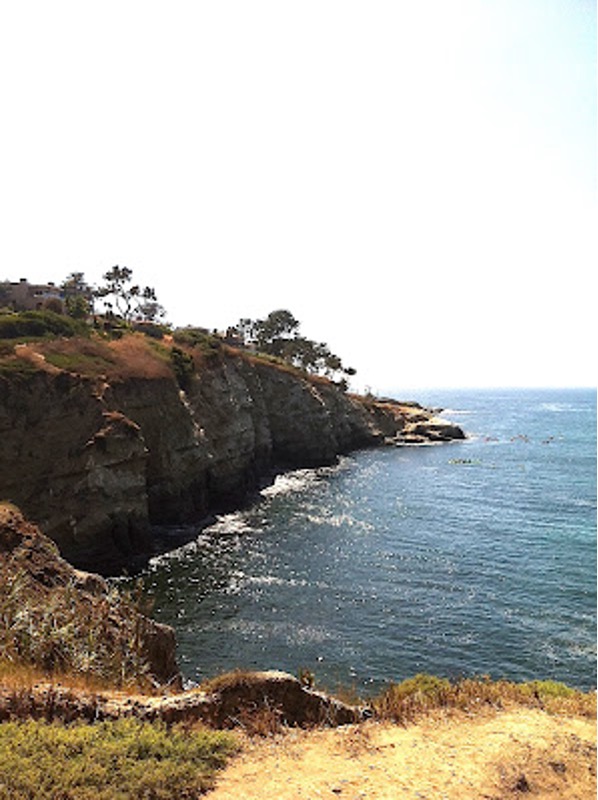
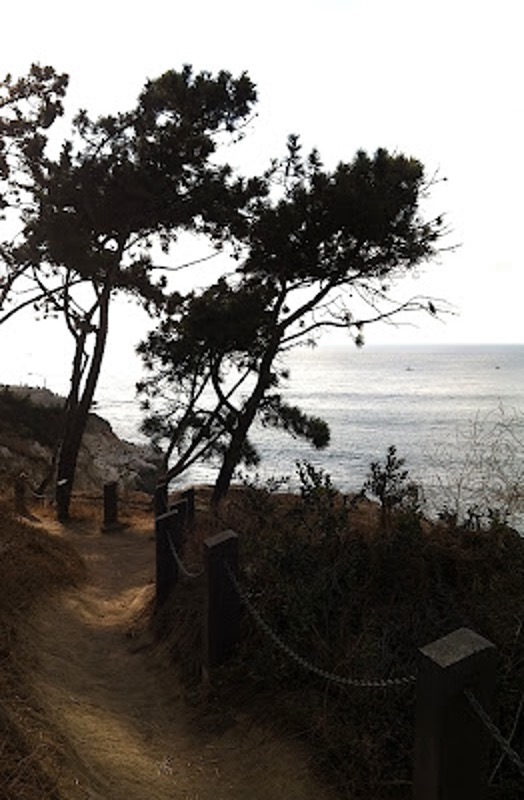
Autumn by the Sea
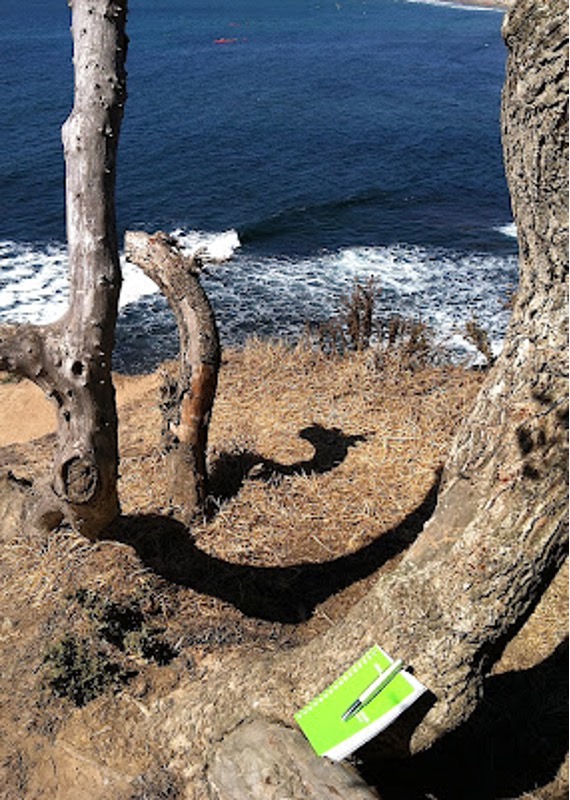
The shadow dragon watches for words.

Waves whoosh
  to shore,
   crackle
     into caves.
Blue satin rocks
       the sea's performance.
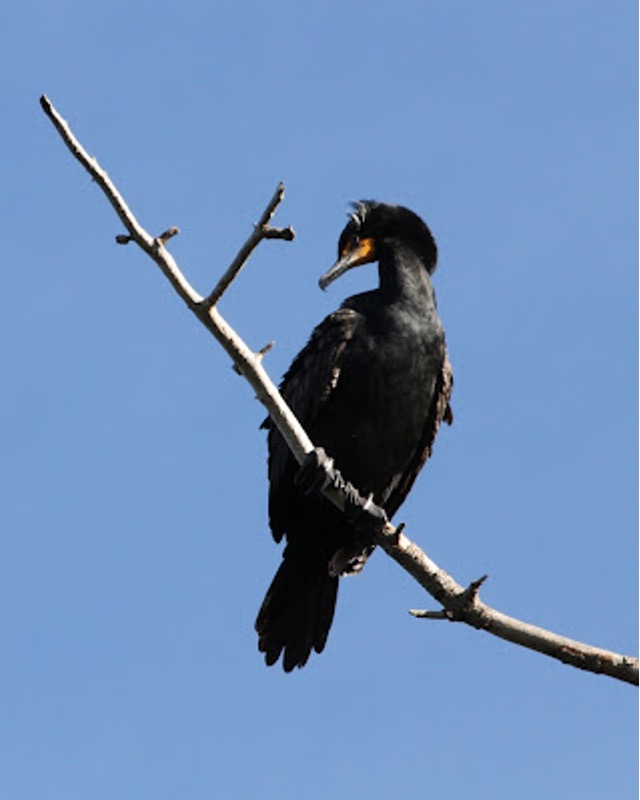
On Torrey pine branches, cormorants pose like banners.
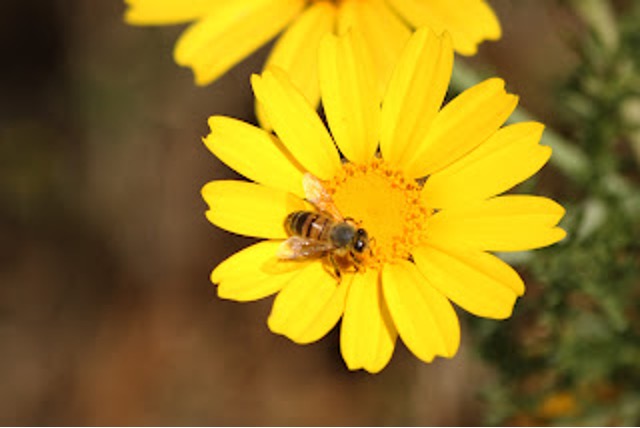
Crisped by summer sun, grass mingles with the muse of daisies on trails of sandstone dust.
Ask to borrow wings for one day.
Penny Wilkes, served as a science editor, travel and nature writer and columnist. An award-winning writer and poet, she has published a collection of short stories, Seven Smooth Stones. Her published poetry collections include: Whispers from the Land, In Spite of War, and Flying Lessons. Her Blog on The Write Life features life skills, creativity, and writing: http://penjaminswriteway.blogspot.com/ . Her photoblog is @: http://feathersandfigments.blogspot.com/
.
PLEASE NOTE: ARTICLES CAN ONLY BE REPRODUCED IN OTHER SITES WITH DUE ACKNOWLEDGEMENT TO BORDERLESS JOURNAL
The Kingdom of Salt

My aunt, not a poet and now dead, used to say
an ocean is a dark kingdom of tear,
fish eggs and the lost ships
Geography teachers always place a town
near a bay and fasten the bay with a quay
Like a tissue
and a tear drop hanging from the eye

A river can never really hook a bay and pull it inlands
as suggested by some Indian map-makers,
 traditional, when in love;
a bay is too moody and expansive
Like a huge enemy ship lost from a dark fleet
It is a descendant of the ocean and some clownfish

If you want to prevent the ocean at the bay, you build
an abrupt settlement of raw fish,
sweat water, mechanics and the fishermen
at the river’s hem;
install iron links, a hollow sky, piers and the jetties;
start a family, rear kids, beat the wife
and drink local liquor, always sweet and sour, like a village pastor
and sleep at the start of a dark night
It sometimes happens with all anglers, some lovers,
a few retired geography teachers and the dealers
of tear, hook and fish

My mother, a poet and now dead, used to say
a river and a bay can never be separated
like love and a fall from grace
Like the clown fish and the shipwreck. Like tap water
and a blue bucket beneath. Like a flow
and the loss of it
Sekhar Banerjee is an author. He has four poetry collections and a monograph on an Indo-Nepal border tribe to his credit. His works have been published in Indian Literature, The Bitter Oleander, Ink Sweat and Tears, Verse-Virtual, Setu, Kitaab, Borderless Journal, Better Than Starbucks, The Tiger Moth Review, and elsewhere. He lives in Kolkata, India.
PLEASE NOTE: ARTICLES CAN ONLY BE REPRODUCED IN OTHER SITES WITH DUE ACKNOWLEDGEMENT TO BORDERLESS JOURNAL
Keith Lyons interviews Jessica Mudditt, who spent four years in Myanmar and wrote a book about it
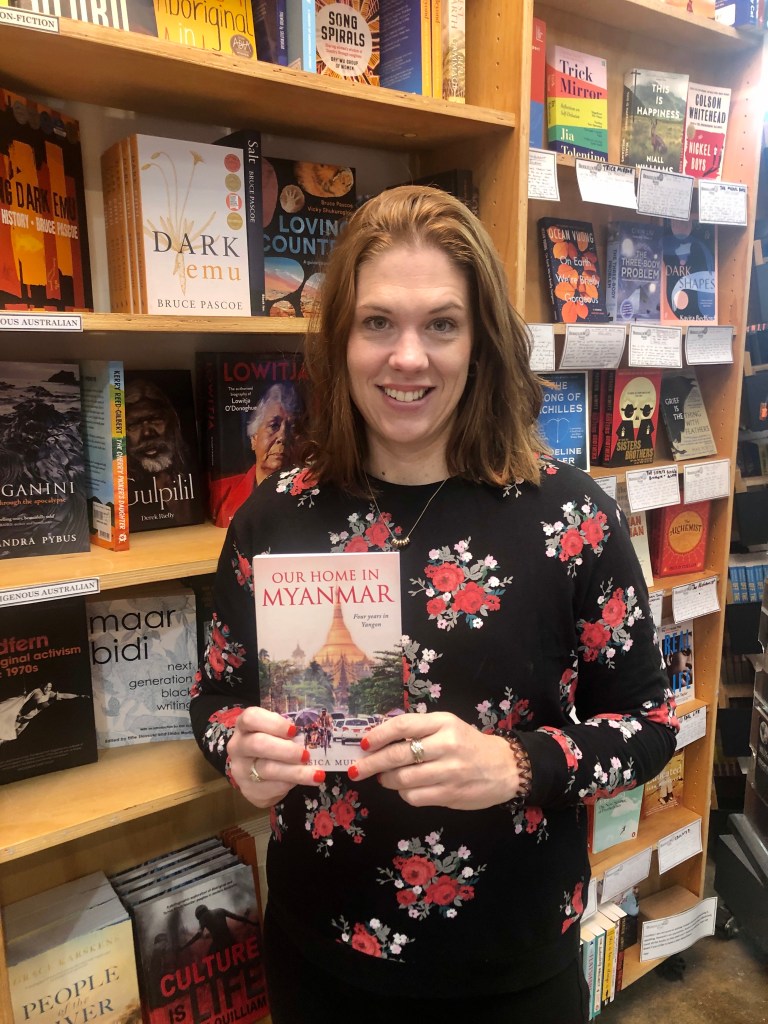
Jessica Mudditt holding her book. Photo sourced from author
Australian author and journalist Jessica Mudditt studied and worked in the UK, but it is the seven years she spent in Bangladesh and Myanmar which seems to have made the most significant impact on her professional career and personal life. Mainly covering business, technology and lifestyle, her articles have appeared in The Economist, BBC, The Telegraph, The Guardian, CNN, GQ and Marie Claire.
She lived and worked in Myanmar’s former capital Yangon in the mid-2010s, and after returning to Australia, Our Home in Myanmar – Four Years in Yangon (Hembury Press, May 2021) was published with an Epilogue placing the book’s focus in the context of the military coup which stole back power in February this year following democratic elections.
From Sydney, Jessica reflected on her time in Myanmar, and the recent events which have curtailed hopes for democracy, freedom and economic growth.
Looking back on what happened this year, does it make your time in Myanmar seem more special?
In a way, it makes even my most happy and carefree memories bittersweet. When I was reading back over the book as part of the editing process, some of the situations I described became quite poignant, knowing what I know in hindsight. For example, after the 2015 elections, it was Senior General Min Aung Hlaing who was the first to come out and say that as the commander-in-chief, he would respect the election results and the will of the people in voting for Aung San Suu Kyi’s party. Five years later, it was he who staged this terrible coup and is holding the entire country hostage. What changed for him, I wonder, between then and now? It was like he tried the shoe on one day and decided that it didn’t fit.
If you were still in Myanmar at the time of the coup, would you get out or stay given the dangerous time for journalists right now?
I would leave. It is simply too unsafe. There are no newspapers left to write for at any rate, other than The Global New Light of Myanmar. Mizzima and Irrawaddy and others have been stripped of their operating licenses and as such, are illegal entities. If you go on The Myanmar Times website, it turns black, and then a pop-up notice announces that the newspaper has been suspended for three months. That was six months ago. There are very, very few foreign journalists left inside the country. Of course, every expat was heartbroken to leave and many have expressed that they feel guilty about the people they have left behind. Everyone is in an impossible situation right now.
You added to the book from 2015 with updates on where some of the key players are now: The Myanmar Times co-founder Ross Dunkley was pardoned after the coup and is now back in Australia, have you had any contact with him, and if so, how do you feel about how it all panned out for him?
When Ross got a 13-year sentence in 2019 on drugs charges, I worried that he may not survive such a long period in prison. He is not a young man anymore. However, Ross turned out to be a cat with nine lives. He was released shortly after the coup (he joked in an interview that he is the only person to have benefitted from the coup). What astounded me was that despite everything he has been through in Myanmar, he expressed a wish to return there. I suppose it is his home, after all the years he has spent there. But even so! I sent him a message on Facebook just saying I was glad and relieved for him. However, I don’t think he has logged onto it since his release.
Photos of jailed former advisor to Aung San Suu Kyi, Sean Turnell, being vaccinated were released recently; are you concerned about his fate and also that of journalist Danny Fenster from Frontier who is also in Insein?
I feel sick when I think about them. I don’t know Danny personally, but Sean was a source for a few stories, and I met him in Sydney. I have so much respect for him, and he was always so kind and helpful. I am friends with his wife, Ha Vu, on Facebook, and her anguished posts are deeply upsetting. Yesterday was her birthday and she wrote that it was the first time in a decade that her husband hadn’t been able to wish her a happy birthday. She knew it would upset him. Sean has done nothing wrong – nor has Danny, of course – and I just wish that the military would let them go – along with the other 6,000 innocent people they have arrested.
Do you think you were lucky to have been in the country during its opening up and transformation?
I was incredibly lucky. The pace of change was so fast that I often had the sensation that I was watching history unfold in front of me. That may never happen again in my life. The liberalisation of the media was incredible. As a freelance journalist, when I had an idea for a story, I would google the topic to see what had been previously written. There were many instances when there was virtually nothing at all because it had never been possible to write of such topics under the draconian censorship laws (most of these laws were lifted not long after I arrived). I wrote the first stories on Myanmar’s human hair trade, cobras being found inside peoples’ homes in Yangon, children with cancer and elderly care. Journalism was challenging in Myanmar because there was a dearth of reliable data and finding sources could be tricky, as people were not always willing to speak as they still mistrusted the military (with good reason, it turned out). But it was also rewarding because it gave people the chance to tell their stories for the first time, and to provide information to readers that had perhaps not been in the public domain before.
What do you think attracted others from overseas to witness, take part or benefit from the changes?
One of the reasons I loved living in Yangon was because the ex-pat community was very interesting. At a party, for example, I could walk up to someone and ask, “What brought you to Myanmar?” or “What are you doing in Myanmar” and the answer would just about always be fascinating. Myanmar is a beautiful country with wonderful people, but it isn’t an easy place to live and many of the things associated with the ‘good life’ are unavailable. I think that if you moved to Myanmar, you wanted something different out of life, or to do things in a different way.
I’m pretty sure that there were a host of motivations though, and I’m sure that a few were motivated partially by greed. Myanmar was an untapped market with a large population, although spending power is comparatively low. There were also few laws regulating business dealings, so it was a bit of a wild west and that attracted a few shandy operators. But I think, for the most part, people’s intentions were good. They were there because they wanted to make a difference as well as to witness something really historic, in a political sense.
As a woman in Myanmar how safe did you feel, and do you think that helped or hindered your work?
I felt safe in Myanmar, as it has some of the lowest crime rates in Asia. I remember reading in Lonely Planet that muggings and pickpocketing are rare, and that if you accidentally drop money on the ground in a big city like Yangon, it’s more likely that someone will come chasing after you to return it. That actually happened to me. I would sit at a beer station in the evening with my bag slung behind my chair or on the ground or whatnot, and I never gave it a second thought. I wouldn’t do that in Sydney.
Sexual harassment is nowhere near as prevalent as it is in places such as India. In saying that, I am referring to sexual harassment against expat women. There were frequent reports of Burmese women being groped on crowded buses, for example.
Someone in Yangon told me last week that even though the current situation is desperate, and millions of people are starving and displaced, there is a huge amount of cooperation among the people, who help each other in any way they can. Sadly, we all know that the criminals in Myanmar are the military. The reams of razor wire that sit atop six-foot fences around people’s homes are there not because there are a lot of burglaries, but because the military comes for people in the night. They were doing it for decades before I arrived, and they are doing it again now.
What misconceptions about Myanmar do you think are held outside the country?
I’m not sure if it’s a misconception, but Myanmar’s political history is so complex that it can be difficult for people to get their head around it, and difficult to explain. The first thing most people say to me when the subject of Myanmar comes up is “What is the deal with Aung San Suu Kyi? I thought she was a good person – why did she fall from grace?” Or they will say they have heard of the terrible situation with the Rohingya, but they don’t understand how the genocide came about, or why they are still living in refugee camps. Most people outside Myanmar assume that Buddhism is a religion of peace, so they don’t understand why so much violence has taken place, or that Buddhism can turn militant and be infected with extreme nationalism.
Were you more surprised about the frosty reception you got from fellow ex-pats at your first newspaper job, or the treatment you got working for a newspaper once considered a mouthpiece for the military and government?
I was more surprised by the frosty reception I got at The Myanmar Times. I was wildly excited to be working there and went through a lot of difficulties to get my first visa (I brush over it in the book, but Sherpa and I initially applied from Bangladesh and were denied visas, so in the end we had to apply from Thailand). My colleagues at newspapers in Bangladesh had always been fantastically friendly, so it just never crossed my mind that my expat colleagues in Myanmar wouldn’t be friendly. My expectations were way too high, but I was pretty crushed, I have to say. Over time though, things improved, and I ended up with a terrific group of friends at work. We had a lot of fun nights out too.
My colleagues at The Global New Light of Myanmar were really kind and wonderful. I learnt so much about Myanmar from them, both on the job and during the casual conversations we’d have while smoking cigarettes or drinking whisky together after work. Myanmar people are so kind –so it wasn’t my colleagues’ kindness that surprised me. It was how strongly opposed to the military they were. I had not expected them to be staunch supporters of Aung San Suu Kyi, or even to themselves be former political prisoners. Many worked at the state-run newspaper because it was one of the few opportunities to use English in a professional context. To me, it showed just how pervasive the desire is for democracy and human rights among the people of Myanmar.
When did you get the idea for writing a book about your time in Myanmar?
I got the idea after I returned from Myanmar to Australia. Funnily enough, while I was living in Myanmar, I had been writing a book about Bangladesh. When I got back to Australia, I had no luck getting a publishing deal for the memoir on Bangladesh, so I decided to put it aside and start one on Myanmar. I started it in 2018 and finished it in April 2021. I’m glad that I decided to do that, because it would be hard to write the same book knowing that a coup would take place after I left. I am sure I would write it differently — with less optimism. As I mention in the epilogue, I thought I was simply writing about the ‘new Myanmar’ and that many books would follow in the same vein. I had no idea that I was inadvertently writing a history book.
In light of the events of 2021 with the military coup and Covid, do you see any hope for Myanmar, or is it a failed state?
There has possibly never been a darker time in Myanmar’s history, with the twin crises of COVID-19 and the military takeover to endure. But I don’t believe that this is how the story ends for Myanmar. It is evident that the people are unwilling to give up their democratic freedoms and human rights – I get the sense that they will fight until there is no one left standing.
However, the country is on the brink of becoming a failed state, if it isn’t already, and the suffering has already been immense. I know from my time in Myanmar that building back after half a century of dictatorship and a mismanaged economy was already difficult enough – I worry about how much this puts the country back on the path to progress. I take a long-term view of things though, and I believe that democracy will be restored, and the military will be booted out of all aspects of civilian life, including their 25% quota of parliamentary seats. I have no idea when this may occur, but I do believe that it will.
Keith Lyons (keithlyons.net) is an award-winning writer, author and creative writing mentor, who gave up learning to play bagpipes in a Scottish pipe band to focus on after-dark tabs of dark chocolate, early morning slow-lane swimming, and the perfect cup of masala chai tea. Find him@KeithLyonsNZor blogging at Wandering in the World (http://wanderingintheworld.com).
.
PLEASE NOTE: ARTICLES CAN ONLY BE REPRODUCED IN OTHER SITES WITH DUE ACKNOWLEDGEMENT TO BORDERLESS JOURNAL
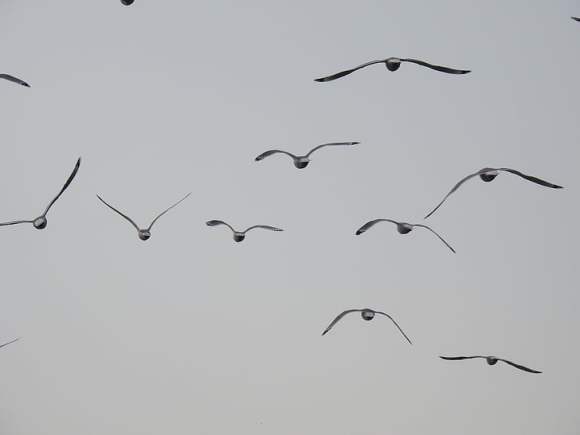
Romanticised by writers and artists over time, freedom has been variously interpreted. There is the freedom of birds that fly, of the clouds that float across the connecting blue skies, of the grass that grows across manmade borders, of the blood that flows to protect the liberty of confines or constructs drawn by man, the river that gurgles into the ocean, of the breeze that blows.
The many-splendored interpretations of freedom and its antitheses in Borderless journal are presented here for you to ponder … tell us what you think. Can freedom come without responsibility or a tryst with circumstances?
Exploring the freedom from bondages of education social norms and more, this story has been translated by Radha Chakravarty from Bengali. Clickhere to read.
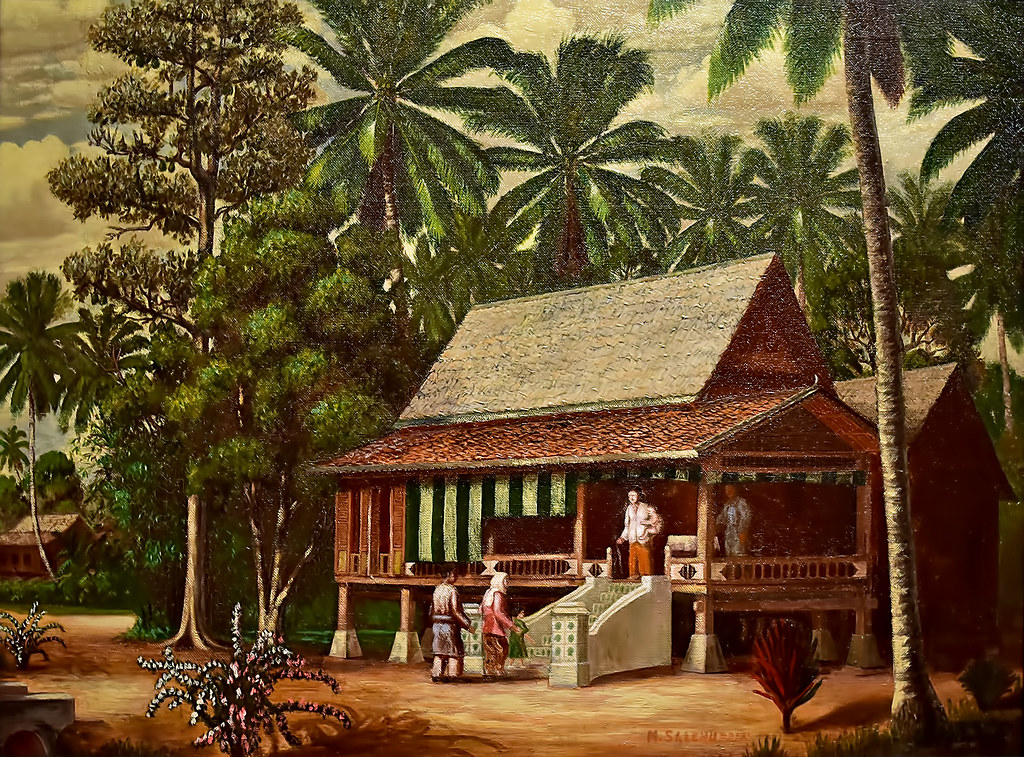
Malaysia is said to have been inhabited 40,000 years ago by the same tribes who populated the Andamans. Situated on the trade route between China and India, they assimilated varied cultures into their lore, including that of the Arabs. Phases of colonial occupation by the Portuguese, Dutch and British wracked their history from 1511. They suffered from Japanese occupation during the Second World War. The Federation of Malaya achieved independence after a struggle on 31st August 1957. In 1963, the British colonies of Singapore, Sarawak and North Borneo were combined with Malaya and the country was rechristened Malaysia.
In 1965, Singapore was voted out due to ideological reasons, some of it being racial and political. This Partition was free of political bloodshed or violence between the two countries, unlike the earlier Partitions within Asia which led to much violence and bigotry — India, Pakistan and North Korea and South Korea (where the split along the 38th parallel was initiated by the West post-Second World War to settle matters between the ideological blocks of communism and capitalism).
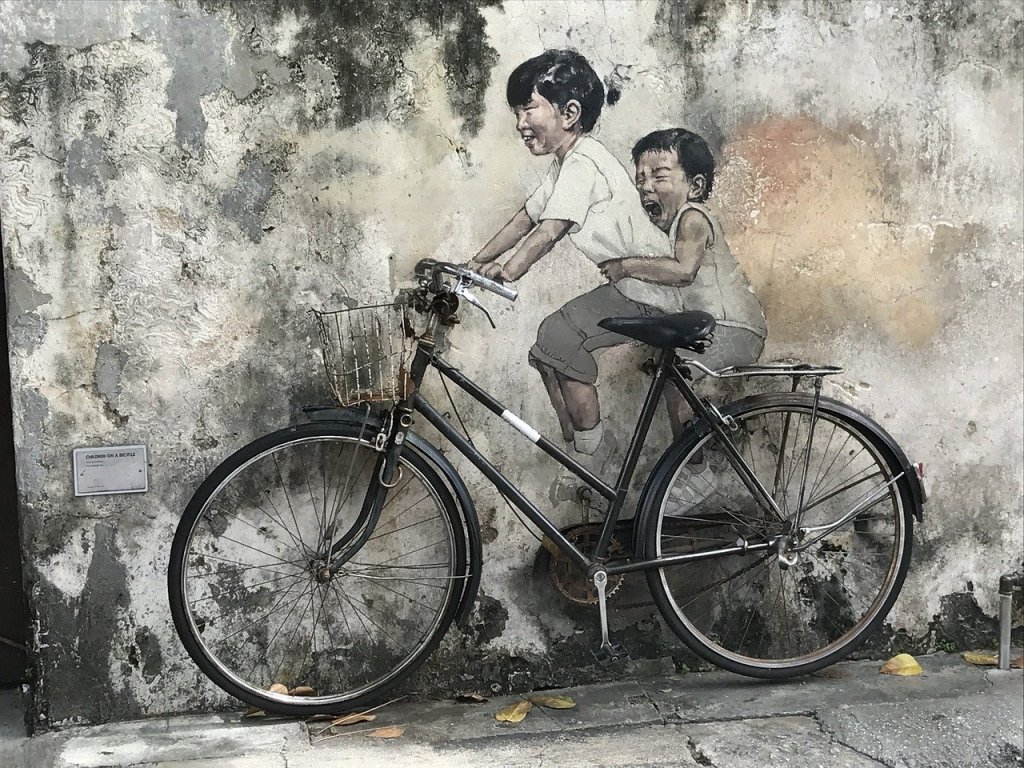
Malaysia continues a federal constitutional monarchy with a Sultan and an elected Prime Minister at the helm and has a mixed population of Malays (Bumiputera), Chinese, Indians, Portuguese and other ethnicities. We present a selection of writing from this country, put together on the occasion of their 64th independence day, also known as Hari Merdeka or National day.
Poetry
Benderaku(My Flag) by Julian Matthews. Click here to read.
DIVERSITY

Diversity is our last name.
Born speaking three languages (or four),
We, unconscious code switchers,
created creole
before linguists caught up with us.
Colourless and colour blind.
Playing in each other’s homes,
Their food, became ours
 Ours, theirs.
Their foul words ours,
And our curses theirs.

We walk into temples,
Mosques, churches,
attending christenings, weddings
and funerals.
No discomfort we feel
participating in diverse festivals
of each religion and race.
Come to think of it,
Diversity must be our middle name.

We don each other’s costumes
as a matter of daily wear;
no one claims ownership,
it’s all national fare.
Then of course we marry each other
Creating a lovelier mess
of bi-racial and tri-racial children
of no definite ethnicity.
Growing up bi-religious and tri-lingual,
Colourless and colour blind,

We live everywhere in this world,
Never feeling we are different
until we have to fill a form.
Asian, Indian, European, East European
Middle Eastern, African, African American,
 American and other.
How the heck do we know?
Dang those forms that ask us so,
to tick boxes to put us into boxes.
Dang the politicians of single colour
because they cannot see the rainbow.

Actually, diversity is our first name.


HAVE WE?  HAVE WE?

Have we learnt another language
to challenge our little brains?
Have we walked in others’ shoes
and learnt of their pain?
Have we shared with them a cup of joy
and freely drunk of theirs too?
Have we sat at their table and
broken bread with them?
Have we stood beside the others
and thought them just the same?
Have we risen above ancient anger,
forgiven our fellow men,
thought them worthy of our compassion
and stretched out our hands?
Have we emptied the bitter cup
that diminishes all men?


Our colours are but geography,
our religions but pathways
to the same universal One.
So, who is to say who is better?
It is always our own buried fear,
that we pray at the altar,
then curse the man on the street
just because he looks different
and is from another land;
just because we will not say
he is really a God-made-Man.
A. Jessie Michael is a retired Associate Professor of English from Malaysia. She has written short stories for local magazines and newspapers. She has published an anthology of short stories Snapshots, with two other writers and most recently her own anthology The Madman and Other Stories (2016).
PLEASE NOTE: ARTICLES CAN ONLY BE REPRODUCED IN OTHER SITES WITH DUE ACKNOWLEDGEMENT TO BORDERLESS JOURNAL
Born free
As free as the wind blows
As free as the grass grows
Born free to follow your heart
-- Born Free by Andy Williams
These are lines from a song by Andy Williams, a pop icon whose song was the theme song in Born Free, a film made in 1966 about a lion cub bred in captivity, who had to be trained to live free even though she was born free. Does that apply to all living creatures, including humans? What is freedom? And who is free? Does political independence mean ultimate freedom?
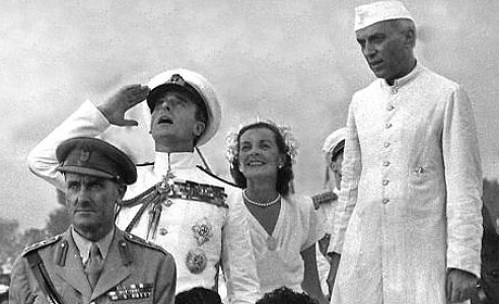
We celebrate political ‘freedom’ of countries as national or independence days. Sometimes, as in the case of India and Pakistan, independent nationhood can be laced with bloodshed and grief . Two new countries were born of a single colonial India in the August of 1947. Pakistan awoke as a country on the midnight of 14th August and India called the late hour 15th August. Nehru’s speech has become an iconic one: “Long years ago we made a tryst with destiny, and now the time comes when we shall redeem our pledge… At the stroke of the midnight hour, when the world sleeps, India will awake to life and freedom…”
Lord & Lady Mountbatten with Nehru on 15th August 1947
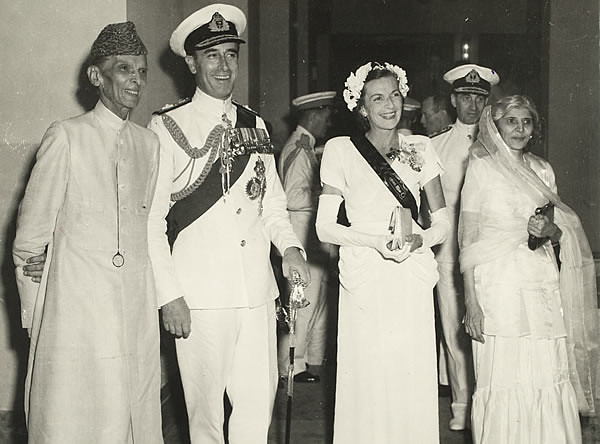
Lord & Lady Mountbatten with Jinnah and his sister, Fatima, 14 August 1947.
Lord Mountbatten was the last Viceroy of colonial India. Courtesy: Creative Commons
Common people while crossing the boundary line between the two new nations lost their lives, homes and lands over the mob violence. The resentment still simmers in a few hearts. In an attempt to find peace and amity, we have put forward a combined selection of writing from across borders, words devoid of angst or hate, words that look for commonality and harmony.
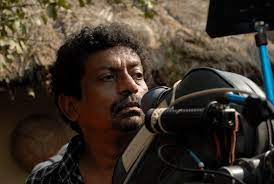
In Conversation with Goutam Ghose, multiple award-winning filmmaker, writer, actor discusses his films, film-books and journey as a humanitarian artiste who makes cross cultural films across all boundaries. Click here to read.
In The Idea of India: Bharata Bhagya Bidhata – The Making of a MotherlandAnasuya Bhar explores the history around the National Anthem of India which started as a song, composed by Tagore. Only the first paragraph of the whole song in Bengali was adapted as the National Anthem. We include the translations of the complete song both by Tagore and by Aruna Chakravarti. Click here to read.
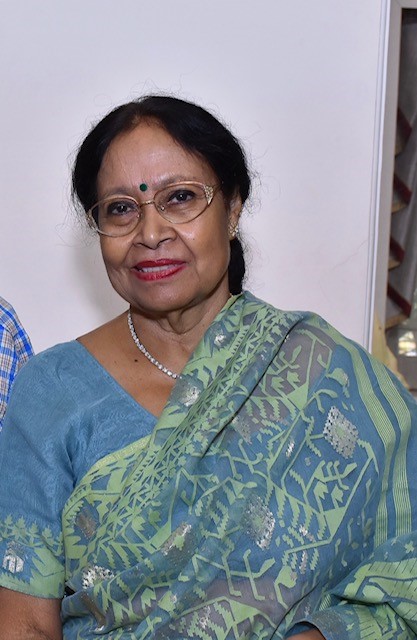
In An August Account of ‘Quit India’ MovementRatnottama Sengupta, translates from Bengali the excerpts recorded by Sandhya Sinha (1928-2016), who witnessed an upsurge in the wake of the Quit India Movement. Click here to read.
In Seventy-four Years After Independence…“Mil ke rahe gi Azadi”(We will get our Freedom), Aysha Baqir muses on Pakistani women’s role in the independence movement and their current state. Click here to read.
In 2147 without Borders, Devraj Singh Kalsi meanders over Partitions, borders and love stories and looks for an amicable solution in a happier future. Click here to read.
Fiction
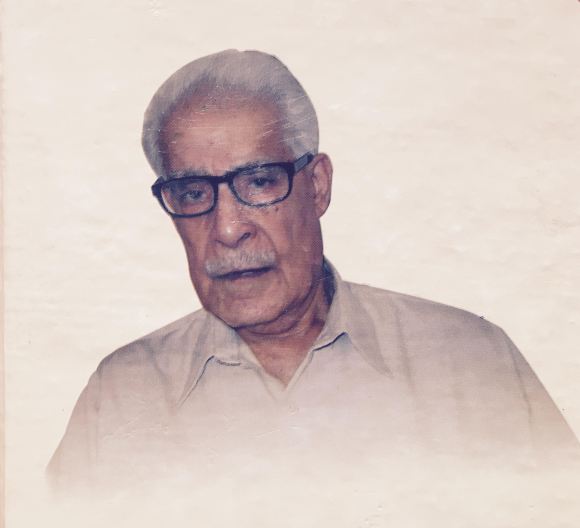
Bundu, Consoler of the Rich is a story based on memories of Partition by Nadir Ali, translated from Punjabi by Amna Ali. Click here to read.
In The Best Word, Maliha Iqbal explores the impact of wars in a spine chilling narrative, journeying through a range of emotions. Click here to read.
In Do Not Go!, Moazzam Sheikh explores dementia, giving us a glimpse of the lives of Asian immigrants in America. Click here to read.
In The Chained Man Who Wished to be Free, Sunil Sharma explores freedom and democracy versus conventions. We are left wondering is this the freedom we fought for? Click here to read.
Goutam Ghose, multiple award-winning filmmaker, writer, actor discusses his films, film-books and journey as a humanitarian artiste. Click here to read.
DrKirpal Singh, a well-known poet and academic from Singapore, talks of his life and times through colonial rule, as part of independent Malaya, and the current Singapore. Click here to read.
Ratnottama Sengupta translates from Bengali the excerpts recorded by Sandhya Sinha (1928-2016), who witnessed an upsurge in the wake of the Quit India Movement, part of India’s struggle against colonial rule. Click here to read.
‘Tran’by Tagore translated from Bengali to English by Mitali Chakravarty, art and editing by Sohana Manzoor for Borderless Journal. Click here to read.
Anasuya Bhar explores the history of the National Anthem of India, composed by Tagore in Bengali and translated only by the poet himself and by Aruna Chakravarti. Click here to read.
John Herlihy explores the magnificent sites of Mandalay in company of a Slovenian friend in the first episode of his quartet on his Myanmar. Click here to read.
Bhaskar’s Corner
In Tagore & Odisha, Bhaskar Parichha explores Tagore’s interactions with Odisha, his impact on their culture and the impact of their culture on him. Click here to read
“Mil ke rahe gi Azadi”(We will get our Freedom) by Aysha Baqir muses on Pakistani women’s role in the independence movement and their current state. Click here to read.
Beyond The Himalayas by Goutam Ghose, based on a five-part documentary taking us on a journey along the silk route exploring parts of Pakistan and China. Click here to read.
On August 8th 2021, the chief of the International Olympic Committee, Thomas Bach, pointed out during the closing ceremony that these games were “unprecedented” and brought messages of “hope, solidarity and peace” into a world torn with the desolation generated by the pandemic. It was a victory of the human spirit again, a precursor of what is to come. That the Japanese could get over their pandemic wrought hurdles, just as they did post the nuclear disasters wrought by the Second World War and by the 2011 earthquake-tsunami at Fukushimaya, to host something as spectacular and inspiring as these international games reflects, as the commentators contended, a spirit of ‘harmony and humility’. The last song performed by many youngsters seemed to dwell on stars in the sky — not only were the athletes and organisers the stars but this also reminded of unexplored frontiers that beckon mankind, the space.What a wonderful thing it was to see people give their best and unite under the banner of sports to bring messages of survival and glimpses of a future we can all share as human beings! Our way of doing things might have to evolve but we will always move forward as a species to thrive and expand beyond the known frontiers.
One such explorer of yet unknown frontiers who mingles the historic with the contemporary, Goutam Ghose, an award-winning filmmaker and writer, has honoured our pages with an extensive interview showing us how art and harmony can weave lores that can help mankind survive. This is reinforced by the other interview with Singaporean academic, Dr Kirpal Singh, whose poetry reflects his convictions of a better world. With our intelligence, we can redefine processes that hold us back and grind our spirits to dust — be it the conventional ‘isms’ or norms that restrict our movement forward – just as Tagore says in the poem, we have translated this time, ‘Deliverance’.
…On this auspicious dawn,
Let us hold our heads high in the infinite sky
Amidst the light of bounteousness and the heady breeze of freedom.
As the Kobiguru mentioned earlier in the poem, the factors that oppress could be societal, political, or economic. Could they perhaps even be the fetters put on us by the prescribed preconceived definition of manmade concepts like ‘freedom’ itself? Freedom can be interpreted differently by multiple voices.
This month, on our pages, ‘freedom’ has found multiple interpretations in myriad of ways — each voice visualising a different dream; each dream adding value to the idea of human progress. We have discussions and stories on freedom from Nigeria, Argentina, India, Pakistan, Myanmar, Malaysia and more. Strangely enough, August holds multiple independence/ national days that are always for some reason seen as days of being ‘freed’ by many — at least from oppression. But is that true?
From Malaysia, Julian Matthews and Malachi Edwin Vethamani cry out against societal, religious and political bindings – quite a powerful outcry at that with a story and poems. Akbar Barakzai continues his quest with three poems around ideas of freedom translated from Balochi by Fazal Baloch. Jaydeep Sarangi and Joan Mcnerny pick up these reverberations of freedom, each defining it in different ways through poetry.
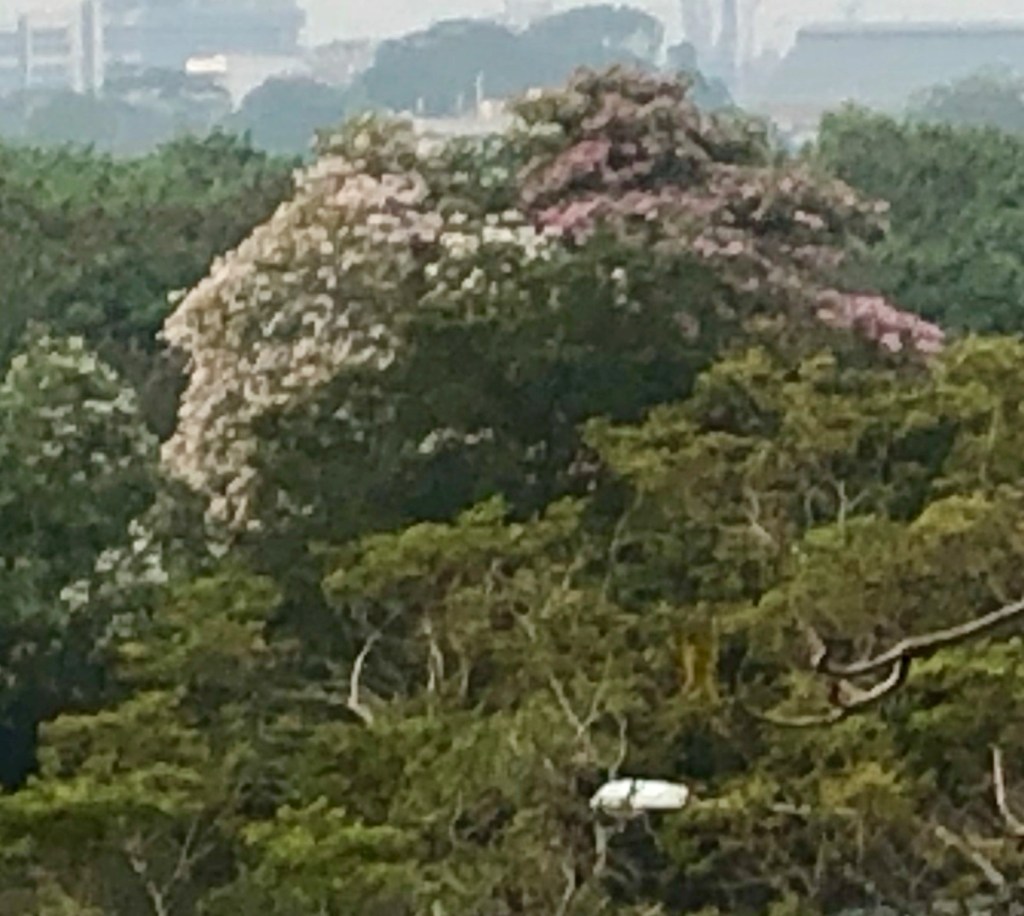
Jared Carter takes us back to his childhood with nostalgic verses. Ryan Quinn Flanagan, Michael Lee Johnson, Vandana Sharma and many more sing to us with their lines. Rhys Hughes has of course humour in verse that makes us smile as does Jay Nicholls who continues with her story-poems on Pirate Blacktarn – fabulous pieces all of them. The sport of hummingbirds and cats among jacaranda trees is caught in words and photographs by Penny Wilkes in her Nature’s Musings. A poetic tribute to Danish Siddiqui by young Sutputra Radheye rings with admiration for the Pulitzer prize-winning photographer who met his untimely end last month on 16th while at work in Afghanistan, covering a skirmish between Taliban and Afghanistan security forces. John Linwood Grant takes up interesting issues in his poetry which brings me back to ‘freedom’ from colonial regimes, perhaps one of the most popular themes for writers.
Indo-Pak independence, celebrated now on 14th (Pakistan) and 15th August (India), reflects not only the violence of the Partition which dislocated and killed millions historically but also the trauma caused by the event. Capturing this trauma is a short story based on memories of Partition by Nadir Ali, translated from Punjabi by his daughter, Amna Ali. Ratnottama Sengupta translates from the diary of Sandhya Sinha (1928-2016), a woman’s voice from the past that empathises with the subjugated who were subdued yet again after an upsurge of violence during the Quit India Movement (1942) against the colonials. Sinha contends that though the movement frittered away, the colonials were left with an after-taste of people hankering for self-rule. A thought-provoking short story by Sunil Sharma explores the results of self-rule in independent India.
Alluding to Jinnah’s vision for women, Aysha Baqir muses emotionally about the goals that remain yet to be fulfilled 74 years after independence. Moazzam Sheikh’s story of immigrants explores dementia, giving us a glimpse of the lives of Asian immigrants in America, immigrants who had to find a new home despite independence. Was this the freedom they dreamt of — all those who fought against various oppressive regimes or colonialism?
Tagore’s lyrics might procure a few ideas on freedom, especially in the song that India calls its National Anthem. Anasuya Bhar assays around the history that surrounds the National Anthem of India, composed by Tagore in Bengali and translated to English by the poet himself and more recently, only by Aruna Chakravarti. We also carry Dr Chakravarti’s translation of the National Anthem in the essay. Reflecting on the politics of Partition and romance is a lighter piece by Devraj Singh Kalsi which says much. ‘Dinos in France’ by Rhys Hughes and Neil Reddick’s ‘The Coupon’ have tongue-in-cheek humour from two sides of the Atlantic.
A coming-of-age story has been translated from Nepali by Mahesh Paudyal – a story by a popular author, Dev Kumari Thapa – our first Nepali prose piece. We start a four-part travelogue by John Herlihy, a travel writer, on Myanmar, a country which has recently been much in the news with its fight for surviving with democracy taking ascendency over the pandemic and leaving the people bereft of what we take for granted.
Candice Louisa Daquin discusses a life well-lived in a thought provoking essay, in which she draws lessons from her mother as do Korean poet, Ihlwha Choi, and Argentinian writer, Marcelo Medone. Maybe, mothers and freedom draw similar emotions, of blind love and adulation. They seem to be connected in some strange way with terms like motherland and mother tongue used in common parlance.
We have two book excerpts this time: one from Beyond the Himalayas by the multi-faceted, feted and awarded filmmaker we have interviewed, Goutam Ghose, reflecting on how much effort went in to make a trip beyond boundaries drawn by what Tagore called “narrow domestic walls”. We carry a second book excerpt this time, from Jessica Muddit’s Our Home in Myanmar – Four years in Yangon. Keith Lyons has reviewed this book too. If you are interested in freedom and democracy, this sounds like a must read.
Maithreyi Karnoor’sSylvia: Distant Avuncular Ends,is a fiction that seems to redefine norms by what Rakhi Dalal suggests in her review. Bhaskar Parichha has picked a book that many of us have been curious about, Arundhathi Subramaniam’s Women Who Wear Only Themselves. Parichha is of the opinion, “Elevated or chastised, exonerated or condemned, the perturbation unworldly women in India face is that they have never been treated as equal to men as spiritual leaders. This lack of equality finds its roots not only in sociological and cultural systems, but more particularly at the levels of consciousness upon which spirituality and attitudes are finally based.”One wonders if this is conclusive for all ‘unworldly women’ in India only or is it a worldwide phenomenon or is it true only for those who are tied to a particular ethos within the geographical concept of India? The book reviewed by Meenakshi Malhotra, Somdatta Mandal’s The Last Days of Rabindranath Tagore in Memoirs, dwells on the fierce independence of the early twentieth century women caregivers of the maestro from Bengal. These women did not look for approval or acceptance but made their own rules as did Jnadanandini, Tagore’s sister-in-law. Bhaskar Parichha has also added to our Tagore lore with his essay on Tagore in Odisha.
As usual, we have given you a peek into some of our content. There is more, which we leave for our wonderful readers to uncover. We thank all the readers, our fantastic contributors and the outstanding Borderless team that helps the journal thrive drawing in the best of writers.
I wish you all a happy August as many of the countries try to move towards a new normal.






 Borderless