Categories
World Environment Day

This is Our Home…

Our home is our planet with it’s unique combinations which have made life possible. These evolve and mutate with human intervention and the passage of time. The changes affect the flora and the fauna — of which we are a part — of this beautiful green planet. The World Environment Day is a UN initiative to protect the environment and to create an awareness about the changes wrought on it and how it could impact us as a species. Writers from yore have written of the beauty and the inspiration invoked by nature as have the moderns. Today, we share with you vintage writings as well as modern writing in prose on the world around us, showcasing the concerns of a century ago and the reality today.

Vintage Prose

One Small Ancient Tale: Rabindranath Tagore’s Ekti Khudro Puraton Golpo (One Small Ancient Tale) has been translated by Nishat Atiya. Click here to read.

 Bolai: Story of nature and a child translated by Chaitali Sengupta. Click here to read.

Baraf Pora (Snowfall) : This narrative gives a glimpse of Tagore’s first experience of snowfall in Brighton and published in the Tagore family journal, Balak (Children), has been translated by Somdatta Mandal . Click here to read.

The Day of Annihilation, an essay on climate change by Kazi Nazrul Islam, has been translated from Bengali by Radha Chakravarty. Click here to read.

Modern Prose

The Gift Rebecca Klassen shares a sensitive fiction about a child and an oak tree. Click here to read.

A Penguin’s StorySreelekha Chatterjee writes a fiction from a penguin’s perspective. Click here to read.

Navigational ErrorLuke P.G. Draper explores the impact of pollution with a short compelling narrative. Click here to read.

Pigeons & People : In his fiction, Srinivasan R explores human nature and imagines impact on our fauna. Click here to read

The Theft of a RiverKoushiki Dasgupta Chaudhuri reveals a poignant truth about how a river is moving towards disappearance due to human intervention. Click here to read.

Better Relations Through Weed-pullingSuzanne Kamata introduces us to an annual custom in Japan. Click here to read.

The Toughness of Kangaroo Island Vela Noble draws solace and lessons from nature around her with her art and narrative. Click here to read.

Potable Water Crisis & the SunderbansCamellia Biswas, a visitor to Sunderbans during the cyclone Alia, turns environmentalist and writes about the potable water issue faced by locals. Click here to read.

The Malodorous Mountain: A Contemporary FolkloreSayantan Sur looks into environmental hazards due to shoddy garbage disposal. Click here to read.

Four Seasons and an Indian SummerKeith Lyons talks of his experiences of seasons in different places, including Antarctica. Click here to read.

Tsunami 2004: After 18 yearsSarpreet Kaur travels back to take a relook at the tsunami in 2004 from Andaman and Nicobar Islands. Click here to read.

A discussion on managing cyclones, managing the aftermath and resilience with Bhaksar Parichha, author of Cyclones in Odisha: Landfall, Wreckage, and Resilience. Click here to read.

Categories
Greetings from Borderless

Auld Lang Syne…

As we wait for the new year to unfold, we glance back at the year that just swept past us. Here, gathered together are glimpses of the writings we found on our pages in 2024 that herald a world of compassion and kindness…writings filled with hope and, dare I say, even goodwill…and sometimes filled with the tears of poetic souls who hope for a world in peace and harmony. Disasters caused by humans starting with the January 2024 in Japan, nature and climate change, essays that invite you to recall the past with a hope to learn from it, non-fiction that is just fun or a tribute to ideas, both past and present — it’s all there. Innovative genres started by writers to meet the needs of the times — be it solar punk or weird western — give a sense of movement towards the new. What we do see in these writings is resilience which healed us out of multiple issues and will continue to help us move towards a better future.

A hundred years ago, we did not have the technology to share our views and writings, to connect and make friends with the like-minded across continents. I wonder what surprises hundred years later will hold for us…Maybe, war will have been outlawed by then, as have been malpractices and violences against individuals in the current world. The laws that rule a single man will hopefully apply to larger groups too…

Poetry

Whose life? by Aman Alam. Click here to read.

Winter Consumes by Luis Cuauhtémoc Berriozábal. Click here to read.

Hot Dry Summers by Lizzie Packer. Click here to read.

House of Birds (for Pablo Neruda) by Ryan Quinn Flanagan. Click here to read.

Poems for Dylan Thomas by Michael Burch. Click here to read.

Dylan Thomas in Ardmillan Terrace? by Stuart McFarlane. Click here to read.

Bermuda Love Triangle & the Frothiest Coffee by Rhys Hughes. Click here to read.

Satirical Poems by Maithreyi Karnoor. Click here to read.

Three Poems by Rakhi Dalal. Click here to read.

Manish Ghatak’s Aagun taader Praan (Fire is their Life) has been translated from Bengali by Indrayudh Sinha. Click here to read.

Manzur Bismil’s poem, Stories, has been translated from Balochi by Fazal Baloch. Click here to read.

Ye Shao-weng’s poetry ( 1100-1150) has been translated from Mandarin by Rex Tan. Click here to read.

Amalkanti by Nirendranath Chakraborty has been translated from Bengali by Debali Mookerjea-Leonard. Click here to read.

The Mirror by Mubarak Qazi has been translated from Balochi by Fazal Baloch. Click here to read.

Homecoming, a poem by Ihlwha Choi on his return from Santiniketan, has been translated from Korean by the poet himself. Click here to read.

Pochishe Boisakh (25th of Baisakh) by Tagore (1922), has been translated from Bengali by Mitali Chakravarty. Click here to read.

Nazrul’s Ghumaite Dao Shranto Robi Re (Let Robi Sleep in Peace) has been translated from Bengali by Professor Fakrul Alam. Click here to read.

Jibananada Das’s Andhar Dekhecche, Tobu Ache (I have seen the dark and yet there is another) has been translated from Bengali by Professor Fakrul Alam. Click here to read.

Tagore’s Shotabdir Surjo Aji ( The Century’s Sun today) has been translated from Bengali by Mitali Chakravarty. Click here to read.

Non-fiction

Baraf Pora (Snowfall)

A narrative by Rabindranath Tagore that gives a glimpse of his first experience of snowfall in Brighton and published in the Tagore family journal, Balak (Children), has been translated from Bengali by Somdatta Mandal. Click here to read.

Dylan on Worm’s Head

Rhys Hughes describes a misadventure that the Welsh poet had while hiking as a tribute to him on Dylan Thomas Day. Click here to read.

Travels of Debendranath Tagore 

These are from the memoirs of Tagore’s father translated from Bengali by Somdatta Mandal. Click here to read.

Two Pizza Fantasies

Rhys Hughes recounts myths around the pizza in prose, fiction and poetry, Click here to read

Is this a Dagger I See…?

Devraj Singh Kalsi gives a tongue-in-cheek account of a writer’s dilemma. Click here to read.

Still to Moving Images 

Ratnottama Sengupta explores artists who have turned to use the medium of films… artists like the legendary MF Husain. Click here to read.

How Dynamic was Ancient India?

Farouk Gulsara explores William Dalrymple’s latest book, The Golden Road: How Ancient India Transformed the World. Click here to read.

The Magic Dragon: Cycling for Peace

Keith Lyons writes of a man who cycled for peace in a conflict ridden world. Click here to read.

A Cover Letter

Uday Deshwal muses on writing a cover letter for employment. Click here to read.

A Manmade Disaster or Climate Change?

Salma A Shafi writes of floods in Bangladesh from ground level. Click here to read.

Pinecones and Pinky Promises

Luke Rimmo Minkeng Lego writes of mists and cloudy remembrances in Shillong. Click here to read.

 Educating for Peace in Rwanda

Suzanne Kamata discusses the peace initiatives following the terrors of the 1994 Rwandan Genocide while traveling within the country with her university colleague and students. Click here to read.

Breaking Bread

Snigdha Agrawal has a bovine encounter in a restaurant. Click here to read.

From Srinagar to Ladakh: A Cyclist’s Diary

Farouk Gulsara travels from Malaysia for a cycling adventure in Kashmir. Click here to read.

A Saga of Self-empowerment in Adversity

Bhaskar Parichha writes of Noor Jahan Bose’s Daughter of The Agunmukha: A Bangla Life, translated from Bengali by Rebecca Whittington. Click here to read.

Safdar Hashmi

Meenakshi Malhotra writes of Anjum Katyal’s Safdar Hashmi: Towards Theatre for a Democracy. Click hereto read.

Meeting the Artists

Kiriti Sengupta talks of his encounter with Jatin Das, a legendary artist. Click here to read.

The Comet’s Trail: Remembering Kazi Nazrul Islam

Radha Chakravarty pays tribute to the rebel poet of Bengal. Click here to read.

The Myriad Hues of Tagore by Aruna Chakravarti

Aruna Chakravarti writes on times and the various facets of Tagore. Click here to read.

The Year of Living Dangerously

Professor Fakrul Alam takes us back to the birth of Bangladesh. Click here to read.

A Short, Winding, and Legendary Dhaka Road 

Professor Fakrul Alam takes us on a historical journey of one of the most iconic roads of Dhaka, Fuller Road. Click here to read.

 A Sombre Start 

Suzanne Kamata talks of the twin disasters in Japan. Click here to read.

Fiction

The Snakecharmer

Shapuray by Nazrul, has been translated from Bengali by Sohana Manzoor. Click here to read.

Significance

Naramsetti  Umamaheswararao creates a fable around a banyan tree and it’s fruit. Click here to read.

Just Another Day

Neeman Sobhan gives a story exploring the impact of the politics of national language on common people. Click here to read.

The Ghosts of Hogshead

Paul Mirabile wanders into the realm of the supernatural dating back to the Potato Famine of Ireland in the 1800s. Click here to read.

A Queen is Crowned

Farhanaz Rabbani traces the awakening of self worth. Click here to read.

The Last Hyderabadi

Mohul Bhowmick talks of the passage of an era. Click here to read.

The Gift 

Rebecca Klassen shares a sensitive story about a child and an oak tree. Click here to read.

Galat Aurat or The Wrong Woman

Veena Verma’s story has been translated from Punjabi by C Christine Fair. Click here to read.

The Melting Snow

A story by Sharaf Shad,  has been translated from Balochi by Fazal Baloch. Click here to read.

Conversations

Ratnottama Sengupta talks to Ruchira Gupta, activist for global fight against human trafficking, about her work and introduces her novel, I Kick and I Fly. Click here to read.

A conversation with eminent Singaporean poet and academic, Kirpal Singh, about how his family migrated to Malaya and subsequently Singapore more than 120 years ago. Click here to read.

A brief overview of Rajat Chaudhuri’s Spellcasters and a discussion with the author on his book. Click here to read.

A review of and discussion with Rhys Hughes about his ‘Weird Western’, The Sunset Suite. Click here to read.

Categories
Contents

Borderless, January 2024

Art by Sohana Manzoor

Editorial

Imagine all the People, Sharing All the World’Click here to read

Conversations

Interviewing Bulbul: Remembering Mrinal SenRatnottama Sengupta introduces Bulbul Sharma to converse with her on Mrinal Sen, the legendary filmmaker, reflecting on Bulbul Sharma’s experience as an actress in his film, Interview. Click here to read.

In conversation with Gajra Kottary, eminent screenplay writer, and a brief introduction to her recent book of short stories, Autumn Blossoms. Click here to read.

Translations

Nazrul’s poem, Samya or Equality, has been translated from Bengali by Niaz Zaman. Click here to read.

Masud Khan’s Fire Engine has been translated from Bengali by Fakrul Alam. Click here to read.

Short Poems by Mulla Fazul have been translated from Balochi by Fazal Baloch. Click here to read.

Disaster Alert by Ihlwha Choi has been translated from Korean by the poet himself. Click here to read.

Prarthona or Prayer by Rabindranath Tagore has been translated from Bengali by Mitali Chakravarty. Click here to read.

Poetry

Click on the names to read the poems

Radha Chakravarty, David Skelly Langen, Urmi Chakravorty, Avantika Vijay Singh, JM Huck, Isha Sharma, Stuart McFarlane, Saranyan BV, Ron Pickett, Mereena Eappen, Ahmad Al-Khatat, Ganesh Puthur, George Freek, Rhys Hughes

Poets, Poetry & Rhys Hughes

In Some Differences Between India and Sri Lanka, Rhys Hughes relates his perceptions of the two countries with a pinch of humour. Click here to read.

Musings/Slices from Life

When the Cobra Came Home

Antara Mukherjee nostalgically recalls her past and weaves it into the present. Click here to read.

The Old Man

Munaj Gul Muhammad describes his encounter with an old Balochi man. Click here to read.

Corner

Anita Sudhakaran muses on the need for a quiet corner. Click here to read.

Musings of a Copywriter

In Taking Stock…Finally, Devraj Singh Kalsi writes of stocks that defy the laws of gravity. Click here to read.

Notes from Japan

In A Sombre Start, Suzanne Kamata talks of the twin disasters in Japan. Click here to read.

Essays

Abol Tabol: No Nonsense Verses of Sukumar Ray

Ratnottama Sengupta relives the fascination of Sukumar Ray’s Abol Tabol, which has  just completed its centenary. Click here to read.

Peeking at Beijing: Fringe-dwellers and Getting Centred

Keith Lyons shares the concluding episode of his trip to Beijing. Click here to read.

Stories

The Gift

Rebecca Klassen shares a sensitive story about a child and an oak tree. Click here to read.

Healing in the Land of the Free

Ravi Shankar gives the story of a Nepali migrant. Click here to read.

Pigeons & People

Srinivasan R explores human nature. Click here to read.

Phôs and Ombra

Paul Mirabile weaves a dark tale about two people lost in a void. Click here to read.

Book Excerpts

An excerpt from Srijato’s A House of Rain and Snow, translated from Bengali by Maharghya Chakraborty. Click here to read.

An excerpt from The Kidnapping of Mark Twain: A Bombay Mystery by Anuradha Kumar. Click here to read.

Book Reviews

Somdatta Mandal reviews Sudha Murty’s Common Yet Uncommon: 14 Memorable Stories from Daily Life. Click here to read.

Meenakshi Malhotra reviews Rhys Hughes’ The Coffee Rubaiyat. Click here to read.

Rakhi Dalal reviews Ajit Cour’s Life Was Here Somewhere, translated by Ajeet Cour and Minoo Minocha. Click here to read.

Bhaskar Parichha reviews Scott Ezell’s Journey to the End of the Empire: In China Along the Edge of Tibet. Click here to read.

.

Click here to access the Borderless anthology, Monalisa No Longer Smiles

Click here to access Monalisa No Longer Smiles on Kindle Amazon International

Categories
Editorial

‘Imagine all the People, Sharing All the World’

Art by Sohana Manzoor

Let’s look forward to things getting better this New Year with wars tapering off to peace— a peace where weapons and violence are only to be found in history. Can that ever happen…?

Perhaps, all of us need to imagine it together. Feeling the need for peace, if we could dwell on the idea and come up with solutions, we could move towards making it a reality. To start with, every single human being has to believe firmly in the need for such a society instead of blaming wars on natural instincts. Human nature too needs to evolve. Right now, this kind of a world view may seem utopian. But from being hunter-gatherers, we did move towards complex civilisations that in times of peace, built structures and created art, things that would have seemed magical to a cave dweller in the Palaeolithic times. Will we destroy all that we built by warring – desecrating, decimating our own constructs and life to go on witch-hunts that lead to the destruction of our own species? Will human nature not evolve out of the darkness and chaos that leads to such large-scale annihilation?

Sometimes, darkness seems to rise in a crescendo only to be drowned by light emanating from an unknown source. This New Year — which started with an earthquake followed the next day by a deadly plane collision — was a test of human resilience from which we emerged as survivors, showing humanity can overcome hurdles if we do not decimate each other in wars. Bringing this to focus and wringing with the pain of loss, Suzanne Kamata, in her column tells us: “Earthquakes and other natural disasters are unavoidable, but I admire the effort that the Japanese people put into mitigating their effects. My hope is that more and more people here will begin to understand that it is okay to cry, to mourn, to grieve, and to talk about our suffering. My wish for the Japanese people in the new year is happiness and the achievement of dreams.”

And may this ring true for all humanity.

Often it is our creative urges that help bring to focus darker aspects of our nature. Laughter could help heal this darkness within us. Making light of our foibles, critiquing our own tendencies with a sense of humour could help us identify, creating a cathartic outcome which will ultimately lead to healing. An expert at doing that was a man who was as much a master of nonsense verses in Bengal as Edward Lear was in the West. Ratnottama Sengupta has brought into focus one such book by the legendary Sukumar Ray, Abol Tabol (or mumbo jumbo), a book that remains read, loved and relevant even hundred years later. We have more non-fiction from Keith Lyons who reflects on humanity as he loses himself in China. Antara Mukherjee talks of evolving and accepting a past woven with rituals that might seem effete nowadays and yet, these festivities did evoke a sense of joie de vivre and built bridges that stretch beyond the hectic pace of the current world. Devraj Singh Kalsi weaves in humour and variety with his funny take on stocks and shares. Rhys Hughes does much the same with his fun-filled recount on the differences between Sri Lanka and India, with crispy dosas leaning in favour of the latter.

Humour is also sprinkled into poetry by Hughes as Radha Chakravarty’s poetry brings in more sombre notes. An eminent translator from Bengali to English, she has now tuned her pen to explore the subliminal world. While trying to explore the darker aspects of the subliminal, David Skelly Langen, a young poet lost his life in December 2023. We carry some of his poems in memoriam. Ahmad Al-Khatat, an Iraqi immigrant, brings us close to the Middle East crisis with his heart-rending scenarios painted with words. Variety is added to the oeuvre with more poetry from George Freek, Ganesh Puthur, Ron Pickett, Stuart McFarlane, Urmi Chakravorty, Saranyan BV, JM Huck and many more.

Our stories take us around the world with Paul Mirabile from France, Ravi Shankar from Malaysia, Srinivasan R from India and Rebecca Klassen from England, weaving in the flavours of their own cultures yet touching hearts with the commonality of emotions.

In conversations, Ratnottama Sengupta introduces us to the multifaceted Bulbul Sharma and discusses with her the celebrated filmmaker Mrinal Sen, in one of whose films Sharma ( known for her art and writing) had acted. We also have a discussion with eminent screenplay writer Gajra Kottary on her latest book, Autumn Blossoms and an introduction to it.

Somdatta Mandal has reviewed Sudha Murty’s Common Yet Uncommon: 14 Memorable Stories from Daily Life, which she says, “speaks a universal language of what it means to be human”. Bhaskar Parichha takes us to Scott Ezell’s Journey to the End of the Empire: In China Along the Edge of Tibet. Parichha opines: “The book evokes the majesty of Tibetan landscapes, the unique dignity of the Tibetan people, and the sensory extremity of navigating nearly pre-industrial communities at the edge of the map, while also encompassing the erosion of cultures and ecosystems. Journey to the End of the Empire is both a love song and a protest against environmental destruction, centralised national narratives and marginalised minorities.” Meenakshi Malhotra provides a respite from the serious and emotional by giving us a lively review of Rhys Hughes’ The Coffee Rubaiyat, putting it in context of literature on coffee, weaving in poetry by Alexander Pope and TS Eliot. Rakhi Dalal has reviewed a translation from Punjabi by Ajeet Cour and Minoo Minocha of Cour’s Life Was Here Somewhere. Our book excerpts from Anuradha Kumar’s The Kidnapping of Mark Twain: A Bombay Mystery introduces a lighter note as opposed to the intense prose of Srijato’s A House of Rain and Snow, translated from Bengali by Maharghya Chakraborty.

Translations this time take us to the realm of poetry again with Fazal Baloch introducing us to a classical poet from Balochistan, the late Mulla Fazul. Ihlwha Choi has self-translated his poetry from Korean. Niaz Zaman brings us Nazrul’s Samya or Equality – a visionary poem for the chaotic times we live in — and Fakrul Alam transcribes Masud Khan’s Bengali verses for Anglophone readers. Our translations are wound up with Tagore’s Prarthona or Prayer, a poem in which the poet talks of keeping his integrity and concludes saying ‘May the wellbeing of others fill my heart/ With contentment”.

May we all like Tagore find contentment in others’ wellbeing and move towards a world impacted by love and peace! The grand polymath always has had the last say…

I would like to thank our contributors, the Borderless team for this vibrant beginning of the year issue, Sohana Manzoor for her fabulous art, and all our readers for continuing to patronise us.

With hope of moving towards a utopian future, I invite you to savour our fare, some of which is not covered by this note. Do pause by our contents page to check out all our fare.

Mitali Chakravarty

borderlessjournal.com

Click here to access the contents page for the January 2024 issue

.

READ THE LATEST UPDATES ON THE FIRST BORDERLESS ANTHOLOGY, MONALISA NO LONGER SMILES, BY CLICKING ON THIS LINK.

Categories
Stories

The Gift

By Rebecca Klassen

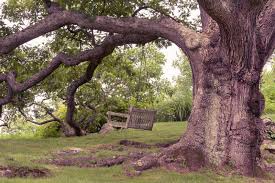
The oak stood in the field at the end of their parallel gardens, just over the fence. The branch stretching out over Orla’s lawn creaked like a rocking chair as she swung back and forth on the rope swing her mum had made years ago. The creak had grown louder since she’d turned nine. She watched her mum talk to their neighbour Ray over the fence, which had once come up to his chin. Since he’d walked with a cane and his wife had died, he could just about see over it on tiptoes. When her mum folded her arms, Orla stopped swinging and listened to them talk.

“I can’t get out there anymore.” Ray’s voice was strained. “I’ve only managed the trip twice since I scattered Hetty’s ashes.”

“I’ll take you out there on Sundays, Ray. I’m more than happy to drive you.”

“I couldn’t be a burden to you like that, Tamara. It would be easier if we just cut it down. England has millions of oaks.”

Orla’s mum looked over at her, noticing the creaking had stopped. Orla began to swing again, the branch speaking over the rest of her mum and Ray’s conversation. She looked up at the pistachio-coloured leaves whispering above her, some yellowing at their tips.

.

After lunch, Orla took her crayons into the garden and peeled the papers off them like sweet wrappers. Gathering some of the oak’s fallen leaves, she rested them on a paving slab near the swing and placed sheets of paper over them. Rhythmically, she rubbed the crayons back and forth, the spines and veins blooming on the paper.

“You’re a big girl now, aren’t you? Too big for that swing.”

Ray’s white fingers gripped the top of the fence, knuckles peaked, watching her beneath crêpe eyelids.

Orla had liked Ray’s wife, Hetty. She’d regularly made Orla biscuits, given in a biscuit tin with robins on it. Whenever Hetty went on a trip, she’d always bought Orla a little present; a magnet of an ‘O’ for Orla from Blackpool, a bottle of multi-coloured sand from the Isle of Wight, a keyring with a plastic wedge of cheese on it from Cheddar Gorge. They were always wrapped and sealed in bright tissue paper. Once, Hetty had brought back a red kite’s feather from her Sunday walk. Even that, she’d wrapped in pink tissue paper and brown twine before giving it to Orla.  

Sometimes, when Orla played with the oak, she would hear Hetty humming in the garden, and she’d stare at the trunk, imagining Hetty’s song was fairies’ singing as they worked.

Orla guessed that all these beautiful things about Hetty were why she had barely noticed Ray until the day she’d seen him crying in her kitchen, her mum patting his papery hand as he clutched his handkerchief. Orla had lined up all the trinkets from Hetty on her windowsill. That had been over six months ago.

“A swing is for tiny ones. You’re all grown up now.” The effort to make his voice singsong made Ray cough.

Orla watched the swing’s wooden seat pendulum in the breeze, her leaf rubbings fluttering on the ground.

“I like my swing. Even Mum goes on it sometimes. I don’t think you can be too grown up for a swing.”

Ray sank behind the fence momentarily, muttered something, then pulled himself back onto his toes. “You remember my lovely Hetty? Her ashes are scattered up on the hill over there.” He lifted a shaky finger from the fence towards the hill beyond the field. Orla had seen the hill in winter through the oak’s spiny boughs. “I want to see my Hetty every day from the window. I can’t see the hill with this great thing in the way.”

Orla continued pushing the crayons across the paper, her eyes down. She imagined Hetty on the hilltop and opening the robin biscuit tin, letting Orla take some lemon shortbread, fresh slithers of zest zinging on her tongue as Hetty smiled at her. Orla felt a knot in her chest and squeezed her crayon. She knew the knot in Ray’s chest was bigger and tighter, so she didn’t mention that he wouldn’t see Hetty up on the hill, tree or no tree in the way.

Ray coughed again. ‘I need to get this tree out of the way.’

Orla didn’t hear him, the leaves shushing in the wind, drowning out his voice.

“Pardon?”

“I said the tree needs to go!” His voice bounced off their houses, and birds flew from the treetop.

“What about the squirrels?” Orla asked.

“I put nuts out for them.”

“They can’t live in a dish of nuts.”

She knew she had been cheeky, so she didn’t look up until his tapping cane faded away.

.

The next day Orla took some paint pens to the end of the garden. She harvested twelve acorns from the grass and slotted them into her front dungarees pocket. Laying them in a line on her paving slab, she coloured them in pastel shades. Then she turned them upside-down and drew faces on them, their cupules acting as jaunty hats. Herby scents from the greenhouse behind her made her hungry, and she wondered what an acorn tasted like, even though she knew they were poisonous. Finding one in the grass without paint, she rolled its smoothness across her lips, the tip of her tongue licking it. Orla felt a sharp smack on her head. A twig with a cluster of leaves and acorns had fallen, reprimanding her. She tossed the acorn, shiny with her spit, over the back fence into the field.

Footsteps came down the path, accompanied by a familiar beat. It was Mum, followed by Ray with his cane. Her mum looked weary.

“Orla, Ray has said he’s going to buy you a present. A swing set. Isn’t that kind?”

Ray rested on his cane with a clownish grin.

“Yes, that’s kind. Thank you,” Orla said as enthusiastically as possible. “I can still keep my tree swing, though?”

Her mum sighed. “I told you she’d want to keep it, Ray. Honestly, it’s no bother to drive you up the hill every week. Besides, having that tree felled will cost you a lot more than a swing set, and I’m not convinced the council will give you permission anyway.” She looked up at the tree, and Orla watched the dappled sunlight flash across her mum’s face. “It would be a shame to see it go. Don’t you think it’s beautiful?”

“Hetty was beautiful!”

Ray threw his cane to the ground. It hit the path, making Orla jump, a couple of her acorn people rolling away. Ray took his handkerchief from his pocket and covered his face.

.

Orla dreamed she was aboard a boat on a rough sea, a pirate ship chasing her vessel through a dark night. Relentless rain pummelled the creaking deck, and the sails whined against the fierce gusts. The chasers fired a single cannon shot – a crack and wail in the night. Her ship had sunk, icy waves pulling her down as the groaning boat went under with her.

Morning brought peace and land as she awoke in her bed. A storm and a lethal shot had been true. Orla’s swing branch had ripped from the trunk and landed on her paving slab, splitting it in two. The splintered swing lay under the branch’s body, sodden rope snaking across the puddled grass. The branch’s crown had shattered the greenhouse. Glass shards and acorns sprinkled over toppled tomato vines and pots of mint, basil, and thyme. The back fence of Orla and Ray’s gardens had been thrown down, the trunk base and roots exposed for all to see.

Orla watched the two men with their chainsaws from her bedroom window, their woodchipper spraying bark fragments like snow. She traced the spine of the red kite feather from Hetty with her finger as she heard her mum talking with workmen. “That branch could’ve fallen on my daughter. What if the whole damn thing comes down?”

One of the men said, “It’s a strong tree; it just needs proper maintenance, regular pruning.” Her mum had sounded uncertain. When they left, Orla heard Ray at the front door. He sounded cross and mentioned the fallen fence several times.

“I’ve filled in the council application to have it felled. I just need your signature too, Tamara.”

“Fine, Ray,” her mum said. “It can go.”

When her mum came to her room later, Orla wouldn’t remove the pillow from her face.

Ray was impatient for the repairman to arrive. He didn’t like the idea of walkers gawking into his garden or dogs darting in and peeing on his flowerbeds. The repairman couldn’t make it until next week, suddenly overwhelmed with work delivered by the storm. Ray surveyed the fallen panels. Two of the fenceposts had snapped at the bottom, clearly rotten. He wondered if he could prop some panels up on the remaining posts to give himself some privacy. Holding his cane with one hand, he bent down and grabbed a fallen panel. The weight was unexpected, but he anticipated the fall, managing to roll and land on his back in the grass. He panted, waiting for pain, but it didn’t come.

“Stupid fool!”

His cane had gone one way, and he’d gone the other. He tried to turn and bring his hands under him.

“I’m like a bloody capsized tortoise!”

He called for help, shouting for Tamara before he remembered seeing them go out in their car earlier. He kept shouting, hoping a passing walker might hear him from the field. His throat began to hurt, and he knew he should slow his heart rate down.

It was a grey day, and the news had forecast showers. The freshness in the air told him they were on their way. Oak leaves trembled above him. Hetty had often admired the tree. He didn’t think she’d have wanted it gone, but he knew she’d understand why he would.

“I know I’m right. You’ve got to go. Supposing the branch had fallen on the girl.”

He heard the rain pattering above, but he didn’t feel it, the oak sheltering him. Two squirrels rushed up the trunk and screeched at a wood pigeon who took flight, sending acorns to the ground. Ray shielded his face, but none of them hit him. A single leaf landed on his chest, and he ran his thumb repetitively along its crinkled edges. Dots of honeybees explored the oak’s limbs, and bluetits hopped about at its crown.

“You’re a busy tree, aren’t you. So big. You’re still huge even looking at you from far away up on that hill.”

He remembered standing on the hill with Hetty on their Sunday walks, roast gammon and apple crumble heavy in their stomachs. Shielding their eyes from the sun’s glare, Hetty would point to the oak and say, “The perfect beacon to find our way home.” They’d walk back across the field, the oak guiding them home.

A red kite soared above the oak into the field to search for mice and voles. Remembering Hetty giving Orla the feather, he ripped the leaf in his hand again and again until it was mulch in his fingertips.

.

When Orla and her mum found Ray, it was getting dark. They warmed him up and fed him tomato soup, bread and butter, and tea and biscuits. Her mum called the paramedics. They came and said his stats were normal. As they left, Orla heard her mum speak quietly to them at the door.

“He doesn’t seem himself. He’s barely said a word.”

They said he was in shock, he’d had a long afternoon, and he’d recover.

Orla sat with Ray while her mum washed up.

“I’m sorry you fell,” she said. Ray kept his eyes on the newsreader on the television, and she wasn’t sure if he’d heard her. “The tree didn’t mean to drop the branch.”

He stroked the hot water bottle in his lap like a cat. Orla spotted the council form on the coffee table. She stood up.

“You don’t need to get me a swing set.”

She waited by the front door until her mum was ready to go.

.

At midnight, Ray couldn’t sleep. The soup and bread had made him feel stronger. Taking his cane with him, he went out into his dark garden. The clouds covered the stars, and the earlier rain soaked his slippers. He went to the shed and got a length of rope and a small step ladder. Draping the rope around his shoulders, he dragged the step ladder to the tree, dropping his cane.

.

The next morning was Sunday. Orla got up early to watch television while her mum lay in. Something caught her eye through the patio doors.

The base of the oak’s trunk shimmered with silver.

Orla put her wellies on and went outside. Foil was wrapped around the trunk’s bottom half and lashed down with a spiral of rope. It had been tied off in a bow at the centre of the wrappings. She ran to it. The foil chimed against the tree bark in the wind as though the tree approved of its new attire.

Tucked into the rope was an envelope with Orla’s name on it. Inside it were confetti-sized shreds of paper. She pieced some together and recognised the print, saw the word council. It was the felling application torn into scraps.

Rebecca Klassen is from the Cotswolds and is co-editor of The Phare. She has had over forty publications in journals and anthologies, and recently won the London Independent Story Prize. The Gift was shortlisted for this year’s Laurie Lee Prize.