Categories
Humour & Horror

Ghostly Meanderings

Ghosts have been interpreted as frightening, funny, gory or weird. In this collection, we bring to you some ghostly meanderings from our pages, not written by ghosts but written about ghosts or spooky encounters that are philosophical (occasionally), funny and weird.

With enough horrors in the real world around us, we decided to focus more (not fully) on the comedic and explore horror from the perspective of fun with hopefully a cathartic impact, which will deviate our minds from realities like war, hunger and climate change. Some of the tellings may be just spooky… some claim to be real encounters… are they scary or funny? Read and find out…

Poetry

Some Supernatural Limericks by Rhys Hughes… Click here to read.

In the Train of Time by Saranyan BV… Click here to read.

Permutations by Ryan Quinn Flanagan…Click here to read.

Pirate Blacktarn meets the Siren by Jay Nicholls…Click here to read.

Dylan Thomas in Ardmillan Terrace? by Stuart McFarlane …Click here to read.

Prose

Linen at Midnight : Pijus Ash relates a real-life spooky encounter in Holland. Click here to read.

Three Ghosts in a Boat: Rhys Hughes relates tales of spooky encounters. Are they real or imagined? Click here to find out.

Witches and Crafts: A Spook’s TaleDevraj Singh Kalsi finds a ghostly witch in his library. Click here to read.

Terrace: Rakhi Pande relates a strange spooky tale from Goa. Click here to read.

The Ghosts of Hog’s Head: Paul Mirabile creates fiction with Irish ghosts. Click here to read.

Turret: Niles M Reddick relates a haunting tale of ghosts and more. Click here to read.

Categories
Contents

Borderless, March 2024

Art by Sohana Manzoor

Editorial

‘If Winter Comes, Can Spring be Far Behind…’ Click here to read.

Translations

Travels of Debendranath Tagore are narratives translated from Bengali by Somdatta Mandal. Click here to read.

The Yellow Flower, a narrative by Haneef Sharif, has been translated by Fazal Baloch from Balochi. Click here to read.

Ye Shao-weng’s poetry ( 1100-1150) has been translated from Mandarin by Rex Tan. Click here to read.

Nazrul’s Amamai Nahi Go Bhalobashleo (Even if you don’t love me) has been translated by Professor Fakrul Alam from Bengali. Click here to read.

Rough Stone by Ihlwha Choi has been translated from Korean to English by the poet himself. Click here to read.

Phalgun or Spring by Rabindranath Tagore has been translated from Bengali by Mitali Chakravarty. Click here to read.

Conversations

A discussion with Radha Chakravarty on her new book, Subliminal, and a brief review of the book. Click here to read.

Jagari Mukherjee interviews Rajorshi Patranabis, discussing his new book, Checklist Anomaly and Wiccan philosophy. Click here to read.

Poetry

Click on the names to read the poems

Rhys Hughes, Alpana, Ron Pickett, Shamik Banerjee, Stuart McFarlean, Baisali Chatterjee Dutt, John Grey, Shahalam Tariq, Jim Murdoch, Kumar Ghimire, Peter Magliocco, Saranyan BV, Rex Tan, Samina Tahreem, Luis Cuauhtémoc Berriozábal

Poets, Poetry & Rhys Hughes

In Lines for Loons, Loonies and Such-like, Rhys Hughes shares a rare treat. Click here to read.

Musings/Slices from Life

The Elusive Utopia?

Farouk Gulsara discusses the ideal of a perfect world. Click here to read.

Serenading Sri Lanka

Mohul Bhowmick backpacks in Sri Lanka with a camera. Click here to read.

Musings of a Copywriter

In A Conversation with God, Devraj Singh Kalsi has a bargaining chip. Click here to read.

Notes from Japan

In Cherry Blossom Forecast, Suzanne Kamata brings the Japanese ritual of cherry blossom viewing to our pages with her camera and words. Click here to read.

Stories

Prison Break

C.J.Anderson-Wu gives a poignant flash fiction. Click here to read.

Terrace

Rakhi Pande relates a strange tale from Goa. Click here to read.

The Temple-going Snake

Devraj Singh Kalsi almost creates a fable but not quite. Click here to read.

Monsoon Arc

K.S. Subramaniam shows the human spirit pitched against the harshness of monsoon storms. Click here to read.

Felipe Jimenez’s Quest of the Unheard

Paul Mirabile travels to Spain of Goya’s times with an imaginary friend who takes after perhaps, Don Quixote? Click here to read.

Essays

Where the Rice is Blue and Dinosaurs Roar…

Ravi Shankar takes us on a tour of a Malaysian town. Click here to read.

Conquering Fears: Bowing to the Mountains 

Keith Lyons tells us of his challenging hike in New Zealand. Click here to read.

Book Excerpts

An excerpt from Out of Sri Lanka: Tamil, Sinhala and English Poetry from Sri Lanka and its Diasporas edited by Vidyan Ravinthiran, Seni Seneviratne and Shash Trevett. Click here to read.

An excerpt from Rajat Chaudhuri’s Spellcasters. Click here to read.

Book Reviews

Somdatta Mandal reviews Ilse Kohler-Rollefson’s Camel Karma: Twenty Years Among India’s Camel Nomads. Click here to read.

Rakhi Dalal reviews Anuradha Kumar’s The Kidnapping of Mark Twain: A Bombay Mystery. Click here to read.

Bhaskar Parichha reviews Mafia Raj: The Rule of Bosses in South Asia by Lucia Michelutti, Ashraf Hoque, Nicolas Martin, David Picherit, Paul Rollier, Clarinda Still. Click here to read.

.

Click here to access the Borderless anthology, Monalisa No Longer Smiles

Click here to access Monalisa No Longer Smiles on Amazon International

Categories
Editorial

‘If Winter Comes, Can Spring be Far Behind…’

Where the mind is without fear

Where the world has not been broken up into fragments

Where the clear stream of reason has not lost its way

Where the mind is led forward by thee
Into ever-widening thought and action…

— ‘Where the Mind is without Fear’ (1910), by Rabindranath Tagore

As we complete the fourth year of our virtual existence in the clouds and across borders, the world has undergone many changes around us, and it’s not only climate change (which is a huge challenge) but much more. We started around the time of the pandemic — in March 2020 — as human interactions moved from face-to-face non-virtual interactions to virtual communication. When the pandemic ended, we had thought humanity would enter a new age where new etiquettes redefining our social norms would make human existence as pandemic proof as possible. But before we could define new norms in the global context, takeovers and conflicts seem to have reft countries, regions and communities apart. Perhaps, this is a time when Borderless Journal can give a voice to all those who want to continue living as part of a single species in this world — where we can rise above our differences to find commonalities that make us human and part of the larger stream of humanity, that has been visualised by visionaries like Tagore or John Lennon — widely different cultural milieus but looking for the same things — humankind living together in harmony and moving towards a world without violence, without hate, without rancour and steeped in goodwill and love.  

Talking of positive values does not make sense in a world that seems to be veering towards darkness… Many say that humankind is intrinsically given to feelings of anger, hate, division, lust, shame and violence. But then we are just as much inclined towards happiness, fun, love, being respectful and peaceful. Otherwise, would we be writing about these? These are inherited values that have also come down to us from our forefathers and some have been evolving towards embalming or healing with resilience, with kindness and with an open mind.  

If you wake up before sunrise, you will notice the sky is really an unredeemable dark. Then, it turns a soft grey till the vibrant colours of the sun paint the horizon and beyond, dousing with not just lively shades but also with a variety of sounds announcing the start of a new day. The darkest hours give way to light. Light is as much a truth as darkness. Both exist. They come in phases in the natural world, and we cannot choose but live with the choices that have been pre-made for us. But there are things we can choose — we can choose to love or hate. We can choose resilience or weakness. We can choose our friends. We can choose our thoughts, our ideas. In Borderless, we have a forum which invites you to choose to be part of a world that has the courage to dream, to imagine. We hope to ignite the torch to carry on this conversation which is probably as old as humanity. We look forward to finding new voices that are willing to move in quest of an impractical world, a utopia, a vision — from which perhaps will emerge systems that will give way to a better future for our progeny.

In the last four years, we are happy to say we have hosted writers from more than forty different nationalities and our readers stretch across almost the whole map of the world. We had our first anthology published less than one and a half years ago, focussing more on writing from established pens. Discussions are afoot to bring out more anthologies in hardcopy with more variety of writers.

In our fourth anniversary issue, we not only host translations by Professor Fakrul Alam of Nazrul, by Somdatta Mandal of Tagore’s father, Debendranath Tagore, but also our first Mandarin translation of a twelfth century Southern Song Dynasty poet, Ye Shao-weng, by Rex Tan, a journalist and writer from Malaysia. From other parts of Asia, Dr Haneef Sharif’s Balochi writing has been rendered into English by Fazal Baloch and Ihlwha Choi has transcreated his own poetry from Korean to English. Tagore’s Phalgun or Spring, describing the current season in Bengal, adds to the variety in our translated oeuvre.

An eminent translator who has brought out her debut poetry book, Radha Chakravarty, has conversed about her poetry and told us among other things, how translating to English varies from writing for oneself. A brief overview of her book, Subliminal, has been provided. Our other interviewee, Rajorshi Patranabis — interviewed by Jagari Mukherjee — has written poetry from a Wiccan perspective — poetry on love — for he is a Wiccan. We have poetry by Luis Cuauhtémoc Berriozábal, Jim Murdoch, Alpana, Baisali Chatterjee Dutt, John Grey, Shahalam Tariq, Saranyan BV, Rex Tan, Ron Pickett with poetry on the season and many more. Humour is brought into poetry with verses woven around a funny sign by Rhys Hughes . His column this month hosts a series of shorter poems — typically in Hughes’ own unique style.

Devraj Singh Kalsi has explored darker shades of humour in his conversation with God while Suzanne Kamata has ushered in the Japanese spring ritual of gazing at cherry blossoms in her column with photographs and narrative. Keith Lyons takes us to the beautiful Fiordlands of New Zealand, Ravi Shankar to Malaysia and Mohul Bhowmick trapezes from place to place in Sri Lanka. Farouk Gulsara has discussed the elusiveness of utopia — an interesting perspective given that we look upto ideals like these in Borderless. I would urge more of you to join this conversation and tell us what you think. We did have Wendy Jones Nakashini start a discussion along these lines in an earlier issue.

We have stories from around the world: C.J.Anderson-Wu from Taiwan, Paul Mirabile from France, Rakhi Pande, Kalsi and K.S. Subramaniam from India. Our book excerpts are from Out of Sri Lanka: Tamil, Sinhala and English Poetry from Sri Lanka and its Diasporas edited by Vidyan Ravinthiran, Seni Seneviratne and Shash Trevett and a Cli-fi book that is making waves, Rajat Chaudhauri’s Spellcasters. Mandal has also reviewed for us Ilse Kohler-Rollefson’s Camel Karma: Twenty Years Among India’s Camel Nomads. Bhaskar Parichha has discussed Mafia Raj: The Rule of Bosses in South Asia by Lucia Michelutti, Ashraf Hoque, Nicolas Martin, David Picherit, Paul Rollier, Clarinda Still — a book written jointly by multiple academics. Rakhi Dalal in her review of Anuradha Kumar’s The Kidnapping of Mark Twain: A Bombay Mystery has compared the novel to an Agatha Christie mystery!

I would want to thank our dedicated team from the bottom of my heart. Without them, we could not have brought out two issues within three weeks for we were late with our February issue. A huge thanks to them for their writing and to Sohana Manzoor for her art too. Thanks to our wonderful reviewers who have been with us for a number of years, to all our mentors and contributors without who this journal could not exist. Huge thanks to all our fabulous loyal readers. Devoid of their patronage these words would dangle meaninglessly and unread. Thank you all.

Wish you a wonderful spring as Borderless Journal starts out on the fifth year of its virtual existence! We hope you will be part of our journey throughout…

Enjoy the reads in this special anniversary issue with more content than highlighted here, and each piece is a wonderful addition to our oeuvre!

Mitali Chakravarty

borderlessjournal.com

Click here to access the content page for the March 2024 Issue.

.

READ THE LATEST UPDATES ON THE FIRST BORDERLESS ANTHOLOGY, MONALISA NO LONGER SMILES, BY CLICKING ON THIS LINK.

Categories
Stories

Terrace

Written by Rakhi Pande

Photo Courtesy: Rakhi Pande

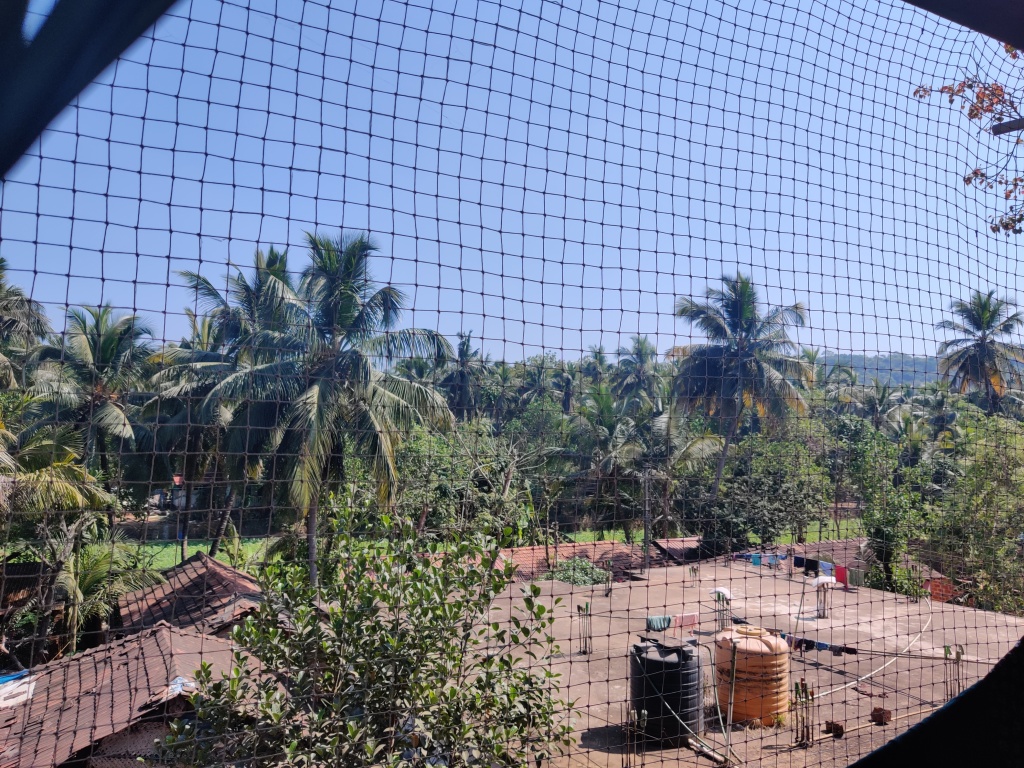
This was her second week in Siolim as a resident, in her aesthetically pleasing, slightly bohemian, rented two bedroom flat. The flat itself gave very tropical vibes with a host of plants – both real and artificial, enhancing the outdoorsy look. Though her building was part of a bigger residential complex, it was miraculously not blocked by views of other buildings. Instead, the windows at both ends of the flat faced east and west, providing stunning views of the morning sky change colour as the sun rose over the dense grove of coconut palms and as if that were not already enough to drive up the rent, a peek of the setting sun, from the opposite end. No less than three spacious balconies with French doors offered an unobstructed view of the quaint sloped roof homes of the ‘locals’, the villagers, bordered by paddy fields beyond.

Except for one house in their midst. From her bedroom balcony that faced east, Anika noticed the one slightly better and bigger home, built with concrete walls and a concrete flat roof, functioning as its terrace. It was not directly opposite but slightly to the right so that she could only see it only from the window or the balcony.

Every morning she would look out in hope of spotting the big fawn dog – the unknown ubiquitous mixed breed — on the terrace. She was always entertained by his movements. He would strut about for a bit, peering over the edge while woofing his alpha dominion over other dogs and cats he spotted. At other times, thinking himself unobserved, he would lie down flat on his back, utterly vulnerable with his legs up in the air, squirming about, tongue lolling, making her laugh.

She had seen the other residents occasionally: two teenage girls who would climb and sit together leaning against the water drum conversing in the evenings as the sky deepened it hues, probably out of the hearing distance of the lady who would sit by herself at the far end staring at the horizon. Anika imagined that this might have been her only place of escape from the endless chores and hubbub of daily life. At other times, a much younger boy of about five followed a slightly older girl, probably his sister (or cousin) of about seven. As she sat to read and do her homework, he would entertain himself skipping about the flat terrace or lolling about on a mattress placed there. After dark, however, the terrace was the domain of the men of the household. Though there were no lights on the roof, the occasional clink told Anika that feni or urak had been smuggled upstairs.

Local families here tended to be ‘joint’ ones with aunts and uncles, siblings and cousins included in the same household. Daily, a slim, capable lady would briskly hang clothes to dry on strings stretched out from stakes. So many clothes every day! The only times Anika didn’t spot too many visitors to the terrace was on extremely sunny days when cotton sheets would be spread out with a brick at each end. They would dry fish on the sheet. She could never identify which of them it was — kokum, shrimp, jambul — from the plethora of spices, fruit and and fish Goans loved to sun dry.

She would have loved procuring some of it straight from them but was still conscious of being the non Goan outsider. She had already experienced all types of opinions. Those who were hypocritical and contradictory – people who welcomed European expats but looked down upon Indians from other states. Those who lamented the growing population due to migration – yet, uncomplainingly, raked in profits from the meteoric growth of the square foot rate. She had also experienced the warmth and hospitality of the majority of the Goans who would go out of their way to help you settle in and make you feel like family.

*

The lady who sat by herself was back today sitting as usual at the very edge. She had the terrace to herself. Something about her intrigued Anika, who realised she had been staring at her instead of being at work on her laptop for the past few minutes. Was it because she was the most frequent visitor? She spent a lot of time staring out over the other end. Or was it because even if others were there, they barely acknowledged her, not even glancing in her direction, or exchanging a friendly word. Likewise, she too ignored them for most part. The only one who paid her any attention was the small boy, too innocent and young to pay heed to family politics, who would wave and go running towards her when he saw her. She seemed to be the family outcast yet was outwardly unperturbed, never getting confrontational, at least on the terrace, from what Anika could observe.

On this day, she was back, presumably ruminating about life. Hailing from a nuclear family herself, Anika mused over the conveniences that a joint family surely had, from shared expenses and chores, to child supervision and upbringing. As she looked at the lady on the terrace, she also thought about the difficulties that living in a large group in a confined space probably entailed, with no privacy, varying opinions and multiple imagined slights.

Today, she seemed restless as she was strolling on the terrace. Anika stepped out onto the balcony to get a closer look. The south-west corner of the terrace with the water drums was the closest point to her balcony. The lady was whiling away time by walking along the perimeter of the terrace. As she wandered closer to the south-west corner, Anika finally got a good look at her.

Her personality was apparent even from this distance, from the way she held her body upright to the confident yet feminine walk. She was neither slim nor thickset but somewhere in between. There was a certain sophistication to her gait. Anika watched as she turned the corner and continued her solitary stroll around the edge of the terrace.

*

The sound of loud arguments in male and female voices interrupted her work the next morning – the family members had reached the downward curve in the sine wave of highs and lows of joint family existence. Adding to the cacophony was a girl’s full-throated wail. Perhaps a fall, burn or injury, with the elders blaming each other for the oversight? 

The staircase that the family used to ascend was on the far east side and never visible to Anika. She now saw a small head make an appearance at the flat edge followed by the body of the boy who had climbed up unobserved. His sister as the designated minder was the injured one then. He looked for the assortment of toys that always lay in a heap in one corner of the terrace. Soon he was revving the toy car and following it about as it raced forward a few feet. Anika was a little concerned and stepped out to the balcony. What if the child wandered too close to the edge? The roof edge was unprotected by any railing or boundary wall. She stood undecided and hoped that someone else would arrive soon. That’s when she saw the lady walk towards the boy. Anika sighed in relief. She had probably been sitting, leaning against the other side of the water tanker, that’s why she hadn’t spotted her. The boy would point the car in her direction and she would then send the car revving back to him. The game continued until she heard shouts and the mother climbed halfway up the stairs gesturing at them to come down. The lady and the boy complied. Anika noticed that as usual she didn’t convey her gratitude either by gesture or a word to the lady who had kept a watchful eye over him. She wondered what had caused the breach in their relations and felt the lady deserved at least some acknowledgement. Maybe she sensed her empathy  because suddenly she turned and looked directly at Anika. Anika felt a voyeuristic warmth flush her ears and stepped back inside her bedroom.

*

Anika noticed over the next few days that the lady had started sitting closer to the south-west edge, closest to her balcony. She would occasionally glance towards Anika. Her eyes were dark, so dark that you couldn’t distinguish the iris from the pupil. Anika felt a little sorry for her unfortunate circumstances. The only time she noticed her smile was on the rare occasions the boy wandered onto the terrace alone. With nobody to stop him from interacting with her, he would sit beside her presumably listening to stories or they would chase each other.

Anika wondered why she didn’t leave this house – perhaps she had no independent income. Anika had been doing the cleaning herself in her apartment but now she took a decision.

*

Anika stood at the gate of the concrete house. One of the teenage girls came to the gate. Anika did not know Konkani, the local language, but it had similarities to Marathi and with that including a mix of Hindi and basic English, conveyed that she was looking for a daily help to sweep and mop the floors, do the dishes and some light dusting. Would anyone from this household be interested? “Okay! I tell to my mother, give me house number,” she replied. As she wrote down the apartment number behind a schoolbook she had got from inside, Anika tried to find a diplomatic way to say that the sturdy looking lady on the terrace who played with her younger brother would be better for this kind of a job instead of anyone else from the household. However, as the girl looked at her uncomprehendingly, she realised that this was a task beyond her communicative abilities and left.

*

It was not quite dusk when her doorbell rang. The younger, slimmer lady Anika had seen so many times on the terrace, stood at her doorstep. Julie spoke English quite well and understood it even better. Anika took her on a brief tour of the flat stopping at the balcony that overlooked her house. “I really enjoy your dog’s antics early in the morning!” she said, to break the ice. Julie laughed.

Anika noticed that the boy had found his way onto the roof again and was lying on his stomach with his head in his hands, absorbed in the story the lady was no doubt telling him. She sat cross legged in front of him, using gestures and making faces while telling the story, hugely entertaining him. Julie noticed them and her face changed to a scowl.

Anika gestured towards them, “What about her? Doesn’t she need a job? I have seen her on the terrace by herself so many times. She doesn’t seem to be as busy as you are — that’s why I approached your house to look for help.”

“Who? Her? Sheela?” Julie looked thunderous. “Look at her! Wasting time, always sitting on the terrace!”

Anika’s face looked a question. “Well, she seems to look after the boy so well.”

Julie turned towards her – the scowl changing to a confused look. “Her boy? How long have you stayed here?”

 “Oh, this is my just my fifth week.” And now, leaping to her defence, Anika continued, “I’ll tell you something you don’t know, that boy has come to the terrace so many times on his own and if it were not for Sheela’s presence, God knows what accident might have happened! Why do you all treat her so badly? Look, even now only she is there with him on the terrace, no one else is supervising him!”

I knew I had probably crossed a line with this as it was none of my business to comment on their affairs.

Julie was struck dumb by my outburst, but her eyes changed. The anger was fading. “Boy?” she repeated. “She lost her five-year-old son three months ago. He drowned in the well behind the house.”

The anger had faded completely from Julie’s eyes to be replaced with fear.  “Look at her — she keeps playacting like she’s doing now, as if she is talking to him and can see him, scaring the children — that’s why we argue. She spends all her time sitting on the terrace from where she can watch the well.”

Anika turned back to the terrace. Sheela had noticed them watching her and walked closer. She looked up at Anika with an appeal in her liquid black eyes, almost as if to say, “You can see him too, can’t you?”

.

Rakhi Pande, an experienced education professional, transitioned from a brand management career to become an award-winning teacher and school leader. An avid reader, she tries to write whenever time permits.www.linkedin.com/in/rakhi-pande

.

PLEASE NOTE: ARTICLES CAN ONLY BE REPRODUCED IN OTHER SITES WITH DUE ACKNOWLEDGEMENT TO BORDERLESS JOURNAL. 

Click here to access the Borderless anthology, Monalisa No Longer Smiles

Click here to access Monalisa No Longer Smiles on Kindle Amazon International

Categories
Halloween Greetings

Ghosts, Spooks & Spirits of the Night Arise…

Halloween returns, bringing back memories of trick or treating with children collecting candies, celebrating — celebrating perhaps to get over the fear of darkness, the unknown or perhaps, even the experience of global disasters ? The Bengali equivalent of Halloween — Bhoot Chaturdashi — was celebrated a day before Diwali. And as people do up ‘haunted homes and dress as witches, zombies and ghosts, I wonder, why do we celebrate such dark festivals and also enjoy them?

Perhaps, the answer is given in an essay by Candice Louisa Daquin that we have a gene that helps us enjoy such occasions… And then there is always the necessary adjunct of ghost stories and spooky rhymes that makes us feel ooky as our hearts beat and nervous snots of laughter explode from chests beating in anticipation…Wafting on borderless clouds that float mysteriously on Halloween nights, we invite you to visit a few spooks, ghosts, goblins, witches and spirits…

Poetry

It’s Halloween by Michael R Burch… Click here to read.

Horrific Humour by Rhys Hughes… Click here to read.

Prose

My Christmas Eve “Alone” : Erwin Coombs has a ghostly encounter at night. Is it real? Click here to read. 

Flowers on the Doorstep :Shivani Shrivastav writes of an encounter with a mysterious creature in Almora. Click here to read. 

A Curse: San Lin Tun gives us a macabre adventure with malicious spirits lurking in a jungle in Myanmar. Click here to read.

Pothos: Rakhi Pande gives us a macabre story set in Singapore that borders on the supernatural? Click here to read.

I Grew into a Flute: A Balochi Folktale involving the supernatural retold by Fazal Baloch. Click here to read.

Categories
Halloween Greetings

Ghosts, Spooks and Pirates

Why do we enjoy literature on spooks and ghosts?

A million dollar question that seems to have no satisfactory answers. While around October-November, many cultures pay respects to the departed, there are those who do pray at a different time of the year. Is there a link between that and the fun of disguising and collecting candy or playing tricks on Halloween? There are no conclusive answers or evidence to link these.

In this special edition, we decided to have a bit of fun with imps, pirates, ghost, zombies and spooks brought to you from across the world on Halloween as well as a concluding essay on the reasons we celebrate spooks. Enjoy!

Poetry

Witchy Halloween: Michael Lee Johnson gives us a magical glimpse into Halloween night. Click here to read.

Pirate Poems: Jay Nicholls brings us fun-filled ‘spooky-gooky’ adventures across the Lemon Sea. Click here to read.

The Tickle Imp: Is this horrific, funny or what? Only can be had from the bizarre or genius pen of Rhys Hughes. Click here to read.

Prose

The Turret: An eerie story by Niles M Reddick that seems to be right out of an edition of The Most Haunted Houses. Click here to read.

The Return of the Dead: Gita Vishwanath explores spooks in afterlife in a short story. Do we become zombies? Click here to find out.

Ketchup: A scintillating ghost story by Rakhi Pandey, set in the old Residency at Lucknow. Click here to read.

When Two or Three are Gathered: A weird dark tale from Tan Kaiyi where a victims of a virus mutate. What kind of fear is instilled by this situation? Click here to find out.

Welcoming the Dark Half of the Year: Winding up the section is Candice Louisa Daquin’s essay that takes a relook at the evolution of Halloween historically. Click here to read.

Categories
Contents

Borderless, April, 2021

Greetings from Borderless Journal for all Asian New Years! Click here to read our message along with the video and a translation of a Tagore song written to greet the new year, with lyrics that not only inspire but ask the fledgling to heal mankind from deadly diseases.

Editorial

New Beginnings

A walk through our content and our plans for the future. Click here to read.

Interviews

In Conversation with Arundhathi Subramaniam: An online interview with this year’s Sahitya Akademi winner, Arundhathi Subramaniam. Click here to read.

Sumana Roy & Trees: An online interview with Sumana Roy, a writer and academic. Click here to read.

Poetry

(Click on the names to read)

Arundhathi Subramaniam, Jared Carter, Matthew James Friday, Michael R Burch, Aparna Ajith, Jenny Middleton, Rhys Hughes, Jay Nicholls, Achingliu Kamei, Vatsala Radhakeesoon, Ihlwha Choi, Smitha Vishwanath, Sekhar Banerjee, Sumana Roy

Photo-poetry by Penny Wilkes

Poets, Poetry & Rhys Hughes

With an introduction to Blood and Water by Rebecca Lowe, Rhys Hughes debuts with his column on poets and poetry. Click here to read.

Translations

The Word by Akbar Barakzai

Fazal Baloch translates the eminent Balochi poet, Akbar Barakzai. Click here to read.

Malayalam poetry in Translation

Aditya Shankar translates a poem by Shylan from Malayalam to English. Click here to read.

Tagore Songs in Translation

To commemorate Tagore’s birth anniversary, we translated five of his songs from Bengali to English. Click here to read, listen and savour.

Tagore Translations: One Small Ancient Tale

Rabindranath Tagore’s Ekti Khudro Puraton Golpo (One Small Ancient Tale) from his collection Golpo Guchcho ( literally, a bunch of stories) has been translated by Nishat Atiya. Click here to read.

Musings/Slice of Life

Pohela Boisakh: A Cultural Fiesta

Sohana Manzoor shares the Bengali New Year celebrations in Bangladesh with colourful photographs and interesting history and traditions that mingle beyond the borders. Click here to read.

Gliding along the Silk Route

Ratnottama Sengupta, a well-known senior journalist and film critic lives through her past to make an interesting discovery at the end of recapping about the silk route. Click here to read and find out more.

The Source

Mike Smith drifts into nostalgia about mid-twentieth century while exploring a box of old postcards. What are the stories they tell? Click here to read.

Lost in the Forest

John Drew, a retired professor, cogitates over a tapestry of the Ras lila. Click here to read.

Tied to Technology

Naomi Nair reflects on life infiltrated by technology, by Siri and Alexa with a tinge of humour. Click here to read.

Adventures of a Backpacking Granny

In Inspiriting SiberiaSybil Pretious takes us with her to Lake Baikal and further. Click here to read.

Musings of a Copywriter

In Tributes & AttributesDevraj Singh Kalsi pays tribute to his late mother. Click here to read.

Essays

Reflecting the Madness and Chaos Within

Over 150 Authors and Artists from five continents have written on mental illness in an anthology called Through the Looking Glass. Candice Louisa Daquin, a psychotherapist and writer and editor, tells us why this is important for healing. Click here to read.

At Home in the World: Tagore, Gandhi and the Quest for Alternative Masculinities

Meenakshi Malhotra explores the role of masculinity in Nationalism prescribed by Tagore, his niece Sarala Debi, Gandhi and Colonials. Click here to read.

A Tale of Devotion and Sacrifice as Opposed to Jealousy and Tyranny

Sohana Manzoor explores the social relevance of a dance drama by Tagore, Natir puja. We carry this to commemorate Tagore’s birth anniversary. Click here to read

Photo Essay: In the Midst of Colours

Nishi Pulugurtha explores the campus of a famed university with her camera and words and shares with us her experiences. Click here to read.

Bhaskar’s Corner

Oh, That lovely Title: Politics

A short piece by Bhaskar Parichha that makes for a witty comment on the forthcoming Indian elections. Click here to read.

Stories

Pothos

Rakhi Pande gives us a story about a woman and her inner journey embroiled in the vines of money plant. Click here to read.

Elusive

A sensitive short story by Sohana Manzoor that makes one wonder if neglect and lack of love can be termed as an abuse? Click here to read

Ghumi Stories: Grandfather & the Rickshaw

Nabanita Sengupta takes us on an adventure on the rickshaw with Raya’s grandfather. Click here to read

Flash Fiction: The Husband on the Roof

Carl Scharwath gives us a story with a strange twist. Click here to read

Flash Fiction: Flight of the Falcon

Livneet Shergill gives us a story in empathy with man and nature. Click here to read

The Literary Fictionist

A playlet by Sunil Sharma set in Badaun, The Dryad and I: A Confession and a Forecast, is a short fiction about trees and humans. Click here to read.

Book reviews

Bhaskar Parichha reviews Reconciling Differences by Rudolf C Heredia, a book that explores hate and violence. Click here to read.

Nivedita Sen reviews Nomad’s Land by Paro Anand, a fiction set among migrant children of a culture borne of displaced Rohingyas, Syrian refugees, Tibetans and more. Click here to read

Candice Louisa Daquin reviews The First Cell and the Human Costs of Pursuing Cancer to the last by Azra Raza. Click here to read.

Book Excerpt

Excerpted from Raising a Humanist: Conscious Parenting in an Increasingly Fragmented World by Manisha Pathak-Shelat and Kiran Vinod Bhatia, the focus is on media and its impact. Click here to read.

Sara’s Selection, April 2021

A selection of young person’s writings from Bookosmia. Click here to read.

Categories
Stories

Pothos

By Rakhi Pande

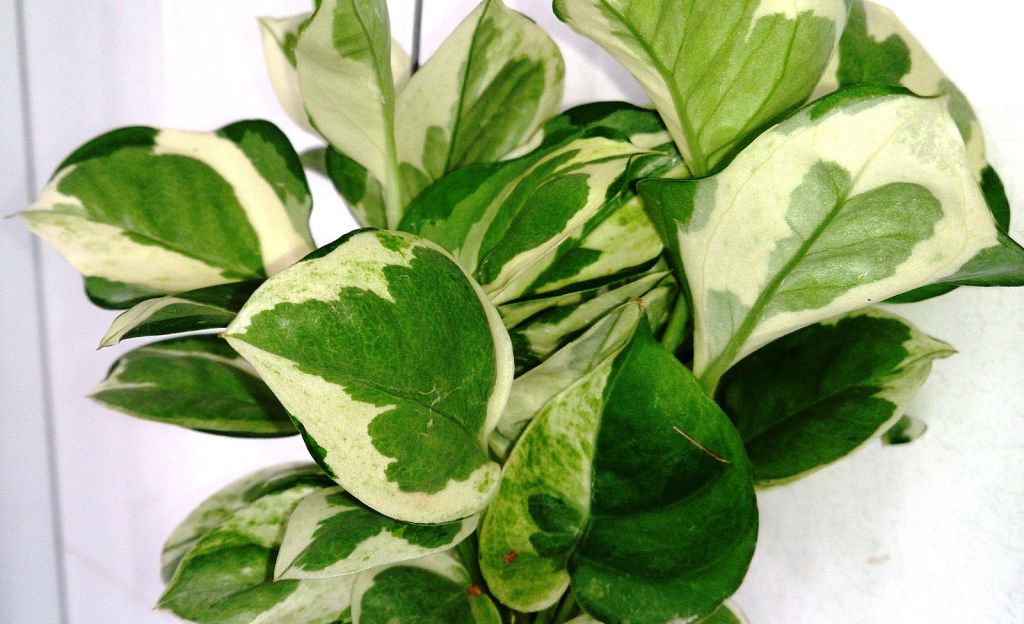
Money plant: Courtesy: Creative Commons

Shireen carefully placed the unwieldy pot on the dining table. She checked again to see if she had inadvertently damaged the lush green and tall money plant she had just bought on impulse. Her very first one, though, growing up she always had seen at least one if not more money plants at home, so, not technically her first however, her first very own money plant for her apartment. Company leased of course. 

She was fascinated and charmed by it. The plant naturally caught the eye as a new focal point in the room. Glossy emerald green leaves – darker than the emerald embedded in her ring, its marbled texture never repeated on any leaf; unique and different. The leaves looked like they had been coloured in with oil pastels.

She marvelled at the fact that a simple acquisition like that ensured that she did not immediately swipe on her phone screen to check her messages or indulge in the endless and somewhat mindless scrolling through social media posts, once home. She could stare at the plant for hours, seemingly, to observe the graceful curves of the stalks swirling upward around the moss stick.

Shireen had no idea a towering money plant with such gigantic leaves could grow out of a diminutive six-inch pot. It was possible because of the moss stick. That it could hold twenty times its weight in water, was a fact she had just learnt from the attendant at the plant shop. None of the leaves of the ubiquitous money plants she remembered from her childhood in every home been quite this size.

The little label stuck on the pot listed its scientific name – Epipremnum aureum, but the attendant at the store had called it Pothos. For a brief second, Shireen had misheard the name as Pathos. That very day she had made her high school students apply the persuasive technique of ethos, logos and pathos in their written assignments. She realised her error almost immediately. Both the scientific names didn’t sound right to her – she preferred calling it simply by its colloquially popular name — money plant.

This was purely an impulse purchase – having accompanied two of her colleagues, Min and Lena to the flower shop to select a bouquet to be sent to their dean who was hospitalised for a knee replacement surgery, she had spotted the large section containing various money plants under the enticing fifty percent off banner. That was a big deal in Singapore.

She had moved there two years ago on a work visa that included accommodation – a real coup. Her hectic work life ensured that the idea of getting a plant hadn’t even crossed her mind – until now. Min who was Singaporean Chinese, Lena from Russia  and she had struck up an easy friendship.

The informative leaflet displayed on a stand stated that the money plant would not require much watering or maintenance. It could be placed anywhere indoor, as long as it was exposed to some light. A balcony or windowsill was not a prerequisite.

“You need to steal it,” Min giggled, “for the money part of it to work.” Amused, Shireen imagined herself trying to attempt something like that in a city with probably the strictest penalties for crime. Good luck trying to explain the principles of feng shui* as a defence. Her expression made them all laugh, and Shireen spent a few careful minutes selecting one with the lushest foliage. 

Once home, she put some thought into where to place it. She decided to do some research about her new acquisition and read many interesting articles about the pothos. Some of them contradicted each other as was the norm with the internet. She had not even thought about her bedroom as an option – having absorbed the adage or warning that plants should not be kept there – a belief oft heard over the years.

However, one article strongly proclaimed that since the epipremnum emitted oxygen at night, it should be placed in the bedroom to improve sleep quality; that it was a myth that plants should not be placed there.

She tried to look for information supporting the Asian belief with some scientific reasons to back it up but couldn’t find anything online that forbade plants in the bedroom, not even on the myriad vastu shastra* sites that popped up in response to her search.

They all agreed in one aspect, that the plant should be placed in the South East direction. She decided to leave the money plant on the dining table for the time being and then, choose a spot the next day.

*

The next evening, having carried a lot of work home, she was too tired to do anything more than drop into bed early. However, remembering how the money plant’s presence had enlivened her sitting room, she forced herself to roll out of bed and bring it into the bedroom. She placed it on the dresser for the time being, vowing to figure out a better placement over the weekend.

She fell asleep almost immediately after and awoke refreshed, crediting the plant for this, even though she had no real scientific idea about the quantities of oxygen a plant that size gave out.

The weekend arrived soon enough and once Shireen had completed dusting, vacuuming and mopping her apartment, she looked around her bedroom for likely spots and found an ideal one — just below her window. It was designed to mimic a French window, with glass panels nearly all the way down to the floor. This would place the plant quite close to her bed as well, all the better to imbibe oxygen. The window was South facing, so it wouldn’t get direct sunlight but a lot of bright, indirect light.

She was determined to do all she could to ensure that the plant stayed healthy. She went to bed that night smiling over Lena’s comment that she was getting obsessive about the plant just like one does with a new pet. Just because she had bought a plant tonic for it despite its exorbitant cost.

*

She struggled awake from a deep sleep saying, “Do you need something…?” Fully awake moments later, she could have sworn it was Lena standing by her bedside to ask for a duvet.

Min and Lena occasionally slept over just like she did at theirs, especially on weekends they planned an early morning trek or outing.  Not this weekend though.

Feeling a bit uneasy, Shireen couldn’t fall asleep for quite a while.

It was probably the silhouette of the money plant that her subconscious had registered, she told herself. It was nearly four feet tall and she was not yet used to its new placement.

“I guess I did get some sleep,” she thought wryly as she awoke comfortably later than usual for a Sunday morning. In the bright light of day, she looked over at the money plant which was diagonally adjacent to her bed, not directly beside it.

She stood looking at it, thinking about that funny dream. Did the leaves look a darker green already? It had already grown, as one of the tips had curved even higher. The pointed leaf at the tip had unfurled itself, too. She couldn’t resist touching its shiny surface which resembled a plastic leaf.

She had sprayed the plant tonic just a couple of days ago – its recommended usage was once a week.

I’m just imagining this, she thought, but she secretly felt like a proud mother who’s noticed significant progress in their offspring.

*

Shireen tried to wake up, to move, to speak, but something was stopping her. She felt something flowing from the money plant – something glutinous, yet luminous, which was trying to envelop her. Some unconscious resistance that she managed did not allow that to fully occur, however.

She opened her mouth to call out, make some sound, but the words were lost in the ethereal white light that didn’t allow any sound to pass through. This sent her into a full-blown panic and she made one last concerted effort to resist whatever was happening.

Shireen awoke with a start, wide-eyed, stiff and scared. It took a few seconds for her brain to process that she had just had a bad dream.

One that seemed very real though.

In the dream, her room, her surroundings had been exactly the same. Must be from the MSG or food colouring in her takeout, she thought. She had often had vivid dreams after eating out, especially after anything which had orange food colour added to it. Like Schezwan or chicken tikka.

She found it difficult to fall sleep again – and stayed awake for what seemed like hours. Only when daylight dispersed the complete dark of the room, she fell into an exhausted sleep.

*

In the morning, for some reason, she could not bring herself to look at the money plant. “You are being ridiculous,” she admonished herself.

Had it always appeared this dark and forbidding? Weren’t most money plants a brighter green with more of a white marbled effect? Hers was mostly completely green. How had she not noticed it before? Only a few leaves had the white marble streak.

She caught herself avoiding walking by it too. The rational part of her brain mocked her for even entertaining a supposition that what she had ‘dreamt’ should impact her actions in broad daylight. “Shame on you, a supposed role model to students!” she scoffed at herself.

Shireen went online and put in a specific search request for why plants should not be placed in the bedroom. To her immense frustration, not one piece of content appeared. She couldn’t believe it. This was the internet. You could type literally anything and there were tons of articles or threads about it. Nothing in this case, though. Some posts that turned up as a result of her search warned against growing a peepal plant at home. These posts originated from Indian sites. She had some vague memories of hearing stories from her grandparents about spirits residing in the peepal tree. However, as was wont with the internet, most of the articles stated that this tree was sacred for many cultures. But this was a money plant, not even closely related to the peepal. She gave up the search.

*

Lena and Min trooped into Shireen’s place for dinner on Friday eve. They would stay the night, sleeping on the comfortable bed that appeared magically from the wall in her sitting room neatly settling itself over the couch – just by pulling on one lever.

It was only when they had all finished dessert that Min noticed. “Where’s your money plant?” Lena was astonished that she hadn’t noticed its absence. “Even you couldn’t kill a money plant!”

Shireen had already planned what to say when the topic was broached and smoothly replied that she had gifted it to her elderly neighbour downstairs, Mrs. Tan, as a gesture of goodwill when she had admired the plant. Mrs. Tan’s helper, Wei, often brought by a meal for her, sent by the kind, old lady.

Shireen didn’t want to delve into the reasons why she simply was not comfortable with the plant anymore. Not just in the bedroom; anywhere.

She had caught herself thinking about the unsettling and uncannily lucid dream and knew that she could not spend another night with the plant in the same room. She hated that she had hesitated to even touch the pot to lift it and bring it back into the sitting room in the morning. She would never ever admit the real reason for getting rid of it to anyone, not even Min and Lena, but she distinctly felt that she’d had a narrow escape.

She caught herself wondering if the reason plants should not be in the bedroom had something to do with what she had experienced in her dream. Could it be that some unknown and undiscovered interaction between plants and humans was possible? Was it a friendly, symbiotic exchange of energies she had mistaken for something sinister, a transference, or… a takeover?  

Shireen shivered and firmly blocked this line of thought.  It did, however, give her an idea for a written assignment for her students on traditional cultural beliefs impacting modern existence; ingrained spiritual beliefs or superstition, affecting day to day life – it would be interesting to read essays from over forty nationalities. She got to work on her laptop.

*

Mrs. Tan looked at her overcrowded but beautiful house. Though spacious, nearly every nook and cranny occupied with years of acquisitions.

She wondered where to put the money plant that young girl upstairs had gifted her. She was pleased as the money plant was a symbol of luck and prosperity. An auspicious gift. She called out to Wei to carry the plant.

No, her living room had no space at all.

That left only the bedroom.

As instructed, Wei placed the plant on Mrs. Tan’s broad, antique bedside table.

Glossary:

*Feng shui — A traditional practice originating from ancient China, which claims to use energy forces to harmonize individuals with their surrounding environment

*Vastu shastra — An ancient Indian system of architecture integrated with nature, incorporating traditional Hindu and Buddhist beliefs

Rakhi Pande heads the English department at a British curriculum school in Dubai, UAE. She segued into this profession after quitting her erstwhile post as General Manager in the field of brand management in India. An avid reader and award-winning educator, while dabbling with blogging and other creative pursuits, she tries to write whenever time permits.

.

PLEASE NOTE: ARTICLES CAN ONLY BE REPRODUCED IN OTHER SITES WITH DUE ACKNOWLEDGEMENT TO BORDERLESS JOURNAL
Categories
Stories

Ketchup

By Rakhi Pande

The Lucknow Residency

The month of May in 1984. Schools closed, scorching summer heat and best of all, the trip to Lucknow, where the family of five went every summer vacation, without question. Riha, all of seven years old, was ecstatic to have reached her grandparents’ house after the two-day long train journey. The house appeared to be as large as a palace to her. Much bigger than their two-bedroom house in Bombay.

That, however, paled in comparison to this –- the most perfect of all homes to Riha’s young eyes. The aangan* in the centre –- bigger than their private terrace –- with rooms all around, a green garden patch with the open water tank, dank, green water whose depth could not be fathomed by her and which, through an unerring child’s instinct, she kept at a safe distance. The steep, curving staircase with treacherous and oddly angled steps leading up to the roof which secretly scared her; which she was vaguely aware she took much longer to ascend than her cousins who lived here. But once conquered, you were on a long roof with a view of the neighbourhood – and the room on the roof. (This was the best of all houses!) Surely haunted, but only after dark as per her childish logic.

Many years later, when she visited the same house in her mid-twenties, in what was to be her last visit to it – she saw the house just as it was – crumbling and old, destined to be pulled down and replaced by a taller, sleeker rectangular block, having permanently divided the family over its sale proceeds. The staircase which had intimidated her as a child was just ordinary. Mixed feelings and some regret – perhaps she would have preferred those childhood memories to the reality of this crumbling, derelict version.

But this story is about one of the magical days from all the summers spent in that city and of only one of those many mornings. A morning from a riotous summer for Riha along with her two siblings, and five cousins that lived here in the hauntingly enchanted city of Lucknow of the eighties as viewed from the vinyl covered cycle rickshaw seat. The driver laboured over the pedals in a mesmeric rhythm, navigating impossibly narrow streets, cows, street dogs, people, the occasional cars, tempos and handcarts and the noise that was always a part of the city – the shouts, honking, bleating of goats, mingling with the call of the azaan*.

Riha was a happy, confident and an attractive child and though she would vehemently deny it later; citing ‘middle child’ as her defence; perhaps a little pampered by her aunts and uncles here. She woke early with anticipation for the promised outing – utterly excited that they were having an Enid Blyton style morning ‘picnic’, complete with a wicker basket full of buttered buns, the sweet milk bread which she loved and a rajai* and a bedsheet to spread on the grass. They had to go very early, to avoid the dreaded loo* and the heat, which didn’t bother her, but which was just a convenient excuse for her elder cousins and aunts to not play catch or hide and seek with her during the afternoon.

That morning they were approaching the gates of ‘The Residency’, in quite a grand procession of two cycle rickshaws hired in addition to the spotlessly clean and sparkling white Ambassador belonging to her ‘Advocate’ grandfather. Riha was sure they would be the very first visitors here as she had awoken at an impossibly early hour, so she was surprised to see a few people already there –- walking about with dogs on leashes.

They walked quite far from the entrance, on wide green rolling lawns, way past the museum and dungeon, quite close to another set of ruins –- just walls with no roofs bordering unkempt taller grasses. The bedsheet was rolled out, basket deployed and after a while as it got sunnier and sunnier, without quite knowing how, Riha had soon wandered into the semi-walled ruins to explore the ground for unusual stones and wild flowers, her younger brother Aahan trailing behind her as usual.

She smiled at the other girl she saw there, enchanted by her blonde hair – “Hi! Are you here for a picnic too?” she asked, arrested by the lovely crisp white lacy and ruffled “birthday dress” the other girl wore. Only birthday dresses were so beautiful! Riha looked down at her own blue cotton dress, which she had worn a lot many times.

“You’re so lucky your mother let you wear your party dress!” Riha said. The other girl looked down at her dress and that’s when Riha noticed the ketchup patch all down the front of the lovely white dress. Exactly where she had once stained her dress while eating pakodas* with ketchup when her impish younger brother had jolted her arm. She felt immediately concerned and sorry for her –- she knew her mother would be upset and if her mother was anything like hers, there would have been good chances of receiving a stinging slap for messing up her party dress like this.

“Is that your brother?” the girl asked.

Riha nodded. “My brother is here too.” Riha moved closer but could not spot the other boy –- hoping he could be a playmate for her brother. He must’ve wandered off.

“Who’re you talking to?” said Aahan. Riha rolled her eyes knowing her brother was annoying her as usual.

“How rude, Aahan!” She looked at the girl, sharing the – ‘younger brothers!’ look. “Sorry about him… I’m Riha, what’s your name and why don’t you come and play with us?” she invited, frowning at Aahan.

“I’m Mary. Look,” she pointed across the greens, “My mother is calling us –- I have to go.”

Riha could not quite spot which of the women in the far distance Mary was indicating, but she was not happy at the thought of losing a newfound playmate.

“I’ll walk with you till you find your mother and we could ask her permission to play with us – we are a big group here,” she confidently proclaimed.

“Okay, I’ll ask her, maybe we can meet near the museum after some time,” smiled Mary.

“Okay, bye!” shouted Riha, happily.

Riha looked around for Aahan but he must have run off earlier. As she left the ruins, she saw her aunt halfway there, calling her to come quickly away from the dangerous ruins.

“They’re not dangerous at all!” scoffed Riha.

“Who were you talking to?” her mother asked. “Aahan said you were trying to scare him by pretending to talk to someone.”

Riha plonked herself down on the sun-soaked sheet and glared at Aahan. Why were younger brothers such pests? Describing the encounter, she couldn’t resist remarking how the other girl had been allowed to wear such a nice dress to a park. “But didn’t you say she’d spilled ketchup on it?” retorted her mom.

With the elders finding it too hot, it was time to leave but Riha insisted on stopping by the museum to say goodbye to Mary and dragged the whole family there. After waiting for a while it was clear no one was coming there and Riha was reluctantly made to leave, with promises of one more picnic there for sure. 

Now, years later, sitting on the sagging charpai*, under the bright stars that evening in that old house, the moment triggered a memory of the picnic to the Residency. In her teens she had been quite intrigued by the history of the place and read about the slaughter of the British families including women, children and babies there during the siege of 1857. She remembered quite vividly that evening years ago, cuddling on her grandmother’s roomy lap on the same charpai. 

Naniji* had surprised her by asking for a detailed account of the girl she had met. In Riha’s world, that morning was already firmly in the past. Her grandmother was quite interested in the ketchup stain too. Later, she had noticed the elders having a discussion in whispers and looking at her.

Annoyingly, Aahan was allowed to hover around them or perhaps they hadn’t noticed. He had then galloped up to her and shouted in glee, “See, I told you, you met a ghost! That was not ketchup, it was blood!”

.

Glossary:

*Aangan = an inner open courtyard

*Aazan = Islamic call to prayer

*Rajai = block printed comforter/ duvet

*Loo = hot and dry summer wind

*Charpai = traditional Indian woven bed

*Nani – Maternal grandmother, ‘ji’ a respectful suffix

.

Rakhi Pande heads the English department at a British curriculum school in Dubai, UAE. She segued into this profession after quitting her erstwhile post as General Manager in the field of brand management in India. Having spent her formative years in Mumbai she has spent a decade in each profession before exploring greener pastures abroad. An avid reader and award-winning educator, while dabbling with blogging and other creative pursuits, she tries to write whenever time permits. Hopefully, there’s a book in her.

www.linkedin.com/in/rakhi-pande-362a387

.

PLEASE NOTE: ARTICLES CAN ONLY BE REPRODUCED IN OTHER SITES WITH DUE ACKNOWLEDGEMENT TO BORDERLESS JOURNAL.