Categories
Contents

Borderless, September 2025

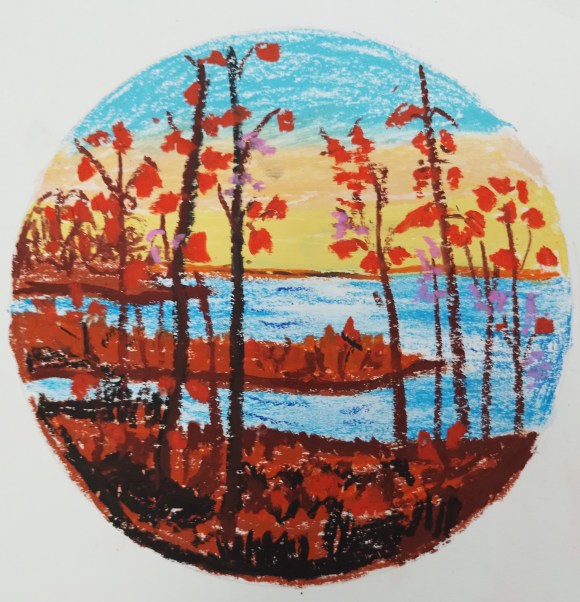
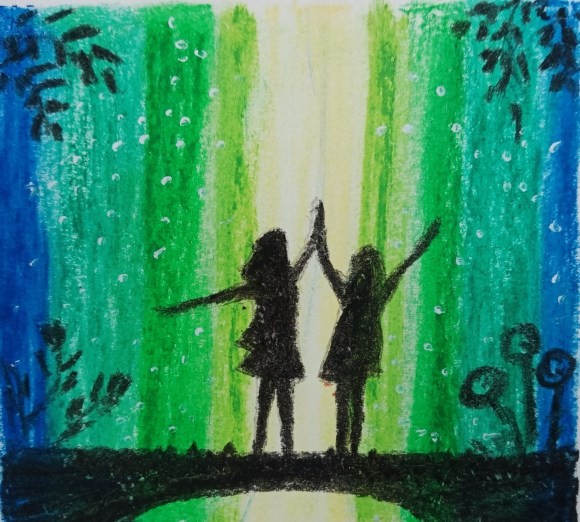
Art by Sohana Manzoor

Editorial

Seasons Out of Time Click here to read

Translations

Nazrul’s Karar Oi Louho Kopat (Those Iron Shackles of Prison) has been translated from Bengali by Professor Fakrul Alam. Click here to read.

Five poems by Ashwini Mishra have been translated from Odia by Snehprava Das. Click here to read.

The Dragonfly, a poem by Ihlwha Choi,  has been translated from Korean by the poet himself. Click here to read.

Tagore’s Aaj Shororter Aloy (Today, in the Autumnal Light) has been translated from Bengali by Mitali Chakravarty. Click here to read.

Poetry

Click on the names to read the poems

Ryan Quinn Flanagan, Onkar Sharma, Ron Pickett, Arshi, Joseph K Wells, Shamim Akhtar, Stephen House, Mian Ali, John Grey, Juliet F Lalzarzoliani, Joseph C.Obgonna, Jim Bellamy, Soumyadwip Chakraborty, Richard Stimac, Sanzida Alam, Jim Murdoch, Rhys Hughes

Poets, Poetry & Rhys Hughes

In Soaring with Icarus, Rhys Hughes shares a serious poems. Click here to read.

Musings/ Slices from Life

Parenting Tips from a Quintessential Nerd

Farouk Gulsara relooks at our golden years and stretches it to parenting tips. Click here to read.

Instrumental in Solving the Crime

Meredith Stephens takes us to a crime scene with a light touch. Click here to read.

What’s in a Name?

Jun A Alindogan writes about the complex evolution of names in Phillippines. Click here to read.

Bibapur Mansion: A Vintage Charmer

Prithvijeet Sinha takes us for a tour of Lucknow’s famed vintage buildings. Click here to read.

Musings of a Copywriter

In Demolition Drives… for Awards?, Devraj Singh Kalsi muses on literary awards. Click here to read.

Notes from Japan

In Contending with a Complicated History, Suzanne Kamata writes of her trip to US from Japan. Click here to read.

Essays

The Bauls of Bengal

Aruna Chakravarti writes of wandering minstrels called bauls and the impact they had on Tagore. Click here to read.

The Literary Club of 18th Century London

Professor Fakrul Alam writes on literary club traditions of Dhaka, Kolkata and an old one from London. Click here to read.

Stories

Looking for Evans

Rashida Murphy writes a light-hearted story about a faux pas. Click here to read.

Exorcising Mother

Fiona Sinclair narrates a story bordering on spooky. Click here to read.

The Storm

Anandita Dey wanders down strange alleys of the mind. Click here to read.

The Fog of Forgotten Gardens

Erin Jamieson writes from a caregivers perspective. Click here to read

The Anger of a Good Man

Naramsetti Umamaheswararao makes up a new fable. Click here to read.

Feature

A review of Jaladhar Sen’s The Travels of a Sadhu in the Himalayas, translated from Bengali by Somdatta Mandal, and an online interview with the translator. Click here to read.

Book Excerpts

An excerpt from Jaladhar Sen’s The Travels of a Sadhu in the Himalayas, translated from Bengali by Somdatta Mandal. Click here to read.

An excerpt from Prithvijeet Sinha’s debut collection of poems, A Verdant Heart. Click here to read.

Book Reviews

Somdatta Mandal reviews Aruna Chakravarti’s selected and translated, Rising From the Dust: Dalit Stories from Bengal. Click here to read.

Rakhi Dalal reviews Mohua Chinappa’s Thorns in My Quilt: Letters from a Daughter to her Father. Click here to read.

Pradip Mondal reviews Kiriti Sengupta’s Selected Poems. Click here to read.

Bhaskar Parichha reviews Kalyani Ramnath’s Boats in a Storm: Law, Migration, and Decolonization in South and Southeast Asia, 1942–1962. Click here to read.

.

Click here to access the Borderless anthology, Monalisa No Longer Smiles

Click here to access Monalisa No Longer Smiles on Amazon International

Categories
Editorial

Seasons Out of Time

Today, as I gaze in this autumnal light,
I feel I am viewing life anew.

— Tagore's Aaj Shororter Aloy (Today, in the Autumnal Light)
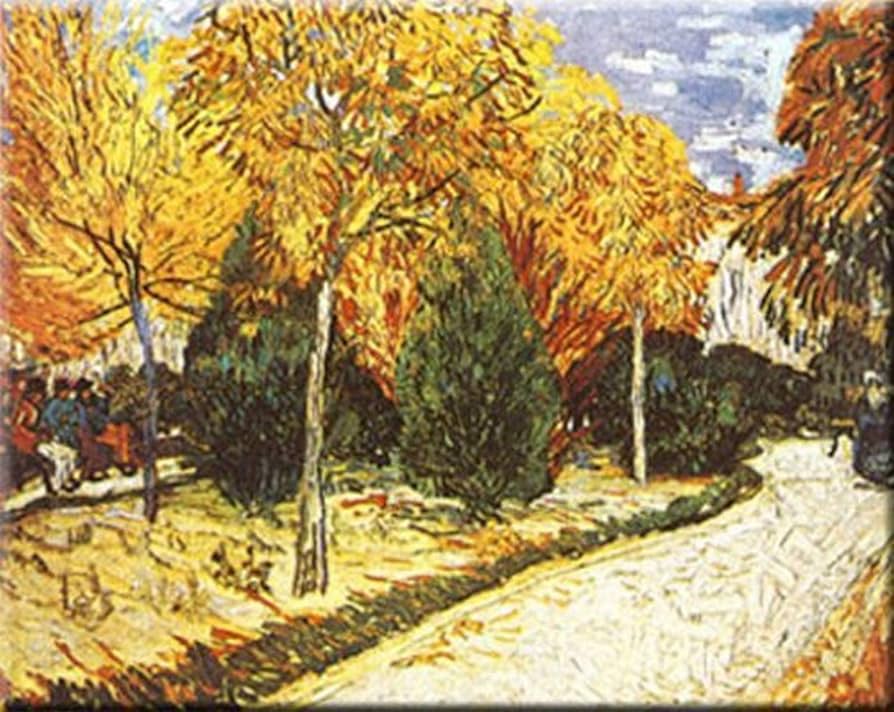
Autumn Garden by Vincent Van Gogh (1853-1890). From Public Domain

September heralds the start of year-end festivities around the world. It’s autumn in one part and spring in another – both seasons that herald change. While our planet celebrates changes, dichotomies, opposites and inclusively gazes with wonder at the endless universe in all its splendour, do we? Festivals are times of good cheer and fun with our loved ones. And yet, a large part of the world seems to be in disarray with manmade disasters wrought by our own species on its own home planet. Despite the sufferings experienced by victims of climate and war-related calamities, the majority will continue to observe rituals out of habit while subscribing to exclusivity and shun change in any form. Occasionally, there are those who break all rules to create a new norm.

One such group of people are the bauls or mendicants from Bengal. Aruna Chakravarti has shared an essay about these people who have created a syncretic lore with music and nature, defying the borders that divide humanity into exclusive groups. As if to complement this syncretic flow, we have Professor Fakrul Alam’s piece on a human construct, literary clubs spanning different cultures spread over centuries – no less an area in which we find norms redefined for, the literary, often, are the harbingers of change.

Weaving in stories from around the world, our non-fiction section offers parenting tips ( or are these really nerdy meanderings?) from Farouk Gulsara who looks inclusively at all life forms — big and small, including humans. Meredith Stephens brings us a sobering narrative with a light touch from the Southern Hemisphere. Prithvijeet Sinha takes us to explore an ancient monument of Lucknow and Jun A. Alindogan tells us “what’s in a name” in Philippines — it’s quite complex really  — it reads almost as complicated as a Japanese addresses explained in her column by Suzanne Kamata. In this issue, she takes us through the complexities of history in South Carolina, while Devraj Singh Kalsi analyses literary awards with a dollop of irony!

Humour is brought into poetry by Rhys Hughes, though his column houses more serious poems. Joseph C.Obgonna has an interesting take on his hat — if you please. We have poetry on climate by Onkar Sharma. Verses as usual mean variety on our pages. In this issue, we have a poem (an ekphrastic, if we were given to labelling) by Ryan Quinn Flanagan on a painting, by Ron Pickett on aging and on a variety of issues by Arshi, Joseph K Wells, Shamim Akhtar, Stephen House, Mian Ali, John Grey, Jim Murdoch, Juliet F Lalzarzoliani, Jim Bellamy, Soumyadwip Chakraborty, Richard Stimac and Sanzida Alam. We have translations of poetry. Ihlwha Choi has self-translated his poem on a dragonfly from Korean. Snehprava Das has brought to us another Odia poet, Ashwini Mishra. Tagore’s Aaj Shororter Aloy (Today, in the Autumnal Light) has been translated from Bengali. Though the poem starts lightly with the poet bathed in autumnal light, it dwells on ‘eternal truths’ while Nazrul’s Karar Oi Louho Kopat (Those Iron Shackles of Prison), transcreated by Professor Alam, reiterates breaking gates that exclude and highlight differences. In the same spirit as that of the bauls, Nazrul’s works ask for inclusivity as do those of Tagore.

We have more poetry in book excerpts with Sinha’s debut collection of poems, A Verdant Heart, and in reviews with veteran poet Kiriti Sengupta’s Selected Poems, reviewed by academic Pradip Mondal. Rakhi Dalal has written on Mohua Chinappa’s Thorns in my Quilt: Letters from a father to a Daughter. while Bhaskar Parichha has discussed Kalyani Ramnath’s Boats in a Storm: Law, Migration, and Decolonization in South and Southeast Asia, 1942–1962, a book that explores beyond the boundaries that politicians draw for humanity. The pièce de résistance in this section is Somdatta Mandal’s exploration of Aruna Chakravarti’s selected and translated, Rising from the Dust: Dalit Stories from Bengal. The book stands out not just for the translation but also with the selection which showcases an attempt to create bridges that transcend linguistic and cultural barriers.

Mandal, herself, has a brilliant translation featured in this issue. We have a review of her book, an interview with her, and an excerpt from the translation of Jaladhar Sen’s The Travels of a Sadhu in the Himalayas. Written and first published in the Tagore family journal, Bharati, the narrative is an outstanding cultural bridge which even translates Bengali humour for an Anglophone readership. That Sen had a strictly secular perspective in the nineteenth century when blind devotion was often a norm is showcased in Mandal’s translation as well as the stupendous descriptions of the Himalayas that haunt with elegant simplicity. 

Our fiction this month seems largely focussed on women’s stories from around the world. While Fiona Sinclair and Erin Jamieson reflect on mother-daughter relationships, Anandita Dey looks into a woman’s dilemma as she tries to adjust to the accepted norm of an ‘arranged’ marriage. Rashida Murphy explores deep rooted social biases that create issues faced by a woman with a light touch. Naramsetti Umamaheswararao brings in variety with a fable – a story that reflects human traits transcending gender disparity.

The September issue would not have been possible without contributions of words and photographs by many of you. Huge thanks to all of you, to the fabulous team and to Sohana Manzoor, whose art has become synonymous with our journal. And our heartfelt thanks to our wonderful readers, without who the effort of putting together this journal would be pointless. Thank you all.

Looking forward to happier times.

Mitali Chakravarty

borderlessjournal.com

.

CLICK HERE TO ACCESS THE CONTENTS FOR THE SEPTEMBER 2025 ISSUE

.

READ THE LATEST UPDATES ON THE FIRST BORDERLESS ANTHOLOGY, MONALISA NO LONGER SMILES, BY CLICKING ON THIS LINK.

Categories
Stories

Exorcising Mother

By Fiona Sinclair

In the taxi from the station, Emily hugged her freedom as if it was an expensive handbag. At twenty-nine, she was returning from her first ever weekend away from home.

London had meant an orgy of sightseeing that her old friend Hannah was happy to accommodate. Like a time poor tourist, Emily had galloped through St Pauls, The Tower of London and Westminster Abbey until her friend had begged for a sit down and some food. “These buildings have been here hundreds of years,” she panted, not understanding that Emily’s default setting was playing catch up.

Now Emily trotted up the bungalow’s short driveway, a suitcase in one hand and, in the other, shopping bags ripe with new clothes. ‘No more hand me downs’ she thought with a smile.

It was an exceptionally warm spring that year, as if the weather, too, was in cahoots with her. Inserting the key into the front door, Emily knew from experience that the pokey bungalow trapped extremes of weather. So, with windows and doors shut up for four days, she knew it would be like entering a forge.

But, stepping into the hall, she was struck by an uncanny chill, as if an air conditioner had been switched to its maximum setting and left unchecked for many hours. It did not provide a welcome contrast to the unseasonable spring weather outside. Instead, she began to shiver, the hairs on her arms raised like hackles and a rash of tiny goose pimples spread across her skin.

Emily instinctively pulled on a cardigan and wrapped it around her. She waited for the chill to dial down. It did not. In fact, if anything, it intensified. Her next response was to move into the small kitchen to see if the freezer door had swung open, reasoning that in a place little more than a bedsit, the chill from the freezer might well have filled the place with cold air. But the door was secure. She then went methodically room by room, trying to find some other source for the cold. She found no answers, but the bedrooms, bathroom and sitting room, were all equally as chilled as meat lockers.

This frosty atmosphere did not frighten her. Emily was accustomed to weird and little phased her now. Standing with her hands on her hips in the sitting room she suddenly recognised the atmosphere as the brooding anger that was her late mother’s trademark. Since childhood, she had been familiar with this withdrawal of affection for some minor misdemeanour, anything from ripping her jeans in some Tom boy escapade to playing out with friends, ignoring her parent’s curfew. At these times, her mother’s beautiful features became an ice queen mask as maternal love was switched off, a punishment that stung far more than a slap or being confined to her bedroom.

Now the adult Emily, suspecting that death did not dissolve a person’s worst traits, knew that the house was overwhelmed by her mother’s disapproval of her daughter’s behaviour in the aftermath of her death. From her mum’s perspective, she had betrayed her on many counts. So, this was, Emily suspected, a sort of supernatural sulk.

Decades before, her mother’s life of delicious domesticity was ruptured by dad’s sudden death at 40. Now there were bills to settle, a living to be earned and a daughter to raise. But mum was unable to face the challenges. She was proactive only in seeking a replacement for dad, a knight on a charger who would solve her troubles. However, she soon found that she was considered more mistress material than wife. Her beauty was too showy for a rural backwater and millionaires with money to purchase shiny things were in short supply.

She had begun drinking just to take the edge off her problems, in the days following her husband’s death. Failure to find a new man sent her mother’s moral compass spinning off its course. Liaisons with a series of rogues paid the bills. Sex was anaesthetised by copious amounts of booze then. It also helped to blur the truth of herself in the dressing table mirror.

For Emily, her dad’s death was the death of her childhood. As family and friends peeled off with mother’s plunging reputation, at eleven she was promoted to confidante. By eighteen, when her own life was becoming fecund with opportunity, her mother’s needy ‘You won’t leave me too’ tethered Emily to her and the bungalow. She procured her wine in the morning and put her to bed when it finally overwhelmed her.

Emily did this because she adored her mother. She was absolutely partisan, saw her as a beautiful victim relentlessly kicked by fate. Decades passed in this dreary routine. Mother and daughter’s lives contracted to the parameters of the tiny bungalow. Even the rogues fell away, except one who visited weekly, left money discreetly on the sideboard, claiming he expected nothing in return. However, his eyes constantly alighted on Emily like a fly, suggesting he was, in fact, watching an investment develop.

Then, in her mid-fifties, the knight she had always sought rode in to save mother. Sadly, it was more black than white and arrived in the guise of a tumour. Turning her back on treatment and determined that cancer would not run riot in her body as it done with her husband, she decided that suicide would be the cleanest exit.

The finding of the lump winded Emily. She crawled like an invalid through those early days of diagnosis. All the while mother insisted there would be no discussion and life would default to their version of normal. Emily’s shock was compounded when she understood that her mother expected her to facilitate death. Sick to her stomach, she nevertheless agreed, thereby giving her mother peace of mind. But she secretly offered up desperate prayers that it would not come to it.

The origins of the suicide pact were hazy. Looking back, it was like trying to accurately recall a nightmare. Had her mum suggested it? Or had Emily been unable to contemplate life without her? Either way, mother’s relief was evident. In her addled mind, it was an elegant solution to an ugly problem.

From her contracted perspective Emily could not envisage a future for herself. She was isolated as a heroine in a Victorian novel, having had no contact with her family since she was eleven. In a sense she had grown up supernumerary to her mother who took precedence even in something as basic as clothes. Emily had not had her own new garments since childhood. As she grew into a young woman, mother would rummage in her own chest of drawers to provide underwear, jeans, and tops. Largely because all surplus money must go on alcohol.

Mother had also guessed that the one remaining rogue who kept a seemingly friendly eye on them, in fact had an agenda. Whilst Emily lacked her mother’s beauty she had the asset of youth. Some residual maternal instinct must have kicked in here. She knew that her protection was finite now. The rogue was playing a not so long game for the prize of a vulnerable young woman. In retrospect, Emily thought mother’s advocacy for the suicide pact was a blur of all these factors, with perhaps a jigger of jealousy as well for her daughter’s youth and health.

In the months before the cancer overwhelmed, Emily basked in her mother’s praise, “You are so brave.” Even at 28, she still craved the approval that was dealt out so meagrely. Of course, mother had no idea that it was all bravado, but it helped ameliorate the prospect of the pact and almost made her decision worth it.

But in truth Emily was horrified. It was as if the cancer had invaded both their bodies, decided both their fates. At times she was able to park her terror by bingeing on classic literature and junk food. Other times, at night, she lay awake, horrifying images running riot in her mind, silently screaming, “I don’t want to.” At these times, her love of life fought with love for her mother.

Mum sensed when the cancer was making its final move. Laying claim to her brain, it was gradually stealing her mobility and reducing her voice to a whisper. That day, Emily downed a bottle of wine herself to take the edge off proceedings. Unaccustomed to alcohol, she worked in a haze. The afternoon took on a ‘down the rabbit hole’ unreality. She talked her way through the preparations. This served to focus her mind and subdue fear. But there were still moments when she felt like a prison warder forcing her petrified body towards the noose.

A lack of basic physics saved her. The flex caused the water in the bath to merely ripple like a mini tide. There was an element of dark humour about the botched attempt, but neither laughed. Emily took the failure as an intervention by fate. As she clambered from the bath the truth tumbled from her mouth. “No, I don’t want to.”

In contrast, her mother sobbed at the abortion. Having lost all agency to cancer, she could not now determine her own death. Her daughter, with strength gained from years of practice, now supported mum back to bed.

And then her mum performed the only selfless act of the past twenty years. She instructed Emily to phone her estranged grandmother. As is often the case, the two hit it off. Whilst Emily had never resembled her mother, she now saw her genes were gifted from this woman. They shared the same brown hair and eyes. Their temperament was similar, too. The granddaughter inheriting her indomitable spirit.

Of course, Emily knew there would be a reckoning in the future. At some stage she would have to make peace with the guilt she had stashed away in a corner of her mind; the broken promise of living on after her mother, the disloyalty of accepting her grandmother’s protection, the process of carving out a future for herself. But, at the moment, Emily was distracted by the sheer novelty of living.

And now, suddenly, she began to throw open all the windows and doors. The heat waiting outside burst into the bungalow, seeing off the cold from every corner, melting the ice of her mother’s anger until, standing bathed in sunlight, Emily smiled, knowing that, for now, her mum was routed.

.

 Fiona Sinclair lives in a village in the UK. She is a poet with several collections published by small presses. Fiona has just begun writing short stories especially about subjects that cannot be covered by poetry. 

.

PLEASE NOTE: ARTICLES CAN ONLY BE REPRODUCED IN OTHER SITES WITH DUE ACKNOWLEDGEMENT TO BORDERLESS JOURNAL

Click here to access the Borderless anthology, Monalisa No Longer Smiles

Click here to access Monalisa No Longer Smiles on Kindle Amazon International

Categories
Contents

Borderless, May 2025

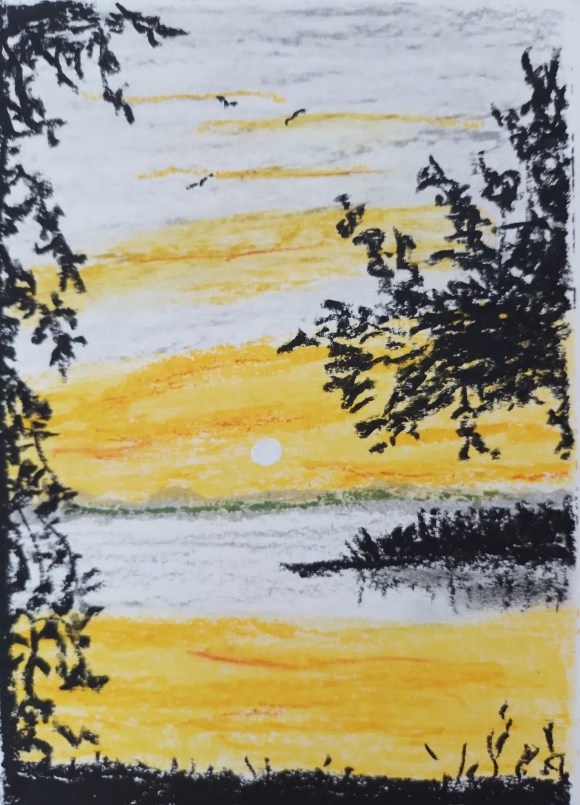
Art by Sohana Manzoor

Editorial

“Imagine all the people/ Living life in peace”… Click here to read.

Translations

The Day of Annihilation, an essay on climate change by Kazi Nazrul Islam, has been translated from Bengali by Radha Chakravarty. Click here to read.

Arise O Woman and Two Flowers on One Leafstalk, lyrics by Nazrul, have been translated from Bengali by Professor Fakrul Alam. Click here to read.

Five poems by Bipin Nayak have been translated from Odia by Snehaprava Das. Click here to read.

Identity by Munir Momin has been translated from Balochi by Fazal Baloch. Click here to read.

Among Strangers, a poem by Ihlwha Choi  has been translated from Korean by the poet himself. Click here to read.

Asha or Hope by Tagore has been translated from Bengali by Mitali Chakravarty. Click here to read.

Poetry

Click on the names to read the poems

Ryan Quinn Flangan, Jim Bellamy, Snehprava Das, George Freek, Niranjan Aditya, Christine Belandres, Ajeeti S, Ron Pickett, Kajoli Krishnan, Stuart McFarlane, Snigdha Agrawal, Arthur Neong, Elizabeth Anne Pereira, Rhys Hughes

Poets, Poetry & Rhys Hughes

In Did He Ever?, Rhys Hughes gives fun-filled verses on Lafcadio Hearn, a bridge between the East and West from more than a hundred years ago. Click here to read.

Musings/ Slices from Life

Will Dire Wolves Stalk Streets?

Farouk Gulsara writes of genetic engineering. Click here to read.

The Boy at the Albany Bus Stop

Meredith Stephens dwells on the commonality of human emotions. Click here to read.

The Word I Could Never Say

Odbayar Dorj muses on her own life in Mongolia and Japan. Click here to read.

Social Media Repetition

Jun A. Alindogan discusses the relevance of social media. Click here to read.

Shanghai in Jakarta

Eshana Sarah Singh takes us to Chinese New Year celebrations in Djakarta. Click here to read.

Musings of a Copywriter

In My Writing Desk, Devraj Singh Kalsi writes of the source of his inspiration. Click here to read.

Notes from Japan

In Feeling Anxious in Happy Village, Suzanne Kamata relates a heartwarming story. Click here to read.

Essays

Reminiscences from a Gallery: The Other Ray

Dolly Narang muses on Satyajit Ray’s world beyond films and shares a note by the maestro and an essay on his art by the eminent artist, Paritosh Sen. Click here to read.

This Garden Calls Out to Me: A Flaneur in Lucknow’s Sikandar Bagh

Prithvijeet Sinha takes us back to a historical landmark, made for love but bloodied by war. Click here to read.

Stories

Going to Meet the Hoppers

Fiona Sinclair writes a layered story on human perspectives. Click here to read.

The Ritual of Change

Parnika Shirwaikar explores the acceptance of change. Click here to read.

The Last Metro

Spandan Upadhyay explores the spirit of the city of Kolkata. Click here to read.

Nico Finds His Dream

Paul Mirabile narrates how young Nico uncovers his own yearnings. Click here to read.

The Bequest

Naramsetti Umamaheswararao gives a story reflecting a child’s lessons from Nature. Click here to read.

Conversation

Ratnottama Sengupta introduces and converses with photographer, Vijay S Jodha. Click here to read.

Book Excerpts

An excerpt from Devabrata Das’s One More Story About Climbing a Hill: Stories from Assam, translated by multiple translators from Assamese. Click here to read.

An excerpt from Ryan Quinn Flangan’s Ghosting My Way into the Afterlife. Click here to read.

Book Reviews

Somdatta Mandal reviews Arundhathi Nath‘s translation, The Phantom’s Howl: Classic Tales of Ghosts and Hauntings from Bengal. Click here to read.

Andreas Giesbert reviews Rhys Hughes’ The Devil’s Halo. Click here to read.

Bhaskar Parichha reviews Aubrey Menen’s A Stranger in Three Worlds: The Memoirs of Aubrey Menen. Click here to read.

.

Click here to access the Borderless anthology, Monalisa No Longer Smiles

Click here to access Monalisa No Longer Smiles on Amazon International

Categories
Editorial

“Imagine all the people/Living life in peace”

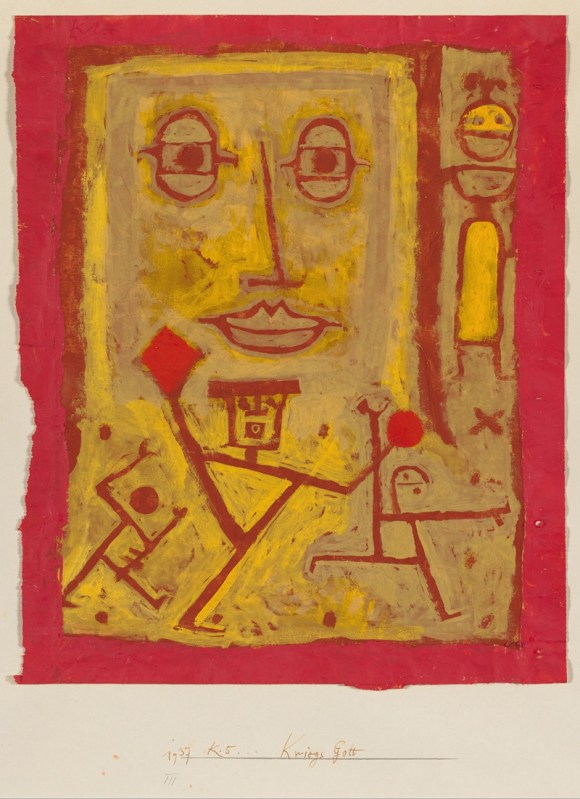
God of War by Paul Klee (1879-1940)
The sky weeps blood, the earth cannot contain
The sorrow of the young ones we've slain.
How now do dead kids laugh while stricken by red rain?

— from Stricken by Red Rain: Poems by Jim Bellamy

When there is war
And peace is gone
Where is their home?
Where do they belong?

— from Poems on Migrants by Kajoli Krishnan

Poetry, prose — all art forms — gather our emotions into concentrates that distil perhaps the finest in human emotions. They touch hearts across borders and gather us all with the commonality of feelings. We no longer care for borders drawn by divisive human constructs but find ourselves connecting despite distances. Strangers or enemies can feel the same emotions. Enemies are mostly created to guard walls made by those who want to keep us in boxes, making it easier to manage the masses. It is from these mass of civilians that soldiers are drawn, and from the same crowds, we can find the victims who die in bomb blasts. And yet, we — the masses — fight. For whom, for what and why? A hundred or more years ago, we had poets writing against wars and violence…they still do. Have we learnt nothing from the past, nothing from history — except to repeat ourselves in cycles? By now, war should have become redundant and deadly weapons out of date artefacts instead of threats that are still used to annihilate cities, humans, homes and ravage the Earth. Our major concerns should have evolved to working on social equity, peace, human welfare and climate change.

One of the people who had expressed deep concern for social equity and peace through his films and writings was Satyajit Ray. This issue has an essay that reflects how he used art to concretise his ideas by Dolly Narang, a gallery owner who brought Ray’s handiworks to limelight. The essay includes the maestro’s note in which he admits he considered himself a filmmaker and a writer but never an artist. But Ray had even invented typefaces! Artist Paritosh Sen’s introduction to Ray’s art has been included to add to the impact of Narang’s essay. Another person who consolidates photography and films to do pathbreaking work and tell stories on compelling issues like climate change and helping the differently-abled is Vijay S Jodha. Ratnottama Sengupta has interviewed this upcoming artiste.

Reflecting the themes of welfare and conflict, Prithvijeet Sinha’s essay takes us to a monument in Lucknow that had been built for love but fell victim to war. Some conflicts are personal like the ones of Odbayar Dorj who finds acceptance not in her hometown in Mongolia but in the city, she calls home now. Jun A. Alindogan from Manila explores social media in action whereas Eshana Sarah Singh takes us to her home in Jakarta to celebrate the Chinese New Year! Farouk Gulsara looks into the likely impact of genetic engineering in a world already ripped by violence and Devraj Singh Kalsi muses on his source of inspiration, his writing desk. Meredith Stephens tells the touching story of a mother’s concern for her child in Australia and Suzanne Kamata exhibits the same concern as she travels to Happy Village in Japan to meet her differently-abled daughter and her friends.

As these real-life narratives weave commonalities of human emotions, so do fictive stories. Some reflect the need for change. Fiona Sinclair writes a layered story set in London on how lived experiences define differences in human perspectives while Parnika Shirwaikar explores the need to learn to accept changes set in her part of the universe. Spandan Upadhyay explores the spirit of the city of Kolkata as a migrant with a focus on social equity. Both Paul Mirabile and Naramsetti Umamaheswararao write stories around childhood, one set in Europe and the other in Asia.

As prose weaves humanity together, so does poetry. We have poems from Jim Bellamy and Kajoli Krishnan both reflecting the impact of war and senseless violence on common humanity. Ryan Quinn Flanagan introduces us to Canadian bears in his poetry while Snigdha Agrawal makes us laugh with her lines about dogs and hatching Easter eggs! We have a wide range of poems from Snehprava Das, George Freek, Niranjan Aditya, Christine Belandres, Ajeeti S, Ron Pickett, Stuart McFarlane, Arthur Neong and Elizabeth Anne Pereira. Rhys Hughes concludes his series of photo poems with the one in this issue — especially showcasing how far a vivid imagination can twist reality with a British postman ‘carrying’ sweets from India! His column, laced with humour too, showcases in verse Lafcadio Hearn, a bridge between the East and West from more than a hundred years ago, a man who was born in Greece, worked in America and moved to Japan to even adopt a Japanese name.

Just as Hearn bridged cultures, translations help us discover how similarly all of us think despite distances in time and space. Radha Chakravarty’s translation of Kazi Nazrul Islam’s concerns about climate change and melting icecaps does just that! Professor Fakrul Alam’s translation of Nazrul’s lyrics from Bengali on women and on the commonality of human faith also make us wonder if ideas froze despite time moving on. Tagore’s poem titled Asha (hope) tends to make us introspect on the very idea of hope – just as we do now. At a more personal level, a contemporary poem reflecting on the concept of identity by Munir Momin has been translated from Balochi by Fazal Baloch. From Korean, Ihlwah Choi translates his own poem about losing the self in a crowd. We start a new column on translated Odia poetry from this month. The first one features the exquisite poetry of Bipin Nayak translated by Snehprava Das. Huge thanks to Bhaskar Parichha for bringing this whole project to fruition.

Parichha has also drawn bridges in reviews by bringing to us the memoirs of a man of mixed heritage, A Stranger in Three Worlds: The Memoirs of Aubrey Menen. Andreas Giesbert from Germany has reviewed Rhys Hughes’ The Devil’s Halo and Somdatta Mandal has discussed Arundhathi Nath’s translation, The Phantom’s Howl: Classic Tales of Ghosts and Hauntings from Bengal. Our book excerpts this time feature Devabrata Das’s One More Story About Climbing a Hill: Stories from Assam, translated by multiple translators from Assamese and Ryan Quinn Flangan’s new book, Ghosting My Way into the Afterlife, definitely poems worth mulling over with a toss of humour.

Do pause by our contents page for this issue and enjoy the reads. We are ever grateful to our ever-growing evergreen readership some of whom have started sharing their fabulous narratives with us. Thanks to all our readers and contributors. Huge thanks to our wonderful team without whose efforts we could not have curated such valuable content and thanks specially to Sohana Manzoor for her art. Thank you all for making a whiff of an idea a reality!

Let’s hope for peace, love and sanity!

Best wishes,

Mitali Chakravarty

borderlessjournal.com

Click here to access the contents page for the May 2025 Issue

READ THE LATEST UPDATES ON THE FIRST BORDERLESS ANTHOLOGY, MONALISA NO LONGER SMILES, BY CLICKING ON THIS LINK.