Categories
Contents

Borderless, September 2024

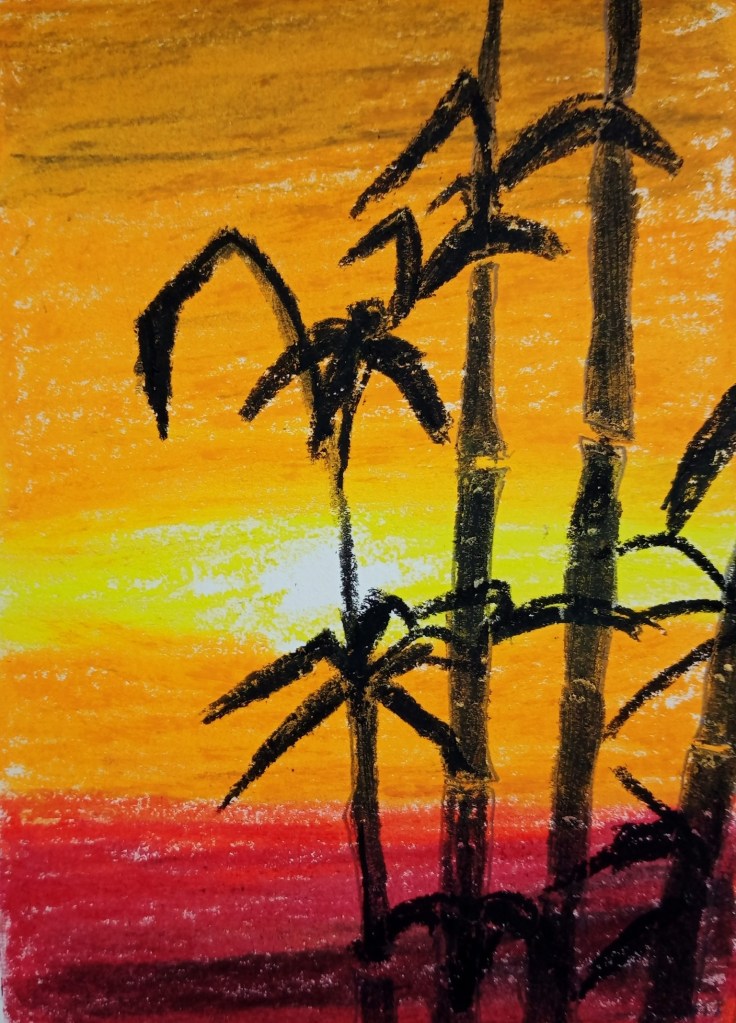
Art by Sohana Manzoor

Editorial

And Wilderness is Paradise Enow… Click here to read.

Translations

Raja O Praja or The King and His Subjects, an essay by Tagore, has been translated from Bengali by Himadri Lahiri. Click here to read.

Nazrul’s Roomu Jhoomu Roomu Jhoomu has been transcreated from Bengali by Professor Fakrul Alam. Click here to read.

The Mirror by Mubarak Qazi has been translated from Balochi by Fazal Baloch. Click here to read.

The Source by Ihlwha Choi has been translated from Korean by the poet himself. Click here to read.

Suprobhat or Good Morning by Tagore has been translated from Bengali by Mitali Chakravarty. Click here to read.

Poetry

Click on the names to read the poems

Rhys Hughes, Cal Freeman, Jackie Kabir, Jennifer McCormack, Pramod Rastogi, Miriam Bassuk, K B Ryan Joshua Mahindapala, Paul Mirabile, Shamik Banerjee, Craig Kirchner, Thomas Emate, Stuart MacFarlane, Supriya Javalgekar, George Freek, Ryan Quinn Flanagan, Luis Cuauhtémoc Berriozábal, Michael Burch

Musings/Slices from Life

Finding the Fulcrum

Farouk Gulsara gives a poignant account of looking after an aged parent. Click here to read.

Watery World

Keith Lyons finds the whole world within a swimming pool. Click here to read.

Days that don’t Smell of Cakes and Candy

Priyanka Panwar muses on days which not much happens… Click here to read.

Rayban-dhan

Uday Deshwal revisits his life with his companion sunglass. Click here to read.

In Favour of a Genre…

Saeed Ibrahim argues in favour of short stories as a genre. Click here to read.

Musings of a Copywriter

In Shades of Grey – Hair and There, Devraj Singh Kalsi writes of adventures with premature greying. Click here to read.

Notes from Japan

In Sneaky Sneakers, Suzanne Kamata grins at life in Japan. Click here to read.

Essays

Ah Nana Bari!

Fakrul Alam writes nostalgically of his visits to Feni in Noakhali, a small town which now suffers from severe flooding due to climate change. Click here to read.

A Manmade Disaster or Climate Change?

Salma A Shafi writes of floods in Bangladesh from ground level. Click here to read.

A Doctor’s Diary: Life in the High Ranges

Ravi Shankar writes of his life in the last century among the less developed highlands of Kerala. Click here to read.

Stories

The Useless Idler

Paul Mirabile writes of a strange encounter with someone who calls himself an ‘idler’. Click here to read.

Imitation

Naramsetti Umamaheswararao explores parenting. Click here to read.

Final Hours

Mahila Iqbal gives a poignant story about aging. Click here to read.

Friends

G Venkatesh writes a story stirring environmental concerns. Click here to read.

Conversation

Ratnottama Sengupta converses with Reba Som, who recently brought out, Hop, Skip and Jump; Peregrinations of a Diplomat’s Wife. Click here to read.

Book Excerpts

An excerpt from Mineke Schipper’s Widows: A Global History. Click here to read.

An excerpt from Anuradha Marwah’s Aunties of Vasant Kunj. Click here to read.

Book Reviews

Somdatta Mandal reviews Karan Mujoo’s This Our Paradise: A Novel. Click here to read.

Rakhi Dalal reviews Swadesh Deepak’s A Bouquet of Dead Flowers translated from Hindi by Jerry Pinto, Pratik Kanjilal, Nirupama Dutt, Sukant Deepak. Click here to read.

Meenakshi Malhotra reviews Anuradha Marwah’s Aunties of Vasant Kunj. Click here to read.

Bhaskar Parichha reviews Ayurveda, Nation and Society: United Provinces, c. 1890–1950 by Saurav Kumar Rai. Click here to read.

.

Click here to access the Borderless anthology, Monalisa No Longer Smiles

Click here to access Monalisa No Longer Smiles on Amazon International

Categories
Editorial

And Wilderness is Paradise Enow…

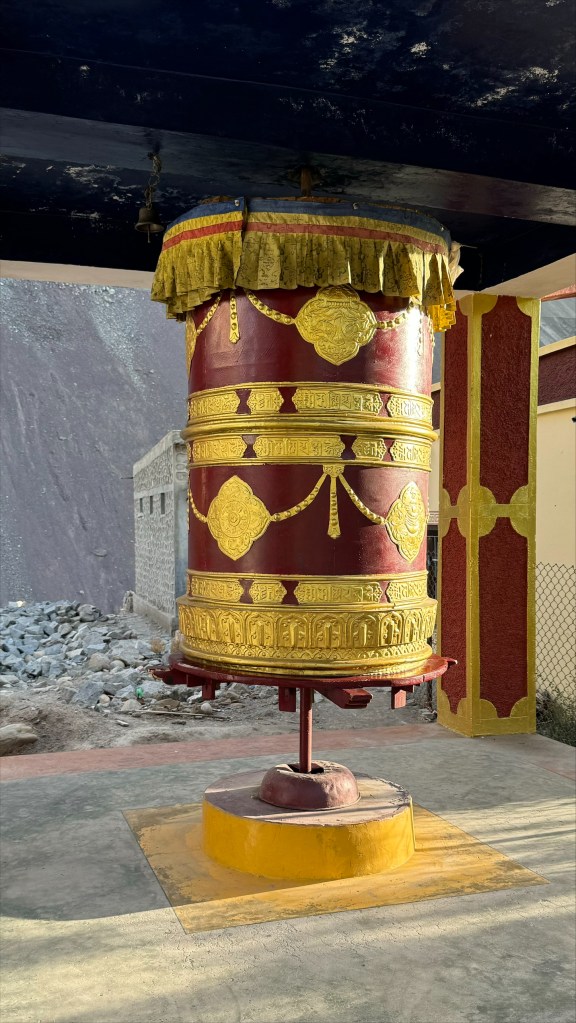
Prayer Wheel at Nurulia, Ladakh. Photo Courtesy: Farouk Gulsara
We lock eyes, find glimmers
of smiles, trust our leaders.
We break bread with strangers
because there aren’t any.

--Imagine by Miriam Bassuk

Imagine the world envisioned by John Lennon. Imagine the world envisioned and partly materialised by Tagore in his pet twin projects of Santiniketan and Sriniketan, training institutes made with the intent of moving towards creating a work force that would dedicate their lives to human weal, to closing social gaps borne of human constructs and to uplifting the less privileged by educating them and giving them the means to earn a livelihood. You might well call these people visionaries and utopian dreamers, but were they? Tagore had hoped to inspire with his model institutions.  In 1939, he wrote in a letter: “My path, as you know, lies in the domain of quiet integral action and thought, my units must be few and small, and I can but face human problems in relation to some basic village or cultural area. So, in the midst of worldwide anguish, and with the problems of over three hundred millions staring us in the face, I stick to my work in Santiniketan and Sriniketan hoping that my efforts will touch the heart of our village neighbours and help them in reasserting themselves in a new social order. If we can give a start to a few villages, they would perhaps be an inspiration to some others—and my life work will have been done.”  But did we really have a new social order or try to emulate him?

If we had acted out of compassion and kindness towards redefining with a new social order, as Miriam Bassuk points out in her poem based on Lennon’s lyrics of Imagine, there would be no strangers. We’d all be friends living in harmony and creating a world with compassion, kindness, love and tolerance. We would not have wars or regional geopolitical tensions which act against human weal. Perhaps, we would not have had the issues of war of climate change take on the proportions that are wrecking our own constructs.

Natural disasters, floods, fires, landslides have affected many of our lives. Bringing us close to such a disaster is an essay by Salma A Shafi at ground level in Noakhali. More than 4.5 million were affected and 71 died in this disaster. Another 23 died in the same spate of floods in Tripura with 65,000 affected. We are looking at a single region here, but such disasters seem to be becoming more frequent. And yet. there had been a time when Noakhali was an idyllic vacation spot as reflected in Professor Fakrul Alam’s nostalgic essay, filled with memories of love, green outdoors and kindnesses. Such emotions reverberate in Ravi Shankar’s account of his medical adventures in the highlands of Kerala, a state that suffered a stupendous landslide last month. While Shafi shows how extreme rainfall can cause disasters, Keith Lyons writes of water, whose waves in oceanic form lap landmasses like bridges. He finds a microcosm of the whole world in a swimming pool as migrants find their way to New Zealand too. Farouk Gulsara muses on kindness and caregiving while Priyanka Panwar ponders about ordinary days. Saeed Ibrahim gives a literary twist to our musings.   Tongue in cheek humour is woven into our nonfiction section by Suzanne Kamata’s notes from Japan, Devraj Singh Kalsi’s piece on premature greying and Uday Deshwal’s paean to his sunglasses!

Humour is wrought into poetry by Rhys Hughes. Supriya Javelkar and Shamik Banerjee have cheeky poems that make you smile. We have poetry on love by Michael Burch and poetry for Dylan Thomas by Ryan Quinn Flanagan. Miriam Bassuk has described a Utopian world… but very much in the spirit of our journal. Variety is brought into our journal with poetry from Jackie Kabir, Jennifer McCormack, Craig Kirchner, Stuart MacFarlane, George Freek, Luis Cuauhtémoc Berriozábal and many more.

In translations, we have Nazrul lyrics transcreated from Bengali by Professor Alam and poetry from Korean by Ihlwha Choi. We pay our respects to an eminent Balochi poet who passed on exactly a year ago, Mubarak Qazi, by carrying a translation by Fazal Baloch. Tagore’s Suprobhat (Good morning) has been rendered in English from Bengali. His descriptions of the morning are layered and amazing — with a hint of the need to reconstruct our world, very relevant even today.  A powerful essay by Tagore called Raja O Praja (The King and His Subjects), has been translated by Himadri Lahiri.

Our fiction hosts two narratives that centre around childhood, one by Naramsetti Umamaheswararao and another by G Venkatesh, though with very different approaches. Mahila Iqbal relates a poignant tale about aging, mental health and neglect, the very antithesis of Gulsara’s musing. Paul Mirabile has given a strange story about a ‘useless idler’.

A short story collection has been reviewed by Rakhi Dalal, Swadesh Deepak’s A Bouquet of Dead Flowers, translated from Hindi by Jerry Pinto, Pratik Kanjilal, Nirupama Dutt, Sukant Deepak. Somdatta Mandal has written about a book by a Kashmiri immigrant which is part based on lived experiences and part fictive, Karan Mujoo’s This Our Paradise: A Novel. Bhaskar Parichha has reviewed Ayurveda, Nation and Society: United Provinces, c. 1890–1950 by Saurav Kumar Rai, a book which shows how healthcare was even a hundred years ago, politicised. Meenakshi Malhotra has reviewed Anuradha Marwah’s novel, Aunties of Vasant Kunj, of which we also have an excerpt. The other excerpt is from Mineke Schipper’s Widows: A Global History. Ratnottama Sengupta converses with Reba Som, author of Hop, Skip and Jump; Peregrinations of a Diplomat’s Wife.

We have more content that adds to the vibrancy of the issue. Do pause by this issue and take a look. This issue would not have been possible without all your writings. Thank you for that. Huge thanks to our readers and our team, without whose support we could not have come this far. I would especially like to thank Sohana Manzoor for her continued supply of her fabulous and distinctive artwork and Gulsara for his fabulous photographs.

Let us look forward to a festive season which awakens each autumn and stretches to winter. May we in this season find love, compassion and kindness in our hearts towards our whole human family.

Have a wonderful month!

Mitali Chakravarty

borderlessjournal.com

Click here to access the content’s page for the September 2024 Issue.

.

READ THE LATEST UPDATES ON THE FIRST BORDERLESS ANTHOLOGY, MONALISA NO LONGER SMILES, BY CLICKING ON THIS LINK.

Categories
Poetry

Poetry by Luis Cuauhtémoc Berriozábal

From Public Domain
OCEAN DREAM  

I am an early riser.
This morning I could not
get up. I was in an ocean
dream. The fish talked to me.
I was delighted to hear them
speak. I thought the ocean
dream was real. The alarm
clock must have been in
the ocean dream as well.

KNOWING NOTHING

Here I contemplate
knowing nothing.
There is my plan laid
out. It is a dismal

plan. Out in the town
I paint on walls, wooden
and brick ones, and
metal doors. Humming
a song, I paint question
marks and rain drops.
It’s nothing artistic
like a flower in a vase,
a yellow rose shining.


FATIGUED


Fatigued,
I dream so deep,
I become ashes in an urn.

I am below the earth, above the clouds.

In a dream,
a woman sleeps
with me and next to me.
A river flows outside our window.

Birds sing
baleful songs.

I feel my broken teeth
with my tongue --
there is no fixing them
or anything else.

Luis Cuauhtémoc Berriozábal lives in California, works in Los Angeles, and was born in Mexico. His poetry and illustrations have appeared in Black Petals, Borderless Journal, Blue Collar Review, KendraSteiner Editions, and Unlikely Stores. His latest poetry book, Make the Water Laugh, was published by Rogue Wolf Press.

PLEASE NOTE: ARTICLES CAN ONLY BE REPRODUCED IN OTHER SITES WITH DUE ACKNOWLEDGEMENT TO BORDERLESS JOURNAL
Click here to access the Borderless anthology, Monalisa No Longer Smiles

Click here to access Monalisa No Longer Smiles on Kindle Amazon International

Categories
Contents

Borderless, March 2024

Art by Sohana Manzoor

Editorial

‘If Winter Comes, Can Spring be Far Behind…’ Click here to read.

Translations

Travels of Debendranath Tagore are narratives translated from Bengali by Somdatta Mandal. Click here to read.

The Yellow Flower, a narrative by Haneef Sharif, has been translated by Fazal Baloch from Balochi. Click here to read.

Ye Shao-weng’s poetry ( 1100-1150) has been translated from Mandarin by Rex Tan. Click here to read.

Nazrul’s Amamai Nahi Go Bhalobashleo (Even if you don’t love me) has been translated by Professor Fakrul Alam from Bengali. Click here to read.

Rough Stone by Ihlwha Choi has been translated from Korean to English by the poet himself. Click here to read.

Phalgun or Spring by Rabindranath Tagore has been translated from Bengali by Mitali Chakravarty. Click here to read.

Conversations

A discussion with Radha Chakravarty on her new book, Subliminal, and a brief review of the book. Click here to read.

Jagari Mukherjee interviews Rajorshi Patranabis, discussing his new book, Checklist Anomaly and Wiccan philosophy. Click here to read.

Poetry

Click on the names to read the poems

Rhys Hughes, Alpana, Ron Pickett, Shamik Banerjee, Stuart McFarlean, Baisali Chatterjee Dutt, John Grey, Shahalam Tariq, Jim Murdoch, Kumar Ghimire, Peter Magliocco, Saranyan BV, Rex Tan, Samina Tahreem, Luis Cuauhtémoc Berriozábal

Poets, Poetry & Rhys Hughes

In Lines for Loons, Loonies and Such-like, Rhys Hughes shares a rare treat. Click here to read.

Musings/Slices from Life

The Elusive Utopia?

Farouk Gulsara discusses the ideal of a perfect world. Click here to read.

Serenading Sri Lanka

Mohul Bhowmick backpacks in Sri Lanka with a camera. Click here to read.

Musings of a Copywriter

In A Conversation with God, Devraj Singh Kalsi has a bargaining chip. Click here to read.

Notes from Japan

In Cherry Blossom Forecast, Suzanne Kamata brings the Japanese ritual of cherry blossom viewing to our pages with her camera and words. Click here to read.

Stories

Prison Break

C.J.Anderson-Wu gives a poignant flash fiction. Click here to read.

Terrace

Rakhi Pande relates a strange tale from Goa. Click here to read.

The Temple-going Snake

Devraj Singh Kalsi almost creates a fable but not quite. Click here to read.

Monsoon Arc

K.S. Subramaniam shows the human spirit pitched against the harshness of monsoon storms. Click here to read.

Felipe Jimenez’s Quest of the Unheard

Paul Mirabile travels to Spain of Goya’s times with an imaginary friend who takes after perhaps, Don Quixote? Click here to read.

Essays

Where the Rice is Blue and Dinosaurs Roar…

Ravi Shankar takes us on a tour of a Malaysian town. Click here to read.

Conquering Fears: Bowing to the Mountains 

Keith Lyons tells us of his challenging hike in New Zealand. Click here to read.

Book Excerpts

An excerpt from Out of Sri Lanka: Tamil, Sinhala and English Poetry from Sri Lanka and its Diasporas edited by Vidyan Ravinthiran, Seni Seneviratne and Shash Trevett. Click here to read.

An excerpt from Rajat Chaudhuri’s Spellcasters. Click here to read.

Book Reviews

Somdatta Mandal reviews Ilse Kohler-Rollefson’s Camel Karma: Twenty Years Among India’s Camel Nomads. Click here to read.

Rakhi Dalal reviews Anuradha Kumar’s The Kidnapping of Mark Twain: A Bombay Mystery. Click here to read.

Bhaskar Parichha reviews Mafia Raj: The Rule of Bosses in South Asia by Lucia Michelutti, Ashraf Hoque, Nicolas Martin, David Picherit, Paul Rollier, Clarinda Still. Click here to read.

.

Click here to access the Borderless anthology, Monalisa No Longer Smiles

Click here to access Monalisa No Longer Smiles on Amazon International

Categories
Editorial

‘If Winter Comes, Can Spring be Far Behind…’

Where the mind is without fear

Where the world has not been broken up into fragments

Where the clear stream of reason has not lost its way

Where the mind is led forward by thee
Into ever-widening thought and action…

— ‘Where the Mind is without Fear’ (1910), by Rabindranath Tagore

As we complete the fourth year of our virtual existence in the clouds and across borders, the world has undergone many changes around us, and it’s not only climate change (which is a huge challenge) but much more. We started around the time of the pandemic — in March 2020 — as human interactions moved from face-to-face non-virtual interactions to virtual communication. When the pandemic ended, we had thought humanity would enter a new age where new etiquettes redefining our social norms would make human existence as pandemic proof as possible. But before we could define new norms in the global context, takeovers and conflicts seem to have reft countries, regions and communities apart. Perhaps, this is a time when Borderless Journal can give a voice to all those who want to continue living as part of a single species in this world — where we can rise above our differences to find commonalities that make us human and part of the larger stream of humanity, that has been visualised by visionaries like Tagore or John Lennon — widely different cultural milieus but looking for the same things — humankind living together in harmony and moving towards a world without violence, without hate, without rancour and steeped in goodwill and love.  

Talking of positive values does not make sense in a world that seems to be veering towards darkness… Many say that humankind is intrinsically given to feelings of anger, hate, division, lust, shame and violence. But then we are just as much inclined towards happiness, fun, love, being respectful and peaceful. Otherwise, would we be writing about these? These are inherited values that have also come down to us from our forefathers and some have been evolving towards embalming or healing with resilience, with kindness and with an open mind.  

If you wake up before sunrise, you will notice the sky is really an unredeemable dark. Then, it turns a soft grey till the vibrant colours of the sun paint the horizon and beyond, dousing with not just lively shades but also with a variety of sounds announcing the start of a new day. The darkest hours give way to light. Light is as much a truth as darkness. Both exist. They come in phases in the natural world, and we cannot choose but live with the choices that have been pre-made for us. But there are things we can choose — we can choose to love or hate. We can choose resilience or weakness. We can choose our friends. We can choose our thoughts, our ideas. In Borderless, we have a forum which invites you to choose to be part of a world that has the courage to dream, to imagine. We hope to ignite the torch to carry on this conversation which is probably as old as humanity. We look forward to finding new voices that are willing to move in quest of an impractical world, a utopia, a vision — from which perhaps will emerge systems that will give way to a better future for our progeny.

In the last four years, we are happy to say we have hosted writers from more than forty different nationalities and our readers stretch across almost the whole map of the world. We had our first anthology published less than one and a half years ago, focussing more on writing from established pens. Discussions are afoot to bring out more anthologies in hardcopy with more variety of writers.

In our fourth anniversary issue, we not only host translations by Professor Fakrul Alam of Nazrul, by Somdatta Mandal of Tagore’s father, Debendranath Tagore, but also our first Mandarin translation of a twelfth century Southern Song Dynasty poet, Ye Shao-weng, by Rex Tan, a journalist and writer from Malaysia. From other parts of Asia, Dr Haneef Sharif’s Balochi writing has been rendered into English by Fazal Baloch and Ihlwha Choi has transcreated his own poetry from Korean to English. Tagore’s Phalgun or Spring, describing the current season in Bengal, adds to the variety in our translated oeuvre.

An eminent translator who has brought out her debut poetry book, Radha Chakravarty, has conversed about her poetry and told us among other things, how translating to English varies from writing for oneself. A brief overview of her book, Subliminal, has been provided. Our other interviewee, Rajorshi Patranabis — interviewed by Jagari Mukherjee — has written poetry from a Wiccan perspective — poetry on love — for he is a Wiccan. We have poetry by Luis Cuauhtémoc Berriozábal, Jim Murdoch, Alpana, Baisali Chatterjee Dutt, John Grey, Shahalam Tariq, Saranyan BV, Rex Tan, Ron Pickett with poetry on the season and many more. Humour is brought into poetry with verses woven around a funny sign by Rhys Hughes . His column this month hosts a series of shorter poems — typically in Hughes’ own unique style.

Devraj Singh Kalsi has explored darker shades of humour in his conversation with God while Suzanne Kamata has ushered in the Japanese spring ritual of gazing at cherry blossoms in her column with photographs and narrative. Keith Lyons takes us to the beautiful Fiordlands of New Zealand, Ravi Shankar to Malaysia and Mohul Bhowmick trapezes from place to place in Sri Lanka. Farouk Gulsara has discussed the elusiveness of utopia — an interesting perspective given that we look upto ideals like these in Borderless. I would urge more of you to join this conversation and tell us what you think. We did have Wendy Jones Nakashini start a discussion along these lines in an earlier issue.

We have stories from around the world: C.J.Anderson-Wu from Taiwan, Paul Mirabile from France, Rakhi Pande, Kalsi and K.S. Subramaniam from India. Our book excerpts are from Out of Sri Lanka: Tamil, Sinhala and English Poetry from Sri Lanka and its Diasporas edited by Vidyan Ravinthiran, Seni Seneviratne and Shash Trevett and a Cli-fi book that is making waves, Rajat Chaudhauri’s Spellcasters. Mandal has also reviewed for us Ilse Kohler-Rollefson’s Camel Karma: Twenty Years Among India’s Camel Nomads. Bhaskar Parichha has discussed Mafia Raj: The Rule of Bosses in South Asia by Lucia Michelutti, Ashraf Hoque, Nicolas Martin, David Picherit, Paul Rollier, Clarinda Still — a book written jointly by multiple academics. Rakhi Dalal in her review of Anuradha Kumar’s The Kidnapping of Mark Twain: A Bombay Mystery has compared the novel to an Agatha Christie mystery!

I would want to thank our dedicated team from the bottom of my heart. Without them, we could not have brought out two issues within three weeks for we were late with our February issue. A huge thanks to them for their writing and to Sohana Manzoor for her art too. Thanks to our wonderful reviewers who have been with us for a number of years, to all our mentors and contributors without who this journal could not exist. Huge thanks to all our fabulous loyal readers. Devoid of their patronage these words would dangle meaninglessly and unread. Thank you all.

Wish you a wonderful spring as Borderless Journal starts out on the fifth year of its virtual existence! We hope you will be part of our journey throughout…

Enjoy the reads in this special anniversary issue with more content than highlighted here, and each piece is a wonderful addition to our oeuvre!

Mitali Chakravarty

borderlessjournal.com

Click here to access the content page for the March 2024 Issue.

.

READ THE LATEST UPDATES ON THE FIRST BORDERLESS ANTHOLOGY, MONALISA NO LONGER SMILES, BY CLICKING ON THIS LINK.

Categories
Poetry

Spring Poems by Luis Cuauhtémoc Berriozábal

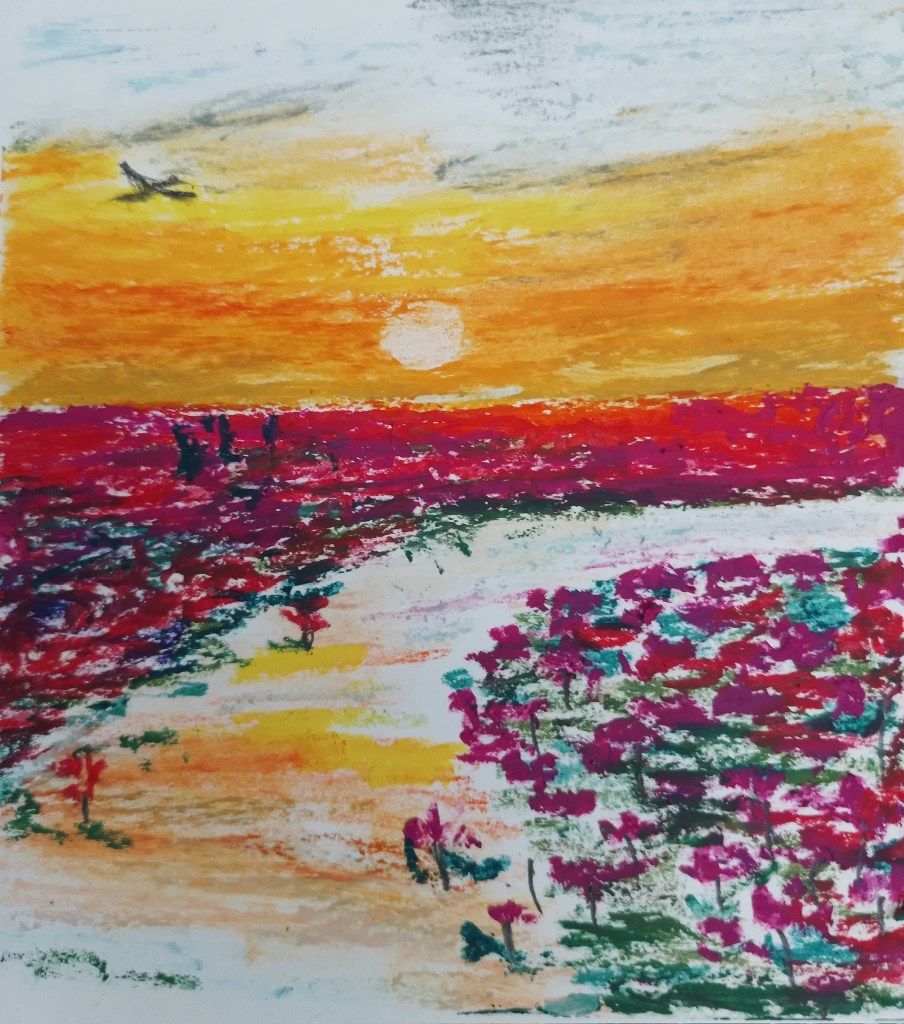
A NEST IN THE BRANCHES 

I offer you a night
of bliss by the river
and unconditional
love. I offer you a

nest in the branches

my little night bird.
It is March, spring,
and your body will
be floating in water.

You will not die.

But float under silver
stars and the moon,
silver as well, and your
thighs will be tickled

by nests branches.


IN THE WOODS

In the woods
one can walk
for miles and
miles in a
long circle.

Time will slow
down or speed
up. It all
depends on
your mind’s state.

Birds will chirp.
Your belly
will growl. Fruit
can save you
from the end.

The sounds of
the woods will
linger on
in your dreams,
an echo

of birdsong,
branches and
twigs breaking,
your belly
growling like

a stray dog’s
growl, the hiss
of a snake,
a rattle
and hum; wind.

Born in Mexico, Luis Cuauhtémoc Berriozábal lives in California and works in the mental health field in Los Angeles, CA.His poetry has been published by Blue Collar Review, Borderless Journal, Escape Into Life, Kendra Steiner Editions, Mad Swirl, SETU, and Unlikely Stories.

PLEASE NOTE: ARTICLES CAN ONLY BE REPRODUCED IN OTHER SITES WITH DUE ACKNOWLEDGEMENT TO BORDERLESS JOURNAL
Click here to access the Borderless anthology, Monalisa No Longer Smiles

Click here to access Monalisa No Longer Smiles on Amazon International

Categories
Contents

Borderless, February 2024

Art by Sohana Manzoor

Editorial

Finding Godot?… Click here to read.

Conversations

Ratnottama Sengupta talks to Ruchira Gupta, activist for global fight against human trafficking, about her work and introduces her novel, I Kick and I Fly. Click here to read.

A conversation with Ratna Magotra, a doctor who took cardiac care to the underprivileged and an introduction to her autobiography, Whispers of the Heart: Not Just a Surgeon. Click here to read.

Translations

Two poems by Nazrul have been translated from Bengali by Niaz Zaman. Click here to read.

Masud Khan’s poetry has been translated by Fakrul Alam. Click here to read.

The White Lady by Atta Shad has been translated from Balochi by Fazal Baloch. Click here to read.

Sparrows by Ihlwha Choi has been translated from Korean by the poet himself. Click here to read.

Tagore’s Dhoola Mandir or Temple of Dust has been translated from Bengali by Mitali Chakravarty. Click here to read.

Pandies Corner

Songs of Freedom: What are the Options? is an autobiographical narrative by Jyoti Kaur, translated from Hindustani by Lourdes M Supriya. These narrations highlight the ongoing struggle against debilitating rigid boundaries drawn by societal norms, with the support from organisations like Shaktishalini and pandies’. Click here to read.

Poetry

Click on the names to read the poems

Rhys Hughes, Maithreyi Karnoor, Luis Cuauhtémoc Berriozábal, Sivakami Velliangiri, Wendy Jean MacLean, Pramod Rastogi, Stuart McFarlean, Afrida Lubaba Khan, George Freek, Saranyan BV, Ryan Quinn Flanagan, Sanjay C Kuttan, Peter Magliocco, Sushant Thapa, Michael R Burch

Poets, Poetry & Rhys Hughes

In City Life: Samples, Rhys Hughes takes on the voice of cities. Click here to read.

Musings/Slices from Life

Ratnottama Sengupta Reminisces on Filmmaker Mrinal Sen

Ratnottama Sengupta travels back to her childhood wonderland where she witnessed what we regard as Indian film history being created. Click here to read.

Suga Didi

Snigdha Agrawal gives us a slice of nostalgia. Click here to read.

Healing Intellectual Disabilities

Meenakshi Pawha browses on a book that deals with lived experiences of dealing with intellectual disabilities. Click here to read.

Musings of a Copywriter

In Hobbies of Choice, Devraj Singh Kalsi explores a variety of extra curriculums. Click here to read.

Notes from Japan

In Becoming a Swiftie in my Fifties, Suzanne Kamata takes us to a Taylor Swift concert in Tokyo. Click here to read.

Essays

Walking about London Town

Sohana Manzoor takes us around the historic town. Click here to read.

How Do You Live?

Aditi Yadav explores the universal appeal of the translation of a 1937 Japanese novel that recently came to limelight as it’s rendition on the screen won the Golden Globe Best Animated Feature Film award (2024). Click here to read.

The Magic Dragon: Cycling for Peace

Keith Lyons writes of a man who cycled for peace in a conflict ridden world. Click here to read.

Stories

A Night at the Circus

Paul Mirabile tells a strange tale set in Montana. Click here to read.

Echoes in the Digital Expanse

Apurba Biswas explores a futuristic scenario. Click here to read.

Two Countries

Ravi Shankar gives a story about immigrants. Click here to read.

Chadar

Ravi Prakash writes about life in an Indo-Nepal border village. Click here to read.

Just Another Day

Neeman Sobhan gives a story exploring the impact of the politics of national language on common people. Click here to read.

Book Excerpts

An excerpt from Nabendu Ghosh’s Journey of a Lonesome Boat( Eka Naukar Jatri), translated from Bengali by Ratnottama Sengupta. Click here to read.

An excerpt from Upamanyu Chatterjee’s Lorenzo Searches for the Meaning of Life. Click here to read.

Book Reviews

Somdatta Mandal reviews The History Teacher of Lahore: A Novel by Tahira Naqvi. Click here to review.

Basudhara Roy reviews Srijato’s A House of Rain and Snow, translated from Bengali by Maharghya Chakraborty. Click here to read.

Bhaskar Parichha reviews Toby Walsh’s Faking It : Artificial Intelligence In a Human World. Click here to read.

.

Click here to access the Borderless anthology, Monalisa No Longer Smiles

Click here to access Monalisa No Longer Smiles on Amazon International

Categories
Editorial

Finding Godot?

Discard all prayers,
Meditation, hymns and rituals.
Why do you hide behind
Closed doors of temples?
....
There is no God in this house.

He has gone to visit the
Farmers who plough the hard ground,
The workers who break rocks ...


— Tagore, Dhoola Mandir or Temple of Dust (1910)

Love is a many splendoured thing and takes many forms — that stretches beyond bodily chemistry to a need to love all humankind. There is the love for one’s parents, family, practices one believes in and most of all nurtured among those who write, a love for words. For some, like Tagore, words became akin to breathing. He wrote from a young age. Eventually, an urge to bridge social gaps led him to write poetry that bleeds from the heart for the wellbeing of all humanity.  Tagore told a group of writers, musicians, and artists, who were visiting Sriniketan in 1936: “The picture of the helpless village which I saw each day as I sailed past on the river has remained with me and so I have come to make the great initiation here. It is not the work for one, it must involve all. I have invited you today not to discuss my literature nor listen to my poetry. I want you to see for yourself where our society’s real work lies. That is the reason why I am pointing to it over and over again. My reward will be if you can feel for yourself the value of this work.”

And it was perhaps to express this great love of humanity that he had written earlier in his life a poem called Dhoola Mandir that urges us to rise beyond our differences of faith and find love in serving humankind. In this month, which celebrates love with Valentine’s Day, we have a translation of this poem that is born of his love for all people, Dhoola Mandir.  Another poet who writes of his love for humanity and questions religion is Nazrul, two of whose poems have been translated by Niaz Zaman. Exploring love between a parent and children is poetry by Masood Khan translated from Bengali by Fakrul Alam. From the distant frontiers of Balochistan, we have a poem by Atta Shad, translated from Balochi by Fazal Baloch, for a fair lady — this time it is admiration. Ihlwha Choi translates poetry from Korean to express his love for a borderless world through the flight of sparrows.

Love has been taken up in poetry by Michael Burch. Borne of love is a concern for the world around us. We have powerful poetry by Maithreyi Karnoor that expresses her concern for humanity with a dash of irony or is it sarcasm? Luis Cuauhtémoc Berriozábal expresses his admiration for the poetry of Italian Poet Antonia Pozzi (1912-1938) in poetry. We have poems by Stuart McFarlane, Pramod Rastogi, Afrida Lubaba Khan, George Freek, Saranyan BV, Ryan Quinn Flanagan and many more. Rhys Hughes brings humour into poetry and voices out in his column taking on the persona of two cities he had lived in recently. There is truth and poignancy in the voices of the cities.

Suzanne Kamata writes a light-hearted yet meaningful column on the recent Taylor Swift concert in Tokyo.  Aditi Yadav takes up the Japanese book on which was based a movie that won the 2024 Golden Globe Best Animated Feature Film Award. Sohana Manzoor journeys to London as Devraj Singh Kalsi with tongue in cheek humour comments on extracurriculars that have so become a necessity for youngsters to get to the right schools. Snigdha Agrawal gives us a slice of nostalgia while recounting the story of a Santhali lady and Keith Lyons expresses his love for peace as he writes in memory of a man who cycled for peace.

Ratnottama Sengupta also travels down the memory lane to recall her encounters with film maker Mrinal Sen as he interacted with her father, Nabendu Ghosh. She has translated an excerpt from his autobiography to highlight his interactions with Ghosh. The other excerpt is from Upamanyu Chatterjee’s latest novel, Lorenzo Searches for the Meaning of Life.

In reviews, Somdatta Mandal has explored Tahira Naqvi’s The History Teacher of Lahore: A Novel. Srijato’s A House of Rain and Snow, translated from Bengali by Maharghya Chakraborty, has been discussed by Basudhara Roy and Bhaskar Parichha has reviewed Toby Walsh’s Faking It: Artificial Intelligence in a Human World. News and Documentary Emmy Award winner (1996) Ruchira Gupta’s daring novel born of her work among human traffickers, I Kick and I Fly, has been brought to our notice by Sengupta and she converses about the book and beyond with this socially conscious activist, filmmaker and writer. Another humanist, a doctor who served by bridging gaps between patients from underprivileged backgrounds, Dr Ratna Magotra, also conversed about her autobiography, Whispers of the HeartNot Just a Surgeon: An Autobiography , where she charts her journey which led her to find solutions to take cardiac care to those who did not have the money to afford it,

We have fiction this time from Neeman Sobhan reflecting on how far people will go for the love of their mother tongue to highlight the movement that started on 21st February in 1952 and created Bangladesh in 1971. Our stories are from around the world — Paul Mirabile from France, Ravi Shankar from Malaysia, Sobhan from Bangladesh and Ravi Prakash and Apurba Biswas from India — weaving local flavours and immigrant narratives. Most poignant of all the stories is a real-life narrative under the ‘Songs of Freedom’ series by a young girl, Jyoti Kaur, translated from Hindustani by Lourdes M Supriya. These stories are brought to us in coordination with pandies’ and Shaktishalini, a women’s organisation to enable the abused. Sanjay Kumar, the founder of pandies’ and the author of a most poignant book about healing suffering of children through theatre, Performing, Teaching and Writing Theatre: Exploring Play, writes, “‘Songs of Freedom’ bring stories from women — certainly not victims, not even survivors but fighters against the patriarchal status quo with support from the organisation Shaktishalini.”

While looking forward in hope of finding a world coloured with love and kindness under the blue dome, I would like to thank our fabulous team who always support Borderless Journal with their wonderful work. A huge thanks to all of you from the bottom of my heart. I thank all the writers who make our issues come alive with their creations and readers who savour it to make it worth our while to bring out more issues. I would urge our readers to visit our contents’ page as we have more than mentioned here.

Enjoy our February fare.

Mitali Chakravarty

borderlessjournal.com

Click here to access the content’s page for the February 2024 Issue.

.

READ THE LATEST UPDATES ON THE FIRST BORDERLESS ANTHOLOGY, MONALISA NO LONGER SMILES, BY CLICKING ON THIS LINK.

Categories
Poetry

Who Moves Time and Other Poems

By Luis Cuauhtémoc Berriozábal

Antonia Pozzi (1912-1938), Italian Poet
ONE HUNDRED AND FOUR YEARS 


After Antonia Pozzi

One hundred and four years ago you were
composing your words like a violinist was
composing musical sounds. Your words are
alive still, quivering with beauty, delirium,
and the sobs of time, as the violin strings
reach a crescendo of the loudest order.
I see your words on the page bleeding. I
feel the sharp sea breeze as if I was out
at shore. I look up at the cluster of stars,
which are your words, soft and compact
one moment, and loud and exploding
the next. Your instrument cries out loud
as if death is on your trail. You lived only
for twenty-six years. Yet, you are still alive
with these words I am reading now. Perhaps
in a hundred and four years I should be
so lucky, for someone to find mine.

WHO MOVES TIME

Who or what moves
time like the sky
moves clouds? We
cannot move time
as it inhales and
exhales its evil.
Time has no heart
or arms to lift
our burdens. Mute as
a field of weeds,
time is hard to gauge.
Like air it will not
stay in one place.
It follows its own
rules -- slow when
you are rushed, fast
when you need it
to last longer.

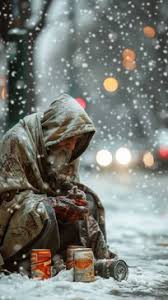
THIS HOUSE

This house I live in
is made of air.
If you look up at
any time of day
you will see stars,
the moon, the sun,
and clouds. It is
all windows all
around and no
walls. If you look
down, there is grass,
dirt, and cement.
I do not need doors,
plumbing, or a stove.
I keep it real
simple with a soft
pillow and thick
blankets. People
give me stuff like
food and water, a
dollar or enough
change for a hot
meal. I do not pay
rent or utility bills.
I move a lot, not
always willingly.
You know the grass
could be greener,
but I settle for
what I can get.

NOTHING BUT EMPTINESS

I left nothing
but emptiness
and useless
meanderings
for you to digest,
sparse ideas
and drunken
diatribes to
moist your
appetite.
There is more
of nothingness
I could offer,
but I do not
have the heart
to do that.

Born in Mexico, Luis Cuauhtémoc Berriozábal lives in California and works in the mental health field in Los Angeles, CA.His poetry has been published by Blue Collar Review, Borderless Journal, Escape Into Life, Kendra Steiner Editions, Mad Swirl, SETU, and Unlikely Stories.

PLEASE NOTE: ARTICLES CAN ONLY BE REPRODUCED IN OTHER SITES WITH DUE ACKNOWLEDGEMENT TO BORDERLESS JOURNAL
Click here to access the Borderless anthology, Monalisa No Longer Smiles

Click here to access Monalisa No Longer Smiles on Amazon International

Categories
Contents

Borderless September 2023

Art by Sohana Manzoor

Editorial

What do They Whisper?… Click here to read.

Conversations

Shantanu Ray Chaudhuri in conversation with M.S. Viraraghavan and Girija Viraraghavan ( grand daughter of President Sarvepalli Radhakrishnan) on their new book, Roses in the Fire of Spring: Better Roses for a Warming World and Other Garden Adventures. Click here to read.

In conversation with Isa Kamari, a celebrated writer from Singapore, with focus on his latest book, Maladies of the Soul. Click here to read.

Translations

A Hunger for Stories, a poem by Quazi Johirul Islam, has been translated by Professor Fakrul Alam. Click here to read.

A Hand Mill, a story by Ammina Srinivasaraju, has been translated from Telugu by Johny Takkedasila. Click here to read.

Kiyya and Sadu, a part of this long ballad on the legendary lovers from Balochistan, has been translated from Balochi by Fazal Baloch. Click here to read.

The Time for the Janitor to Pass by, poetry written in Korean and translated by Ilhwah Choi. Click here to read.

Sharat or Autumn, a poem by Tagore, has been translated from Bengali by Mitali Chakravarty. Click here to read.

Poetry

Click on the names to read the poems

Jared Carter, Rhys Hughes, Santosh Bakaya, Luis Cuauhtémoc Berriozábal, Sagar Mal Gupta, Nirmala Pillai, George Freek, Pramod Rastogi, Peter Devonald, Afshan Aqil, Hela Tekali, Swarnendu Ghosh, Alpana, Michael Burch

Poets, Poetry & Rhys Hughes

In Tintin in India, Rhys Hughes traces the allusions to India in these iconic creations of Hergé while commenting on Tintin’s popularity in the subcontinent. Click here to read.

Musings/Slices from Life

Black Pines and Red Trucks

Meredith Stephens shares the response of some of the Californian community to healing after the 2020 forest fires with a narrative and photographs. Click here to read.

Remembering Jayanta Mahapatra

KV Raghupathi travels down nostalgia with his memories of interactions with the recently deceased poet and his works. Click here to read.

The Toughness of Kangaroo Island 

Vela Noble draws solace and lessons from nature around her with her art and narrative. Click here to read.

Where is Your Home?

Madhulika Vajjhala explores her concept of home. Click here to read.

A Homecoming like No Other

Saumya Dwivedi gives a heartwarming anecdote from life. Click here to read.

Musings of a Copywriter

In Hair or There: Party on My Head, Devraj Singh Kalsi explores political leanings and hair art. Click here to read.

Notes from Japan

In Against Invisibility, Suzanne Kamata challenges traditions that render a woman invisible with a ‘sparkling’ outcome. Click here to read.

Essays

Jayanta Mahapatra: A Tribute to a Poetic Luminary

Dikshya Samantrai pays tribute to a poet who touched hearts across the world with his poetry. Click here to read.

Celebrating the novel… Where have all the Women Writers Gone?

G Venkatesh writes about a book from 1946. Click here to read.

Chandigarh: A City with Spaces

Ravi Shankar travels back to Chandigarh of 1990s. Click here to read.

The Observant Immigrant

In Climate Change: Are You for Real?, Candice Louisa Daquin explores the issue. Click here to read.

Stories

The Infamous Art Dealer

Paul Mirabile travels through Europe with an art scammer. Click here to read.

Getting Old is like Climbing a Mountain

Saranyan BV explores aging and re-inventing homes. Click here to read.

The Airport

Prakriti Bandhan shares a short, whimsical narrative. Click here to read.

Book Excerpts

An excerpt from Syed Mujtaba Ali’s Tales of a Voyager (Joley Dangay), translated by Nazes Afroz. Click here to read.

An excerpt from Sanket Mhatre’s A City Full of Sirens. Click here to read.

Book Reviews

Somdatta Mandal reviews Begum Hazrat Mahal: Warrior Queen of Awadh by Malathi Ramachandran. Click here to read.

Basudhara Roy reviews Sanket Mhatre’s A City Full of Sirens. Click here to read.

Bhaskar Parichha reviews Samragngi Roy’s The Wizard of Festival Lighting: The Incredible Story of Srid. Click here to read.

.

Click here to access the Borderless anthology, Monalisa No Longer Smiles

Click here to access Monalisa No Longer Smiles on Kindle Amazon International