Categories
Musings of a Copywriter

Becoming a ‘Plain’ Writer

By Devraj Singh Kalsi
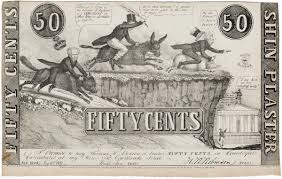

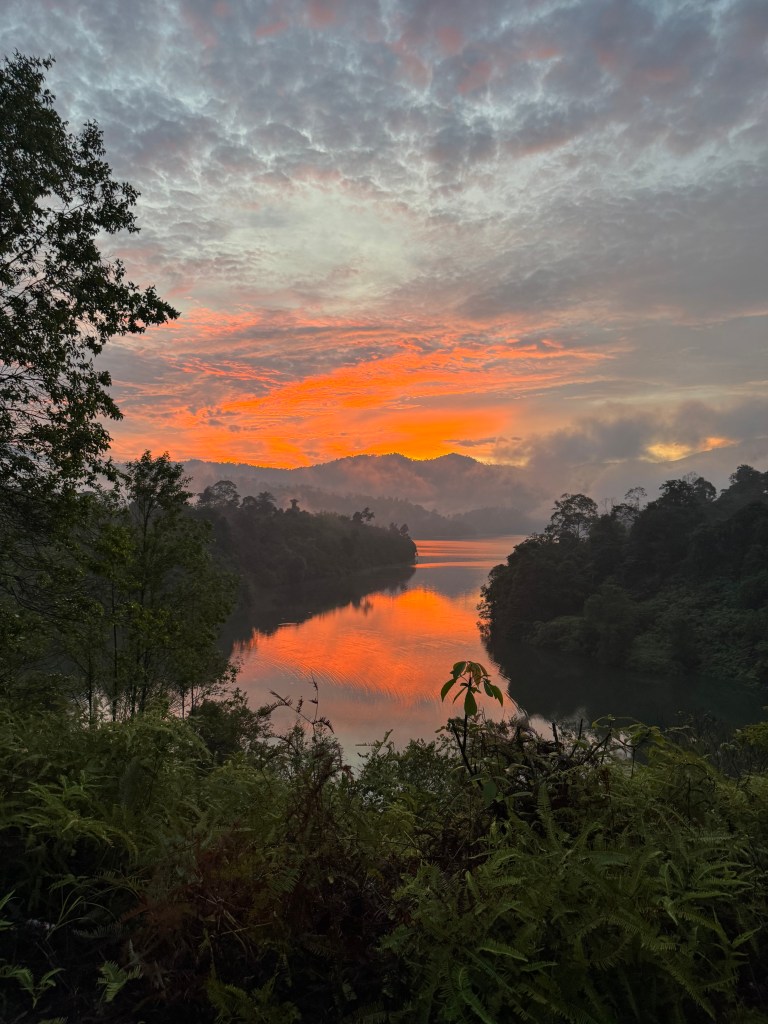
When a friend of mine glorified living in the hills and suggested I should live close to nature in order to nurture my creative side, I disagreed without showing displeasure as it would have appealed to me a decade ago. Instead of shifting to the mountains to forge a deep connection with nature, now I prefer to increase my interactions with nature and its elements in the nearby surroundings every day. Even if these exchanges are small and trivial, these are spread throughthe day and keep happening with amazing frequency.

Finding ample time to feel the presence of nature all around leaves me with negligible desire to relocate to the hillside where I would have the privilege to spread myself on a roadside bench and gaze and wave at newly married couples clasping their hands and walking down the road with melting ice-cream cones. I do not wish to turn into another such old man with a toothless grin, who never shies away from showing his naughty side whenever an opportunity arises.

Not considering such indulgences as effective remedies to stay young at heart during old age, the all-pervasive burst of energy actually comes from the bout of inspiration to produce a new creative work. The hills or the muse are just two known – and popular – sources while the fact is that there are infinite sources to explore. It depends on the individual embarking on this journey to awaken the creative self.

Hills are romanticised and considered to be the abode of purity with the power to trigger creativity like no other place. My recent visits to the hills did not prod me to write. While such a visit could be inspiring for many people who prefer the serenity of the hills to produce a masterpiece, I would consider myself an exception or a part of the small group holding a divergent opinion. Those who say you do not face writer’s block on the hillside are not telling the entire truth. Without contesting their belief, I am quick to retort by saying that I do not stare at the blank page and do not face any shortage of ideas here. I am happy to live in the plains and remain a plain writer without any complaints.

Those who live in the hills and write profusely get to write about nature and the people they observe closely during their long walks.  The hill towns also have a vast population of ghosts to write about since they prefer to live and breathe clean, fresh air and enjoy the mist and fog of the mountains. This category of dead folks brings so many stories to life. With deadpan humour, the writers relate engaging stories but if there is an abundance of paranormal tales from writers in the hills, it does not mean that the writers from the small towns across the country do not have spooky encounters to narrate. There is no dearth of ghosts to explore in the haunted, dilapidated buildings, cemeteries and treetops. If the emerging and established writers take a keen interest to spin bewitching tales, there can be a potpourri of ghostly delights to feast upon. Instead of trekking to the hills in search of lively characters where the human population is not dense, it is better to seek variety in the plains where the population is teeming with saints and sinners of varying degrees, climbing the heights of divine glory and plumbing the lows of depravity.

Abandon the idea of finding a goldmine of ideas in the hills and choose to focus on the world you live in. Relocating to get inspired involves disconnecting in the greed of enrichment. The ability to source the hidden treasures from the town or the locality comes to those who respect it unconditionally, just as we value the love we get unconditionally. There are many who leave for the hills to become fantastic storytellers, but their output fails to impress and loses consistency. Only when they come down and hit the mean streets, travel in crowded buses and trains, enter flea markets and dingy, narrow lanes do they become an integral part of the creative madness and their output shows that solitude is not the sole stimulant: a chaotic environment can also work its magic to stir creativity in wandering souls.

In case you have garnered a modicum of success and wish to experiment, you can try the hills or the beaches to measure the impact on your creative output. But in case you realise you can write well without changing your pin code, and all you need is a house with big windows providing a wide view of the verdant garden lined with trees and plants, offering a clear vision of quietness, then you can deliver a good creative work by sourcing material from the life lived, from the things you can imagine.

Taking a short break to tour the hills has left me disappointed once again. A depressed state of mind and boredom gripped me more than the lush green vistas. I missed the traffic, the mad rush for trains, and the tearing hurry to cross bridges, the restlessness to leave others behind. The sense of satisfaction found in the hill people seemed to infect me. With limited sources of entertainment, preferring to hit the sleep mode was the best thing to do. The idyllic scenery relaxed me for a few days and then the craving for frenzy took over. Depriving myself of it further would make me sick. So, I returned earlier than I had planned to, with the realisation that writing in the hills would be a challenging job for me. It could force me to quit writing forever. I could well be one of those seasonal types who retreat there to recharge their batteries and come back super charged to face the daily hectic grind of the real world.

How long would an ambulance take to reach me during a medical emergency in the hills also loomed large as a growing concern. Negotiating a sharp bend and thinking about such situations made me feel low. As I grow older, I refuse to be enchanted by apples and apple-picking. The childhood fancy of farm-picking sessions, of plucking litchis, berries, and cherries and apples and eating them in the orchards can be skipped or realised within a week. This charming activity cannot make a strong case to become a resident of the hills. Besides, the local market in the neighbourhood has good supplies throughout the year.

Dozens of markets, malls, bargain stores, eating joints, beauty parlours, and multiplexes are likely to be missed in the hills where consumerism is still not rampant. Aside from natural produce, other staple items are more expensive in the hills. Maintaining budgets would be an uphill task for an aspiring writer. Farmer markets would tempt me exploit those, but I do not want to join the list of discredited experts who exploit and then write about exploitation, thereby showcasing their hypocrisy to the world. Locating an advertising agency in a hill station would be another challenge as the clients think creative honchos from the ad world and film world live in the big cities. Agreed, having a second home in the hills for vacation purpose or weekend breaks is a good option. But writers cannot have this luxury unless they churn out bestsellers to finance a second home.

You could be a writer who is read not just in the hills but also read by those from the plains and beyond. Make your location immaterial for writing.  Junk the idea that a masterpiece with a universal appeal can come from a serene place alone. Writing thrives with speed, pace, and action. And the plains are remarkably good at offering this advantage, not just the slow-moving life and stillness in the hills that makes the mind race faster when the body is in a state of relaxation.

Devraj Singh Kalsi works as a senior copywriter in Kolkata. His short stories and essays have been published in Deccan Herald, Tehelka, Kitaab, Earthen Lamp Journal, Assam Tribune, and The Statesman. Pal Motors is his first novel.  


PLEASE NOTE: ARTICLES CAN ONLY BE REPRODUCED IN OTHER SITES WITH DUE ACKNOWLEDGEMENT TO BORDERLESS JOURNAL

Click here to access the Borderless anthology, Monalisa No Longer Smiles

Click here to access Monalisa No Longer Smiles on Kindle Amazon International

Categories
Humour & Horror

Spooky, Chooky, Gooky

Art by Sohana Manzoor

It’s again that time of the year when we have fun spooking each other with stories of ghosts and haunting. While festivals of light1 and darkness vie with each other for a spot on the same date, observances to pay our respects to our forefathers follow at their heels, some before and some after.

In this selection, we bring to you narratives that could be dark, strange or funny or all of these … a selection of poetry, fiction and non-fiction from around the world. Enjoy the reads!

Poetry

Of Singing Mice, Biscuit Tins & Gym Bikes… by Rhys Hughes. Click here to read.

Human by Manzur Bismil has been translated from Balochi by Fazal Baloch. Click here to read.

In Another Galaxy by Masud Khan has been translated from Bengali by Professor Fakrul Alam. Click here to read.

The Waiting by Stuart MacFarlane. Click here to read.

Walking Gretchums by Saptarshi Bhattacharya. Click here to read.

Bonfire by Ihlwha Choi has been translated from Korean by the poet himself. Click here to read.

Exaltation in D. Minor (I’ll Be Around) by Ryan Quinn Flangan. Click here to read.

It’s Halloween! by Michael Burch. Click here to read.

Prose

From Diana to ‘Dayaan’ : Rajorshi Patronobis talks of Wiccan lore. Click here to read.

The Ghosts of Hogshead: Paul Mirabile wanders into the realm of the supernatural dating back to the Potato Famine of Ireland in the 1800s. Click here to read.

My Christmas Eve “Alone”: Erwin Coomb has a strange encounter at night. Is it real? Click here to read. 

Orang Minyak or The Ghost: A Jessie Michael explores ‘ghosts’ in a Malay village. Click here to read.

The Browless DollsS.Ramakrishnan‘s spooky story, has been translated from Tamil by B Chandramouli. Click hereto read.

 Witches and Crafts: A Spook’s TaleDevraj Singh Kalsi finds a ghostly witch in his library. Click here to read.

In The Chopsy Moggy: Rhys Hughes gives us a strange feline adventure. Click here to read. 

Ghosts, Witches and My New Homeland: Tulip Chowdhury muses on ghosts and spooks in Bangladesh and US. Click here to read.

Nagmati: Prafulla Roy’s long story based on strange folk beliefs has been translated from Bengali as Snake Maiden by Aruna Chakravarti. Click here to read.

From Public Domain

.

  1. Deepavali or festival of lights is on October 31st this year along with Kali Puja and Halloween. October 30th is Bhooth Chaturdashi, or Indian Festival of Ghosts while All Saints’ Day and all Souls’ Day are observed at the start of November. Early October hosted Pitri Paksha, observances for apeasing forefathers in India. ↩︎

Categories
Editorial

Where Are Those Happy Days?

Festivals are like friends.

They bring hope, solace and love to those who believe in them. But, when the structures holding the fiestas in place start to crumble, what do we do then?

Our lives have moved out of wilderness to cities over centuries. Now, we have covered our world with the gloss of technology which our ancestors living in caves would have probably viewed as magic. And yet we violate the dignity of our own kind, war and kill, destroy what we built in the past. The ideological structures seem ineffective in instilling love, peace, compassion or hope in the hearts of the majority. Suddenly, we seem to be caving in to violence that destroys humanity, our own kind, and not meting out justice to those who mutilate, violate or kill. Will there be an end to this bleak phase? Perhaps, as Tagore says in his lyrics[1], “From the fount of darkness emerges light”. Nazrul has gone a step further and stated clearly[2], “Hair dishevelled and dressed carelessly/ Destruction makes its way gleefully. / Confident it can destroy and then build again …Why fear since destruction and creation are part of the same game?”

And yet, destruction hurts humans. It kills. Maims. Reduces to rubble. Can we get back the people whose lives are lost while destruction holds sway? We have lost lives this year in various wars and conflicts. As a tribute to all the young lives lost in Bangladesh this July, we have a poem by Shahin Hossain. Afsar Mohammad has brought in the theme of festivals into poetry tying it to the current events around the world. In keeping with the times, Michael Burch has a sense of mirthlessness in his poems. Colours of emotions and life have been woven into this section by Malashri Lal, Luis Cuauhtémoc Berriozábal, Fhen M, Shamik Banerjee, George Freek, Matthew James Friday, Jenny Middleton and many more. This section in our journal always homes a variety of flavours. Stuart MacFarlane has poems for Wordsworth… and some of it is funny, like Rhys Hughes’ poem based on photographs of amusing signposts. But then life has both sorrows and laughter, and poetry is but a slice of that as are other genres. We do have non-fiction in a lighter vein with Hughes’ story and poem about pizzas. Devraj Singh Kalsi has given a tongue in cheek narrative about his library experiences.

Suzanne Kamata has written for us about her visit to Rwanda. Farouk Gulsara has pondered over humanity’s natural proclivitiesWiccan lore has been discussed by Rajorshi Patranabis. And Snigdha Agrawal has tuned into humour with her rendition of animal antics that overran festivities. Ravi Shankar, on the other hand, has written about the syncretic nature of festivals in Kerala. Professor Fakrul Alam has given a nostalgic recap of Durga Puja during his childhood, a festival recognised as an “Intangible Cultural Heritage of Humanity” by UNESCO, and known for its syncretic traditions where people from all backgrounds, religions and cultures celebrate together.

Festivals have also been taken up in fiction by Tanika Rajeswari V with a ghostly presence hovering over the arrangements. Paul Mirabile has taken us around the world with his story while Saeed Ibrahim writes from his armchair by the Arabian sea. Sahitya Akademi winner for his children’s stories, Naramsetti Umamaheswara Rao, has showcased peer pressure among youngsters in his narrative.  

Two stories have also featured in our translations. Christine C Fair has rendered Veena Verma’s Punjabi story about an illegal immigrant into English. Hinting at climate concerns, Sharaf Shad’s fiction, has been translated from Balochi by Fazal Baloch. Tagore’s powerful poem on Africa has been brought to Anglophone readers by Debali Mookerjea-Leonard as well as his inspiring lyrics, Andhokaarer Utso Hote (From the Fount of Darkness), by our team. Nazrul’s vibrant lyrics, Shukno Patar Nupur Paye (With Ankle Bells of Dried Leaves), has been rendered into English from Bengali by Professor Alam.

Our reviews explore immigrant stories in fiction with Somdatta Mandal reviewing Ammar Kalia’s A Person Is a Prayer. Bhaskar Pariccha has written about Selected Works of Vyasa Kavi Fakir Mohan Senapati, edited by Monica Das. Fakir Mohan is a legendary writer from Odisha. Meenakshi Malhotra has discussed a book on another legend, Safdar Hashmi, one of the greatest names in street theatre in India. The book is by Anjum Katyal and called, Safdar Hashmi: Towards Theatre for a Democracy.

Our book excerpts usher good cheer with a narrative by Ruskin Bond from Let’s Be Best Friends Forever: Beautiful Stories of Friendship. And also hope with a refugee’s story from Ukraine, which travels through deserts, Italy and beyond to US and has a seemingly happier outcome than most, Lara Gelya’s Camel from Kyzylkum. This issue’s conversations take us around the world with Keith Lyons interviewing Lya Badgley, who has crossed continents to live and write. Malashri Lal, the other interviewee, is an academic and writer with sixteen books under her belt. She travels through the world with her poetry in Mandalas of Time.

Huge thanks to the Borderless team for putting this issue together – the last-minute ties – and the art from Sohana Manzoor. Without all this, the edition would look different. Heartfelt thanks to our contributors without whose timely submissions, we would not have a journal. And most of all we thank our readers – we are because you are – thank you for reading our journal.  As all our content, despite being indispensable, could not be mentioned here, do pause by our content’s page for this issue.

We wish you a wonderful month!

Cheers,

Mitali Chakravarty

borderlessjournal.com

[1] Tagore’s Andhokaarer Utso Hote (From the Fount of Darkness)

[2] Nazrul’s Proloyullash translated by Professor Alam as The Frenzy of Destruction

Click here to access the content’s page for the October 2024 Issue.

.

READ THE LATEST UPDATES ON THE FIRST BORDERLESS ANTHOLOGY, MONALISA NO LONGER SMILES, BY CLICKING ON THIS LINK.

Categories
Musings of a Copywriter

Libraries and Me

By Devraj Singh Kalsi

From Public Domain

The school library was the place we were herded to once every week. Although a few of us were booklovers, the brief period of relief and relaxation inside the large, airy, and sunlit room stacked with books, bookshelves, and desks made us fake an immersive experience of reading bliss. 

Contrary to the orders of Lobo Sir, our librarian who always emitted strange noises to remind us to maintain pin-drop silence, we occupied the window seats to gaze at the panoramic world outside and discuss what appeared in sight. It was more engaging, refreshing, and rewarding as an activity. I was not one of those smart, gifted fellows who focused on the brittle pages of the heavily borrowed titles to impress teachers.

Observing the lush green trees and the slow movement of traffic on the macadamised road outside the campus became the new pastime — punctuated with furtive, irksome glances at the middle-aged librarian who saw potential book thieves lurking within us. His long hands groping our pants and bellies during the mandatory exit check to locate books hiding inside never quite managed to reach the exact spot where books were hiding within some of us: inside our fecund, curious minds.

Most of the students were not fond of reading or stealing books when there were far more precious items like hearts waiting to get stolen outside the campus during those teenage years. Impressing the girls from the nearby convent with our natural gift of storytelling evinced an encouraging response and for us, it was a firm confirmation that holding a book in hand was less likely to catch their interest.

Keeping the library card was an obligation so we had to borrow at least one book in a month, get it stamped, and then return it within a week without further tears to avoid a hefty fine. It was wise to show the librarian the pages already torn, dog-eared, smeared with ink, or doodled with arrows piercing the hearts as his memory never failed to identify new signs of damage to the books and he would insist on replacement or recovery of its full monetary value at the given time.

Considering the perils of borrowing books from the library that made us careful about spilling tea or coffee or  noodle (stuck between the pages) or tomato sauce dots ruining the cover, I decided that I should buy the book and then read it without any fear, even if it involved buying from a second-hand bookshop. With a strong sense of possession and freedom to toss and turn around, I felt free to place a tall glass of cold coffee on it and read it the way I liked. The sense of reading with a free mind had no substitute. Borrowing titles from the library did not inculcate this sense of freedom.

The possibility of forgetting a storybook inside the bus or train was high. Even tears would not convince the librarian to waive the costs if we lost it in transit even though its condition was nothing close to mint. Some of us took the library titles home, kept them in the safest custody of parents and then carried the titles back to school without reading a single page. Of what use was such trouble we could not fathom but negative thoughts resonated more, keeping us mired in anxiety.

Only the toppers borrowed classics to read and discuss with teachers what they grasped. The teachers agreed with their insights and analysis in a bid to sound encouraging even if what the high achievers said made little sense. It was a source of collective victory that some students showed the potential to read classics and match the wavelength of teachers whereas we could not go beyond the popular, readable titles.

The desire to read for fun and pleasure was stronger than the urge to read for knowledge during our school days. ‘Read more’ was the repetitive message from teachers even before it caught our attention as the tagline of a global publisher. Every teacher suggested serious reading to build our command over the language though we had no estimate of its utility except for those aiming for academics. Reaching college gave us a comforting truth — acquired from visiting bookstores in the neighbourhood: it is possible to become a writer without the ballistic power of vocabulary. Several successful authors wrote simple yet powerful prose even if their works were not considered fit for inclusion in school libraries.  

Library trips made a comeback in my life at the university level due to my interest in spending more time in pursuit of a girlfriend who was fond of taking notes from various texts inside the library. While acquiring knowledge was not my goal, I chose to sit with a title and observed her fondness for the written word as she wanted her answers to be unique and well-researched.  The slow, whirring fan turned the pages of the slim title for me, and I ended up turning twenty pages without having read a single sentence in an hour. My dedication and punctuality to visit the library around the time she reached was noticed by many others including the librarian though he never saw us talk or disturb others.  Some weeks later, she said that it was futile for me to spend time in the library. But I contradicted her by saying it was always worthwhile to stay in the company of scholars. The peaceful environment inside the library – found nowhere else in the campus – allowed me to learn to focus on one thing even though it was not reading. She understood what I was referring to and her silence encouraged me to pursue this habit with greater concentration.

Everyday, I climbed the stairs to stare at this beautiful girl inside the library. I even suggested coffee inside the canteen. She declined but surprised me by suggesting a sip outside the campus. We came out of the library and allowed others to notice us together. The campus would be rife with speculation and to keep the world guessing was the first vital step to relish the taste of celebrity culture.

Within a few weeks, she distanced herself from me. I suspected someone must have poisoned her mind. I thought she had changed her timings to avoid me. I kept track of the library hours and noticed her regular absence. One afternoon, driven by the mad desire to check on her, I entered the library with a book purchased from a pavement stall. I scanned the room, but she was not there. The librarian came running as he saw me leaving the hall with a book in hand. Perhaps he thought I was a book thief – like Lobo Sir did in our school. He grabbed the book from my hand only to feel ashamed.

It was a romantic title with a suggestive cover that he took his bifocal eyes away from, assured that such books were not stored inside any library. Recovering from the embarrassment, he admonished me for bringing such dirty books inside the campus. He further disappointed me by saying the girl I came with had surrendered her library card without offering any reason, and I pretended as if it was not the information I was looking for, certainly not from him.  My library trips came to an end with this bitter adventure, and I have not entered any library for more than a decade now.

The need to visit libraries has almost disappeared with the emergence of cafe cum bookstores where you can sit and read like you did inside the library, with a wide view of the world outside, but without the pesky librarian keeping track of the moves and ulterior motives. The book thieves are also taken care of by beeping machines installed at the exit point, thanks to advanced technology, and the innocent browsers do not have to suffer the indignity of groping hands of a security guard.

Devraj Singh Kalsi works as a senior copywriter in Kolkata. His short stories and essays have been published in Deccan Herald, Tehelka, Kitaab, Earthen Lamp Journal, Assam Tribune, and The Statesman. Pal Motors is his first novel.  


PLEASE NOTE: ARTICLES CAN ONLY BE REPRODUCED IN OTHER SITES WITH DUE ACKNOWLEDGEMENT TO BORDERLESS JOURNAL

Click here to access the Borderless anthology, Monalisa No Longer Smiles

Click here to access Monalisa No Longer Smiles on Kindle Amazon International

Categories
Contents

Borderless, September 2024

Art by Sohana Manzoor

Editorial

And Wilderness is Paradise Enow… Click here to read.

Translations

Raja O Praja or The King and His Subjects, an essay by Tagore, has been translated from Bengali by Himadri Lahiri. Click here to read.

Nazrul’s Roomu Jhoomu Roomu Jhoomu has been transcreated from Bengali by Professor Fakrul Alam. Click here to read.

The Mirror by Mubarak Qazi has been translated from Balochi by Fazal Baloch. Click here to read.

The Source by Ihlwha Choi has been translated from Korean by the poet himself. Click here to read.

Suprobhat or Good Morning by Tagore has been translated from Bengali by Mitali Chakravarty. Click here to read.

Poetry

Click on the names to read the poems

Rhys Hughes, Cal Freeman, Jackie Kabir, Jennifer McCormack, Pramod Rastogi, Miriam Bassuk, K B Ryan Joshua Mahindapala, Paul Mirabile, Shamik Banerjee, Craig Kirchner, Thomas Emate, Stuart MacFarlane, Supriya Javalgekar, George Freek, Ryan Quinn Flanagan, Luis Cuauhtémoc Berriozábal, Michael Burch

Musings/Slices from Life

Finding the Fulcrum

Farouk Gulsara gives a poignant account of looking after an aged parent. Click here to read.

Watery World

Keith Lyons finds the whole world within a swimming pool. Click here to read.

Days that don’t Smell of Cakes and Candy

Priyanka Panwar muses on days which not much happens… Click here to read.

Rayban-dhan

Uday Deshwal revisits his life with his companion sunglass. Click here to read.

In Favour of a Genre…

Saeed Ibrahim argues in favour of short stories as a genre. Click here to read.

Musings of a Copywriter

In Shades of Grey – Hair and There, Devraj Singh Kalsi writes of adventures with premature greying. Click here to read.

Notes from Japan

In Sneaky Sneakers, Suzanne Kamata grins at life in Japan. Click here to read.

Essays

Ah Nana Bari!

Fakrul Alam writes nostalgically of his visits to Feni in Noakhali, a small town which now suffers from severe flooding due to climate change. Click here to read.

A Manmade Disaster or Climate Change?

Salma A Shafi writes of floods in Bangladesh from ground level. Click here to read.

A Doctor’s Diary: Life in the High Ranges

Ravi Shankar writes of his life in the last century among the less developed highlands of Kerala. Click here to read.

Stories

The Useless Idler

Paul Mirabile writes of a strange encounter with someone who calls himself an ‘idler’. Click here to read.

Imitation

Naramsetti Umamaheswararao explores parenting. Click here to read.

Final Hours

Mahila Iqbal gives a poignant story about aging. Click here to read.

Friends

G Venkatesh writes a story stirring environmental concerns. Click here to read.

Conversation

Ratnottama Sengupta converses with Reba Som, who recently brought out, Hop, Skip and Jump; Peregrinations of a Diplomat’s Wife. Click here to read.

Book Excerpts

An excerpt from Mineke Schipper’s Widows: A Global History. Click here to read.

An excerpt from Anuradha Marwah’s Aunties of Vasant Kunj. Click here to read.

Book Reviews

Somdatta Mandal reviews Karan Mujoo’s This Our Paradise: A Novel. Click here to read.

Rakhi Dalal reviews Swadesh Deepak’s A Bouquet of Dead Flowers translated from Hindi by Jerry Pinto, Pratik Kanjilal, Nirupama Dutt, Sukant Deepak. Click here to read.

Meenakshi Malhotra reviews Anuradha Marwah’s Aunties of Vasant Kunj. Click here to read.

Bhaskar Parichha reviews Ayurveda, Nation and Society: United Provinces, c. 1890–1950 by Saurav Kumar Rai. Click here to read.

.

Click here to access the Borderless anthology, Monalisa No Longer Smiles

Click here to access Monalisa No Longer Smiles on Amazon International

Categories
Editorial

And Wilderness is Paradise Enow…

Prayer Wheel at Nurulia, Ladakh. Photo Courtesy: Farouk Gulsara
We lock eyes, find glimmers
of smiles, trust our leaders.
We break bread with strangers
because there aren’t any.

--Imagine by Miriam Bassuk

Imagine the world envisioned by John Lennon. Imagine the world envisioned and partly materialised by Tagore in his pet twin projects of Santiniketan and Sriniketan, training institutes made with the intent of moving towards creating a work force that would dedicate their lives to human weal, to closing social gaps borne of human constructs and to uplifting the less privileged by educating them and giving them the means to earn a livelihood. You might well call these people visionaries and utopian dreamers, but were they? Tagore had hoped to inspire with his model institutions.  In 1939, he wrote in a letter: “My path, as you know, lies in the domain of quiet integral action and thought, my units must be few and small, and I can but face human problems in relation to some basic village or cultural area. So, in the midst of worldwide anguish, and with the problems of over three hundred millions staring us in the face, I stick to my work in Santiniketan and Sriniketan hoping that my efforts will touch the heart of our village neighbours and help them in reasserting themselves in a new social order. If we can give a start to a few villages, they would perhaps be an inspiration to some others—and my life work will have been done.”  But did we really have a new social order or try to emulate him?

If we had acted out of compassion and kindness towards redefining with a new social order, as Miriam Bassuk points out in her poem based on Lennon’s lyrics of Imagine, there would be no strangers. We’d all be friends living in harmony and creating a world with compassion, kindness, love and tolerance. We would not have wars or regional geopolitical tensions which act against human weal. Perhaps, we would not have had the issues of war of climate change take on the proportions that are wrecking our own constructs.

Natural disasters, floods, fires, landslides have affected many of our lives. Bringing us close to such a disaster is an essay by Salma A Shafi at ground level in Noakhali. More than 4.5 million were affected and 71 died in this disaster. Another 23 died in the same spate of floods in Tripura with 65,000 affected. We are looking at a single region here, but such disasters seem to be becoming more frequent. And yet. there had been a time when Noakhali was an idyllic vacation spot as reflected in Professor Fakrul Alam’s nostalgic essay, filled with memories of love, green outdoors and kindnesses. Such emotions reverberate in Ravi Shankar’s account of his medical adventures in the highlands of Kerala, a state that suffered a stupendous landslide last month. While Shafi shows how extreme rainfall can cause disasters, Keith Lyons writes of water, whose waves in oceanic form lap landmasses like bridges. He finds a microcosm of the whole world in a swimming pool as migrants find their way to New Zealand too. Farouk Gulsara muses on kindness and caregiving while Priyanka Panwar ponders about ordinary days. Saeed Ibrahim gives a literary twist to our musings.   Tongue in cheek humour is woven into our nonfiction section by Suzanne Kamata’s notes from Japan, Devraj Singh Kalsi’s piece on premature greying and Uday Deshwal’s paean to his sunglasses!

Humour is wrought into poetry by Rhys Hughes. Supriya Javelkar and Shamik Banerjee have cheeky poems that make you smile. We have poetry on love by Michael Burch and poetry for Dylan Thomas by Ryan Quinn Flanagan. Miriam Bassuk has described a Utopian world… but very much in the spirit of our journal. Variety is brought into our journal with poetry from Jackie Kabir, Jennifer McCormack, Craig Kirchner, Stuart MacFarlane, George Freek, Luis Cuauhtémoc Berriozábal and many more.

In translations, we have Nazrul lyrics transcreated from Bengali by Professor Alam and poetry from Korean by Ihlwha Choi. We pay our respects to an eminent Balochi poet who passed on exactly a year ago, Mubarak Qazi, by carrying a translation by Fazal Baloch. Tagore’s Suprobhat (Good morning) has been rendered in English from Bengali. His descriptions of the morning are layered and amazing — with a hint of the need to reconstruct our world, very relevant even today.  A powerful essay by Tagore called Raja O Praja (The King and His Subjects), has been translated by Himadri Lahiri.

Our fiction hosts two narratives that centre around childhood, one by Naramsetti Umamaheswararao and another by G Venkatesh, though with very different approaches. Mahila Iqbal relates a poignant tale about aging, mental health and neglect, the very antithesis of Gulsara’s musing. Paul Mirabile has given a strange story about a ‘useless idler’.

A short story collection has been reviewed by Rakhi Dalal, Swadesh Deepak’s A Bouquet of Dead Flowers, translated from Hindi by Jerry Pinto, Pratik Kanjilal, Nirupama Dutt, Sukant Deepak. Somdatta Mandal has written about a book by a Kashmiri immigrant which is part based on lived experiences and part fictive, Karan Mujoo’s This Our Paradise: A Novel. Bhaskar Parichha has reviewed Ayurveda, Nation and Society: United Provinces, c. 1890–1950 by Saurav Kumar Rai, a book which shows how healthcare was even a hundred years ago, politicised. Meenakshi Malhotra has reviewed Anuradha Marwah’s novel, Aunties of Vasant Kunj, of which we also have an excerpt. The other excerpt is from Mineke Schipper’s Widows: A Global History. Ratnottama Sengupta converses with Reba Som, author of Hop, Skip and Jump; Peregrinations of a Diplomat’s Wife.

We have more content that adds to the vibrancy of the issue. Do pause by this issue and take a look. This issue would not have been possible without all your writings. Thank you for that. Huge thanks to our readers and our team, without whose support we could not have come this far. I would especially like to thank Sohana Manzoor for her continued supply of her fabulous and distinctive artwork and Gulsara for his fabulous photographs.

Let us look forward to a festive season which awakens each autumn and stretches to winter. May we in this season find love, compassion and kindness in our hearts towards our whole human family.

Have a wonderful month!

Mitali Chakravarty

borderlessjournal.com

Click here to access the content’s page for the September 2024 Issue.

.

READ THE LATEST UPDATES ON THE FIRST BORDERLESS ANTHOLOGY, MONALISA NO LONGER SMILES, BY CLICKING ON THIS LINK.

Categories
Musings of a Copywriter

Shades of Grey – Hair and There

By Devraj Singh Kalsi

From Public Domain

It is a relief that young women have not called me Uncleji yet – despite the visible signs of greying hair and beard. While they may not consider me fit for a romantic fling, they feel somewhat restrained to deprive me of the right to be called eligible. Thanks to the growing acceptance of premature greying, women seem to appreciate the strength and honesty of men who flaunt their salt-and-pepper combination even though they have the option of applying hair dye. While my peers use hair colour and suggest a similar makeover to avoid negative comments, I prefer to look real and face everything that comes my way.

Barring a few occasions marred by toxic jealousy, grey hair has never dismantled my confidence. In case greying is a cause for concern, blame a weak liver or genes and proudly declare that you have celebrated your grey hair throughout your youthful days and consider it a sign of wisdom that other people have to wait to acquire. However, in a changing world, with a thrust on balance and equality, where young women do not shy away from entering into wedlock with men with grey hair, the acceptance of young women with streaks of grey as a suitable life partner remains an unrealised dream, leading to another kind of gender inequality that should be rooted out.   

Bumping into a former girlfriend, who still overlooks my grey hair but continues to chuckle at the unending struggles of a creative life, I discovered she drew the simplistic conclusion that nothing seems to have changed in my life despite the passing of two decades. Before I chose to contest her view by drawing up a detailed comparative analysis chart that could prove her wrong on several counts, I allowed her assessment to soothe me inside as she maintained the status quo, mentioning quite a miraculous achievement that the tide of time had failed to wreak havoc. Blessed with skin that refuses to show signs of ageing, I still drink municipal tap water instead of worrying about how and where to purchase pristine litres from glaciers to rejuvenate myself. When she raised queries about facials, night creams, and oil massages to tone up the sagging skin and get rid of wrinkles, I had a simple advice to offer: purity inside shows up outside. And this includes thoughts and a positive mindset.

She introduced me to her daughter in a video chat as a classmate who missed the chance of hitching up. The young girl spoke of her interest which fluttered at the threshold of pursuing a creative life full of adventure. I was curious to know why she wanted to pursue this path, even though nobody in her family had ever tread on it. This was answered best by her ambitious mother who had perhaps nurtured the idea of giving birth to a creative child even though she had rejected spending her life with a creative person. This was a bold question but she admitted the fact that she had always wanted her child to become creative even though she did not wish for a career in this domain. The girl now had the clarity to make a quick decision as my plight strengthened her resolve to join her father’s accountancy firm after completing her graduation.    

The attitude of men seems to have changed towards me over time as I end up being called Uncle by those who view my grey hair as a conclusive sign of old age. Men belonging to the same age bracket also call me Uncle just because they have dyed their hair to sport a young, dapper look while I prefer being myself. The other day, a gentleman from the neighbourhood came seeking donations for a noble cause and chose to address me as Uncle. This was not said with the intent to prick or provoke, but a cautious attempt to remind me of my age. He had seen me moving around with young women and he must have secretly envied me my companions. He seized the opportunity to send an apt reminder that I should behave and act my age, and my knee-jerk reaction was to deny him what he sought. Men older than me have also called me Uncle – from drivers to fruit vendors – and derived a sense of satisfaction but I do not deny them this pleasure by showing my anger. Even if the entire tribe of men orchestrates a similar sentiment, it should not trigger a negative response as I have grown immune to such expressions.

Recently, a gentleman near the market stopped me to say that my daughter had left behind a tote bag last week. It set me thinking as I tried hard to remember when she had come with me to the shop. He added that we sat in a café and ordered French fries with cappuccino. I recalled the episode with this prompt and clarified that she was a young female companion of mine and not my daughter. He looked stunned to hear that I was privileged enough to enjoy the company of young female friends. I took the bag, thanked him and left.

Devraj Singh Kalsi works as a senior copywriter in Kolkata. His short stories and essays have been published in Deccan Herald, Tehelka, Kitaab, Earthen Lamp Journal, Assam Tribune, and The Statesman. Pal Motors is his first novel.  


PLEASE NOTE: ARTICLES CAN ONLY BE REPRODUCED IN OTHER SITES WITH DUE ACKNOWLEDGEMENT TO BORDERLESS JOURNAL

Click here to access the Borderless anthology, Monalisa No Longer Smiles

Click here to access Monalisa No Longer Smiles on Kindle Amazon International

Categories
Contents

Borderless, August 2024

Art by Sohana Manzoor

Editorial

A Sprinkling of Happiness?… Click here to read.

Conversation

A review of and discussion with Rhys Hughes about his ‘Weird Western’, The Sunset Suite. Click here to read.

Translations

Two Songs of Parting by Nazrul have been translated by Professor Fakrul Alam. Click here to read.

The Snakecharmer, Shapuray by Nazrul, has been translated from Bengali by Sohana Manzoor. Click here to read.

Leaving for Barren, Distant Lands by Allah Bashk Buzdar has been translated from Balochi by Fazal Baloch. Click here to read.

Loneliness has been translated from Korean by the poet, Ihlwha Choi. Click here to read.

Tagore’s Olosh Shomoy Dhara Beye (Time Flows at an Indolent Pace) has been translated from Bengali by Mitali Chakravarty. Click here to read.

Poetry

Click on the names to read the poems

Michael Burch, Arshi Mortuza, Jason Ryberg, Saranyan BV, Koiko Tsuuda, Jane Hammons, Noopur Vedajna Das, Adeline Lyons, George Freek, Naisha Chawla, John Grey, Lakshmi Chithra, Craig Kirchner, Nia Joseph, Stuart MacFarlane, Sanjay C Kuttan, Nilsa Mariano, G Javaid Rasool, Ryan Quinn Flanagan, Rhys Hughes

Musings/ Slices from Life

Breaking Bread

Snigdha Agrawal has a bovine encounter in a restaurant. Click here to read.

That Box of Colour Pencils

G Venkatesh writes of a happy encounter with two young children. Click here to read.

The Chameleon’s Dance

Chinmayi Goyal muses on the duality of her cultural heritage. Click here to read.

Musings of a Copywriter

In Godman Ventures Pvt. Ltd., Devraj Singh Kalsi looks into a new business venture with a satirical glance. Click here to read.

Notes from Japan

In In Praise of Parasols, Suzanne Kamata takes a light look at this perennial favourite of women in Japan. Click here to read.

Essays

The Comet’s Trail: Remembering Kazi Nazrul Islam

Radha Chakravarty pays tribute to the rebel poet of Bengal. Click here to read.

From Srinagar to Ladakh: A Cyclist’s Diary

Farouk Gulsara travels from Malaysia for a cycling adventure in Kashmir. Click here to read.

Bottled Memories, Inherited Stories

Ranu Bhattacharyya takes us back to Dhaka of the 1930s… and a world where the two Bengals interacted as one with her migration story. Click here to read.

Landslide In Wayanad Is Only The Beginning

Binu Mathew discusses the recent climate disaster in Kerala and contextualises it. Click here to read.

Stories

The Orange Blimp

Joseph Pfister shares a vignette set in the Midwest. Click here to read.

A Queen is Crowned

Farhanaz Rabbani traces the awakening of self worth. Click here to read.

Roberto Mendoza’s Memoirs of Admiral Don Christopher Columbus

Paul Mirabile explores myths around Christopher Columbus in a fictitive setting. Click here to read.

Book Excerpts

An excerpt from Syed Mujtaba Ali’s Shabnam, translated from Bengali by Nazes Afroz. Click here to read.

An excerpt from Maaria Sayed’s From Pashas to Pokemon. Click here to read.

Book Reviews

Somdatta Mandal reviews Upamanyu Chatterjee’s Lorenzo Searches for the Meaning of Life. Click here to read.

Meenakshi Malhotra reviews Shuchi Kapila’s Learning to Remember: Postmemory and the Partition of India. Click here to read.

Rakhi Dalal reviews Namita Gokhale’s Never Never Land. Click here to read.

Bhaskar Parichha reviews Malvika Rajkotia’s Unpartitioned Time: A Daughter’s Story. Click here to read.

.

Click here to access the Borderless anthology, Monalisa No Longer Smiles

Click here to access Monalisa No Longer Smiles on Amazon International

Categories
Editorial

A Sprinkling of Happiness?

A Pop of Happiness by Jeanie Douglas. From Public Domain

Happiness is a many splendored word. For some it is the first ray of sunshine; for another, it could be a clean bill of health; and yet for another, it would be being with one’s loved ones… there is no clear-cut answer to what makes everyone happy. In Harry Potter and the Half Blood Prince (JK Rowling, 2005), a sunshine yellow elixir induces euphoria with the side effects of excessive singing and nose tweaking. This is of course fantasy but translate it to the real world and you will find that happiness does induce a lightness of being, a luminosity within us that makes it easier to tackle harder situations. Playing around with Rowling’s belief systems, even without the potion, an anticipation of happiness or just plain optimism does generate a sense of hope for better times.  Harry tackles his fears and dangers with goodwill, friends and innate optimism. When times are dark with raging wars or climate events that wreck our existence, can one look for a torch to light a sense of hope with the flame of inborn resilience borne of an inner calm, peace or happiness — call it what you will…?

It is hard to gauge the extreme circumstances with which many of us are faced in our current realities, especially when the events spin out of control. In this issue, along with the darker hues that ravage our lives, we have sprinklings of laughter to try to lighten our spirits. In the same vein, externalising our emotions to the point of absurdity that brings a smile to our lips is Rhys Hughes’ The Sunset Suite, a book that survives on tall tales generated by mugs of coffee. In one of the narratives, there is a man who is thrown into a bubbling hot spring, but he survives singing happily because his attacker has also thrown in packs of tea leaves. This man loves tea so much that he does not scald, drown or die but keeps swimming merrily singing a song. While Hughes’ stories are dark, like our times, there is an innate cheer that rings through the whole book… Dare we call it happiness or resilience? Hughes reveals much as he converses about this book, squonks and stranger facts that stretch beyond realism to a fantastical world that has full bearing on our very existence.

Poetry brings in a sprinkling of good cheer not only with a photo poem by Hughes, but also with more in a lighter vein from Ryan Quinn Flanagan, Michael R Burch, Arshi Mortuza, Jason Ryberg and others. Sanjay C Kuttan has given a poem dipped in nostalgic happiness with colourful games that evolved in Malaysia. Koiko Tsuuda, an Estonian, rethinks happiness. George Freek, Stuart MacFarlane and Saranyan BV address mortality. Nilsa Mariano and G Javaid Rasool have given us powerful migrant poetry while John Grey, Craig Kirchner, Jane Hammons, Nia Joseph, Noopur Vedajna Das and Adeline Lyons refer to climate or changes wrought by climate disasters in their verses.

A powerful essay by Binu Mathew on the climate disaster at Wayanad, a place that earlier had been written of as an idyllic getaway, tells us how the land in that region has become more prone to landslides. The one on July 30th this year washed away a whole village! Farouk Gulsara has given a narrative about his cycling adventure through the state of Kashmir with his Malaysian friends and finding support in the hearts of locals, people who would be the first to be hit by any disaster even if they have had no hand in creating the catastrophes that could wreck their lives, the flora and the fauna around them. In the wake of such destructions or in anticipation of such calamities, many migrate to other areas — like Ranu Bhattacharya’s ancestors did a bit before the 1947 Partition violence set in. A younger migrant, Chinmayi Goyal, muses under peaceful circumstances as she explores her own need to adapt to her surroundings. G Venkatesh from Sweden writes of his happy encounter with local children in the playground. And Snigdha Agrawal has written of partaking lunch with a bovine companion – it can be intimidating having a cow munching at the next table, I guess! Devraj Singh Kalsi has given a tongue-in-cheek musing on how he might find footing as a godman. Suzanne Kamata has given a lovely summery piece on parasols, which never went out of fashion in Japan!

Radha Chakravarty, known for her fabulous translations, has written about the writer she translated recently, Nazrul. Her essay includes a poem by Tagore for Nazrul. Professor Fakrul Alam has translated two of Nazrul’s songs of parting and Sohana Manzoor has rendered his stunning story Shapuray (Snake Charmer) into English. Fazal Baloch has brought to us poetry in English from the Sulaimani dialect of Balochi by Allah Bashk Buzdar, and a Korean poem has been self-translated by the poet, Ihlwha Choi. The translations wind up with a poem by Tagore, Olosh Shomoy Dhara Beye (Time Flows at an Indolent Pace), showcasing how the common man’s daily life is more rooted in permanence than evanescent regimes and empires.

Fiction brings us into the realm of the common man and uncommon situations, or funny ones. A tongue-in-cheek story set in the Midwest by Joseph Pfister makes us laugh. Farhanaz Rabbani has given us a beautiful narrative about a girl’s awakening. Paul Mirabile delves into the past using the epistolary technique highlighting darker vignettes from Christopher Columbus’s life. We have book excerpts from Maaria Sayed’s From Pashas to Pokemon and Nazes Afroz’s translation of Syed Mujtaba Ali’s Shabnam with both the extracts and Rabbani’s narratives reflecting the spunk of women, albeit in different timescapes…

Our book reviews feature Meenakshi Malhotra’s perspectives on Shuchi Kapila’s Learning to Remember: Postmemory and the Partition of India and Bhaskar Parichha’s thought provoking piece on Malvika Rajkotia’s autobiographical Unpartitioned Time: A Daughter’s Story. While both these look into narratives around the 1947 Partition of the Indian subcontinent, Rakhi Dalal’s review captures the whimsical and yet thoughtful nuances of Namita Gokhale’s Never Never Land. Somdatta Mandal has written about Upamanyu Chatterjee’s latest novel, Lorenzo Searches for the Meaning of Life, which is in a way a story about a migrant too.

When migrations are out of choice, with multiple options to explore, they take on happier hues. But when it is out of a compulsion created by manmade disasters — both wars and climate change are that — will the affected people remain unscarred, or like Potter, bear the scar only on their forehead and, with Adlerian calm, find happiness and carpe diem?

Do pause by our current issue which has more content than mentioned here as some of it falls outside the ambit of our discussion. This issue would not have been possible without an all-out effort by each of you… even readers. I would like to thank each and every contributor and our loyal readers. The wonderful team at Borderless deserve much appreciation and gratitude, especially Manzoor for her wonderful artwork. I invite you all to savour this August issue with a drizzle of not monsoon or April showers but laughter.

May we all find our paths towards building a resilient world with a bright future.

Good luck and best wishes!

Mitali Chakravarty

borderlessjournal.com

Click here to access the content’s page for the August 2024 Issue.

.

READ THE LATEST UPDATES ON THE FIRST BORDERLESS ANTHOLOGY, MONALISA NO LONGER SMILES, BY CLICKING ON THIS LINK.

Categories
Musings of a Copywriter

Godman Ventures Pvt. Ltd.

By Devraj Singh Kalsi

Before setting up any new business, strengths, weaknesses, opportunities, and threats must be studied in detail. If the business involves trading in the commodity called faith, it is categorised as high risk. Where the stakes are high with a fantastic margin of profit, proper assessment of how contemporary dealers operate in the thriving, burgeoning market also becomes essential. With such pearls of wisdom forming the tapestry of my entrepreneurial necklace, I am confident that the time is just right to translate the long-cherished dream of becoming a popular godman with pan-India presence and acceptance, with multiple customers, oops, devotee touch-points, to deliver maximum satisfaction.

Finding a unique proposition, however, remains elusive, and without casting a magical spell on the masses the proposed venture cannot gather traction. Stiff competition in the fast-moving consumer category – with the faux cult and occult gurus mushrooming across the country – has rendered a creative challenge to package something inimitable and refreshing for the faith buds (read taste buds). Honestly, this plan was kept in abeyance in the hope that something clutter-breaking would emerge from my oversized head blessed with a tiny amount of grey matter. The post-pandemic world presents the right opportunity to attract the vulnerable poor and middle-class people besotted with the pursuit of happiness and predictable materialistic dreams.

Setting up an organisation with crowds of devotees demands a big investment. It has to begin with purchasing a vast piece of land, preferably barren and cheap, and then turning it into a fertile ground to rake in the wealth. Approaching a bank to finance the project should deliver a positive outcome. The alternative is of course usurping a disputed land owned by farmers or an estate where the claims of ownership are being battled. Such a locale would be ideal to establish a commune. In case this fails to materialise, catching hold of a local politician to donate land for community service could do the trick. This land parcel could later be converted into a veritable godman’s cave where a substantial chunk of humanity gathers to pray and prey every day.

I am at a loss to generate catchy ideas to repackage and give a brand-new appeal. For that, I have to study other godmen who touch the key pain points first and then deliver effective solutions. They have hundreds of volunteers called sewadars who accord a warm welcome to all those who come – with stolen roses from the gardens of other people in the neighbourhood or bought dirt cheap from farmers when they start drooping. Even though I wish to exploit, it should not look like that – my aura should cover it all.

I have found one godman who calls himself a Living God and millions of devotees attend his preaching sessions just to catch a glimpse and touch the dust of his feet or his bullet-proof limousine. This smart chap wears impeccable white and promises all his devotees that he will come personally to escort them at the time of their death. This is a big idea that has sold well. Till now, only heard of religion spelling out the concept of heaven and hell where ordinary mortals have to go alone based on their actions. But this charming godman with a flowing white beard has made it super easy ostensibly with his promise of companionship on the last journey. He escorts the dead – and comes personally to receive them. Wow! Simply brilliant! Devotees feel special, privileged, and liberated. They know they will not be alone after death. This is a very attractive service that has brought him mega success.

Nobody likes to think about what happens in case the godman dies before his followers as he has special powers. They are assured there will be a Living Master to escort them at the time of death. The succession plan is active as the godman has appointed a successor to take over his intermediatory role, to have access to the vast coffers they have raised. This man will carry forward the business. At the time of death or just before the eternal sleep mode starts functioning, a note emerges from the bed or a cupboard, proclaiming the name of the savvy successor who appears smart enough to shoulder the responsibilities and also proceeds with the expansion plans on the anvil.  

The assurance of royal treatment from the godman to liberate the dead appears a gripping idea but I wonder how many days one has to devote to this onerous job. With the pan-India presence of followers, this would become a burdensome task unless there are special teams appointed to perform it. Perhaps to streamline, to make it faster, the godman keeps his helicopter ready as he has to cover long distances to reach the dead and then escort them to their final destination or push them into the next life. Since death has no holiday and no fixed hour of arrival, the logistics factor needs to be borne in mind. If juniors are entrusted with this special task, then the godman loses appeal. This is one job he should perform personally to satisfy followers who believe the gospel truth that the godman himself will accompany to escort them post death. I am impressed with this special feature and would like to add it to the bouquet of my proposed offerings to ensure this does not remain the unique proposition of solely my competitor.

As a godman, one is self-styled but one has to be sure about the slew of plans one intends to launch. If the godman is lustful, then there are daily supplies of gullible women. He needs gun-toting guards or a private army to protect his honour while he dishonours the unsuspecting folks under his hypnotic influence. He could also extend supplies to his political contacts through the charities he runs, and nobody would suspect foul play for decades. He can dupe farmers and grab their land – use it for organic farming by making his resident followers toil on the land to grow crops. The godman can package and sell at a premium price to open another revenue source for the trust nobody distrusts. He can keep threatening to acquire more agricultural land and use political contacts to get the work done in exchange for a few favours like asking millions of his followers to vote for the political party of his choice.

He can parade his strength by inviting tall leaders to the commune who come in search of a vote bank. He can add more people from powerful positions who have abused power all their life and they can be showcased to convince more followers that the powerful are also meditation addicts seeking salvation just like them. With corrupt celebrities and VIPs roaming around, the common believers are convinced that this is the best place to ensure a good departure.

When a common man sees a respected personality falling at the feet of a godman then he is reassured. So, I would need to have such a network that impresses new entrants to my cabal, signing up for salvation. I should offer some relief package to retired public servants or other debauched professionals from various fields who have taken up this spiritual path for the well-being of their impure souls. I need to have their impressive testimonials to scale up the membership drive. Though it might sound unethical but only the successful survive. I should focus on embalming bereaved hearts. Hard-hitting stories cast a spell when these are narrated with tearful eyes. An atmosphere of divinity is created with a vast amount of healing energy building up in the space left by grief.  

My search for good ideas has led me to another godman who promises the complete transfer of sins. I’d heard of forgiveness for sinners and a general acceptance of such people, but this godman says no one need bear the burden of sins throughout their life as he is ready to accept all their sins, no matter how vast, major or filthy. This has rendered him popular as the masses love the idea of living guilt-free. They can pass on their past sins with the knowledge they can continue sinning and then transfer more sins to the godman. This is what the public expects to hear from God who disappoints by saying that everyone is responsible for their own sins. Afterall, there is this one godman who is ready to bear the entire burden and with this prime promise he shows immense potential to lure believers as the direct sin transfer scheme catches the imagination of the masses.

Although we all are sinners, we do not know how to wash our sins. We go for a dip or a confession, but this godman boldly invites sinners to come and register their names and get lifetime freedom from the guilt of accumulated sins. Besides, there is no need to set forth on any pilgrimage for atonement. Seek subscription and transfer sins to the godman’s account. It is a real innovation. I would like to add this to the list of key offerings. Well, bundling up of such strengths should make an irresistible fusion.

Leading godmen offer secret mantras to practice in isolation or or smear ash on the face – some offer exclusive mumbo-jumbo to baptize in this fashion so that they do not reveal it even if all their devotees have been blessed with the same code. In contrast, my package should be such that it gives maximum comfort to the mind, body, and soul. I should not talk of conquering the ego but show multiple ways to magnify it, show them routes to reach seven to nine heavens, and gain super sensory experiences – all during one lifetime. Since I target people from all religions to give up religion and follow me as a godman, I need to evolve into a cult figure to command attention and start building the base on the foundation of their frustration with existing religions. It is quite a challenge for any godman to shake them up from deep within – shake their roots of traditional faith and turn them into blind devotees.

Even though as a godman, I could fail to get their undivided devotion, I am willing to share their belief in gods and goddesses. But when it comes to choosing a godman, I should be the first and obvious choice. Devotees need to keep my photos in their wallets or wear it in a locket. I could play with their minds and be a good psychologist, reading their desires with perfection. I should be perceived as their sole saviour. Though as a godman I could run the risk of being exposed or shot at by rivals or crazy folks, I need to have an escape route ready in case there is a stampede. I must have followers in foreign lands to help me set up my base, buy islands for me, and help me escape in case of any emergency. When I challenge God, as a godman I should not depend on his mercy.

Since godmen are getting embroiled in controversies and getting a bad perception, I should be ready to be the new avatar. Some are out of the country, and some are languishing inside prisons so there is a great scope to enter this industry. Even though they all claim innocence after committing financial and sexual frauds, their popularity wanes as their claim of being framed with dubious intentions – just as gods had to suffer agony and brickbats for the common public – does not cut much ice. I should work with the mission that believers do not need to travel beyond two miles to find my ashram. I should have my branches sprouting all around. With big expansion plans, I must begin the journey like a corporate behemoth and corrode the fundamentals of faith for my landslide profit.

As a godman, my strategy should be to convert one member of a family first and entrust him with the job of bringing others to the fold. The multiplier effect could grow the numbers. But I need to sit back and draw up at least three solid points to allure devotees. A fusion of cutting-edge ideas would make devotees assured they are all super intelligent beings for choosing me as the logical and ultimate choice.

If I can add science and logic in the mixture of faith in a clever manner, I can have the educated queue up as well.  This topping would convert rationalists into believers. Instead of trying to convert them from their religion, I should offer them the scope to continue with their choice. I should focus on the vast groups of non-believers.

My research shows the burden of modern living is reducing the number of non-believers steadily. I need scientific-tempered preachers in my fold. We could deliver sense by making sure the journey of life is showcased as the most important one. Let me toss some ideas in that direction to emerge as a godman with a halo of human, super-human qualities. If divine justice ever trod my way, I would merely have to prove gods are losing out in popularity to godmen and therefore they have united to conspire against us, thus gaining back more sympathies and following. I would be unconquerable!

Devraj Singh Kalsi works as a senior copywriter in Kolkata. His short stories and essays have been published in Deccan Herald, Tehelka, Kitaab, Earthen Lamp Journal, Assam Tribune, and The Statesman. Pal Motors is his first novel.  


PLEASE NOTE: ARTICLES CAN ONLY BE REPRODUCED IN OTHER SITES WITH DUE ACKNOWLEDGEMENT TO BORDERLESS JOURNAL

Click here to access the Borderless anthology, Monalisa No Longer Smiles

Click here to access Monalisa No Longer Smiles on Kindle Amazon International