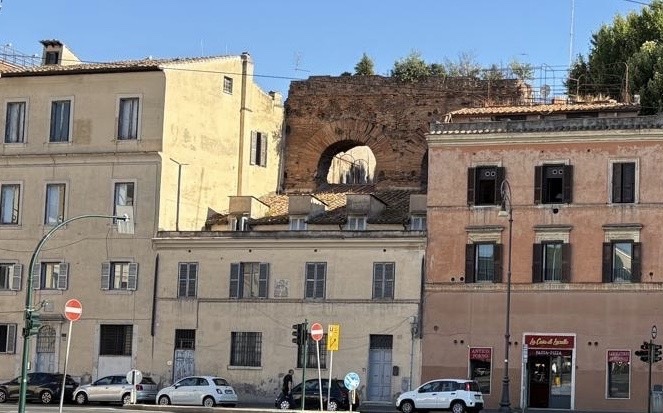
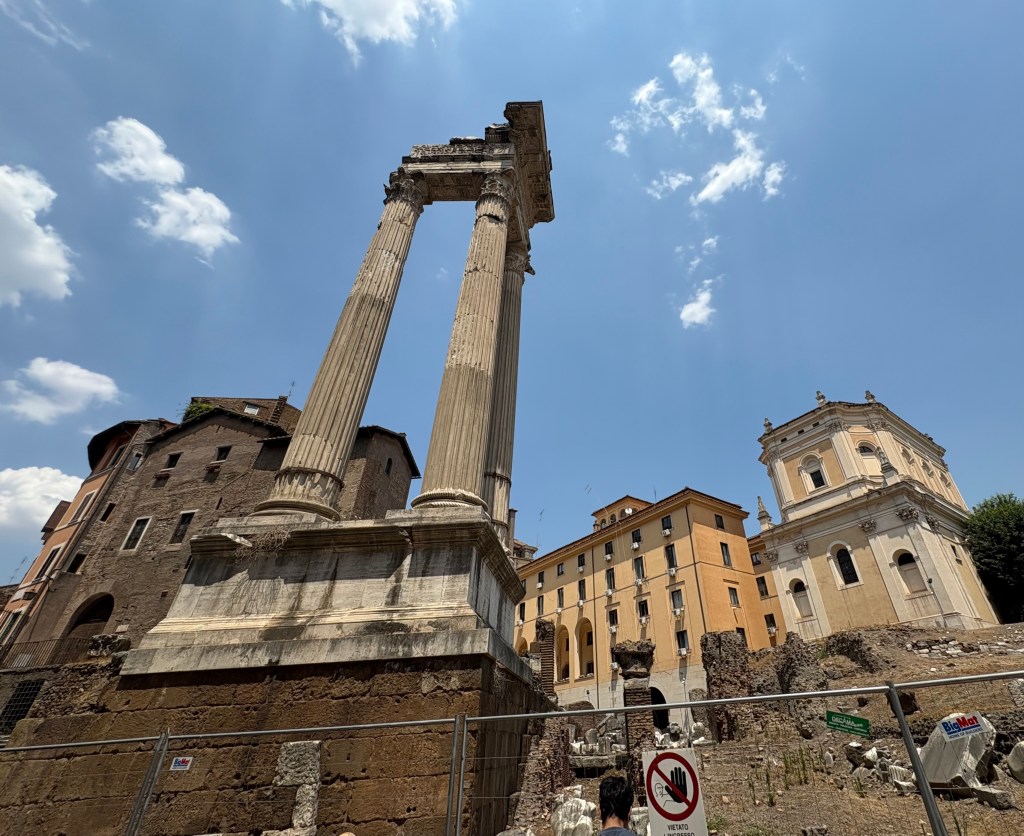
All around us, we hear of disasters. Often, we try to write of these as Tagore seems to do in the above lines. However, these lines follow after he says he draws solace and inspiration from a ‘serene lotus’, pristine and shining with vibrancy. He gazes at it while looking for that still point which helps him create an impact with words. That is perhaps what we can hope to do too — wait for a morning where clarity will show us the path to express not just what we see, but to find a way to heal and help. Finding parallels in great writings of yore to our own attempts at recreating the present makes us realise that perhaps history is cyclical. In Rome, new structures rear up against thousand-year walls, reflecting how the past congeals into the present.
Congealing the past into our present in this July’s issue are stories of American migrants — like Tom Alter’s family who made India their home — by Anuradha Kumar in her new non-fiction Wanderers, Adventurers, Missionaries: Early Americans in India. We feature this book with a review and an interview with the author where she tells us how and why she chose to write on these people. We have more people writing of their own wanderings. Mohul Bhowmick wanders into Cambodia and makes friends over a local sport while Prithvijeet Sinha strolls by the banks of the River Gomti in Lucknow. Meredith Stephens not only takes us to the Prime Meridien in Greenwich but also to Carnarvon which houses a science and technology centre in Australia. Devraj Singh Kalsi wanders with humour to discover gastronomical inspiration and hopes for sweeter recompense.
Taking up the theme of cli-fi, Rajat Chaudhuri’s Wonder Tales for a Warming Planetseems to bring hope by suggesting adapting to changing climes. Rakhi Dalal tells us in her review: “It dares to approach the climate crisis through the lens of empathy and imagination rather than panic or guilt. In doing so, Rajat Chaudhuri gives us what many adult climate narratives fail to deliver—a reason to believe that another world is not only possible but already being imagined by the young. All we need to do is listen.” Bhaskar Parichha has discussed the autobiography of a meteorologist and Distinguished University Professor at George Mason University, Jagadish Shukla. In A Billion Butterflies: A Life in Climate and Chaos Theory, he claims Shukla has “revolutionised monsoon forecasting.” Somdatta Mandal has written about Dilip K Das’s Epidemic Narratives: The Cultural Construction of Infectious Disease Outbreaks in India. And Gower Bhat reviews Neha Bansal’s best-selling poetry collection, Six of Cups.
With that, we wind up the contents of this month’s issue. Do pause by our content’s page to check it out in more details.
This month’s edition would not have been possible without all our contributors, our fabulous team and especially Sohana Manzoor’s artwork. Huge thanks to all of them and to our wonderful readers who make it worthwhile for us to write and publish. Do write in to us if you have any feedback. Five years ago, we chose to become a monthly from a daily… We have come a long way from then and grown to host writers from more than forty countries and readers from almost all over the world. For this, we owe you all – for being with us and encouraging us to find fresh pastures.
Entering the sherbet shop introduced me to an ambience I was not au courant with at all. Not the usual, expectedly flashy interiors greeted my bespectacled eyes. Instead, I was transported to another era, a kangaroo leap of a century in time, to witness heritage stir up breezy nostalgia. With old-fashioned teakwood tables, carved chairs, and antique lamp shades, framed, sepia-tone portraits of legends decorating the distempered walls chipped at various places, it was not difficult to guess that the outlet had retained a robust connection with the hallowed past.
As I walked in with the curiosity of an aficionado exploring an art gallery, there was so much else to engage myself with – apart from the listings on the laminated menu card. Before I sat down and ordered something to gulp down my parched throat, I chose to update myself with a walking tour of the entire sherbet joint. Driven by thirst to find enriching inputs from knowledgeable sources, I finally settled down and asked for assistance from the gentleman who served. He looked eager to share anecdotes about the quaint little shop, tucked away in a small, congested lane, that had managed to retain its client base with support from young students who made it their favourite haunt despite the easy availability of snazzy food kiosks and juice corners proliferating around their college premises. That the present generation – and the several earlier ones – had realised the need to patronise this outlet as a historical and cultural link was truly worthy of appreciation.
I trooped in at different hours of the day, and found that most of the seats were occupied by college and university students who were also lovers searching for a comfortable, affordable space where they could sit for long hours, sip their favourite sherbet, and slow down the passage of time while holding hands and making lifetime commitments. As the straw pipes in the two glasses made empty noises, couples ordered another tall glass of sherbet, of an untried flavour, to keep alive the flow of their discussions and personal plans for some more time without feeling remorseful that they were adversely impacting the commercial profitability of the century-old outlet with their prolonged stay. This sensibility was rare but precious and the sherbet store staff never disturbed such couples who preferred the rear seats, keeping themselves away from public glare. The front benches were readily available for fleeting customers of our kind who walked in casually to enjoy the chilled sherbet and walked out with a vintage experience.
Leading luminaries from diverse streams such as politics, arts, and literature frequented this shop over time. Their portraits on the walls were not only tributes to their contribution but also a part of cherishing the close association with the change-makers. A small conversation with the manager revealed snippets from the past – passed down the generations as heirlooms. Refreshing tales energised customers who felt delighted to be present here. Imagining this century-old world was recreated by the culturally conscious owners, who brushed aside upgradation requests only to preserve as much of the past as possible. The giant ceiling fans circulated not much air. So an air-conditioning system had been installed. But the slowly whirring fans were not dismantled. The wooden deer head wall mount above the door was a silent reminder of how much had not changed despite the lapse of time.
I chose to go with the manager’s recommendation – daabmalaisherbet[1]– for a hot summer afternoon. He called it the favourite summer drink of a famous city-based author from the last century. I should have thanked him for offering it to another wannabe writer – even though he would not have been much impressed with this disclosure. At a personal level, the writer inside felt motivated that two authors, from two different centuries, enjoyed the same cooling drink under the same roof. Talking about the merits of the sherbet, it was amazing to taste: authentic and traditional. The flavour was different if not unique and this outlet was proud to offer it to those who valued the past. When I asked him if I could get this drink anywhere else in the city, he was reticent for a while. After poring over its faint possibility, he set me free to explore the city to find something remotely close and comparable to this drink. There was a smirk on his face, which suggested I would fail in my mission to get an equivalent to what I was served here.
He suggested grapes crush sherbet as another specialty I would relish, and its taste was unique this time, with crushed grapes floating around the fragmented ice cubes to lend an authentic appeal. After consuming these two flavours, the flavours of the past came alive in my mind. I felt really close to the great artists on the wall, feeling the immediate need to write creative stuff. This was working at another level: offering me loads of inspiration and motivation to write. It was more effective and quicker than attending motivational workshops or literature festivals to boost up creative energies and overcome my writer’s block. Tuning into great speeches by life coach experts often failed to resonate with the audience. But my brief visit here seemed to have worked wonders as I was already feeling charged up to go home and write something powerful to move the cold, insensitive generals of warring nations to embrace peace forever.
The rapid flow of ideas made me insecure about losing them on my way home and I regretted not carrying a notebook to jot them down. When I visited the place again, I made it a point to carry my diary and pen and sat for hours to draft a story outline. It was not a matter of shame as I found the serving staff look happy to see my passion, to be added to their new list of great patrons. As our familiarity developed further, they showed me newspaper cuttings mentioning the sherbet outlet – how some journalists kept them alive in the print editions just as the young crowd made their outlet famous on the social media, with hundreds of Instagram reviews and top ratings of the place.
This was just one outlet that motivated me but I was sure there should be more in the city, not just sherbet shops. I looked for other outlets that were part of the lives of the great artistes. I made it a quest to look for them in order to experience a surge of motivation that always does not come from sitting idle in front of an open window. As I began my search for similar outlets, I came across several of them still operating from modest spaces.
There was a bookstore on the first floor of a ramshackle building where some leading film directors came to buy imported books. Climbing the same stair case evoked feelings of nostalgia. In an era when many bookstores have shut down, this family-owned bookstore had over the generations expanded its list to include vernacular and academic books to stay commercially viable. The wooden shelves and the cash counter manned by a dhoti-clad septuagenarian gentleman keeping a hawk’s eye like a surveillance camera suggested retirement was still far away. I was informed by the gentleman regarding the operational presence of another stationery store where many freedom fighters came to buy pens and ink. Holding a fountain pen bought from the store located in the next street, hidden behind a paan shop basking in the glory of serving great musicians of the country, I walked home to begin a new story with it.
As I continued with my search for such outlets to stir the pot of motivation, I realised, to identify closely with such landmark establishments, was indeed a powerful way to fill myself with zest and zeitgeist. During my next journey, I came across a sweet shop specialising in a wide variety of sandesh and its owner, standing beside a pedestal clock that was functional since the nineteenth century, spoke of the days of glory, with the intellectuals of the city dropping in the evening to pack boxes of sweets. They continued to keep the freshness of the sandesh alive without any compromise in terms of quality. They are not affected by modern shops making false claims of serving high quality traditional sweets. They proudly say those who value good taste and can differentiate between fake and original are their clients, always ready to pay extra to buy pure and tasty stuff. The melt-in-the-mouth experience of their sweets was heavenly indeed. I made it my preferred shop to buy sweets from to celebrate all successes in life. For festive occasions, there could be other shops, but to celebrate success I chose to bring home sandesh from this shop alone, even if it meant going an extra mile for their delicacy. It has been quite a while since I last went there – because the occasions to celebrate successes have dried up in the recent years, with tragedies and setbacks mounting allied attack since the pandemic. While the sherbet store has helped me regain a lot of confidence in the writing process, I hope the sandesh shop will soon find me at their glass counter, to order packets of sweets to celebrate literary success.
Devraj Singh Kalsiworks as a senior copywriter in Kolkata. His short stories and essays have been published in Deccan Herald, Tehelka, Kitaab, Earthen Lamp Journal, Assam Tribune, and The Statesman. Pal Motors is his first novel.
PLEASE NOTE: ARTICLES CAN ONLY BE REPRODUCED IN OTHER SITES WITH DUE ACKNOWLEDGEMENT TO BORDERLESS JOURNAL
After training for several months, I discovered that my driving instructor was not a qualified, certified one. With years of practice, he could easily take beginners for a ride. That he could bring the car to a screeching halt and avert head-on collision was his claim to fame recycled through unverified narratives circulated by his acolytes. Whatever he taught came under the lens of suspicion when I cross-checked with the driving manual and online videos. Nothing seemed to match with the tricks he passed on, making me feel the need to unlearn everything. The final moment of awakening arrived when my cousin laughed at my clumsy gear shifting exercise and raised the obvious question: who taught you driving?
A clutch of rapid-fire queries, based on observations, to assess my fitness to go behind the wheel deflated my confidence. I shared with him the reality of the fake instructor who fleeced gullible folks with his dignified facade. Always dressed in spotless white kurta like sober academicians, he did not come across as a man who negotiated sharp bends at great speed and mastered the art of rash driving. The windshield of his falsehood was smashed by a business rival trying hard to expand his start-up business. The veracity of accusations could not be established but the active involvement of my driving coach in a fraudulent network was further corroborated by some disgruntled former employees. Sadly, it was too late for advanced learners to cancel the admission and enrol elsewhere.
Excavating facts revealed interesting details. His driving licence – issued decades ago – was obtained after bribing the officials as he did not meet the eligibility criteria. Gathering false certificates of secondary school education and submitting those documents was an offence that never surfaced due to lack of investigation. He drove around the city and the state even though he did not deserve to be granted a valid licence. He cleared the litmus test and silenced those who expected him to make a blunder. He reversed the car with precision and amazing control. It was so spectacular that the senior officer, who had never seen such a move in the real world but only in action films, felt he surpassed the need for other examinations, thus allowing the bogus instructor to hit the road with legal approval.
Picking up driving skills while working as a helper for a lorry driver was his first big break. He gained experience and then switched to smaller, lighter vehicles he fondly referred to as toys. Once he became comfortable, he made it his strength and spent days and nights driving taxis and matadors. Nothing seemed to match the rule book as his learning process was organic. Practical exposure made him an expert and he taught others just the way he taught himself. All those who sought his guidance were granted licences very quickly and this was the key reason why he remained popular over the years.
His contacts were useful as many jobless and illiterate youth trained under him to acquire genuine licences just as he had done long ago. The issue of corruption was immaterial as he appeared to be a messiah who provided the scope to get employment. Even though his modus operandi was shady, nobody accused him of misdoings till recently. Tons of regret that I shelled out a premium amount to learn exclusively from him for an hour every day. His 1:1 tutoring model failed to impart flawless training. I feel ashamed of learning the ropes from an instructor who duped unsuspecting entrants by mentoring them without sticking to the rule book. He formulated his own set of rules and remained confident that accidents would never occur if his guidelines were strictly followed even on dug-up, potholed roads.
Clearing the driving test in front of the transport officer was a big victory for which I remained grateful to the driving school and the dubious instructor, even though I realised the need to learn a lot more to drive safely. He believed in pushing the learner to get rid of fears – like throwing a non-swimmer inside the Olympic-sized pool on the first day. We were encouraged to take risks in our stride and decide how to get past a stray dog or a stranded bovine in the middle of the road without honking incessantly from a long distance and disturbing the peace of the locality. There is no denying the fact that it was more of a trial-and-error method of learning under his tutelage. He expected the learners to observe him and learn. Instead of pointing out individual shortcomings, he sought focus on his style, hoping we would also pick it up like he did from his truck driver boss. Since he managed to get valid licences for all learners enrolled with his school, there was nothing called rejection or loss of fees. Evidently, the amazing clearance statistics never grounded his growth story.
Whenever I hit the road, I knew I had to face unexpected dangers. Driving through crowded streets and negotiating narrow lanes without scratches on the chassis involved prayers. Every day I had to thank God for keeping me safe. But one day I ran out of luck and rammed the front bumper into a pillar. As it was more than a dent, it had to be replaced. This accident led to a dent of confidence and I became afraid of my irresponsible driving, entrusting my spouse to handle the vehicle. Henceforth, all I did was to take the car out of the garage and park it right outside the house.
The sight of a truck pounds my heart even when I am not driving the car. I feel it is there with the ulterior motive of bumping me off, sent on a special mission by one of my hidden enemies. Such is the residual impact of watching masala potboilers from Bollywood that I suspect something fishy when I see a speeding truck either in front of me or catching up fast from behind. Although my spouse urges me to stay calm, it is the best example of anxiety attack that wrecks my state of mind. She suggests I should face more trucks to overcome this irrational fear but the beastly trucks and containers do not leave me in peace. I hold their domineering presence on the roads to be equally responsible for my failure to ace driving skills. Seeing other people remain composed in front of trucks makes me wonder how fearless they are. The highways are meant for heavy vehicles and it is common to find a fleet of trucks every hour. We often hear and read stories about drunken truck drivers bumping off car passengers. I always share such tragic news with my spouse to make her understand that my fears are genuine, raising concerns regarding the company-fitted air bags that fail to open up when required.
Recently, she asked me to hire a full-time personal instructor and learn driving once again as she finds it cumbersome to guide me on the roads. But I suspect all drivers have acquired the licence from the same instructor with dubious credentials. The retired gentleman in my neighbourhood has bought a swanky car and he drives around quietly, making my spouse shower compliments on his smooth driving style. Envious, I approached him one evening to know how he mastered driving and from where he learnt. I poured forth my sob story and he suggested I must begin as a fresher. I sought his help in this regard and offered my car for training purpose in case the safety of his vehicle was his worry. But he politely declined. However, to lift my spirits, he conducted a short theory test. My answers did not satisfy him. When I asked him why he refused help, he confessed he was also a student of the same school but he had to learn it all over again from his daughter who lived in another city. If a retired fellow can learn how to drive, there is hope for me.
Even though my licence is valid, I consider myself unfit to drive and keep others safe. The best way to use it is to furnish it as my address proof to get the cooking gas cylinder. I should have learnt driving before marriage like my spouse did. But then, I had no idea I would get any chance to drive. I admire those sunroof sedans in the Western movies where romantic, breezy scenes of long drives are filmed so well. But the ground reality of roads is quite bumpy here. You have to ensure safety of vehicles and lives, which is nothing less than a miracle in a chaotic world where car crashes have become common like fractures.
Devraj Singh Kalsiworks as a senior copywriter in Kolkata. His short stories and essays have been published in Deccan Herald, Tehelka, Kitaab, Earthen Lamp Journal, Assam Tribune, and The Statesman. Pal Motors is his first novel.
PLEASE NOTE: ARTICLES CAN ONLY BE REPRODUCED IN OTHER SITES WITH DUE ACKNOWLEDGEMENT TO BORDERLESS JOURNAL
In Did He Ever?,Rhys Hughes gives fun-filled verses on Lafcadio Hearn, a bridge between the East and West from more than a hundred years ago. Clickhere to read.
Dolly Narang muses on Satyajit Ray’s world beyond films and shares a note by the maestro and an essay on his art by the eminent artist, Paritosh Sen. Clickhere to read.
Poetry, prose — all art forms — gather our emotions into concentrates that distil perhaps the finest in human emotions. They touch hearts across borders and gather us all with the commonality of feelings. We no longer care for borders drawn by divisive human constructs but find ourselves connecting despite distances. Strangers or enemies can feel the same emotions. Enemies are mostly created to guard walls made by those who want to keep us in boxes, making it easier to manage the masses. It is from these mass of civilians that soldiers are drawn, and from the same crowds, we can find the victims who die in bomb blasts. And yet, we — the masses — fight. For whom, for what and why? A hundred or more years ago, we had poets writing against wars and violence…they still do. Have we learnt nothing from the past, nothing from history — except to repeat ourselves in cycles? By now, war should have become redundant and deadly weapons out of date artefacts instead of threats that are still used to annihilate cities, humans, homes and ravage the Earth. Our major concerns should have evolved to working on social equity, peace, human welfare and climate change.
One of the people who had expressed deep concern for social equity and peace through his films and writings was Satyajit Ray. This issue has an essay that reflects how he used art to concretise his ideas by Dolly Narang, a gallery owner who brought Ray’s handiworks to limelight. The essay includes the maestro’s note in which he admits he considered himself a filmmaker and a writer but never an artist. But Ray had even invented typefaces! Artist Paritosh Sen’s introduction to Ray’s art has been included to add to the impact of Narang’s essay. Another person who consolidates photography and films to do pathbreaking work and tell stories on compelling issues like climate change and helping the differently-abled is Vijay S Jodha. Ratnottama Sengupta has interviewed this upcoming artiste.
Reflecting the themes of welfare and conflict, Prithvijeet Sinha’s essay takes us to a monument in Lucknow that had been built for love but fell victim to war. Some conflicts are personal like the ones of Odbayar Dorj who finds acceptance not in her hometown in Mongolia but in the city, she calls home now. Jun A. Alindogan from Manila explores social media in action whereas Eshana Sarah Singh takes us to her home in Jakarta to celebrate the Chinese New Year! Farouk Gulsara looks into the likely impact of genetic engineering in a world already ripped by violence and Devraj Singh Kalsi muses on his source of inspiration, his writing desk. Meredith Stephens tells the touching story of a mother’s concern for her child in Australia and Suzanne Kamata exhibits the same concern as she travels to Happy Village in Japan to meet her differently-abled daughter and her friends.
As these real-life narratives weave commonalities of human emotions, so do fictive stories. Some reflect the need for change. Fiona Sinclair writes a layered story set in London on how lived experiences define differences in human perspectives while Parnika Shirwaikar explores the need to learn to accept changes set in her part of the universe. Spandan Upadhyay explores the spirit of the city of Kolkata as a migrant with a focus on social equity. Both Paul Mirabile and Naramsetti Umamaheswararao write stories around childhood, one set in Europe and the other in Asia.
Do pause by our contents page for this issue and enjoy the reads. We are ever grateful to our ever-growing evergreen readership some of whom have started sharing their fabulous narratives with us. Thanks to all our readers and contributors. Huge thanks to our wonderful team without whose efforts we could not have curated such valuable content and thanks specially to Sohana Manzoor for her art. Thank you all for making a whiff of an idea a reality!
Since childhood days, I was offered what I believed to be an adult desk: a solid wood table with impressive dimensions suited for professionals instead of young learners. Introduced early to the grand furniture piece did not generate a sense of superiority until the day my close friend shot an envious look at it, ran his delicate hands on the smooth polished surface and rested his chubby cheeks to feel its naked coldness. Emulating him to derive similar pleasure from the wooden marvel, I realised the cold sensory bliss and fostered a special attachment to this possession, finding time in between the lessons to smother my hands on the table top or rub my thighs against its intricately carved supple legs. The sensuous awakening of entwined legs could be read differently but the innocence of the experience carried nothing except pure bliss.
The bonding with the study table was solid in more ways than one. A constant companion that absorbed my tears faster than any human hand could reach to wipe them off, the desk witnessed almost everything ecstatic and tumultuous that happened in those growing up years. It was the space that saw me pick up new tastes, new habits. From doodling on its surface with the dark pencil to highlight my drawing skills, the table allowed its body to be used as a springboard to catapult my imagination. I was immersed in the act of carving something new and permanent but most of my efforts shamed me, leaving me desperate to replace those with something funky, more in keeping with my inchoate artistic sensibilities.
Years of fiddling registered no marked improvement in my output but the flawless skin of the desk was bruised – and it never completely recovered from those childish, frivolous strokes. Both of us grew up together with scratches and bruises on the body – those on mine disappeared with the power of natural healing while those on the desk remained stark and etched, reminding me of what hell I had made it undergo just to keep myself engaged. Weird, non-existing creatures were brought to life even though I later felt shy to call them my creations or displaying them anywhere. I tried to hide those by spreading a tablecloth but the attractive wood looked marginalised with the desperate cover-up bid.
Adorning it with a tablecloth embroidered by my mother worried me as the tutors were often served hot and cold drinks on the desk. My academic guides were often retired. With their shaky hands they could spill a lot of liquid that would damage the fine cloth, making her clean it repeatedly and vigorously to restore its sheen. Such accidental brushes could also happen due to my exciting outbursts – while casually picking up or placing something on it. Such a protective measure to safeguard the desk would display the beautiful tablecloth, but it would also spike the probability of damage to it.
When I asked whether she was okay with the lurking fear and nagging anxiety of damage to her embroidered creation, she said she had never indulged in negative thinking. Even if it got damaged, she would not fret or fume but simply replace it with her new work. Her readiness to put in extra effort to create another piece was a sign of confidence suggesting that the creator should always have the faith to create beautiful pieces instead of worrying about safe upkeep. This triggered a different line of thinking. I could be a risk-taker and would expose myself to the dangers of damage to creations instead of worrying about it all the time. Now, I felt mentally at ease and free. It made me enjoy the process of creation and its output to the fullest.
Among other benefits, the desk with the chair enabled me to sit erect and sometimes generated a sense of authority. I felt empowered there with the pen within my grip. It made me feel close to writing classical tales or passing legal judgments. The presence of a pen-stand and the variety of pens with refills ranging from blue to green to red to black, with fountain pens and dot pens co-existing harmoniously, gave the freedom to write with any colour and then to correct with red ink, thus, combining the power of the learner and the examiner rolled into one. I loved to use red to strike out my verbose sentences like the teachers who used it to point out errors.
Resting my head on the desk amounted to brief lapses into the fantasy world as the mind journeyed to faraway lands. An hour of imagining a world where horses flew like birds and fish hopped on the grass could not rein in the wild impossibilities. The lack of logic provided laughter and immense joy – the world turned upside down was a thing of beauty as it strengthened my ability to make it grotesque. Sometimes I envisaged a cub sitting in front of me even though it was a cat pawing my geometry box. As I remained half-asleep and half-awake on the precious desk, I was navigating two precious but different worlds at the same time – the real and the unreal. The desk facilitated my first flight of imagination and inspired me to repeatedly indulge in that experience, nurturing the storyteller with half-baked ideas that required the firm support of reading to make a solid landing.
The desk witnessed the arrival of story books and allowed a dedicated space for non-academic texts. As the pile of relaxed reading material grew taller than the academic stuff, it was time for the family to express concern. A tough balancing act by pushing up the grades was the easiest way to address their fears, followed by inculcating a sense of responsibility that the syllabus was as important as the reading material for leisure.
The presence of current affairs and film magazines, apart from fables and mythological tales added genres to the desk, with my father stacking up his weeklies on my desk after he had finished reading them. I loved to spend more time occupying this space. Soon I began to indulge in writing pieces that matured from paragraphs to essays. I had convinced myself if I had to write something interesting and worthwhile I needed adopt a proper, dignified posture to think clearly and then jot down ideas on paper. Imposing this self-discipline was easier with the lure of the wooden desk. I could sit there for long hours at a stretch – the first crucial requirement before one thinks of pursuing writing.
The realisation that the desk was wooden but my writing should not be wooden came my way when I was struggling to produce a lively short piece. I found much scope to improve after the first draft, but I softened the nasty blow on my ego which was beginning to acquire a fearsome form. I showed the piece to my tutor who had his own critical take on a teenager’s struggle to write, signing off with a cryptic good-effort comment that left me craving for clarity. The thoughts were scattered like fluffy cotton balls floating in the air. I wished to acquire better control to put them together. To put it briefly, the desk witnessed the despair and repair and everything else that celebrates the slow churning of a small-time writer. Placing a decent piece in a reputed publication and displaying it on the wooden desk that housed many great works formed a vague dream that translated into reality much later.
The attached drawer was a convenient space to hide personal items such as love letters and adult magazines. Since nobody came here to check the space, it was suitable for stashing pocket money and everything else that required secrecy. Being lockable, I could utilise it with full security and safety. When the tutors or guardians noticed I was maintaining a lockable space, it was a clear sign that the boy was growing up with his pile of secrets. Nobody tried to unearth what I was squirreling away even though they had perhaps imagined the predictable and worst possible things. I did overhear the elders hatch a plan to detach the drawer. They solicited advice from a carpenter, seeking his opinion regarding how to do it without causing any damage to the antique table. His suggestion not to tamper with it was accepted without further argument since there was a high risk of damaging one of its legs. Before they could think of anything else, I chose to remove the lock and offered them full access with the key, showing signs of intelligence that made them feel assured I was not misusing it in any manner. While my idea was to keep the beautiful piece look complete instead of amputated, it was surely an outcome of my attachment to the wooden piece that I believed should remain in my possession so long as I am alive. As two companions engaged in a mission to produce the best creative work, we chose to stay together and work together with the fond hope that this partnership would produce some magical work.
Showing no signs of ageing, the sturdy table still flaunts a youthful look, as if it has been just crafted. The ability to remain fresh over the years should be there in writing as well –the reader should be able to relate to the work even after ages. Even when it is read generations later, it should always stay mint fresh.
With the passage of time, more gadgets had arrived on the desk and demanded space – like the desktop computer. Keeping almost half of it clean and vacant was not a challenge as it was quite long and wide. The tall glass of water or a cup of coffee and a fruit bowl also remain on it without giving a cluttered look. I did not have to make hard choices or compromises – what to keep and what to discard. It allowed me the space to write long-hand and then type it on the keyboard without tumbling other objects.
The finesse of the wooden desk inspired me to strive for perfection. The intricate wood carvings and the perfect finish made me feel the need to attach these qualities to my writing. Getting the structure ready was similar to framing the wooden structure first. Chiselling it further to make the rough edges look smooth made me think of doing the same in terms of writing. When everything gets joined, it looks no less than a wonder: just like joining sentences and then adding paragraphs. The process of carpentry bears strong similarities with the process of writing. The art of beautiful writing and beautiful carving in wood blended in my psyche. Using it to create chiselled work touched a chord.
I have been told the table looks vintage – although it has retained fresh appeal. I have been told to think of replacements. But I have been stubborn on the topic of retaining it – not falling prey to engineered wood and all that new stuff that lacks the indispensable feature of durability. Like solid wood furniture, the writing should also survive the test of time. The desk has subtly groomed me to be strong and resilient like it since childhood days.
Both of us are capable of surviving umpteen rejections and we have shared moments of sadness. The drawer was the place where the rejected pieces were dumped. If any member of the family ever raided the place for something shocking, he would have found several letters from editors, suggesting my temerity to approach them with my pieces that could not be carried for multiple reasons. The creative bug bit me here and then one thing led to another in a chain of events that sucked me into the world of writing. I always felt that the wooden desk was sorrowful and consoled me that these gems of failure would sparkle one day. A silent motivator that did not allow the termites of depression to infest my soul.
On days when I sat elsewhere to ideate or write, I did not feel in my element. As if I missed out something valuable and I must return to its fold at the earliest – inspired to create something beautiful like the table. With this soothing thought relaxing the nerves, I felt a surge of confidence – of writing something compelling and long-lasting like the wooden desk and displaying the content right there to match or surpass its excellence.
From Public Domain
Devraj Singh Kalsiworks as a senior copywriter in Kolkata. His short stories and essays have been published in Deccan Herald, Tehelka, Kitaab, Earthen Lamp Journal, Assam Tribune, and The Statesman. Pal Motors is his first novel.
PLEASE NOTE: ARTICLES CAN ONLY BE REPRODUCED IN OTHER SITES WITH DUE ACKNOWLEDGEMENT TO BORDERLESS JOURNAL
Poems of Longing by Jibananada Das homes two of his poems translated from Bengali by Professor Fakrul Alam. Clickhereto read.
Four cantos from Ramakanta Rath’sSri Radha, translated from Odiya by the late poet himself, have been excerpted from his full length translation. Clickhere to read.
Naramsetti Umamaheswararao takes us back to school. Click here to read.
Conversation
Ratnottama Sengupta talks to filmmaker and author Leslie Carvalhoabout his old film, The Outhouse, that will be screened this month and his new book, Smoke on the Backwaters. Clickhere to read.
Offerings during Qing Ming Jie, a festival honouring ancestorsSongkran(Thai New Year) CelebrationsFestivals in April: From Public Domain
April is a month full of celebrations around the world. Asia hosts a spray of New Year festivities. Then there are festivals like Qing Ming Jie, Good Friday and Easter. All these are in a way reminders of our past. And yet, we critique things as old fashioned! So, where does tradition end and ‘outdated’ or ‘outmoded’ start? Meanwhile we continue to celebrate these festivals with joy but what happens to those who have lost their home, family and their living due to war or climate disasters? Can they too join in with the joie de vivre? Can we take our celebrations to them to give solace in some way?
In our April issue, we have stories from climate and conflict-ridden parts of the world. From Bangkok, Amy Sawitta Lefevre gives an eyewitness account of the March 28th Earthquake that originated in Myanmar. While in her city, the disaster was managed, she writes: “I’m also thinking of all the children in Myanmar who are sleeping in the open, who lost loved ones, who are feeling scared and alone, with no one to reassure them.” As news reels tell us, in Myanmar there have been thousands of casualties from the earthquake as well as shootings by the army.
From another troubled region, Pakistan, Zeeshan Nasir gives a heartrending narrative about climate change, which also dwells on the human suffering, including increase in underage marriages.
Human suffering can be generated by rituals and customs too. For instance, if festivals dwell on exclusivity, they can hurt those who are left out of the celebrations. Odbayar Dorje muses along those lines on Mongolian traditions and calls for inclusivity and the need to change norms. On the other hand, Devraj Singh Kalsi hums with humour as he reflects on social norms and niceties and hints at the need for change in a light-hearted manner. Farouk Gulsara makes us laugh with the antics of his spoilt pet cat. And Suzanne Kamata dwells on her animal sightings in Kruger National Park with her words and camera while Meredith Stephens takes us sailing on stormy seas… that too at night.
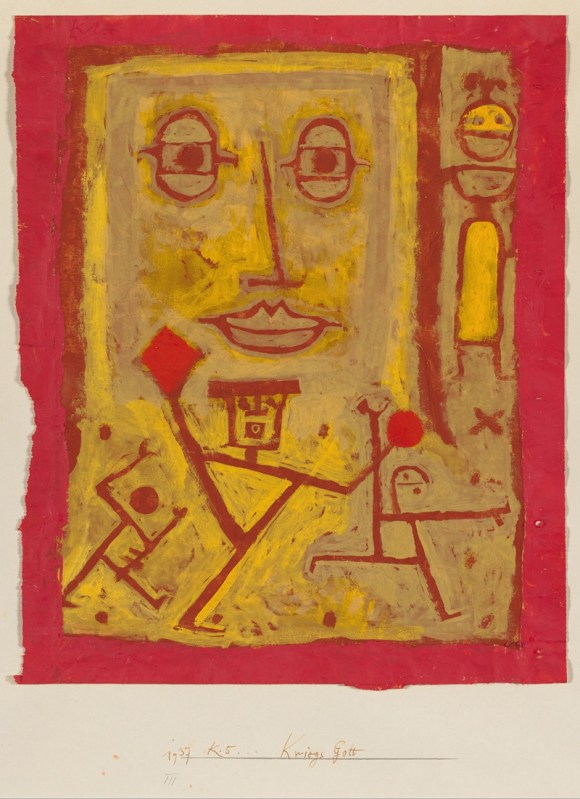
Art is brought into focus by Ratnottama Sengupta who introduces artist Haren Thakur with his adaptation of tribal styles that has been compared to that of Paul Klee (1879-1940). She also converses with filmmaker Leslie Carvalho, known for his film The Outhouse, and his new novel, Smoke on the Backwaters. Both of these have a focus on the Anglo-Indian community in India. Also writing on Indian film trends of the 1970s is Tamara Raza. Bhaskar Parichha pays tribute to the late Ramakanta Rath (1934-2025), whose powerful and touching poetry, translated from Odia by the poet himself, can be found in our translations section.
We have an excerpt from Professor Fakrul Alam’s unpublished translation of Tagore’sRed Oleanders. It’s a long play and truly relevant for our times. Somdatta Mandal shares with us her translation of Tagore’s essay called ‘The Classification in Society’, an essay where the writer dwells on the need for change in mindsets of individuals that make up a community to move forward. A transcreation of a poem by Tagore for his birthday in 1935 reflects the darkness he overcame in his own life. Two poems expressive of longings by Jibananada Das have been translated from Bengali by Professor Alam aswell. From Balochistan, we have an excerpt from the first Balochi novel, Nazuk, written by the late Syad Zahoor Shah Hashmi and rendered into English by Fazal Baloch. Among contemporaries, we have a short story by Bitan Chakraborty translated from Bengali by Kiriti Sengupta, a poignant story that reflects on gaps in our society. And a Korean poem by Ihlwha Choi rendered to English by the poet himself.
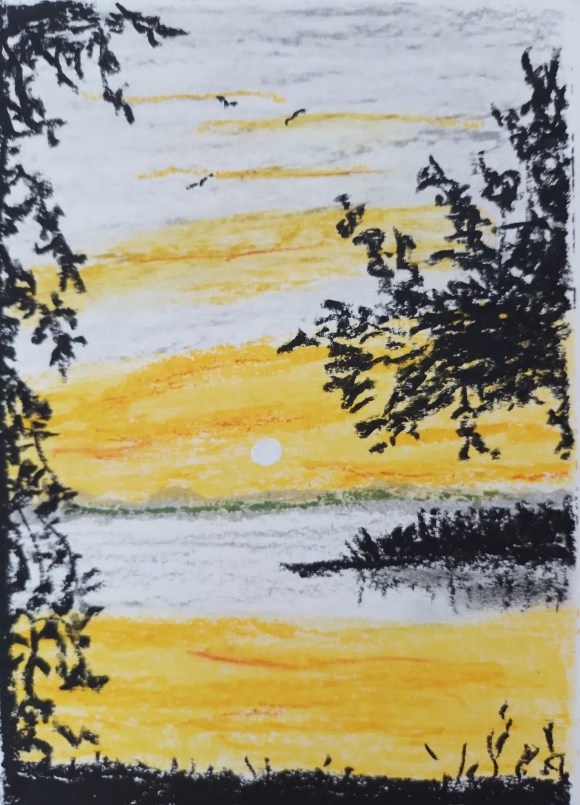
This issue has been made possible because of support from all of you. Huge thanks to the team, all our contributors and readers. Thanks to Sohana Manzoor for her fabulous artwork. Do pause by our contents page as all the content could not be covered here.
Perhaps, world events leave a sense of pensiveness in all of us and an aura of insecurity. But, as Scarlett O’ Hara of Gone with the Wind[2] fame says, “After all, tomorrow is another day.”
Looking forward to a new day with hope, let’s dream of happier times filled with sunshine and change.
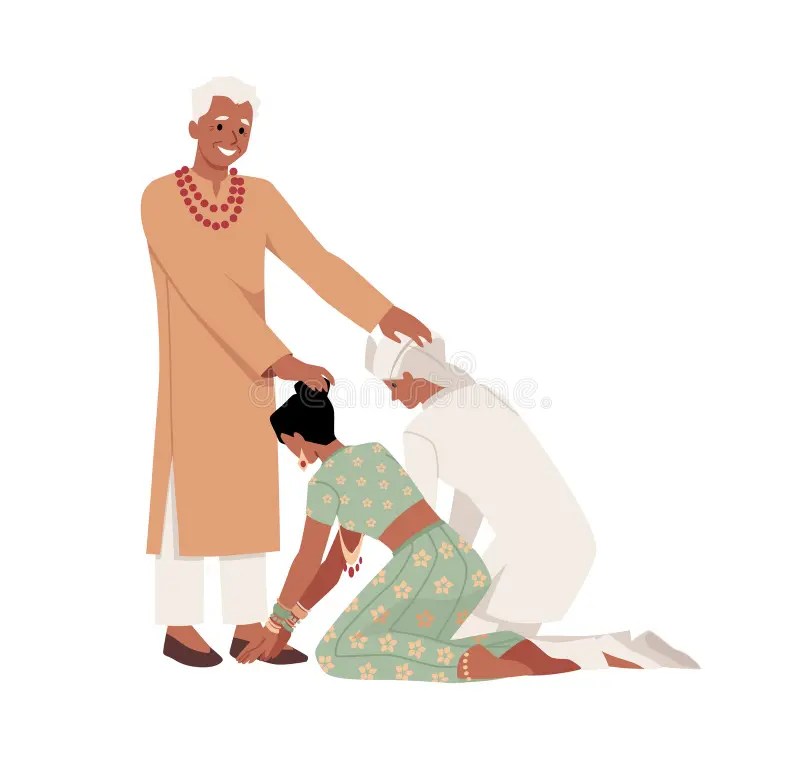
Just like attaining the eligible age to vote or marry, I am convinced that some individuals – awakened souls I mean – acquire the power to bless only after a certain age. Premature greying of hair lends the wrong impression that I have already reached the age to raise my hand to shower blessings like rose petals. Misled by the ageing process showing visible signs, a senior couple came home with their newly-wed son and daughter-in-law, directing them to touch my feet and seek blessings. I withdrew my pedicured feet before they could reach there and patted the padded shoulder of the bridegroom wearing a sherwani instead of placing my hand on his head. It must have appeared odd to the family that I had not shown the willingness to bless the newly-married couple in a proper, traditional manner. My heavy pat was an attempt to boost his morale and brace him up for the challenges ahead or it could be interpreted as a thumping appreciation that he had garlanded the right partner after a long wait since the pandemic.
My life has not been spiritually gifted or divinely blessed, so I do not wish to behave like a saint to transfer goodness or good wishes. Besides, I do not think my soothing words of blessings have any magical power to alter the destiny of an individual. If the guy drinks and drives and rams his car into a truck, my live-long blessings would have no meaning. If the fellow turns into a gambler, my tons of blessings cannot save his wealth.
When it comes to seeking blessings, I am always ready to receive. I have tried to build a reservoir of blessings over the years but these have not proved to be beneficial in terms of growth. Maybe those who blessed me were also spiritually weak or they did not possess the divine aura to bless. Or perhaps my fate was so overloaded with tragedies that most of those blessings had been utilised to neutralise dark episodes and ensure a smooth, steady life without any highs or lows. The stabilising influence of blessings has been the most convincing and comforting argument I can offer myself, to feel assured that blessings do have an impact if sourced well.
Forget the blessings of ordinary mortals, which come with a doubtful efficacy rate like vaccine shots. Focus on the blessings of the divine alone. My double standards are revealed when I ask other people to stop seeking blessings from me but always look eager to receive blessings from people all around me. The opportunity to seek blessings from mendicants when they receive foodgrains or currency is never lost. I go out of the way in my greed to collect blessings. My key objective behind every act of charity is to receive blessings and raise a buffer stock – fit to use during troubled times.
In the matter of seeking blessings from the Lord, I forget to make a list of what I want. Usually, it is long like a grocery list. I know the others praying are also seeking similar blessings from the Lord. Sometimes I feel I should rein in my greed to receive blessings and request the Lord to distribute my share among the other seekers. But this noble thought perishes soon. The fear of a dull, aching life without divine blessings returns to haunt me. The arrogance of having to survive without his blessings can only invite curse and misfortune.
There have been several instances where young people have come forward to seek my blessings. I give them a warm hug instead without explaining why I am incapable of giving blessings. A fanboy reader in my neighbourhood made the mistake of considering me a wise, well-read scholar and hoped to get blessed to write better – simply by touching my feet. I stepped back and asked him to write more and face rejections to improve his creative skills instead of pinning high hopes on a direct benefit transfer through his act of submissiveness.
Even if I proclaim myself as a sinner, those who associate me with goodness will never buy my story. I cannot tell them I do not think I have reached the fag-end of my life when all I can do is sit by the riverside and distribute blessings to the world. I think my life itself is a blessing and I must stay afloat and blessed forever to live it to the fullest.
A situation emerged when I was enraged and felt I must curse the chap with a bleak future as he tested the limits of my patience by challenging my faith in God. I said in anger that he would suffer horribly for offending me though I had been kind and helpful to him. I was confident that my curse would wreak havoc but within a few years he really prospered. Though we did not meet after that incident and I do not intend to bump into him again, I am sure he must be eager to tell me that my curse was nothing more than a fake mumbling of an overheated brain. It made me conclude that even though I had not tested my power to bless, the power to curse had been tested and it misfired. Sometimes I feel like writing a mythological tale based on curses but then I am reminded whether those curses would lack potency and weaken the plot instead.
Incurring the wrath of saints is never a good idea – a lesson acquired after a memorable encounter with a group of sadhus who came close to getting offended by my tendency to bargain with them. As their kohl-lined eyes grew wider to scare me and the tongue began lashing out invectives to scold me for monetary attachment in this transient world, I loosened my purse strings to bring them back from the verge of spewing fire and converted their harsh words into the nectar of admiration.
I have not cursed too many people, not even those who ditched me, ever since I realised my zero potential to curse effectively. Many people have been offended or snubbed without a valid reason and they have cursed me behind my back – quite effectively in my case at least. Whenever I accost them, they are so cheerful that I forget their tendency to curse.
Seeking blessings is reduced to a mere formality prevalent all around. There are many opportunists who fake it and come forward to seek blessings just to make you feel superior. The younger relatives who visit me to seek blessings are politely asked to identify the actual elders in the family and bow down before them. A septuagenarian wields more power to bless vis-à-vis a person who is flirting with middle-age. I prefer to seek blessings from elders even today and permanently occupy the slot of a recipient instead of becoming a donor of blessings.
Having realised that I am not the one empowered to bless or curse a person, I avoid getting into this trap now. No divine light emerges from my palm so I keep my hands clasped in prayer instead of raising it too often to bless like a godman popping up through the panoramic sunroof of his luxurious SUV.
Devraj Singh Kalsiworks as a senior copywriter in Kolkata. His short stories and essays have been published in Deccan Herald, Tehelka, Kitaab, Earthen Lamp Journal, Assam Tribune, and The Statesman. Pal Motors is his first novel.
PLEASE NOTE: ARTICLES CAN ONLY BE REPRODUCED IN OTHER SITES WITH DUE ACKNOWLEDGEMENT TO BORDERLESS JOURNAL
Jibanananda Das’ poems on war and for the common masses have been translated from Bengali by Professor Fakrul Alam. Click here to read.
A Scene with an Aged Queen, a poem by Ihlwha Choi has been translated from Korean by the poet himself. Clickhere to read.
Tagore’sEsho Bosonto, Esho Aj Tumi(Come Spring, Come Today) has been translated from Bengali by Mitali Chakravarty. Click here to read.
Pandies’ Corner
For Sanjay Kumar: To Sir — with Love has been written for the founder of pandies’ theatre by Tanvir, a youngster from the Nithari village where pandies’ worked with traumatised victims. Over time, these kids have transcended the trauma to lead fulfilling lives. The late Sanjay Kumar passed on this January. This is a tribute to him by one of his students. It has been translated from the Hindustani original by Lourdes M Surpiya. Click here to read.







 Borderless