Categories
Review

Proclamation for the Future

Book Review by Bhaskar Parichha

Title: Raisina Chronicles: India’s Global Public Square 

Author: S. Jaishankar & Samir Saran

Publisher: Rupa Publications

Raisina Chronicles: India’s Global Public Square by  S. Jaishankar and Samir Saran commemorates a decade of the Raisina Dialogue, India’s flagship geopolitical and geo-economics conference. The book reflects on the journey of the Raisina Dialogue and its impact on global discourse. It brings together contributions from leaders, thinkers, and diplomats, scholars, and policymakers worldwide, offering insights into addressing global challenges through collaboration and dialogue.

S. Jaishankar has been India’s External Affairs Minister since May 2019 and represents Gujarat in the Rajya Sabha. He was the Foreign Secretary from 2015 to 2018 and has held ambassadorial roles in the U.S., China, and the Czech Republic, as well as High Commissioner to Singapore. He authored notable books like The India Way: Strategies for an Uncertain World and Why Bharat Matters. Samir Saran is the President of the Observer Research Foundation (ORF), a leading Indian policy think tank. He has enhanced ORF’s influence in the U.S. and the Middle East and provides strategic guidance at the board level. Saran curates the Raisina Dialogue, co-chairs the World Economic Forum’s Global Future Council on Geopolitics, and serves on the Board of Governors of The East West Centre in the US. He has written five books, edited key monographs and journals, and contributed to numerous academic papers and essays, appearing in both Indian and international media.

The book brings together voices from across the world—of leaders and thinkers reflecting on the Raisina Dialogue’s impact on how we may navigate global challenges and create solutions that work. Putting India at the forefront of leading the change, the effect of these Dialogues is felt across policies and projections.

The editors emphasise that diversity, dissent, discord, and divergence of opinion make for the necessary ingredients for a sustainable future, shaped and owned by all. Ten years since its inception, the Raisina Dialogue has become the paramount platform for bringing together cultures, peoples and opinions. It is now India’s flagship geopolitical and geo-economics conference and has truly become a global public square—located in New Delhi, incubated by the world.

It emphasises the importance of diversity in thought, approaches, beliefs, and politics. It highlights how pluralism and heterogeneity contribute to resilience and societal evolution. Raisina Dialogue serves as a platform for inclusive participation, welcoming voices from underrepresented geographies and institutions.

While it showcases India’s emergence as a global leader in addressing development challenges and fostering international cooperation, it reflects the philosophy of Vasudhaiva Kutumbakam (the world is one family) and its efforts to harmonise local solutions with global needs.

Through initiatives like the G20 Presidency, India has shared transformative models such as digital public infrastructure (e.g., India Stack), offering templates for financial inclusion and tech-enabled development globally.

Alongside the carefully organised discussions, Raisina Chronicles examines the evolution of the Dialogue and presents its audience with a comprehensive volume that offers deep insights and an unwavering optimism for achieving shared solutions to worldwide issues.

As the globe approaches significant structural and historical transformations, the core aspiration of this work is to ensure that the voices of the populace are prioritised in global politics and policymaking, echoing through influential circles and reaching the broader community. For leaders to effect change, it is essential for society to unite and take a decisive step forward in the right direction.

Raisina Dialogue is also portrayed as a crucial venue for bridging divides in a fractured world. It fosters open discussions among diverse stakeholders—diplomats, scholars, business leaders, civil society members—to discover shared futures and solutions. The book underscores the importance of dialogue over polemics and inclusivity over exclusivity in shaping global policies.

Contributions from high profile global leaders such as Kyriakos Mitsotakis (Prime Minister of Greece), Mette Frederiksen (Prime Minister of Denmark), Penny Wong (Australian Foreign Minister) and others enrich the book with perspectives on international cooperation, climate goals, defence partnerships, and multilateralism.

The book serves as both a retrospective of the Raisina Dialogue’s achievements over ten years and a forward-looking guide for navigating global challenges. It positions India at the heart of global conversations, highlighting its role in fostering equitable dialogue and creating solutions that resonate across borders.

This volume is not just a collection of essays but also an intellectual testament to the transformative power of dialogue in shaping a sustainable future for humanity.

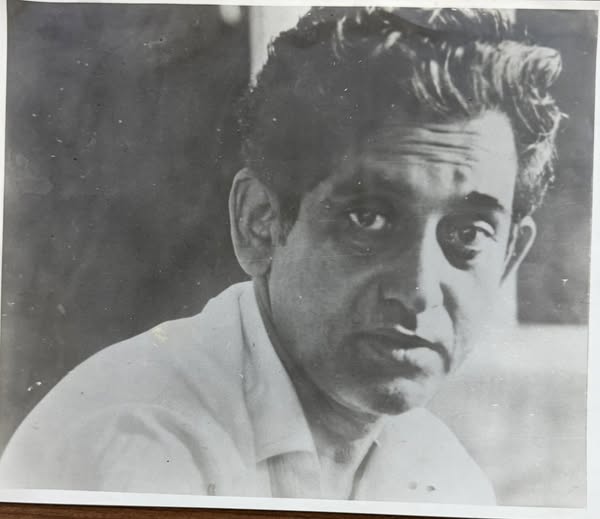
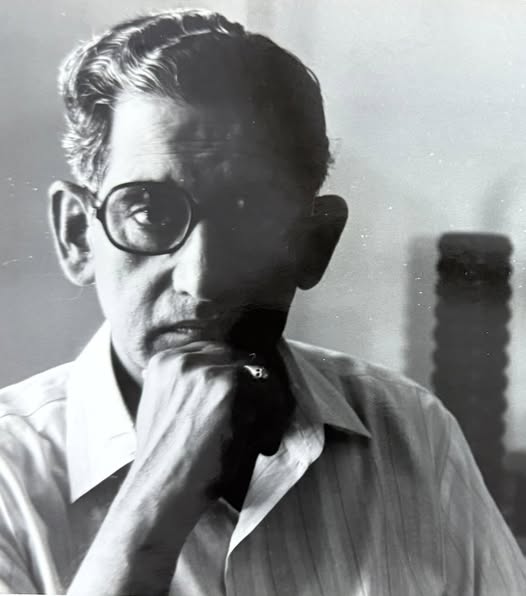
Bhaskar Parichha is a journalist and author of Cyclones in Odisha: Landfall, Wreckage and ResilienceUnbiasedNo Strings Attached: Writings on Odisha and Biju Patnaik – A Political Biography. He lives in Bhubaneswar and writes bilingually. Besides writing for newspapers, he also reviews books on various media platforms.

.

PLEASE NOTE: ARTICLES CAN ONLY BE REPRODUCED IN OTHER SITES WITH DUE ACKNOWLEDGEMENT TO BORDERLESS JOURNAL

Click here to access the Borderless anthology, Monalisa No Longer Smiles

Click here to access Monalisa No Longer Smiles on Amazon International

Categories
Contents

Borderless, February 2025

Art by Sohana Manzoor

Editorial

The Kanchejunga Turns Gold … Click here to read.

Translations

Tumi Kon Kanoner Phul by Tagore and Anjali Loho Mor by Nazrul, love songs by the two greats, have been translated from Bengali by Professor Fakrul Alam. Click here to read.

Tumi to Janona Kichu (You seem to know nothing) by Jibananda Das has been translated from Bengali by Professor Fakrul Alam. Click here to read.

Where Lies the End of this Unquenchable Thirst?, a poem by Atta Shad, has been translated from Balochi by Fazal Baloch. Click here to read.

The Bird’s Funeral a poem by Ihlwha Choi  has been translated from Korean by the poet himself. Click here read.

Kheya or Ferry, a poem by Tagore, has been translated from Bengali by Mitali Chakravarty. Click here to read.

Poetry

Click on the names to read the poems

Michael Burch, Shamik Banerjee, John Drudge, Ashok Suri, Cal Freeman, Lokenath Roy, Stuart McFarlane, Thompson Emate, Aditi Dasgupta, George Freek, Gazala Khan, Phil Wood, Srijani Dutta, Luis Cuauhtémoc Berriozábal, Akbar Fida Onoto, Ryan Quinn Flangan, Rhys Hughes

Musings/Slices from Life

Just Another Day?

Farouk Gulsara muses on the need to observe various new year days around the globe and across time. Click here to read.

Of Birthdays and Bondings…

Ratnottama Sengupta reminiscences on her past experiences. Click here to read.

As Flows the Gomti: A Palace of Benevolence

Prithvijeet Sinha takes us for a tour of the Bara Imambara in Lucknow with his words and camera. Click here to read.

The Midwife’s Confession and More…

Aparna Vats shares a narrative around female infanticide centring her story around a BBC interview and an interview with the journalist who unfolded the narrtive. Click here to read.

Juhu

Lokenath Roy gives a vignette of the world famous beach. Click here to read.

Musings of a Copywriter

In The Heroic Fall, Devraj Singh Kalsi explores dacoits and bravery. Click here to read.

Notes from Japan

In Finding Inspiration in Shikoku’s Iya Valley, Suzanne Kamata has written of a source of inspiration for a short story in her recently published book. Click here to read.

Essays

Reminiscences from a Gallery: MF Husian

Dolly Narang recounts how she started a gallery more than four decades ago and talks of her encounter with world renowned artist, MF Husain. Click here to read.

In The Hidden Kingdom of Bhutan

Mohul Bhowmick explores Bhutan with words and his camera. Click here to read.

When a New Year Dawns…

Ratnottama Sengupta writes of the art used in calendars and diaries in India. Click here to read.

What Is Your Name?

Fakrul Alam recalls his mother as a person who aspired for fairplay for women. Click here to read.

Stories

Vasiliki and Nico Go Fishing

Paul Mirabile gives a heartwarming story set in a little Greek island. Click here to read.

Naughty Ravi

Naramsetti Umamaheswararao writes of an awakening. Click here to read.

The Wise One

Snigdha Agrawal gives a touching story around healing from grief. Click here to read.

Conversations

Ratnottama Sengupta converses with Joy Bimal Roy, author of Ramblings of a Bandra Boy. Click here to read.

A discussion on managing cyclones, managing the aftermath and resilience with Bhaksar Parichha, author of Cyclones in Odisha: Landfall, Wreckage, and Resilience. Click here to read.

Book Excerpts

An excerpt from Bhaskar Parichha’s Cyclones in Odisha, Landfall, Wreckage and Resilience. Click here to read.

An excerpt from Joy Bimal Roy’s Ramblings of a Bandra Boy. Click here to read.

Book Reviews

Somdatta Mandal reviews Amitav Ghosh’s Wild Fiction: Essays. Click here to read.

Meenakshi Malhotra reviews Syed Mujtaba Ali’s Shabnam, translated from Bengali by Nazes Afroz. Click here to read.

Bhaskar Parichha reviews Abhay K’s Nalanda: How it Changed the World. Click here to read.

.

Click here to access the Borderless anthology, Monalisa No Longer Smiles

Click here to access Monalisa No Longer Smiles on Amazon International

Categories
Editorial

The Kanchenjunga Turns Gold…

The Kanchenjunga turns gold

Ghoom, Darjeeling, is almost 2.5 km above sea level. Standing in the rarified air of Ghoom, you can watch the Kanchenjunga turn gold as it gets drenched in the rays of the rising sun. The phenomenon lasts for a short duration. The white pristine peak again returns to its original colour blending and disappearing among the white cirrus clouds that flit in the sky. Over time, it’s shrouded by mists that hang over this region. The event is transitory and repeats itself on every clear morning like life that flits in and out of existence over and over again…

Witnessing this phenomenon feels like a privilege of a lifetime as is meeting people who shine brightly and unusually, like the Kanchenjunga, to disappear into mists all too early. One such person was the founder of pandies’ 1 who coordinated the pandies’ corner for Borderless Journal, the late Sanjay Kumar (1961-2025). The idea of starting this column was to bring out the unheard voices of those who had risen above victimhood to find new lives through the work done by pandies’. In his book, Performing, Teaching and Writing Theatre: Exploring Play, published by Cambridge Scholars Publishing, he described his scope of work which in itself was stunning. His work ranged from teaching to using theatre and play to heal railway platform kids, youngsters in Kashmir, the Nithari survivors and more — all youngsters who transcended the scars seared on them by violations and violence. We hope to continue the column in coordination with pandies’.

Another very renowned person whose art encompassed a large number of social concerns and is now lost to time was the artist, MF Husain (1915-2011). This issue of Borderless is privileged to carry an artwork by him that has till now not been open to the public for viewing. It was a gift from him to the gallerist, Dolly Narang, on her birthday. She has written nostlgically of her encounters with the maestro who walked bare-feet and loved rusticity. She has generously shared a photograph of the sketch (1990) signed ‘McBull’ — a humorous play on his first name, Maqbool, by the artist.

Drenched with nostalgia is also Professor Fakrul Alam’s essay, dwelling on more serious issues while describing with a lightness his own childhood experiences. Many of the nonfiction in this issue have a sense of nostalgia. Mohul Bhowmick recalls his travels to Bhutan. And Prithvijeet Sinha introduces as to a grand monument of Lucknow, Bara Imambara. Lokenath Roy takes us for a stroll to Juhu, dwelling on the less affluent side. Suzanne Kamata describes her source of inspiration for a few stories in her new book, River of Dolls and Other Stories. A darker hue is brought in by Aparna Vats as she discusses female infanticide. But a light sprays across the pages as Devraj Singh Kalsi describes how his feisty grandmother tackled armed robbers in her home. And an ironic tone rings out in the rather whimsical musing by Farouk Gulsara on New Year days and calendars.

With a touch of whimsy, Ratnottama Sengupta has also written of the art that is often seen in calendars and diaries as well as a musing on birthdays, her own and that of a friend, Joy Bimal Roy. They have also conversed on his new book, Ramblings of a Bandra Boy, whose excerpt is also lodged in our pages, recalling their days in the glitzy world of Bollywood as children of notable film director, Bimal Roy (1909-1966), and award-winning writer, Nabendu Ghosh (1917-2007).

We feature the more serious theme of climate change in our other interview with Bhaskar Parichha, who has written a book called Cyclones in Asia: Landfall, Wreckage and Resilience. He has spoken extensively on resilience and how the incidence of such storms are on the rise. We carry an excerpt from his non-fiction too. His book bears the imprint of his own experience of helping during such storms and extensive research.

Climate change has been echoed in poetry by Gazala Khan and the metaphor of thrashing stormy climate can be found in Luis Cuauhtémoc Berriozábal’s poetry. Touching lines on working men spread across the globe with poems from Michael Burch, Shamik Banerjee, Stuart McFarlane and Ashok Suri while Ryan Quinn Flanagan has written of accepting change as Nazrul had done more than eighty years ago:

Everyone was at each other's throats,
insistent that the world was ending.
But I felt differently, as though I were just beginning,
or just beginning again…

--Changes by Ryan Quinn Flanagan

Poets, like visionaries across time and cultures, often see hope where others see despair. And humour always has that hum of hope. In a lighter tone, Rhys Hughes makes one laugh or just wonder as he writes:

I once knew a waiter
who jumped in alarm
when I somersaulted across
his restaurant floor
after entering the front door
on my way to my favourite
table: he wasn’t able
to control his nerves
and the meal he was bearing
ended up on the ceiling
with people staring
as it started to drip down.

--No Hard Feelings by Rhys Hughes

We have many more colours of poetry from John Drudge, Cal Freeman, Phil Wood, Thompson Emate, George Freek, Srijani Dutta, Akbar Fida Onoto, and others.

Translations feature poetry. Lyrics of Nazrul (1899-1976) and Tagore (1861-1941) appear together in Professor Alam’s translations of their love songs from Bengali. He has also transcreated a Bengali poem by Jibananada Das (1899-1854). Profoundly philosophical lines by Atta Shad (1939-1997) in Balochi has been rendered to English by Fazal Baloch for his birth anniversary this month. Ihlwah Choi has translated his poem from Korean, taking up the poignant theme of transience of life. A Tagore poem called ‘Kheya (Ferry)’, inspired by his rustic and beautiful surroundings, has been brought to us in English.

Our fiction this month features human bonding from across oceans by Paul Mirabile, Naramsetti Umamaheswararao and Snigdha Agrawal. This theme of love and bonding is taken up in a more complex way by our reviews’ section with Meenakshi Malhotra writing of Syed Mujtaba Ali’s novel, Shabnam, translated from Bengali by Nazes Afroz. Bhaskar Parichha has explored the past by bringing to focus Abhay K’s Nalanda: How it Changed the World. Somdatta Mandal’s review of Amitav Ghosh’s latest Wild Fiction: Essays touches upon various issues including climate change.

Huge thanks to all our contributors, the Borderless team for all these fabulous pieces. Thanks to Gulsara, Kamata, Bhowmick and Sinha for the fabulous photography by them to accompany their writings. Heartfelt gratitude to Sohana Manzoor for her cover art and to Dutta for her artwork accompanying her poem. Without all your efforts, this issue would have been incomplete. And now, dear readers, thank you for being with us through this journey. I turn the issue over to all of you… there is more as usual than mentioned here. Do pause by our contents page.

Let’s celebrate life this spring!

Happy Reading!

Mitali Chakravarty

borderlessjournal.com

.

  1. pandies’ was started in 1987. It’s spelled with a small ‘p’ and the name was picked by the original team. Read more about pandies’ by clicking here. ↩︎

Click here to access the contents page for the February 2025 Issue

READ THE LATEST UPDATES ON THE FIRST BORDERLESS ANTHOLOGY, MONALISA NO LONGER SMILES, BY CLICKING ON THIS LINK.

Categories
Excerpt

A Perpetual Struggle

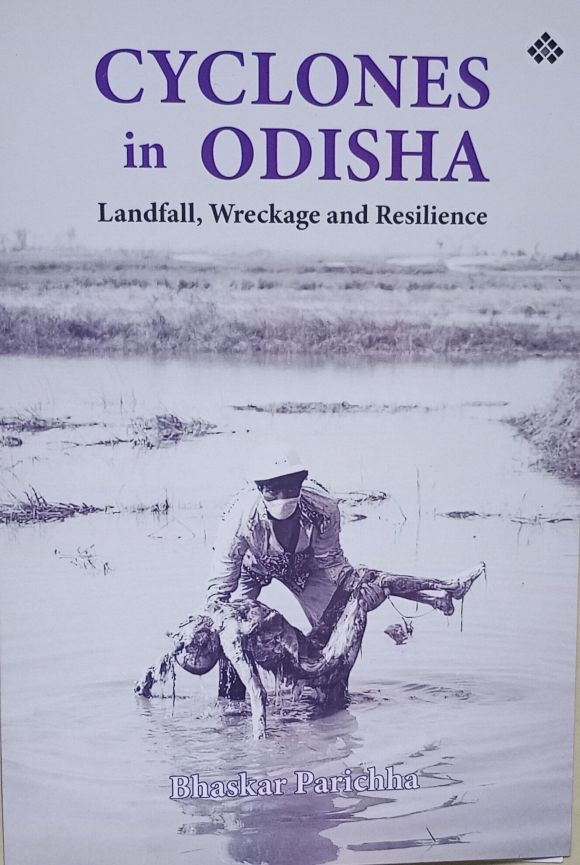
Title: Cyclones in Odisha: Landfall, Wreckage, and Resilience

Author: Bhaskar Parichha

Publisher: Pen In Books

Chapter 10

 A Perpetual Struggle

“Humans and nature can never be friends! Nature will never hesitate to starve you in the drought, drown you in the rain, burn you in the sun, and kill you with an earthquake, a hurricane or a disease; and as such, nature should always be seen as an enemy not a friend.”
― Mouloud Benzadi

 Cyclones exert a significant influence on the economy and agricultural sector of Odisha, leading to considerable disruptions and enduring challenges for the region. Agriculture serves as a fundamental component of Odisha’s economy, accounting for approximately 26% of the Gross State Domestic Product (GSDP) and providing employment for around 85% of the rural populace. The occurrence of cyclones frequently results in severe crop damage, exemplified by the 1999 Super Cyclone, which led to the loss of nearly 2 million tons of rice and devastated approximately 18.43 lakh hectares of farmland. More recent cyclones, such as Fani in 2019, inflicted damage on about 60% of the paddy crop and had a detrimental effect on vegetable production.

The fishing industry, crucial for the livelihoods of local communities, also suffers significant setbacks due to cyclonic events. Damage to fishing infrastructure and interruptions in fishing operations result in decreased catch and income for fishermen, thereby intensifying the economic difficulties faced by coastal populations.

Cyclones inflict extensive damage on infrastructure, including roads, electricity, and housing. This destruction not only affects immediate livelihoods but also obstructs long-term economic recovery. For instance, Cyclone Amphan in 2020 caused widespread infrastructural damage, impacting millions of consumers and resulting in prolonged power outages.

Job Loss

The devastation wrought by cyclones leads to job losses, particularly affecting daily wage laborers and roadside vendors, who are often the most susceptible to economic disruptions. The reduction in employment opportunities further exacerbates poverty levels in a state that is already economically disadvantaged.

Research indicates that cyclones adversely affect local economic growth, with studies revealing a significant decline in the growth rate in the years following such events. For instance, after the catastrophic cyclones of 2013 and 2014, the growth rate plummeted to 1.8% in 2014-15, a stark decrease from 9.3% in the preceding year.

Cyclones result in flooding, soil salinization, and erosion, which significantly undermine agricultural productivity. Coastal areas, where a majority of agricultural activities are concentrated, are especially susceptible to these effects, resulting in diminished crop yields and heightened food insecurity. Farmers are compelled to adjust to the evolving climate and the rising occurrence of cyclones. This adaptation may involve altering planting schedules, implementing multiple cropping strategies, and enhancing irrigation systems to alleviate the impact of cyclones on their livelihoods. The financial challenges associated with recovering from cyclone-related damage can be daunting for farmers, many of whom do not possess sufficient insurance coverage. This economic pressure can perpetuate cycles of poverty and obstruct agricultural advancement in the region.

Ongoing Struggle

The ongoing struggle of the people in Odisha against the backdrop of cyclones is a complex interplay of psychological trauma, economic hardship, and the need for improved disaster management. While strides have been made in preparedness and response, the experiences of survivors underscore the necessity for continued support and infrastructure development to mitigate the impacts of future cyclones.

Resilience to cyclones involves implementing a range of strategies to minimize the impact of these natural disasters on communities and infrastructure. This can include building stronger and more resilient infrastructure, such as storm-resistant buildings and flood barriers, as well as developing early warning systems and evacuation plans. Investing in disaster preparedness and response training for communities can help them cope better with the aftermath of a cyclone. By taking proactive measures to increase resilience to cyclones, communities can reduce the loss of life and property damage caused by these powerful storms.

Incorporating nature-based solutions such as mangrove restoration and coastal vegetation can help absorb the impact of cyclones and reduce erosion. Building codes and regulations can also be updated to ensure that new construction is more resilient to extreme weather events.

 Promoting community engagement and participation in resilience-building efforts can help foster a sense of ownership and responsibility among residents. This can include educating communities on how to prepare for cyclones, providing resources for emergency supplies, and establishing communication networks to disseminate information during a crisis.

Resilience to cyclones requires a multi-faceted approach that involves collaboration between government agencies, non-profit organizations, businesses, and local communities. By working together to implement these strategies, we can better protect vulnerable populations and infrastructure from the devastating impacts of cyclones.

Livelihood Loss

The economic impact of cyclones is profound highlighting the broader economic devastation faced by many in the fishing and agricultural sectors. Initial estimates indicated that thousands of fishing boats were lost, and agricultural land became salt-encrusted, rendering it unusable for years. This dual loss of livelihood and resources has compounded the stress for displaced communities.

Survivors of Cyclone Fani, which struck Odisha in May 2019, have faced severe mental health issues, including stress disorders and depression. Many individuals expressed feelings of despair and anxiety about their future, struggling to cope with the trauma of the cyclone’s destruction. Mental health experts have emphasized the need for immediate interventions to address these issues, as the fear of future cyclones continues to haunt the affected communities.

Mental health professionals have been mobilized to assess the psychological impact of the cyclone. A study conducted a month after Cyclone Fani found that approximately 42.9% of participants exhibited probable PTSD, while 36.7% experienced severe anxiety and 16.5% showed moderately severe depression. Additionally, suicidal thoughts increased by 14% among the affected population. These findings underscore the urgent need for targeted mental health interventions.

Efforts are being made to enhance community-based mental health support. This includes training local volunteers to identify individuals in need of psychological assistance and providing them with referral support. Such grassroots initiatives are crucial for ensuring that mental health care reaches those who may not have access to formal healthcare services.

Despite these interventions, challenges remain. Many survivors continue to experience sleep deprivation and anxiety due to the trauma of the cyclone and the ongoing fear of future disasters. The presence of mosquitoes in temporary shelters has further exacerbated sleep issues, highlighting the need for improved living conditions during recovery.

Moreover, the long-term psychological effects of such disasters necessitate sustained mental health support beyond the immediate aftermath. Historical data from the 1999 supercyclone indicates that without adequate post-disaster psychological support, issues like PTSD can persist for years.

Government’s Role

Cyclones in Odisha lead to devastating impacts on local communities, including loss of life, destruction of homes, and significant economic losses. The recurrent nature of these disasters has resulted in long-term challenges, such as food insecurity and displacement among vulnerable populations. The state government has been working on improving cyclone preparedness and response mechanisms to mitigate these impacts.

Early warning systems play a crucial role in reducing the impact of cyclones on the East Coast of India. These systems involve the use of advanced meteorological technology to track and predict the path and intensity of cyclones, allowing for timely evacuation and preparation. Additionally, coastal defense infrastructure such as seawalls, breakwaters, and mangrove restoration projects can help mitigate the impact of storm surges and erosion caused by cyclones.

Initiatives to prepare and build resilience within the community are also essential in reducing the impact of cyclones. This includes educating the public about cyclone preparedness, conducting drills and simulations, and providing access to emergency supplies and shelters. Building resilient infrastructure, such as cyclone-resistant housing and public buildings, can also help minimize the damage caused by cyclones.

Despite these measures, the East Coast of India remains vulnerable to the devastating impact of cyclones. Continuous research into cyclone behavior, climate change adaptation strategies, and the development of innovative technologies are crucial in improving the effectiveness of measures to reduce disaster risk. Strategic planning at the national and local levels is also necessary to ensure that resources are allocated effectively and that policies are in place to address the long-term impacts of cyclones.

Climate Change

In recent years, there has been a noticeable increase in the frequency and intensity of cyclones in the region. This trend is believed to be linked to climate change, which is causing rising sea levels and warmer ocean temperatures. These changes create more favorable conditions for cyclones to form and intensify, posing a significant threat to the people of Odisha.

Climate change has a profound effect on Odisha’s disaster preparedness plans in a variety of ways. The increasing temperatures and sea levels are contributing to more frequent and severe disasters such as cyclones, floods, droughts, and heat waves. This necessitates more robust and frequent evacuation drills, shelter maintenance, and emergency response planning. The prevalence of water and vector-borne diseases like malaria and dengue fever is worsened by climate change. Consequently, the health sector must incorporate climate change considerations into health policies, enhance disease management, and implement measures to mitigate the impact of heat waves.

Changes in monsoon patterns and more frequent cyclones result in widespread food and nutrition insecurity. Disaster preparedness efforts should prioritize ensuring access to nutritious food and promoting sustainable agricultural practices. The rise in sea levels due to climate change and the increased intensity of storms pose a threat to coastal infrastructure, including cyclone shelters and evacuation routes. Regular maintenance and improvement of these structures are essential to minimize the impact of climate change.

Raising awareness about climate change and being prepared require ongoing community involvement and capacity building. This involves training volunteers, promoting safe migration practices, and increasing media coverage of climate change issues. Climate change can negatively impact economic growth and exacerbate poverty. Disaster preparedness strategies need to address these economic risks by encouraging sustainable industries, renewable energy, and climate-resilient infrastructure.

Given the changing impacts of climate change, Odisha’s disaster preparedness strategies must evolve to ensure effective response and mitigation measures. This requires ongoing investment in disaster preparedness and response measures, as well as efforts to address the underlying causes of climate change. By taking proactive steps to mitigate the impact of cyclones and adapt to changing climatic conditions, Odisha can better protect its coastal region and ensure the safety and well. Financial investment in measures to reduce disaster risk and adapt to climate change is essential for the East Coast of India. This includes funding for the development and maintenance of early warning systems, the construction of resilient infrastructure, and community preparedness initiatives.

Investment in research and development of new technologies and strategies for cyclone mitigation is crucial in building a more resilient and adaptive East Coast community.

As climate change continues to influence weather patterns, the frequency and intensity of cyclones in this region may increase, further highlighting the need for effective disaster management strategies and resilient infrastructure to protect the vulnerable populations of Odisha. In the face of a cyclone, communities must come together to prepare and respond to the impending disaster. Early warning systems and evacuation plans can help to minimize the impact of a cyclone, saving lives and reducing property damage. In the aftermath of a cyclone, communities must work together to rebuild and recover, showing resilience in the face of adversity.

Political Accountability

The impact of cyclones on political dynamics in Odisha has been significant, particularly following the devastating 1999 Super Cyclone. This event not only caused immense human suffering but also reshaped the political landscape and public sentiment towards various parties. The destruction prompted widespread criticism of the government, particularly regarding its preparedness and response to the disaster. Many survivors expressed dissatisfaction with the lack of support and infrastructure improvements in the years following the cyclone, leading to a sense of betrayal among the electorate.

In the years following the cyclone, political parties in Odisha, especially Biju Janata Dal and its leader Naveen Patnaik have faced scrutiny over their handling of disaster relief and infrastructure development. Although the BJD asserts that significant advancements have been made in the reconstruction initiatives, numerous inhabitants of regions impacted by the cyclone have indicated persistent challenges, including insufficient compensation and a shortage of cyclone shelters. This dissatisfaction has affected electoral choices in later elections, as those who survived the disaster frequently perceive a lack of attention from political figures who pledged assistance but did not fulfill their commitments. The political narrative in Odisha has continued to evolve, especially in light of more recent cyclones like Fani and Phailin. The BJD had maintained a significant foothold in the state, leveraging its disaster management initiatives as part of its campaign strategy. Opposition parties have capitalized on public grievances, framing their campaigns around issues of local pride and accountability in disaster management.

NGO’s Role

Non-Governmental Organizations (NGOs) play a crucial role in disaster mitigation and recovery efforts in Odisha. NGOs sensitize local communities about disaster risks and preparedness measures through awareness campaigns, mock drills, and training programs. They build the capacity of communities, especially vulnerable groups like women, children, the elderly, and the disabled, to cope with and recover from disasters. NGOs collaborate with the government in preparing disaster management plans at the district and state levels.

During disasters, NGOs are involved in rescue operations, providing temporary shelters, organizing health camps and setting up communication facilities.  They work closely with the government in relief distribution, ensuring equitable access to food, water, sanitation, and other essential supplies for affected populations. NGOs focus on protecting vulnerable groups and providing special care for pregnant women, lactating mothers, children, elderly, and disabled persons during emergencies.

In the recovery phase, NGOs support the rebuilding of damaged houses and public infrastructure and restoring the livelihoods of affected communities. They promote the use of disaster-resilient construction techniques and make rehabilitation efforts disability-friendly.  NGOs help in reviving local economies by providing livelihood support, forming self-help groups, and establishing market linkages.

NGOs coordinate their efforts with the government through dedicated coordination cells at the state and district levels. They advocate for inclusive and equitable disaster management policies that address the needs of marginalized sections of society. NGOs also collaborate with the private sector through CSR initiatives and public-private partnerships in disaster management.

The Government of Odisha recognizes the critical role of NGOs in building community resilience. The state has involved NGOs in its disaster management framework, leveraging their grassroots presence, flexibility, and innovative approaches to complement government efforts in protecting lives and livelihoods from disasters.

Media Coverage

The historical context of cyclones in Odisha is characterized by significant events, particularly during the late 20th and early 21st centuries. The Super Cyclone of 1999 stands out as one of the most devastating. This disaster prompted substantial reforms in the state’s disaster management approach, leading to the establishment of the “Odisha model” for disaster preparedness.

The evolution of media coverage regarding cyclones in Odisha has been notable, especially in the aftermath of catastrophic occurrences like the Super Cyclone. Reports increasingly focus on the state’s preparedness initiatives, including early warning systems and community-managed cyclone shelters, which have played a crucial role in significantly lowering casualties in recent cyclones compared to earlier incidents.

The relationship between media coverage, public awareness, and government preparedness has been instrumental in shaping Odisha’s response to cyclones. The proactive strategies adopted by the state, along with community engagement, have established a framework for disaster management that reflects a transition from reactive to proactive measures in addressing climate-related challenges.

Public Perception

In the wake of the 1999 disaster, the Odisha government launched a “Zero Casualty” initiative aimed at reducing fatalities in future cyclones. This strategic shift is evident in media narratives, which increasingly highlight the state’s proactive efforts, such as the implementation of early warning systems and community-based disaster preparedness programs. During Cyclone Fani in 2019, for instance, media coverage underscored the successful evacuation of more than 1.2 million people, illustrating the effectiveness of the state’s preparedness strategies and garnering international recognition for its response efforts.

Media narratives have progressively included discussions regarding climate change and its effects on the frequency and severity of cyclones. Reports indicate that climate change is expected to intensify the challenges encountered by Odisha, with predictions of more powerful cyclones in the future. This evolution signifies an increasing recognition of the wider environmental factors associated with cyclonic events and has led to demands for more effective climate adaptation measures.

The public’s perception of cyclones in Odisha has significantly transformed over the years, shaped by a blend of historical experiences, governmental actions, and improvements in disaster management practices.

Changing Paradigm

Odisha encounters several significant obstacles in upholding its high standard of disaster preparedness. Despite the establishment of extensive cyclone shelters and evacuation routes, the state’s power, communication, and transportation infrastructure are still at risk. Disruptions of these systems can lead to widespread consequences during disasters. The continuous challenge lies in investing in underground power lines and disaster-resilient infrastructure. A considerable portion of coastal housing in Odisha remains vulnerable to cyclone damage. The transition of at-risk families from straw huts to disaster-resilient homes is an area that demands sustained attention and investment.

The success of Odisha’s disaster preparedness efforts heavily relies on the mobilization of local communities and volunteers. Ensuring the maintenance of this level of preparedness and response capability along the state’s extensive coastline poses an ongoing challenge that necessitates consistent training and drills. With the escalating frequency and intensity of cyclones due to climate change, Odisha must consistently enhance its early warning systems, evacuation strategies, and disaster management approaches to proactively address evolving threats.

Despite the significant progress made by Odisha, disaster preparedness is a continuous process that demands unwavering commitment, innovation, and allocation of resources to tackle emerging challenges effectively. Sustaining the state’s prominent position in global leadership in this domain remains a persistent priority.

Odisha’s disaster management paradigm has evolved from a relief-centric model to a comprehensive, proactive, and integrated framework that emphasizes risk reduction, community participation, and efficient response mechanisms.

About the Book

Cyclones in Odisha presents an in-depth exploration of the complex dynamics surrounding the storms that have impacted the coastal region of Odisha. It delivers a thorough examination of their frequency, the catastrophic effects they inflict, and the remarkable resilience exhibited by the communities in the aftermath. The book investigates the underlying factors that contribute to these extreme weather phenomena, analyzing the geographical and meteorological conditions that render the area vulnerable to such formidable storms. The book explores the devastating power of cyclones and their profound impact on the state, carefully chronicling the extensive destruction caused. It also highlights the remarkable resilience of the communities affected, showcasing their determination to rebuild and thrive in the face of adversity. The roles of governmental bodies, non-governmental organizations, and various stakeholders in facilitating recovery and reconstruction efforts are also examined. The text assesses the effectiveness of disaster management strategies and initiatives, shedding light on both successes and shortcomings in addressing the needs of the affected communities. By scrutinizing the diverse approaches employed, it offers critical insights into how the impacts of future cyclones can be mitigated and managed more effectively. This groundbreaking book is the first of its kind to explore the entirety of severe weather events, serving as an invaluable resource that offers a thorough overview while equipping readers with crucial insights for future preparedness.

About the Author

Bhaskar Parichha (1957) is a senior journalist and author of six books, including ‘Unbiased: Writings on India’; ‘No Strings Attached: Writings on Odisha’; Madhubabu: The Global Indian’; and ‘Biju Patnaik: A Biography’. He has also edited three anthologies of essays entitled ‘Naveen @ 25: Perspectives’; ‘Bhubaneswar @ 75: Perspectives’ and ‘Essential Odisha: Portrait of a State’. He is a bilingual writer and lives in Bhubaneswar.

.

Click here to read more about the book and an author interview.

PLEASE NOTE: ARTICLES CAN ONLY BE REPRODUCED IN OTHER SITES WITH DUE ACKNOWLEDGEMENT TO BORDERLESS JOURNAL. 

Click here to access the Borderless anthology, Monalisa No Longer Smiles

Click here to access Monalisa No Longer Smiles on Kindle Amazon International
Categories
Review

The Oldest University in the World?

Book Review by Bhaskar Parichha

Title: Nalanda: How it Changed the World 

Author: Abhay K

Publisher: Penguin Vintage

Nalanda University, founded in 427 CE in ancient India, is considered the world’s first residential university. It attracted 10,000 students from across Eastern and Central Asia to study medicine, logic, mathematics, and Buddhist principles. The University flourished for over seven centuries, predating the universities of Oxford and Bologna by more than 500 years. Nalanda’s enlightened approach to philosophy and religion significantly shaped Asian culture long after its decline. The Gupta Empire, though Hindu, supported Buddhism, fostering a liberal environment that allowed it to blend intellectual Buddhism with multidisciplinary academics.

Nalanda was destroyed in the 1190s by Turko-Afghan military general Bakhtiyar Khilji, who sought to extinguish the Buddhist center of knowledge. The fire set by the attackers reportedly burned for three months. Today, the excavated site is a UNESCO World Heritage site.

Numerous aspects of Nalanda continue to be enveloped in an enigma. What is the date of its establishment? Who were its founders? Which individuals engaged in study and instruction at this institution? What disciplines were available for study? What was the population of students and educators? Can Nalanda be classified as a university by contemporary standards? What factors contributed to its eventual decline? Nalanda – How It Changed The World by Abhay K. unravels these questions.

Abhay K. has authored numerous poetry collections, such as Celestial, Stray Poems, Monsoon, The Magic of Madagascar, and The Alphabets of Latin America. Additionally, he serves as the editor for several notable works, including The Book of Bihari Literature, The Bloomsbury Book of Great Indian Love Poems, Capitals, New Brazilian Poems, and The Bloomsbury Anthology of Great Indian Poems.

Writes Abhay in the introduction to the book: “There is no clear and entirely reliable interpretation of Nalanda’s past or, for that matter, the past of just about anything. Rather, there are scattered ideas that we try to string together as history, an overview stitched from snippets. And there is no single interpretation of these snippets but rather competing and conflicting interpretations. Recognizing this slippery nature of the past and its documents is part of what makes scholarship such an exciting enterprise.

“Buddhist monasteries existed all over India, Central Asia, and East Asia. However, Nalanda became a celebrated monastery in comparison to its contemporaries. What might be the reason? One of the reasons was its proximity to Rajagriha (modern Rajgir), the first capital of Magadha. Rajagriha in those days was full of political intrigue and rivalries. It became a fertile ground for the birth of the Magadha Empire. Over the centuries, Magadha was ruled by a succession of dynasties, including the Brihdratha dynasty, the Pradotya dynasty, and the Haryanka dynasty. The Haryanka dynasty was the third ruling dynasty of Magadha. It was founded by Bimbisara (c. 558-c.491 BCE). He is considered to be a contemporary of both Mahavira (599-527 BCE) and Gautama Buddha (563-483 BCE). His son Ajatashatru further consolidated it after forcefully taking over Magadha from his father and imprisoning him. He fought a war against the Vajjika League, led by the Lichhavis, and conquered the republic of Vaishali.”

Divided into eight chapters – Nalanda the capital of Magadha, the legendary sons, the rise of Nalanda Mahavihara, luminaries, foreign scholars of Nalanda, Nalandas’s contributions and its global footprint – this is an exhaustive book. The narrative chronicles the ascendance, decline, and resurgence of Nalanda Mahavihara. It delves into Nalanda’s significant contributions to various fields, including science, mathematics, philosophy, art, architecture, and poetry, supported by thorough research. Additionally, it emphasises the distinguished scholars who enhanced its unmatched status as a leading center of learning, as well as the international scholars who frequented the renowned monastery.

Concludes Abhay K: “Nalanda’s footprints to be spreading to new territories in the twenty-first century, where they have not been strong before. As our planet faces the triple threats of climate change, biodiversity loss, and environmental pollution, humanity needs to make peace, both with its inner self as well as with its fellow species, rivers and lakes, oceans, and all entities that support life on our beautiful planet. Nalanda’s timeless tradition of imparting knowledge, wisdom, and kindness can guide humanity toward overcoming hatred, anger, frustration, and greed while fostering inner and outer peace.”

The core message of the book — with numerous photographs — is that the creation of institutions named after Nalanda around the world instills in him a sense of optimism that humanity will eventually resolve all its conflicts through the esteemed Nalanda tradition of dialogue and discourse, rejecting violence and warfare permanently. In this context, the ongoing legacy and revival of Nalanda, both in India and internationally, serves as a significant beacon of hope.

Nalanda, with its expansive scope and rich historical background, offers an engaging narrative that illuminates the evolution of this ancient institution over the course of thousands of years.

Bhaskar Parichha is a journalist and author of Cyclones in Odisha: Landfall, Wreckage and ResilienceUnbiasedNo Strings Attached: Writings on Odisha and Biju Patnaik – A Political Biography. He lives in Bhubaneswar and writes bilingually. Besides writing for newspapers, he also reviews books on various media platforms.

.

PLEASE NOTE: ARTICLES CAN ONLY BE REPRODUCED IN OTHER SITES WITH DUE ACKNOWLEDGEMENT TO BORDERLESS JOURNAL

Click here to access the Borderless anthology, Monalisa No Longer Smiles

Click here to access Monalisa No Longer Smiles on Amazon International

Categories
Review

 A Saga of Self-empowerment in Adversity

Book Review by Bhaskar Parichha

Title: Daughter of The Agunmukha: A Bangla Life 

 Author: Noorjahan Bose (Author), Rebecca Whittington (Translator)

Publisher: Speaking Tiger Books

This memoir recounts the journey of a young woman from a small island in Bangladesh who discovers the works of Tagore, Marx, and de Beauvoir, ultimately emerging as a prominent advocate for feminist causes.

Noorjahan Bose is a feminist author, social advocate, and activist resides between the United States and Bangladesh. She is the founder of two organizations based in the US aimed at empowering South Asian women: Ashiyanaa (previously known as ASHA) and Samhati. Rebecca Whittington serves as a literary translator specialising in Tamil, Bangla, and Hindi.

The narrative of Daughter of the Agunmukha[1] intricately weaves the life story of Noorjahan Bose, a remarkable woman whose journey is marked by resilience, courage, and an unwavering quest for freedom. Born in 1938 in a rural area of what is now Bangladesh, Noorjahan’s early life was deeply intertwined with the rhythms of nature and the struggles of her family, who were farmers living in close proximity to the tumultuous River Agunmukha, ominously referred to as the Fire Mouth River. This river, with its fierce currents and unpredictable nature, serves as a powerful metaphor for the challenges Noorjahan would face throughout her life.

From a young age, Noorjahan was thrust into a world of hardship and trauma. She endured sexual abuse at the hands of male relatives, a harrowing experience that left deep emotional scars. Compounding her struggles was the influence of her mother, who, having been a child bride herself, was often constrained by the societal norms and expectations of their time. Despite her own limitations, Noorjahan’s mother became a beacon of hope and creativity in her life. She instilled in Noorjahan a sense of joy and the importance of self-expression, encouraging her to explore her talents and dreams even in the face of adversity.

As Noorjahan grew older, her thirst for knowledge and personal freedom became increasingly evident. Education, however, was not easily accessible to her. The societal barriers and gender discrimination prevalent in her community posed significant obstacles to her academic pursuits. Yet, with the unwavering support of her mother and the encouragement of local activists who recognised her potential, Noorjahan began to carve out a path for herself. These activists, driven by a vision of social justice and equality, played a crucial role in empowering her to challenge the status quo.

Emboldened by her experiences and the solidarity she found in progressive movements, Noorjahan’s journey took her beyond the borders of her village. She became an advocate for women’s rights, using her voice to speak out against the injustices faced by women in her community and beyond. Her activism not only transformed her own life but also inspired countless others to join the fight for equality and empowerment.

As she traveled the globe, Noorjahan encountered diverse cultures and perspectives, each enriching her understanding of the world and deepening her commitment to social change. Her experiences abroad further fueled her passion for education and advocacy, leading her to collaborate with international organisations dedicated to uplifting marginalised communities.

Noorjahan’s life has been marked by significant hardships, beginning with the anguish of Partition, followed by the loss of her husband when she was merely 18 and expecting a child. Additionally, she faced the relentless threat of cyclones that jeopardised her family’s home and means of survival. Despite these challenges, her bravery is evident throughout her memoir. She advocated for the rights of the Bangla language in East Pakistan, navigated the tumultuous period of Bangladesh’s Liberation War (1971), and entered into a marriage that transcends her family’s religious boundaries.

This poignant and compelling narrative encapsulates a profound journey of trauma, loss, resilience, and empowerment.

.

[1] Agunmukha means fire mouthed

Bhaskar Parichha is a journalist and author of Cyclones in Odisha: Landfall, Wreckage and ResilienceUnbiasedNo Strings Attached: Writings on Odisha and Biju Patnaik – A Political Biography. He lives in Bhubaneswar and writes bilingually. Besides writing for newspapers, he also reviews books on various media platforms.

.

PLEASE NOTE: ARTICLES CAN ONLY BE REPRODUCED IN OTHER SITES WITH DUE ACKNOWLEDGEMENT TO BORDERLESS JOURNAL

Click here to access the Borderless anthology, Monalisa No Longer Smiles

Click here to access Monalisa No Longer Smiles on Amazon International

Categories
Contents

Borderless, November 2024

Art by Sohana Manzoor

Editorial

Clinging to Hope…Click here to read.

Translations

Nazrul’s Tumi Shundor Tai Cheye Thaki (Because you are so beautiful, I keep looking at you) has been translated from Bengali by Professor Fakrul Alam. Click here to read.

Hotel Acapulco, has been composed and translated from Italian by Ivan Pozzoni. Click here to read.

On the Reserved Seat of the Subway, a poem by Ihlwha Choi, has been translated from Korean by the poet himself. Click here to read.

Tagore’s Phul Photano (Making Flowers Bloom) has been translated from Bengali by Mitali Chakravarty. Click here to read.

Poetry

Click on the names to read the poems

Michael R Burch, Jahanara Tariq, Luis Cuauhtémoc Berriozábal, Shahalam Tariq, Stuart McFarlane, Saranyan BV, George Freek, G Javaid Rasool, Heath Brougher, Vidya Hariharan, Paul Mirabile, Ananya Sarkar, Ryan Quinn Flanagan, Pulkita Anand, Rhys Hughes

Musings/Slices from Life

Pinecones and Pinky Promises

Luke Rimmo Minkeng Lego writes of mists and cloudy remembrances in Shillong. Click here to read.

Elusive XLs

Shobha Sriram muses on weight management. Click here to read.

The Eternal Sleep of Kumbhakarna

Farouk Gulsara pays a tribute to a doctor and a friend. Click here to read.

Musings of a Copywriter

In Becoming a ‘Plain’ Writer, Devraj Singh Kalsi explores the world of writer’s retreats on hills with a touch of irony. Click here to read.

Notes from Japan

In Educating for Peace in Rwanda, Suzanne Kamata discusses the peace initiatives following the terrors of the 1994 Rwandan Genocide while traveling within the country with her university colleague and students. Click here to read.

Essays

The Year of Living Dangerously

Professor Fakrul Alam takes us back to the birth of Bangladesh. Click here to read.

Deconstructing Happiness

Abdullah Rayhan analyses the concept of happiness. Click here to read.

More Frequent Cyclones to Impact Odisha

Bijoy K Mishra writes of cyclones in Odisha, while discussing Bhaskar Parichha’s Cyclones in Odisha – Landfall, Wreckage and Resilience. Click here to read.

Stories

Hotel du Commerce

Paul Mirabile gives a vignette of life in Paris in the 1970s. Click here to read.

Chintu’s Big Heart

Naramsetti Umamaheswararao gives a value-based story about a child. Click here to read.

Headless Horses

Anna Moon relates a story set in rural Philippines. Click here to read.

A Penguin’s Story

Sreelekha Chatterjee writes a story from a penguin’s perspective. Click here to read.

Phantom Pain

Lakshmi Kannan writes of human nature. Click here to read.

Conversations

A conversation with Dutch author, Mineke Schipper, with focus of her recent book Widows: A Global History. Click here to read.

Ratnottama Sengupta converses with Veena Raman, wife of the late Vijay Raman, an IPS officer who authored, Did I Really Do All This: Memoirs of a Gentleman Cop Who Dared to be Different. Click here to read.

Book Excerpts

An excerpt from Vijay Raman’s Did I Really Do All This: Memoirs of a Gentleman Cop Who Dared to be Different. Click here to read.

An excerpt from Rhys Hughes’ Growl at the Moon, a Weird Western. Click here to read.

Book Reviews

Somdatta Mandal reviews The Collected Short Stories of Kazi Nazrul Islam, translated by multiple translators from Bengali and edited by Syed Manzoorul Islam and Kaustav Chakraborty. Click here to read.

Rakhi Dalal reviews The Long Strider in Jehangir’s Hindustan: In the Footsteps of the Englishman Who Walked From England to India in the Year 1613 by Dom Moraes and Sarayu Srivatsa. Click here to read.

Bhaskar Parichha reviews Mohammad Tarbush’s My Palestine: An Impossible Exile. Click here to read.

.

Click here to access the Borderless anthology, Monalisa No Longer Smiles

Click here to access Monalisa No Longer Smiles on Amazon International

Categories
Review

Saga of Palestinian Identity

Book Review by Bhaskar Parichha

Title: My Palestine: An Impossible Exile 

Author: Mohammad Tarbush 

Publisher: Speaking Tiger Books

“The theme of this book is Palestine and its history, and the displacement and exile of its people. But it is, above all, a human story… My father’s story makes the basic point that, like all people, the Palestinians are made of flesh and blood and their children feel the agony of pain as strongly as they enjoy the warmth of happiness.”

—Nada Tarbush (Son of Mohammed Tarbush) in the ‘Foreword’.

Mohammad Tarbush was born in Beit Nattif, located in proximity to Jerusalem. In 1988, he assumed the role of managing director at Deutsche Bank, subsequently moving to UBS. He has authored multiple books, including Reflections of a Palestinian. His articles concerning Palestine have been published in various esteemed outlets, such as the International Herald Tribune, The Guardian, and the Financial Times among others.

 As a child, he and his family were compelled to leave their village along with the entire community following the Zionist victory that resulted in the formation of the State of Israel. This upheaval marked a profound turning point in their lives, as they were forced to abandon their homes, their memories, and the land that had been their ancestral heritage for generations. The trauma of displacement was palpable, as families were torn apart and communities fragmented, leaving behind a deep sense of loss and longing.

Subsequently, as displaced refugees in the West Bank, the family fell into a state of poverty. The harsh realities of refugee life were stark — they struggled to find adequate shelter, access to education, and basic necessities. The once vibrant community they had known was replaced by a life of uncertainty and hardship, where every day was a battle for survival. The children, including him, were often caught in the crossfire of political tensions, their dreams overshadowed by the weight of their circumstances. Yet, amidst the adversity, a resilient spirit emerged, fostering a sense of solidarity among the displaced families.

During his teenage years, Tarbush departed from home, ostensibly to visit relatives in Jordan; however, he embarked on a year-long hitchhiking adventure across Europe. This journey was not merely a quest for adventure but a profound exploration of identity and purpose.

As he traversed the diverse landscapes of Europe, he encountered a myriad of cultures, ideas, and perspectives that broadened his worldview. Each hitchhike brought new experiences, from the bustling streets of Paris to the serene countryside of Italy, and he absorbed the lessons of resilience and ambition that he witnessed in the lives of others.

Ultimately, he achieved great success as an international banker, navigating the complex world of finance with skill and acumen. His rise in the banking sector was marked by a blend of hard work, strategic thinking, and an innate ability to connect with people from various backgrounds.

Despite his professional accomplishments, he remained deeply aware of his roots and the struggles of his people. He became a significant, albeit discreet, advocate for the Palestinian cause, using his influence and resources to raise awareness and support for those who continued to suffer from the consequences of displacement and conflict.

Through his advocacy, Tarbush sought to bridge the gap between his successful life in the West and the harsh realities faced by his community back home. He understood that his journey was not just about personal achievement but also about giving voice to the voiceless and fighting for justice. His story became a testament to resilience.

In My Palestine, Mohammad Tarbush intertwines a moving personal narrative with sharp political and economic analysis, reflecting on the significant events that have influenced the history of Israel, Palestine, and the contemporary Middle East.

The sturdy book offers a profound exploration of the Palestinian experience, capturing the essence of resilience that defines a people who have faced immense challenges and adversities. Through a lens of deep empathy and insight, the narrative delves into the multifaceted struggles and triumphs of the Palestinian community, illustrating how they navigate the calamities that have profoundly impacted their lives.

 At its core, the narrative serves as a heartfelt and poignant testament to the ingenuity of the human spirit. It highlights not only the hardships endured but also the remarkable ways in which individuals and communities adapt, innovate, and find strength in the face of overwhelming odds. The stories woven throughout the narrative reflect a rich tapestry of cultural heritage, personal sacrifice, and unwavering hope, showcasing how the Palestinian people maintain their identity and dignity despite the challenges they encounter.

The book chronicles the everyday realities of those living in a region marked by conflict and uncertainty. It emphasises the importance of storytelling as a means of preserving history and fostering understanding, allowing the voices of the Palestinian people to resonate with authenticity and depth.

Through vivid imagery and compelling accounts, the narrative underscores the resilience that is not merely a response to adversity but a fundamental aspect of the Palestinian identity.

Bhaskar Parichha is a journalist and author of Cyclones in Odisha: Landfall, Wreckage and Resilience, UnbiasedNo Strings Attached: Writings on Odisha and Biju Patnaik – A Political Biography. He lives in Bhubaneswar and writes bilingually. Besides writing for newspapers, he also reviews books on various media platforms.

.

PLEASE NOTE: ARTICLES CAN ONLY BE REPRODUCED IN OTHER SITES WITH DUE ACKNOWLEDGEMENT TO BORDERLESS JOURNAL

Click here to access the Borderless anthology, Monalisa No Longer Smiles

Click here to access Monalisa No Longer Smiles on Amazon International

Categories
climate change

More Frequent Cyclones to Impact Odisha

Cyclones in Odisha – Landfall, Wreckage and Resilience by Bhaskar Parichha cannot be underestimated given the recent impact of Dana (October 2024) which despite being  less aggressive than Amphan (May 2020) disrupted life as we know it. Bijoy K Mishra writes about the book and its relevance.

Climate Change will increase the incidence of cyclones in Odisha. Rising sea levels and warmer ocean temperatures create more favourable conditions for cyclones to form and intensify, posing a significant threat to the people of the state.

This has been clearly stated in the book, Cyclones in Odisha – Landfall, Wreckage and Resilience by senior journalist journalist and author, Bhaskar Parichha, “[C]limate change has a profound effect on Odisha’s disaster preparedness plans in various ways. The increasing temperatures and sea levels are contributing to more frequent and severe disasters such as cyclones, floods, droughts, and heat waves.” Published by Pen in Books, the book was released on October 29th to coincide with the Super Cyclone that struck the Odisha coast twenty-five years ago.

Odisha Super Cyclone 1999 (29/10/1999): 12.9 million people were affected by the storm. The India Meteorological Department indicated that around 9,887 were killed, 40 persons missing and 2,507 others injured. Photo from: Public Domain

The book, which traces the history of cyclones in Odisha in the past one hundred years, says: “The rise in sea levels due to climate change and the increased intensity of storms pose a threat to coastal infrastructure, including cyclone shelters and evacuation routes. Regular maintenance and improvement of these structures are essential to minimize the impact of climate change.”

Health Sector

While there is a need to ensure full-bodied evacuation drills, shelter maintenance, and emergency response planning more frequently, the prevalence of water and vector-borne diseases like malaria and dengue fever is worsened by climate change. The author suggests, “[T]he health sector must incorporate climate change considerations into health policies, enhance disease management, and implement measures to mitigate the impact of heat waves.”

With changes in monsoon patterns and more frequent cyclones resulting in widespread food and nutrition insecurity, the book has some precise suggestions; “Disaster preparedness efforts should prioritize ensuring access to nutritious food and promoting sustainable agricultural practices. Raising awareness about climate change and being prepared require ongoing community involvement and capacity building. This involves training volunteers, promoting safe migration practices, and increasing media coverage of climate change issues.”

Economic Impact

On the impact of the economy, the book says: “Climate change can negatively impact economic growth and exacerbate poverty. Disaster preparedness strategies need to address these economic risks by encouraging sustainable industries, renewable energy, and climate-resilient infrastructure.

“Odisha’s disaster preparedness strategies must evolve to ensure effective response and mitigation measures. This requires ongoing investment in disaster preparedness and response measures, as well as efforts to address the underlying causes of climate change. By taking proactive steps to mitigate the impact of cyclones and adapt to changing climatic conditions, Odisha can better protect its coastal region and ensure its safety and well.”

East Coast

The book emphasises financial investment in measures to reduce disaster risk and adapt to climate change is essential for the East Coast of India. This includes funding for the development and maintenance of early warning systems, the construction of resilient infrastructure, and community preparedness initiatives. Investment in research and development of new technologies and strategies for cyclone mitigation is crucial in building a more resilient and adaptive East Coast community.

Underlining the need for effective disaster management strategies and resilient infrastructure to protect the vulnerable populations of Odisha, we are told: “In the face of a cyclone, communities must come together to prepare and respond to the impending disaster. Early warning systems and evacuation plans can help to minimize the impact of a cyclone, saving lives and reducing property damage. In the aftermath of a cyclone, communities must work together to rebuild and recover, showing resilience in the face of adversity.”

(First Published in Political And Business Daily, Odisha)

Bijoy Ketan Mehta is the resident editor of Political and Business Daily. He can be contacted at bijoykm1259@gmail.com.

.

PLEASE NOTE: ARTICLES CAN ONLY BE REPRODUCED IN OTHER SITES WITH DUE ACKNOWLEDGEMENT TO BORDERLESS JOURNAL

Click here to access the Borderless anthology, Monalisa No Longer Smiles

Click here to access Monalisa No Longer Smiles on Amazon International