I forget the names of streets. My memory has slowed in time. I am just happy to be able to think with this mind.
I am often in the clouds with this mind thinking how long will it be when it rains again. I forget the exact date it did
rain. I know it was more than a month or maybe two months ago. I was looking at the sky
when the rain fell inside my eyes. I do not know what street I was at when the rain came down.
NAMING CLOUDS
I tried to name each cloud I saw throughout the day.
I called one dark angel which had a serpent’s tongue and a devil’s tail. Every time
I looked up was to name another cloud. Infierno
was the name I gave the hell cloud with its heart
on the outside. Hell I named it. Saintliness was far from
its design. Rimbaud I named another cloud just because.
I SAY ENOUGH
I say enough about the best and worst of times. It is nature and the cosmic voodoo of life that keeps this itch alive to let my anger, joy, and sadness out. What about love? I say a little about it some days too. I say enough of love when I am stuck in reflections of when I believed in such things. My cloudy mind is often lost in a shadow of doubt.
Born in Mexico, Luis Cuauhtémoc Berriozábal lives in California and works in the mental health field in Los Angeles. His poetry has appeared in Abramelin, Barbaric Yawp, Blue Collar Review, Borderless Journal, Fixator Press, Kendra Steiner Editions, Mad Swirl, The Literary Underground, and Unlikely Stories.
.
PLEASE NOTE: ARTICLES CAN ONLY BE REPRODUCED IN OTHER SITES WITH DUE ACKNOWLEDGEMENT TO BORDERLESS JOURNAL
Time has erased the road where I walked as a child. The last time I walked through here there were trees and grass.
Time has eroded everything. There is no shade, no flowers blooming, and no fruit on the vines. It is all rubble.
How sad it makes feel to see this road go away like if it never existed. I have only returned to say goodbye.
THE END OF SILENCE
I am almost at the end of silence. I am way past the end of love. Everything is almost over.
Where could I go now? And does it really matter? I feel the wind in my eyes. In a matter of time, I will be blind.
Summer is long gone. The glass is neither half empty nor half full. The leaves that fall at my feet will be followed by their mother trees.
I will spread out like a tortilla The sea will carry my remains away toward sunset like my will says. The sky will fill with clouds and birds will sing my goodbye song.
My time will soon run out. I could still hold out for a moment. I am as impassive as solitude. My eyes are fixed upon the sun.
Lay my soul to rest. Let me pass like all things.
THE FOG BELOW MY FEET
The ceiling has dropped. There is fog below my feet. The ceiling has dropped. I can barely see the street.
I can imagine this a meeting of ghosts gathering all around us. It must be their mouths blowing smoke out of a ghost cigarette.
I grounded my car. I left the keys on the nail. I grounded my car. If I drive, I am sure to fail.
I can imagine I am walking on clouds rising from the ground. It is nature, the fog-maker, reminding us to look out and slow down.
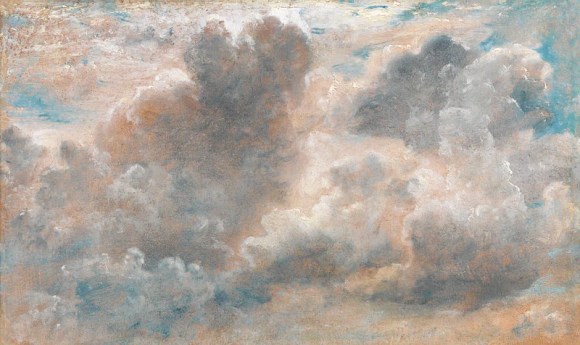
Art by John Constable ( 1776-1837). From Public Domain
Born in Mexico, Luis Cuauhtémoc Berriozábal lives in California and works in the mental health field in Los Angeles. His poetry has appeared in Abramelin, Barbaric Yawp, Blue Collar Review, Borderless Journal, Fixator Press, Kendra Steiner Editions, Mad Swirl, The Literary Undeground, and Unlikely Stories.
.
PLEASE NOTE: ARTICLES CAN ONLY BE REPRODUCED IN OTHER SITES WITH DUE ACKNOWLEDGEMENT TO BORDERLESS JOURNAL
Five poems by Pravasini Mahakudahave been translated to English from Odia by Snehaprava Das. Click here to read.
A Poet in Exileby Dmitry Blizniuk has been translated from Ukranian by Sergey Gerasimov. Click hereto read.
Kalponik or Imaginedby Tagore has been translated from Bengali by Mitali Chakravarty. Click hereto read.
Pandies Corner
Songs of Freedom: The Seven Mysteries of Sumona’s Life is an autobiographical narrative by Sumona (pseudonym), translated from Hindustani by Grace M Sukanya. These stories highlight the ongoing struggle against debilitating rigid boundaries drawn by societal norms, with the support from organisations like Shaktishalini and Pandies. Click here to read.
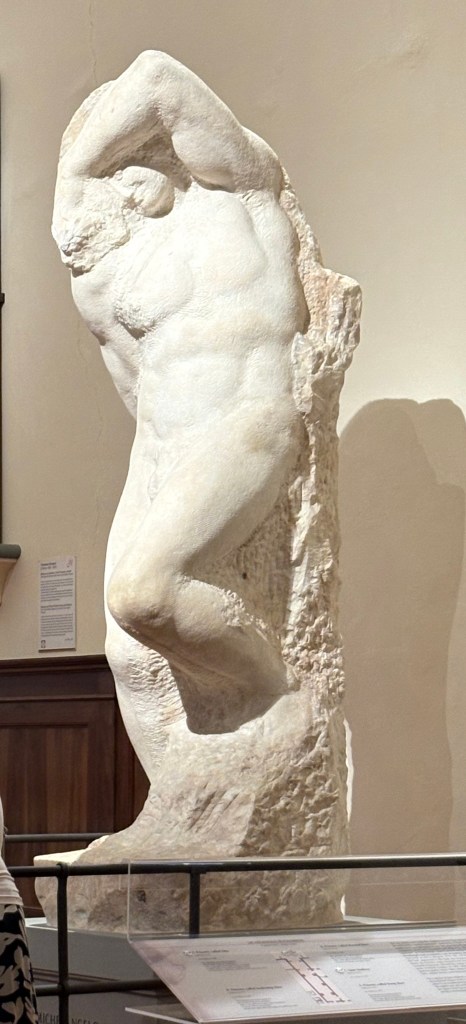
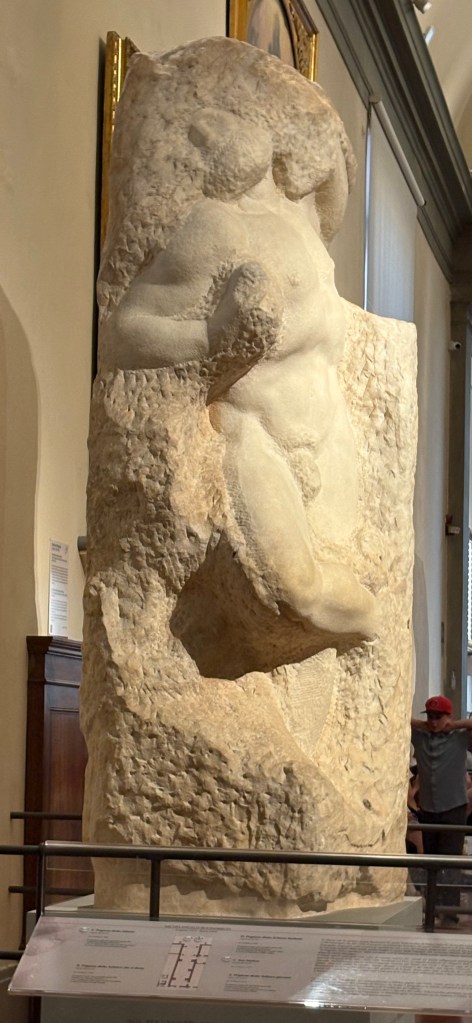
Incomplete statues of Michelangelo in Accademia Gallery, Florence
In the Accademia Gallery, Florence, are housed incomplete statues by Michelangelo that were supposed to accompany his sculpture of Moses on the grand tomb of Pope Julius II. The sculptures despite being unfinished, incomplete and therefore imperfect, evoke a sense of power. They seem to be wresting forcefully with the uncarved marble to free their own forms — much like humanity struggling to lead their own lives. Life now is comparable to atonal notes of modern compositions that refuse to fall in line with more formal, conventional melodies. The new year continues with residues of unending wars, violence, hate and chaos. Yet amidst all this darkness, we still live, laugh and enjoy small successes. The smaller things in our imperfect existence bring us hope, the necessary ingredient that helps us survive under all circumstances.
Imperfections, like Michelangelo’s Non-finito statues in Florence, or modern atonal notes, go on to create vibrant, relatable art. There is also a belief that when suffering is greatest, arts flourish. Beauty and hope are born of pain. Will great art or literature rise out of the chaos we are living in now? One wonders if ancient art too was born of humanity’s struggle to survive in a comparatively younger world where they did not understand natural forces and whose history we try to piece together with objects from posterity. Starting on a journey of bringing ancient art from her part of the world, Ratnottama Sengupta shares a new column with us from this January.
Drenched in struggles of the past is also Showkat Ali’s The Struggle: A Novel, translated from Bengali by V. Ramaswamy and Mohiuddin Jahangir. It has been reviewed by Somdatta Mandal who sees it a socio-economic presentation of the times. We also carry an excerpt from the book as we do for Anuradha Marwah’s The Higher Education of Geetika Mehendiratta. Marwha’s novel has been reviewed by Meenakshi Malhotra who sees it as a bildungsroman and a daring book. Bhaskar Parichha has brought to us a discussion on colonial history about Rakesh Dwivedi’s Colonization Crusade and Freedom of India: A Saga of Monstrous British Barbarianism around the Globe. Udita Banerjee has also delved into history with her exploration of Angshuman Kar’s The Lost Pendant, a collection of poems written by poets who lived through the horrors of Partition and translated from Bengali by multiple poets. One of the translators, Rajorshi Patranabis, has also discussed his own book of supernatural encounters, Whereabouts of the Anonymous: Exploration of the Invisible. A Wiccan by choice, Patranbis claims to have met with residual energies or what we in common parlance call ghosts and spoken to many of them. He not only clicked these ethereal beings — and has kindly shared his photos in this feature — but also has written a whole book about his encounters, including with the malevolent spirits of India’s most haunted monument, the Bhangarh Fort.
Bringing us an essay on a book that had spooky encounters is Farouk Gulsara, showing how Dickens’ A Christmas Carolrevived a festival that might have got written off. We have a narrative revoking the past from Larry Su, who writes of his childhood in the China of the 1970s and beyond. He dwells on resilience — one of the themes we love in Borderless Journal. Karen Beatty also invokes ghosts from her past while sharing her memoir. Rick Bailey brings in a feeling of mortality in his musing while Keith Lyons, writes in quest of his friend who mysteriously went missing in Bali. Let’s hope he finds out more about him.
Charudutta Panigrahi writes a lighthearted piece on barbers of yore, some of whom can still be found plying their trade under trees in India. Randriamamonjisoa Sylvie Valencia dwells on her favourite place which continues to rejuvenate and excite while Prithvijeet Sinha writes about haunts he is passionate about, the ancient monuments of Lucknow. Gulsara has woven contemporary lores into his satirical piece, involving Messi, the footballer. Bringing compassionate humour with his animal interactions is Devraj Singh Kalsi, who is visited daily by not just a bovine visitor, but cats, monkeys, birds and more — and he feeds them all. Suzanne Kamata takes us to Kishi, brought to us by both her narrative and pictures, including one of a feline stationmaster!
We've run away from the simmering house
like milk that is boiling over. Now I'm single again.
The sun hangs behind a ruffled up shed,
like a bloody yolk on a cold frying pan
until the nightfall dumps it in the garbage…

('A Poet in Exile', by Dmitry Blizniuk, translated from Ukranian by Sergey Gerasimov)
In translations, we have Professor Fakrul Alam’s rendition of Nazrul’s mellifluous lyrics from Bengali. Isa Kamari has shared four more of his Malay poems in English bringing us flavours of his culture. Snehaparava Das has similarly given us flavours of Odisha with her translation of Pravasini Mahakuda’s Odia poetry. A taste of Balochistan comes to us from Fazal Baloch’s rendition of Sayad Hashumi’s Balochi quatrains in English. Tagore’s poem ‘Kalponik’ (Imagined) has been rendered in English. This was a poem that was set to music by his niece, Sarala Devi.
After a long hiatus, we are delighted to finally revive Pandies Corner with a story by Sumona translated from Hindustani by Grace M Sukanya. Her story highlights the ongoing struggle against debilitating rigid boundaries drawn by societal norms. Sumana has assumed a pen name as her story is true and could be a security risk for her. She is eager to narrate her story — do pause by and take a look.
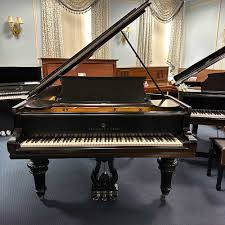
In fiction, we have a poignant narrative about befriending a tramp by Ross Salvage, and macabre and dark one by Mary Ellen Campagna, written with a light touch. It almost makes one think of Eugene Ionesco. Jonathan B. Ferrini shares a heartfelt story about used Steinway pianos and growing up in Latino Los Angeles. Rajendra Kumar Roul weaves a narrative around compassion and expectations. Naramsetti Umamaheswararao gives a beautiful fable around roses and bees.
With that, we come to the end of a bumper issue with more than fifty peices. Huge thanks to all our fabulous contributors, some of whom have not just written but shared photographs to illustrate the content. Do pause by our contents page and take a look. My heartfelt thanks to our fabulous team for their output and support, especially Sohana Manzoor who does our cover art. And most of all huge thanks to readers whose numbers keep growing, making it worth our while to offer our fare. Thank you all.
Here’s wishing all of you better prospects for the newborn year and may we move towards peace and sanity in a world that seems to have gone amuck!
“My gang members are lookin’ for a score and think there’s money inside a storefront full of old pianos.”
“How’s your gang going to steel a store full of pianos?”
“Those are Steinway pianos and handmade from the finest woods, metal, and copper. We’ll bust ‘em apart and sell the salvaged metal and wood. Get your ass over there and scope out the inside of the store for me.”
“You have until the end of the week or I’m throwin’ you out on the street.”
*
I never expected to find friendship in the most unlikely place, a dusty old piano store on Whittier Boulevard in an East Los Angeles barrio[1].
I stepped inside, greeted by the musty scent of wood and rusting metal. The store was quiet, almost sacred, and I was drawn to a black grand piano in the corner. As I pressed the keys, their voices rang out clear, strong, and unexpectedly comforting.
Suddenly, a head popped up from behind the piano.
“What are you doing here?”
“I just came into look around, Sir.”
“I’m Saul Bernstein, the store’s owner and a piano tuner by trade.”
“I’m Lupe Jimenez.”
“Do you play the piano?”
“No, but I’m curious about all these pianos. Do you sell them?”
“I run an orphanage for Steinways. These orphans are used, broken, abused, and seldom sell. They have souls and require a home just like people.”
“Where do they come from?”
“Some were rescued from burnt out homes, piano teachers with arthritic fingers who could no longer teach, and some from great performers who passed away. I gave them all a name. The gold grand Madame is ‘Goldie’. ’Red’ was owned by a famous singer songwriter who used it in his longstanding Las Vegas act. The others are called ‘Blackie’, ‘Ginger’, ‘Mira’ and ‘Rose’.”
Saul showed me the intricate insides of the Steinway, explaining how each string and key were crafted from beautiful wood and metals. The Steinways, he said, had personalities and stories including joy and tragedy just like lives. I watched as Saul spoke to them, dusted their keys, and shared memories of their former owners. In those moments, the store felt less like a place of business and more like a House of Worship.
Saul beckoned me over to “Goldie”, his hands steady as he opened the lid to reveal the intricate strings and hammers inside.
“Tuning a piano isn’t just about tightening strings. It’s about listening to what each note wants to say.” He pressed the key, and a slightly sour note rang out.
“Hear that? It’s off. Now, watch.”
He placed the tuning hammer on the pin and gently adjusted it, his ear close to the strings.
“You don’t force it. You coax it, like you’re persuading an old friend to sing again.”
He invited me to try. My hands trembled as I fitted the hammer onto the pin. Saul guided my fingers, showing me how to turn just enough, then play the note again.
“Now, listen for the waves resemble a beating sound. When the waves slow down and disappear, you’re in tune.”
I listened, adjusted, and played the note. The sound grew clearer, steadier. Saul smiled. “That’s it…You’re tuning not just the piano, but learning patience, care, and respect for the instrument.”
Saul became my mentor and friend. He taught me how to tune pianos, how to listen to the subtle differences in sound, and how to care for each instrument as if it were alive.
His passion was contagious, and I found myself returning day after day, eager to learn more.
*
My uncle pressed me for information, convinced the Steinways were worth a fortune if stripped for their materials. Torn between loyalty to my family and my growing affection for Saul and his Steinways, I invented stories to delay any plans for theft. Each day, the risk grew, but so did my resolve to protect the store and the friendship I’d found there.
The bell rang above the doorway one day and an ominous looking man with arms of steel, full of tattoos, wearing a red cap embroidered with “Ace” approached the counter. I witnessed that look of desperation in a man’s face many times before and feared for Saul’s safety.
“Where’s Saul?”
“Saul is over here tuning ‘Blackie’. How may I help you?”
“I’m Ace Menendez. You sold me a piano on an installment plan for my little girl.”
“I seem to remember you and a friend came in a big truck and picked up the piano. Is the instrument out of tune?”
“No, Sir. I’ve come to apologize for being three payments behind and ask for more time to bring the account current. My trucking business hauling shipping containers is suffering due to the strike at the port, and all the truckers in the neighborhood are struggling financially. It would break my daughter’s heart if you came to repossess the piano. My wife and I fear that without the discipline and love for the piano; she’ll fall victim to the crime elements in our poor neighbourhood.”
“When you’re ready to settle your account, just stop by.”
“Thank you, Mister Berstein. You have a big heart.”
“Tell that to my family wanting me to sell this joint. Vaya con Dio’s, Ace.”
I came to learn, Saul, ever generous, offered installment plans and low interest rates, caring more about the music and joy the Steinways brought than about profit.
He lived a sparse existence upstairs with only a cot, hotplate, while surviving on canned food, crackers, fruit, and his love for the Steinways sustained him.
Saul shared stories of the Steinways he tuned over the years, each with its own history and quirks.
“Every piano has a soul. And every tuner leaves a little piece of themselves behind.”
With each lesson, I grew more confident not just in tuning, but of myself. The shop became a place of transformation, where the music we coaxed from the old Steinways echoed the changes happening within me.
Saul watched as I gripped the tuning hammer, my knuckles white with concentration. I turned the pin, but the note wavered, stubbornly out of tune. Frustrated, I pressed the key again, harder this time, as if force would tune it into harmony.
“You’re fighting the piano. It’s not about strength. It’s about finesse.”
He took the hammer from me and demonstrated his movements slowly and deliberately.
“Hear those waves? That’s the sound of disagreement between the strings.Your job isn’t to overpower them, but to guide them into agreement.”
He handed the hammer back.
“Try again, but this time, breathe. Turn the pin just a hair, then listen. Let the sound tell you what it needs.”
I followed his instructions, turning the pin more carefully, my ear tuned to the subtle changes. The waves slowed, then faded. The note rang true.
“Remember, tuning a piano is a conversation, not a battle. If you listen, the piano will tell you when it’s ready.”
Saul wasn’t just teaching me about Steinways. He was teaching me patience, respect, and how to listen, not just to music, but to the world around me.
“Let’s tune ‘Mira’ who I rescued from a closed piano bar. She was soaked in decades of spilled booze and witness to trashy cocktail bar conversations.”
Saul watched as I struggled with the tuning hammer, frustration tightening my grip. The note wavered, refusing to settle. He gently placed his hand over mine, stopping me.
He took the hammer and demonstrated, his movements calm and precise. “Tuning a piano is like tending a garden. You can’t yank the weeds or drown the flowers. You have to be patient, gentle always giving each note what it needs to grow strong and true.”
He struck a key, letting the sound linger. “If you rush, you’ll miss the moment when the music is ready to bloom. But if you listen, really listen, you’ll hear when everything comes into harmony.”
He handed the hammer back to me. “This time, treat each string like a seed you’re coaxing to life.”
I breathed, relaxed my grip, and turned the pin with care. The waves in the sound slowed, then faded. The note rang clear and bright.
Saul smiled. “With patience and respect, you help the piano find its voice and your own along the way. Life is much the same. Sometimes, you can’t force things to happen.You have to listen to what life is telling you, make small adjustments, and trust that, with time, things will come into tune.”
I realized Saul wasn’t just teaching me about tuning a piano. Saul taught me how to live a life of harmony.
*
The next time my uncle pressed me for information about the store, I remembered Saul’s advice.“You have to listen to what life is telling you, make small adjustments, and trust that, with time, things will come into tune.”
I paused and listened to my conscience. I could make small, careful choices to protect what mattered. I lied telling my uncle that the store was under CCTV surveillance including a silent alarm system, a warning that steered him away without confrontation.
*
When I struggled at public school, frustrated by lessons that never seemed to stick, I recalled Saul’s metaphor. I stopped blaming myself for not learning as quickly as others. Instead, I adjusted my approach, asking for help, taking breaks, and celebrating small victories. Gradually, things began to make sense, and my confidence grew. I was told I could earn a scholarship to college to study music. I wanted to share the good news with Saul.
After school, I ran to the store and found Saul on his knees gripping his chest. I phoned for help. The paramedics told me Saul suffered a heart attack and invited me to ride to the emergency room with them. Saul gripped my hand and smiled. “I’m as tough as piano strings. I keep a card inside my wallet with my family emergency contacts for the hospital.Remember what I told you, ‘…every tuner leaves a little piece of themselves behind.’I hope a little piece of me is left behind inside you, Lupe.”
The doctor informed me Saul passed away, and the family was on its way. He handed me the keys to the store saying Saul had instructed him to place them in my possession.
Saul took a big piece of me with him to the beyond and the fate of the Steinways hung in the balance. I faced a chorus of doubts and obstacles, remembering,“Don’t force, listen.”
*
I reached out to the community, listened to their ideas, and coordinated efforts with patience and care. I was told to visit the neighborhood parish and speak with the priest who took me to a school for developmentally disabled children.
It was a room of beaten up, out-of-tune, upright pianos with eager students stridently following the teacher’s instructions. Others simply tried their best, pounding on the keys.
“Piano music is a miracle and enables these learning-disabled children to find joy and a sense of accomplishment in playing the piano. I’ll make inquiries with fellow priests, and we’ll pray for a home for Saul’s Steinways. The logistics of moving those heavy Steinways may be insurmountable.”
I learned to trust the process, and to believe that, with time and care, even the most troublesome moments could come into harmony like Saul’s garden metaphor.
*
Night had fallen over Whittier Boulevard. The streetlights flickering outside the dusty windows of the piano store. I stood inside the store, surrounded by the silent witnesses of my transformation, Saul’s beloved Steinways.
My uncle’s voice echoed in my mind, his demand clear:
“Tonight is the night!”
The gang was waiting. All I had to do was unlock the door and let them in.
I gripped the tuning hammer Saul had given me, its weight familiar and comforting. Memories flooded back about Saul’s gentle guidance, his stories, the metaphor he’d shared: “Tuning a piano is like tuning your life. You can’t force harmony; you have to listen, make small adjustments, and trust that, with patience, things will come into tune.”
My heart pounded. I could betray Saul’s legacy, give in to fear and loyalty to my uncle, or I could honour the music, the lessons, and the hope these Steinways represented.
I closed my eyes and listened to the notes from each piano signaling my decision. I imagined more children, their faces alight with joy as they played the rescued Steinways. I remembered Saul’s faith in me, his belief that I could choose a different path.
With trembling hands, I locked the door from the inside and dialed the police. As sirens approached, I stood by the Steinways, ready to face the consequences of my choice.
The gang sped away, but I remained, surrounded by the instruments that had given me a second chance. In that moment, I understood Saul’s lesson fully, “Sometimes, the hardest notes to tune are the ones inside us. But with patience, courage, and a willingness to listen, even the most discordant life can find its harmony.”
*
Without Saul, the piano store no longer felt like a happy orphanage for rescued Steinways but a dark, soulless, graveyard. His family, overwhelmed by grief and unable to afford to move the Steinways, decided to dismantle them for scrap. The thought of those beautiful instruments, each with its own story, each witness to Saul’s kindness being destroyed was unbearable.
Desperate, I remembered Saul’s lesson: “You can’t force harmony; you have to listen, make small adjustments, and trust that, with patience, things will come into tune.”
I reached out again to the community and anyone who might care. The parish priest had found a network of schools inside Mexico in need of pianos. Word spread, and soon a group of neighbourhood truckers led by Ace volunteered their time and their trucks. The plan was bold: we would transport the Steinways to poor schools in Mexico, where children with learning disabilities and limited resources could discover the joy of the Steinways.
*
On the moving day, a procession of battered trucks lined up outside the store. Men and women from the neighbourhood, some who had never set foot in the shop before, worked together to carefully load each piano. The journey was long and uncertain, but the spirit of Saul’s generosity guided us.
The Steinways found new homes in schools where children’s laughter and music filled the halls. I watched as students, many barely able to speak, some communicating only in sign language, sat at the old Steinways and played with wonder and delight. The instruments, once gathering dust, now sang again.
After betraying my uncle and the gang, I couldn’t return home. The priest arranged for me to move into a parochial school with boarding facilities run by a nunnery.
*
Years passed. I grew up carrying Saul’s lessons with me. Eventually, I returned to one of those schools, this time as a teacher. On my first day, I walked into a classroom filled with the very Steinways we had rescued. Their familiar shapes and worn keys greeted me like old friends.
“Hello, class. I’m Ms. Jimenez, your piano teacher. I was once a young person like you sitting in front of a grand piano called a Steinway. Don’t fear it’s size or complexity. Make it your friend, trust it, and it will take you on a journey into happiness you can’t yet realise.”
I realised that Saul’s legacy lived on inside me, not just in the music, but in every child who found their voice through these instruments. The harmony I had sought for so long was engrained inside my soul and spilled into the lives of those who needed it most.
And in the quiet moments, when the sun set over the schoolyard and the last notes faded, I would whisper a thank you to Saul, knowing that, together, we had tuned not just Steinways, but futures.
“With patience and respect, you help not just a piano, but your own life, find its voice.”
Jonathan B Ferrini has published over eighty stories and poems. A partial collection of his stories has been included in Heart’s Without Sleeves: Twenty-Three Stories available at Amazon. Jonathan hosts a weekly podcast about film, television, and music, titled “The Razor’s Ink Podcast with Jonathan Ferrini”. He received his MFA in motion picture and television production from UCLA and resides in San Diego, California.
.
PLEASE NOTE: ARTICLES CAN ONLY BE REPRODUCED IN OTHER SITES WITH DUE ACKNOWLEDGEMENT TO BORDERLESS JOURNAL
What if I crossed the border after 50 springs, summers, falls, and winters? After all the learning, the forgetting, the labour, and lost loves, after all the growing pains, the births, deaths, and family joys and tragedies? What if I returned to the land of my youth, a much older man than the seven-year-old, wide-eyed boy? I will offer the best of me. Who will offer me the best of them? I will have to find a place to call home, a seat at a table where I will have my meals, a place where I could have a conversation with someone other than myself, a room where I could read and write, and most of all sleep. Who will break bread with me, help me decorate the house with books and flowers, with paintings and plants, and share stories, laughter, and wine from time to time? As I write these words, other words are being twisted, designed to make people like me to return to the place of our birth, if we are fortunate enough.
BUCKETFUL OF RAIN
If it is goodbye, I could use a bucketful of rain to drench this fire. Reduce it to smoke before this heart becomes ash.
Even the light trembles and the sun is blushing seeing this conflagration. I should have seen the signs but I hope too much.
Play that violin soft and slow. Speed up the pace as the fire spreads out of control. I can take the heat just a little bit longer.
LIMITS
I climb the branch to the flower; the spider-from-mars’ web-to-the-stars; I flow and fly with the wind further still; through time and newborn worlds; I allow my thoughts to remain on earth; keep the sun and magnifying glass away from me; even an ant has its limits.
Luis Cuauhtémoc Berriozábal was born in Mexico, lives in California, and works in Los Angeles.He has been published in Blue Collar Review, Borderless Journal, Chiron Review, Kendra SteinerEditions, Mad Swirl, and Unlikely Stories. His most recent poems have appeared in Four FeathersPress.
.
PLEASE NOTE: ARTICLES CAN ONLY BE REPRODUCED IN OTHER SITES WITH DUE ACKNOWLEDGEMENT TO BORDERLESS JOURNAL
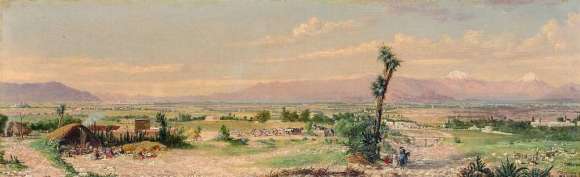
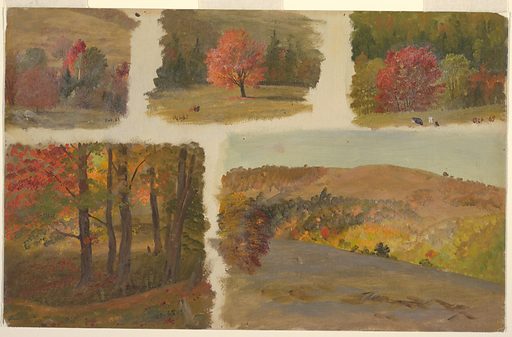
Art by Frederic Edwin Church(1826–1900). From Public Domian
I WANT SPRING

As autumn begins
I want spring.
I don’t want winter.
I don’t want summer.
I want spring.

I am straying from
the current
season. I want to
go away to spring.

Carry me off through
all the bers, September,
October, November,
and December.

Take me away from
the rys, January and
February. I do not
need to make any
resolutions on the
year’s first day. I do not
need Valentine’s Day.

I want spring.
I want spring
all in bloom.


WHEN AUTUMN COMES

My hands are full
living in solitude.
I love a little less
when I feel destroyed.

I feel anti-social
when autumn comes.
This is just a phase
I have stretched out.

I inaugurated sadness.
I curse the owl
that predicts my fate.
It does not like me.

I will love again.
I feel it in my skin.
I know it sounds absurd.
But I will love again.


IN THE SHADOW OF NIGHT

Stumbling in the shadow of night
where the scarcity of light bleeds
over what could not be seen. It
could be a monster or fiend or friend.

It is easy for me to pretend what
is not there. I don’t really know if
anyone is asking. What if it was me
who is slower than most? I am not

some great thief who comes out
at night. I am not brave enough to
fight the monster or the fiend. I
could face my friend with a smile.
Luis Cuauhtémoc Berriozábal was born in Mexico, lives in California, and works in Los Angeles.He has been published in Blue Collar Review, Borderless Journal, Chiron Review, Kendra SteinerEditions, Mad Swirl, and Unlikely Stories. His most recent poems have appeared in Four FeathersPress.
.
PLEASE NOTE: ARTICLES CAN ONLY BE REPRODUCED IN OTHER SITES WITH DUE ACKNOWLEDGEMENT TO BORDERLESS JOURNAL
Several years ago, I published a short book, A Girls’ Guide to the Islands (Gemma Open Door, 2017) about traveling amongst the islands of Japan’s Inland Sea with my daughter, who is deaf and uses a wheelchair. One of the islands that we visited was Naoshima, the site of several art museums, including the Chichu Art Museum, which houses five paintings from Claude Monet’s Water Lilies series. In addition to writing about our responses to the various artworks, I touched upon the difficulties and differences in traveling with a wheelchair user. For one thing, the ferry which conveyed us from Takamatsu City to the island, did not have an elevator to the upper decks. While others got out of their vehicles to take in the scenery from above decks, my daughter and I spent the crossing in my car.
Shortly after this trip, I received a grant from the Sustainable Arts Foundation for a longer book about traveling with my daughter, which became the award-winning Squeaky Wheels: Travels with My Daughter by Train, Plane, Metro, Tuk-tuk, and Wheelchair(Wyatt-Mackenzie Publishing, 2019). A slightly different variation of our trip to Naoshima appears in that book.
Although I loved our time on the island, and had not yet visited all the museums and installations, I had not been back since that trip with my daughter. I finally had a chance to revisit last month when I learned that the couple who had administered the grant that had made my book possible would be visiting Naoshima. I arranged to meet with them on my way back from Kyoto, where I was going to attend a book launch. Unfortunately, I wouldn’t be going with my daughter this time. She is now an adult living in Osaka, and it takes a bit of effort to coordinate our schedules. Nevertheless, I figured I could scout out the situation before planning our next mother-daughter adventure.
Although on previous visits, I had taken a ferry from Takamatsu, on the island of Shikoku, this time I took the shinkansen, Japan’s high speed bullet train, from Kyoto to Okayama, where I spent the night in a hotel. The next morning, I easily found the stop for the bus bound for the ferry terminal. Almost everyone in the queue was foreign. As far as I could tell, most of them were from Europe.
No doubt some had timed their visit with the Setouchi Trienalle, an art festival which takes place mainly in the ports and amongst eleven islands every three years. Japan, in general, has seen a huge surge in tourism over recent years due to the weak yen and governmental efforts to promote inbound tourism. While this has been good for Japan’s economy, it has driven prices up for local residents. It also means that public transportation is often crowded.
When we arrived at the ferry terminal, I purchased my ticket and joined the tail end of a very long line. Luckily, I was able to board the ferry and find a seat. I was pleasantly surprised to find the ferry had been upgraded since my last visit. Not only was it appointed with plush seats facing the water, but also there was now an elevator!
About twenty minutes later, we arrived at Minoura Port. Armies of English-speaking guides were readily available. I quickly found my way to the bus stop and onto the bus that would take me to the recently opened Naoshima New Museum of Art. I had just enough time before meeting my benefactors to check it out and have lunch.
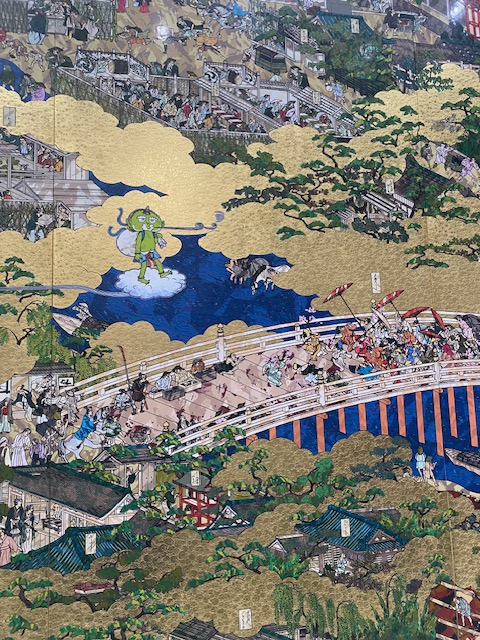
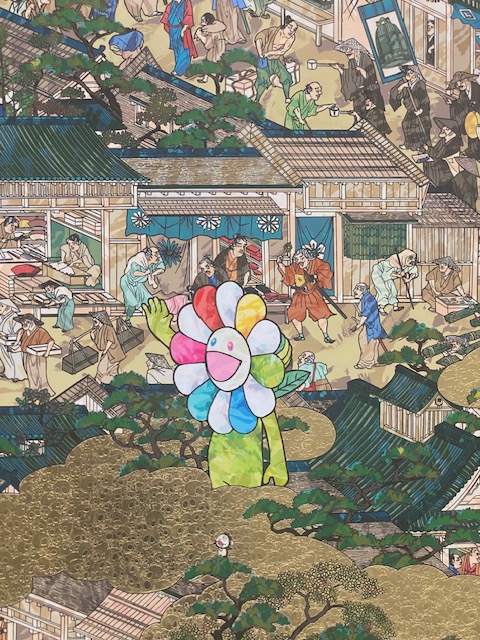
The inaugural exhibition featured the work of twelve artists and groups, including Takashi Murakami, who has achieved worldwide fame. His cartoonish characters appear on coveted Louis Vuitton bags. He also designed a special shirt, printed with cherry blossoms, for fans of the Los Angeles Dodgers. His work on display, a 13-meter-wide painting, is modeled after a 17th century folding screen titled Scenes In and Around Kyoto by Iwasa Matabei. Murakami’s rendition portrays scenes of everyday life in early modern Kyoto. But look closely, and you will find some of his iconic original characters!
Another impressive exhibit, Head On, by Cai Guo-Qiang, features lifelike wolves running toward and colliding with a glass wall. According to the exhibit brochure, the wall “symbolizes the intangible yet deeply felt ideological and cultural divisions between people and communities.”
After going through the exhibits, and vowing to return with my daughter, I popped into the museum café for a quick lunch. The dining area was in open air, with a view of the sea and the islands beyond. I ordered pumpkin toast, perhaps Naoshima’s answer to America’s ubiquitous avocado toast, and a nod to the famous Yayoi Kusama pumpkin sculptures which grace the island.
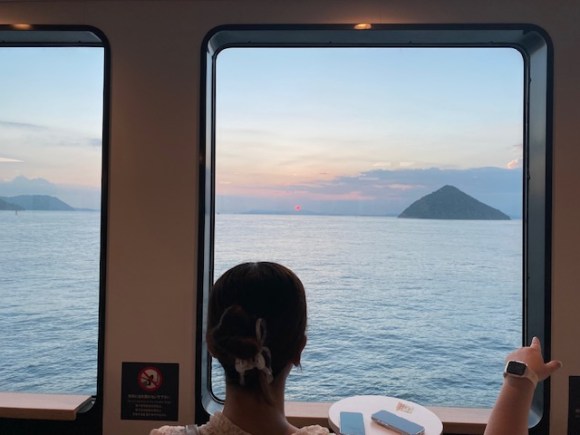
Finally, I took another bus and went to meet my friends. They are no longer awarding grants to parent artists, having shifted their focus to indigenous groups, however, I will remain forever grateful for their support. We met and had a drink near the Benesse House Park, just outside the Terrace, where my daughter and I had dined several years ago. Then it was time for me to head to the ferry terminal and back to Takamatsu, where I would catch a bus. I happened to cross at sunset – a final blast of beauty before returning home.
Suzanne Kamatawas born and raised in Grand Haven, Michigan. She now lives in Japan with her husband and two children. Her short stories, essays, articles and book reviews have appeared in over 100 publications. Her work has been nominated for the Pushcart Prize five times, and received a Special Mention in 2006. She is also a two-time winner of the All Nippon Airways/Wingspan Fiction Contest, winner of the Paris Book Festival, and winner of a SCBWI Magazine Merit Award.
PLEASE NOTE: ARTICLES CAN ONLY BE REPRODUCED IN OTHER SITES WITH DUE ACKNOWLEDGEMENT TO BORDERLESS JOURNAL
Mountains are baked into the earth, caked with mud, green grass, rocks and dirt.
Somewhere between trees and brushes, howling wolves belt out nature’s blues.
Blades of grass, smooth, and rough pebbles, lead to the edge of the mountain’s
peak. In the fog, in the pines, a lone wolf keeps to itself as birds
sing all day long, far from the towns, cities, in the baked mountainside.
FINEST PAINTBRUSH
Unfold your finest paintbrush to night’s blackboard, with gentle strokes fill the darkness with starlit skies. In the morning clean your paintbrush, dip it in orange, red, and yellow colors to paint the blue skies for the amusement of lovers and friends, even strangers.
Do not languish in apathy. Bring that paintbrush around and cover every square inch of the canvas that surrounds us. Unleash your Leonardo, your Michaelangelo, and your Vincent. Splash the skies like Jackson, spread out like Diego and Frida. Make the roses blush and open.
PULL THE BLINDS
Pull the blinds, outside our illusions live as birds, their monotonous song
fill the skies. I love them. They are fragile. With their wings they are safe.
I pull the blinds. It is like taking masks off. For days I close the blinds. For days I leave them open. For all I know, I just pretend
there are no blinds. I do not care about what happens outside in the light or darkness.
I pull the blinds for the last time.
Born in Mexico, Luis Cuauhtémoc Berriozábal lives in California and works in the mental health field in Los Angeles. His poetry has been featured in Blue Collar Review, Borderless Journal, Mad Swirl, Rusty Truck, and Unlikely Stories.
.
PLEASE NOTE: ARTICLES CAN ONLY BE REPRODUCED IN OTHER SITES WITH DUE ACKNOWLEDGEMENT TO BORDERLESS JOURNAL
Snehaprava Das, a former Associate Professor of English, is a noted poet and translator. She has translated many Odia works into English and published five poetry collections. Her translations have received several awards, including the Prabashi Bhasha Sahitya Sammana, the Jibanananda Das Award, and the Fakir Mohan Anubad Sammana.
Keep It Secret is a collection of ten short stories. The relatively lengthy narratives are equally grounded in reality and fantasy. In the author’s view, these narratives strive to traverse the delicate, ephemeral boundary that exists between reality and illusion. They delve into the inner jungle to uncover the secrets that are meticulously hidden behind a facade of pretense and the artifice of a pleasing and socially acceptable exterior.
Engaging with her stories provides a rewarding experience. These tales encompass a diverse array of themes, including life and death, the supernatural, the real and the surreal, peculiar coincidences, and the intricacies of human relationships.
In the Preface, Das provides a rationale for her stories, which contributes to their uniqueness. Citing Regina Pally, a distinguished psychiatrist and therapist based in Los Angeles, Das states, “Most of what we perceive occurs non-consciously and effortlessly, and according to her, this process can be described as a ‘survival instinct’.” This may lead the guilt-ridden mind to interpret and shape a future aimed at compensating for past wrongs. This ‘survival instinct,’ which entices individuals to assume and perceive various things, can even distort the true impact of actual events, creating multiple and bizarre interpretations of a single incident that may approach the surreal.
She bases her stories on the presumption made by Freudian scholars: “From error to error, one discovers the entire truth, observes Freud. Some of the stories aim at exposing the errors man is forced to commit, lured by compulsive emotions, which leave life irrecoverably difficult, and could at times prove fatal in that self-destructive process of discovering the truth. Some stories attempt to study the complex and shifting patterns of human relationships that hang precariously balanced between trust and distrust, and to observe the reaction of the characters while confronting the secret of that relationship, which was kept closely guarded till the end. The experience of that confrontation could be subversive in that specific moment of anagnorisis.”[1]
Some stories may not always offer a seemingly logical, definable, or happy ending.
Das’s short stories possess a cerebral quality, posing a challenge for discerning readers to fully appreciate her offerings.
.
[1] ‘The other Freud: Rethinking the philosophical roots of psychoanalysis’ by Parker & Donald Lewis
Bhaskar Parichha is a journalist and author of Cyclones in Odisha: Landfall, Wreckage and Resilience, Unbiased, No Strings Attached: Writings on Odisha and Biju Patnaik – A Political Biography. He lives in Bhubaneswar and writes bilingually. Besides writing for newspapers, he also reviews books on various media platforms.
PLEASE NOTE: ARTICLES CAN ONLY BE REPRODUCED IN OTHER SITES WITH DUE ACKNOWLEDGEMENT TO BORDERLESS JOURNAL






 Borderless