Categories
Contents

Borderless, November 2025

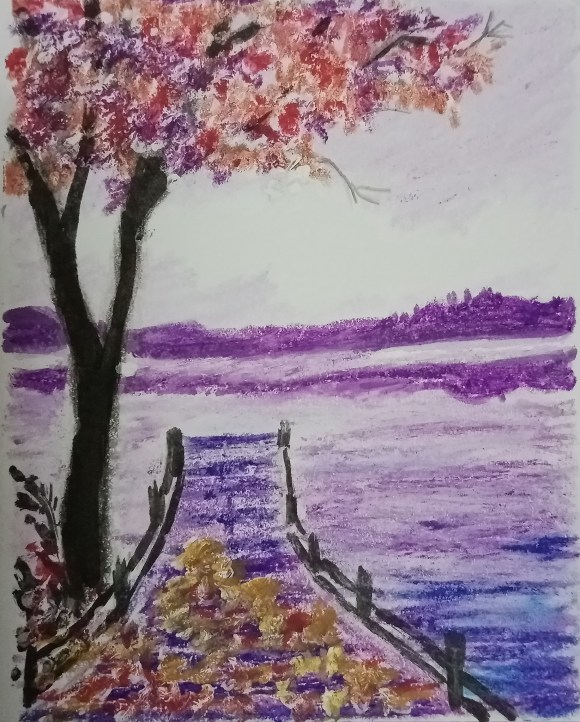
Art by Sohana Manzoor

Editorial

Spring in Winter?… Click here to read.

Translations

Nazrul’s Musafir, Mochh re Aankhi Jol (O wayfarer, wipe your tears) has been translated from Bengali by Professor Fakrul Alam. Click here to read.

Four of his own Malay poems have been translated by Isa Kamari. Click here to read.

Five short poems by Munir Momin have been translated from Balochi by Fazal Baloch. Click here to read.

Five poems by Rohini K.Mukherjee have been translated from Odia by Snehprava Das. Click here to read.

S.Ramakrishnan’s story, Steps of Conscience, has been translated from Tamil by B.Chandramouli. Click here to read.

Tagore’s poem, Sheeth or Winter, has been translated from Bengali by Mitali Chakravarty. Click here to read.

Poetry

Click on the names to read the poems

Ryan Quinn Flanagan, Usha Kishore, Joseph C. Ogbonna, Debadrita Paul, John Valentine, Saranyan BV, Ron Pickett, Shivani Shrivastav, George Freek, Snehaprava Das, William Doreski, Mohit Saini, Rex Tan, John Grey, Raiyan Rashky, Luis Cuauhtémoc Berriozábal

Poets, Poetry & Rhys Hughes

In Nomads of the Bone, Rhys Hughes shares an epic poem. Click here to read.

Musings/Slices from Life

When Nectar Turns Poisonous!

Farouk Gulsara looks at social norms around festive eating. Click here to read.

On a Dark Autumnal Evening

Ahmad Rayees muses on Kashmir and its inhabitants. Click here to read.

The Final Voyage

Meredith Stephens writes of her experience of a disaster while docking their boat along the Australian coastline. Click here to read.

Embracing the Earth and Sky…

Prithvijeet Sinha takes us to the tomb of Saadat Ali Khan in Lucknow. Click here to read.

Musings of a Copywriter

In A Fruit Seller in My Life, Devraj Singh Kalsi explores the marketing skills of his fruit seller a pinch of humour. Click here to read.

Notes from Japan

In Return to Naoshima, Suzanne Kamata takes us to an island museum. Click here to read.

Essays

The Trouble with Cioran

Satyarth Pandita introduces us to Emil Cioran, a twentieth century philosopher. Click here to read.

Once a Student — Once a Teacher

Odbayar Dorj writes of celebrating the start of the new school year in Mongolia and of their festivals around teaching and learning. Click here to read.

Bhaskar’s Corner

In ‘Language… is a mirror of our moral imagination’, Bhaskar Parichha pays a tribute to Prof. Sarbeswar Das. Click here to read.

Stories

Visions

Fabiana Elisa Martínez takes us to Argentina. Click here to read.

My Grandmother’s Guests

Priyanjana Pramanik shares a humorous sketch of a nonagenarian. Click here to read.

After the Gherkin

Deborah Blenkhorn relates a tongue-in-cheek story about a supposed crime. Click here to read.

Pause for the Soul

Sreenath Nagireddy writes of migrant displacement and adjustment. Click here to read.

The Real Enemy 

Naramsetti  Umamaheswararao gives a story set in a village in Andhra Pradesh. Click here to read.

Feature

A conversation with Amina Rahman, owner of Bookworm Bookshop, Dhaka, about her journey from the corporate world to the making of her bookstore with a focus on community building. Click here to read.

Book Excerpts

An excerpt from from Love and Crime in the Time of Plague: A Bombay Mystery by Anuradha Kumar. Click here to read.

An excerpt from Wayne F Burke’s Theodore Dreiser – The Giant. Click here to read.

Book Reviews

Somdatta Mandal reviews M.A.Aldrich’s Old Lhasa: A Biography. Click here to read.

Satya Narayan Misra reviews Amal Allana’s Ebrahim Alkazi: Holding Time Captive. Click here to read.

Anita Balakrishnan reviews Silver Years: Senior Contemporary Indian Women’s Poetry edited by Sanjukta Dasgupta, Malashri Lal and Anita Nahal. Click here to read.

Bhaskar Parichha reviews Diya Gupta’s India in the Second World War: An Emotional History. Click here to read.

.

Click here to access the Borderless anthology, Monalisa No Longer Smiles

Click here to access Monalisa No Longer Smiles on Amazon International
Categories
Editorial

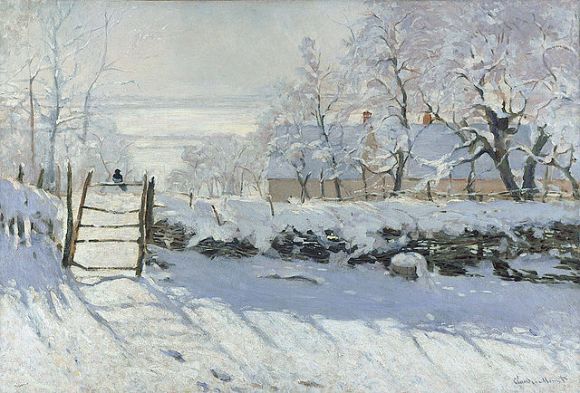
Spring in Winter?

Painting by Claude Monet (1840-1926)
If Winter comes, can Spring be far behind?

'Ode to the West Wind', Percy Bysshe Shelley (1792 -1822)

The idea of spring heralds hope even when it’s deep winter. The colours of spring bring variety along with an assurance of contentment and peace. While wars and climate disasters rage around the world, peace can be found in places like the cloistered walls of Sistine Chapel where conflicts exist only in art. Sometimes, we get a glimpse of peace within ourselves as we gaze at the snowy splendour of Himalayas and sometimes, in smaller things… like a vernal flower or the smile of a young child. Inner peace can at times lead to great art forms as can conflicts where people react with the power of words or visual art. But perhaps, what is most important is the moment of quietness that helps us get in touch with that inner voice giving out words that can change lives. Can written words inspire change?

Our featured bookstore’s owner from Bangladesh, Amina Rahman, thinks it can. Rahman of Bookworm, has a unique perspective for she claims, “A lot of people mistake success with earning huge profits… I get fulfilment out of other things –- community health and happiness and… just interaction.” She provides books from across the world and more while trying to create an oasis of quietude in the busy city of Dhaka. It was wonderful listening to her views — they sounded almost utopian… and perhaps, therefore, so much more in synch with the ideas we host in these pages.

Our content this month are like the colours of the rainbow — varied and from many countries. They ring out in different colours and tones, capturing the multiplicity of human existence. The translations start with Professor Fakrul Alam’s transcreation of Nazrul’s Bengali lyrics in quest of the intangible. Isa Kamari translates four of his own Malay poems on spiritual quest, while from Balochi, Fazal Baloch bring us Munir Momin’s esoteric verses in English. Snehprava Das’s translation of Rohini K.Mukherjee poetry from Odia and S.Ramakrishnan’s story translated from Tamil by B.Chandramouli also have the same transcendental notes. Tagore’s playful poem on winter (Sheeth) mingles a bit for spring, the season welcomed by all creatures great and small.

John Valentine brings us poetry that transcends to the realms of Buddha, while Ryan Quinn Flanagan, Ron Pickett and Saranyan BV use avians in varied ways… each associating the birds with their own lores. George Freek gives us poignant poetry using autumn while Luis Cuauhtémoc Berriozábal expresses different yearnings that beset him in the season. Snehaprava Das and Usha Kishore write to express a sense of identity, though the latter clearly identifies herself as a migrant. Young Debadrita Paul writes poignant lines embracing the darkness of human existence. Joseph C. Ogbonna and Raiyan Rashky write cheeky lines, they say, on love. Mohit Saini interestingly protests patriarchal expectations that rituals of life impose on men. We have more variety in poetry from William Doreski, Rex Tan, Shivani Shrivastav and John Grey. Rhys Hughes in his column shares with us what he calls “A Poem Of Unsuccessful Excess” which includes, Ogden Nash, okras, Atilla the Hun, Ulysees, turmeric and many more spices and names knitting them into a unique ‘Hughesque’ narrative.

Our fiction travels from Argentina with Fabiana Elisa Martínez to light pieces by Deborah Blenkhorn and Priyanjana Pramanik, who shares a fun sketch of a nonagenarian grandma. Sreenath Nagireddy addresses migrant lores while Naramsetti Umamaheswararao gives a story set in a village in Andhra Pradesh.

We have non-fiction from around the world. Farouk Gulsara brings us an unusual perspective on festive eating while Odbayar Dorj celebrates festivals of learning in Mongolia. Satyarth Pandita introduces us to Emil Cioran, a twentieth century philosopher and Bhaskar Parichha pays a tribute to Professor Sarbeswar Das.  Meredith Stephens talks of her first-hand experience of a boat wreck and Prithvijeet Sinha takes us to the tomb of Sadaat Ali Khan. Ahmad Rayees muses on the deaths and darkness in Kashmir that haunt him. Devraj Singh Kalsi brings in a sense of lightness with a soupçon of humour and dreams of being a fruit seller. Suzanne Kamata revisits a museum in Naoshima in Japan.

Our book excerpts are from Anuradha Kumar’s sequel to The Kidnapping of Mark Twain, Love and Crime in the Time of Plague: A Bombay Mystery and Wayne F Burke’s Theodore Dreiser – The Giant, a literary non-fiction. Our reviews homes Somdatta Mandal discussion on M.A.Aldrich’s Old Lhasa: A Biography while Satya Narayan Misra writes an in-depth piece on Amal Allana’s Ebrahim Alkazi: Holding Time Captive. Anita Balakrishnan weaves poetry into this section with her analysis of Silver Years: Senior Contemporary Indian Women’s Poetry edited by Sanjukta Dasgupta, Malashri Lal and Anita Nahal. And Parichha reviews Diya Gupta’s India in the Second World War: An Emotional History, a book that looks at the history of the life of common people during a war where soldiers were all paid to satiate political needs of powerbrokers — as is the case in any war. People who create the need for a war rarely fight in them while common people like us always hope for peace.

We have good news to share — Borderless Journal has had the privilege of being listed on Duotrope – which means more readers and writers for us. We are hugely grateful to all our readers and contributors without who we would not have a journal. Thanks to our wonderful team, especially Sohana Manzoor for her fabulous artwork.

Hope you have a wonderful month as we move towards the end of this year.

Looking forward to a new year and spring!

Mitali Chakravarty

borderlessjournal.com

CLICK HERE TO ACCESS THE CONTENTS FOR THE NOVMBER 2025 ISSUE.

.

READ THE LATEST UPDATES ON THE FIRST BORDERLESS ANTHOLOGY, MONALISA NO LONGER SMILES, BY CLICKING ON THIS LINK.

Categories
Poetry

Sieve by John Valentine

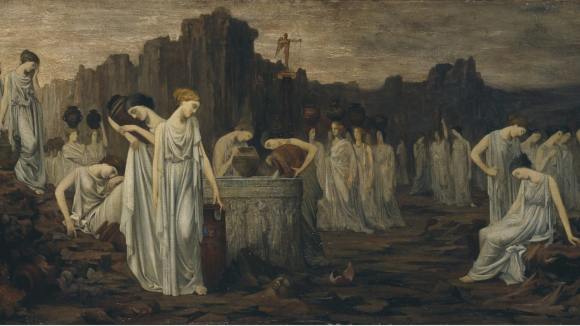
The Daughters of Danaus by Fernand Sabatté (1874-1940). From Public Domain
SIEVE 

(The Danaids were the fifty daughters of King Danaus who murdered their husbands, the fifty sons of his brother Aegyptus, on their wedding night. Only Hypermnestra spared her husband whom she loved. As punishment for their crime, the other Danaids were condemned to an eternal torment in the Underworld: endlessly carrying water in a leaking vessel.)


These things you call experiences, are they separate
leaves who do not know

their neighbors in bloom and bare? Or rather notes
in grand symphonies,

seasons in the House of Being? They rise and ring.
And you, water carrier, you who

press them in the book of memory, hoping to
hold them forever, page by page,

why is your pail so hard? Through wind and rain
and gossamer glide, do you know

the mind of emptiness? The more you try to catch
the world the more

you fail. Buddha is the sieve you seek. Flowing
and flowing, everything

fills you, again and again. You have nothing to lose
but yourself.

John Valentine is a retired teacher living in Savannah, GA.

.

PLEASE NOTE: ARTICLES CAN ONLY BE REPRODUCED IN OTHER SITES WITH DUE ACKNOWLEDGEMENT TO BORDERLESS JOURNAL

Click here to access the Borderless anthology, Monalisa No Longer Smiles

Click here to access Monalisa No Longer Smiles on Kindle Amazon International

Categories
Contents

Borderless, October 2025

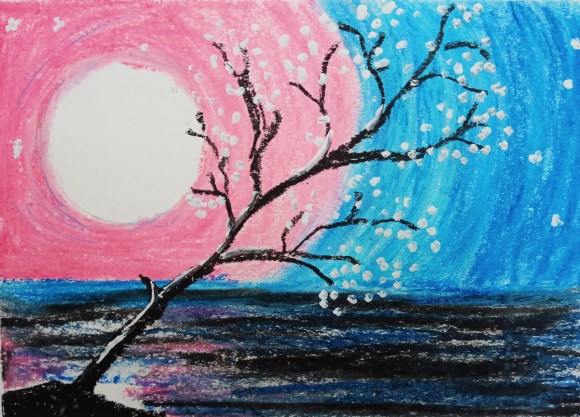
Painting by Sohana Manzoor

Editorial

Imagine… All the People… Click here to read

Translations

Jani Jani Priyo, Ea Jebone  (I know my dear one, in this life) by Nazrul has been translated from Bengali by Professor Fakrul Alam. Click here to read.

Four of his own poems in Malay have been translated by Isa Kamari. Click here to read.

Five poems by Hrushikesh Mallick have been translated from Odia by Snehprava Das. Click here to read.

The Headstone, a poignant story by Sharaf Shad has been translated by Fazal Baloch. Click here to read.

Shukh (Happiness) by Tagore has been translated from Bengali by Mitali Chakravarty. Click here to read.

Poetry

Click on the names to read the poems

John Valentine, Saranyan BV, John Swain, Ahmad Al-Khatat, Stephen Druce, Jyotish Chalil Gopinath, Jenny Middleton, Maria Alam, Ron Pickett, Tanjila Ontu, Jim Bellamy, Pramod Rastogi, John Grey, Laila Brahmbhatt, John Zedolik, Snehaprava Das, Joseph K.Wells, Rhys Hughes

Poets, Poetry & Rhys Hughes

Rhys Hughes shares his play, Night in Karnataka. Click here to read.

Musings/ Slices from Life

Just Passing Through

Farouk Gulsara muses on humans and their best friends. Click here to read.

Feeding Carrots to Gentle Herbivores

Meredith Stephens looks back to her past adventures with horses and present ones with giraffes. Click here to read.

Linen at Midnight

Pijus Ash relates a real-life spooky encounter in Holland. Click here to read.

Two Lives – A Writer and A Businessman

Chetan Datta Poduri explores two lives from the past and what remains of their heritage. Click here to read.

My Forest or Your City Park?

G Venkatesh muses on the tug of war between sustainabilty, ecology and economies. Click here to read.

Musings of a Copywriter

In Karmic Backlog, Devraj Singh Kalsi explores reincarnations with a twinge of humour. Click here to read.

Notes from Japan

In DIY Dining in Japan, Suzanne Kamata in a light note talks about restaurants with robots. Click here to read.

Essays

Peddling Progress?

Jun A. Alindogan writes about what is perceived as progress from Philippines. Click here to read.

From Madagascar to Japan: An Adventure or a Dream…

Randriamamonjisoa Sylvie Valencia writes of her journey from Africa to Japan with a personal touch. Click here to read.

From Bombay to Kolkata — the Dhaaks of Durga 

Ratnottama Sengupta explores a UNESCO Intangible Cultural Heritage Festival. Click here to read.

Stories

Sleeper on the Bench

Paul Mirabile sets his strange story in London. Click here to read.

Sandy Cannot Write

Devraj Singh Kalsi takes us into the world of adverstising and glamour. Click here to read.

The Wise Words of the Sun

Naramsetti Umamaheswararao relates a fable involving elements of nature. Click here to read.

Discussions

A conversation with Swati Pal, academic and poet, on healing through writing and bereavement. Click here to read.

A conversation with five translators — Aruna Chakravarti, Radha Chakravarty, Somdatta Mandal, Fakrul Alam and Fazal Baloch from across South Asia. Click here to read.

Book Excerpts

An excerpt from That’s A Fire Ant Right There! Tales from Kavali by Mohammed Khadeer Babu, translated from Telugu by D.V. Subhashri. Click here to read.

An excerpt from Swati Pal’s poetry collection, Forever Yours. Click here to read.

Book Reviews

Somdatta Mandal reviews Banu Mushtaq’s Heart Lamp: Selected Stories, translated from Kannada by Deepa Bhasthi. Click here to read.

Meenakshi Malhotra has reviewed Malachi Edwin Vethamani’s anthology, Contours of Him: Poems. Click here to read.

Rupak Shreshta reviews Sangita Swechcha’s Rose’s Odyssey: Tales of Love and Loss, translated from Nepali by Jayant Sharma. Click here to read.

Bhaskar Parichha has reviewed Kalpana Karunakaran’s A Woman of No Consequence: Memory, Letters and Resistance in Madras. Click here to read.

.

Click here to access the Borderless anthology, Monalisa No Longer Smiles

Click here to access Monalisa No Longer Smiles on Amazon International
Categories
Editorial

Imagine… All the People…

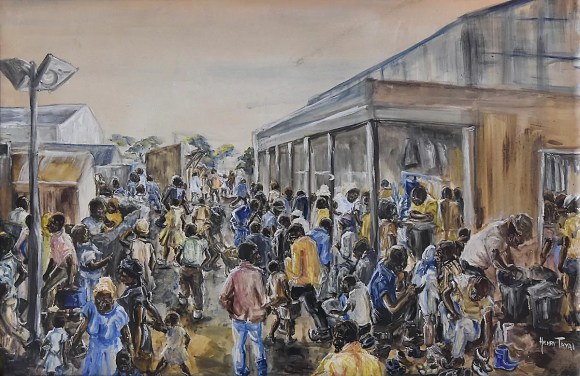
Art by Henry Tayali(1943-1987). From Public Domain

Let us imagine a world where wars have been outlawed and there is only peace. Is that even possible outside of John Lennon’s song? While John Gray, a modern-day thinker, propounds human nature cannot change despite technological advancements, one has to only imagine how a cave dweller would have told his family flying to the moon was an impossibility. And yet, it has been proven a reality and now, we are thinking living in outer space, though currently it is only the forte of a few elitists and astronomers. Maybe, it will become an accessible reality as shown in books by Isaac Asimov, Arthur C Clarke or shows like Star Trek and Star Wars. Perhaps, it’s only dreamers or ideators pursuing unreal hopes and urges who often become the change makers, the people that make humanity move forward. In Borderless, we merely gather your dreams and present them to the world. That is why we love to celebrate writers from across all languages and cultures with translations and writings that turn current norms topsy turvy. We feature a number of such ideators in this issue.

Nazrul in his times, would have been one such ideator, which is why we carry a song by him translated by Professor Fakrul Alam. And yet before him was Tagore — this time we carry a translation of an unusual poem about happiness. From current times, we present to you a poet — perhaps the greatest Malay writer in Singapore — Isa Kamari. He has translated his longing for changes into his poems. His novels and stories express the same longing as he shares in The Lost Mantras, his self-translated poems that explore adapting old to new. We will be bringing these out over a period of time. We also have poems by Hrushikesh Mallick translated from Odia by Snehprava Das and a poignant story by Sharaf Shad translated from Balochi by Fazal Baloch.

We have an evocative short play by Rhys Hughes, where gender roles are inverted in a most humorous way. It almost brings to mind Begum Rokeya’s Sultana’s Dream. Tongue-in-cheek humour in non-fiction is brought in by Devraj Singh Kalsi and Chetan Dutta Poduri. Farouk Gulsara and Meredith Stephens write in a light-hearted vein about their interactions with animal friends. G. Venkatesh brings in serious strains with his musings on sustainability. Jun A. Alindogan slips into profundities while talking of “progress” in Philippines. Young Randriamamonjisoa Sylvie Valencia gives a heartfelt account of her journey from Madagascar to Japan. Ratnottama Sengupta travels across space and time to recount her experiences in a festival recognised by UNESCO as an Intangible Cultural Heritage of Humanity. Suzanne Kamata brings a light touch again when she writes about robots serving in restaurants in Japan, a change that would be only fiction even in Asimov’s times, less than a hundred years ago!

Pijus Ash — are we to believe or not believe his strange, spooky encounter in Holland? And we definitely don’t have to believe what skeletons do in Hughes’ limericks, even if their antics make us laugh! Poetry brings on more spooks from Saranyan BV and frightening environmental focus on the aftermath of flooding by Snehaprava Das. We have colours of poetry from all over the world with John Valentine, John Swain, Ahmad Al-Khatat, Stephen Druce, Jyotish Chalil Gopinath, Jenny Middleton, Maria Alam, Ron Pickett, Tanjila Ontu, Jim Bellamy, Pramod Rastogi, John Grey, Laila Brahmbhatt, John Zedolik and Joseph K.Wells.

Fiction yields a fable from Naramsetti Umamaheswararao. Devraj Singh Kalsi takes us into the world of advertising and glamour and Paul Mirabile writes of a sleeper who likes to sleep on benches in parks out of choice! We also have an excerpt from Mohammed Khadeer Babu’s stories, That’s A Fire Ant Right There! Tales from Kavali , translated from Telugu by D.V. Subhashri. The other excerpt is from Swati Pal’s poetry collection, Forever Yours. Pal has in an online interview discussed bereavement and healing through poetry for her stunning poems pretty much do that.

Book reviews homes an indepth introduction by Somdatta Mandal to Banu Mushtaq’s Heart Lamp: Selected Stories, translated from Kannada by Deepa Bhasthi. We have a discussion by Meenakshi Malhotra on Contours of Him: Poems, edited and introduced by Malaysian academic, Malachi Edwin Vethamani, in which she concludes, “that if femininity is a construct, so is masculinity.” Overriding human constructs are journeys made by migrants. Rupak Shreshta has introduced us to immigrant Sangita Swechcha’s Rose’s Odyssey: Tales of Love and Loss, translated from Nepali by Jayant Sharma. Bhaskar Parichha winds up this section with his exploration of Kalpana Karunakaran’s A Woman of No Consequence: Memory, Letters and Resistance in Madras. He tells us: “A Woman of No Consequence restores dignity to what is often dismissed as ordinary. It chronicles the spiritual and intellectual evolution of a woman who sought transcendence within the rhythms of domestic life, turning the everyday into a site of resistance and renewal.” Again, by the sound of it a book that redefines the idea that housework is mundane and gives dignity to women and the task at hand.

We wind up the October issue hoping for changes that will lead to a happier existence, helping us all connect with the commonality of emotions, overriding borders that hurt humanity, other species and the Earth.

Huge thanks to our fabulous team, especially Sohana Manzoor for her inimitable artwork. We would all love to congratulate Hughes for his plays that ran houseful in Swansea. And heartfelt thanks to all our wonderful contributors, without who this issue would not have been possible, and to our readers, who make it worth our while, to write and publish.

Have a wonderful month!

Mitali Chakravarty

borderlessjournal.com

CLICK HERE TO ACCESS THE CONTENTS FOR THE OCTOBER 2025 ISSUE

.

READ THE LATEST UPDATES ON THE FIRST BORDERLESS ANTHOLOGY, MONALISA NO LONGER SMILES, BY CLICKING ON THIS LINK.

Categories
Poetry

Cycle by John Valentine

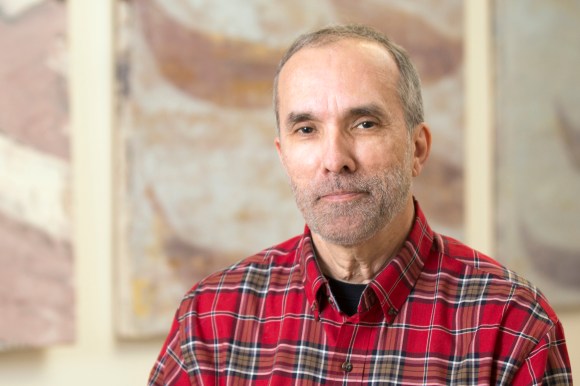
John Valentine: Photography by Parker Stewart
-For Matsuo Bashō


DRINKING


Poet, who will you intoxicate?
Drinking deeply

from your well, its whispering
water, we dip

a cup. Everything echoes
the holy Ōm.

Coming

and going.


Listen.


BLOSSOMS


When Buddha lifted the lotus
blossom

and preached his silent sermon,
it was better

to show things than to say them.
And you,

will you travel long with an empty
pouch of poetry?

How can you hold the moon with
words?

Be patient. Throw away everything
that clings.

Cherry blossoms glisten as they open
and fall.


PEARLS

You see a thousand faces
in the mirror.

Is there one that isn’t you?
See how pearls

hold each other’s hands, how
together

there’s a singular shine. How
many moons

in the journey of the Harvest Moon?


STUDYING ZEN


No one studies Zen. Nothing’s
there

but the last blackbird of Autumn
on a leafless

bough. Who asked you to be a
scholar?

Even the book of the wind is only
for schools.

The old masters left behind their
baggage.

Roaming like wild geese, they
carried nothing, nothing

at all.

John Valentine is a retired teacher living in Savannah, GA.

.

PLEASE NOTE: ARTICLES CAN ONLY BE REPRODUCED IN OTHER SITES WITH DUE ACKNOWLEDGEMENT TO BORDERLESS JOURNAL

Click here to access the Borderless anthology, Monalisa No Longer Smiles

Click here to access Monalisa No Longer Smiles on Kindle Amazon International