Categories
Poetry

The Departure

By Subzar Ahmad

THE DEPARTURE


At midnight, by the windowpane,
He sat for the last time.
That night in my lap, he lay as if a toddler,
So motionless that I felt he was dead.
 
Supposed to run he was but he paused.
With the barrel pointed to the foe,
He asked,
"What would you seek from the Bohr model?"
Nothing much but a race of feats.
 
The barking dogs with devils' eyes
brought to us gestures of fear.
Three and me, together we stood to fight,
To fight for the cause you never understood.
 
You never knew the urge and zeal
That binds and bonds within a second.
No breaks and cracks can bring a halt.
He then woke up after a dream
 
And said, " No need to fear for the Lord is there."
The chains of hell are there in the neck,
"I see them yelling amid the devastating fire."
 
Hurrah! we had won the midnight game,
as the dawn had broken with a drizzling air
"What is it to the mountain if a bird rests?" said he for the last time.

Subzar Ahmad is a student in Kashmir. 

.

PLEASE NOTE: ARTICLES CAN ONLY BE REPRODUCED IN OTHER SITES WITH DUE ACKNOWLEDGEMENT TO BORDERLESS JOURNAL

Categories
Poetry

Last Peace

By Pramod Rastogi

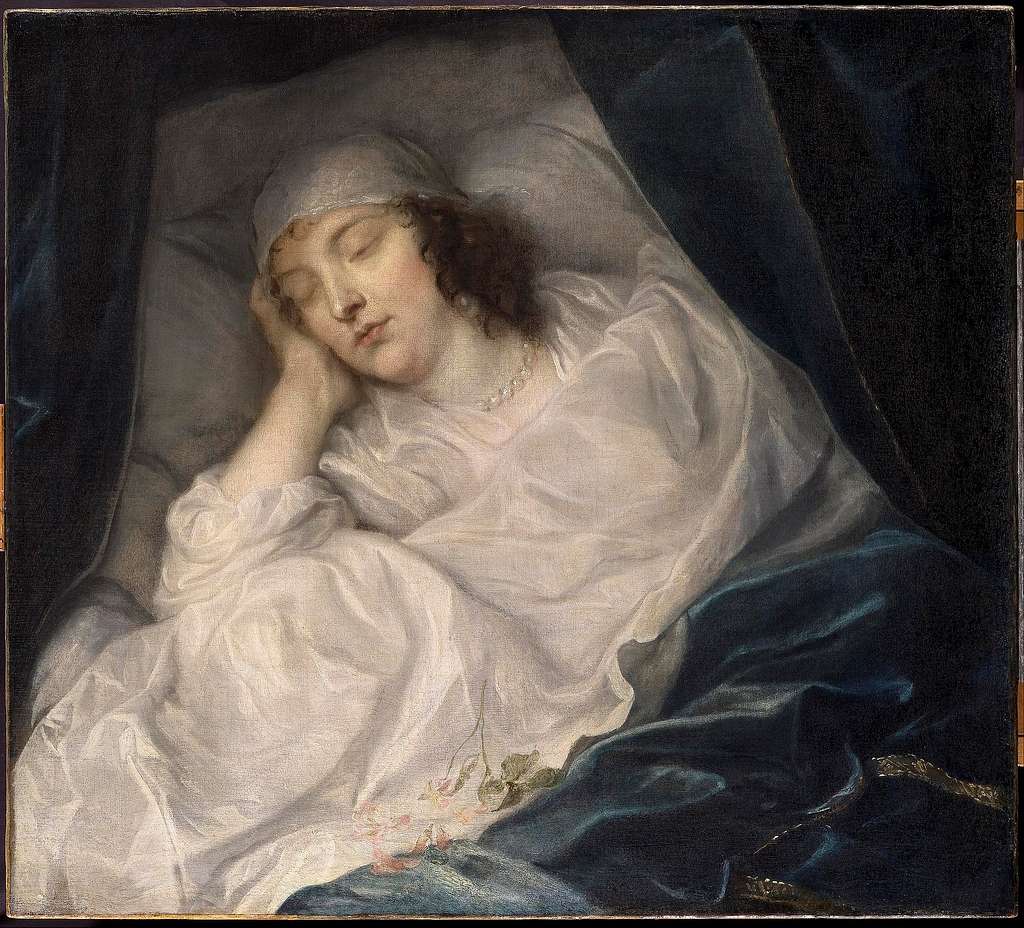
Painting by Sir Anthony Van Dyke (1599-1641). Courtesy: Creative Commons
LAST PEACE
 
You are the glimmer that resides in me.
I am spellbound by your aura.
I take my every breath at your bedside,
Waiting for your inner warmth
To light the breath of life in you.
 
And I have sat back listening
To your dreamy whispering voice
Flow like a stream of serenity,
Sharing with me your zest for life,
Yet ready to draw curtains over it.
 
You look at me with imploring eyes
As if seeking my permission
To leave me to explore the other side.
These calls have slowly become louder.
The oxygen is often in short supply.
 
The flame flickers while you lie there.
The last few months have passed like this.
They have taken a heavy toll on me,
As we look at each other helplessly,
Embracing the love that flowed
 
Between our tear-filled eyes,
We wait for the dreaded separation.
The one that beckons us in its arms
Is the one that torments me no end.
One day, you chose silence over agony...  
 
I know that our love will linger long
In hope of our next meeting.
You have left me on your journey to heal.
And with me fixated on you, I will sleep deep
To awaken in your arms, never to leave again.

Pramod Rastogi is an Emeritus Professor at the Swiss Federal Institute of Technology (EPFL) in Lausanne, Switzerland. He is a Member of the Swiss Academy of Engineering Sciences. He is the 2014 recipient of the SPIE Dennis Gabor Award. He is currently a guest Professor at the IIT Gandhinagar, India.

.

PLEASE NOTE: ARTICLES CAN ONLY BE REPRODUCED IN OTHER SITES WITH DUE ACKNOWLEDGEMENT TO BORDERLESS JOURNAL
Categories
Excerpt

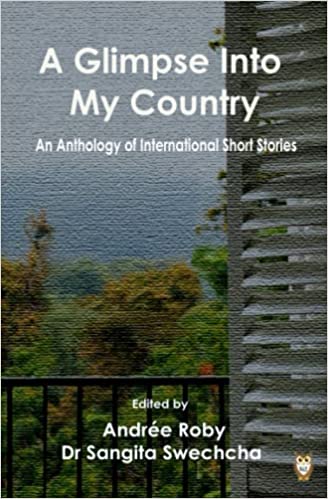
A Glimpse Into My Country: An Anthology of International Short Stories

Title: A Glimpse Into My Country: An Anthology of International Short Stories

Editors: Andrée Roby & Dr Sangita Swechcha

Publisher: Book Hill International

1.

Excerpted from The Goats and the Cow by Sanjib Chaudhary (Nepal)

Shubhavati was humming a folk song. The sun was above her head. The easterly wind was hitting hard on her face. The wind along with the Peepal’s shadow provided her relief from the heat.

The 10 goats were grazing on the nearby field. The landowner had recently harvested rice and the juicy tender sprouts were perfect feast for the goats. While feeling the easterly winds caress she saw a humanlike spot in the horizon. Coming towards her, in a hurried pace. As the figure got nearer, the once single spot broke into four distinct figures. A woman in her mid-twenties, a 40 newly born baby clinging to her shoulder, a boy of around seven years trudging along her and a goat in tow.

 As the group came near her, Shubhavati asked the woman, ‘Why are you running so fast in the midday sun? Have some rest.’

The small boy, tired, sat next to her and started humming a Bollywood song. The woman tethered the goat to a small shrub and started suckling her baby, sitting beside Shubhavati. Her eyes were red with weeping and, as she saw Shubhavati gazing at her with love, she broke down. She started whimpering. Shubhavati consoled her, washed off the tears rolling down her eyes. The woman broke into a loud cry and the little boy, perplexed, started crying with his mother.

She said, ‘This boy’s father returned from Qatar a few days ago. We had a reunion after two 41 years. This little girl was not born when he left us. Everything was so good for few days and suddenly he beat me up.’

‘Small fights between wife and husband are a normal, my dear,’ said Shubhavati.

‘But it was not a small thing. His mother is so jealous that she wants everything that her son brought to be hers. Even the toys that he brought for this little boy!’ She was furious.

She continued, ‘Can you imagine? She threw away a bowl of milk he was sipping in. For me it had been always like that. My husband has been to Rajbiraj. But had he been there he would not say anything to her. He is a coward and doesn’t have courage to say anything to his mother.’

The goat was a small kid when she had brought it along with her from her mother’s house. She had run almost two kilometres and it was still three kilometres to reach her maternal house. Shubhavati lighted a biri and offered it to the young woman. She refused it, saying that she is a non-smoker. Shubhavati sent the puffs of smoke to the skies and started advising the young woman.

‘See, quarrels never will do any good to you, neither to you, nor to your mother-in-law. In between your quarrel, this little boy will suffer. He will be deprived of going to school for many days. Your husband loves you but he can’t take your side.’

‘If you take me as your mother, return to your home. But if you have already made your mind, go, stay for few days and return as your husband comes to fetch you.’ The woman nodded to her advice, clutched her baby and, with the goat and the little boy in tow, continued her journey.

Shubhavati thought had she had a baby girl in her early twenties, she would have had a daughter like the fleeing woman. As the four figures disappeared in the horizon, she saw a man running towards her. She at once knew that he was the father of the two little children when he asked whether she saw a woman running away with two young kids. She told him not to worry, asked him to pacify his wife and to try to maintain a cordial relation with her. The man ran in the direction the woman had headed.

Shubhavati felt good and thanked the lord.

2.

Excerpted from Crossing the Bridge  by Norma Hall (Zimbabwe)

Leila sat in the back of the blue Ford Mondeo, trying to peer out of the car window, over the larger figure of her older brother Spike, who sat next to her. On her other side, her sister Susan, head down, was engrossed in one of the pile of brightly coloured comics the children took with them on one of these long journeys over the border from Zimbabwe into South Africa. Leila’s father, who was driving, had half turned his head to exclaim to the children in the back, that they were now approaching the ‘Great, grey, green, greasy Limpopo River,’ and crossing the bridge, would bring them across the border.

Excitedly Leila looked at the huge muddy green river, which ran like a thick ribbon through the yellow stubbly countryside on either side. Some women could be seen on some of the rocks below doing their washing and a few children swam in the shallows. Then they were over the expansive bridge and soon arrived at the bustling border, with numerous buses, trucks and queuing people waiting out in the sun next to the buildings, beyond which the barrier gate could be seen guarded by some uniformed customs officers and a few soldiers, slouching around, talking and laughing among themselves. Knowing, like others, there was no hurry, they were in for the long wait.

The children were left in the car, windows wound down for the heat which made it almost too hot for the inevitable bickering that would ensue, while the adults, gathering up their various documents, sighed and went off resignedly for the long, arduous process they were accustomed to encountering at the Zimbabwe border post.

Car documents had already been checked by the required visit to the Harare Police Station a few days earlier, which was a mission in itself. There, similar queues, often lengthened by those who curried favour or paid bribes to receive attention first, had to be dealt with. Was the car stolen, who was the owner, where was the insurance, road worthiness, road recovery service documents? With all the requirements, it was strange how one later encountered so many wrecks on the roads caused by accidents and broken-down vehicles, as well as the number of stolen cars being reported.

Leila remembered having seen the strewn clothes and luggage in the bush alongside the road and remnants of a recently crashed car, they’d come across on a previous trip. One of her father’s friends had also been killed one night when his car had crashed into an army truck which was parked with no warning lights, sticking out into the road.

The family had done this journey every two years now, to visit family in South Africa and for the long-anticipated holidays by the sea. And it had been worth it, exciting and adventurous, despite the problems at the border or being stopped by Police on either side of the bridge, for whatever usually ‘cooked up’ reasons that could be used to elicit bribes for an underpaid work force. The two-day journey was long and hot, but they knew it well by now. The snake like road that never seemed to end, driving through small villages, sporadic rocky granite outcrops and rundown towns. Then the climb up Louis Trichardt with its mountain views and winding roads before the long exhilarating drive down to their destination for the first night, an inexpensive motel just outside of Polokwane.

Towards the end of another long day of driving, the children would crane their necks, eyes straining for the prize of being the first to see the sea. Zimbabwe was landlocked, mostly dry and that incredible expanse of aquamarine and then deeper greenish blue water encircling the land at this southern-most tip of Africa, never ceased to enthral the family on these much-anticipated trips.

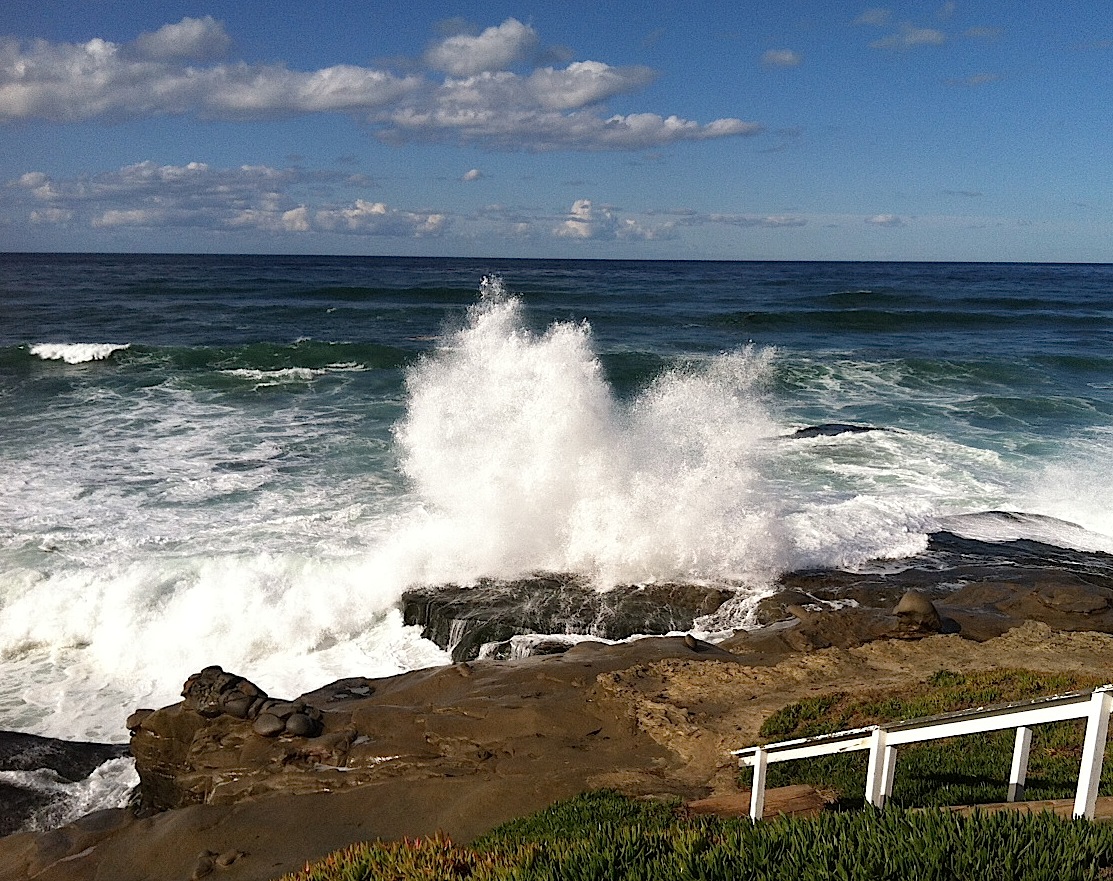
Leila thought she could have watched forever the sight of that foam riding on the top of the waves, as they rushed to shore and then slowly retreated with a sigh.

About the Book:

A Glimpse Into My Country is a collection of international, fiction and non-fiction, short stories giving the reader a chance to travel from France to England, to Zimbabwe, to India, to South Africa, to Nepal, to Bangladesh and to discover something new about each country through the lens of new and published authors.

The writers from Nepal include Mahesh Paudyal, Sanjib Chaudhary, Mamata Mishra, Jayant Sharma, Neelima Shrestha, Sangita Swechcha & Deepak Rana. The other contributors are Mitali Chakravarty (India), Farah Ghuznavi (Bangladesh), Micaela Grove (South Africa), Norma Hall (Zimbabwe), Derek McMillan (England), Sara Kapadia (UK), and Andrée Roby (France).

About the Editors:

Andrée Roby

After spending over thirty-five years in South London, Régine, originally from France, now lives in West Sussex. She writes under the pen name of Andrée Roby, a name she chose as a tribute to her father (André) and her uncle (Roby). Régine is fluent in French, Spanish and English. As a language teacher, she has a passion for the written word. Her novella “Double Vision” – a creative crime drama, was published in January 2019 and revamped in July2021. Her second book published in April 2020 is a collection of original poems, flash fiction and short stories.  Her crime fiction “Failed Vision”, launched in October 2020, is the prequel to “Double Vision”.


Dr Sangita Swechcha

Dr Sangita Swechcha is an ardent lover of literature from an early age, Sangita has published a novel and co-authored a collection of short stories before the collection ‘Gulafsanga ko Prem’, collection of short stories. She has many short stories, poems and articles published in various international journals and online portals. She was the Guest Editor for the ‘Nepali Literature Month – Nov 2019’ held at Global Literature in Libraries Initiative (GLLI), a USA based organisation. ‘The Himalayan Sunrise: Exploring Nepal’s Literary Horizon’ edited by Sangita Swechcha and Karen Van Drie was released in London in November 2021. The book, A Glimpse Into My Country, is the second publication from Book Hill International. Currently, Sangita Swechcha is working on her second novel.

.

PLEASE NOTE: ARTICLES CAN ONLY BE REPRODUCED IN OTHER SITES WITH DUE ACKNOWLEDGEMENT TO BORDERLESS JOURNAL
Categories
Nature's Musings

Best Friends

Writing & Photography by Penny Wilkes

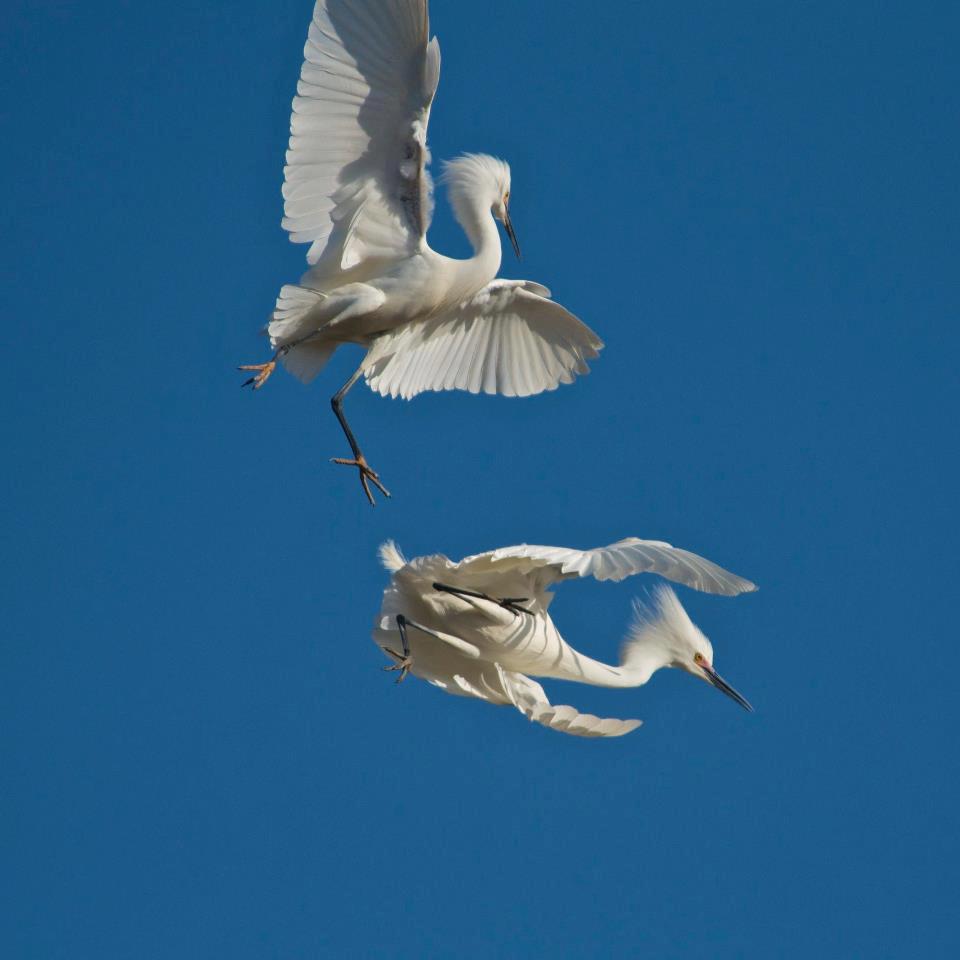
Best friends, Curiosity and Creativity collaborate and play.

They energize awareness, nudge a nose for observation, and a desire to explore.

With Curiosity as a motivator and playmate, Creativity develops life’s possibilities.

The capacity for investigation bubbles inside and thrills the senses.

Audacity spirits the soul.

When Curiosity and Creativity arrive for the eager observer, discoveries spark around each corner for adventures in nature. Happening upon the unexpected, moments tease with mysteries 

Questions tumble upon the unfamiliar and roar for more. 

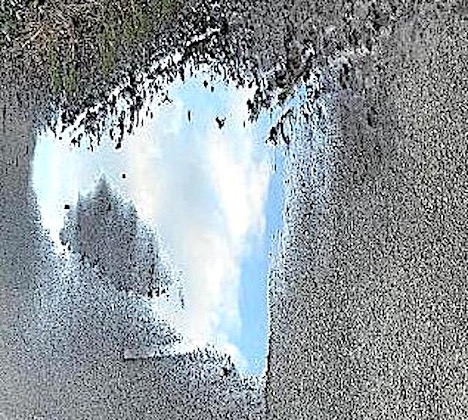
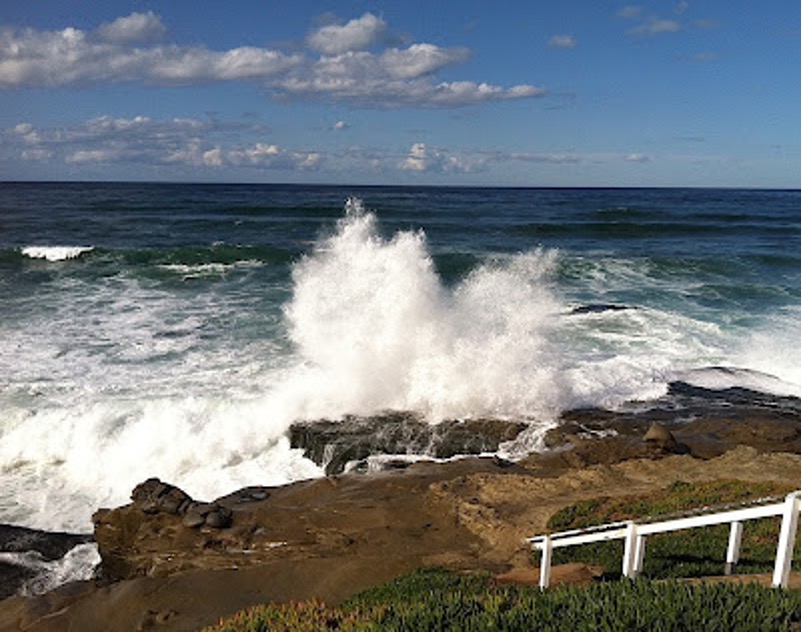
Clouds in a puddle arouse the adventurer. 


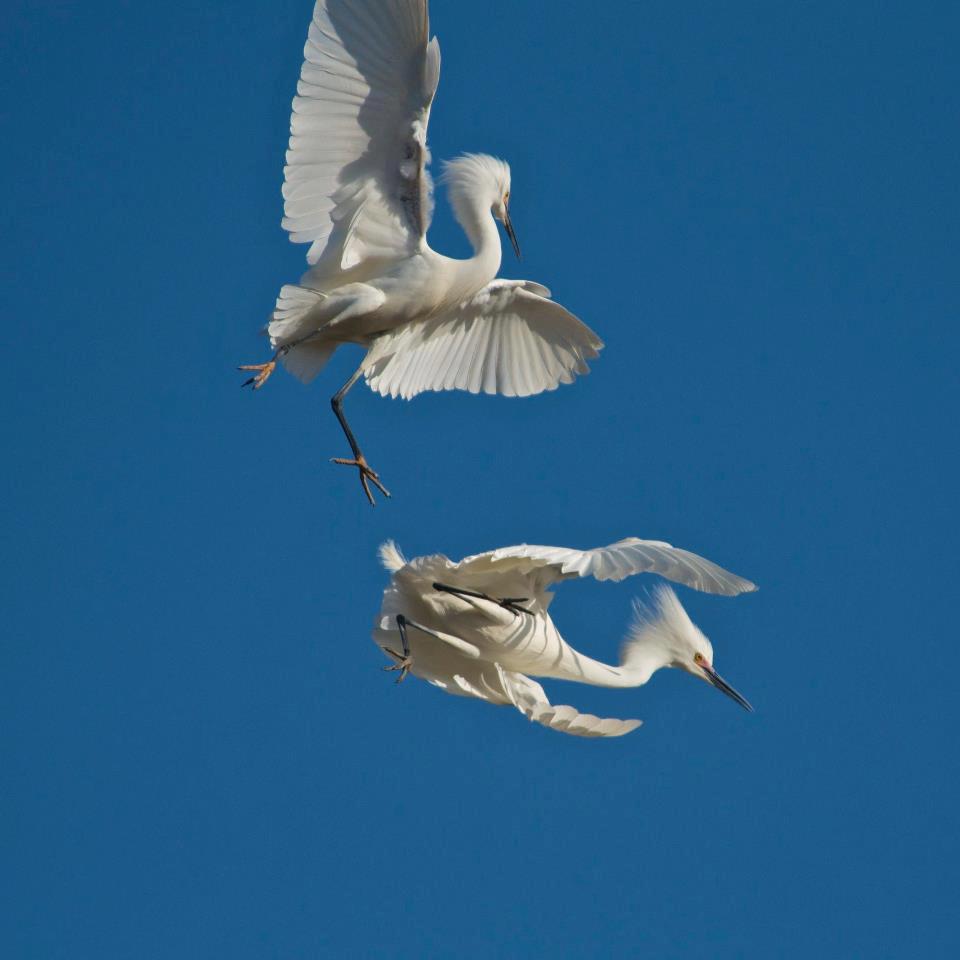
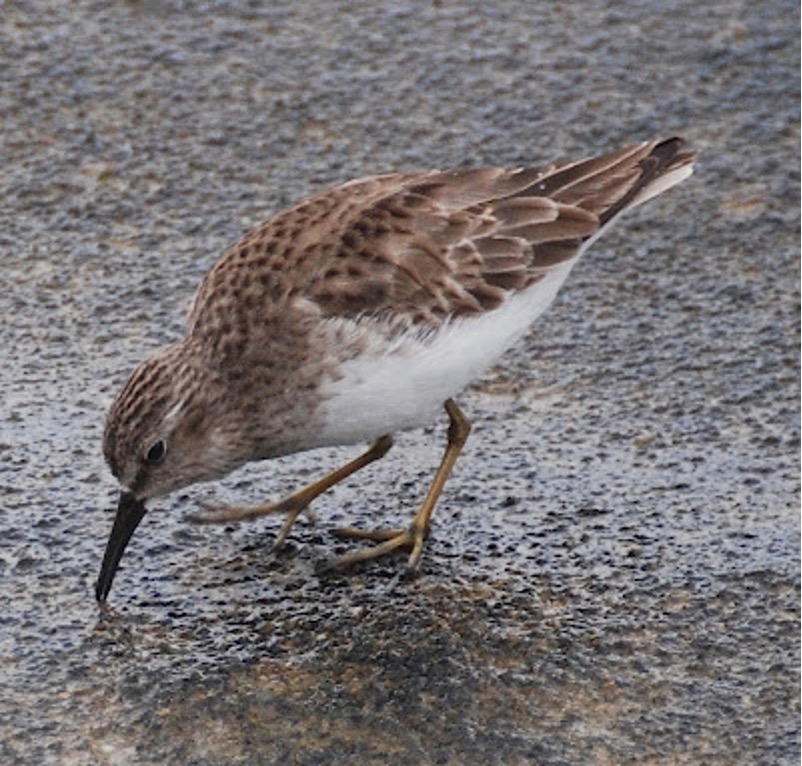
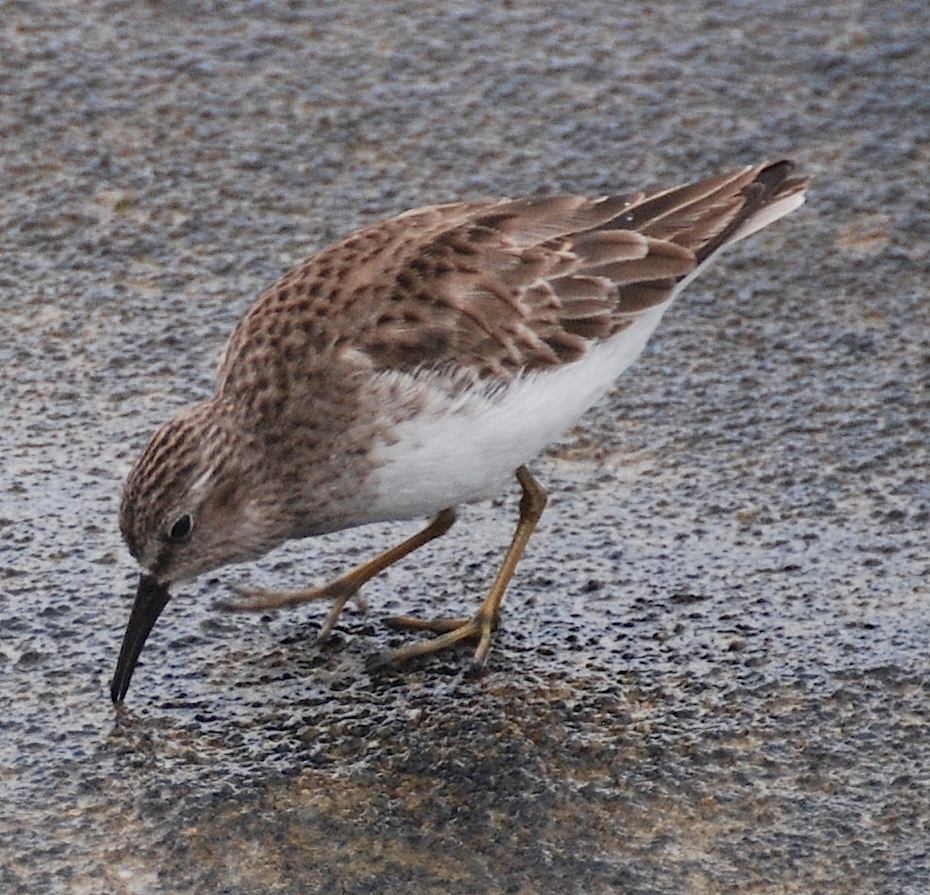
A seabird distracts to divert attention where the sea and sky provide their playground.

Following a swirl of life calling for play brings joy.

Cultivate Curiosity with Creativity. 

.

Penny Wilkes,  served as a science editor, travel and nature writer and columnist. An award-winning writer and poet, she has published a collection of short stories, Seven Smooth Stones. Her published poetry collections include: Whispers from the Land, In Spite of War, and Flying Lessons. Her Blog on The Write Life features life skills, creativity, and writing:  http://penjaminswriteway.blogspot.com/ . Her photoblog is @: http://feathersandfigments.blogspot.com/

.

PLEASE NOTE: ARTICLES CAN ONLY BE REPRODUCED IN OTHER SITES WITH DUE ACKNOWLEDGEMENT TO BORDERLESS JOURNAL

Categories
Musings of a Copywriter

The New Year’s Boon

By Devraj Singh Kalsi

After several waves of the pandemic, the merciful Lord showers good news on the Eve of New Year. It is certainly not going to be a ‘knew’ year because in this year we are going to learn things we never knew, some cosmic droppings that take us through pleasant surprises to restore the dwindling faith of mankind in the Creator of the Universe. He proposes to roll out a slew of packages without appearing on any television channel during prime time. The boom of boons for humanity – to live the truth of fantasies.

Our efforts to create a better world have not found meaty success as we are still engrossed in this model or that model, trying hard to adjust accordingly and find an ideal one fit for prescription the world over. No unanimous choice has emerged over the centuries of experimentation but God has been at the receiving end for creating an unequal world, often blamed for creating various categories in the world like first and third. 

While the doomsday club says the end is drawing near and the world is likely to get decimated, with several cities going underwater to create new mythologies and epics, there is big, breaking news coming in: God has decided to give another chance to live by introducing radical changes in the cycle of life and death.

The best phase of life is childhood and poets and writers have celebrated this stage. The seven stages of mankind remain so but the time allotted to each stands revised. The biggest bonanza comes in the form of extension of age. From now on, human beings will live up to 200 years. The doubling of life span is a huge joy for all. Instead of the usual one hundred years of solitude for us, we get another one hundred years of bonhomie and celebration.   

To explain it in detail, God has increased the childhood span of the newborn. Henceforth, every child gets blooming childhood years up to 25 years before turning teenager and then adulthood wades in at the young, callow age of 50. For one hundred years he remains young and virile to enjoy the worldly, sensual pleasures, to multiply without restrictions. The painful period of old age and decay gets shortened. Old age kicks in after 150 years of his existence in this beautiful, big world with continents and countries where most people die in discontent, without seeing even half of their own country. With more time at their disposal, they get to travel a lot and stay young and healthy to carry on with their duties in a relaxed manner. 

Such a long phase of youth ensures no hurry, no stress, and no tension. Carry on at your lumbering pace and enjoy life the way you like without submitting to any pressure. Lovers have more time to stroll in the landscaped gardens and there is no time-bound compulsion of career building, of getting hitched and having kids soon after. As people remain virile for longer and enjoy love and romance for hundred years in a full bloom stage, it is the best gift for people who often crib they cannot enjoy love and romance for long. Platonic love life give way to real, sensual relationships and people will have a gala time to enjoy sans limits. 

God also does not like people turning unhealthy too soon, becoming prone to diseases, and losing the will to live early in life so He has been compelled to bring in structural changes in the biological patterns. With new slabs for various stages of life, a frenzy of excitement, a frisson of delight in mankind is quite expected. 

As a bonus, God has also approved a minimum life span for all. Which means nobody is going to die before attaining that particular age. Since man has created too many resources on his own beyond God’s calculation and imagination, the Lord feels Man should be able to feed more population for longer periods, without starvation deaths, or drought-like situations. Earlier, the Lord kept it deliberately low because he preferred recycling all around, to keep the planet balanced and healthy. Since man has adopted recycling and renewal and has researched a lot to advance age miracle creams and lotions, God has been benevolent to grant a new lease of life to all without discrimination, to outsmart human moves. ‘Live long’ ceases to be a blessing now.

The world battling the current crises is going to get a panacea. The greed factor prevails because there is so much to do and so little time. Henceforth, man can afford to slow down and enjoy the fruits of labour instead of being obsessed and disturbed. He will be able to experience bliss, finally. With the slowing down of everything that is speed-driven, with man realising he is going to be here for long, there is no tearing hurry to tear this world apart for selfish gains.

Thankfully, death will also not remain unpredictable as the time of its arrival in the life of a person happens only after a fixed number of years. Imagine nobody in the family dying before the age of 150 and they can all love each other and not feel hurt. The wheels of life will not get derailed. Families will not suffer due to the premature demise of the head of the family. Removing uncertainty from life about death is surely a precious gift. Parents will not be in a hurry to complete their duties towards their children in the fear of leaving this world with an incomplete schedule.

God will not make a grand announcement, but he will begin its global implementation in all communities to prove that God is one everywhere. The same Creator controls this universe and we should see this miracle and spectacle at the same time to realise that God is one in all religions and gifts the same benefits without discrimination. As the world seems to be prepared for some drastic changes on the horizon, the Lord thinks this is just the right time to deliver a relief package.

2022 is indeed a phenomenal year that is going to change human lives in a big way. People will return to enjoying life in its organic form and remain close to nature, as their materialistic instincts get tamed. The creative folks will produce more literature, music, and the arts will prosper. Science will be used for benefit alone and the nations will become non-competitive. Traditional farming stages a comeback and people lead simpler lives. After centuries of evolution, the human body gets the secret of staying fit for longer. This global change happens to all living human beings and the world synchronizes to this new reality. The mad rush to celebrate birthdays and anniversaries will also stop as people know they are here for sure. The uncertainty factor getting edged out of human lives marks the beginning of a new era. 

It is going to be so thrilling to see nonagenarian men and women with spotless beauty and youthfulness, beaming smiles, and wearing no dentures at all. While this will destroy cosmetic brands and tonic brands, the positive takeaway will be much greater. Of course, humans will have a new set of challenges. They thrive and survive on challenges but not the same set of challenges for centuries, with the same compulsions. As the New Year rings in something new, this will mean a lot new in human lives. So let us all engage to make ourselves comfortable with the new normal that comes as a blessing from God and no other source. For once, even atheists will have to thank the Lord and admit He is indeed the Master of the Universe, who can shape, reshape, renew and extend everything for human beings and discount the need for resolutions, for stopping the race against time, for reversing the wheels of time. 

While I am still in the dreamy state that gives a lot to feel good about the New Year during the wee hours, the alarm clock beeps. If the content of this dream gets realised, all of us who have ended the childhood phase will live with partial regret but the fact that the virile phase gets an extension means we can have an amazing phase of love and romance for more decades to come and also look forward to a curtailed retirement phase, with no hurry to turn senior citizens seeking higher interest credits every quarter and submitting life certificate for pension plans. This deferral means a big relief to those who do not belong to the millennial generation. For God too, it is a huge relief because the unmanageable crowds of materialistic-minded folks frequenting religious places to seek undue favours will stop, and only the genuine devotees who love God will visit Him.

Devraj Singh Kalsi works as a senior copywriter in Kolkata. His short stories and essays have been published in Deccan Herald, Tehelka, Kitaab, Earthen Lamp Journal, Assam Tribune, and The Statesman. Pal Motors is his first novel.  


PLEASE NOTE: ARTICLES CAN ONLY BE REPRODUCED IN OTHER SITES WITH DUE ACKNOWLEDGEMENT TO BORDERLESS JOURNAL. 

Categories
Greetings from Borderless

For Auld Lang Syne

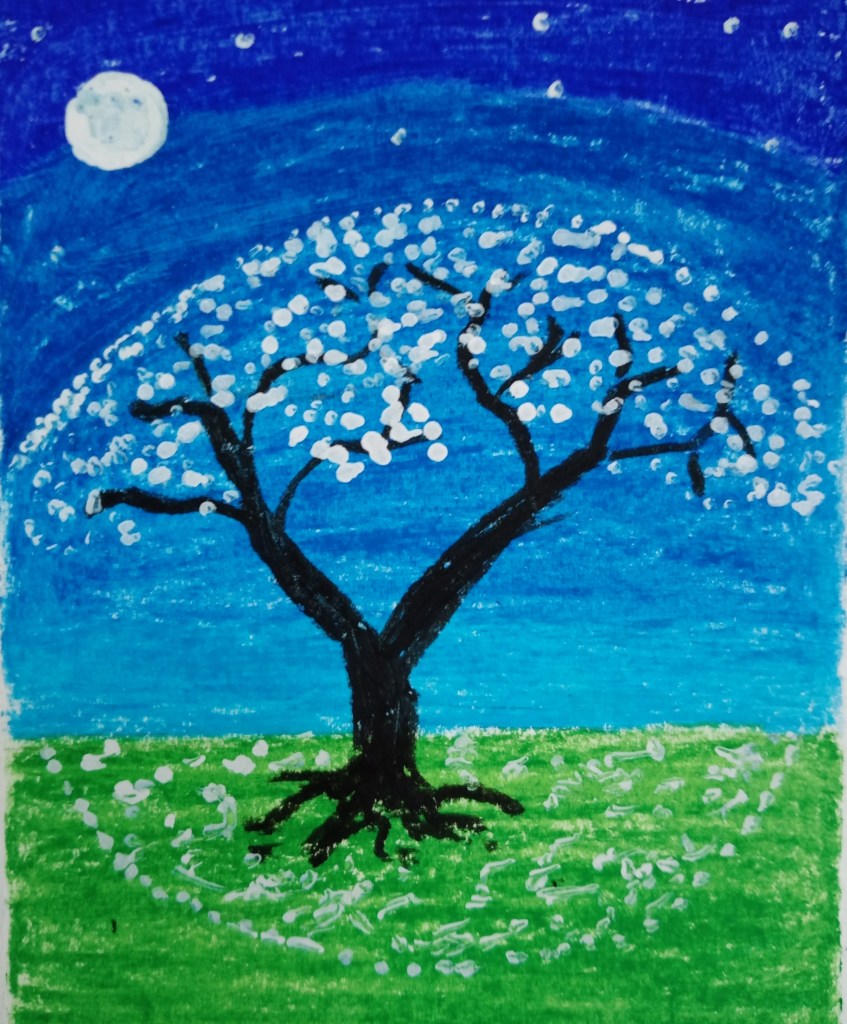
Painting by Sohana Manzoor

What will the New Year bring? Will it connect us all like a tree that has its roots deep in the Earth but reaches out to the sky with its branches rearing high? Its blooms seem like stars on the planet, connecting all life and non-living in its embrace. We hope as global consciousness grows for living in harmony with nature and science, love and kindness, may we all move towards a better more connected world. We, at Borderless Journal, wish you all a happy start to a wonderful New Year!

Our oeuvre this time brings to you a selection from the year 2021 that showcases the change makers we met, and writing that with their values connect us or ring with goodwill and look forward to a better future.

Meet & Greet

These are people you can meet on our pages — people who impact the world in a way that touches lives.

Goutam Ghose, who finds colouring the world with syncretic lore as the best alternative to sectarian violence. Click here to read.

Anvita Abbi, an empathetic linguist who builds bridges to create a seamless world, accepting and co-existing with different ways of life as colours of a rainbow. Click here to read.

Nazes Afroz translated a book on Afghanistan by Tagore’s disciple, Syed Mujtaba Ali, a memoir that shows the roots of the current crises go deep. Also, a senior BBC editor of South Asia, Afroz takes us through the situation with compassion. Click here to read.

Jessica Mudditt travelled to Myanmar and wrote a book, which is an eye-opener about the current situation. She was brought to focus by Keith Lyons who interviewed her for us. Click here to read.

Sanjay Kumar founded Pandies, an activist theatre group that educates, bridging gaps between the divides of University educated and the less fortunate who people slums or terror zones. Click here to read.

 Sybil Pretious, a teacher who has taught in six countries to impact children, starting her career in Africa and living through and beyond Apartheid. Click here to read.

Poetry

Robert Burns & Tagore in Harmony : A transcreation of Tagore’s song, Purano Sei Diner Kotha, based on Robert Burn’s poem associated with new year’s revelries. Click here to read.

Snowball Earth: A long poem by Rhys Hughes in the spirit of a modern man’s Auld Lang Syne, touching on our climate debacle. Click here to read.

Gathering Blossoms: Poetry by Michael R Burch that lingers in the heart. Click here to read.

Humour

Travels & Holidays: Humour from Rabindranath: Translated from the original Bengali by Somdatta Mandal, these are Tagore’s essays and letters laced with humour. Click here to read.

Surviving to Tell a Pony-tale: Devraj Singh Kalsi journeys up a hill on a pony and gives a sedately hilarious account. Click here to read.

 Trouser Hermits: Rhys Hughes muses over men’s attire and the lack of them. Click here to read.

Prose

Temples and Mosques: Kazi Nazrul Islam’s fiery essay on the need for a syncretic lore translated by Sohana Manzoor. Click here to read.

To Infinity & Beyond!: Candice Louisa Daquin explores the magic of space travel. Click here to read.

Near the River Chenab and Under The trees: Sunil Sharma in a poignant telling takes us on a journey to the banks of a river where life, love and death sheathed in terrorism cumulate to a peak. Click here to read.

Richard Hughes: The Reporter Who Inspired Ian Fleming: Bhaskar Parichha showcases a journalist who wrote globally, spicing it up with humour. Click here to read.

The Lords of Lights: With photographs and a story, Penny Wilkes makes an interesting new legend. Click here to read.

Categories
Poetry

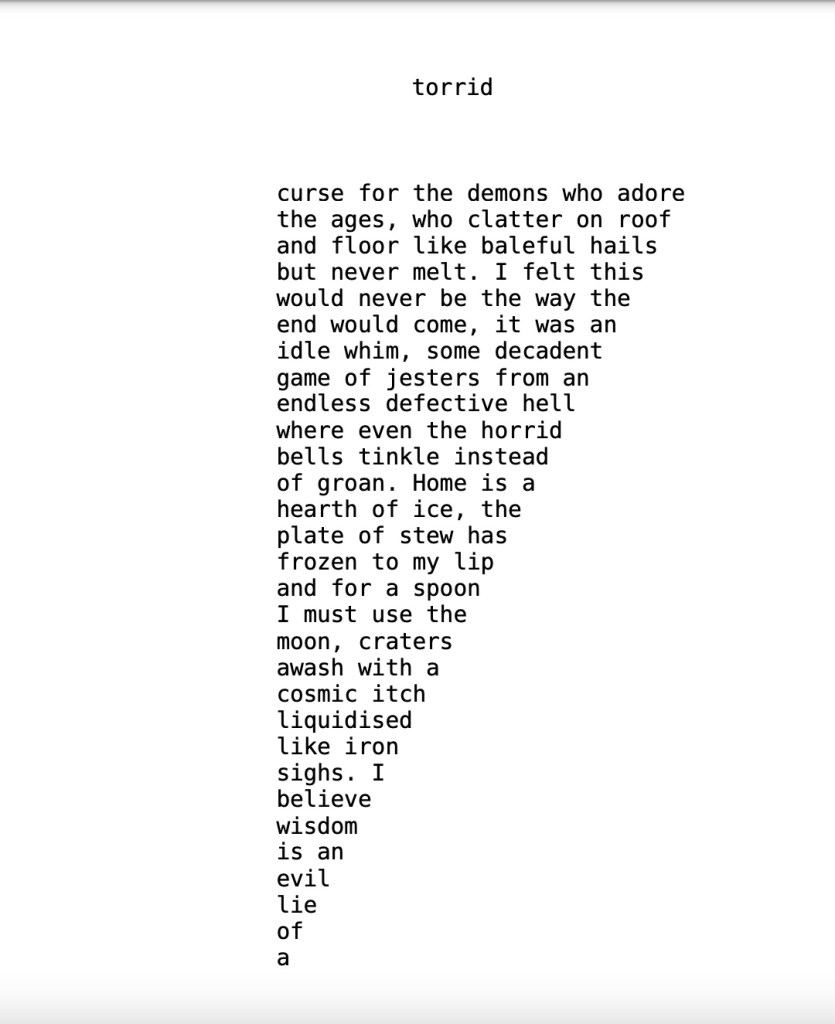
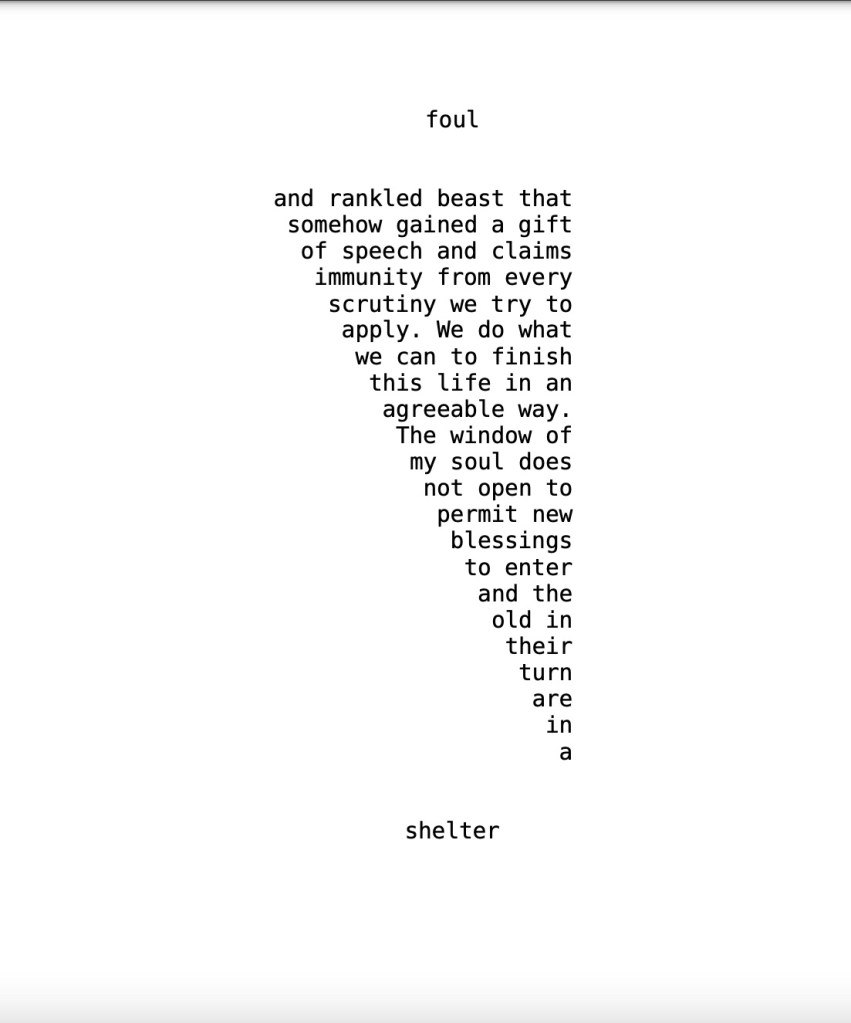
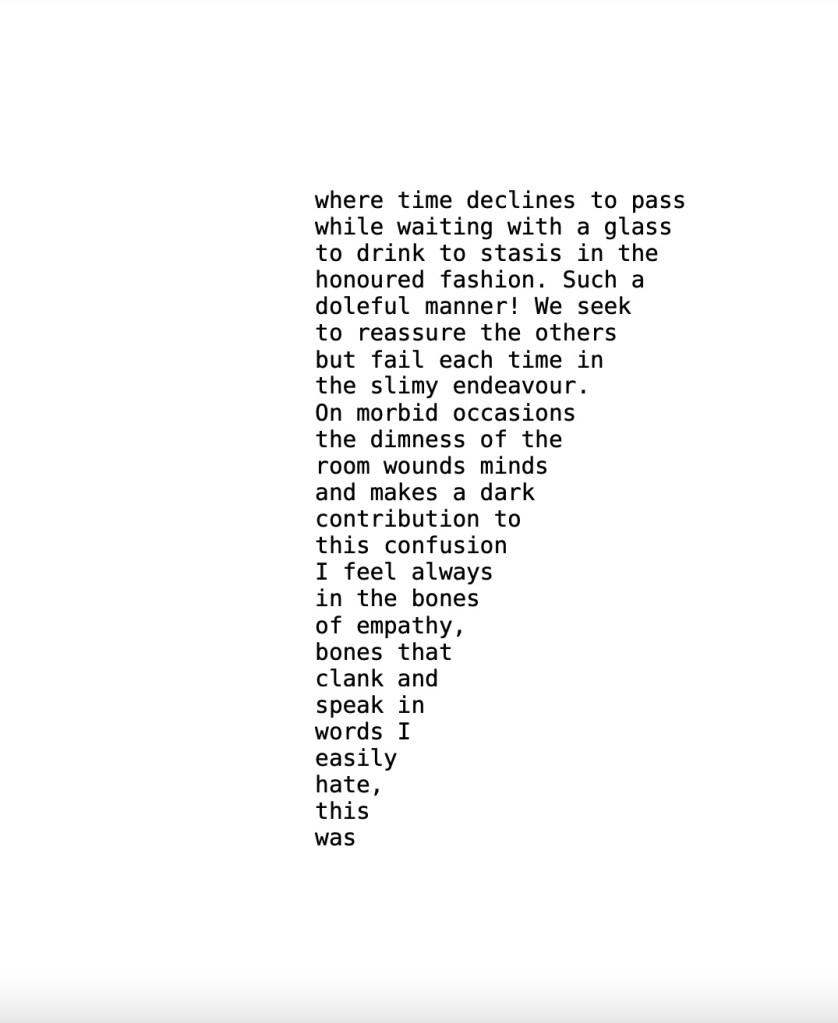
Snowball Earth by Rhys Hughes

.

Rhys Hughes has lived in many countries. He graduated as an engineer but currently works as a tutor of mathematics. Since his first book was published in 1995 he has had fifty other books published and his work has been translated into ten languages.

.

PLEASE NOTE: ARTICLES CAN ONLY BE REPRODUCED IN OTHER SITES WITH DUE ACKNOWLEDGEMENT TO BORDERLESS JOURNAL
Categories
Greetings from Borderless

Merry Christmas

Christmas Candle: Painting by Sybil Pretious

Christmas brings not just the end of the year closer to us but also the spirit of loving and giving. The festival generates a feeling of hope in our hearts for a better New Year. The world links up together to celebrate this day which has a touch of beliefs from earlier times. Some connect to the festival with religious beliefs but others join in with the feeling of goodwill generated by the season, to celebrate in winter, summer or tropical weather with the same zest. In the same spirit, we at Borderless wish all of you fabulous Christmas holidays. 

For your entertainment, we have put together some pieces which not only showcases writings around the festival but the spirit that revives hope unfailingly each year. As a special Christmas bonanza to our readers, we would like to also present a selection of a few eminent authors who have added lustre to the gems in our treasure chest.

Enjoy our oeuvre & Merry Christmas!

Poetry

Christmas Poems by Rhys Hughes. Click here to read.

One Star by Ihlawha Choi. Click here to read.

Christmas Cheer by Malachi Edwin Vethamani. Click here to read.

Prose

Rakhamaninov’s Sonata

A short story by Sherzod Artikov, translated from Uzbeki by Nigora Mukhammad. Click here to read.

Hold the Roast Turkey Please Santa !

Celebrating the festive season off-season with Keith Lyons from New Zealand, where summer solstice and Christmas fall around the same time. Click here to read.

Authors from Around the World

We have an amalgam of writers from across borders who will bring the flavours of their part of the world right up to your doorstep.

Jared Carter: Click here to read.

Akbar Barakzai: Click here to read

Suzanne Kamata: Click here to read

Arundhathi Subramaniam: Click here to read

Aruna Chakravarti: Click here to read

Fakrul Alam: Click here to read

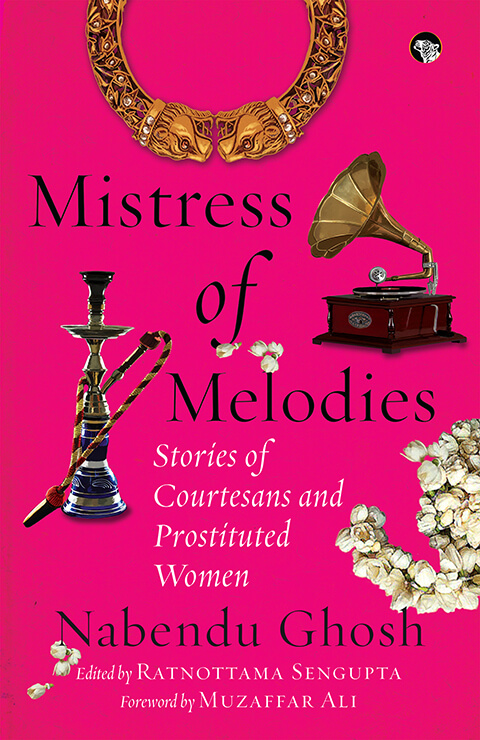
Ratnottama Sengupta: Click here to read

Somdatta Mandal: Click here to read

Categories
Author Page

Ratnottama Sengupta

Ratnottama Sengupta, formerly Arts Editor of The Times of India, teaches mass communication and film appreciation, curates film festivals and art exhibitions, and translates and write books. She has been a member of CBFC (Certified Board of Film Certification), served on the National Film Awards jury and has herself won a National Award. 

Conversations

‘He made History stand still on his Pages’

A conversation about an eminent screenwriter and author, Nabendu Ghosh. His daughter, senior journalist Ratnottama Sengupta, unfolds stories about her father. Click here to read.

Words and Worlds of Bollywood Star Deepti Naval

Eminent film journalist, Ratnottama Senguptaconverses with legendary actress, Deepti Naval, on her literary aspirations at the Simla Literary festival, Unmesh, in June 2022. Click here to read.

Interviewing Bulbul: Remembering Mrinal Sen… 

Ratnottama Sengupta introduces Bulbul Sharma to converse with her on Mrinal Sen, the legendary filmmaker, reflecting on Bulbul Sharma’s experience as an actress in his film, Interview. Click here to read.

Poetry

Poetry by Ratnottama Sengupta… Click here to read.

Prose

Abol Tabol: No Nonsense Verses of Sukumar Ray

Ratnottama Sengupta relives the fascination of Sukumar Ray’s Abol Tabol, which has  just completed its centenary. Click here to read.

The Story of a Land at War with Itself

Ratnottama Sengupta presents the first hand account of the war in Bosnia-Herzegovina (1992-1995) from a letter from her brother, who was posted there as part of the peace-keeping troops. Click here to read.

Moving Images of Tagore

Ratnottama Sengupta talks of Tagore and cinema. Click here to read.

A Towering Inferno, A Girl-next-door & the Big City

Ratnottama Sengupta writes of actress Jaya Bachchan recounting her first day on the sets of Satyajit Ray’s Mahanagar. Click here to read.

Magic of the Mahatma & Nabendu

Ratnottama Sengupta shows the impact of Gandhi and his call for non-violence on Nabendu Ghosh as she continues to emote over his message of Ahimsa and call for peace amidst rioting. Click here to read.

Which way, wanderer? Lyric or screenplay…

Ratnottama Sengupta explores the poetry in lyrics of Bollywood songsdiscussing the Sahityotsav (Literary Festival) hosted by the Sahitya Akademi. Click here to read.

When ‘they’ Danced…

Ratnottama Sengupta discusses the unique Bhooter Naach or the Ghost Dance, in Satyajit Ray’s Goopy Gyne Bagha Byne. Click here to read.

The Roy Senguptas

Ratnottama Sengupta continues with her own family saga looking back to the last century. Click here to read.

A Solitary Pursuit: The Art of Suhas Roy

Ratnottama Sengupta journeys with the signature art of Suhas Roy as it transformed in theme, style, and medium. Click here to read.

Ghosh & Company

Ratnottama Sengupta relives the past. Click here to read.

Freedom is another word for… Zohra Sehgal

Ratnottama Sengupta gives a glimpse of the life of Zohra Sehgal, based on the book Zohra: A Biography in Four Acts by Ritu Menon, and her own personal interactions with the aging Zohra Sehgal. Click here to read.

In Memoriam: Star of the Stage Shines on Screen

Ratnottama Sengupta pays a tribute to famed actress, Swatilekha Sengupta (May 1950- June 2021). Click here to read.

A Special Tribute

In Jean Claude Carriere: A Writer for all DirectorsRatnottama Sengupta pays homage to Jean Claude Carriere (1931-2021), the legendary screenwriter of Peter Brook’s Mahabharata. Click here to read.

When will we ever learn? Oh, will we ever learn? 

Ratnottama Sengupta, comments on the current situation in Ukraine while dwelling on her memorable meeting with folk legend Pete Seeger, a pacifist, who wrote ‘Where have all the Flowers gone’, based on a folk song from Ukraine. Click here to read.

Beg Your Pardon

Ratnottama Sengupta explores beggary in fact, films and fiction. Click here to read.

Dhaka Book Fair: A Mansion and a Movement

Ratnottama Sengupta writes of a time a palace called Bardhaman House became the centre of a unique tryst against cultural hegemony. The Language Movement of 1952 that started in Dhaka led to the birth of Bangladesh in 1971. In 1999, UNESCO recognised February 21 as the Mother Language Day. Click here to read.

Requiem for the Melody Queen

Ratnottama Sengupta sings her own paean in which a chorus of voices across the world join her to pay a tribute to a legend called Lata Mangeshkar. Click here to read.

For the Want of a Cloth

Ratnottama Sengupta muses on an NGO who has won a Magsaysay Award for his work with cloth distribution in India contextualising it against the issues raised in Give Me a Rag, Please by Nabendu Ghosh. Click here to read.

Two Birds

Ratnottama Sengupta muses as she translates a Tagore’s song. Click here to read.

Joy Bangla: Memories of 1971

Ratnottama Sengupta recaptures a time when as a teenager she witnessed a war that was fought to retain a language and culture. Click here to read.

Dilip Kumar: Kohinoor-e-Hind

In a tribute to Bollywood legend Dileep Kumar,  Ratnottama Sengupta recollects the days the great actor sprinted about on the sets of Bombay’s studios …spiced up with fragments from the autobiography of Sengupta’s father, Nabendu Ghosh. Click here to read. 

Yesterday Once More?

Ratnottama Sengupta recalls her experiences of the Egyptian unrest while covering the 35th Cairo International Film Festival in 2012. Click here to read.

Gliding along the Silk Route

Ratnottama Sengupta recaps about the silk route. Click here to read and find out more.

When Needles Became Canons…

Ratnottama Sengupta gives us the role ‘kanthas’ (hand-embroidered mats, made of old rags) played in India’s freedom struggle. Click here to read.

How Green was our Valley

Ratnottama Sengupta goes back to her childhood Mumbai to the mid-twentieth century. Click here to read.

The Worshipper of Mother Earth: A Nostalgic journey

Ratnottama Sengupta journeys to show how past and present are interlinked in art and pays tribute to a polyglot, Maniklal Chatterjee. Click here to read.

Wisdom of the Wild

Ratnottama Sengupta muses on the wisdom of the wild in a storm. Click here to read.

In Praise of Translations

Ratnottama Sengupta discusses how translations impact the world of literature. Click here to read.

Translations

Gandhiji, a short story by Nabendu Ghosh, has been translated from Bengali by Ratnottama Sengupta. Click here to read.

A translation from Nabendu Ghosh’s autobiography, Eka Naukar Jatri (Journey of a Lonesome Boat), translated by Dipankar Ghosh, from Bengali post scripted by Ratnottama Sengupta. Click here to read.

Down the stairs by Nabendu Ghosh, a gripping story exploring the greyer areas of ethical dilemmas, has been translated by Sarmishta Mukhopadhyay with editorial input from Ratnottama Sengupta. Click here to read.

Give Me A Rag, Please:A short story by Nabendu Ghosh, translated by Ratnottama Sengupta, set in the 1943 Bengal Famine, which reflects on man’s basic needs. Click here to read.

Ratnottama Sengupta translates Bengali poet Michael Madhusudan Dutt’s Bijoya Doushami. Click here to read.

Colour the World: Rangiye Diye Jao, a song by Tagore, transcreated by Ratnottama Sengupta. Click here to read.

Satyajit Ray, Bibhuti Bhushan & Nabendu Ghosh and a Famous Triology: To mark the birth centenary of Satyajit Ray, Ratnottama Sengupta translates from Nabendu Ghosh’s autobiography experience of Pather PanchaliSong of the Road) — between covers and on screen. Click here to read.

Yet, Forget Me Not…: Short story by actress film-maker Aparajita Ghosh translated from Bengali by Ratnottama Sengupta. Click here to read.

Across Time: Ratnottama Sengupta transcreates three poems from Bengali. Click here to read.

An August Account of ‘Quit India’ Movement: Ratnottama Sengupta translates from Bengali the excerpts recorded by Sandhya Sinha (1928-2016), who witnessed an upsurge in the wake of the Quit India Movement, part of India’s struggle against colonial rule. Click here to read.

The Magic Spell of Scheherazade’s Nights: Translated by Ratnottama Sengupta, these are reflections by Sandhya Sinha (1928-2016) on the magic of storytelling in Arabian Nights. Click here to read.

The Awaited Mother’s Day: Translated by Ratnottama Sengupta, a short story by Sandhya Sinha (1928-2016). Click here to read.

Categories
Author Page

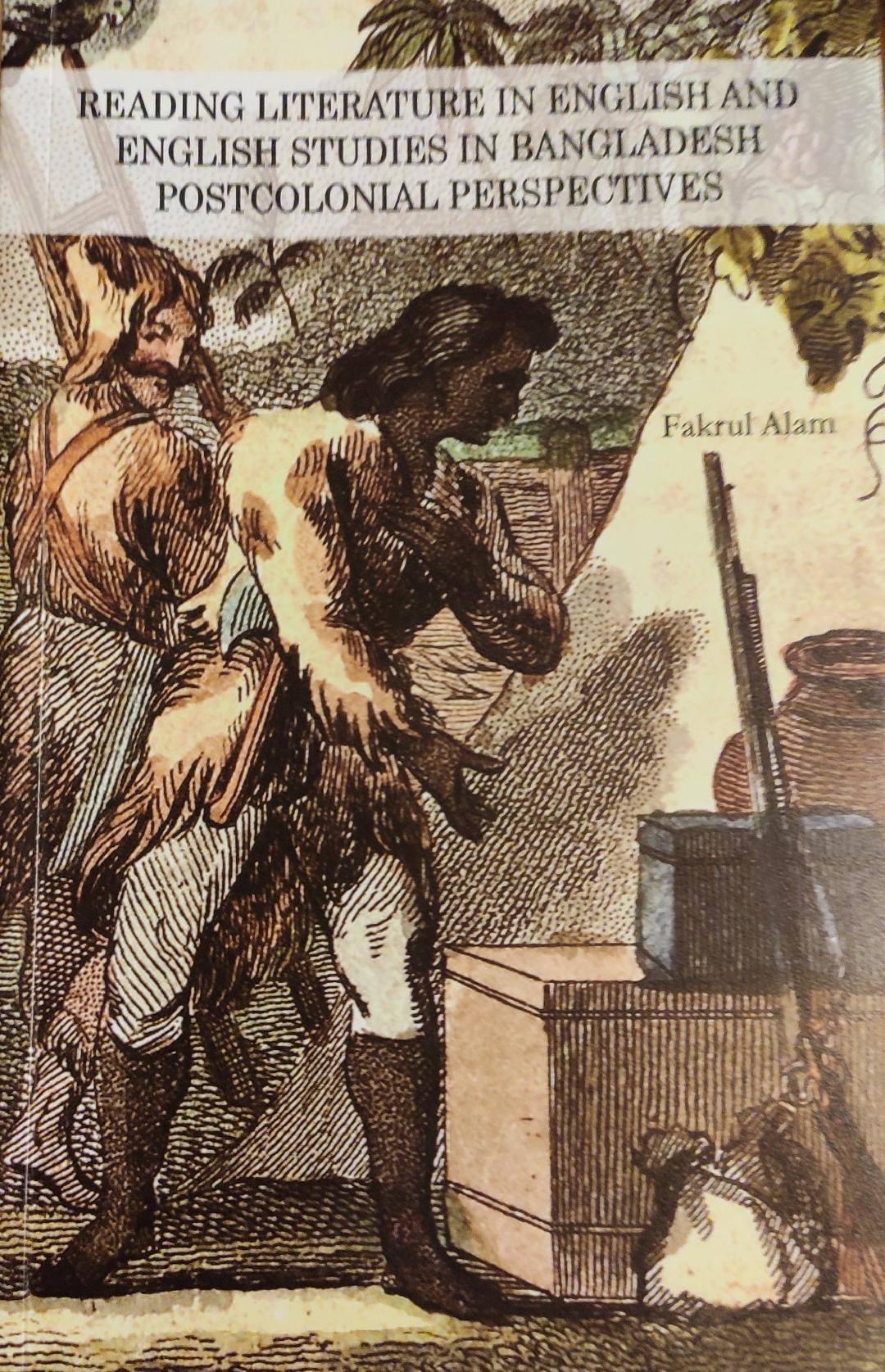
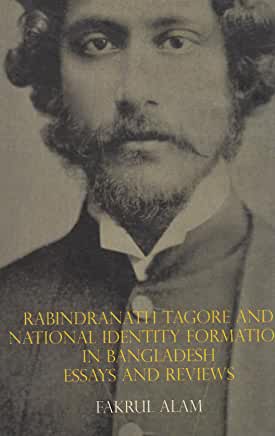
Fakrul Alam

Fakrul Alam is an academic, translator and writer from Bangladesh. He has translated works of Jibanananda Das and Rabindranath Tagore into English and is the recipient of Bangla Academy Literary Award (2012) for translation and SAARC Literary Award (2012).

Interviews

In Conversation with Fakrul Alam … Click here to read.

Professor Fakrul Alam discusses his new book of Tagore translations, Gitabitan: Selected Song-Lyrics of Rabindranath Tagore. Click here to read.

Essays

‘What remains is darkness and facing me – Banalata Sen!’

Rakibul Hasan Khan explores death and darkness in Fakrul Alam’s translation of Jibanananda Das’s poetry. Click here to read.

The Birth of Bangladesh & the University of Dhaka

Professor Fakrul Alam takes us through the three Partitions of Bengal which ultimately led to the creation of Bangladesh, with focus on the role of Dhaka University. Click here to read.

My Favourite Book by Fakrul Alam

The essay is a journey into Fakrul Alam’s evolution as a translator. Click here to read.

Rabindranath’s Monsoonal Music 

Professor Fakrul Alam brings to us Tagore songs in translation and in discussion on the season that follows the scorching heat of summer months. Click here to read.

Discovering Rabindranath and My Own Self

Professor Fakrul Alam muses on the impact of Tagore in his life. Click here to read.

Ah Nana Bari! 

Fakrul Alam writes nostalgically of his visits to Feni in Noakhali, a small town which now suffers from severe flooding due to climate change. Click here to read.

Memories of Durga Puja 

Fakrul Alam recalls the festivities of Durga Puja in Dhaka during his childhood. Click here to read.

Book Excerpt

Two Banalata Sen poems excerpted from Jibanananda Das: Selected Poems with an Introduction, Chronology and Glossary, translated from Bengali by Fakrul Alam. Click here to read.

Translations

Songs of Seasons: Translated by Fakrul Alam

Bangla Academy literary award winning translator, Dr Fakrul Alam, translates seven seasonal songs of Tagore. Click here to read.

  • Garland of Lightening Gems (Bajromanik Diye Gantha
  • In The Thunderous Clouds (Oi Je Jhorer Meghe
  • The Tune of the New Clouds (Aaj Nobeen Megher Shoor Legeche)
  • The Sky’s Musings (Aaj Akashe Moner Kotha
  • Under the Kadamba Trees (Esho Nipo Bone
  • Tear-filled Sorrow (Ashrubhara Bedona)

The Quest for Home: Nazrul’s Kon Kule Aaj Bhirlo Tori translated from Bengali by Professor Fakrul Alam. Click here to read.

Rebel or ‘Bidrohi’: Nazrul’s signature poem, Bidrohi, translated by Professor Fakrul Alam. Click here to read.

Poetry by Jibananda: Translated from Bengali by Fakrul Alam, two poem by the late Jibananda Das. Click here to read.

If Life were Eternal: Professor Fakrul Alam translates one poem by Jibananada Das from Bengali. Click here to read.

One Day in the Fog: Poetry by Jibananda Das and translated from Bengali by Professor Fakrul Alam. Click here to read.

Endless Love: Tagore Translated by Fakrul Alam: Ananto Prem (Endless Love) by Tagore, translated from Bengali by Professor Fakrul Alam. Click here to read.

Jibananda Das’s All Afternoon Long, translated from Bengali by Fakrul Alam. Click here to read.

Three Shorter Poems of Jibananda Das have been translated from Bengali by Professor Fakrul Alam. Click here to read.

Giraffe’s Dad by Tagore: Giraffer Baba (Giraffe’s Dad), a short humorous poem by Tagore, has been translated from Bengali by Professor Fakrul Alam. Click here to read. 

Oikotan (Harmonising) has been translated by Professor Fakrul Alam and published specially to commemorate Tagore’s Birth Anniversary. Click here to read.

Monomor Megher Songi (or The Cloud, My friend) has been translated by Professor Fakrul Alam. Click here to read.

Arise, Arise O Patriot! and Helmsman Attention! by Kazi Nazrul Islam have been translated from Bengali by Professor Fakrul Alam. Click here to read.

Professor Fakrul Alam has translated three Tagore songs around autumn from Bengali. Click here to read

Daridro or Poverty by Nazrul has been translated from Bengali by Professor Fakrul Alam. Click here to read.

Rows of Betelnut Trees by My Window by Nazrul has been translated from Bengali by Professor Fakrul Alam. Click here to read.

Nazrul’s Why Provide Thorns has been translated from Bengali by Professor Fakrul Alam. Click here to read.

Nazrul’s Ring Bells of Victory has been translated from Bengali by Professor Fakrul Alam. Click here to read. 

Masud Khan’s History has been translated from Bengali by Professor Fakrul Alam. Click here to read. 

Kurigram by Masud Khan has been translated by Professor Fakrul Alam from Bangla. Click here to read. 

Many Splendored Love, four poems by Masud Khan, have been translated from Bengali by Fakrul Alam. Click here to read. 

Carnival Time by Masud Khan has been translated from the Bengali poem by Fakrul Alam. Click here to read.

Three poems by Masud Khan have been translated from Bengali by Professor Fakrul Alam. Click here to read.

Poetry on Rain by Masud Khan has been translated from Bengali by Professor Fakrul Alam. Click here to read.

Masud Khan’s poem, In Another Galaxy, has been translated from Bengali by Professor Fakrul Alam. Click here to read.

A Hunger for Stories, a poem by Quazi Johirul Islam, has been translated by Professor Fakrul Alam. Click here to read.

Barnes and Nobles by Quazi Johirul Islam has been translated from Bengali by Professor Fakrul Alam. Click here to read.

Demanding Longevity by Quazi Johirul Islam has been translated from Bengali by Fakrul Alam. Clickhere to read.

The White-Coloured Book, a poem by Quazi Johirul Islam has translated from Bengali by Professor Fakrul Alam. Click here to read.

Nazrul’s rejoinder to Tagore’s 1400 Saal has been translated from Bengali by Professor Fakrul Alam. Click here to read.

Masud Khan’s Fire Engine has been translated from Bengali by Fakrul Alam. Click here to read.

Masud Khan’s poetry has been translated by Fakrul Alam. Click here to read.

Nazrul’s Amamai Nahi Go Bhalobashleo (Even if you don’t love me) has been translated by Professor Fakrul Alam from Bengali. Click here to read.

Projapoti (Butterfly) by Nazrul has been translated by Fakrul Alam from Bengali. Click here to read.

Nazrul’s Nur Jahan, the Mughal empress, has been translated from Bengali to English by Professor Fakrul Alam. Click here to read.

Tagore’s Achhe Dukhu, Achhe Mrityu(Sorrow Exists, Death Exists) has been translated from Bengali by Fakrul Alam. Click here to read.

Nazrul’s Ghumaite Dao Shranto Robi Re (Let Robi Sleep in Peace) has been translated from Bengali by Professor Fakrul Alam. Click here to read.

Two Songs of Parting by Nazrul have been translated by Professor Fakrul Alam. Click here to read. 

Nazrul’s Roomu Jhoomu Roomu Jhoomu has been transcreated from Bengali by Professor Fakrul Alam. Click here to read.

Nazrul’s Shukno Patar Nupur Paye (With Ankle Bells of dried leaves) has been translated from Bengali by Professor Fakrul Alam. Click here to read.