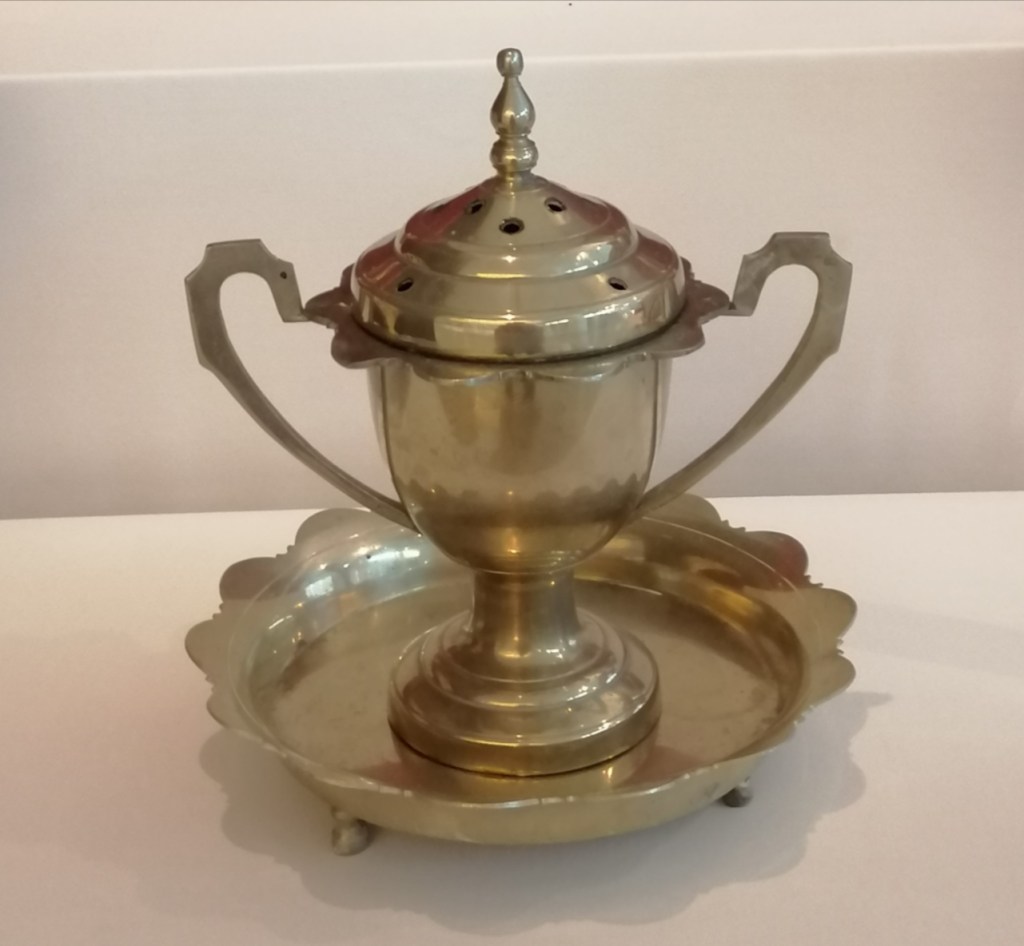
O, incense from rock and root! In the name of God and salutations to the Prophet, I sprinkle you onto the charcoal ember in the incense burner inherited from Elders. Ssseesshh! Ssseesshh! Ssseesshh! Billow across the span of humanity. Sharpen our senses, elevate our spirits, as an adornment of prayers for peace, as an accompaniment of the dead. Send blessings to the world of jinns and humans. The doors of servitude open, the purpose both are created. You are the balm for tormented souls. You welcome the mind into the realm of remembrance. Focus the soul on complete devotion to the One, the only One. Those with vague knowledge only see smoke of superstition, stupefied as rose water is sprinkled.
Ssseesshh! Ssseesshh! Ssseesshh!
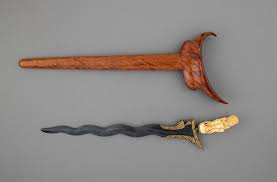
O, this servitude is indeed fragrant! O, this worship is indeed mystical and intimate to the One, the Only One. When the kris blade is smouldered by smoke, after washed with lime juice, in the name of God and salutations to the Prophet, the blade is dried and withstands rust, preserving inheritance and the calling. Culture and religion are intertwined, knowledge and understanding of the sacred realm that bless the worlds of jinns and humans. The doors of servitude open, creatures of the One, servants of the only One. O, this servitude is indeed fragrant! O, this worship is indeed mystical and intimate! Ssseesshh! Ssseesshh! Ssseesshh! Allah! Allah! Allah! My Lord!
DEBT
Hey, bestower of pleasure! Hey, the saving hand! I think I have been to hell: My soul is charred by sins, My mind is bombarded by doubt. I have rebelled against Me for fulfilling my desire. I think I have been to heaven: My soul is at peace with gratitude. My mind is still in acceptance. Everything has its place. Everything is measured. I am accepted by Me, mutual and pure. But return my will, return my future, return my entire me to the world and reality, from mere illusion, from every expectation. I want to live. I want to live. I want to live in a bit of doubt, in a pinch of rebellion, to learn by myself, to be in place and measured. Hey, bestower of pleasure! Hey, the saving hand! Let me pay my debt in feelings unsatiated.
THE MOUNTAIN God, smash the mountain in my soul. Obliterate the entire me with your Grace and Love. I could no longer bear the sufferings of alienation.
FIRASAT (Spiritual Intuition)
People nowadays do not know firasat. People nowadays do not use firasat. Purity brought down from Elders— the first intuition without veil, the stirrings and effects of unity of experience: Nature, knowledge, and actions unified, moved by the eye of the soul, nurtured by the discipline of the mind, based on strings of reiterative knowledge, demonstrated by signs from layers of Nature, validated by proofs in actions and breaths. The mind, soul, and spirit moulded in the self and surroundings. Ever since it is compartmentalised by thoughts that distinguish object from subject, dissecting issues to the atom, limiting conclusions and acceptance, denying possibilities and visions, veiling light by separation of knowledge. Is not this world a mirror? Is not this universe a sign? Is not this life a labyrinth? Is not a problem interlinked? Science, philosophy, psychology, history, and religion are only points of view that need to be reunified, that need to be rejuvenated as a whole with stirrings and effects of firasat that will pierce layers of existence, that will open secret doors of the manifest, symbolic, transcendent, and immanent worlds. Are not all that fall from the sky, grow on the surface of the earth, and return to the sky a belief in the unity of everything? So, the dust that floats in the air remembers the moment of attesting of the spirit that is gently blown at the boundaries of seven worlds. "Am I not your Lord?" The Malay testifies in firasat: "Yes, we affirm!"
Isa Kamari has written 12 novels, 3 collections of poetry, a collection of short stories, a book of essays on Singapore Malay poetry, a collection of theatre scripts and lyrics of 3 music albums, all in Malay. His novels have been translated into English, Turkish, Urdu, Arabic, Indonesian, Jawi, Russian, French, Spanish, Korean, Azerbaijan and Mandarin. Several of his essays and selected poems have been translated into English. Isa was conferred the S.E.A Write Award from Thailand (2006), the Singapore Cultural Medallion (2007), the Anugerah Tun Seri Lanang (2009) from the Singapore Malay Language Council, and the Mastera Literary Award (2018) from Brunei Darussalam.
He obtained a BArch (Hons) from the National University of Singapore in 1989, an MPhil (Malay Letters) from Universiti Kebangsaan Malaysia in 2008 and is currently pursuing a PhD programme at the Academy of Islamic Studies, Univeristi Malaya. His area of research is on the problem of alienation and the practice of firasat (spiritual intuition) in selected Singapore Malay novels.
The Lost Mantras is a collection that blends spirituality, Malay cultural heritage, and universal human experience. First published as part of Menyap Cinta (Love Greetings, 2022, Nuha Books KL), these poems are like a bridge between mysticism and everyday life, where traditional images (betel, jasmine, kris[1], oil lamps, setanjak[2]) are woven with Qur’anic echoes, prayers, and existential questioning. The collection carries a Sufi resonance—always circling back to longing, humility, surrender, and beauty as signs of God. The poems are not only lyrical but also function as cultural memory: they preserve Malay traditions, communal practices, and village life, while situating them in a cosmic framework of faith, sin, and redemption. The use of Malay customs, rituals, and objects is powerful: it asserts that spirituality is not abstract but embedded in heritage. This makes the collection uniquely Southeast Asian despite its universal in appeal.
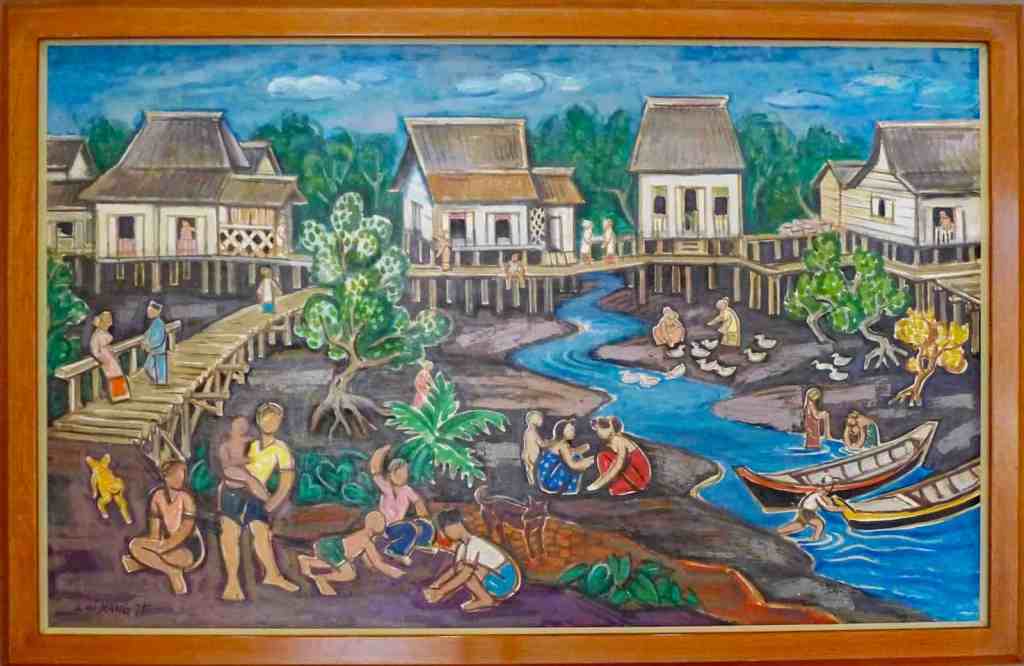
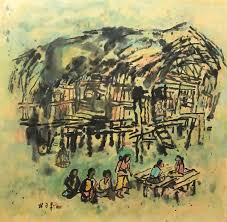
Life By the River by Liu Kang (1911-2004)Kampung Life by Lim Tze Peng (1921-2025)Depiction of Kampung or village life in Singapore more than fifty years ago. From Public Domain
THE BENCH

The melodious magpie on the bamboo twig --
the passing breeze welcomed the chirping.
Sitting on a dilapidated wooden bench,
under the thick canopy of the mango tree,
village folks rested in the shade,
calming the tremors of troubled hearts.
The hardship evident in the sighs,
still hopeful of tomorrow’s dreams,
drying the sweat of weariness.
Honest earnings chased away worries.
A pinch on the thigh, a cry of pain.
Laughter and jokes were shared merrily,
teasing the maiden sitting by the door,
smiling sheepishly, welcoming attention.
Recollecting a slice of an old tale,
fun and camaraderie were reminisced,
firm and amicable bonds were fostered.
It’s but a memory. It’s but a memory. It’s but a memory.
Now alone in a room,
gazing at the handphone screen,
chatting aimlessly in social media—
do we remember and long for the dilapidated bench,
crafting old tales, forging firm and amicable bonds?
Do we remember and pine
for the maiden sitting by the door?


CUSTOMS

Customs are not like banana fritters
coated with rice flour, dipped in hot oil,
served instantly, crispy and delicious, eaten warm,
accompanied by sips from a cup of black coffee.
Customs are like rain
that falls on the whims of the weather.
It’s always there, although infrequent,
temperamental and purposeful,
sometimes an inconvenience— plans thwarted—
but always invigorating
and instils a sense of acceptance.
If received with gratitude,
directed with perseverance,
and tempered with wisdom.
Life is beautiful with droplets of grace.
Life is fertile with the pouring of bounties.
Life is prosperous with love bestowed.
Customs make the earth supple.
Customs make the village noble.
Customs make a people well-mannered.
Once in a while,
relish a crispy banana fritter
and sip warm black coffee
while it rains cats and dogs.
Momentary disruption of plans,
the alleys and roads flooded—
moments of reflection,
moments of appreciation for the day,
is inherent in droplets of grace,
inherent in the pouring of bounties,
inherent in love bestowed.
Shifting of time and signs
the soil is tilled with purpose.
The village gathers and collectively agrees,
the people ready to realise
aspirations of good character
and respected stature.


SMOKE

Like smoke billowing amidst rubbish,
he burns his self-worth,
dances in the flames,
when the fire is meant
to warm breakfast and meals to school.
Now like smoke,
his children are floating,
begging for favours
at tips of cigarettes and cars’ exhaust pipes,
crushed by confusion in the stifling air.
Who would be hungry
if the smoke does not billow in the kitchen,
and for generations,
our humanity returns uncooked to God?


CURSE OF A WARRIOR

Hail the snake and its venom!
Call it a callous and rebellious act!
Shame be endured,
head decapitated!
Surrender not, carry the corpse!
Foolish is the mind,
desperate are the moves.
Let death fulfil the curses.
Let death be executed by the Angel.
Destroy my body, take my soul.
The wooden club hit the coffin.
Pierce my tongue and neck.
Stab my chest, guts dis-embowelled.
Blood spurts, life departs.
The warrior kisses the earth.
Blood turns into pus.
Pus turns into ambers of Hell.
Let me die so you die.
Let us die so everyone dies.
I give you my sin, my hurt, my sadness.
You’ll bathe in blood.
Isa Kamari has written 12 novels, 3 collections of poetry, a collection of short stories, a book of essays on Singapore Malay poetry, a collection of theatre scripts and lyrics of 3 music albums, all in Malay. His novels have been translated into English, Turkish, Urdu, Arabic, Indonesian, Jawi, Russian, French, Spanish, Korean, Azerbaijan and Mandarin. Several of his essays and selected poems have been translated into English. Isa was conferred the S.E.A Write Award from Thailand (2006), the Singapore Cultural Medallion (2007), the Anugerah Tun Seri Lanang (2009) from the Singapore Malay Language Council, and the Mastera Literary Award (2018) from Brunei Darussalam.
He obtained a BArch (Hons) from the National University of Singapore in 1989, an MPhil (Malay Letters) from Universiti Kebangsaan Malaysia in 2008 and is currently pursuing a PhD programme at the Academy of Islamic Studies, Univeristi Malaya. His area of research is on the problem of alienation and the practice of firasat (spiritual intuition) in selected Singapore Malay novels.
The Lost Mantras is a collection that blends spirituality, Malay cultural heritage, and universal human experience. First published as part of Menyap Cinta (Love Greetings, 2022, Nuha Books KL), these poems are like a bridge between mysticism and everyday life, where traditional images (betel, jasmine, kris[1], oil lamps, setanjak[2]) are woven with Qur’anic echoes, prayers, and existential questioning. The collection carries a Sufi resonance—always circling back to longing, humility, surrender, and beauty as signs of God. The poems are not only lyrical but also function as cultural memory: they preserve Malay traditions, communal practices, and village life, while situating them in a cosmic framework of faith, sin, and redemption. The use of Malay customs, rituals, and objects is powerful: it asserts that spirituality is not abstract but embedded in heritage. This makes the collection uniquely Southeast Asian despite its universal in appeal.
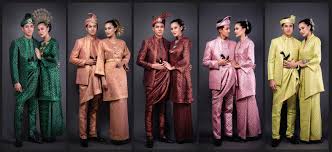
Women wearing baju kurongs and men wearing kain sampings. From Public Domain
OIL LAMPS

We did not taste chicken unless it was Hari Raya.
Mats laid on the corridor floor in front of ten doors—
the barrack houses at the end of Ramadan
decorated by oil lamps at each corner.
The gloomy village turned bright.
Each family brought out trays of varieties of dishes and cakes,
the feast welcoming Shawal.
The call of prayer from the radio,
followed by the hymns to glorify God.
Life in the village was indeed harmonious,
although sprinkled with misunderstandings,
slighted feelings throughout the year.
Exchanging delicious food,
extending congratulatory wishes,
laughter and tears flowed unimpeded.
The young proceeded to the field,
ignited the fuse of bamboo cannons
stuffed with carbide powder fodder.
The new moon was welcomed by blasts, claps, and cheers of happiness.
Flames of oil lamps swayed in the breeze,
resplendent till the morning,
before going to the mosque in groups,
wearing the baju kurung and kain samping.


THE BENCH

The melodious magpie on the bamboo twig,
the passing breeze welcomed the chirping.
Sitting on a dilapidated wooden bench,
the thick canopy of the mango tree,
village folks rested in the shade,
calming the tremors of troubled hearts.
The hardship evident in the sighs,
still hopeful of tomorrow’s dreams,
drying the sweat of weariness.
Honest earnings chased away worries.
A pinch on the thigh, a cry of pain,
laughter and jokes were shared merrily,
teasing the maiden sitting by the door,
smiling sheepishly, welcoming attention.
Recollecting a slice of an old tale,
fun and camaraderie were reminisced,
firm and amicable bonds were fostered.
It’s but a memory. It’s but a memory. It’s but a memory.
Now alone in a room,
gazing at the handphone screen,
chatting aimlessly in social media—
do we remember and long for the dilapidated bench,
crafting old tales, forging firm and amicable bonds?
Do we remember and pine
for the maiden sitting by the door?

CUSTOMS

Customs are not like banana fritters
coated with rice flour, dipped in hot oil,
served instantly, crispy and delicious, eaten warm,
accompanied by sips from a cup of black coffee.
Customs are like rain
that falls according to the weather.
It’s always there, although infrequent,
temperamental and purposeful,
sometimes an inconvenience— plans thwarted—
but always invigorating
and instils a sense of acceptance.
If received with gratitude,
directed with perseverance,
and tempered with wisdom,
life is beautiful with droplets of grace,
life is fertile with the pouring of bounties,
life is prosperous with love bestowed.
Customs make the earth supple.
Customs make the village noble.
Customs make a people well-mannered.
Once in a while,
relish a crispy banana fritter
and sip warm black coffee
while it rains cats and dogs.
Momentary disruption of plans,
the alleys and roads flooded—
a moment of reflection,
a moment of appreciation of the day,
inherent in droplets of grace,
inherent in the pouring of bounties,
inherent in love bestowed.
Shifting of time and signs
so the soil is tilled with purpose,
so the village gathers and collectively agrees,
the people ready to realise
aspirations of good character
and respected stature.

SIN

Sin is the earth,
Sin is the water,
Sin is the air,
Sin is the fire,
moved by a rebellious heart,
whispered by a vile intention.
Yes, Sin is the arrogance.
Yes, Sin is the pawn of power.
Yes, Sin is shamelessness.
Sin is a human,
who is given a will without limits,
without pity, who wants to be the reigning deity,
who wants to be the undeterred devil:
also, a human who chooses to want darkness,
wants to cheat, gorge, and be satiated:
the snake slithering in dark crevices,
the scorpion hiding in an undetected nest,
the leech waiting for prey in wetlands.
But Sin is the smelly compost that cultivates,
the cracked mirror that reflects form,
despondent valleys that look up to the summit,
tumultuous sea flowing from the openness of estuaries.
If the earth, water, air, and fire
are cleansed by seven skies, seven rivers, and seven blossoms,
moved by a modest heart,
whispered by a sincere intention,
Yes, the Sin will change to Repentance.
Yes, the Sin will change to Obedience.
The Sin will become Blissful and Fragrant.
Humanity.
Isa Kamari has written 12 novels, 3 collections of poetry, a collection of short stories, a book of essays on Singapore Malay poetry, a collection of theatre scripts and lyrics of 3 music albums, all in Malay. His novels have been translated into English, Turkish, Urdu, Arabic, Indonesian, Jawi, Russian, French, Spanish, Korean, Azerbaijan and Mandarin. Several of his essays and selected poems have been translated into English. Isa was conferred the S.E.A Write Award from Thailand (2006), the Singapore Cultural Medallion (2007), the Anugerah Tun Seri Lanang (2009) from the Singapore Malay Language Council, and the Mastera Literary Award (2018) from Brunei Darussalam.
He obtained a BArch (Hons) from the National University of Singapore in 1989, an MPhil (Malay Letters) from Universiti Kebangsaan Malaysia in 2008 and is currently pursuing a PhD programme at the Academy of Islamic Studies, Univeristi Malaya. His area of research is on the problem of alienation and the practice of firasat (spiritual intuition) in selected Singapore Malay novels.
The Lost Mantras is a collection that blends spirituality, Malay cultural heritage, and universal human experience. First published as part of Menyap Cinta (Love Greetings, 2022, Nuha Books KL), these poems are like a bridge between mysticism and everyday life, where traditional images (betel, jasmine, kris[1], oil lamps, setanjak[2]) are woven with Qur’anic echoes, prayers, and existential questioning. The collection carries a Sufi resonance—always circling back to longing, humility, surrender, and beauty as signs of God. The poems are not only lyrical but also function as cultural memory: they preserve Malay traditions, communal practices, and village life, while situating them in a cosmic framework of faith, sin, and redemption. The use of Malay customs, rituals, and objects is powerful: it asserts that spirituality is not abstract but embedded in heritage. This makes the collection uniquely Southeast Asian despite its universal in appeal.
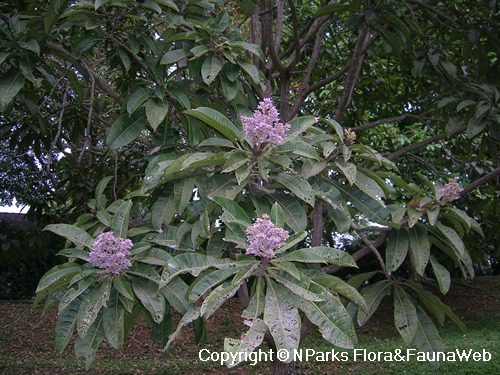
Flowers of Binjai Binja or White MangoFrom Public Domain
A SONG OF THE WIND

I surrender my body and soul
to smoke, steam, and mist,
which I gather with one last fibre of strength.
Listen to this lonesome song,
for the sun is envious of my existence.
This life yearns for separation;
frailty is only human.
Ballads after ballads you would know.
An honest young man is always chided for his age.
The unending love of parents
sometimes makes them act as dictators.
If you feel life as silkworms
dreaming of freedom,
just remember your wings have broken
the moment you willingly accept
the smoothness of silk.
If the clouds are too heavy
for the roof of your home,
call the wind, summon the earth.
Then you would taste the sweetness of charity.
But remember,
a barren land sometimes is best left barren,
for art also seeks justice.
Proclaim, but do not claim,
for your worth is still in a balance.
As life is a bountiful gift,
be discreet in giving alms,
but you must be brave to challenge,
although it means
you have to burn a piece of love letter.
For God is closer than your jugular vein.
I come to you from a dusty journey
where I gather smiles from smoke, steam, and mist.
Listen to this lonesome song for a while,
for I am envious of the ensuing dusk.

MOTHER

Oh, Allah,
I know of your Love
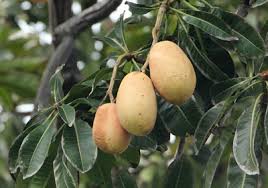
from the binjai which she craved for—
a slice from the only fruit plucked by a neighbour.
I know of your Mercy
from the warmth of the womb that protects a soul,
a frail presence in want of a mouthful of rice mixed
with soy sauce and fried fish,
under the thick foliage of the tree of Time,
offering shade to the unfolding age.
The moment she left to meet You,
the tree of Hope fell;
the kingdom of the Hereafter shook in my soul.
Parting will ultimately lead to meeting again.
Only to You I surrender,
begging for your love for Mother—
a straight path tracing her footsteps;
asking for your mercy for Mother—
which overrides your wrath over my life astray;
seeking your gentle affection,
as warm as Mother’s fingers.

TWEET

The chirping has escaped the cage.
The chirping is free; the trap is empty.
The chirping is returned and received.
The chirping is delirious on the rotten branch.
Your tail searches for the nest,
Your claws clench the twigs,
Your wings sift the wind,
Your beak catches the worm,
Your eyes survey the rainbow.
Hey you, the bird which has escaped!
Hey you, the bird which is free!
You bring along the cage in your flight.
The trap awaits your return.
If your tail is not guided by faith,
If your claws are not holding on to good deeds,
If your wings are not spreading grace,
If your beak is not chirping gratitude,
If your eyes are not seeking redemption—
Your song is a caged cry,
Your tweet is a prisoned anguish.
The resplendent feathers that you show off
are hiding a sadness as wide as the sky.

THE TRAIN

The door will close.
If religion is the track,
it does not determine
the path and destination for commuters.
They board and alight at different stations,
not the one, not the only one, not the same always.
Religion is like a map;
it does not make life boring,
does not block a journey,
shows the path anywhere you go,
not the one, not the only one, not the same always.
We are not carriages
that do not have choices.
Just make sure the meandering path is fun and secure,
the last stop safe and peaceful.
The door will close.
The One awaits there,
wherever it is.
The inside of a binjai mango. From Public Domain
Isa Kamari has written 12 novels, 3 collections of poetry, a collection of short stories, a book of essays on Singapore Malay poetry, a collection of theatre scripts and lyrics of 3 music albums, all in Malay. His novels have been translated into English, Turkish, Urdu, Arabic, Indonesian, Jawi, Russian, French, Spanish, Korean, Azerbaijan and Mandarin. Several of his essays and selected poems have been translated into English. Isa was conferred the S.E.A Write Award from Thailand (2006), the Singapore Cultural Medallion (2007), the Anugerah Tun Seri Lanang (2009) from the Singapore Malay Language Council, and the Mastera Literary Award (2018) from Brunei Darussalam.
He obtained a BArch (Hons) from the National University of Singapore in 1989, an MPhil (Malay Letters) from Universiti Kebangsaan Malaysia in 2008 and is currently pursuing a PhD programme at the Academy of Islamic Studies, Univeristi Malaya. His area of research is on the problem of alienation and the practice of firasat (spiritual intuition) in selected Singapore Malay novels.
The Lost Mantras is a collection that blends spirituality, Malay cultural heritage, and universal human experience. First published as part of Menyap Cinta (Love Greetings, 2022, Nuha Books KL), these poems are like a bridge between mysticism and everyday life, where traditional images (betel, jasmine, kris[1], oil lamps, setanjak[2]) are woven with Qur’anic echoes, prayers, and existential questioning. The collection carries a Sufi resonance—always circling back to longing, humility, surrender, and beauty as signs of God. The poems are not only lyrical but also function as cultural memory: they preserve Malay traditions, communal practices, and village life, while situating them in a cosmic framework of faith, sin, and redemption. The use of Malay customs, rituals, and objects is powerful: it asserts that spirituality is not abstract but embedded in heritage. This makes the collection uniquely Southeast Asian despite its universal in appeal.
Hey, the morning breaks! Hey, the faithful sun! Hey, the disappearing dew! Hey, the layered air! The breath desires, the soul asks: Who do you greet? Have you pondered, sons of Adam? Death awaits, life prolongs. Have you realised, progenies of Eve? The earth is impregnated and layered by purpose. The one that you welcome is the morning, The one that you coax is the sun, The one that you touch gently is the dew, The one that you breathe is the air. The gift of death, life fulfilled, accompanies the inevitable: morning, sun, dew, and air. A breath dissipates, a soul obliterates. Nothingness. Gone. Hey!
THE FIELD
The green grass is a mother’s heart, the velvet of love for her children. Although stepped upon by mischief and transgression, she distils dews of hope that her children would grow with the sun. The earth is the preparation of a father: soil and compost for his children where character would be rooted. Barren or fertile, he digs into his responsibility and self-worth, as long as the rain nourishes his age. Grass flowers are the children who only know the joy of the wind for as long as their dreams have not landed on earth and kissed the grass.
MOLTEN EARTH
This moment, we’re walking in the rain, accompanied by a bluish rainbow and red birds with purple blood. If they’re heading towards the dais, we have yet to embrace the longing. When the moon is in tears, it’s just ill-suited for us to sail on the orange henna sea. In truth, we verily love the eagle that flies in the desolate morning. If not for ravens like you, our forest would be infested with rabbits. Give us white wings; we want to fly with blue birds that return to reciprocate love. We want to taste milk. Is it for us only urine, the manifestation of love by dogs? Sound your prayer call in our shacks so that our tears are not just to bear the pain and bitterness of a plate of rice. If your pensiveness is just to reminisce the sufferings of night longing for day, our tears have flowed from the earth’s molten belly, which are stepped upon by saints like you and them who have cast curses upon us wretched souls.
POTPOURRI
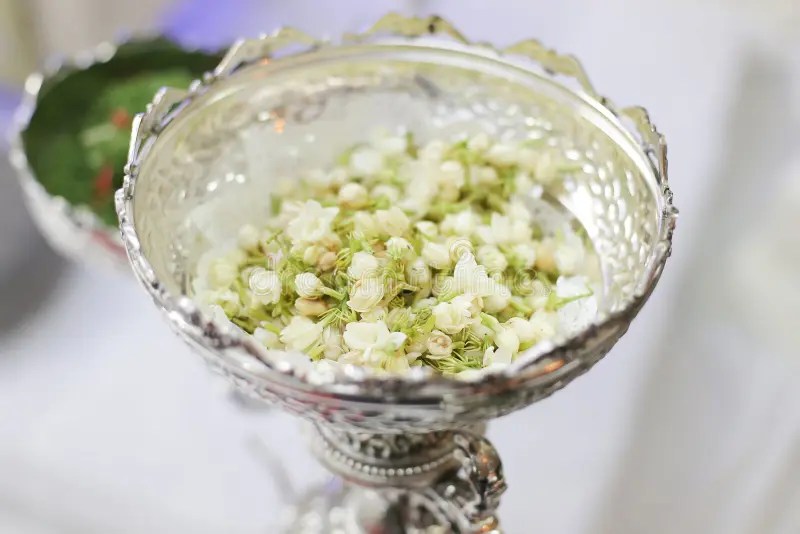
The screw pine thrives on damp soil, next to the swampy pond. It spreads its green in the wild; roots clench the earth we tread upon. The jasmine grows on the lawn, marks the boundaries of property. Sturdy branches, leaves flourish; petals open, greet the clouds. The sliced screw pine in a receptacle, the jasmine blossoms spread on the tray, perfume sprinkled to enhance the scent: the potpourri of bunga rampai welcomes guests. The ceremony officiated by the qadi, the couple duly married, customs and culture celebrated in fragrance, religious laws honoured on the dais. The shaving of the baby’s head, first steps on the soil, the coffin carried to the grave— the potpourri of bunga rampai adorns every domain, binding firmly entire life’s moments.
Bunga rampai — fresh flower potpourri used in Malay festivities and funerals. From Public Domain.
Isa Kamari has written 12 novels, 3 collections of poetry, a collection of short stories, a book of essays on Singapore Malay poetry, a collection of theatre scripts and lyrics of 3 music albums, all in Malay. His novels have been translated into English, Turkish, Urdu, Arabic, Indonesian, Jawi, Russian, French, Spanish, Korean, Azerbaijan and Mandarin. Several of his essays and selected poems have been translated into English. Isa was conferred the S.E.A Write Award from Thailand (2006), the Singapore Cultural Medallion (2007), the Anugerah Tun Seri Lanang (2009) from the Singapore Malay Language Council, and the Mastera Literary Award (2018) from Brunei Darussalam.
He obtained a BArch (Hons) from the National University of Singapore in 1989, an MPhil (Malay Letters) from Universiti Kebangsaan Malaysia in 2008 and is currently pursuing a PhD programme at the Academy of Islamic Studies, Univeristi Malaya. His area of research is on the problem of alienation and the practice of firasat (spiritual intuition) in selected Singapore Malay novels.
The Lost Mantras is a collection that blends spirituality, Malay cultural heritage, and universal human experience. First published as part of Menyap Cinta (Love Greetings, 2022, Nuha Books KL), these poems are like a bridge between mysticism and everyday life, where traditional images (betel, jasmine, kris[1], oil lamps, setanjak[2]) are woven with Qur’anic echoes, prayers, and existential questioning. The collection carries a Sufi resonance—always circling back to longing, humility, surrender, and beauty as signs of God. The poems are not only lyrical but also function as cultural memory: they preserve Malay traditions, communal practices, and village life, while situating them in a cosmic framework of faith, sin, and redemption. The use of Malay customs, rituals, and objects is powerful: it asserts that spirituality is not abstract but embedded in heritage. This makes the collection uniquely Southeast Asian despite its universal in appeal.
I bow to you, King. I bear the torment of your sadness in the embrace of my sleep. May it transform into glad tidings for the days of your people. This exploration is to find your throne, which has disappeared from our hearts. For my love to you, King.
JASMINES
Earth jasmines, sky jasmines, a string of jasmines encircles the heart, jasmines poured with water from the hills, jasmines sprinkled by a pinch of compost. Seven rivers, seven clouds— rain pelts onto forlorn petals. Beauty is in the form, beauty to the eyes, beauty is the hand that tends to the soil, beauty is the fingers that caress the leaves, beauty is the cut on the arms of the gardener. The scorching sun, the shade from the foliage, bountiful is the soul of the tree that delivers, witness to a life devoted to hard work, with the laws of nature as the axis. Strong roots clench the earth, shoots look up high to the sky. Stand firmly, the soul sings. Blossoms waft fragrant dreams. Earth jasmines, sky jasmines, bloom in the early morning. Say your prayers, introduce yourself.
BETEL LEAVES
To be at the top is to function at the bottom, upholding responsibilities and trust, strengthening shared roots. The fragile branches are free to stretch, the green leaves spread wide. Wild betel, untouched betel, covers the soil, climbs the trellis. To be at the peak in essence is to grow shoots, carrying fertile hopes and dreams, giving way and space to grow, to climb each posting energetically, to qualify for the position when seasons change. Lofty betels, heavenly betels, reach for the stars, greet the clouds. To be in the ceremonial receptacle in essence is to uphold tradition, surrendering to the preservation of culture. Typically chewed with lime, slicing problems, mature-red in speech, tracing the lives of roots and shoots. Wild betel, untouched betel, lofty betel, heavenly betel, courtship betel, customary betel, weaving values and the essence of leadership entrenched in tradition.
HOME
Free souls wouldn’t be easily bored by mentoring and demands, for it’s the stable self that gives rise to liberation. And that’s called freedom — it isn't about release without aims, just like city folks, released from home or work, wander aimlessly at shopping malls, seek excitement from novelty and transience. It isn't that Life doesn’t require variety, or it isn't that the soul doesn’t long for fun. It’s just that we who claim to be free are easily entrapped in useless pettiness that we spread in the city without ever realising that we haven’t returned to the doors of our hearts, although we’ve stepped afoot onto the compound of the house.
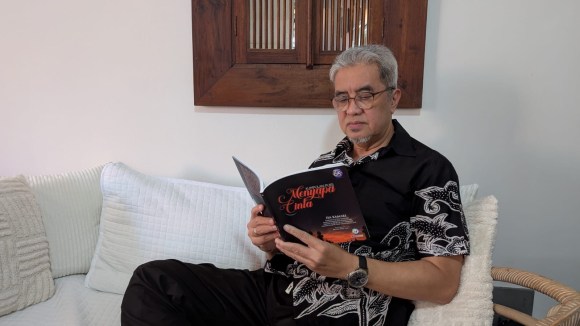
Isa Kamari : A foremost Malay writer from Singapore: Photo provided by the poet.
Isa Kamari has written 12 novels, 3 collections of poetry, a collection of short stories, a book of essays on Singapore Malay poetry, a collection of theatre scripts and lyrics of 3 music albums, all in Malay. His novels have been translated into English, Turkish, Urdu, Arabic, Indonesian, Jawi, Russian, French, Spanish, Korean, Azerbaijan and Mandarin. Several of his essays and selected poems have been translated into English. Isa was conferred the S.E.A Write Award from Thailand (2006), the Singapore Cultural Medallion (2007), the Anugerah Tun Seri Lanang (2009) from the Singapore Malay Language Council, and the Mastera Literary Award (2018) from Brunei Darussalam.
He obtained a BArch (Hons) from the National University of Singapore in 1989, an MPhil (Malay Letters) from Universiti Kebangsaan Malaysia in 2008 and is currently pursuing a PhD programme at the Academy of Islamic Studies, Univeristi Malaya. His area of research is on the problem of alienation and the practice of firasat (spiritual intuition) in selected Singapore Malay novels.
The Lost Mantras is a collection that blends spirituality, Malay cultural heritage, and universal human experience. First published as part of Menyap Cinta (Love Greetings, 2022, Nuha Books KL), these poems are like a bridge between mysticism and everyday life, where traditional images (betel, jasmine, kris[1], oil lamps, setanjak[2]) are woven with Qur’anic echoes, prayers, and existential questioning. The collection carries a Sufi resonance—always circling back to longing, humility, surrender, and beauty as signs of God. The poems are not only lyrical but also function as cultural memory: they preserve Malay traditions, communal practices, and village life, while situating them in a cosmic framework of faith, sin, and redemption. The use of Malay customs, rituals, and objects is powerful: it asserts that spirituality is not abstract but embedded in heritage. This makes the collection uniquely Southeast Asian while still universal in appeal
After Geetanjali Shree’s Tomb of Sand, the first novel to receive the International Man Booker Prize in 2022 for a work of fiction written in an Indian language and translated into English, history repeated itself once again when this year in 2025, Banu Mushtaq’s book of selected short stories Heart Lamp, written originally in Kannada and translated into English by Deepa Bhasthi, was recipient of the same coveted prize. It proved that translating from Indian bhasha languages to compete worldwide with other canonical literatures has gained maturity to impress the jury who finally evaluate the prize.
In the twelve stories of Heart Lamp, published originally in Kannada between 1990 and 2023, Banu Mushtaq exquisitely captures the everyday lives of women and girls in Muslim communities in southern India. As a journalist and lawyer, most of the stories are women-centric and in all of them she tirelessly champions women’s rights and protests all forms of caste and religious oppression. As a believer in the highly influential literary movement in Kannada during the 1970s and ‘80s – the Bandaya Sahitya tradition – that started as an act of protest against the hegemony of upper caste and mostly male-led writing that was then being published and celebrated, Banu Mushtaq’s literary career therefore gave importance to dissent, rebellion, protest, resistance to authority, revolution and its adjacent areas at par with the movement that urged women, Dalits and other social and religious minorities to tell stories from their own lived experiences.
The author goes on to highlight several harmful social practices that are still prevalent in the Muslim community and even supported by law, which impede girls including women of all ages, from having freedom to make positive choices, thus hampering them from realizing their full potential. In story after story, the deeply patriarchal structure of Muslim society is depicted in such a manner that it is not only applicable to the Muslims living in villages and town in south India but can be applicable elsewhere too. She shows how child marriage is still in practice and mentions the suffering and trauma women experience because of legally sanctioned polygamy which causes social and financial insecurity and hardship for women and their offspring. The curse of teen talaq[1]and the practice of issuing multiple fatwas[2] which are deliberately aimed at constricting women are urgently in need of being addressed legally.
In the very first story, ‘Stone Slabs for Shaista Mahal’, we find Iftikar’s too much effusive declarations of love for his wife Shaista vanish into thin air immediately after her death and he soon marries a young girl leaving all his children to be looked after by his eldest daughter. The ‘Fire Rain’ has mutawalli[3] Usman Saheb heading the community and making hundreds of decisions for others, but when her sister comes begging he refuses to give her the legitimate share of his ancestral house. Whereas the ‘Black Cobras’ has the mutawalli saheb refuse to help a woman whose husband has deserted her for giving birth to three daughters and provide any support for her youngest sick daughter who dies without any treatment. The story ends with a focus on female revolt when his own wife decides to go and have an operation to stop childbirth. In an interesting story ‘A Decision of the Heart’ the author narrates the plight of a man called Yusuf who is unable to balance the love between his wife and his mother and finally decides to arrange a nikah for his mother Mehaboob Bi.
One story that delves deep into Muslim customs that we generally are not aware of, is entitled ‘Red Lungi’. It tells us about a mass circumcision programme at the mosque for the poor where a young boy Arif undergoes the procedure and is cured in due course. His plight is then contrasted with Samad, the son of a rich man who remains weak and unfit despite the elaborate festivities for his circumcision and the gifts.
The titular story ‘Heart Lamp’ centres around Mehrun who is left to fend for herself as her husband falls for another woman. When she goes to her parents’ house for support, her brothers send her back. Leaving the responsibility of her children upon her eldest daughter Salma, she attempts to burn herself to death. The scene where her daughter begs her to stop and so finally, she aborts her suicide attempt, is extremely moving. The depiction of rural Karnataka comes out very clearly in ‘Soft Whispers’. The story narrates in detail the childhood antics of an eight-year-old girl visting her grandparent’s house in Mabenahalli village. Her young playmate, Abid, who would join her to play tricks, turns into the supervisor of a dargah[4]. When he comes to invite her to join the festival, he keeps his head lowered and does not even meet her eye.
Despite mentioning serious social issues pertaining to the average middle and lower-middle class Muslim families, Mushtaq’s stories are laced with a sense of wry humour and pathos. For instance, in ‘High-Heeled Shoes’, Niaz Khan envies his sister-in-law who comes from Saudi Arabia wearing gorgeous high-heeleded shoes and, in the end, manages to buy a pair for his pregnant wife Arifa which does not fit her at all. The difficulty in walking with those shoes on, and the interaction she has with her unborn child in her womb takes this story to a different level altogether. ‘A Taste of Heaven’ has Bi Dadi, who turns into stone after her ja-namaz[5]is soiled, gaining solace by drinking Pepsi and thinking it to be aab-e-kausar, the nectar from heaven, and starts living in a delusory world of her own in the company of her long-lost husband. In ‘The Arabic Teacher and Gobi Manchuri’, the young Maulvi Hazrat’s penchant for eating “gobi manchuri[6]” is the comic fulcrum on which the story turns. Again, Shazia’s desperate attempts in ‘The Shroud’ to locally procure a kafan[7] and sprinkle it with the holy zamzam water from Mecca after having callously forgotten to bring one for poor Yaseen Bua from her Hajj pilgrimage, makes her grief and being conscience-stricken rather ludicrous.
In the 2025 International Booker Acceptance Speech Mushtaq said: “This book is my love letter to the idea that no story is ‘local’ – that a tale born under a banyan tree in my village can cast shadows as this stage tonight…. [It] was born from the belief that no story is ever ‘small’ – that in the tapestry of human experience, every thread holds the weight of the whole.”
Her observation power is indeed very strong. Muslim women have been victims of deprivation and discrimination in various matters owing to a dearth in education and awareness. To bring a change in the family, a change in mentality is very crucial. The last story of this collection, ‘Be A Woman Once, Oh Lord!’ is a typical tale of male chauvinism, where deprived a dowry, a man throws out his sick wife and children to get married again.
A woman must construct her own identity besides being someone’s daughter, somebody’s wife or someone’s mother. Only education and self-dependence can establish a woman as a human being beyond her religious and family identities. But as her translator rightly points out, it would be a disservice to reduce Mushtaq’s work to her religious identity, for stories transcend the confines of a faith and its cultural traditions. So, she should not be seen as writing only about a certain kind of woman belonging to a certain community, that women everywhere face similar, if not the exact same problems, and those are the issues that she writes about.
Before concluding, a few words need to be written about the translator and the translation too. In the Translator’s Note, titled ‘Against Italics’, Deepa Bhashti reiterates that the “translation of a text is never merely an act of replacing words in one language with equivalent words in another: every language, with its idioms and speech conventions, brings with it a lot of cultural knowledge that often needs translating too.” She mentions that she was very deliberate in her choice to not use italics for the Kannada, Urdu and Arabic words that remain untranslated in English. She believes that italics serve to not only distract visually, but more importantly, they announce words as imported from another language, exoticizing them and keeping them alien to English. She also mentions that there are no footnotes used at all.
In her separate International Booker Prize Acceptance Speech, Bhasthi also tells us how through the work they could bring out what would otherwise be unread, uncelebrated texts to a new and very different sets of readers. She stated how the story of the world was really a history of erasures. It was “characterized by the effacement of women’s triumphs and the furtive rubbing away from collective memory of how women and those on the many margins of this world live and love.” Therefore, the stories in this collection are recommended for reading not by reducing Mushtaq’s work to her religious identity, but by transcending the confines of a faith and its cultural traditions.
[1] It’s an Islamic practice in which a Muslim man could divorce his wife by uttering the word “talaq” (divorce) three times.
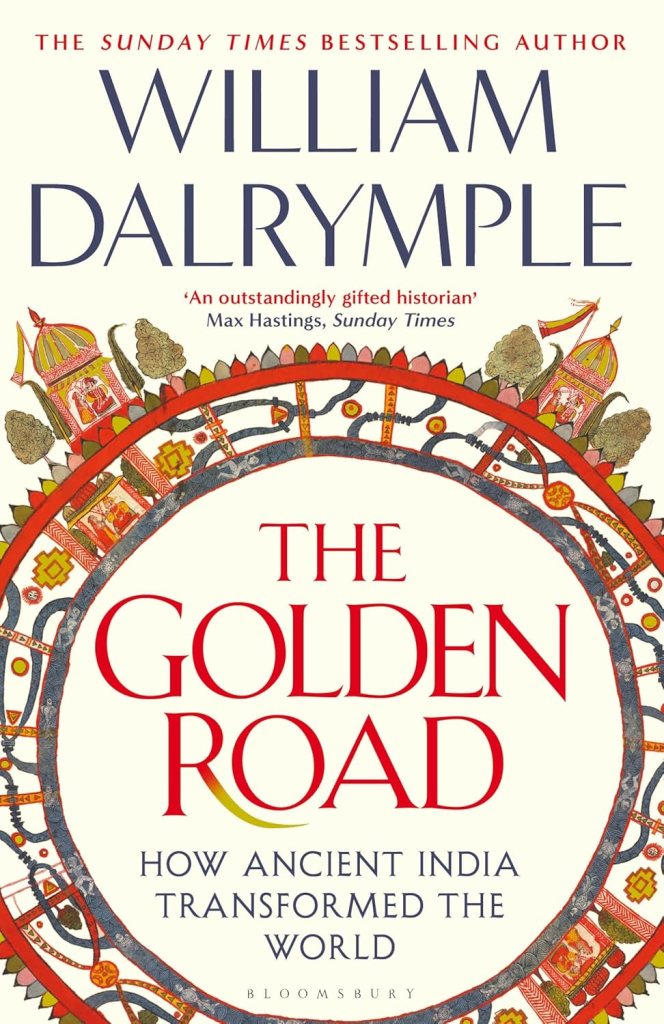
Farouk Gulsara discussed William Dalrymple’s latest book
Growing up in the later part of the 1970s, kids of my generation were drilled with stories that India was a subcontinent of poverty, filth, and pickpockets. Even our history books taught us that it was a land of darkness, living in its myths, superstitions, and cults, waiting to be civilised by the mighty European race and their scientific discoveries.
That was what was impressed upon us as we sauntered into adulthood. The media did not help either. With eye-catching news like a particular Indian Prime Minister having his daily dose of gau mutra[1] for breakfast and another ousted after thirteen days of taking oath as the Prime Minister, India was made out to be just another third-world country. Then came the 21st century and the turn of tides. Locally bred academicians started teasing deeper into India’s forgotten history. They started doubting the self-deprecating history that was taught to them by leftist historians in the textbooks.
Like many historians before him, historian William Dalrymple, in his latest book, The Golden Road: How Ancient India Transformed the World outlines the importance of India as a cradle of knowledge that peddled wisdom to regions near and far. Its scientific knowledge was far ahead of its time. This know-how was put into practice and spread via trade routes. Their port of entry received not just their goods but also their culture and way of life.
Enduring attack after attack from foreign invaders, Indians had already forgotten their glorious past by the time of the British Raj. A tiger hunting expedition inadvertently brought British hunters to various beautiful cave carvings and Buddhist sculptures. That kind of rekindled India’s history, which had disappeared from the Indian imagination.
India had been a crucial economic fulcrum and a civilisational engine in early world history. As early as 31BCE, Indians had learnt to manipulate the monsoonal winds to steer their ship to the West to the prosperous kingdom of Ethiopia, Egypt and subsequent access to the Mediterranean. With their mammoth merchant ships, they transported pearls, spices, diamonds, incense, slaves and even exotic animals like elephants and tigers in exchange for gold. Trade favoured India so much that a Roman Naval Commander, Pliny the Elder, lamented the unnecessary spicing of the food and the almost transparent Indian fabric that left nothing to the imagination. It is said Buddhism reached the shores of Egypt through these ships. The Christian monastic way of life is said to have been influenced by these monks.
With seasonal monsoon winds, Indian ships brought not just trade but philosophy, politics, and architectural ideas to Southeast Asia, China, and even Japan. All this cultural allure and sophistication did not happen through conquest. Sanskrit was the language of knowledge and a conduit for spreading knowledge.
Buddhism emerged in the 5th century BCE as an alternative to caste-centred and animal sacrifice-filled rituals. Unlike Jainism’s strict austerities, it offered a middle path. Due to King Ashoka’s untiring efforts, Buddhism spread beyond its borders. Contrary to the belief that Buddhism promotes an impoverished way of living, early Buddhists drew interests (and resources) from the merchant group, as evidenced by the Ajanta Caves’ findings. Buddhism drew many Chinese scholars to India’s centres of higher learning in Nalanda and Kanchipuram in the South to get first-hand experience reading Buddhist scriptures in Sanskrit. India’s universities later became the template for other varsities the world over.
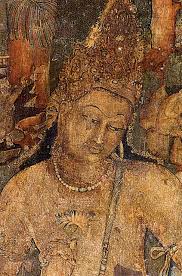
Ajanta CavesAjanta Painting inside the caveFrom Public Domain
India’s cultural influence on South Sea Asia is phenomenal. Stories from Indian epics, Ramayana and Bhagvad Gita, are told and retold in children’s stories, plays and cultural art forms. Their ruling elites were Hindus. The biggest Hindu and Buddhist temples are not in India but in Cambodia and Java, respectively, as Angkor Wat and Borobudur. Marvellous stony statues and temple are similar to those in India. At a time when the Byzantines were presiding over Europe, the Suryavarman clan was ruling a Hindu Empire so huge it would dwarf their European counterpart.
The 5th to 7th century of the common era was the golden age of Indian mathematics. Between Aryabhata and Brahmagupta, their knowledge of the nine-number system (and zero) brought them the know-how of negative numbers, algebra, trigonometry, algorithms and astronomy far ahead of their time. They understood that Earth was a sphere spinning on its axis, about the eclipse, gravity and planetary rotations. The Indians even built a space observatory tower in Ujjain to study constellations and devise a solar calendar. The idea of a prime meridian arose from here.
In the 8th century, the Abbasids exerted control over the Afghanistan region through treaties with local viziers. At that time, the Bamiyan region in Afghanistan had over 460 monasteries and 10,000 monks. A member of an influential Buddhist family, the Barmakid, converted to Islam to establish his family in the Abbasid fold. They brought Indian medicines, texts, and scholars with them and encouraged and promoted Islamic engagement with the East. Sanskrit texts were translated into Arabic. It is said that the Barmakids were instrumental in the building of Baghdad.
The Islamic hegemony spread, as did the scholarship it had built.
The Bamakid-Abbasid liaison met a tragic end due to palace power dynamics. The Abbasids started looking at the Romans for inspiration. Many Europeans were drawn to the Golden Age of Islam. Many texts were translated into Latin. Toledo of Andalusia introduced the science of timekeeping from Ujjain to Oxford. A particular young Italian named Leonardo of Pisa picked up the beauty of Mathematics during his stay in Algeria. He returned to publish ‘Liber Abaci‘ (The Book of Calculation) in 1202, which introduced Europe to the sequence of Fibonacci numbers and the mystic power of mathematics. This sudden gush of knowledge spurred the European Renaissance.
First published in 1202, Liber abaci was one of the most important books on mathematics in the Middle Ages, introducing Arabic numerals and methods throughout Europe. Its author, Leonardo Pisano of Pisa is known today as Fibonacci .Stature of Fibonacci (1170-1240/50) in PisaFrom Public Domain
The whole cycle completed its full arc when European powers rose to great heights. Benefitting from the knowledge from India that layered its way through, passing from hand to hand, the colonial masters returned to chop off[2]the hands that had nourished it.
Emerging rejuvenated from their occupation-induced slumber, with their Anglophilic familiarity, Indians have risen from the ashes to claim their status in the Indosphere[3], a world where Indian influences permeated every layer of society.
This well-researched, unputdownable book is for all history buffs. Infused with little nuggets from cover to cover that would excite nerds, it is a joy to read about the history of India in a way that is not often told in the mainstream.
[1]Gau mutra, cow urine, has a sacred role in some forms of Hinduism and Zoroastrianism and is used for medicinal purposes and in some Hindu ceremonies.
[3]Indosphere is a collective linguistic term for areas under Indian linguistic influence. It includes countries in the Southern, Southeast, and East Asian regions. 22 languages, including Indo-European and Dravidian languages, are recognised under this category and are considered to have originated in India.
Farouk Gulsara is a daytime healer and a writer by night. After developing his left side of his brain almost half his lifetime, this johnny-come-lately decided to stimulate the non-dominant part of his remaining half. An author of two non-fiction books, Inside the twisted mind of Rifle Range Boy and Real Lessons from Reel Life, he writes regularly in his blog, Rifle Range Boy.
.
PLEASE NOTE: ARTICLES CAN ONLY BE REPRODUCED IN OTHER SITES WITH DUE ACKNOWLEDGEMENT TO BORDERLESS JOURNAL
To conquer fear is the beginning of wisdom.
—Bertrand Russell, Unpopular Essays (1950)
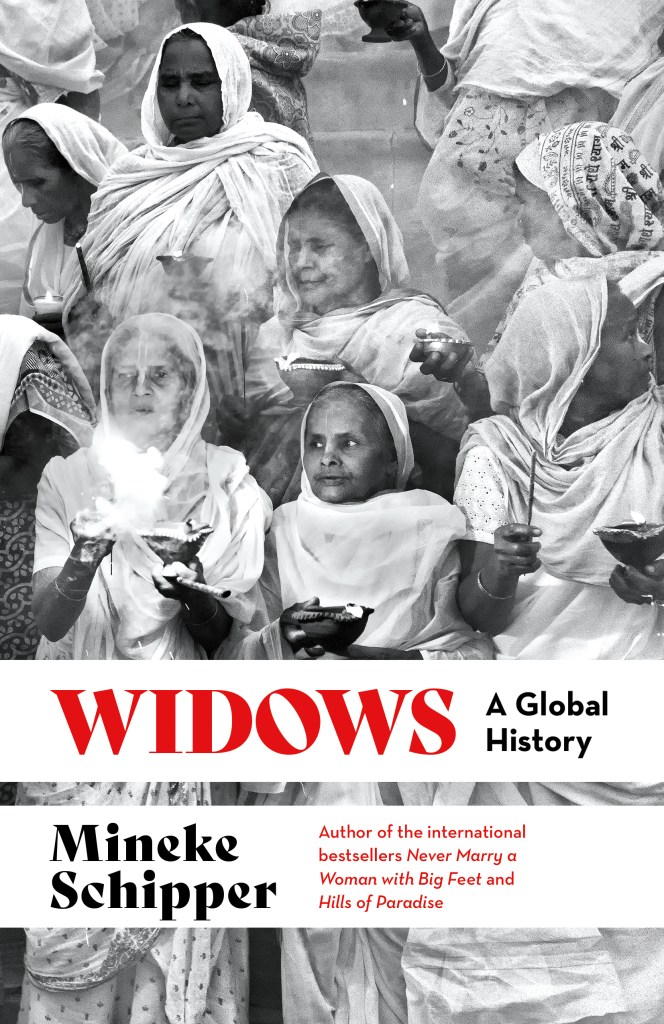
This is one of the dedications that precedes the narrative of Mineke Schipper’s non-fiction, Widows: A Global History. Her description of misapprehensions and the darkness around widowhood, as well as the actions that have been taken and suggestions on how more can be done to heal, weave a narrative for a more equitable society.
Starting with mythological treatment of widows, the book plunges into an in-depth discussion, not just with case studies but also with a social critique of the way these women are perceived and treated around the world, their need to heal from grief or a sense of devastation caused by their spouse’s death, concluding with stories that reflect the resilience of some of those who have overcome the odds of being repulsed. It is a book that inspires hope… hope for a world where despite all stories of misogyny covered in media, there are narratives that showcase both the human spirit and humanity where the ostracised are moving towards being integrated as a part of a functional social sphere.
Schipper, best known for her work on comparative literature mythologies and intercultural studies, navigates through multiple cultures over time and geographies to leave a lingering imprint on readers. She writes: “In Book V of his Histories, Herodotus (485-425/420 BCE) described life among the Thracians: Each man has many wives, and at his death there is both great rivalry among his wives and eager contention on their friends’ part to prove which wife was best loved by her husband. She to whom the honour is adjudged is praised by men and women alike and then slain over the tomb by her nearest of kin. After the slaying she is buried with the husband.” And yet she tells us of the dark past of Europe, “A Polish text asserts with great certainty that, after the burning of the body of her husband, ‘every wife allowed herself to be beheaded and went with him into death’.” She tells us stories of wife burning, killing and dark customs of yore across the world that seem like horror stories, including satis in India. The “motivation” is often greed of relatives or customs born of patriarchal insecurities. She contends, “wherever desperate poverty reigns, widows are at an increased risk.”
She argues: “The story is much the same everywhere; widows who are well educated know what rights they have or are able to find the right authorities to approach with their questions, while women with little or no education continue to suffer from malevolent practices.”
She has covered the stories that reflect the need for the welfare of widows, of how early marriages lead to widowhood even in today’s world ( “ Every year around twelve million girls under the age of eighteen get married, one in five of all marriages.”), of social customs like dowry, which can be usurped by a widow’s spouse’s family, of steps that are being taken and changes that need to be instituted for this group of women often regarded in the past and even in some places, in the present, as witches. In fact, she has written of such ‘witch villages’ in Africa, which have been developed to help widows who have been treated badly and turned away from their homes. Such stories, she tells us prevail all over the world, including India, where widows are sent or go to Varanasi.
She asserts that despite these efforts, “there is often still a significant gap between declarations of gender equality and their day-to-day enforcement and application.” She ends with case studies of four women: “Christine de Pisan, Tao Huabi, Laila Soueif and Marta Alicia Benavente examples of widows who dared to fully throw themselves into a new life following the death of their husbands.” And with infinite wisdom adds: “We cannot change history, but we can look to the past with new knowledge and to the future with new eyes.” She concludes with a profound observation: “Time does not heal sorrow, but out of the centuries-old ashes, grief, strict commandments and prohibitions, new prospects can also rise. The fact that every person’s life is finite makes every day unique and precious. The same goes for widows.”
In this interview Mineke Schipper (née Wilhelmina Janneke Josepha de Leeuw), an award-winning writer from Netherlands, tells us what started her on her journey to uncover the stories of this group of people.
What got you interested in widows as a group from around the world? Why would you pick this particular group only for a whole book?
Yes, whence this topic? The widow had been a tiny part of Never Marry a Woman with Big Feet. Women in Proverbs From Around the World (Yale UP 2004), an earlier book I wrote about proverbs referring to women’s lives, from girl babies to brides, wives and co-wives, mothers and mothers-in-law, grandmothers and old women. It was a long and breathtaking study about more than 15,000 proverbs, collected over many years, apparently widely appreciated and translated with two relatively recent editions published in India, in English and in Marathi. For those interested: the complete collected material is accessible and searchable at www.womeninproverbsworldwide.org, including proverbs about widows. That small but striking section about widows had made me curious, but other books, as it goes, pushed ahead, before I came back to them. In January 2020, I had to look up something in that book about proverbs, and the pages about widows looked so weird that I proposed the widow as my new topic to my Dutch publisher who responded enthusiastically.
You have written of so many cultures and in-depth. How long did it take you to collect material for this book and put it together?
All over I found obvious warnings and distrust viz a viz a woman whose husband dies. Interestingly, a widow was associated with death—and a widower was not. Take heed, suitor, when you replace the dead husband in the widow’s conjugal bed! Better not! Was it the fear that she had killed him? Or the creepy thought that the dead man’s hovering ghost was still hanging around? A widow was supposed to mourn intensely over her husband, preferably the rest of her life. In the meantime, proverbial messages openly expressed the widower’s happiness at the news of his wife’s death: ‘Grief for a dead wife lasts to the door’ (all over Europe) or ‘A wife’s death renews the marriage’ (Arabic). I came across well-known names—such as Confucius, Herodotus, Boniface, and Ibn Battuta—and lesser-known names of early travellers, historians, and philosophers with their commentaries on widows, compulsory or non-mandatory prolonged mourning, voluntary or prescribed chastity, and a surprisingly common choice of suicide as the best option for her. Amazingly many widows obediently followed their husbands to death. In all continents, monuments and documents witness how women joined dead men—buried or burnt alive, hanged, strangled or beheaded, drowned, stabbed or shot. A preference for strangling was inspired by the idea that the victim would enter the next world ‘intact’. So, from the narrow diving board of no more than a few dozen proverbs I plunged into the hidden history of widowhood for about three years.
How do women perpetrate the victimisation of widows? Would you say that widows as a group are more victimised against than other groups of women?
Conceptions about women as interchangeable objects were widespread. If a woman was ‘no longer of use’, a man would need to get a new one, much as you would do with a broken watch, rifle, knife or whip. A man cannot or will not do without a wife, but what about when the tables are turned? The need to present women without husbands as inept and dependent must have been great. A widow managing all by herself was rather met with obvious disapproval. Widowhood has traditionally been associated with emptiness. In Sanskrit, the word vidhua means ‘destitute’, and the Latin viduata (‘made destitute, emptied’) is the root of the word for widow in many European languages, including Witwe (German), veuve (French) and weduwe (Dutch).
Nonetheless there have always been plenty of widows who have lived wonderfully independent lives, but this is not the image seared into the public consciousness. The notion that a woman is unable to live her own life after the death of her husband is an amazingly deep-rooted one. The Japanese word for widow (mibōjin) literally means ‘she who has not yet died’, that is, a widow is simply sitting in Death’s waiting room for her own time to come. Interestingly, the status of widower on the other hand was usually so short-lived and temporary that some languages even lack a word for it all together!
What makes widows more vulnerable than others?
Every widow has her own story, but social systems play an important role. In traditions where goods, land and property are inherited through the mother’s family line with matrilocality, a groom comes to live with his bride’s family, although this often ended up working out slightly differently as men were not best pleased with this living arrangement, so in reality there would be negotiation. However, over the centuries patrilineal systems, lineage and inheritance significantly became the dominant system. According to the patrilocal rules, a man had to remain ‘at home’, a system which to this day obliges countless brides to move in with their parents-in-law, an environment foreign to them. They are forced to comply with the demands and expectations of their family-in-law, while the husbands remain comfortable in the familiar surroundings they grew up in, with major consequences for the lives of women who become widows. This patrilocal living situation has often resulted in greater inequality between marital partners and harsh rules for widows, often preventing a wife from any material heritage after her husband’s death. According to the work of evolutionary psychologists, married women who live with or in close contact with their matrilineal family run a significantly lower risk of violence in the form of (physical) abuse, rape and exploitation than those who move in with their husband’s family. This is all the more true for a widow with a distrustful family-in-law who accuse her of killing her husband, a danger that is greatest in areas where poverty reigns.
At a point you have said, “The Aryan period, which preceded later negative social developments, saw a differently structured society in which there was more space for women: to a certain extent women had religious autonomy, they were entitled to education at all levels (with some even becoming celebrated authors), they participated in public life and also held important positions… However, by the year 200 AD, their position had considerably worsened.” Do you have any idea why their condition worsened in India? What were the ‘negative social developments’ you mention?
In matters of religion the woman was increasingly dependent on the services of her husband or of priests, possibly also on her sons or male relatives, to carry out the rituals she required. Simultaneously she became largely excluded from all types of formalised education. This lasting effect can be seen even today in the global difference in the rate of female and male literacy. The negative stance towards women in India dates back to Brahmin commentaries of ancient Vedic texts, which referred to women as lesser humans; widows subsequently occupied an even lower rung on the social ladder and were forced to work hard towards their religious salvation through extreme asceticism. One example: ‘At her pleasure [after the death of her husband], let her emaciate her body by living only on pure flowers, roots of vegetables and fruits. She must not even mention the name of any other men after her husband has died.’ (Manusmriti Kamam 5/160) Patriarchal relations have developed gradually in different parts of the world and at different times, but not everywhere in the same rigorous forms.
In the Abron-Kulango culture in the northeast of his native Côte d’Ivoire, you have told us “[B]oth widows and widowers were required to accompany their spouse to the next world” but eventually due to societal realisations, such practices stopped. Do you think this can happen in other cultures too. Have you seen it happen in other cultures?
As far as I know, such practices do not exist anywhere anymore. The most problematic obstacle for the rights of widow’s in less-well off regions is the unfortunate combination of illiteracy, fear of witchcraft and covetous in-laws, particularly during periods of mourning and grief. The good news is that even in the most unexpected places initiatives are emerging to help inform women in rural areas of their equality before the law. Self-aware widows become inspiring role models; conscious of their rights, they share their knowledge with others so that more of their fellow widows can find the right legal aid when injustice rears its head.
Would you hold as culprit people who enforce the death of widows? Would you address these people too as criminals in today’s context? Please elaborate.
It wouldn’t help much to do this! Marriage is still frequently presented as the utmost peak that a woman can achieve during her life. From this supposed top spot married women often still look at single and widowed women in a new light—with pity, contempt, suspicion or even hostility: they are out to seduce your own husband! When death comes calling, not only men’s but also women’s negative feelings easily bubble up from the morass of fear at the dreaded prospect of becoming a widow. Over the centuries such reactions towards widows have become part of the constrictive hierarchy meant to keep so many women in their place.
Can sati be justified[1](even though they are deemed illegal as is suicide) by saying the widow immolated herself willingly? Please explain.
The social pressure on widows must have been immense, but we are living now and no longer in the past. It is true that in poorer regions far out of the reach of cities, countless numbers of widows still have to traverse a long road towards a humane and dignified existence. However, instead of justifying the willingness to immolate herself as her own choice, it is better to insist on the positive news that, after the loss of their partner, today not only men but also women have the right to stay alive and further explore their own talents and new possibilities.
You have told us dowry started as a European custom. Is it still a custom there as it is in parts of South Asia, even if deemed illegal? Was it brought into Asia by Aryans/colonials or a part of the culture earlier itself?
The dowry is the gift that the bride’s family would contribute to the couple’s new home. Even though colonisation may have reinforced this ancient custom, but in many communities, it was already a custom and still is in many parts of the world. In Europe it stayed on until the late nineteenth century. In cultures where the bride provided a dowry, the death of a wife would bring benefits to a widower, as a new wife with a new dowry would enrich his home with new assets such as silver tableware, jewellery, bed linen and other valuables. For centuries, among Christians, divorce was forbidden, and from the perspective of widowers the prospect of a second chance provoked a sense of euphoria, as expressed in quite some sayings where his sadness does not go beyond the front door. Across Europe such messages confirm a husband’s profit of his wife’s death: ‘Dead wives and live sheep make a man rich.’ (French; UK English). However, most widows were denied such liberating feelings or didn’t experience any profit from the change. Often, they did not even allow themselves to get over her loss and indulge in any new freedom. They usually were subject to the paralysing fear of other people’s gossip.
In many places a widow who remarried would even lose entitlement to her own dowry or other input she had contributed to her marriage. Many women who remarried felt unable to invoke any right they had on the property of their deceased husband. Little wonder, therefore, that widows were heavily discouraged from remarrying, for example in China. The use of far-reaching laws still re-enforced the highly recommended chaste and sexless existence of widows after the death of her husband. Of course, the considerable number of child marriages in sub-Saharan Africa and South Asia easily robbed child widows from the legal rights wherever they had. According to the World Widows Report, the situation for widows with children is still exceptionally alarming in many parts of the world. Daughters, in particular, remain a huge problem in traditions where women have to contribute a dowry when daughters get married. For this reason alone, poorer parents have a preference for sons: they are more likely to inherit from their father’s family, while their widowed mother can expect little.
Has the condition of widows across the world improved over time? Please elaborate.
Over the centuries far too many widows have been convinced that their only future was conditioned by their dead husband. In my book there are examples from different areas of courageous widows who changed their own lives. Looking around in one’s own neighbourhood, there are always exemplary models of independent widows who do not let themselves be deterred by the doom of whatever prejudiced people think or say.
All emancipation starts with the opportunity to acquire knowledge, but if we are to believe what tradition tells us, women had little need for that, based on an assumption that knowledge did nothing to encourage and promote female obedience, and even less for virtue. ‘Knowledge goes before virtue for men, virtue before knowledge for women’ is an old saying in Europe, while a Chinese saying also agrees that a woman without knowledge is already doing very well. The fact that this message has had such a wide-ranging effect can be seen in the vast difference in levels of education and training among boys and girls in global education statistics.
What did a man look out for when it came to finding a wife? In order to facilitate control over women, various warnings have been passed down to men. One such proverb found the world over clearly expresses this sentiment: ‘Never marry a woman with big feet.’ It comes from the Sena language in Malawi and Mozambique. In China, India and other parts of the world, I came across literal iterations of this proverb. In spite of geographic or cultural distances and differences, this saying reflects a widespread consensus: hierarchy in male-female relations seemed to be essential, and someone had to be in charge. Should he become the main breadwinner for the duration of their married life, his wife will be even more dependent on him.
Significantly the big feet metaphor points to male fear of female talents and power. Hardly surprising therefore that becoming a widow was the worst possible catastrophe for women. Worldwide the solidarity between wives and widows is growing and literacy support within local communities as well, while the former unwavering prejudices against widows are shrinking, and more and more widows with big feet do manage. The old anti-widow stronghold of local prejudice is slowly but surely crumbling into ruins. We cannot change history, but widows can look to the past with new knowledge and into the future with new eyes and new hope.
Long, long ago, Zeus descended to the place where two trees are wrapped in a loving embrace: an oak and a linden tree amid an undulating landscape, their entwined branches a testimony to undying love. ‘I have seen them with my very eyes’ is how the narrator begins the story about how the gods can decide our fate, which was recorded by Ovid in his Metamorphoses.
The story goes as follows: one day Zeus, king of the gods, disguised himself as a mortal and descended to Earth, accompanied by his son, Hermes. They knocked at every door they found in search of a place to rest, but none of the homes they visited welcomed them in. They finally reached the tumble-down cottage belonging to Baucis and Philemon, an old couple who, in spite of their poverty, were perfectly content with their lot, and welcomed the pair with open arms, generously providing them with all the fruit, nuts, figs and dates they had to hand. They were even prepared to kill their goose, but the bird escaped its fate and found safety between the two gods. Hermes and Zeus explained to the couple who they were and why they were going to destroy this godless part of the world: ‘Only the two of you will be allowed to escape this disaster’.
Leaning on their staffs, the old couple followed the gods to the top of a hill, from which they looked back to see all the land in the valley flooded and sinking into a muddy bog, apart from their own cottage, which had been turned into a glistening temple with marble floors and columns. Zeus granted the couple a wish, and they did not need too long to think about their reply: they wished to become priest and priestess of the new temple and, most beautifully of all, they both wanted to die at the same time at the end of their lives. Both wishes were granted.
One day, after a long and fortunate life, the pair stood at the bottom of the marble steps leading up to the temple. All of a sudden bark began to cover their bodies and legs and their arms began to sprout leaves. They shared one final word of farewell as the leafy canopy started to engulf their faces. In an act of tenderness, they stretched out their branches longingly towards one another, and to this day continue to whisper to each other through the rustle of the leaves.
Living on together in human form after death is another comforting solution in stories the world over. No surprise therefore that storytellers have always wondered how Adam and Eve, the first humans according to Judaism, Christianity and Islam, met their end. The holy books of these three religious traditions all begin with the pair living in Paradise, with the Bible even stating that Adam was 930 years old when he died, but the details of their deaths are conspicuous by their absence.
Eve’s widowhood is not dealt with at all in the Bible, yet oral traditions do discuss it, as storytellers tend to have free rein. In one early Christian story, on his deathbed Adam confronts Eve with the most wicked accusation; during that emotional moment, he forces her to once again explain to their children and grandchildren (and all of his progeny) that it is through her that death came into the world. No surprise therefore that, after Adam’s death, Eve wallows in the mud, grief-stricken and despondent, imploring God’s mercy for her unending guilt, until she dares to gaze upwards, where the most incredible spectacle unfolds before her eyes: angels float in the sky, obscuring the vaults of heaven with their swinging incense burners, as the body of Adam is brought to Heaven on a chariot of light drawn by four shining eagles.
Further details about the now widowed Eve are absent, but in one optimistic Islamic story from Yemen, upon their deaths the angel Gabriel comes to Earth to collect both Adam and Eve to take them back to the Garden of Eden. As they arrive, the gates of Heaven swing open, and they are greeted with ‘Peace be with you and welcome back’. These words are spoken by Ridwan, the same gatekeeper who at the start of their earthly lives had slammed the gates of heaven behind the pair as they left. Upon their return they must undergo a ritual purification: first they are handed a golden cup with water from the well of purity, followed by another golden cup filled with water from the fountain of eternal youth.3 Together till the end, from their expulsion from Paradise to their return.
One goes, the other remains
In the harsh reality of life, this narrative works slightly differently, the question being ‘which of the two of us will be the first to go?’ This pressing question inevitably arises among people who are in love and happy with one another. In fairy tales, couples live long and happy lives, and at weddings you will often hear a variant of the adage ‘may you live long and well’. At weddings in India’s eastern state of Assam, you will hear the words ‘may the kinowari (bindi) never disappear from your forehead’. This symbol of marital bliss is used to wish brides a marriage that lasts a lifetime, with those who become widows no longer being permitted to wear it.
‘May a God-blessed wife go with her husband to his grave’ is a popular Arabic wish for women, as what could be more beautiful than dying together on the same day?
(Extracted from Widows: A Global History by Mineke Schipper. Published by Speaking Tiger Books, 2024)
About the Book
Widows have always far outnumbered widowers (who quickly remarry, usually younger women). War, hunting and the uncertainties of long travel ensured that most husbands died before their wives did. Mineke Schipper’s cultural history of widows examines how these husband-less women have, throughout history and mythology, been portrayed as helpless damsels, easy pickings for men outside the family or clan, or as cunning witches who are suspected of murder. In every case, the motive has been to exclude them and control them. Schipper traverses the world, travelling across time, to collect and analyse stories about widows and their treatment—the loss of status they face after their husband’s death; the harsh rituals of mourning they are forced to perform; the often brutal controls on attire, mobility and sexuality that they must submit to. It is a global legacy of cruelty and shame—as also, occasionally, of resilience and defiance—that has rarely been studied as deeply and thoroughly as in this extraordinary work. Widows draws upon sources from Ancient Egypt and Greece, medieval India and modern-day Europe, Africa and the Americas—examining folk and real-life stories of communities in Fiji, Papua New Guinea, Ghana, China, France, and several other countries and regions, as also stories and images from comics and fashion magazines.
Impressively researched and entertainingly narrated, this book—its information made distinctive by Schipper’s sharp insight and her humour—is an important document that helps us understand our past and, through it, our present.
About the Author
Mineke Schipper is Emeritus Professor of Intercultural Literary Studies at the University of Leiden, The Netherlands, with visiting professorships in Nigeria, Kenya, Zimbabwe, Burkina Faso and China. She is the author of NeverMarry a Woman with Big Feet (Eureka Prize for Non-fiction), Naked or Covered and Hills of Paradise.
.
PLEASE NOTE: ARTICLES CAN ONLY BE REPRODUCED IN OTHER SITES WITH DUE ACKNOWLEDGEMENT TO BORDERLESS JOURNAL.






 Borderless