Categories
Contents

Borderless, April 2025

Art by Sohana Manzoor

Editorial

Seasons in the Sun?….Click here to read.

Translations

An excerpt from Tagore’s long play, Roktokorobi or Red Oleanders, has been translated by Professor Fakrul Alam. Click here to read.

Tagore’s essay, Classifications in Society, has been translated by Somdatta Mandal. Click here to read.

Poems of Longing by Jibananada Das homes two of his poems translated from Bengali by Professor Fakrul Alam. Click here to read.

Four cantos from Ramakanta Rath’s Sri Radha, translated from Odiya by the late poet himself, have been excerpted from his full length translation. Click here to read.

An excerpt from Syad Zahoor Shah Hashmi’s Nazuk, has been translated from Balochi by Fazal Baloch. Click here to read.

Disappearance by Bitan Chakraborty has been translated from Bengali by Kiriti Sengupta. Click here to read.

Roadside Ritual, a poem by Ihlwha Choi  has been translated from Korean by the poet himself. Click here to read.

Tagore’s Pochishe Boisakh Cholechhe (The twenty fifth of Boisakh draws close…) from Bengali by Mitali Chakravarty. Click here to read.

Poetry

Click on the names to read the poems

Luis Cuauhtémoc Berriozábal, Thompson Emate, Pramod Rastogi, George Freek, Vidya Hariharan, Stuart McFarlane, Meetu Mishra, Lizzie Packer, Saranyan BV, Paul Mirabile, Hema Ravi, Ryan Quinn Flanagan, Rhys Hughes

Poets, Poetry & Rhys Hughes

In Three Gothic Poems, Rhys Hughes explores the world of horrific with a light touch. Click here to read.

Musings/Slices from Life

The Day the Earth Quaked

Amy Sawitta Lefevre gives an eyewitness account of the March 28th earthquake from Bangkok. Click here to read.

Felix, the Philosophical Cat

Farouk Gulsara shares lessons learnt from his spoilt pet with a touch of humour. Click here to read.

Not Everyone is Invited to a Child’s Haircut Ceremony

Odbayar Dorje muses on Mongolian traditions. Click here to read.

From a Bucking Bronco to an Ageing Clydesdale

Meredith Stephens writes of sailing on rough seas one dark night. Click here to read.

Musings of a Copywriter

Stay Blessed! by Devraj Singh Kalsi is a tongue-in-cheek musing on social norms and niceties. Click here to read.

Notes from Japan

On Safari in South Africa by Suzanne Kamata takes us to a photographic and narrative treat of the Kruger National Park. Click here to read.

Essays

Songs of the Adivasi Earth

Ratnottama Sengupta introduces us to the art of Haren Thakur, rooted in tribal lores. Click here to read.

‘Rajnigandha’: A Celebration of the Middle-of-the-Road

Tamara Raza writes of a film that she loves. Click here to read.

‘Climate change matters to me, and it should matter to you too’

Zeeshan Nasir writes of the impact of the recent climate disasters in Pakistan, with special focus on Balochistan. Click here to read.

Bhaskar’s Corner

Ramakanta Rath: A Monument of Literature: Bhaskar Parichha pays a tribute to the late poet. Click here to read.

Stories

Jai Ho Chai

Snigdha Agrawal narrates a funny narrative about sadhus and AI. Click here to read.

The Mischief

Mitra Samal writes a sensitive story about childhood. Click here to read.

Lending a hand

Naramsetti Umamaheswararao takes us back to school. Click here to read.

Conversation

Ratnottama Sengupta talks to filmmaker and author Leslie Carvalho about his old film, The Outhouse, that will be screened this month and his new book, Smoke on the Backwaters. Click here to read.

Book Excerpts

An excerpt from Anuradha Kumar’s Wanderers, Adventurers, Missionaries: Early Americans in India. Click here to read.

An excerpt from Snigdha Agrawal’s Fragments of Time (Memoirs). Click here to read.

Book Reviews

Somdatta Mandal reviews Sheela Rohekar’s Miss Samuel: A Jewish Indian Saga, translated by Madhu Singh. Click here to read.

Gracy Samjetsabam reviews Tony K Stewart’s Needle at the Bottom of the Sea: Classic Bengali Tales from the Sundarbans. Click here to read.

Bhaskar Parichha reviews Raisina Chronicles: India’s Global Public Square by S. Jaishankar & Samir Saran. Click here to read.

.

Click here to access the Borderless anthology, Monalisa No Longer Smiles

Click here to access Monalisa No Longer Smiles on Amazon International

Categories
Editorial

Seasons in the Sun?

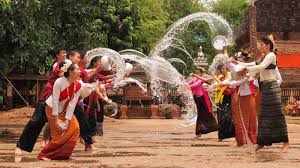
April is a month full of celebrations around the world. Asia hosts a spray of New Year festivities. Then there are festivals like Qing Ming Jie, Good Friday and Easter. All these are in a way reminders of our past. And yet, we critique things as old fashioned! So, where does tradition end and ‘outdated’ or ‘outmoded’ start? Meanwhile we continue to celebrate these festivals with joy but what happens to those who have lost their home, family and their living due to war or climate disasters? Can they too join in with the joie de vivre? Can we take our celebrations to them to give solace in some way?

In our April issue, we have stories from climate and conflict-ridden parts of the world. From Bangkok, Amy Sawitta Lefevre gives an eyewitness account of the March 28th Earthquake that originated in Myanmar. While in her city, the disaster was managed, she writes: “I’m also thinking of all the children in Myanmar who are sleeping in the open, who lost loved ones, who are feeling scared and alone, with no one to reassure them.” As news reels tell us, in Myanmar there have been thousands of casualties from the earthquake as well as shootings by the army.

From another troubled region, Pakistan, Zeeshan Nasir gives a heartrending narrative about climate change, which also dwells on the human suffering, including increase in underage marriages.

Human suffering can be generated by rituals and customs too. For instance, if festivals dwell on exclusivity, they can hurt those who are left out of the celebrations. Odbayar Dorje muses along those lines on Mongolian traditions and calls for inclusivity and the need to change norms. On the other hand, Devraj Singh Kalsi hums with humour as he reflects on social norms and niceties and hints at the need for change in a light-hearted manner. Farouk Gulsara makes us laugh with the antics of his spoilt pet cat. And Suzanne Kamata dwells on her animal sightings in Kruger National Park with her words and camera while Meredith Stephens takes us sailing on stormy seas… that too at night.

Art is brought into focus by Ratnottama Sengupta who introduces artist Haren Thakur with his adaptation of tribal styles that has been compared to that of Paul Klee (1879-1940). She also converses with filmmaker Leslie Carvalho, known for his film The Outhouse, and his new novel, Smoke on the Backwaters. Both of these have a focus on the Anglo-Indian community in India. Also writing on Indian film trends of the 1970s is Tamara Raza. Bhaskar Parichha pays tribute to the late Ramakanta Rath (1934-2025), whose powerful and touching poetry, translated from Odia by the poet himself, can be found in our translations section.

We have an excerpt from Professor Fakrul Alam’s unpublished translation of Tagore’s Red Oleanders. It’s a long play and truly relevant for our times. Somdatta Mandal shares with us her translation of Tagore’s essay called ‘The Classification in Society’, an essay where the writer dwells on the need for change in mindsets of individuals that make up a community to move forward. A transcreation of a poem by Tagore for his birthday in 1935 reflects the darkness he overcame in his own life. Two poems expressive of longings by Jibananada Das have been translated from Bengali by Professor Alam aswell. From Balochistan, we have an excerpt from the first Balochi novel, Nazuk, written by the late Syad Zahoor Shah Hashmi and rendered into English by Fazal Baloch. Among contemporaries, we have a short story by Bitan Chakraborty translated from Bengali by Kiriti Sengupta, a poignant story that reflects on gaps in our society. And a Korean poem by Ihlwha Choi rendered to English by the poet himself.

Our poetry section celebrates nature with poetry by Lizzie Packer. Many of the poems draw from nature like that of George Freek and Luis Cuauhtémoc Berriozábal. Some talk of the relationship between man and nature as does Stuart McFarlane. We have a variety of themes addressed in poems by Thompson Emate, Meetu Mishra, Saranyan BV, Paul Mirabile, Pramod Rastogi, Ryan Quinn Flanagan and many more. Rhys Hughes brings in both humour and social commentary of sorts with his poem. And in his column, Hughes has shared three gothic poems which he claims are horrible but there is that twinge of fable and lightness similar to the ghosts of Ebenezer Scrooge’s world[1]— colourful and symbolic.

Stories sprinkle humour of different shades with Snigdha Agrawal’s narrative about mendicants and AI and Mitra Samal’s strange tale about childhood pranks. Naramsetti Umamaheswararao takes us back to schooldays with his narrative. We have a fun book excerpt from Agrawal’s Fragments of Time (Memoirs), almost in tone with some of her stories and musings.

An extract from Anuradha Kumar’s latest non-fiction making bridges across time and geographies. Called Wanderers, Adventurers, Missionaries: Early Americans in India, the book is an intriguing read. We have a review by Professor Mandal of Sheela Rohekar’s Miss Samuel: A Jewish Indian Saga, translated by Madhu Singh. Highlighting syncretic folk traditions, Gracy Samjetsabam has discussed the late Tony K Stewart’s translation of oral folklore in Needle at the Bottom of the Sea: Classic Bengali Tales from the Sundarbans. Parichha has written about a high-profile book that also hopes to draw bridges across the world, Raisina Chronicles: India’s Global Public Square, by S. Jaishankar and Samir Saran.

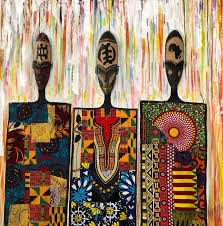
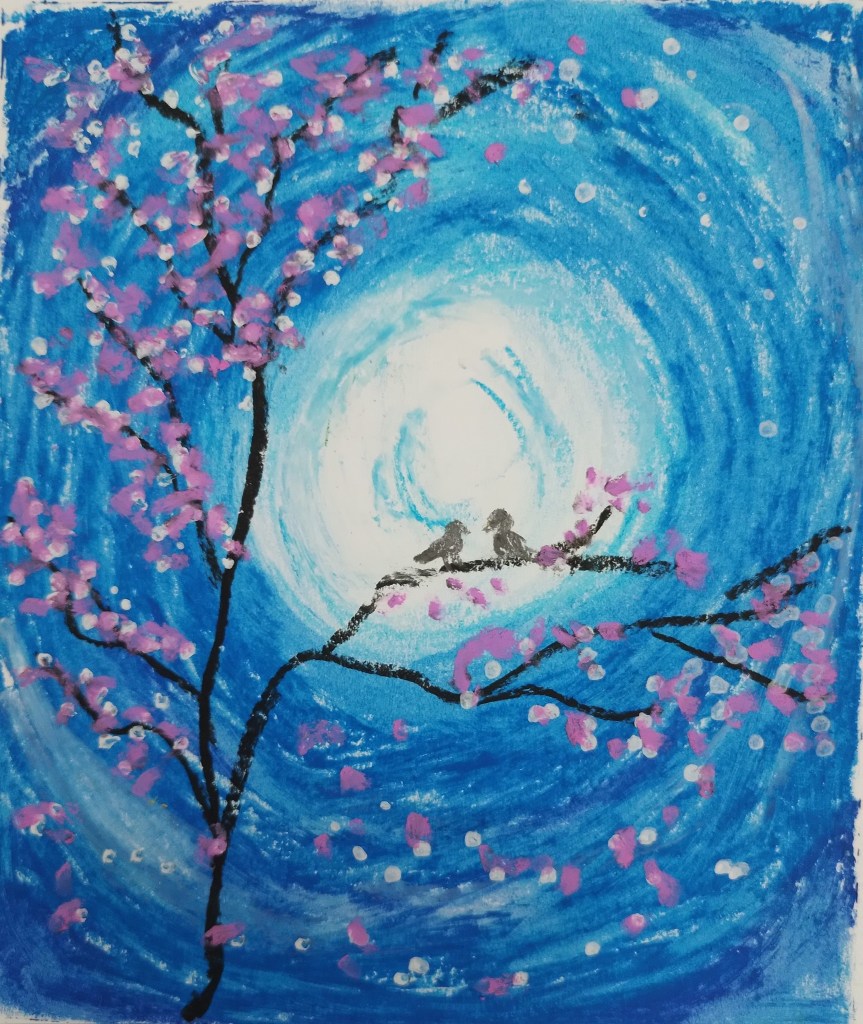
This issue has been made possible because of support from all of you. Huge thanks to the team, all our contributors and readers. Thanks to Sohana Manzoor for her fabulous artwork. Do pause by our contents page as all the content could not be covered here.

Perhaps, world events leave a sense of pensiveness in all of us and an aura of insecurity. But, as Scarlett O’ Hara of Gone with the Wind[2] fame says, “After all, tomorrow is another day.” 

Looking forward to a new day with hope, let’s dream of happier times filled with sunshine and change.

Enjoy the reads!

Mitali Chakravarty

borderlessjournal.com

[1] A Christmas Carol by Charles Dickens, 1843

[2] Gone With the Wind, a novel by Margaret Mitchell, published in 1936

Click here to access the contents page for the April 2025 Issue

READ THE LATEST UPDATES ON THE FIRST BORDERLESS ANTHOLOGY, MONALISA NO LONGER SMILES, BY CLICKING ON THIS LINK.

Categories
Poetry

Tale of the Unheeded

By Thompson Emate

From Public Domain
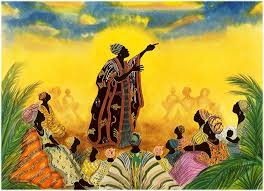
She showed them the way,  
but they dismissed her.
They called her an old piece of art
and fell into the hands of the night.

She urged them to listen to the trees.
There’s a message they convey in their swaying.
They loathed and abhorred her words,
Losing themselves in the woods.

She told them to follow the rhythm of drumbeats
that would lead to chambers of secrets.
They claimed the ancient stories were irrelevant for the modern
and were swallowed by mysteries.

She encouraged them to look into the tranquil stream,
to see who they truly were.
They considered it an illusion of the mind,
and so, lived in the darkness all their lives.

Thompson Emate spends his leisure time on creative writing, particularly poetry and prose. He has a deep love for nature and the arts. He lives in Lagos, Nigeria.

.

PLEASE NOTE: ARTICLES CAN ONLY BE REPRODUCED IN OTHER SITES WITH DUE ACKNOWLEDGEMENT TO BORDERLESS JOURNAL

Click here to access the Borderless anthology, Monalisa No Longer Smiles

Click here to access Monalisa No Longer Smiles on Kindle Amazon International

Categories
Contents

Borderless, February 2025

Art by Sohana Manzoor

Editorial

The Kanchejunga Turns Gold … Click here to read.

Translations

Tumi Kon Kanoner Phul by Tagore and Anjali Loho Mor by Nazrul, love songs by the two greats, have been translated from Bengali by Professor Fakrul Alam. Click here to read.

Tumi to Janona Kichu (You seem to know nothing) by Jibananda Das has been translated from Bengali by Professor Fakrul Alam. Click here to read.

Where Lies the End of this Unquenchable Thirst?, a poem by Atta Shad, has been translated from Balochi by Fazal Baloch. Click here to read.

The Bird’s Funeral a poem by Ihlwha Choi  has been translated from Korean by the poet himself. Click here read.

Kheya or Ferry, a poem by Tagore, has been translated from Bengali by Mitali Chakravarty. Click here to read.

Poetry

Click on the names to read the poems

Michael Burch, Shamik Banerjee, John Drudge, Ashok Suri, Cal Freeman, Lokenath Roy, Stuart McFarlane, Thompson Emate, Aditi Dasgupta, George Freek, Gazala Khan, Phil Wood, Srijani Dutta, Luis Cuauhtémoc Berriozábal, Akbar Fida Onoto, Ryan Quinn Flangan, Rhys Hughes

Musings/Slices from Life

Just Another Day?

Farouk Gulsara muses on the need to observe various new year days around the globe and across time. Click here to read.

Of Birthdays and Bondings…

Ratnottama Sengupta reminiscences on her past experiences. Click here to read.

As Flows the Gomti: A Palace of Benevolence

Prithvijeet Sinha takes us for a tour of the Bara Imambara in Lucknow with his words and camera. Click here to read.

The Midwife’s Confession and More…

Aparna Vats shares a narrative around female infanticide centring her story around a BBC interview and an interview with the journalist who unfolded the narrtive. Click here to read.

Juhu

Lokenath Roy gives a vignette of the world famous beach. Click here to read.

Musings of a Copywriter

In The Heroic Fall, Devraj Singh Kalsi explores dacoits and bravery. Click here to read.

Notes from Japan

In Finding Inspiration in Shikoku’s Iya Valley, Suzanne Kamata has written of a source of inspiration for a short story in her recently published book. Click here to read.

Essays

Reminiscences from a Gallery: MF Husian

Dolly Narang recounts how she started a gallery more than four decades ago and talks of her encounter with world renowned artist, MF Husain. Click here to read.

In The Hidden Kingdom of Bhutan

Mohul Bhowmick explores Bhutan with words and his camera. Click here to read.

When a New Year Dawns…

Ratnottama Sengupta writes of the art used in calendars and diaries in India. Click here to read.

What Is Your Name?

Fakrul Alam recalls his mother as a person who aspired for fairplay for women. Click here to read.

Stories

Vasiliki and Nico Go Fishing

Paul Mirabile gives a heartwarming story set in a little Greek island. Click here to read.

Naughty Ravi

Naramsetti Umamaheswararao writes of an awakening. Click here to read.

The Wise One

Snigdha Agrawal gives a touching story around healing from grief. Click here to read.

Conversations

Ratnottama Sengupta converses with Joy Bimal Roy, author of Ramblings of a Bandra Boy. Click here to read.

A discussion on managing cyclones, managing the aftermath and resilience with Bhaksar Parichha, author of Cyclones in Odisha: Landfall, Wreckage, and Resilience. Click here to read.

Book Excerpts

An excerpt from Bhaskar Parichha’s Cyclones in Odisha, Landfall, Wreckage and Resilience. Click here to read.

An excerpt from Joy Bimal Roy’s Ramblings of a Bandra Boy. Click here to read.

Book Reviews

Somdatta Mandal reviews Amitav Ghosh’s Wild Fiction: Essays. Click here to read.

Meenakshi Malhotra reviews Syed Mujtaba Ali’s Shabnam, translated from Bengali by Nazes Afroz. Click here to read.

Bhaskar Parichha reviews Abhay K’s Nalanda: How it Changed the World. Click here to read.

.

Click here to access the Borderless anthology, Monalisa No Longer Smiles

Click here to access Monalisa No Longer Smiles on Amazon International
Categories
Editorial

The Kanchenjunga Turns Gold…

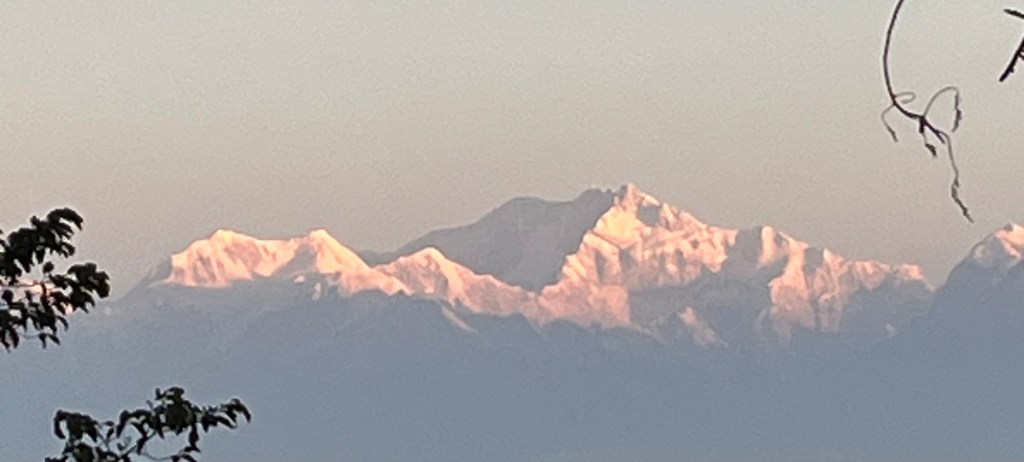
The Kanchenjunga turns gold

Ghoom, Darjeeling, is almost 2.5 km above sea level. Standing in the rarified air of Ghoom, you can watch the Kanchenjunga turn gold as it gets drenched in the rays of the rising sun. The phenomenon lasts for a short duration. The white pristine peak again returns to its original colour blending and disappearing among the white cirrus clouds that flit in the sky. Over time, it’s shrouded by mists that hang over this region. The event is transitory and repeats itself on every clear morning like life that flits in and out of existence over and over again…

Witnessing this phenomenon feels like a privilege of a lifetime as is meeting people who shine brightly and unusually, like the Kanchenjunga, to disappear into mists all too early. One such person was the founder of pandies’ 1 who coordinated the pandies’ corner for Borderless Journal, the late Sanjay Kumar (1961-2025). The idea of starting this column was to bring out the unheard voices of those who had risen above victimhood to find new lives through the work done by pandies’. In his book, Performing, Teaching and Writing Theatre: Exploring Play, published by Cambridge Scholars Publishing, he described his scope of work which in itself was stunning. His work ranged from teaching to using theatre and play to heal railway platform kids, youngsters in Kashmir, the Nithari survivors and more — all youngsters who transcended the scars seared on them by violations and violence. We hope to continue the column in coordination with pandies’.

Another very renowned person whose art encompassed a large number of social concerns and is now lost to time was the artist, MF Husain (1915-2011). This issue of Borderless is privileged to carry an artwork by him that has till now not been open to the public for viewing. It was a gift from him to the gallerist, Dolly Narang, on her birthday. She has written nostlgically of her encounters with the maestro who walked bare-feet and loved rusticity. She has generously shared a photograph of the sketch (1990) signed ‘McBull’ — a humorous play on his first name, Maqbool, by the artist.

Drenched with nostalgia is also Professor Fakrul Alam’s essay, dwelling on more serious issues while describing with a lightness his own childhood experiences. Many of the nonfiction in this issue have a sense of nostalgia. Mohul Bhowmick recalls his travels to Bhutan. And Prithvijeet Sinha introduces as to a grand monument of Lucknow, Bara Imambara. Lokenath Roy takes us for a stroll to Juhu, dwelling on the less affluent side. Suzanne Kamata describes her source of inspiration for a few stories in her new book, River of Dolls and Other Stories. A darker hue is brought in by Aparna Vats as she discusses female infanticide. But a light sprays across the pages as Devraj Singh Kalsi describes how his feisty grandmother tackled armed robbers in her home. And an ironic tone rings out in the rather whimsical musing by Farouk Gulsara on New Year days and calendars.

With a touch of whimsy, Ratnottama Sengupta has also written of the art that is often seen in calendars and diaries as well as a musing on birthdays, her own and that of a friend, Joy Bimal Roy. They have also conversed on his new book, Ramblings of a Bandra Boy, whose excerpt is also lodged in our pages, recalling their days in the glitzy world of Bollywood as children of notable film director, Bimal Roy (1909-1966), and award-winning writer, Nabendu Ghosh (1917-2007).

We feature the more serious theme of climate change in our other interview with Bhaskar Parichha, who has written a book called Cyclones in Asia: Landfall, Wreckage and Resilience. He has spoken extensively on resilience and how the incidence of such storms are on the rise. We carry an excerpt from his non-fiction too. His book bears the imprint of his own experience of helping during such storms and extensive research.

Climate change has been echoed in poetry by Gazala Khan and the metaphor of thrashing stormy climate can be found in Luis Cuauhtémoc Berriozábal’s poetry. Touching lines on working men spread across the globe with poems from Michael Burch, Shamik Banerjee, Stuart McFarlane and Ashok Suri while Ryan Quinn Flanagan has written of accepting change as Nazrul had done more than eighty years ago:

Everyone was at each other's throats,
insistent that the world was ending.
But I felt differently, as though I were just beginning,
or just beginning again…

--Changes by Ryan Quinn Flanagan

Poets, like visionaries across time and cultures, often see hope where others see despair. And humour always has that hum of hope. In a lighter tone, Rhys Hughes makes one laugh or just wonder as he writes:

I once knew a waiter
who jumped in alarm
when I somersaulted across
his restaurant floor
after entering the front door
on my way to my favourite
table: he wasn’t able
to control his nerves
and the meal he was bearing
ended up on the ceiling
with people staring
as it started to drip down.

--No Hard Feelings by Rhys Hughes

We have many more colours of poetry from John Drudge, Cal Freeman, Phil Wood, Thompson Emate, George Freek, Srijani Dutta, Akbar Fida Onoto, and others.

Translations feature poetry. Lyrics of Nazrul (1899-1976) and Tagore (1861-1941) appear together in Professor Alam’s translations of their love songs from Bengali. He has also transcreated a Bengali poem by Jibananada Das (1899-1854). Profoundly philosophical lines by Atta Shad (1939-1997) in Balochi has been rendered to English by Fazal Baloch for his birth anniversary this month. Ihlwah Choi has translated his poem from Korean, taking up the poignant theme of transience of life. A Tagore poem called ‘Kheya (Ferry)’, inspired by his rustic and beautiful surroundings, has been brought to us in English.

Our fiction this month features human bonding from across oceans by Paul Mirabile, Naramsetti Umamaheswararao and Snigdha Agrawal. This theme of love and bonding is taken up in a more complex way by our reviews’ section with Meenakshi Malhotra writing of Syed Mujtaba Ali’s novel, Shabnam, translated from Bengali by Nazes Afroz. Bhaskar Parichha has explored the past by bringing to focus Abhay K’s Nalanda: How it Changed the World. Somdatta Mandal’s review of Amitav Ghosh’s latest Wild Fiction: Essays touches upon various issues including climate change.

Huge thanks to all our contributors, the Borderless team for all these fabulous pieces. Thanks to Gulsara, Kamata, Bhowmick and Sinha for the fabulous photography by them to accompany their writings. Heartfelt gratitude to Sohana Manzoor for her cover art and to Dutta for her artwork accompanying her poem. Without all your efforts, this issue would have been incomplete. And now, dear readers, thank you for being with us through this journey. I turn the issue over to all of you… there is more as usual than mentioned here. Do pause by our contents page.

Let’s celebrate life this spring!

Happy Reading!

Mitali Chakravarty

borderlessjournal.com

.

  1. pandies’ was started in 1987. It’s spelled with a small ‘p’ and the name was picked by the original team. Read more about pandies’ by clicking here. ↩︎

Click here to access the contents page for the February 2025 Issue

READ THE LATEST UPDATES ON THE FIRST BORDERLESS ANTHOLOGY, MONALISA NO LONGER SMILES, BY CLICKING ON THIS LINK.

Categories
Poetry

Tale of the Old Sunlight, Drumbeats and Rhythm

By Thompson Emate

From Public Domain
TALE OF THE OLD SUNLIGHT 

The old sunlight left men in awe and wonder,
It kept at bay the spirits that troubled during the day,
Those who played with minds and disrupted its tranquil flow,
Those that cocooned the soul’s glow.

I was told a tale of the old sunlight,
How it blessed the labour of men,
Even the crafts of women,
It was the benevolent glory of the land.

I was told a tale of how we wearied this sunlight,
We toxified its abode,
We threw dirt on its road till
It emerged from its chamber to meet our mess.

Though we didn’t hinder its ascent and descent,
We retreated its amiable hand,
Brought trouble to the sky and land,
And so we wallow in the mire.

This was a tale I was told,
By the wise and the bold,
Those whose voices pierce the darkness,
Those by whose feet I long to sit.

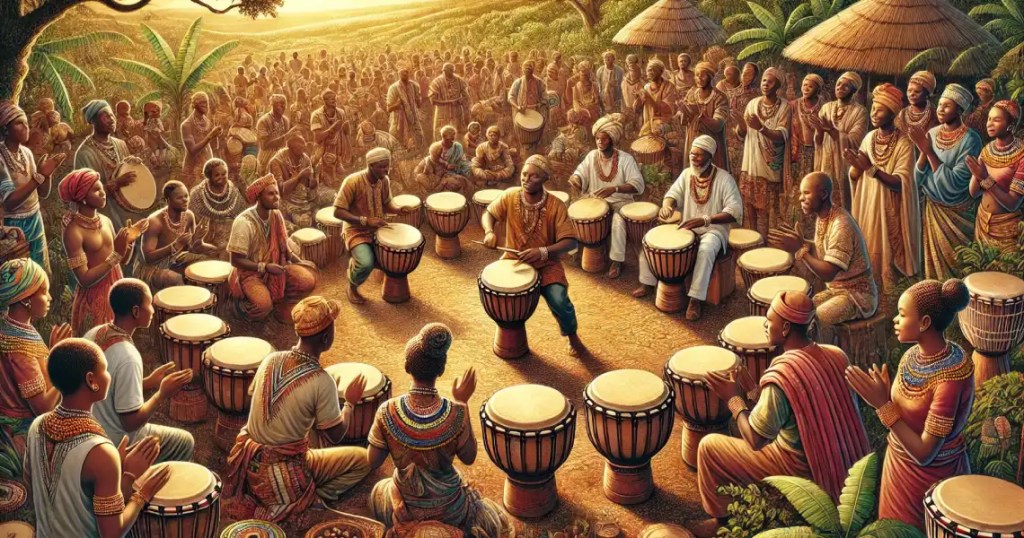
DRUMBEATS AND RHYTHMS

The beating of the drums,
Songs arise from the depth of the soul,
Summoning of the spirits,
It’s the end of the year.

The beating of the drums,
Produces rhythms that transcend and bring forth a descent,
Soon the twelfth door will close,
We’re oblivious to the next twelve that approach.

The beating of the drums,
River of songs flow to the room where the seers dwell,
Their bodies are with us but their souls commune with the Highest,
To bring the tidings for our abiding.

The beating of the drums,
Our souls seek redemption,
Darkness has trailed us,
Gloom stands at our doors.

The melody pierces through the Stygian veil,
There’s an ascent from the Light,
The seers are drenched in an outpouring,
We listen to understand, to withstand and to sojourn.


Fom Public Domain

Thompson Emate spends his leisure time on creative writing. He has a deep love for nature and the arts. He lives in Lagos, Nigeria.

PLEASE NOTE: ARTICLES CAN ONLY BE REPRODUCED IN OTHER SITES WITH DUE ACKNOWLEDGEMENT TO BORDERLESS JOURNAL

Click here to access the Borderless anthology, Monalisa No Longer Smiles

Click here to access Monalisa No Longer Smiles on Amazon International
Categories
Contents

Borderless, December 2024

Art by Sohana Manzoor

Editorial

‘Footfalls Echo in the Memory’… Click here to read.

Translations

Jibananada Das’s Andhar Dekhecche, Tobu Ache (I have seen the dark and yet there is another) has been translated from Bengali by Professor Fakrul Alam. Click here to read.

Manish Ghatak’s Aagun taader Praan (Fire is their Life) has been translated from Bengali by Indrayudh Sinha. Click here to read.

Manzur Bismil’s poem, Stories, has been translated from Balochi by Fazal Baloch. Click here to read.

Homecoming, a poem by Ihlwha Choi on his return from Santiniketan, has been translated from Korean by the poet himself. Click here to read.

Tagore’s Shotabdir Surjo Aji ( The Century’s Sun today) has been translated from Bengali by Mitali Chakravarty. Click here to read.

Poetry

Click on the names to read the poems

Michael R Burch, Farah Sheikh, George Freek, Rajiv Borra, Kelsey Walker, Lokenath Roy, Thompson Emate, Joy Anne O’Donnell, Jayant Kashyap, John Grey, Aman Alam, Stuart McFarlane, Ayesha Binte Islam, Ryan Quinn Flanagan, Saranyan BV, Rhys Hughes

Musings/ Slices from Life

Autumn in Hyderabad

Mohul Bhowmick muses on Hyderabad. Click here to read.

Straight Back Across the Strait

Meredith Stephens gives a vignette of life in South Australia with a sailing adventure built in. Click here to read.

My Patchwork Year

Keith Lyons muses on what 2024 meant for him. Click here to read.

Musings of a Copywriter

In Byline Fever, Devraj Singh Kalsi travels down the path of nostalgia. Click here to read.

Essays

Still to Moving Images

Ratnottama Sengupta explores artists who have turned to use the medium of films… artists like the legendary MF Husain. Click here to read.

How Dynamic was Ancient India?

Farouk Gulsara explores William Dalrymple’s latest book, The Golden Road: How Ancient India Transformed the World. Click here to read.

A Short, Winding, and Legendary Dhaka Road

Professor Fakrul Alam takes us on a historical journey of one of the most iconic roads of Dhaka, Fuller Road. Click here to read.

Stories

Significance

Naramsetti  Umamaheswararao creates a fable around a banyan tree and it’s fruit. Click here to read.

The Dance of Life

Snigdha Agrawal explores ageism. Click here to read.

The Unsuspecting Suspect

Paul Mirabile wraps his telling like a psychological thriller. Click here to read.

Conversations

Ratnottama Sengupta converses with Divya Dutta, an award-winning actress, who has authored two books recently, Stars in my Sky and Me and Ma. Click here to read.

Lara Geyla converses about her memoir, Camels of Kyzylkum, and her journey as an immigrant. Click here to read.

Book Excerpts

An excerpt from Thomas Bell’s Human Nature: A Walking History of the Himalayan Landscape. Click here to read.

An excerpt from Savi Naipaul Akal’s The Naipauls of Nepaul Street, a retelling of VS Naipaul’s heritage in Trinidad by his sister. Click here to read.

Book Reviews

Somdatta Mandal reviews Kusum Khemani’s Lavanyadevi, translated from Hindi by Banibrata Mahanta. Click here to read.

Aditi Yadav reviews Nanako Hanada’s The Bookshop Woman, translated from Japanese by Cat Anderson. Click here to read.

Jagari Mukherjee reviews Kiriti Sengupta’s poetry collection, Oneness. Click here to read.

Bhaskar Parichha reviews Noor Jahan Bose’s Daughter of The Agunmukha: A Bangla Life, translated from Bengali by Rebecca Whittington. Click here to read.

.

Click here to access the Borderless anthology, Monalisa No Longer Smiles

Click here to access Monalisa No Longer Smiles on Amazon International
Categories
Poetry

Streets of the Strange

By Thompson Emate

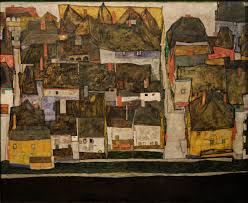
Art by Egon Shiele (1890-1918)
It was a small town,  
Its pristine beauty served as an endearing force.
The people appeared happy,
Seemingly embraced by nature.

It was a peaceful town,
With no absurdity in its complexity.
Nothing seemed out of place;
It was paradise in summer.

It was a town where imagination flowed freely,
Bringing home its radiant hues.
Creativity spun effortlessly,
Always a willing companion.

It was a town where twilight evoked a strange feeling.
The streets were deserted,
Though it was safe to walk alone,
If you didn’t mind the footsteps behind and beside you

Thompson Emate spends his leisure time on creative writing. He has a deep love for nature and the arts. His work can be seen in Poetry Potion, Poetry Soup, Written Tales magazine, Writer Space African magazine and elsewhere. He lives in Lagos, Nigeria.


.

PLEASE NOTE: ARTICLES CAN ONLY BE REPRODUCED IN OTHER SITES WITH DUE ACKNOWLEDGEMENT TO BORDERLESS JOURNAL

Click here to access the Borderless anthology, Monalisa No Longer Smiles

Click here to access Monalisa No Longer Smiles on Kindle Amazon International

Categories
Poetry

Tides of the Night

By Thompson Emate

The body is at rest.
The soul is out of its nest.
It journeys into the unknown,
Encountering the deep.

The soul walks out of its chamber
In the state called slumber.
It is assailed by strangers,
The eerie that seems to hide in us.

Helpless, the body lies
In the ambience of the moonrise.
The soul goes on a journey,
Saddled with mystery.

The soul returns from its sojourn,
Out of an unseen region.
We ponder on our encounters,
Troubled by the tendrils of darkness.

Thompson Emate spends his leisure time on creative writing. He has a deep love for nature and the arts. He lives in Lagos, Nigeria.

PLEASE NOTE: ARTICLES CAN ONLY BE REPRODUCED IN OTHER SITES WITH DUE ACKNOWLEDGEMENT TO BORDERLESS JOURNAL

Click here to access the Borderless anthology, Monalisa No Longer Smiles

Click here to access Monalisa No Longer Smiles on Amazon International
Categories
Poetry

The Chase

By Thompson Emate

THE CHASE

Chasing a moment in time,
Running against the changing clime,
Pursuit of a desire in life,
On the path of a worthy strife,

Listening to my mother,
Learning how she goes over and moves further,
Searching for a path through the night,
Seeking redemption’s light,

Walking out of each day’s shadow,
Hope tells me to look out of the gloomy window.
Buoyed by the benevolent elements of nature,
I bask in the Creator’s favour.

Every time I see a new way,
Monsters stealthily walk into that day.
I’m a conundrum of light and gloom,
It’s like an eternity in this room.

Thompson Emate spends his leisure time on creative writing. He has a deep love for nature and the arts. He lives in Lagos, Nigeria.

PLEASE NOTE: ARTICLES CAN ONLY BE REPRODUCED IN OTHER SITES WITH DUE ACKNOWLEDGEMENT TO BORDERLESS JOURNAL

Click here to access the Borderless anthology, Monalisa No Longer Smiles

Click here to access Monalisa No Longer Smiles on Amazon International