Categories
celebrations

Festivals of Humanity

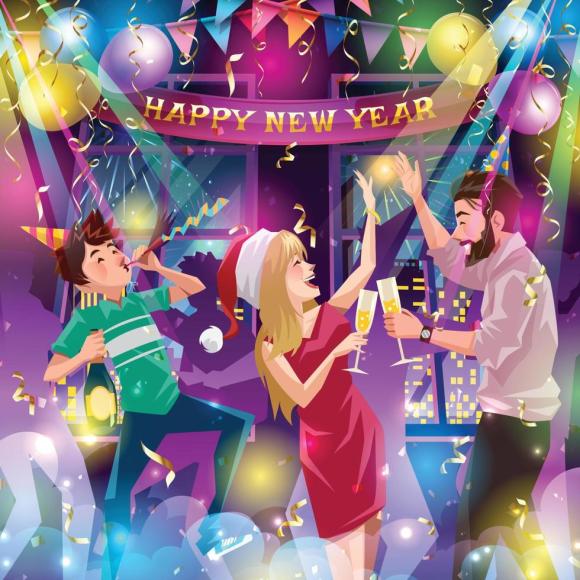
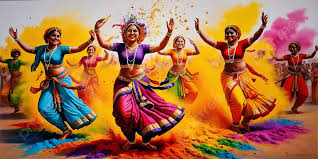
Festivals are affirmations of joy and love that bind humanity with their sense of hope even in a world torn by violence and climate change. As the end of the year approaches, we invite you to savour flavours of festivals past and, a few, yet to come, before the cycle starts again in the new year. The colours of celebrations are vibrant and varied as shades of nature or the skies.

We have new years spread out over the year, starting with January, moving on to the Chinese New Year around February, the Bengali new year in April to festivals of environment, light, darkness as in Wiccan beliefs, Tagore’s birth, more conventional ones like Deepavali, Eid, Durga Puja and Christmas. People celebrate in different ways and for different reasons. What we have also gathered is not only the joie de vivre but also the sadness people feel when celebrations are muted whether due to the pandemic, wars or for social reasons. In some cases, we indulge in excesses with funny results! And there are of course festivals of humanity … as celebrated by the bauls — the singing mendicants of Bengal — who only recognise the religion of love, compassion and kindness. 

Enjoy our fare! 

Poetry

 Aaji Shubhodine Pitaar Bhabone or On This Auspicious Day, a Brahmo Hymn by Tagore. Click here to read the translation by Mitali Chakravarty.

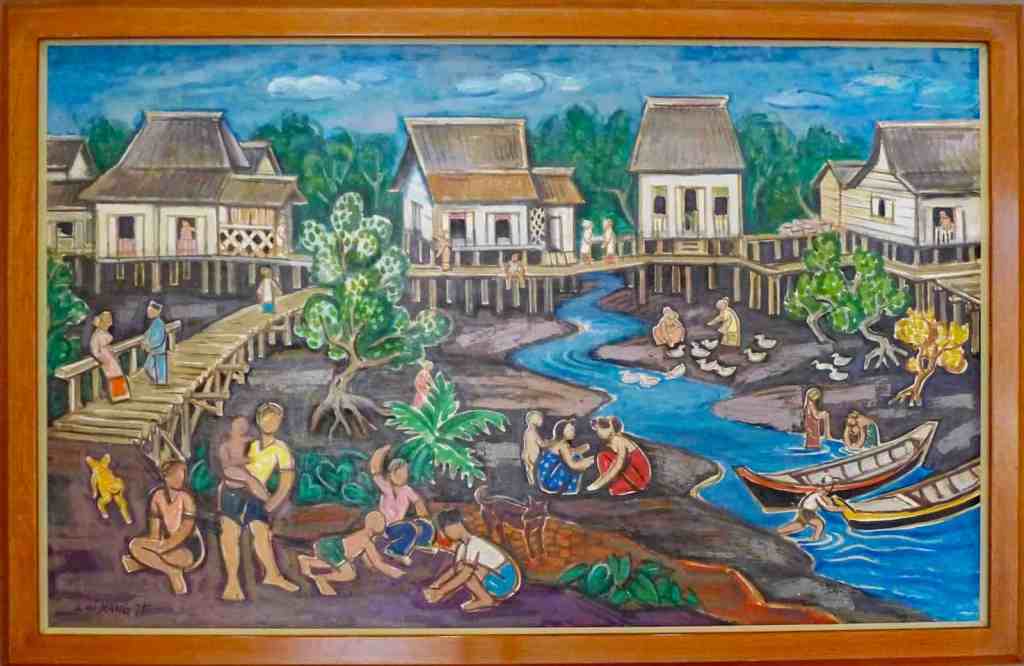
Potpouri by Isa Kamari familiarises us with Malay-Singaporean traditions that are observed during festivals. Click here to read.

Eid Poems by Afsar Mohammad. Click here to read.

 Ramakanta Rath’s Sri Radha celebrating the love of Radha and Krishna have been translated from Odiya by the late poet himself, have been excerpted from his full length translation. Click here to read.

Bijoya Doushumi, a poem on the last day of Durga Puja, by the famous poet, Michael Madhusudan Dutt, has been translated from Bengali by Ratnottama Sengupta. Click here to read.

Groundhog Day by John Grey. Click here to read. 

Christmas Cheer by Malachi Edwin Vethamani. Click here to read.

Christmas Poems by Rhys Hughes. Click here to read.

Poem on Christ by  Rabindranath Tagore: Verses excerpted from  ‘The Child‘, a poem originally written in English by the poet. Click here to read.

 Purano Sei Diner Kotha or ‘Can old days ever be forgot?’ by Tagore, based on Robert Burn’s lyrics, Auld Lang Syne. Click here to read the translation by Mitali Chakravarty.

Prose


 A Clean StartSuzanne Kamata tells us how the Japanese usher in a new year. Click here to read.

Shanghai in Jakarta: Eshana Sarah Singh takes us to Chinese New Year celebrations in Djakarta. Click here to read.

Cherry Blossom Forecast: Suzanne Kamata brings the Japanese ritual of cherry blossom viewing to our pages with her camera and words. Click here to read.

Pohela Boisakh: A Cultural Fiesta: Sohana Manzoor shares the Bengali New Year celebrations in Bangladesh with interesting history and traditions that mingle beyond the borders. Click here to read.

The New Year’s BoonDevraj Singh gives a glimpse into the projection of a new normal created by God. Click here to read.

A Musical Soiree: Snigdha Agrawal recalls how their family celebrated Tagore’s birth anniversary. Click here to read.

Not Everyone is Invited to a Child’s Haircut Ceremony: Odbayar Dorje muses on Mongolian traditions. Clickhere to read.

A Golden Memory of Green Day in JapanSuzanne Kamata tells us of a festival where she planted a tree in the presence of the Japanese royalty. Click here to read.

An Alien on the Altar! Snigdha Agrawal writes of how a dog and lizard add zest to Janmashtami (Krishna’s birthday) festivities with a dollop of humour. Click here to read

Memories of Durga Puja : Fakrul Alam recalls the festivities of Durga Puja in Dhaka during his childhood. Click here to read.

From Bombay to Kolkata — the Dhaaks of Durga : Ratnottama Sengupta explores a UNESCO Intangible Cultural Heritage Festival. Click here to read.

KL Twin Towers near Kolkata?: Devraj Singh Kalsi visits the colours of a marquee hosting the Durga Puja season with its spirit of inclusivity.  Click here to read.

The Oral Traditions of Bengal: Story and Song: Aruna Chakravarti describes the syncretic culture of Bengal through its folk music and oral traditions. Click here to read.

From Diana to ‘Dayaan’: Rajorshi Patronobis talks of Wiccan lore. Click here to read.

Dim Memories of the Festival of Lights: Farouk Gulsara takes a nostalgic trip to Deepavali celebrations in Malaysia. Click here to read. 

When Nectar Turns Poisonous!: Farouk Gulsara looks at social norms around festive eating. Click here to read.

 Hold the roast turkey please Santa: Celebrating the festive season off-season with Keith Lyons from New Zealand, where summer solstice and Christmas fall around the same time. Click here to read.

 Indian Christmas: Essays, MemoirsHymns, an anthology edited by Jerry Pinto and Madhulika Liddle, has been reviewed by Somdatta Mandal. Click here to read.

 I Went to KeralaRhys Hughes treads a humorous path bringing to us a mixed narrative of Christmas on bicycles . Click here to read.

The Bauls of Bengal: Aruna Chakravarti writes of wandering minstrels called bauls and the impact they had on Tagore. Click here to read.

Categories
The Lost Mantras

More Poems by Isa Kamari

Poetry and translation from Malay by Isa Kamari

DAWN

Hey, the morning breaks!
Hey, the faithful sun!
Hey, the disappearing dew!
Hey, the layered air!
The breath desires,
the soul asks:
Who do you greet?
Have you pondered, sons of Adam?
Death awaits, life prolongs.
Have you realised, progenies of Eve?
The earth is impregnated and layered by purpose.
The one that you welcome is the morning,
The one that you coax is the sun,
The one that you touch gently is the dew,
The one that you breathe is the air.
The gift of death,
life fulfilled,
accompanies the inevitable:
morning, sun, dew, and air.
A breath dissipates, a soul obliterates.
Nothingness. Gone.
Hey!

THE FIELD

The green grass is a mother’s heart,
the velvet of love for her children.
Although stepped upon by mischief and transgression,
she distils dews of hope
that her children would grow with the sun.
The earth is the preparation of a father:
soil and compost for his children
where character would be rooted.
Barren or fertile,
he digs into his responsibility and self-worth,
as long as the rain nourishes his age.
Grass flowers are the children
who only know the joy of the wind
for as long as their dreams
have not landed on earth
and kissed the grass.

MOLTEN EARTH

This moment,
we’re walking in the rain,
accompanied by a bluish rainbow
and red birds with purple blood.
If they’re heading towards the dais,
we have yet to embrace the longing.
When the moon is in tears,
it’s just ill-suited for us to sail
on the orange henna sea.
In truth,
we verily love the eagle
that flies in the desolate morning.
If not for ravens like you,
our forest would be infested with rabbits.
Give us white wings;
we want to fly with blue birds
that return to reciprocate love.
We want to taste milk.
Is it for us only urine,
the manifestation of love by dogs?
Sound your prayer call in our shacks
so that our tears
are not just to bear
the pain and bitterness
of a plate of rice.
If your pensiveness is just to reminisce
the sufferings of night longing for day,
our tears have flowed
from the earth’s molten belly,
which are stepped upon
by saints like you and them
who have cast curses
upon us wretched souls.

POTPOURRI

The screw pine thrives on damp soil,
next to the swampy pond.
It spreads its green in the wild;
roots clench the earth we tread upon.
The jasmine grows on the lawn,
marks the boundaries of property.
Sturdy branches, leaves flourish;
petals open, greet the clouds.
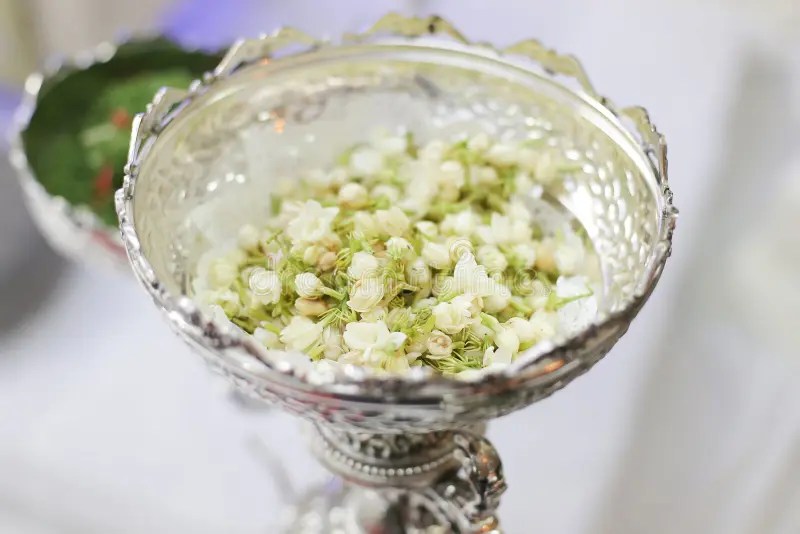
The sliced screw pine in a receptacle,
the jasmine blossoms spread on the tray,
perfume sprinkled to enhance the scent:
the potpourri of bunga rampai welcomes guests.
The ceremony officiated by the qadi,
the couple duly married,
customs and culture celebrated in fragrance,
religious laws honoured on the dais.
The shaving of the baby’s head,
first steps on the soil,
the coffin carried to the grave—
the potpourri of bunga rampai
adorns every domain,
binding firmly entire life’s moments.

Isa Kamari has written 12 novels, 3 collections of poetry, a collection of short stories, a book of essays on Singapore Malay poetry, a collection of theatre scripts and lyrics of 3 music albums, all in Malay. His novels have been translated into English, Turkish, Urdu, Arabic, Indonesian, Jawi, Russian, French, Spanish, Korean, Azerbaijan and Mandarin. Several of his essays and selected poems have been translated into English. Isa was conferred the S.E.A Write Award from Thailand (2006), the Singapore Cultural Medallion (2007), the Anugerah Tun Seri Lanang (2009) from the Singapore Malay Language Council, and the Mastera Literary Award (2018) from Brunei Darussalam.

He obtained a BArch (Hons) from the National University of Singapore in 1989, an MPhil (Malay Letters) from Universiti Kebangsaan Malaysia in 2008 and is currently pursuing a PhD programme at the Academy of Islamic Studies, Univeristi Malaya. His area of research is on the problem of alienation and the practice of firasat (spiritual intuition) in selected Singapore Malay novels.

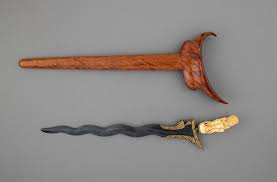
The Lost Mantras is a collection that blends spirituality, Malay cultural heritage, and universal human experience. First published as part of Menyap Cinta (Love Greetings, 2022, Nuha Books KL), these poems are like a bridge between mysticism and everyday life, where traditional images (betel, jasmine, kris[1], oil lamps, setanjak[2]) are woven with Qur’anic echoes, prayers, and existential questioning. The collection carries a Sufi resonance—always circling back to longing, humility, surrender, and beauty as signs of God. The poems are not only lyrical but also function as cultural memory: they preserve Malay traditions, communal practices, and village life, while situating them in a cosmic framework of faith, sin, and redemption. The use of Malay customs, rituals, and objects is powerful: it asserts that spirituality is not abstract but embedded in heritage. This makes the collection uniquely Southeast Asian despite its universal in appeal.

[1]A dagger

[2] Malay headgear

PLEASE NOTE: ARTICLES CAN ONLY BE REPRODUCED IN OTHER SITES WITH DUE ACKNOWLEDGEMENT TO BORDERLESS JOURNAL

Click here to access the Borderless anthology, Monalisa No Longer Smiles

Click here to access Monalisa No Longer Smiles on Kindle Amazon International
Categories
The Lost Mantras

Poems by Isa Kamari

Poetry and translation from Malay by Isa Kamari

THE KING

I bow to you, King.
I bear the torment of your sadness
in the embrace of my sleep.
May it transform into glad tidings
for the days of your people.
This exploration is to find your throne,
which has disappeared from our hearts.
For my love to you, King.

JASMINES

Earth jasmines, sky jasmines,
a string of jasmines encircles the heart,
jasmines poured with water from the hills,
jasmines sprinkled by a pinch of compost.
Seven rivers, seven clouds—
rain pelts onto forlorn petals.
Beauty is in the form,
beauty to the eyes,
beauty is the hand that tends to the soil,
beauty is the fingers that caress the leaves,
beauty is the cut on the arms of the gardener.
The scorching sun,
the shade from the foliage,
bountiful is the soul of the tree that delivers,
witness to a life devoted to hard work,
with the laws of nature as the axis.
Strong roots clench the earth,
shoots look up high to the sky.
Stand firmly, the soul sings.
Blossoms waft fragrant dreams.
Earth jasmines, sky jasmines,
bloom in the early morning.
Say your prayers,
introduce yourself.

BETEL LEAVES

To be at the top
is to function at the bottom,
upholding responsibilities and trust,
strengthening shared roots.
The fragile branches are free to stretch,
the green leaves spread wide.
Wild betel, untouched betel,
covers the soil, climbs the trellis.
To be at the peak
in essence is to grow shoots,
carrying fertile hopes and dreams,
giving way and space to grow,
to climb each posting energetically,
to qualify for the position when seasons change.
Lofty betels, heavenly betels,
reach for the stars, greet the clouds.
To be in the ceremonial receptacle
in essence is to uphold tradition,
surrendering to the preservation of culture.
Typically chewed with lime, slicing problems,
mature-red in speech,
tracing the lives of roots and shoots.
Wild betel, untouched betel, lofty betel,
heavenly betel, courtship betel, customary betel,
weaving values and the essence of leadership
entrenched in tradition.

HOME

Free souls wouldn’t be easily bored
by mentoring and demands,
for it’s the stable self
that gives rise to liberation.
And that’s called freedom —
it isn't about release without aims,
just like city folks,
released from home or work,
wander aimlessly at shopping malls,
seek excitement from novelty and transience.
It isn't that Life doesn’t require variety,
or it isn't that the soul doesn’t long for fun.
It’s just that we who claim to be free
are easily entrapped in useless pettiness
that we spread in the city
without ever realising
that we haven’t returned to the doors of our hearts,
although we’ve stepped afoot
onto the compound of the house.

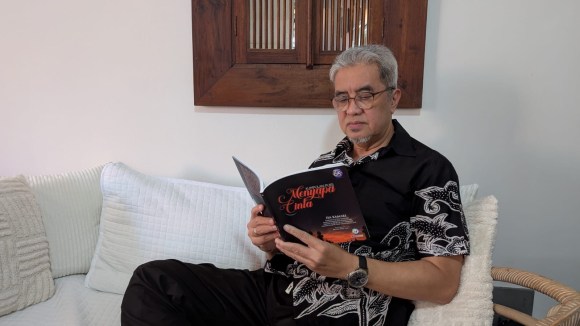
Isa Kamari : A foremost Malay writer from Singapore: Photo provided by the poet.

Isa Kamari has written 12 novels, 3 collections of poetry, a collection of short stories, a book of essays on Singapore Malay poetry, a collection of theatre scripts and lyrics of 3 music albums, all in Malay. His novels have been translated into English, Turkish, Urdu, Arabic, Indonesian, Jawi, Russian, French, Spanish, Korean, Azerbaijan and Mandarin. Several of his essays and selected poems have been translated into English. Isa was conferred the S.E.A Write Award from Thailand (2006), the Singapore Cultural Medallion (2007), the Anugerah Tun Seri Lanang (2009) from the Singapore Malay Language Council, and the Mastera Literary Award (2018) from Brunei Darussalam.

He obtained a BArch (Hons) from the National University of Singapore in 1989, an MPhil (Malay Letters) from Universiti Kebangsaan Malaysia in 2008 and is currently pursuing a PhD programme at the Academy of Islamic Studies, Univeristi Malaya. His area of research is on the problem of alienation and the practice of firasat (spiritual intuition) in selected Singapore Malay novels.

The Lost Mantras is a collection that blends spirituality, Malay cultural heritage, and universal human experience. First published as part of Menyap Cinta (Love Greetings, 2022, Nuha Books KL), these poems are like a bridge between mysticism and everyday life, where traditional images (betel, jasmine, kris[1], oil lamps, setanjak[2]) are woven with Qur’anic echoes, prayers, and existential questioning. The collection carries a Sufi resonance—always circling back to longing, humility, surrender, and beauty as signs of God. The poems are not only lyrical but also function as cultural memory: they preserve Malay traditions, communal practices, and village life, while situating them in a cosmic framework of faith, sin, and redemption. The use of Malay customs, rituals, and objects is powerful: it asserts that spirituality is not abstract but embedded in heritage. This makes the collection uniquely Southeast Asian while still universal in appeal

[1] A dagger

[2] Malay headgear

PLEASE NOTE: ARTICLES CAN ONLY BE REPRODUCED IN OTHER SITES WITH DUE ACKNOWLEDGEMENT TO BORDERLESS JOURNAL

Click here to access the Borderless anthology, Monalisa No Longer Smiles

Click here to access Monalisa No Longer Smiles on Kindle Amazon International
Categories
Essay

‘Wormholes to other Worlds’

Ravi Shankar writes about museums in Kuala Lumpur

Perdana Botanical Gardens. Courtesy: Creative Commons

I had a feeling of quiet satisfaction. I was finally able to locate the passage. I had spent a few weeks trying to do so without success. At ten in the morning, the iron gates of the passage/tunnel under the busy road were open as mentioned in the video on YouTube.  I could see the lakes of the Perdana Gardens ahead. The Perdana Botanical Gardens is one of the major attractions of Kuala Lumpur.

There are also several attractions located around the garden. Among these are the KL Bird Park, the Butterfly Park, the National Planetarium, the Islamic art museum, the Royal Police Museum, and the Tun Razak Memorial. I visited these museums over several weekends. Walking to and from and within these museums keeps me active. Many are located around the Perdana Botanical Garden. Two are around the Dataran Merdeka, the Merdeka Square. The Royal Museum is separate but not very far from these two locations. KL has several other museums that we will examine in a later article.

The pandemic had created a sense of fear within me. In late 2000, COVID was still under control in Malaysia and the national museum was open with pandemic protocols. I was apprehensive but my entry to the museum was smooth. The National Museum of Malaysia (Muzium Negara in Malay) is an impressive structure inaugurated in 1963. The museum was designed in the style of a Malay palace and UNESCO had provided consultants from different countries. The museum is impressive and modern.

The ground floor details the history of Malaysia from ancient times to the Sultanate of Melaka. Kedah in the north was a major historical centre. Excavations have revealed old civilisations. Melaka was a major trading post. Various European colonial powers had fought over the state.  The second-floor deals with the colonial and modern history of the country. I was fascinated by images of the Japanese occupation and the civil war. There are various exhibits located outside on the museum grounds. As the pandemic has slowly declined, the museum has come to life again attracting crowds, especially on weekends. There are local crafts and food items on display and sale.

There is a museum café on the premises that serves good Malay food. I often have lunched there while visiting the botanical garden and surrounding attractions. The textile museum or Muzium Tekstil is in a beautiful old heritage building near Merdeka Square, the country’s historical heart. The building started as the headquarter of the Federated Malay states railways and served later as the main office for different government entities.

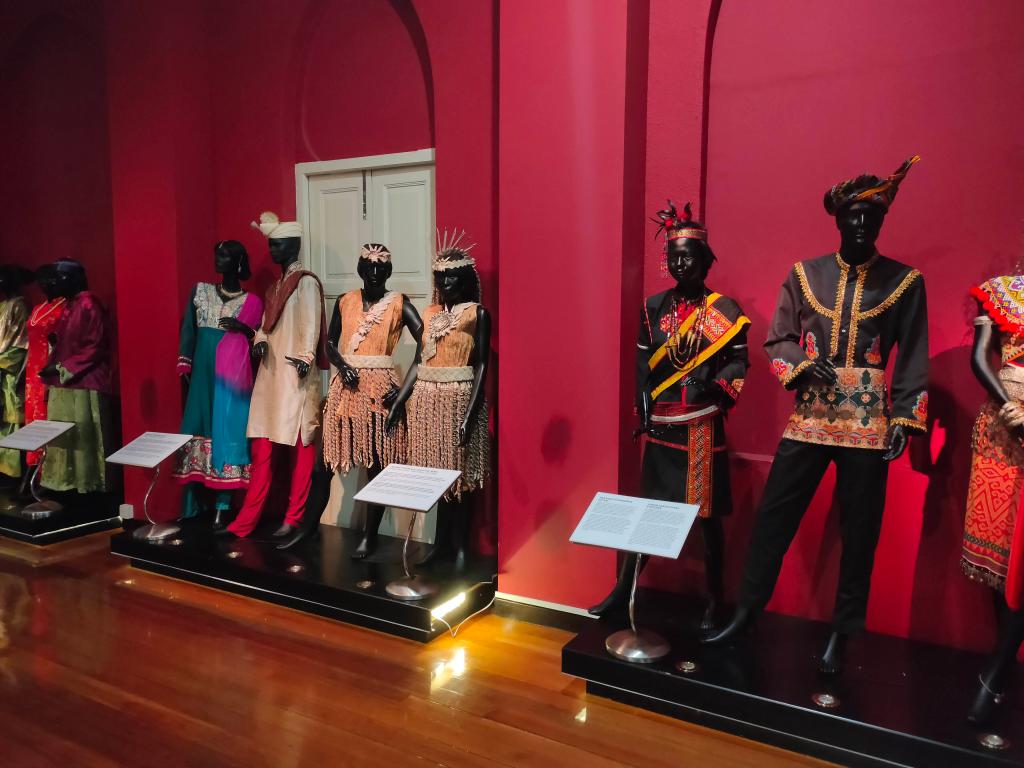
The textile museum was opened in 2010. There are four galleries over two floors. The Pohon Budi Gallery deals with the tools, materials, and techniques of textile making over the ages. The Pelangi Gallery deals with batik. I visited the museum with a friend who hailed from Gujarat, and he was fascinated by how batik had been adopted here . The Teluk Berantai gallery concentrates on the teluk berantai (interlocking bays), a harmonious motif made up of individual flower designs stitched together into geometric patterns. The Ratna Sari gallery is also located upstairs. The British had brought in artists and artisans mainly from India to construct several colonial-era buildings in the Mughal style. The museum is within walking distance from the Masjid Jamek station on the Sri Petaling line.

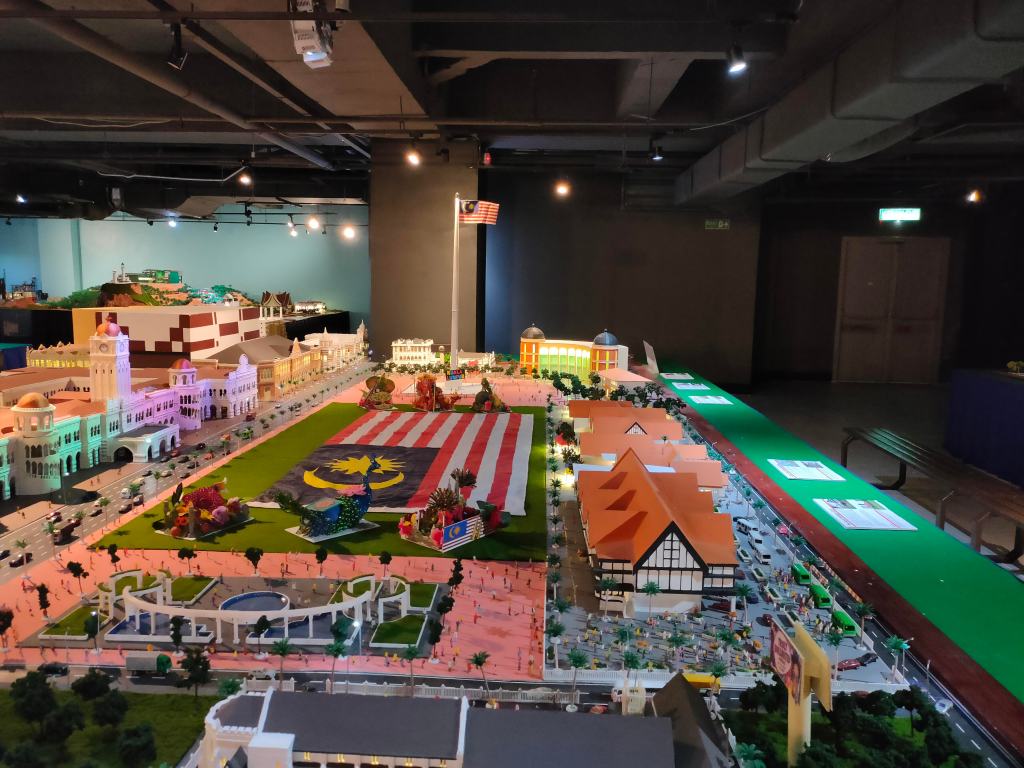
The KL City Gallery tells the story of the city from its founding as a tin mining town to eventually becoming the capital of British Malaya and modern Malaysia. Kuala Lumpur comes from two Malay words meaning the muddy confluence of two rivers. The town at the confluence of the Gombak and the Klang rivers grew rapidly into a modern metropolis. The gallery is operated by ARCH, a Malaysian brand making hand-assembled collectibles and gifts. The story of the city is told through old prints, miniatures, and photos. The centrepiece is the hand-assembled KL City model with over 5000 miniature buildings. The gallery has a café, and the city’s love of food is well showcased. At the entrance there is an I love KL sign popular with tourists and locals as a backdrop for photos.

The National art gallery (Balai Seni Negara) is within walking distance from the KL Hospital station on the newly opened Putrajaya line. The gallery is designed as spaces flanking the circular ramp to serve as exhibition areas for more intimate and contemplative viewing. The spiral ramp in the middle provides a dynamic visual experience to visitors showcasing the building from different angles at every level.  There are galleries located on three levels. There is a mixture of different media like paintings, a few miniature paintings, sculptures, installations, and projected images among others. I love the space and feel of the building. There is a good collection of paintings and other works by Malaysian artists. British colonial artists and their impressions of life in colonial Malaysia are also featured. The gallery makes for an interesting and contemplative outing. 


Minnature Gallery advertises itself not as a museum as the pieces on display were all created specifically and are not of historical value. There are thousands of miniature pieces, and the buildings were 3D printed. The location is within the Sungai Wang Plaza, near the Merdeka Square. The recreation of the Dataran Merdeka or the Independence Square and the light show at this historic location (in miniature) is impressive. are miniature models of several locations in the country. While the pandemic protocols lasted, these served as a good introduction for me to the attractions of other states in the country. They have a small store selling merchandise. Most museums in Malaysia have a gift shop and a dining area. The models of different foods from Malaysia in the Minnature gallery are impressive though I am not sure if there is a restaurant on the premises. The amount of detail is huge and the proportions of the structure correspond to the real world.

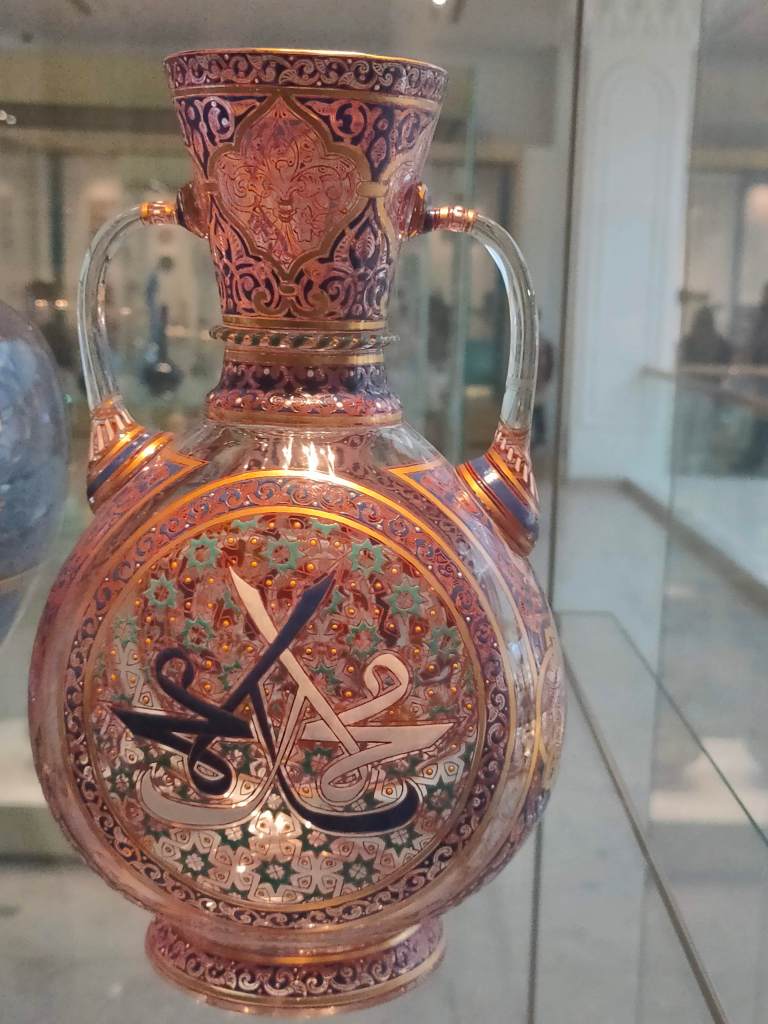
An artifact from the Islamic Museum. Photo Courtesy: Ravi Shankar

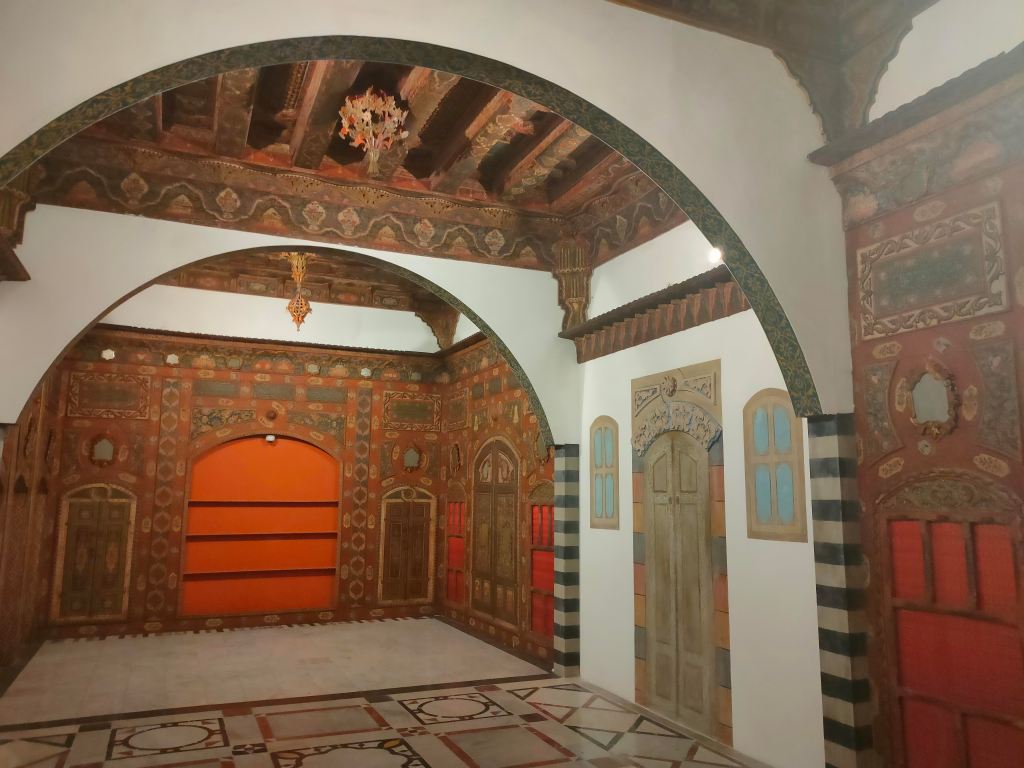
The Islamic Arts Museum (Muzium Kesenian Islam Malaysia) is located around the perimeter of the Perdana Garden. The museum claims to be the largest one on Islamic art in Southeast Asia. The Nusantara region including Malaysia and Indonesia claims to have the largest Muslim population in the world. There are more than 7000 artefacts. The building is spacious with large glass frames letting in plenty of light. The museum is spread over two levels. Level one contains galleries devoted to architecture, the Quran, and other manuscripts, and a gallery each for the art of India, China, and the Malay Peninsula. The second level is dedicated to Arms and Armours, Textiles, Jewelry, and Coins, and three galleries consisting of artworks categorised by their materials – Metal, Wood, and Ceramics. The craftsmanship of some of the pieces is sublime. The dedication of the craftsmen and the time they devoted to their tasks has to be admired. The highlight of the gallery to me was the delightful and elaborate roofs. Each is a masterpiece of design! There is also a fine dining restaurant on the premises.

The original Royal Malaysia police museum (Muzium Polis di Raja Malaysia) was built in 1958. The new building located on the outskirts of Perdana Garden was inaugurated in 1998. There are three galleries: one deals with policing during the early days of the Malay sultanate, the other, with the Colonial Era and the last with the period called Emergency, the Anti–British National Liberation War (1948-1980) which involved guerrilla warfare. There are a variety of materials used by the police force over the ages in the collection. There is a good collection of motorcycles and other vehicles. The police persons on duty at the museum are very friendly. There is a large collection of armoured vehicles and cars and a plane model on the grounds of the museum.

The Royal Museum (Muzium di Raja) was inaugurated in 2013 and was the residence of the King of Malaysia till the royal family moved to a new residence. The huge two-story property was built in 1928 by a Chinese mining tycoon for his huge family and was one of the biggest residences in Kuala Lumpur (KL). The museum provides a glimpse into the life of the royal family though most rooms can only be seen from the walkway. There is a good view of the KL skyline, including the iconic Petronas Tower.

All these museums are visitor friendly and provide a unique glimpse into the history of the city, the state of Selangor, and Malaysia. Tourists might need around three or four days to do justice to the richness on offer. Museums take you to other worlds and times. The American art critic, Jerry Saltz says, “Don’t go to a museum with a destination. Museums are wormholes to other worlds. They are ecstasy machines. Follow your eyes to wherever they lead you…and the world should begin to change for you.”  

A restored museum room in the Islamic Arts Museum. Photo Courtesy: Ravi Shankar

Dr. P Ravi Shankar is a faculty member at the IMU Centre for Education (ICE), International Medical University, Kuala Lumpur, Malaysia. He enjoys traveling and is a creative writer and photographer.

.

PLEASE NOTE: ARTICLES CAN ONLY BE REPRODUCED IN OTHER SITES WITH DUE ACKNOWLEDGEMENT TO BORDERLESS JOURNAL

Click here to access the Borderless anthology, Monalisa No Longer Smiles

Click here to access Monalisa No Longer Smiles on Kindle Amazon International