Our home is our planet with it’s unique combinations which have made life possible. These evolve and mutate with human intervention and the passage of time. The changes affect the flora and the fauna — of which we are a part — of this beautiful green planet. The World Environment Day is a UN initiative to protect the environment and to create an awareness about the changes wrought on it and how it could impact us as a species. Writers from yore have written of the beauty and the inspiration invoked by nature as have the moderns. Today, we share with you vintage writings as well as modern writing in prose on the world around us, showcasing the concerns of a century ago and the reality today.
Vintage Prose
One Small Ancient Tale: Rabindranath Tagore’s Ekti Khudro Puraton Golpo (One Small Ancient Tale) has been translated by Nishat Atiya. Click hereto read.
Bolai: Story of nature and a child translated by Chaitali Sengupta. Click hereto read.
Baraf Pora (Snowfall) : This narrative gives a glimpse of Tagore’s first experience of snowfall in Brighton and published in the Tagore family journal, Balak (Children), has been translated by Somdatta Mandal . Clickhere to read.
The Day of Annihilation, an essay on climate change by Kazi Nazrul Islam, has been translated from Bengali by Radha Chakravarty. Clickhereto read.
Modern Prose
The Gift : Rebecca Klassen shares a sensitive fiction about a child and an oak tree. Click here to read.
A Penguin’s Story: Sreelekha Chatterjee writes a fiction from a penguin’s perspective. Clickhere to read.
Navigational Error: Luke P.G. Draper explores the impact of pollution with a short compelling narrative. Click here to read.
Pigeons & People : In his fiction, Srinivasan R explores human nature and imagines impact on our fauna. Click here to read
The Theft of a River: Koushiki Dasgupta Chaudhuri reveals a poignant truth about how a river is moving towards disappearance due to human intervention. Clickhereto read.
Potable Water Crisis & the Sunderbans: Camellia Biswas, a visitor to Sunderbans during the cyclone Alia, turns environmentalist and writes about the potable water issue faced by locals. Click here to read.
Translations are like bridges. Three years ago, we decided to start a bridge between Tagore’s ideas and the world that was unfamiliar with his language, Bengali. He has of course written a few pieces in Brajbuli too. We started our journey into the territory of Tagore translations with Aruna Chakravarti’s Songs of Tagore. Now we have expanded hugely this section of our translations with many prose pieces and more translations of his lyrics and poetry by writers like Aruna Chakravarti, Fakrul Alam, Radha Chakravarty, Somdatta Mandal, Himadri Lahiri, Ratnottama Sengupta, Chaitali Sengupta and Nishat Atiya other than our team’s efforts. To all these translators our heartfelt thanks. We share with you their work celebrating one of the greatest ideators of the world.
Prose
Stories
.Aparichitaby Tagore :This short story has been translated as The Stranger by Aruna Chakravarti. Click hereto read.
Musalmanir Galpa(A Muslim Woman’s Story): This short story has been translated by Aruna Chakravarti. Clickhere to read.
One Small Ancient Tale: Rabindranath Tagore’s Ekti Khudro Puraton Golpo (One Small Ancient Tale) from his collection Golpo Guchcho ( literally, a bunch of stories) has been translated by Nishat Atiya. Click hereto read.
Bolai: Story of nature and a child translated by Chaitali Sengupta. Click hereto read.
Baraf Pora (Snowfall) : This narrative gives a glimpse of Tagore’s first experience of snowfall in Brighton and published in the Tagore family journal, Balak (Children), has been translated by Somdatta Mandal . Clickhere to read.
Himalaya Jatra( A trip to Himalayas) :This narrative about Tagore’s first trip to Himalayas and beyond with his father, has been translated from his Jibon Smriti (1911, Reminiscenses) by Somdatta Mandal. Click here to read.
Library: A part of Bichitro Probondho(Strange Essays) by Rabindranath Tagore, this essay was written in 1885, translated by Chaitali Sengupta. Click hereto read.
Book Excerpts
The Parrot’s Tale: Excerpted from Rabindranth Tagore. The Land of Cards: Stories, Poems and Plays for Children, translated by Radha Chakravarty, with a foreword from Mahasweta Devi. Clickhere to read
Rabindranath Tagore Four Chapters: An excerpt from a brilliant new translation by Radha Chakravarty of Tagore’s controversial last novel Char Adhyay. Click here to read.
Farewell Song :An excerpt from Radha Chakravarty’s translation of Tagore’s novel. Click hereto read.
Oikotan(Harmonising) has been translated by Professor Fakrul Alam and published specially to commemorate Tagore’s Birth Anniversary. Click hereto read.
Monomor Megher O Shongi (or The Cloud, My friend) has been translated by Professor Fakrul Alam. Click here to read.
Professor Fakrul Alam has translated Tomra Ja Bolo Tai Bolo, Hridoy Chheele Jege and Himer Raate — three songs around autumn from Clickhere to read.
Tagore’sAchhe Dukhu, Achhe Mrityu, (Sorrow Exists, Death Exists) has been translated from Bengali by Fakrul Alam. Click hereto read.
Tagore’s long poem, Dushomoy (translated as Journey of Hope though literally the poem means bad times). Click here to read the poem in English and listen to Tagore’s voice recite his poem in Bengali. We also have a sample of the page of his diary where he first wrote the poem as ‘Swarga Pathhe'(On the Path to Heaven).
Deliverance by Tagore: ‘Tran’by Tagore, a prayer for awakening of the subjugated. Click here to read the translation.
Abhisar byTagore: A story poem about a Buddhist monk by Rabindranath Tagore in Bengali. Click here to read the translation.
Amaar Nayano Bhulano Eledescribes early autumn when the festival of Durga Puja is celebrated. Click here to read the translation from Bengali.
Morichika or Mirage by Tagoreis an early poem of the maestro that asks the elites to infringe class divides and mingle. Click here to read the translation from Bengali.
Pochishe Boisakh(25th of Baisakh) is a birthday poem Tagore wrote in 1922 and from he derived the lyrics of his last birthday song written in 1941. Click here to read.
Chhora or Rhymes, a poem describing the creative process, it was written in 1941. Click here to read.
Okale or Out of Syncgives a glimpse of how out of sync situations are also part of our flow. Click here to read.
Mrityu or Death dwells on Tagore’s ability to accept death as a reality. Clickhere to read.
Songs of Tagore: Seven songs translated by Aruna Chakravarti from a collection that started her on her litrary journey and also our Tagore translation section. Click here to read.
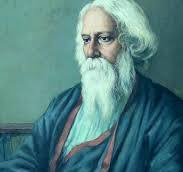
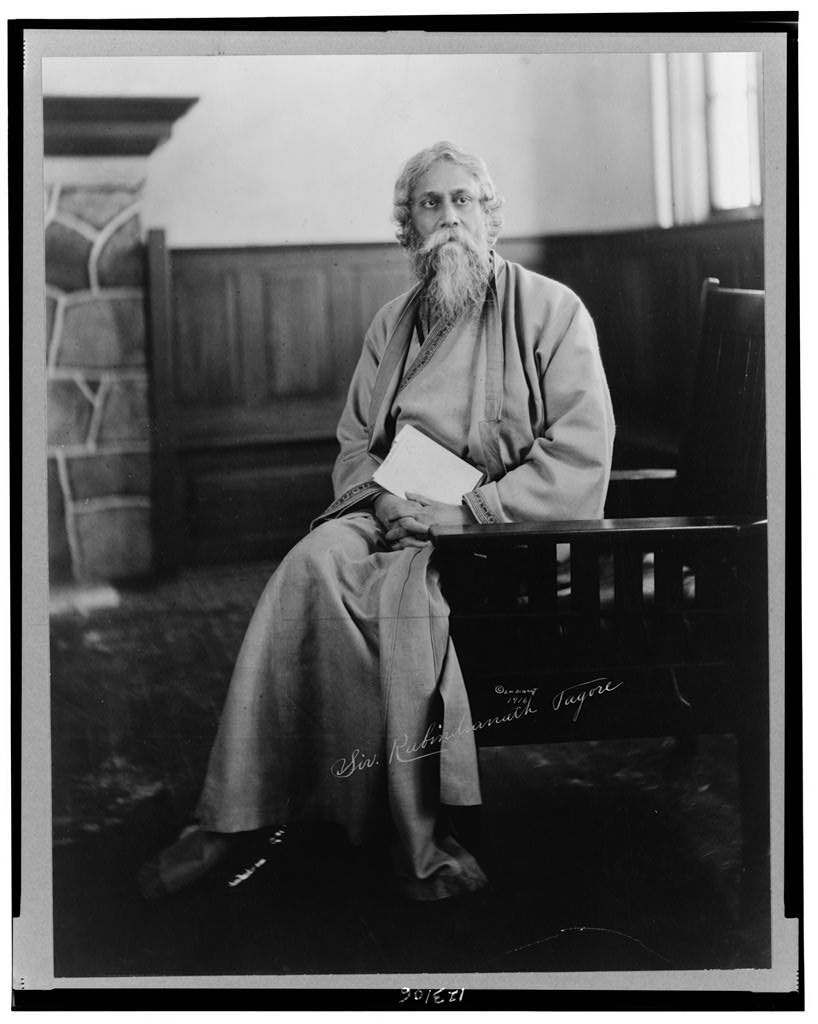
Rabindranath Tagore (May 7th 1861-August 7 1941). From Public Domain.
One of the greatest minds of centuries, Tagore wondered about life and death… about posterity. He lost his wife, some of his children and many more loved ones in his lifetime. He took a philosophical stance on death. On his death anniversary, we bring to you his ideas on death and life too…
As a salute to his pen, we start with his poems and stories, mostly in translation, and move on to tributes by Nazrul (translated by Professor Fakrul Alam), by Aruna Chakravarti , by the late Sunil Gangopadhyay and more…
Tagore’s Poetry
The Child, a poem by Tagore originally written in English. Click here to read.
Tagore in Translation
Tagore’sAchhe Dukhu, Achhe Mrityu, (Sorrow Exists, Death Exists): These lyrics were composed by the poet when on the death of his wife. It has been translated by Fakrul Alam. Click hereto read.
Mrityu or Death,a poemby Tagore has been translated by Mitali Chakravarty. Click here to read.
One Small Ancient Tale: Rabindranath Tagore’s ‘Ekti Khudro Puraton Golpo (One Small Ancient Tale)’ from his collection Golpo Guchcho ( literally, a bunch of stories) has been translated by Nishat Atiya. Click here to read.
Tributes
Nazrul’sGhumaite Dao Shranto Robi Re(Let Robi Sleep in Peace) has been translated from Bengali by Professor Fakrul Alam. Click here to read.
Rabindranath Tagore: A Universal Bard :This conversation between Aruna Chakravarti and Sunil Gangopadhyay that took place at a Tagore Conference organised by the Sahitya Akademi in Kochy in 2011. Click here to read.
 Borderless