Categories
Author Page

Ratnottama Sengupta

Ratnottama Sengupta, formerly Arts Editor of The Times of India, teaches mass communication and film appreciation, curates film festivals and art exhibitions, and translates and write books. She has been a member of CBFC (Certified Board of Film Certification), served on the National Film Awards jury and has herself won a National Award. 

Conversations

‘He made History stand still on his Pages’

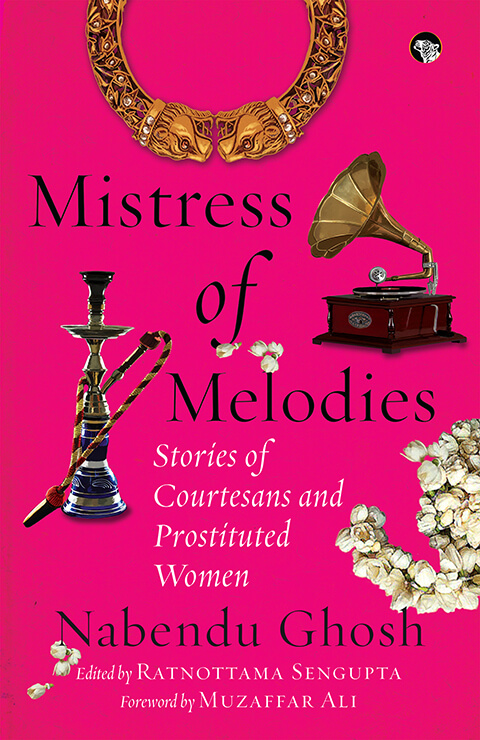
A conversation about an eminent screenwriter and author, Nabendu Ghosh. His daughter, senior journalist Ratnottama Sengupta, unfolds stories about her father. Click here to read.

Words and Worlds of Bollywood Star Deepti Naval

Eminent film journalist, Ratnottama Senguptaconverses with legendary actress, Deepti Naval, on her literary aspirations at the Simla Literary festival, Unmesh, in June 2022. Click here to read.

Interviewing Bulbul: Remembering Mrinal Sen… 

Ratnottama Sengupta introduces Bulbul Sharma to converse with her on Mrinal Sen, the legendary filmmaker, reflecting on Bulbul Sharma’s experience as an actress in his film, Interview. Click here to read.

Poetry

Poetry by Ratnottama Sengupta… Click here to read.

Prose

Abol Tabol: No Nonsense Verses of Sukumar Ray

Ratnottama Sengupta relives the fascination of Sukumar Ray’s Abol Tabol, which has  just completed its centenary. Click here to read.

The Story of a Land at War with Itself

Ratnottama Sengupta presents the first hand account of the war in Bosnia-Herzegovina (1992-1995) from a letter from her brother, who was posted there as part of the peace-keeping troops. Click here to read.

Moving Images of Tagore

Ratnottama Sengupta talks of Tagore and cinema. Click here to read.

A Towering Inferno, A Girl-next-door & the Big City

Ratnottama Sengupta writes of actress Jaya Bachchan recounting her first day on the sets of Satyajit Ray’s Mahanagar. Click here to read.

Magic of the Mahatma & Nabendu

Ratnottama Sengupta shows the impact of Gandhi and his call for non-violence on Nabendu Ghosh as she continues to emote over his message of Ahimsa and call for peace amidst rioting. Click here to read.

Which way, wanderer? Lyric or screenplay…

Ratnottama Sengupta explores the poetry in lyrics of Bollywood songsdiscussing the Sahityotsav (Literary Festival) hosted by the Sahitya Akademi. Click here to read.

When ‘they’ Danced…

Ratnottama Sengupta discusses the unique Bhooter Naach or the Ghost Dance, in Satyajit Ray’s Goopy Gyne Bagha Byne. Click here to read.

The Roy Senguptas

Ratnottama Sengupta continues with her own family saga looking back to the last century. Click here to read.

A Solitary Pursuit: The Art of Suhas Roy

Ratnottama Sengupta journeys with the signature art of Suhas Roy as it transformed in theme, style, and medium. Click here to read.

Ghosh & Company

Ratnottama Sengupta relives the past. Click here to read.

Freedom is another word for… Zohra Sehgal

Ratnottama Sengupta gives a glimpse of the life of Zohra Sehgal, based on the book Zohra: A Biography in Four Acts by Ritu Menon, and her own personal interactions with the aging Zohra Sehgal. Click here to read.

In Memoriam: Star of the Stage Shines on Screen

Ratnottama Sengupta pays a tribute to famed actress, Swatilekha Sengupta (May 1950- June 2021). Click here to read.

A Special Tribute

In Jean Claude Carriere: A Writer for all DirectorsRatnottama Sengupta pays homage to Jean Claude Carriere (1931-2021), the legendary screenwriter of Peter Brook’s Mahabharata. Click here to read.

When will we ever learn? Oh, will we ever learn? 

Ratnottama Sengupta, comments on the current situation in Ukraine while dwelling on her memorable meeting with folk legend Pete Seeger, a pacifist, who wrote ‘Where have all the Flowers gone’, based on a folk song from Ukraine. Click here to read.

Beg Your Pardon

Ratnottama Sengupta explores beggary in fact, films and fiction. Click here to read.

Dhaka Book Fair: A Mansion and a Movement

Ratnottama Sengupta writes of a time a palace called Bardhaman House became the centre of a unique tryst against cultural hegemony. The Language Movement of 1952 that started in Dhaka led to the birth of Bangladesh in 1971. In 1999, UNESCO recognised February 21 as the Mother Language Day. Click here to read.

Requiem for the Melody Queen

Ratnottama Sengupta sings her own paean in which a chorus of voices across the world join her to pay a tribute to a legend called Lata Mangeshkar. Click here to read.

For the Want of a Cloth

Ratnottama Sengupta muses on an NGO who has won a Magsaysay Award for his work with cloth distribution in India contextualising it against the issues raised in Give Me a Rag, Please by Nabendu Ghosh. Click here to read.

Two Birds

Ratnottama Sengupta muses as she translates a Tagore’s song. Click here to read.

Joy Bangla: Memories of 1971

Ratnottama Sengupta recaptures a time when as a teenager she witnessed a war that was fought to retain a language and culture. Click here to read.

Dilip Kumar: Kohinoor-e-Hind

In a tribute to Bollywood legend Dileep Kumar,  Ratnottama Sengupta recollects the days the great actor sprinted about on the sets of Bombay’s studios …spiced up with fragments from the autobiography of Sengupta’s father, Nabendu Ghosh. Click here to read. 

Yesterday Once More?

Ratnottama Sengupta recalls her experiences of the Egyptian unrest while covering the 35th Cairo International Film Festival in 2012. Click here to read.

Gliding along the Silk Route

Ratnottama Sengupta recaps about the silk route. Click here to read and find out more.

When Needles Became Canons…

Ratnottama Sengupta gives us the role ‘kanthas’ (hand-embroidered mats, made of old rags) played in India’s freedom struggle. Click here to read.

How Green was our Valley

Ratnottama Sengupta goes back to her childhood Mumbai to the mid-twentieth century. Click here to read.

The Worshipper of Mother Earth: A Nostalgic journey

Ratnottama Sengupta journeys to show how past and present are interlinked in art and pays tribute to a polyglot, Maniklal Chatterjee. Click here to read.

Wisdom of the Wild

Ratnottama Sengupta muses on the wisdom of the wild in a storm. Click here to read.

In Praise of Translations

Ratnottama Sengupta discusses how translations impact the world of literature. Click here to read.

Translations

Gandhiji, a short story by Nabendu Ghosh, has been translated from Bengali by Ratnottama Sengupta. Click here to read.

A translation from Nabendu Ghosh’s autobiography, Eka Naukar Jatri (Journey of a Lonesome Boat), translated by Dipankar Ghosh, from Bengali post scripted by Ratnottama Sengupta. Click here to read.

Down the stairs by Nabendu Ghosh, a gripping story exploring the greyer areas of ethical dilemmas, has been translated by Sarmishta Mukhopadhyay with editorial input from Ratnottama Sengupta. Click here to read.

Give Me A Rag, Please:A short story by Nabendu Ghosh, translated by Ratnottama Sengupta, set in the 1943 Bengal Famine, which reflects on man’s basic needs. Click here to read.

Ratnottama Sengupta translates Bengali poet Michael Madhusudan Dutt’s Bijoya Doushami. Click here to read.

Colour the World: Rangiye Diye Jao, a song by Tagore, transcreated by Ratnottama Sengupta. Click here to read.

Satyajit Ray, Bibhuti Bhushan & Nabendu Ghosh and a Famous Triology: To mark the birth centenary of Satyajit Ray, Ratnottama Sengupta translates from Nabendu Ghosh’s autobiography experience of Pather PanchaliSong of the Road) — between covers and on screen. Click here to read.

Yet, Forget Me Not…: Short story by actress film-maker Aparajita Ghosh translated from Bengali by Ratnottama Sengupta. Click here to read.

Across Time: Ratnottama Sengupta transcreates three poems from Bengali. Click here to read.

An August Account of ‘Quit India’ Movement: Ratnottama Sengupta translates from Bengali the excerpts recorded by Sandhya Sinha (1928-2016), who witnessed an upsurge in the wake of the Quit India Movement, part of India’s struggle against colonial rule. Click here to read.

The Magic Spell of Scheherazade’s Nights: Translated by Ratnottama Sengupta, these are reflections by Sandhya Sinha (1928-2016) on the magic of storytelling in Arabian Nights. Click here to read.

The Awaited Mother’s Day: Translated by Ratnottama Sengupta, a short story by Sandhya Sinha (1928-2016). Click here to read.
Categories
Author Page

Fakrul Alam

Fakrul Alam is an academic, translator and writer from Bangladesh. He has translated works of Jibanananda Das and Rabindranath Tagore into English and is the recipient of Bangla Academy Literary Award (2012) for translation and SAARC Literary Award (2012).

Interviews

In Conversation with Fakrul Alam … Click here to read.

Professor Fakrul Alam discusses his new book of Tagore translations, Gitabitan: Selected Song-Lyrics of Rabindranath Tagore. Click here to read.

Essays

‘What remains is darkness and facing me – Banalata Sen!’

Rakibul Hasan Khan explores death and darkness in Fakrul Alam’s translation of Jibanananda Das’s poetry. Click here to read.

The Birth of Bangladesh & the University of Dhaka

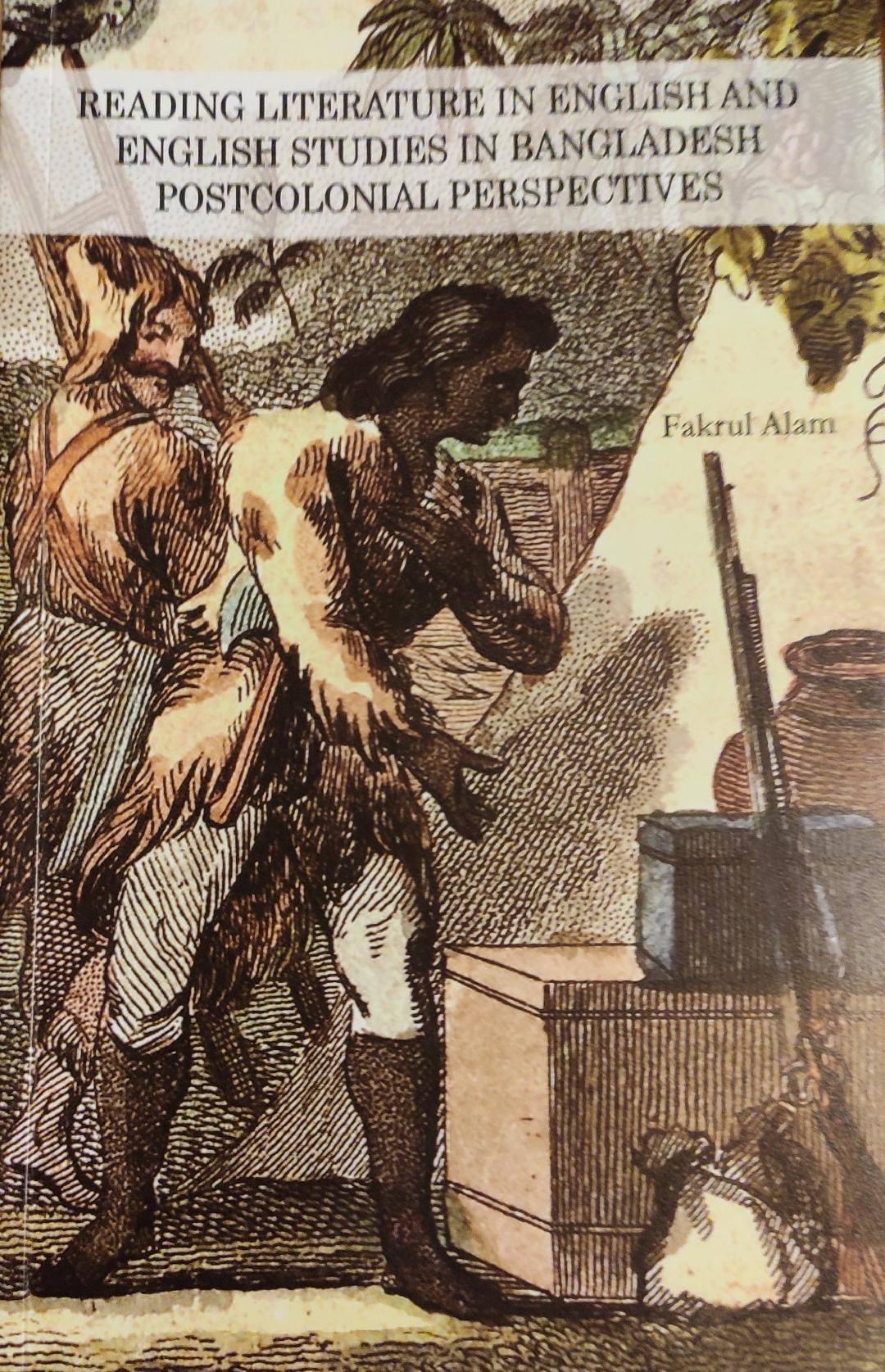
Professor Fakrul Alam takes us through the three Partitions of Bengal which ultimately led to the creation of Bangladesh, with focus on the role of Dhaka University. Click here to read.

My Favourite Book by Fakrul Alam

The essay is a journey into Fakrul Alam’s evolution as a translator. Click here to read.

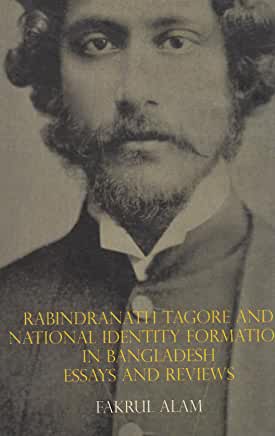
Rabindranath’s Monsoonal Music 

Professor Fakrul Alam brings to us Tagore songs in translation and in discussion on the season that follows the scorching heat of summer months. Click here to read.

Discovering Rabindranath and My Own Self

Professor Fakrul Alam muses on the impact of Tagore in his life. Click here to read.

Ah Nana Bari! 

Fakrul Alam writes nostalgically of his visits to Feni in Noakhali, a small town which now suffers from severe flooding due to climate change. Click here to read.

Memories of Durga Puja 

Fakrul Alam recalls the festivities of Durga Puja in Dhaka during his childhood. Click here to read.

Book Excerpt

Two Banalata Sen poems excerpted from Jibanananda Das: Selected Poems with an Introduction, Chronology and Glossary, translated from Bengali by Fakrul Alam. Click here to read.

Translations

Songs of Seasons: Translated by Fakrul Alam

Bangla Academy literary award winning translator, Dr Fakrul Alam, translates seven seasonal songs of Tagore. Click here to read.

  • Garland of Lightening Gems (Bajromanik Diye Gantha
  • In The Thunderous Clouds (Oi Je Jhorer Meghe
  • The Tune of the New Clouds (Aaj Nobeen Megher Shoor Legeche)
  • The Sky’s Musings (Aaj Akashe Moner Kotha
  • Under the Kadamba Trees (Esho Nipo Bone
  • Tear-filled Sorrow (Ashrubhara Bedona)

The Quest for Home: Nazrul’s Kon Kule Aaj Bhirlo Tori translated from Bengali by Professor Fakrul Alam. Click here to read.

Rebel or ‘Bidrohi’: Nazrul’s signature poem, Bidrohi, translated by Professor Fakrul Alam. Click here to read.

Poetry by Jibananda: Translated from Bengali by Fakrul Alam, two poem by the late Jibananda Das. Click here to read.

If Life were Eternal: Professor Fakrul Alam translates one poem by Jibananada Das from Bengali. Click here to read.

One Day in the Fog: Poetry by Jibananda Das and translated from Bengali by Professor Fakrul Alam. Click here to read.

Endless Love: Tagore Translated by Fakrul Alam: Ananto Prem (Endless Love) by Tagore, translated from Bengali by Professor Fakrul Alam. Click here to read.

Jibananda Das’s All Afternoon Long, translated from Bengali by Fakrul Alam. Click here to read.

Three Shorter Poems of Jibananda Das have been translated from Bengali by Professor Fakrul Alam. Click here to read.

Giraffe’s Dad by Tagore: Giraffer Baba (Giraffe’s Dad), a short humorous poem by Tagore, has been translated from Bengali by Professor Fakrul Alam. Click here to read. 

Oikotan (Harmonising) has been translated by Professor Fakrul Alam and published specially to commemorate Tagore’s Birth Anniversary. Click here to read.

Monomor Megher Songi (or The Cloud, My friend) has been translated by Professor Fakrul Alam. Click here to read.

Arise, Arise O Patriot! and Helmsman Attention! by Kazi Nazrul Islam have been translated from Bengali by Professor Fakrul Alam. Click here to read.

Professor Fakrul Alam has translated three Tagore songs around autumn from Bengali. Click here to read

Daridro or Poverty by Nazrul has been translated from Bengali by Professor Fakrul Alam. Click here to read.

Rows of Betelnut Trees by My Window by Nazrul has been translated from Bengali by Professor Fakrul Alam. Click here to read.

Nazrul’s Why Provide Thorns has been translated from Bengali by Professor Fakrul Alam. Click here to read.

Nazrul’s Ring Bells of Victory has been translated from Bengali by Professor Fakrul Alam. Click here to read. 

Masud Khan’s History has been translated from Bengali by Professor Fakrul Alam. Click here to read. 

Kurigram by Masud Khan has been translated by Professor Fakrul Alam from Bangla. Click here to read. 

Many Splendored Love, four poems by Masud Khan, have been translated from Bengali by Fakrul Alam. Click here to read. 

Carnival Time by Masud Khan has been translated from the Bengali poem by Fakrul Alam. Click here to read.

Three poems by Masud Khan have been translated from Bengali by Professor Fakrul Alam. Click here to read.

Poetry on Rain by Masud Khan has been translated from Bengali by Professor Fakrul Alam. Click here to read.

Masud Khan’s poem, In Another Galaxy, has been translated from Bengali by Professor Fakrul Alam. Click here to read.

A Hunger for Stories, a poem by Quazi Johirul Islam, has been translated by Professor Fakrul Alam. Click here to read.

Barnes and Nobles by Quazi Johirul Islam has been translated from Bengali by Professor Fakrul Alam. Click here to read.

Demanding Longevity by Quazi Johirul Islam has been translated from Bengali by Fakrul Alam. Clickhere to read.

The White-Coloured Book, a poem by Quazi Johirul Islam has translated from Bengali by Professor Fakrul Alam. Click here to read.

Nazrul’s rejoinder to Tagore’s 1400 Saal has been translated from Bengali by Professor Fakrul Alam. Click here to read.

Masud Khan’s Fire Engine has been translated from Bengali by Fakrul Alam. Click here to read.

Masud Khan’s poetry has been translated by Fakrul Alam. Click here to read.

Nazrul’s Amamai Nahi Go Bhalobashleo (Even if you don’t love me) has been translated by Professor Fakrul Alam from Bengali. Click here to read.

Projapoti (Butterfly) by Nazrul has been translated by Fakrul Alam from Bengali. Click here to read.

Nazrul’s Nur Jahan, the Mughal empress, has been translated from Bengali to English by Professor Fakrul Alam. Click here to read.

Tagore’s Achhe Dukhu, Achhe Mrityu(Sorrow Exists, Death Exists) has been translated from Bengali by Fakrul Alam. Click here to read.

Nazrul’s Ghumaite Dao Shranto Robi Re (Let Robi Sleep in Peace) has been translated from Bengali by Professor Fakrul Alam. Click here to read.

Two Songs of Parting by Nazrul have been translated by Professor Fakrul Alam. Click here to read. 

Nazrul’s Roomu Jhoomu Roomu Jhoomu has been transcreated from Bengali by Professor Fakrul Alam. Click here to read.

Nazrul’s Shukno Patar Nupur Paye (With Ankle Bells of dried leaves) has been translated from Bengali by Professor Fakrul Alam. Click here to read.

Categories
Author Page

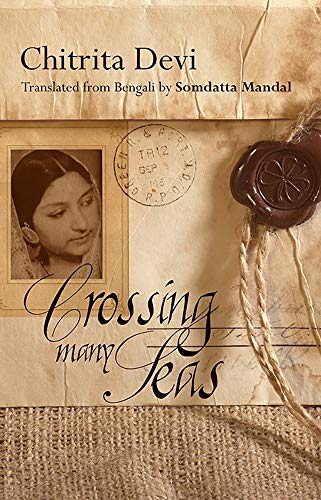
Somdatta Mandal

Somdatta Mandal is a former Professor of English and ex-Chairperson, Department of English, Visva-Bharati, Santiniketan, India. A recipient of several prestigious fellowships like the Fulbright Research and Teaching Fellowships, British Council Charles Wallace Trust Fellowship, Rockefeller Residency at Bellagio, Italy, Salzburg Seminar and Shastri Indo-Canadian Faculty Enrichment Fellowship, she has been published widely both nationally and internationally. She has also an award from Sahitya Akademi for the All India Indian Literature Golden Jubilee (1957-2007) Literary Translation Competition in the Fiction category for translating short stories series ‘Lalu’ by Sarat Chandra Chattopadhyaya.

Interview

Where the Whole World Meets in a Single Nest

In Conversation with Somdatta Mandal, a translator, scholar and writer who has much to say on the state of Santiniketan, Tagore, women’s writing on travel and more. Click here to read.

Translations

Baraf Pora (Snowfall) 

This narrative gives a glimpse of Tagore’s first experience of snowfall in Brighton and published in the Tagore family journal, Balak (Children), has been translated by Somdatta Mandal . Click here to read.

 Himalaya Jatra ( A trip to Himalayas) 

This narrative about Tagore’s first trip to Himalayas and beyond with his father, has been translated from his Jibon Smriti (1911, Reminiscenses) by Somdatta Mandal. Click here to read.

Travels of Debendranath Tagore 

These are travel narratives by Debendranath Tagore, father of Rabindranath Tagore, translated from Bengali by Somdatta Mandal. Click here to read.

Travels & Holidays: Humour from Rabindranath

Translated from the original Bengali by Somdatta Mandal, these are Tagore’s essays and letters laced with humour. Click here to read.

Letters from Japan, Europe & America

An excerpt from letters written by Tagore from Kobi & Rani, translated by Somdatta Mandal. Click here to read.

Letters from Tagore

An excerpt from Kobi’ and ‘Rani’: Memoirs and Correspondences of Nirmalkumari Mahalanobis and Rabindranath Tagore, translated by Somdatta Mandal, showcasing Tagore’s introduction and letters. Click here to read.

A Bengali Lady in England by Krishnabhabini Das

An excerpt from Somdatta Mandal’s translation of A Bengali Lady in England by Krishnabhabini Das (1885). Click here to read.
Playlets by Rabindranath Tagore 

Two skits that reveal the lighter side of the poet. They have been translated from Bengali by Somdatta Mandal. Click here to read.

The Ordeal of Fame

A humorous skit by Rabindranath, translated by Somdatta Mandal. Click here to read.
The Funeral

A satirical skit by Tagore, translated by Somdatta Mandal. Click here to read. 
Tagore’s Gleanings of the Road

Book excerpt brilliantly translated by Somdatta Mandal. Click here to read.
The Welcome

A skit by Tagore, has been translated by Somdatta Mandal. Click here to read.

 The Treatment of an Ailment

A humorous skit has been translated by Somdatta Mandal. Click here to read.

Essay

Bengaliness and Recent Trends in Indian English Poetry: Some Random Thoughts

Somdatta Mandal browses over multiple Bengali poets who write in English. Click here to read.

Book reviews

Somdatta Mandal reviews Wooden Cow by T. Janakiraman, translated from Tamil by Lakshmi Kannan. Click here to read.

Himadri Lahiri reviews Somdatta Mandal’s ‘Kobi’ and ‘Rani’: Memoirs and Correspondences of Nirmalkumari Mahalanobis and Rabindranath Tagore. Click here to read.

A review by Meenakshi Malhotra of Somdatta Mandal’s The Last Days of Rabindranath Tagore in Memoirs, a translation from a conglomeration of writings from all the Maestro’s caregivers. Click hereto read.

Somdatta Mandal has reviewed BM Zuhara’s The Dreams of a Mappila Girl: A Memoir, translated from Malayalam by Fehmida Zakir. Click here to read. 

Somdatta Mandal has reviewed Shehan Karunatilaka’s The Birth Lottery and Other Surprises. Click here to read. 

Somdatta Mandal reviews  The Shaping of Modern Calcutta: The Lottery Committee Years, 1817 – 1830by Ranabir Ray Chaudhury. Click here to read.

Somdatta Mandal reviews Priya Hajela’s Ladies Tailor: A novel. Click here to read. 

Somdatta Mandal reviews Sudeshna Guha’s A History of India Through 75 Objects. Click here to read. 

Somdatta Mandal reviews Baba Padmanji’s Yamuna’s Journey, translated from Marathi by Deepra Dandekar. Click here to read.

Somdatta Mandal reviews Chitra Banerjee Divakaruni’s Independence. Click here to read.

Somdatta Mandal reviews KR Meera’s Jezebel translated from Malayalam by Abhirami Girija Sriram and K. S. Bijukumar. Click here to read.

Somdatta Mandal reviews Behind Latticed Marble: Inner Worlds of Women by Jyotirmoyee Devi Sen, translated from Bengali by Apala G. Egan. Click here to read.

Somdatta Mandal reviews The Past is Never Dead: A Novel by Ujjal Dosanjh. Click here to read.

Somdatta Mandal reviews Amitav Ghosh’s Smoke and Ashes: A Writer’s Journey Through Opium’s Hidden Histories. Click here to read.

Somdatta Mandal reviews Begum Hazrat Mahal: Warrior Queen of Awadh by Malathi Ramachandran. Click here to read.

Somdatta Mandal reviews Usha Priyamvada’s Won’t You Stay, Radhika?, translated from Hindi by Daisy Rockwell. Click here to read.

Somdatta Mandal reviews Ali Akbar Natiq’s Naulakhi Kothi, translated from Urdu by Naima Rashid. Clickhere to read.

Somdatta Mandal reviews Indian Christmas: Essays, MemoirsHymns, an anthology edited by Jerry Pinto and Madhulika Liddle. Click here to read.

Somdatta Mandal reviews Sudha Murty’s Common Yet Uncommon: 14 Memorable Stories from Daily Life. Click here to read.

Somdatta Mandal reviews The History Teacher of Lahore: A Novel by Tahira Naqvi. Click here to review.

Somdatta Mandal reviews Ilse Kohler-Rollefson’s Camel Karma: Twenty Years Among India’s Camel Nomads. Click here to read.

Somdatta Mandal reviews Radha Chakravarty’s translation of Selected Essays: Kazi Nazrul Islam. Click here to read.

Somdatta Mandal reviews Maya Nagari: Bombay-Mumbai A City in Stories, edited by Shanta Gokhaleand Jerry Pinto. Click here to read.

Somdatta Mandal reviews Knife:  Meditations After an Attempted Murder by Salman Rushdie. Click here to read.

Somdatta Mandal reviews Upamanyu Chatterjee’sLorenzo Searches for the Meaning of Life. Click hereto read.

Somdatta Mandal reviews Karan Mujoo’s This Our Paradise: A Novel. Click here to read.

Somdatta Mandal reviews Ammar Kalia’s A Person Is a Prayer. Click here to read.

Categories
Author Page

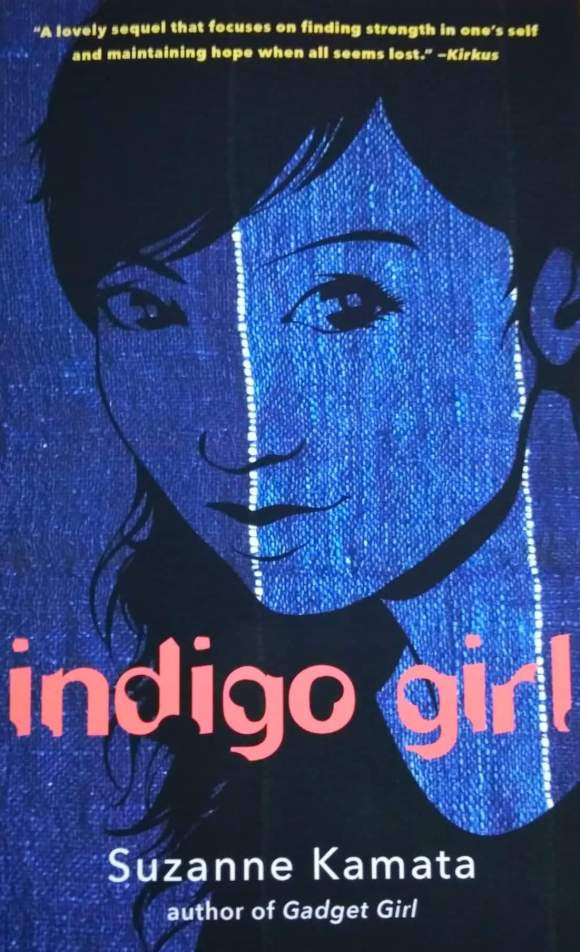
Suzanne Kamata

Recipient of a number of prestigious awards, Suzanne Kamata represents the best in the mingling of the East and the West. Her writing flows well and is compelling — exploring areas that are often left untouched by more conventional writers. Kamata has lived in Tokushima Prefecture, Japan, for more than half of her life. She is the author or editor of 14 published books including, most recently, The Spy (Gemma Open Door, 2020), a novella for emerging readers; the middle grade novel Pop Flies, Robo-pets and Other Disasters (One Elm Books, 2020) which won an American Fiction Award and was recently released as an audiobook; and Indigo Girl (GemmaMedia, 2019), winner of an SCBWI Crystal Kite Award and named a Freeman Book Awards Honor Book, as well as one of the Best Children’s Books of 2019 by Bank Street College. Suzanne has a poetry book called Waiting forthcoming in January 2022 from Kelsay Books.

Interview

In Conversation with Suzanne Kamata

Click here to read.

Poetry

Commemorating Hiroshima: Poetry by Suzanne Kamata

Click here to read.

Book reviews

Suzanne Kamata reviews Iain Maloney’s Life is Elsewhere/ Burn Your Flags. Click here to read.

Gracy Samjetsabam reviews Suzanne Kamata’s The Baseball Widow. Click here to read.

Gracy Samjetsabam reviews Suzanne Kamata’s Indigo Girl . Click here to read.

Book Excerpt

Suzanne Kamata’s The Baseball Widow. Click here to read.

Suzanne Kamata’s Waiting. Click here to read.

Notes from Japan

Suzanne Kamata’s column on Japanese culture and life. Click here to read.

Categories
Author Page

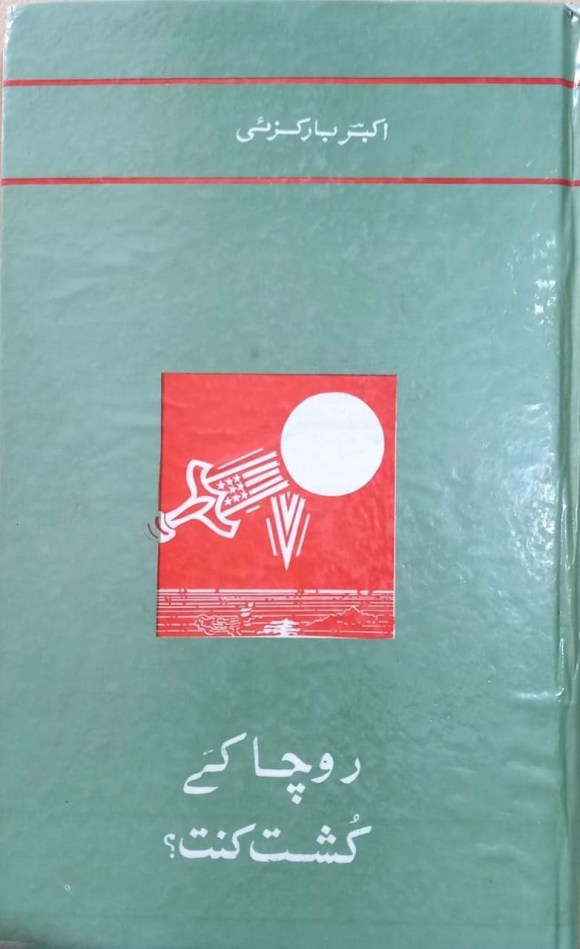
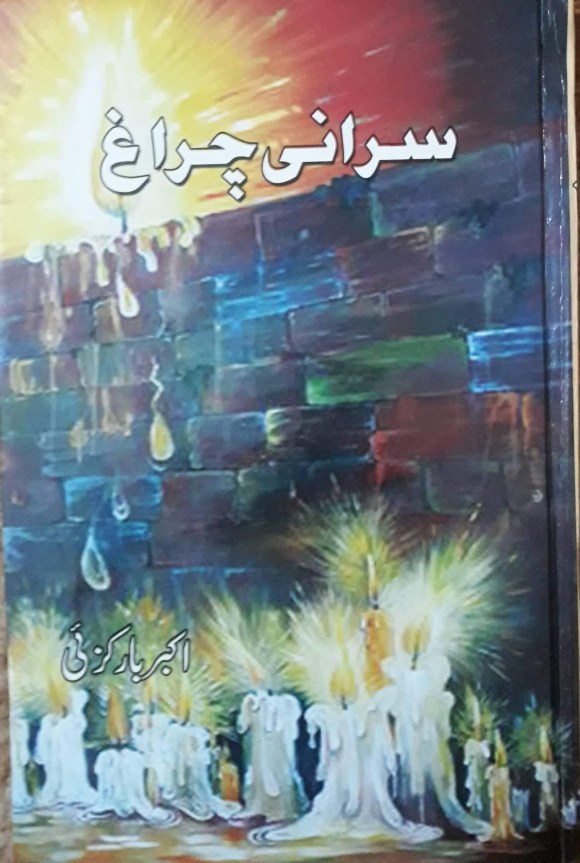
Akbar Barakzai

Akbar Barakzai (1939-2022) was born in Shikarpur, Sindh. He is ranked amongst the proponents of modern Balochi literature. His poetry reflects the objective realities of life. Love for motherland, peace and prosperity and dignity of a man are the recurrent themes of his poetry. His love for human dignity transcends all geographical and cultural frontiers. Barakzai is not a prolific poet. In a literary career which spans over half a century, Barakzai has managed to bring out just two anthologies of his poems, but his poetry has depth and reaches out to human hearts with its profundity. Last year, Barakzai rejected the Pakistan Academy of Letters (PAL) award, quoting  the oppressive policies meted out to his region by the government as the reason.

Interview

In Conversation with Akbar Barakzai, a ‘Part-time Poet’ in Exile

‘The East and the West are slowly but steadily inching towards each other. Despite enormous odds “the twain” are destined to “meet” and be united to get rid of the geographical lines…’

Click here to read.

Poetry

  1. The Word: Click here to read
  2. Waiting for Godot: Click here to read
  3. The Law of Nature: Click here to read
  4. No: Click here to read
  5. Freedom: Click here to read
  6. Who can Snuff out the Sun: Click here to read
  7. For How Long: Click here to read
  8. Be & It All Came Into Being: Click here to read
  9. Mysteries of the Universe: Click here to read.
  10. Shorter Poems of Akbar Barakzai: Click here to read.
  11. We are All Human : Click here to read.

All his poetry has been translated by Fazal Baloch who has the rights to their translation.

Categories
Author Page

Arundhathi Subramaniam

Arundhathi Subramaniam is a poet who has recently won the Sahitya Akademi Award, 2020, for her book When God is A traveller (2014). She has authored a number of books and won multiple awards and fellowships. She has been part of numerous anthologies and journals.

Interview

In Conversation with Arundhathi Subramaniam: An online interview with the 2020 Sahitya Akademi winner, Arundhathi Subramaniam. Click here to read.

Poetry

Catabolic Woman by Arundhathi Subramaniam. Click here to read.

More Poems by Arundhathi Subramian houses three poems. Click here to read. The following poems from her collection can be found here.

  • When God is a Traveller
  • Eight Poems for Shankuntala
  • The Fine Art of Ageing

Book Review

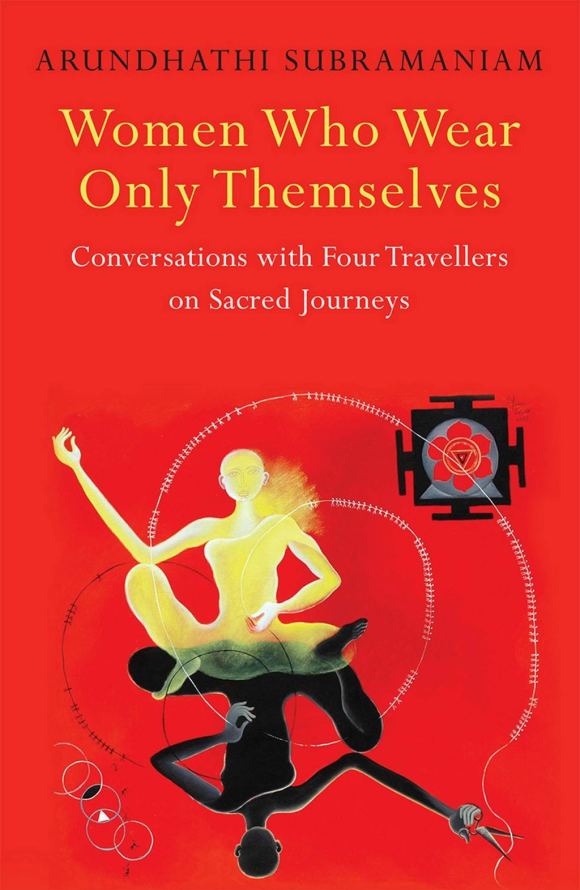
A review by Bhaskar Parichha of Arundhathi Subramaniam’s Women Who Wear Only Themselves, published by Speaking Tiger Books. Click here to read.

Book Excerpt

Arundhathi Subramaniam’s Women Who Wear Only Themselves. Click here to read.

Categories
Author Page

Jared Carter: Poetry & Prose

Jared Carter is an American poet with seven books of poetry. He is the recipient of numerous awards, which include the Walt Whitman Award, the Poets’ Prize, a Guggenheim fellowship, and two fellowships from the National Endowment for the Arts.

Interview

Click here to read.

Poems

After the Rain & Wanderer : Click here to read.

Visitant, Snow & School of Ragtime, Exercise No. 6 : Click here to read.

Laodamia to Protesilaus & Resurrection: Click here to read.

Yeti: Click here to read.

Cicadas in the rain & Slaughterhouse: Click here to read.

Zhèngzài: Click here to read.

Hawkbill Knife: Click here to read

Configuration: Click here to read

Prose

Summer Studio: Jared Carter writes of a childhood in mid-twentieth century America. Click here to read.

Categories
Author Page

Aruna Chakravarti


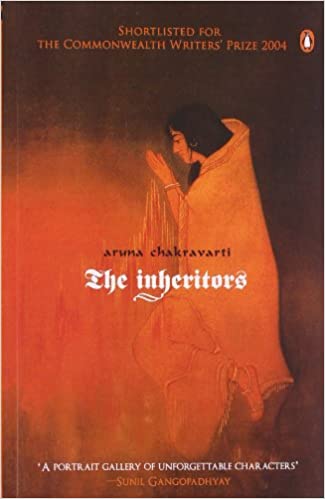
Aruna Chakravarti  has been Principal of a prestigious Women’s College of Delhi University for ten years. She is also a well-known academic, creative writer and translator with seventeen published books on record. They comprise five novels, two books of short stories, two academic works and eight volumes of translation. Her first novel The Inheritors (published by Penguin Random House) was shortlisted for the Commonwealth Writers’ Prize and her second, Jorasanko (published by HarperCollins India)received critical acclaim and also became a best seller. Daughters of Jorasanko, a sequel to Jorasanko, (HarperCollins India) has sold widely and received rave reviews.Her novel Suralakshmi Villa, published by Pan Macmillan Ltd under the Picador imprint, has been adjudged “Novel of the year (India 2020)” by Indian Bibliography published in The Journal of Commonwealth Literature U.K. Her latest work, The Mendicant Prince, a semi-fictional account of the Bhawal legal case, was released by Pan Macmillan Ltd, in July this year to widespread media coverage and acclaim. Her second book of short stories Through a Looking Glass: Stories has just been released by Om International Ltd.

Her translated works include an anthology of songs from Rabindranath Tagore’s Gitabitaan, Sarat Chandra Chattopadhyay’s Srikanta and Sunil Gangopadhyay’s Those Days, First Light and Primal Woman: Stories. Among the various awards she has received are Vaitalik Award, Sahitya Akademi Award and Sarat Puraskar.

She is also a script writer and producer of seven multi- media presentations based on her novels. Comprising dramatised readings interspersed with songs and accompanied by a visual presentation by professional artists and singers, these programmes have been widely acclaimed and performed in many parts of India and abroad.

Interviews

In Conversation with Aruna Chakravarti: Click here to read.

The Making of Historical Fiction: A Conversation with Aruna Chakravarti unfolds the creation of her latest novel, The Mendicant Prince, based on the prince of Bhawal controversy in the first part of the last century. Click here to read. 

Discussion

Rabindranath Tagore: A Universal Bard.

This conversation between Aruna Chakravarti and Sunil Gangopadhyay that took place at a Tagore Conference organised by the Sahitya Akademi in Kochy in 2011. Click here to read.

Translations

Songs of Tagore translated by Aruna Chakravarti

We launch our Tagore section with the translation of seven of his songs by the gifted Sahitya Akademi winning translator and author, Aruna Chakravarti. Click here to read.

  • Tomar eyi Madhuri Chaapiye ( This Loveliness of Yours…)
  • Jibon Moroner Shimana Charay ( Beyond the Horizons of Life and Death..)
  • Esho Shyamalo Shundoro ( Come, Dark, Beauteous One)
  • Asha Jaaoar Pother Dhare (By the Path)
  • Shopney Amar Money Holo ( I Thought in my Dream)
  • Amra Notoon Jibonyeri Doot (We are the New Youth)
  • Amar Bela Jey Jaay (My Day Wanes)

Janaganamana by Tagore (Lord of Masses, National Anthem of India) — complete version translated by Aruna Chakravarty at the end of the essay. Click here to read.

Abhagi’s Heaven

A poignant story by Saratchandra Chattopadhyay translated by Sahitya Akademi winner, Aruna Chakravarti. Click here to read.

The Witch

The witch is Aruna Chakravarti’s translation of a short story by renowned writer, Tarasankar Bandopadhyay . The original story titled, Daini, was first published in 1940 in Probashi magazine in Bengali. Click here to read.

Nagmati 

A story by Prafulla Roy has been translated from Bengali as Snake Maiden by Aruna Chakravarti. Click here to read.

Aparichita 

A short story by Tagore has been translated as The Stranger by Aruna Chakravarti. Click here to read. 

Musalmanir Galpa (A Muslim Woman’s Story)

A short story from Tagore has been translated from Bengali by Aruna Chakravarti. Click here to read.

Features

The Oral Traditions of Bengal: Story and Song by Aruna Chakravarti describes the syncretic culture of Bengal through its folk music and oral traditions. Click here to read.

Vignettes from an Extraordinary Life: A Historical Dramatisation by Aruna Chakravarti… Click here to read.

Book Excerpt

An excerpt from The Mendicant Prince (based on the Bhawal sannyasi case) by Aruna Chakravarty. Click here to read.

Tagore’s Last Birthday Celebration excerpted from Aruna Chakravarti’s Daughters of Jorasanko, has her translation of the last birthday song he wrote in 1941 a few months before he died. Click here to read.

Book Reviews

Reba Som has reviewed Aruna Chakravarti’s Through the Looking Glass: Stories. Click here to read.

Aruna Chakravarti reviews Golden Bangladesh at 50: Contemporary Stories & Poems edited by Shazia Omar. Click here to read.

Aruna Chakravarti reviews Devika Khanna Narula’s Beyond the Veil. Click here to read.