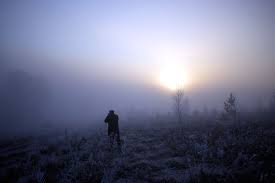
It's a thousand years now since I died. I can't get used to it, though I've tried. To some the silence may appeal but to me it does not seem real. Or all too real, perhaps. Who knows? I remember a whispering of snow. But here, beneath the frozen ground, is always a hope of some small sound. It is this, all this, I find so grating. The stillness, silence; the waiting, waiting.
EVENING SONG
Now the evening sun has set, time to leave empty rooms, and yet, as last light strains between the trees my mind is bathed in memories of times long gone, yet still so real, precious moments I brightly feel. O, what happy days I have known in this old house, in this our home. Sparks of time I'll aye remember, quenched in sunset's dying embers. But yonder, see! A blue horizon, it's early morn, the sun is rising. In the east a soft light has grown on our new house, on this, our home.
EARLY ONE MORNING
Now it is dawn and the new sun tears through the sinews of night, as the dissolving grey heralds the day, where waves of the sea sparkle bright. On the horizon, as the sun is rising, a pale ship emerges, ghost-like, on a sea, so serene, as if in a dream, the deep silence concealing its might. On the soft sands there a man stands, a lone silhouette now come into sight; and from sea to sky a seagull flies, a lonesome cry of white. Shadows swirl in an unreal world, bathed in an emphatic light.
Stuart McFarlane is now semi-retired. He taught English for many years to asylum seekers in London. He has had poems published in a few online journals.
.
PLEASE NOTE: ARTICLES CAN ONLY BE REPRODUCED IN OTHER SITES WITH DUE ACKNOWLEDGEMENT TO BORDERLESS JOURNAL
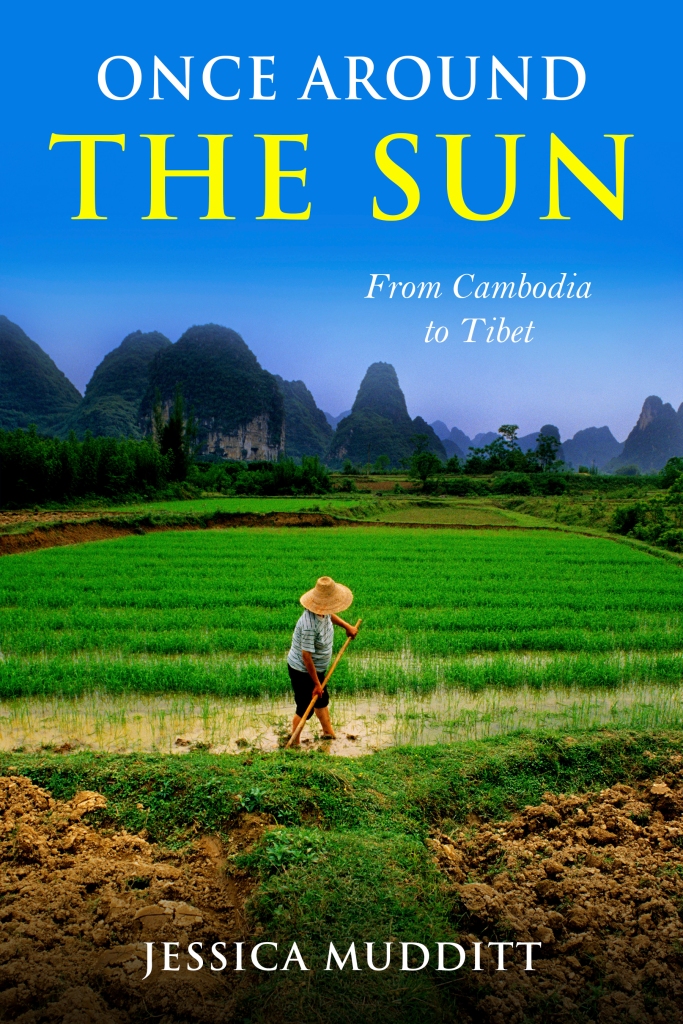
Title: Once Around the Sun: From Cambodia to Tibet
Author: Jessica Mudditt
Chapter 20 – In or out?
As I walked the streets of downtown Hohhot in search of a travel agency, I felt further than five hundred kilometres from Beijing. I was still in East Asia, but the capital city of Inner Mongolia had Central Asian influences too, such as the cumin seed flatbread I bought from a hawker with ruddy cheeks and a fur hat. I passed a Muslim restaurant with Arabic lettering on the front of its yellow-and-green facade, and many street signs and shops featured Mongolian script as well as Mandarin. With its loops, twirls and thick flourishes, Mongolian looked more similar to Arabic than Chinese. In actual fact, the top-down script is an adaptation of classical Uyghur, which is spoken in an area not far to the west.
The winds that blew in from the Russian border to the northeast were icy cold, so I was glad to soon be inside a travel agency. It was crammed with boxes of brochures and a thick film of dust covered the windowpanes. Hohhot is the main jumping-off point for tours of the grasslands, so I was able to get a ticket for a two-day tour that began the following morning.
I wasn’t enthusiastic about going on a tour because I preferred to move at my own pace, however there was no other way to access the grasslands. The upside was that I was guaranteed to sleep inside a ger, which is a circular tent insulated with felts. The Russian term of ‘yurt’ is better known. I had read that Inner Mongolia was a bit of a tourist trap for mainland Chinese tourists, but I was nonetheless excited to get a glimpse of the Land of the Weeping Camel.
I walked into a noodle shop and a customer almost dropped her chopsticks when she saw me. The girls at the cash register were giggling and covering their faces as I pointed at a flat noodle soup on a laminated menu affixed to the counter.
Foreign tourists must be thin on the ground in Hohhot, I thought as I carried my bowl over to a little table by the window.
Inner Mongolia was one of the few places that Lonely Planet almost discouraged people from visiting: ‘Just how much you can see of the Mongolian way of life in China is dubious.’ But I was still keen to see what I could.
I ate slowly, enjoying each fatty morsel of mutton. I was pretty good with chopsticks by that point – I’d never be a natural, but I didn’t drop any bits of mutton into the soup with a splash, as I used to in Vietnam.
Hohhot seemed a scruffy, rather bleak sort of city – or at least in the area where I was staying close to the train station. Street vendors stood cheek by jowl on one side of the road, calling out the prices of their wares. The opposite side was under construction and the one still in use was unpaved, which meant that two lanes of traffic had to navigate a narrow area of bumpy stones while avoiding massive potholes and piles of dirt. I saw a motorbike and a three-wheel truck almost collide.
I spent the next few hours wandering around the Inner Mongolia Museum, which has a staggering collection of 44,000 items. Some of the best fossils in the world have been discovered in Inner Mongolia because its frozen tundra preserves them so effectively. The standout exhibit for me was the mammoth. It had been discovered in a coal mine in 1984 and most of its skeleton was the original bones rather than replicas. I gazed up at the enormous creature and tried to imagine it roaming the earth over a million years ago. Mind-boggling.
I admired the black-and-white portraits of Mongolian tribesmen, and then took photos of a big bronze statue of Genghis Khan astride his galloping mount. The founding leader of the Mongol Empire was the arch-nemesis of China, and parts of the Great Wall had been built with the express purpose of keeping out his marauding armies. Genghis Khan must have rolled in his grave when China seized control of a large swathe of his territory in 1947.
What was once Mongolia proper became a Chinese province known as ‘Inner Mongolia Autonomous Region’. This long-winded name is an example of Orwellian double-speak. So-called ‘Inner Mongolia’ is part of China, whereas the independent country to the north is by inference ‘Outer Mongolia’. Nor is the Chinese region autonomous. The Chinese state has forced Mongolians to assimilate. Their nomadic lifestyle and Buddhist beliefs had been pretty much eradicated, and although speaking Mongolian wasn’t outlawed, learning the state language of Mandarin was non-negotiable.
On top of this, the government provided tax breaks and other financial incentives to China’s majority ethnic group, the Han Chinese, if they relocated to Inner Mongolia. Mongolians now account for just one in five people among a total population of 24 million. The same policies of ethnic ‘dilution’ exist in China’s four other ‘autonomous regions’, which include Tibet and Xinjiang, the home of the Uyghurs.
Shortly before I left the museum, I came to a plaque that described the official version of history, which was at odds with everything I’d read in my Lonely Planet.
‘Since the founding of Inner Mongolia Autonomous Region fifty years ago, a great change has happened on the grasslands, which is both a great victory of the minority policy and the result of the splendid leadership of the Communist Party of China. The people of all nationalities on the grassland will never forget the kind-hearted concerns of the revolutionary leaders of both the old and new generations.’
I rolled my eyes, snapped a photo of the plaque for posterity, and continued walking.
* * *
I didn’t venture far from my hotel for dinner because I planned on having an early night. I chose a bustling restaurant with lots of families inside and was waiting for a waiter to come and start trying to guess my order when a group of men at the next table caught my eye. They seemed to be waving me over.
Me? I asked by pointing at myself.
Yes, they were nodding. Shi de.
I happily joined the group and introduced myself by saying that I was from ‘Aodàlìyǎ’. I think they were Han Chinese, as they didn’t look Mongolian. I whipped out my phrasebook and tried to say I had come from Beijing, but I was fairly certain they didn’t understand me.
Anyhow, no matter. Ten shot glasses were filled from a huge bottle of baijiu, and I was soon laughing as if I was with old friends. One of the slightly older guys used a set of tongs to place wafer-thin slices of fatty pork into the bubbling hotpot on the table, followed by shiitake mushrooms and leafy greens. As the impromptu guest of honour, my bowl was filled first once it was cooked – by which time I’d already had three shots.
The hotpot was fantastic, and I had to remind myself not to finish everything in my bowl. Bethan had told me that Chinese etiquette requires a small amount of food not to be eaten at each meal. This indicates that it was so satisfying that it wasn’t necessary to eat every last bite. As a kid, it was ingrained in me to finish everything on my plate. I loved food and was generally in the habit of licking my bowl clean, so I had to exercise a certain amount of restraint.
I had just rested my chopsticks across the top of my bowl to signal I was finished when I was invited to go sit on the wives’ table, which was across from the men’s. The women were very sweet and a couple of them seemed to be around my age. I once again tried to communicate using my phrasebook, but I was hopelessly drunk by then. I could hardly string a sentence together in English, let alone Mandarin. I was also beginning to feel queasy from the baijiu, so I gratefully accepted a cup of green tea from the porcelain teapot that came my way on the lazy Susan. After taking some photos together, I bid the two groups ‘zaijian’ (goodnight). I tried to contribute some yuan for the meal, but they wouldn’t hear of it. I curtsied as a stupid sort of thank-you, and then I was on my way.
* * *
More hard liquor awaited me the following day. A striking woman in a red brocade gown with long sleeves handed me a small glass of baijiu as I stepped off the minibus a bit before noon.
‘It’s a tradition,’ she said with a smile, while holding a tray full of shots.
I downed the baijiu with my backpack on and grinned as the backpacker behind me did the same. There were four foreign tourists on the tour, and about eight domestic ones. The liquor gave me an instant buzz, which I needed. I hadn’t slept well and woke up feeling lousy, so I’d kept to myself during the two-hour journey. Even though I should have been excited, I got grumpier and grumpier as the reality of being on a tour began to sink in. Plus, the landscape was not the verdant green steppes I’d been expecting. At this time of year, it was bone dry and dusty. It hadn’t occurred to me to check whether my visit coincided with the low season.
I began chatting to the other tourists. The guy who had the baijiu after me was Lars from Holland. There was also a couple from Germany. I could immediately tell they were pretty straitlaced. Their clothes looked very clean and functional, and the girl refused the baijiu.
The woman in red introduced herself as Li, our tour guide. Then she led us along a path lined with spinifex to a dozen gers. They faced each other in a circle, and off to the right was a much larger ger with the evil eye painted on its roof and Tibetan prayer flags fluttering in the fierce winds. There were no other buildings in sight and no trees.
Li told us to meet inside the big ger in fifteen minutes after we’d put our stuff in the smaller gers she proceeded to assign us. Lars and I would be spending the night in a ger with ‘82’ painted on its rusted red door. There certainly weren’t eighty gers, so the logic behind the numbering system wasn’t clear – but no matter. The German couple took the ger to the right of ours.
These were not portable tents for nomads. Each ger was mounted on a concrete base and I think the actual structure was made of concrete too, and merely wrapped in grey tarpaulins. The door was made of metal and at the top was a sort of chimney structure – perhaps for ventilation. Like igloos, the only opening was the door, and it was pitch-black inside. I located a dangling light switch as I entered.
‘Ah – I love it!’ I exclaimed.
It was a simple set-up, with single beds lining the perimeter and a low table in the middle of the room. Patterned sheets were draped from the concave ceiling. I chose the bed with a framed portrait of Genghis Khan above it. Lars put his backpack next to a bed on the other side. I was happy enough to share a ger with him. He gave off zero sleazy vibes.
‘I might just take a couple of those extra blankets,’ I said to Lars as I piled on a few extra floral quilts from another bed. The wind had an extra iciness to it out on the steppes and I shuddered to think what the temperature would drop to overnight. We zipped our jackets back up and headed out.
I wandered over to the toilet block, which was quite a distance from the gers. I made a mental note to drink as little as possible before getting into bed to avoid having to go in the night. Once I got closer to the toilets, I was glad they were so far away. The stench was unbelievable.
In the female section were two concrete stalls without doors. In the middle of the floor in each was a rectangular gap. I almost gagged. Just a few centimetres away from the concrete was an enormous pile of shit. I could make out bits of used toilet paper and sanitary pads and there were loads of flies buzzing around. Without running water or pipes, the excrement just sat there, day after day, building up. I would have turned and walked straight back out but I was busting for a wee. I held my breath so I wasn’t inhaling the smells. I wanted to close my eyes too, but I was terrified of falling in, so I had to look at what I was doing. I couldn’t get out of there fast enough.
‘Oh my god, Lars – the drop toilets are totally disgusting,’ I said after I met up with him in the big ger. ‘It’s just a pit of shit without running water.’
‘I know an American girl who fell into a drop toilet in China last year,’ he said.
‘No way,’ I said with a shudder.
‘Yeah. She said it was terrible. She was in a really poor village somewhere in central China and she went to the toilet at night. She couldn’t see that some of the wooden planks had gaps in them – and then one of them broke and she fell in. She was up to her neck in shit. She was screaming for people to come help her. Apparently, it took them half an hour to fish her out, and all the while she could feel creatures writhing around her body. She cut her trip short and had to get counselling when she got home.’
‘I bet she did,’ I said. ‘That’s the most disgusting thing I’ve ever heard in my life. The poor girl.’
Just then Li appeared and said we were heading outside to watch horse racing and traditional wrestling after some sweet biscuits and tea. We assembled around a fenced area where there were about thirty ponies tethered to poles. Some were lying down while still saddled.
‘Horses usually sleep while standing up, so these ponies must be knackered – pardon the pun,’ I joked to Lars.
Notwithstanding, they looked to be in reasonably good condition, with shiny coats and no protruding ribs. There were chestnuts, bays and dapple greys.
I heard the sound of hoofbeats and looked behind me. A group of men on horseback came thundering across the steppes. It was a magnificent sight, and any lingering resentment I had about being on a tour melted away.
One of the men rode ahead of the rest. He was wearing a cobalt-blue brocaded tunic and his wavy black hair came down past his ears. He was really good-looking. He approached Li with a smile, said something to her and dismounted with the ease of someone who had probably started riding horses before he learned to walk. Li and the man exchanged a few words – I definitely saw her blush – and then he got back on.
‘Gah!’ he yelled as he dug his heels into his horse’s sides.
The other horsemen followed after him with whoops, leaving a trail of dust in their wake. These Mongolian ponies were only about twelve or thirteen hands, but they sure were fast and could turn on a dime. I loved watching them carve up the dry earth.
Next a group of men on motorcycles appeared along the track. There were quite a lot of them – at least twenty. We formed a big circle, and the traditional wrestling began. I wasn’t sure what the rules were, but it was fairly self-explanatory: one man got another in a headlock and thumped him to the ground. The next man came along and fought the winner, and so on and so forth. The spectators egged on the fighters with what I assumed were good natured cat calls. Everyone was grinning. By the time the wrestling matches were over, the fighters were absolutely covered in dust and the sun was beginning to set. I’m sure it was all staged for our benefit, but it was good fun.
With the seamless orchestration of a tour that has been done a thousand times before, we gravitated to the big ger. Dinner was bubbling away in a large clay pot and it smelled pretty good. There was also a big vat of noodles with black sauce and the ubiquitous Chinese vegetables of thinly sliced carrot, bok choy, baby corn and onion. There was a bottle of baijiu on each table.
We were serenaded with traditional music while we ate. One of the instruments reminded me of the didgeridoo and there was also a violin. I had read that strands of horse mane are used to make violin strings. The male singer had a deep voice that was almost a warble, and it was hauntingly beautiful.
Five men and women emerged from behind a red curtain and began to dance. They wore long-sleeved, billowing satin tunics that were cinched at the waist with embroidered belts. One of the women had a tall hat made of white beads that dangled down to her waist. It must have been heavy. It was a high-energy display of kicks and splits and parts of it were reminiscent of Irish dancing. They twirled their billowing skirts like sufis. The Chinese tourists started clapping in time with the music and then we all joined in. Sure, it was a bit cheesy, but I was really enjoying myself. At the end of the concert, we had photos with the performers as they were still trying to catch their breath.
We were given torches to light our way back to our gers. It was absolutely freezing, so I wore all my clothes to bed. I snuggled into my blankets and pulled them right up to my chin, feeling grateful for the warmth of Bethan’s jumper.
Mercifully, I slept right through until morning and avoided a late-night visit to the shit pit.
When I wandered out of the ger the next morning, breakfast was being prepared nearby. The carcass of a freshly slaughtered sheep was hanging from the back of a trailer. A man was skinning it while the blood drained out of its neck into a big metal bowl. Its head was in a second bowl, while squares of wool were laid out flat to dry on a tarp. A toddler in a puffy orange jacket was playing in the dust while his mother worked away at skinning parts of the wool. What distressed me more than butchery up close was the live sheep that was watching on from the back of the trailer. He presumably knew he was next.
After a breakfast of ‘sheep stomach stew with assorted tendons’ (as Li described it) we headed out for a ride on the steppes. I couldn’t wait to ride a horse again. I’d spent most of my childhood obsessed with horses, and I was lucky enough to have one for a few years, until I got older and became more interested in hockey and parties.
I rode a stocky bay with a trimmed mane that bobbed up and down as it trotted along the path. I looked over its perky little ears. The saddle had an uncomfortable pommel that kept jabbing me in the stomach, but I loved being under the wide open sky. It was a pale blue with just a few wispy clouds. Sheep grazed and crows rested on clumps of rocky outcrops.
I winced at the Chinese guy ahead of me, who was bouncing out of time to the rhythm of his horse’s gait and landing with a heavy bump in the saddle; his oversized suit flapping in the wind and his feet poking out straight in the stirrups. Much easier on the eye was the guide two horses ahead of him. He was every inch the Mongolian cowboy. Dressed from head to toe in black, he wore a leather jacket, cowboy hat and scuffed black cowboy boots. He never took off his wraparound sunglasses and he spoke little. He smouldered like the heartthrob actor, Patrick Swayze.
We’d travelled several kilometres when we came to a building block that was the same greyish brown as the earth. Inside it had a cottage feel. We sat around a table covered with a frilly tablecloth and drank yak milk. As we did, Lars told me about his day trip to North Korea. While in South Korea for a couple of weeks, he had visited the demilitarised zone (better known as the ‘DMZ’), where a ceasefire was negotiated between the two Koreas in 1953. In a military building is what is known as the ‘demarcation line’ – and Lars had one foot in North Korea and another in South Korea. I hung on his every word.
Our conversation got me thinking about how cool it would be to go to North Korea. I was actually quite close to the border. When I got back to the ger, I retrieved my Lonely Planet out of my bag and thumbed to the section titled ‘Getting there and away’, which had instructions for every country that borders China.
‘Visas are difficult to arrange to North Korea and at the time of writing, it was virtually impossible for US and South Korean citizens. Those interested in travelling to North Korea from Beijing should get in touch with Koryo Tours, who can get you there (and back).’
I was pretty sure the cost would be prohibitive for my budget and decided to stick with my existing plan of cutting south-west towards Tibet. Maybe one day I’d get the chance to visit North Korea, but it wouldn’t be on this trip.
Once back in Hohhot, I boarded a train bound for Pingyao. As I watched the apartment blocks pass by in a blur, I thought with satisfaction about the past twenty-four hours. Any visit to Inner Mongolia is problematic, but I couldn’t fault the Chinese tour company. They had made every effort to keep us entertained. Mongolian culture was so new to me that I couldn’t even tell whether something was authentic or staged, but I had seen and done all the things I hoped to during my visit. And, sure, my time there was really brief. But I’d be forever grateful to have seen a part of the world I thought I’d only ever get to see in a documentary.
Photo Courtesy: Jessica Muddit
About the Book: While nursing a broken heart at the age of 25, Jessica Mudditt sets off from Melbourne for a year of solo backpacking through Asia. Her willingness to try almost anything quickly lands her in a scrape in Cambodia. With the nation’s tragic history continuing to play out in the form of widespread poverty, Jessica looks for ways to make a positive impact. She crosses overland into a remote part of Laos, where friendships form fast and jungle adventures await.
Vietnam is an intoxicating sensory overload, and the hedonism of the backpacking scene reaches new heights. Jessica is awed by the scale and beauty of China, but she has underestimated the language barrier and begins her time there feeling lost and lonely. In circumstances that take her by surprise, Jessica finds herself hiking to Mount Everest base camp in Tibet.
From a monks’ dormitory in Laos to the steppes of Inner Mongolia, join Jessica as she travels thousands of kilometres across some of the most beautiful and fascinating parts of the planet.
About the Author: Jessica Mudditt was born in Melbourne, Australia, and currently lives in Sydney. She spent ten years working as a journalist in London, Bangladesh and Myanmar, before returning home in 2016. Her articles have been published by Forbes, BBC, GQ and Marie Claire, among others. Once Around the Sun: From Cambodia to Tibet is a prequel to her earlier book, Our Home in Myanmar.
.
PLEASE NOTE: ARTICLES CAN ONLY BE REPRODUCED IN OTHER SITES WITH DUE ACKNOWLEDGEMENT TO BORDERLESS JOURNAL
Jenny Middleton is a working mum and writes whenever she can amid the fun and chaos of family life. Her poetry is published in several printed anthologies, magazines and online poetry sites. Jenny lives in London with her husband, two children and two very lovely, crazy cats. You can read more of her poems at her website https://www.jmiddletonpoems.com.
.
PLEASE NOTE: ARTICLES CAN ONLY BE REPRODUCED IN OTHER SITES WITH DUE ACKNOWLEDGEMENT TO BORDERLESS JOURNAL
Now the school of semantics is fully enrolled,
we begin to believe the lies we’re being sold.
‘Proportional response’. ‘Collateral damage’.
‘It’s a situation we feel we can manage’.
Politicians, as ever, so sensible,
queue up to defend the indefensible.
The Israelis freely act without constraint.
The Americans continue to urge restraint.
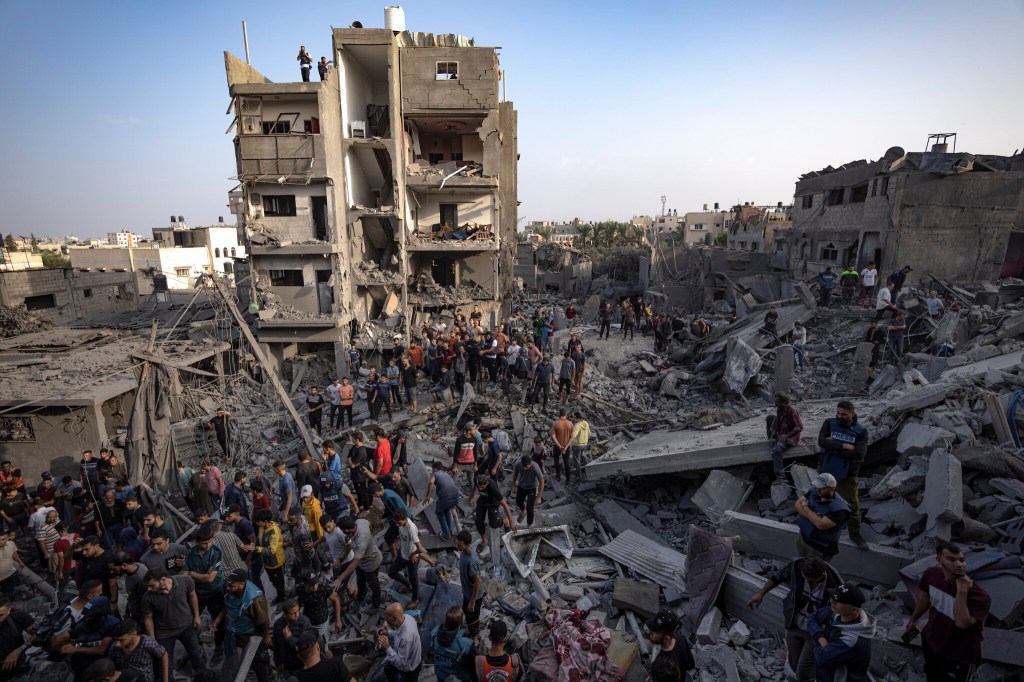
Schools, housing, hospitals; all are destroyed,
yet, still, euphemistic terms are employed.
Artillery posts now even have trouble
finding a building to reduce to rubble.
And, as Gaza withers, festers and rots,
the diplomats tie themselves in knots.
‘Not a ceasefire, a humanitarian pause’.
Treating the symptoms, not the underlying cause.
But Israel miscalculated, and crossed a red line,
in denying the idea of a Palestine.
For an idea does not so easily die;
all the dead children of Gaza so testify.
How can the fighting now ever cease?
There’s not the faintest prospect of peace.
By conducting such a senseless war,
they've only ensured centuries more.
You can justify anything, if you try hard enough
but, deep down, do we realise, it’s all so much guff.
So, don’t pretend, as you kill, wound and maim,
It's not murder; by any other name.
Stuart McFarlane is now semi-retired. He taught English for many years to asylum seekers in London. He has had poems published in a few online journals.
.
PLEASE NOTE: ARTICLES CAN ONLY BE REPRODUCED IN OTHER SITES WITH DUE ACKNOWLEDGEMENT TO BORDERLESS JOURNAL
The Kuala Terengganu Skyline. Photo courtesy: Ravi Shankar
The lighting was subtle but magnificent. The transparent minarets glowed red, green, pink, and blue in turn. We were at the Masjid Kristal on the island of Wan Man at Kuala Terengganu in the state of the same name in northern Malaysia.
Majid Kristal
The mosque is among the most photographed monuments in the Islamic Heritage Park, and we could easily guess why. This is the first intelligent mosque in the country with an IT infrastructure and wi-fi connection. We were glad we came. The reflection of the mosque lights on water was enchanting. Getting around KT — as Kuala Terengganu is lovingly called by the locals — could sometimes be tricky without your own vehicle. Ride hailing services may not work optimally in the peak hours of the evening. We were informed by one of the cab drivers that Maxim is the most popular e-hailing app in the city.
The population in KT loves to eat out and in the evenings the restaurants are usually crowded. We were staying at the Intan Beach Resort at Pantai Batu Burok and the eating places by the beach were always crowded. The beach is popular with locals with several attractions and rides during the evenings. There is a three-kilometre walking path by the side of the beach. As we stayed right by the beach, we could enjoy early morning strolls on the soft sand.
Panti Batu Burok: Photo Courtesy: Ravi Shankar
The Kuala Terengganu state museum was huge and is located on over 23 acres of land. The museum was officially opened in 1996 and was designed by a well-known Malaysian architect, YM Raja Dato’ Kamarul Bahrin Shah, who also happens to be related to the royal family of Terengganu. The building is designed in traditionally Malay style and the outer façade was left undecorated. There are nine different galleries, and these include the Royal gallery, the historical gallery, the textiles gallery, the Islamic gallery, the handicrafts, the natural resources, the shipping and trading and the marine resources galleries.
Tha Batu Bersurat. Photo Courtesy: Ravi Shankar
The ‘Batu Bersurat’ (lettered stone) is the museum centrepiece and of great significance to the state. The stone is estimated to be 700 years old and mentions the position of Islam and the application of Islamic laws in the state. The stone is written in the Jawi script using Arabic characters. Jawi script is still used in Terengganu though in many areas Malay is written mostly in the Roman script. In the museum grounds, there is a good collection of different old cars and other vehicles used by the King and Chief Ministers of the state.
The Islamic Heritage Park is a major attraction located on the island of Wan Man. The park has small scale replicas of famous global Islamic monuments. Among the monuments represented are the mosques at Medina and Mecca in Saudi Arabia, Dome of the rock in Jerusalem, the Taj Mahal in India, and a mosque in Aleppo, Syria. The national mosque of Malaysia and mosques in Singapore, Indonesia, Pakistan, Iran, China, Tatarstan, Uzbekistan, and Iraq are also on display. Replicas of these famous monuments were displayed in the vast gardens of the monument. I liked this concept, and the monuments were well maintained except one or two that may require more attention.
The Floating Mosque. Courtesy: Creative CommonsDetails of the Floating Mosque. Courtesy: Ravi Shankar
The sun was hot, and I had to drink copious amounts of water. In the evening, my friend, Binaya, and I went to the floating mosque situated in Kuala Ibai Lagoon near the estuary of Kuala Ibai River, 4 km from Kuala Terengganu Town. The mosque combines modern and Moorish architecture, and is a white structure situated in five acres of land. There is also a floating mosque in Penang.
The next morning, we went to the Science and Creativity Centre. The centre is housed in a huge, modern building. There are multiple galleries to explore. I was fascinated by the stainless-steel exhibit showing the structure of DNA, the blueprint of life. The encounter with the dinosaurs was the highlight of the trip. The dinosaurs were colour coded in red (dangerous), yellow (exercise caution) and green (safe). Tyrannosaurus Rex was the highlight. Raptors, allosaurus and other dinos filled the hall with their cries and screams. The Stegosaurus had scales on the back. When I was young, I was a big fan of Phantom comics created by Lee Falk and Phantom had a stegosaurus as a pet. The inflatable dome on the top floor had a delightful cosmic show and you can see the universe projected above your head. The museum had plenty of things to see and do and is a big hit with children.
Photo Courtesy: Ravi Shankar
The Masjid Sultan Ismail Chendering has delicate artwork and is built entirely in white. The simple design and the beautiful artwork had me mesmerised. The mosque has a long history. The small Lebai Zainal Mosque which could accomodate150 people was first built near the current location of the mosque before being replaced by the Raja Chendering Mosque and then replaced again by a new mosque which is the Sultan Ismail Mosque.
Photo Courtesy: Ravi Shankar
Soon it was time for lunch. There are plenty of food options near our hotel. I enjoyed nasi kerabu, a Malaysian rice dish, in which blue-coloured rice is eaten with dried fish or fried chicken, crackers, pickles and other salads. The blue colour of the rice comes from the petals of Clitoria ternatea flowers, which are used as a natural food colouring.
In the evening, we went to see the Abidin Mosque which is Terengganu’s old state royal mosque built by Sultan Zainal Abidin II between 1793 and 1808. The Royal mausoleum is located next to the mosque. Istana Maziah, the official palace of the Sultan of Terengganu is located close to the mosque at the foot of the mountain, Bukit Puteri. The palace is the official venue for important functions such as royal birthdays, weddings, conferment of titles and receptions for local and foreign dignitaries. We wanted to climb Bukit Puteri, but the place was under renovation and closed.
We continued along the waterfront to the Shah Bandar jetty. A cool breeze was blowing, and many people were strolling along the promenade. We were moving toward the Kuala Terengganu drawbridge constructed in 2019 inspired by the London drawbridge. We waited for the sky to darken so that we could see the lights on the bridge.
Photo Courtesy: Ravi Shankar
Buses from KL take the highway to Kuantan and then bypass the town. The journey continues to the town of Paka and then takes the coastal highway through Dungun. Some parts of this state reminded me of my home state of Kerala in South India. Plenty of coconut trees were seen. Coconut trees grow so well in Kerala and in many areas along the west coast of India.
The expressways in Malaysia are well-designed and maintained. Traveling on these are usually a smooth experience though they get very crowded during major holidays when people leave Kuala Lumpur for their hometowns and villages. KT is about 400 km from KL and takes around eight hours by bus. Malaysia’s northern state on the East Coast can be a good getaway. The town and the state has culture, history, natural beauty, delicious food, and serene beaches. The islands off the coast were still closed. Redang island was mentioned to be one of the most beautiful islands in the world. Hopefully, we will visit these during our next trip. God willing, we shall!
.
Dr. P Ravi Shankar is a faculty member at the IMU Centre for Education (ICE), International Medical University, Kuala Lumpur, Malaysia. He enjoys traveling and is a creative writer and photographer.
.
PLEASE NOTE: ARTICLES CAN ONLY BE REPRODUCED IN OTHER SITES WITH DUE ACKNOWLEDGEMENT TO BORDERLESS JOURNAL
Ratnottama Sengupta talks to Ruchira Gupta, activist for global fight against human trafficking, about her work and introduces her novel, I Kick and I Fly. Click here to read.
The White Lady by Atta Shad has been translated from Balochi by Fazal Baloch. Click here to read.
Sparrows by Ihlwha Choi has been translated from Korean by the poet himself. Click here to read.
Tagore’s Dhoola Mandiror Temple of Dust has been translated from Bengali by Mitali Chakravarty. Click here to read.
Pandies Corner
Songs of Freedom: What are the Options? is an autobiographical narrative by Jyoti Kaur, translated from Hindustani by Lourdes M Supriya. These narrations highlight the ongoing struggle against debilitating rigid boundaries drawn by societal norms, with the support from organisations like Shaktishalini and pandies’. Click here to read.
Ratnottama Sengupta travels back to her childhood wonderland where she witnessed what we regard as Indian film history being created. Click here to read.
Aditi Yadav explores the universal appeal of the translation of a 1937 Japanese novel that recently came to limelight as it’s rendition on the screen won the Golden Globe Best Animated Feature Film award (2024). Click here to read.
The first thing I realised while walking around London is that not a single one of all the people I had known who had been to England, told me how charming the city is. The buses with open tops, the red telephone booths, Big Ben, the London Bridge and all those pretty buildings simply fascinated us. So, before heading out for Haworth, we walked around in London and took Duck’s tour and saw some really enchanting stuff.
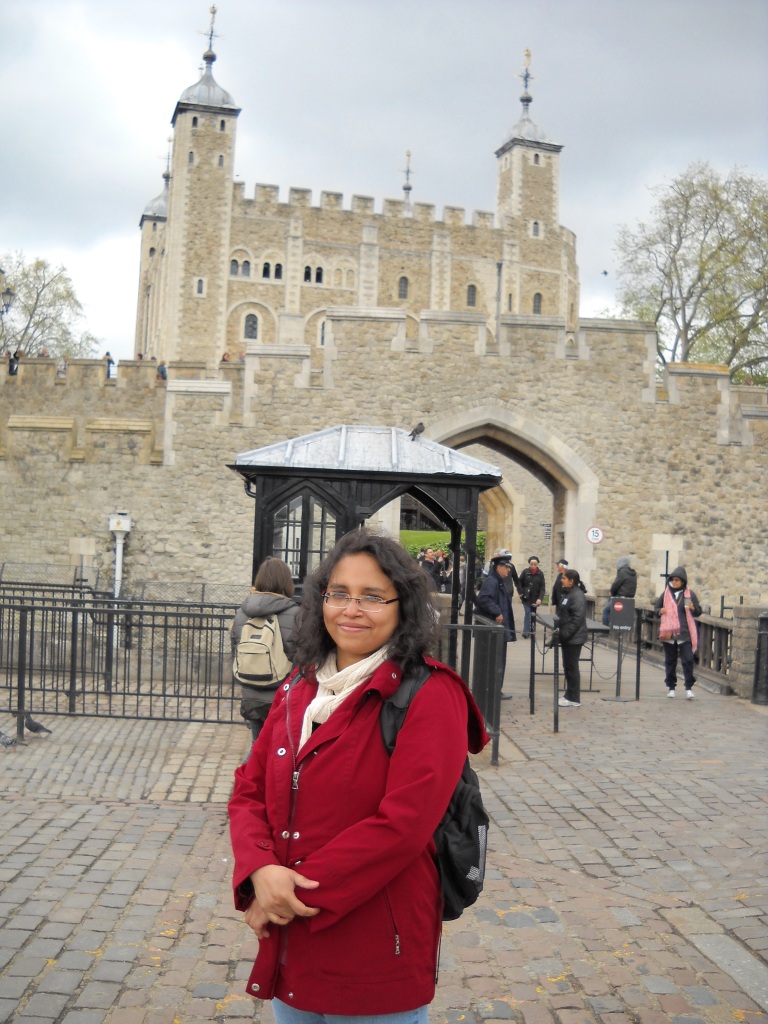
Sohana at the Tower of London
We spent a large part of a day at the famed Tower of London, which is literally a thousand years old, first built by William the Conqueror in the 11th century. Our visit began with a tour by a Beefeater (also known as a Yeoman Warder), who gave us a general overview of the Tower’s history. He had a wicked sense of humor and kept making puns like “Let’s be heading this way.” We saw Tower Hill, the site of public executions on the scaffold, and also Tower Green, where Anne Boleyn and Lady Jane Grey were executed – the spot is now commemorated by a glass sculpture with a pillow on top. The tour ended at the Chapel Royal of St Peter ad Vincula where those executed on Tower Green (including Boleyn and Jane Grey) are buried. Afterwards, we took a picture with the Beefeater outside the chapel.
Next, we went to the building that houses the Crown Jewels. Our eyes were dazzled by the rich display of crowns, scepters, and orbs bejeweled with diamonds, rubies, sapphires, and every kind of precious stone possible in the vault. We also saw the famed Kohinoor diamond, set in the Queen Mother’s crown, as well as the crown worn by the late Queen Elizabeth II. After the crown jewels, there was also a section of gold plates, serving dishes, goblets, wine jugs, etc. that were used for ceremonial occasions by various monarchs. We will probably never again see such a display of wealth, and perhaps there is no other place with so much wealth on display in one place. However, all the gold and perhaps some of the obnoxious histories attached with the splendour on display started to make me feel nauseous, so I was glad to get out into the open air.
We looked around in the White Tower, which stands in the center with a display of military equipment and history. Then we went to the Beauchamp Tower, which is known for the graffiti on the walls left by various prisoners, including some very high-profile ones. At one point, when I saw the graffiti attributed to Robert Dudley, Earl of Leicester, I stood rooted to the spot. It was incredible to think we were standing in the same room where such illustrious prisoners once lived, carving their convictions into the walls.
We walked around the grounds, taking pictures, and then came across some costumed characters, including James Scott, Duke of Monmouth, who posed with me graciously for a picture. The costumed characters put on a dramatic reenactment of James trying to claim the throne. James Scott is the fellow who required several blows of the axe, followed by a butcher knife, during his beheading on Tower Hill by the half-drunk Jack Ketch. The Beefeater told us the story in all its gory detail, though the reenactment, thankfully, included the trial but not the execution.
We took pictures, including one of Nausheen posing with a raven. These birdsare kept and bred on the grounds of the Tower. Apparently, they have kept at least half a dozen ravens since the time of Charles II, who thought the Tower would fall and the empire disintegrate if he did not always keep ravens there. There is even one beefeater whose job it is to feed and take care of the ravens! Finally, we also saw the room where Sir Walter Raleigh was imprisoned for many years, and the place where he used to walk back and forth (now called Raleigh’s Walk), and I got goose bumps.
Our day ended with a brief stop at Tate Modern, which is just across the river from the Tower. I’m not really into modern art, and as I paused in front of a famous painting by Picasso, I had to admit that I understood nothing about its greatness. To me it looked like a misshapen human figure lying on its side. Nausheen kept on dancing around the pieces and went on explaining what she had learnt in conjunction with modern poetry.
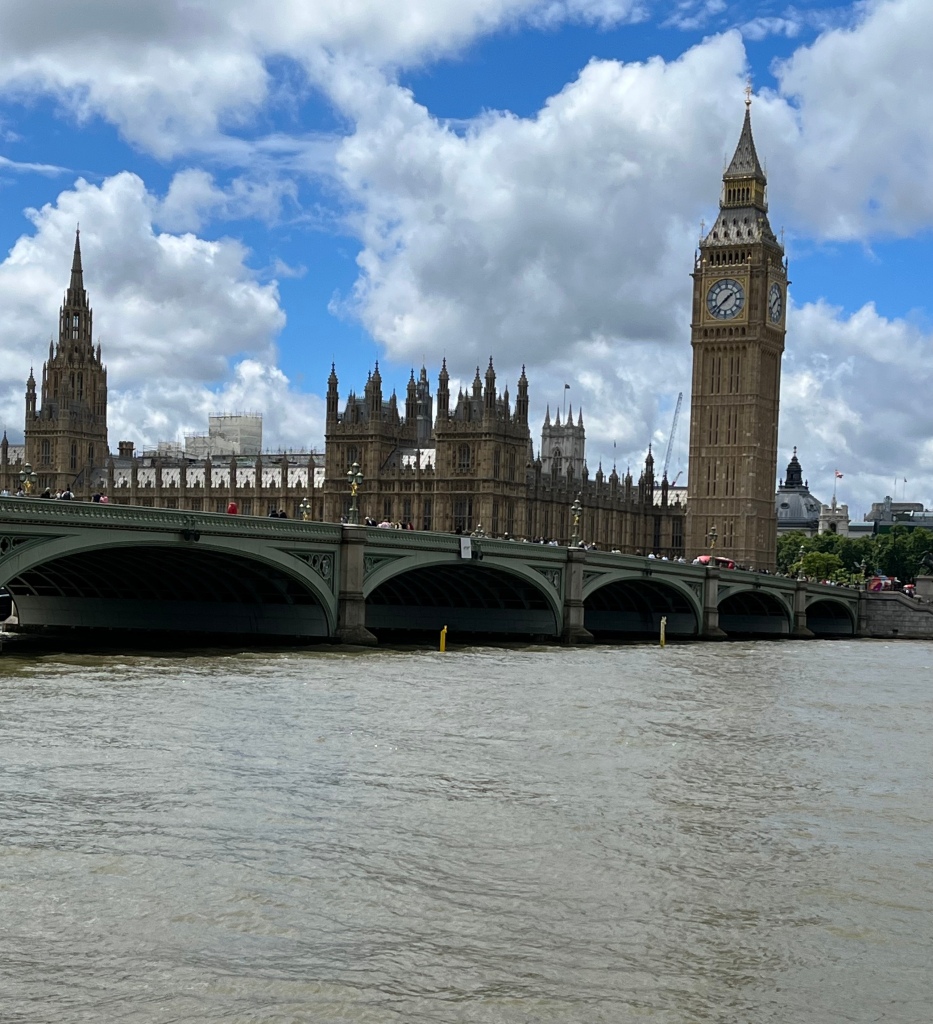
The Parliament & Big Ben
Next morning, we passed Big Ben and the Houses of Parliament on our way to Westminster Abbey where kings and queens are still coronated, and where many notable historical, political, and literary figures are buried. It was very crowded, but also a very solemn kind of place – kind of dark and gloomy, with tombs and effigies all around, and Latin epitaphs everywhere. Many of England’s kings and queens are buried here, and we saw the tombs of Henry VII, Elizabeth I, Bloody Mary, and Mary Queen of Scots. The tomb of Queen Elizabeth felt unreal – almost as if it was part of a dream I had nurtured for long.
Eventually, we made our way to the Poets’ Corner, which Nausheen was especially eager to see. She got excited seeing the tomb of Chaucer, who was the first to be buried in the Poets’ Corner. We both patted the tomb in homage to the great man. We also saw tombs of various other poets and writers, such as Austen and Dickens, and memorials to writers who are buried elsewhere, but commemorated here nonetheless, such as Shakespeare and the Brontës. Finally, we stopped at the museum shop to buy some souvenirs.
The afternoon saw us at the Tate Britain. We took a tour with one of the museum guides, who took us through the Turner wing. It was really great that they have an entire wing devoted to Turner, since his work is familiar to me from my dissertation supervisor, Dr. Collins’s course. There were also paintings by Constable and Gainsborough, but of course, Turner’s are the most dramatic and majestic. There was also a smaller wing dedicated to Blake’s prints, paintings, and engravings. However, the ones that are most familiar to us, from Songs of Innocence and Experience, are mostly elsewhere, such as in the British Museum, so there were only a handful of those.
The next day was cold and gloomy and we decided to stay in. We made plans of visiting Hampstead, the home of the young Romantic poet John Keats the day after. I knew days would be bad as I was developing a fever. But I could surely rest for one day.
Sohana Manzoor is an Associate Professor at the Department of English and Humanities at ULAB, a short story writer, a translator, an essayist and an artist. This essay was previously published in The Daily Star in January 2019.
PLEASE NOTE: ARTICLES CAN ONLY BE REPRODUCED IN OTHER SITES WITH DUE ACKNOWLEDGEMENT TO BORDERLESS JOURNAL
Nature has shed her wintry robes
to adorn brighter clothes.
A cornucopia of colours – bold
yellow, crimson, purple, gold.
Far away the ample hills repose
where a new light softly grows.
The sky is blue, the wind is fair.
A lone bird flies into the air.
In winter, silent seeds have toiled
to deny the grip of frozen soil.
Soon in the garden, green will
bloom with tulips, roses, and daffodils
And the nourished roots shall bring
forth the joyful fruits of spring.
UNTITLED
I feel a silky silence grow
as if all the world has died.
Night is as black as the crow,
no light to show habitation,
but the far off, orange glow
of firelight on the hillside.
I hear a rippling river flow
through a valley, dark and wide.
The white of an owl swoops low –
wings spread, I watch it glide
and the distant orange glow
of firelight on the hillside.
Stuart McFarlane is now semi-retired. He taught English for many years to asylum seekers in London. He has had poems published in a few online journals.
.
PLEASE NOTE: ARTICLES CAN ONLY BE REPRODUCED IN OTHER SITES WITH DUE ACKNOWLEDGEMENT TO BORDERLESS JOURNAL
Unlike the rowdy reveling in my native US, the New Year’s holiday in Japan is usually a solemn and sedate affair, spent quietly with family. Usually, schools and businesses allow a holiday of a few days.
My adult children had returned home from Kyoto and Tokyo, and we enjoyed an American holiday meal complete with roast chicken, mashed potatoes, lemon-flavored squash, and cranberry sauce. The next day, New Year’s Eve, we started in on the o-sechi ryori, the food traditionally eaten on January 1, and the following days. In the past, the woman of the house spent days preparing these special foods, each with a particular meaning. For example, fish eggs are meant to encourage fertility, and sweetened black beans signify good health. The food is beautifully arranged in lacquer boxes.
In our family, my Japanese husband has been in charge of the New Year’s cooking in recent years, sometimes with help from our children. This year, however, we opted to buy already-made o-sechi ryori. We gathered at the table and sampled the various delicacies, then watched a music competition show on TV — another traditional Japanese activity. All across Japan, many other families were doing the same.
According to the Chinese zodiac, 2024 is the year of the wood dragon. In dragon years, it is said that people can harness the creature’s powers to unleash creativity, passion, courage and confidence. It is thought to be the ideal time to achieve one’s dreams, a time of hope and opportunity.
The aftermath of Noto Peninsula Earthquake in Japan that struck on 1st January 2024
My family and I awoke on January 1st, feeling renewed and refreshed, ready to continue pursuing our dreams. However, our moods changed when an earthquake occurred that afternoon in Ishikawa Prefecture. TV broadcasts were interrupted by frantic voices telling those in the affected area to evacuate immediately and to take cover. All across Japan, we were reminded of the devastating earthquake and tsunami of the Great East Japan Earthquake on March 11, 2011 which claimed nearly 20,000 souls (with many more remaining missing). I remembered, as well, being shaken awake in our fifth-floor apartment by the Great Hanshin Earthquake of January 17, 1995, during which 6,434 people were killed.
Although the loss of life in Ishikawa (still being tallied as I write this) has not been quite so severe, the devastation displayed on TV, in newspapers, and online is heartbreaking. We have heard of middle-aged parents who lost their two daughters who were home for the holidays, of thousands whose home were reduced to rubble, of hundreds of people in an evacuation center with only two toilets. The day after the initial earthquake, a Japan Airlines plane crashed into a smaller Coast Guard plane on the runway at Haneda airport. The latter was preparing to carry supplies to earthquake victims in Ishikawa. Again, my family was glued to the TV, unable to look away as the jet burned to the ground. We were relieved to learn that all crew and passengers escaped from the plane, but saddened by the deaths of five Coast Guard members who were seeking to help others.
Plane crash on January 2nd, 2024 in Tokyo
The foreign media often celebrates the resilience of the Japanese people: all those earthquakes and landslides and floods, and still they get on with their lives! However, Japan ranks only 54th on the 2022 Happiness Report, and suicide is the leading cause of death for men between the ages of 20-44 and women 15-34. The Japan Times reported in 2019 that according to a survey conducted by The Policy Institute and King’s College, London, only 24% of respondents in Japan agreed that “seeing a mental health professional is a sign of strength.”
Two of the first expressions that I learned when I first came to Japan were, “gaman wo suru” (“be patient”/ “endure”) and “shikata ga nai” (“it can’t be helped”). I came to understand that many Japanese have a sense of fatalism and helplessness, which might account for the general malaise in spite of Japan being a safe, peaceful, prosperous, orderly country with an excellent education system and exemplary healthcare.
During this past week, however, I have also been reflecting upon the changes wrought in response to disasters. After the 1995 earthquake in Kobe, schools stepped up their earthquake drills, and a disaster prevention center was established in our town. The school my daughter attended held a workshop on how to make dishes out of newspapers in the event of a disaster and began holding “disaster camps” simulating evacuation centers in the summer. Neighbourhood-wide disaster drills also increased, and signs were put up indicating sea levels and designated evacuation centers. Although it has been reported that evacuation centers in Ishikawa do not support those with disabilities, at least there is now an awareness of what needs to be changed.
Earthquakes and other natural disasters are unavoidable, but I admire the effort that the Japanese people put into mitigating their effects. My hope is that more and more people here will begin to understand that it is okay to cry, to mourn, to grieve, and to talk about our suffering. My wish for the Japanese people in the new year is happiness and the achievement of dreams.
Suzanne Kamatawas born and raised in Grand Haven, Michigan. She now lives in Japan with her husband and two children. Her short stories, essays, articles and book reviews have appeared in over 100 publications. Her work has been nominated for the Pushcart Prize five times, and received a Special Mention in 2006. She is also a two-time winner of the All Nippon Airways/Wingspan Fiction Contest, winner of the Paris Book Festival, and winner of a SCBWI Magazine Merit Award.
PLEASE NOTE: ARTICLES CAN ONLY BE REPRODUCED IN OTHER SITES WITH DUE ACKNOWLEDGEMENT TO BORDERLESS JOURNAL
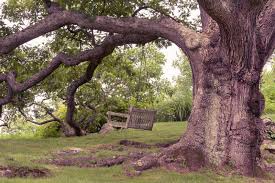
The oak stood in the field at the end of their parallel gardens, just over the fence. The branch stretching out over Orla’s lawn creaked like a rocking chair as she swung back and forth on the rope swing her mum had made years ago. The creak had grown louder since she’d turned nine. She watched her mum talk to their neighbour Ray over the fence, which had once come up to his chin. Since he’d walked with a cane and his wife had died, he could just about see over it on tiptoes. When her mum folded her arms, Orla stopped swinging and listened to them talk.
“I can’t get out there anymore.” Ray’s voice was strained. “I’ve only managed the trip twice since I scattered Hetty’s ashes.”
“I’ll take you out there on Sundays, Ray. I’m more than happy to drive you.”
“I couldn’t be a burden to you like that, Tamara. It would be easier if we just cut it down. England has millions of oaks.”
Orla’s mum looked over at her, noticing the creaking had stopped. Orla began to swing again, the branch speaking over the rest of her mum and Ray’s conversation. She looked up at the pistachio-coloured leaves whispering above her, some yellowing at their tips.
.
After lunch, Orla took her crayons into the garden and peeled the papers off them like sweet wrappers. Gathering some of the oak’s fallen leaves, she rested them on a paving slab near the swing and placed sheets of paper over them. Rhythmically, she rubbed the crayons back and forth, the spines and veins blooming on the paper.
“You’re a big girl now, aren’t you? Too big for that swing.”
Ray’s white fingers gripped the top of the fence, knuckles peaked, watching her beneath crêpe eyelids.
Orla had liked Ray’s wife, Hetty. She’d regularly made Orla biscuits, given in a biscuit tin with robins on it. Whenever Hetty went on a trip, she’d always bought Orla a little present; a magnet of an ‘O’ for Orla from Blackpool, a bottle of multi-coloured sand from the Isle of Wight, a keyring with a plastic wedge of cheese on it from Cheddar Gorge. They were always wrapped and sealed in bright tissue paper. Once, Hetty had brought back a red kite’s feather from her Sunday walk. Even that, she’d wrapped in pink tissue paper and brown twine before giving it to Orla.
Sometimes, when Orla played with the oak, she would hear Hetty humming in the garden, and she’d stare at the trunk, imagining Hetty’s song was fairies’ singing as they worked.
Orla guessed that all these beautiful things about Hetty were why she had barely noticed Ray until the day she’d seen him crying in her kitchen, her mum patting his papery hand as he clutched his handkerchief. Orla had lined up all the trinkets from Hetty on her windowsill. That had been over six months ago.
“A swing is for tiny ones. You’re all grown up now.” The effort to make his voice singsong made Ray cough.
Orla watched the swing’s wooden seat pendulum in the breeze, her leaf rubbings fluttering on the ground.
“I like my swing. Even Mum goes on it sometimes. I don’t think you can be too grown up for a swing.”
Ray sank behind the fence momentarily, muttered something, then pulled himself back onto his toes. “You remember my lovely Hetty? Her ashes are scattered up on the hill over there.” He lifted a shaky finger from the fence towards the hill beyond the field. Orla had seen the hill in winter through the oak’s spiny boughs. “I want to see my Hetty every day from the window. I can’t see the hill with this great thing in the way.”
Orla continued pushing the crayons across the paper, her eyes down. She imagined Hetty on the hilltop and opening the robin biscuit tin, letting Orla take some lemon shortbread, fresh slithers of zest zinging on her tongue as Hetty smiled at her. Orla felt a knot in her chest and squeezed her crayon. She knew the knot in Ray’s chest was bigger and tighter, so she didn’t mention that he wouldn’t see Hetty up on the hill, tree or no tree in the way.
Ray coughed again. ‘I need to get this tree out of the way.’
Orla didn’t hear him, the leaves shushing in the wind, drowning out his voice.
“Pardon?”
“I said the tree needs to go!” His voice bounced off their houses, and birds flew from the treetop.
“What about the squirrels?” Orla asked.
“I put nuts out for them.”
“They can’t live in a dish of nuts.”
She knew she had been cheeky, so she didn’t look up until his tapping cane faded away.
.
The next day Orla took some paint pens to the end of the garden. She harvested twelve acorns from the grass and slotted them into her front dungarees pocket. Laying them in a line on her paving slab, she coloured them in pastel shades. Then she turned them upside-down and drew faces on them, their cupules acting as jaunty hats. Herby scents from the greenhouse behind her made her hungry, and she wondered what an acorn tasted like, even though she knew they were poisonous. Finding one in the grass without paint, she rolled its smoothness across her lips, the tip of her tongue licking it. Orla felt a sharp smack on her head. A twig with a cluster of leaves and acorns had fallen, reprimanding her. She tossed the acorn, shiny with her spit, over the back fence into the field.
Footsteps came down the path, accompanied by a familiar beat. It was Mum, followed by Ray with his cane. Her mum looked weary.
“Orla, Ray has said he’s going to buy you a present. A swing set. Isn’t that kind?”
Ray rested on his cane with a clownish grin.
“Yes, that’s kind. Thank you,” Orla said as enthusiastically as possible. “I can still keep my tree swing, though?”
Her mum sighed. “I told you she’d want to keep it, Ray. Honestly, it’s no bother to drive you up the hill every week. Besides, having that tree felled will cost you a lot more than a swing set, and I’m not convinced the council will give you permission anyway.” She looked up at the tree, and Orla watched the dappled sunlight flash across her mum’s face. “It would be a shame to see it go. Don’t you think it’s beautiful?”
“Hetty was beautiful!”
Ray threw his cane to the ground. It hit the path, making Orla jump, a couple of her acorn people rolling away. Ray took his handkerchief from his pocket and covered his face.
.
Orla dreamed she was aboard a boat on a rough sea, a pirate ship chasing her vessel through a dark night. Relentless rain pummelled the creaking deck, and the sails whined against the fierce gusts. The chasers fired a single cannon shot – a crack and wail in the night. Her ship had sunk, icy waves pulling her down as the groaning boat went under with her.
Morning brought peace and land as she awoke in her bed. A storm and a lethal shot had been true. Orla’s swing branch had ripped from the trunk and landed on her paving slab, splitting it in two. The splintered swing lay under the branch’s body, sodden rope snaking across the puddled grass. The branch’s crown had shattered the greenhouse. Glass shards and acorns sprinkled over toppled tomato vines and pots of mint, basil, and thyme. The back fence of Orla and Ray’s gardens had been thrown down, the trunk base and roots exposed for all to see.
Orla watched the two men with their chainsaws from her bedroom window, their woodchipper spraying bark fragments like snow. She traced the spine of the red kite feather from Hetty with her finger as she heard her mum talking with workmen. “That branch could’ve fallen on my daughter. What if the whole damn thing comes down?”
One of the men said, “It’s a strong tree; it just needs proper maintenance, regular pruning.” Her mum had sounded uncertain. When they left, Orla heard Ray at the front door. He sounded cross and mentioned the fallen fence several times.
“I’ve filled in the council application to have it felled. I just need your signature too, Tamara.”
“Fine, Ray,” her mum said. “It can go.”
When her mum came to her room later, Orla wouldn’t remove the pillow from her face.
Ray was impatient for the repairman to arrive. He didn’t like the idea of walkers gawking into his garden or dogs darting in and peeing on his flowerbeds. The repairman couldn’t make it until next week, suddenly overwhelmed with work delivered by the storm. Ray surveyed the fallen panels. Two of the fenceposts had snapped at the bottom, clearly rotten. He wondered if he could prop some panels up on the remaining posts to give himself some privacy. Holding his cane with one hand, he bent down and grabbed a fallen panel. The weight was unexpected, but he anticipated the fall, managing to roll and land on his back in the grass. He panted, waiting for pain, but it didn’t come.
“Stupid fool!”
His cane had gone one way, and he’d gone the other. He tried to turn and bring his hands under him.
“I’m like a bloody capsized tortoise!”
He called for help, shouting for Tamara before he remembered seeing them go out in their car earlier. He kept shouting, hoping a passing walker might hear him from the field. His throat began to hurt, and he knew he should slow his heart rate down.
It was a grey day, and the news had forecast showers. The freshness in the air told him they were on their way. Oak leaves trembled above him. Hetty had often admired the tree. He didn’t think she’d have wanted it gone, but he knew she’d understand why he would.
“I know I’m right. You’ve got to go. Supposing the branch had fallen on the girl.”
He heard the rain pattering above, but he didn’t feel it, the oak sheltering him. Two squirrels rushed up the trunk and screeched at a wood pigeon who took flight, sending acorns to the ground. Ray shielded his face, but none of them hit him. A single leaf landed on his chest, and he ran his thumb repetitively along its crinkled edges. Dots of honeybees explored the oak’s limbs, and bluetits hopped about at its crown.
“You’re a busy tree, aren’t you. So big. You’re still huge even looking at you from far away up on that hill.”
He remembered standing on the hill with Hetty on their Sunday walks, roast gammon and apple crumble heavy in their stomachs. Shielding their eyes from the sun’s glare, Hetty would point to the oak and say, “The perfect beacon to find our way home.” They’d walk back across the field, the oak guiding them home.
A red kite soared above the oak into the field to search for mice and voles. Remembering Hetty giving Orla the feather, he ripped the leaf in his hand again and again until it was mulch in his fingertips.
.
When Orla and her mum found Ray, it was getting dark. They warmed him up and fed him tomato soup, bread and butter, and tea and biscuits. Her mum called the paramedics. They came and said his stats were normal. As they left, Orla heard her mum speak quietly to them at the door.
“He doesn’t seem himself. He’s barely said a word.”
They said he was in shock, he’d had a long afternoon, and he’d recover.
Orla sat with Ray while her mum washed up.
“I’m sorry you fell,” she said. Ray kept his eyes on the newsreader on the television, and she wasn’t sure if he’d heard her. “The tree didn’t mean to drop the branch.”
He stroked the hot water bottle in his lap like a cat. Orla spotted the council form on the coffee table. She stood up.
“You don’t need to get me a swing set.”
She waited by the front door until her mum was ready to go.
.
At midnight, Ray couldn’t sleep. The soup and bread had made him feel stronger. Taking his cane with him, he went out into his dark garden. The clouds covered the stars, and the earlier rain soaked his slippers. He went to the shed and got a length of rope and a small step ladder. Draping the rope around his shoulders, he dragged the step ladder to the tree, dropping his cane.
.
The next morning was Sunday. Orla got up early to watch television while her mum lay in. Something caught her eye through the patio doors.
The base of the oak’s trunk shimmered with silver.
Orla put her wellies on and went outside. Foil was wrapped around the trunk’s bottom half and lashed down with a spiral of rope. It had been tied off in a bow at the centre of the wrappings. She ran to it. The foil chimed against the tree bark in the wind as though the tree approved of its new attire.
Tucked into the rope was an envelope with Orla’s name on it. Inside it were confetti-sized shreds of paper. She pieced some together and recognised the print, saw the word council. It was the felling application torn into scraps.
Rebecca Klassen is from the Cotswolds and is co-editor of The Phare. She has had over forty publications in journals and anthologies, and recently won the London Independent Story Prize. The Gift was shortlisted for this year’s Laurie Lee Prize.









 Borderless