Categories
Contents

Borderless, March 2025

Happy Birthday Borderless… Click here to read.
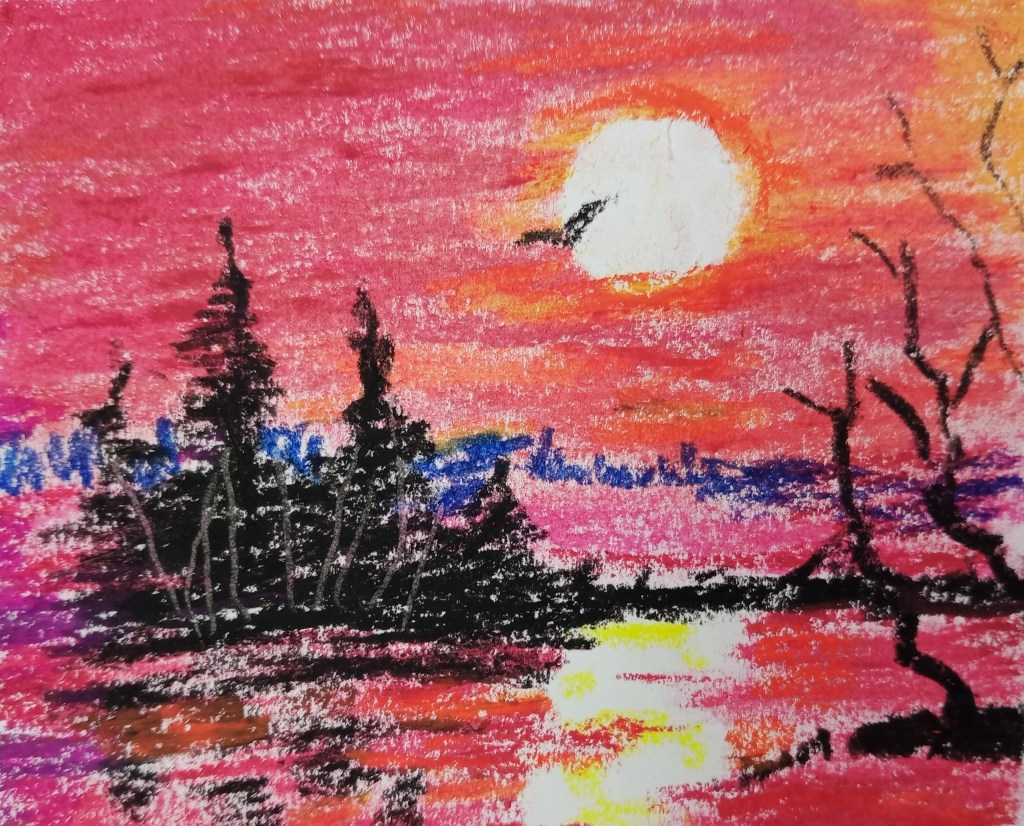
Art by Sohana Manzoor

Editorial

Celebrating a Borderless World… Five Years and Counting… Click here to read.

Translations

Jibanananda Das’ poems on war and for the common masses have been translated from Bengali by Professor Fakrul Alam. Click here to read.

A Scene with an Aged Queen, a poem by Ihlwha Choi  has been translated from Korean by the poet himself. Click here to read.

Tagore’s Esho Bosonto, Esho Aj Tumi (Come Spring, Come Today) has been translated from Bengali by Mitali Chakravarty. Click here to read.

Pandies’ Corner

For Sanjay Kumar: To Sir — with Love has been written for the founder of pandies’ theatre by Tanvir, a youngster from the Nithari village where pandies’ worked with traumatised victims. Over time, these kids have transcended the trauma to lead fulfilling lives. The late Sanjay Kumar passed on this January. This is a tribute to him by one of his students. It has been translated from the Hindustani original by Lourdes M Surpiya. Click here to read.

Poetry

Click on the names to read the poems

Luis Cuauhtémoc Berriozábal, Kiriti Sengupta, Ryan Quinn Flanagan, Snehaprava Das, Stuart McFarlane, Arshi Mortuza, George Freek, Jyotish Chalil Gopinathan, Ahmad Al-Khatat, Michael Burch, Bibhuti Narayan Biswal, Mark Wyatt, Owais Farooq, Adriana Rocha, Rakhi Dalal, Rhys Hughes

Musings/Slices from Life

Nobody Knows…

Farouk Gulsara muses on the dichotomies in life exploring beliefs that shape our world. Click here to read.

Beachcombing on the Abrolhos Islands

Meredith Stephens goes beachcombing in a thinly inhabited island. Click here to read.

As Flows the Gomti: A Monument of Tranquility 

Prithvijeet Sinha takes us to the past of Lucknow. Click here to read.

Musings of a Copywriter

In All Creatures Great and Small, Devraj Singh Kalsi talks of living in harmony with nature… is it tongue in cheek? To find out, click here to read.

Notes from Japan

In Haiku for Rwandan Girls, Suzanne Kamata writes of her trip to Africa where she teaches and learns from youngsters. Click here to read.

Essays

Take One

Ratnottama Sengupta takes stock of women in Bengali cinema over the last fifty years. Click here to read.

Drinking the Forbidden Milk of Paradise…

Meenakshi Malhotra explores the past of poetry and women writers. Click here to read.

Where have all the Libraries Gone?

Professor Fakrul Alam writes of the loss of libraries as we knew them. Click here to read.

Stories

In the Realm of Childhood

Paul Mirabile gives us a story set in Scotland. Click here to read.

The Appropriate Punishments

Naramsetti Umamaheswararao gives a fable set in a forest. Click here to read.

Eyes of Inti

Swati Basu Das shares a lighthearted flash fiction. Click here to read.

‘Solitude is a Kind of Freedom…’

Munaj Gul gives an introspective story set in Balochistan. Click here to read.

Why I Stopped Patronising that Cheese Maker’s Shop…

Zoé Mahfouz shares a humorous vignette of Parisian life. Click here to read.

Conversations

Ratnottama Sengupta discusses the famous actor, Soumitra Chatterjee, with his daughter, Poulami Bose Chatterjee. Click here to read.

Keith Lyons interviews Malaysian author and editor, Daphne Lee. Click here to read.

Book Excerpts

An excerpt from Frank S Smyth’s The Great Himalayan Ascents. Click here to read.

An excerpt from Rhys Hughes’ The Devil’s Halo. Click here to read.

Book Reviews

Somdatta Mandal reviews Tsering Namgyal Khortsa’s non-fiction, Little Lhasa: Reflections in Exiled Tibet and fiction, Tibetan Suitcase, together. Click here to read.

Malashri Lal reviews Rachna Singh’s Raghu Rai: Waiting for the Divine. Click here to read.

Bhaskar Parichha reviews Sandeep Khanna’s Tempest on River Silent: A Story of Last 50 Years of India. Click here to read.

Vignettes from a Borderless World… Click here to read a special fifth anniversary issue.
Categories
Editorial

Celebrating Borderless… Five Years and Counting…

Emerging by Sybil Pretious

Drops of water gather to make a wave. The waves make oceans that reshape land masses over time…

Five years ago, on March 14th, in the middle of the pandemic, five or six of us got together to start an online forum called Borderless Journal. The idea was to have a space that revelled with the commonality of felt emotions. Borderless was an attempt to override divisive human constructs and bring together writers and ideators from all over the Earth to have a forum open to all people — a forum which would be inclusive, tolerant, would see every individual as a part of the fauna of this beautiful planet. We would be up in the clouds — afloat in an unbordered stratosphere— to meet and greet with thoughts that are common to all humans, to dream of a world we can have if we choose to explore our home planet with imagination, kindness and love. It has grown to encompass contributors from more than forty countries, and readers from all over the world — people who have the same need to reach out to others with felt emotions and common concerns.

Borderless not only celebrates the human spirit but also hopes to create over time a vibrant section with writings on the environment and climate change. We launch the new section today on our fifth anniversary.

Adding to the wealth of our newly minted climate and environment section are poems by Luis Cuauhtémoc Berriozábal on the LA fires, Green by Mark Wyatt and Ecopoetry by Adriana Rocha in our March issue. We also have poetry on life in multiple hues from Kiriti Sengupta, Ryan Quinn Flanagan, Snehaprava Das, Stuart McFarlane, Arshi Mortuza, George Freek, Ahmad Al-Khatat, Jyotish Chalil Gopinathan, Michael Burch, Bibhuti Narayan Biswal, Owais Farooq and Rakhi Dalal. Tongue-in-cheek humour in poetry is Rhys Hughes forte and he brings us just that in his sign poem.

 Devraj Singh Kalsi with a soupçon of ironic amusement muses on humans’ attitude to the fauna around him and Farouk Gulsara lays on a coating of sarcasm while addressing societal norms. Meredith Stephens brings us concerns for a green Earth when she beachcombs in a remote Australian island. Prithvijeet Sinha continues to familiarise us with his city, Lucknow. Suzanne Kamata, on the other hand travels to Rwanda to teach youngsters how to write a haiku!

Professor Fakrul Alam takes us to libraries in Dhaka with the hope that more will start writing about the waning of such paradises for book lovers. Other than being the month that hosts World Environment Day, March also homes, International Women’s Day. Commemorating the occasion, we have essays from Meenakshi Malhotra on the past poetry of women and from Ratnottama Sengupta on women in Bengali Cinema. Sengupta has also interviewed Poulami Bose Chatterjee, the daughter of the iconic actor Soumitra Chatterjee to share with us less-known vignettes from the actor’s life. Keith Lyons has interviewed Malaysian writer-editor Daphne Lee to bring to us writerly advice and local lores on ghosts and hauntings. 

Our fiction truly take us around the world with Paul Mirabile giving us a story set Scotland and Naramsetti Umamaheswararao giving us a fable set in a Southern Indian forest. Swati Basu Das takes us on an adventure with Peruvian food while sitting by the Arabian Sea. Munaj Gul gives a heart-rending flash fiction from Balochistan. And Zoé Mahfouz shares a humorous vignette of Parisian life, reflecting the commonality of felt emotions.

Celebrating the wonders of the nature, is a book excerpt from Frank S Smyth’s The Great Himalayan Ascents. While the other excerpt is from Hughes’ latest novel, The Devil’s Halo, described as: ‘A light comedy, a picaresque journey – like a warped subterranean Pilgrim’s Progress.’ We have reviews that celebrate the vibrancy of humanity. Bhaskar Parichha writes of Sandeep Khanna’s Tempest on River Silent: A Story of Last 50 Years of India, a novel that spans the diversity that was India. Malashri Lal reviews Rachna Singh’s Raghu Rai: Waiting for the Divine, a non-fiction on the life and works of the famous photographer. Somdatta Mandal discusses two book by Tsering Namgyal Khortsa reflecting the plight of Tibetan refugees, a non-fiction, Little Lhasa: Reflections in Exiled Tibet and a fiction, Tibetan Suitcase.

One of features that we love in Borderless is that language draws no barriers — that is why we have translations by Professor Alam of Jibananada’s short poems on the impact of war on the common masses. We have a small vignette of Korea from Ihlwha Choi’s self-translated poem. And we have a translation of Tagore’s verses invoking the healing power of spring… something that we much need.

We also have a translation by Lourdes M Supriya from Hindustani of a student’s heartrending cry to heal from grief for a teacher who faced an untimely end — a small dirge from Tanvir, a youngster with his roots in Nithari violence who transcended his trauma to teach like his idol and tutor, the late Sanjay Kumar. With this, we hope to continue with the pandies corner, with support from Lourdes and Anuradha Marwah, Kumar’s partner.

Borderless has grown in readership by leaps and bounds. There have been requests for books with writings from our site. On our fifth anniversary, we plan to start bringing out the creative writing housed in Borderless Journal in different volumes. We had brought out an anthology in 2022. It was well received with many reviews. But we have many gems, and each writer is valued here. Therefore, Rhys Hughes, one of our editorial board members, has kindly consented to create a new imprint to bring out books from the Borderless Journal. We are very grateful to him.

We are grateful to the whole team, our contributors and readers for being with us through our journey. We would not have made it this far without each one of you. Special thanks to Sohana Manzoor for her artwork too, something that has almost become synonymous with the cover page of our journal.  Thank you all from the bottom of my heart.

Wish you all happy reading! Do pause by our content’s page and take a look at all the wonderful writers.

Best wishes,

Mitali Chakravarty

borderlessjournal.com

Click here to access the contents page for the March 2025 issue

Happy Birthday Borderless… Click here to read.

Vignettes from a Borderless World… Click here to read a special fifth anniversary issue.
Categories
Excerpt

The Great Himalayan Ascents

Title: The Great Himalayan Ascents

Author: Frank S Smythe

Publisher: Speaking Tiger Books

The Himalaya

TWO HUNDRED YEARS ago mountains were regarded as useless and terrible masses of inert matter where dragons had their lairs and the spirits of the damned lay in wait to claim the unwary. But as man emerged from the superstitions and materialisms of the Middle Ages he began to realise that mountains were beautiful and their summits worthy of attainment. The nineteenth century saw the conquest of the Alps. Unknown difficulties and dangers had to be faced by the pioneers of mountaineering. Disasters occurred, lives were lost, and mountaineering thrown into disrepute. The mountaineer was not dismayed. He knew that beauty was his for the seeking; he rejoiced in a newfound comradeship and in the acquirement and exercise of a new craft.

The great alpine summits fell one by one; traditions were established; a technique was evolved; a literature was born. The ripples of alpine mountaineering radiated outwards, bearing with them mountaineers to other ranges: the Caucasus, the Rockies, the Andes, the New Zealand Alps. On their highest peaks the skill acquired in the Alps was sufficient to ensure success. But there remained one great range that defied invasion of its strongholds – the Himalaya. There, the technique acquired in the Alps was not sufficient. Height alone was a physical deterrent, and coupled to height was steepness and danger. Expeditions had to be organised to reach even the foot of the great peaks; time and money had to be found. Yet, despite these disadvantages, Himalayan mountaineering and exploration progressed steadily. Pioneers such as the Schlagintweit Brothers, Sir Joseph Hooker, The Duke of the Abruzzi, Mr W.W. Graham, Lord Conway, Sir Francis Younghusband, Mr D.W. Freshfield, Doctor T.G. Longstaff, Doctor A.M. Kellas, General Bruce, Mr C.F. Meade, Doctor and Mrs Bullock Workman, Messrs. Rubenson and Monrad Aas, and many other pre-war pioneers opened up a region unsurpassed for its beauty and grandeur, and by their experiences pointed the way to the highest summits.

Many people refer to the Himalaya as though their limitations in scenery and climate were similar to those of the Alps. The tourist who gazes upon Kangchenjunga, 28,226 feet, from Darjeeling returns home saying that he has seen the Himalaya. So he has, but how much of two thousand miles of mountains stretching from the Pamirs to the borders of Indo-China, and beyond these limits, in terms of mountains? A lifetime might be spent wandering about the Himalaya, yet the knowledge acquired would embrace but an infinitesimal portion of that vast labyrinth of peaks, valleys and plateaux scrawled across the map of Asia.

In climate alone there is an extraordinary variety. From hot steamy tropical valleys, filled with luxuriant vegetation, it is but a few horizontal miles to zero temperatures and the highest snows in the world. Between these two extremes is an immense range of climate, the common despot of which is a fierce sun. Added to the complexities of climate due to height alone is the added complexity of seasonal weather fluctuations, due directly or indirectly to the influence of the monsoons and weather conditions emanating from the plateaux of Central Asia.

Racial characteristics are as diversified as the climate. From the people of Hunza and Chitral to the Sherpas and Bhotias of Northern Nepal, the almost extinct Lepchas of Sikkim and the wild races of Bhutan, the Himalaya can show many different types, for they form a natural frontier between India and Tibet, and a pudding-bowl wherein is stirred a mixture of Mongolian and Indian blood.

Politically, only a comparatively small portion of the Himalaya is accessible to the mountaineer and explorer. Democracy is unknown in Tibet and Nepal, and both these countries have closed their frontiers to Europeans and resolutely set themselves against infiltration of European thought and ideas. Some of the finest peaks of the Himalaya lie within the borders of Nepal, including the southern side of Everest, 29,140 feet, Dhaulagiri, 26,795 feet, Gosainthan (Shisha Pangma), 26,305 feet, and many other great peaks. In addition there are other districts where the mountaineer is not always welcomed, owing to political and other objections. The three most interesting districts accessible to mountaineers and explorers are the Karakorams, the Kumaun and Garhwal Himalaya and the Sikkim Himalaya, including the eastern side of Kangchenjunga, and it is in these three districts that the most notable mountaineering expeditions have been carried out, with the  exception of Everest (now barred politically) and the northern side of Nanga Parba (forbidden territory to expeditions at present). Each of these districts is magnificent in its own way. In the Karakoram there is no glacier to rival in grandeur the Baltoro, and no peaks surpassing in ferocity the terrific ice- armoured spires dominated by K2 (Mount Godwin Austin), 28,187 feet. From the Kumaun Himalaya rises Nanda Devi, 25,645 feet; the highest peak entirely within the confines of the British Empire, a mountain so difficult to approach that no one has yet succeeded in treading the glaciers at the foot of it, whilst Kamet, 25,447 feet, dominates the ranges of Northern Garhwal. In Sikkim, Kangchenjunga boasts the most wonderful snow and ice scenery in the Himalaya, owing to its exposure to the moisture-laden airs of the monsoon. It has defeated three determined attempts to climb it, in 1929, 1930 and 1931 by mountaineers well versed in the technique of high-altitude mountaineering. The highest point reached was 26,000 feet, by the gallant Bavarian expedition in 1931 and that only after incredible difficulty.*

Geologically, the Himalaya are a young mountain range, due to an uplift of the ancient seabed covering Central Asia. This uplift took place so slowly that rivers such as the Indus and the Brahmaputra, which have their sources to the north of the Himalaya, have been able to carve their way through the range as it rose. This is the only explanation that can account for the deep valleys cutting through from Tibet to India.

.

(Extracted from The Great Himalayan Ascents by Frank S. Smythe. Published by Speaking Tiger Books, 2025.)

About the Book

Frank S. Smythe (1900-1949) was one of the greatest mountaineers of the twentieth century, and a celebrated memoirist and adventure writer. This collection brings together three accounts of Smythe’s most thrilling ascents in the Himalayas—The Kangchenjunga Adventure, Kamet Conquered and Camp Six.

The Kangchenjunga Adventure narrates in detail the 1930 expedition to climb the third-highest mountain in the world: how Smythe, as part of an international team of mountaineers, attempts to reach the summit of Kangchenjunga, before a deadly avalanche—which kills one of the Sherpas— forces them to change course and scale the Jonsong Peak instead. In Kamet Conquered, Smythe makes a successful bid at ascending Mount Kamet in 1931, which was at that time still unscaled. On their way back, Smythe and his team chance upon the spectacular and colourful Bhyundar Valley, which they christen the ‘Valley of Flowers’, and which is now a National Park. Camp Six recounts a gripping adventure on the world’s highest mountain—the 1933 Everest Expedition, in which Smythe, climbing alone, ascends to a point higher than any human had reached before. Made without ropes or oxygen to support him, and in terrible snow conditions, the climb is regarded as one of the greatest endeavours in the history of mountaineering.

This majestic omnibus edition offers a fascinating window into early mountain climbing and Himalayan exploration. It is also a rare treat for every lover of fine, entertaining writing.

About the Author

Frank Sydney Smythe was a British mountaineer, botanist and adventurer. Smythe, who began his mountaineering career in the Alps, joined the international Kangchenjunga expedition of 1930 which ended in failure. In 1936, he led the expedition which successfully ascended Mount Kamet, then the highest peak ever to have been climbed. Subsequently, in the 1930s, Smythe was thrice part of teams which attempted to climb Mount Everest. An accomplished photographer and a prolific writer, Smythe wrote twenty-seven books in all, the best known among which are The Kangchenjunga Adventure, Kamet Conquered and Adventures of a Mountaineer. Smythe died in 1949.

.

PLEASE NOTE: ARTICLES CAN ONLY BE REPRODUCED IN OTHER SITES WITH DUE ACKNOWLEDGEMENT TO BORDERLESS JOURNAL