Categories
Contents

Borderless, October 2024

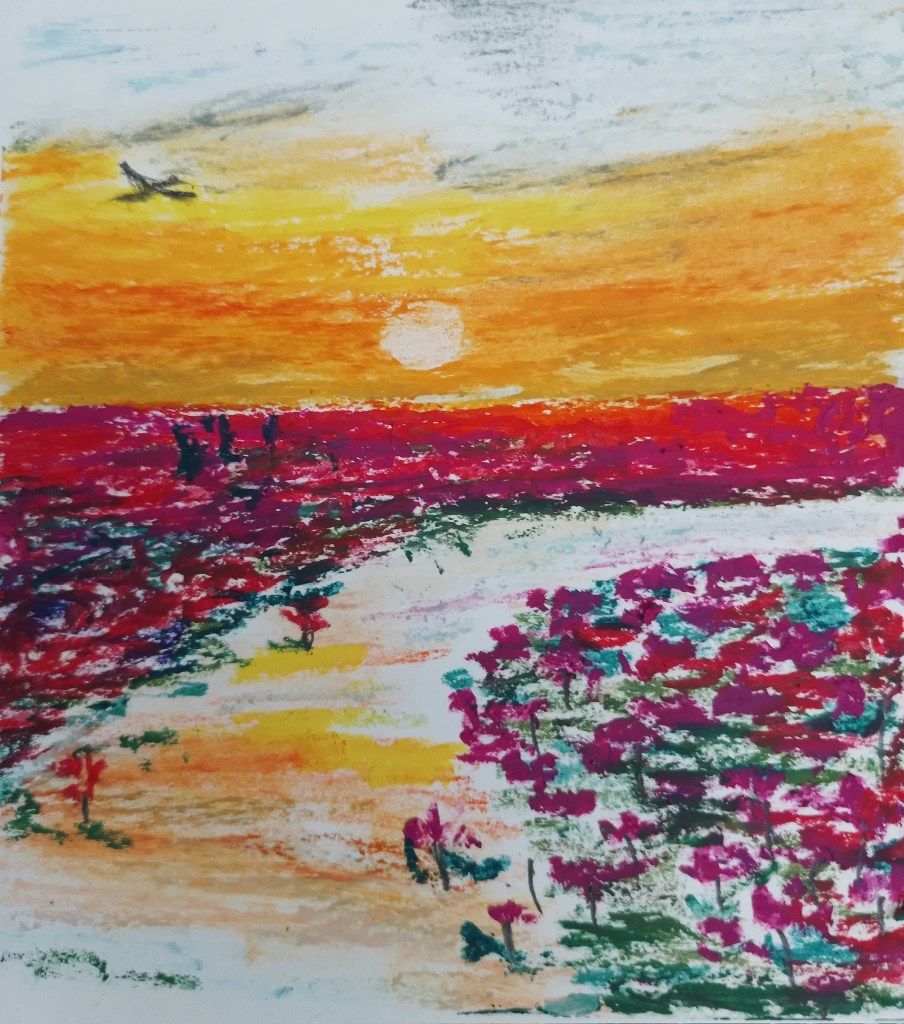
Art by Sohana Manzoor

Editorial

Where Are Those Happy Days? … Click here to read.

Conversations

In conversation with Malashri Lal with focus on her poetry book, Mandalas of Time. Click here to read.

Keith Lyons speaks to novelist Lya Badgley about her life, books and travels. Click here to read.

Translations

Tagore’s poem on Africa has been translated from Bengali by Debali Mookerjea-Leonard. Click here to read.

Nazrul’s Shukno Patar Nupur Paye (With Ankle Bells of dried leaves) has been translated from Bengali by Professor Fakrul Alam. Click here to read.

Veena Verma’s story, Galat Aurat or The Wrong Woman, has been translated from Punjabi by C Christine Fair. Click here to read.

Sharaf Shad’s story, The Melting Snow, has been translated from Balochi by Fazal Baloch. Click here to read.

Tagore’s Andhokaarer Utso Hote (From the Fount of Darkness) has been translated from Bengali by Mitali Chakravarty. Click here to read.

Poetry

Click on the names to read the poems

Rhys Hughes, Afsar Mohammad, Fhen M, Luis Cuauhtémoc Berriozábal, Shamik Banerjee, George Freek, Shahin Hossain, Stuart MacFarlane, Matthew James Friday, Udita Banerjee, Jenny Middleton, Alpa Arora, Stephen Philip Druce, Malashri Lal, Michael Burch

Poets, Poetry & Rhys Hughes

In Two Pizza Fantasies, Rhys Hughes recounts myths around the pizza in prose, fiction and poetry, Click here to read.

Musings/Slices from Life

An Alien on the Altar!

Snigdha Agrawal writes of how a dog and lizard add zest to festivities with a dollop of humour. Click here to read.

To Be or Not to Be…

Farouk Gulsara ponders over the nature of humanity. Click here to read.

Memories of my Grandfather

Alpana writes of her interactions with her late grandfather. Click here to read.

From Diana to ‘Dayaan’

Rajorshi Patronobis talks of Wiccan lore. Click here to read.

Musings of a Copywriter

In Libraries and Me, Devraj Singh Kalsi recalls his experiences in school and University in a lighter vein. Click here to read.

Notes from Japan

In Among Ghosts in the Land of a Thousand Hills, Suzanne Kamata travels with a Japanese colleague and students to Rwanda. Click here to read.

Essays

Memories of Durga Puja

Fakrul Alam recalls the festivities of Durga Puja in Dhaka during his childhood. Click here to read.

A Doctor’s Diary: Syncretic Festivities

Ravi Shankar writes of his early life in Kerala where festivals were largely a syncretic event. Click here to read.

Stories

The Return

Paul Mirabile unravels the homecoming of a British monk. Click here to read.

The Mango Thief

Naramsetti Umamaheswara Rao writes a story about peer pressure among children. Click here to read.

Sunset Memories

Saeed Ibrahim writes from near the Arabian Sea. Click here to read.

A Whiff of the Past…

Tanika Rajeswari V gives a haunting story set in Kerala. Click here to read.

Book Excerpts

An excerpt by Ruskin Bond from Let’s Be Best Friends Forever: Beautiful Stories of Friendship. Click here to read.

An excerpt from Lara Gelya’s Camel from Kyzylkum. Click here to read.

Book Reviews

Meenakshi Malhotra reviews Anjum Katyal’s Safdar Hashmi: Towards Theatre for a Democracy. Click here to read.

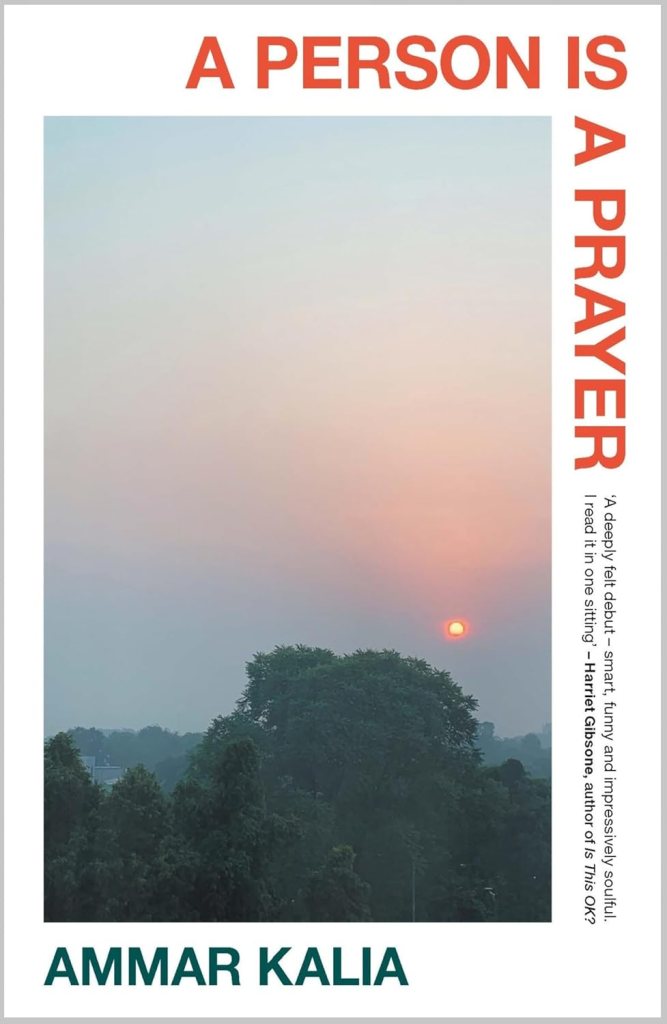
Somdatta Mandal reviews Ammar Kalia’s A Person Is a Prayer. Click here to read.

Bhaskar Parichha reviews Selected Works of Vyasa Kavi Fakir Mohan Senapati, edited by Monica Das. Click here to read.

.

Click here to access the Borderless anthology, Monalisa No Longer Smiles

Click here to access Monalisa No Longer Smiles on Amazon International
Categories
Editorial

Where Are Those Happy Days?

Festivals are like friends.

They bring hope, solace and love to those who believe in them. But, when the structures holding the fiestas in place start to crumble, what do we do then?

Our lives have moved out of wilderness to cities over centuries. Now, we have covered our world with the gloss of technology which our ancestors living in caves would have probably viewed as magic. And yet we violate the dignity of our own kind, war and kill, destroy what we built in the past. The ideological structures seem ineffective in instilling love, peace, compassion or hope in the hearts of the majority. Suddenly, we seem to be caving in to violence that destroys humanity, our own kind, and not meting out justice to those who mutilate, violate or kill. Will there be an end to this bleak phase? Perhaps, as Tagore says in his lyrics[1], “From the fount of darkness emerges light”. Nazrul has gone a step further and stated clearly[2], “Hair dishevelled and dressed carelessly/ Destruction makes its way gleefully. / Confident it can destroy and then build again …Why fear since destruction and creation are part of the same game?”

And yet, destruction hurts humans. It kills. Maims. Reduces to rubble. Can we get back the people whose lives are lost while destruction holds sway? We have lost lives this year in various wars and conflicts. As a tribute to all the young lives lost in Bangladesh this July, we have a poem by Shahin Hossain. Afsar Mohammad has brought in the theme of festivals into poetry tying it to the current events around the world. In keeping with the times, Michael Burch has a sense of mirthlessness in his poems. Colours of emotions and life have been woven into this section by Malashri Lal, Luis Cuauhtémoc Berriozábal, Fhen M, Shamik Banerjee, George Freek, Matthew James Friday, Jenny Middleton and many more. This section in our journal always homes a variety of flavours. Stuart MacFarlane has poems for Wordsworth… and some of it is funny, like Rhys Hughes’ poem based on photographs of amusing signposts. But then life has both sorrows and laughter, and poetry is but a slice of that as are other genres. We do have non-fiction in a lighter vein with Hughes’ story and poem about pizzas. Devraj Singh Kalsi has given a tongue in cheek narrative about his library experiences.

Suzanne Kamata has written for us about her visit to Rwanda. Farouk Gulsara has pondered over humanity’s natural proclivitiesWiccan lore has been discussed by Rajorshi Patranabis. And Snigdha Agrawal has tuned into humour with her rendition of animal antics that overran festivities. Ravi Shankar, on the other hand, has written about the syncretic nature of festivals in Kerala. Professor Fakrul Alam has given a nostalgic recap of Durga Puja during his childhood, a festival recognised as an “Intangible Cultural Heritage of Humanity” by UNESCO, and known for its syncretic traditions where people from all backgrounds, religions and cultures celebrate together.

Festivals have also been taken up in fiction by Tanika Rajeswari V with a ghostly presence hovering over the arrangements. Paul Mirabile has taken us around the world with his story while Saeed Ibrahim writes from his armchair by the Arabian sea. Sahitya Akademi winner for his children’s stories, Naramsetti Umamaheswara Rao, has showcased peer pressure among youngsters in his narrative.  

Two stories have also featured in our translations. Christine C Fair has rendered Veena Verma’s Punjabi story about an illegal immigrant into English. Hinting at climate concerns, Sharaf Shad’s fiction, has been translated from Balochi by Fazal Baloch. Tagore’s powerful poem on Africa has been brought to Anglophone readers by Debali Mookerjea-Leonard as well as his inspiring lyrics, Andhokaarer Utso Hote (From the Fount of Darkness), by our team. Nazrul’s vibrant lyrics, Shukno Patar Nupur Paye (With Ankle Bells of Dried Leaves), has been rendered into English from Bengali by Professor Alam.

Our reviews explore immigrant stories in fiction with Somdatta Mandal reviewing Ammar Kalia’s A Person Is a Prayer. Bhaskar Pariccha has written about Selected Works of Vyasa Kavi Fakir Mohan Senapati, edited by Monica Das. Fakir Mohan is a legendary writer from Odisha. Meenakshi Malhotra has discussed a book on another legend, Safdar Hashmi, one of the greatest names in street theatre in India. The book is by Anjum Katyal and called, Safdar Hashmi: Towards Theatre for a Democracy.

Our book excerpts usher good cheer with a narrative by Ruskin Bond from Let’s Be Best Friends Forever: Beautiful Stories of Friendship. And also hope with a refugee’s story from Ukraine, which travels through deserts, Italy and beyond to US and has a seemingly happier outcome than most, Lara Gelya’s Camel from Kyzylkum. This issue’s conversations take us around the world with Keith Lyons interviewing Lya Badgley, who has crossed continents to live and write. Malashri Lal, the other interviewee, is an academic and writer with sixteen books under her belt. She travels through the world with her poetry in Mandalas of Time.

Huge thanks to the Borderless team for putting this issue together – the last-minute ties – and the art from Sohana Manzoor. Without all this, the edition would look different. Heartfelt thanks to our contributors without whose timely submissions, we would not have a journal. And most of all we thank our readers – we are because you are – thank you for reading our journal.  As all our content, despite being indispensable, could not be mentioned here, do pause by our content’s page for this issue.

We wish you a wonderful month!

Cheers,

Mitali Chakravarty

borderlessjournal.com

[1] Tagore’s Andhokaarer Utso Hote (From the Fount of Darkness)

[2] Nazrul’s Proloyullash translated by Professor Alam as The Frenzy of Destruction

Click here to access the content’s page for the October 2024 Issue.

.

READ THE LATEST UPDATES ON THE FIRST BORDERLESS ANTHOLOGY, MONALISA NO LONGER SMILES, BY CLICKING ON THIS LINK.

Categories
Review

Weaving Strands of the Past to Create an Imagined Place

Book Review by Somdatta Mandal

Title: A Person Is a Prayer

Author: Ammar Kalia

Publisher: Penguin Books

“This novel became a way to collect the strands of the past, to pull these disparate lives together and to give me an imagined place to stand upon.”  Ammar Kalia

Debut novels have a unique quality – the author takes extra care to deliver his best, whether in the form of storyline, or setting or stylistic devices. And though either subconsciously or deliberately borrowing from family history, he always tries to justify that the novel is not autobiographical, but a piece of fiction. A similar thing takes place with Ammar Kalia, the author of this novel under review, who is a writer, musician and journalist living in London. Beginning and ending his narration in March 1955, he tells us the story of the Bedis, a Punjabi family who went through multiple migrations from India to Kenya and then to England. Like all diasporic Indians in search of their roots and still longing for somewhere they can call home, and find ‘something to belong to’, Kalia got the idea to develop this novel when he came to India in 2019, especially to Haridwar, to spread his grandmother’s ashes in the Ganges. As he stood in the dust near the river, several questions popped up in his mind – where did my grandparents grow up? How did they meet? Why did they move multiple continents in a lifetime (from Asia to Africa to Europe)? What were their dreams? Why did I never ask them anything important?

With all these questions lurking in his mind, Kalia opens Part I of the novel in March 1955 with a detailed description of how his grandfather Bedi’s marriage was arranged with a girl called Sushma through a middleman. Coming from far off Nairobi where he was the son of an engine driver and had seven other siblings, he came all the way to India, but Bedi was a tourist and not a prodigal son. We are given the details of the bride-viewing, the discussions of both parties on what they want and what to expect, and finally give the green signal to marry.

Part II of the book jumps straight ahead to February 1994, and it is located in London and Bournemouth where Bedi was spending his time trying to erase the past and not to be engaged in his three grown kids’ lives anymore, wanting to be left alone, to be respected from a distance, to ultimately be ignored. The story of his life in England is like all immigrants who had to make that a new home and go on living with the hope that maybe one day they would be able to go back. After mentioning the generation gap and how the children would not be stuck between continents, there is a sudden catastrophe in the family when Sushma goes out for a last-minute shopping trip for the family get-together and dies after meeting with a street accident. Everything goes haywire in their lives.

The story then moves ahead to September 2019 with three long sections comprising Part III of the novel and is narrated by the three siblings – Selena, Rohan and Tara – who come to India along with their family members on a ‘dreaded pilgrimage’ to scatter their father’s ashes in the Ganges at Haridwar. The heat knocked them out of their daze, and they could feel the looks of the surrounding men bearing down on them. They realsed they didn’t belong here but needed to be here as this was the only place they were meant to say goodbye. It was also a chance to reconnect with their ‘roots.’ By far the most powerful section in the entire novel, we are told how pilgrimage sites in India were dens of corrupt individuals, who tried to fleece the tourist or visitor at every step. After suffering from the heat and dust and a futile attempt to trace their father’s genealogical chart from the family records maintained by different pandits in the long family scrolls, they ultimately decide to scatter the ashes at the end of the day with the help of a new pandit and complete the ceremony for which they had travelled all the way from England.

Tara narrates:“We began to sprinkle him into the bubbling water and after each round we would watch as he dissolved like dropped candy floss in a puddle. … And now all of Dad is in the water and Sel and Rohan bow their heads for a moment of silence amid the strange harmonies of splashing, calling and praying. And I see myself, as if in a painting, unhook from their chain and step into the water, as if in my dreams, and I can feel its cold needles between my toes.”

Divided into several sub-sections and narrated in the first person, we get the detailed background and fill-up of the personal lives and family relationships of each of the three narrators. Kalia does a remarkable job here. We are told how each sibling follows a different profession, gets embroiled in different relationships, and how they ultimately behave with their own children. Incidentally, one is reminded of William Faulkner’s novel As I Lay Dying (1930), which narrates the story of the death of a matriarch in a family and keeping to her last wish, the family members carry her coffin for forty miles to the town of Jefferson to bury her next to her own kith and kin. While they are travelling, Faulkner devotes each chapter to a different family member who narrates the same incident in the first person and from a different point of view. Thus, it gives us his or her background along with the reason for travelling to Jefferson.

In the ‘Author’s Note’ at the end of the novel, Kalia categorically states: “I like to call it an act of remembrance, but it’s all fiction. It’s bringing people back to life – with those we can no longer reach. This is a story of a family like mine, but that isn’t mine; it is a novel about people hoping for a better future, longing for an idealized past and striving to survive in the present. It is about so many families.”

This personalisation and universalisation of the narration at the same time is what makes this novel a unique reading experience. Kalia’s narrative style is appreciable, and one can go through these 284 pages without feeling bored or mired into unnecessary details for long. The observant eye of a foreigner blends subjectivity and objectivity in balanced proportion and so the book is recommended for all classes of readers – serious and casual alike.

Somdatta Mandal, critic and translator, is a former Professor of English at Visva-Bharati University, Santiniketan, India.

PLEASE NOTE: ARTICLES CAN ONLY BE REPRODUCED IN OTHER SITES WITH DUE ACKNOWLEDGEMENT TO BORDERLESS JOURNAL

Click here to access the Borderless anthology, Monalisa No Longer Smiles

Click here to access Monalisa No Longer Smiles on Amazon International