Categories
World Poetry Day

We are the World…

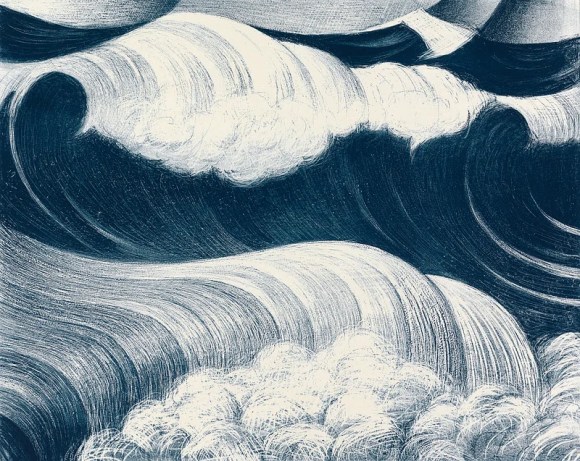
The Wave (1917), vintage illustration by C. R. W. Nevinson. From Public Domain

On world poetry day, we gather the colours of humanity to bring to you flavours of peace, compassion and love. With these poems, we seek solace and a future laced with the vibrant shades of humanity living in harmony with nature, the Earth and the Universe. These poems bring together not just writers from across the world but also some writings that are cross-cultural. Some of the poems express the condition of people living across the world. In this one page, we meet poets and translators from more than 25 countries fand translations from a dozen languages… Enjoy!

Click on the names of the poets to read the poems

Nziku Ann

Koiko Tsuuda

Nma Dhahir

Farah Sheikh

Lesya Bakun

Hela Tekali

Shaza Khan

Manahil Tahir

Shahalam Tariq

Maria Alam

Sanzida Alam

Ahmad Al-Khatat

Rex Tan

Asad Latif

Gigi Baldovino Gosnell

A Jessie Michael

Bibek Adhikari

Aditya Shankar

Kiriti Sengupta

Snehaprava Das

Rajorshi Patranobis

Snigdha Agrawal

Maithreyi Karnoor

Rhys Hughes

Patricia Walsh

Jenny Middleton

Stephen Philip Druce

Harry Rickets

Hawla Riza

Allan Lake

Andrew Leggett

Luis Cuauhtémoc Berriozábal

John Grey

Ryan Quinn Flanagan

George Freek

John Swain

Dustin P Brown

Caroline Am Bergris

Lana Hechtman Ayers

 Ron Pickett

Suzanne Kamata

Jared Carter

Our Children by well-known Iranian poet, Bijan Najdi. Translated from Persian by Davood Jalili. Click here to read.

Two of her own Persian poems have been written and translated by Akram Yazdani. Click here to read.

A Poet in Exile by Dmitry Blizniuk has been translated from Ukranian by Sergey Gerasimov. Click here to read.

Ye Shao-weng translated from Mandarin to English by Rex Tan. Click here to read.

Eight quatrains by the late Majeed Ajez have been translated from Balochi by Fazal Baloch. Click here to read.

Mysteries of the Universe by Akbar Barakzai’s has been translated from Balochi by Fazal Baloch. Click here to read.

The Dragonfly, a poem by Ihlwha Choi,  has been translated from Korean by the poet himself. Click here to read.

Four of his own Malay poems have been translated by Isa Kamari. Click here to read.

Hotel Acapulco, has been composed and translated from Italian by Ivan Pozzoni. Click here to read.

Poetry in Bosnian from Bosnia & Herzegovina, written and translated by Maid Corbic. Click here to read.

Amalkanti by Nirendranath Chakraborty has been translated from Bengali by Debali Mookerjea-Leonard. Click here to read

Poems of Longing by  Jibananada Das homes two of his poems translated from Bengali by Professor Fakrul Alam. Click here to read.

Masud Khan’s poem, In Another Galaxy, has been translated from Bengali by Professor Fakrul Alam. Click here to read. 

 Quazi Johirul Islam’s The White-Coloured Book has been translated from Bengali by Professor Fakrul Alam. Click here to read.

Four cantos from Ramakanta Rath’s Sri Radha, translated from Odiya by the late poet himself, have been excerpted from his full length translation. Click here to read.

Five poems by Bipin Nayak have been translated from Odia by Snehaprava Das. Click here to read.

For Sanjay Kumar: To Sir — with Love has been written for the founder of pandies’ theatre by Tanvir, a youngster from the Nithari village where pandies’ worked with traumatised victims.

Miathili Poetry by Vidyanand Jha has been translated from Maithil by the poet himself. Click here to read.
From Public Domain

Categories
World Poetry Day

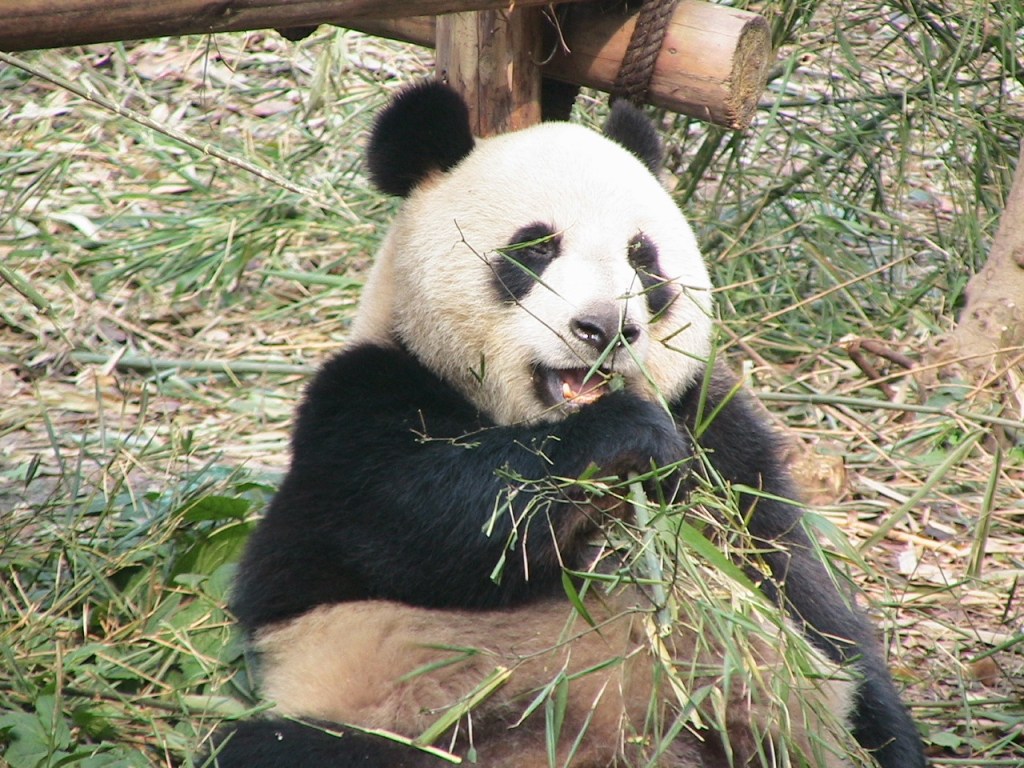
Raindrops, Roses and Pandas…

World Poetry Day falls in March — the same month that houses the World Wildlife Day. Our beautiful planets’ flora and fauna, impacted by the changing climate, might have to adapt or alter. Part of the land masses are likely to return to rest under rising tides. And humanity, how will we respond or survive these phenomena?

We have here responses in poetry from our newly-minted section on Environment and Climate. We celebrate with poetry on our home and hearth, the Earth.

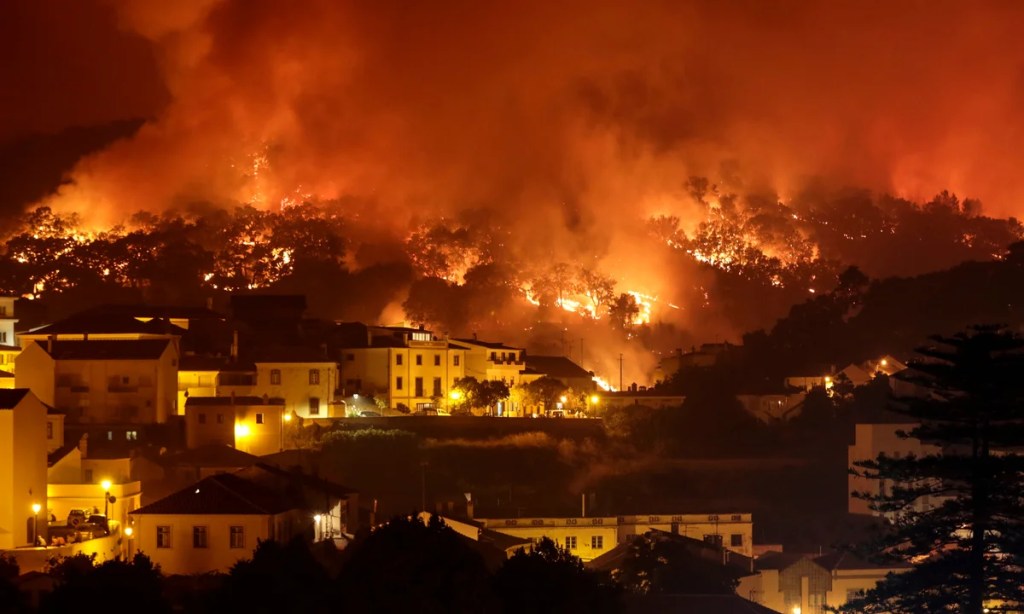
We start with poetry on fires that seems to have razed large parts of our planet recently…

Fires in Los Angeles by Luis Cuauhtémoc Berriozábal. Click here to read.

Wildfires in Uttarakhand by Gazala Khan. Click here to read.

Hot Dry Summers, covering the fires in Australia, by Lizzie Packer. Click here to read.

We move on to more extreme weather phenomenons like heatwaves, droughts and floods.

Extreme Drought or California Dreaming by Ron Picket. Click here to read.

Hurricane Laura’s Course by Jane Hammons. Click here to read

This Heatwave by John Grey. Click here to read.

This Island of Mine by Rhys Hughes. Click here to read.

And yet some weep for things we take for granted, for the pollution and the rapacity exhibited by our species.

Unanswered by Vernon Daim. Click here to read.

Under the Rock Crags by Peter Magliocco. Click here to read.

The New Understanding by Peter Cashorali. Click here to read.

Meanwhile, we continue to want to celebrate nature as we did of yore…and some just do continue to turn to it for inspiration.

Eco Poetry by Adriana Rocha. Click here to read.

Green by Mark Wyatt. Click here to read.

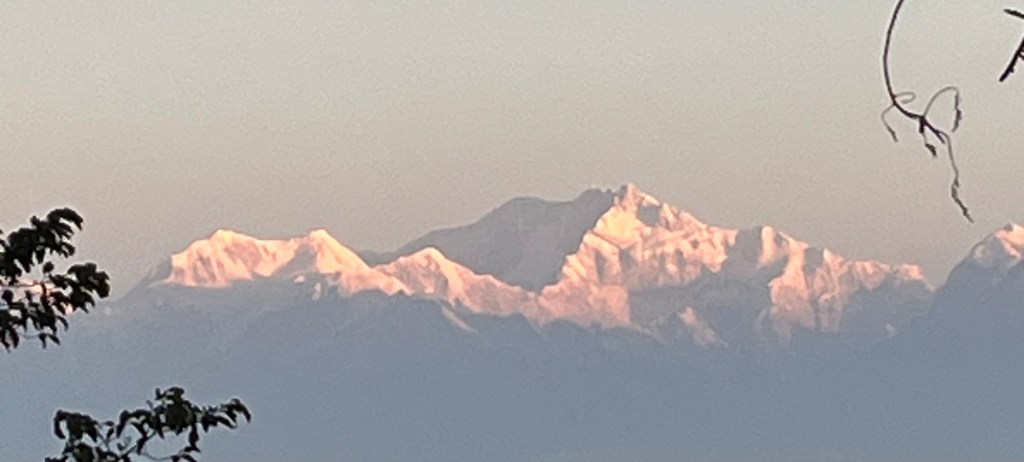
Sunrise from Tiger Hill by Shamik Banerjee. Click here to read.

Whistle & Fly by Shaza Khan. Click here to read.

Seeds Fall to the Ground by Ryan Quinn Flanagan. Click here to read.

Quietly by Ashok Suri. Click here to read.

Carnival of Animals by Rhys Hughes. Click here to read.

Categories
World Poetry Day

What is Home?

Celebrating poetry around the world, our focus this year is on refugees, immigrants or poetry by migrants… In a way, we are all migrants on this Earth and yet immigration for both climate and war has created dissatisfaction in the hearts of many. Can mankind unify under the single blue dome which covers all our home?


“The Journey” by Alwy Fadhel, an asylum seeker to Australia. The piece is included in the Exile collection of the Refugee Art Project. Art from Public Domain.

We start by welcoming migrants from Jupiter but how do we react to human migrants within Earth… ?

All the Way from Jupiter

By Rhys Hughes

All the way
from Jupiter came the refugees,
their heads
made of hydrogen,
and helium, their knees.
No one cried:
depravity!
for we were pleased
to help them
relocate to Earth: we offered
them homes
inside plastic domes
uncrowded but
full of swirling clouds
blown by the music of
fierce trombones
to mimic the crushing gravity.

All the way
from one of our homegrown
war zones
came refugees on their knees
and we said:
no, no, no, and no again!
Go back home right now,
be killed,
assaulted,
it’s all your own fault
for being born here on Earth.
The newcomers
from Jupiter are tubular
like cucumbers,
but men, women and children
like yourselves
aren’t welcome.

And what do refugees from war-torn zones on Earth have to add?These are poems by those who had to escape to safety or move homes for the sake of conflict.

I am Ukraine brought to us by Lesya Bakun, while she was on the run from her home to a place of refuge outside her homeland. Click here to read.

Immigrant’s dream brought to us by Ahmad Al-Khatat, who migrated from Iraq to the West to find sustenance. Click here to read.

In some cases, the wounds lingered and the progeny of those who escaped earlier conflicts give voice to past injuries as well as some immigrants who wandered to find a better life share their experiences.

In 1947, Masha Hassan writes of her grandmother’s plight during the Partition of the Indian Subcontinent. Click here to read.

Bringing along their homeland by Abdul Jamil Urfi talks of immigrants from Lahore in Delhi in the 1960s. Click here to read.

Stories Left Unspoken: Auschwitz & Partition Survivors by Cinna give us stories of people who moved for wars and politics. Click here to read.

A Hunger for Stories by Quazi Johirul Islam, translated from Bengali by Professor Fakrul Alam, gives a migrant’s saga. Click here to read.

Reminiscence by Mitra Samal reflects on an immigrant’s longing for her home. Click here to read.

Finding the Self in Rooted Routes by Isha Sharma explores at an individual level the impact of immigration. Click here to red.

Birth of an Ally reflects Tamoha Siddiqui’s wonder with new flavours she experiences away from her original homeland. Click here to read.

Two Languages by Luis Cuauhtémoc Berriozabal explores linguistic diversity in immigrants. Click here to read.

These could be listed as turns of history that made people relocate.

Red Shirt Hung from a Pine Tree by Ryan Quinn Flanagan takes two issues into account — violence against humanity and colonial displacement of indigenous people — is that migration? Click here to read.

Products of War by Mini Babu talks of the displacement of humanity for war. Click here to read.

This Island of Mine by Rhys Hughes reflects on climate disaster. Click here to read.

Some empathise with those who had to move and write of the trauma faced by refugees.

Migrant Poems by Malachi Edwin Vethamani reflect on migrants and how accepted they feel. Click here to read.

Birds in Flight by A Jessie Michael empathises with the plight of refugees. Click here to read.

The Ceramicist by Jee Leong Koh records the story of a migrant. Click here to read.

And some wonder about the spiritual quest for a homeland… Is it a universal need to be associated with a homeland or can we find a home anywhere on Earth? If we stretch the definition of homeland to all the planet, do we remain refugees or migrants?

Anywhere Particular by Wendy Jean MacLean reflects on the universality of homes — perhaps to an extent on nomadism. Click here to read.

Where is Home? by Shivani Shrivastav meditates on the concept of home. Click here to read.

Sparrows, a poem translated from Korean by the poet — Ihlwha Choi — questions the borders drawn by human laws. Click here to read.

 Journey of Hope  by Tagore has been translated from Bengali by Mitali Chakravarty. It explores the spiritual quest for a home. Click here to read the poem in English and listen to Tagore’s voice recite his poem in Bengali. 

Some look forward to a future — perhaps in another galaxy — post apocalypse.

In Another Galaxy by Masud Khan translated from Bengali by Fakrul Alam wonders at the future of mankind. Click here to read.

And yet others believe in the future of humankind.

We are all Human by Akabar Barakzai, translated from Balochi by Fazal Baloch, is a paean to humanity. Click here to read.

We are all Human 

By Akbar Barakzai...

Russia, China and India,
Arabs and the New World*,
Africa and Europe,
The land of the Baloch and Kurds --
Indeed, the whole world is ours.
We are all human.
We are all human...

Click here to read the full poem.

.

PLEASE NOTE: ARTICLES CAN ONLY BE REPRODUCED IN OTHER SITES WITH DUE ACKNOWLEDGEMENT TO BORDERLESS JOURNAL. 

Categories
World Poetry Day

We have a Dream…

Come make merry and let's dance.
The world is now in a prance.
Winds of change
Swirl and rage
Let's dream of a new world in a trance...
Courtesy: Creative Commons

Let’s dream of a new world with laughter and move towards a vision we treasure — of a world that we can build together with poetry, peopled with strange imaginary creatures who bring a smile to our lips or perhaps evoke laughter…

Kissing Frogs by Rhys Hughes. Click here to read.

Carnival of Animals by Rhys Hughes. Click here to read.

Walking Gretchums by Saptarshi Bhattacharya. Click here to read.

Limericks by Michael R Burch Click here to read.

Animal Limericks by Michael R Burch. Click here to read.

The Recliner by Santosh Bakaya. Click here to read.

The Decliner by Santosh Bakaya. Click here to read.

Katsaridaphobia/Gospel According to Cockroaches by Aditya Shankar. Click here to read.

Pirate Poems by Jay Nicholls. Click here to read.

Categories
World Poetry Day

Imagine…

And as imagination bodies forth 
The forms of things unknown, the poet's pen 
Turns them to shapes and gives to airy nothing 
A local habitation and a name. 

-- Midsummer Night's Dream (premiered 1605)by William Shakespeare

Imagine… if words could weave a world in harmony! Perhaps… then as Shakespeare declared and more recently John Lennon wrote in his song ‘Imagine’ (1971), we might have constructed a new world…

In hope of the same perhaps, Nazrul had published his poem, ‘Bidrohi‘ or the rebel a hundred years ago, a few months before TS Eliot published Wasteland, again a poem raising humane concerns and reinforcing values post the First World War. More recently Akbar Barakzai who has passed on at the start of this month, wrote about a better world in his poem, ‘We are all Human‘. And yet we have a war …

In response to the war, we have modern voices that ring out in harmony, including the voice of a Ukranian refugee. In reaffirmation of a world that can transcend divisions created by human constructs and soar in a virtual world, we also present to you interviews of half-a-dozen poets.

From the Treasury

Rebel or ‘Bidrohi’: Nazrul’s signature poem from 1922, ‘Bidrohi, translated by Professor Fakrul Alam. Click here to read.

A Special Tribute

We are All Human by Akbar Barkzai, translated by Fazal Baloch, has been published as not only a tribute to the poet who left us forever on 7/3/2022, but also as his paean to humanity to rise about differences which lead to war and horror, to unite us as one humankind. Click here to read.

War, Peace and Poetry

Poetry from across the world in support of peace and voicing concerns over the humanitarian crisis in Ukraine, we have Ukranian Lesya Bakun give us poetry as a war victim, a refugee. Rhys Hughes, Ron Pickett, Michael R Burch, Kirpal Singh, Malachi Edwin Vethamani, Suzanne Kamata, Mini Babu, Sybil Pretious and Mitali Chakravarty have contributed poetry written for the Ukraine crisis. Click here to read.

Poets across Borders

Half-a-dozen poets from different continents tell us about their poetry. The poets include Ryan Quinn Flanagan, George Freek, Luis Cuauhtémoc Berriozabal, Ihlwha Choi, Sutputra Radheye, Anusuya Bhar. Click here to read.