Categories
Poetry

Tides of the Night

By Thompson Emate

The body is at rest.
The soul is out of its nest.
It journeys into the unknown,
Encountering the deep.

The soul walks out of its chamber
In the state called slumber.
It is assailed by strangers,
The eerie that seems to hide in us.

Helpless, the body lies
In the ambience of the moonrise.
The soul goes on a journey,
Saddled with mystery.

The soul returns from its sojourn,
Out of an unseen region.
We ponder on our encounters,
Troubled by the tendrils of darkness.

Thompson Emate spends his leisure time on creative writing. He has a deep love for nature and the arts. He lives in Lagos, Nigeria.

PLEASE NOTE: ARTICLES CAN ONLY BE REPRODUCED IN OTHER SITES WITH DUE ACKNOWLEDGEMENT TO BORDERLESS JOURNAL

Click here to access the Borderless anthology, Monalisa No Longer Smiles

Click here to access Monalisa No Longer Smiles on Amazon International

Categories
Musings

Watery World

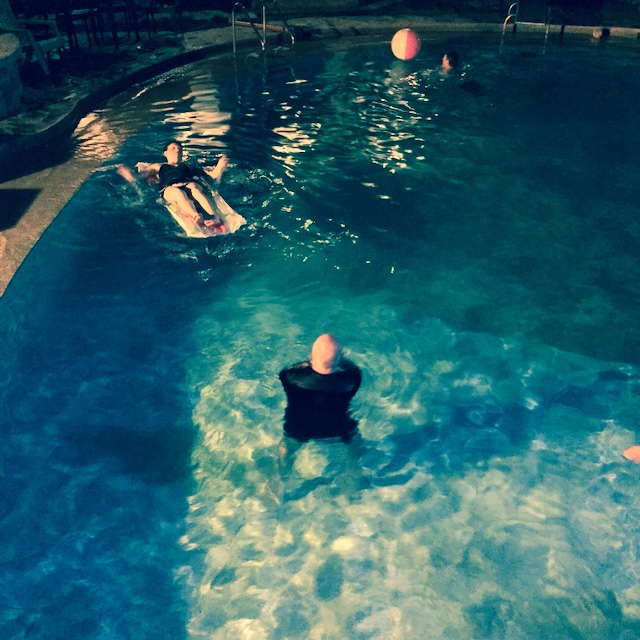
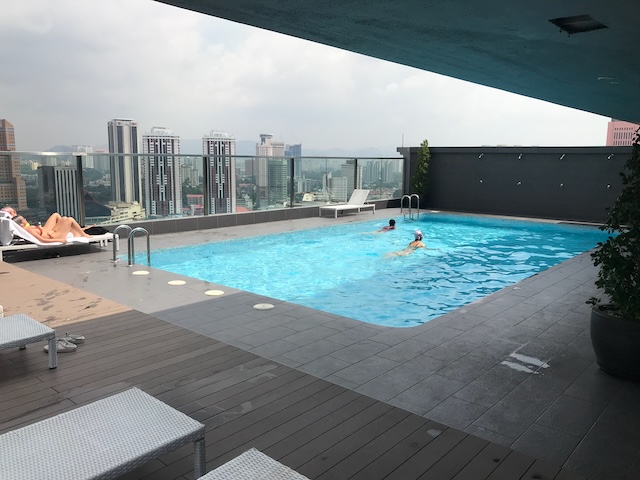
We live on a huge planet, a watery world, which is a small cosmos in itself. Keith Lyons discovers humanity in his local swimming pool.

In recent years, I’ve increasingly sought an elixir of life. Even though I know this magical potion won’t grant me eternal life — not even eternal youth. The elixir doesn’t even promise to cure all diseases, though it seems a lot of other people are taking this tonic as treatment for every kind of ailment. 

My pursuit of this higher realm means that most days, if I am able, I take a break from work, life and the busy-ness of it all to replenish, relax, and rejuvenate. My woo-woo astrological friend reckons that because my star sign is Cancer (one of the three water signs along with Pisces and Scorpio), I am drawn to water. But then, we all need water. Water is Life. It keeps all life going – for without water, life cannot exist. As the saying goes, “No Blue – No Green.” We need water to survive, to thrive, for our hygiene, for our wellbeing, and for the ice cubes in our virgin piña colada cocktails. 

When I heard about the prospect of a new swimming pool opening up nearby my home, in the dark days of the Covid-pandemic, I was doubly happy and expectant. I even turned up to the new venue before it had actually opened, when they were still finishing the build and checking all the systems worked. The local government funded facility offered not only a swimming pool, but also a point of contact for interactions with the council, and the pool was twinned with a modern library. In my mind, I imagined that it might be possible to go swimming, then to glide over to a cafe or bar to get a drink, and then to select a book to read while reclining on an in-water lounger. Could it possible? I know I had stayed at a fancy hotel with a wet bar in Macau, where the bartender served cocktails to me and a photographer as we lived our best lives — until the next morning when we didn’t feel so flash. 

Water, as you may know, makes up over 70% of the Earth’s surface. Up to 60% of the human body is actually water — depending on how much fluids you’ve drunk. A cucumber is made up of around 96% water. I recall these facts from a high school science project as I push the button of the water dispenser and a half circle of cool water arcs up for me to catch as much as I can in my mouth. I’m thirsty and know I need to drink lots of fluids, as I’ve just spent the last 80 minutes exercising and soaking in warm water. And I feel like I’m dehydrated from all the exertion. 

Ever since a new indoor swimming pool opened in my neighbourhood, I’ve been making the effort to go as often as I can, to move and stretch in the warm hydrotherapy pool and then relax in the even-hotter spa. It has become something of a pilgrimage for me, even on the coldest, rainy days of winter. My route there from my house goes along a new cycleway, through a park (where a dog recently tried to attack me on my bike) cuts through a local ‘secret shortcut’ beside offices and a new church, then tracks along an industrial area of factories, warehouses, and commercial premises. After 6pm, the road to the pool has little traffic, just the occasional truck and security vehicle. If road conditions, traffic and winds are favourable, I can be door-to-door in under 10 minutes. But once I enter the new complex, change into my swimming gear, and walk down the ramp of the hydrotherapy pool, time becomes less important. I change from the demands of a busy world to more me-time. 

But there’s more than devoting an hour to honour and exercise one’s physical body. Moving in water offers benefits beyond the physical realm, whether one’s aim is to help the heart, the waistline or the body’s strength. Because water is a lot denser than air, water provides more resistance — around 12-14% — compared to doing the same exercises on land. That resistance assists cardio and strength training. There’s another factor for water-based activities: buoyancy. The feeling of being lighter or weightless when submerged in water means you take the pressure off bones, joints and muscles. It is the closest thing you or I might get to being in space. You don’t even need one of those NASA t-shirts with the iconic blue, red and white logo of the National Aeronautics and Space Administration. 

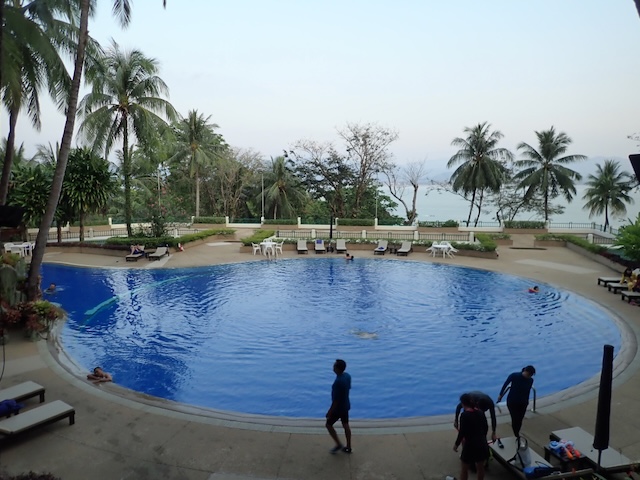
The 1.4-metre-deep hydrotherapy pool, which is kept at 33-36C, sits alongside the traditional 25-metre swimming pool, which is kept at 26-28C. The therapeutic pool’s inclusion in the new community complex was the result of lobbying by locals, who previously had to drive across to the opposite side of the city to access a suitably warm pool. 

Photo Courtesy: Keith Lyons

It has only been a few months since the pool opened, but already many come to the waters, from when it opens at 5.30am each weekday (7am weekends) to when the last are forced to leave at 9.30pm (8pm in weekends). I’m more of an afternoon and evening swimmer, preferring to go to the pool after work or at the end of the day. Some attend the twice-a-week gentle exercise class, where the average age is 65+. Others visit almost every day at nearly the same time. 

Some arrive in wheelchairs, pushing walking frames, or hobbling on crutches. Others walk from the changing rooms to the water smiling expectantly as they pace towards the transformative pool. At mid-morning, with the light from the wall-to-ceiling windows slanting across the pool, it could easily be a scene from the 1985 movie, Cocoon, where the retirement home pool helped them rediscover their youth (it was full of aliens). If you had to paint the scene, there would be a lot of blue hues, along with off-white and grey tones, with silvery reflections off the water.

While some exercise by themselves, focusing on their routines, the set prescribed by their physiotherapist, or whatever takes their fancy, for many it is also a social time, as they aqua jog up and down the lengths, or stand at the sides doing calisthenics. If you listen carefully over the music soundtrack of upbeat, positive songs playing over the public speakers, you can hear the water gushing and flowing. It bubbles up from the floor of the pool. Jets roll in from the sides of the hydrotherapy pool. In the spa pool, there’s a force field strategically placed around the pool. Modern water treatment means there’s no smell of chlorine. 

The pool is a very tactile, sensual in-body experience. It is also somewhat humbling. Patrons must change into suitable bathing costumes, which can be as skimpy and revealing as bikinis and togs, though some prefer full body covering for modesty or self-perceptions. The water in the hydrotherapy pool is so warm that there’s never any hesitation on entering. People are only limited by the speed at which they can move from the air environment to the watery world of buoyancy and drag. 

My local swimming pool is a microcosm of the wider community, and the big wide world. As where I live has experienced significant migration in recent decades, it is certainly a diverse multi-national cross-section of the community. Chinese are the largest group, with a swim school, coached sometimes in Mandarin, operating most weeknights. There are also families from the Philippines, a group of learn-to-swimmers from Nepal, and occasionally a non-swimmer from India who needs to be rescued from the deep end of the main pool by lifeguards. On one afternoon and evening, the whole pool becomes ‘women-only’, with the blinds drawn so women can use the pools without the glare of men. With more refugees from other countries now making up our neighbourhood, there are often people from Afghanistan, Eritrea, Kurdistan, Ethiopia, Somalia and Bhutan venturing into the pools for the first time. 

Is the swimming pool I go to special? Can such a multi-sensory, multi-cultural, relaxing-yet-reviving experience only be found in my swimming pool? Nope. Seek out a public swimming pool in your area and discover another world. 

.

Keith Lyons (keithlyons.net) is an award-winning writer and creative writing mentor originally from New Zealand who has spent a quarter of his existence living and working in Asia including southwest China, Myanmar and Bali. His Venn diagram of happiness features the aroma of freshly-roasted coffee, the negative ions of the natural world including moving water, and connecting with others in meaningful ways. A Contributing Editor on Borderless journal’sEditorial Board, his work has appeared in Borderless since its early days, and his writing featured in the anthology Monalisa No Longer Smiles.

.

PLEASE NOTE: ARTICLES CAN ONLY BE REPRODUCED IN OTHER SITES WITH DUE ACKNOWLEDGEMENT TO BORDERLESS JOURNAL. 

Click here to access the Borderless anthology, Monalisa No Longer Smiles

Click here to access Monalisa No Longer Smiles on Kindle Amazon International

Categories
Poetry

 On a Misty Morning

By Stuart MacFarlane

              I
What is this strange apparition
shining in the morning mist?
Glimpsed through a thin line of trees
it appears like a magical palace;
yet with its spiral towers, its great walls,
like battlements, it seems more than that;
like a castle outpost, stranded
somewhere on the Russian Steppes.
The mist hangs a few feet above
the ground, and, through the mist,
shafts of sunlight pierce the grass,
where a layer of frost sparkles;
as if a thousand diamonds
are scattered lie.
And, in my mind's eye, now I see
a black horse emerge from the trees
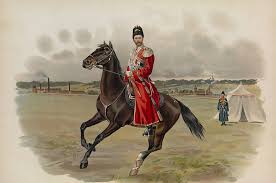
on which a Cossack, robed in red,
sits proudly on the saddle.
The rider pulls hard on the reins.
A plume of smoke rises
from the horse's nostrils;
it warmly mingles with the cold of mist.
The horse is restless; hooves stamping
off the frosty ground.
 
            II
 
And, from across the field, another horse appears.
This one white; on which is mounted
a second Cossack, his blood red tunic,
splendid in the sun.
He, too, restrains his powerful steed;
tugging hard on the reins,
suppressing the animal's spirit.
There, the field gapes between them;
two hundred yards of open ground.
A sudden scrape of metal; and their keen sabres
flash menacingly in the morning light.
Gloved hands loosen on leather reins;
metal stirrups dig into the flanks
of the great horses.
They charge; each one briefly caught
in a sudden sunbeam.
Faster -- then faster still.
Pounding of hearts, surge of blood;
eye of horses and men, alike, intent on
a terrible imminence.
Sabres raised higher now, cold blades
cutting at the fleeing air.
A final glint of light.
A devilish cry rends the heart of the morning
and the clash of sabres jangles
in the mist.

Stuart MacFarlane is now semi-retired. He taught English for many years to asylum seekers in London. He has had poems published in a few online journals.                                                                                                                    

.

PLEASE NOTE: ARTICLES CAN ONLY BE REPRODUCED IN OTHER SITES WITH DUE ACKNOWLEDGEMENT TO BORDERLESS JOURNAL

Click here to access the Borderless anthology, Monalisa No Longer Smiles

Click here to access Monalisa No Longer Smiles on Kindle Amazon International
Categories
Nostalgia

A Doctor’s Diary: Life in the High Ranges

By Ravi Shankar

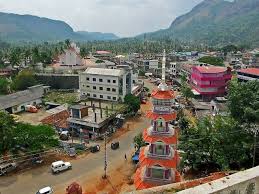
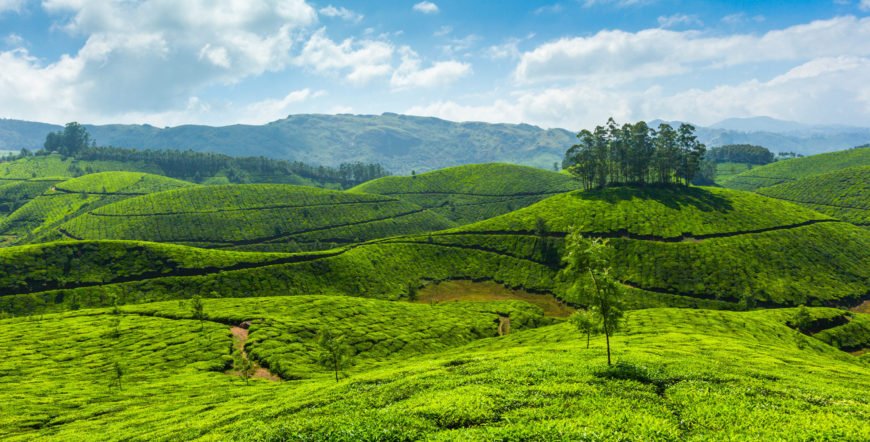
Munnar Hills. From Public Domain

The van suddenly went quiet. Night had fallen and our driver was negotiating the bends and turns in the road carefully. The yellow fog lights cut through the mists lighting up the dense forests on both sides. We were in Idukki district in the western ghats of the southern Indian state of Kerala. This region is called the high ranges. Areas above 600 m in height from the mean sea level in the central Travancore region of Kerala have rich biodiversity and a cooler climate. The weather was beginning to get colder.

We were ill prepared for the cold as we were students from Thrissur in the plains, where it was always hot and sticky. The road continued over the top of a dam. The security officer wanted to talk to us in person before letting us through. We boldly rushed out in our slippers and lungis[1] only to return at double the speed to the warmth of the van. It was freezing outside. The short but intense exposure to the cold may have frozen many vital organs. During winter, the temperatures here can dip to around 4 degrees Celsius once the sun goes down.

We were on a college trip to Idukki while studying for our undergraduate medical (MBBS) course. We had visited Thekkady and Peeramede and planned to spend the night in the hill station of Munnar. The trip was long and tiring as we drove through the mist along winding roads. The night in the hotel was freezing but we managed with the clothes we had, and the blankets provided by the hotel. The steaming tea with cardamom was the highlight of the morning. We hungrily gulped down several cups to chase away the cold.   

I eventually completed my MBBS and got an offer to work at a hospital in the high ranges. The place was Ellakkal at a height of about 1100 to 1200 m. The road diverted from the main highway to Munnar at a place called Pallivasal, the site of one of the earliest hydropower stations in Kerala. The village is also known as the gateway to Munnar. The area had a mix of Malyali and Tamil culture. Many poor families from Travancore had migrated to Idukki in search of land and better prospects. Tamil families had migrated too. The nearest village to Ellakkal was Kunchithanny (little water in Tamil). I had seen a similar system of naming places after water in Nepal. There was Kalopani (black water), Ratopani (red water), Ghorepani (where horses are watered) and Tadapani (far water) among others.

St Xavier’s hospital where I was working was situated up an incline from the main road. The location was spectacular. The hospital was established in the 1960s and was once the only source of medical care for a large region but now several clinics and hospitals had been established in towns and villages. The view across the valley was breathtaking. In the evening the mist slowly moved down the valley eventually reaching the river far below. The thickly forested green hills draped in thick white mist that slowly cleared as the Sun gained in strength was the highlight of my mornings! The hospital was run by the Medical Sisters of St Joseph and owned several acres of land on the hill. They grew coffee and cardamom and other spices. My quarters were a newly constructed annexe to an old house situated halfway up the hill. The view from the veranda was spectacular. I used to spend my afternoons and evenings drinking in the magnificent views and reading my books and magazines. The hospital still exists and provides affordable health care to the people.  

Dr Rodney Sebastian, the other doctor at the hospital had graduated from Kottayam Medical College. He was from the high ranges and a devout Christian. Many evenings there were prayer meetings at the hospital and people from the neighbourhood participated. The convent for the nuns was nearby. There was an old nun who was fond of gardening. Flowers grew well in the rich soil and the cool, moist climate. Multi-coloured roses were the highlight of the garden. There was a priest (Father) who lived on the other side of the hill next to the church. The deep phut-phut of his Enfield Bullet as he rode to the hospital was distinct. This heavy motorbike has a solid presence and is stable to drive on rough roads and undulating terrain. My cousin brother used to also ride one.

In the mid-1990s there was no internet and no mobile phones. The hospital had a landline. We lived more in the moment. Letters were still an important means of communication. My mother used to say that the arrival of a letter was as good as the arrival of a person. I have not posted a letter for a long time now choosing to go with email, voice chat, Skype and WhatsApp. During those days these were, however, all in the future. I never imagined the changes that would happen during the next two decades when I began working at Ellakkal.

We mostly had outpatients though we did admit people. Most of the admissions were for fever. Leptospirosis[2] was common. We also had X-ray facilities, and we sutured many wounds mostly caused by farm injuries. We did not handle surgeries and deliveries. We did not have any intensive care units and our lab investigations were basic.

We used to occasionally drop in to meet a doctor couple, Dr Verghese at Kunchithanny. His clinic was named John’s clinic, and he was called Dr Johnson by the locals. We knew some quacks, that is unqualified self-styled doctors, also practised in this area. The nearest big town was Adimali Adimali had a movie theatre, and a huge rock dominated the town. There were tribal settlements on top of the rock. The tribals were a deprived community. Long distance buses as local transport was something peculiar to the high ranges. The buses started from the town of Ernakulam over a hundred kilometres away and reached the high ranges through Kothamangalam. The buses had glass windows and were comfortable. Ellakkal was on the route to Rajakkad (literally the King’s Forest). There were many places named after rocks (para in Malayalam). Poopara (Flower rock), Santhanpara, Chaturangapara viewpoint were the most prominent.

Munnar was famous for heavy, dense white fogs that were almost opaque. The place was covered by a heavy mist most afternoons and evenings. The mist began a few kilometres from the town. Drinking cups of cardamom flavoured tea in the cold mist was a highlight of my visits to the place. The restaurant also served crisp dosas. We went on a trip to the Eravikulam National Park which took a lot of planning as both of us (Rodney and I) would be away from the hospital for over eight hours. Some of our local friends accompanied us. The route was through rolling Kanan Devan hills and expansive tea gardens.

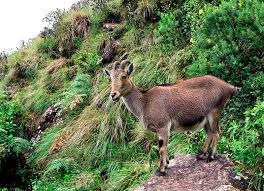
Nilgiri Tahr. From Public Domain

The hills are owned by Tata Tea, and they grow the famous Kanan Devan brand of tea. I used to remember their advertisements starring the megastar, Mohan Lal. The park is famous for the Nilgiri Tahr. I remember it also for the leeches. We were badly set upon by them and the bites bled for over twelve hours. Once I also took a bus ride with my cousin to Maraiyur near the Tamil Nadu border. The route was through spawling tea estates. Maraiyur was an end of the Road Town those days. The place was famous for sandalwood. The security checks were strict to ensure people did not decamp with a few thousands of rupees worth of sandalwood in their pockets.

I visited Ellakkal once more after I left toward the end of the last century. The ensuing three decades must have brought about a lot of change to this spice garden. Tourism has boomed and Idukki district is a prime tourist destination. Internet has made steady advances and cable TV is now common. Several resorts have opened, and the roads have improved. They have opened a hospital called Morningstar. The pace of life has quickened with all the city folks coming to escape from their hectic city lives. Someone once said about Munnar and I quote, “In Munnar, time slows down, allowing us to savour every moment, appreciate the present, and find joy in

[1] A sarong is called a lungi in South Asia

[2] A blood infection caused by contaminated water and soil

.

Dr. P Ravi Shankar is a faculty member at the IMU Centre for Education (ICE), International Medical University, Kuala Lumpur, Malaysia. He enjoys traveling and is a creative writer and photographer.

.

PLEASE NOTE: ARTICLES CAN ONLY BE REPRODUCED IN OTHER SITES WITH DUE ACKNOWLEDGEMENT TO BORDERLESS JOURNAL

Click here to access the Borderless anthology, Monalisa No Longer Smiles

Click here to access Monalisa No Longer Smiles on Kindle Amazon International
Categories
Poetry

Hidden Springs

Poetry and translation from Korean by Ihlwha Choi

From Public Domain
THE SOURCE 


I once believed that writing poetry was the expression of noble emotions, the realisation of profound thoughts.
But I've come to understand with age that this isn't the case.

I once thought that love was as urgent as matters of life and death, residing in a special, noble realm.
But now, in my later years, I realise that this was a mistake born of blind faith.

Looking back from the downstream of life, I see that poetry and love resemble the mundane things of daily life,
mixed with the noise and dust of the marketplace.

They emerge like sprouts in the midst of weariness, in anxious toil, during sleepless nights of deep contemplation,
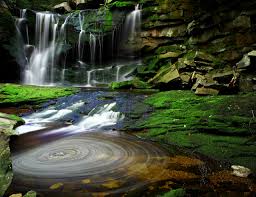
and on the exhausting commute to home after work, welling up like a hidden spring

Ihlwha Choi is a South Korean poet. He has published multiple poetry collections, such as Until the Time When Our Love will Flourish, The Color of Time, His Song and The Last Rehearsal.

.

PLEASE NOTE: ARTICLES CAN ONLY BE REPRODUCED IN OTHER SITES WITH DUE ACKNOWLEDGEMENT TO BORDERLESS JOURNAL. 

Click here to access the Borderless anthology, Monalisa No Longer Smiles

Click here to access Monalisa No Longer Smiles on Kindle Amazon International
Categories
Stories

Imitation

By Naramsetti Uma Maheswara Rao

Public Domain

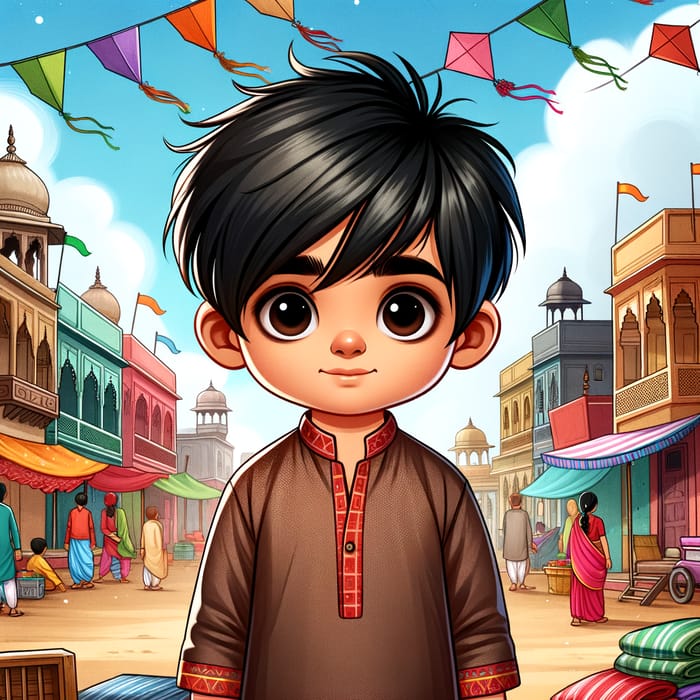
“Mom, if you stick this on your head, your splitting head will heal. Here, take it and stick it on,” said four-year-old Ravi, handing over a roll of round plaster.

“Who told you to stick this for a headache?” Rajani asked in surprise, not quite understanding what he meant.

“Earlier, you told the neighbour aunty that your head was splitting. That’s why I brought it. Whenever something in the house tears, Dad sticks it with this. You should stick it on your head so it doesn’t split,” Ravi replied innocently.

Rajani laughed at her son’s sweet words. As a festival was on in the village, Rajani had invited her parents, siblings, and their families to her home. With everyone staying at her house, her daily chores had increased. Even though she woke up at dawn to start working, she couldn’t finish everything. Just then, the neighbour had come asking for a loan of some sesame oil.

“No matter how much I do, the work never ends. My hands are hurting, and my head is splitting,” Rajani had told the neighbour.

Ravi heard these words, and to help his mom, he brought the plaster his dad used to stick his brother’s torn books. He told his mother to stick it on her head to ease her headache. Now, Rajani understood the situation and laughed at her son’s cleverness.

“Why are you laughing? Won’t the headache go away if you stick this?” Ravi asked innocently again.

“You don’t stick plaster for a splitting head. A splitting head means I have a headache. If I apply Amrutanjan[1], it will go away,” Rajani explained in a way he could understand.

Rajani shared the incident with the rest of the family, and they all had a good laugh. 

.

That afternoon, the family sat down for lunch. Rajani served a curry made with chicken eggs to everyone.

“What is this?” Ravi asked. Rajani replied that it was a chicken egg.

“I want a donkey egg,” he said.

At first, Rajani didn’t understand what he meant. Everyone else also looked at Ravi with interest.

“There’s no such thing as a donkey egg. There are chicken eggs and duck eggs,” his grandmother tried to explain to Ravi.

“No, there is. I want that one,” Ravi insisted, starting to cry. No matter how much they tried to explain, he didn’t stop crying.

Ravi’s father suspected that someone must have mentioned it, as kids don’t come up with these things on their own. He took Ravi close and gently asked, “Who told you about a donkey egg? Tell me, and I’ll ask them to bring it for you.”

Hearing this, Ravi’s face lit up, and he pointed to his grandfather.

Everyone’s attention turned to the grandfather. “Did you tell him about it? Is there such a thing as a donkey egg?” everyone questioned him.

“Hold on! Why would I tell him that? Give me a moment to think,” the grandfather replied, trying to recall the incident. After some thinking, he remembered something.

That morning, one of the workers had done a job incorrectly, and in anger, the grandfather had said, “Is this how you do it? This is not a donkey egg!” Ravi, who was sitting on his grandfather’s lap at that time, heard these words. He had asked what a donkey egg was, but his grandfather, in his irritation, didn’t respond.

After learning the real story from the grandfather, the rest of the family laughed. Ravi’s father lovingly explained to Ravi that there’s no such thing as a donkey egg and that it was just an expression his grandfather used. It took some convincing, but eventually, Ravi understood.

.

Ravi also had an elder brother named Ramu, who was eight years old. Whenever Ramu came home from school, he and Ravi would fight over something or the other.

One day, as soon as they returned from school, they fought over the TV remote, leaving Rajani, already exhausted from housework, feeling more frustrated.

“I told you to change out of your school uniforms and wash your hands and feet when you come home. I’ve kept snacks on the table. Instead of eating, why are you fighting? Behave, or I’ll smack you with a hot spatula,” Rajani said.

“Mom, I want that. Don’t give it to my brother. Spank me now,” Ravi cried, running to his mom.

“What did you understand? Do you know what a spank is?” Rajani asked, calming down.

“Oh, I know. It’s a hot pancake. I’m hungry. Please spank me quickly,” Ravi said innocently. Hearing his sweet words, Rajani’s frustration disappeared, and she laughed wholeheartedly.

She kissed Ravi on his cheek and said, “Wait. I’ll get you the snacks,” and ran to the kitchen.

Rajani realised, “We shouldn’t use such words in front of children. They can misunderstand and repeat them in front of others, causing embarrassment.” From that day on, she learned to be cautious with her words around Ravi.

[1] Balm for healing headache

Naramsetti Umamaheswararao has written more than a thousand stories, songs, and novels for children over 42 years. he has published 32 books. His novel, Anandalokam, received the Central Sahitya Akademi Award for children’s literature. He has received numerous awards and honours, including the Andhra Pradesh Government’s Distinguished Telugu Language Award and the Pratibha Award from Potti Sreeramulu Telugu University. He established the Naramshetty Children’s Literature Foundation and has been actively promoting children’s literature as its president.

.

PLEASE NOTE: ARTICLES CAN ONLY BE REPRODUCED IN OTHER SITES WITH DUE ACKNOWLEDGEMENT TO BORDERLESS JOURNAL

Click here to access the Borderless anthology, Monalisa No Longer Smiles

Click here to access Monalisa No Longer Smiles on Amazon International

Categories
Poetry

Secrets of the Evening Sky

By Jackie Kabir

SECRETS OF THE EVENING SKY 

The quiet evening sky
Holds secrets of unnamed people,
Echoes of the screams of some named people.
The colourful evening sky
Keeps memories of unfulfilled dreams.
The vast evening sky
Has many stories to tell
Of those who refused to waver
From their path, knowing it is perilous,
Knowing life is but a fleeting moment.
The evening sky is witness to it all
It has secrets to keep

Jackie Kabir is a writer and translator from Bangladesh. Her collection of short stories Silent Noise was published in 2016. The titular story, ‘Silent Noise’, is being taught in colleges under Manomanium Sundaram University, Tirunelveli, Tamil Nadu.

PLEASE NOTE: ARTICLES CAN ONLY BE REPRODUCED IN OTHER SITES WITH DUE ACKNOWLEDGEMENT TO BORDERLESS JOURNAL

Click here to access the Borderless anthology, Monalisa No Longer Smiles

Click here to access Monalisa No Longer Smiles on Kindle Amazon International
Categories
Review

Portraying Urban Middle Class Life

Book Review by Meenakshi Malhotra

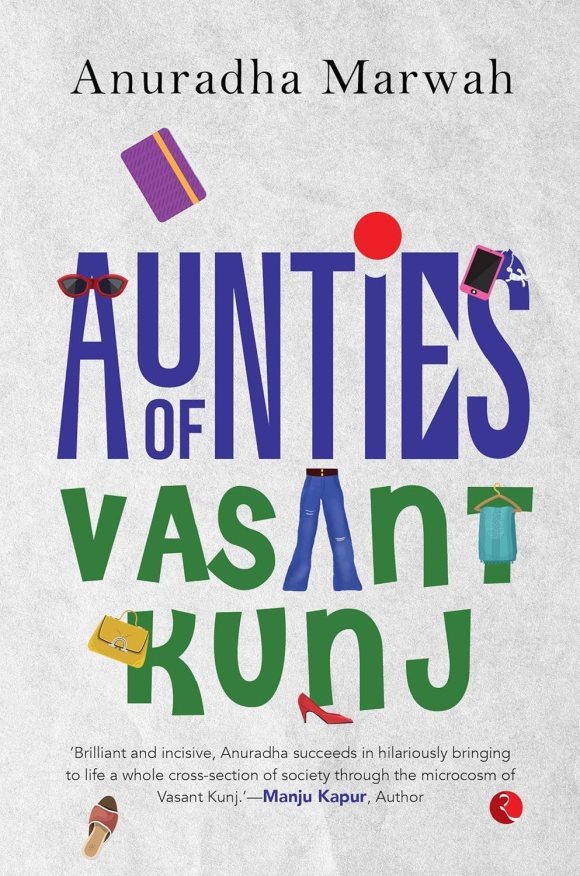
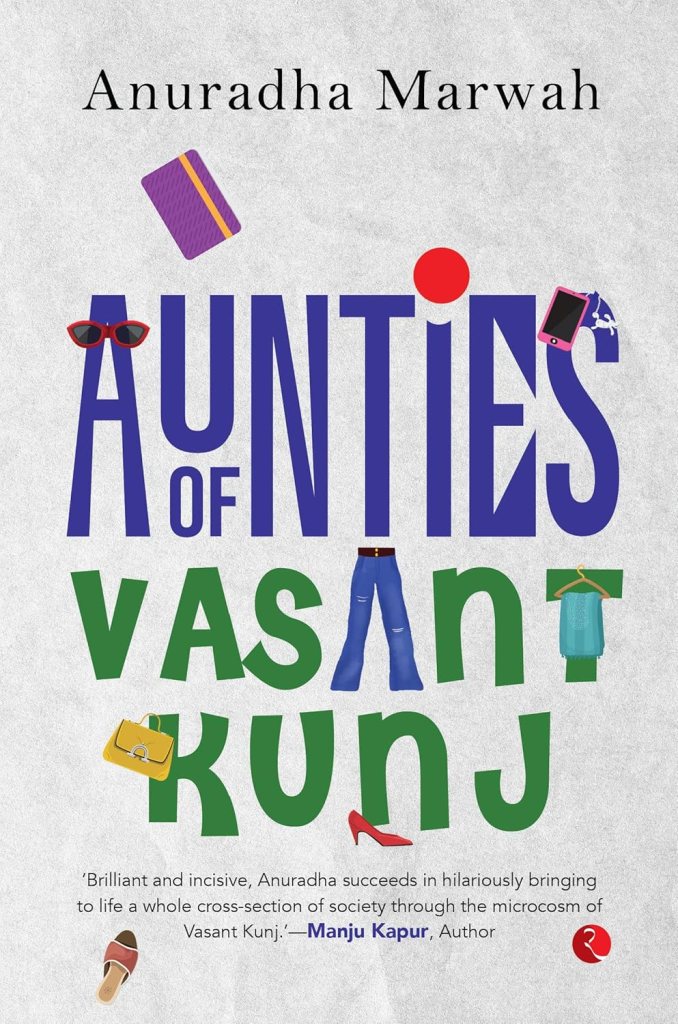
Title: Aunties of Vasant Kunj

Author: Anuradha Marwah

Publisher: Rupa Publications, India

A well-conceived and captivating take on the lives and circumstances of three different women who happen to inhabit  the same building in the middle class not so ‘posh’ locality in South Delhi called Vasant Kunj, Anuradha Marwah’s   observations  about  class, domesticity and “auntyhood” in the novel are both humorous and accurate. With three novels in her authorial bag, the fourth, Aunties of Vasant Kun,j revisits that time in a woman’s life when she is supposedly teetering on the verge of being middle-aged , somewhat on the wrong side of forty, except that the “aunties” are nowhere near “auntie-dom” understood in the conventional sense. In fact, in the  21st century urban churn, women and men are probably more unsettled than ever before, and often embrace that uncertainty. The subtle or not so subtle tension between traditional gender roles and expectations and the actual lives of urban middle class women is wittily and sensitively portrayed in this extremely readable novel.

The three women are almost wholly different from each other except in the fact that each of them is grappling with their own struggles where they have to juggle multiple  issues. The protagonists are  Shailaja, raw from her recent experience of betrayal by her long-standing boyfriend and facing harrassment at her workplace; Dini, in a demanding job with an international NGO,  a single-parented child, experiencing a half-acknowledged attraction to a handsome grass-roots activist and Mrs Gandhi who has subsumed her identity in the household resulting in a sense of neglect and loss of confidence. Ignored by her husband who seems to spend more time with his secretary  than with his wife, we realise that Sunil “Casanova” Gandhi has not only a roving eye, but is actively  engaged in pursuit of other women. In a clever sleight of hand, Anuradha Marwah turns a slice of life novel focusing on the everyday lives of women into a delicious take on the new modern woman as she navigates the quicksands of desire and domesticity, motherhood, meditation and professional commitments, simultaneously.

Shailaja, a newly single academic whose workplace woes are comparable to her messy not-quite-resolved (are they ever?) relationship with a recalcitrant ex who meanders in and out of her life, moves into Vasant Kunj which also houses the hospitable Mrs Gandhi, and the prickly Dini, who is fierce about guarding her privacy. The latter has also become equally adept at dodging both the hospitality as well as the probing questions thrown her way by the determined- to- be- friendly Mrs Gandhi.  Mrs Nilima Gandhi has her own share of troubles-a difficult mother-in -law, a cheating husband who has a roving eye that preys upon other women, a dismissive daughter who gangs up with her father to demean her mother — all these combine in varying degrees to further lower her already plummeting self-esteem. She is rescued from the throes of self-pity by the timely intervention of Mrs Malhotra and Navneeta Singh who encourage her to adopt the Buddhist practice of chanting as a way to address her problems. Listening to Mrs Singh’s optimistic projections, Mrs Gandhi experiences a twinge of doubt but nevertheless goes about it with single minded determination to transform her life and turn it around. As some things start falling into place for   her, Shailaja and Dini, the three women strike an unlikely friendship which provides a holding structure as they negotiate everyday challenges. Dini ‘succumbs’ to the abrasive charms of Radhey Shyam and Shailaja is able to shake off the vestiges of her previous relationship and take a bold new step forward. Mrs Gandhi is able to regain a sort of equilibrium.

As the women collectively register and celebrate their small and big victories in the course of the novel’s unfolding, we as readers are brought face to face with a relatively new sub-genre in the Indian English novel. It is the story of women by women narrated with both humour and compassion, occupying a niche in popular literature between chick-lit and mature women’s fiction, between popular and literary fiction. It actually challenges taxonomies of ‘literary’ vs ‘popular’ fiction. This is clear from the  choice of a title that is quite a masterstroke. Though it sounds subversive, the title seems to be the choice of an author who refuses to take herself too seriously. The  lightness of tone is sustained as the novel critiques societal attitudes towards single women and the entitled behaviour of men who are never held responsible or called to account within patriarchy.  Perhaps  the  only deviation from the lightness of tone is the autobiographical fragment towards the close of the novel which provides a sort of afterword articulating the impulse and desire to write the Aunties of Vasant Kunj. Post-publication, when the author was asked what impels her to create fiction, she replied that it was the hope of getting a glimpse of all the other lives that she might have lived. Marwah has achieved a fine balance in nuancing all her characters, making their stories at once convincing and identifiable.  

She has depicted the rhythms of everyday life and  nuanced the dialogues to suggest a bilingual sensibility. Cinematic and captivating, Aunties of Vasant Kunj provides plenty of fun and frolic without trivialising the serious concerns and conflicts of the three protagonists. Marwah’s humour is spot on, and she does not miss a beat in capturing the water woes and other roadblocks of quotidian life in the sprawling urban metropolis /megapolis of Delhi. The novel is likely to resonate with many readers in its highlighting of vital aspects of life in the city, along with the varied kinds of crises experienced daily.

The novel narrates the stories of its protagonists with verve and humour and with exactly  the ‘mot juste’ or the right words to irradiate them, creating a smorgasboard of delights for the reader.

Click here to read the book excerpt

.

Dr Meenakshi Malhotra is Associate Professor of English Literature at Hansraj College, University of Delhi, and has been involved in teaching and curriculum development in several universities. She has edited two books on Women and Lifewriting, Representing the Self and Claiming the I, in addition  to numerous published articles on gender, literature and feminist theory.  Her most recent publication is The Gendered Body: Negotiation, Resistance, Struggle.

.

PLEASE NOTE: ARTICLES CAN ONLY BE REPRODUCED IN OTHER SITES WITH DUE ACKNOWLEDGEMENT TO BORDERLESS JOURNAL

Click here to access the Borderless anthology, Monalisa No Longer Smiles

Click here to access Monalisa No Longer Smiles on Amazon International

Categories
Poetry

Under the Tree, there is a Shade

By K B Ryan Joshua Mahindapala

Under the tree, there is a shade
Away from the stomping parade
Down the street and through the city
With each step, draws closer the enemy

Under the tree, there is a shade
A quiet solace free from hate
We do as we please, none will see
Instead of being judged by cruel decrees

Under the tree, there is a shade
We do not expect to live like this forever
We can only endeavour
For a dignified existence before they annihilate

Under the tree, there is a shade
We can only sit and wait
We have no power, our fate hangs on balance
Why do they have so much malice?

Under the tree, there is a shade
We hold each other’s hands, we serenade
Shielding the young
From the volley of broken souls

Under the tree, there is a shade
If an enfilade points directly at the trees
What will happen?
Surely — we will be dead on our bellies

Under the tree, there is a shade
But the time has come
As they inch closer,
Will we survive?

K B Ryan Joshua Mahindapala is a Singaporean author. He frequently speaks and writes on topics related to heritage, culture and identity.

PLEASE NOTE: ARTICLES CAN ONLY BE REPRODUCED IN OTHER SITES WITH DUE ACKNOWLEDGEMENT TO BORDERLESS JOURNAL. 

Click here to access the Borderless anthology, Monalisa No Longer Smiles

Click here to access Monalisa No Longer Smiles on Kindle Amazon International
Categories
Excerpt

Aunties of Vasant Kunj

Title: Aunties of Vasant Kunj

Author: Anuradha Marwah

Publisher: Rupa Publications, India

Shailaja woke up reluctantly with the phone alarm at six in the morning and switched on the pump. The first day of the odd semester! She hadn’t got much sleep, but she was still looking forward to meeting the students. She had worked quite hard in the vacation: reading Gone with the Wind, word by word, and photocopying and collating secondary material. Preparing for the new course on popular fiction had given her an insight into romance; teaching it would be therapeutic, she told herself firmly.

The morning passed too quickly with the ever-voluble Rajni ki Ma[1]. She laid out Shailaja’s green chiffon sari on the bed. A gift from Ranjan in a previous life! Or had it been just last year?

‘Didi, wear this today,’ she commanded.

‘I have to go to college. This sari is thin and transparent. It is for the evening.’

Rajni ki Ma started off another tirade about single women dressing like widows and driving away men from their doorsteps.

‘One should not fight all the time. It can’t be his fault totally. Can one clap with one hand? After all, he came and gave the car, didn’t he? Who gives away something so expensive! You could have talked to him, offered him something to eat. There was enough food and I could have made more. As it is, you people eat so little…’ She went on. Shailaja thought she had a point but she still hung the sari back in the wardrobe and took out a yellow salwar and a grey kurta instead.

Rajni ki Ma made a face. ‘Uh, not even matching. Other madams have everything matching, even sandals. Buy some new clothes, no!’

Shailaja emerged from her new home. She felt young—about five years old. The poha[2] Rajni ki Ma had prepared for her—the Maharashtrian way, with peanuts, curry leaves and a dash of sugar—had been piquant with green chilies. She really enjoyed breakfast in spite of the heartache. Her class began at ten-thirty. It was a good forty-minute drive from Vasant Kunj to college. Shailaja shot out of the parking; it was ten already.

But then she had to brake rather precipitately. A huge water tanker was squatting right outside the parking in the middle of the narrow road to the colony gate. What was she to do? As usual, there were cars parked on both sides of the lane all the way till the gate. The parking areas inside the colony were woefully inadequate to contain the Indian automobile revolution that had resulted in two-three cars per flat. With the tanker standing where it was, it was a complete roadblock. In fact, the sides of the tanker were brushing the parked cars on both sides. Shailaja honked. A woman resplendent in a parrot-green dressing gown appeared from the thicket at the side of the road. ‘Two minutes, Madam,’ she said.

Shailaja noted that the huge pipe that emerged from the underbelly of the tanker and vanished into the hedgerow was vibrating. It was dispensing water into one of the monstrous black storage water tanks behind the hedgerow. The tanker was, no doubt, from the state water department and had been sent to pacify the irate residents. Water was supplied for only half an hour that morning.

Another woman in a frilly pink nightgown arrived on the scene and said to parrot-green, ‘I called the tanker. How is it that you are taking water before me?’

It was Mrs Gandhi underneath the pink frills. But she did not even look at Shailaja. She was busy holding her own with parrot-green.

‘If you keep sitting inside having tea, the whole world is not going to wait for you,’ parrot-green attacked.

‘I had called the tanker,’ repeated Mrs Gandhi.

‘So what, I had called him yesterday and the day before, and you took water before me both days.’

Shailaja stuck her head out of the window. ‘Nilima-ji, it’s me.’

‘There is not a drop in my home, and Mr Gandhi has to leave for work,’ she said turning to Shailaja at last.

Mr Gandhi? Husband… Wow! ‘So do I, Nilima-ji. I have work too. My class begins in twenty minutes,’ said Shailaja poking her head out further. ‘Please move the tanker and let me pass.’

Both the women looked askance. ‘Not a drop of water,’ repeated parrot-green.

‘This is emergency, Shailaja. One day the children can wait for five minutes,’ said the betraying Mrs Gandhi.

‘You know I teach in a college. And can’t the water wait five minutes?’  Shailaja persisted.

‘No, it can’t. Why should we ask the tanker to move? He got here first,’ replied parrot-green querulously.

‘I will lose my job,’ Shailaja pleaded.

‘Teachers in Delhi University are always late,’ said the treacherous Mrs Gandhi as her partner-in-crime nodded her agreement. ‘Nobody ever loses job. You only said!’

‘That’s not true. Like in every other job, there are some who are conscientious and others who aren’t,’ replied Shailaja, cursing herself for bitching about her colleagues to all and sundry.

‘It is a good job for women,’ conceded parrot-green. ‘You’re a woman. You must understand the kind of problems one can have without water,’ she continued in a sisterly way.

‘I’m not telling you to not take water; I’m only requesting you to let me pass. Where is the driver?’ said Shailaja, feeling a little desperate now.

‘How do I know? He must be around,’ replied parrot-green.

‘Don’t get so impatient, Shailaja. Try and see it from Mrs Malhotra’s point of view,’ said Mrs Gandhi brokering Buddhist peace. She had been nattering about her ‘new way of worship’ all through summer.

By then, there were three cars honking behind Shailaja. Somebody yelled, ‘Which so and so is blocking the road today?’

Mrs Gandhi and parrot-green looked at each other and, in unspoken agreement, disappeared behind the hedgerow like exotic birds startled by rude tourists in a bird sanctuary.

‘Nilima-ji, I will get very late,’ whined Shailaja but she was talking to thin air.

A man strode out of the car, ‘Inconveniencing everybody!’ he hollered. ‘Blocking traffic at ten in the morning! Driver!’ he called.

Nothing happened.

‘Whose tanker is this?’ The man demanded.

‘There were a couple of ladies here a minute ago,’ said Shailaja, trying to help.

The man gave her a scornful look. ‘Mrs Gandhi!’ he growled. ‘She seems to have a swimming pool in her flat. Water came for an hour in the morning; still this truck from Jal Board has to be called!’

‘I think the water came for just half an hour this side. There was also this other woman, Mrs Malhotra… In fact, she was taking water,’ the ever fair and loyal Shailaja tried to explain.

The man paid no attention to her. He walked to the tanker and turned off the water supply; the fat tube stopped vibrating. Shailaja wondered about him, obviously a man of consequence. His tummy protruded so confidently, like that of her college principal. A thin boy emerged from the thicket. He looked about fifteen.

‘Move the tanker, you…. Next time I’ll get you arrested,’ the man commanded.

The boy jumped into the driver’s seat and the tanker began to roll back.

Law of inertia: roadblocks in Vasant Kunj don’t move without the use of rude force.

I should have got out of the home earlier, rued Shailaja. She would be very late.

Law of inertia: Rajni ki Ma won’t stop unless there is an equal force against her.

She was trapped between the home and the world, powerless, helpless! Panic had her stomach in knots, the road seemed to rise to block her way, the trees on either side gesticulated menacingly. The big tanker was challenging her to pass from the narrow alley that it had created by rolling back just a couple of feet. The car behind her was honking. She breathed deeply, released the clutch and wove her way around the monster. The car nipping at her heels seemed to snort derisively at her lack of expertise.

She had learnt driving just a couple of years ago; Ranjan’s driver had taught her. They had bought a second-hand car for her commute to college. She hadn’t used her skill much because the driver was usually free to drop her to college in Ranjan’s brand new sedan. But at least she could drive and had a car, Shailaja told herself, in an unconscious echo of Mrs Gandhi’s Buddhism.

[1] Rajni’s mother

[2] A dish with flattened rice

[3] biscuit

About the Book

Three women try Buddhist chanting, activism, and fermented drinks of various kinds to make sense of their fast-changing worlds.

Shailaja, abandoned but lovelorn, wistfully teaching romance in a Delhi University college; Mrs Gandhi, plump and garrulous, dedicated to providing endless cups of tea and plates of biskut[3] to all and sundry; and firebrand Dini, ensconced in her idyllic female world, simply cannot see eye to eye. 

But suddenly, their lives take unexpected turns. A lecherous boss, a cheating husband and a completely unsuitable but irresistible lover make them seek out each other. Will Vasant Kunj, with its tight shared spaces, encroached pathways and perennial water and electricity crises provide intersections for unlikely friendships? Or will they continue to collide at Aunty Point, where they’ve all been cast ashore? 

Written mainly in the form of witty dialogue, the novel is like a play about warring world views. The three women act out Buddhism, feminist activism, and love and longing but in doing so they improvise their acts and their roles merge into a shared femaleness. Indian society is sometimes described in terms of conflict between the pre-modern and the post-modern. In this novel such confusion is located within individuals and the conflict is always psychosocial. So while it details the bizarre dailiness of middle class Vasant Kunj — the illegal water pumps and power breakdowns — the novel also touches lightly on universal dilemmas about identity and conflicting social roles that women face all over the world. It is an accessibly written book intended to make the reader chuckle and think.

About the Author

Anuradha Marwah is the author of four novels The Higher Education of Geetika Mehendiratta, Idol Love, Dirty Picture, and Aunties of Vasant Kunj and five plays. She has co-authored the textbooks for Creative Writing prescribed by Delhi University for undergraduate students and by the NCERT for class nine.  She is recipient of the Charles Wallace Writer’s Residency (2001) to three universities in the UK and Fulbright-Nehru Academic and Professional Excellence (FNAPE) fellowship to the University of Minnesota-Twin Cities (2017). She is Professor of English at Zakir Husain Delhi College, Delhi University and lives in Vasant Kunj with her partner.

.

PLEASE NOTE: ARTICLES CAN ONLY BE REPRODUCED IN OTHER SITES WITH DUE ACKNOWLEDGEMENT TO BORDERLESS JOURNAL

Click here to access the Borderless anthology, Monalisa No Longer Smiles

Click here to access Monalisa No Longer Smiles on Kindle Amazon International