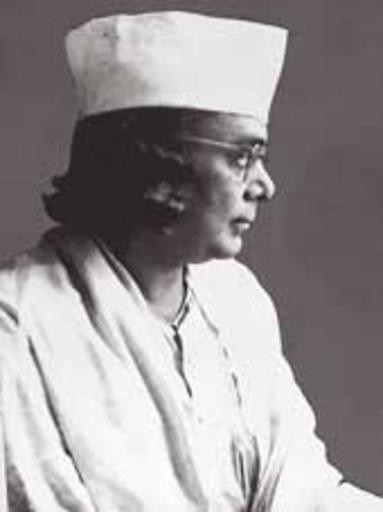
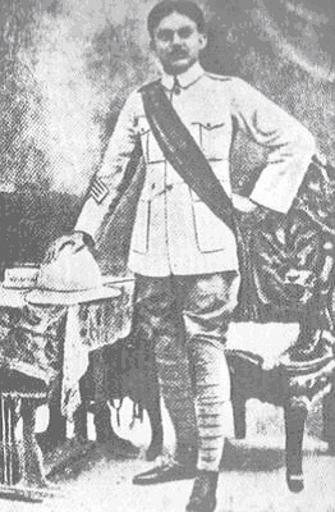
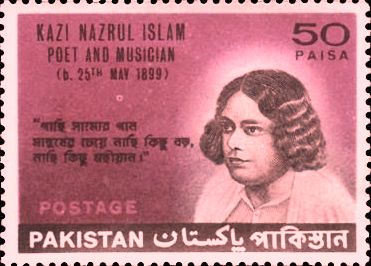
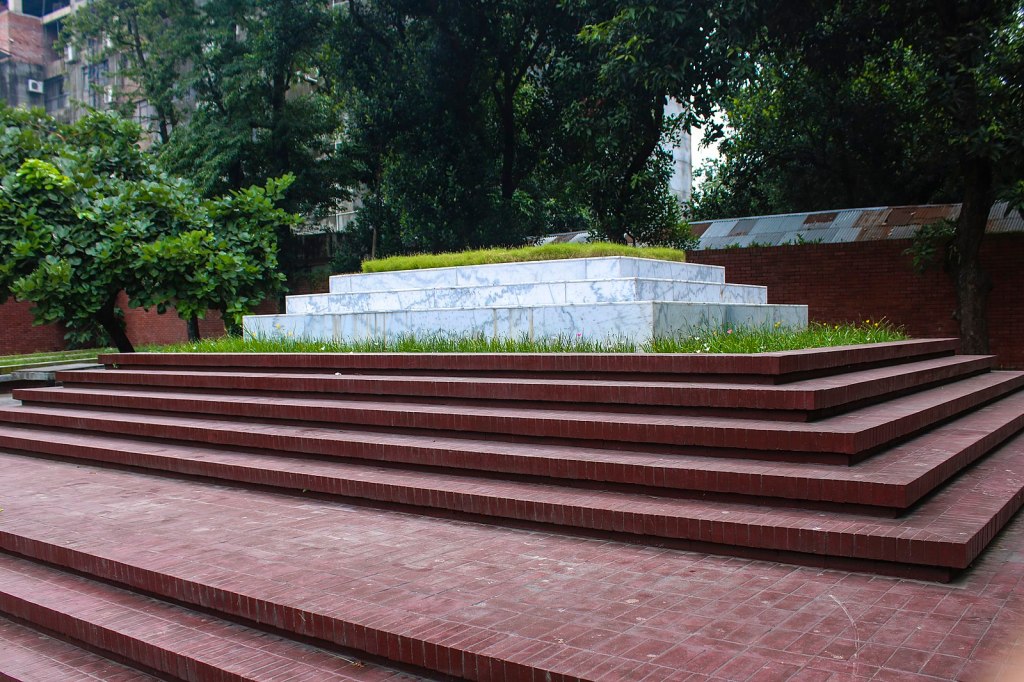
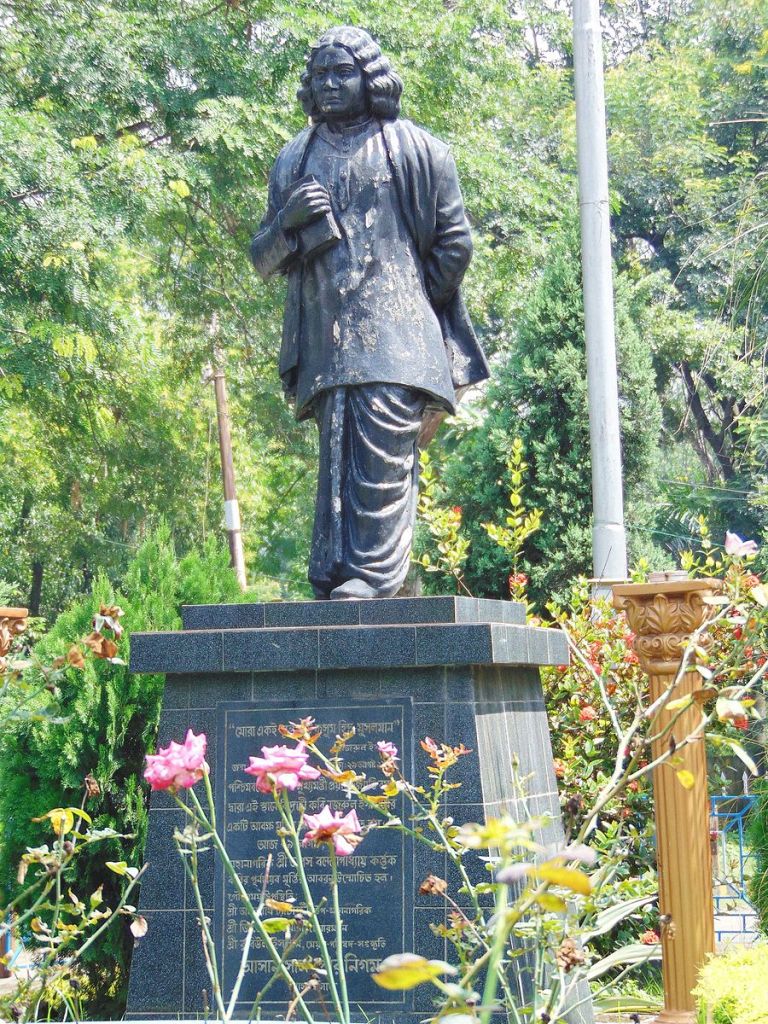
Born in united Bengal, long before the Partition, Kazi Nazrul Islam (1899-1976) was known as the Bidrohi Kobi, or “rebel poet”. Nazrul is now regarded as the national poet of Bangladesh though he continues a revered name in the Indian subcontinent. His birth anniversary is observed on 25th May in Bangladesh and on 25th or 26th May in Tripura, India. In addition to his prose and poetry, Nazrul wrote about 4000 songs. He was charged with sedition by the British for his fiery writing and jailed repeatedly.
We celebrate his anniversary with powerful translations of his prose and poetry. May his works help us move towards a better and more enlightened, borderless world as envisioned by him.
As a tribute to the 209th anniversary of Edward Lear, Rhys Hughes writes of his famous poem, ‘Owl and the Pussycat’, and writes a funny ending for it rooted in the modern day. Click here to read.
A compelling flash fiction by Suyasha Singh hovering around food and a mother’s love. Click here to read.
The Literary Fictionist
In A Lunch Hour Crisis, Sunil Sharma raises humanitarian concerns that though raised in a pandemic-free world, have become more relevant and concerning given our current predicament. Click here to read.
Anasuya Bhar explores the various lives given to a publication through the different edited versions, translations and films, using Tagore as a case study and the work done to provide these online. Click here to read.
Prithvijeet Sinha uses Gaman (Departure), a Hindi movie around the pain of migrant workers, as a case study to highlight his contention that lyrics and songs convey much in Indian films. Click here to read.
Bhaskar’s Corner
In Manoj Das – The Master Storyteller, Bhaskar Parichha pays a tribute to one of the greatest storytellers from the state of Odisha, India, Manoj Das( 1934-2021). Click here to read.
Bhaskar Parichha reviews Raising a Humanist by Manisha Pathak-Shelat‘s and Kiran Vinod Bhatia. Click here to read.
Interviews
Communication scholars and authors, Manisha Pathak-Shelat and Kiran Vinod Bhatia, discuss how to bring up children in these troubled times, based on their book, Raising a Humanist, which has just been released. Click here to read.
Sonya J Nair of Samyukta Poetry talks about the Samyukta Research Foundation and its affiliates and its festival, Anantha. Click here to read.
Kazi Nazrul Islam (1899-1976) Known Bidrohi Kobi, or “rebel poet”, Nazrul was born on 25th May in united Bengal, long before the Partition. Nazrul is now regarded as the national poet of Bangladesh though he continues a revered name in the Indian subcontinent. He was a Muslim, married a Hindu and wrote songs mingling Hindu and Muslim lores. In addition to his prose and poetry, Nazrul wrote about 4000 songs. He was charged with sedition by the British for his fiery writing and jailed repeatedly.
Purify My Life
Purify my life, like dawn let me rise
anew each morn.
Let me be the sunrise,
redefine my life; make me thrive
I’ve been like a depressed widow, a hurtful drop
from Bakul.
Place your hand of blessing on my head
so I grow like a verdant tree when the summer rain
pours on my bosom.
Purify my life like sunrise,
so I become the waking sky.
Turn me into every child’s book of first letters,
and the song of early birds.
Purify my life, so that I
become an island;
Or, childhood, or a new stream of rain;
I’ve drowned in pain and loneliness
And stood like a debdaru.
Purify my life like a fresh blooming flower
so I wake up like a morning’s sleepy eye.
.
*Bakul and Debdaru are both trees that grow in Bengal. Bakul bears flowers that are fragrant and white.


 Borderless