By Ravi Shankar
The view of the Himalayan ranges through the airplane window to the right was breath-taking. The February day was bright and sunny, and the Himalayan giants were clearly seen. I was flying on an ATR 72 aircraft from Kathmandu to Pokhara. The flight was short (around 20 minutes) and soon I could see the Pokhara valley and the town far below. The town is cut into deep gorges by rivers flowing down from the Himalayas. I could see the vast building of the Manipal Teaching Hospital at the base of a huge hill.
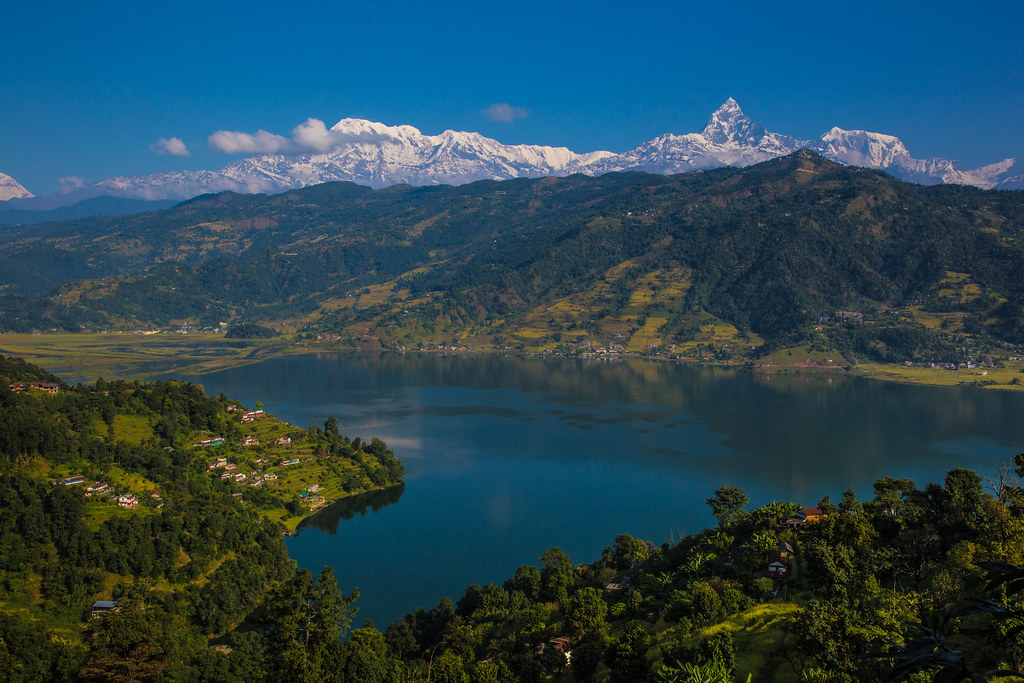
Pokhara is a magical city located in the western region of Nepal. Unfortunately, many confuse it with Pokhran, the site of India’s nuclear tests. I faced some difficulty explaining the location of these two places and their stark differences. The town is located about 250 km west of the capital, Kathmandu. The altitude is lower at around 900 m (Kathmandu is at 1300 m). Winters are less cold but there are violent hailstorms and thunderstorms during summer. The view of the Annapurna Himals (snow-covered mountains in Nepali) from Pokhara is spectacular. The Annapurnas have several peaks – Annapurna I, II, III, Hiunchuli, and Gangapurna. The fishtail mountain, Macchapucchare dominates the view from Pokhara. The fishtail aspect with twin peaks is only seen once you leave the Pokhara valley. The face of a tiger is said be discerned on the face of the peak. I spent a lot of time and effort trying to discern the tiger’s face. Then, one day, after a few years sustained effort suddenly my efforts paid off. I was able to see the tiger!
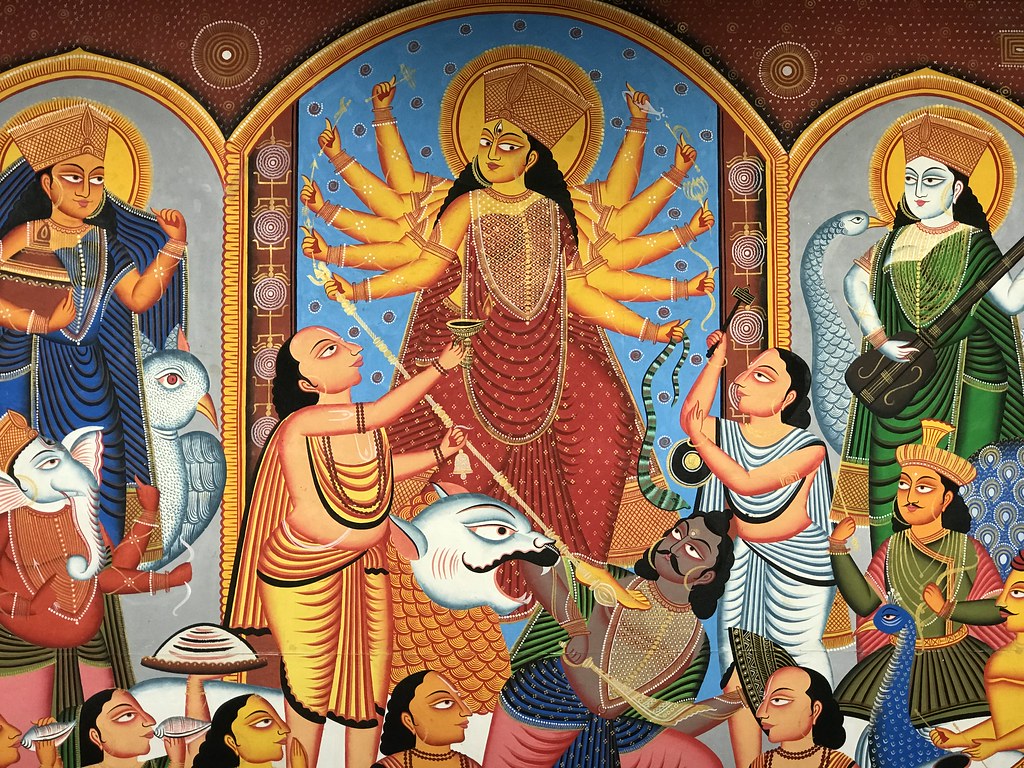
Dashain (called Dussehra in India) is Nepal’s most important festival and celebrations go on for over two weeks. During autumn and winter, the air is clear, the dust has settled and the mountain views are spectacular. In the morning the faculty gather for tea/coffee near the mess at the Deep campus of Manipal College of Medical Sciences and enjoy a spectacular view. Watching birds glide against the clear blue sky and the clouds slowly gathering on the Himals is a unique experience. You could spend hours sitting quietly drinking in the view in the warm winter sunshine.
There are several day hikes around Pokhara. You can walk down to Lakeside. This takes a good ninety minutes from Phulbari where the Manipal Teaching Hospital is located. You can continue walking past the lake passing through rapidly urbanising villages, tourist lodges and restaurants. Phewa Lake is the jewel of Pokhara though it may be becoming congested. A road has been constructed around the lake and the lakeside is full of tourist hotels. The Tal Bharahi temple situated in the middle of the lake can be accessed by boat. Dervla Murphy stayed in Pokhara during the 1960s and writes about the pristine Phewa lake without the tourist accoutrements in her book ‘The waiting land’.
Pokhara Thakali Kitchen located at Lakeside serves authentic Thakali food. Thakalis are an ethnic group from the Thak Khola valley north of Pokhara famous as innkeepers and restaurateurs. I enjoyed piping hot rice, green dhal (lentil curry), saag (green leafy vegetables), potatoes roasted in ghiu (clarified butter), tomato achar (pickle), and the wonderful chicken or mutton jhol (curry in Nepali). I am also partial to dhido — a paste made from either corn or buckwheat. Another favourite place was a restaurant located toward the end of the lake. The tables were placed in small, thatched huts and you could enjoy the view while food was being prepared. There were also a few cots to enjoy a siesta. Their daal-bhaat-tarkari (lentil curry, rice, vegetables) and chicken curry were exceptional. In Nepal, restaurants usually prepare orders fresh, and you can expect to wait up to an hour for your order to be prepared.
Sarangkot located at the height of around 1500 m offers spectacular views of the Dhaulagiri Himals to the west, the Annapurna range, and even the Manasulu peaks to the east. The area can get crowded during winter mornings and evenings as tourists and guides gather to watch the mountains turning golden, and different shades of red during spectacular sunrises and sunsets. The Annapurna Sherpa Resort is close by, and my friends and I had spent several New Years’ Eves there. From Sarangkot, you can descend to the lakeside. The trail is steep and passes through several villages. You can watch the hang gliders taking off, their colourful canopies staying suspended in the air and eventually landing at the far side of the lake.
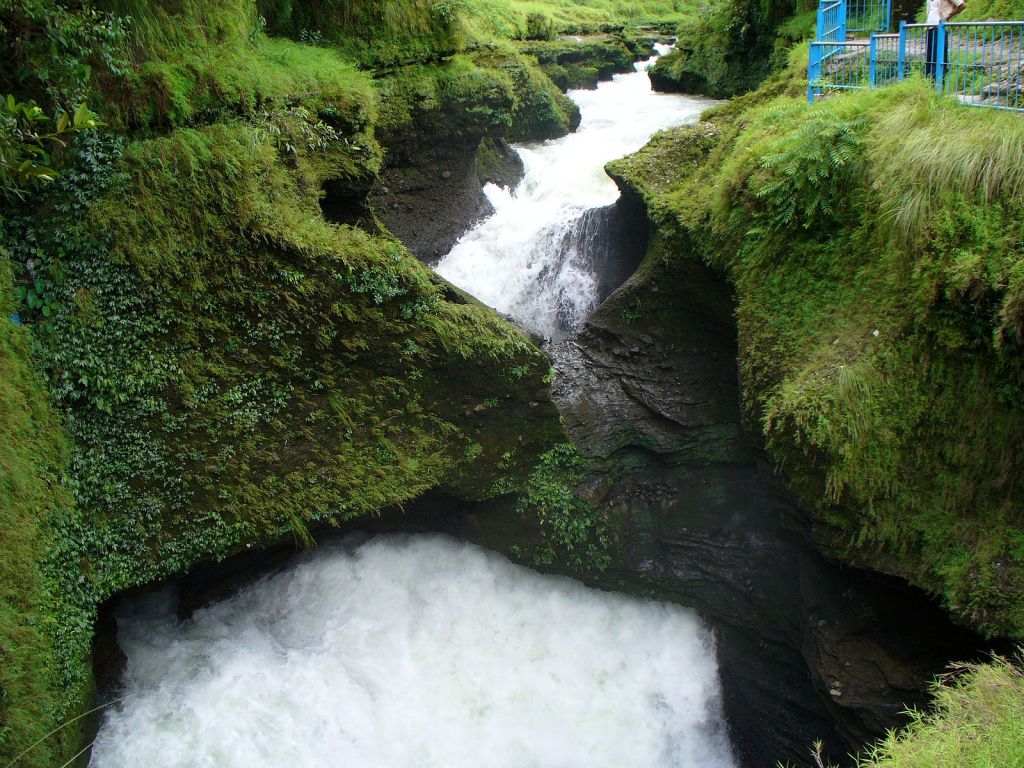
Kahundada is the mountain immediately behind the hospital. A road has now been cut to the top but two decades ago you had to climb up through stone staircases. There is a view tower at the top and you can enjoy the view of the Himals without the crowds. However, there are no hotels near the top so reaching the tower in time for sunrise is challenging. Devi’s fall is another attraction. In Pokhara, the ground in most areas is made of soft limestone and this can get dissolved in the acidic rainwater. In the Deep campus of Manipal, there were sudden cave-ins caused by limestone erosion. Devi’s fall is said to be named after a Swiss lady, Devine who went swimming in the fall but was swept away by a sudden gust of water. The Nepali name is Patale ko chango (underground waterfall).
The Gupteshwar Mahadev cave dedicated to Lord Shiva is nearby. This bat cave (chamere gufa in Nepali) is the habitat of the horseshoe bats. The exit requires some climbing and is narrower than the entrance. There is a belief that only those who have not sinned would be able to exit the cave. One of my favourite walks was to the village of Mauja. The trail climbs up through green forests and waterfalls. Mauja is a typical hill village and a good weekend hike. Another excellent hike is from Naudanda to the lakeside. You can take a bus to Naudanda and then walk down to the lake. You pass through several villages. Kaskikot was the old capital of the kings of Kaski. There is a fort on the hilltop with a good view over the valley. There is also a Kashyap hill where the rishi Kashyap is said to have meditated. A few high-end tourist hotels have now been established here. The view of the blue waters of Phewa lake get bigger as you slowly approach the lakeside.
Begnas and Rupa lakes are two other lakes in the valley. Begnas lake is less crowded and is famous for its fish stalls. A small, forested hill, Panchabhaiya Dada, separates the two lakes. The waters of Begnas look darker and deeper. The International Mountain Museum was opened in Pokhara in 2004. The location offers spectacular views of the Annapurnas. The museum has three main exhibition halls: the Hall of Great Himalayas, the Hall of Fame, and the Hall of World Mountains. The cultures of the mountain people are also depicted. Bindhyabashini temple, the oldest temple in Pokhara was established in the 1760s. There is an interesting legend about the temple. The King of Kaski dreamt about establishing the temple. He had his men go to Bindhyachal Parbat and bring back an idol of the Goddess. While returning the men camped for the night in the current temple location. The next morning, they found they could not move the idol, and the king when informed ordered the temple to be set up at the current location.
I enjoyed reading the fascinating book by Jagannath Adhikari and David Seddon, Pokhara: Biography of a Town. Pokhara is today one of the fastest-growing towns in Nepal. Ekai Kawaguchi, a Japanese monk was an early explorer of Tibet which he approached through Pokhara and the Thak khola. He was deeply impressed by the beauty of Pokhara. He mentioned in his writings that during all his travels he had never seen a place that rivalled the beauty of Pokhara. Magical Pokhara weaves its charm on visitors and residents alike!
Dr. P Ravi Shankar is a faculty member at the IMU Centre for Education (ICE), International Medical University, Kuala Lumpur, Malaysia. He enjoys traveling and is a creative writer and photographer.
.
PLEASE NOTE: ARTICLES CAN ONLY BE REPRODUCED IN OTHER SITES WITH DUE ACKNOWLEDGEMENT TO BORDERLESS JOURNAL
Click here to access the Borderless anthology, Monalisa No Longer Smiles
Click here to access Monalisa No Longer Smiles on Kindle Amazon International


 Borderless