A new legend in words and photographs by Penny Wilkes
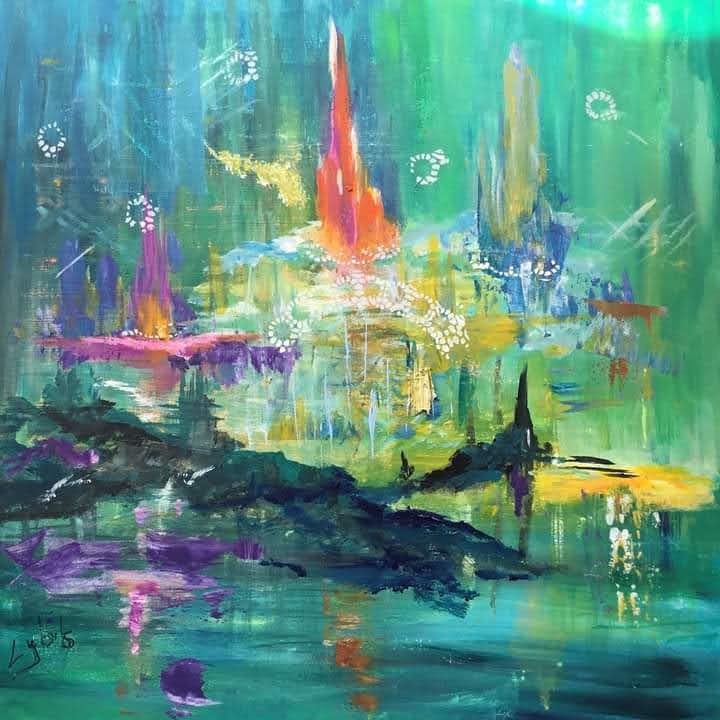
Before morning light each day, the Lords of Light share the duty to awaken the Sun. These insects stir the sun’s sleep-struck eyes awake. Fireflies stunt and twirl their light. Candle bugs and railroad worms spangle the darkness in their carnival of lights wake up service.
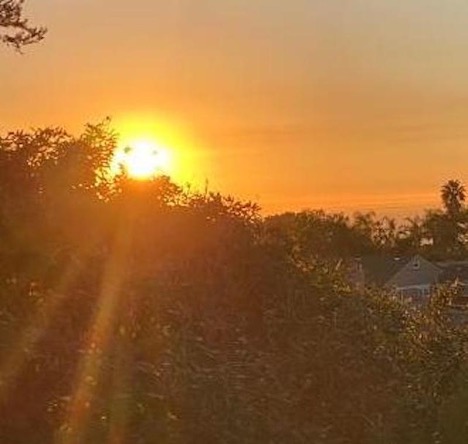
The Lords of Light rouse the sleeping Sun and nudge him up the far side of the mountain to open the day.
Day by day, the Firefly began to notice a difference in the Sun and said to the Lords, “Did you notice that the Sun shuffled up the hill yesterday?”
“Long summer days are hard on him,” said the Lantern Bug, “Yet he never complains.”
“He needs rest,” said the Firefly. “Do you think the moon would take on extra hours?”
“Let’s ask her.” The Lords agreed.
The next day after setting the Sun on his course, the Lords gathered for their flight to speak with the moon. They rode on eagle beaks, the backs of hawks and tails of ravens. Gleaming against the sky, they raced to ask Moon’s help.
The Firefly asked, “Dear Lady Moon, we think the Sun is becoming weary. Will you give him a break and stay up a bit longer?”
“Humph, glared the Moon.” I have to work nights and never get to play during the day. Why should I give up my sleep time?”
“Look what the Sun does for you, “The Firefly said. “No one could see you if the Sun didn’t shine and reflect off your face”
“The Sun only gives me enough light now to fashion a sliver of my real self. I’m not a full moon for long each month and no one bothers to help me. Go Away.” With a bellow the Moon pulled a drape over her crescent face.
The stars overheard the Firefly’s conversation with the Moon and twirled, “Wish we could help but we’re too far apart to spread morning light.”
Disappointed in their quest, the Lords of Light fluttered back to Earth. With each new day, the Sun trudged up the back of the mountain. Even larger animals noticed the days growing dimmer.
The Lion beckoned the Firefly to his den to ask why the Lords of Light were not performing their wake up serve adequately.
The Firefly explained how unsteady the Sun appeared.
“You must find us an answer,” said the King of Beasts.
The Firefly flew into his flaming coral tree to think. His own light dimmed until he suddenly knew the answer.
He buzzed back to the lion’s den.
“Why don’t we beckon our aunts, uncles, cousins, and friends who shine? With everyone together we’ll create a light so bright that Sun can sleep in one morning.”
“Magnificent idea, “the Lion roared. “I will direct the show.”
The Firefly called the Lords of Light together and told them of his plan. Word spread by fire ants and mites. Electric eels telegraphed the acceptance notices.
“I’ll transport the bugs who cannot fly,” said the Eagle.
The Lords of Light found it difficult to contain their excitement from the Sun until Festival Day arrived. Yet, the Sun was too tired to notice.
Glowworms gathered from New Zealand with Asian springtail beetles. Snow fleas from the polar region joined in the fun. African centipedes and Swedish luminescent larvae descended with creatures from the East Indies.
Blue-lighted larvae alighted from the backs of birds. Fire beetles arrived with tropical bugs to flash in unison.
Star worms, bees and moths without lights toted mushroom umbrellas with specks of radiance to guide their way.
Millipedes, who use light for self-defense, united with New Zealand orange worms to increase their shine power. Grubs brought foxfire from the damp forests.
Luminescent squids, jellyfish, and deep-sea swimmers with coral fans prepared their dancing games directed by purposes and whales.
When all the creatures united, the Firefly directed giraffes, elephants, and tigers to line up along Sun’s mountain. He adorned them with ringlets of bugs and beetles. Hummingbirds circled to enlarge the display. Seagulls and vultures became messengers to deliver friends higher and higher into the sky.
The Pyramid of Light waited for its cue.
The lion roared to gain attention and began the countdown: 5-4-3-2-1
Everyone squeezed glow cells until light blazed from the seas through rivers and bounced up antelope legs, over camel humps, and spiralled to the tops of giraffe necks.
The display arose up the back of the mountain and into the sky to create a new dawn.
As darkness disappeared the stars flashed their approval and grumpy moon uncovered her face with a grin.
Roused by the celebration, the Sun awakened from slumber. He tingled with pride when he saw the harmony created by The Lords of Light together with all the creatures of day and night.
Thank you, the Sun said. “Your collaboration has given me the spirit to shine forever.”
The Pyramid of Light applauded with shimmers and glows.
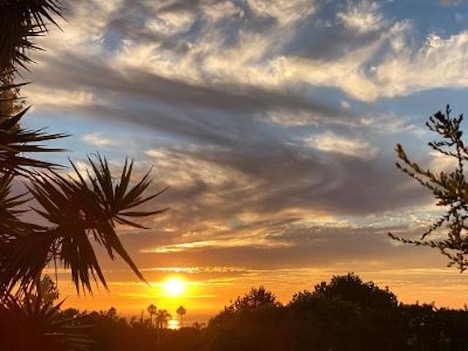
The sun, with a smile, celebrated and energised the clouds into play that evening.
Penny Wilkes, served as a science editor, travel and nature writer and columnist. An award-winning writer and poet, she has published a collection of short stories, Seven Smooth Stones. Her published poetry collections include: Whispers from the Land, In Spite of War, and Flying Lessons. Her Blog on The Write Life features life skills, creativity, and writing: http://penjaminswriteway.blogspot.com/ . Her photoblog is @: http://feathersandfigments.blogspot.com/
.
PLEASE NOTE: ARTICLES CAN ONLY BE REPRODUCED IN OTHER SITES WITH DUE ACKNOWLEDGEMENT TO BORDERLESS JOURNAL
Many Things Wonderful to Tell


The mad monkish scientist of jazz
sits smiling at the grand unveiling of his

latest creation, while a railroad bridge
riveted together of mostly weathered

driftwood and old rusty pieces of scrap
iron shows us the nearest way to many

possible futures where, amongst many
other things wonderful to tell in this

hot and swampy Sargasso sea of broken-
down cars, campers, bicycles and boats,

a lone pristine Cadillac sits, ready for
lift-off, to take us to what all the locals

swear is the best damn greasy spoon
diner in the galaxy.
Jason Ryberg is currently an artist-in-residence at both The Prospero Institute of Disquieted P/o/e/t/i/c/s and the Osage Arts Community, and is an editor and designer at Spartan Books. His latest collection of poems is Are You Sure Kerouac Done It This Way!? (co-authored with John Dorsey, and Victor Clevenger, OAC Books, 2021).
.
PLEASE NOTE: ARTICLES CAN ONLY BE REPRODUCED IN OTHER SITES WITH DUE ACKNOWLEDGEMENT TO BORDERLESS JOURNAL
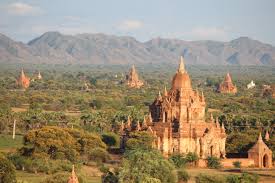
Our new guide, Lyme, took up the slack where Swan had left off. The boat drifted away from the shore out into the open waters as Peter and I settled in for a two-hour ride downriver, heading south to the next city on our itinerary called Bagan. The guide Lyme struggled to talk to us over the loud noise of the boat’s engine; but eventually gave up when he realised that he was actually losing his voice. There would be time enough to get to know each other over the next few days of travel. So, I settled in to enjoy the afternoon’s leisurely ride downriver, with the countryside of Burma spread out on either side of the river with its exotic landscape of trees and stupas and golden tipped pagodas that specked the countryside as far as the eye could see. One could never hope for a more peaceful setting.
The next morning, having slept contentedly in the Sincere Smile Hotel, a comfortable, unpretentious three-star hotel that was perfectly adequate to our needs, Lyme met us punctually in the hotel lobby after we finished our sumptuous buffet breakfast. “Pagoda hopping for today,” Lyme joked, a handsome young man who spoke fluent English with an air of an impish, street-taking cavalier. Where and how he was able to pick up such fluency, like a New York street urchin, I would never know. “But not to worry, you will be taken through the grounds of a temple at the end of day in a horse-drawn cart. That should loosen up your bones,” he said to me affectionately at me as he took my arm.
Shwegizon Pagoda. Courtesy: John Herlihy
First stop along the way was the Shwezigon Pagoda, a prototype of Burmese stupas, that consisted of a gold-leafed circular stupa surrounded by smaller temples and shrines, gleaming the sheer essence of gold in the sunlight. Built amazingly enough at the end of the 11th century, this pagoda has especial religious significance because it is said to enshrine a bone and tooth of Gautama Buddha.
From there, Lyme took us to the Manuha Temple, also built in the late 11th century by the captive Mon King Manuha and one of the oldest temples outside of Bagan. The king had colossal Buddha images built at Myinpagan while he was held in captivity. Stricken with remorse, according to the Glass Palace Chronicle, he built a colossal Buddha with legs crossed, and also a dying Buddha, saying: “Whithersoever I migrate in samsara, may I never be conquered by another.” As I visited these pagodas and temples and heard the stories about these kings from our dutiful guide Lyme, I couldn’t help but marvel at the rich and enduring events that took place in the past and the legacy that these people of ancient times left behind for us twenty-first century travelers. Nearly a millennium into their future, we still wander about to gaze upon the wonders they created.
The short, horse drawn cart ride that we were promised turned out to be an ordeal as we were taken through a pot-marked and rutted pathway through the landscape of these gleaming golden temples. Peter mounted the cart up front with the driver, but the guide Lyme and I were tucked into the narrow confines of the open carriage on the back seat. As the horse, trotted along, I was tossed and turned in every direction, holding on for dear life so as not to slip down out of the back of the carriage. It made for a charming picture, but was a most uncomfortable experience, bone-rattling indeed. We also saw the Myingaba Gu Byaukgyi temple, known for its spectacular mural paintings on the walls and ceilings, a true marvel to behold considering the ancient time when they were created. Another spectacular day ended on a cliff at the end of the carriage ride overlooking the grand Ayeyarwaddy, Myanmar’s largest river that now in the dry season as half the size of itself with elaborate sandbars, but still a magnificent sight as its waters cut through the exotic landscape speckled with gleaming pagodas in the twilight.
The next morning, expectant of another day of adventure, I told Lyme, our faithful guide and newly found brother, that we needed to change money. Peter and I exchanged turns changing money to share, changing $50 first one of us that we would spend for a few days, and then another $50 from the other. An odd situation did arise when it came to the bills. Peter was very proud of his dollars (in Germany where he lives, he usually deals in euros), but when it came to changing the money into Burmese kyat, they wouldn’t accept his bills. “Why not?” Peter shouted in outrage as he clutched his precious dollars.
Peter must have been a formidable sight to these diminutive and demur peoples as he towered over them with his close-cropped hair and colossal bulk. We came to learn that the Burmese wanted (and would exchange) only crisp new bills and held firm on this point as they smiled at us sweetly. Having lived abroad for many years and travelled extensively to such places, I quickly understood that they would not budge on this point and that we would have to scramble to find suitable bills among our stashes. Fortunately, I was able to find a few suitable bills that managed to service our needs for the rest of the trip down to Yangon, the former capital known until recently as Rangoon.
The stately and knowledgeable Swan was now a distant memory as the impish and talkative Lyme saw to our every need. We had grown accustomed to his presence with us as we travelled along, like a newfound brother we didn’t know existed. There is no doubt that travelling brings people closer together than would otherwise be experienced. On that particular morning, Peter and I were sitting in the back seat of the car, while Lyme sat up front as we waited for the driver to take care of some business. Like all people these days, he fiddled a while with his phone, searching, surfing, and more searching, for what I know not. Then he put the phone down. Lyme began chit chatting about himself, telling us a little about his experiences as a guide. Upon questioning, it wasn’t long before he opened up and confessed that he had a travel company that he was managing with a partner. They had gotten involved in some kind of student exchange program, he told us dreamily; they had contracts with some high schools in European countries and Lyme’s company facilitated their entry into Burma where he served as their guide. “It was a thriving business,” he told us, “Until my partner cheated on me and ran away with $10,000. I couldn’t pay the bills and couldn’t cover the costs of the hotels and other things.” How many times have I heard that story from friends of mine and others who were cheated somehow by their ‘friends’.
I sat there in the back seat feeling moody; but continued to listen to Lyme as he told us about his family. He came from a big family, and he was the last in line of many children. All of his siblings were married with children of their own. He was the only single son left to take care of his father when he suddenly came down with a serious illness. “My father was my responsibility, that’s our tradition here in Myanmar, as the only son still left at home.” He went on to explain that his father was getting weaker and weaker. Lyme was out on a tour with some high school kids away from home and while he was gone one of those nights, his father had passed away.
As he told us the story, he began to quietly sob. Peter and I sat there stunned as we sat listening to Lyme’s sad tale. He blamed himself apparently for his father death and said that if he had been with him, and had taken better care of him, he would still be alive. “I can never forgive myself,” he told us from the front seat of the car. He continued to sob now, his story ended, and I made a few sympathetic remarks hoping to console him. “You don’t have to forgive yourself, Lyme,” I told him. “I am sure your father looks down upon you now as the faithful son that you always were.”
About a minute of silence passed that morning in the car as we waited for the driver to return. Lyme shook himself like a bird refreshing his feathers as the driver approached the car. “Let’s go,” he said, as if wishing to snap out of it. “We have a full day ahead of us.” Indeed, I thought to myself. We never know the sorrows that other people carry around with them, nor do we know the courage that they bring to bear in meeting life’s moments with the dignity they deserve. I was moved in the way Lyme shared his story with us and his willingness to show the extent of his emotions as well, as an extension, a gift in fact, of a special trust among strangers.
As it happened, I had my own mountain to climb later that day. We headed further south on our way to Mt Popa, an extinct volcano located in Central Myanmar southeast of Bagan. Down through history, it was known as a pilgrimage site with numerous Nat temples and relic sites atop the mountain. Southwest of Mount Popa lies Taung Kalat or pedestal hill that rises 660 meters into the sky. A monastery lies atop of the mountain pedestal that can be reach only by climbing the nearly 800 steps. “Are you up to the task,” Lyme asked, and Peter answered the question for me, “Of course he is, John is like the Duracell battery,” he quipped. I recalled the over 200 steps I had to climb with Peter to reach the Heidelberg Castle several summers earlier, so the thought of nearly 800 steps or nearly 4 times the climb seemed daunting indeed.
Monastery on top of the Mountain. Courtesy: John herlihy
The passageway lead through the base of the cliff where an elaborate marketplace sold their wares to the locals and the tourists alike. Many of the tourists were locals from other parts of Myanmar. The crowds on pilgrimage were vast and the steps making their sinuous way up the mountainside were narrow and deep; but fortunately, there were railings to cling to along the side of the passageway that aided in my ascent. We were an unlikely threesome, Peter, the guide and myself taking up the rear. The ever-present monkeys along the mountainside tried to intrude into our midst looking for food. We had been warned not to let down our guard with these rude, insinuating creatures who like to steal things and make their great escape. Smart phones were their specialty. “Is that red powder or paint smeared upon their asses,” Peter asked naively. “No, Peter,” I chided him. “That is completely natural.” “It can’t be,” he insisted. “Oh, but it is,” I confirmed. Upon reaching the top, where the monastery lay amid the rocky crags, we were treated to yet another fabulous view of the surrounding countryside awash in the clarity of the harsh winter light, clear to the horizon.
*
After making our way back down to Earth from the heights of the hilltop monastery with its clear view to Bagan, we now had a 7 to 8 hours drive through the countryside heading further south to a city called Kalaw, in the Shan State of Myanmar. When we finally arrived at the hotel after the long trek on the windy roads, we were tucked safely into our hotel, called the Royal Inle Hotel, by our faithful guide Lyme. Goodbyes are never easy, particularly when you know you will never see that person again, and we had come to know and value the kind-hearted Lyme. He will always hold a special place in my heart in the way he extended his friendship and trust by giving the true sentiments of his heart away in the telling of his tale of sorrow and woe. Lyme embraced me warmly, like a son to a grandfather, and then he was gone, another gentle breeze to be lost in the wind.
John Herlihy, travel writer and poet, has published two collections of travel essays, Journeys with Soul and his more recent Distant Islands and Sealight, available at online booksellers and Amazon.
.
PLEASE NOTE: ARTICLES CAN ONLY BE REPRODUCED IN OTHER SITES WITH DUE ACKNOWLEDGEMENT TO BORDERLESS JOURNAL
What if I uproot you?

If I uproot you from my heart,
I would have spare breath to
squander among the babel of crows
that swaddles this wayward house.
I would have space to house abandoned
love songs that have been sleeping
in the mouths of robins.
I could take in the dead-silence
that arrives at the end of
a long day with a hard kiss,
I would have room to shelter
uncompanionable poems like this one
that prickle with vulgar melancholia,
I could describe every regret with digestible
verbs without having to blame
it on my foibles…
     I could break tradition –
     speak my mind, get worked up,
     pick the choicest meat from the table
     and hold it up as a homage to forgotten deities
     all in the presence of outraged men,
     without breathing in your scent -
     I could do all this and not allow
     anger to walk into our world but -

Of what use is a republic,
even if it’s a republic of one,
if there is nothing inside of
       us.
Beni S Yanthan (Yanbeni) is a tribal, feminist poet and academic from Nagaland, India. She belongs to the Lotha tribe. She teaches English and Cultural Studies in Nagaland University, Kohima.
.
PLEASE NOTE: ARTICLES CAN ONLY BE REPRODUCED IN OTHER SITES WITH DUE ACKNOWLEDGEMENT TO BORDERLESS JOURNAL
Sybil Pretious in Morocco. Photograph provided by Sybil Pretious
She paints. She writes. And she has lived through history. She was born in a country that no longer exists. The borders changed with movements of history. In South Africa in the late 80’s, early 90’s she ran a Nursery School attached to the local Primary School for whites. She lived through Nelson Mandela’s movement. As laws changed she admitted the first black child into the school in 1993. She writes of celebrating the first democratic elections in South Africa: “I felt ecstatic. I realised that it was not only the Africans who had been freed to be equal citizens, but I felt free too. I had been released from the enormous guilt and helplessness that had been part of daily living during apartheid.” She lived through it all and soared out to explore more…
Sybil Pretious is a woman who has travelled through life with an élan for assimilating the best in all cultures she has lived in, and she has lived in many. She has lived in six countries and travelled to forty. I met her in China, where she was teaching in an international school. She was like a beam of sunshine. She retired and left. Then we met virtually in a world devoid of borders. While she wrote of her travels from China, the part of her life where she lived through incidents we only read of in history remained silent. That is what we set out to explore in this interview. At an age where others retire and complain of aches and pains, she is writing a biography of her mother and looks forward to traveling, painting, and writing more. Now, this traveller in time, with a heart full of compassion, calls herself a South African, lives in United Kingdom and unfolds for us the story of her life.
Tell us about your childhood in South Africa.
My childhood was never spent in South Africa. The first 23 years of my life were spent in Southern Rhodesia/ Rhodesia. Rhodesia joined Northern Rhodesia and Nyasaland as the Federation – 1953-1963). Rhodesia declared UDI (Unilateral Declaration of Independence) from Britain in 1965. This lasted for 13 years and in 1980 after much conflict Rhodesia became Zimbabwe.
Only now, when I look back do I realise how much of an influence my childhood had on my passage through life.
Rhodesia, part of the British empire, a land-locked country almost in the centre of Africa, was first colonised by the BSA Company (British South Africa Company) lead by Cecil Rhodes in 1890 when mineral rights were granted by the chief, Lobengula. The country was named after Rhodes. It had a perfect climate and was known as ‘The Breadbasket of Africa’ for the high-quality food crops the farmers produced. Sadly, now, there are many people who do not have enough to eat in the country.
My parents met and married in in 1934. My dad was born in Rhodesia in 1901. His father had been one of the early pioneers in the 1890’s. My mother travelled from Kimberley in South Africa where she was born, to Rhodesia in 1926.
My dad refused to go to university because his father would not allow him to study Mine Engineering. My mother had little education because she was so involved with helping her mother with her six siblings.
I was born in 1942. Fortunately, my father was too old to enlist for World War II. I arrived six years after my elder brother and sister and my arrival was greeted with joy. I was the centre of attention and loved it, generally revelling in the light shining on me and responding to it. From then on, I tried to please everyone. I was not enamoured when two-and-a-half years after my birth my younger sister made an appearance followed a year after that by my younger brother. Of necessity they became the focus of attention, and I became more of a loner and learnt to enjoy my own company.
My father had a great love of the outdoors, prospecting, and mining for gold. Mum grew to love the peace of the veld in his company. During my parents’ first few years of marriage, they moved often as gold reefs ran out. They also farmed during this period. Eventually when they settled in the capital, Salisbury, and made their money by purchasing land, building a house, living in it for a short while before selling it and moving on to the next project.
This made for a rather interrupted childhood where we changed homes and schools often. I attended four different schools in the first four years of my schooling. When I finally had some settled years in a Primary School, I did well. I was the star of the family, but it put a lot of pressure on me to perform.
As children we found it difficult to make and keep friends, but this constant change equipped us for adapting to many different situations. My elder sister insisted on going to Boarding School just so that she could make friends and I think get away from her three younger siblings.
With the wonderful climate in Rhodesia, I spent much of my free time during childhood out of doors. We had one-acre gardens that were generally virgin veld. They provided many opportunities to explore, invent games, problem solve, and use our imaginations.
I loved going to the library in Salisbury and taking out many books, especially adventure stories and visualised myself in the roles of the characters. I created imaginary people and used the natural world to feature in my make-believe stories. Although we were always moving, there was no lack of childhood company as our cousins lived close by. But of course, they were not the same as friends.
Our holidays were spent mainly in Rhodesia, camping in the Eastern Highlands. I loved camping and still do even at my age. On occasion we travelled to Natal in South Africa or Beira in Mozambique for seaside holidays. In our teens we went in friend’s cars on wonderful picnics to dams where we swam and water-skied. We visited the beautiful outdoor places with names like ‘Mermaid’s Pool’ and Sinoia Caves with its mysterious bottomless pool. We scrambled over rocks and climbed hills and had parties on friends’ farms. It was generally a carefree existence in the open air.
My contact with Africans was mainly when we lived on farms. I enjoyed sitting in the dust with a few of the children and pretending to ‘teach’ them. I had a small blackboard, and I would write a word and say it and they had to repeat it and copy in the sand. I used fingers to indicate numbers and showed them how to count (though I am sure they could do that in their own language). They did not attend our schools and we rarely saw the children or mothers in towns. The African men worked as servants in our homes.
Did you often visit other countries during your childhood?
The only other countries I visited during childhood were South Africa and Mozambique for holidays. I loved reading about other countries and was always fascinated the by different peoples, climates, and lifestyles.
Can you recall a memorable event?
The most memorable day in the whole of my time in Africa must be the day of the first democratic elections in South Africa on 27th April 1994.
On that day I remember rising early, stowing a water bottle, some sandwiches and fruit in my backpack. The closest polling station was not far from where I lived so I walked. It was a beautiful day. Clear sky, warm sun (though that proved to be hot after many hours of standing). My husband had decided to go later. I was astonished at the long queues that had formed – some literally miles long. I approached and found myself standing behind two Africans and Indian lady. We all greeted each other warmly clasping two hands together and greeting in our own languages. Later as the time wore on in the heat I shared my water, fruit and sandwiches. Our discussions were general – the weather, our families, where we had come from and how glad we were to be there at this historic time. They had all travelled further than I had but there was no grumbling as we stood patiently.
There was an air of calm euphoria.
I felt ecstatic. I realised that it was not only the Africans who had been freed to be equal citizens, but I felt free too. I had been released from the enormous guilt and helplessness that had been part of daily living during apartheid. We could only treat the people in our employ with sympathy and fairness, but the rules of apartheid shackled our relationships. It was a day of hope for everyone chatting, showing kindness, laughter and waiting patiently to vote.
There was not one adverse incident throughout the country and foreign journalists were disappointed that violence had not broken out. This day was the greatest example of forgiveness and acceptance that I have ever witnessed. I feel privileged and blessed to have been there.
You are writing your mother’s memoirs tell us about it.
My mother was born in 1904 and lived until 2001. At sixteen, she was the eldest of seven siblings in Kimberly, South Africa, when her mother was tragically killed in a shooting accident which involved her brother. When her father remarried, she felt rejected and left to stay with a friend. With little knowledge except of cooking and shopping for her mother she took on the job of manageress of a bakery and improved her education by reading the newspaper to her friend’s blind father and writing letters for him.
Eventually she decided to relocate to the newly annexed colony of Southern Rhodesia. The story records her many personal challenges in this pioneering country – some sad, some hair raising, some very amusing and others poignant. When she married my father, their resourcefulness was tested to the limit with five children to raise. She is an example of courage, inventiveness, creativity, love and sheer grit in pioneering times. It encompasses family life in a fledgling country.
I want my children and grandchildren to know about their roots so that they may be as fearless and resourceful as my mother was in very testing circumstances.
Why did you write about your mother specifically?
I wrote about my mother because the first sixteen years of her life were very demanding as she helped her mother with her six siblings at home while missing school. The death of her mother left her without a purpose in life as the family was dispersed.
She is a shining example of getting on with life no matter the circumstances. Subsequently with her marriage the story includes my father. They have both been inspirational in different ways. My mother for her love, steely determination and creative thinking, my father for his quiet, never-ceasing support of her and us.
My mother, despite her poor schooling manged a bakery, worked in a department store, designed the houses they built, helped build them and was there for her children. She never hired any help to look after us. She was thrifty, made all our clothes and was a tower of strength in our family as well as being adored by her siblings.
She remains the most positive person I have ever known despite having no help with getting over the death of her mother. Her influence on my outlook in life is tremendous and while the story is mainly hers, it honours both of my parents.
How many countries have you lived in? Tell us a bit aboutwhy you moved.
I have lived in six countries but travelled to about forty. My home country is of course Rhodesia, now Zimbabwe.
I travelled to UK age 23 and lived here for a year working and travelling.
When I married in 1967 my husband was from Swaziland, so we lived this beautiful mountainous country for three years. Our first precious daughter was born there.
We moved to South Africa in 1971 and lived mainly in Durban and Johannesburg in the next 30 years. Our precious two younger daughters were born in Durban. This was during the apartheid years. In 1988, we bought a trading store in the rural cane farming area out of Durban and with no experience plunged into that way of life. Our customers were mainly Zulu farm workers. During that time, I started a Pre-School and admitted the first African child. These were the years leading up to the first democratic election and there were many tumultuous incidents during that time. Our venture failed and we returned to Johannesburg to recoup our losses.
While I was teaching, I studied for my BA by correspondence, and did a Remedial Teaching qualification.
In 2003, I obtained a teaching post at an International School in Maputo, Mozambique, commuting back to Durban during the holidays. After two years, I realised that I needed to be on my own and in 2005 our divorce went through.
In 2006, I secured a teaching post at an international school in Suzhou, China. I spent the next six years in this fascinating country. This was a really special time in my teaching career and life and fuelled my passion for travel. Precious people in a spectacular country, they will always remain dear to me. In 2012, I had no choice but to retire at age 70.
I have not taught since moving to the UK but have enjoyed the history, walking in gentle countryside, painting, singing in a choir, Circle Dancing and of course writing. This has been a beautiful retirement.
Which country has been the most memorable and why?
Many people ask me which is the best country I have ever been to or lived in. My answer is simple:
“The best country in the world is wherever I am.”
Of course, no one is satisfied with that answer even though it is perfectly true. I look for the best in each country I go to and tell the people I meet.
I generally find that it is then very easy to settle into a new place.
If I was forced to choose a country, my home country would be the one – wonderful people, perfect climate and terrain and a relaxed lifestyle.
What has been your learning from all your travels?
I have learnt that there is no substitute for my own very special daughters. While on my travels they and their families were so often in my thoughts, and I have learnt that sacrifices are made when you are away from your family.
I have learnt to welcome differences instead of looking for similarities in cultures.
I have learnt that you need not speak a language to communicate. Communication comes in many forms.
I have learnt to go with the unexpected as wonderful surprises often ensue.
I have learnt that the way in which you approach people is usually what will be returned to you.
I have learnt that this world of ours is infinitely beautiful in so many different ways.
I have learnt that we need to take better care of our precious planet.
I have learnt to take risks and not to fear the unknown.
And I have learnt to appreciate and understand differences and similarities in countries and peoples.
How did you get impacted by the pandemic? How did you tackle it?
I did not weather the pandemic very well during the first lockdown in 2020. In 2019, I had just moved into a new complex, gone through winter, then spent a month in South Africa with my family so had little time to meet people and settle in. I returned to UK the day that lockdown started. My youngest daughter and family lived fairly close, but I was unable to see much of them.
I am usually positive in most situations, but my mind appeared to lockdown during this time.
I gave up painting, playing the ukulele and at times writing during those months. I cleared out a lot of stuff that I didn’t really need so that was good, but it was a very frustrating time for me as I was considered too old to volunteer for anything. I didn’t consider myself vulnerable and resented being told what was supposedly ‘good for me’. By the time the second lock down came in 2021, I had inherited my granddaughter’s little dachshund called Hope. She has indeed brought hope and joy to my life. And now that we are almost back to normal, I seem to be re-igniting my creativity.
Do you see any commonality among people across different cultures and in different places?
People are people throughout the world. Unfortunately, borders are created by governments. Wherever I have travelled my reception has always been generous and helpful. People are curious and show exceptional interest in the differences between our cultures. Laughter often follows explanations. I have been asked to give a speech at a Chinese wedding and had toasts in my honour. I have slept on beds with bamboo pillows and climbed mountains with local people. I feel blessed for the acceptance I have experienced.
Travelling without expecting other cultures to mimic your own; expecting and experiencing exciting and interesting differences is the most gratifying point of travel. I have been privileged to be accepted into the homes of local people in many countries which is why I like to travel on my own or perhaps with one other. The real joy of travel and culture is to be found in local places with local people, not in hotels and on organised tours.
Devraj Singh Kalsi writes of a hilly (or hilarious?) ride
Photo Courtesy: Devraj Singh Kalsi
I began to think about insurance after riding a pony on my way to a hill station some years ago. Those scary minutes worked better than the life insurance commercials that generate fear of untimely death and disaster.
As the pony gathered speed while moving along the edge, the danger of tripping and falling into the gorge became palpable. But the man holding its rein assured me that it was highly experienced in such climbs and never made any mistake if the person seated atop did not spoil its mood. I displayed no such intention and maintained dignified behaviour to deserve a safe transit. The pony owner assured me that his pony enjoyed every bit of the muddy ride after the early morning downpour. He advised me not to touch its shampooed mane or any other sensitive part of its body because a tickling sensation could make the poor chap misinterpret and take a wrong step that would spell the untimely end of the rider. When it came to a close shave, I closed my eyes and thought of hugging it like a nervous child embraces the mother. The words of the pony owner rang alarm bells. Throughout the steep climb to reach the snow-capped heights of Kufri, I was firmly in the saddle, but I felt like a coalition government that could be toppled anytime by the withdrawal of support.
All kinds of thoughts entered my mind. I thought the poor animal suffered from suicidal tendencies after demonetisation but, then, it became clear that freedom meant everything to the pony who was finding its path in the treacherous terrain. It was safe not to imagine myself as one of those pillaging dacoits shown in mainstream Hindi films or fancy myself as a gallant king on horseback, galloping forth to counter the cabal of invaders, marauders, and plunderers.
The panoramic scenes of the valley did not grab my attention to click a single photograph as the pony seized all my attention with its stroll conducted in the zigzag style of a drunkard. From the unfenced edges, the pine trees and dense forest cover looked intimidating. One slip and gone forever, making this my last journey on planet earth. I felt so close to death that I regretted leaving behind my incomplete novel, realising the colossal waste of time very late. I fervently prayed for the pony to stop flirting with danger.
I sought from the pony owner an estimate of the time left to reach the destination. But he was clueless. All he said was the pony appeared to be faster than on other days. I wondered how the pony got to know I loved fast cars and speed. I had paid an exorbitant fee without the faintest idea of the terror-stricken expedition to rejuvenate my senses. It was now a test of nerves and faith in the Divine. To ensure I did not do anything stupid to disturb its gay abandon. I did not even swat a fly near my nose nor scratch my itching neck. The pony’s upward climb continued at an accelerated pace. When in a contemplative frame of mind, it slowed down to collect the string of thoughts. The pony owner smacked his long, slim stick on the shiny brown wobbly posterior when the pony came to a grinding halt without any compulsion of obeying the traffic rules.
The pony owner boasted of the clean track record of zero casualties and no injuries either. He said the pony performed twenty trips in a single day and had been doing this stressful job without any break for four years. After going through the impressive CV ( curriculum vitae) of the pony, I felt it was fit for corporate life. He explained that the pony was comfortable with snow rather than sludge. The sudden rainfall had made the entire path muddy. It was difficult for the pony to maintain a steady gait. We engaged in a freewheeling chat about animal behaviour, how they lose cool, get provoked, collide against tree trunks, or kick them in the frustration of leading a celibate life. This diversion calmed my frayed nerves. He claimed to have the best pony in town and, though it was impossible to corroborate that, it was a relief to be safe in trained hands or legs.
While peace was returning to life, a charged pony from the opposite direction with a portly lady came running down at top speed. The angry pony was ready to collide against anything that came in its way, and the lady on its back looked prepared to be tossed in the air, with her sari pallu flying high to reveal her hefty bosom. For a moment, I felt she was going to land up in my lap as a beautiful gift from the skies above, but then it was a narrow escape as her pony applied brakes when it gradually came to senses after facing a human chain of tourist guides blocking its way. The worst appeared to be behind us now, but my pony stood and watched the thrilling show. The pony owner pulled it ahead, but it refused to budge an inch. Maybe it was keen to have a word with the other pony. Their communication was beyond my comprehension, but the pony kept looking in that direction while making a strange sound that was Greek to its owner. Probably it had no meaning of the kind I was imagining, and the poor fellow stood there to breathe easy before resuming the long walk.
While I was forbidden not to touch any part of the animal, the pony owner petted it and set it in motion. God knows what was so sensuous or seductive in the constant rubbing of the belly that the pony began to accelerate, and this last stretch was anything but sober. I lowered myself and almost buried my head in its back, resigned to fate, waiting for this exercise to end.
Respite came within a short while. Once at the peak, I did not revel in the natural vistas of beauty. Rather, celebrating the fact that I was up and alive was more fulfilling. I dismounted with the pony owner’s mild assistance and felt like thanking him for the safe journey that the railways do not provide. I felt the pony deserved a round of applause and a grand salute.
The pony, parked in a corner, was given a plate of grams to munch as a healthy snack. It was busy keeping a close watch on me when its owner was sipping tea at a food stall. I looked the other way, at the orchards with melting snow. I took pictures of the mountain range and shot a portfolio of the photogenic pony from a distance – to go back and share with the world the harrowing experience of the pony ride.
It appeared the pony was in an apologetic mood and, during the return journey, it would take parental care of the rider. But the descent contravened my expectations as the pony rushed along at great speed. This time the pony owner also lost control, and the reckless pony hurtled down the slippery path. My only fear was whether it would take me on a blind date somewhere in those verdant valleys and gorges. Finally, I must thank the pony for exercising restraint and giving up the fascination for the thrills of walking along the edge. The fact that I am alive to tell this pony tale is nothing less than a miraculous escape. When the pony owner finally caught up with us, he apologised and patted the pony for taking good care of me. Perhaps good care meant depositing me safely at the ground level from the heights where I had started this journey.
.
Devraj Singh Kalsiworks as a senior copywriter in Kolkata. His short stories and essays have been published in Deccan Herald, Tehelka, Kitaab, Earthen Lamp Journal, Assam Tribune, and The Statesman. Pal Motors is his first novel.
PLEASE NOTE: ARTICLES CAN ONLY BE REPRODUCED IN OTHER SITES WITH DUE ACKNOWLEDGEMENT TO BORDERLESS JOURNAL.
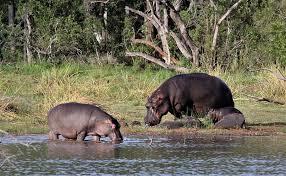
The Hippopotami

There’s no seeing eye to eye
with the wondrously great Hippopotami:
on the bank, you’re much taller;
going under, you’re smaller
and assuredly destined to die!


Dot Spotted

There once was a leopardess, Dot,
who indignantly answered: "I'll not!"
"The gents are impressed
with the way that I'm dressed.
I wouldn't change even one spot!"


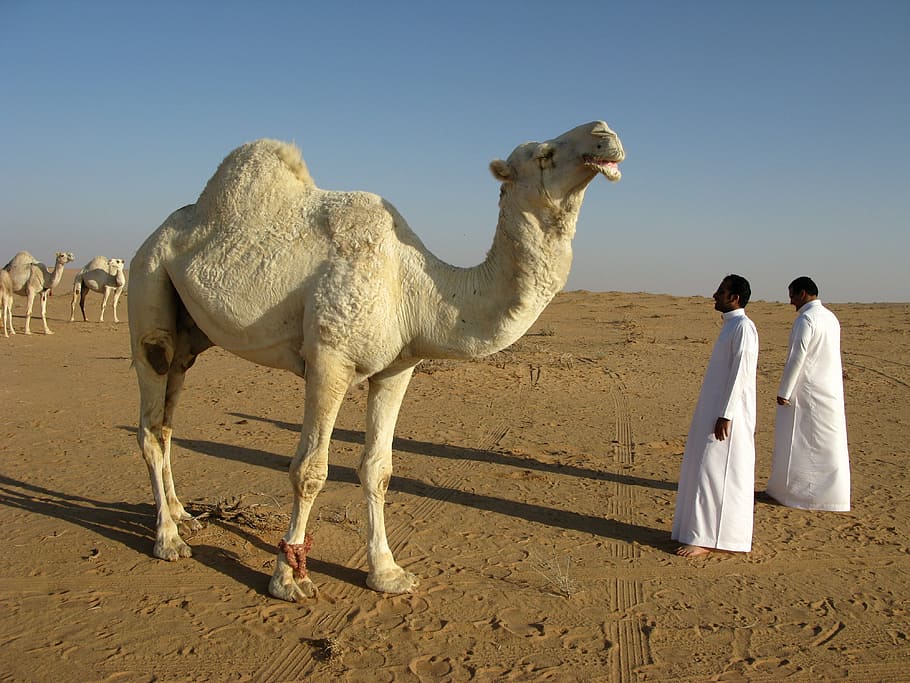
The Dromedary

There once was a dromedary
who befriended a crafty canary.
Budgie said, “You can’t sing,
but here’s the thing:
just think of the tunes you can carry!”


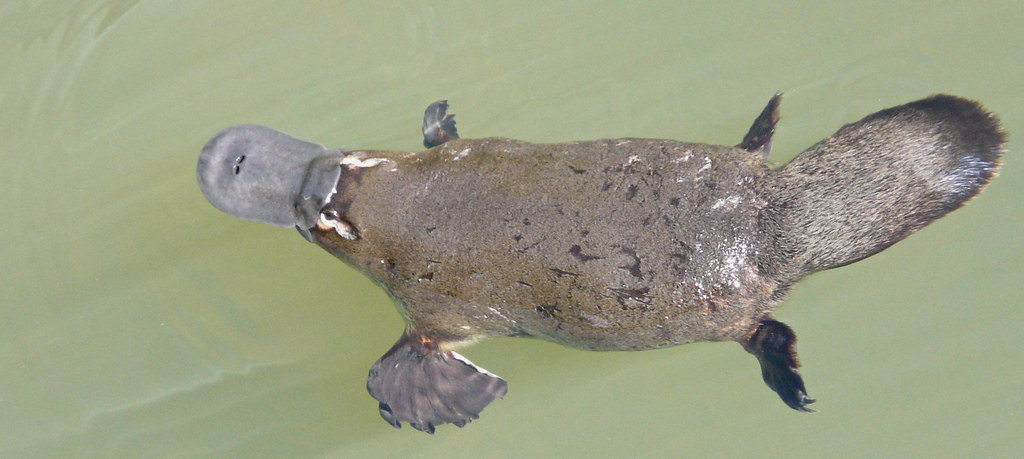
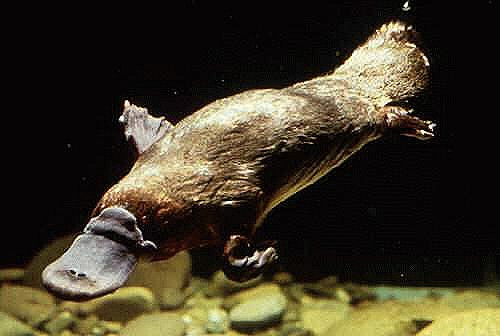
The Platypus: a Double Limerick

The platypus, myopic,
is ungainly, not erotic.
His feet for bed
are over-webbed,
and what of his proboscis?

The platypus, though, is eager
although his means are meager.
His sight is poor;
perhaps he’ll score
with a passing duck or beaver.
Michael R. Burchhas over 6,000 publications, including poems that have gone viral. His poems have been translated into fourteen languages and set to music by eleven composers. He also edits The HyperTexts (online at www.thehypertexts.com).
.
PLEASE NOTE: ARTICLES CAN ONLY BE REPRODUCED IN OTHER SITES WITH DUE ACKNOWLEDGEMENT TO BORDERLESS JOURNAL.
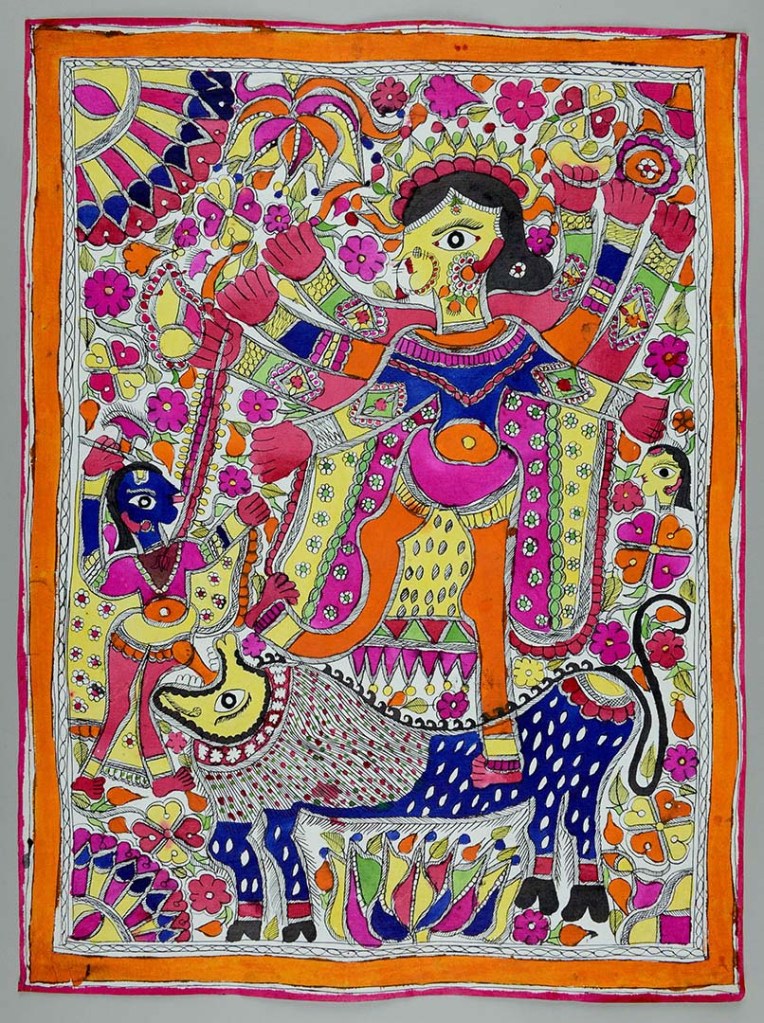
As the year stretches towards the next one, festivals welcome the delights of autumn. Though our celebrations have been restricted by the ongoing pandemic, human spirit continues to revel with music, words and more. Festivals are a part of this jubilation — a refulgent celebration of our existence across the globe. Some of these occasions jubilate the commencement of our journey home and some of the arrival of Gods and Goddesses, who other than killing demons, are shown to like being with their families too. For those who abstain from worshipping forms, a festival could be just visiting and meeting with families to express their thanks. Autumn is a time when tradition had many headed home to celebrate these events with their near and dear ones.
During Durga Puja, a festival which celebrates the home coming of the Goddess along with that of her devotees, we had a cultural splurge — music, dancing, theatre and special magazines featuring writing that moves to unite people in the spirit of love and harmony. Concerts of songs by bauls or traveling minstrels, Kazi Nazrul Islam and Tagore — both of who believed differently from Hindus — are a part of the celebrations. Writings by many, irrespective of their religious preferences, featured in the special editions of journals around literary and non-literary issues. Often these issues were coveted for being exquisite melanges, showcasing the most flavourful writers.
The cultural mingling despite being attached to a religious observance transcended narrow barriers imposed on faith. It continued inclusive in its celebrations, with food and embracing all cultures. Anyone could attend the festivities, even the British in colonial India. Taking a page off that, Borderless celebrates with writings across all boundaries.
Tagore’sAmaar Nayano Bhulano Eledescribes early autumn when the advent of the Goddess, translated from Bengali by Mitali Chakravarty. Click here to read.
Prose
An excerpt from Shakti Ghoshal’s The Chronicler of the Hooghly & Other Stories describes the historic evolution of the Durga Puja around the eighteenth century as a social occasion where the colonials and the nabobs mingled. Click hereto read.
Somdatta Mandal translates from Bengali Travels & Holidays: Humour from Rabindranath. Both the essay and letters are around travel, a favourite past time among Bengalis, especially during this festival. Click here to read.
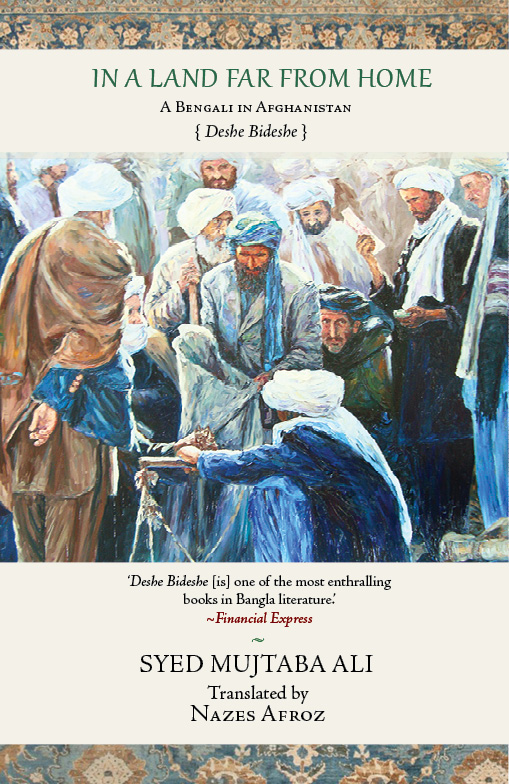
An excerpt of In a Land Far From Home: A Bengali in Afghanistan bySyed Mujtaba Ali, translated from Bengali by Nazes Afroz. Syed Mujtaba Ali was a popular writer who often featured in such journals. Click here to read.
Bhaskar Parichha reviews Mohona Kanjilal’s A Taste of Time: A Food History of Calcutta. Exploring food has always been a part of festivities. Hope you find some good hints here. Click hereto read.
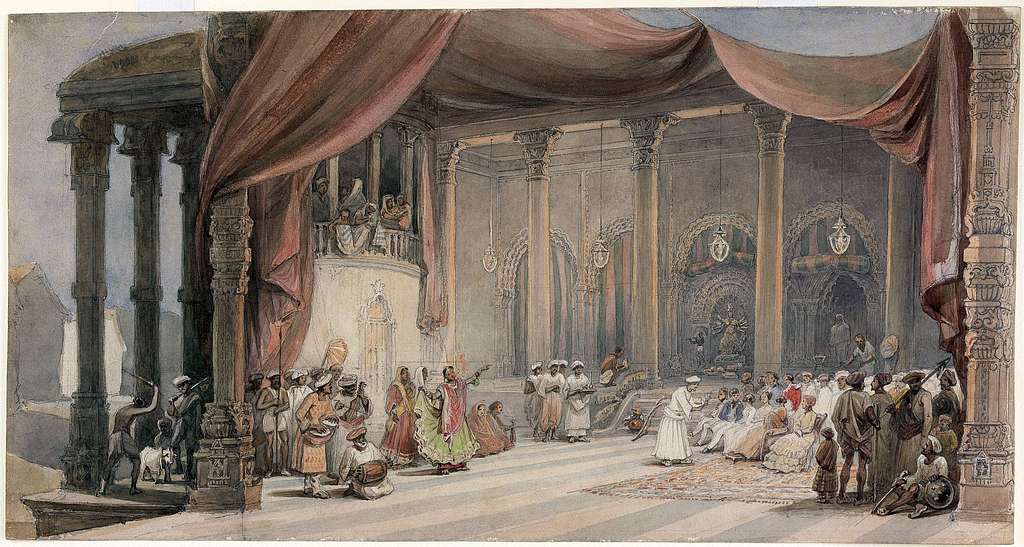
A depiction of celebrations inside a house during Durga Puja in Calcutta (around 1830-40), West Bengal, India, where Europeans are being entertained, water colour by William Prinsep(1794–1874), a merchant with the Calcutta firm of Palmer & Company. Courtesy: Creative Commons
Written in 1908 in Shantiniketan, the lyrics of Amar Nayan Bhulano Ele (Wonder fills my senses) describe what is traditionally known as the sarat season ( or early autumn) when the festival of Durga Puja is celebrated. It appeared as a part of the collection called Geetanjali (Songs of Offering).
The Song of Advent

Wonder fills my senses.
My heart yearns for your presence.
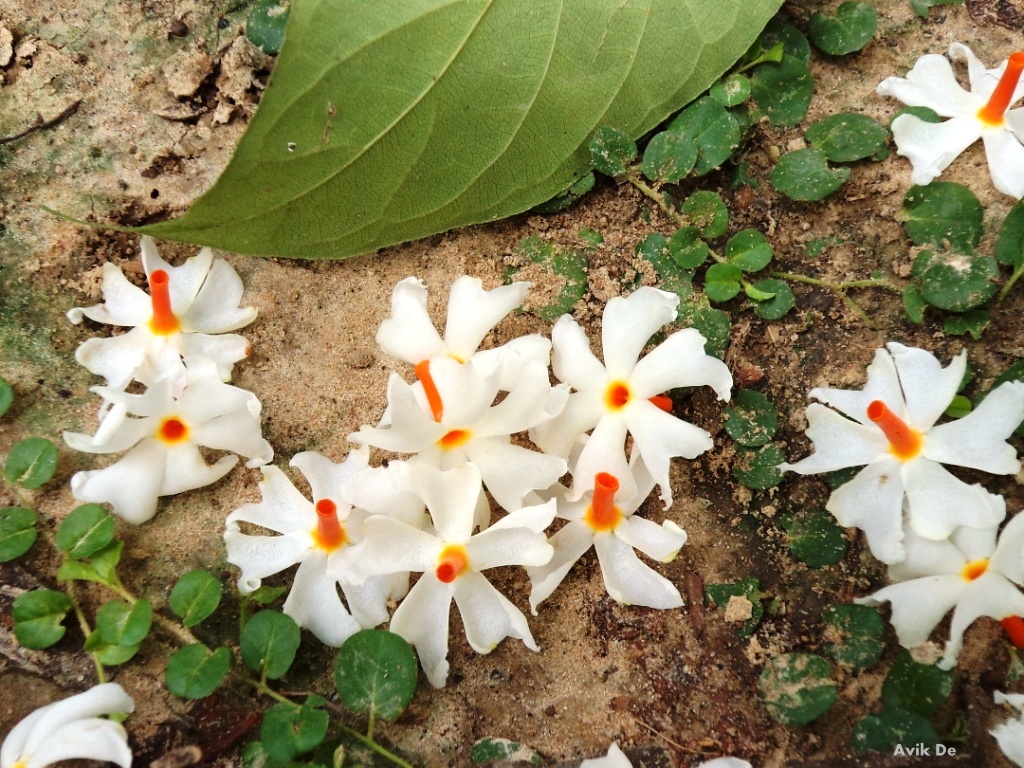
Your dawn-coloured foot falls under the shiuli bowers
On dew strewn grass carpeted with fallen flowers.
Wonder fills my senses.
Light and shade play hide-and-seek in the woods, like lace.
What do the blooms say as they gaze awestruck at your face!
Shed your veil so that we can welcome you,
Remove the wisp of cloth with both your hands.
Sylvan nymphs blow on melodious conches from their doorways.
The universe welcomes your advent with music from celestial strings.
Within my being, I sense the tinkling of gold anklets.
All thoughts, all tasks are eased by the nectar of your presence —
Wonder fills my senses.
The woman welcomed in the poem is the Goddess Durga who descends from heaven for a five-day-long celebration. Interestingly, Tagore’s family were proponents of Brahmoism, a reform on Hinduism which adopted more Christian doctrines and rejected idol worship.
Suchitra Mitra’s rendition of the Rabindrasangeet in Bengali
(This poem has been translated for Borderless Journal by Mitali Chakravarty, edited by Sohana Manzoor and Anasuya Bhar.)
.
PLEASE NOTE: ARTICLES CAN ONLY BE REPRODUCED IN OTHER SITES WITH DUE ACKNOWLEDGEMENT TO BORDERLESS JOURNAL
Over the noise, you could hear the shout that ‘Bacha-e- Saqao is coming, Bacha-e-Saqao has arrived.’ Then we heard the bang of a rifle and the crowd lost all sense of reason. Throwing aside everything they were carrying, people started running for their lives, some landed in the roadside ditch, some slipped time and again while trying to run over the ice on the Kabul river. The blind beggar who used to sit by the road, stood up trying to find his way with his hands in the air.
I somehow managed to leave the road, crossed the ditch and stood on the front porch of a shop. I decided that I would rather die from the bullet on which my name was written rather than be trampled by mad horses or in the stampede of the crowd.
Within a minute another man appeared and stood next to me. An Italian colonello or colonel, aged about sixty, with a long corrugated beard.
He was the first person whom I could ask something cogently. I said to him, ‘I heard that the bandit leader Bacha-e-Saqao was coming to fight for Amanullah. But what is really happening?’
The colonello said, ‘Seems like wrong news. He’s coming to take over the city.’
If that was the case, then why were Amanullah’s soldiers not going to the north of the city to fight him? How did Bacha-e-Saqao arrive in Kabul so suddenly? How many men did he have? Were they carrying only rifles or did they have cannons? The colonello could not answer these questions; he only kept saying, ‘What an odd experience!’
I said, ‘I can understand why the ordinary Kabulis are afraid, but why have the foreigners joined them? Where are they going?’
The colonello replied, ‘To their own embassies or legations—for shelter.’
The sound of rifle shots was drawing closer. By then the crowd was moving in waves rather than in a stream. In between two such waves I told the colonello, ‘Let’s go home.’ He said he would not leave without seeing the last act. Military whim—there was no point in arguing.
Abdur Rahman was waiting for me at the door. His worries disappeared at the sight of me. As soon as I entered the house, he closed the door and started to fortify it with heavy rocks. Intelligent man. He had made all the arrangements for fortification when I was out. I asked, ‘Where is Benoit?’ Abdur Rahman informed me that Benoit had left for the French Legation in a tonga carrying only one suitcase.
By that time the sound of the gunfire had been overpowered by the heavy sound of machine guns. Abdur Rahman brought tea. Listening to the sounds carefully, he said, ‘The king’s soldiers have now attacked. From where would Bacha have gotten hold of machine guns?’
I asked him, ‘The king’s soldiers are facing Bacha this late? How could he reach Kabul so easily?’
Abdur Rahman said, ‘I asked many people while waiting for you at the door, but nobody could say anything clearly. It seems he has arrived without any resistance. He comes from the north of the country; my place is also in the north—Panjshir. I would have got some news of troop mobilisation in that region from my fellow Panjshiris in the bazaar, but there was none. The king’s troops have gone to the east under the command of Ali Ahmad Khan to fight the Shinwaris.’
The exchange of fire continued. Abdur Rahman served me dinner early that evening and then he sat down to tend to the fire in the fireplace. From our chat I could make out that he was worried about my well-being in case Bacha won, which would be followed by anarchy and looting. But clearly he was highly excited and curious—much like a small child when the circus came to town.
But who was this Bacha-e-Saqao? I did not have to ask Abdur Rahman, he told me many stories about him of his own accord. I realised that Abdur Rahman had many qualities—a jeweller of snow, a doctor of frostbite, chef-decuisine—but he certainly was no Boswell. You could have constructed an image of a Robin Hood from what he said about Bacha, but much of it was certainly a figment of imagination and myth.
After filtering through all the stories carefully, I had a glimpse of the life of Bacha; he was the leader of a gang of about three hundred bandits; lived in Kohistan, north of Kabul; he looted the rich and distributed a portion of his booty to the poor. When Amanullah was away in Europe, he became so powerful that he started to collect tax from the traders of Kohistan. After coming back, Amanullah proclaimed a price on his head, ‘Five hundred rupees reward on the head of bandit Bacha-e-Saqao.’ Bacha removed all the posters and put up his own proclamation, ‘One thousand rupees reward on the head of Kafir Amanullah.’
Abdur Rahman asked me, ‘But Sahib, help me solve a riddle. The colonel’s son asked me, if I cut off Bacha’s head and my brother cuts off Amanullah’s, then how much money would we make together? I said, one and a half thousand. He nearly rolled on the floor with laughter; he said, “You won’t get a penny.” Please Sahib, explain why wouldn’t we get any money?’
I consoled him, ‘Because neither of them will be alive to give you the rewards. But you can tell the colonel’s son that the throne of Afghanistan will then be bestowed upon your family.’
I had also heard that only a few days earlier Bacha suddenly turned up in front of some high-ranking officials and swore his allegiance to the king in the fights against the Shinwaris by touching the Koran. By doing so he managed to get hold of about a hundred rifles and then disappeared.
Did he turn those rifles against Amanullah?
About the Book
An intrepid traveller and a true cosmopolitan, the legendary Bengali writer Syed Mujtaba Ali from Sylhet (in erstwhile East Bengal, now Bangladesh) spent a year and a half teaching in Kabul from 1927 to 1929. Drawing on this experience, he later wrote Deshe Bideshe which was published in 1948. Ali’s young mind was curious to explore the Afghan society of the time and, with his impressive language skills, he had access to a cross-section of Kabul’s population, whose ideas and experiences he chronicles with a keen eye and a wicked sense of humour. His account provides a fascinating first-hand insight into events at a critical point in Afghanistan’s history, when the reformist King Amanullah tried to steer his country towards modernity by encouraging education for girls and giving them the choice of removing the burqa. Branded a ‘kafir’, Amanullah was overthrown by the bandit leader Bacha-e-Saqao. Deshe Bideshe is the only published eyewitness account of that tumultuous period by a non-Afghan, brought to life by the contact that Ali enjoyed with a colourful cast of characters at all levels of society—from the garrulous Pathan Dost Muhammed and the gentle Russian giant Bolshov, to his servant, Abdur Rahman and his partner in tennis, the Crown Prince Enayatullah.
About the Author
Born in 1904, Syed Mujtaba Ali was a prominent literary figure in Bengali literature. A polyglot, a scholar of Islamic studies and a traveller, Mujtaba Ali taught in Baroda and at Visva-Bharati University in Shantiniketan. Deshe Bideshe was his first published book (1948). By the time he died in 1974, he had more than two dozen books—fiction and non-fiction—to his credit.
About the Translator
A journalist for over three decades, Nazes Afroz has worked in both print and broadcasting in Kolkata and in London. He joined the BBC in London in 1998 and spent close to fifteen years with the organisation. As a senior editor in the BBC, Nazes was in charge of South and Central Asia for a number of years. He has visited Afghanistan, Central Asia and West Asia regularly for over a decade. A passionate photographer and a compulsive traveller, Nazes quit his job in the BBC and moved back to India in 2013 where he is based in Delhi. Currently he writes in English and Bengali for various newspapers and magazines and is working on a few photography projects.
(Excerpted from In a Land Far From Home: A Bengali in Afghanistan by Syed Mujtaba Ali, translated by Nazes Afroz. Published by Speaking Tiger Books)







 Borderless