Categories
Stories

The Ritual of Change

By Parnika Shirwaikar

Ira’s mornings followed a ritual, one she would never compromise on. There was something grounding in the familiarity, the routine that made her mornings feel like a soft, warm blanket. Every weekday, she would stop by the small café across the street from her office, nestled between a quaint bookshop and a flower shop. It wasn’t the coffee itself that she adored, though it was undoubtedly good; it was the sense of community, of being part of something small yet significant.

The barista, Sana, knew her order before she even had the chance to speak. She could almost feel the warmth of the cappuccino in her hands before it was handed over, the foam expertly swirled into a delicate, lacy pattern on top. The air was always filled with the smell of freshly baked bread and coffee which was rich and inviting. She could hear the sounds of chatter rising and falling, a perfect background hum to her quiet moments. There was always someone new she would bump into, from the elderly Parsi lady in her mid-seventies, who came in for a muffin and a tea, to the young man who had just started bringing his dog along. It was the little things, the casual greetings and shared smiles with strangers who had become familiar faces, that made Ira’s mornings feel less like a rush and more like a soft, unhurried rhythm.

Her favourite part, though, was the corner table by the window. That spot was hers, as much a part of her morning ritual as the coffee itself. She’d been coming to the café for months, and every time she arrived, the corner was waiting for her. The way the sunlight filtered through the window at just the right angle made it the perfect seat, just warm enough for her to relax in, but not hot enough to make her uncomfortable. It offered the best view of the street outside: the bustling pedestrians, the cars honking, the kids running to school, the dogs barking as they tried to get to each other first whilst their owners tried to make them behave. In that little space, Ira could watch the world move without being part of the frenzy. Her seat was a kind of stillness in the middle of chaos. It was where she felt most herself. Centered, grounded, and ready for whatever the day ahead would bring.

 But today, things were different.

Ira walked into the café a few minutes later than usual, but that wasn’t the problem. As she stepped in, the smell of coffee already hit her, and her eyes instinctively scanned the room for her usual seat.

 The seat, her seat, was taken.

A young man, probably in his mid-twenties, with tousled brown hair peeking from under a beanie, was sitting at her spot. He was hunched over his laptop, fingers moving absentmindedly over the keyboard. His presence was so casual, so comfortable, as though he had claimed that corner for months.

Ira hesitated for a moment, gripping the strap of her bag a little tighter. The seat wasn’t reserved, she knew that, but it didn’t matter. It was like an unspoken rule, almost sacred that the seat belonged to her. The feeling of disappointment washed over her in an instant. She exhaled sharply, forcing herself to take a breath before marching up to the counter.

“Morning, Ira!” greeted Sana, the barista, already reaching for a cappuccino cup.

“You let someone sit in my spot,” Ira deadpanned, raising an eyebrow.

Sana snorted. Her laughter was infectious. “You didn’t call for a reservation,” she shot back, a playful glint in her eye.

Ira huffed, rolling her eyes. “It’s just that I always sit there. It’s my spot.”

Sana slid the coffee across the counter and gestured to the only other open table, near the door. “Well, you’ll have to make do with that one today.” She pointed, and Ira glanced over at the small table with a resigned sigh. Ira had no choice but to sit there. She took the cup in hand and made her way to the table near the door.  After a long pause, she lowered herself into the chair and took a long sip of her cappuccino. The coffee was as good as always, but something was missing.

Minutes passed, and Ira tried her best to focus on drafting her work email, but her gaze kept drifting back to her usual corner. The guy was still there, hunched over his laptop, utterly unaware of the territorial crisis he had caused. She could see his fingers flying over the keyboard, absorbed in whatever he was doing. His focus seemed so intense, so at ease. He was clearly one of those people who could work anywhere, in any environment, without needing the perfect surroundings. And yet, Ira couldn’t shake the feeling that he didn’t belong there. It was as if his presence had intruded on her space, one that was supposed to be quiet, hers, a part of her morning ritual.

Then, as if sensing her gaze, he looked up. Their eyes met, and Ira froze for a moment, her thoughts racing. She wasn’t prepared for him to smile and wave at her.

“You keep looking over,” he said, his voice light and teasing. “Do I have something on my face?”

Ira blinked, caught off guard. “Oh, no. Umm… you’re in my seat.”

His eyebrows shot up. “Oh,” he said slowly, “I didn’t see a reserved sign on it.”

“There was no reservation,” Ira admitted, her voice softer now, feeling a little awkward. “But I always sit there.”

The guy leaned back in his chair, looking thoughtful. “Huh. And what happens if you don’t?” He tilted his head slightly. “What changes?”

Ira frowned, trying to make sense of his question. “What?” she asked, her voice not quite hiding her confusion.

“If you don’t sit here,” he said, gesturing to the chair beneath him, “what changes?”

Ira opened her mouth, then closed it again. What was she supposed to say to that? Her instinct was to reply with something dramatic, something like, “Everything changes.” But that would sound ridiculous.

She wasn’t sure why this seat mattered so much, but it did. Instead, she shrugged, choosing to settle for a more composed answer. “It’s just part of my routine,” she said. “I like watching the street from that window. The sunlight is nice there. It feels just right.” She said it all quickly, almost to herself, trying to justify why it meant something.

He considered her words, his gaze steady. “Maybe you just like the idea,” he said after a moment and a thoughtful look crossed his face.

Ira narrowed her eyes, slightly annoyed. “What is that supposed to mean?”

He raised his eyebrows, taking a slow sip of his coffee. “We attach meaning to things because they’re familiar, not because they’re irreplaceable. You think you need this seat, but really, you just need a seat. Any seat. This one or that one.” He gestured to the seat across from him. “What difference does it make? Same coffee, same café. Same morning.”

Ira felt a mix of frustration and curiosity, not sure if she was just annoyed or if he actually had a point. She studied him for a moment, taking in his casual demeanor, the way he spoke with such ease and conviction. “I don’t know,” she said slowly. “I just like the comfort of it.”

He smiled, a little half-smile that seemed to carry a deeper understanding. “Maybe comfort is overrated.”

Ira rolled her eyes. “Are you a philosophy major or just insufferable?”

He leaned back in his chair, smiling wider now. He tapped his pen against a book and gestured at an empty bench across from him. “If you want, you can sit here. Different angle, same coffee.”

Ira studied him for a moment, while stirring her coffee before shaking her head. “No, its fine.”

The guy chuckled. “See? Change isn’t that bad.”

With a sigh, Ira picked up her bag and coffee cup and walked over to the bench across from him. As she sat down, she took in the new view. The street still moved as it always did. People came and went, a rush of morning traffic blurring by, but now from this angle, she could see the entire café. She noticed things she hadn’t seen before. The way Sana spilled some coffee on the counter as she wiped it. The line of people waiting to place their orders. The man on the phone, his voice hushed as he hesitated to answer a call. The woman across from her, turning her ring on her finger as she stared off into space, lost in thought.

Ira smiled to herself. Maybe change wasn’t so bad after all.

Maybe tomorrow she’d try a different seat again. Or maybe, just maybe, she’d get here early enough to reclaim her corner.

The coffee, however, still tasted the same.

From Public Domain

Parnika Shirwaikar is a law student with keen interest in literature and storytelling. When not studying she immerses herself in books, movies, music and everyday moments seeking inspiration for her next story. 

.

PLEASE NOTE: ARTICLES CAN ONLY BE REPRODUCED IN OTHER SITES WITH DUE ACKNOWLEDGEMENT TO BORDERLESS JOURNAL. 

Click here to access the Borderless anthology, Monalisa No Longer Smiles

Click here to access Monalisa No Longer Smiles on Kindle Amazon International
Categories
Poetry

Identity by Munir Momin

Translated from Balochi by Fazal Baloch

From Public Domain
(1) 

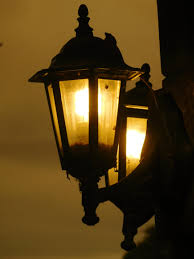
If you were a lamp,
I would not become the night—
Nor a moth,
Nor a window,
Nor an eye.
If you were a lamp,
I too would be a lamp.

(2)

Whether you dwell afar or near,
To me, you are everywhere.
Be it dawn or dusk,
You bloom—verdant, evergreen.
With famished lamps,
I wander, seeking you.
I crumble, collapse.
With my tired soul,
I sow and grow whispers.
You are my pasture.

Munir Momin is a contemporary Balochi poet widely cherished for his sublime art of poetry. Meticulously crafted images, linguistic finesse and profound aesthetic sense have earned him a distinguished place in Balochi literature. His poetry speaks through images, more than words. Momin’s poetry flows far beyond the reach of any ideology or socio-political movement. Nevertheless, he is not ignorant of the stark realities of life. The immenseness of his imagination and his mastery over the language rescues his poetry from becoming the part of any mundane narrative. So far Munir has published seven collections of his poetry and an anthology of short stories. His poetry has been translated into Urdu, English and Persian.  He also edits a literary journal called Gidár. This poem originally titled as Pajjar (Identity) is taken from Munir Momin’s poetry collection Yak Bechelley Aazman (A Span Long Sky) published by Gidar Publications in 2014.

Fazal Baloch is a Balochi writer and translator. He has translated many Balochi poems and short stories into English. His translations have been featured in Pakistani Literature published by Pakistan Academy of Letters and in the form of books and anthologies. Fazal Baloch has the translation rights to Munir Momin’s works.

.

PLEASE NOTE: ARTICLES CAN ONLY BE REPRODUCED IN OTHER SITES WITH DUE ACKNOWLEDGEMENT TO BORDERLESS JOURNAL

Click here to access the Borderless anthology, Monalisa No Longer Smiles

Click here to access Monalisa No Longer Smiles on Kindle Amazon International
Categories
Musings

The Word I Could Never Say

By Odbayar Dorj

There is a word I’ve never been able to say. Just three letters in Mongolian—“ААВ” (father)—but for me, it’s the most difficult word of all. I’ve never called anyone by that name.

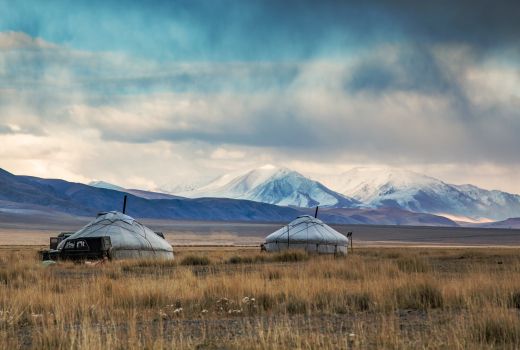
Duut in Mongolia. From Public Domain

I remember second grade in Duut Soum, one of the most remote and elevated villages in Mongolia. It was a small, close-knit place where everyone knew each other. My classmates and I had grown up together—from kindergarten to school, playing outside in the same familiar streets. Because there weren’t many children, each grade had only one class. Ours was one of the largest.

One day, our teacher assigned us to write a composition titled “My Father”. It was a simple assignment for most, but for someone who had never known a father, I didn’t know where to begin. For the first time, I asked my mother for help. I remember her thinking of her own father—my grandfather—and guiding me gently: “Write that when he comes home, it feels like a mountain’s shelter fills the house.”

I wrote exactly what she said and turned in my paper.

Later, our teacher read aloud one of the essays she liked best. To my surprise, she read mine. I was so embarrassed, I wanted to disappear from my seat. I still wonder why she chose it — maybe because it touched her, or maybe because it came from a child imagining what she had never experienced. When she finished, some boys asked, “How can she write about a father if she doesn’t have one?” Their words cut deeply. I didn’t cry, but I wanted to.

From that moment on, every assignment about “father” became something I dreaded. It felt unfair that schools continued to assign such topics, as if everyone had the same kind of family. In a world where many grow up without a father or mother, why do we continue to teach in ways that exclude them?

Despite it all, I’m endlessly grateful to my mother. She raised me without letting me lack for anything. Because I never had a father to begin with, I didn’t know what I was missing—until much later.

In 2022, I came to Japan as a student. It became one of the most beautiful periods of my life. I met many wonderful people, and one of them was Toshio-san.

As summer approached, I was researching places to travel. When I showed Toshio-san my list, he pointed to one place, Shimanto River. “That’s near my home,” he said. “I can help you get there.”

We arranged to meet at the library the following week. Punctual as always, he was waiting at the entrance. We planned to go on August 22, and he suggested we stay two nights instead of one. I agreed. He called a friend to find accommodations and promised to take me to the Pacific Ocean.

Later, he returned from a trip with brochures and snacks for me, but due to rising COVID cases, he suggested we postpone. “But I promise, I’ll take you,” he said. I would have understood if it didn’t happen, but just before classes resumed, he contacted me again. He opened his calendar and asked about October 29–30. I had no plans, so I said yes.

Before leaving, he added, “Oh, one more thing. Do you know Yuto Ishihara? He’ll join us.” I did. Toshio-san thought I might feel uncomfortable traveling alone, so he arranged a friend for me.

I counted the days until October 29.

When the day came, he called at 5:55 a.m., right on time. We picked up Yuto and headed toward Kochi. It was a warm, golden day. Our first stop was Umi no Eki in Toyocho, famous for fresh raw fish. Unfortunately, I dislike raw fish—and raw eggs too, which was part of the breakfast set. When I asked if it was boiled, Toshio-san laughed and explained that Japanese people enjoy mixing raw eggs with rice and soy sauce.

Still, I ate the miso soup and rice and watched the surfers nearby.

“Kochi is known for its waves,” he said, smiling.

We visited a cave near Muroto, one of Tokushima’s 88 pilgrimage sites, and passed through orange fields. “Do you like oranges?” he asked.

“Yes, I love them!”

He immediately called a friend to find the best ones and bought me two bags. I shared a few, then ate the rest happily. Watching me, he said, “What else do you like? I’ll get it for you!” He was sincerely happy to make me happy.

That’s when a thought crossed my mind: What would it have been like to have a father?

I had never asked myself that before. But seeing someone care so sincerely, someone wanting to make me smile, I couldn’t help but wonder: If I had a father, would he have been like Toshio-san?

We visited the famous Hirome Market in Kochi for lunch. I told him I liked karaage (fried chicken), and he got me several types to try. Later, we drove to Tosashimizu. On the way, he talked on the phone—I guessed it had something to do with fish.

By the time we arrived, the sun was setting. We went to Tosashimizu Geopark to see the sunset. Though we were late, the orange glow lingered, and the lighthouse in the distance glowed beautifully.

That night, we visited an elderly woman, nearly 100 years old, who gifted me handmade crafts and an eco-bag. Then we went to a guesthouse run by another friend. Dinner was elaborate, and though they had prepared sashimi, Toshio-san had informed them in advance that I didn’t eat raw fish. They made grilled chicken just for me.

It was then that I realized: that phone call earlier had been for me.

Another guest joined us—a friend of Toshio-san’s who showed me his collection of sea shells and marine fossils, each labeled and categorized. He even gifted me one as a keepsake.

At that moment, I remembered a Mongolian proverb:

“When your father is alive, meet people. When your horse is healthy, travel far.”

I had never been introduced to so many people before. This was what that proverb meant.

The next morning, we woke early to watch the sunrise. Words can’t describe its beauty—the waves crashing, the golden light spreading over the ocean and cliffs, the lighthouse standing tall.

We visited Kawashijima Island, where the sea was so clear we could see fish without any equipment. Later, we had lunch at another friend’s restaurant—a tiny, spotless place where I had the best omurice I’ve ever tasted. While waiting, another friend of his joined us—a lively woman who had worked in elementary school and was now a river master.

Although it was only a two-day trip, I met so many new people and visited countless beautiful places. It became one of the most precious memories of my life—when I truly felt how beautiful this world is, and how many kind-hearted people there are in it. In those moments, I found myself thinking, If I had a father, maybe he would have taken me on a trip like this, introducing me to his friends, just like this.

And in those moments, it felt like the wound I’d carried deep in my heart for 26 years had finally started to heal.
The thought: What if I had a father?

Just be kind. Your kindness may fill someone’s emptiness. It may even heal a wound they’ve been silently carrying for years. Maybe, at that time, Toshio-san didn’t even realize how much of that space he had filled in me. But I truly wanted to say the word I could never say for so many years—father—to him.

Even though we were born in different countries, speak different languages, and live in different cultures, I found the father I had long searched for—in Japan. I haven’t seen Toshio-san since, but if I’m ever asked about my father, I will tell this story again and again.

Because sometimes, it doesn’t take blood to become family.

Sometimes, a kind voice, a shared meal, or a smile from the heart is enough to fill what we thought would always be missing. In a quiet corner of Japan, through simple acts of kindness, I found a sense of belonging—and perhaps, the most unexpected gift of all: a father’s love.

Sunrise in Cape Ashizuri, Tosashimizu, Kochi, Japan. Photo Courtesy: Odbayar Dorj

.

Odbayar Dorj is an international student from Mongolia currently studying in Japan. Her writing reflects on cultural identity, personal memory, and the power of connection across borders and generations.

.

PLEASE NOTE: ARTICLES CAN ONLY BE REPRODUCED IN OTHER SITES WITH DUE ACKNOWLEDGEMENT TO BORDERLESS JOURNAL

Click here to access the Borderless anthology, Monalisa No Longer Smiles

Click here to access Monalisa No Longer Smiles on Amazon International

Categories
Excerpt

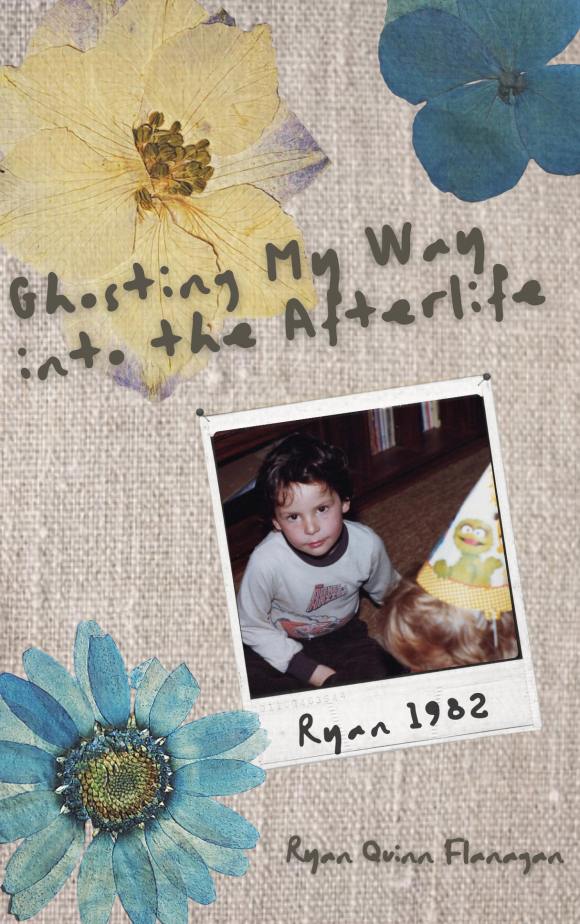
Ghosting My Way into the Afterlife by Ryan Quinn Flangan

Cover art by Shona Flanagan

Title: Ghosting My Way into the Afterlife

Author: Ryan Quinn Flanagan

Publisher: Nightcap Press

Coffee Bean

Coffee bean on the floor
split down the middle like surgical
ward incisions,
who put you all the way down there, friend,
as if starting a long climb from
the foot of a volcano?
You should feel lucky in many ways
to have escaped the grind,
your humming dark roast brethren
were not so lucky.
Now, the house smells kind as candy.
Stained lip of a personalised mug.
Coffee bean on the floor
I will pull up my socks,
kick you under the fridge
so we can both go into hiding.

(First appeared in BlogNostics)

You gotta be rich to die there

The rich and famous don’t even croak the same as us.
They have their own place.
The Motion Picture & Television Country House
and Hospital.

With plenty of generous donors.
George Clooney is one.
You gotta be rich to die there.

I guess the celebs see the others at the end
and figure it prudent to kick a little cash
that way for when it is their turn.

They have a stipulation that you have to
have worked “actively” in the film and entertainment
industry for at least two decades.

Then you get to be special.
Die with original Picasso’s adorning
the halls.

I’d imagine their bedpans are solid gold.
But Death being what it is, they never stay
that way for long


(First appeared in Terror House Magazine)

Marcel Duchamp’s Snow Shovel

Last time I checked
they didn’t get a lot of snow in Israel,
but they have Marcel Duchamp’s
snow shovel there
with an inscription that reads:
Prelude to a Broken Arm, 1915.
I think ole Marcel would have
quite a good laugh
if he knew his snow shovel
was stored in the Holy Land.
Seems like the kind of thing
you may want to store up
in these more arctic of
temperaments.
I have two snow shovels
and the Holy Land isn’t
asking for either.

(First appeared in Poetic Musings)

About the Book: This is a collection of recent poems by Ryan Quinn Flangan. He writes  on daily lives of people with a fresh pen and a soupçon of humour. 

About the Author: Ryan Quinn Flanagan is a Canadian-born author who lives in Elliot Lake, Ontario, Canada with his wife and many bears that rifle through his garbage. His work has been published both in print and online in such places as: The New York Quarterly, Rusty Truck, Borderless Journal, Evergreen Review, Red Fez, Horror Sleaze Trash and The Blue Collar Review. He enjoys listening to the blues and cruising down the TransCanada in his big blacked out truck.

.

PLEASE NOTE: ARTICLES CAN ONLY BE REPRODUCED IN OTHER SITES WITH DUE ACKNOWLEDGEMENT TO BORDERLESS JOURNAL

Click here to access the Borderless anthology, Monalisa No Longer Smiles

Click here to access Monalisa No Longer Smiles on Kindle Amazon International

Categories
Review

The Phantom’s Howl

Book Review by Somdatta Mandal

Title: The Phantom’s Howl: Classic Tales of Ghosts and Hauntings from Bengal

Translator: Arundhati Nath

Publisher: Speaking Tiger Books

Bengalis have always had a curious relationship with the supernatural and so stories of ghosts or bhoots are omnipresent in Bengali literature through generations. The Phantom’s Howl: Classic Tales of Ghosts and Hauntings from Bengal brings us a new collection to savour this genre once again. Written for adults and children by some of the best writers in the language, these stories have entertained generations of readers since they first appeared. Comprising eleven stories in all, from legendary authors such as Rabindranath Tagore, Bibhutibhushan Bandyopadhyay and Hemendra Kumar Roy (who contribute two stories each) to lesser-known writers like Jogeshchandra Bandyopadhyay, Niradchandra Majumdar and Amarendranath Munshi, the stories elucidate the supernatural elements in different forms. Manik Bandyopadhyay and Pramatha Chaudhuri, though well-known for writing in other genres, have also contributed their share in creating spooky tales.

Rabindranath Tagore’s immeasurable talent as a storyteller is well-known. In both Konkal (The Skeleton) where a vainglorious skeleton reminisces about her past beauty, and Kshudito Pasan (The Famished Stone), the supernatural element takes over in a slow burn and our understanding of the other-worldly is a cerebral exercise that is an interplay between emotion and intellect. Bibhutibhusan Bandyopadhyay’s repertoire of ghost stories is well-known. Two of his short stories about hauntings included in this anthology are Bhoutik Palonko (The Spectral Bed) and Paitrik Bhita (Paternal Legacy), and both have an enticing and intangible everyday quality in them. In the first story we are told of a mysterious cursed bed of a Chinese man whose dissatisfied soul still lurks every night and disturbs anyone who sleeps on that bed. In the other story, the generations-owned massive homestead of Radhamohan is inhabited by the ghost of a young girl Lokkhi, who happened to be their youngest paternal aunt who died at the age of twelve and she slips in and out of his conscious memory.

Hemendra Kumar Roy is known for adapting many Western writings of his time and creating his own brand of short stories. In his Bari Buro Bhoot (The House, the Old Man, the Hunting Boots), the ghost has ‘sahebi’ chops and in Bhooter Raja (The King of Ghosts), Mr. J. Taylor is a typical British Raj prop who being posted as the Police Superintendent of Santhal Pargana, had access to encountering the bizarre after spending the night in a hunting lodge in the jungle.

Manik Bandyopadhyay’s horror stories explore the psychological underpinnings of supposed ghost sightings and examine what the mind can do to the perception of a lived experience – something that stands out in Pora Chhaya (The Singed Shadow). In a totally different vein, Pramatha Chaudhuri in First Class Bhoot (The First-Class Ghost) tells the story of a proud English ghost who creates trouble on a train from Kolkata to Kashi and it is steeped in humour.

As the translator mentions, she discovered the three lesser-known writers from the pages of the Bengali magazine Shuktara with its special collection of 101 ghost stories. In Bon Kolmir Bile (Inside the Water Spinach Forest Marsh), Amarendranath Munshi creates a ghostly ambience where the lonely spirit of a young girl forever rows its boat in the marshes. In Sanket (The Signal), we are told of two friends who land up in a remote corner of Aara district and take up residence in an old, rambling, dilapidated house and are narrowly saved after they come across an innocuous black cloth that spells danger for all who wave it.  In Preter Kanna (The Phantom’s Howl), Jogeshchandra Bandyopadhyay tells us how the protagonist Debkumar was trapped motionless in a maze of indescribable fear and horror only to discover how the skeleton of a dead lady’s dissatisfied soul left her secret hideaway and then whatever happens is probably a re-enactment of reality.

Though most of the eleven stories that have been included in this collection are well-known to Bengali readers who grew up during the forties and fifties decades of the 20th century, The Phantom’s Howl is a quintessential representation of Bengal and its fascination with its many ghosts and stories of haunted houses. Basically, Arundhati Nath’s translations bring these household favourites to a new generation of readers. Most of the selected stories have undergone translation several times and even non-Bengali readers might already be familiar with some of them and therefore, for many readers they would seem like warmed up fare. In the translator’s note at the beginning of the text, Nath mentions her personal choices as she began listening to ghost and horror stories from her grandmother and reading some of them in Bangla from the books her parents bought for her as she grew up outside Bengal. So, the selection was ‘tinged with the wistfulness of memory.’ But unlike the stories of Dracula, we really do not find these stories ‘as thrilling and sometimes as spine-chilling’ as she claims them to be. At best they give us a lucid picture of the different kinds of ‘bhoots’ and some spooky tales prevalent in Bangla literature.

.

Somdatta Mandal, critic and translator, is a former Professor of English at Visva-Bharati, Santiniketan, India.

.

PLEASE NOTE: ARTICLES CAN ONLY BE REPRODUCED IN OTHER SITES WITH DUE ACKNOWLEDGEMENT TO BORDERLESS JOURNAL

Click here to access the Borderless anthology, Monalisa No Longer Smiles

Click here to access Monalisa No Longer Smiles on Amazon International

Categories
Poetry

Poems on Migrants

By Kajoli Krishnan

A HOME TO BELONG

You and Me,
Tucked away in the quiet
Side street,
Close to where I
Once lived,
The Beauty Salon
Was sparkling clean,
Lined in the front
With potted plants
That looked
Cared for and green.
Old country music
Played inside.
The gentle drone of
A shaver,
The snap of a scissor
--Were the only
Other sounds
As the tresses
Softly touched the floor.

I still remember
That pre-pandemic year,
When Kevin,
My hairdresser
From the far eastern
State of Manipur
Had said to me,
How much he
Loved his life
And work
In Bangalore,
A city that
Opens its arms
To so many
From all across.

Today as my
Salt and pepper
Sprays on the floor,
Kevin, the Naga
The husband
Of a young bride
Father of a baby girl
Yearns for his home,
His mother and father,
Siblings and his own,
The hills and the vales
Of what is now
A tortured land
Torn with strife
Amongst Meitei and Kuki-Zo,
Two thousand miles away
In the far eastern
State of Manipur.

Jobs are few and far
Says he,
There are few means
To make a decent living
Back in my town.
So, in Bangalore
I must stay and work,
Even as I pine
For those I love,
Those I was forced
To leave behind.

Those like Kevin
Who travel far
For fulsome work
And money to earn
Vacation is a time
To visit the place
They still think
Of as home.
When there is war
And peace is gone
Where is their home?
Where do they belong?

NATIVE

Ride along a country road,
Hike over a hill,
Thirty minutes in a Metro rail,
Or an hour and a half in the
Traffic of Bangalore,
A myriad of means
To get to the haven
That we call home.

But for those
Who leave behind
Their land,
Bonds of a family,
The language they speak,
The rituals that weave
Through the fabric
Of what had been,
Their daily routine,
Does home remain
An eternal wish?

I may not ever know
For I have no village
To return to.
I belong at once
To no place and every place
A Native
At home.

Kajoli Krishnan was born in the Shimla hills of India. She descended at the age of two and thereafter remained consigned to plains and plateau. Kajoli is a Physicist by training and has been an active researcher for four decades. She loves to read and write; cares for Nature and cherishes liberty.

.

PLEASE NOTE: ARTICLES CAN ONLY BE REPRODUCED IN OTHER SITES WITH DUE ACKNOWLEDGEMENT TO BORDERLESS JOURNAL. 

Click here to access the Borderless anthology, Monalisa No Longer Smiles

Click here to access Monalisa No Longer Smiles on Kindle Amazon International

Categories
Notes from Japan

Feeling Anxious in Happy Village

Narratives and photographs by Suzanne Kamata

A few weeks ago, my daughter invited me to go on an outing with her and her helper. My daughter, who is deaf and uses a wheelchair, lives in a group home in Osaka. She is becoming more and more independent, but she does have kind people around her to give her support, including a helper who is also deaf and uses Japanese Sign Language.

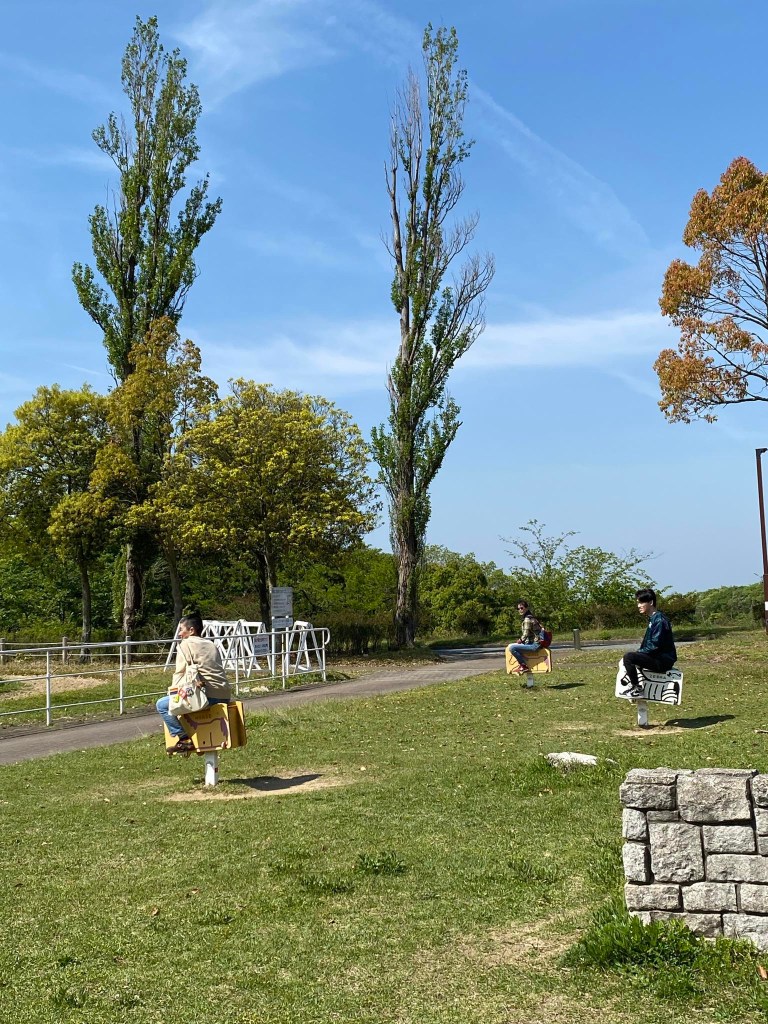
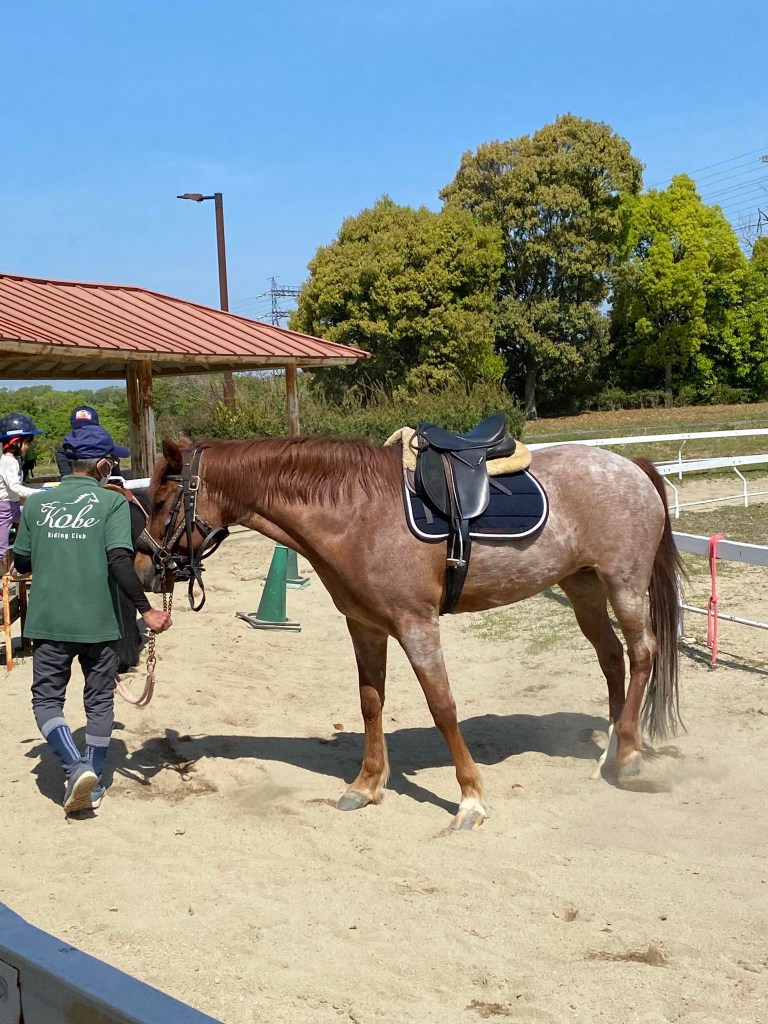
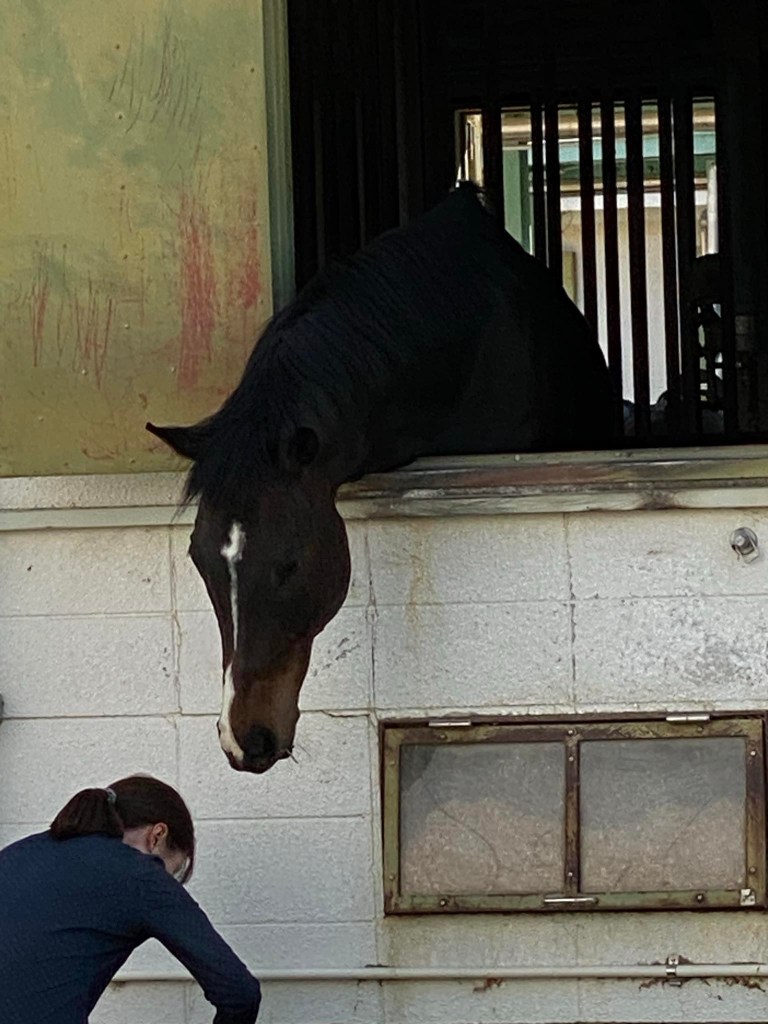
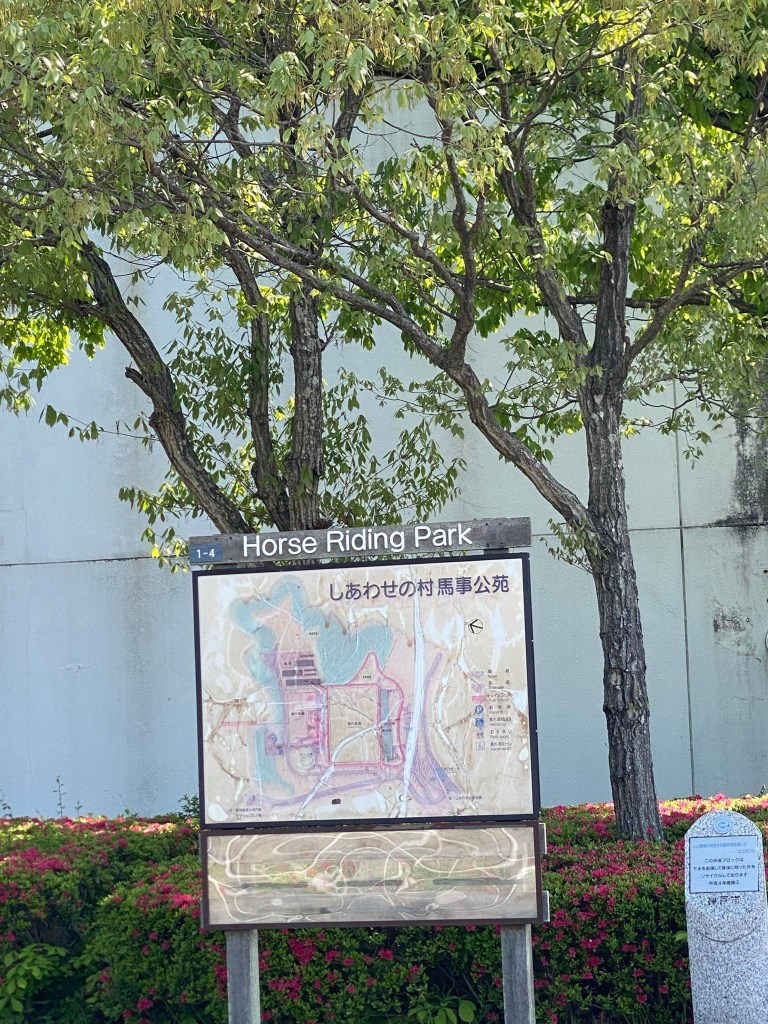
Actually, my daughter invited our entire family to accompany her and her helper on a weekend to Happy Village, a recreational facility in Kobe especially for persons with disabilities. We had visited the onsite stables years ago, and our twins had ridden around a ring on ponies. Having such pleasant memories of the place, I looked forward to visiting again.

My husband declined due to a golf tournament, and my son, who had just entered college as a graduate student, was concerned that he would have too much homework. My daughter informed me that her brother would meet us for a meal.

Although I was looking forward to seeing my daughter and getting to know her helper, I did have a few concerns. For one, I don’t have the confidence to drive in the megapolises of Japan. Kobe, for example, is a confusing city with many ramps, overpasses, and one-way streets, not to mention the traffic. I knew that Happy Village was on the outskirts, however, and I thought that maybe I could get myself there by car. I could have gone by bus or train, but it would have taken me two or three times as long to get there.

In addition, I was a bit worried about communication. I can converse with my daughter, more or less, in Japanese Sign Language, but my signing is not perfect. Since leaving home, my daughter’s vocabulary has expanded, and her signing has sped up. When among fluent JSL users, I can’t always follow the flurry of their fingers. Nevertheless, I know that my daughter often struggles to keep up with what hearing people are saying, and I thought it would be a valuable experience.

A couple days before, my daughter sent me a Google Maps link to the restaurant where we would meet. We would have a meal and then proceed to Happy Village. On the day of, I packed a bag, filled my car with gas, and set out. I had no idea what we would be doing. On trips with my husband, every hour was pre-planned. I thought it would be nice to just go with the flow. I was looking forward to seeing my two kids.

I managed to arrive at the restaurant with ten minutes to spare. I staked out a table and sat down to wait. While perusing my phone, I came across a link that I thought would interest my son. I sent it to him. He replied with a laughing emoji, followed by “Are you coming to Kobe tomorrow?”

A cold sweat broke out over me. “Tomorrow? I thought it was today.”

“She told me tomorrow,” he texted back.

“Oh, no.” I quickly scrolled through our communications and confirmed that we were indeed meeting him the following day. It was now ten minutes after the time I had agreed to rendezvous with my daughter at this restaurant. Or so I thought. Was I supposed to meet her tomorrow? Would I have to find a hotel for the night?

Panicking, I sent my daughter a text and a photo of the restaurant. “I’m here!”

She texted back that they would be a little late, and that there would be six of them.

Six! I had thought that there would only be the three of us. Now I was feeling really intimidated. I am an introvert, and I know my limits. The more people there are around me, the more I retreat into myself. Plus, there was the issue of communication.

Finally, my daughter and her entourage arrived. I met her helper, the helper’s husband, the helper’s twin sister, an older woman with cropped hair and rainbow socks, and a young man about my daughter’s age. We got down to the business of ordering food via the tablet on the table, and sorting our basic facts, such as my age, and that we would be meeting my son the following day at Sannomiya Station.

Sannomiya Station! That was in a busy district in the heart of Kobe. I hadn’t known that we were actually going into the city. I managed to sign that I was scared of driving in such an unfamiliar place. I was beginning to realise that I should have pried more details about this trip out of my daughter beforehand.

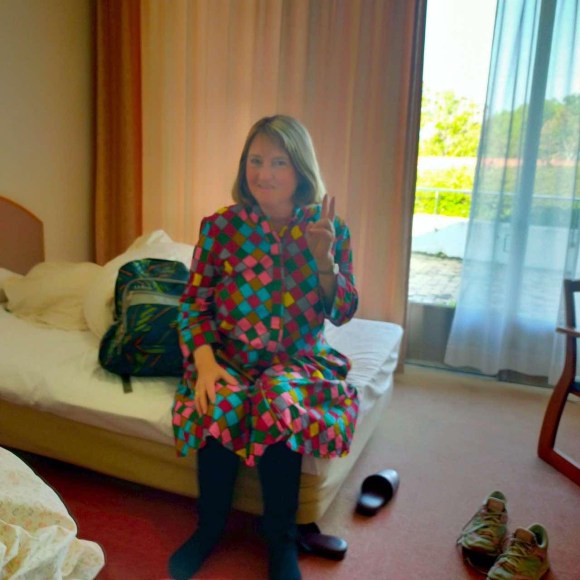
Three hours later, I followed the others in my car to Happy Village. My daughter and I were in one room, the others in their own rooms. By this time, my social battery was waning. I was ready to take a bath and curl up in bed with a book. My daughter, who is an extrovert, went down the hall for a couple more hours of JSL conversation and cake with her friends.

The next morning, we checked out of the hotel and stopped by the stables. Just as before, children rode ponies around the ring. My daughter zoomed around in her wheelchair, and the rest of us tried to keep up.

Next, we dropped by the helper’s apartment. I was invited to leave my car in the parking garage, and ride in the car with the others, for which I was very grateful. As we headed toward Kobe, I noted how quiet it was inside the car. No one tried to talk or sign. It would have been dangerous for the driver to take his hands off the wheel to form words, or to look away from the road for too long.

We finally connected with my son, and went to a restaurant. Because there were so many of us, we split up. My kids and I sat at one table, and the others sat at another. I brought my son up in English, and it remains our lingua franca. After my son and daughter exchanged a few words in sign language, my son and I talked a bit about the recent political situation in the United States. Although my daughter was curious, I couldn’t quite explain to her what we were talking about in JSL. I encouraged her to write notes to her brother. They communicated by pen and paper for a while.

After lunch, my son went back to his apartment to prepare a PowerPoint for his class the next day. The rest of us wandered around the city, window-shopping, until it was time for me to leave. My daughter wasn’t ready to go home, so the helper’s husband offered to give me a ride back to my car.

On the way, he said, “When you were talking to your son, your daughter didn’t understand.”

“That’s true,” I conceded. “We were speaking in English.” Although I had wanted to bring up my daughter in English, circumstances made it too difficult. Yet, my son was the only one in our family that I could freely communicate with in my native language.

“I felt sorry for her,” the helper’s husband continued.

I nodded. I had an idea of how my daughter felt. Although I had lived in Japan for many years, I often didn’t fully understand what people were saying around me.

He activated an app on his smartphone, which was affixed to the dashboard, which rendered spoken words into text. He suggested that my daughter could use such an app. I tried to explain that she already knew how to use the app, but for some reason she hadn’t tried to employ it in the restaurant.

I guess I could have been offended by his words, but instead I was moved. I was happy that my daughter was surrounded by people who cared so much about her, who were looking out for her best interests. How wonderful that she had finally found her tribe.

Suzanne Kamata was born and raised in Grand Haven, Michigan. She now lives in Japan with her husband and two children. Her short stories, essays, articles and book reviews have appeared in over 100 publications. Her work has been nominated for the Pushcart Prize five times, and received a Special Mention in 2006. She is also a two-time winner of the All Nippon Airways/Wingspan Fiction Contest, winner of the Paris Book Festival, and winner of a SCBWI Magazine Merit Award.

PLEASE NOTE: ARTICLES CAN ONLY BE REPRODUCED IN OTHER SITES WITH DUE ACKNOWLEDGEMENT TO BORDERLESS JOURNAL

Click here to access the Borderless anthology, Monalisa No Longer Smiles

Click here to access Monalisa No Longer Smiles on Amazon International

Categories
Poetry

Waffles and the Easter Egg

By Snigdha Agrawal

On Easter morn, with baskets bright,
Four tiny tots dressed in onesies white
Set out on an Easter egg hunt.
All bushy-tailed and bright-eyed.

But lurking near the garden hedge,
A rookie pup stood on the edge,
His name? Waffles. Coat fluffy gold
With one big dream: an egg to hold.

He sniffed and snorted the flower beds,
Then spotted what looked like an egg!
Pink and huge, dusted with gold,
His to claim, his to own.

But then the tots raised a hullabaloo,
“Hey, Waffles! That’s for us kiddos
Drop it at once, will you?!”
What followed was a tug-of-war

Four kids and a fluffy pup,
With an expression that said
I’m not giving up,
heard a loud crack!

The egg exploded.
They jumped back,
Out popped a chicken
Bathed in glowing light.

It twirled, it chirped.
Waffles stood and stared,
Then licked its face
Without any protest.

‘GO…GO…’ the youngsters cried
But Waffles just stood, eyes open wide.
Then, ‘GO’ rang a bell in his doggy mind.
He left to chase a squirrel with wise eyes.

Thus, the war of “who wins”
ended on an amicable note,
The tots with their baskets full
Got back in time for Easter brunch.

From Public Domain

Snigdha Agrawal (nee Banerjee) is a passionate septuagenarian writer with five published books, including Fragments of Time (Memoirs), her deeply personal memoir.  A lifelong lover of storytelling, she blends fact and fiction with a keen eye for detail and emotion.  Her works span diverse genres, reflecting her rich experiences and insightful observations.

.

PLEASE NOTE: ARTICLES CAN ONLY BE REPRODUCED IN OTHER SITES WITH DUE ACKNOWLEDGEMENT TO BORDERLESS JOURNAL

Click here to access the Borderless anthology, Monalisa No Longer Smiles

Click here to access Monalisa No Longer Smiles on Amazon International

Categories
Slices from Life

The Boy at the Albany Bus Stop

By Meredith Stephens

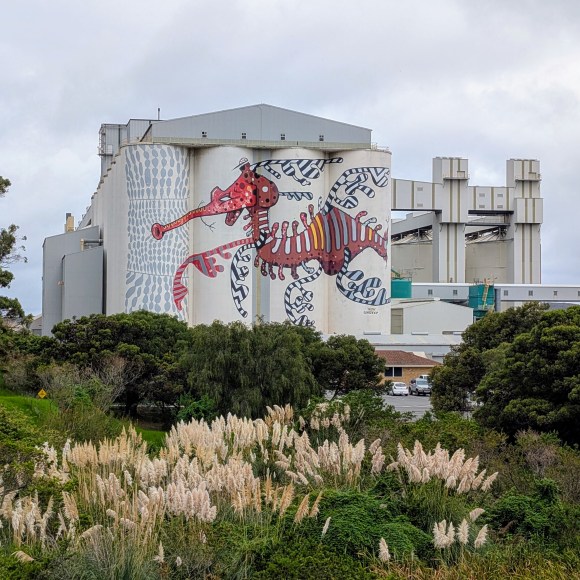
Ruby Seadragon, Albany Silo Art by Yok & Sheryo. Photo Courtesy: Alan Noble

“Will the passenger who borrowed my mobile phone please return it?” came the announcement in an American accent from the bus driver. I had never heard a bus driver with an American accent before, which was all the more surprising on a bus in regional Western Australia. The woman next to me rose from her seat and walked up the aisle to the driver to return his phone.

I was catching the bus from Albany to Perth at the conclusion of my Indian Ocean sailing adventure with Alex. I had enjoyed sailing in the Indian Ocean despite the sensation of being inside a washing machine on the odd occasion. However, I couldn’t face a succession of nights at sea on the next leg in the lonely and capricious Southern Ocean. Nor did I have the confidence to perform adequately as crew if I had to rescue a man overboard. Instead, Alex enlisted a qualified sailor to join him for the eastward crossing of the Great Australian Bight, and I decided to return to South Australia by bus and plane. 

The woman passenger turned to me.

“I had to leave my twelve-year-old son alone at the bus stop,” she  explained. “His father had not yet arrived to pick him up and I had to catch this bus. It only runs once a day so I couldn’t wait. I tried to call my son to see if his Dad had arrived, but his battery had run out. I couldn’t call his father either because he has blocked me. That’s why I borrowed the phone from the driver. When I reached my ex on the bus driver’s phone, he reassured me that he had picked up our son.”

I could sense she felt embarrassed at being called up to return the phone to the bus driver. I also sensed that she needed to share her anguish with someone, and that person happened to be me because I was sitting next to her.

“I understand the feeling of feeling worried about your children,” I confided in her. “My children have grown up now, but I still worry about them every day.”

It was true. Sailing for months along the coast of Western Australia, exploring uninhabited islands, and heading ashore on the paddleboard to visit coastal towns had been an unparalleled adventure, but this didn’t stop me from worrying about my daughters back in Adelaide. I would ring them daily from the boat. If they were busy, I would tell them that I just needed to hear their voice and then I would let them go. I could understand this mother’s anguish at having left her young son at the bus stop not knowing when his father would arrive to pick him up.

“Worrying about your children is lifelong,” I continued. “But if we don’t worry about them no-one else will as much as we do. There’s a reason for it.”

She murmured agreement.

I stared ahead of me rather than returning to my book, not knowing whether she wanted to continue with the conversation. It felt rude to turn away from her in her distress, nor did I want to distract her with details of my own life story. I glanced outside and the sun pierced into my eyes. After a period of companionable silence, I returned to my book.

Several hours later we arrived at the town of Popanyinning. She rose from her seat and turned to fix her eyes on me.

“Have a wonderful Easter! All the best to you!”

I had forgotten Easter was coming up but knew that her farewell had nothing to do with Easter. It was an appreciation for our conversation in her moments of distress.

“Take care. I hope it all works out,” was all I could manage in the short time we had as she moved up the aisle of the bus. Our paths will never cross again, but her story lingers in my mind.

Meredith Stephens is an applied linguist from South Australia. Her recent work has appeared in Syncopation Literary Journal, Continue the Voice, Micking Owl Roost blog, The Font – A Literary Journal for Language Teachers, and Mind, Brain & Education Think Tank. In 2024, her story Safari was chosen as the Editor’s Choice for the June edition of All Your Stories.

PLEASE NOTE: ARTICLES CAN ONLY BE REPRODUCED IN OTHER SITES WITH DUE ACKNOWLEDGEMENT TO BORDERLESS JOURNAL

Click here to access the Borderless anthology, Monalisa No Longer Smiles

Click here to access Monalisa No Longer Smiles on Kindle Amazon International

Categories
Poetry

Moment by Snehaprava Das

From Public Domain
MOMENT 

I could be that moment
When life seems to begin
And end,
I hold in me the immortal woe
Of the human race,
A canvas carrying sketches
Of man’s undying wishes;
I might be one moment of mystery
That secrets mankind’s dark history;
I am a moment molten
And a moment frozen,
One of chaos and creation,
I could be a speck of dust
Holding inside me a world gained
And a world lost;
I could be holding the whole cosmos
I could be the stasis, the rush;
I could be one endless moment of ecstasy,
Or of eternal pain,
I could be that moment when life ends
And begins again!

Snehaprava Das is an academic, translator and writer. She has multiple translations, three collections of stories and five anthologies of poetry to her credit. She has been published in Indian Literature, Oxford University Press, Speaking Tiger, Penguin and Black Eagle Books.

.

PLEASE NOTE: ARTICLES CAN ONLY BE REPRODUCED IN OTHER SITES WITH DUE ACKNOWLEDGEMENT TO BORDERLESS JOURNAL. 

Click here to access the Borderless anthology, Monalisa No Longer Smiles

Click here to access Monalisa No Longer Smiles on Kindle Amazon International