There is someone. I am
scared of the shadow that forms
in the mirror when I stand in front
of it. The horns on my head
freak me out. This can’t be true.
No. Hell no. All of it is an illusion.
It laughs at me. The eyes are red
and they stare through me. A rugged
hand climbs to my throat like a vine.
It strangles me. Save me from this python.
Save me from this devil that lives in me.
It whispers -- urging me to commit sins
and fall. It calls me its fallen angel.
I don’t want to be. It doesn’t let me sleep.
It keeps talking in my ear to get up
and hone myself. The war against God
is coming. It’s coming sooner than
you think. I stare at the mirror again.
I see the same shadow that looks
just like me but isn’t me.
Sutputra Radheyeis a young poet from India. He has published two poetry collections — Worshipping Bodies(Notion Press) and Inqalaab on the Walls (Delhi Poetry Slam). His works are reflective of the society he lives in and tries to capture the marginalised side of the story.
.
PLEASE NOTE: ARTICLES CAN ONLY BE REPRODUCED IN OTHER SITES WITH DUE ACKNOWLEDGEMENT TO BORDERLESS JOURNAL
It started with the onslaught of Covid and the sudden imposition of the lockdown. Fear enveloped the city. The otherwise congested city of Kolkata bore a quiet and eerie look. Rinku, our maid, who stayed in our servant’s quarters and worked in a couple of other houses apart from ours, was suddenly jobless.. Most households fired their part time maids without a thought and without a salary. The part-time maids were the ones who traveled by public transport or walked to work everyday, from their homes. Without any means of transport, they were unable to reach the houses they worked in.
The only domestic help who retained their employment were the full-time residents of the houses they worked in. Rinku was still fortunate. She had a place to live and continued to work for us and the old couple, the Ghoshes, who lived in the apartment next door. We didn’t fire her. It wasn’t because we were better human beings. The reason was that she lived in the servant’s quarters downstairs, and she wouldn’t bring in infections from other places. The Ghoshes retained her because they had no choice.
” Why did the rest of the houses chuck me out? Dipu da[1] and Mishti di[2] phoned me and told me not to work at their houses anymore…at least till Covid is over…Why?” Rinku asked me dismally. “I stay in your house and walk it down to their place. It takes me twenty minutes. I could easily have continued to work there.”
I didn’t answer. I couldn’t tell her that the urban educated upper classes of the city assumed that the maids coming from the ghettos and slums and traveling by public transportation were the carriers of the virus. Even those living close by in a tenement or in a servant’s quarters were not welcome anymore.
“Thank God that Ghosh jethu[3] has asked me to continue working for them,” Rinku finished with a tinge of relief in her voice.
The Ghoshes lived next door: Mr Ghosh, eighty-five and his wife, eighty-two and undergoing chemotherapy. Breast cancer — we had been told about a couple of years back. We would watch as Mr Ghosh, struggling with his arthritis, would walk down to the market to buy the week’s provisions. Treatment was expensive and appointing full time help or a cook on their pension was beyond their means. Rinku washed the utensils and mopped the floors in their house. On a good day, Mrs Ghosh would help her husband to cook and do the rest of the chores. On other days, the old gentleman would plod through the day with stoicism. The lockdown instilled fear in everyone but the Ghoshes couldn’t afford to let Rinku go.
“You people are old, more prone to infections…don’t let the maid in,” they were advised by every well-meaning neighbor.
Some not so well-meaning neighbors advised me not to let Rinku work in Mr Ghosh’s house.
“Why are you letting her work in their house? She stays in your house…Just threaten her with eviction…tell her she can work for you exclusively if she wishes to stay in your house.”
I couldn’t be so ruthless. I knew Rinku was under financial stress and that the Ghoshes needed a maid badly. I just decided to be a better human being this time around.
Rinku continued to work for us and the Ghoshes. Fear continued to rise with the news of the rising number of cases and subsequent rise in death rates. It was then that I heard the news.
“Do you know? Mrs Ghosh has tested Covid positive…she has been hospitalised,” Anita told me over the phone. “I’m told she visited the doctor in the hospital for her treatment. People are saying that’s where she got it from.”
I felt a cold chill in my bones. This was the first case in our locality. The news spread like wildfire. Had Mr Ghosh also contracted covid? What about Rinku? What was I to do if Rinku developed symptoms of Covid? Had I made a mistake by allowing her to work for the Ghoshes? I should’ve insisted she only work for us.
Fortunately, with contact-tracing that the government enforced, Mr Ghosh and Rinku were tested and the results were negative.
I wasn’t sure who was more relieved…. Mr Ghosh, Rinku or I. Then I felt guilty. My thoughts flew to Mrs Ghosh. Eighty-two, frail, sick and alone in the hospital.
“She’s as good as gone,” Anita told me soberly.
Yes. We knew. We wouldn’t be able to see Mrs Ghosh ever again. The neighbourhood fell into a melancholic mood. Phones buzzed with reminisces about the Ghoshes. People talked about the stories they had heard about them — how they had moved into the apartment, how desperately they wanted a child, undergone every treatment available to conceive but failed. Their love for each other withstood all trials and tribulations. They didn’t have anyone except each other.
“Remember the lovely sarees Mrs Ghosh would wear during Durga Puja and how Mr Ghosh would look at her?”
“She used to sing really well. I’ve heard her accompanied by her husband on the harmonium.”
“Her fish curry was incomparable…of course, before the cancer destroyed her.”
We all called Mr Ghosh to find out how his wife was faring in the hospital. Poor chap…he seemed dazed…at a loss.
“I don’t know much…this lockdown…can’t visit the hospital…they just keep telling me they’re doing the best they can,” he would say.
“Please pray for her,” he would finish softly.
I don’t know whether anyone in the neighborhood prayed for her. We were too busy worrying about ourselves. As a fortnight passed by, we stopped calling Mr Ghosh. We mused amongst ourselves whether it was best that Mrs Ghosh pass away peacefully. But how would Mr Ghosh manage? His life centered around his wife.
“I’ll take up the job of the cook in his house….in any case I’ve lost most of my jobs…I have ample time on my hands, ” Rinku said as she heard me discuss this over the phone with Anita.
“Yes. It’s a good idea,” I agreed.
“Have you spoken to him?” I queried.
“I did…but he didn’t answer…I don’t think anything is registering…seems to be totally lost,” Rinku replied sympathetically.
I nodded.
“How much money do you think I should ask for cooking in his house?” Rinku asked me the next day.
“You are just going to be cooking for one person…so not much I should think,” I shot back.
Rinku flushed. She understood the note of reprimand in my voice.
“I’m really hard up, I really need another job,” she retorted defiantly. “With his wife gone…he won’t have to pay for her treatment…I’m sure he can easily pay me what I deserve.”
I didn’t answer.
Another week passed with mounting deaths. We read and watched horror stories unfold across the world. On television, on our phones…everywhere. There was nothing else to read, talk or think about. People lost loved ones and heard about it on their phones. I lost a cousin and a friend to Covid. They were survived by their elderly parents, spouses and children. We all grieved our losses within the confines of our homes. Somewhere in the corner of our hearts, we were glad it wasn’t us or our children. We just prayed to survive tomorrow.
“I’ve heard the government is not allowing proper funerals for those dying of Covid. …because it’s so contagious…they’re just cremating all the bodies together…Is it true?” Rinku asked.
I nodded again.
“God…this is so wrong! Dark times indeed!” Rinku sniffed. “The soul is not liberated until the rites are performed…Ghosh jethu is such a religious man…he will be so disturbed if he cannot perform the last rites for jethi[4].”
I didn’t know whether religious rites brought peace to the dead. More important than what followed death was the way one met death. To die alone, in fear amongst strangers in a hospital was not the way anyone should die…certainly not Mrs Ghosh.
It was a hot sultry day. Rinku was mopping the floor. I was lazing on the bed. I heard the ringtone of my phone. I wore my spectacles to read who wa calling. It was Mr Ghosh.
I swallowed. News of death. Again. I pick up the phone. “Hello Ghosh da,” I spoke softly.
Rinku had stopped mopping the floor. She was unashamedly eavesdropping…as she usually does. Her eyes awee big and sympathetic.
“Sushmita!” Mr Ghosh’s voice rings out clearly. Elated. Euphoric. “She’s…I mean…Ronita…she’s recovered. The hospital called me. She is coming back tomorrow.”
“Recovered?” I shout in happy disbelief. “That’s great…God has been kind!”
“Yes!” Mr Ghosh.”Bye now…. I’ve to call the others.”
“Bye.”
I swivell towards Rinku smiling. I stop. Rinku has heard the news. Her face looks pale. How can I console her? I can’t tell her….”I’m sorry your hopes of being appointed as a cook in the Ghosh household have been dashed because Mrs Ghosh is alive” — life’s little ironies. I am not sure whether I should feel sorry for Rinku or just chuckle and say — there’s many a slip twixt cup and lip.
The Ghoshes continued to live in the apartment next door. People say that it was her husband’s love that brought back Mrs Ghosh from the dead. The pandemic is over or so they say and Rinku is not so hard up anymore. She continues to live in our house and work at the Ghoshes…mopping the floors and washing the utensils …. only. She works in a couple of other houses and manages to get by. I wonder what tomorrow will bring.
Sushma R Doshi acquired a PhD in International Studies from Jawaharlal Nehru University, New Delhi. She dabbles in writing fiction and poetry. Her short stories have been published by Contemporary Literary Review India, Writefluence, Culture Cult Magazine and Press and Sweetycat Press amongst others.
PLEASE NOTE: ARTICLES CAN ONLY BE REPRODUCED IN OTHER SITES WITH DUE ACKNOWLEDGEMENT TO BORDERLESS JOURNAL
GARLANDED GUEST

I wish to invite Aphrodite over for chai
Katy Perry will do too
The blue-eyed goddess could arrive
On a dark horse and I shall stand
At the entrance of my brown house
Too unconventional for a twenty first century conversation but perhaps I could greet her
With a tantalising inquiry
“How are enemies made?”
What fluxes out of your fingertips
Webbing and falling over abstinence
Like a silky cage and for heaven’s sake
Enlighten me on
“How do I make them stay?”

I am blind to anachronism so I
Couldn’t tell if it’s an Aphrodite or Katy Perry
Brandishing their wisdom
I would still stop them mid-sentence
To only return with something brewing
In an arabesque teacup

You see, it might be sweltering here
And revenge might be cold
But chai is best served hot
Sharanya B lives in Trivandrum, Kerala and studies English literature. Her poems have been published in several magazines/sites such as Madras Courier, Literary Vibes, Annual anthology by Poetry Society of India and many more.
PLEASE NOTE: ARTICLES CAN ONLY BE REPRODUCED IN OTHER SITES WITH DUE ACKNOWLEDGEMENT TO BORDERLESS JOURNAL
Story time was almost over in Hoffmann’s Kindergarten
And the children were restless in their seats
Because Hoffmann’s stories were ever so practical
And never had any fairies or angels or God Mothers
Or even giants
But always had a moral in the end
Which the children had to learn by heart

And today’s story was almost over
Those fat pigs had to be made into fat sandwiches
Because, “Sandwiches,” cried Hoffmann,
“Are of more use to us than pigs!”

And Tommy the terrier
Who had served the shepherd for ten long years
Had to be shot
And Priscilla the cat had to be drowned
Because both were quite old now
And would have otherwise gone on living uselessly
For God knows how long

And as for the blind poet and the deaf singer
They both realised the futility of their unproductive lives
And drank poison with their tea
Much to the delight of the National Productivity Council

The story ended

“But everyone else lived happily ever after,”
Said Hoffmann

“Died happily ever after, Sir?”
Asked a child who was a little hard of hearing

“LIVED! LIVED! LIVED!” boomed Hoffmann

“LIVED…HAPPILY…EVER…AFTER” repeated the children

And these innocent babes went home and taught their mothers
How we all live happily ever after
Like black birds in their pies and pigs in their sandwiches
Saibal Chatterjee is an entrepreneur and also a visiting faculty in reputed colleges in Kolkata. He is widely travelled and is an avid photographer.
PLEASE NOTE: ARTICLES CAN ONLY BE REPRODUCED IN OTHER SITES WITH DUE ACKNOWLEDGEMENT TO BORDERLESS JOURNAL
Once there lived a king who had a daughter who no one wanted to marry. The king summoned all soothsayers, palmists, astrologers and fortune-tellers of the land to determine the fate of his daughter. They all came to the conclusion that the child who was in his brother’s wife’s womb would marry his daughter. The king however was hostile to his sister-in-law and did not like her at all. Moreover, by then his daughter was twenty. He also felt by the time his nephew would grow old enough to marry, his daughter would have passed the marriageable age. The king had asked his brother to divorce his wife many times, but he brusquely refused.
One day when his brother went on a hunting expedition, the king summoned his men and commanded them to take his brother’s wife to a forest and rip her belly open. The servants did exactly what the king directed them and hurried back to the palace. In the meantime, a shepherd walking nearby noticed the woman lying dead with a baby wriggled in her womb.
Ironically, the shepherd did not have any child. He extracted the baby out of mother’s womb, and carried it to a midwife to get his umbilical cord cut. The shepherd and his wife were so happy that they could barely sleep that night.
Time passed. The boy grew into a handsome youth. One day, the king set out on a hunting trip. Wandering about the jungle, thirst overwhelmed the king’s party. They went to a hamlet in search of water. The king, leading the caravan made it to the nearest wigwam which coincidently belonged to the shepherd who was out then. The shepherd’s son, who actually was king’s nephew, brought water to the members of the royal caravan. The king was stunned by appearance of the boy. He was very handsome.
He asked the young man, “Whose son are you, boy?”
The boy said, “I am the son of the shepherd.”
But the king did not believe him. He called for shepherd’s wife and inquired of her: “Who are the parents of this boy? I’ve heard you don’t have any child.”
The shepherd’s wife retorted, “O Sovereign! The boy first belongs to the Almighty Allah, and then he is my son”.
In the meantime, the shepherd arrived and noticed the king looked angry. He had barely exchanged greetings with the gathering when the king bluntly asked him, “Hey shepherd! Whose son is the boy?”
He humbly answered, “Your Majesty! He is my son”.
The king looked askance at him and said, “The boy does not resemble any of you. How come you say he is your son?” King’s anger peaked. He threatened the couple,
“Tell me the truth otherwise I will cut the boy into two halves”.
The helpless shepherd admitted: “O Honorable king! Let the lie be separated from the truth. He is not my blood but I’ve brought him up. Many years ago, I went to pasture to tend my cattle herd, I saw a woman lying on the ground with her belly ripped open and the baby was in her womb. I took the baby home. The handsome young man who is now standing before you, is the very baby whom we brought up”.
The king knew the woman was his brother’s wife and the baby was the child who the soothsayers had declared a groom for his daughter. The desire to kill the boy sprang in king’s heart in that very instant.
The king immediately wrote a letter to his vizier addressing him: “The moment this boy delivers the letter, kill him. Carry his dead body to the graveyard with great pomp and show. I will join you there”.
He gave the letter to the boy and instructed him to deliver it to the vizier. The boy set out on his mission. He reached his destination by midday. It was summertime and everyone was asleep. The young man tucked the letter in the fold of his turban and paused by the king’s palace to beat out the heat and eventually drifted off to sleep.
Heaven knows at what moment a maidservant noticed a handsome young man was lying asleep at the door. She rushed to the princess and informed. The princess followed her out of the palace. When princess’ eyes fell on the boy, she almost stunned. When she drew a little close to him, she noticed a piece of paper tucked in the fold of his turban. She gently extracted the letter and read it. She figured out her father’s handwriting and became aware of his intentions. Thus, she hurried back to the palace and addressed a new letter to the vizier. She wrote: “The moment this young man delivers you the letter, solemnize his marriage with my daughter amid great celebration before my arrival.” She scrawled her father’s signature at the bottom of the letter and tucked it back in the fold of young man’s turban.
In the evening the boy got up and walked over to the vizier and hand delivered him the letter. The vizier after having gone through the letter gazed at the handsome boy and was convinced that at last the king had found a young man who deserved to be the husband of the princess. The vizier sent for a mullah to solemnise the marriage.
Later in the day when the king leading his caravan reached the graveyard, there was nobody there. The sound of drumbeat was coming from the palace. The king sent a servant to his vizier and asked him if he had performed the task he had been told of. The vizier replied in affirmative and asked the servant to tell the king to come and see with his own eyes.
When the king arrived, he was furious. He asked the vizier for the corpse of the young man. The vizier was taken aback. He asked the king, “Whose corpse?” The king said that he had written asking him to kill the young man bearing the letter. He had further instructed he wait with his dead body at the graveyard for his return. The vizier was confounded. He went and brought the letter he had received and presented it to the king. When the king read the letter, he too was surprised to see his signature scrawled at the bottom of the letter but there was not a word about young man’s murder.
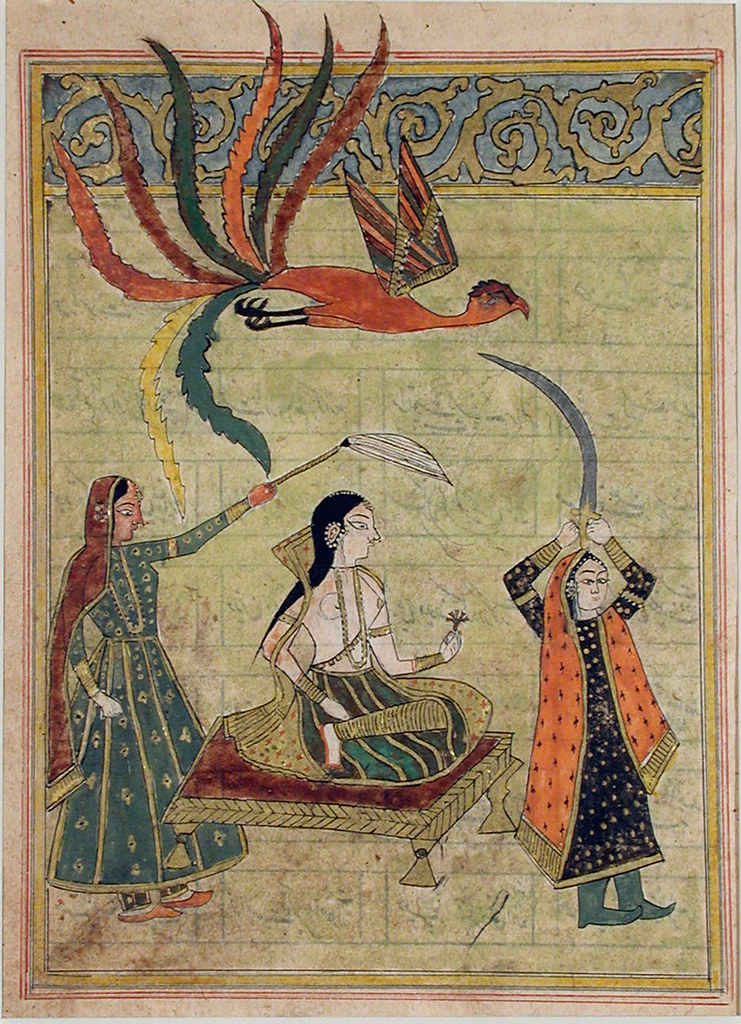
Thus, he was convinced that “Even a simurgh[1] cannot change one’s destiny”. His daughter was destined to marry with his nephew. And what is written in the destiny cannot be changed by one’s desire.
(This folktale was originally published in Gidar-12 January 2021 retold by Sadiq Saba. Fazal Baloch has the translation rights.)
[1] The simurgh is a mythical bird. It is believed that whosoever has this bird will have whatever they desire for.
Fazal Baloch is a Balochi writer and translator. He has translated many Balochi poems and short stories into English. His translations have been featured in Pakistani Literature published by Pakistan Academy of Letters and in the form of books and anthologies.
.
PLEASE NOTE: ARTICLES CAN ONLY BE REPRODUCED IN OTHER SITES WITH DUE ACKNOWLEDGEMENT TO BORDERLESS JOURNAL.
Born in united Bengal, long before the Partition, Kazi Nazrul Islam(1899-1976) was known as the Bidrohi Kobi, or “rebel poet”. Nazrul is now regarded as the national poet of Bangladesh though he continues a revered name in the Indian subcontinent. In addition to his prose and poetry, Nazrul wrote about 4000 songs.
WHY PROVIDE THORNS

Why provide thorns as well as flowers?
Wouldn’t lotuses bloom if thorns didn’t prick?

Why must fluttering eyes become moist with tears?
Why provide hearts if hearts won’t unite?

Why do cool wet clouds allure the swallow
Only to greet it with thunder and lightning?

Why allow buds to blossom if flowers wither?
Why stain the moon’s brow with a frown?

Why must desire for beauty be mired in lust?
Won’t faces look beautiful without the dark mole?

Poet, keep imaging bliss in this bower of thorns,
While restraining yourself within your moist eyes.

(First published in the Daily Star, 2007)
Keno Dile E Kanta rendered in Bengali by Khairul Anam Shakil
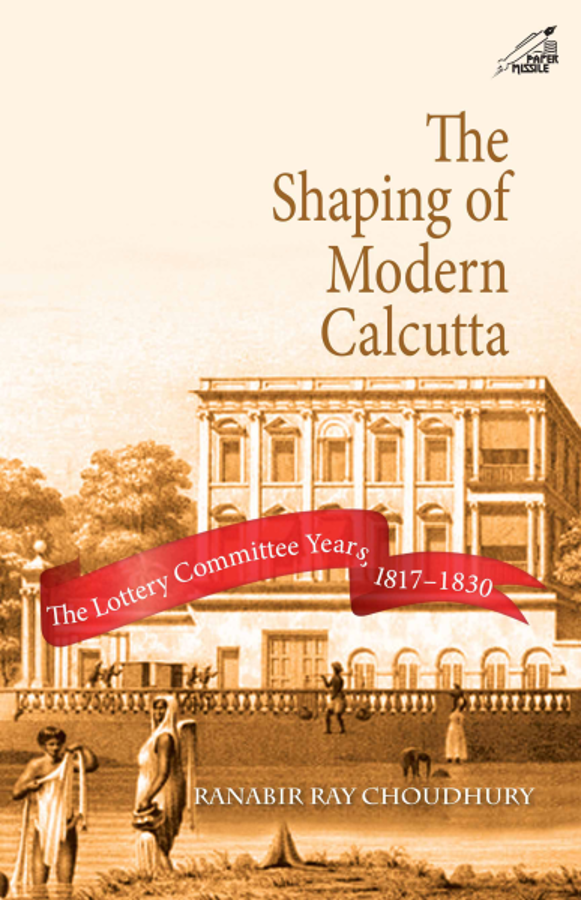
Title: The Shaping of Modern Calcutta: The Lottery Committee Years, 1817 – 1830
Author: Ranabir Ray Chaudhury
Publisher: Niyogi Books
If you ask any layman about the city of Calcutta (now rechristened as Kolkata) you will get three major pieces of information — namely, it was founded by Job Charnock in 1690; it was the seat of East India Company and capital of British India till 1911; and that it was divided roughly into two sections — the white English town at the centre and towards the south and the native town in the north. Beyond that, very few people have the idea of how the city developed spatially and how several major arterial roads, tanks and squares were built systematically during the beginning of the nineteenth century and this is where The Shaping of Modern Calcutta: The Lottery Committee Years, 1817 – 1830 by Ranabir Ray Chaudhury gives us plenty of information about the gradual development of Calcutta. This was undertaken by raising money through sale of lottery tickets and implemented by the creation of a Lottery Committee which functioned specifically for thirteen years from October 1817 to 1830.
Under the system then prevalent, the surplus lottery funds remained with the Bank of Bengal which would continue to be involved in the sale of tickets and the payment of prizes but would have nothing to do with other payments. The three senior members of the committee were John Eliot, Charles Trower and Henry Wood who had already looked after the construction of the square and tank at Baparitala (Wellington Square) and the new road being built from Dharamtala Road to Bowbazar. Later officials like Henry Shakespear and Barwell, G. Gordon and A. Colvin were inducted, and featuring in various sub-committees, they were also deeply engaged in the city’s development work.
In 1830, for all practical purposes, the functions of the committee relating to the improvement of the city ceased effectively. Though the beneficial impact of the committee’s work affected everyone, native and European alike, and there was nothing remotely furtive about it, yet the Directors of the East India Company in London were not happy with what was happening in distant Calcutta on the city-development front, choosing to view the evolving picture in a different light. Keeping in mind the virtues of economy in expenditure, the Company wrote to its Government of Bengal that whenever there was any activity relating to general and public utility, some part of the charges ought to be borne by the inhabitants. Further, the Lottery Committee was handling large sums of money and perhaps there was the Company’s deep-seated skepticism about the sensibility of such expenditure in general and a tendency to conclude that the money was not being spent efficiently. The work done by the committee was phenomenal because the projects conceived and implemented by it still cast a long shadow on life in modern Calcutta.
It becomes very clear that the city of Calcutta gained immensely from the development work carried out by the Lottery Committee since October 1817. The Strand Road had spruced up the eastern bank of the River Hooghly beyond recognition; the western side of Tank Square (today’s BBD Bagh) down to the Maidan till the West Bengal Legislative Assembly, had been given its modern shape with its grid of streets; pucka drains had been built and upgraded all over the city; the major north-south arterial road extending from Park Street in the south to Shyambazar in the north with four squares along it had been constructed; Free School Street had been made; the entire area south of Park Street up to Circular Road had been transformed into ‘virgin’ land ready to be settled in by the genteel (for the most part, sahib) population of Calcutta; and the modernisation of the Garden Reach area, reaching up to Khidirpur in the north, had been begun.
Among other things, the Lottery Committee built the major arterial roads in the northern and central parts of the city, which in time determined the layout of the contiguous residential areas. Dalhousie Square and the entire ground between Park Street and Circular Road were developed by the committee. Previously, a large part of the ground south of Park Street was low-lying and marshy, generating pestilence all around. Bustee clusters were located here probably because of the availability of Gangajal from Tolly’s Nullah (the Adi Ganga) through the existing network of drains, the river being some way off to the west.
The story of the making of Strand Road is narrated in detail, as with increasing economic activity and population pressure, it would provide the inhabitants with easier access to the river, both for recreation and commerce. The Lottery Committee was also responsible for putting up the first brick-and-mortar decorative balustrade which still adorns the Chowringhee area and Red Road. Thus, in its 13 years of effective functioning (till 1830), the committee had been successful in providing the critical push necessary to transform Calcutta from the topographical shape it had inherited since the years immediately following the landing of Job Charnock at Sutanati in August 1690 into one which, in a manner of speaking, would make the city ready to be launched into the 20th century and beyond.
The interest in reading the book persists throughout because apart from the maps, figures, numbers, statistics, and other logistic details, we get a lot of information of the different hindrances the Lottery Committee faced while implementing their projects. Human nature has not really changed much and so we read about people at that time who flouted the rules to line their own pockets and for whom profiteering was the norm.
The basic premise here is that human nature being what it is, there are some aspects of life and behaviour which are universal in their reach, both temporally and spatially. Another very interesting area of study is how the officials encountered the problem of encroachment, the process of land acquisition and the demand for compensation by native plot holders. The committee was aware of matters affecting the native sentiment and there are instances of how they altered the alignment of a major road to suit the convenience of the natives. Even then in some instances tiffs and legal hassles with local residents in North Calcutta were also recorded. Apart from private property rights, religious considerations too played an important role in the decision-making process of the committee.
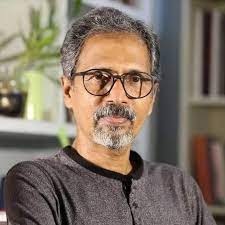
Before concluding it is worthwhile mentioning a few lines about the author of this volume. During his quarter-century with The Statesman in Calcutta (1970-94), principally as a leader writer, Ranabir Ray Choudhury became interested in the past of a great city which the East India Company had selected as the nerve centre for its operations in the Indian subcontinent and further to the east, extending to Singapore and beyond. In time, this growing interest led to three compilations – Glimpses of Old Calcutta 1835-1850 (1978), Calcutta a Hundred Years Ago 1880-1890 (1987), and Early Calcutta Advertisements 1875-1925 (1992). He next wrote The Lord Sahib’s House, Sites of Power: Government Houses of Calcutta 1690-1911 (2010). A City in the Making, Aspects of Calcutta’s Early Growth (2016).
This volume under review is his sixth book and thematically is a sequel to the last one. That work ended with the formation of the Lottery Committee in 1817: this book takes up the story from there. From a connoisseur of the city, we get details of its development to a point that a lot of unknown facts are provided to the reader which the author garnered from documents and archival material available at the West Bengal State Archives.
Though he is not a historian, trained or otherwise, the author mentions in the ‘Introduction’ how he faced the constant struggle to avoid getting enmeshed in detail and to refocus attention on the broad current of policy and the effects of its implementation. Attention to the specific problems faced in the day-to-day execution of projects also does help to throw light on the precise nature of hurdles encountered at the grassroots level. The book is therefore highly recommended for scholars of history, architecture, town planning and every layman reader who is interested in Kolkata – a city which has been defined in multifarious ways as a city of joy, a city of palaces, a dead city, and so on.
.
Somdatta Mandal, an academic, critic and translator, is a former Professor of English at Visva-Bharati, Santiniketan, India.
PLEASE NOTE: ARTICLES CAN ONLY BE REPRODUCED IN OTHER SITES WITH DUE ACKNOWLEDGEMENT TO BORDERLESS JOURNAL
The Duggals had received their first invitation to attend a grand reception organised to celebrate the divorce of Upasana Malhotra, the only daughter of a reputed steel magnate diversifying into organic agribusiness. Having lived in the same colony before fortune ferried the Malhotras away from the middle-class neighbourhood to a posh locality teeming with industrialists, the Duggals were the only family they shared close ties with decades ago. The same affection remained in place even though their visits happened only on special occasions. So, it was a surprise for the Duggals to be invited again after three years to the same household where they had gone to bless the couple exchanging vows for continuing wedded for life.
More startling was that the girl possessed the courage to throw a lavish party, inviting distinguished guests who came to her wedding party to re-appear, bless and congratulate her again for her decision to leave the Poddar surname attached in haste. After a breezy romantic courtship that blossomed in a top-notch US university campus, the much-talked-about marriage solemnised three summers ago hurtled to a premature end. The Duggals knew it was one of her crazy ideas to celebrate the mutual separation ostentatiously and showcase the event for public consumption, with attendees looking baffled about how they should behave on her D-day (read Divorce Day).
As the Duggals were flabbergasted, they sought the help from Google to find out more about such parties. They could not find ample content to clarify their doubts, so they sought help from their tech-savvy son, Shamsher Duggal, who called up an event manager friend to dig up details about divorce parties. She said there were no separate rules to follow, and it was just held the way marriage parties are held, with much scope to innovate for the couple. The guests were expected to maintain the usual decorum and focus on wine, food and music to celebrate the bright future for the divorcees. Shamsher asked his parents to keep the Charh di Kala[1]approach in mind, to calibrate themselves with the equivalent of joie de vivre: stay indulgent, in high spirits to mint fresh memories of fun and enjoyment.
Mr Duggal kept gazing at the invitation card delivered by courier, running his podgy fingers on the embossed letters. It was fancier than any marriage invitation card. The gold-plated card glittered, perhaps indicating the glittering future after the mutual separation that was to be formalised at an auspicious hour. The names of the couple and their families were mentioned along with the programme schedule, with the Lord’s name emblazoned on it to suggest this separation was being formalised with divine blessings, to thank Him for mercy and saving the couple from a boring life together.
Freedom at midnight is always good as it heralds a new dawn. The midnight timeline for the divorce echoed in a similar strain. The couple would wake to a new life of freedom after their tryst with matrimony. The big idea behind the invitation was to come and bless the separating couple with tons of happiness in their post-divorce lives. The creative note was penned by a professional copywriter who gave it a spin and hyped it to such an extent that it seemed missing this event would be the biggest blunder for couples who had experienced the beautiful side of getting hitched but not the equally, if not more, wonderful side of getting ditched. When Mrs Duggal picked it up to read, those emotional lines struck a chord with her and filled the gaps in their marriage. She looked at divorce through the prism of optimism.
Mr Duggal, yet to recover from the initial shock of being invited to attend the divorce party, found it challenging to customise his expressions to suit the occasion, to look happy like he did when Upasana married this guy three years ago. He remembered sharing with relatives and friends the video clip featuring their energetic Bhangra dance to show how charged they were as a doting, retired couple.
“Do you think we are expected to bless them again? Isn’t it a farce? Grooving and smiling would be tough, isn’t it? Those vivid memories of blessing her would haunt me. What is the need to hold this function? What are they trying to prove? Mocking at the institution of marriage? Don’t you think they are making a grand show of putting up a brave face when misfortune looms large? Check the program list. Leading pop singers from the film world are going to perform live,” Mr Duggal went hammer and tongs.
“They are not going to sing sad songs of separation. Not your favourite dard bhare geet. They wish to celebrate divorce as a happy occasion – the harbinger of good times. A peppy show loaded with dance and masti[2]. Frankly, I am impressed with her plan, no matter what you say. Chalo[3], let’s not waste time. Choose my dress and matching jewellery, so much to do. Stop brooding and decide which suit you want to wear or buy something traditional,” Mrs Duggal showed her positive frame of mind for the special event they were privileged to attend. Finally, she would have something unique to discuss at her kitty party next week.
Mr Duggal was not in high spirits, unlike his wife who got another opportunity to look fabulous and interact with the upwardly mobile guests she had met at Upasana’s theme wedding. When he mentioned the name of the sensational singer, Mrs Duggal slipped into dance mode, visualising it to be awesome.
“Our blessings are mere formality; did not mean much the last time and it is not going to matter this time again,” Mr Duggal tried to get her back on a serious track.
“Oh Sardarji, come on, you know it is all like that. Do not ruin the fun part. They have entertainment. We ate a gourmet dinner last time. Expect the same this time. They are sweetly mocking the institution of marriage so let them do it. Relationships are like that only today. Here, we carry dead relationships on our shoulders and try to revive them instead of ending everything on a bitter-sweet note,” Mrs Duggal offered her worldview without sounding preachy.
“So, you mean our marriage can also go to the rocks one day? Our four decades of marriage can crumble,” Mr Duggal expressed concern, “In case you have such intent, do let me know a year in advance so I can prepare and plan my future, and get check-ups done to avoid cardiac arrest. But if you decide suddenly – just give me a slow disclosure so that the shock does not upset my weak but vital organs,” Mr Duggal pleaded with her in a lighter vein.
“Now stop worrying about your fate and go and ask if Shamsher would join us,” Mrs Duggal tried to reduce his anxiety.
“Has he ever been anywhere with us in the last ten years? No point asking and getting the same standard reply,” Mr Duggal furnished his bland refusal.
“He was not asked to accompany us to Upasana’s wedding. They were friends in childhood. Maybe now you can ask if he…” Mrs Duggal tried to persuade him.
“You remember so much. Anyway, since you insist, I am seeking his presence. Did he complain he was not asked to go last time?” Mr Duggal asked with curiosity.
Mrs Duggal kept mum, waiting for him to understand something without words.
Mr Duggal went and knocked at his son’s frosted glass door and asked if he would like to go.
Instead of refusing, he said he had an important presentation that evening so he would stay home for the project.
“I told your Mummy you are not a party-loving guy, but she insisted I should ask you to join us. When will your mother understand you as I do?”
*
Mr Duggal rummaged the wardrobe looking for a suitable blazer and trailed a volley of queries after informing her that Shamsher was not joining them.
“Do you have any idea how we are going to behave there? I mean do we look sad or happy? I am bad at faking, you know that. Are you going to give them bouquets separately?” Mr Duggal fired a big one.
“Not decided. But yes, better if we give one each separately. You give to Upasana, your missed Bahu[4]. And I will give her divorcee hubby. Don’t think so much. They are happy to heal this way, so why should we grudge? We are invited – go and enjoy. Be practical like them. Just chill,” Mrs Duggal gave sound advice to make him comfortable.
Mr Duggal was not okay with this whole idea. He thought this was intended to make fun of marriage although his wife and son were on the same page in this matter and hailed it as a progressive step.
“I am clear I am not going to bless them again,” Mr Duggal stressed with raised eyebrows, “I know the Malhotras will be upset doing this tamasha[5]but Upasana is forcing them to stage this show.”
“Whoever has planned it, at least some people got work, some organisers, catering guys, bartenders, and DJs. Money is flowing out of the tycoon’s coffers for a divorce party that is just like a farewell party. Touchwood, I am super excited. I am going to wear a silk Sharara[6], and diamond jewellery for the divorce party,” Mrs Duggal revealed her plans.
Shamsher joined their discussion late and cheered for his mother and persuaded her to buy a flashy suit for his father, maybe a tuxedo.
When Mrs Duggal mentioned this divorce party, none of her friends reacted with excitement as they were not invited. It was a matter of privilege for the Duggal family to be invited. Upasana liked Duggal Uncle when her father was not super-rich. As good family friends, Upasana bonded well with Duggal Uncle who gave her strong lessons to be independent and brave like a boy child. This gender parity thing was a gift from Duggal Uncle who wanted her to be free in her choices.
“You are the one who put those modern ideas in her at that young age,” Mrs Duggal accused her husband of being the real culprit.
There was no denying the fact that Mr Duggal never discriminated against based on gender and encouraged girls to follow their dreams. He had encouraged his sister to join the medical profession. Considering Upasana to be just like his own child, he gave her genuine advice as her father was busy expanding his business empire.
*
On the day of reception, the Duggals walked in, decked in their best. Upasana spotted them from a distance and walked down the aisle to receive them and hugged them after touching their feet. She had not forgotten the traditions. Mrs Duggal congratulated her for being bold enough to walk out of a loveless marriage based on presumptions. Citing this as the most probable reason, she went ahead with examples of women from her community separating fast. As they reached the dais where the florally decorated, chairs for the split couple were arranged, her ex-hubby greeted them with folded hands and shook hands with Mr Duggal who almost squeezed it in true Punjabi style, and his smile almost dried up under pressure.
“Nice, you are leaving Upasana, not made for each other type actually,” Mr Duggal said to the former groom, Puneet Poddar while releasing his hand from his firm grip. Mrs Duggal offered him a bouquet of roses and congratulated him on his quick release from the marriage cell with a sardonic smile and an avancular peck on his chubby cheek.
Trying to appreciate her sense of humour, Puneet Poddar reciprocated with a half-hearted smile and claimed it was his idea to throw a party and seconded by Upasana. “The real purpose behind this party is to meet you, guys. All those who attended our marriage got the invite to this party – from both sides. Our families loved this idea and gave the go-ahead to end it on a happy note,” Puneet explained briefly to the Duggals and guided them to settle in the front row seats on the other stage put up for the gala musical night.
Mr Duggal wanted to meet the Malhotras first and asked him, “Where are your parents and in-laws?”
Mrs Duggal went to reserve the best seats for the music show while her husband continued the chat with Puneet Poddar who informed their parents that were together, formalising last-minute plans of setting up a new company abroad.
“Son and daughter are separating but the parents are forging a new bond?” Mr Duggal looked stunned.
“That is the beauty of our separation, Uncle. No bitterness. They remain friends and come closer while we call it over. They clicked as business partners, but we did not as partners. Simple as that.”
“This is something unique, never heard of, dear, business interest supreme,” Mr Duggal admitted, “very practical, beta[7], loving it now.”
“Honestly Uncle, we all are happy, we are beginning new lives,” Puneet Poddar asserted with a dash of confidence.
“Where did Upasana vanish? Let me find her.”
“Must be busy with her girl gang inside,” Puneet said coldly.
Guests started trooping in with gift hampers and the band of musicians arrived on the stage. Mr Duggal looked around and found the best whiskey.
Contrary to Mr Duggal’s expectation of tearjerker numbers, sad songs of the Rafi-Lata-Kishore era being played out in a remix version, or some Ghalib ghazals, the band started jamming on peppy songs of freedom and carefree living and travelling the world. Perhaps that was the brief: celebrate freedom and free living. The dance floor rocked, as couples of all age groups began to waltz. The laser beams flash here and there to create colourful images of a happy crowd enjoying every moment of the party, with dozens of cameras zooming and capturing the party from various angles.
The couple that was breaking up could be spotted together on the stage, flanked by their parents for the last photo-op. The press guys went click, click, click.
Mr Malhotra held the mike and spoke with verve, “We are glad to have you all with us on this happy day, to wish the separating pair the best for their future lives as independent people in their solo journeys.”
He gave it to Puneet to utter a few words, and he trundled out a stirring speech. “It was a wonderful journey of three years, and we realised this is all we had to share. No question of remarrying but remaining focused on living as free souls. Marriage is not fit for our nature and temperament. I am not marriage material. I guess we both have this trait in common. These three years have convinced us. There are many more like us who keep quiet and continue. Not us because we have choices. I was lucky to have Upasana who realised the same, and we gave each other the best gift possible. Freedom. If marriage was wrong, divorce is right.”
Puneet Poddar won a legion of admirers with his speech, and the guests expected Upasana to say a few words to surpass him.
Upasana picked it up from where he left, “Yeah right, marriages don’t have to be dysfunctional and then end in a split. Even apparently peaceful and stable marriages can end without raising a flutter. When beautiful things unfold in our lives, more beautiful than marriage that impedes and dilutes the experience, marriage should give way to that beautiful future we cannot share. Our lives cannot be beautiful together, not as much as our separate lives can be, and we realised it,” Upasana poured forth, “perhaps we come across as selfish, but if the sole focus of marriage is to make two people happy forever, we felt we were not going to make it as a couple. Better to part ways as friends who tried out marriage but thankfully did not suffer in it.”
The thunderous applause for her fiery words paled everything else into insignificance and glorified their divorce.
*
The priest who had come to perform their marriage rituals had come for the divorce. His presence was needed to bless them again for a new phase. His holy presence would be seen as auspicious for their divorce. After blessing them on stage, he came down and went to have his quota of snacks and drinks.
Mr Duggal bumped into him and held his arm, “Arrey[8], Sharma, where are you running and with what?”
There was a glass of drink in his hand, and he claimed it was nothing but a cold drink.
“When did I say you are having anything else?” Mr Duggal quipped.
“Sardarji, the couple took the right decision,” the priest confessed, before taking a sip, “Their stars did not match, but I got paid extra to match everything. There is a defect in the birth chart and a big chance of a fatal accident if they remain married for five years. This is the real reason for the split, I am telling you. But anyway, it is a new experience for me. I am enjoying a divorce party for the first time at fifty-five. I have performed hundreds of marriages, and many couples split up in courts, but nobody tried this. Congratulations to their families, and hope this inspires more couples planning to split, to follow suit.”
Mr Duggal was not the superstitious type, and such disclosures did not cut much ice with him. Polishing off the drink, the priest went to relish paneer butter masala[9]and kulchas[10]while Mrs Duggal remained busy in the chaat[11] stalls and savoured scoops of gelato ice cream.
The parents of the divorcing couple ate together while the pair was busy with their bosom friends. Everybody seemed to enjoy the evening, except for Mr Duggal who felt a tad remorseful as this was not what he was expecting to happen. Since everyone seemed happy, he had no reason to feel sad. Puneet was a nice man and what more do you need than a nice person as a life partner? He could not answer that for himself and realised nobody knew for sure what they wanted in life but knew only what they wanted at a particular stage of life.
The priest disappeared to gorge more kulchas while Mr Duggal set forth to take charge of his wife, who was careless regarding her sugar intake. She seemed to have enjoyed the sweets — all alone. With Mr Duggal reminding her of dietary restrictions, she lost the sense of freedom and almost threatened to leave him, “Stay away, or there will be two divorces today. Let me indulge in what I like.” Mrs Duggal made it resoundingly clear.
Mr Duggal felt scared of divorce at his advanced age and let her have her way. He went to listen to the music band singing some peppy chartbusters from across the world. Soon after, they wanted to leave but the divorcing couple and their parents were nowhere around. They moved out quickly without informing anyone except the priest who trailed behind them to the exit gate. Mr Malhotra was already at the gate when he saw them. He gave a warm hug and apologised for being tied up during the entire evening, “Thanks for coming, yaar[12], our friendship from Model Town days survives despite everything. Upasana was closer to you than me. She still misses Bhabhiji ke Chhole Bhaturey[13].”
On the way home in their hatchback car, Mr Duggal could not convince himself whether this was all real or fake.
“When people appear madly in love after marriage, it is also far from real,” Mrs Duggal hinted how a façade is always in place, “Forget everything, it was a good freak-out session. I enjoyed the music, golgappas[14], chaat and ice cream flavours like mint and paan[15], just wonderful. I remember that. Nothing else. Perhaps divorce is not a bad thing after this. The lesser burden on our courts. You have to admit they set an example. End it without scars and bruises, without social stigma. The same people who attended the marriage were present at their divorce, so hopefully, they will not badmouth them. I won’t be surprised if this catches up fancy and becomes a trend here like in the West,” Mrs Duggal gave her candid views while Mr Duggal focused on driving safely to negotiate the final bend near their house.
“Perhaps you are right,” Mr Duggal agreed as he stopped the car at the entrance. Shamsher came out to open the gate and asked,” So how was your party, guys?”
“Oh, it was lovely, beta. You should have comewith us. I have something for you,” Mrs Duggal gave him the box of laddoos[16]they were gifted before leaving the party ground.
While Mr Duggal parked the car in the garage, Shamsher opened the designer box and saw the printed photo of Upasana, with a thank-you note.
“Like Shaadi ka laddoo[17], this is divorce ka laddoo, taste it, beta,” Mrs Duggal teased her son who was unwilling to marry even though he was close to forty.
When they entered the living room, Shamsher went to the upper floor and stood on the balcony. Mrs Duggal sent his father upstairs to check his emotional state. Mr Duggal came and placed his hand on his son’s shoulder.
“Did you like Upasana?”
Shamsher did not turn around to answer the question. In the meanwhile, Mrs Duggal came upstairs slowly with her arthritic knees, and responded on his behalf, “What will this coward say? He could never say it earlier. Always busy with computers.”
Finding him unusually quiet after this salvo for the first time in years, his parents left him alone to regain emotional composure. However, his silence answered a lot.
“You knew all this?” Mr Duggal asked her after reaching their bedroom.
“Of course, I am his mother. I can sense that. I know his feelings better than you do,” Mrs Duggal shot back with confidence.
“But you never said it to me. Maybe I could take it up with her,” Mr Duggal said.
“But I was not sure if she was also having the same feelings for him,” Mrs Duggal explained to justify her silence.
Shamsher recollected the three years he and Upasana studied in the same school together. Then she left the locality and was admitted to a girl’s convent. Later she left for the US to pursue higher studies where she fell in love with Puneet Poddar who was studying on the same campus. Some mutual friends kept offering updates though he never established contact with her.
Shamsher picked up one laddoo from the box without hesitation and put it in his mouth. The saffron flavour was awesome, cooked in desi ghee[18]. His smile of satisfaction grew wider as he stuffed another laddoo – to celebrate their divorce and gave a hearty laugh to release his residual feelings of childhood love.
Devraj Singh Kalsiworks as a senior copywriter in Kolkata. His short stories and essays have been published in Deccan Herald, Tehelka, Kitaab, Earthen Lamp Journal, Assam Tribune, and The Statesman. Pal Motors is his first novel.
PLEASE NOTE: ARTICLES CAN ONLY BE REPRODUCED IN OTHER SITES WITH DUE ACKNOWLEDGEMENT TO BORDERLESS JOURNAL.
UNCONCEALMENT

Like that water touched by shining
          that yields no trace
Beyond itself, undermining
          no passing grace

Or moment, still emerging where
          no thing can last
Or venture, manifesting there
          in ways that cast

Loss into focus – what receives
          and realigns,
Where patterns on the water leave
          no mark behind.

ULTERIOR

And if such stillness overflows,
          it does not fall
Entirely away, but slows,
          as when a caul

Deflects the sight from moments lost
          to moments still
To come. Invariably the cost
          of knowing will

Be paid, yet deep within that stream,
          something remains –
A clarity that even dreams
          cannot sustain.

'Ulterior' was first published in Better than Starbucks.
Jared Carter’s most recent collection, The Land Itself, is from Monongahela Books in West Virginia. His Darkened Rooms of Summer: New and Selected Poems, with an introduction by Ted Kooser, was published by the University of Nebraska Press in 2014. A recipient of several literary awards and fellowships, Carter is from the state of Indiana in the U.S.
.
PLEASE NOTE: ARTICLES CAN ONLY BE REPRODUCED IN OTHER SITES WITH DUE ACKNOWLEDGEMENT TO BORDERLESS JOURNAL
Story by P. F. Mathews, translated from Malayalam by Ram Anantharaman
An appooppan thaadi[1] slowly swaying and dancing along in the wind, drifting gently up and down, entered the bedroom through the window and landed on the waterbed, and is lying flat and squeezed over there, as if it were trying to tell ‘I’m overfatigued’. Actually, it should not be called appooppan thaadi, it should be ammoomma thaadi[2] instead. The white chattaandmundu[3] worn in the ancient Syrian Christian style with fanfold pleats at the back and madisheela[4] at the front remained as is, without even getting wrinkled a bit. As the mekka mothiram[5] had been removed, the large holes in the ears have begun to close. Esther combed and tied the silver hair that lay spread over the pure white pillow. Now she has to bathe by softly wiping the entire body with scented cloth. When the younger son from Canada comes on video call at half past eleven, the ninety-two-year-old grandma has to appear as pretty as Our Lady of Lourdes. Neighbours and the parish people used to call her ‘pretty grandma’ always. Everything around grandma was beautiful and fragrant. Those days, at the end of qurbana, as she rose up from her seat wearing chatta and mundu and a scarf pinned with a butterfly-like brooch and walked towards altar to receive the sacramental bread, the entire church used to swoon over the fragrance of Eau de Cologne. Grandma retained that sense of beauty in every aspect even after getting bed ridden, until her speech was lost.
Grandma used to always celebrate her birthdays by preparing and serving payasam[6]. However, her ninety second birthday passed by without having even a speck of sugar. It was an order from Canada. That innocent son from Canada was afraid that the thought of how old she has become might blow away the ammoomma thaadi to death. Martha Mariam, the grandma, has been bedridden for six years; her tongue stopped functioning six months ago. Even her memory might have failed. The rest of her children and grandchildren who visited once in a while to please her younger son, after entering her room and closing the door, would recollect her lapses and flaws of olden times and deride her. During such occasions, Esther who had been employed to take care of grandma, would not have eyes, ears and tongue. Nevertheless, while listening to the cruel words those wicked gang spoke, she would tell herself: My dear Holy Mother, please open grandma’s ears just for a while so that she could hear all the filth these people are saying.
“What for, my dear?” Mother would ask.
“So that when ammoomma returns to life, she could take revenge on each and every one of them…”
“Oh… why my dear… my son wouldn’t like that…”
“Oh… so all these are games you mother and your son Jesus purposely play, is it? From now on I will never go to the novena church, nor would I light candles…” When Esther expresses her displeasure, Holy mother would smile mischievously. Esther would be reading it from grandma’s face.
When no relatives are there, there was no problem. It will be only grandma and Esther in the room. Even though it is a little village, expensive imported flowers which are meant to adorn huge apartments and offices in the nearby town would arrive every day. As soon as they reach, the old flowers with wilted petals would be removed from the vase and fresh new flowers as soft as babies’ cheeks would be placed there. When the son comes on video call at half past eleven, he has to see them first. Once, when he saw wilted petals around the vase on the table and the floor, he simply disconnected the call! That’s how he showed his anger. One day when Esther woke up in the morning and came in, she saw a withered petal on the white sheet covering grandma’s waterbed, lying near her feet. As she took it wondering how the petal from the flower vase kept on the table near grandma’s head came over here, a numbness spread through her fingers. It was not a petal from the flowers. It was a finger that had dropped off from grandma’s foot! It was her first experience in all these years of care giving. First, she thought of burying it somewhere in the thicket before any relatives or neighbours come. But when she remembered the video call at half past eleven, she realised it would be a big mistake. Then she decided to inform the old doctor from the church hospital who visits and does special check-ups.
“No need to ask or tell anyone… just bury it somewhere in the compound.” Doctor’s reply reminded her of some mischievous children talking. The remaining fingers also would wither away like this. Do the same every time. When she said that Doctor himself should take up the responsibility to explain it to the Canada son, he agreed with a gentle snicker. But Esther felt sad when she thought that she would have to watch the remaining fingers falling off one after the other. Poor grandma… she can’t imagine even one moment that is not beautiful… how will she ever bear this?
She remembered the grandma of eight or nine months ago.
“Esther… even if you don’t care for me, you should look after the man on the other room… OK?”
“Appaappan is fine ammachi… why are you getting worried?”
“Who said he is fine…? He has a lot of problems… as soon as Jerrymon’s attention shifts a little he goes out of the house itself… isn’t that a bigger problem? Jerrymon has no free time at all after his kitchen work…”
Grandma would get very excited while talking about appaappan.
Seven or eight years ago, one of grandma’s front row teeth fell. She was very sad. The tooth had no damage at all. Afterwards she always kept her lips tightly sealed because she was hesitant to show her smile with a hole. She felt that her smile-less face is as good as being dead.
“Nowadays it is possible to fix a good tooth easily, that is why I told him that I want a new tooth… do you know what appaappan said then…?”
After remaining silent for a while, looking at Esther and changing her voice to that of the Fathers in the church, grandma said: “it’s already four o’clock Maria… it will become dark very soon…”
Esther was surprised to hear that: “Appaappan should have been a poet, isn’t it ammaamma?”
“Oh… nowadays if someone is not watching, the poet is busy climbing on top of the building and trees like mischievous kids…”
As she was certain that Esther would not say anything, a sentence descended from grandma’s tongue as if she had thought about it a lot and byhearted: “Once memories are lost, it is better to die… isn’t it dear?”
Don’t say such things… that was how she should have responded… but it was not possible to lie to grandma. Grandma wouldn’t like it at all. That day grandma was silent for a long time. Then she said: “In other countries, there are laws to kill someone who is suffering… isn’t it so?”
Esther didn’t say anything, and she cleverly walked out of the room. Grandma also did not talk for the next four or five days. She wondered what grandma would be thinking and felt sad for the next six days. Would grandma also have started to forget things? But Esther was wrong. On the seventh day, after her eldest daughter’s mischievous daughter who was studying in the twelfth grade came and went. Grandma gave a paper to Esther with a smile and asked her to read it. Grandma watched Esther reading through it silently. It was an agreement which said that when she, named Martha Mariam, got to a stage of extreme pain and suffering but not dying, someone could end her life on her behalf. Her thumb impression along with her signature verified the document.
“What have you done ammoomma… wouldn’t that girl go around singing this to everyone?”
“Not at all. I have promised to give her my gold ring with emerald embedded in it… Even though she is impish, she is greedy for gold, isn’t it so?”
“Whatever it is, this is not right.” Esther was actually a bit sad and she didn’t try to hide her tears.
“Edi penne[7]… even if I die your income would not be stopped… I would make all arrangements for that… and you will get additional remuneration for finishing me off…”
Esther was terribly angry, and all the bad words she had learnt from childhood days came rushing to her tongue. Moving aside all those bad words, Esther said: “Look old lady, I don’t want any damn thing from you. Esther knows how to work hard and earn well. I cannot be your executioner. You can tell your eldest daughter and granddaughter… I am leaving now.”
She uttered those words in a single breath. Having said, she wanted to adhere to her threat. Esther sent a four-line message to the children, packed her belongings and went home. On the fourth day, three of the children came in a car to her home. The Canadian kept on calling. After Esther’s leaving, grandma hadn’t have had anything to eat or drink, she had even stopped talking. Her eldest granddaughter who had been the cause of everything voluntarily confessed her mistake. Thus, after a brief interval, Esther once again came back to grandma. On seeing her, even though the pretty grandma who was lying without much fragrance smiled once, Esther felt that the smile didn’t have soul in it. It was from that day grandma’s tongue slowly started to stop functioning. She would always be lying in a half-asleep state without responding to whatever Esther would say. She wasn’t certain whether grandma was pretending. As days passed, it became a habit for grandma. Her days and nights became devoid of sounds. Earlier, she used to listen to old songs with a smile, but now, even when playing one of her favourite songs she would start frowning. Gradually, her hands also stopped moving, like her tongue. It became impossible to even know whether she had any pain. It was then one day appaappan slipped down from the steps on the veranda and passed away. The fall wasn’t that serious. It was as if for everything else, there had to be a reason for saying goodbye also, that’s all.
“Amma should never ever know about appan passing away…” voice message from Canada arrived to the siblings and Esther.
How can that be possible… they lived together for almost seventy years… how can we not let her even take one last look… before such thoughts could even reach their tongues, all of them wiped it away from the mind itself. Esther didn’t step out of grandma’s room until the funeral was over in the evening. They carefully kept all the wailings of the dead house outside the shut door. However, the scent of frankincense kept spreading across all rooms. In the evening, before the prayers and songs of the priests from the church who came for the funeral function went well out of their control, the elder daughter had sealed her mother’s ears with cotton rolls so that she wouldn’t be able to hear anything. After seeing appaappan off, when the children gathered in the family room and sat around sipping black coffee and chatting, there was a power outage. Apart from that, everything went well.
When Esther came into grandma’s room with a lighted candle to keep the darkness away, she saw something strange that surprised her. Tears had been flowing like streams from both the eyes of grandma who was until then lying like a dead piece of wood. Seeing that Esther became sad beyond words, and she felt a hot burning sensation in-between her neck and chest.
Realising that there was no other way to escape that feeling, she also sat near grandma and cried for some time. Esther considered it as her major lapse that she was unable to recognise grandma being aware of everything even though she was lying like dead body with all her organs shut. They didn’t sleep that night. For the next two weeks too, Esther wouldn’t sleep. As she closed her eyes, pretty grandma would appear in front of her and accusingly point finger at her. She would wake up from the half-sleep with a shudder and gently massage grandma’s twig-like legs with wilting fingers. Then she would sit like that until dawn breaks. She felt as though she did not show mercy to grandma, and moreover what she did was a severe injustice towards her.
Two months after grandpa’s passing away, Esther video-called Canada and showed grandma’s wilting fingers, wax filled ears, abnormally open nose and throbbing veins on the forehead and said: “Looks like there is not much time left now… it would be better if you start today itself.”
The Canadian doesn’t question Esther who knows everything about grandma. He started the next day itself. The other children and grandchildren had already reached by the time he arrived. Without any dramatic incidents necessitating special descriptions, just like a ripened leaf slowly detaches itself in a gentle breeze, grandma passed away. Within hours, she was laid to rest in the same grave where grandpa was buried. There was no need to keep her body in an ice box. Soon after returning from the cemetery, when Esther collected her belongings and started to leave, though the residents magnanimously tried to stop her, she didn’t yield to their requests. The mischievous doctor from the church hospital also took her side. The doctor told them that he would drop her at the railway station in his car.
Even though the doctor was aged above sixty years, he was funny. On the way he stopped the car by the river side and told that he wanted to have a smoke.
Seeing him lighting a cigarette and exhaling the smoke Esther told: “Doctor, you are smoking like kids who have just been initiated into smoking.”
“Then show me how adults smoke…” said Doctor and offered her a cigarette. Looking at her lighting it and exhaling the smoke in a beautiful manner, Doctor laughed. After finishing the cigarette, Doctor asked her where she had kept grandma’s letter. She took it out from her bag and handed it over to him. Doctor read it one more time and lit it with a match. From that paper containing grandma’s signature and fingerprint, smoke as delicate as her soul emerged and drifted in the wind, and began to float up like an appooppan thaadi.
“Why did you burn it? I had kept it for my remembrance.”
“No need… it is better to abandon some remembrances at the same place where they originate…” Doctor threw the burnt sheet of paper into the river. It soaked and dissolved in the water and disappeared.
P. F. Mathews is an Indian author who writes in the Malayalam language. He is a recipient of multiple literary awards including the Kerala Sahitya Akademi Award and a National Film Award for Best Screenplay.
Ram Anantharaman is an engineer by profession. He has done translations from English to Malayalam and Malayalam to English.







 Borderless