Categories
Review

‘A Story of Moral Contradictions and Human Cost’

Book Review by Bhaskar Parichha

Title: India in the Second World War: An Emotional History

Author: Diya Gupta

Publisher: Rupa Publications

When we think of the Second World War, the images that most often come to mind are those of Europe’s ruin — the Blitz in London, the camps in Poland, the victory parades in Paris. India, though one of the largest contributors of men and material to the Allied cause, usually slips to the margins of that global story.

Diya Gupta’s India in the Second World War: An Emotional History sets out to correct that imbalance — and does so not by recounting battles or strategies, but by uncovering the feelings, memories, and private sufferings that shaped India’s wartime experience.

In this groundbreaking work, Gupta turns away from generals and governments to listen instead to soldiers, families, poets, and activists. Through letters, diaries, photographs, memoirs, and literary texts in both English and Bengali, she reconstructs the emotional life of a country caught in the contradictions of fighting for freedom while serving an empire. Her book is as much about the inner weather of a people at war as it is about history itself.

The story begins with the strange binary of India’s position in the 1940s. The British declared India a participant in the war without consulting its leaders. While nationalist politics in the country were reaching their boiling point, over two million Indian men were dispatched to fight on foreign fronts — from North Africa to Burma — under the Union Jack. They fought for a cause that was not their own, for a government that denied them liberty.

Gupta’s focus on emotion allows her to expose this moral paradox with nuance. The letters of sepoys from the Middle East reveal homesickness, confusion, and occasional pride; families back home are haunted by anxiety, caught between imperial propaganda and the whisper of rebellion. The result is a portrait of divided loyalties — of men and women who inhabited both the empire’s war and the nationalist struggle at once.

But it was the Bengal Famine of 1943 that made the war’s cost most brutally visible. Triggered by colonial economic mismanagement and wartime policies, it claimed nearly three million lives. Gupta’s chapter, ‘Every Day I Witness Nightmares’, captures this catastrophe through eyewitness accounts and literature that tried to make sense of it. Hunger, she suggests, became not only a physical condition but an emotional state — an emblem of the moral starvation of empire.

In poems and essays by writers such as Sukanta Bhattacharya and Mulk Raj Anand, the famine appears as a mirror held up to civilisation’s collapse. Tagore’s haunting late work, ‘Crisis in Civilisation’, forms a central thread in Gupta’s narrative — the poet’s disillusionment with humanity, his grief at the world’s descent into barbarism, and his call for renewal through compassion.

One of Gupta’s greatest achievements lies in her ability to braid together the intimate and the historical. The war years, she shows, were also years of reflection and redefinition. In the chapter named ‘The Thing That Was Lost’, she explores how the idea of “home” was transformed by displacement — whether through the departure of men to distant fronts or through the forced migrations caused by famine and air raids. Home, once a site of safety, became a space of longing and loss.

Another chapter, ‘Close to Me as My Very Own Brother”, turns the spotlight on male friendships in Indian war writing. Here, Gupta uncovers the tenderness that often underpinned comradeship — relationships that blurred the lines between duty and affection, and that offered emotional sustenance amid violence and uncertainty. In these pages, she challenges the stereotypes of stoic masculinity, showing that vulnerability and empathy were also part of the soldier’s story.

While the battlefield has long been the focus of war history, Gupta gives equal weight to those who remained behind. The women who waited, worked, and wrote — often in silence — emerge as witnesses in their own right.

Activists such as Tara Ali Baig, nurses and doctors on the Burma front, and countless unnamed mothers and wives populate the emotional landscape she paints. Through their letters and memoirs, we see how war invaded domestic spaces, transforming everyday life into a theatre of endurance.

Gupta writes of “anguished hearts” not as metaphor but as historical evidence. The fear of air raids, the sight of hungry children, the absence of loved ones — these, too, were the realities of India’s war. By restoring emotion to the historical record, she argues that feelings are not soft data but vital clues to understanding how societies survive crisis.

What makes the book so compelling is its insistence on looking at the global war from the Indian perspective. For Britain, the war was a fight for democracy and civilisation; for India, it was also a confrontation with the hypocrisy of those ideals. As Gupta notes, the same empire that called for liberty in Europe jailed Gandhi and suppressed the Quit India movement at home.

Seen from Calcutta rather than London, the war ceases to be a heroic narrative of Allied victory and becomes instead a story of moral contradictions and human cost. Gupta’s intervention is both historiographical and ethical: she reminds us that global history must include the emotions of those who bore its burdens without sharing in its glory.

A historian with literary sensibility, Gupta writes with precision, empathy, and grace. Her prose balances academic rigour with narrative warmth, allowing the reader to move effortlessly between archival fragments and the larger questions they evoke. Each chapter unfolds like a story, yet the cumulative effect is that of a symphony — voices rising and blending, carrying echoes of pain, pride, and endurance.

Gupta’s work has been widely celebrated for its originality and emotional depth. Shortlisted for the 2024 Gladstone Book Prize, it has drawn praise from scholars and critics alike for its fresh approach to war history. What distinguishes her study is not only its range of sources but its refusal to treat emotion as peripheral. For Gupta, feelings are the connective tissue of history — the invisible threads binding individuals to events, memory to nationhood.

The book is  more than the  war. It is about the human capacity to feel in times of fracture — to love, mourn, and imagine even amid devastation. It shows that the emotional life of a people can illuminate their political choices, their artistic expressions, and their vision of freedom.

By reassembling scattered memories and forgotten emotions, Diya Gupta offers a new way of reading both India and the world in the 1940s. Her India is not a passive colony swept along by imperial tides, but a living, feeling community navigating grief and hope in equal measure. The war, as she reminds us, did not just redraw maps; it reshaped minds and hearts.

In giving voice to those who seldom found one in history books — the sepoy writing from the desert, the poet confronting famine, the mother waiting for news — Gupta transforms statistics into stories, and stories into testimony. Her book stands as a reminder that history is not only written in treaties or timelines but in tears, silences, and the fragile language of feeling.

It ensures that those emotional histories, too long buried under the dust of archives, are heard again — quietly, insistently, and with the full weight of their truth.

.

Bhaskar Parichha is a journalist and author of Cyclones in Odisha: Landfall, Wreckage and ResilienceUnbiasedNo Strings Attached: Writings on Odisha and Biju Patnaik – A Political Biography. He lives in Bhubaneswar and writes bilingually. Besides writing for newspapers, he also reviews books on various media platforms.

PLEASE NOTE: ARTICLES CAN ONLY BE REPRODUCED IN OTHER SITES WITH DUE ACKNOWLEDGEMENT TO BORDERLESS JOURNAL

Click here to access the Borderless anthology, Monalisa No Longer Smiles

Click here to access Monalisa No Longer Smiles on Amazon International

Categories
Bhaskar's Corner

‘Language… is a mirror of our moral imagination’

By Bhaskar Parichha

Prof. Sarbeswar Das (1925–2009): A scholar of depth, a teacher of light. Photo Provided by Bhaskar Parichha

In the intellectual history of modern Odisha, Professor Sarbeswar Das stands as one of those rare figures who seamlessly bridged scholarship, ethics, and social commitment. A luminous teacher, an erudite writer, and a quiet Gandhian, his life and work embodied the moral seriousness and intellectual curiosity that marked a generation shaped by the freedom struggle and the promise of a newly independent India.

Born in Sriramchandrapur village in the Puri district of Odisha in 1925, Sarbeswar Das grew up in a milieu where simplicity, discipline, and community values were deeply ingrained. His brilliance shone early—he topped the matriculation examination across Odisha and Bihar, a distinction that foreshadowed a lifetime of academic excellence.

His educational journey took him first to Ravenshaw College, Cuttack, the cradle of higher education in Odisha, where he absorbed the liberal spirit and rigorous intellectual training that the institution was known for. He later studied at Allahabad University, one of India’s foremost centers of learning, before proceeding to the University of Minnesota, for advanced studies in English literature.

His exposure to American academia at a time when few Indian scholars ventured abroad profoundly shaped his intellectual orientation. The years in Minnesota opened to him a new world of thought—modern literary criticism, American fiction, and the philosophy of democratic humanism—all of which left a deep imprint on his teaching and writing in later years.

On returning to India, Das joined the teaching profession, which he would pursue with remarkable dedication and grace for several decades. He served as a professor of English in some of Odisha’s most respected institutions—Christ College (Cuttack), SCS College (Puri), Khallikote College (Berhampur), and Ravenshaw College (Cuttack).

As a teacher, he was known not only for his formidable command of English but also for his clarity of expression, quiet humour, and empathetic engagement with students. He could bring Shakespeare and Emerson alive in the classroom, weaving them into the moral fabric of everyday Indian life. His pioneering initiative was the introduction of American Literature as a formal subject of study in Indian universities, long before it became fashionable to do so.

In an age when English studies in Odisha were largely confined to the British canon, he expanded its horizons by introducing writers like Walt Whitman, Emily Dickinson, William Faulkner, and Mark Twain to Indian classrooms.

Das believed that literature must connect with lived experience. He often told his students: “Language is not just a means of expression; it is a mirror of our moral imagination.” This conviction shaped generations of students who went on to become writers, teachers, and civil servants. Among them was the late Ramakanta Rath, later one of Odisha’s most celebrated poets, who fondly remembered Prof. Das as a teacher who inspired intellectual courage and aesthetic sensitivity.

Alongside his teaching, Prof. Das was a prolific writer and scholar. He authored around twenty-five books spanning essays, literary criticism, translations, and reflections on education and society. His writings in English and Odia reveal a mind steeped in both classical and modern traditions. Fluent in English, Odia, and Sanskrit, he was at ease quoting from the Bhagavad Gita and Hamlet in the same breath.

His essays in English reflected on the role of language in education, the cultural responsibility of intellectuals, and the need for moral clarity in modern life. He consistently argued for a vernacular humanism—a belief that English education must not estrange Indian students from their cultural roots but rather help them view their own traditions through a broader, universal lens.

As a principal, he brought administrative efficiency and human warmth to his role. His tenure is remembered for reforms that encouraged academic discipline, faculty collaboration, and student participation. He believed that education was not merely about acquiring degrees but about shaping ethical citizens.

Prof. Das’s intellectual life was inseparable from his moral and civic commitments. As a young man, he participated in the Quit India Movement, aligning himself with the Gandhian values of simplicity, non-violence, and service throughout his life.

Late in life, Prof. Das turned inward to recount his journey in his autobiography, Mo Kahani (My Story), which has since acquired the stature of a modern Odia classic. Spanning eight decades of personal and social history, it offers not only a memoir of a life well-lived but also a vivid ethnography of Odisha across the twentieth century.

In Mo Kahani, he paints rich, affectionate portraits of his family—his parents and sisters, Suruji and Hara Nani—and evokes the rhythms of village life, with its festivals, hierarchies, and hardships. His account of the great famine of 1919, passed down through family memory, is a haunting narrative of suffering and resilience.

The autobiography captures the moral universe of rural Odisha—its compassion, faith, and silent endurance—while chronicling the social changes wrought by modernity, education, and political awakening.

The book transcends personal recollection to become a social document of rare authenticity, preserving the voices and values of an era in transition. Scholars have hailed it as a valuable resource for understanding Odia social and cultural history, as well as a significant contribution to Indian autobiographical writing.

Prof. Sarbeswar Das passed away in 2009 at the age of 84, leaving behind a legacy of intellectual depth and human kindness. Those who knew him remember his calm demeanour, his Gandhian simplicity, and his unwavering belief in the power of education as a moral force. His students and colleagues regarded him not merely as a teacher but as a guide who exemplified integrity and humility in every aspect of life.

His contributions to English literary education in Odisha were transformative. By introducing American literature, promoting cross-cultural study, and insisting on a pedagogy grounded in ethical reflection, he helped modernise the study of English in the state and inspired a generation to approach literature as a bridge between worlds.

Even today, his writings—both critical and autobiographical—continue to speak to the challenges of our times: the search for meaning in education, the reconciliation of global and local cultures, and the enduring need for moral clarity in a rapidly changing world.

In the final measure, Prof. Sarbeswar Das remains not only a scholar and educator but also a moral historian of his age—one who chronicled the soul of Odisha with the sensitivity of a poet and the precision of a teacher. His Mo Kahani endures as his final lesson: that learning is not a mere accumulation of knowledge, but a lifelong practice of understanding, empathy, and truth.

.

Bhaskar Parichha is a journalist and author of Cyclones in Odisha: Landfall, Wreckage and ResilienceUnbiasedNo Strings Attached: Writings on Odisha and Biju Patnaik – A Political Biography. He lives in Bhubaneswar and writes bilingually. Besides writing for newspapers, he also reviews books on various media platforms.

PLEASE NOTE: ARTICLES CAN ONLY BE REPRODUCED IN OTHER SITES WITH DUE ACKNOWLEDGEMENT TO BORDERLESS JOURNAL

Click here to access the Borderless anthology, Monalisa No Longer Smiles

Click here to access Monalisa No Longer Smiles on Amazon International

Categories
Review

Tales of Secrets and Darkness

Book Review by Bhaskar Pariccha

Title: Keep It Secret

Author: Snehaprava Das

Publisher: Black Eagle Books

Snehaprava Das, a former Associate Professor of English, is a noted poet and translator. She has translated many Odia works into English and published five poetry collections. Her translations have received several awards, including the Prabashi Bhasha Sahitya Sammana, the Jibanananda Das Award, and the Fakir Mohan Anubad Sammana.

Keep It Secret is a collection of ten short stories. The relatively lengthy narratives are equally grounded in reality and fantasy. In the author’s view, these narratives strive to traverse the delicate, ephemeral boundary that exists between reality and illusion. They delve into the inner jungle to uncover the secrets that are meticulously hidden behind a facade of pretense and the artifice of a pleasing and socially acceptable exterior.

Engaging with her stories provides a rewarding experience. These tales encompass a diverse array of themes, including life and death, the supernatural, the real and the surreal, peculiar coincidences, and the intricacies of human relationships.

 In the Preface, Das provides a rationale for her stories, which contributes to their uniqueness. Citing Regina Pally, a distinguished psychiatrist and therapist based in Los Angeles, Das states, “Most of what we perceive occurs non-consciously and effortlessly, and according to her, this process can be described as a ‘survival instinct’.” This may lead the guilt-ridden mind to interpret and shape a future aimed at compensating for past wrongs. This ‘survival instinct,’ which entices individuals to assume and perceive various things, can even distort the true impact of actual events, creating multiple and bizarre interpretations of a single incident that may approach the surreal.

She bases her stories on the presumption made by Freudian scholars: “From error to error, one discovers the entire truth, observes Freud. Some of the stories aim at exposing the errors man is forced to commit, lured by compulsive emotions, which leave life irrecoverably difficult, and could at times prove fatal in that self-destructive process of discovering the truth. Some stories attempt to study the complex and shifting patterns of human relationships that hang precariously balanced between trust and distrust, and to observe the reaction of the characters while confronting the secret of that relationship, which was kept closely guarded till the end. The experience of that confrontation could be subversive in that specific moment of anagnorisis.”[1]

Some stories may not always offer a seemingly logical, definable, or happy ending.

Das’s short stories possess a cerebral quality, posing a challenge for discerning readers to fully appreciate her offerings.

.

[1] ‘The other Freud: Rethinking the philosophical roots of psychoanalysis’ by Parker & Donald Lewis

.

Bhaskar Parichha is a journalist and author of Cyclones in Odisha: Landfall, Wreckage and ResilienceUnbiasedNo Strings Attached: Writings on Odisha and Biju Patnaik – A Political Biography. He lives in Bhubaneswar and writes bilingually. Besides writing for newspapers, he also reviews books on various media platforms.

PLEASE NOTE: ARTICLES CAN ONLY BE REPRODUCED IN OTHER SITES WITH DUE ACKNOWLEDGEMENT TO BORDERLESS JOURNAL

Click here to access the Borderless anthology, Monalisa No Longer Smiles

Click here to access Monalisa No Longer Smiles on Amazon International

Categories
Bhaskar's Corner Tribute

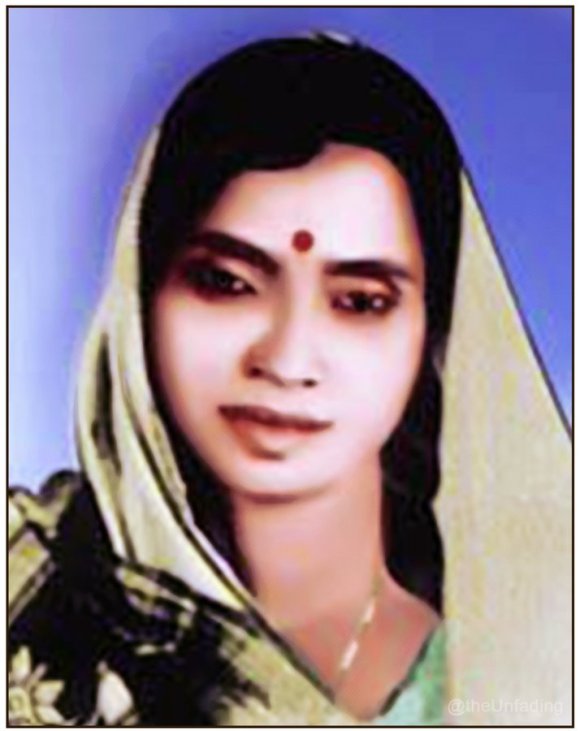
Bidyut Prabha Devi – The First Feminist Odia Poet

By Bhaskar Parichha

Bidyut Prabha Devi

Bidyut Prabha Devi (1926 – 1977) is celebrated as one of the most prominent female poets in Odia literature. Hailing from Natara village in the Kendrapara district, she was the second daughter of the esteemed writer, Nimai Charan Das, and Rekha Devi.

Raised in a traditional family in Bamphisahi, Cuttack, she received most of her education independently, attending Ravenshaw Girls’ School until the ninth grade. Inspired by her father and notable Odia poets like Nanda Kishore Bal and Kunja Bihari Das, she began her journey into poetry in 1940.

Her first collection, released in 1944 when she was merely 18 years old, featured patriotic poems that celebrated the cultural and natural heritage of Odisha. It highlighted her early ability to create vivid imagery and convey emotional depth, drawing from her rural background and the literary traditions of Odia.

Her 1950 collection, Utkal Saraswata[1], was recognised as a significant contribution to education, being included as a poetry textbook at Utkal University. In addition to poetry, she also wrote for children, for which she was awarded by the Government of India in 1955, acknowledging her impactful contributions to children’s literature.

Bidyut Prabha’s poetry explores the challenges faced by women, societal limitations, and the theme of empowerment, weaving together both personal and universal experiences. It embodies her feminist viewpoint, tackling matters such as gender inequality within a conservative framework, all while preserving a lyrical and approachable style.

She authored numerous plays, although specific titles are not extensively recorded. Her theatrical pieces frequently conveyed social messages, resonating with her socialist and feminist principles. Her writings were recognized for their clarity and moral depth, rendering literature accessible to younger audiences. Some of these later works are less documented but showcase her reflective and philosophical nature.

Influenced by socialist principles, her poetry examined social disparities and advocated for the marginalised. Her self-taught approach was characterised by clear and evocative language, rendering her work both relatable and profound.

Bidyut Prabha’s writings were revolutionary for their era, especially in their focus on women’s issues within Odia literature. Her son, Sachidananda Mohanty, a distinguished educationist and litterateur, has translated her works, thereby preserving her legacy.

Writes Sachidananda Mohanty[2]: “In recent decades, feminist historiography in eastern India has paid welcome attention to issues of education, creativity, and sisterhood across linguistic barriers. It has recognised women’s pivotal role in shaping the public space at the intersection between feminist history and literary creativity. Scholars like Judith Walsh, Tanika Sarkar, Malavika Karlekar, and others have brought to our attention forgotten life-narratives of literary women of the region who have created a tradition of their own.  Bidyut Prabha Devi, recognised as a major female voice in pre-modern Odia poetry, belongs to a poetic tradition represented by an illustrious sisterhood, comprising Reba Ray, Kuntala Kumari Sabat, Haripriya Devi, Debahuti Devi, Nirmala Devi, Tulasi Das, and Brahmotri Mohanty, among others. 

“While Bidyut Prabha may be known in Odisha, her feminist poems, based on her deep understanding of domesticity and patriarchy, have not been sufficiently read outside the state. Even in Odisha, her ‘romantic poems’ are widely anthologised at the cost of the more powerful compositions that address the woman’s position and identity in terms of the entrenched power structures in society.”

According to Mohanty, Bidyut Prabha’s feminist poetry stands out distinctly from the prevalent ‘Advice-for-Women’ genre in the region. She bases her work on her own life experiences and resonates with the growing feminist consciousness in Odisha, which is championed by literary feminists and social reformers like Sarala Devi[3], who played a pivotal role as a mentor to Bidyut Prabha. This journey was marked by its transnational influences. Sarala Devi had a strong connection with poet Annada Shankar Ray, a key figure in the Odia Romantic movement.

Her impact on Odia literature is significant, particularly as one of the earliest notable female poets in a predominantly male literary environment. Her contributions are rooted in her capacity to merge lyrical elegance with social critique, enhancing the inclusivity, reflection, and cultural relevance of Odia literature. Her work continues to serve as a foundational element for feminist and regional narratives in Odisha.

She was married to Panchanan Mohanty. Following health challenges in 1966, her literary output took on a spiritual dimension, shaped by her connection to the Sri Aurobindo Ashram, Pondicherry. Unfortunately, she took her own life.

Bidyut Prabha Devi’s poetry, deeply rooted in feminist and socialist ideals, continues to motivate and inspire, with her centenary of birth being commemorated in 2025 as a representation of women’s empowerment in Odisha.

[1] Odia Literature

[2] A literary sisterhood, Vol. 65, No. 6 (326) (November-December 2021), Published By: Sahitya Akademi

[3] Sarala Devi (1904-1986) – Odisha’s first Satyagrahi, first female legislator and first feminist writer.

.

Bhaskar Parichha is a journalist and author of Cyclones in Odisha: Landfall, Wreckage and ResilienceUnbiasedNo Strings Attached: Writings on Odisha and Biju Patnaik – A Political Biography. He lives in Bhubaneswar and writes bilingually. Besides writing for newspapers, he also reviews books on various media platforms.

PLEASE NOTE: ARTICLES CAN ONLY BE REPRODUCED IN OTHER SITES WITH DUE ACKNOWLEDGEMENT TO BORDERLESS JOURNAL

Click here to access the Borderless anthology, Monalisa No Longer Smiles

Click here to access Monalisa No Longer Smiles on Amazon International

Categories
Review

Six Economists and the World they Made

Book Review by Bhaskar Parichha

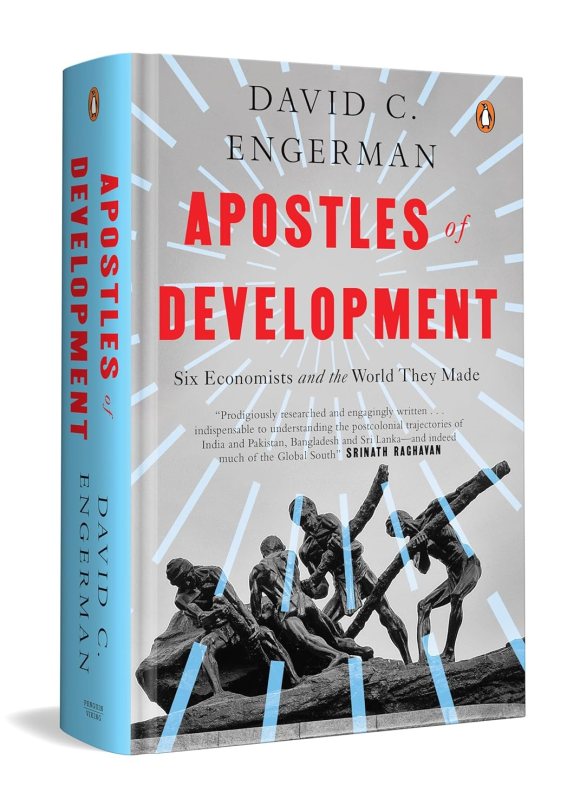
Title: Apostles of Development: Six Economists and the World They Made 

Author: David C. Engerman

Publisher: Penguin Viking

David C. Engerman is a Yale University professor focused on twentieth-century international history. He has authored two books on Russia and the USSR’s influence on American politics and has extensively studied international development assistance. His key works include the co-edited volume Staging Growth: Modernization, Development and the Global Cold War (2003) and the monograph, The Price of Aid: The Economic Cold War in India. His research was featured in his 2016 presidential address to the Society for Historians of American Foreign Relations. He is currently writing a comprehensive history of international development, tentatively titled International Development: A History in Eight Crises.

Apostles of Development: Six Economists and the World They Made by Engerman focuses on six influential economists from South Asia : Amartya Sen, Manmohan Singh, Mahbub ul Haq, Jagdish Bhagwati, Rehman Sobhan and Lal Jayawardena.

All six were born as colonial subjects in the British Empire and studied at Cambridge University. They emerged as pioneering “Third World development experts”, playing central roles in shaping global debates on poverty, inequality, and economic development.

The book highlights that the fight against global poverty, which began in the aftermath of World War II, represented a monumental effort that brought together economists, engineers, and a multitude of organisations.

This period marked the emergence of economists as a vital force in global affairs, playing a crucial role in shaping international dialogues focused on poverty alleviation and development strategies. Their contributions were essential in formulating policies and initiatives aimed at addressing the complex challenges of poverty on a worldwide scale.

Writes Engerman in the introduction: “The Apostles’ careers — and their home countries — demonstrate that there was no one path to development. Many governments in new nations opted to build factories. Others focused on roads and power plants, or on schools and hospitals. Some, like India, stressed economic self-reliance while others, including Pakistan and Ceylon, pursued international trade. Whatever the strategy, debates over the role of government-which frequently divided these six-resonated with the growing tensions of the Cold War, which pitted contrasting economic and political models against each other. Yet development was no mere creature of the Cold War, especially when examined from the perspective of the former colonies.” 

He further contends: “Core ideas and practices of development changed dramatically over the Apostles’ long careers. Debates roiled academic conferences, di- vided planning commission discussions, and dominated international venues — and the Apostles participated on all sides. Was the goal of development to alleviate poverty or was it to reduce inequality? Was the best solution to expand the economic role of government or to reduce it? Was national development better served by becoming self-sufficient was economic theory universal or did a different set of economic rules (and therefore economic tools) apply to poor countries than to rich ones? Development was always contested. 

“The Apostles’ turn to economics was in keeping with the spirit of the age. Economic questions loomed large in the middle of the twentieth century and economists proved ready, willing, and able to offer answers. Political leaders frequently sought their expertise and the century’s leading economists answered that call. The Depression cried out for an explanation that suggested a solution; the doyen of Cambridge economics, John Maynard Keynes, took on that task with gusto. The fate of World War II was determined as much by each side’s ability to mobilize resources as it was by battlefield tactics– hence Paul Samuelson’s boast that it was ‘an economist’s war’. And the problems of the postcolonial world arose precisely as economics was becoming what one historian called ‘the master discipline of the 20th century’.”

The book emphasizes that the origins and driving force of development were rooted in the Global South, aiming to improve the conditions of the world’s poorest countries, rather than being a project imposed by the West.It explores the different economic philosophies of these six economists and the ongoing debate about how economic theory should differ for poor versus rich countries.

Engerman challenges the idea that development is simply a tool for rich countries to dominate or a pure expression of humanitarianism. Instead, he argues that successful development comes from practical solutions tailored to real-world problems, not rigid ideological frameworks.

The book advocates for a modest, pragmatic approach to development, prioritising the reduction of gross inequality and insisting that development means more than just economic growth.

The narrative situates these economists’ work in the broader context of the Cold War and the shifting global landscape, highlighting how their ideas shaped and were shaped by international politics and economic crises.

This extensively researched and substantial book is acknowledged as a significant and timely addition to the literature concerning economics, economic history, and the progression of development thought, particularly in light of current global discussions regarding inequality and the prospects for economic growth.

Apostles of Development is suggested for those who are interested in the historical context of development economics, the influence of the Global South on global policy formulation, and the life stories of several of the most impactful economists of the 20th century.

.

.

Bhaskar Parichha is a journalist and author of Cyclones in Odisha: Landfall, Wreckage and ResilienceUnbiasedNo Strings Attached: Writings on Odisha and Biju Patnaik – A Political Biography. He lives in Bhubaneswar and writes bilingually. Besides writing for newspapers, he also reviews books on various media platforms.

.

PLEASE NOTE: ARTICLES CAN ONLY BE REPRODUCED IN OTHER SITES WITH DUE ACKNOWLEDGEMENT TO BORDERLESS JOURNAL

Click here to access the Borderless anthology, Monalisa No Longer Smiles

Click here to access Monalisa No Longer Smiles on Amazon International

Categories
Excerpt

A Perpetual Struggle

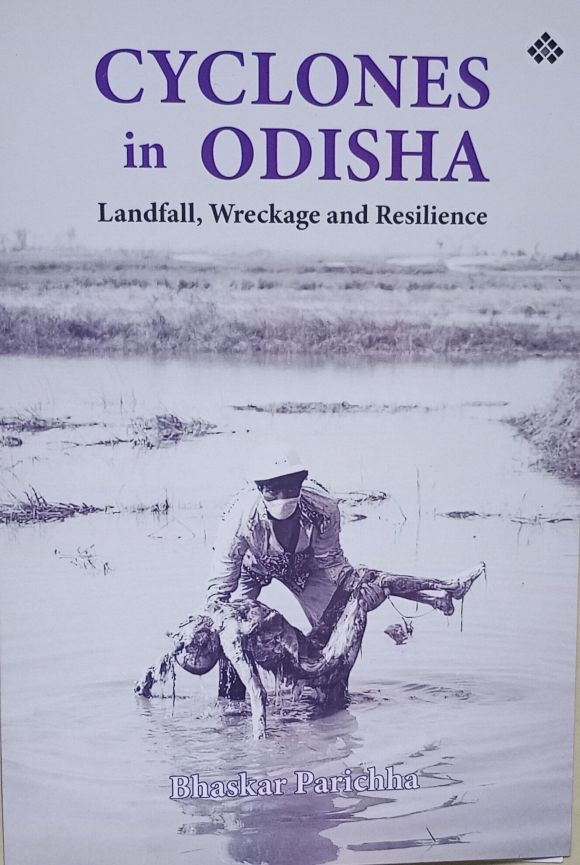
Title: Cyclones in Odisha: Landfall, Wreckage, and Resilience

Author: Bhaskar Parichha

Publisher: Pen In Books

Chapter 10

 A Perpetual Struggle

“Humans and nature can never be friends! Nature will never hesitate to starve you in the drought, drown you in the rain, burn you in the sun, and kill you with an earthquake, a hurricane or a disease; and as such, nature should always be seen as an enemy not a friend.”
― Mouloud Benzadi

 Cyclones exert a significant influence on the economy and agricultural sector of Odisha, leading to considerable disruptions and enduring challenges for the region. Agriculture serves as a fundamental component of Odisha’s economy, accounting for approximately 26% of the Gross State Domestic Product (GSDP) and providing employment for around 85% of the rural populace. The occurrence of cyclones frequently results in severe crop damage, exemplified by the 1999 Super Cyclone, which led to the loss of nearly 2 million tons of rice and devastated approximately 18.43 lakh hectares of farmland. More recent cyclones, such as Fani in 2019, inflicted damage on about 60% of the paddy crop and had a detrimental effect on vegetable production.

The fishing industry, crucial for the livelihoods of local communities, also suffers significant setbacks due to cyclonic events. Damage to fishing infrastructure and interruptions in fishing operations result in decreased catch and income for fishermen, thereby intensifying the economic difficulties faced by coastal populations.

Cyclones inflict extensive damage on infrastructure, including roads, electricity, and housing. This destruction not only affects immediate livelihoods but also obstructs long-term economic recovery. For instance, Cyclone Amphan in 2020 caused widespread infrastructural damage, impacting millions of consumers and resulting in prolonged power outages.

Job Loss

The devastation wrought by cyclones leads to job losses, particularly affecting daily wage laborers and roadside vendors, who are often the most susceptible to economic disruptions. The reduction in employment opportunities further exacerbates poverty levels in a state that is already economically disadvantaged.

Research indicates that cyclones adversely affect local economic growth, with studies revealing a significant decline in the growth rate in the years following such events. For instance, after the catastrophic cyclones of 2013 and 2014, the growth rate plummeted to 1.8% in 2014-15, a stark decrease from 9.3% in the preceding year.

Cyclones result in flooding, soil salinization, and erosion, which significantly undermine agricultural productivity. Coastal areas, where a majority of agricultural activities are concentrated, are especially susceptible to these effects, resulting in diminished crop yields and heightened food insecurity. Farmers are compelled to adjust to the evolving climate and the rising occurrence of cyclones. This adaptation may involve altering planting schedules, implementing multiple cropping strategies, and enhancing irrigation systems to alleviate the impact of cyclones on their livelihoods. The financial challenges associated with recovering from cyclone-related damage can be daunting for farmers, many of whom do not possess sufficient insurance coverage. This economic pressure can perpetuate cycles of poverty and obstruct agricultural advancement in the region.

Ongoing Struggle

The ongoing struggle of the people in Odisha against the backdrop of cyclones is a complex interplay of psychological trauma, economic hardship, and the need for improved disaster management. While strides have been made in preparedness and response, the experiences of survivors underscore the necessity for continued support and infrastructure development to mitigate the impacts of future cyclones.

Resilience to cyclones involves implementing a range of strategies to minimize the impact of these natural disasters on communities and infrastructure. This can include building stronger and more resilient infrastructure, such as storm-resistant buildings and flood barriers, as well as developing early warning systems and evacuation plans. Investing in disaster preparedness and response training for communities can help them cope better with the aftermath of a cyclone. By taking proactive measures to increase resilience to cyclones, communities can reduce the loss of life and property damage caused by these powerful storms.

Incorporating nature-based solutions such as mangrove restoration and coastal vegetation can help absorb the impact of cyclones and reduce erosion. Building codes and regulations can also be updated to ensure that new construction is more resilient to extreme weather events.

 Promoting community engagement and participation in resilience-building efforts can help foster a sense of ownership and responsibility among residents. This can include educating communities on how to prepare for cyclones, providing resources for emergency supplies, and establishing communication networks to disseminate information during a crisis.

Resilience to cyclones requires a multi-faceted approach that involves collaboration between government agencies, non-profit organizations, businesses, and local communities. By working together to implement these strategies, we can better protect vulnerable populations and infrastructure from the devastating impacts of cyclones.

Livelihood Loss

The economic impact of cyclones is profound highlighting the broader economic devastation faced by many in the fishing and agricultural sectors. Initial estimates indicated that thousands of fishing boats were lost, and agricultural land became salt-encrusted, rendering it unusable for years. This dual loss of livelihood and resources has compounded the stress for displaced communities.

Survivors of Cyclone Fani, which struck Odisha in May 2019, have faced severe mental health issues, including stress disorders and depression. Many individuals expressed feelings of despair and anxiety about their future, struggling to cope with the trauma of the cyclone’s destruction. Mental health experts have emphasized the need for immediate interventions to address these issues, as the fear of future cyclones continues to haunt the affected communities.

Mental health professionals have been mobilized to assess the psychological impact of the cyclone. A study conducted a month after Cyclone Fani found that approximately 42.9% of participants exhibited probable PTSD, while 36.7% experienced severe anxiety and 16.5% showed moderately severe depression. Additionally, suicidal thoughts increased by 14% among the affected population. These findings underscore the urgent need for targeted mental health interventions.

Efforts are being made to enhance community-based mental health support. This includes training local volunteers to identify individuals in need of psychological assistance and providing them with referral support. Such grassroots initiatives are crucial for ensuring that mental health care reaches those who may not have access to formal healthcare services.

Despite these interventions, challenges remain. Many survivors continue to experience sleep deprivation and anxiety due to the trauma of the cyclone and the ongoing fear of future disasters. The presence of mosquitoes in temporary shelters has further exacerbated sleep issues, highlighting the need for improved living conditions during recovery.

Moreover, the long-term psychological effects of such disasters necessitate sustained mental health support beyond the immediate aftermath. Historical data from the 1999 supercyclone indicates that without adequate post-disaster psychological support, issues like PTSD can persist for years.

Government’s Role

Cyclones in Odisha lead to devastating impacts on local communities, including loss of life, destruction of homes, and significant economic losses. The recurrent nature of these disasters has resulted in long-term challenges, such as food insecurity and displacement among vulnerable populations. The state government has been working on improving cyclone preparedness and response mechanisms to mitigate these impacts.

Early warning systems play a crucial role in reducing the impact of cyclones on the East Coast of India. These systems involve the use of advanced meteorological technology to track and predict the path and intensity of cyclones, allowing for timely evacuation and preparation. Additionally, coastal defense infrastructure such as seawalls, breakwaters, and mangrove restoration projects can help mitigate the impact of storm surges and erosion caused by cyclones.

Initiatives to prepare and build resilience within the community are also essential in reducing the impact of cyclones. This includes educating the public about cyclone preparedness, conducting drills and simulations, and providing access to emergency supplies and shelters. Building resilient infrastructure, such as cyclone-resistant housing and public buildings, can also help minimize the damage caused by cyclones.

Despite these measures, the East Coast of India remains vulnerable to the devastating impact of cyclones. Continuous research into cyclone behavior, climate change adaptation strategies, and the development of innovative technologies are crucial in improving the effectiveness of measures to reduce disaster risk. Strategic planning at the national and local levels is also necessary to ensure that resources are allocated effectively and that policies are in place to address the long-term impacts of cyclones.

Climate Change

In recent years, there has been a noticeable increase in the frequency and intensity of cyclones in the region. This trend is believed to be linked to climate change, which is causing rising sea levels and warmer ocean temperatures. These changes create more favorable conditions for cyclones to form and intensify, posing a significant threat to the people of Odisha.

Climate change has a profound effect on Odisha’s disaster preparedness plans in a variety of ways. The increasing temperatures and sea levels are contributing to more frequent and severe disasters such as cyclones, floods, droughts, and heat waves. This necessitates more robust and frequent evacuation drills, shelter maintenance, and emergency response planning. The prevalence of water and vector-borne diseases like malaria and dengue fever is worsened by climate change. Consequently, the health sector must incorporate climate change considerations into health policies, enhance disease management, and implement measures to mitigate the impact of heat waves.

Changes in monsoon patterns and more frequent cyclones result in widespread food and nutrition insecurity. Disaster preparedness efforts should prioritize ensuring access to nutritious food and promoting sustainable agricultural practices. The rise in sea levels due to climate change and the increased intensity of storms pose a threat to coastal infrastructure, including cyclone shelters and evacuation routes. Regular maintenance and improvement of these structures are essential to minimize the impact of climate change.

Raising awareness about climate change and being prepared require ongoing community involvement and capacity building. This involves training volunteers, promoting safe migration practices, and increasing media coverage of climate change issues. Climate change can negatively impact economic growth and exacerbate poverty. Disaster preparedness strategies need to address these economic risks by encouraging sustainable industries, renewable energy, and climate-resilient infrastructure.

Given the changing impacts of climate change, Odisha’s disaster preparedness strategies must evolve to ensure effective response and mitigation measures. This requires ongoing investment in disaster preparedness and response measures, as well as efforts to address the underlying causes of climate change. By taking proactive steps to mitigate the impact of cyclones and adapt to changing climatic conditions, Odisha can better protect its coastal region and ensure the safety and well. Financial investment in measures to reduce disaster risk and adapt to climate change is essential for the East Coast of India. This includes funding for the development and maintenance of early warning systems, the construction of resilient infrastructure, and community preparedness initiatives.

Investment in research and development of new technologies and strategies for cyclone mitigation is crucial in building a more resilient and adaptive East Coast community.

As climate change continues to influence weather patterns, the frequency and intensity of cyclones in this region may increase, further highlighting the need for effective disaster management strategies and resilient infrastructure to protect the vulnerable populations of Odisha. In the face of a cyclone, communities must come together to prepare and respond to the impending disaster. Early warning systems and evacuation plans can help to minimize the impact of a cyclone, saving lives and reducing property damage. In the aftermath of a cyclone, communities must work together to rebuild and recover, showing resilience in the face of adversity.

Political Accountability

The impact of cyclones on political dynamics in Odisha has been significant, particularly following the devastating 1999 Super Cyclone. This event not only caused immense human suffering but also reshaped the political landscape and public sentiment towards various parties. The destruction prompted widespread criticism of the government, particularly regarding its preparedness and response to the disaster. Many survivors expressed dissatisfaction with the lack of support and infrastructure improvements in the years following the cyclone, leading to a sense of betrayal among the electorate.

In the years following the cyclone, political parties in Odisha, especially Biju Janata Dal and its leader Naveen Patnaik have faced scrutiny over their handling of disaster relief and infrastructure development. Although the BJD asserts that significant advancements have been made in the reconstruction initiatives, numerous inhabitants of regions impacted by the cyclone have indicated persistent challenges, including insufficient compensation and a shortage of cyclone shelters. This dissatisfaction has affected electoral choices in later elections, as those who survived the disaster frequently perceive a lack of attention from political figures who pledged assistance but did not fulfill their commitments. The political narrative in Odisha has continued to evolve, especially in light of more recent cyclones like Fani and Phailin. The BJD had maintained a significant foothold in the state, leveraging its disaster management initiatives as part of its campaign strategy. Opposition parties have capitalized on public grievances, framing their campaigns around issues of local pride and accountability in disaster management.

NGO’s Role

Non-Governmental Organizations (NGOs) play a crucial role in disaster mitigation and recovery efforts in Odisha. NGOs sensitize local communities about disaster risks and preparedness measures through awareness campaigns, mock drills, and training programs. They build the capacity of communities, especially vulnerable groups like women, children, the elderly, and the disabled, to cope with and recover from disasters. NGOs collaborate with the government in preparing disaster management plans at the district and state levels.

During disasters, NGOs are involved in rescue operations, providing temporary shelters, organizing health camps and setting up communication facilities.  They work closely with the government in relief distribution, ensuring equitable access to food, water, sanitation, and other essential supplies for affected populations. NGOs focus on protecting vulnerable groups and providing special care for pregnant women, lactating mothers, children, elderly, and disabled persons during emergencies.

In the recovery phase, NGOs support the rebuilding of damaged houses and public infrastructure and restoring the livelihoods of affected communities. They promote the use of disaster-resilient construction techniques and make rehabilitation efforts disability-friendly.  NGOs help in reviving local economies by providing livelihood support, forming self-help groups, and establishing market linkages.

NGOs coordinate their efforts with the government through dedicated coordination cells at the state and district levels. They advocate for inclusive and equitable disaster management policies that address the needs of marginalized sections of society. NGOs also collaborate with the private sector through CSR initiatives and public-private partnerships in disaster management.

The Government of Odisha recognizes the critical role of NGOs in building community resilience. The state has involved NGOs in its disaster management framework, leveraging their grassroots presence, flexibility, and innovative approaches to complement government efforts in protecting lives and livelihoods from disasters.

Media Coverage

The historical context of cyclones in Odisha is characterized by significant events, particularly during the late 20th and early 21st centuries. The Super Cyclone of 1999 stands out as one of the most devastating. This disaster prompted substantial reforms in the state’s disaster management approach, leading to the establishment of the “Odisha model” for disaster preparedness.

The evolution of media coverage regarding cyclones in Odisha has been notable, especially in the aftermath of catastrophic occurrences like the Super Cyclone. Reports increasingly focus on the state’s preparedness initiatives, including early warning systems and community-managed cyclone shelters, which have played a crucial role in significantly lowering casualties in recent cyclones compared to earlier incidents.

The relationship between media coverage, public awareness, and government preparedness has been instrumental in shaping Odisha’s response to cyclones. The proactive strategies adopted by the state, along with community engagement, have established a framework for disaster management that reflects a transition from reactive to proactive measures in addressing climate-related challenges.

Public Perception

In the wake of the 1999 disaster, the Odisha government launched a “Zero Casualty” initiative aimed at reducing fatalities in future cyclones. This strategic shift is evident in media narratives, which increasingly highlight the state’s proactive efforts, such as the implementation of early warning systems and community-based disaster preparedness programs. During Cyclone Fani in 2019, for instance, media coverage underscored the successful evacuation of more than 1.2 million people, illustrating the effectiveness of the state’s preparedness strategies and garnering international recognition for its response efforts.

Media narratives have progressively included discussions regarding climate change and its effects on the frequency and severity of cyclones. Reports indicate that climate change is expected to intensify the challenges encountered by Odisha, with predictions of more powerful cyclones in the future. This evolution signifies an increasing recognition of the wider environmental factors associated with cyclonic events and has led to demands for more effective climate adaptation measures.

The public’s perception of cyclones in Odisha has significantly transformed over the years, shaped by a blend of historical experiences, governmental actions, and improvements in disaster management practices.

Changing Paradigm

Odisha encounters several significant obstacles in upholding its high standard of disaster preparedness. Despite the establishment of extensive cyclone shelters and evacuation routes, the state’s power, communication, and transportation infrastructure are still at risk. Disruptions of these systems can lead to widespread consequences during disasters. The continuous challenge lies in investing in underground power lines and disaster-resilient infrastructure. A considerable portion of coastal housing in Odisha remains vulnerable to cyclone damage. The transition of at-risk families from straw huts to disaster-resilient homes is an area that demands sustained attention and investment.

The success of Odisha’s disaster preparedness efforts heavily relies on the mobilization of local communities and volunteers. Ensuring the maintenance of this level of preparedness and response capability along the state’s extensive coastline poses an ongoing challenge that necessitates consistent training and drills. With the escalating frequency and intensity of cyclones due to climate change, Odisha must consistently enhance its early warning systems, evacuation strategies, and disaster management approaches to proactively address evolving threats.

Despite the significant progress made by Odisha, disaster preparedness is a continuous process that demands unwavering commitment, innovation, and allocation of resources to tackle emerging challenges effectively. Sustaining the state’s prominent position in global leadership in this domain remains a persistent priority.

Odisha’s disaster management paradigm has evolved from a relief-centric model to a comprehensive, proactive, and integrated framework that emphasizes risk reduction, community participation, and efficient response mechanisms.

About the Book

Cyclones in Odisha presents an in-depth exploration of the complex dynamics surrounding the storms that have impacted the coastal region of Odisha. It delivers a thorough examination of their frequency, the catastrophic effects they inflict, and the remarkable resilience exhibited by the communities in the aftermath. The book investigates the underlying factors that contribute to these extreme weather phenomena, analyzing the geographical and meteorological conditions that render the area vulnerable to such formidable storms. The book explores the devastating power of cyclones and their profound impact on the state, carefully chronicling the extensive destruction caused. It also highlights the remarkable resilience of the communities affected, showcasing their determination to rebuild and thrive in the face of adversity. The roles of governmental bodies, non-governmental organizations, and various stakeholders in facilitating recovery and reconstruction efforts are also examined. The text assesses the effectiveness of disaster management strategies and initiatives, shedding light on both successes and shortcomings in addressing the needs of the affected communities. By scrutinizing the diverse approaches employed, it offers critical insights into how the impacts of future cyclones can be mitigated and managed more effectively. This groundbreaking book is the first of its kind to explore the entirety of severe weather events, serving as an invaluable resource that offers a thorough overview while equipping readers with crucial insights for future preparedness.

About the Author

Bhaskar Parichha (1957) is a senior journalist and author of six books, including ‘Unbiased: Writings on India’; ‘No Strings Attached: Writings on Odisha’; Madhubabu: The Global Indian’; and ‘Biju Patnaik: A Biography’. He has also edited three anthologies of essays entitled ‘Naveen @ 25: Perspectives’; ‘Bhubaneswar @ 75: Perspectives’ and ‘Essential Odisha: Portrait of a State’. He is a bilingual writer and lives in Bhubaneswar.

.

Click here to read more about the book and an author interview.

PLEASE NOTE: ARTICLES CAN ONLY BE REPRODUCED IN OTHER SITES WITH DUE ACKNOWLEDGEMENT TO BORDERLESS JOURNAL. 

Click here to access the Borderless anthology, Monalisa No Longer Smiles

Click here to access Monalisa No Longer Smiles on Kindle Amazon International
Categories
Review

Travels in a Paradoxical Island

Book Review by Bhaskar Parichha

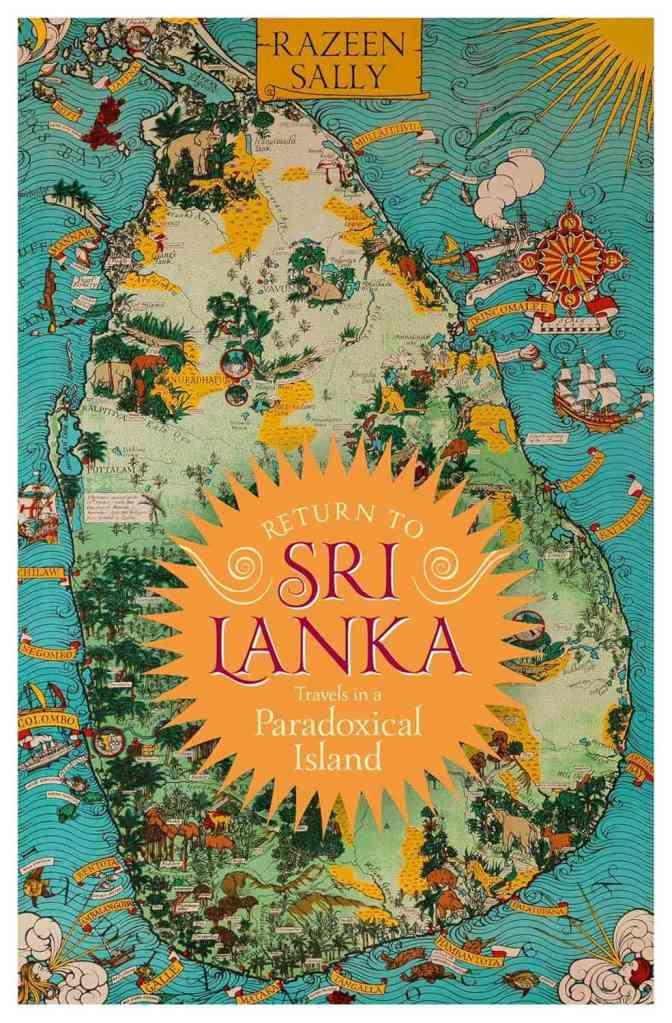
 Title: Return to Sri Lanka: Travels in a Paradoxical Island 

Author: Razeen Sally

Publisher: Simon & Schuster India

Sri Lanka’s culture is characterised by several paradoxical aspects that reflect its rich history, diverse population, and the complexities of contemporary society. Here are some notable contradictions: Home to various ethnic groups, including Sinhalese, Tamils, and Muslims, each has its distinct languages and traditions. However, there is a prevailing sentiment among some that prioritises Sinhalese culture over others, leading to tensions and conflicts regarding national identity and rights.

While Sri Lanka has a history of female activism and women hold significant positions in politics (e.g., former President Chandrika Kumaratunga), gender inequality persists in many sectors. Women often face societal pressures that limit their roles despite their contributions to the economy and community. The tiny country has made strides in economic development and infrastructure, yet significant poverty remains, particularly in war-affected regions like the North and East. This disparity highlights the uneven benefits of economic progress across different communities

The island is also known for its religious diversity, with Buddhism, Hinduism, Christianity, and Islam practiced by its citizens. However, this coexistence is often marred by sectarian violence and discrimination, particularly against minority groups during political upheavals.

As Sri Lanka embraces globalization and modern influences, there is a tension between adopting new lifestyles and preserving traditional customs. This cultural clash can lead to generational divides within families and communities.

Razeen Sally’s book, Return to Sri Lanka: Travels in a Paradoxical Island, explores these complexities and contradictions. The memoir combines personal narrative with historical and political analysis, offering readers an immersive journey through various regions of Sri Lanka—from the bustling capital of Colombo to the tranquil beaches and verdant hill country. Sally reflects on his childhood experiences while addressing the island’s tumultuous history, including its colonial past and the long-lasting effects of civil war.

Razeen Sally, the son of a Sri Lankan Muslim father and a Welsh mother, was raised in Colombo and educated in the UK. After teaching at the London School of Economics, he now teaches at the Lee Kuan Yew School of Public Policy in Singapore. In his early forties, he felt a strong urge to return to Sri Lanka for the first time since childhood and has spent the past ten years exploring the island.

Sally viewed Sri Lanka as a paradise during his childhood, but conflict soon disrupted their lives, fracturing his family’s connection to the island. Return to Sri Lanka tells the story of his journey towards reconciliation in the twenty-first century, as Sally, now an academic and political adviser, revisits his birthplace. This travel memoir addresses significant political issues and is rich in beauty and profound reflections, written by someone who feels like both a local and a visitor.

The words, “Paradoxical Island”, in the title encapsulates the duality of Sri Lanka, where hospitality coexists with high rates of violence and societal divisions. Despite interactions among ethnic groups like Tamils and Sinhalese, underlying tensions often surface, revealing deep-seated issues regarding rights and representation.

Sally provides insight into how historical events, such as the policies of successive governments and the impact of colonialism, have shaped contemporary Sri Lankan society. He discusses significant political figures and movements while critiquing policies that have led to economic challenges, including a brain drain among educated youth.

The book highlights Sri Lanka’s diverse cultural landscape, examining how various religions and ethnicities contribute to both its charm and its conflicts. Sally emphasises the importance of understanding these dynamics to appreciate the island’s true essence.

Return to Sri Lanka is not just a travelogue but a profound exploration of a nation grappling with its identity. Sally’s reflections offer hope for reconciliation and progress, urging readers to engage with Sri Lanka’s complexities while appreciating its inherent beauty. These paradoxes illustrate the complexities of Sri Lankan culture, where historical legacies continue to shape contemporary realities, creating a vibrant yet challenging social landscape.

Bhaskar Parichha is a journalist and author of Cyclones in Odisha: Landfall, Wreckage and ResilienceUnbiasedNo Strings Attached: Writings on Odisha and Biju Patnaik – A Political Biography. He lives in Bhubaneswar and writes bilingually. Besides writing for newspapers, he also reviews books on various media platforms.

.

PLEASE NOTE: ARTICLES CAN ONLY BE REPRODUCED IN OTHER SITES WITH DUE ACKNOWLEDGEMENT TO BORDERLESS JOURNAL

Click here to access the Borderless anthology, Monalisa No Longer Smiles

Click here to access Monalisa No Longer Smiles on Amazon International

Categories
Review

Saga of Palestinian Identity

Book Review by Bhaskar Parichha

Title: My Palestine: An Impossible Exile 

Author: Mohammad Tarbush 

Publisher: Speaking Tiger Books

“The theme of this book is Palestine and its history, and the displacement and exile of its people. But it is, above all, a human story… My father’s story makes the basic point that, like all people, the Palestinians are made of flesh and blood and their children feel the agony of pain as strongly as they enjoy the warmth of happiness.”

—Nada Tarbush (Son of Mohammed Tarbush) in the ‘Foreword’.

Mohammad Tarbush was born in Beit Nattif, located in proximity to Jerusalem. In 1988, he assumed the role of managing director at Deutsche Bank, subsequently moving to UBS. He has authored multiple books, including Reflections of a Palestinian. His articles concerning Palestine have been published in various esteemed outlets, such as the International Herald Tribune, The Guardian, and the Financial Times among others.

 As a child, he and his family were compelled to leave their village along with the entire community following the Zionist victory that resulted in the formation of the State of Israel. This upheaval marked a profound turning point in their lives, as they were forced to abandon their homes, their memories, and the land that had been their ancestral heritage for generations. The trauma of displacement was palpable, as families were torn apart and communities fragmented, leaving behind a deep sense of loss and longing.

Subsequently, as displaced refugees in the West Bank, the family fell into a state of poverty. The harsh realities of refugee life were stark — they struggled to find adequate shelter, access to education, and basic necessities. The once vibrant community they had known was replaced by a life of uncertainty and hardship, where every day was a battle for survival. The children, including him, were often caught in the crossfire of political tensions, their dreams overshadowed by the weight of their circumstances. Yet, amidst the adversity, a resilient spirit emerged, fostering a sense of solidarity among the displaced families.

During his teenage years, Tarbush departed from home, ostensibly to visit relatives in Jordan; however, he embarked on a year-long hitchhiking adventure across Europe. This journey was not merely a quest for adventure but a profound exploration of identity and purpose.

As he traversed the diverse landscapes of Europe, he encountered a myriad of cultures, ideas, and perspectives that broadened his worldview. Each hitchhike brought new experiences, from the bustling streets of Paris to the serene countryside of Italy, and he absorbed the lessons of resilience and ambition that he witnessed in the lives of others.

Ultimately, he achieved great success as an international banker, navigating the complex world of finance with skill and acumen. His rise in the banking sector was marked by a blend of hard work, strategic thinking, and an innate ability to connect with people from various backgrounds.

Despite his professional accomplishments, he remained deeply aware of his roots and the struggles of his people. He became a significant, albeit discreet, advocate for the Palestinian cause, using his influence and resources to raise awareness and support for those who continued to suffer from the consequences of displacement and conflict.

Through his advocacy, Tarbush sought to bridge the gap between his successful life in the West and the harsh realities faced by his community back home. He understood that his journey was not just about personal achievement but also about giving voice to the voiceless and fighting for justice. His story became a testament to resilience.

In My Palestine, Mohammad Tarbush intertwines a moving personal narrative with sharp political and economic analysis, reflecting on the significant events that have influenced the history of Israel, Palestine, and the contemporary Middle East.

The sturdy book offers a profound exploration of the Palestinian experience, capturing the essence of resilience that defines a people who have faced immense challenges and adversities. Through a lens of deep empathy and insight, the narrative delves into the multifaceted struggles and triumphs of the Palestinian community, illustrating how they navigate the calamities that have profoundly impacted their lives.

 At its core, the narrative serves as a heartfelt and poignant testament to the ingenuity of the human spirit. It highlights not only the hardships endured but also the remarkable ways in which individuals and communities adapt, innovate, and find strength in the face of overwhelming odds. The stories woven throughout the narrative reflect a rich tapestry of cultural heritage, personal sacrifice, and unwavering hope, showcasing how the Palestinian people maintain their identity and dignity despite the challenges they encounter.

The book chronicles the everyday realities of those living in a region marked by conflict and uncertainty. It emphasises the importance of storytelling as a means of preserving history and fostering understanding, allowing the voices of the Palestinian people to resonate with authenticity and depth.

Through vivid imagery and compelling accounts, the narrative underscores the resilience that is not merely a response to adversity but a fundamental aspect of the Palestinian identity.

Bhaskar Parichha is a journalist and author of Cyclones in Odisha: Landfall, Wreckage and Resilience, UnbiasedNo Strings Attached: Writings on Odisha and Biju Patnaik – A Political Biography. He lives in Bhubaneswar and writes bilingually. Besides writing for newspapers, he also reviews books on various media platforms.

.

PLEASE NOTE: ARTICLES CAN ONLY BE REPRODUCED IN OTHER SITES WITH DUE ACKNOWLEDGEMENT TO BORDERLESS JOURNAL

Click here to access the Borderless anthology, Monalisa No Longer Smiles

Click here to access Monalisa No Longer Smiles on Amazon International

Categories
Review

Connecting Diverse Cultures and Generations

Book review by Bhaskar Parichha


Title: Unpartioned Time: A Daughter’s Story 

Author: Malvika Rajkotia

Publisher: Speaking Tiger Books

Malavika Rajkotia is a prominent divorce attorney based in Delhi. She has collaborated with numerous non-governmental organisations addressing civil liberties and human rights concerns. Additionally, she has a strong background in theatre, participating in approximately thirty productions in both Hindi and English. She has also served as the host of Shakti, the inaugural television talk show in India dedicated to women’s rights.

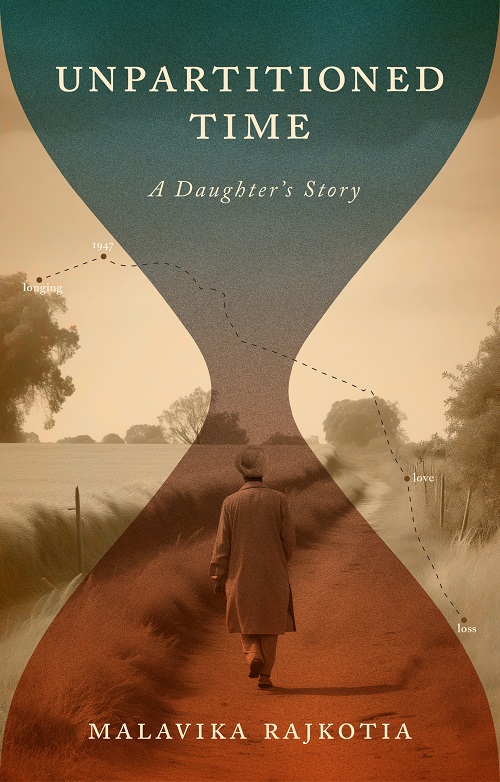
Her memoir, Unpartitioned Time: A Daughter’s Story, is a complex tale that intertwines the history and current experiences of a family following the Partition. Jindo, Malavika Rajkotia’s father, arrives in India amidst the chaos of the Partition riots. He is allocated a piece of desolate land in the small town of Karnal, where he must clear and cultivate the land to reclaim his role as landlord and patriarch. However, devoid of his past and confronted with an uncertain future in a place where the language is foreign to him, he undergoes a significant transformation. Rajkotia intricately weaves a narrative around this generous, humorous, loving, and increasingly despondent figure, delving into her family’s history and present.

The story explores themes of yearning and belonging, the nature of privilege and its loss, while reflecting on the resilience of a people stripped of their autonomy. Through her evocative and lyrical writing, she leads readers through the challenges faced by a large family—comprising uncles, aunts, siblings, cousins, and esteemed figures—who are all in pursuit of recognition, identity, and stability.

Rajkotia fearlessly confronts her milieu, whether navigating the radical Khalistan movement, the tensions between the Sikh faith and Hindu nationalism, or the pervasive cynicism of Indian politics. Her vivid, meditative, finely detailed portraits of a rich family life are filled with moments of tears, laughter, and music, and a diverse array of characters who are immensely relatable. Ultimately, this brave and moving book is about the enduring quest for meaning and fulfilment that transcends cultural boundaries.

Narrates Rajkotia: “The diffused light of dawn lit a dull, flat landscape cut by the highway, gleaming under randomly spaced streetlights. Until about thirty years ago, this single carriageway witnessed an almost daily carnage that left heavy and light motor vehicles, bicyclists, and bullock carts in confused mangles. Everyone had a personal story of loss on this road. Three of my family was killed in two separate accidents. A splintered windshield glass lodged in a young girl’s throat. An aunt and cousin died when their car rammed into a truck to avoid a cyclist.”

She has a detailed account of the road in Karnal town thus: “For over 2,500 years, this road has streamed with traders from Central Asia, scholars from China, adventurers from Europe, sadhus from the Himalayas, and armies coveting Hindustan. This portion of the road was the battlefield of the story of the eighteen-day Mahabharata war, marking the cusp of the end of the Dwapar Yuga and the rise of the Kali Yuga. Eighteen days of soldiers’ cries and trumpeting elephants and neighing horses, each ending with sunsets blackened by smoke from the funeral pyres hanging heavy until impelled by the sounds of wailing women.

“From myth, we come to somewhat recorded history in 300 BCE, when Chandragupta Maurya built this road to connect his fast-growing kingdom, spanning the north of the subcontinent from the source of the Ganga to its northwestern limits. The road was developed by Sher Shah Suri. My father remembered the time when it was called ‘Jarnailly Sadak’ under the British, and then GT Road, its official name, The Grand Trunk Road. The government of independent India called it Sher Shah Suri Marg, the Sanskrit ‘marg’ guillotining the English ‘road’ and the Urdu ‘sadak’.”

The memoir stands as a testament to the power of storytelling in bridging gaps between cultures and generations, ensuring that the voices of those who experienced Partition are heard and remembered. As part of the growing body of literature on this subject, it encourages further exploration and discussion, ultimately contributing to a more nuanced understanding of the complexities surrounding Partition and its enduring legacy.

.

Bhaskar Parichha is a journalist and author of UnbiasedNo Strings Attached: Writings on Odisha and Biju Patnaik – A Political Biography. He lives in Bhubaneswar and writes bilingually. Besides writing for newspapers, he also reviews books on various media platforms.

.

PLEASE NOTE: ARTICLES CAN ONLY BE REPRODUCED IN OTHER SITES WITH DUE ACKNOWLEDGEMENT TO BORDERLESS JOURNAL

Click here to access the Borderless anthology, Monalisa No Longer Smiles

Click here to access Monalisa No Longer Smiles on Amazon International