Categories
Poetry

Mother’s Tongue-lashing at Father and Me

By Shamik Banerjee

From Public Domain
"It's summer; hence, each day assumes
an oven's role," my mother tells
us. "See those bone-dry village wells
Or any of our flaccid blooms—

“their soreness is quite evident,
for they stand right beneath the high,
conflagrant skies. So, likewise, my
entire day and noon are spent

“inside the kitchen. You all know
that very well, yet order tea
two hundred times by tossing me
before the cookstove's kiln-like glow."

One day, I simply went inside
the kitchen (just to clear my doubt).
Some minutes later, I came out
flesh-moistened, gasping, and half-fried.

Shamik Banerjee resides in Assam with his parents. Some of his recent works will appear in York Literary Review, Willow Review, Thimble Lit and Modern Reformation — to name a few.

PLEASE NOTE: ARTICLES CAN ONLY BE REPRODUCED IN OTHER SITES WITH DUE ACKNOWLEDGEMENT TO BORDERLESS JOURNAL

Click here to access the Borderless anthology, Monalisa No Longer Smiles

Click here to access Monalisa No Longer Smiles on Kindle Amazon International

Categories
Stories

The Mango Thief

By Naramsetti Umamaheswara Rao

Ricky was a boy known for his mischievous nature. Though he was in the eighth grade, he had the sharpness and boldness of someone older. Ricky rarely attended school, preferring instead to roam around the fields beside the road, cutting sugarcane and plucking groundnuts, causing damage to the crops.

In his class, there was a bright and studious boy named Anand. Ricky thought it would be advantageous to befriend Anand to get his notes. The next day, Ricky brought some guavas he had stolen and offered them to Anand, saying, “These are from our orchard. They’re very sweet; take them.” Although Anand initially refused, Ricky insisted and placed the fruits in his hands, and Anand, not wanting to seem rude, reluctantly accepted them.

Over the following days, Ricky brought sugarcane and groundnuts, further solidifying their friendship. Ricky began inviting Anand to accompany him when he went out, and Anand, hesitant to refuse, would often join him. Their classmates noticed this and warned Anand, saying, “Don’t hang out with him. Being with him could get you into trouble.”

But Anand dismissed their concerns, thinking, “I’m a good person, so nothing bad will happen to me. Maybe Ricky will change for the better.”

One day after school, as they were walking home, Ricky suggested they enter a mango orchard along the way. Anand hesitated, knowing it was wrong, but Ricky was persistent. Ignoring Anand’s reluctance, Ricky said, “If you’re so scared, stay here. I’ll go in alone.” Ricky then climbed over the fence, entered the orchard and began plucking ripe mangoes, stuffing them into his school bag.

What Ricky didn’t know was that the orchard’s caretaker had been keeping a close watch. He was already angry about frequent thefts and was determined to catch the thief red-handed. Seeing Ricky pluck the mangoes, the caretaker approached the tree with a stick in hand and shouted, “Hey, you little thief! Come down! I’ll teach you a lesson!”

Ricky, momentarily startled, quickly regained his composure. He was used to such situations. “What can you do?” Ricky challenged, “You’re all alone, and there are two of us. We could easily overpower you, and no one would know.”

The caretaker, growing more furious, demanded, “Where’s the other one?”

Ricky pointed towards Anand, who was outside the fence, and said, “He’s waiting over there, keeping an eye out for me.” The caretaker, not seeing clearly, took a couple of steps to get a better view and thought he spotted someone. But when he turned back to the tree, Ricky had already jumped down and escaped.

The caretaker, enraged, thought, “Not only does this kid steal, but he also dares to threaten me?” He chased after Ricky but couldn’t catch him. Frustrated, he decided to catch the other boy instead, thinking it would lead him to Ricky later.

Ricky saw the caretaker running towards Anand but chose not to warn him.

Anand, seeing the caretaker approaching, remained calm, thinking, “Why should I be afraid? I haven’t done anything wrong.”

But as soon as the caretaker reached him, he grabbed Anand’s hair and began hitting him on the back. “Why are you hitting me? What have I done? I didn’t even enter your orchard,” Anand cried.

The caretaker slapped him twice and said, “You dare ask what you did? No shame? You came here to steal, sent your friend inside, and stayed outside to keep watch? Come with me, I’ll tie you to the tree. You two have been stealing my mangoes every day. I won’t release you until my boss arrives,” he said, dragging Anand inside the orchard.

Despite Anand’s protests and pleas of innocence, the caretaker refused to listen and tied him to a tree.

Passersby noticed Anand tied to the tree and, shocked by the sight, informed his parents. They came and freed him, explaining the situation to the villagers. Anand insisted that he hadn’t done anything wrong.

The villagers scolded him, saying, “Your mistake was befriending a bad boy. What else did you expect?”

Regretful, Anand lamented, “Despite my friends’ warnings, I knowingly continued my friendship with Ricky. I’ve learned my lesson. I won’t make this mistake again.”

Naramsetti Umamaheswararao has written more than a thousand stories, songs, and novels for children over 42 years. he has published 32 books. His novel, Anandalokam, received the Central Sahitya Akademi Award for children’s literature. He has received numerous awards and honours, including the Andhra Pradesh Government’s Distinguished Telugu Language Award and the Pratibha Award from Potti Sreeramulu Telugu University. He established the Naramshetty Children’s Literature Foundation and has been actively promoting children’s literature as its president.

.

PLEASE NOTE: ARTICLES CAN ONLY BE REPRODUCED IN OTHER SITES WITH DUE ACKNOWLEDGEMENT TO BORDERLESS JOURNAL

Click here to access the Borderless anthology, Monalisa No Longer Smiles

Click here to access Monalisa No Longer Smiles on Amazon International

Categories
Poetry

Poetry by Stephen Philip Druce

From Public Domian
THE GOLDEN FLOWER


Let the blue mountain slide,

to the pink snow abyss,

let the green city hide

from the burgundy mist,

let the copper creature wither

in an oil painting splatter,

give the new crimson river

for the silver sky to scatter,

let the violet tree tumble

in a turquoise dissolve,

let the yellow hill crumble

in a ruby moon fold,

let the purple sun sear,

let the orange lake drain,

take the red rainbow spear,

lance the cherry forest flame,

chase the claret rain away,

sink the lilac in the sea,

let the amber cloud decay

but let the golden flower be.


THE FIX

Oh what a drag,
to be a perfect
duplicate of two,

burdened with all
the characteristics
of our makers, we are
struck down with their
every trait for our
precise imitation,

once the fresh
dewy offspring shoots
in the new wind, we
rose from the good earth
as one-off hopefuls,

the first day of spring -

"damn!, I'm turning
into my mother!"
shrieked one,

"I'm turning into
my father!"
shrieked another,

"We didn't bloom
unique, we're all copies!"
chanted the endless sea
of petals, washed away
by their own tears,

true, we are our makers,

what we do,
and the way
we do it,

every detail,
passed down,
traced back,
and nobody ever
broke the mold,
never a break,

we're all sentenced
to the same fate and
there is no escape,

that's the fix,

so think twice before
you roll the dice.

Stephen Philip Druce is based in Shrewsbury UK. He is published in the USA, India, the UK and Canada. He’s written for theatre plays in London and BBC 4 Extra. 

Contact: Instagram – @StephenPhilipDruce

.

PLEASE NOTE: ARTICLES CAN ONLY BE REPRODUCED IN OTHER SITES WITH DUE ACKNOWLEDGEMENT TO BORDERLESS JOURNAL

Click here to access the Borderless anthology, Monalisa No Longer Smiles

Click here to access Monalisa No Longer Smiles on Amazon International
Categories
Musings of a Copywriter

Libraries and Me

By Devraj Singh Kalsi

From Public Domain

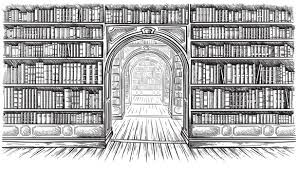
The school library was the place we were herded to once every week. Although a few of us were booklovers, the brief period of relief and relaxation inside the large, airy, and sunlit room stacked with books, bookshelves, and desks made us fake an immersive experience of reading bliss. 

Contrary to the orders of Lobo Sir, our librarian who always emitted strange noises to remind us to maintain pin-drop silence, we occupied the window seats to gaze at the panoramic world outside and discuss what appeared in sight. It was more engaging, refreshing, and rewarding as an activity. I was not one of those smart, gifted fellows who focused on the brittle pages of the heavily borrowed titles to impress teachers.

Observing the lush green trees and the slow movement of traffic on the macadamised road outside the campus became the new pastime — punctuated with furtive, irksome glances at the middle-aged librarian who saw potential book thieves lurking within us. His long hands groping our pants and bellies during the mandatory exit check to locate books hiding inside never quite managed to reach the exact spot where books were hiding within some of us: inside our fecund, curious minds.

Most of the students were not fond of reading or stealing books when there were far more precious items like hearts waiting to get stolen outside the campus during those teenage years. Impressing the girls from the nearby convent with our natural gift of storytelling evinced an encouraging response and for us, it was a firm confirmation that holding a book in hand was less likely to catch their interest.

Keeping the library card was an obligation so we had to borrow at least one book in a month, get it stamped, and then return it within a week without further tears to avoid a hefty fine. It was wise to show the librarian the pages already torn, dog-eared, smeared with ink, or doodled with arrows piercing the hearts as his memory never failed to identify new signs of damage to the books and he would insist on replacement or recovery of its full monetary value at the given time.

Considering the perils of borrowing books from the library that made us careful about spilling tea or coffee or  noodle (stuck between the pages) or tomato sauce dots ruining the cover, I decided that I should buy the book and then read it without any fear, even if it involved buying from a second-hand bookshop. With a strong sense of possession and freedom to toss and turn around, I felt free to place a tall glass of cold coffee on it and read it the way I liked. The sense of reading with a free mind had no substitute. Borrowing titles from the library did not inculcate this sense of freedom.

The possibility of forgetting a storybook inside the bus or train was high. Even tears would not convince the librarian to waive the costs if we lost it in transit even though its condition was nothing close to mint. Some of us took the library titles home, kept them in the safest custody of parents and then carried the titles back to school without reading a single page. Of what use was such trouble we could not fathom but negative thoughts resonated more, keeping us mired in anxiety.

Only the toppers borrowed classics to read and discuss with teachers what they grasped. The teachers agreed with their insights and analysis in a bid to sound encouraging even if what the high achievers said made little sense. It was a source of collective victory that some students showed the potential to read classics and match the wavelength of teachers whereas we could not go beyond the popular, readable titles.

The desire to read for fun and pleasure was stronger than the urge to read for knowledge during our school days. ‘Read more’ was the repetitive message from teachers even before it caught our attention as the tagline of a global publisher. Every teacher suggested serious reading to build our command over the language though we had no estimate of its utility except for those aiming for academics. Reaching college gave us a comforting truth — acquired from visiting bookstores in the neighbourhood: it is possible to become a writer without the ballistic power of vocabulary. Several successful authors wrote simple yet powerful prose even if their works were not considered fit for inclusion in school libraries.  

Library trips made a comeback in my life at the university level due to my interest in spending more time in pursuit of a girlfriend who was fond of taking notes from various texts inside the library. While acquiring knowledge was not my goal, I chose to sit with a title and observed her fondness for the written word as she wanted her answers to be unique and well-researched.  The slow, whirring fan turned the pages of the slim title for me, and I ended up turning twenty pages without having read a single sentence in an hour. My dedication and punctuality to visit the library around the time she reached was noticed by many others including the librarian though he never saw us talk or disturb others.  Some weeks later, she said that it was futile for me to spend time in the library. But I contradicted her by saying it was always worthwhile to stay in the company of scholars. The peaceful environment inside the library – found nowhere else in the campus – allowed me to learn to focus on one thing even though it was not reading. She understood what I was referring to and her silence encouraged me to pursue this habit with greater concentration.

Everyday, I climbed the stairs to stare at this beautiful girl inside the library. I even suggested coffee inside the canteen. She declined but surprised me by suggesting a sip outside the campus. We came out of the library and allowed others to notice us together. The campus would be rife with speculation and to keep the world guessing was the first vital step to relish the taste of celebrity culture.

Within a few weeks, she distanced herself from me. I suspected someone must have poisoned her mind. I thought she had changed her timings to avoid me. I kept track of the library hours and noticed her regular absence. One afternoon, driven by the mad desire to check on her, I entered the library with a book purchased from a pavement stall. I scanned the room, but she was not there. The librarian came running as he saw me leaving the hall with a book in hand. Perhaps he thought I was a book thief – like Lobo Sir did in our school. He grabbed the book from my hand only to feel ashamed.

It was a romantic title with a suggestive cover that he took his bifocal eyes away from, assured that such books were not stored inside any library. Recovering from the embarrassment, he admonished me for bringing such dirty books inside the campus. He further disappointed me by saying the girl I came with had surrendered her library card without offering any reason, and I pretended as if it was not the information I was looking for, certainly not from him.  My library trips came to an end with this bitter adventure, and I have not entered any library for more than a decade now.

The need to visit libraries has almost disappeared with the emergence of cafe cum bookstores where you can sit and read like you did inside the library, with a wide view of the world outside, but without the pesky librarian keeping track of the moves and ulterior motives. The book thieves are also taken care of by beeping machines installed at the exit point, thanks to advanced technology, and the innocent browsers do not have to suffer the indignity of groping hands of a security guard.

Devraj Singh Kalsi works as a senior copywriter in Kolkata. His short stories and essays have been published in Deccan Herald, Tehelka, Kitaab, Earthen Lamp Journal, Assam Tribune, and The Statesman. Pal Motors is his first novel.  


PLEASE NOTE: ARTICLES CAN ONLY BE REPRODUCED IN OTHER SITES WITH DUE ACKNOWLEDGEMENT TO BORDERLESS JOURNAL

Click here to access the Borderless anthology, Monalisa No Longer Smiles

Click here to access Monalisa No Longer Smiles on Kindle Amazon International

Categories
Poetry

An Apology

By Alpa Arora

AN APOLOGY 

Where do knives go when they die?
Do they sink in the ground,
Without a sharp sound?
Or do they watch with devil wings,
While you sit around and cry?

Do they burn to lava, molten, but cold,
Steel words purified by silence,
A sad, pungent shame released into air?

Do they sit around and wait for their funeral,
A rigid coffin forever holding their fiery breath?

The one who cut even the hardest of fruit,
Now sits around sulking because no one
Really knew, they didn't mean to be so cruel.

Where do knives go when they die?
Where do words go to return to silence?

Alpa Arora is a former journalist/content writer who has been writing articles, poetry and short stories for the last 25 years. Her work has been published in The Times of India and Bengaluru Review. Her first novel, Floating Worlds, is looking to be published in the coming year. She resides in Bengaluru.

PLEASE NOTE: ARTICLES CAN ONLY BE REPRODUCED IN OTHER SITES WITH DUE ACKNOWLEDGEMENT TO BORDERLESS JOURNAL

Click here to access the Borderless anthology, Monalisa No Longer Smiles

Click here to access Monalisa No Longer Smiles on Kindle Amazon International

Categories
Review

To her Great Grandfather from a Great Granddaughter

Book review by Bhaskar Parichha

Title: Selected Works of Vyasa Kavi Fakir Mohan Senapati

Editor: Monica Das

Publisher: Sahitya Akademi

Fakir Mohan Senapati (1843-1918) is a prominent figure in Indian literature and a key advocate for Odia nationalism. Born in Mallikashapur, Odisha, he faced significant hardships, losing both parents by age two and being raised by his grandmother with limited education.

Senapati is celebrated for his pioneering works, including the first modern Odia short story, “Rebati,” and novels like Chha Mana Atha Guntha (Six Acres and a Third) , Mamu (Uncle), and Prayaschita (Atomement), which address social issues and the lives of ordinary people, emphasizing social justice and peasant struggles.

His impact transcends the realm of literature; he was instrumental in promoting the unique identity of the Odia language during times of external challenges. His literary contributions facilitated the de-Sanskritisation of Odia, thereby rendering literature more accessible to the general public. He continues to embody the pride and cultural identity of the Odia people.

Selected Works of Vyasa Kavi Fakir Mohan Senapati by Monica Das is characterised by its relevance and authenticity. The compilation and editing, originating from Sahitya Akademi, reflect a high level of quality, with the editor having meticulously attended to every detail.

Monica Das is an Associate Professor of Economics at Gargi College, University of Delhi, and a fellow at the Developing Countries Research Centre. Her research focuses on feminist economics, and she is involved with the International Association for Feminist Economics (IAFFE). Her own works include Tales of the Girl Child in India and The Other Woman, which examine the socio-economic impacts of underage marriage and polygamy on gender development. She also produced the film Anwesan, highlighting the life of her great-grandfather, Fakir Mohan Senapati. She oversees the Fakir Mohan Foundation, which promotes Odisha’s cultural heritage and addresses social challenges, particularly those affecting women.

Putting together a collection can be quite a challenge. It has to open up different viewpoints and styles for readers, deepening their grasp of literature and culture. Curators have to also add introductions that give context to the works, making it easier for readers to see the importance of each piece in the larger literary scene. Monica Das has successfully met these expectations. This Selection highlights Senapati’s creations that established a framework in which the ordinary individual became the focal point.

Says Monica in the introduction: “Fakir Mohan Senapati is a giant in the field of Indian literature, who belonged to Odisha. He brought about a revolution in novel writing by departing from romance and writing on social realism. His portrayal of the common man and his concerns predated those of Premchand and Rabindranath Tagore, the other giants of Indian literature.

“His writing had elements which, apart from promoting secular attitudes, helped bring about social changes, to which he also contributed directly as the Dewan of some of the princely states of Odisha in British India. Odisha is the first state in India to have been established on the basis of language, for which he laid the foundation.”

Fakir Mohan distinguishes himself from his predecessors in the field of Odia prose through his unique use of language: “His liberal use of terse proverbs and the folksy style of his writings is what catches the reader’s immediate attention. Besides this, it adds to the rustic wisdom of his characters. In his stories, one cannot miss the underlying concern with social reform. He always took care to depict an honest view of life. Though he takes a didactic stance in his writings, he took care to see that this did not militate against realism and the smooth flow of the narrative. Fakir Mohan’s characters were drawn from ordinary life from among peasants, weavers, barbers, milkmen, revenue clerks and teachers. Very few belong to the higher ranks of the society. He set the tone of the common man. For the first time, ordinary readers were touched by the fact that stories were written about them, about their concerns, their agonies, exploitations and bitter-sweet experiences. Fakir Mohan was indeed a consummate artist with a keen eye for minute details.”

The Selected Works of Vyasa Kavi Fakir Mohan Senapati spans approximately four hundred pages and presents the intriguing perspective of a remarkable individual. He was more than merely a writer; he was a social reformer, a patriot, and a cunning strategist, serving as the dewan of the princely states of Odisha during the period of colonial rule.

Concludes Monica in the book: “It’s a strife-torn world that we live in today. Fakir Mohan’s works, considered unparalleled internationally, hold even greater significance now because of the centrality of humane modes that form the essence of his writings. The compilation in the Selection presents all this and more.”

The volume serves as a comprehensive and curated resource on Fakir Mohan’s literary works, significantly enhancing the current body of literature dedicated to the father of Odia literature.

.

Bhaskar Parichha is a journalist and author of UnbiasedNo Strings Attached: Writings on Odisha and Biju Patnaik – A Political Biography. He lives in Bhubaneswar and writes bilingually. Besides writing for newspapers, he also reviews books on various media platforms.

.

PLEASE NOTE: ARTICLES CAN ONLY BE REPRODUCED IN OTHER SITES WITH DUE ACKNOWLEDGEMENT TO BORDERLESS JOURNAL

Click here to access the Borderless anthology, Monalisa No Longer Smiles

Click here to access Monalisa No Longer Smiles on Amazon International
Categories
Poetry

Strolling among the Stars…

By Fhen M

𝑽𝑰𝑹𝑮𝑶 

I see you in the eastern sky
a fair maiden strolling among the stars
your feet, light as a feather,
like the feet of my daughter.

a rope mark around your neck
I heard the wine god
(I refrain from drinking liquor)
inflicts insanity on unmarried women

𝘵𝘩𝘦𝘳𝘦'𝘴 𝘵𝘩𝘦 𝘳𝘶𝘦 𝘩𝘦𝘳𝘣* 𝘧𝘰𝘳 𝘺𝘰𝘶,
𝘢𝘯𝘥 𝘩𝘦𝘳𝘦'𝘴 𝘴𝘰𝘮𝘦 𝘧𝘰𝘳 𝘮𝘦

the willow branch broken
she dropped beside a brook

If I die, I want my daughter
to live a long and happy life

so I say a prayer to Erigone*
sometimes to the drunkard deity
before wine is poured to a glass

a fair maiden strolling among the stars
(death will kindly stop for me)
let me sing a song on your short life
in the eternity of the heaven.


*Rue is a herb that gives relief from anxiety
*Erigone in Greek mythology was the author of Icarus. She was placed in the constellation of Virgo after she hung herself post her father’s death by his friend, Dionysus, the god of wine.

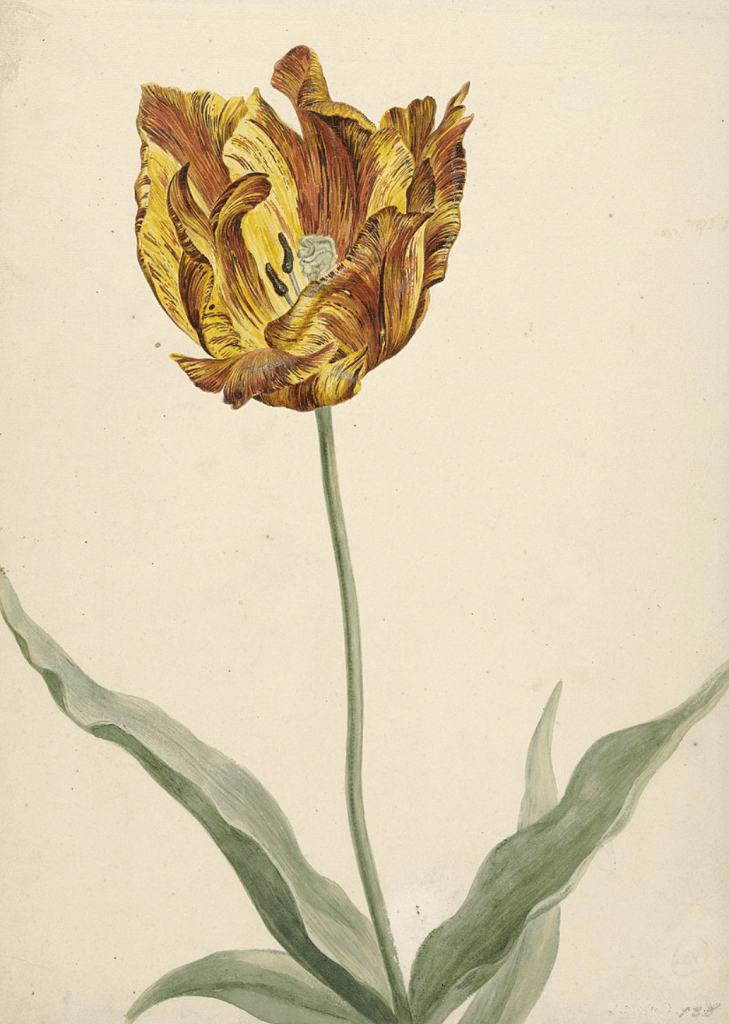
Virgo. Digital art from the Public Domain

Fhen M was a fellow in a creative writing workshop. His poems “A Name Whispered in the Wind,” “Yakal House beside the Sabang River”, among others appeared in 𝘗𝘰𝘦𝘵𝘪𝘤𝘢 anthology.

PLEASE NOTE: ARTICLES CAN ONLY BE REPRODUCED IN OTHER SITES WITH DUE ACKNOWLEDGEMENT TO BORDERLESS JOURNAL

Click here to access the Borderless anthology, Monalisa No Longer Smiles

Click here to access Monalisa No Longer Smiles on Amazon International
Categories
Musings

To Be or Not to Be…

By Farouk Gulsara

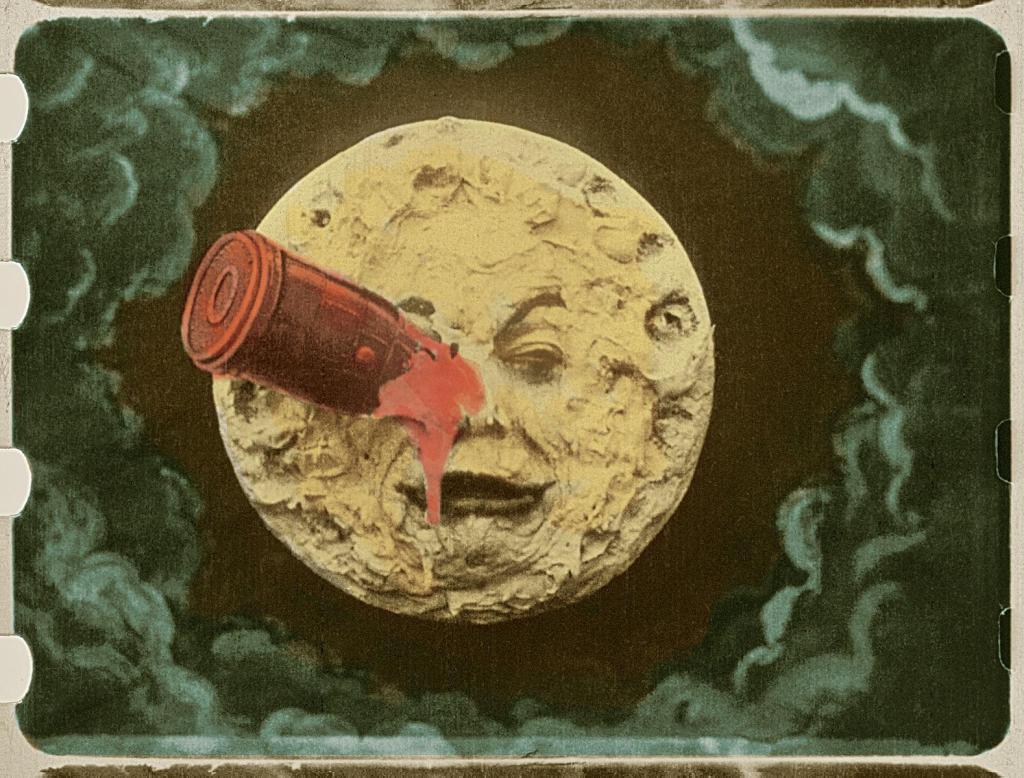
From A Trip to the Moon, a 1902 film by Georges Méliès (1861-1938). From Public Domain

A teacher lost all her life savings, around RM 200,000, to spammers. Over 400 children were rescued from orphanages in two states from sexual predators in Malaysia. Stories like these are not ground-breaking anymore but happen on a daily basis. The worrying trend of late is that these are no isolated incidents perpetrated by individual wackos with ill intents. It is, in fact, a well-organised, well-lubricating establishment with vast tentacles lurking all over the globe. 

The brains behind all these schemes are super intelligent, erudite people who can judge what is good and what is evil. They are also aware of what is beneficial and what is detrimental and brings misery. Yet, these same people wilfully devise newer schemes to prey on people’s weaknesses year after year. 

They know how every action has an equal and opposite reaction. They understand what goes around comes around. Yet, without an iota of guilt, they carry on life. 

Is the lure of materialism too strong to resist? Is the power that money yields too compelling that it becomes an addiction? Is this business a quicksand too strong to extricate one out of? Like a politician trapped in a quagmire that needs to feed his cronies, perhaps this scamming business is multilayered and needs to be fed at many levels, from mafias to enforcement units. 

Only the conscientious person worries and regrets any of their deeds. He will have sleepless nights pondering and regretting his actions. He would fear its implications or pursuant legal ramifications. He would shudder to visualise how it hurt his reputation or embarrass his family. 

So, when people say humanity lives in each of us and that there is still goodness in the world, are they correct? Are we all innately evil and only conditioned to behave in a particular way because our wise ancestors told us so?

Have we developed a consciousness so advanced that we can justify all our devious actions? We say the people who lost their hard-earned savings can afford to lose some. It is all part and parcel of the circle of life’s ups and downs, karma, warts and all. It is a zero-sum game. One party loses for the other to live. Life is not fair, and we have to live with it. Nature is hostile and humans are part of nature. Our duty, first and foremost, is that we are obliged to take care of ourselves and our own at all costs. In the meantime, the conscientious brood over the evil that is spewed throughout the world. They make their lives purpose to correct the balance. They yearn for equality and social justice and lose valuable sleep over it. 

Meanwhile, fraudsters and psychopaths cheat without an iota of guilt. They justify all their crimes. In fact, they feel entitled to do what they do and obtain inner gratification from their manipulations. On the other hand, the conscientious ones constantly assess and reassess their actions, aiming to do the correct thing. These thinkers carry much guilt and regret. They consider their own actions and try to do the ‘right’ thing.

This topic is nothing new. It was tackled by the legendary Tamil philosopher-poet Valluvar[1]. His origin is hazy, but many parties claim him to be part of their tradition. He was probably a Jain-Hindu poet. His short couplets are recited daily by most primary schoolchildren in Tamil schools. These couplets generally talk about righteousness, love and wealth. He sarcastically comments in one of his lines (Kural #1072), “Blessed are the cheats who do not think about good and bad.”

[1] Dated to have lived between 4th and 5th century BC

Farouk Gulsara is a daytime healer and a writer by night. After developing his left side of his brain almost half his lifetime, this johnny-come-lately decided to stimulate the non-dominant part of his remaining half. An author of two non-fiction books, Inside the twisted mind of Rifle Range Boy and Real Lessons from Reel Life, he writes regularly in his blogRifle Range Boy.

.

PLEASE NOTE: ARTICLES CAN ONLY BE REPRODUCED IN OTHER SITES WITH DUE ACKNOWLEDGEMENT TO BORDERLESS JOURNAL

Click here to access the Borderless anthology, Monalisa No Longer Smiles

Click here to access Monalisa No Longer Smiles on Kindle Amazon International

Categories
Poetry

Dust, Dreams and Desert

Poetry by Michael Burch

DUST

Flame within flame,
we burned and burned relentlessly
till there was nothing left to be consumed.
Only ash remained, the smoke plumed
like a spirit leaving its corpse, and we
were left with only a name
ever common between us.
We had thought to love “eternally,”
but the wick sputtered, the candle swooned,
the flame subsided, the smoke ballooned,
and our communal thought was: flee, flee, flee
the choking dust.


EVERY MAN HAS A DREAM

Every man has a dream that he cannot quite touch ...
a dream of contentment, of soft, starlit rain,
of a breeze in the evening that, rising again,
reminds him of something that cannot have been,
and he calls this dream love.

And each man has a dream that he fears to let live,
for he knows: to succumb is to throw away all.
So he curses, denies it and locks it within
the cells of his heart and he calls it a sin,
this madness, this love.

But each man in his living falls prey to his dreams,
and he struggles, but so he ensures that he falls,
and he finds in the end that he cannot deny
the joy that he feels or the tears that he cries
in the darkness of night for this light he calls love.


IMPRESSIONS OF A DESERT

a sulphuric
wasteland

seethes and glows

as from the sky
strange brightness flows

to heat,
congeal

oases vanish

or waver
,unreal,

even scorpions
languish

~~~~~~

sombre mountains
shift and merge

bonedry oceans
at the verge

of the horizon
stretch, converge

the sky is poison
sand storms
surge

~~~~

lizards, whining,
curse the skies

squinting fire
from burnt eyes

slipping, squirming
rattlesnakes

quench awful yearning
for moisture

and hate

~~~~~~

a flower
fated soon to die

rustles, crinkles
worn and dry
From Public Domain

Michael R. Burch’s poems have been published by hundreds of literary journals, taught in high schools and colleges, translated into fourteen languages, incorporated into three plays and two operas, and set to music by seventeen composers.

PLEASE NOTE: ARTICLES CAN ONLY BE REPRODUCED IN OTHER SITES WITH DUE ACKNOWLEDGEMENT TO BORDERLESS JOURNAL

Click here to access the Borderless anthology, Monalisa No Longer Smiles

Click here to access Monalisa No Longer Smiles on Kindle Amazon International

Categories
Stories

Sunset Memories

By Saeed Ibrahim

Raj leisurely sipped his tea as he sat side-by-side with his wife on the balcony of their seventh floor flat facing the Arabian Sea. As a retired couple, this was their favourite time of day, enjoying the view of the setting sun with the great orange orb gradually diminishing in size before dipping completed out of view into the sea. The mellow serenity of the moment    filled Raj with a nostalgic tenderness. He reached out to touch his wife’s hand and his outstretched fingers grazed a certain hard object, its brilliance undiminished through the passage of years.

Raj had first met his wife through the good offices of a family connection who also happened to be the community matchmaker. This venerable matriarch had  insisted on accompanying them to her own trusted family jeweller for the purchase of  the engagement ring. Not wanting to disrespect or offend her, he had grudgingly agreed. After much unsolicited advice from their elderly companion, a beautiful solitaire diamond had been selected and Raj had proceeded to pay with his credit card.

To his utter embarrassment, the card had been rejected, casting an uncalled for shadow on the  financial viability of the groom-to-be. Visions of wagging tongues and whispered warnings   had floated before Raj’s eyes. Red faced, he had rushed to explain that the cause of this contretemps had been his having forgetten to upscale the payment limit on his credit card. The old lady had looked at him with a knowing smile, obviously relishing  his discomfiture. Ignoring her and trusting Raj’s good faith, his wife had quickly pulled out her own credit card and paid for the ring herself. The matchmaker had let out a horrified gasp at this breach of convention. Raj had shrugged his shoulders and the couple had walked out of the shop arm-in-arm, leaving the lady open-mouthed with disbelief.

Still smiling at the memory, Raj squeezed his wife’s hand and drew his chair closer. They had been married for 50 years and his practical-minded wife had saved the day more than once. 

.

Saeed Ibrahim is the author of two books – Twin Tales from Kutcch, a family saga set in colonial India, and a short story collection entitled The Missing Tile and Other Stories.

.

PLEASE NOTE: ARTICLES CAN ONLY BE REPRODUCED IN OTHER SITES WITH DUE ACKNOWLEDGEMENT TO BORDERLESS JOURNAL

Click here to access the Borderless anthology, Monalisa No Longer Smiles

Click here to access Monalisa No Longer Smiles on Kindle Amazon International