Categories
Slices from Life

The Pearl of the Indian Ocean

By Ravi Shankar

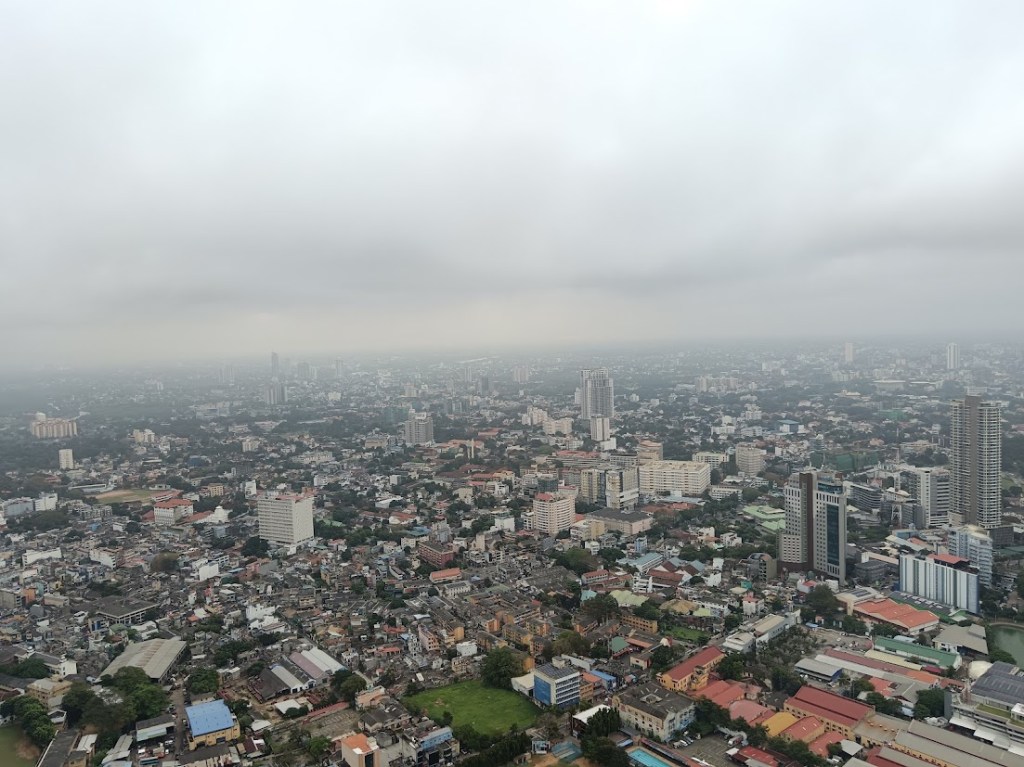
A panoramic view of Colombo. Photo courtesy: Ravi Shankar

My impressions of Colombo and Sri Lanka were positive. I was aware of the high human development indicators of the island nation, progress in access to essential medicines and the civil war. Sri Lanka shares many similarities with the state of Kerala in Indian in terms of topography, culture, food habits, high human development, outmigration, militant trade unions and a passion for egalitarian development. I also remembered the recent violent uprising against the former president and the image of the public frolicking in the pool at the presidential palace.

I was happy to receive an invitation to travel to Colombo in July 2023. I was invited to The Colombo Medical School, which was established by the British in 1870 and is one of the older schools in South Asia. It is the premier medical school of the country, and a new tower block has been constructed. The twenty-story tower is spacious and houses various departments. the humanities. The school was the first to start a Department of Medical Humanities (using art in the education of doctors) in South Asia. The physiology department has created a museum consisting of old instruments and apparatus that are no longer used. This is an excellent idea, and you remain in touch with the history of medicine.

The hotel where I stayed was located on Galle Face Road with the beach and the Galle Face green on the other side of the road. The beach was clean, and the park was originally laid out in 1859 by the British Governor General Sir Henry Ward. The Dutch had placed the cannons facing the ocean as a defence against the Portuguese. Sri Lanka had changed hands multiple times among the different colonial powers.

One of the striking features of Colombo is its cleanliness. The buses may be old and crowded but they are colourful. There are also rickshaws in a variety of colours, mainly green and red though yellow ones were less common. The kittul jaggery harvested from the fishtail palm or the jaggery palm is famous and I loved the gingelly rolls made with this jaggery. My second visit was in early January this year. The apartment where I stayed was attached to an old Sri Lankan house. The location was near to all conveniences but away from the noise and traffic.

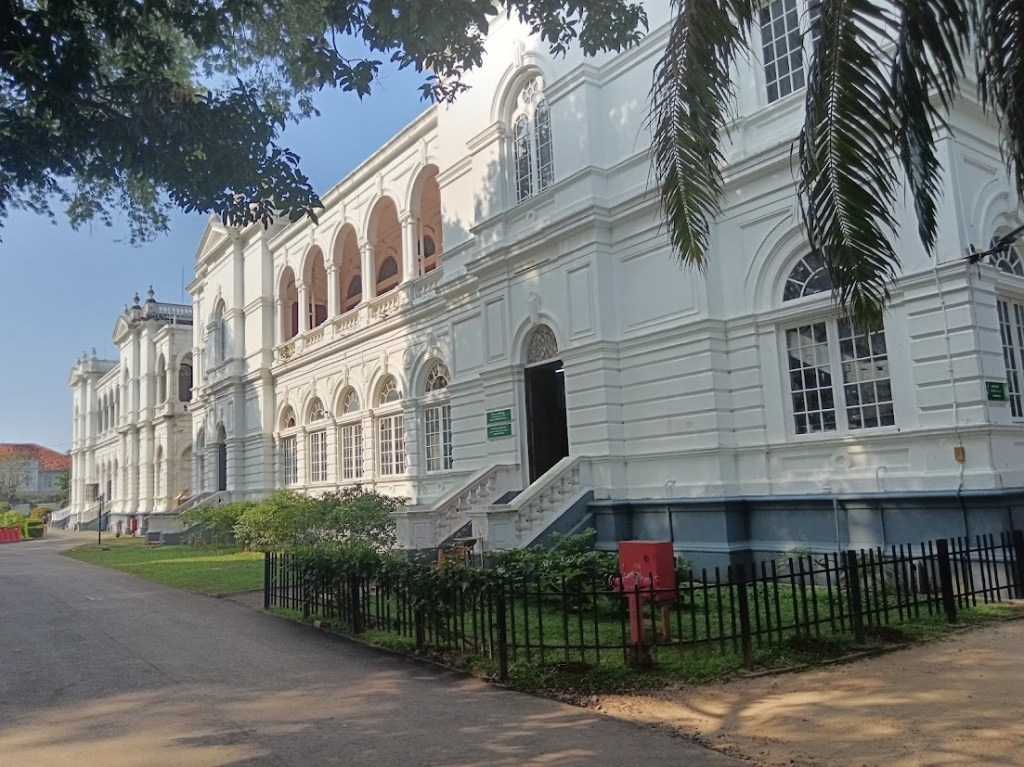
I visited the Sri Lankan national museum, the largest in the country. It was established by Sir Gregory, the British governor of Ceylon (as Sri Lanka was then called) in 1877. The museum is housed in a white, neo-Baroque building and offers a fascinating glimpse into Sri Lanka’s past. The museum is well maintained though it is not air conditioned. The humidity is a constant presence in Colombo. The collection of antiques at the museum is extraordinary.
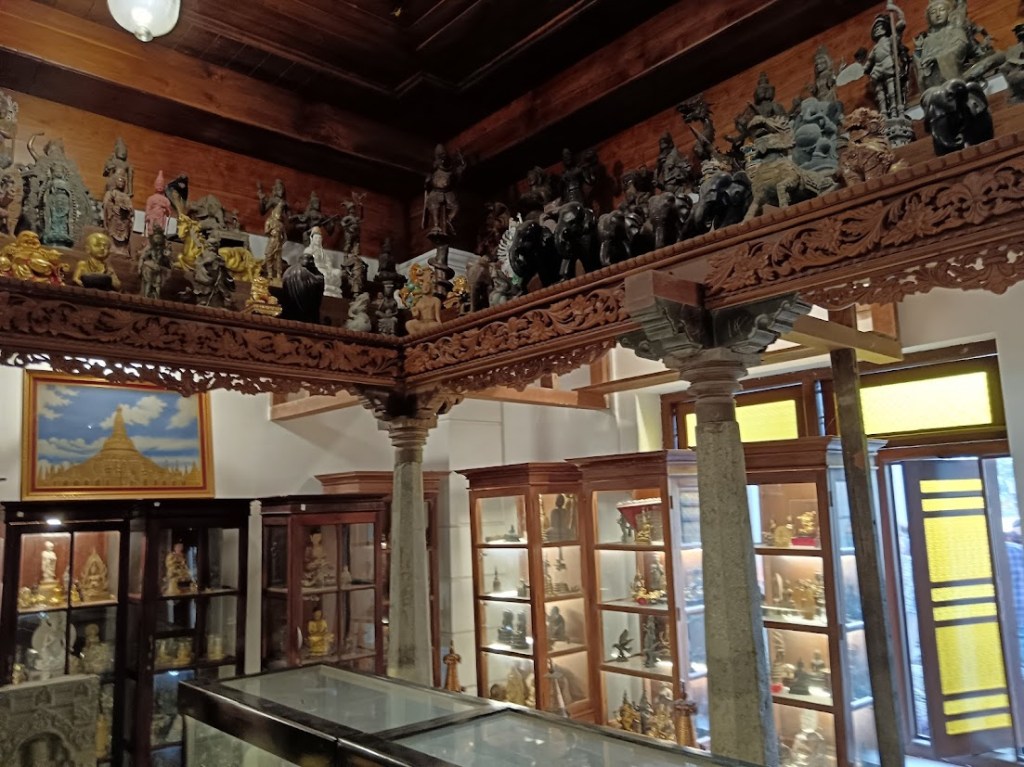
On my last evening in Colombo, I did some sightseeing. We went to the Gangaramaya temple, the most important one in Colombo. The architecture is a mix of Sri Lankan, Indian, Thai, and Chinese styles. The temple was started by the famous scholar monk Hikkaduwe Sri Sumangala Nayaka Thera in the late 19th Century. The temple has a rich collection of Buddha statues and huge collections of ivory that must be worth millions if not billions. Our next stop was the Lotus tower at 351.5 metres, the largest self-supported structure in South Asia. The lotus is a symbol of purity. view of Colombo city from the observation tower at the top is excellent. I could see the Galle Face Road where I had stayed during my last visit. We could see the Sri Lankan railway depots and stations.

Colombo is a fascinating city. There is plenty to see and do. Recent economic events have hit the island hard. During my subsequent visit I plan to explore other parts of this magical country. Serendip/Serendib was the ancient Persian/Arab name for the country. The name is believed to be derived from the Sanskrit Simhaladwipa (dwelling place of Lion’s Island). The lion occupies a prominent place on the Sri Lankan flag.

The three princes of Serendip in an ancient story had the knack of making unexpected discoveries and is the root of the word serendipity in English. Visit Colombo and Sri Lanka, who knows what serendipitous discoveries await you?
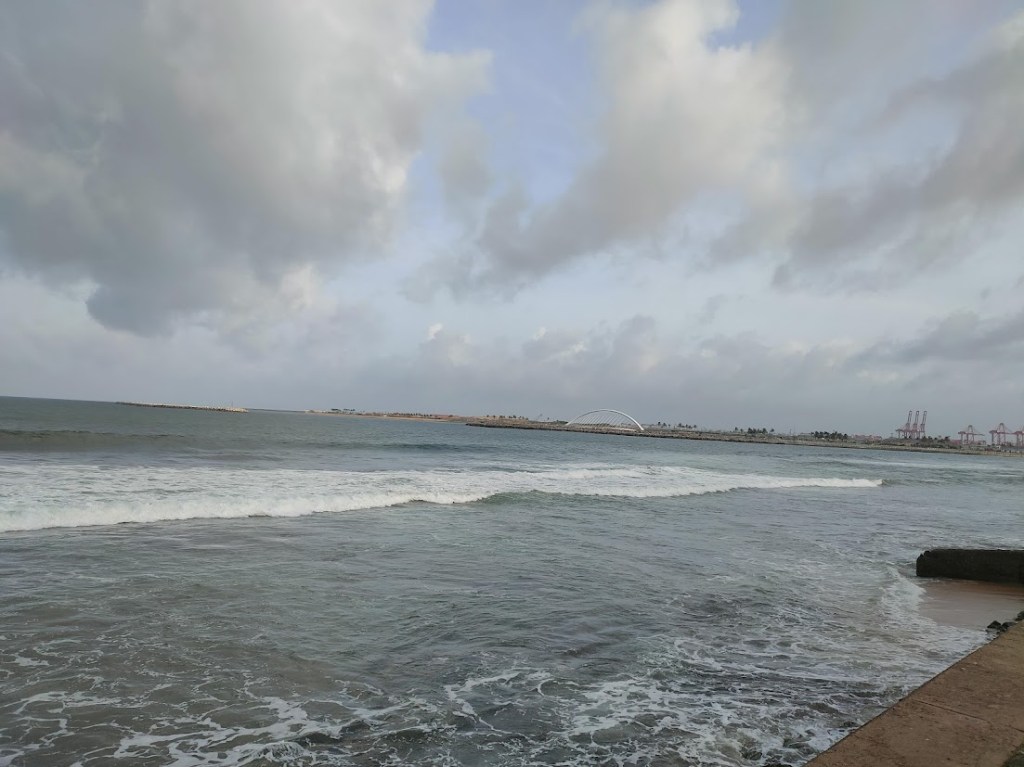
Photo Courtesy: Ravi Shankar

Dr. P Ravi Shankar is a faculty member at the IMU Centre for Education (ICE), International Medical University, Kuala Lumpur, Malaysia. He enjoys traveling and is a creative writer and photographer.

.

PLEASE NOTE: ARTICLES CAN ONLY BE REPRODUCED IN OTHER SITES WITH DUE ACKNOWLEDGEMENT TO BORDERLESS JOURNAL

Click here to access the Borderless anthology, Monalisa No Longer Smiles

Click here to access Monalisa No Longer Smiles on Kindle Amazon International
Categories
Poetry

The Village Huckster

By Shamik Banerjee

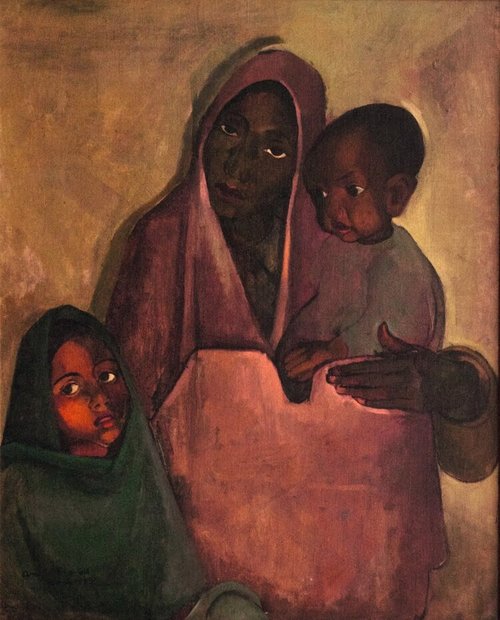
Painting by Amrita Shergill (1913-1941)

THE VILLAGE HUCKSTER

Upon the tracks of Assam's soggy soil,
She peddles from one doorstep to another.
Carrying a sling bag, she begins to toil.
Her scraggy feet -- all varicosed together.
Today, I saw her in a floundering state,
Submerged in sweat, shod in half-tattered shoes,
And haggling for the dairy in her crate --
Enslaved by mugginess -- to earn for two.
She halted at a nearby marsh with trees,
Reposed, and smeared some poultice on a heel,
Then toiled some more until the day's release
To have enough for one full, proper meal
And rest at last when all her tasks were done
While caring for her seven-year-old son.

Shamik Banerjee is a poet from Assam. He lives with his parents. Some of his latest poems have appeared in The Dirigible Balloon, New English Review, The Society of Classical Poets, and The Hypertexts.

.

PLEASE NOTE: ARTICLES CAN ONLY BE REPRODUCED IN OTHER SITES WITH DUE ACKNOWLEDGEMENT TO BORDERLESS JOURNAL

Click here to access the Borderless anthology, Monalisa No Longer Smiles

Click here to access Monalisa No Longer Smiles on Kindle Amazon International
Categories
Stories

The Last Hyderabadi

By Mohul Bhowmick

When the last Hyderabadi man walked into the last Hyderabadi Cafe in the last Hyderabadi part of the city, he winced in disapproval at what lay in front of his eyes. 

The metro rail — almost always championed as a resort of the poor but as heavy on the pocket as a plate of haleem[1] from Pista House — seemed to have overtaken the remnants of what was once the Garden Cafe. The construction workers were often seen munching on luqmi[2] before starting work in the bright sunshine of the day.

***

Had Garden survived, the last Hyderabadi would have survived too. He would have dipped his roti into the banal bowl of keema that had largely seen the innards of whatever chopping machine they used in the kitchen and digressed considerably to criticise the commercial fervour that Paradise Cafe (the World’s Finest Biryani — as it advertised itself these days), less than a mile away to the southeast, had embraced. 

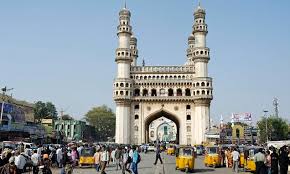
Yet, the way that Paradise had fallen on its face would not have seemed agreeable to him — the pride of the city intact in this wounded yet uninjured man — and he would have argued with the horde of loafers roaming in anticipation of a few pennies near the bottom of the Clock Tower, or booed with derision at the well-dressed middle-class diners approaching Baseraa for a meal they had envisioned a month ago.

Deccan Chronicle, about a hundred metres to the east from Baseraa, would have stood in silent vigil for what it had noticed, and in muted rebuke for what it had let flow from its murky torrents. Long having divested himself of the habit of reading a newspaper, the last Hyderabadi would have turned north in search of something a bit more appetising than the statistics of bribes taken and favours disbursed. 

Wasn’t it George Bernard Shaw who said that politics was the last resort of the scoundrel? The last Hyderabadi remembered having read something of the sort during his time at the Nizam College; surrounded by biryani by the bucketful at the Grand and mutton seekh by the skewer at Cafe Bahar, his wakeful remembrances were engulfed by a sordid affair at the Public Gardens which he would much rather not recall. 

***

Much given to lewdness in his youth, which included moments of sheer discomfort riding pillion behind a pillion on a two-wheeler — effectively three on the Honda that grunted in distress. Time — often seen as slipping past him like the silky outflow of the Irani chai at Blue Sea — was the great deterrent that forced him to fight for the movement that once engulfed, and now corrupted those who had vowed to not get enamoured by the corridors of power.

The last Hyderabadi now watched the last cricket match on the last pitch at the Parade Ground and grunted in discontent while crossing the road to the Gymkhana and witnessing one of the finest cover drives ever seen on its now-remodelled track; for all his impartiality, in his eyes, the Gymkhana remained the home of cricket — the home of Indian cricket at the very least. 

***

When peppered with bouts of time — of which he had plentiful — he often dreamt of the ideal that had consumed his passions and ignited the fires that have long been dormant now. Inexcusably, he had juggled three jobs at a time when his friends were struggling to make ends meet.

The opaque waters of the Hussain Sagar at the bend around Sanjeevaiah Park had seemed inviting enough on nights when he had not had time to read the freckled Dostoyevsky acquired that Sunday from Koti. It was the timely remembrance of an embrace from a friend who ran his father’s steel bearings business in Ranigunj that finally restored the last Hyderabadi to sanity and greater aspirations than what The Idiot had suggested. Strangely enough, he had dreamt of Alexander Pushkin that night; the duel upon the Black River seemed to be disapproving of what he had evaded in life.

The last Hyderabadi was often given to understand that those of his kind were an extinct race now, those who still studied the scores on Monday morning and despaired when their Bajaj ran out of fuel in the right lane in the thoroughfare he had called ‘Kingsway’ all his life.

Rather pitifully, the memories of his childhood visited upon him infrequently, withering that which he had left behind and flowering that which he did not want to remember. Oftentimes, these recollections included little apart from the moments tiptoed from the dispensation that ruled with an iron fist and earmarked itself to the cause — perhaps too vehemently for its liking — that he believed in. 

The dilkhush[3] scarred him on more than a few occasions when he hung around the Armaan Bakery in Ferozguda. His friends had called upon him to administer the immaterial wealth he had gathered over the years and embark on the search that had bruised his ego and slighted his soul for long; it seemed to be of a lifetime ago now. The sun had set that evening beyond the railway tracks as it did today, and yet his memories conveniently lied when put on the spot.

***

Those friends to whom he had clung for stability through those years of intransigence, with whom he had set back innumerable cups of tea and luqmi at the Rio, with whom he had shared remembrances by the plentiful at the Bawarchi — they had all disappeared without a trace in a world where public memory lives long enough for the good to be remembered and the bad to be dismembered. Bawarchi had been overtaken by Shah Ghouse, and Abids by Gachibowli, the empty streets of Jubilee Hills notwithstanding.

The last Hyderabadi had known this long before they started constructing the statue of the prominent lawyer who had been responsible for drafting that which held the people of this nation liable for their values and the politicians who ruled over them accountable for the promises they made. These now loomed larger than that of the ascetic whose refuge he had sought towards the end of his life. 

Neither the ascetic nor the lawyer mattered much in the minds of the newly-minted, power-hungry class who turned their noses away from him; the ideals the former propagated had been flung into the much-insulted Osman Sagar with grandeur, with the latter swallowing them without a hint of disgust. 

The last Hyderabadi meditated upon this as he turned back from where Bade Miyan used to exist. The patthar ka gosht[4] lingered long on the tip of his tongue, but with his pockets empty and resources nullified, ice cream from one of the myriad Bihari push-cart vendors on Tank Bund would have to make do for dinner, washed down by a bottle of lemon soda made from water rarefied by the Hussain Sagar[5]‘s numerous cousins.

***

Had he taken the bus from Patny southwest to Mehdipatnam on a lazy Saturday afternoon, the last Hyderabadi would have noticed the hawker who still believed in the incorruptibility of man, who sold ball-point pens at the traffic signal without haranguing his clientele too much, or the stout hijra[6] in Rasoolpoora whose self-respect had given way to hunger, or the blind beggar in Masab Tank, who died with Hyderabad in his eyes.

Had he been flogged that day by the marching crowd demanding employment for the destitute who neither knew nor chose to care about the latest matinee flick at the Tivoli, the last Hyderabadi would have known the extent to which his boundaries lay. 

The aggrieved mob screamed in righteous indignation and discontent as he sat beside the conductor, who counted the day’s earnings with just about enough interest to murmur,

“Haibat me ye logaan kahan-kahan toh bhi fir lete rehte, kya-kya toh bhi kar lete rehte – apan khaali ye puron ku dekh lena fir gumm bol leke palat lena. Shukraan apne ku koi dam nai karte!

(With great resentment these people move about in protest, but nothing comes of it. All we have to do is look the other way when they come here. Thankfully, nobody bothers us!)”

The last Hyderabadi had cried that night.

*** 

Spring seemed to be around the corner, but the last Hyderabadi had little by way of hope, further less by way of reflection. For what he remembered seemed to hark back to the days when he could still think of himself as a man in a city that bore him, that gleefully harboured him. 

Those of his ilk had disappeared long ago, men among whose shadows he had multiplied himself and sat in the peace of knowing that there were at least some who were like him, who understood him and who, perhaps, even loved him.

.

[1] Stew originating in the Middle East and South Asia

[2] A Hyderabadi variation of the samosa with mince meat

[3] A sweet stuffed bread of coconut and tutti-fruiti

[4] A hyderabadi lamb dish

[5] A lake in Hyderabad https://tourism.telangana.gov.in/nature-discovery/HussainSagarLake

[6] A transgender from birth

Mohul Bhowmick is a national-level cricketer, poet, sports journalist, essayist and travel writer from Hyderabad, India. He has published four collections of poems and one travelogue so far. More of his work can be discovered on his website: www.mohulbhowmick.com.

PLEASE NOTE: ARTICLES CAN ONLY BE REPRODUCED IN OTHER SITES WITH DUE ACKNOWLEDGEMENT TO BORDERLESS JOURNAL. 

Click here to access the Borderless anthology, Monalisa No Longer Smiles

Click here to access Monalisa No Longer Smiles on Kindle Amazon International

Categories
Poetry

Three Poems by Rakhi Dalal

Rakhi Dalal


LETTING GO

They tell you one must learn
to let go to remain sane.
What they miss out telling
is how much it takes
to forget and let go people
who make a whole city in your life.
A city that is not home
still, the only home you know;
A home that consumes
and yet the only place that sustains you;
A sustenance that holds
but offers no release.
When you have lived
long in such a city,
your hopes are entangled
with the unyielding forces
of knots
difficult to untie.


THE OFFERING

I despair
when things don’t go
as I planned.
I forget
to breathe,
and lament
the spaces around
for smothering me.
I forget
time is as mercurial
as the fancies of my mind.
I forget
it only takes
as much warmth
as that bestowed
by a weak winter sun
to step out
and begin
from the beginning.


RESILIENCE
(after 'Window' by Naomi Shihab Nye)

Resilience makes itself every day
appear from unexpected places.
We are shown in abundance
if we stop to notice
amidst the muddle
beget by ordinary ordeals.
A shoot
emerging from the stem
of a withered plant in your balcony,
long after you thought it had died
because you forgot to water it for months,
tells you life clutches
tightly after all.
And pushes forth with might
through everything it is denied.

Rakhi Dalal writes from a small city in Haryana, India. Her work has appeared in Kitaab, Scroll, Borderless Journal, Nether Quarterly, Aainanagar, Hakara Journal, Bound, Parcham and Usawa Literary Review

.

PLEASE NOTE: ARTICLES CAN ONLY BE REPRODUCED IN OTHER SITES WITH DUE ACKNOWLEDGEMENT TO BORDERLESS JOURNAL

Click here to access the Borderless anthology, Monalisa No Longer Smiles

Click here to access Monalisa No Longer Smiles on Kindle Amazon International

Categories
Tribute

Out of the Closet: Norman Rockwell

By Wayne F. Burke

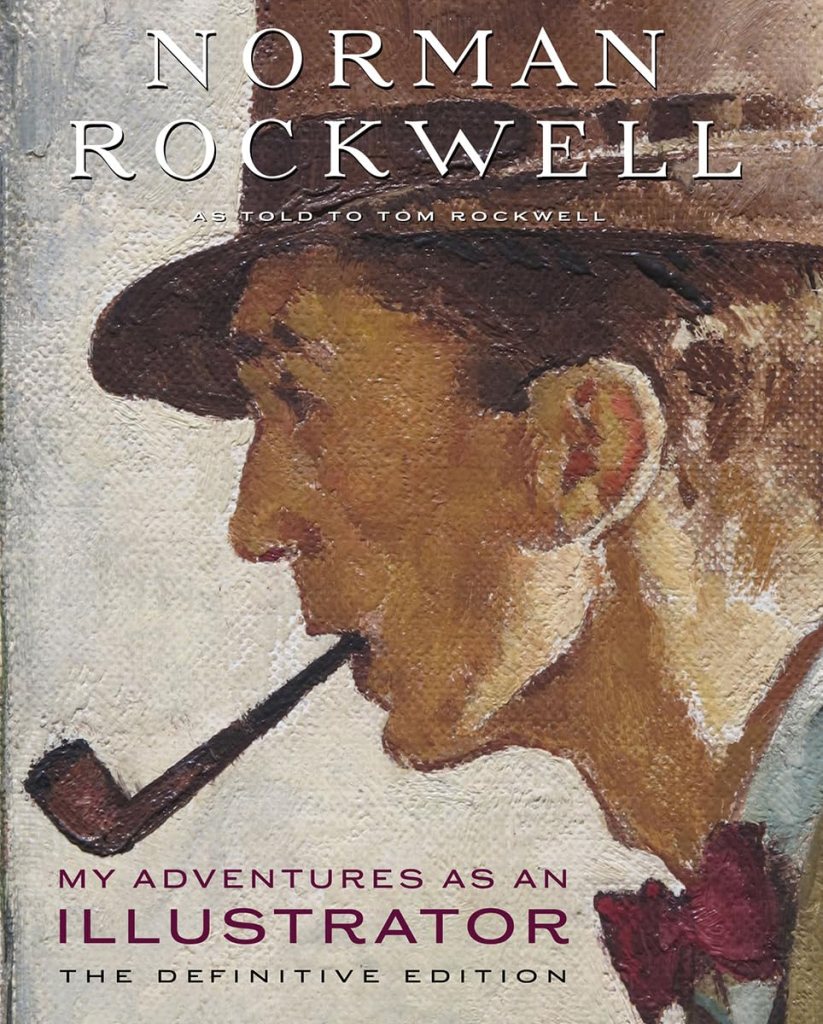
Norman Perceval Rockwell went into dementia in the last years of his life and died at 84 in 1978. He was a deeply insecure human being—about himself and his work. Even as a cultural icon, he still distrusted his judgement, wondering if the quality of his work was slipping, if editors would still take it, if he and his work were passé—too old fashioned. His insecurities—masculinity among them; his struggles with self-worth and the worthiness and meaningfulness of his work, drove him to achieve a kind of surface perfection in his work and self.

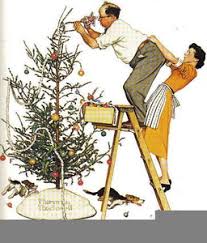
He wore rose coloured glasses an inch thick, refusing to acknowledge the seamier side of life, though in a few pictures, very few, he stepped out of character: with a poster/picture of a machine gunner, 1942; with a 1960’s painting of a little black girl being escorted by U.S. Marshalls, he presented a deeper reality, clearer vision, than his usual joshingly superficial emotionalism—the signature of his work. His seven years in therapy with Eric Erikson did bring a deeper psychological nuance to his work, but the depth remained at the shallow end of the pool.

 “I have the ability,” he wrote in his autobiography My Adventures As An Illustrator,“to ignore unpleasant or disturbing experiences.” (In the autobiography, he failed to mention his second wife’s alcoholism—they were married for twenty years.)

He remained blinkered to reality, setting out purposely to create an alternative and prominently adenoidal looney-tune world.

As a product of a valetudinarian mother and a cold remote father (a salesman) Norman became an emotionally stunted pedantic oddball whose work straddled worlds of illustration and fine art. Whenever asked, he always declined to describe himself as an “artist,” insisting he was an “illustrator.” A display of humility, Deborah Solomon noted in her Rockwell biography, or a defensive feint—“he couldn’t be rejected by the art world if he rejected it first” (American Mirror, ‘The Life and Art of Norman Rockwell’). The insipid emotionalism of his characterisations ensured his place as illustrator.

Though Americanising Dutch Realism, as Solomon also noted, his technique—fidelity to realism, and to the shallowness of his vision—made his work’s elevation to rarified “art” probable though only as a side-show, as an art of eccentricity, and not for the big tent. 

Wayne F. Burke is, primarily, a poet–with 8 published poetry collections to date–but also writes prose fiction, nonfiction, and expository. His most recently published book, a nonfiction work, is titled “the VAN GOGH file: POTATO EATERS, PREACHERS, AND PAINTERS,” Cyberwit.net., publisher. He lives in the state of Vermont (USA).

.

PLEASE NOTE: ARTICLES CAN ONLY BE REPRODUCED IN OTHER SITES WITH DUE ACKNOWLEDGEMENT TO BORDERLESS JOURNAL

Click here to access the Borderless anthology, Monalisa No Longer Smiles

Click here to access Monalisa No Longer Smiles on Kindle Amazon International

Categories
Poetry

A Child in Gaza

By David Mellor

Dreaming of leaving
This rock above my
Head

Dreaming of leaving
The thought you are dead

Dreaming of leaving

Going back to when I
played here, running up
the path mama mama
kissing your sweet forehead

now motionless and
cold

Dreaming of leaving

Not wishing to go
But there is no one here, just the buzz
Of the drone overhead
And night falling in my soul

Leaving leaving
Dreaming dreaming
of leaving
leaving leaving
leaving…

David Mellor has been published and performed widely from the BBC, The Tate, galleries and pubs and everything in between. Now, resident in Turkey he has continued his literary career with his work appearing in journals including a weekly column in Canakkale Gündem about his observations of Turkish life. His poems and writings are autobiographical, others topical and several his take on life. 

.

PLEASE NOTE: ARTICLES CAN ONLY BE REPRODUCED IN OTHER SITES WITH DUE ACKNOWLEDGEMENT TO BORDERLESS JOURNAL. 

Click here to access the Borderless anthology, Monalisa No Longer Smiles

Click here to access Monalisa No Longer Smiles on Kindle Amazon International

Categories
Nostalgia

Glimpses of an Indian Summer

By Madhuri Bhattacharya

Summer is a reality check that strengthens our resolve to survive each day, after a vacation. It is a sizzling 47 degrees Celsius outside. Even a simple task is a battle that needs to be won. My short morning walk almost finishes me, though I go in the very early hours. It becomes difficult to take it, making me sweat as in the gym. Even an urgent car drive can roast you. Going to the nearest market becomes an odyssey. The best thing about summer is that you can blame everything on it.

As I look back, from April through June, North India would descend into hell. As the mercury rose above 40C, the air turned progressively drier. Homes were cooled with curtains of the fragrant “khus”. This dried herb needed to be watered and the dry wind blows fragrance and moisture into the house. It was surprisingly effective. In school, students routinely suffered nosebleeds and fainted from the heat during morning assembly which  held in the school grounds. Now we have air conditioners in some places.

There were sandstorms accompanying the heat wave from deserts around Delhi. People would shut their doors and windows but the dust would still find its way in. In this lower ring of Hades, students would battle their final exams. Summer always brought the sense of an ending.

What also ended, was the supply of good vegetables. Bhindi (okra), eggplant, gourds, sundry root vegetables were all that could be found in the shops. Everything else died from the heat. But there were cucumbers — long, slender, foot long cucumbers with very fine skin. These were referred to, poetically, as “Laila ki ungliyan; Majnu ki pasliyan[1]”. And there was Rooh Afza: A lurid pink “sherbet” which came in a glass bottle and was made with Unani herbs to counter the heat. Jugs of this were served with ice and slices of lime. There were “cooling” foods with coriander, limes and raw white onions. Icy cold lassi with mint and roasted cumin were invariably present at every meal.

What would summer be without mangoes? We didn’t get the King of mangoes, Alphonso, always but there was the Dusshehri and Langda and so many varieties.   Mangoes in every way and in every variety– juice, pulp, fresh, fried, pickled, jams — sweet savoury.

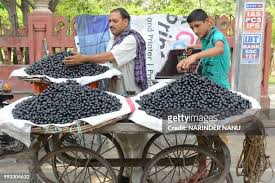
Men selling Jamun fruit. From Public Domain

Occasionally, on the way out of town as kids, we would buy sugary honeydews and watermelons on the dusty road of Rajasthan. A tall glass of nimbu pani[2], watermelon juice, buttermilk were very welcome.  Or relief of a cool shower at the conclusion of a punishing day. The soothing balm of an evening breeze. Sometimes, we bought deep purple Jamuns from handcarts. These stained our faces and dresses with its colour. The dresses would be thin cottons or muslin which turned into butter with repeated washes.

The summer was as cruel as it was generous. It sang a melodious tune — the cuckoo’s cry woke us up every morning.

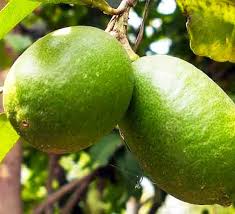
The Gondhoraj Lebu or lemon. From Public Domain

Many years ago, I had discovered in Bengal this marvellously rich, soothing, fresh scent which has become synonymous with the fragrance of summer for me. The scent  lingered and I knew the sapling was coming home with me. The great gondhoraj lebu, lime, lemon — call it as you will — but it is the king (raj)of taste and fragrance (gondho). It has a distinctive flavour and aroma akin to its South East Asian, lumpy bumpy cousin the kaffir lime. Lime to lemon in size and really used more for its zest rather than the pitiful amount of juice, although its still worth the trouble, trying to squeeze every last drop of it out into your meal or drink.

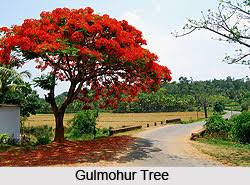
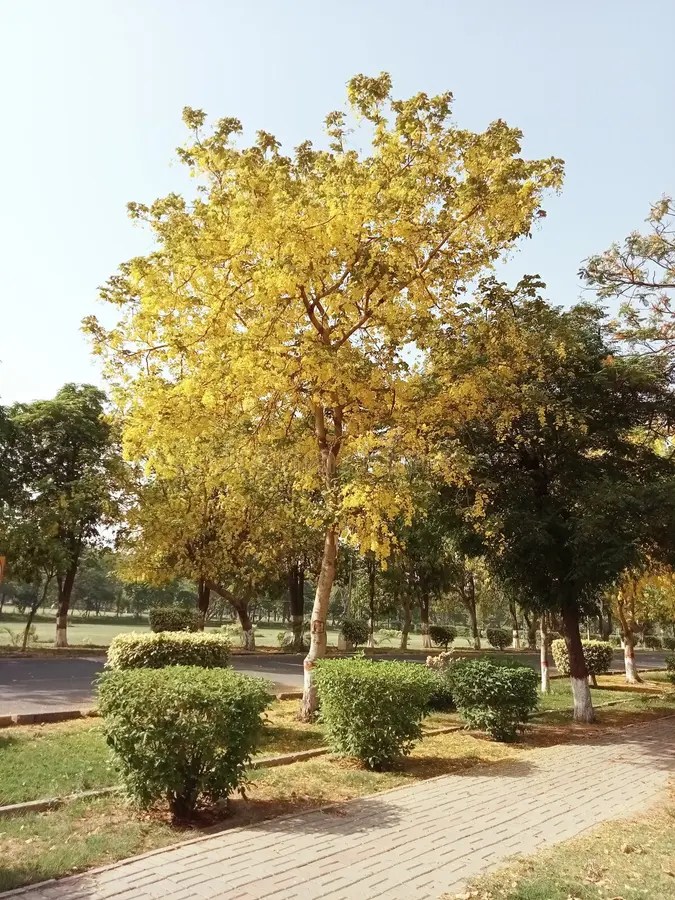
The streets stayed deserted all afternoon in the summer. There wouldn’t be a crow in sight. Though they stayed ablaze with the skies  with flames of gulmohar and the gold of amaltas. The curtains would be drawn, the cooler, would be on. We would listen to music or watch television.

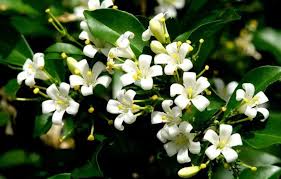
And the saga of summer continues. At night, we are greeted with intoxicating perfumes of nature. Though the garden completely shrivels, jasmines and tuberoses bloom in the tender moonlight. Madhukamini wafts like a hundred blessings around my senses. It seems all pervasive, and the light breeze seems to control its intensity in the night…

Madhukamini Blooms. From Public Domain

[1] the fingers of Laila, the ribs of Majnu: From the legendary love story of Laila Majnu

[2] Lemon water

 Madhuri Bhattacharya is a closet writer and art enthusiast. She is interested in creative writing, translations and travel.

.

PLEASE NOTE: ARTICLES CAN ONLY BE REPRODUCED IN OTHER SITES WITH DUE ACKNOWLEDGEMENT TO BORDERLESS JOURNAL. 

Click here to access the Borderless anthology, Monalisa No Longer Smiles

Click here to access Monalisa No Longer Smiles on Kindle Amazon International
Categories
Poetry

At the turn of the Century

By Stuart MacFarlane

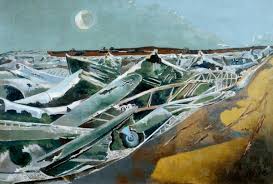
Art by Paul Gnash (1889-1946)
                  I

I wonder what people felt
at the turn of the century,
with Waterloo behind them now;
and the Crimea and the hundred wars
fought by men to prove
I'm not sure what.
I wonder what they felt
as the thick black smoke of industry
cleared now on the skyline;
and there, for the first time, they saw
the blue sky, the sunlight shining through.
I wonder what they felt
when they saw their century slip away,
like a fine ship pushed out to sea.
And there, before them, the great unknown;
mile on mile of endless ocean.
Did they feel hope or fear, I wonder?
Or maybe both?
And, seeing the gravestones in the rain,
perhaps a sense of sadness, too,
for those who had not made it.
For many had lived, but many more had died.


II

We survived the shock of the millennium,
with Passchendaele behind us now;
and Auschwitz, Hiroshima, Korea, Vietnam.
And, I wonder, as the years subside,
what we will feel
at the turn of our century...
With Iraq behind us now,
and Gaza and Ukraine and the hundred wars
yet to be fought by men to prove
I'm not sure what.
I wonder what we'll feel as
the thick clouds of radioactive gas
clear slowly on the skyline.
And there, for the first time, we see
the blue sky, the sunlight shining through.
I wonder what we'll feel
as our century slips away,
like part of a rocket jettisoned
silently in outer space.
And there, before us, the great unknown;
a thousand light years, bright with stars;
yet so very, very far away.
Will we feel hope or fear, I wonder?
Or maybe both?
And, seeing the gravestones in the rain,
perhaps a sense of sadness, too,
for those who did not make it.
For many will live, but many more will die.

Stuart MacFarlane is now semi-retired. He taught English for many years to asylum seekers in London. He has had poems published in a few online journals.                                                                                                                    

.

PLEASE NOTE: ARTICLES CAN ONLY BE REPRODUCED IN OTHER SITES WITH DUE ACKNOWLEDGEMENT TO BORDERLESS JOURNAL

Click here to access the Borderless anthology, Monalisa No Longer Smiles

Click here to access Monalisa No Longer Smiles on Kindle Amazon International
Categories
Excerpt

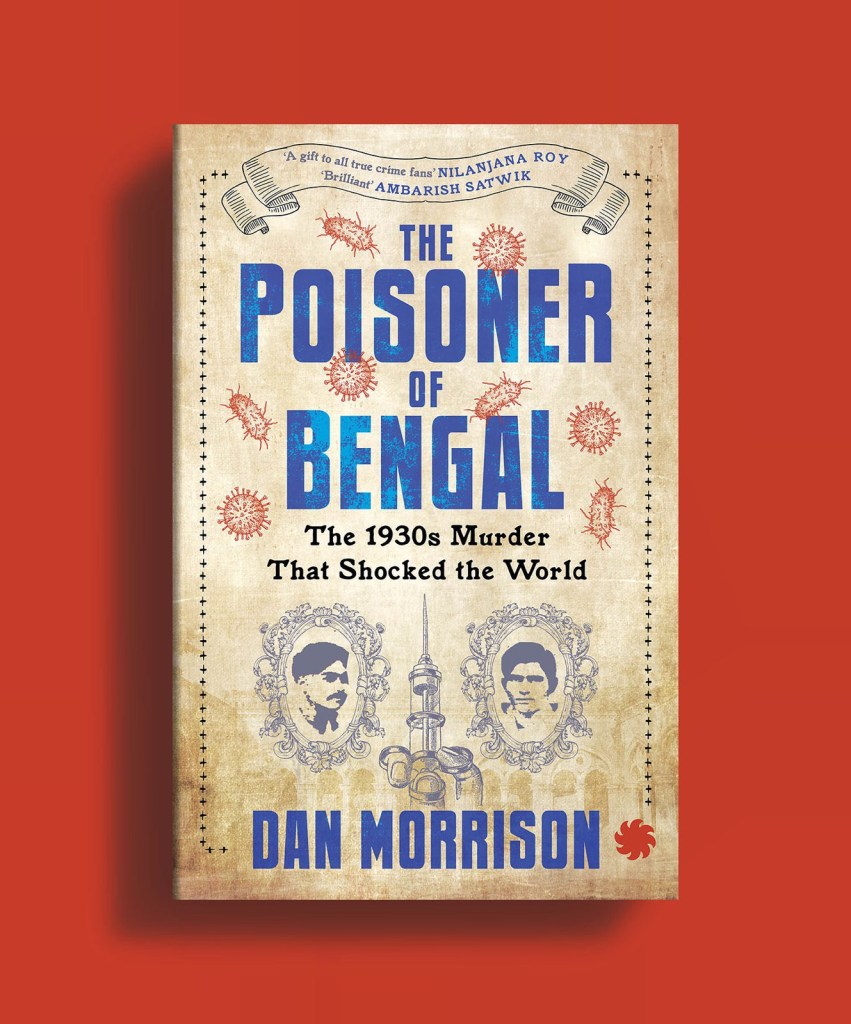
The Murder that Shocked the World


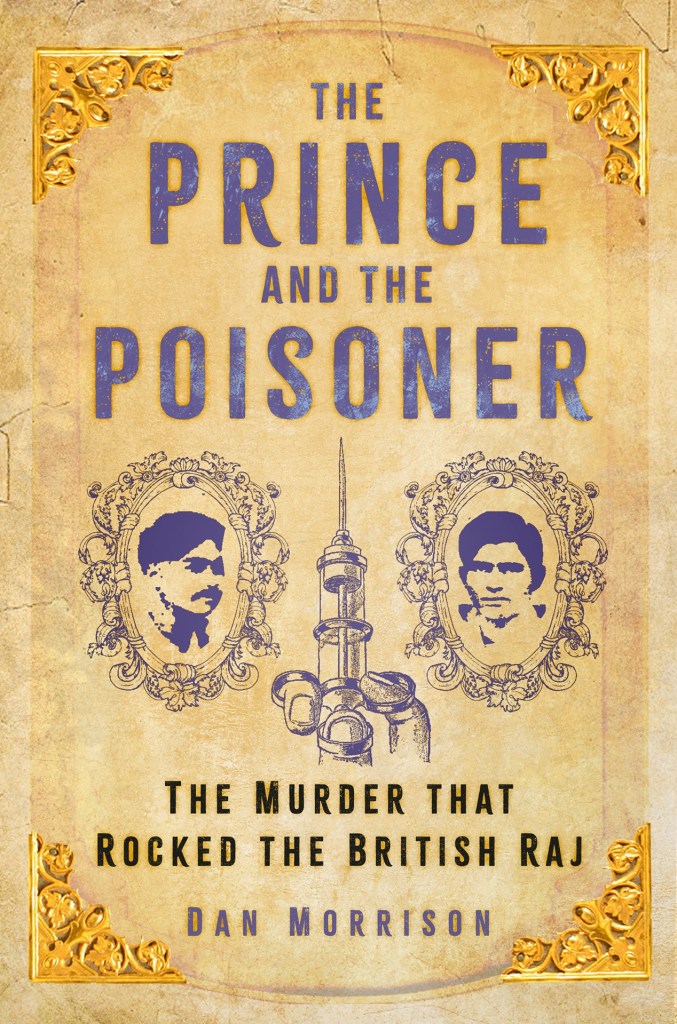
Titles: The Poisoner of Bengal/The Prince and the Poisoner

Author: Dan Morrison

Publishers: Juggernaut (India)/ The History Press (UK)

November 1933: Howrah Station

For most of the year, Calcutta is a city of steam, a purgatory of sweaty shirt-backs, fogged spectacles, and dampened décolletage. A place for melting. In summer the cart horses pull their wagons bent low under the weight of the sun, nostrils brushing hooves, eyes without hope, like survivors of a high desert massacre. The streets are ‘the desolate earth of some volcanic valley’, where stevedores nap on pavements in the shade of merchant houses, deaf to the music of clinking ice and whirring fans behind the shuttered windows above.

The hot season gives way to monsoon and, for a while, Calcuttans take relief in the lightning-charged air, the moody day- time sky, and swaying trees that carpet the street with wet leaves, until the monotony of downpour and confinement drives them to misery. The cars of the rich lie stalled in the downpour, their bonnets enveloped in steam, while city trams scrape along the tracks. Then the heat returns, wetter this time, to torment again.

Each winter there comes an unexpected reprieve from the furious summer and the monsoon’s biblical flooding. For a few fleeting months, the brow remains dry for much of each day, the mind refreshingly clear. It is a season of enjoyment, of shopping for Kashmiri shawls and attending the races. Their memories of the recently passed Puja holidays still fresh, residents begin decking the avenues in red and gold in anticipation of Christmas. With the season’s cool nights and determined merriment, to breathe becomes, at last, a pleasure.

Winter is a gift, providing a forgiving interval in which, sur- rounded by goodwill and a merciful breeze, even the most determined man might pause to reconsider the murderous urges born of a more oppressive season.

Or so you would think.

On 26 November 1933, the mercury in the former capital of the British Raj peaked at a temperate 28°C, with just a spot of rain and seasonally low humidity. On Chowringhee Road, the colonial quarter’s posh main drag, managers at the white- columned Grand Hotel awaited the arrival of the Arab-American bandleader Herbert Flemming and his International Rhythm Aces for an extended engagement of exotic jazz numbers. Such was Flemming’s popularity that the Grand had provided his band with suites overlooking Calcutta’s majestic, lordly, central Maidan with its generous lawns and arcing pathways, as well as a platoon of servants including cooks, bearers, valets, a housekeeper, and a pair of taciturn Gurkha guardsmen armed with their signature curved kukri machetes. Calcuttans, Flemming later recalled, ‘were fond lovers of jazz music’. A mile south of the Grand, just off Park Street, John Abriani’s Six, featuring the dimple-chinned South African Al Bowlly, were midway through a two-year stand entertaining well-heeled and well-connected audiences at the stylish Saturday Club.

The city was full of diversions.

Despite the differences in culture and climate, if an Englishman were to look at the empire’s second city through just the right lens, he might sometimes be reminded of London. The glimmer- ing of the Chowringhee streetlights ‘calls back to many the similar reflection from the Embankment to be witnessed in the Thames’, one chronicler wrote. Calcutta’s cinemas and restaurants were no less stuffed with patrons than those in London or New York, even if police had recently shuttered the nightly cabaret acts that were common in popular European eateries, and even if the Great Depression could now be felt lapping at India’s shores, leaving a worrisome slick of unemployment in its wake.

With a million and a half people, a thriving port, and as the former seat of government for a nation stretching from the plains of Afghanistan to the Burma frontier, Calcutta was a thrumming engine of politics, culture, commerce – and crime. Detectives had just corralled a gang of looters for making off with a small fortune in gold idols and jewellery – worth £500,000 today – from a Hindu temple dedicated to the goddess Kali. In the unpaved, unlit countryside, families lived in fear of an ‘orgy’ of abductions in which young, disaffected wives were manipulated into deserting their husbands, carried away in the dead of night by boat or on horseback, and forced into lives of sexual bondage.

Every day, it seemed, another boy or girl from a ‘good’ middle- class family was arrested with bomb-making materials, counterfeit rupees, or nationalist literature. Each month seemed to bring another assassination attempt targeting high officials of the Raj. The bloodshed, and growing public support for it, was disturbing proof that Britain had lost the Indian middle class – if it had ever had them.

Non-violence was far from a universal creed among Indians yearning to expel the English, but it had mass support thanks to the moral authority of Mohandas Gandhi. Gandhi, the ascetic spiritual leader whose campaigns of civil disobedience had galvanised tens of millions, was then touring central India, and trying to balance the social aspirations of India’s untouchables with the virulent opposition of orthodox Hindus – a tightrope that neither he nor his movement would ever manage to cross.

And from his palatial family seat at Allahabad, the decidedly non-ascetic Jawaharlal Nehru, the energetic general secretary of the Indian National Congress, issued a broadside condemning his country’s Hindu and Muslim hardliners as saboteurs to the cause of a free and secular India. Nehru had already spent more than 1,200 days behind bars for his pro-independence speeches and organising. Soon the son of one of India’s most prominent would again return to the custody of His Majesty’s Government, this time in Calcutta, accused of sedition.

It was in this thriving metropolis, the booming heart of the world’s mightiest empire, that, shortly after two o’clock in the afternoon on that last Sunday in November, well below the radar of world events, a young, slim aristocrat threaded his way through a crowd of turbaned porters, frantic passengers, and sweating ticket collectors at Howrah, British India’s busiest railway station.

He had less than eight days to live.

About the Book:

A crowded train platform. A painful jolt to the arm. A mysterious fever. And a fortune in the balance. Welcome to a Calcutta murder so diabolical in planning and so cold in execution that it made headlines from London to Sydney to New York. 

Amarendra Chandra Pandey, 22, was the scion of a prominent zamindari family, a model son, and heir to half the Pakur Raj estate. Benoyendra Chandra Pandey, 32, was his rebellious, hardpartying halfbrother – and heir to the other half. Their dispute became the germ for a crime that, with its elements of science, sex, and cinema, sent shockwaves across the British Raj. 

Working his way through archives and libraries on three continents, Dan Morrison has dug deep into trial records, police files, witness testimonies, and newspaper clippings to investigate what he calls ‘the oldest of crimes, fratricide, executed with utterly modern tools’. He expertly plots every twist and turn of this repelling yet riveting story –right up to the killer’s cinematic last stand. 

About the Author:

Dan Morrison is a regular contributor to The New York Times, Guardian, BBC News and the San Francisco Chronicle. He is the author of The Black Nile (Viking US, 2010), an account of his voyage from Lake Victoria to Rosetta, through Uganda, Sudan and
Egypt. Having lived in India for five years, he currently splits his time between his native Brooklyn, Ireland and Chennai.

.

PLEASE NOTE: ARTICLES CAN ONLY BE REPRODUCED IN OTHER SITES WITH DUE ACKNOWLEDGEMENT TO BORDERLESS JOURNAL

Categories
Celebrating Humanity

In Quest of a Home…

“One night, the mortar launcher awakened superstition from its sleep and dragged it away with an F-16 saying, ‘I cannot exist . . . unless there is a refugee.’”

Ever Since I Did Not Die by Ramy Al Asheq, translated from Arabic by Isis Nusair 

We celebrate the human spirit in those who surviving war-torn zones or climate disasters reach out for new homes or refuges in safer places. They are referred to as refugees. Yet, many people who are living without the fear of having their homes ransacked, burnt, bombed or annihilated because of reasons we don’t quite understand — for who could fully explain the logic of war, floods or fires — find it hard to allow the dispossessed shelter within the bounds of their safe haven. They get blamed for creating scarcities of resources.

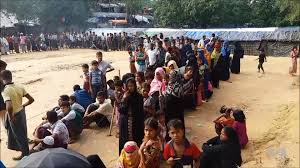
“Is it our instinct to always blame the victim?” asks Ramy Al-Asheq in Ever Since I Did Not Die. We share more such questions from him and others in this special issue. He was born and bred in a refugee camp, eventually incarcerated and suffered till he found a safe haven. An account from Timothy Jay Smith on the plight of refugees who escaped to Lesbos from as far as Afghanistan and Iraq brings to the fore the crises faced by host countries too. Shaheen Akhtar’s short story takes us to a refugee camp for Rohingyas, people who have lived in the region of the Rakhine state from the seventh century but in the last few years have been facing violent displacement. A UN report gives out they are being beheaded, shot and burnt out of their homes.

We have poetry from a refugee from Ukraine who is trying to rebuild her life in Scandinavia, Lesya Bakun, and from Ahmad Al-Khatat of Iraq.   Michael Burch brings in the story of Christ while talking of modern day refugees, given that he describes the Child as a ‘Palestinian’. Though did these borders drawn by political needs exist at that time? LaVern Spencer McCarthy questions laws and attitudes that nurture such fences while Ihlwha Choi of Korea talks of love and acceptance being the best balm for refugees — whether North or South Korean or Ukrainian. 

The flowers are already in full bloom,
In the hearts of the Northern and Southern Koreans,
Also in the hearts of the people of Ukraine and Russia.

-- Flowers of Love Bloom Everywhere by Ihlwha Choi

When will we find a way to get in touch with the same ‘flowers of love’ and acceptance for all humanity living on this beautiful green planet? Do we need to redefine our norms to let our species survive and thrive? Let’s ponder with these writers…

Poetry

Flowers of Love Bloom Everywhere by Ihlwha Choi. Click here to read.

Are We There Yet? by LaVern Spencer Macarthy. Click here to read.

The Grave is Wide… by Michael Burch. Click here to read.

Flowering in the Rain & More Poems by Ahmad al-Khatat. Click here to read.

I am Ukraine by Lesya Bakun. Click here to read.

Prose

An excerpt from Ramy Al-Asheq’s Ever Since I Did Not Die, translated from Arabic by Isis Nusair, edited by Levi Thompson. The author was born in a refugee camp. Click here to read.

Mister, They’re Coming Anyway: Timothy Jay Smith writes on the refugee crisis in Lesbos Island, Greece with photographs by Michael Honegger. Click here to read.

The Magic Staff , a poignant short story about a Rohingya child by Shaheen Akhtar, translated from Bengali by Arifa Ghani Rahman. Click here to read.