Ratnottama Sengupta shows the impact of Gandhi and his call for non-violence on her father, Nabendu Ghosh as she continues to emote over his message of Ahimsa and call for peace amidst rioting
Eka Naukar Jatri (Journey of a Lonesome Boat)Gandhi. Courtesy: CReative Commons
The ferocity and senselessness of riots — Nabendu Ghosh had personal experience of both. In his autobiography, Eka Naukar Jatri (Dey’s Publication, 2008, Journey of a Lonesome Boat), he writes at length about grappling with the riots that had rocked Calcutta, Bengal — nay, the entire Subcontinent on 16th August 1946.
The Direct Action Day call was given out by Mohammad Ali Jinnah to press the demand for a separate Muslim State, Pakistan. The epicentre was Calcutta, a flourishing centre of business and education, that had Suhrawardy of Muslim League as its chief minister. On that black Friday, they unleashed unprecedented bloodletting along communal lines. At least 4000 deaths were reported on the very first day of the ‘Great Calcutta Killing’ that continued for more than four days. Many women were raped, many were kidnapped, many killed and hung naked in public areas… Dismemberment, forced conversion, bustees set on fire… Violence spread to Khulna in East Bengal, and Bihar. Within a year the hatred ignited on religious grounds culminated in the Partition of India.
The savagery of the mindless bloodbath had left such a deep dent on the yet-to-be-thirty writer, that he wrote a number of stories and novels on the theme: Phears Lane, Dweep, Trankarta, Ulukhar, ‘Chaaka’(Full Circle), and ‘Gandhiji’.
Gandhiji builds majorly on the author’s own memories of a darshan[1]of Mohandas Karamchand Gandhi while he was passing through Patna, sometime in early 1931. This is how he records his ‘encounter’ with the Saint of Sabarmati who worked magic on the masses with the mantra of Ahimsa, non-violence.
“By 1930 all of India and its British rulers too were uttering one name with awe: Gandhi. One evening it came to my ears that the Mahatma would reach Patna at 7 am the next morning, spend the day in the city and leave by the Punjab Mail at night.
“I did not sleep well that night. I was up at the crack of dawn and left home at 5 am on the pretext of getting a book from a friend. But I could not get anywhere near the Patna railway station, which was teeming with people who had arrived before sunrise. It was no different along the path he would be driven down. I hung around at one end of the platform, eyes glued to the exit gate.
“Policemen on horseback trotted past me. A police van was parked close by. Those patrolling the platform carried bayonets and batons. Because of my green years and my small built, I was allowed to inch ahead. From time to time the sky was rent with the cry of ‘Mahatma Gandhi ki jai! Long live the Mahatma!’
“All of a sudden, perhaps to steel myself, I started to whisper: ‘Vande Mataram! I salute you, my Motherland!’ As if on a cue, the man next to me cried out aloud: ‘Vande Mataram!’ The crowd roared in an echo: ‘Vande Mataram! Vande Mataram!!’
“Suddenly a train rolled in with a long whistle. And people all around me broke into the cries of ‘Mahatma Gandhi ki jai!’ ‘Bharat Mata ki jai!’ ‘Vande Mataram!’ I found myself matching their voice…
“Soon people started saying, ‘There he goes…’ Some cars came forward with Gandhi-topi clad volunteers. And then, there was the face so familiar from the newspapers, peering out of a hood-open Ford. Mahatma Gandhi, clad in a knee-length khadi dhoti, a chadar draped over his bare torso, a volunteer on either side, was greeting everyone with folded hands. What an inspiring image!
“I also broke into the cry of ‘Mahatma Gandhi ki jai!’‘ The crowd had started running behind the moving car. I joined them, without a pause in the slogan. A few paces later, I bumped into someone and fell down by the wayside. As an elderly gentleman lifted me up and soothingly dusted me off. I felt a resolve surface in my thoughts: ‘Freedom must be won!'”
*
Nabendu Ghosh may or may not have had another prototype for the protagonist Ratan in Gandhiji. But it is said there actually lived close to College Street — where Nabendu lived at the time — a person named Gopal Mukherjee who owned a meat shop. He was a devotee of Subhash Chandra Bose and a critique of Gandhi. Reportedly this ‘paatha‘ — butcher — was funded by some Marwari businessmen and he led his team to retaliate from the fourth day of riots. After Independence, when he was urged to surrender his guns, knives and sword to Gandhiji, he apparently refused, saying, “I would willingly lay down my arms for Netaji, but not for Gandhiji. Why didn’t he stop the killings in Noakhali?”
The author may have woven in some traits of Gopal Paatha but, like a mirror image that is identical yet opposite, his protagonist Ratan is transformed by the iconic personality so that he surrenders his weapons — expressed symbol of violence — at the feet of the Mahatma.
*
As I watched Kamal Hasan’s Hey! Ram (2000), I was reminded of this story, ‘Gandhiji’ that was published in the collection Raater Gaadi (The Night Train) in 1964. Perhaps unknowingly the character played in the film by Om Puri reflects the protagonist Ratan.
In Hey! Ram, A rioteer who has snuffed out scores of lives walks up to the fasting Gandhi in Beliaghata, throws a roti towards him and says, “I have bloodied my hands with many lives but I will not have your death on my conscience.” He resonates Ratan, the butcher who finds his biggest high in draining out human blood but once he rests his eyes on the frail sage, something happens deep inside him. He who wondered why his taking a life should matter to ‘Gendo’, stakes his own life to protect a Muslim.
*
Nabendu Ghosh experienced the magic of the Mahatma at age fourteen, long years before he became my father.
I felt the magic of the man whom Rabindranath Tagore gave the name of Mahatma when I was well into my forties, and was doing a Fellowship in Oxford, on a Charles Wallace award, on John Ruskin and his Influence on Gandhi and Tagore.
Then, almost 20 years later, we were at the critical juncture in time when we were completing 70 years of Gandhi’s passing and approaching his Sesquicentennial Birth Anniversary. That is when I started wondering: “What does Mohandas Karamchand mean to those acquiring voting rights in India now? Is he only the face on every Indian currency note? Is he only ‘M G Road’ — the high street of every city in India? Is he a boring memory who forces every one of his countrymen to shun drinking on his birthday?”
Or, is there any valid reason to recall what he said — in Natal and Transvaal and Pietermaritzburg; in Kolkata and Noakhali, Chowri Chowra and Dandi, Bombay and Delhi? Is there anything in his actions that can change the lives of not only Indians but everywhere in the world where people are tired of terror strikes and gunshots and discrimination in the name of caste or creed or colour?
For, influence he certainly did, the lives of so many personalities… Not for nothing was Mohandas of Porbandar to become Gandhiji, Mahatma, Bapu, Father of the Nation.
Ratnottama Sengupta, formerly Arts Editor of The Times of India, teaches mass communication and film appreciation, curates film festivals and art exhibitions, and translates and write books. She has been a member of CBFC, served on the National Film Awards jury and has herself won a National Award.
.
PLEASE NOTE: ARTICLES CAN ONLY BE REPRODUCED IN OTHER SITES WITH DUE ACKNOWLEDGEMENT TO BORDERLESS JOURNAL
Gandhi (1869-1948)The victims of the 1946 riots in Calcutta (now Kolkata)
The sun went down.
One after another the lamp posts in the winding lane sprung to life. Their brilliance was dimmed by the smoke from the homely clay oven, sigri. The darkening sky above got dotted by a glittering star or two. And that is when Ratan’s feet became unruly like a wild steed. Donning a mulmulkurta he got ready to go out for the evening.
Jasoda had entered the room to pick up something. She came to an abrupt halt.
“Off?” she asked, her voice laced with sarcasm. “Can’t stay put at home any longer, can you?”
Solemnly Ratan nodded his head. “Yes, just need to take a round.”
Jasoda knitted her brow, “Just take a round? Chhee! Don’t do that. Pour some down your throat too, okay?”
“Jasoda!”
“Why? Am I saying something wrong, haan[1]? Something not quite done?”
Ratan did not utter a word in reply. He only glared at Jasoda for a second before walking out in rapid steps.
He didn’t stop until he reached Jatin’s house. His friend Jatin who sells fish every morning and evening. He has no family save his aged mother – he had married but his wife died years ago, and he made no attempt to have another after that.
They all gather in his house – Haaru, Potla, Jaga, Radhu and a few others. Since most of them are in the business of selling fish or meat, they have cash in their pockets. They easily turn uproarious as mutton chops and prawn cutlets stream in to enhance the pleasure of downing country liquor.
In a room foggy with fumes of cigarette, they settle down to a few games of card. They play as long as they feel like; when they don’t want to, they storm the cells of Gendi or Bunchi in the dark of the night. Or, when they are told to, they dive into the alleys of the Muslim neighbourhood and toss a few hand grenades.
Yes, the responsibility to curb the riot – a euphemism for hunting down Muslims – has suddenly come to rest on their able shoulders. They didn’t anticipate or expect it to, but it did. All of a sudden the wealthies of their end of the city started to pamper them. They raised funds through donations, to arm Ratan and his friends with small weapons so that they could protect the prestige of the Hindus, and of the womenfolk.
The way things were going, this was bound to happen. They had outdone everyone in severing head from the torso of walking talking men.
*
They were all there. Haaru, Potla, Jaga, Radhu – all of them had showed up. Ratan lent the final touch.
“Come in saala[2], come!” Jatin affectionately welcomed him.
Laughter and banter followed.
There was a sudden lull in the spate of riots that had been on sporadically for a year since the Direct Action Day, and had got a spurt when the country won its freedom on 15th August. But God knows what went wrong? All of a sudden the darkness of hatred started to melt, and the two warring units that had been at each other’s throats, suddenly saw themselves in the mirror: they embraced each other in brotherhood.
Since that day their ‘work’ had gone down. Further calm has descended since Gandhiji appeared in the city. He is camping in Beliaghata. He has been saying that he will not go anywhere until there is peace. Why, he has even staked his life! He will give up his life if he has to, to stop the riots! That is why Ratan and his company are spending more hours in downing liquor and visiting the sluts in the forbidden quarters, singing in their hoarse voice and walking with unsteady steps.
The chops and cutlets from Nitai’s shop were hot off the oven. The air thickened with the smell of blended oil. And their eyes sparkled with the spirit.
“Abey Jatin, get the bottles out…” Ratan urged.
“Haan bey,” Jatin was most willing to oblige.
A bitter-sharp smell spread through the room. The earthen cups filled to the brim were emptied in no time. The world before their eyes started dancing like a flame. Nasha… stupor.
“Bring out one more bottle, saala…” Ratan nudged Jatin.
“Haan bey, I will…”
“Arre call for more chops and cutlets.”
“O-K-K Sa-a-la…”
Jaga suddenly sprung to his feet. “I’m off, bye…”
“Where to?” Jatin wanted to know.
“To Bimli’s…he-he-he…”
“Get back to your chair” – Jatin barked at him. “We will all go in a group.”
Jaga wasn’t too pleased, but he sat down again. “Okay baba, that’s what we will do. Meanwhile let me have a bite of the cutlets…”
The room was filled with the odour of country liquor and smoke. Reddened eyes and numbed responses. Tidbits dropped on the floor, empty bottles and used cups and dishes piled up. Vegetable salad and sauces dripped to stain their clothes. None of them cared to wash their hands, silently they went on downing the liquid fire. Periodically they pulled their faces and uttered satisfaction, “Aah!”
“Hear that?” Ratan turned to gaze at Jatin.
“What?”
“All of you here can hear this?”
Potla shook his head, “How can we hear if you don’t spit it out, saala…”
Ratan crinkled his face, “This Gendo[3] of yours has thrown a spanner in the wheel, re…”
A gentle murmur coursed through the room. Almost as if a gentle breeze had rustled dry leaves.
Gandhi – yes, Gandhi! Superannuated Gandhi, old rascal Gandhi. This Gendo chap is a fraud. He is in cahoots with the Muslims, enemy of the Hindus, foe of the Bengalis…
“Yes, he has thrown us off-gear,” Jatin spoke through gritted teeth. “But for how long can he stymie us? He can’t get away with his bujruki, his hoax …”
Jaga spoke in a tired voice, “I just want to see Bimli for a while…”
“Sit, you owl!”
“Whatever you may say,” Haru spoke in a soft voice, “Gandhiji is a good soul, hanh?”
“Good soul?” Ratan roared out a nasty abuse, “My foot! All of us can sing bhajans and paeans to Ram if we had a life of comfort like him, buddy! And this guy alone is responsible for the Muslims daring to go so far as to demand a separate land. But this can’t go on! Now we have gained Independence. This is Hindustan – we will put an end to the last Muslim standing here!”
“Right! Right you are!!” they chorused in their boozy voice.
“Riot! We must hack every invader, every single Yavan!”
“Listen!” Jatin ran his eyes over them, “What Ratan is saying is hundred percent correct. Gendo can’t have a run of the state. No. D’you know what that chap is up to now? He’s saying he will bring back every single Muslim and rehabilitate them in the bustee[6]at Beliaghata. Why, I ask you dear, why couldn’t you say this to our people? What did you, all told, achieve in Noakhali?”
Ratan nodded in agreement and let out a mouthful of smoke. “No, such humbug will no longer work here. Enough. The guy wants to unite Ishwar and Allah[7]! As if you can do that at will!”
“Shut up bey!” Jatin cackled.
“Tomorrow. We will rake it up tomorrow itself. The Babus had sent for me today – everything is fixed.”
“All fixed?” Ratan’s face brightened at this, “Good. I’m relieved.”
“Oh, good. Come on, baba Jatin…” Haru called out, “bring out another bottle Jatin!”
“Die, you pests!” Jaga stood up and spoke in excitement, “None of you are sober. I’m off to Bimli’s.”
“Saala can’t wait to get there,” Ratan chuckled. “Arre baba, we’ll all go with you…” They all got to their unsteady feet.
*
Ratan couldn’t contain his glee. As he strode forward he kept thinking, “So there’ll be riots again – good!”
The lull in the violence these past few days was most irritating. He simply couldn’t take it anymore. He had tasted blood – and that is a dangerous addiction. For years, he had been a butcher and beheaded goats and lambs. But the thrill of killing a man, a live human being, was something else.
The first day he stabbed a man he understood that this was the king of highs. Day after day, he had sought out Musalmaans and delighted in putting the knife into them – and now it had spread through his veins. Now he felt out of depth on the days when he did not snuff out a life. He felt rather unwell.
He had a faint recollection of one particular afternoon.
He was sipping tea in Bipin’s tea stall.
All of a sudden some boys dragged in a young Muslim fellow. They told Ratan, “Now you have to finish the job Dada[9]. We are exhausted.”
Ratan grinned, “What’s so tough, idiots?”
“You’re mistaken bhai[10]…” the young man broke into tears. “I’m a Hindu!”
“Really?” Ratan laughed uproariously. “I’ll check that out once I’ve finished with you.”
The youth was dragged to a dark end of the lane and done with. After the job was over, a curiosity gnawed Ratan. He was absolutely certain that the kid had claimed to be a Hindu out of sheer fear. Still… He bared the body and checked the genitals of the naked corpse. “Shhuh, I got fooled!! This guy was actually a Hindu…”
They were outside Bimli’s door. There was no one else in the gully but them. The entire city was holding its breath, too scared to breathe in the riot-torn air. And then, it was late in the night. The gaslight was casting eerie shadows. Silence ruled.
*
Jatin’s words came true. The riots broke out the very next morning. And there was severe rioting. But this time around it was the Hindus who were aggressive, not the Muslims. The bombs and sten guns resounded across the sky and the air was rife with fear.
Ratan finished one round and returned home. Aah ! He felt somewhat relieved today.
But Jasoda was furious and would not relent. “So! You do have to come home to Jasoda, yeah? So liquor and sluts are not your cup of tea round the clock!”
“Jasoda!”
“But why are you losing your cool? I’ll get it for you – after all, you have been doing so much work! Boozing… whoring… killing…”
“Jasoda I’ll knock your head off!”
“Don’t I know that?” Jasoda’s fiery eyes bored through him, “The day you will fail to find a human to stab, you’ll twist your knife into me to satisfy your thirst for blood…”
Jasoda walked out of the room.
After a while she sent a khullar[11] of tea through her little boy but she herself stayed away.
Ratan was displeased. He spent the rest of the afternoon sleeping. Let the others take the responsibility to keep the fire aflame; now that it has been lit again, it will spread on its own steam.
That’s exactly what happened. By nightfall the riots took a sinister turn. Tension gripped the air of the city, dread filled the dark of the eyes. There was hardly any footfall in the streets.
*
When they met in the evening, Jatin said, “See how easy it was to rekindle the flame! But…”
“But?”
“It seems that Gendo chap is fasting since morning.”
“Fasting! Really?”
“Yes. Crazy, this man is. He will fast unto death, he won’t eat a morsel until the riots stop, he has said.”
“Arre let him!” Ratan hissed. “Let the oldie die. This is how he has been pampering the Musalmaans. Forget him – he should die!”
“Right you are,” Jatin nodded in agreement, “let him die. You come with me, there’s work to be done.”
A while later the sky lit up with the blaze of a burning slum. The fire brigade rushed to the spot with sirens blaring. The city cowered, trembled with fear, as the sound of bombs rent the air every now and then.
Coming home, Ratan was again subjected to the tongue lash of Jasoda. What is this vixen, a virago? No fear in her soul!
“So you’ll kill him? You will kill Gandhiji?”
“And what if I kill him?”
“What if you kill him! Are you a human being? You’ll kill a sage like him? You’ll rot in hell if you do that, understand? You’ll burn in hellfire…”
“Piss off! Just shut up and go. Get lost — ”
“Chhee! What are you, a man?”
“Jasoda!”
“What? You’ll kill me too? Go ahead, do that!”
But what good was silencing Jasoda? Ratan simply couldn’t sleep that night.
That Gandhi has gone off food?! What stuff is the man made of? If I kill two men, you’ll fast yourself unto death? What a dissembler. But otherwise the man has done so much! That the country has gained independence – it is largely due to this man, they say. So what? Why must he pamper the Muslims to this extent? If he’s really so bothered, why doesn’t he go fast to stop the riots in Punjab? Humbug. Let him rot.
*
The same story repeated itself the next day. The sacrificial fire kept devouring human flesh.
“What a hassle,” Jatin grumbled. “This Gendo simply won’t eat a bite, I hear! He’ll kick the bucket day after if not tomorrow.”
“All this is willed by Goddess Kali, d’you realise Jattye?” Ratan added with a wave of his hand, “It’s best he shuffles off his mortal coil and drops dead.”
Stray incidents filled the day. Then it started to pour. They couldn’t do very much after that. When the rain stopped, Ratan stepped out to stretch his legs. He noticed that people were gathering here and there, reading newspapers, discussing something in a grave voice. Gandhiji, the name, kept recurring. They all looked worried, sounded concerned, crestfallen.
All his countrymen genuinely worshipped Gandhi. He has actually done a lot – gone to great length to gain independence for the people. Not just the Lord Saheb, even the King of the British rulers held him in deference!
Suddenly Ratan hastened his pace. Why not go upto Beliaghata and take a look at Gandhi? To this day he had not set his eyes on this man, what was the harm in sizing him up? Ratan was not enamoured of Gandhi, he didn’t care two hoots whether he lived or died. Still, a peek at the man would do no harm. All said and done, he’d made a name for himself, perhaps even a place in history.
Ratan was overcome by a strange emotion. Inscrutable. Without much thinking he showed up in Beliaghata for the evening prayers. There was a large crowd waiting outside the house. He nudged and pushed to wend his way and find a footing in the front row. After a long wait he got to see Gandhiji.
A short statured, dark complexioned ageing man with the radiance of a child on his face. Bare bodied, Khadi-clad, he had a meditative calm about him. So this was the magnanimous Gandhiji!
A tremor passed through Ratan. It was as if he had suddenly come face to face with a morning sun. As if he was standing on the shore of the Pacific Ocean, as deep as its boundless expanse.
In a flash something happened deep within Ratan. Everything turned topsy turvy as if shaken by an earthquake high on the Richter scale. He realised he had finally encountered a magnificent personality. One who would not bow his head to anything unjust or immoral. One who would not daunted by guns and bullets.
As he looked on, Ratan turned misty eyed. Who said Gandhi was a pygmy? To Ratan he seemed like the Himalayas piercing the sky. Ratan trembled, he panicked, he fled.
All kinds of thoughts beset Ratan and he became restless. He headed straight for Jatin’s house. He felt like settling down with bottles of the fiery stuff. As he felt the liquid sear down his throat, the daze cleared somewhat.
“Know what Jattye?” he tried to draw his friend’s attention.
“Seems a sadhu, right? Yes, the fellow has actually done a lot for the country…”
“That’s what I hear. So many times he has been incarcerated and been to the jail. So much suffering he has put up with…”
“But that one failing! He has spoilt all his good actions by pampering and mollycoddling the Muslims, over-indulging them…”
“You have hit the nail on its head!”
One by one the others joined them. In no time the place was abuzz with food from Bipin’s Stall and bottles of country liquor. Downing the liquid in rapid succession they were quite a boisterous crowd.
“Follow me, Ratnya?” Jatin slurred, “this…”
“Unh?”
“Gendo is fasting, let him. He won’t kick the bucket in a day or two, will he? Old bones are sturdy – he’ll last. Meanwhile, in two days we’ll clear out all the ragheads, won’t we?”
“Yes Jatye, spot on…”
“Here, some more… f-o-r youuu…”
“Yeah… g-i-v-e mee…”
Ratan could not walk straight when he reached home.
“Why?” Jaosoda came at him like a bull at a gate, “Why are you back here? Was there no space for you in Chandravali’s love nest?”
“Shut your trap Jasoda!”
“The frigging bastard won’t let me be in peace.. Maa-go!”
Ratan flopped in his bed and murmured, “Q-u-i-e-t Jasoda! Shut up and keep quiet bhai…”
“Bhai! Bro? Shame upon you, no-good burnt-face monkey! You see a brother in me?”
Jasoda kept on muttering long after Ratan had started snoring.
*
Next morning the rioting picked up in momentum.
Ratan and his chums returned to action big time, complete with sten guns. From the rooftops, on the streets, wherever they were, they kept firing towards the Muslim shanties. After almost three hours there was a lull in the firing. The police and military forces had arrived and by afternoon things were quiet again.
Vans with loudspeakers were blaring that, unless the riots came to a stop, Gandhiji would cease to be. He would end his life.
The peaceniks took out a procession. The violence started to wane.
“That was quite a blast, wasn’t it Ratnya?” Jatin was smiling ear to ear when they met in the evening.
Ratan simply nodded.
Jaga returned from the paan[14] shop with a fresh stock of bidis[15]. “Folks have you heard this? Gendo is about to snuff out!”
“Who said that?” Ratan was startled.
“The newspapers have headlined, it seems, that Gendo has refused to relent in his fasting because there’s no let-up in the riots.”
“Ohh!”
“Arre that’s bullshit!” Jatin reacted. “Two more days of action at this level and all the Mullas will be shown their place.”
“Hunh!” Ratan nodded unmindfully, “but Gandhi is in such a poor shape, he’ll conk out, they’re saying…”
“Arre forget it! Rumour – that’s all it is. Come, let’s have a toast.”
“Well then, let’s go.”
*
Ratan joined Jatin to open a liquor bottle long before sunset. The tumult in the morning had left him exhausted. A few drops of hard core liquor might just be the tonic. But Gandhiji? There’s something about him… a halo. He had touched the heart of thirty crore men and women. Ardently they cried out, “Mahatma Gandhi ki jai [16]!” All-pervading emperors and powerful lords had not succeeded in intimidating him. Mahatma Gandhi!
At this point Madhu ran up to them. “Hey guys, come fast! I’ve cornered one of them…”
“What?!”
“Bastard!”
Suddenly the thirst for blood got the better of him. Sitting bolt upright Ratan said, “Come on Jattye.”
The three of them strode forward. Jaga, Haru and Potla were waiting round the corner, a middle-aged Muslim in their grip. They’d got the better of the man who was walking down the street lost in thought.
“Please let go of me bhai !” the man pleaded.
“Let go of you?” Jaga laughed out loud, “Why? Are you my wife’s brother, saala? Does your sister sleep with me?”
In silence Ratan went up to the man and grabbed him by his hand. Agitation tinted the blood that was coursing through his body. Blood! Unless he spilled blood his head might burst!
“Who’ll twist the knife in – you?” Jatin asked. Ratan nodded, “Yes.”
“How many will this be in your count of heads?”
“Maybe a score and half…”
“Well then, go on. Get over with it.”
“You’ll kill me?” The man wailed out, “Please let go of me baba – I implore you! Believe me, I have a son at home who is critically ill – I came out only to buy some medicine for him…”
“Shut up!”
Just then a voice floated across from a loudspeaker being played from a van: “Gandhiji is in a critical condition…”
Ratan pricked up his ears. Jatin looked towards the van, “Hey, what are they saying?”
“Gandhiji’s priceless life is in your hands today…” the voice was faint but the words were clear. “If you don’t stop killing, Gandhiji will not return to life. Stop now – and bring Gandhiji back to life…”
The voice receded in the distance.
“Go on, finish the job at hand Ratnya,” Jaga spoke, “or leave it to me.”
Ratan looked at the man.
Instantly the man smiled. “You’re determined to kill me, Baba?”
“Abey why are you showing your teeth?” Potla rudely demanded.
“Kill me,” the man said. “But don’t forget, killing me means stabbing Gandhiji.”
“Shut up!” Jaga roared, “not a word more…”
Still the man went on, “Listen to me Baba, now I’m not speaking for myself. Don’t kill me – let Gandhiji live!”
“Enough! Don’t want to hear the devil quote scriptures – hold your tongue.”
“Kick the rascal!”
“Go for it Ratnya!”
‘What’s holding you Ratnya??’
“Go go go…”
Unexpectedly Ratan turned around. He stood in front of the Muslim guy and said in a determined voice, “No.”
“Meaning?!” Jatin was stupefied, “What’re you saying Ratnya?”
“You heard me right Jatye — I’ll let this man walk.”
“Nope.”
“Yes, I’ll let this fella go Jatye. If you try to stop me, you’ll have to fell me first.”
All the others moved back a few steps.
“Have you gone out of your mind ?!” Jatin couldn’t make head or tail of it. “What’s the matter, I say?”
Ratan didn’t reply. Instead he addressed the man, “Come Mian[17], let me take you to the high road.”
The two of them took a few steps forward.
“Bah ! Won’t you even tell us why you’re letting him off? Hey Ratnya?”
“Ratnya! Hey bugger!”
Without a pause in his walk Ratan said, “Don’t call out to me.”
After escorting the fellow to the safety of the main street Ratan headed home.
*
Soon the night set in. The curfew hour started. The roads emptied out. From the lane they could make out that the military trucks and police vans were whizzing around the city. Some light escaped the windows of neighbouring houses. A handful of faces peeped out now and then. Swiftly, a dopey silence engulfed the habitat. The city seemed to be drained of vigour. The yellow gaslights on barren roads imparted a ghostlike ambience. The night deepened.
Jasoda noticed the worry lines on her husband’s visage and frequented her rounds of the room.
Out of the blue she even asked him, “What’s the matter with you, go[18]?”
“What? Nothing!” Ratan responded.
“Today you didn’t down bottles of liquor. Such good fortune!” She grinned at him, then wondered, “Why, you’re not even angry!”
“Hunh !”
“Feeling unwell, are you? So you’re missing your Chandravali Brigade! Care for a cup of tea?”
“Get it.”
Jasoda left to get the tea. Today Ratan was happy to see Jasoda.
Amazing! Something was the matter with him surely. He just could not bring himself to stab the man! One man’s life is so precious? People were correct about him. They worry for him, to protect him. To save his life, they appeal to all and sundry, even to strangers!
Yesterday he had visited that One Man. Short of height, dark of complexion, an octogenarian with a halo about him. A man like the Ocean, like the Himalayas, like the Sun. Boundless his sacrifice; immense his patience, unending his hope. Forgiveness, compassion, truth, love, ahimsa [19]– he defined all these virtues.
Magician, he was! He had crazed thirty crore men and women who chanted in unison ‘Gandhiji Ki Jai! Victory for Gandhiji!’ He has made them fearless, and independent. Yesterday he saw his Ram with his own eyes. It was all rubbish, he was no one’s enemy. He was ajatshatru, his enemy had yet to be born. Everyone in the country was his child, his progeny. He did not punish one for the failings of another. The punishment due to everyone he placed on his own head – a crown of thorn.
The night deepened and darkened.
Lying in his bed Ratan started to leaf through the album of his life. Alcohol, meat, women, neglect of a wife like Jasoda, butchery, rioting and killing more than a score of lives… And that enlightened Old Man? He had won the country, the world, in the brief bracket of a lifetime.
The night rolled on, towards sunrise.
At daybreak Ratan rose from his bed. He searched through his house and pulled out every piece of hand grenade, bullets, knife, and tied them into a bundle. Jasoda was still not up. Ratan cast a silent look at her and stepped out of the house.
The sky had not yet lit up, but the curfew hours were over. A handful of souls had stirred out on the streets here and there. A few cars had set out for some destination.
Ratan took full strides eastward. That’s the direction from which a red sun would rise. But Ratan was not headed towards that sun. He was thinking only of the sun fasting in a dilapidated house in Beliaghata. Ratan would go to him and lay down the bundle of his sins at his feet and pray to him, “Oh sun! Please end the fasting soul within me and light up the inner soul so far deprived of light…”
Nabendu Ghosh’s (1917-2007) oeuvre of work includes thirty novels and fifteen collections of short stories. He was a renowned scriptwriter and director. He penned cinematic classics such as Devdas, Bandini, Sujata, Parineeta, Majhli Didi and Abhimaan. And, as part of a team of iconic film directors and actors, he was instrumental in shaping an entire age of Indian cinema. He was the recipient of numerous literary and film awards, including the Bankim Puraskar, the Bibhuti Bhushan Sahitya Arghya, the Filmfare Best Screenplay Award and the National Film Award for Best First Film of a Director.
.
Ratnottama Sengupta, formerly Arts Editor of The Times of India, teaches mass communication and film appreciation, curates film festivals and art exhibitions, and translates and write books. She has been a member of CBFC, served on the National Film Awards jury and has herself won a National Award.
Ratnottama Senguptaexplores the poetry in lyrics of Bollywood songs and scans the title song of the Hindi film, Guide, to conclude that a film song can be more than a lyric, a screenplay…
“If you want to be famous, do not write screenplays,” Jean Claude Carriere once told film students in a workshop. The legendary screen writer could have just as well said, ‘Do not write for films!’ For, it is the same story for lyricists as well. The better a film and performance of the actors, the less people remember the writer. Similarly, the better the rendition of a song, listeners remember it by the voice that rendered it — the singer; the man who scored the music, the actors who embodied the persona; or the film for which it was written. Seldom do people remember or even know who had penned the ditty that has got woven into the warp and weft of not only the script but, over time, of our life!
Festival of Letters 2023. Photo: Ratnottama Sengupta
So where’s the question of according them the literary status of a poet? Yet, speaking in Sahityotsav 2023 – the Festival of Letters hosted March 11-16 by Sahitya Akademi, India’s national council for literature, Tamil lyricist Vairamuthu refuted that there is no literary value in writing for cinema. “Yes, in a commercial art like cinema, everything cannot be literature, but surely literature is not utterly absent!” The seven times National Film Award winner admits that all movie songs are not poetry but he is ready to tussle with those who demean songs by saying they do not have the charm or aesthetic of poetry.
Kavithaigal Vairamuthu at Sahityotsav. Photo: Ratnottama SenguptaRatnottama Sengupta chairing the session on Cinema and Literature. Photo provided by the author
The role of songs in cinema is different, and therefore the aesthetics is different from that of poetry, the celebrated song-writer elaborates. “Lyrics are written to fit into a script; a character; and a social clime. So a lyricist has to bow to politics, humanities and sociology. And still a film song becomes a feast for the tastes of common people, because it contains in its folds the seeds of nuanced literature.” When a poet becomes a lyricist, he does not have the same freedom: his imagination is bound by the barriers of melody. He has the added responsibility of creating poetry by overcoming the constraints of the situation and the tune scored to heighten the emotion of the moment. When the lyrics of a song transcends these constraints it attains the heights of aesthetics, not necessarily of poetry but of its own particular identity. “Why must banana be described as poor man’s apple?” Vairamuthu poses.
*
I can recall countless songs that fit the bill of poetry. But, as I prepared to speak to Film Appreciation students of the Film and Television Institute of India on Literature in Cinema, it struck me that some songs track a different course and go on to presage the yet-to-unfold narrative, or even the final resolution of the film. And, in doing so, they sometimes equate the screenplay. Here I can readily mention two songs, both penned by Shailendra for two films released in 1966. One is the Mahua Ghatwarin song from Teesri Kasam (The Third Vow). In it Hiraman, a bullock-cart driver, recounts the story of Mahua who is sold off for money by her own family to Hirabai, the Nautanki dancer, who eventually defies that fate. The second is the title song of Guide, directed by Vijay Anand with Dev Anand and Waheeda Rehman leading the cast, which I will scan today.
Published in 1958, won the Sahitya Akademi Award in 1960
… A book brought out by film scholars and admirers of the film
R K Narayanan’s masterpiece was a rather unusual story for a Hindi film made so many years ago. The fact is that it started as a Hollywood venture. Pearl S Buck, the first woman to win the Pulitzer award with The Good Earth, was the screen writer for the English version. Unfortunately, that reached neither here nor there. The Hindi version, on the other hand, turned out to be a cult film – particularly for its unmatched songs and dances that were shorn off for the Hollywood version. Just goes to show how integral song and dance are to Indian life.
Genius, they say, always evokes admiration and provokes curiosity. My attention to this song was drawn when a handful of cine lovers got together to understand why its unconventional profiling of adultery succeed in tradition-bound India when it failed miserably in the ‘advanced’ society that is Hollywood? Both the versions had the same plot, nearly the same cast and crew, and yet the difference was stunning. Their urge to analyse its extraordinariness led Blue Pencil to publish Guide The Film: Perspectives. And, while answering interviewer Antara Nanda Mandal, I realised how Wahan kaun hai tera is unique in the way it knits the past with the future of the character, grafting a seamless flow of flashbacks and offering a glimpse of the narrative as it will unravel on its way to the finale…
The story goes that Dev Anand and his brother Vijay Anand had approached Shailendra when the film was almost ready. Not being in a particularly obligatory mood, he demanded a fortune– Rs 1 lakh. Nearly 60 years ago, this was indeed a king’s ransom but without batting an eyelid, the producer-director duo of Navketan Films agreed – after all, they needed a mounting fit for the epic that was at once radical and traditional. And, set to music by Sachin Dev Burman, what a memorable number it turned out to be!
A brief synopsis of the film based on a 1958 novel: Freelance guide Raju meets Rosie, the daughter of a nautch girl married to Marko, a wealthy archaeologist who is a philanderer. But dancing in public was not only infra dig back then, it was an absolute no-no. Dancers were regarded as social outcasts, little better than prostitutes. One day, after a showdown with her womanising husband, Rosie seeks relief in a burst of Kalbelia, the dance of Rajasthan’s snake charmers, in the marketplace. As Raju watches her hypnotic passion, he is convinced that dance is Rosie’s calling, and he convinces her to leave Marko and move in with him. The repercussions? His mother leaves home, he is ostracised in the small town, he starts losing customers. But acting as her manager, Raju establishes Rosie as a star on the dance stage. However, without the bonding of marriage to hold them together they start to drift apart. Raju feels insecure because of her fame and fortune, and is jealous when Marko sends a cheque for her. To keep him away, he forges Rosie’s signature and is forced to go to jail.
Thus far is a ‘flashback’ – the film opens on the day of his release. Both Rosie and his mother arrive only to learn that he was released six months before his term. Narayanan’s multi-layered narrative now follows Raju who, disillusioned by Rosie’s reluctance to protect him, had set off by himself on an uncharted course towards a bleak future. Along the way he joins an itinerant group of sadhus and travels till he reaches a small village that spent many monsoons facing drought. There he finds shelter in a derelict temple, and the unshaven wanderer is mistaken for an ascetic. The simple villagers flock around him to unburden their woes as he offers them the wisdom rising out of his churnings. That becomes their solace, and soon they believe he’s a Sadhu sent for their deliverance. This takes the form of an announcement: the Saint will starve himself until the skies relent and relieve the villagers from the scourge of drought!
Will Raju, an outcast with a criminal past, now act like a mere mortal and devour the offerings for the gods? Or will he live up to their faith and find redemption by making possible the impossible? Let’s study how the title song prepares the viewers for this mature narrative to unspool.
The song opens with one single string of sitar that goes on playing almost discordant notes. So you are not lured in by a melodious tune or tarana until the signature voice of Sachin Dev Burman breaks in, forcing you to follow the words. They don’t necessarily match the action on the screen which has a man coming out of a jail, pausing at a crossroad that points to the city, then walking in the opposite direction that gradually leads him into an unknown terrain of wilderness and desolation.
As the protagonist keeps walking and the titles appear, the song goes into its successive paras, and you realise that it is a song that could not have belonged to any other film. Nor was it an add-on number that you could take out if you so wished, without impacting the film negatively. For, the song is a planned part of the script and serves as an index to the narrative that will unfold in the next couple of hours.
It strings together glimpses of the past, the present and perhaps the future, in a way that resembles joining a musafir, a traveller, on the highway, to keep pace with him, strike up a conversation, and before long, you have plunged into his life. Your curiosity is aroused and you want to know why he was jailed and what will befall now when a criminal is mistaken to be a Swami, a sage, who must prove himself to be a saint, no less, so as not to destroy the faith of the trusting villagers. In doing so, the song becomes an index for the actions that will make the characters.
What is a more, it prepares the viewer for an unconventional structuring of the narrative which opens with the Epilogue, where the convicted becomes Conscience keeper; resorts to the flashback technique and reverts to the prologue, where a frustrated Rosie repeatedly attempts suicide; and then arrives at the main drama between the Guide and the Dancer. He, who helped her come out of her failed marriage and ride the crest of success in her dream career; She, who fails to plumb the depth of emotion in the man who loved her so much that he commits a crime rather than risk losing her to her legal husband.
Anyone waiting for you out there?!
Oh wanderer
Which way are you headed?
Come, rest a while here,
This bower's a shelter of greens
You will find nowhere...

Days untold have passed.
Those fleeting moments, those
Boundless nights of love,
They're but a dream
They've forgotten...
Why not you??
Those encounters, trysts of love!
Pitch dark, as far as your eyes go...
Where are you headed, wayfarer?

Not a soul's watching out for you.
No eye's on the winding road
Waiting for a sight of you.
No one squirmed when
You were in pain,
Not an eye shed tears...
So who is your dear,
Drifter? Where to...??

You guided them on their way.
Now you, Guide,
Have lost your way?!
You eased the knots in their lives,
Now you are twined in threads!
Why, oh why??
Why swings the charmer,
Not the serpent,
To the music of the Been?

Words of wisdom from the ancients:
This world's but a writing
On the face of a stream!
Watch 'em all, know it all but
No, don't belong to One...
Bonding is not for you, nor for me
Ambler... Where are you off to?

(Transliteration by Ratnottama Sengupta of the original lyrics by Shailendra that can be found below)


Wahan kaun hai tera, Musafir, jayega kahaan?
Dum le le, dum le le ghari bhar, Yeh chhaiyya payega kahan...

Beet gaye din pyar ke palchhin, Sapna bani woh ratein...
Bhool gaye woh, tu bhi bhoola de, Pyar ki woh mulaqatein!
Sab door andhera, Musafir, jayega kahaan?

Koi bhi teri raah na dekhe, Nain bichhaye na koi,
Dard se tere koi na tarpa, Aankh kisi ki na roi...
Kahe kisko tu mera, Musafir, jaayega kahaan?

Tuney toh sabko raah bataayi, Tu apni manzil kyoon bhoola?
Suljha ke raja, auron ki uljhan, Kyoon kachhe dhaagon mein bhoola?
Kyoon naache sapera, Musafir, jaayega kahaan!

Kehte hain gyaani, duniya hai paani, Paani pe likhi likhaai,
Hai sab ki dekhi, hai sab ki jaani, Haath kisi ke na aayi...
Kuchh tera na mera, Musafir jaayega kahaan?
Here, I must stress that Guide would not be the evergreen film it is sans the songs and dances. In particular, this opening number places the story in its context. Everytime it plays.
Sapna bani woh raatein… the dizzy heights of love, fame, riches that did not last, alas! Night is what Rosie will celebrate when she sings, Raat ko jab chaand chamke, jal uthe tan mera… And Raju will lament, Din dhal jaaye haay, raat na jaaye…
Koi bhi teri raah na dekhe, bhool gaye woh tu bhi bhoola de… endless roads, journeys on bus, on tonga, on foot, over hills, dales, and forests… matching his state of mind.
Dard se tera koi na tarpa, aankh kisi ki na roi… One word of denial from Rosie and he would not have been convicted of forgery, but she simply watches him being taken into custody! Later, this would be echoed in the divergent perspectives of the twin numbers – Kya se kya ho gaya bewafa tere pyaar mein, Oh what have I not undergone by falling in love with a loveless woman, he sings while she dances to Mosey chhal kiye jaay, haay re haay! Saiyaan beimaan, Oh how he fakes love, my faithless lover!
Tuney toh sabko raah dikhaayi, tu apni manzil kyoon bhoola … Raju guide, how could you – who took others to their destination – forget your own and get waylaid?! For plain love?
And then the remarkable twist: Kyoon naache sapera! The snake swings to the tune of the snake-charmer; how come your tale is reversed? It could be the voice of destiny commenting on what has transpired in the life of the guide. This imagery in particular is so unique that celebrated lyricist Javed Akhtar is reported to have said, “The day I pen a line like this, I will become a poet!”
Then, look at the layers within these three words. Both naach and sapera will be seen to be crucial motifs in the film. Rosie, born to a dancer, sought respectability through marriage but is stifled because it takes dance out of her life. The guide realises her passion when she dances the snake dance in the market; Raju establishes Rosie as a star performing artiste and not a mere homemaker, his ghar ki rani...
For me, the ultimate irony lies in the words, Kehte hain gyaani, duniya hai paani, paani mein likhi likhaayi.. The temporal world is ephemeral, much like words written on water. So, belong not, to anyone! And yet, it is the want of this very element — water — that will put his will to test, and ultimately claim his life. For, Swami must expiate for Raju Guide’s lapses, and when his followers are praying Allah megh de, paani de/ Send us the clouds, the rains, the droplets of water O Lord, he must fight the temptation to devour even a morsel, and be rewarded for it by a downpour in the parched land.
How remarkably does philosophy dovetail into poetry!
.
Ratnottama Sengupta, formerly Arts Editor of The Times of India, teaches mass communication and film appreciation, curates film festivals and art exhibitions, and translates and write books. She has been a member of CBFC, served on the National Film Awards jury and has herself won a National Award.
.
PLEASE NOTE: ARTICLES CAN ONLY BE REPRODUCED IN OTHER SITES WITH DUE ACKNOWLEDGEMENT TO BORDERLESS JOURNAL
Ratnottama Sengupta continues her narrative about her family’s journey from the past to the present
Bengal Volunteers with young Netaji Subhash Chandra Bose, where young Kshiti Prasanna Sengupta volunteered. Photo sourced by Ratnottama Sengupta
Upendra Mohan Roy opened the telegram and stood still. He was on his way to London, to study at the Royal College of Art. But could he leave knowing that his mother was on her deathbed? No question. He turned around and returned from Bombay to Cachar in Assam, then East Bengal. Only to see that his mother, hale and hearty, had fixed his marriage!
Angry and dejected, he stormed out of home and headed for the tea gardens where his father worked. Soon he set up a ‘business’ there. He would go from one tea estate to another with a hand operated projector and a generator in an ‘Army reject’ jeep and show silent films on a makeshift screen in these remote pockets of India. That was the beginning of his life as an exhibitor which culminated in his setting up a cinema hall, Annapurna, in Silchar after the movies started speaking… This was one of the many businesses he eventually set up, in Tinsukia, Dibrugarh and Margarita. The prime of his ventures was in manufacturing — armatures and generators — and it led to setting up Surama Electrical Store in Silchar.
Labanya, the young lady his mother had chosen to be his wife, was a homemaker. As per the custom of the times, she channelised her spare hours in stitching clothes for the children, in knitting and embroidering. But far more importantly, she excelled at cooking. Not only the homely ‘Bangal’ cuisine of labda[1] and maricher jhol[2] but also pulau and chop, cutlets and kebabs – the latter pretty fancy, and even forbidden dishes in most Bengali kitchens of her times. That is probably how Minoo/ Aparna, the youngest born after the daughters Amiya Bala, Renu Bala, Smriti Kana and son Birendra Mohan, developed her culinary skills. But more of that later…
*
Upen Roy’s enterprise was probably not unique: the Baidyas of Bengal are known for their business acumen. But Satish Chandra Sengupta of Gaopara village in Dhaka Bikrampur district was the copy book Baidya: He was a country doctor who carried on the family trade of administering ayurvedic medicine to the ailing villagers. His son Kshiti Prasanna was just four and Rama, the baby daughter, was barely born when his first wife died. So the two siblings were sent to the care of his eldest brother Ambika Prasanna, a hugely successful lawyer practising in Midnapore.
This is where Kshiti grew up, going to school and tending to the needs of the large extended joint family that made up the household. The members included not only Ambika Prasanna’s sons Guru Prasanna, Satya Prasanna, Jyoti Prasanna and daughter Shanti — there were also those of his other brothers. Among them was Kusum Rani, who was married to Jyotish Chandra Gupta, whose brother Dinesh Gupta had to seek home with them when he had to flee Dhaka after he participated in an action against the British authorities.
This is how Kshiti came to join Bengal Volunteers, the revolutionary group that took action — with the blessings of Netaji Subhas Chandra Bose — against three successive British District Magistrates: ICS James Peddy in 1931, ICS Robert Douglas 1932, and ICS Bernard Burge in 1933. Consequently, a few day after his Matriculation exams, Kshiti was arrested and forced to live in incarceration for 13 years 8 months — going from Hijlee to Buxar to Alipore Central Jail and more. But he put the years to gainful use and completed his IA, BA, MA and M.Com exams creditably. That is why, when he was set free as India prepared for its immanent independence from the British yoke, he could join Ashutosh College as a Professor of Economics.
*
Kshiti Prasanna with his wife, Aparna
By then Kshiti Prasanna was 31 years old, which was considered pretty old to marry in 1948. But he was adamant: he would not marry anyone younger to him by more than 10 years. So the matchmaker advised Upen Roy to present his darling daughter Aparna as 21 years of age, when in reality she was only 18! Thankfully the subterfuge did not come in the way of their happiness together. Nor did the fact that Kshiti took responsibility of getting his step sisters — Bharati, Putul, Madhabi and Golapi — married and support his successive brothers Shankar, Bhaskar, Runu, Haru, Naru — until they settled in jobs. For, the only thing Aparna made her husband promise was that he should get the best of education for their son Debasis and best of life for Bubun, their darling daughter Madhumanti…
This was after his heart too, for if there was anything Kshiti Prasanna regretted in life, it was that he himself could not go for a Ph D as guides were not allowed inside jails. So he ensured his son got the best of schooling at St Xavier’s School; the best of higher education at IIT Kharagpur, and then proceeded for his doctorate to Texas, at the A&M University, USA. “My nameplate reads ‘Adhyapak Kshiti Prasanna Sengupta,’ yours will read ‘Dr Debasis Sengupta,'” he dreamt.
The father’s dream came true in 1977 when his Bappa completed his Doctor of Engineering in Biotechnology. Only, KPS saw his convocation from the Heavens…
From that perch, he also saw his daughter – a consummate Odissi dancer – complete her graduation in Economics, take to the then new subject of Computer Science, finish a course in Law, peak in a corporate career, then retire to write the story of his stormy years with the Bengal Volunteers…
Ratnottama Sengupta, formerly Arts Editor of The Times of India, teaches mass communication and film appreciation, curates film festivals and art exhibitions, and translates and write books. She has been a member of CBFC, served on the National Film Awards jury and has herself won a National Award.
.
PLEASE NOTE: ARTICLES CAN ONLY BE REPRODUCED IN OTHER SITES WITH DUE ACKNOWLEDGEMENT TO BORDERLESS JOURNAL
Ratnottama Sengupta travels down the path of nostalgia with her ancestors, her parents, eminent writer, Nabendu Ghosh and his wife, Kanaklata
Nabendu with his children. From right to left: Ratnottama Sengupta, Nabendu Ghosh & Shubhankar Ghosh. Photo provided by Ratnottama Sengupta
Nabadwip Chandra Ghosh of Dhaka was an advocate who had mastered in both, Sanskrit and History. And he was a kirtan[1] singer par excellence. Both these traits have familial roots: His father was a court clerk, his cousin a doctor of those times. And all the males in the Vaishnav family — devotees of Prabhu Jagadbandhu Sundar of Faridpur — were good singers, a talent that was to continue with his sons and grandsons.
It was for his kirtans in particular that P R Das, brother of freedom fighter Chittaranjan Das (1870-1925), asked Nabadwip Chandra to join him as his junior in Patna High Court. The year was 1920. Bihar which was a part of the Bengal Presidency, was steeped in casteism. The Ahirs — Yadavs who tended cattle and sold milk — were exploited by the Bhoomihars, who were Brahmins, and if they retaliated, they were arrested and put in jails. By 1920s, the freedom movement too had gained steam but the political prisoners were also clubbed with the ‘hooligan’ Yadavs. Nabadwip Chandra fought courtroom battles to win this deprived section their political right, and came to be highly respected – a father figure for a large section of people in Bihar.
In fighting those battles Nabadwip realised one thing: the acute need for education among the so called Backward Classes. “Unless a person has education, he or she is not respected and remains vulnerable to exploitation, economic or otherwise,” he maintained. And education is best spread through mothers. Consequently he sought marriage alliances for his sons with daughters of teachers, sisters of lawyers and doctors, and — later — with undergraduates and graduates.
His elder son was married to Kalyani, the daughter of a school teacher. His third son’s wife, IA passed Sundara, was the daughter of a BA-BL – a lawyer in Bhagalpur. His fourth son’s wife, Namita was again the daughter of a teacher from Ranchi — and she was a graduate who was already teaching before she married, and did her MA after her wedding. So had Nabadwip Chandra’s daughter Rani who, after her tying the knot with Mahesh Chandra of Jorhat, completed her schooling and mastered in Economics. Further she taught in JB College, Jorhat and went on to become the vice principal whose students included Tarun Gogoi who rose to hold the high office of the Chief Minister of Assam.
In fact, Nabadwip Chandra’s own wife, Suniti Bala, was the daughter of a minister in the minor royalty of Jessore — a man who won a gold medal as one of the first matriculates of British India. His entire family was keen on education — and Suniti was not only literate, she received formal education at home before she was married at the age of 15 — which was pretty advanced for the first decade of 1900s. All her life, after child bearing, rearing kids, attending to household chores in the kitchen, she would spend her ration of leisure hours reading books and in her later years, telling stories to her grandchildren.
*
Nabadwip and Suniti’s second son Nabendu inherited his parents’ love for letters. And he took it to a much higher level as a writer who carved a place for himself in the history of Bengali literature and of Hindi Cinema. He started writing early, when still in middle school, as he wrote for and co-edited a handwritten magazine. Even as a teenager he would attend Sahitya Sammelans and while in College he got published in sought-after literary magazines.
But Nabendu did not stop with words alone. Along with singing kirtans, a talent he inherited from his father, he trained himself to dance in the mould of Uday Shankar. He would regularly dance and act on stage, in Patna and elsewhere in the state, and subsequently played memorable cameos in Bombay films too. Before he passed away at the full age of 91, he had penned 16 novels, 28 collections of stories, and nearly a hundred screenplays for Bollywood classics.
On January 31, 1944 he married Kanaklata. Sister of advocate Bhupendranath Ghosh from Malda. She turned out to be an architect of human lives. Kanak was born to Chandrakanta Ghosh, a landed gentry who was forward looking enough to will large tracts of agricultural land to his daughters at a time when all they were entitled to was Streedhan — jewellery given at the time of marriage. Still, his wife Dakshayani, who was ‘Karta’ — head of the Hindu joint family — after his death, decided to live a part of her sunset years in Vrindavan, the holy land of Vaishnavs.
Kanaklata had not completed her school years when she was married to Nabendu. But being a doughty soul, the 16-year-old not only read Nayak O Lekhak — Nabendu’s first published novel; she got it critiqued by an academic cousin (who later became a professor) before she consented to the marriage with a man older to her by ten years.
Kanaklata’s own education had to be shelved as she became a mother twice over; lost her first born; faced an uncertain future as Nabendu lost two successive government jobs because of his ‘seditious’ – anti-imperialist — writings; and then Partition uprooted the family that had to leave Bengal and seek livelihood in Bombay’s tinsel town. But, despite her young years, it was she who instilled in her husband the spirit to soldier on with his pen and not succumb to any compromise in his literary efforts.
Kanaklata: Photo Courtesy: Monobina Roy
She herself did not surrender her appetite for formal education to circumstances. Years after her sons and daughter had graduated from universities and she had become a grandmother thrice over, she enrolled in Open Classrooms and got her Master’s certificate in Bengali language.
In the intervening years? Her home provided a platform to umpteen writers, country cousins, sisters, nephews, nieces, even to nobodies. She was there at 2 Pushpa Colony when they wanted to pursue higher education in Bombay, or make a career in the country’s financial capital, or shine in the tinsel town. She helped to negotiate marriage proposals, and she supported in every way she could, those who sought medical intervention by specialists. Simultaneously she secured the financial future of her nuclear family by judiciously building houses and investing in government bonds.
Most of all, Kanaklata was the architect of the lives of her three offspring. Her eldest son Dipankar who, as a child, was legendary in family gatherings for his mischiefs and pranks, was groomed in Shivaji Military Preparatory School. Thereafter she ensured that he trained in Medicine at the Nil Ratan Sarkar Medical College in Kolkata. Once he became a doctor he served with Oxfam during the Bangladesh Liberation War.
This education stood him in good stead when he went to UK and joined the Royal Army Medical Corp that swung into action during skirmishes in Belize, the Carribian country in Central American land, in 1986, and again in Desert Storm, the first Gulf War of 1991. When the Berlin Wall fell in 1990, he was serving in Belsen, where the Nazis had set up a concentration camp sometime in 1943. He went to the minefields of Bosnia, which Princess Diana visited in 1997. In mid-1990s he was stationed in Brunei, where the British Military protects the Sultan; at the turn of the millennium, he was in Cyprus, which the British forces use as base for both military and humanitarian operations in the region that often saw dissonance. What a rich life of experiences in helping the injured and ailing!
At her insistence, Kanaklata’s second son Subhankar was trained in direction at the Film and Television Institute of India. He came out to be Associate Director of Damul (1984). He rose to partner his father in the making of the classic, Trishagni (1989), to direct the National award winning Woh Chhokri (1993). With teleserials like Yugantar, Nishkriti and Dances of India showing on Doordarshan he was a name to reckon with on the National network in its heyday. Then he went on to teach filmmaking in Mumbai’s Whistling Woods and to set up the wing of Filmmaking Studies in the National University of distant Fiji.
*
And Kanaklata raised the youngest of her brood, their only daughter Ratnottama, to cultivate the inheritance from her father, in literature, cinema and the arts. Even before the word global environment gained currency, by demonstrating how not to chuck everything in the bin, she drove home to her daughter the concepts of ‘re-use and re-cycle’. Blessed with green fingers, she shared with neighbours and friends the fruits of her ‘farming’ in the patch of green surrounding their Goan-style bungalow in the Mumbai suburb of Malad – and inculcated in her children the importance of green environs. Cooking, she taught me, was as significant in our everyday life as banking or management of money. And she drilled into me when I was still in school, that “you must earn, even if it’s only a hundred rupees every month. Else, even your own children will not respect you.”
I am always delighted to give this one example of her practical thinking. Soon as her daughter joined college, the home-maker booked a Life Insurance policy for her and directed her to pay the annual premiums. And how could she do it without compromising on her studies? “Simple. Clean the house, sell the waste to the raddiwala; put the ‘income’ in the bank.” At the end of the year, she had the money for the insurance premium and also the experience of banking. This, at a time, when majority of account holders in the bank were men.
Through all this, long before the world started celebrating International Women’s Day, Kanaklata had taught her daughter to be “no less than a son.” For, she ingrained in her, “there is nothing you cannot do if it spells well-being for people in your care…”
Nabendu and his wife, Kanaklata. Photo provided by Ratnottama Sengupta
Ratnottama Sengupta, formerly Arts Editor of The Times of India, teaches mass communication and film appreciation, curates film festivals and art exhibitions, and translates and write books. She has been a member of CBFC, served on the National Film Awards jury and has herself won a National Award.
.
PLEASE NOTE: ARTICLES CAN ONLY BE REPRODUCED IN OTHER SITES WITH DUE ACKNOWLEDGEMENT TO BORDERLESS JOURNAL
SUN DAY

I gifted myself a
Sunday morning
Today.
When I opened my eyes
The sun was racing
To get a hold
Of the sky.
Monday, Tuesday, Wednesday,
I hold up that sky
For my world.
Thursday, Friday, Saturday,
I outrun the sun.
I outshine the lamp,
I stay up
Half the night,
There's a story to send.
I wake up and jump
To my feet,
There's tiffin to be made,
A wedding -- or a funeral
To attend;
Dents on the car
Clogged drains
Flickering lights
CESC, KMC, TataSky*,
Landline, WiFi
Bills to be paid,
Fines to be avoided...
Today I will give a miss
To all that.
Today I will not answer calls,
Today I will not be
At any seminar.
Today I will stay in bed
And look out of the window
Today I will gift the sun
The whole run
Of the sky.

*CESC: Calcutta Electric Supply Corporation
KMC: Kolkata Municipal Council
TataSky:  An Indian direct broadcast satellite service provider
Ratnottama Sengupta, formerly Arts Editor of The Times of India, teaches mass communication and film appreciation, curates film festivals and art exhibitions, and translates and write books. She has been a member of CBFC, served on the National Film Awards jury and has herself won a National Award.
.
PLEASE NOTE: ARTICLES CAN ONLY BE REPRODUCED IN OTHER SITES WITH DUE ACKNOWLEDGEMENT TO BORDERLESS JOURNAL
Translated by Sarmishta Mukhopadhyay, edited by Nabendu Ghosh’s daughter, Ratnottama Sengupta, to mark his birth anniversary, Siri Beye Nichey (Down the Stairs) was first published in the Bengali weekly, Sharadiya Bartaman (1998) and subsequently in the anthology, Paresh Mandaler Laash ( Paresh Mandal’s Corpse, Publisher: Mitra & Ghosh).
A page from Down the Stairs in BengaliParesh Mandal’s Corpse by Nabendu GhoshPhoto Courtesy: Ratnottama Sengupta
“This does not feel like Bangur Hospital, Jibu,” Judhistir said to his son.
Jiban was leading the way. Sunayani was following with her husband, holding his hand to lend him support.
Jiban replied in a very low voice, “This is Bangur…”
“Can you again see with your eyes?” Sunayani snubbed her husband. On hearing this Judhistir fell silent.
But he was right: it was not Bangur, it was Chittaranjan Cancer Hospital.
Jiban and Sunayani did not utter ‘Cancer’ lest the word put a scare in Judhistir and he refused to go for the required tests. Of late Judhistir would cough continuously and groan, feeling pain on the right side of his back. So initially he was taken to Bangur Hospital. After the preliminary tests they referred him to this hospital for the final detection. That’s how they were all here this morning.
Judhistir was not blind by birth. He lost his eyesight when he was sixty — a fallout of Glaucoma. But he has implanted in his mind whatever he has seen over the last sixty years, so he can still make out where he is and which way he is going.
It took about four hours to finish all the tests. The results would be known to them in another three days. They all came out of the hospital.
At around two in the afternoon, they returned to their single bricked home in a Jadavpur shanty. A rented space where they’ve been living for the last thirty years, paying Rs 50 a month.
Their poverty set in when Judhistir went blind some fifteen years ago. That’s when they rented out two of their rooms and a small corner of the veranda to Shibnath for Rs 30 a month, to supplement their income.
Jiban’s four-year-old son, Nantu, was playing in the courtyard with Shanti’s eight-year-old daughter, Ritu. As soon as he saw his grandparents he ran up to them, hugged his grandma and asked, “What have you brought for me Thamma?”
With a smile Sunayani brought out a small parcel of sweets from her bag and gave Nantu and Ritu a piece each. She had bought these on her way back. It made both the kids very happy.
Judhistir coughed a couple of times and flopped on the bench in the veranda.
Shibnath’s widowed sister Shanti came out. Casting a glance at Judhistir she asked Sunayani, “What did the doctors say, Mashima?”
“They carried out the tests,” Jiban answered. “Nothing serious or to be scared of.” As he spoke, he looked at his mother, then at Shanti. Eye to eye they had a silent communication. Then Shanti said, “Well then Mashima, finish your bath and have your lunch. It’s already very late.”
“Yes Ma, I’m going in,” Sunayani said stepping towards her room. “Let me arrange for your Mesho Mashai’s bath first.”
When Jiban and Sunayani were by themselves she whispered to her son, “I’m scared for your father Jibu…”
“If you fear from now Maa, how will you survive?” Jiban smiled. “We will worry about fear after three days.”
*
After lunch when Sunayani brought the medicines to her husband, Judhistir said slowly, “Because of me both Jibu and you had to skip work today.”
Sunayani placed a hand on his shoulder as she said, “One of us stayed away for his father, another for her husband, so don’t you worry.”
Judhistir smiled. And repeated the words he always uttered, whenever he was happy or sorrowful: “Hari Hari Hari!”
*
Judhistir had been blind for the last 15 years but before that he had seen and enjoyed life. So even now, when the light was switched off he could feel the darkness deepen and when the sun rose he can feel that too, and his dull eyes shimmered with life. Slowly he rose from his bed and called out, “Jiban’s Maa, d’you hear me?”
“Coming dear,” her trembling voice answered.
The sweet smell of something frying in the pan entered his nostrils — it signalled that a new day had started.
Sunayani came and stood by him. The heat of the stove imparted a blush of pink to her fair skin. Her forehead gleamed with beads of sweat. Her face, though lined with wrinkles, showed that she was once a beautiful lady.
“Awake? Are you feeling well?”
“Yes dear, I am fine.”
Combing his unruly hair with her fingers, Sunayani said, ” Wait, I’ll get you your tea.”
“Is Jiban up?”
“Still lying in. I will wake him up with his morning cup.”
“Where’s Nantu?”
“Sleeping in Shanti’s room, next to Ritu.”
“Hari Hari Hari!”
*
The clock hands were racing. Judhistir realised that Jiban was up. Shanti’s brother Shibnath, his wife Jaba, Nantu and Ritu were all awake.
Shibnath worked as a salesman in a stationary shop at Gariahat. He was ready to leave. Jaba served as a maidservant in three houses in Jadavpur itself. She too would leave to be back by five in the evening. Sunayani would finish her cooking and go to one Sanjay Chatterjee’s house where she supervised the kitchen. Jiban, a peon in an advertising firm, was also preparing to leave. Sunayani and Jiban respectively brought home Rs 500 and Rs 800. This 1300/- was their total source of livelihood.
Sunayani helped her husband to wash up and take a bath. Then she fed him some roti and tea. She finished all her chores and kept lunch ready for him. Shanti had become like their daughter. All through the day she took care of not only Judhistir but also of Nantu. In her spare time she made paper bags. Every Saturday a man stopped by to collect them. The profit wasn’t much but even Rs 100 was not to be sneezed at.
By this time Jiban and Sunayani were ready to leave. “I’m off Baba,” he said to his father. “All right son — Hari Hari Hari!” “I’m off too — you take care.”
“Hyan, you too. Hari Hari Hari…”
*
Mother and son headed out of the house together. Once on the main road, they took a bus to Lord’s Crossing. Within five minutes they arrived at the junction. From there they reached the Lake Gardens Super Market where Sunayani sat down under a leafy tree near the eastern gate.
“Okay Maa, I’ll carry on now,” Jiban said to her.
“Hyan,” Sunayani nodded to him, “but be very careful while on work.”
“Yes Maa,” Jiban went his way.
Sunayani had come in a worn out, soiled sari. She pulled the pallu over her head and sat down. The bindi on her forehead was bright crimson. She leaned against the wall with the palm of her right arm stretched out. The passers-by, in a rush to get to the market, didn’t even cast a glance at her. But those coming out with their hands laden with purchases all noticed her saddened, poverty stricken beautiful face. Some of them stopped to drop ten paisa, 20 paisa or a quarter too in her outstretched hand. At times some of them moved on and then came back to give her something.
This was a daily occurrence. Sometimes two or three shoppers dropped even a rupee each while five-six others happily parted with 50 p coins. “May God bless you!” Sunayani gratefully muttered. Or she varied the blessing: “May you be victorious!”
In other words, Sunayani neither cooked nor supervised the kitchen in any house. She had taken to begging because she did not get a suitable job. But she did not tell this to Judhistir whose self-respect was intense although Shibnath, Jaba and Shanti were aware of this. This job easily earned her 300 to 400 rupees every month.
*
By now it was around 8 am. Jiban could be spotted in Lake Gardens. He had come out of the house wearing a dhoti and kurta. Now he had put the kurta away in a plastic bag and in its place, covered himself with a thin white cotton drape. His hair was ruffled. He’d not shaven since the previous day. In his underarm he was holding a rolled straw mat. He had grief writ over his face.
He entered a three-storeyed building and climbed up the stairs.
There were three flats on each floor. He pressed the first bell.
A lady opened the door. “What d’you want?”
“I’ve lost my mother Madam! Please help me, I’m too poor to observe the rituals of mourning.”
With sharp eyes the lady looked at Jiban. The sadness on his lean and tender face touched the mother in her. “Wait,” she told him and went indoors. A minute later she emerged with an almost-torn two rupee note.
Jiban bowed low as he took the money and slowly walked towards the staircase. As soon as the lady shut her door he turned around and pressed the bell on the second door.
*
“Who’s there?” A heavy voice floated out moments before the door opened. A thickset Punjabi gentleman in his mid-fifties came out.
“What do you want?” The gentleman asked with a frown, then repeated the question in Bengali, “Ki chai?”
A charming teenaged girl came and stood behind him. Jiban repeated what he’d just phrased: “I’ve lost my mother Sir! Please help me, I’m too poor to observe the rituals of Matridaay.”
“Matridaay?!” The Punjabi gentleman could not comprehend the term.
“Papa, his mother is dead,” the girl helpfully interpreted. “He needs money for her shraddha. He seeks some help.”
“Rubbish!” The man uttered and went in.
The girl stepped forward and asked in unaccented Bengali, “When did your mother die?”
“Day before yesterday sister.”
“What happened?”
“She had cancer.”
“Oh!” she said, and shouted, “Papa, his mother died of cancer.”
“Okay okay…” Once again the man stood framed by the doorway. He handed his daughter a two-rupee coin and said, “Go give it to him.”
The girl gave him the two rupees and said, “Our sympathy is with you.”
“Thank you sister, thank you.”
The girl closed the door.
*
Now the third flat. The door was opened by a bespectacled Bengali gentleman in pajama kurta. He would be in his forties.
The moment he saw Jiban he harshly demanded, “What d’you want? Help? Money?”
“Yes sir, for my mother’s last rites I need some help.”
“Help? No hope of that here.”
“Have pity on me sir!”
“No, I never pity anybody. Asking for pity is your business but not showing pity is my belief. Go, get lost.”
Jiban looked at the man as if crestfallen. He shut the door with a bang.
Defeated, Jiban slowly started to walk away. Just then the same gentleman opened the door again.
“Hey, come here.”
Giving him a rupee coin he ordered, “Scoot!”
Again the door closed with a bang.
*
Jiban climbed one floor down.
The door to the first flat was opened by a Bengali youth. He smiled as he asked, “Mother’s dead, isn’t that so?”
“Yes sir, my mother…”
“Oh what a truthful Yudhisthir!” he mocked. “Get lost!”
The door closed on Jiban’s face.
The next flat was opened by an elderly lady. She was saddened by Jiban’s mourning uniform and grief stricken appearance. “Wait,” she said before disappearing inside. She returned with a five rupee note.
The lady in the third flat also gave him a rupee.
Finally Jiban came to the ground floor. An elderly Marwari opened the first door. Patiently he listened to what Jiban parroted, then with a stern face and a quiet voice he said, “You cheat! Bolt – or I’ll call the police.” The door banged shut.
The next flat yielded Re 1, and a paan-chewing Marathi in the last flat also parted with a rupee.
Coming out of the building he counted his earning — Rs 13.
From one building to another, Jiban roamed about in the Lake Gardens area till 12.30 pm. Then he halted – “All the ranting will start now,” he thought to himself. So he counted his net collection of the morning – Rs 30.50. Not bad at all. Satisfied, he returned to the supermarket where his mother was waiting.
*
“Had your lunch?” Sunayani asked.
“No. What about you?”
“No. Come let’s eat together.” Both of them took out their tiffin boxes filled with three rotis each, some dry vegetables, and molasses. They ate, then had their fill of water. Aah! Deep satisfaction.
“How much did you earn this morning?”
“Good intake Maa, about Rs 30. And you?”
“Rs 11.”
A moment’s hesitation, then Sunayani said, “Sometimes I fear for you… This profession…”
“Maa, people are still kind,” Jiban reassured her, “if they hear something has happened to your parents they take pity on you.”
Sunayani fell silent. Then both of them rested under the same tree. It was 4 pm but the market was still dozing, the shops had their shutters down. Sunayani would stretch out her arms again at 5 but Jiban carried on. He tried his luck in ten-twelve other houses and stopped after sunset. This round fetched him another Rs 15. It would take another week to complete Lake Gardens. This was a classy area, and people still respect the word ‘Maa’. So his earning was bound to be good despite all the abuses.
*
It was late evening when Jiban returned home. Shanti was at the door, she gave him a sweet smile. At about twenty eight Shanti was lean, carelessly dressed, had no time for grooming and still was nice looking. They stared at each other for a few seconds, conveying their feelings to each other through their eyes. Then Jiban went in.
Judhistir heard Jiban’s footsteps and asked, “Jibu, hasn’t your mother come home yet?”
“No Baba but she will any minute now.”
“I was just a little worried. It’s a bit late today, isn’t it? Past 7…”
“No! It’s just 6.30…”
Judhistir kept quiet.
Jiban washed, bathed, put on a rather old but cheerful lungi and a fresh shirt. Cautiously he went out of the house, came to the main road and sat in Anil’s Tea Stall. “Come friend!” Anil invited him in. Jiban sat in a corner, picked up the day’s newspaper and started going through the headlines.
Half an hour later he asked his friend for a cup of tea. Like every other day Anil put two cups of tea next to him at one go. Jiban sat there till 9 pm. In between he lit up a cigarette, his one luxury. He sat there listening to all the conversations between the other customers. He set out for home when Anil closed shop for the day. This has become his daily routine.
Back home he played with Nantu and Ritu, he chit-chatted with Shibnath and Jaba, had small talk with the others. Then came dinner. After washing up, it was time to go to bed.
But for some reason Jiban couldn’t sleep. As on other days he woke up in the middle of the night. The fears that were buried deep within now started to haunt him. Images of his past life surfaced on the screen of his mind like scenes from a movie.
Jiban had studied up to class nine when he landed his first job — in a decent steel factory. In four years he mastered the job but just as he was to be made permanent in employment the Employees Union declared a strike. Jiban had played an active role in the strike. The labourers won after a month of striking work but six months down Jiban was laid off for a small mistake. The Union sympathized with him but did not come to his help as he was a “casual worker.” He was twenty six then.
After this he got a job as a peon in an office at Dharamtala. Around this time he married Shipra from his neighbourhood. His mother did not consent to the marriage but he was adamant. A year later Nantu was born and two years later Shipra eloped with the local hooligan, Paresh. What shame! No one knew their whereabouts now.
From then on his life changed. Unsuccessfully he tried his hand at different jobs and several businesses — all in vain. At last when he found no other way he took to earning by deceiving others. But now what?
His blind father’s condition was deteriorating by the day, his mother’s health was failing yet she had taken to begging on the streets under the open sky. And Nantu was growing up. What does the future hold for him?
The thought made him restless. Edgy. He got out of his bed and lit a cigarette — the second luxury of the day.
*
Old people don’t easily fall asleep, either.
From his bed Jiban could hear his parents talk.
Judhistir was whispering to his wife, “I feel nervous when you are gone from home for so long. I get depressed. I can’t see you even when you are at home but I feel…”
“Don’t I know that!” Sunayani placed a hand on his mouth. “And am I happy staying away from home for hours on end? But now please be quiet. Sleep…”
*
The next morning Jiban went to the Cancer Hospital to collect his father’s test report.
A long queue.
After about half an hour the doctor summoned him.
“Who are you to Judhistir Das? Any blood relation?”
“Yes, I’m his son.”
The doctor was sympathetic. “I’m sorry to inform you,” he shook his head, “your father has cancer in his right lungs and it has reached the terminal stage. You should have started the treatment long ago. Now he has a very limited his time span.”
Jiban gulped twice before speaking, “Even so, how many more years doctor?”
With a sombre face the doctor replied, “Six to seven months, at the most a year.”
It took Jiban some time to find his voice, “Any possible treatment?”
“Your father is beyond any treatment,” the doctor said, “but if, for your peace of mind, you wish to go for an operation, it would cost approximately Rs 20-25,000 here in Kolkata and about Rs 60-70,000 in Mumbai. It is for you to decide. Anyway, here are the reports and a prescription of the medicines he will need right away.”
As he took the reports Jiban felt as helpless as his blind father. When he staggered out of the hospital it was 11 am. It was late, still he went about his business as usual. He did the rounds of 10-12 houses in Lake Gardens repeating the same story of his mother’s death and managed to earn Rs 16.
Sunayani was anxiously waiting for her son. The moment she sighted him she eagerly asked, “Got the report?”
“Yes Ma,” he flopped next to his mother.
“What is ailing him?”
Jiban could not utter the ‘Cancer’ word.
“Why aren’t you answering? What’s wrong?”
Jiban recounted everything he’d heard from the doctor. Sunayani stared vacantly at him, then lay down on the ground.
“Maa!”
Sunayani did not respond.
“Maa it won’t do to break down. Oh Maa!”
“Let me get my breath back son…”
“Don’t breathe a word of this to him,” Jiban said, “not even by mistake.”
“But we must try to save him.”
“Yes Maa, we must. But if we break down who will try?”
Sunayani nodded, “Right.”
*
As soon as Sunayani entered the house in the evening Shanti rushed out and told her, “Mashima some relative of yours had come today — he saw you begging in the Lake Gardens Super Market and gave the news to Mesho Mashai. Since then he is livid and ranting like a madman.”
Sunayani thought it would be better not to face Judhistir then. She wanted to talk to Jiban first and decide how to deal with the situation.
Judhistir’s voice could be heard calling out, “Shanti! Ma Shanti!”
Shanti walked up to his room, “What d’you want Mesho Mashai?”
“Isn’t your Mashima home yet?”
“Shanti looked at Sunayani who shook her head to say “No.”
Shanti replied, “No Mesho Mashai.”
“And Jiban? He isn’t back too?”
“No Mesho Mashai, Jiban Da isn’t back either.”
“Hari Hari Hari! Oh god, please take me to you!”
Hearing his anguished cry Sunayani was reminded of the report from the hospital and tears welled up in her eyes. Somehow she controlled herself.
Nantu and Ritu were still playing in the courtyard. Shibnath returned from work followed by Jaba. In a low voice Shanti told them not to ask Sunayani anything.
After a while Judhistir again called out, “Shanti! O Ma Shanti!”
“Yes Mesho Mashai?”
“Your Mashima…”
“Still not back — nor is Jiban Da -“
“Why is Jiban’s mother so late today?”
At that very moment Jiban entered the house. Sunayani gestured to him to be quiet, drew him aside and told him all the developments. “What will happen now Jiban?” she asked him in despair.
Jiban thought for a while, then said, “We’ve lied to Baba all these years but now it’s time to tell him the truth.”
Again Judhistir called out, “Shanti! O my Shanti Ma!”
“Yes Mesho Mashai, tell me…” She came out of her room and spotted Jiban.
“Aren’t they home yet? Jiban? His mother?”
“Yes we’re home!” Sunayani spoke up. “What’s the matter? Why are you so agitated?”
“Both of you come to me right away,” the blind man’s voice resounded with sternness.
“Yes we’re here,” Sunayani came and stood near her husband.
Judhistir couldn’t see her but his sense of smell recognized her presence. Rudely he asked her, “Have I ever sinned against anyone? Have I committed any crime? Did I ever steal or pick any pocket?”
Sunayani stiffened, “Why? What happened?”
“Answer me first!”
“No you’ve not. True to your name you are truthful, pious.”
Jiban came and stood behind his mother, behind him stood Shanti. “Indeed!” Judhistir’s stern voice rose a pitch higher, “now you’re spewing sarcasm! Tell me, did I ever beg before anybody on the streets?”
“Never.”
“Then why do you?”
“Who gave you this news?”
“Sudhir, my first cousin. He saw you with outstretched arms. Tell me, is that true?”
“Yes, I was begging. But not just today, I’ve been doing that for the last two years, stretching out my hands to arouse pity in passers-by. Every human has God inside him, I spread my arms to that God. Because I want to live. I didn’t get any other job and I don’t have the strength to roam about in search of a new job. I have done no crime. If begging was a crime, people would not give me any money.”
Judhistir was dumbfounded. He remained speechless for some time, then said, “You… Are you preaching to me?”
“No, only you men can preach — tell us what to do and what not to do. You taught me all these years, and I lived the way you wanted me to. Now I will do as my conscience dictates. Yes I will beg — and you don’t say one more word on this.”
Judhistir suddenly screamed out, “Jiban!”
He stepped forward, “Yes Baba?”
“Do you know about your mother’s job?”
“Yes I do,” Jiban replied. “I also beg but in a different way, to earn our upkeep,” he went on. “We didn’t tell you because it would not be to your liking.”
Speechless, Judhistir stared vacantly into air.
Jiban continued to speak, “Baba don’t carry on like this, don’t be angry. This is where Fate has taken us. Now even if you want us to stop, we’ll carry on doing the same work.”
“What are you saying?!! You…y-o-u…”
“Yes, we’ll continue to do whatever we’re doing. I haven’t done what so many others are doing out of sheer necessity — hooliganism, thievery, hijacking, murder…”
Judhistir saw red. “Go away, get lost!” he screamed at the top of his voice. “You too go away, go away. I will not say a word more, not a word..”
Jiban moved out of the room, Shanti too returned to her room.
Sunayani stared at her husband for a few seconds, then she too slowly walked out.
*
Jiban didn’t care. Like every other day he put on his cheerful old lungi and a fresh kurta; went to Anil’s Tea Stall, stayed there till 9 pm and returned home.
Judhistir now started on a new track — hunger strike.
Sunayani came asking him to have his dinner and he declined. The more she asked him to have his meal the more vigorously he refused it, “No – no – no.”
Then Shanti came to plead with him, “Mesho Mashai don’t be angry, not with food!”
Judhistir folded his hands and shook his head, “No!”
Shibnath and Jaba came with the same request, and got the same reply, “No.”
“Oh Mesho Mashai…”
Before they could say anything else Judhistir folded his hands and shook his head, “My dears, please don’t ask me to eat. Why worry? I am not committing hara kiri — but I simply can’t swallow a morsel today.”
*
Only Jiban didn’t utter a single word.
Like every other day he went to bed but couldn’t sleep. The chronology of his failures danced before his eyes like a movie and then evaporated in thin air with his cigarette smoke.
Today he tried to listen in but couldn’t hear his parents talk. Instead he could hear his father cough. He was coughing incessantly. He must collect money for his father’s treatment. By hook or crook. He has made some friends in Anil’s Tea Stall — three of them were daredevils. They’re crazed by want — poverty — and greed. What if he planned with them to rob a bank in the suburbs of Kolkata?
But what if he could not do that? His father’s death would draw closer. It would be sooner, faster. “But what can be done?” Jiban thought philosophically. Humans came into this world and, like any creature big or small, like mosquitoes, house flies, cockroaches or ants, they die…
Irrelevant, but he also thought, “Will it be appropriate to marry Shanti before robbing the bank?”
*
In the morning Sunayani brought a cup of tea and sat next to her husband. Judhistir turned his face away from her. “What happened? You won’t have tea? Still angry?! Okay,” she said, “if you don’t, I’ll stop eating and drinking too. But do remember that I will not stop doing the work I do, because I’m doing it for our grandson.”
Sunayani stood up to go. Suddenly Judhistir reached out and caught hold of her hand. “Give me the tea,” he said.
Though Judhistir started to eat he didn’t speak with anybody. He simply couldn’t accept the fact that his wife was begging on the streets for a livelihood.
*
For ten days Jiban begged with everyone to help him in his ‘mother’s death’. After ten days he shaved off his beard. Now started another chapter of his life: he was collecting money for ‘Sri Gourango Ashram of Basirhat.’
This time around he was to be spotted in the Paikpara and Lake Town areas of North Kolkata. He was donning a white dhoti and a handwoven khadi kurta. He had a namavali – a folded stole printed with the name of gods – over one shoulder and on the other a white cotton sling bag. Inside the bag he had two receipt books and a pen. He sported a sandalwood tilak on his forehead and was singing the Vaishnav chant in praise of ‘Nitai Gaur Radhe Shyam’.
In this avatar Jiban collected donations from more or less everyone — even aetheists give him a rupee! When he plays this role Jiban went by the name of ‘Gobinda Das.’ He was very professional about the job: he signed a receipt for whoever donated some money, big or small. Then he folds his hands and humbly salutes like a born Vaishnav, “Jai Nitai Gaur!”
He spent ten days in this manner and then stopped. Next Jiban thought of another way to earn money. With his father’s cancer report and the prescriptions for medicines he went from door to door in the aristocratic area of Alipore. And he collected quite a bit of money. On the last day he did not shave. The next day he went back to the original strategy of seeking money on the pretext of “Matridaay”. “Mother’s funeral… Please help!” This time he chose to operate in the upper crust area of Ballygunge.
*
Jiban pressed the bell on the first door. It was opened by a handsome man in a dressing gown. “What d’you want?” he asked in Bengali. Jiban lowered his head, “My mother passed away the day before yesterday. I’m in mourning…”
“Silent!” The man roared like a blood hound. “Not a word more — just go out!”
The next door was opened by an aged lady. She heard Jiban out and handed him Rs 2.
A sober Punjabi gentleman emerged from the third door. On hearing what Jiban said he sighed. “Mother! Oh! Hold on son.” He went indoors and came out with a fiver. Handing it over he said, “May your mother find peace.”
The fourth door was opened by a Bengali youth in his twenties. Soon as Jiban uttered the word ‘Maatriday’ he lost his cool. “You cheat! Aren’t you tired of lying?” he shouted.
“What’s the matter Apurbo?” Another young man of his age came out.
This guy who lived in the Lake Gardens area recognized Jiban — he’d seen Jiban in his house in the same attire. “Yaar this man had come to our house a month back. What’s he saying now? His mother’s dead and he needs money for her funeral?”
“Correct. He’s saying he needs help for her shraddha.”
“No Apurbo, we must do a funeral for this cheat,” the boy angrily spewed out. “His mother’s been dying through an entire month!”
“No sir, you’re mistaken,” Jiban said with an innocent face.
“Cheat! You’ve the gumption to say I’m mistaken!” The Lake Gardens boy came out aggressively.
Sensing trouble, Jiban retreated and broke into a run. Now the Ballygunge boy came out.
“Grab him! Don’t let the cheat get away…” The Lake Gardens boy chased Jiban saying, “He deceives people by saying his mother’s dead and swindles them out of money!”
As the cousins ran after Jiban some boys on the street also joined the chase. Before they could lay their hands on him Jiban felt a stab of pain in his chest. He stopped running, tumbled, fell on the road and lost consciousness.
*
Jiban did not return home that night. When he remained missing the next morning Shibnath set out to lodge a ‘Missing’ diary at the Police Station. Just then a young man came with the news that Jiban was admitted in Dr K Basu’s private clinic. He’d suffered a heart attack but at present he was stable.
This worried Sunayani. She joined Shibnath and they followed the youth to Dr Basu’s clinic at Gariahat.
On seeing his mother Jiban gave her a wan smile.
Sunayani and Shibnath met Dr Basu. Before they could reveal their identities Dr Basu explained, “Yesterday I witnessed some commotion on the road and then saw this man lying on the footpath. I went to him and realised he’d had a heart attack. He would have died on the spot if he’d not been taken to a hospital. Since the government facilities were at quite a distance I brought him here to my clinic. Now his condition is under control. You can take him home after two days.”
The doctor continued to speak, “From his attire I can see his mother’s dead. I can also make out from his condition that he’s not well off. So you don’t need to pay me anything. But make sure he gets complete rest for at least two months. And he must be given proper food and medicine. He must undergo some tests as well.”
After two days Jiban came home in a taxi. He entered to see Nantu and Ritu playing in the courtyard. He kissed them both, went to his room holding Shanti’s hand and lay down in his bed.
Judhistir rushed out of his room to meet his son and collided against the wall. Sunayani led him by his hand and made him sit on Jiban’s bed. Judhistir scrambled around and placed his hand on his son’s head.
Two days passed.
Sunayani returned to her normal routine. She gave Judhistir and Jiban their morning tea, and their medicine; she finished cooking, fed her husband, gave some instructions to Shanti, then stood at the door of Judhistir’s room. “We’re in need of money,” she told him. “So I’m going to work, okay?”
Judhistir did not reply. Sunayani turned around to leave. But before she could cross the threshold Judhistir suddenly called out, “Listen Jiban’s Maa…”
*
Two boys in late teens were entering the Lake Gardens Super Market. Suddenly one of them started searching his pocket for his shopping list.
” Did you misplace it somewhere?” the other boy asked.
“No, here it is. Got it.”
Hearing their voices a beggar spoke from the corner, “Have mercy on me sons!”
The boys turned around to see the beggar.
“New face?”
“Blind.”
“Is he really blind or just acting?”
“Yes sons, I’m really blind,” the beggar said.
“Really?!” Suddenly the first boy swished out a knife and made to strike him on his nose. But the beggar did not react. He didn’t draw back or turn away his face. No expression.
“Oh, he’s really blind,” the second boy said.
” Then we must give him some alms.” The boy fished out a coin, “Here grandpa, stretch out your hand.”
They placed the coin in his palm.
Judhistir felt a deep satisfaction as he held the 50 p in his hand. It was his earning after long years, he sighed. And he thought to himself: “All these years my wife and my son have begged for my sake. Now on I will beg for my son and grandson.”
Glossary:
Thamma — Grandma
Mashima — aunty
Mesho moshai — uncle
Hyan — Yes
Pallu — the loose part of a sari, can be worn over the head or just left hanging over the shoulder like a scarf
Maatriday, Shraddha — Death rituals
Judhishtir or Yudhishtra, the eldest of the Pandavas in Mahabharta, was known for his legendary honesty.
Nabendu Ghosh & his daughter, Ratnottama Sengupta. Photo shared by Ratnottama Sengupta
Nabendu Ghosh’s (1917-2007) oeuvre of work includes thirty novels and fifteen collections of short stories. He was a renowned scriptwriter and director. He penned cinematic classics such as Devdas, Bandini, Sujata, Parineeta, Majhli Didi and Abhimaan. And, as part of a team of iconic film directors and actors, he was instrumental in shaping an entire age of Indian cinema. He was the recipient of numerous literary and film awards, including the Bankim Puraskar, the Bibhuti Bhushan Sahitya Arghya, the Filmfare Best Screenplay Award and the National Film Award for Best First Film of a Director.
Sarmishtha Mukhopadhyay is a retired teacher who has taken to translations and to writing travel blogs.
Ratnottama Sengupta, formerly Arts Editor of The Times of India, teaches mass communication and film appreciation, curates film festivals and art exhibitions, and translates and write books. She has been a member of CBFC, served on the National Film Awards jury and has herself won a National Award. Ratnottama Sengupta has the rights to translate her father, Nabendu Ghosh.
.
PLEASE NOTE: ARTICLES CAN ONLY BE REPRODUCED IN OTHER SITES WITH DUE ACKNOWLEDGEMENT TO BORDERLESS JOURNAL
Ratnottama Sengupta writes of a time when a language freed itself and a palace called Bardhaman House became the centre of a unique tryst against cultural hegemony. The Language Movement of 1952 that started in Dhaka led to the birth of Bangladesh in 1971. In 1999, UNESCO recognised February 21 as the Mother Language Day.
The window at Bardhaman House. Courtesy: Kamrul Mithon
All through the day Kamrul Mithon was standing in front of this window, waiting. He was waiting to be allotted a stall in Ekushey Book Fair 2022. This year the annual book fair in Dhaka is being hosted by the Bangla Academy from February 15 to 28.
This window is a part of the Bardhaman House. The first boimela or book fair had started under the banyan tree facing this very window. Kamrul Mithon, who earns his bread and butter by the click of his camera, is a book publisher by passion. The freelancer for National Crafts Council of Bangladesh is the Associate Visual Editor at Nymphea Publication who have just published titles like Cannes Diary and When the Mango Tree Blossomed, in the ongoing book fair. The day he spent facing the window was the day the lottery was held – so the best way to while his time was by clicking away, capturing all that captivated his fancy.
Later it occurred to him that he could post the pictures on Facebook to announce the forthcoming boimela. And when he did so, he captured my attention. “Is this a painting? A poster? A book cover?” My curiosity was piqued. “Neither,” Kamrul replied. He went on to give me a brief history of ‘Burdwan House’ – the architecture from the British Raj when Dhaka, the second biggest city of Bengal Presidency, housed estates of many erstwhile royalties including the Raja of Burdwan.
Maharajadhiraj Bahadur Sir Bijay Chand Mahtab (1881-1941) was the first in the Burdwan family to obtain formal education qualification, tour England and Europe, write his memoirs. Adopted at the age of six, he was bestowed the title of Rajadhiraj at the coronation in the Delhi Durbar. Though only eighteen then, he had the savvy to build a Gothic style gate to welcome Lord Curzon when the Governor General visited Bardhaman. That gate continues to be a historical landmark in the Indian state of West Bengal.
In 1908, when Bijoy Chand Mahtab risked his life to save that of Sir Andrew Fraser from a Nationalist bullet, Lord Minto elevated him to the title of Maharajadhiraj. He represented the Bengal zamindars in the Bengal Legislative Council and in the Imperial legislative Council for years. President of the British Indian Association, this philanthropist in education and health welfare was part of the committee that recommended replacement of Zamindari by the Ryotdari or tenancy system. After all this, though, he extended hospitality to Gandhi in 1925 and to Subhash Chandra Bose in 1928. Did he sense that the sun was soon to set on the British Empire?
The mansion in Dhaka was one of the many palaces of His Highness of Burdwan: the one in Darjeeling was his Summer Palace. Through the year he resided in the Burdwan House in Kolkata’s Alipore area. That stately home is now rented out for weddings and other occasions. So, I was especially happy to learn that Dhaka has transformed the classical architecture into a centre for research and preservation of Bangla. “Indeed this was where the Bangla Bhasha Andolan spread out from,” Mithon cues me in, “since this was where the instruction went out on the evening of February 21, to fire on the students of Dhaka University.”
Mithon further leads me through the various chapters of the Movement. “In 1952, being the residence of Nurul Amin, the Chief Minister of East Pakistan, Bardhaman House witnessed the escalation in our demand that Bengali be accorded equal status with Urdu as State Language of Pakistan.”
I remember hearing the backstory of the movement from my father, writer Nabendu Ghosh: he was forced to leave Kolkata, the home ground of Bengali literature, theatre, cinema, art – indeed, of Bengali culture – and live in Bombay after the Partition of the Indian subcontinent. Because? The readership of Bangla literature had been halved as had the viewership of Bengali films. Keen to build upon its Islamic genes, the government of the newly formed Pakistan decided that Urdu would be the state language. And to impose that decision even in East Pakistan, its eastern wing separated by 2000 miles of land and rivers, language and culture, it decreed that even Bengali, its lingua franca, must be written in the Arabic script!
Mithon encapsulates the story of rebellion against the firman – the decree — that took the masses unaware.
“1947, December 5. The working Committee of the Muslim League was meeting in Bardhaman House. The students and teachers of Dhaka University were stunned by the unfair decision that would impact the lives of the 44 million Bangla-speaking citizens who formed roughly 2/3rd of the 69 million population. They took out a procession to demand that Bengali be made the language of education and administration in the state — and at the Centre, it should be accorded the same dignity as Urdu, adopted by the Western wing of the divided India that encompassed large part of Punjab and Sindh, where the lingua franca was Pubjabi and Sindhi.
“1948, January 8. Evening at Bardhaman House. Leaders of the Language Movement met Prime Minister Najimuddin. The purpose? To protest the arrest and torture of the Bhasha Andolan (language revolution) activists — under section 144 — for demanding that they be allowed to freely read write and speak Bangla.
“1948, March 15. On the eve of signing the State Language Agreement, the then Governor Khwaja Najimuddin met the students involved in the Andolan. The next day a procession set out for Bardhaman House to demand the cancelation of the draft agreement. The police were let loose on them, for disobeying the orders under section 144, and the students and teachers were severely wounded.
“February 21, 1952, was Phalgun 8, 1358 on the Bengali calendar. Governor General Nurul Amin sent out the order that took the lives of Rafiq, Salam, Barkat, Abdul Jabbar, Shafiur Rahman, teenaged Aliullah, 17 other students, teachers, progressive intelligentsia and non-communal individuals, rickshawallahs and labourers… The tower that came up overnight in the University campus was not the only direct fallout of the inhuman firing: The symbol of Power, Bardhaman House became the target of people’s anger.
“After the heinous bloodbath, the demand to turn it into a Centre for Language Studies gathered momentum. And four years later, in 1954 it gained formal sanction prior to the elections. The 21-point Charter of Demands put forth by the Jukta (United) Front spelled out that the Prime Minister move into a less luxurious residence, leaving the mansion to be used as a Student’s Hostel and, subsequently, to be turned into a Research Centre for the language.
“Eventually the Pakistan government had to bow to the unrest: On May 7, 1954, Bengali was adopted as one of the state languages in the Constituent Assembly of Pakistan. And on December 3, 1954, the Chief Minister of East Pakistan, Abu Hosain, inaugurated the Bangla Academy in the Burdwan House.”
Quite naturally, along with research and nurturing of the language, Bangla Academy has taken care to perpetuate the memory of the Amar Ekush (eternal 21st) martyrs. The first floor of the Bardhaman House is home to the Bhasha Andolan Museum. Inaugurated on February 1, 2010, it preserves historical photographs, newspapers, memorial documents, cartoon, letters, publicity leaflets, manuscripts, book covers and memorabilia of the language martyrs. And in the ongoing Boimela, Nymphea has brought to the reading public volumes like Ekush: A Photographic History of the Language Movement (1947-1956) and Kaaler Kheya (The Boat of Time) about passing on Bangla from generation to generation.
The events of February 21, 1952, shed a long shadow that culminated in the emergence of the sovereign nation of Bangladesh which sings, Moder garab moder asha – Aa mori Bangla bhasha (Our pride, our inspiration, O sonorous Bangla!)… The love for its language has seen the nation adopt Tagore’s creation as its national anthem, Aamar Sonar Bangla. And even before that, Renaissance personality Satyajit Ray saluted the language by penning Moder nijer bhasha bhinna aar bhasha jaana nai … O maharaja, we speak no language other than our own, and we celebrate through that very language, Mora sei bhashatei kori gaan…
Indeed, the world salutes the struggle and sacrifices of the people of Bangladesh to be able to sing their songs. In November 1999, UNESCO paid tribute to Amar Ekush, the movement for safeguarding Bangla – with all its proverbs and poetry, myths and songs — by declaring February 21 as the International Mother Language Day.
.
Ratnottama Sengupta, formerly Arts Editor of The Times of India, teaches mass communication and film appreciation, curates film festivals and art exhibitions, and translates and write books. She has been a member of CBFC, served on the National Film Awards jury and has herself won a National Award.
.
PLEASE NOTE: ARTICLES CAN ONLY BE REPRODUCED IN OTHER SITES WITH DUE ACKNOWLEDGEMENT TO BORDERLESS JOURNAL
Ratnottama Sengupta sings her own paean in which a chorus of voices across the world join her to pay a tribute to a legend called Lata
Lata with Prime Minister, Indira Gandhi and minister of state, NKP Salve, 1984Lata Mangeshkar: Courtesy: Creative Commons
She was a “pint-sized bundel of musical genius,” wrote the TIME Magazine. The melody queen of India was, they said, “a singer with moonlight in her throat.”
Dr Javed Iqbal was the former Principal and HOD (Surgery) in Qaid-e-Azam Medical College, Bahawalpur, the 11th biggest city of Pakistan. Until a week ago I knew its name only because of Bahawalpur House, the mansion of the former monarch in Delhi, which is now the National School of Drama in the Capital’s Mandi House area. But on February 6, 2022, I gained acquaintance with this surgeon courtesy Whatsap. I heard in wonder as he paid a personal tribute to the just demised Nightingale of India. And I bowed my head twice in deference to the legendary singer and then, to the doctor who, by his own admission, was no scholar of music, yet provided a unique significance of Lata Mangeshkar.
Let me translate what I heard him say in Urdu. “As you know, I’m a surgeon. And when I came to Bahawalpur, I introduced a number of new procedures which contributed to my popularity as Principal and professor. So, students came to interview me for the college magazine. They asked me, ‘Sir where did you learn such good surgery?’ I don’t know why but instantly I answered, ‘From Lata Mangeshkar.’
“The students were surprised, ‘How can that be? She’s not a surgeon! How can you master surgery from her?’ ‘Have you heard her sing?’ I asked them. ‘The way she clears the dues of each harf, every letter of the alphabet; the way she conveys the nuances of every word without erring on even a fraction of the note or messing with a beat – this is the artistry that should permeate the work of every artist. Just the way a single stroke of a painter’s brush can make the painting a masterpiece or can mar it, in the same way a single movement of the finger holding the surgeon’s scalpel, a single cut, a single stitch, a single dissection through a cautery can transform the entire operation into an exemplary art or spoil it for life.’
“Many years ago, it struck me that the way Lata Mangeshkar does justice to every inflection of her songs, should be the yardstick to measure any art. Every breath should transform your performance into the best of your ability. If you listen to any song by Lata Mangeshkar, you will realise that, if the word is written with a chhoti-ii (pronounced: ‘e’) then you will hear a short vowel; and if it is a badi-ii (pronounced: ee) you will hear a long vowel. If you hear ain you can tell that it is written with ain/ euyin and if it is the Arabic letter qaaf then you will hear the guttural sound. But at the same time not a single demand of the melody will be ignored. I’m not an expert nor a scholar of music – and in the past few years I have not been hearing her often – but I can say that this is one quality that makes her mumtaz – the Best.
“Today when she has passed away, I feel like sharing this: The reason why humans are distinct from other living creatures is that physicality is the dominant need of other animals whereas humans are driven by the combined needs of physicality, intellect, emotion and spirituality. The creature whose life revolves around physicality alone will end when Death comes. But the more a person’s intellect, emotion and spirituality contributes to his/her actions, the greater will be his/her claim on immortality. Death is inevitable, Death is mighty, but Death is only so powerful as to make the 5-feet-something Lata Mangeshkar disappear from the face of the earth. Death is not so powerful as to end her art and erase her voice and make her songs disappear. Because the Lata Mangeshkar who was a khatun, a 5-feet-something lady has passed away. But the Lata Mangeshkar who made her ‘The Lata Mangeshkar’ will never die…”
*
Kumar Gandharva (1924-1992), the late Classical vocalist whose signature style refused to be bound by gharana traditions, once said that “Often people ask about Lata Mangeshkar’s place in the pantheon of Classical music. In my opinion, this question is redundant, because there can be no comparison between classical music and film songs. While serious development of notes is the constant concern of one, fast beat and fickleness or agility is the main trait of the other.”
At the other end is Nitish Bharadwaj who is still revered for his much-loved evocation of Lord Krishna in the phenomenal serial Mahabharat. The actor has been like a brother to me since he debuted on the Hindi screen with Trishagni directed by my father Nabendu Ghosh. In his homage to the legend, he said, “Since her childhood Lata Didi has lived her life in pursuit of her art, as upasana, contemplation. Her career has not been to amass wealth, it has been as upasak, a worshipper or sadhak, devotee. Which is why she has succeeded in leaving behind thousands of songs for us…”
It is a fact that Lata Mangeshkar has more recordings to her name than any singer in the world. But it is not merely the number, it is the impact of the songs that astounds the world. I will quote an unidentified fan with whom my generation can easily identify. For she writes, “As a child you woke me up with Jago Mohan pyare (Rise my child, Krishna) and lulled me to sleep with Aa ja re aa nindiya tu aaa (Come, Sleep to rest in my baby’s eyes). You made me feel good as you sang Bacche man ke sacche (Children are born pure, with heart of gold). When you sing Humko man ki shakti dena, (Give us the strength to win over our mind) you take me back to my classroom. Solah baras ki bali umar (Sixteen going on seventeen), I experienced in your voice the blossoming of my first crush. Ajeeb dastaan hai ye (What a strange story, this!) stirred the deepest chord of my heart. Aaj phir jeene ki tamanna hai you gave voice to the abandonment of a spirit freed from bonding. And the countless times I heard Aye mere watan ke logon (Cry, O people of my land)tears flowed down my cheeks…”
Three days after Lata Mangeshkar bid adieu to sunlight, Rabindra Sarobar – close to my house in Lake Gardens – offered a unique proof of her abiding life. Let me share it in the words of Mudar Patherya, my secularist friend who initiated a revival of the lake by hosting morning concerts and inculcated pride in one’s neighbourhood by painting icons on otherwise defaced walls.
“DEAR LATA AUNTY,” he wrote on his FB wall, “this morning, for a change, we sang for you. Beginning with Allah tero naam, Ishwar (God are your names too) – we feel you are that too. Then, we went on to Naa jeyo naa (Do not go away), Lag jaa gale (Come, hold me in your arms), Rahein na rahein hum (If I’m there or I’m gone), Piya tose (My eyes have met yours, beloved) and others. We ended with Ai mere watan ke logo.
“We were a few. We took kalam, printouts of the lyrics. We read the words. Emphasised the huroof, letters of the alphabet. Sang from deep within.
“‘Singing for you,’ we said.
“Nobody said Wah wah, Well done. Nor kya gaaya, encore.
“But…
“One Sarobar walker stopped and joined us.
“Another doing his press-ups did not rise, easing into restfulness after the fourth.
“Rowers – members of the Rowing Club next door – came close to where we were sitting, lifted their oars and glided lazily for seconds.
“The lady walking purposefully said ‘Wait a sec’ to her husband and stayed till the end.
“A yogi, engaged in the specific type of controlled breathing called anulom-vilom,, dropped his fingers halfway and meditated.
“A lady, who was a part of our audience, closed her eyes and rocked gently.
“The surgeon who played the harmonium for us shook his head in a gentle parabola as if he’d just comprehended something new.
“The lady with a DSLR to shoot birds capped her lens and sat down.
“The stranger who chanced by perched himself on the durrie and asked ‘Gaaitay paari? Can I join in?’
“Schedules were interrupted, agendas disturbed, focus distracted.
“At the end, someone suggested something radical.
“‘Can we have this for the whole day?’ “
*
Don’t worry dear, I would say in reply. We will — for the rest of our lives.
.
Glossary
Khatun: A woman of rank
Aaj phir jeene ki tamanna hai: I want to live again today.
.
Ratnottama Sengupta, formerly Arts Editor of The Times of India, teaches mass communication and film appreciation, curates film festivals and art exhibitions, and translates and write books. She has been a member of CBFC, served on the National Film Awards jury and has herself won a National Award.
.
PLEASE NOTE: ARTICLES CAN ONLY BE REPRODUCED IN OTHER SITES WITH DUE ACKNOWLEDGEMENT TO BORDERLESS JOURNAL
Ratnottama Sengupta, formerly Arts Editor of The Times of India, teaches mass communication and film appreciation, curates film festivals and art exhibitions, and translates and write books. She has been a member of CBFC (Certified Board of Film Certification), served on the National Film Awards jury and has herself won a National Award.
A conversation about an eminent screenwriter and author, Nabendu Ghosh. His daughter, senior journalist Ratnottama Sengupta, unfolds stories about her father. Clickhereto read.
Eminent film journalist, Ratnottama Sengupta, converses with legendary actress, Deepti Naval, on her literary aspirations at the Simla Literary festival, Unmesh, in June 2022. Click hereto read.
Ratnottama Sengupta introduces Bulbul Sharma to converse with her on Mrinal Sen, the legendary filmmaker, reflecting on Bulbul Sharma’s experience as an actress in his film, Interview.Click here to read.
Ratnottama Sengupta presents the first hand account of the war in Bosnia-Herzegovina (1992-1995) from a letter from her brother, who was posted there as part of the peace-keeping troops. Click here to read.
Ratnottama Sengupta shows the impact of Gandhi and his call for non-violence on Nabendu Ghosh as she continues to emote over his message of Ahimsa and call for peace amidst rioting. Click here to read.
Ratnottama Sengupta explores the poetry in lyrics of Bollywood songs, discussing the Sahityotsav (Literary Festival) hosted by the Sahitya Akademi. Clickhere to read.
Ratnottama Senguptagives a glimpse of the life of Zohra Sehgal, based on the book Zohra: A Biography in Four ActsbyRitu Menon, and her own personal interactions with the aging Zohra Sehgal. Click here to read.
Ratnottama Sengupta,comments on the current situation in Ukraine while dwelling on her memorable meeting with folk legend Pete Seeger, a pacifist, who wrote ‘Where have all the Flowers gone’, based on a folk song from Ukraine. Click here to read.
Ratnottama Sengupta writes of a time a palace called Bardhaman House became the centre of a unique tryst against cultural hegemony. The Language Movement of 1952 that started in Dhaka led to the birth of Bangladesh in 1971. In 1999, UNESCO recognised February 21 as the Mother Language Day. Click here to read.
Ratnottama Sengupta sings her own paean in which a chorus of voices across the world join her to pay a tribute to a legend called LataMangeshkar. Click here to read.
Ratnottama Sengupta muses on an NGO who has won a Magsaysay Award for his work with cloth distribution in India contextualising it against the issues raised in Give Me a Rag, Please by Nabendu Ghosh. Click here to read.
In a tribute to Bollywood legend Dileep Kumar, Ratnottama Sengupta recollects the days the great actor sprinted about on the sets of Bombay’s studios …spiced up with fragments from the autobiography of Sengupta’s father, Nabendu Ghosh. Click here to read.
Ratnottama Sengupta recalls her experiences of the Egyptian unrest while covering the 35th Cairo International Film Festival in 2012. Click here to read.
Ratnottama Sengupta journeys to show how past and present are interlinked in art and pays tribute to a polyglot, Maniklal Chatterjee. Click hereto read.
Ratnottama Sengupta discusses how translations impact the world of literature. Click hereto read.
Translations
Gandhiji, a short story by Nabendu Ghosh, has been translated from Bengali by Ratnottama Sengupta. Click here to read.
A translation from Nabendu Ghosh’s autobiography, Eka Naukar Jatri(Journey of a Lonesome Boat), translated by Dipankar Ghosh, from Bengali post scripted by Ratnottama Sengupta. Clickhereto read.
Down the stairs by Nabendu Ghosh, a gripping story exploring the greyer areas of ethical dilemmas, has been translated by Sarmishta Mukhopadhyay with editorial input from Ratnottama Sengupta. Click here to read.
Give Me A Rag, Please:A short story by Nabendu Ghosh, translated by Ratnottama Sengupta, set in the 1943 Bengal Famine, which reflects on man’s basic needs. Click here to read.
Ratnottama Sengupta translates Bengali poet Michael Madhusudan Dutt’sBijoya Doushami. Click here to read.
Colour the World: Rangiye Diye Jao, a song by Tagore, transcreated by Ratnottama Sengupta. Click hereto read.
Yet, Forget Me Not…: Short story by actress film-maker Aparajita Ghosh translated from Bengali by Ratnottama Sengupta. Click here to read.
Across Time: Ratnottama Senguptatranscreates three poems from Bengali. Clickhereto read.
An August Account of ‘Quit India’ Movement: Ratnottama Sengupta translates from Bengali the excerpts recorded by Sandhya Sinha (1928-2016), who witnessed an upsurge in the wake of the Quit India Movement, part of India’s struggle against colonial rule. Click here to read.
The Magic Spell of Scheherazade’s Nights: Translated by Ratnottama Sengupta, these are reflections by Sandhya Sinha (1928-2016) on the magic of storytelling in Arabian Nights. Clickhere to read.
The Awaited Mother’s Day: Translated by Ratnottama Sengupta, a short story by Sandhya Sinha (1928-2016). Click here to read.
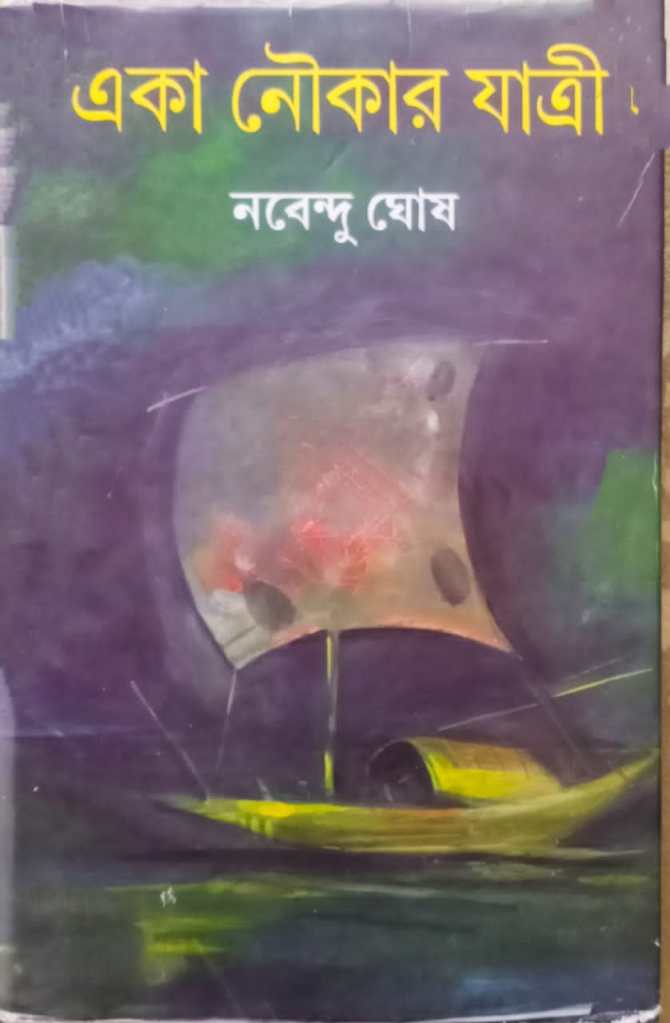
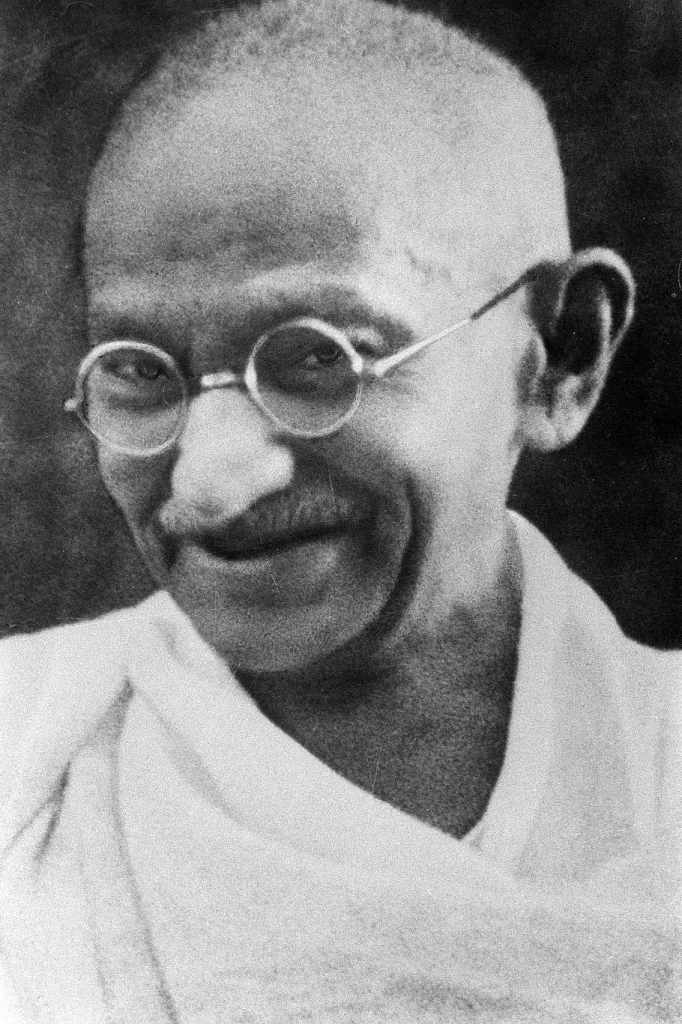


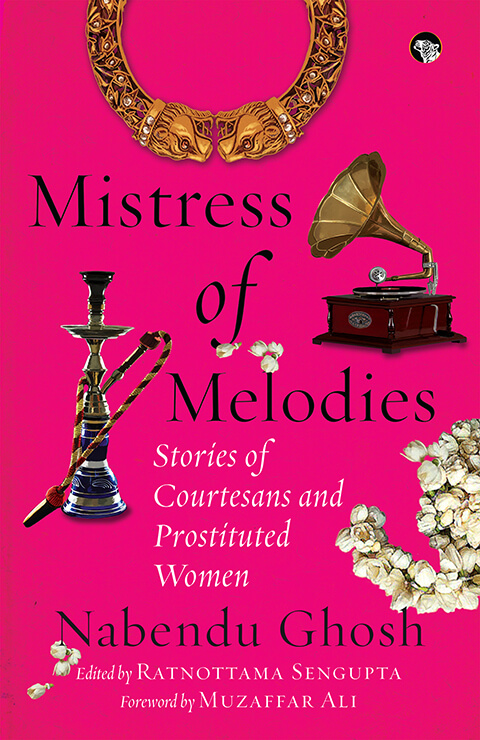

 Borderless