Categories
Musings

By the Banks of the Beautiful Gomti…

Prithvijeet Sinha muses…with his narrative and his camera
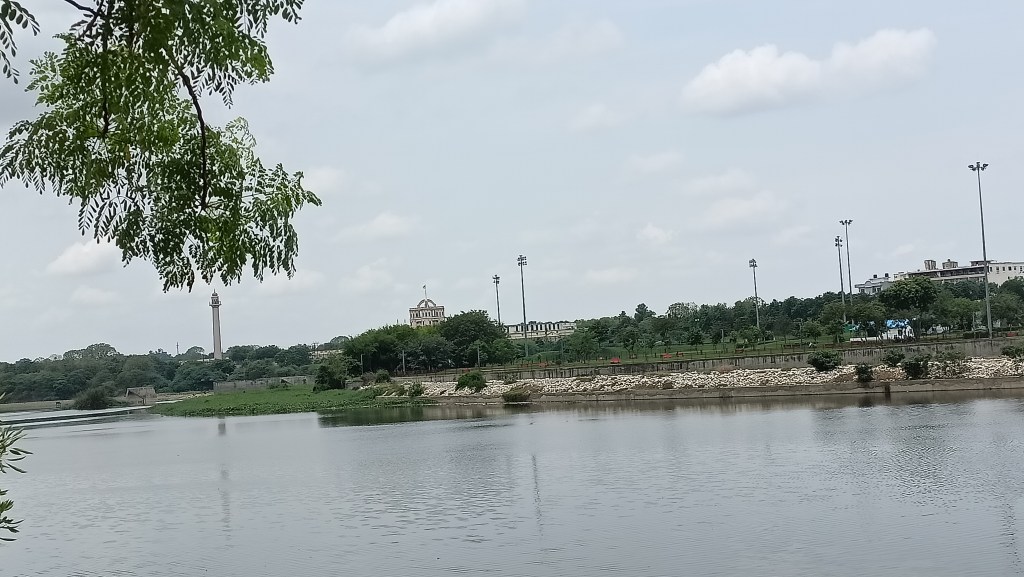
The chronology of monuments and historical continuum in Lucknow are affixed to the Nawabi realm, tales of opulence and benevolence or narratives that pivot around the First War of Independence in 1857 and its enduring imprints. All of these features mark the city. But they can also become dog-eared markers and signifiers that can prevent one from looking at modern marvels.

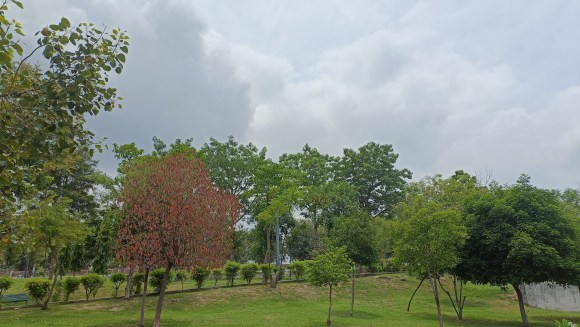
That being said, the most serene corner of Lucknow has yet to complete a full decade of its existence but has already become an indispensable part of the cityscape buoyed by nature and beautiful landscaping. For if mortal hands gave shape to beautiful, everlasting monuments of Awadh, modern visions have given the city the Gomti Riverfront Park.

Situated at the heart of the city just before unveiling the expanse of Gomti Nagar and intersected by Hazratganj and Cantonment on its primary stretch, it complements the River Gomti’s function as the city’s lifeline with remarkable fervour. It is easily accessible and is a personification of the natural beauty that Lucknow exemplifies for millions. In fact, in the current day and age, it serves as a common unifier for those many faces who visit it for leisure or as regular joggers, walkers and wanderers.

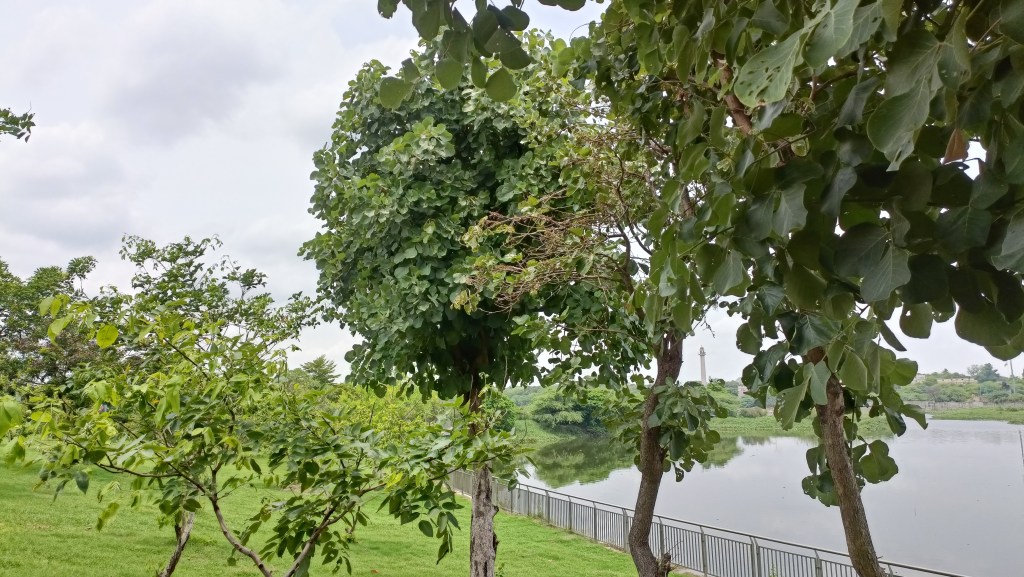
It has consistently maintained its pruned gardens, verdant slopes leading to its open avenues and the trees and plants cover this stretch. It’s not just about the idea of exemplary maintenance, the river is near some classical monuments facing it such as the Ambedkar Park, the majestic La Martiniere Boys College and the gorgeous Dilkusha Bridge. All this is already set in motion as rolling fountains, little dome-shaped pavilions serving as seating spaces and the red stone walls on its upper reaches welcome the visitor.

On a deeply personal level, Gomti Riverfront Park has something that leaves one swooning. It’s about the way the gardens are spread out, the song of the sparrows that can often be spotted here on some rare occasions and how the gulmohars shed their red flowers, leaving footprints of earthly vermilion as one takes a reprieve and beholds mynas with miles of yellow eyeline perched atop navy-blue lamps navigating left and right.

On many mornings in monsoon, I have been saved by the protection of the trees here and tasted the rain on my tongue. I have watched sprinklers rise like a spray of rejuvenation on the grass as a pretty wooden seat or those painted in green look on. I have seen joggers initiating a tryst with good health here, cyclists enjoy the joy evinced by these stretches and others practicing yoga to the soundtrack of birdsongs and rustling winds. I have felt myself breaking free from mundane rhythms and anxieties while traversing its meaningful miles and have composed many pivotal poems inspired by its imagery hence solidifying my omnibus of individuality in conjunction with the cityscape.

The Riverfront Park gives silence and tranquil charms in droves and moves far away from the urban bustle so that the green cover and unrestricted steps stretching all the way to the fabled Dilkusha Bridge dispenses with the conventional crowds and makes one experience true serenity.

There are many landmarks like Bibiapur Mansion, Vilayati Bagh a little far ahead. So, history wraps it all around but never to smother its unique identity. Marking the riverfront as a hub of activity and interior space for soaking nature’s humble bounties, this park has so much to offer all at once.  It marks the chronology of water and its neighbourhood of riches in the heart of Lucknow.
Prithvijeet Sinha  is an MPhil from the University of Lucknow, having launched his prolific writing career by self-publishing on the worldwide community Wattpad since 2015 and on his WordPress blog An Awadh Boy’s Panorama. Besides that, his works have been published in several journals and anthologies. 

PLEASE NOTE: ARTICLES CAN ONLY BE REPRODUCED IN OTHER SITES WITH DUE ACKNOWLEDGEMENT TO BORDERLESS JOURNAL

Click here to access the Borderless anthology, Monalisa No Longer Smiles

Click here to access Monalisa No Longer Smiles on Kindle Amazon International
Categories
Essay

Where No One Wins or Loses a War…From Lucknow with Love

Narratives and photographs by Prithvijeet Sinha

Talking about Vilayati Bagh as being an isolated cousin among the many gardens and monuments of Lucknow would be feasible given its elusive nature. I say elusive because it is nestled in the lush environs of the cantonment area and forested canopy that lies ahead of Dilkusha Palace which is one of the city’s many frequently visited wonders. Within this canopy lies Vilayati Bagh, “Vilayati”(foreign) referring in no small terms to not only a colonial past but also the stark fact that it is home to three tombs of erstwhile British officers who perished in the high noons of 1857’s First War of Independence. It was only a year ago that I, myself, had the opportunity to go there for the very first time. But that March morning changed everything. I have been there twice already to revel in its tranquility.

Its history is quite like other gardens and leisure spots of Awadh. It was built in the earlier parts of 19th Century by Ghazi Ud-Din Haider[1], the Nawab of Awadh, as a gift for his beloved European consort. During the revolt of 1857, it fell prey to shellings and other bombardments. But like most of Lucknow’s quintessential monuments, the spirit of renaissance did not elude it for long. In the present day, it is still tucked away in its quiet corner, slumbering and awakening for discerning eyes (and minds) who go there to capture crucial echoes of its unique identity.

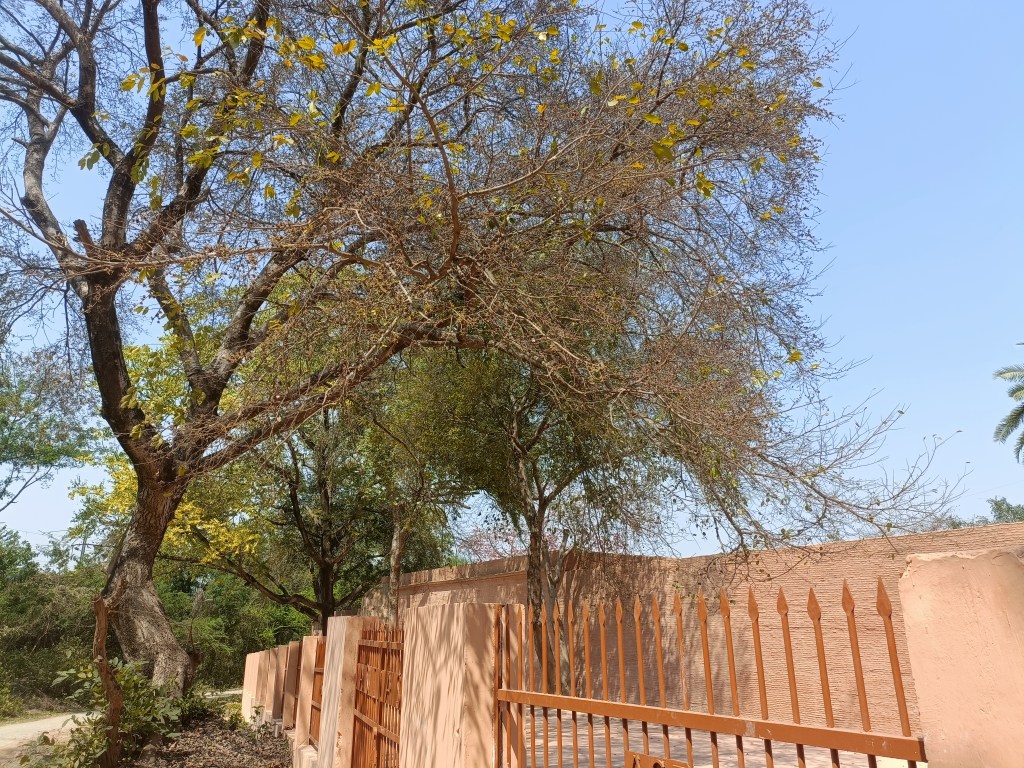
Flanked by the Gomti close by and a cemetery in the middle of a spacious compound, the property begins its enchanting passage as one takes a straight drive (or walk) from Dilkusha Palace, approaches Kendriya Vidyalaya and then continues to move ahead to encounter a railway crossing, opposite which lies the cantonment granary, quarters and the grand and haunting Bibiapur Kothi. Taking a left turn from that location brings one to the verdure of old, huge trees, a moderately spacious road and pleasant sounds of cicadas and birds. In this pithy journey to Vilayati Bagh, the feeling of time-traveling to a gracious era of architectural elegance comes into sight the moment we reach its immediate premises. A beautiful Sufi dargah bathed in impressive green lies on the left and a few moderate homes of those who probably maintain this compound meet us.

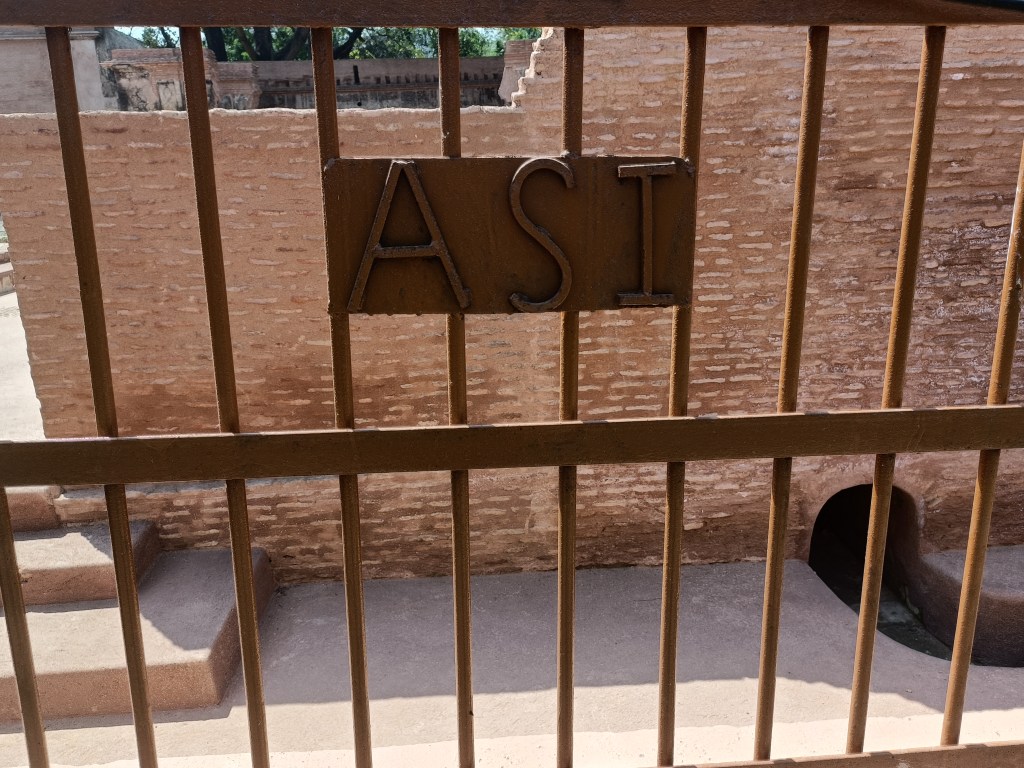
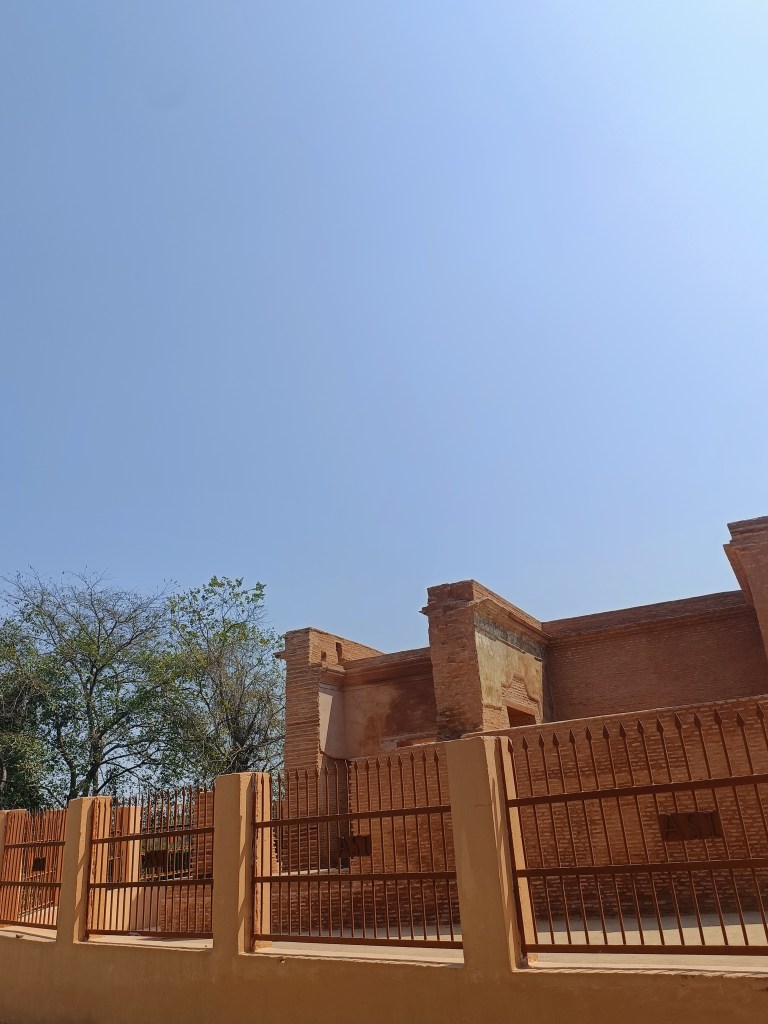
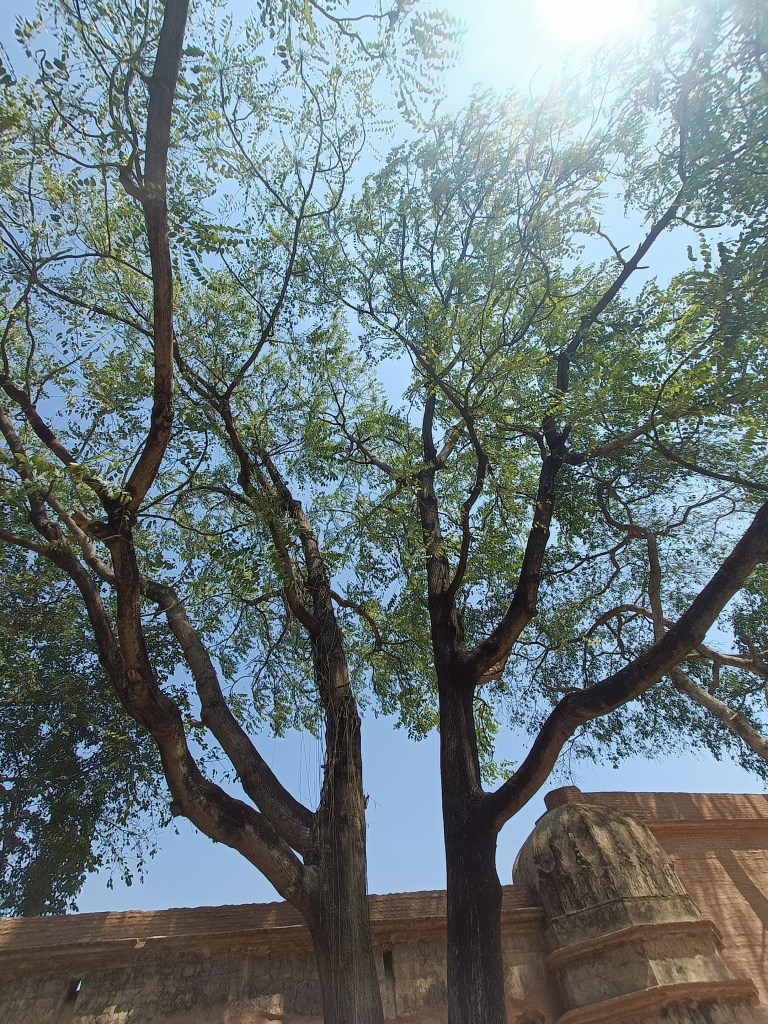
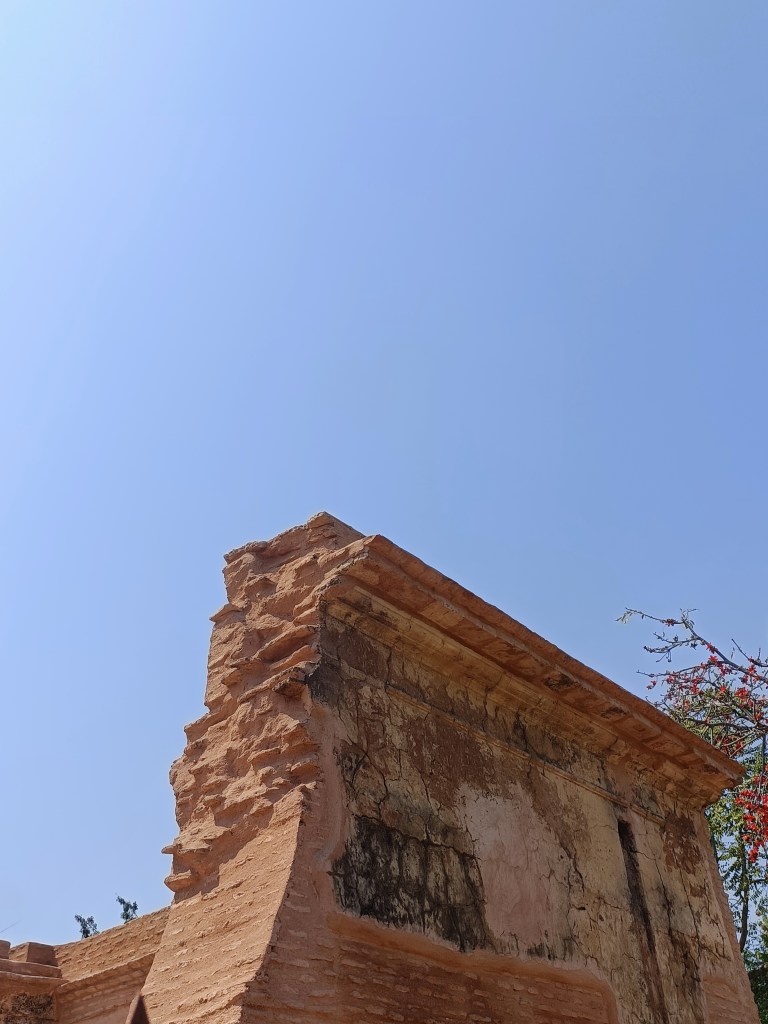
Then the real journey begins. A sophisticated sense of the building blocks of this elusive garden are elucidated by its brown- yellow, almost auburn walls. The lakhauri[2] paint and plaster give it luster on a sunny day. These ramparts retain their history of age, war and past reckonings. Yet it’s the sun that designs their colour schemes in the most sublime shades.  Archeological Survey of India has restored its lost glory in recent years and the result is there for all to see.

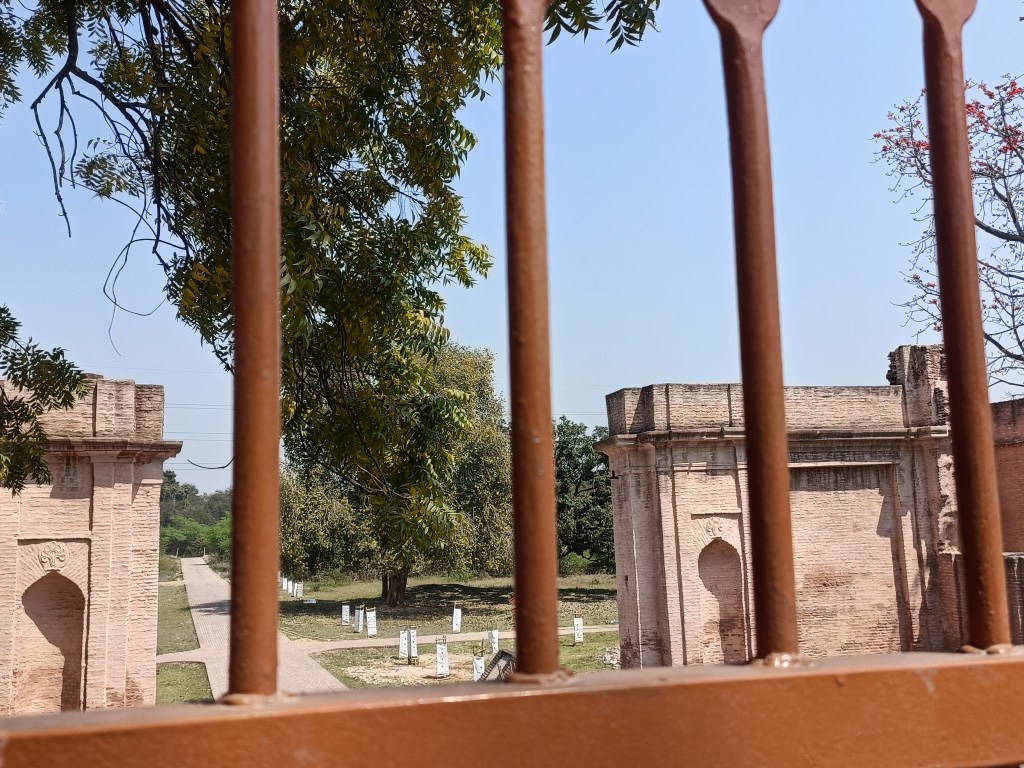
The boundary walls have a sturdy presence and are enclosed by arrow-shaped iron structures painted in pleasant brown. As one explores the interiors of the garden compound, little monoliths, corrugated outer flanks that look like barracks emerge, the exposed bricks red and pink in their sublimity of skin tones. A Y-shaped drain also flanks them. There is an aura of extraordinary peace all around. This isn’t meant to be a tourist spot. This is the one for aesthetes and true aficionados of history. The mind wanders and is arrested by trees whose branches are shaped like pitchforks.

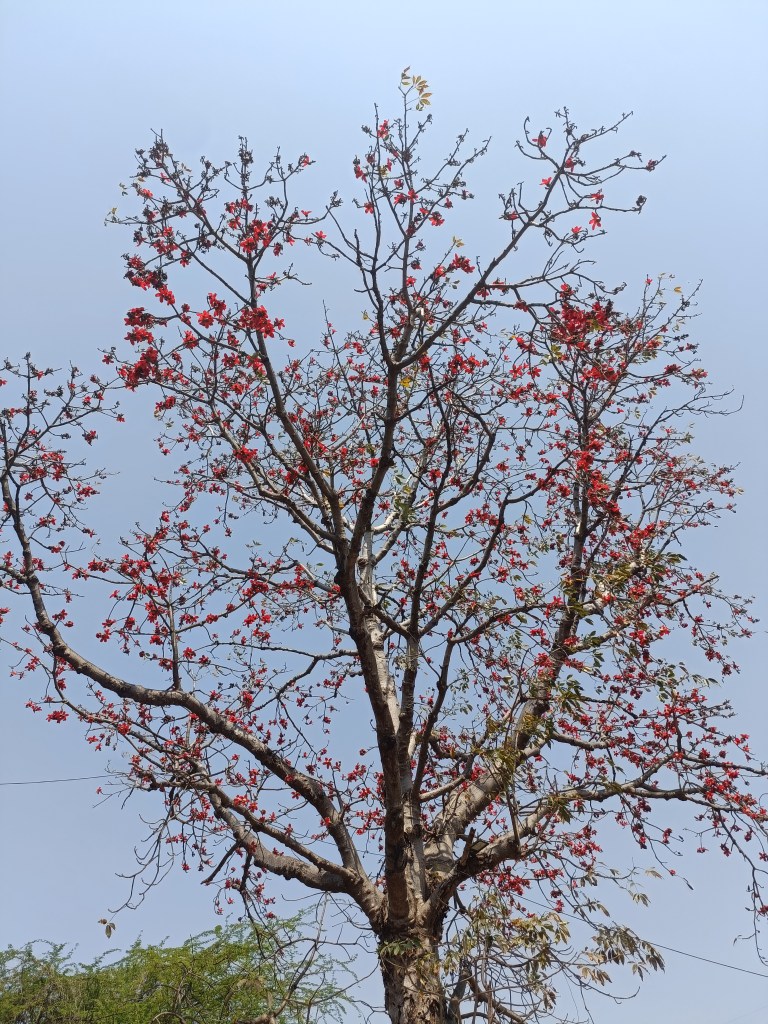
A dargah (miniature Sufi shrine) greets one at the outer end of the compound while a majestic gulmohar tree seems to appear like a tall fellow wearing red scarves. Arches and domes subsist in this sturdy network of walls.

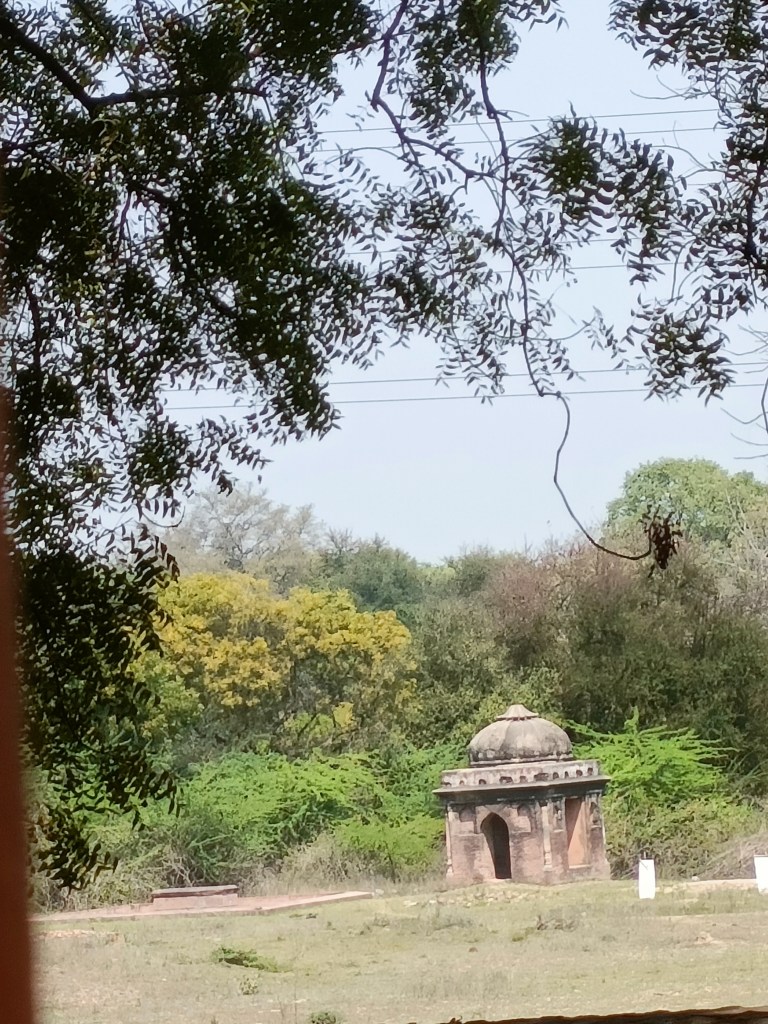
The saga of Vilayati Bagh is one of beauty but the starkness of its melancholy is evident in the cemeteries that lie in a little distance from the main gateway. They belong to fallen English soldiers Henry P. Garvey, Captain W. Helley Hutchinson and Sergeant S. Newman. These tombs are made in the image of a wide basin, crypts depicting that no one side can win or lose a war. Everybody has formidable stakes, and the dead don’t preach the gospel of victory or sombre defeat. Flanking these resting places are miniature pavilions with domes; they are surrounded by white rectangles made from cloth supported by twigs — sobering symbols of lives lost and the unpredictable designations of mortality.

Despite this unique mixture of melancholy and beauty, sobriety reigns. Of course, the obvious euphoria of discovery overrides every other emotion. Lucknow is a city that lives and breathes in such possibilities where a monument or elusive corner of its expanse can prompt an awakening for its discerning residents. Going further than the limitations imposed by acquired knowledge is always a source of deeper reckoning. This garden that houses nature and ghosts of mortality in its inner sanctum gives me another reason to keep my curiosity intact.

[1] Ghazi-ud-Din Haidar Shah (1769-1827), The first King of Oudh and the last Nawab Wazir of Oudh. He started a line of kingship which ended with the exile of Wajid Ali Shah(1822-1887).

[2] Traditional natural ingredients, often dyes or pastes from plants, used for coating buildings in Lucknow

Prithvijeet Sinha  is an MPhil from the University of Lucknow, having launched his prolific writing career by self-publishing on the worldwide community Wattpad since 2015 and on his WordPress blog An Awadh Boy’s Panorama. Besides that, his works have been published in several journals and anthologies. 

PLEASE NOTE: ARTICLES CAN ONLY BE REPRODUCED IN OTHER SITES WITH DUE ACKNOWLEDGEMENT TO BORDERLESS JOURNAL

Click here to access the Borderless anthology, Monalisa No Longer Smiles

Click here to access Monalisa No Longer Smiles on Kindle Amazon International
Categories
Contents

Borderless, March 2025

Happy Birthday Borderless… Click here to read.
Art by Sohana Manzoor

Editorial

Celebrating a Borderless World… Five Years and Counting… Click here to read.

Translations

Jibanananda Das’ poems on war and for the common masses have been translated from Bengali by Professor Fakrul Alam. Click here to read.

A Scene with an Aged Queen, a poem by Ihlwha Choi  has been translated from Korean by the poet himself. Click here to read.

Tagore’s Esho Bosonto, Esho Aj Tumi (Come Spring, Come Today) has been translated from Bengali by Mitali Chakravarty. Click here to read.

Pandies’ Corner

For Sanjay Kumar: To Sir — with Love has been written for the founder of pandies’ theatre by Tanvir, a youngster from the Nithari village where pandies’ worked with traumatised victims. Over time, these kids have transcended the trauma to lead fulfilling lives. The late Sanjay Kumar passed on this January. This is a tribute to him by one of his students. It has been translated from the Hindustani original by Lourdes M Surpiya. Click here to read.

Poetry

Click on the names to read the poems

Luis Cuauhtémoc Berriozábal, Kiriti Sengupta, Ryan Quinn Flanagan, Snehaprava Das, Stuart McFarlane, Arshi Mortuza, George Freek, Jyotish Chalil Gopinathan, Ahmad Al-Khatat, Michael Burch, Bibhuti Narayan Biswal, Mark Wyatt, Owais Farooq, Adriana Rocha, Rakhi Dalal, Rhys Hughes

Musings/Slices from Life

Nobody Knows…

Farouk Gulsara muses on the dichotomies in life exploring beliefs that shape our world. Click here to read.

Beachcombing on the Abrolhos Islands

Meredith Stephens goes beachcombing in a thinly inhabited island. Click here to read.

As Flows the Gomti: A Monument of Tranquility 

Prithvijeet Sinha takes us to the past of Lucknow. Click here to read.

Musings of a Copywriter

In All Creatures Great and Small, Devraj Singh Kalsi talks of living in harmony with nature… is it tongue in cheek? To find out, click here to read.

Notes from Japan

In Haiku for Rwandan Girls, Suzanne Kamata writes of her trip to Africa where she teaches and learns from youngsters. Click here to read.

Essays

Take One

Ratnottama Sengupta takes stock of women in Bengali cinema over the last fifty years. Click here to read.

Drinking the Forbidden Milk of Paradise…

Meenakshi Malhotra explores the past of poetry and women writers. Click here to read.

Where have all the Libraries Gone?

Professor Fakrul Alam writes of the loss of libraries as we knew them. Click here to read.

Stories

In the Realm of Childhood

Paul Mirabile gives us a story set in Scotland. Click here to read.

The Appropriate Punishments

Naramsetti Umamaheswararao gives a fable set in a forest. Click here to read.

Eyes of Inti

Swati Basu Das shares a lighthearted flash fiction. Click here to read.

‘Solitude is a Kind of Freedom…’

Munaj Gul gives an introspective story set in Balochistan. Click here to read.

Why I Stopped Patronising that Cheese Maker’s Shop…

Zoé Mahfouz shares a humorous vignette of Parisian life. Click here to read.

Conversations

Ratnottama Sengupta discusses the famous actor, Soumitra Chatterjee, with his daughter, Poulami Bose Chatterjee. Click here to read.

Keith Lyons interviews Malaysian author and editor, Daphne Lee. Click here to read.

Book Excerpts

An excerpt from Frank S Smyth’s The Great Himalayan Ascents. Click here to read.

An excerpt from Rhys Hughes’ The Devil’s Halo. Click here to read.

Book Reviews

Somdatta Mandal reviews Tsering Namgyal Khortsa’s non-fiction, Little Lhasa: Reflections in Exiled Tibet and fiction, Tibetan Suitcase, together. Click here to read.

Malashri Lal reviews Rachna Singh’s Raghu Rai: Waiting for the Divine. Click here to read.

Bhaskar Parichha reviews Sandeep Khanna’s Tempest on River Silent: A Story of Last 50 Years of India. Click here to read.

Vignettes from a Borderless World… Click here to read a special fifth anniversary issue.
Categories
Musings

As Flows the Gomti: A Palace of Benevolence

Narrative and Photographs by Prithvijeet Sinha

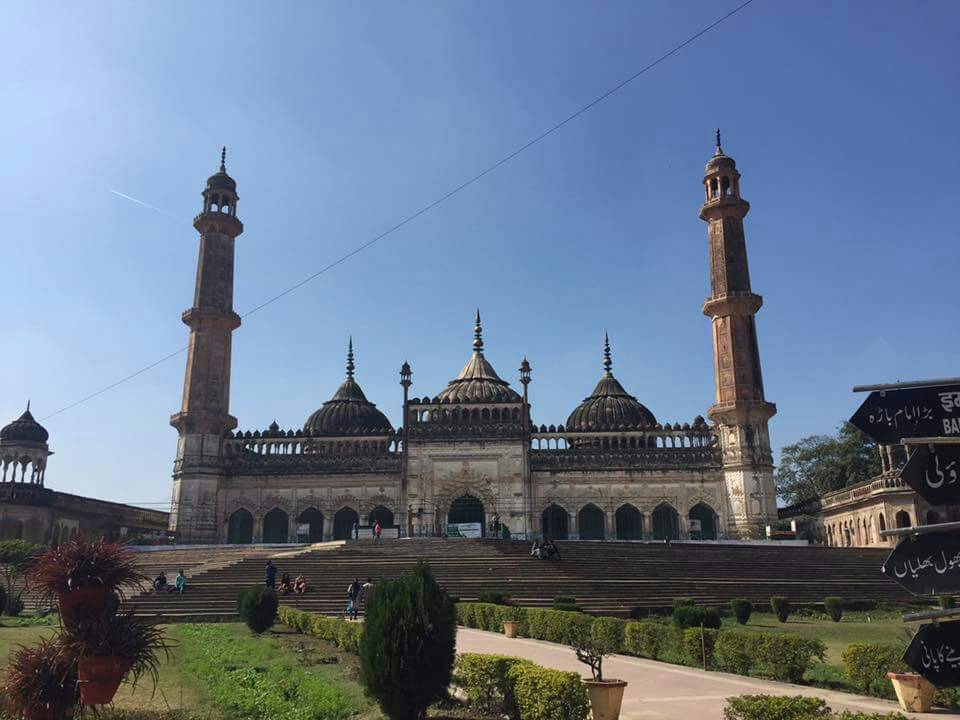
The Bara Imambara in Lucknow

Solitude hardly alienates us when our mind is at peace. It travels with us. It’s a profound pursuit when one embraces the solitude of a city like Lucknow. Our fates travel with the boat of time flowing on the languid currents of the river that flows through the town, Gomti.

As someone born and brought up here, it’s a great joy to walk in the footsteps of those who gave exquisite shape to its countless monuments, their chisels and hammers turning stones into works of art, adorning the city with centuries of hard toil that created exquisite beauty. This beauty hewn into the Bara Imambara enchants me anew everytime I stroll through the compound. Those limestone pillars, graded by years of construction in its classical heyday, are miracles of human hands that mesmerise. The golden paint adorning its architecture courts the sun and that great orb of light gives in to the invitation to be eternal friends for life.

The Bara Imambara, also bestowed with the title of “Asafi Imambara”, was made by the king Asaf Ud Daula out of benevolence. He commissioned the building in order to employ the drought-stricken populace of the city in the 18th Century. Very soon, this structural project expedited as a corollary to supplement the dwindling fortunes of the region became more than a philanthropic feat. Over the centuries, Bara Imambara became a royal palace, a seat of power and knowledge and a quintessential component of the Awadhi [1]identity. It’s convenient to say that it’s the axis around which the entire city revolves. It’s the architectural apex around which Lucknow sculpts its identity with each era.

Throngs of revellers travel across the city to savour its beauty and historicity. The Imambada keeps its tryst with timelessness sacred, giving every discerning eye moments to cherish, feel the same timeless energy course through their mortal bodies, giving them the gift of the spiritual. Then there’s the mystical side to it where on each visit tugs my heart. It’s as if from some intensely private part of the soul emerge these words, “Thank God, you are alive to see it. Thank God that you were born to witness such sublime beauty.”

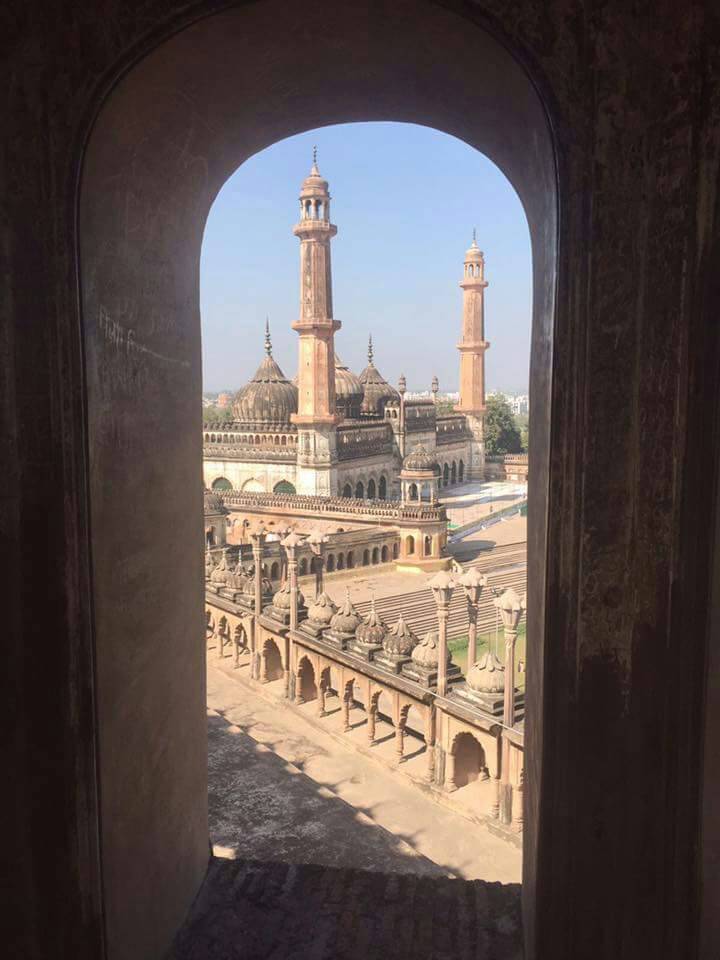
The story of arches, pillars, doorways, the zigzagging mysteries of the Bhool Bhulaiya — its fabled labyrinth, hallways that make a single lighting of the match echo with precision across great distances and the cool atmosphere that envelops it even on muggy or scorching days make it a unique experience. But as the horizon spills its canvas around it and the panorama of life becomes a live orchestra of colours, the Imambara transcends its solemn sanctity as the abode of imams, transcends the rails of religion to diffuse faith to every corner. From some high point in the parapet, when you look straight at the city, each angle reflects the union of the divine and the mundane. It’s a grand gesture that this timeless solitude is something that can be felt even among millions of other feet and voices. It’s the solitude of the dark alleys and the baoli or stepwell within these enchanting premises. It’s this solitude gliding with the birds above the soaring pillars and dome of the Asafi Mosque, making the secular transport tangible in the mouths of those who drink in the air contained in the edifice of this monument.

I may be a dreamer but, in a city, where so many parts feel like a dream come true, the Hussainabad corridor hosting Bara Imambada is immune to modernisation’s whims or the gritty nature of our societal churnings.

As tongas[2] carry dignified visitors on cobblestone roads, Lucknow’s epicenter of culture beseeches us like a best friend to partake in the poetry of its eternal axis. Which is why I always like to walk towards it, crossing a stretch of the road that finds beautiful buildings, parks, wide roads and secular spots lead towards that most handsome of structures. Time stops here yet moves like ripples. Time is of the essence. A lifetime of meetings with the Imambada makes one reconcile with the inherent meanings behind one’s attachment to Lucknow and its Awadhi cheer. I’m fortunate to live and tell the tale, a modest man made to feel grander by these inflections of architecture, stillness and cosmic solitude that only this city has to offer. The Imambada absorbs all of these inflections and stands in good stead, telling me, “You are not a dreamer, son. Your sense of your world is intimate to a fault. Come to us. Come again. There’s so much to seek from each other…”

[1] Awadh was the ancient name of Lucknow

[2] Horse drawn carriages

Prithvijeet Sinha  is an MPhil from the University of Lucknow, having launched his prolific writing career by self-publishing on the worldwide community Wattpad since 2015 and on his WordPress blog An Awadh Boy’s Panorama. Besides that, his works have been published in several journals and anthologies. 

PLEASE NOTE: ARTICLES CAN ONLY BE REPRODUCED IN OTHER SITES WITH DUE ACKNOWLEDGEMENT TO BORDERLESS JOURNAL

Click here to access the Borderless anthology, Monalisa No Longer Smiles

Click here to access Monalisa No Longer Smiles on Kindle Amazon International