Categories
Slices from Life

Historical Accuracy

By Ravibala Shenoy

 “He was badly beaten in lockup, denied medicine, and died soon after,” my cousin writes in his article on our Uncle Anand in a local Indian publication.

 “Uncle A. died of dysentery,” I respond via WhatsApp. “He was only eleven or twelve. Not fourteen as you state. And my father was eight at the time. It says so in my father’s writings.” Later in life, my father had kept notes on his brother’s death.

My cousin hesitated. “I have it on the evidence of Aunt S.,” Aunt S. is our only surviving relative from that generation. “She told me that the police warned our grandfather, that they were watching Uncle A. They finally arrested him. They threatened our grandfather into silence.”

 “With all due deference,” I say, because my cousin is nine years older than me, “Aunt S. was just a few weeks old in August 1930. She hardly counts as an eyewitness. And neither you nor I were alive then.”

1930 was the year of Mahatma Gandhi’s civil disobedience movement. Mahatma Gandhi led the fight for independence from the British Empire by nonviolent means. Even in the small coastal town of Karwar, men and women joined in the struggle. Uncle A. with a natural flair for leadership organised the monkey brigade” that was made up of youngsters. Townspeople hinted to my grandfather that his son, who was leading boys and girls every morning in the dawn marches, was perhaps neglecting his studies. To which my grandfather replied that his son was very smart and secured the first rank in class.

These dawn marches were accompanied by stirring patriotic songs, punctuated by lusty salutations to Mother India, Mahatma Gandhi, and Jawaharlal Nehru. Boys and girls accompanied Uncle Anand to the sea to produce salt out of seawater in defiance of the law. Making salt was a government monopoly. The spirit of swadeshi, of boycotting foreign goods for domestic ones, was in the air and Uncle A. learned how to make soap and taught it to others. He acquired a spinning wheel and showed his family how to spin cotton into yarn on a spindle. The finished yarn was mailed by Uncle A. in a parcel to the handlooms of Nandangadda.

The movement slackened a bit with the advent of the monsoons, and then in August 1930, Karwar was struck for the first time by an epidemic of dysentery.

I write to my cousin, “Uncle A. was not arrested or beaten. He was the first one to contract dysentery. Would you like to see my father’s writings?”

Dysentery was still an unfamiliar disease for the doctors in Karwar. The family doctor was very competent, and he gave Uncle A. the best treatment he knew. There were no antibiotics then. The family doctor believed that another doctor had the penicillin that could save Uncle A. He asked our grandfather to approach him, but the second doctor did not oblige. It was alleged that he was saving it for his own patients. (Our grandfather never forgave this second doctor.) Perhaps he never had any penicillin in the first place.

In the night of the fourth day of the attack, Uncle Anand died. Unexpectedly, the cloth made of yarn that he had spun arrived from Nandangadda on the morning of the funeral. It covered his body like a shroud as he was led to the cremation ground. The town held a large public meeting to mourn the death of Uncle A.

Several people died in the epidemic. My father also had a long brush with the disease, but he survived because this time the family doctor was able to acquire the penicillin.

I wonder why my cousin wants to falsify facts and revise history because that often results in making people believe none of it. This is how myths are born. Was dying from police brutality more tragic or glamorous than dying of dysentery? To me this was like an important intervention between historiography and the “woke” debate.

My cousin resents my contradicting him. Did I, a girl, albeit a grandmother now, younger than him, dare impugn his credibility? I was the unpatriotic one, removed from her heritage, a U.S. citizen who lived in the West with a westernized preciosity that downplayed the brave deeds of Indian patriots. How could I know better?

 My beef with my cousin is that he doesn’t check his facts and seeks out the sensational. My cousin’s “facts” came via an aunt whose information was based on hearsay because my grandparents never spoke of the tragedy that had befallen them.

In my cousin’s defense, I must admit that I have my biases too: I hero-worship my father and regard him as the custodian of historical truth; could he have overlooked the arrest and police brutality in recording his brother’s short but heroic life? My father’s memory could just as easily have been distorted.

I also had a grievance. On my ninth birthday, my cousin had snatched my new water colour set before I even had a chance to open it and mixed up the coral with the ultramarine and the white with the green. Maybe I found it hard to believe him.

We are in agreement on one point: that my grandparents could never bear to utter Uncle A.’s name again. His name “Anand” meant “joy”—and after his death the word was forevermore excised from their vocabulary.

Once, during one of my subsequent visits to Karwar, I came across a concrete till. It stood in the shadow of the road, at some distance from my grandparents’ house. The till had a slit for coins, and a sign asking for donations for the oil needed to light the lamp for the Brahma. The Brahma was believed to be the spirit of an unmarried Brahmin youth who haunted peepul trees and coconut palms. I suspect this was a ghost that predated Uncle A.

Then it struck me. The reason for the lamp for the Brahma was to memorialise the dead so that they were not forgotten. It was a way of bearing witness to their lives and the unrealised potential of their lives. Similarly, my cousin’s write-up on Uncle Anand was like a lamp that had been lit to rescue his memory from the jaws of oblivion. If some facts had been embellished for a “good story,” it was all part of the homage.

Ravibala Shenoy has published award-winning short stories, short stories, flash fiction, memoir, and op-ed pieces. She was a former librarian and book reviewer, who lives in Chicago.

.

PLEASE NOTE: ARTICLES CAN ONLY BE REPRODUCED IN OTHER SITES WITH DUE ACKNOWLEDGEMENT TO BORDERLESS JOURNAL

Categories
Nostalgia Slices from Life

Joy Bangla: Memories of 1971

Ratnottama Sengupta recaptures a time when as a teenager she witnessed a war that was fought to retain a culture

“Joy Bangla!”

I was startled by the greeting.  I was sixteen-going-on-seventeen and — en route to Darjeeling — I was visiting Malda, my ‘Mamabari’ where my mother lived until she was married at sixteen-just-turned-seventeen. I had just finished my school finals in ‘Bombai’ and was enjoying the long summer break with my school friend Swapna, my paternal didi, Tandra, and my maternal didi, Nanda. My Mama’s son, Shyamal, and his friend, Subhash, had graciously taken upon them the onus of taking us around Gaur, Pandua and Adina. All these are relics of the historical capitals that hark back to a glorious Bengal long past and — for most Indians – lost in oblivion. And here, in the 12-gate mosque of Baroduari, they were singing paeans to the Shahs and Sens and Pals of a medieval Bengal!

I was soon to face history-in-the-making. For, the rectangular brick and stone structure with three aisles, eleven arched openings, and so-many-times-that domes, built sometime in the 16th century and now in the care of Archeological Survey of India, was teeming with barely-clad men women and kids who were fleeing on a daily(or hourly?)-basis the gola-barood of the Razakars – the paramilitary force General Tikka Khan had unleashed in the eastern wing of Pakistan. This was May of 1971 and, even in the apolitical clime of the tinsel town in Bombay, we knew that the Pakistani President Yahya Khan was hounding supporters of the Awami League leader, Sheikh Mujibur Rahman.

I was therefore thrilled to hear the boom-boom-boom periodically rupturing the hazy horizon in the distant. Was it the spiteful army goons or was it the guerrillas fighting back? “How wonderful it would be to meet some of them!” the romantic in me spoke aloud to the red-eyed men and women who had greeted me with ‘Joy Bangla!’

“Don’t!” Shyamal Da and Subhash drew me aside. “Don’t get close to them – don’t you see they have all got ‘joy bangla’?”

“So what?!” I retaliated, “They are all infected with the love for their country – that’s why they are saying ‘Joy Bangla’! Isn’t that good!”

“No, they are all infected with conjunctivitis – it is highly infectious and spreading rapidly in the camps. So now, not only in Malda but all through West Bengal, ‘joy bangla’ is the name for conjunctivitis.”

.

Mangoes. Raw, green, going yellow-orange-red. Stretch out your hand, pluck them off the tree, hit hard on them with your fist and bite into the sour-sweet flesh… But we girls failed to emulate what Shyamal and Subhash could do with such ease on our way to Singhabad, the last stop for our trains this side of the border in that part of Bengal. Nevertheless, the fragrances of Amrapali, Moutuski, Kishanbog and Fazli remain fresh in my memory years after Shyamal, Nandadi, Swapna, Tandradi have all followed Bangobandhu to a borderless land beyond the clouds.

Singhabad is where my mother Kanaklata owned some 27 bighas of cultivable land inherited from her father: Chandrakanta Ghosh had, in 1940s, apportioned plots to his city dwelling daughters, Malati and Ranjita too, worried that they might face difficulties if their ‘job-dependent’ husbands lost their all to the Partition! He had reasons to worry. He had exchanged most of his land in Dinajpur but the daughters were married into families that had their base in Dhaka, Munshigunj and Kustia. Before you turn to your Google Guru let me tell you – all these were part of East Bengal and are now in Bangladesh.

Much later, in 2001, I would understand my grandfather’s angst when centurion Bhabesh Chandra Sanyal told me in Delhi: “This part of the subcontinent has seen three partitions – in 1905, 1947 and 1971.” The doyen of modernism in Indian painting, who had moved from Calcutta to Lahore in his youth and from Lahore to Delhi in 1947, had brought alive another chapter of history that most of us in India or Bangladesh don’t often recall. Yes, in 1905 the ‘territorial reorganisation’ of the Bengal Presidency by Lord Curzon was said to be for “better administration” since Bengal, for centuries, was spread right up to Burma in the East and well into Assam and Tripura in the North-East, into Bihar and Jharkhand in the West and in the South to Odissa. Noted: but why did it have to be along religious lines, separating the ‘Muslim-dominated’ areas from the ‘Hindu-majority’ ones? Because together the Hindus and Muslims had taken up arms against the goras in 1857, and starting from Barrackpore the mutiny had spread to Lucknow, Jhansi, Gwalior, Meerut, Delhi… After 1857, the last Mughal Badshah, 82-year-old Bahadur Shah Zafar, had to be exiled in Rangoon while in 1885 the last emperor of Burma, Thibaw Min, was forced to live in exile at Ratnagiri…

If it were not so tragic, it would have been ludicrous, this ‘exchange’ of emperors.

.

Nandadi’s brother, Nirjhar, now 79, vividly recalls crossing the newly defined boundary to come away for good from Meherpur, in Dinajpur of East Bengal, to Malda with his mother — my aunt — Pramila, his three-year-old sister, Nanda, and a just-born brother, Nirmal. “We were coming in three bullock carts: the first one driven by a certain Mongra carried our eldest Mama, his wife Charulata and youngest son Subrata; and the last had our younger Mama’s wife Gayatri, son Suvendu and daughter Maitreyi. Many people were coming just like us, there was no knowledge of the word ‘Passport’ and no concept of ‘Visa’. Since our Dadu – maternal grandfather Chandra Kanta – had to stay back to wind up things after us, he took us to a dear friend of his, a Muslim named Sukardi Chowdhury, in Anarpur and asked him to accompany us since he had a gun.

“He was to reach us to Jagannathpur where Dadu had built a house on the newly exchanged land just six kilometers away from Meherpur. Sukardi Chowdhury lived two kilometers from the border but we had to cross river Punarbhaba on a boat and then we followed the road along the railway line. All of a sudden, we were startled by a piercing cry in a female voice. ‘Who is this? Who goes there?’ demanded Sukardi Chowdhury. He climbed on to the railway track and witnessed some miscreants harassing a woman. He fired his gun in the air and the rascals fled. He walked up to the woman and found that the malefactors had bitten off the nipples of the woman who was bleeding and writhing in pain.

“Sukardi Chowdhury had a gamchha tied around his head like a bandana. He took it off and wound it around the chest of the victim. He advised her companions to go along the railway track straight to Singhabad station, take a train to Malda and seek medical aid there. ‘That will save your life,’ he assured her. I will never forget.” Incidentally Nirjhar’s father, Makhan Chandra Ghosh, did not cross the border until 1980. Along with his ageing mother he had stayed back to care for his widowed sister since their land further inside Dinajpur could not be exchanged.

.

This 27-acre land in Singhabad adjacent to the No-Man’s Land on the Bangladesh border was so dear to Kanaklata that she would not hear a word about selling it off although she lived far away with her husband, Nabendu, who was busy scripting films. “One should never forget one’s roots,” she told me in 1971 when she went around with a donation-book raising chanda for the Bangla refugees. She was delighted when – later – the government of India issued Refugee Relief stamps that had to be affixed to every letter, be it a postcard, an envelope, or an inland letter. Was it because deep within she identified with the uprooted people who were forced by history to cross borders?

Ma’s love for her land had, perhaps, infected us. When she passed on in 1999, we dispersed her ashes in the pond on this land. In 2007, before my son, Devottam, was to depart for higher studies abroad, he visited this innermost corner of his land. In 2017, when Ma would have turned ninety, my husband, Debasis, celebrated by planting mango trees around the pond and released fish, the sales of which now pays for a Durga Puja on the land. Yet, just last December, we severed our formal ties by selling off the ‘two-acre land.’ But no, Kanaklata is not forgotten by the men and women – many of whom studied in the school she helped set up long before government aid came their way. They are setting up a temple in her memory…

.

But hang on friends, that’s not the end of my story, “picture abhi baaki hai!”

On December 13, 1971, Tandra’s elder sister Chhanda got married. She came from Patna where Nabendu’s brother lived; the groom, Animesh, came from Delhi. But Kanaklata had organised everything in Bombay, in the same house in Malad where our family has lived since 1951. This Goan-style bungalow had a garden surrounding it and this tiny ‘lawn’ was to be the wedding venue. However, ten days before the event when the invitations had gone out and the baratis had already booked their tickets, aerial strikes on Indian air stations led to an all-out war with Pakistan.

This was ominous for many reasons. Six years before this, during another war with Pakistan, my grandfather had passed away in August 1965. This time around, the mighty Seventh Fleet of the USA had entered the Bay of Bengal to support Pakistan in the war. Sirens were being sounded at regular intervals and we joked that – since both the bride and the groom were trained musicians – these sirens were ‘replacing’ shehnai by Bismillah and party. Why? Because the police showed up to warn us that no conch shells or ululations that mark traditional revelry at Bengali weddings were to be sounded — and not even a single ray of light should evade the black-cloth-wrapped pandal that had to be erected to cover the house!

Ill omens? Never mind. You can’t stop a wedding because a war was on! All the Bengali families of Bollywood united that evening to celebrate with bated breath. And on December 16, when the bride was being formally inducted into the groom’s family in Delhi over the sumptuous meal of Boubhat, news came that General Niazi of Pakistan had surrendered to General Jagjit Singh Arora of India.

So Vijay Diwas is one day that unites India and Bangladesh in celebrating its actual secession from Pakistan. “Joy Bangla!” – we all said as Chhanda and Animesh led a chorus that sang,

 Aamar Sonar Bangla, aami tomay bhalobashi!*

Oh my glittering Bengal, I love you…

Glossary

Didi – elder sister

Mama – mother’s brother

golaa-barood — ammunition

Amrapali, Moutuski, Kishanbog and Fazli – Varities of mango

bighas – acres

goras – whites

Badshah — Emperor

chanda – donations

picture abhi baaki hai – The movie is still not over

Boubhat – wedding reception, traditionally

*Song by Tagore that became the national anthem of a free Bangladesh

Ratnottama Sengupta, formerly Arts Editor of The Times of India, teaches mass communication and film appreciation, curates film festivals and art exhibitions, and translates and write books. She has been a member of CBFC, served on the National Film Awards jury and has herself won a National Award. 

.

PLEASE NOTE: ARTICLES CAN ONLY BE REPRODUCED IN OTHER SITES WITH DUE ACKNOWLEDGEMENT TO BORDERLESS JOURNAL
Categories
Slices from Life

Canada: A Live Canvas

By Sunil Sharma

Can a patch of foreign sky and Earth speak to you in the manner it earlier did to the lost tribes guided by the bright stars, suns and moons?

The way it spoke to the early Greeks or the Vedic-era folks — among other pre-industrial cultures — that created marvelous odes, arts and regions that still appeal to a new-millennial audience hooked to gadgets as their reality?

A Homer that continues to inspire!

Possible?

The trance where natural elements convey profound truths; enabling the viewer to recover a lost innocence and old mode of perception.

Could such a luminous past be re-lived?

Could it recur?

Yes.

Here is the how of this communion.

.

In Canada, escaping colours is impossible.

In Mumbai, finding colours, impossible.

The contrast shocks. Toronto is dressed up in multi-splendoured gown.

 You are participating in a romantic landscape.  

.

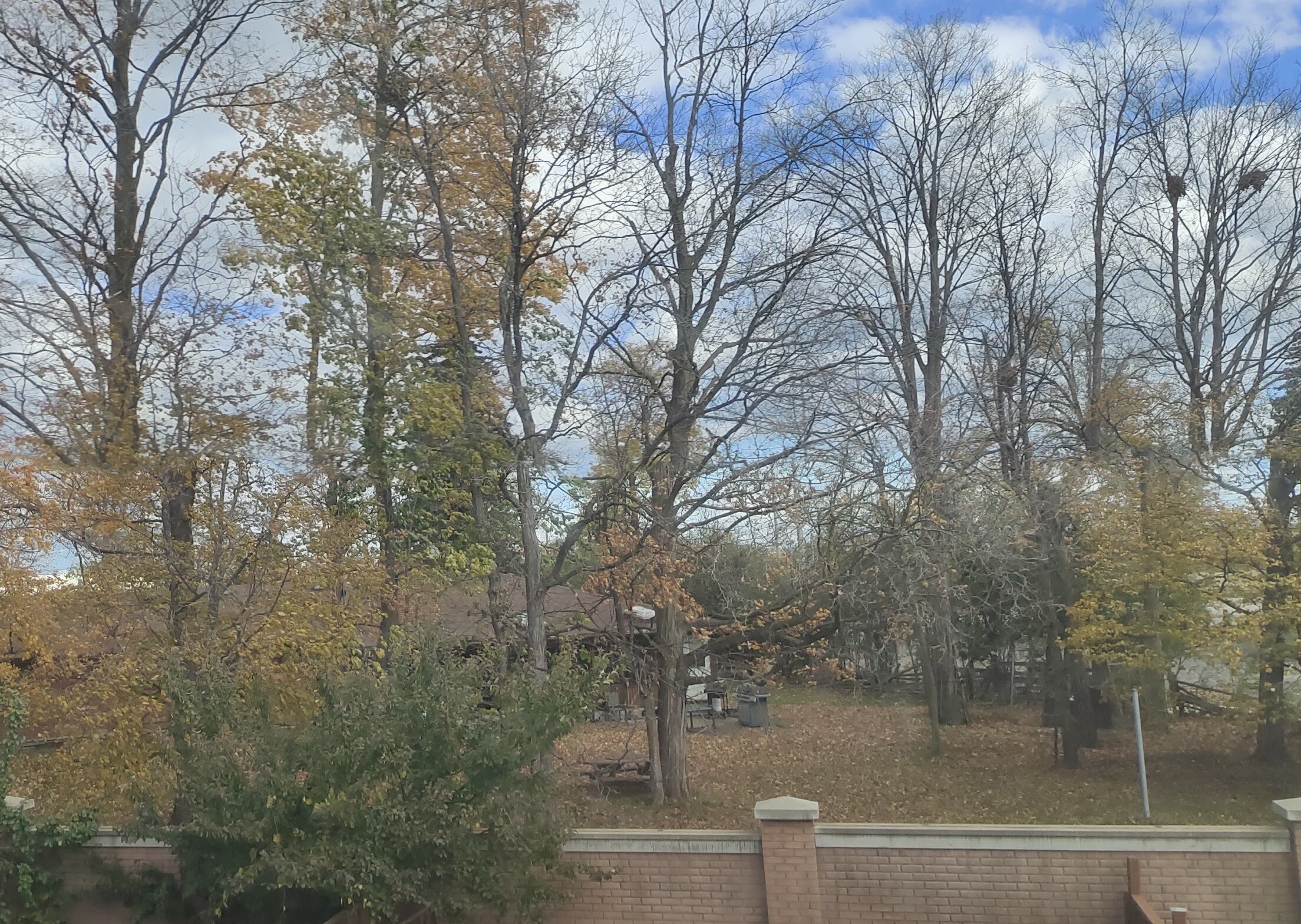
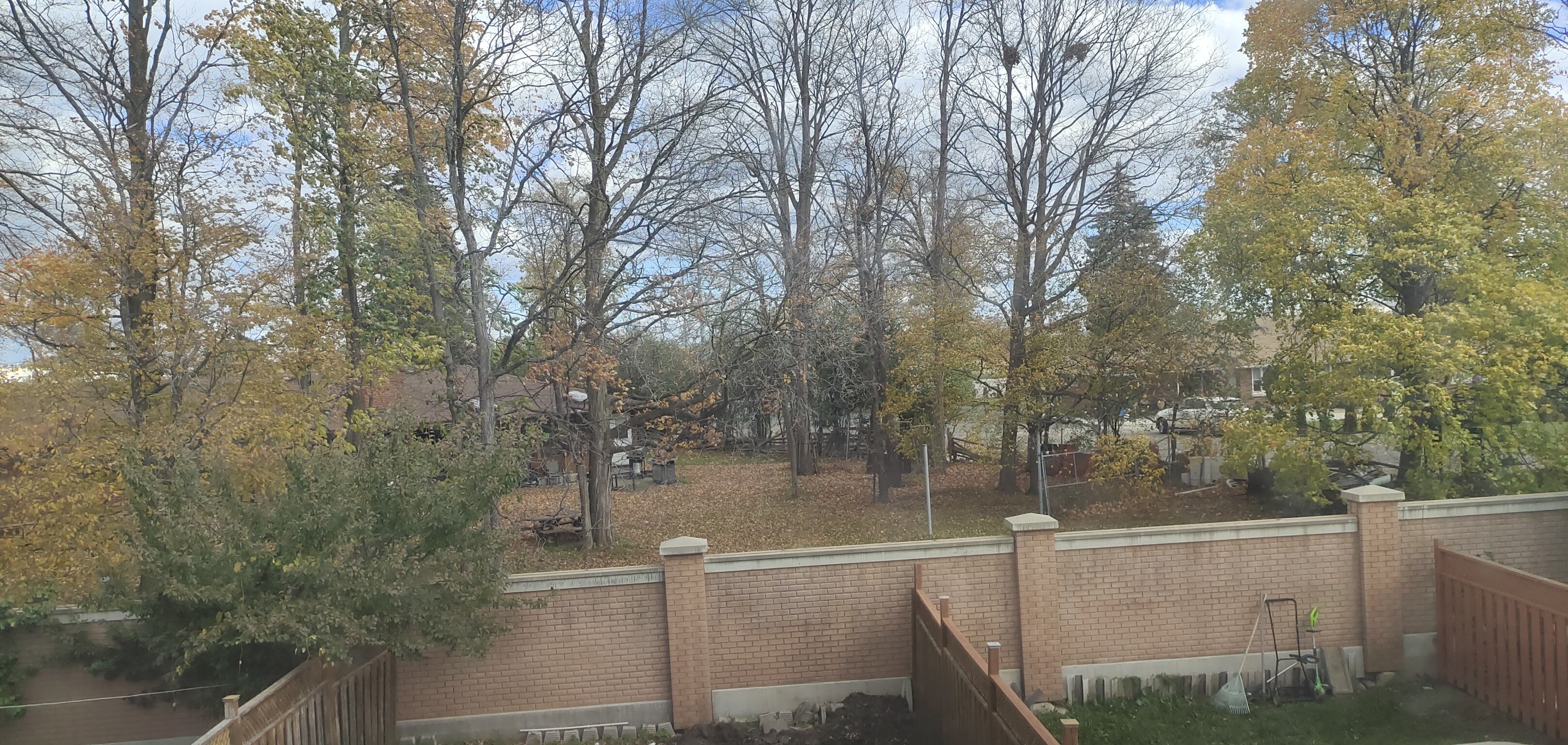
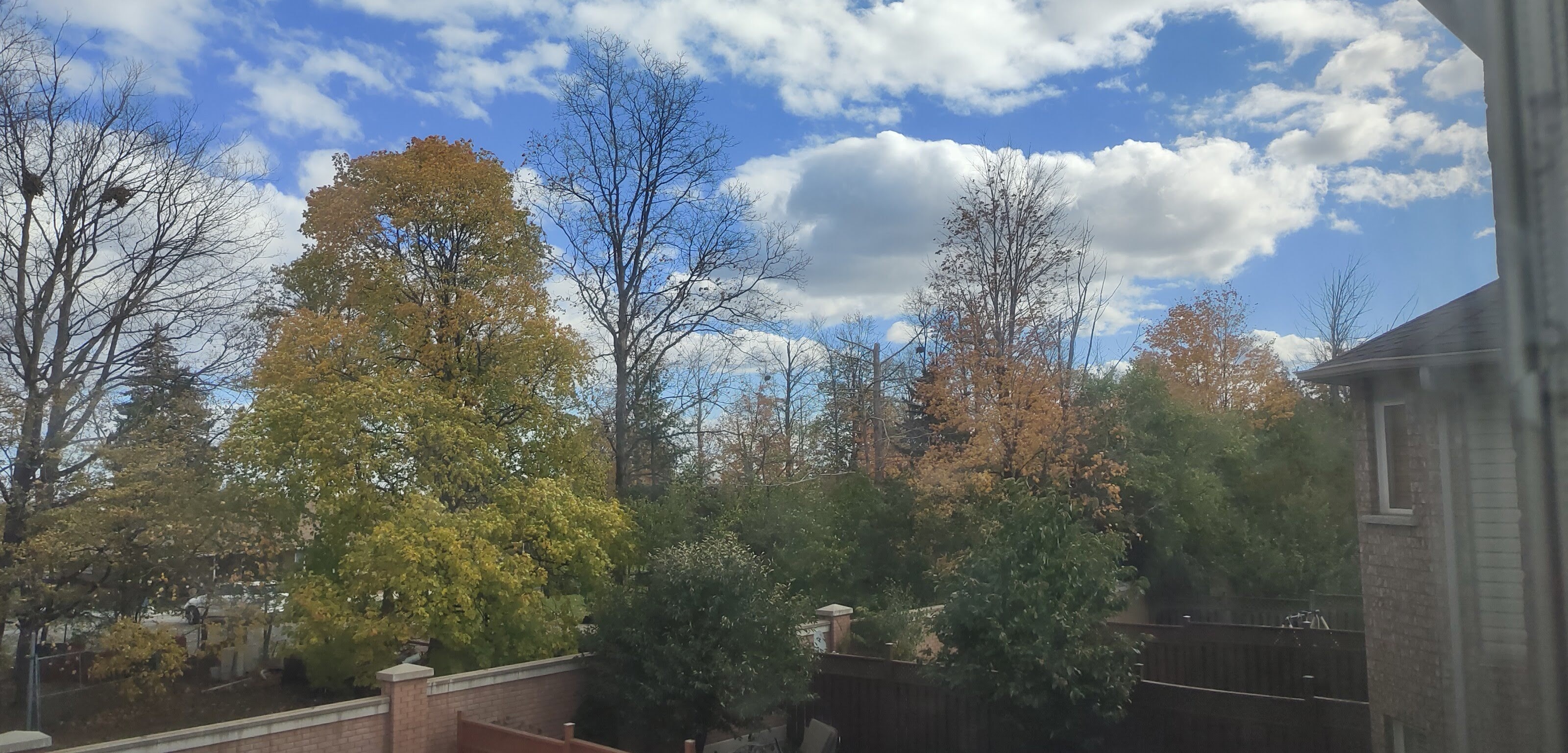
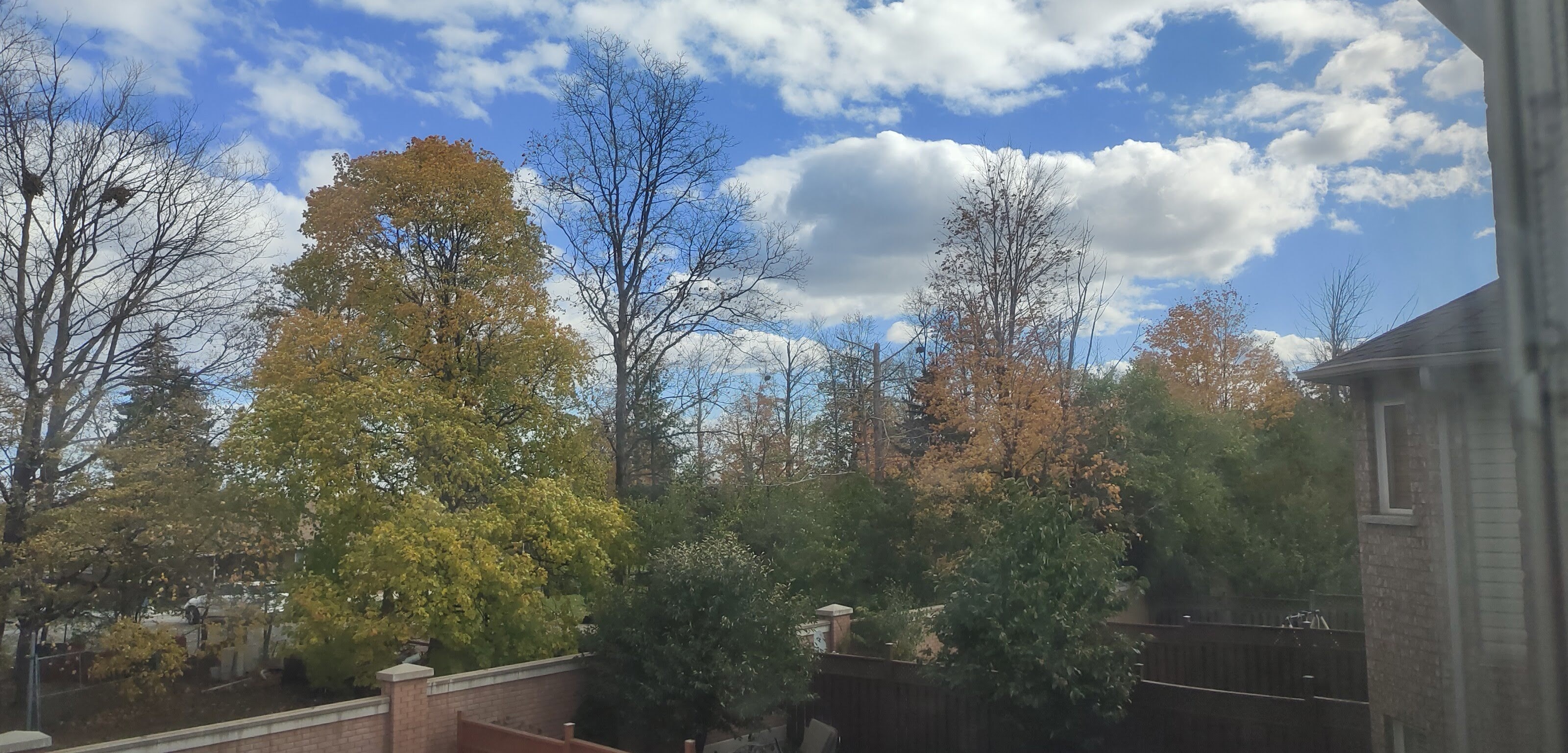
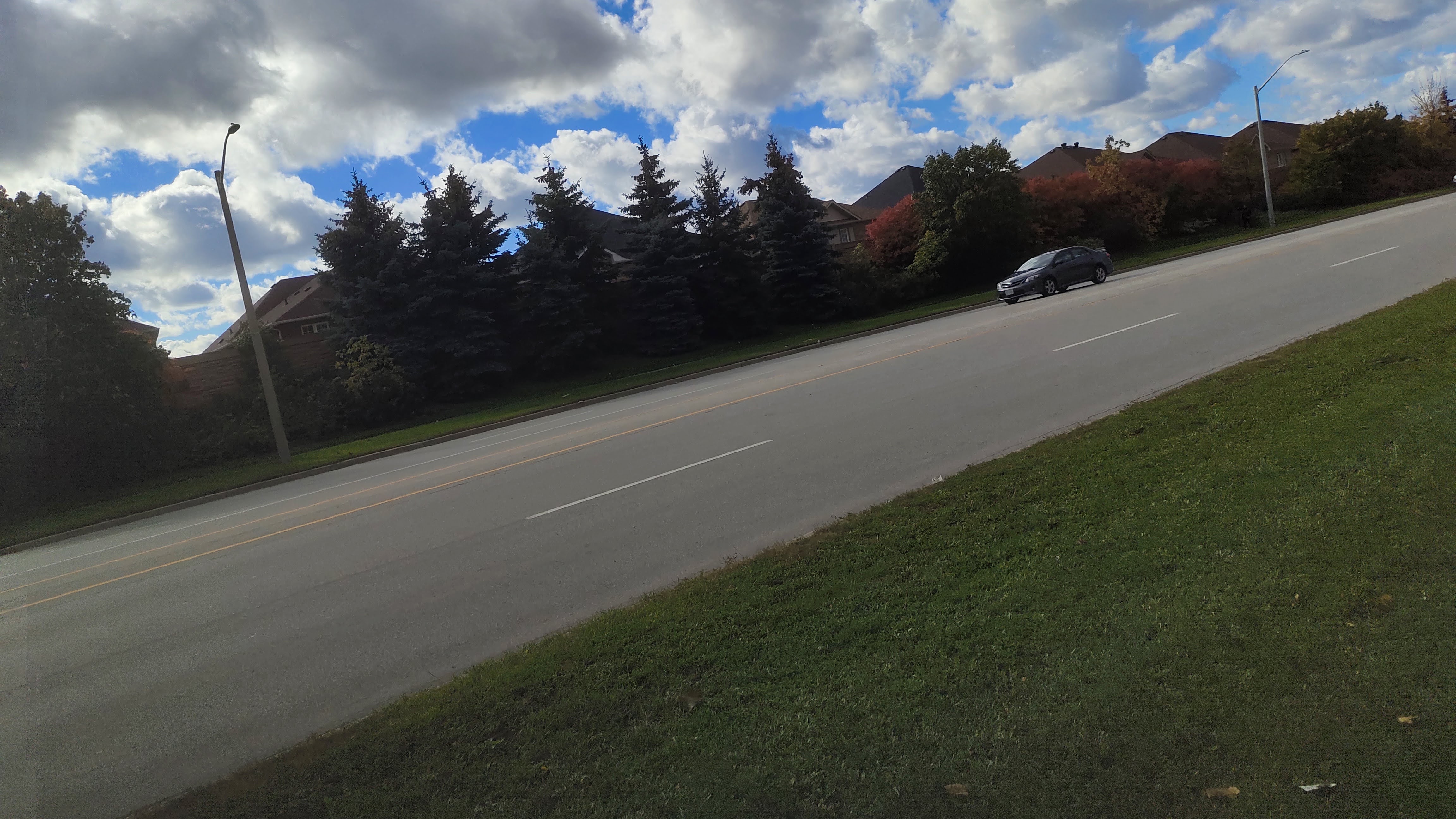
October morning. We walk down along a trail in the heart of a busy neighbourhood.

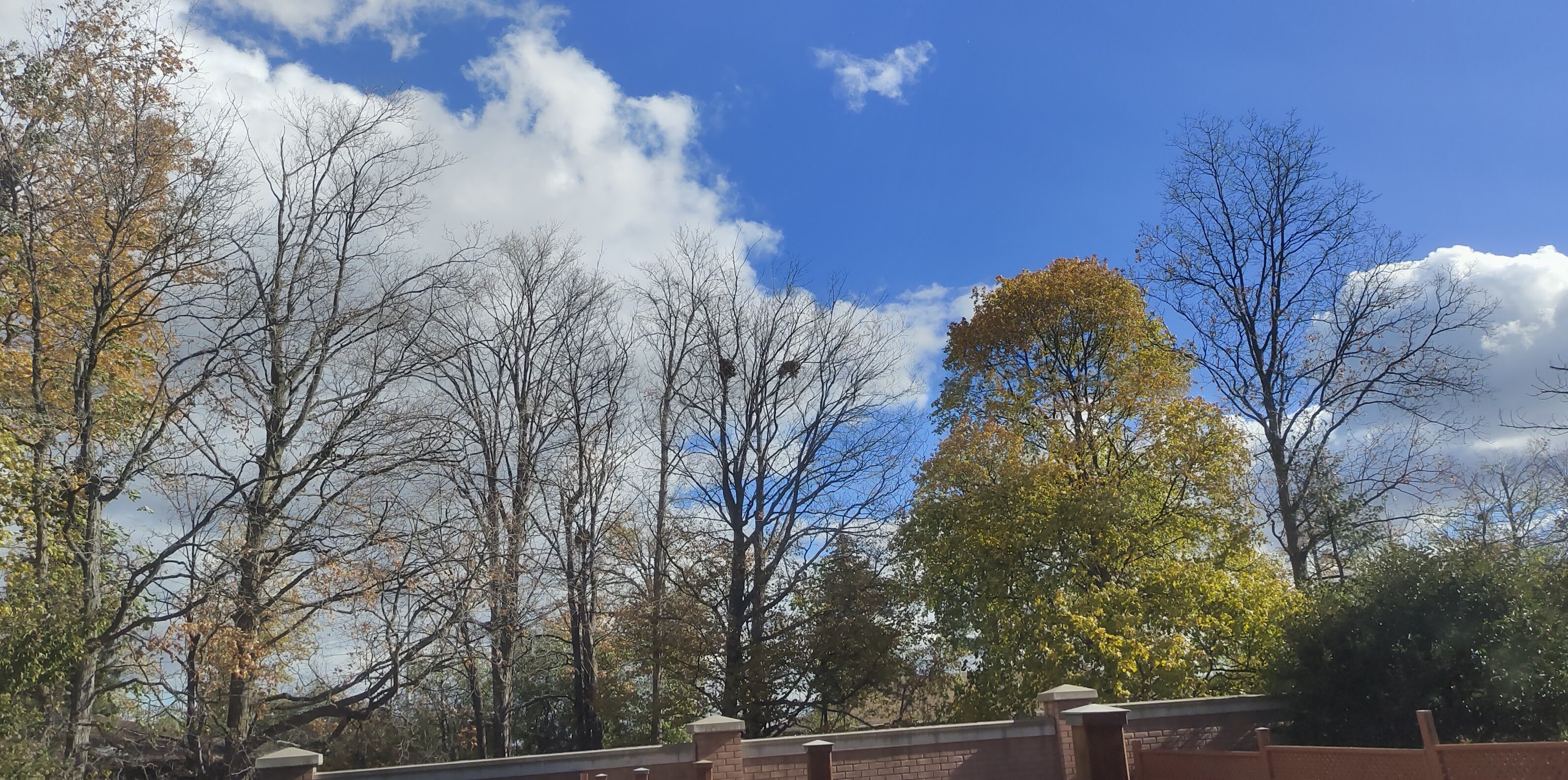
The sky is dotted with daubs of grey and white against the brilliant blue— reminiscent of a Monet.

In countries like Canada, to a large extent, you enjoy the sensory wealth and free interaction with the dales and meadows and lakes…and trails that make you discover surprises after a sudden bend, a leafless tree; ducks in a pond; the luxuriant trees and shrubs, and, a protean sky; journeys that make you negotiate  not only the turns and twists of solitary pathways, the physics of the urban planning but also, the metaphysics of space by diving into the inner self; the internal landscape, on clear, crisp mornings or even dim nights, getting luminous, transmitting silent codes to an awakened self — glued into an ancient map.

Nature is your new interlocutor, releasing routes, inner and outer, with a switch of a button.

It is Maud Lewis out there in full glory.

Nature in Canada makes a compact with the sensitive seeker; it changes the viewer into an artist, a co-creator of the aesthetics of colours, spaces and patterns!

The dialectics of nature and praxis operates — a walker stops and takes selfies against a tree in bloom or against a pond full of ducks, as mementos.

Such moments of serenity are rarely found in Mumbai or Karachi or any other stifling mass city.

Oddly I hear Wordsworth humming in a glen off the Highway 50.

It is a collage curated by an invisible force. The air is pure. The solitude borders on the spiritual.

The background is fascinating: Electric scarlets. Grays. Oranges. Reds. Yellows. The trail takes you deep inside self. The internal calmness is matched by an external silence.

Uplifting!

The magnificence induces a reverie.

The elements merge seamlessly into a heightened consciousness, an extraordinarily lived experience.

A Joycean epiphany! All staged within a moment.

A hungry mind absorbs the altering spectrum. The sky transmits a message that folks like Paul Coelho decode for a mind craving for another dimension of a drab one-dimensional existence.

It is a strikingly different reality.

Nature — enabling philosophy.

You are aware of its presence.

In developing nations, it is the absence that is hardly missed. You are stuck in a development-dystopia there. In such locations, citizens have to fight against the degradation of nature through liberal media, courts and advocacy groups, on the broad themes of having the right to breath easy, clean air and inhabit liveable cities. Yet walls of indifference keep on rising and cases of mangroves being destroyed, hills plundered, trees hacked, in the name of urban development and growth, under the patronage of corrupt bureaucracy and political class, go unreported, thus leaving honest taxpayers only layers of smog, pollution and bronchial diseases that reduce productivity…and creativity. Trapped inside a dull and deadening grind of a daily routine of long commutes in overcrowded public transport and hours hunched over small screens in airless cubicles, the professionals are reduced to nothing but robots, androids, cut-off from their scorched Earth and a dark sky, self-enclosed atoms, unaware of the romance of a full moon in a wintery sky or the power of a red rising sun, giving hope to the millions of  workers…

.

Back in the trail, thoughts rush out and form into whole units of novel poetics, symbols and artistic meanings.

A kind of radicalisation has been executed by a natural scene carefully preserved by the civilly conscious fathers of a huge land worked on by immigrants and other settlers.

In the sky, I see messages and patterns that take me back to the happier times of the concord between humans and nature, now disrupted.

The colours of fall are staggering in range, impact and variety.

You have become a part of a dynamic natural landscape—and feel elevated!

And feel privileged to be a witness to the preserved bounty of Mother Nature here in Canada, much better than in India.

You breathe easy.

Oxygen hits the lungs directly — not the smog that produces cough and cold.

No noise — refreshing from the mad cacophony of the noisy overcrowded unplanned ungovernable cities of Asia.

People are distant but polite. Fellow nature enthusiasts. The pagans of the post-industrial society, trying to reclaim a bit of humanism and nature, for forging a newer human being full of empathy in a peaceful country.

“Hi!” I say to the passerby.

“Hi! How are you?” answers the tall man.

“Fine! Thanks.” I answer…and move on.

A significant human exchange unfolds, gets executed by a cultural consensus — and the colours of white and brown intermingle in that common gesture of politeness and affirmation, thus confirming the redness of bloodstream of the diverse species of a planet threatened by climate change, ethnic strife, racism and alt-right forces that immediately do the “othering” of the groups not found matching their own.

As we walk away, composed and tranquil, enjoying the cool sun and fragrance in the air, few steps away from the neat bungalows on winding streets, the epiphany strikes, like a gentle rain in the moorland:

No land is bad. Or its hard-working honest lawful people. What is bad is the corrupt and cynical ruling elite that places it above the people. If they do not pay heed, refuse to listen to the rumble on the ground, popular change will follow soon.

Headed home, I realise home is a mobile space, a social unit of a shared collective of similar aspirations and dreams. You keep on searching for an ideal place where dreams and realities coexist as realizable values and make you evolve into a dignified, creative citizen — the main goal of a full and functional democracy anywhere.

Perhaps, that is the main drive for migration, internal or external, for welcoming areas and countries, globally.

Returning, I find I am at home, in Canada, at last. A place where colours of the Earth and sky meet, fuse together to produce newer styles of wholesome aesthetics of meaningful, integrated living, in cosmopolitan setting, with shared systems of beliefs.

The colours of Canada do speak to a harmonious mind.

Canada is a live canvas for sentient beings. You are an element of a dynamic complex of co-existing patterns, producing wholesome meanings!

Thus, you become real and alive, in an animated environment, organic but not yet fully and cynically degraded, unlike in other more commercialised nations.

.

Sunil Sharma, is a Toronto-based academic, critic, literary editor and author with 23 published books. His poems were published in the prestigious UN project: Happiness: The Delight-Tree: An Anthology of Contemporary International Poetry, in the year 2015. Sunil edits the English section of the monthly bilingual journal Setu published from Pittsburgh, USA:
— https://www.setumag.com/p/setu-home.html  
 For more details, please visit the link:— http://www.drsunilsharma.blogspot.in/

.

PLEASE NOTE: ARTICLES CAN ONLY BE REPRODUCED IN OTHER SITES WITH DUE ACKNOWLEDGEMENT TO BORDERLESS JOURNAL. 

Categories
Nostalgia Slices from Life

A Tale of Two Houses

By P Ravi Shankar

I was extremely upset and howling my head off. My mother struggled to keep me quiet. My parents had just got down at the bus stop and it was raining. It was a short walk to Laksmi Nivas. My mother was dragging me along and I was trying my best to turn around and run back to my paternal grandmother. The bus journey to the village had been miserable. The bus had ploughed through heavy rains and waterlogged roads. There were occasional claps of thunder and the tarpaulin sheets covering the bus windows offered scant protection against the rain. The bus was crowded and leaking. Puddles were forming on the floor.

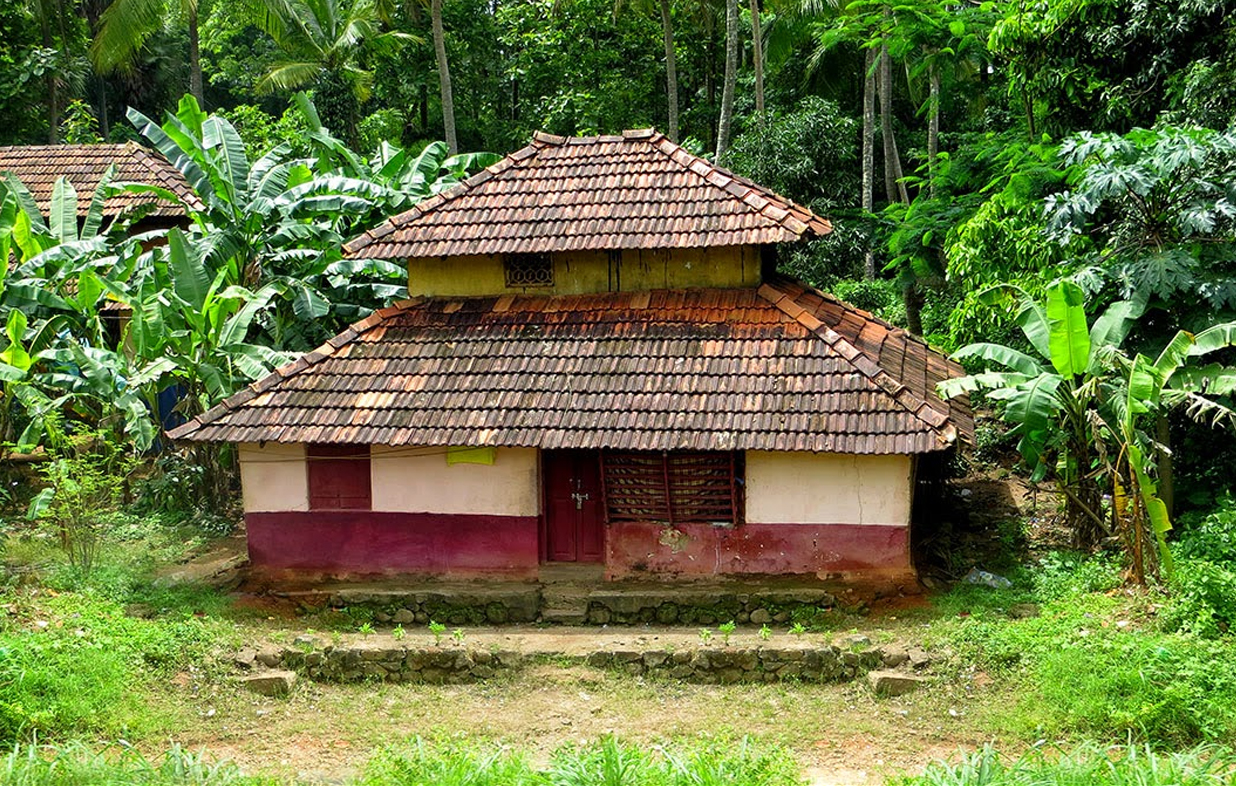
My maternal grandfather’s house was a two-story mansion located in Thiruvazhiad (turn-away-goat could be a literal English translation) village, Palakkad district, Kerala. He had built it in the 1960s and had named it after my grandmother. The house was a combination of living space and granary. There were long passages which were used to store the rice harvest. Wood was prominently used in the construction. The house sat in a huge plot of land. There was a front yard and a huge backyard. The house was large, but the number of rooms were limited. There were only three bedrooms on the ground floor, and they were all dark and scary. There was a traditional dining room and a wood burning kitchen. A well and a huge bathroom completed the amenities.

There were three bedrooms on the top floor and a small attic above that. The rooms on the top floor were small with wooden windows and had excellent views across the backyard to the hills beyond. The rooms opened on to a common corridor in front. This offered excellent views of the road to Nemmara, the main town in that part. Traffic was sparse and our attention was captured by the buses to Palakkad town which ran at hourly intervals during the hot, lazy afternoons and at half-hourly intervals during the morning and evening. The village was situated in a cul de sac, away from the main hustle and bustle.

During the seventies, my grandmother had three to four helpers working in the house. Traditional stones were used to grind dough for idlis and dosas and we had a smaller stone to grind masalas or spices. There was a huge mortar and pestle used to pound grain. Physical labour and strength were important. I do not remember my grandfather (mother’s father) much as he had passed away when I was very young. My grandmother was a religious lady who used to read the Hindu religious epics daily. Later (late seventies and eighties) she was mostly confined to bed and suffered from Parkinson’s disease.

I enjoyed climbing the wooden staircase to the first floor with its curved wooden banister. I believed the darkness of the house and the rooms scared me and contributed to my aversion. As I grew older I grew more adapted to this house. The house was dark but stayed cool during the hot summers. The red tiles on the roof were charming. The windows had no glass panes and once closed they let in very little light. The long corridors encircled the rooms on the ground floor letting in very little light into the inner rooms. The furniture was mostly wooden, locally made, solid and heavy. My grandma’s room had a massive valve radio. Evenings were spent listening to the news and other programs on the radio. Old houses had dark storerooms which both fascinated and scared me.

My father’s house was located inside East Yakkara near to Palakkad town and the holy Manapullikavu temple was nearby. It is believed Brahmins performed yagnas (prayers) on the holy riverbed and the place was named yaga-kara (do yagnas) and eventually came to be known as Yakkara. In the seventies, this was a peaceful place with traditional houses. The narrow winding lanes and the paddy fields lend a rustic charm to the place. My father’s mother had purchased a house after they moved back to India from Malaysia where my grandfather had worked as an estate manager. My grandfather had died when my father was young. The house was renovated and, to my childish eyes, was charming. There were windows with coloured glass panes in the drawing room. The floor was coated with a red oxide powder which had to be reapplied regularly. Pink bougainvillea grew over the welcome arch and the bright yellow front door welcomed visitors.   

The best part of the house were the two rooms in the wing adjoining the kitchen. The house had doors and windows which could be opened only half. This I felt was an ingenious arrangement. Both my mother’s and father’s houses had doorsteps which were massive, and I used to trip on these often. I was not used to them. There was a dark room that did not open to the outside. My cousin would study there. Wood was still the cooking material, took time to catch fire and burn. It was like an astringent to the eyes. I still remember the hot summer afternoons. We had lunch in the hot dining room and by the time we finished I would be soaked in sweat. The rice was hot, the fish curry spicy, the fish fry crispy, and the pickles incendiary. The roof had a few glass tiles to let in the light and I watched fascinated the path of the light beams being made visible by the kitchen smoke.

The rains were my favourite time of the year. In those days it used to pour in Kerala. The rains continued throughout the day, and I enjoyed creating and sending out flotillas of paper boats in the rapidly flowing streams of rainwater. The weather was cool, and the smell of the Earth (petrichor) was mesmerising. I also remember the smell of fresh paint as the windows and doors often would have a fresh coat of paint just before our visits. Now with the national highway (NH47) passing behind the house, the area has changed totally. So many new houses have sprouted. And there are two large apartment complexes.

These two houses had character and solidity. I regret not having the opportunity to interact with my grandfathers (the patriarchs). The houses reflected in many ways the matriarchs living in them. With their illness, being bed ridden and their eventual passing, an era came to an end. These houses no longer hold the same level of fascination they once exerted on my young mind!

.

Dr. P Ravi Shankar is a faculty member at the IMU Centre for Education (ICE), International Medical University, Kuala Lumpur, Malaysia. He enjoys traveling and is a creative writer and photographer.

.

PLEASE NOTE: ARTICLES CAN ONLY BE REPRODUCED IN OTHER SITES WITH DUE ACKNOWLEDGEMENT TO BORDERLESS JOURNAL

Categories
Slices from Life Travel

How I Transitioned from a Desk Worker to a Rugged Trail Hiker at Age Sixty

Meredith Stephens shares how the pandemic impacted her life choices, with photographs and narration of her adventures

When I worked in Japan I prided myself on my routine of only exercising when incorporating physical movement into my daily routine. I would cycle to and from work, and between buildings on the university campus. This was easy unless there was a storm. Then I would cycle attempting to hold my umbrella, but to no avail. It wasn’t just that cycling with an umbrella was illegal. It was also that my umbrella would turn inside out in the gale and the spokes would break.

When there was a typhoon we were forbidden to go to campus, but I took no notice. Rather than cycling to work I walked. I would run between each building block hoping not to be swept into the air, and when I left the campus to walk home along the riverbank, I would hope that the wind would not pick me up and fling me into the river.

Every day at work I would walk up and down the stairs instead of taking the lift. This was natural given that university policy frowned upon using the lift unless you had to go beyond the third floor. I developed strong calf muscles from climbing the stairs, and strong biceps from carrying books up and down the stairs. I secretly looked down on those who drove to work and then spent their evenings at the gym.

I returned to Australia to visit family just before the pandemic started. Soon after my arrival the Australian government warned its citizens, ‘Do not travel’. I followed this advice and continued working remotely. My return coincided with that of my friend Alex who resided as an expat in the UK. He too decided to follow the advice of the government travel ban. Every now and then Alex invited me to go hiking with him and his daughter Verity. I keenly accepted, since I was so proud of my fitness and strength.

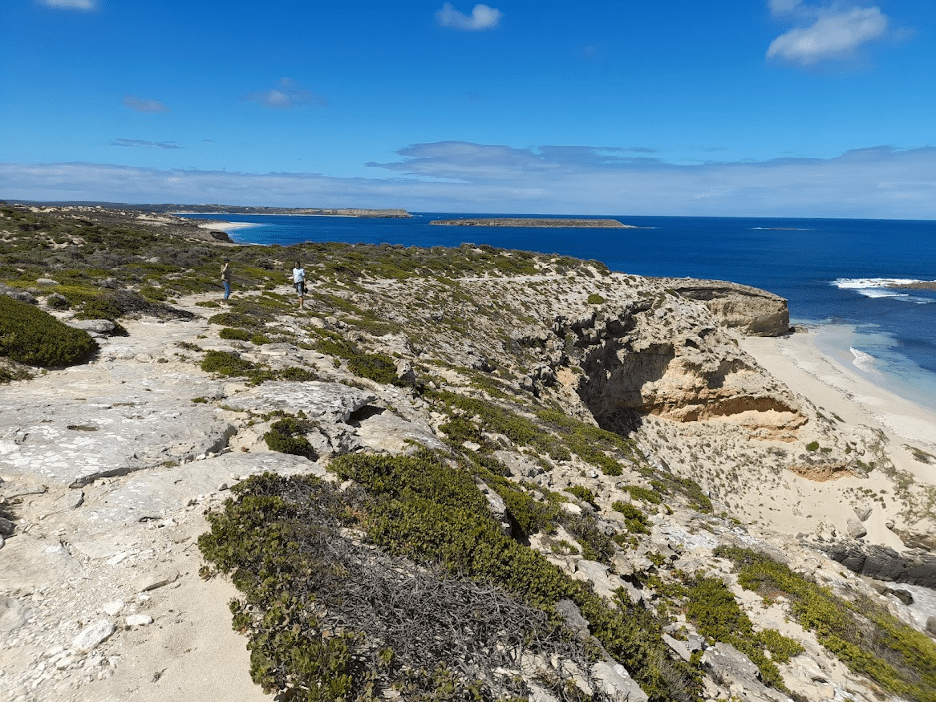
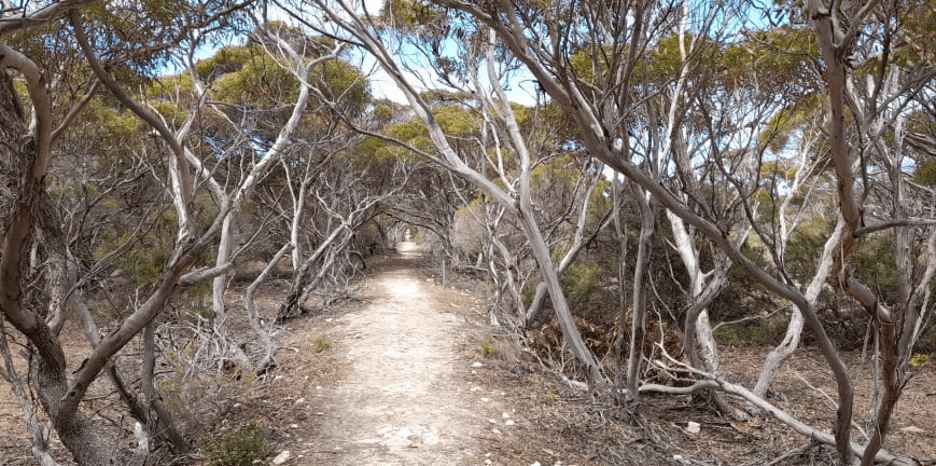
Alex and I began with regular seven kilometre beach walks. The terrain was flat, and I proudly maintained the same pace as him. Then Alex invited me to hike with him in the Innes National Park on the tip of the boot-shaped Yorke Peninsula in South Australia.

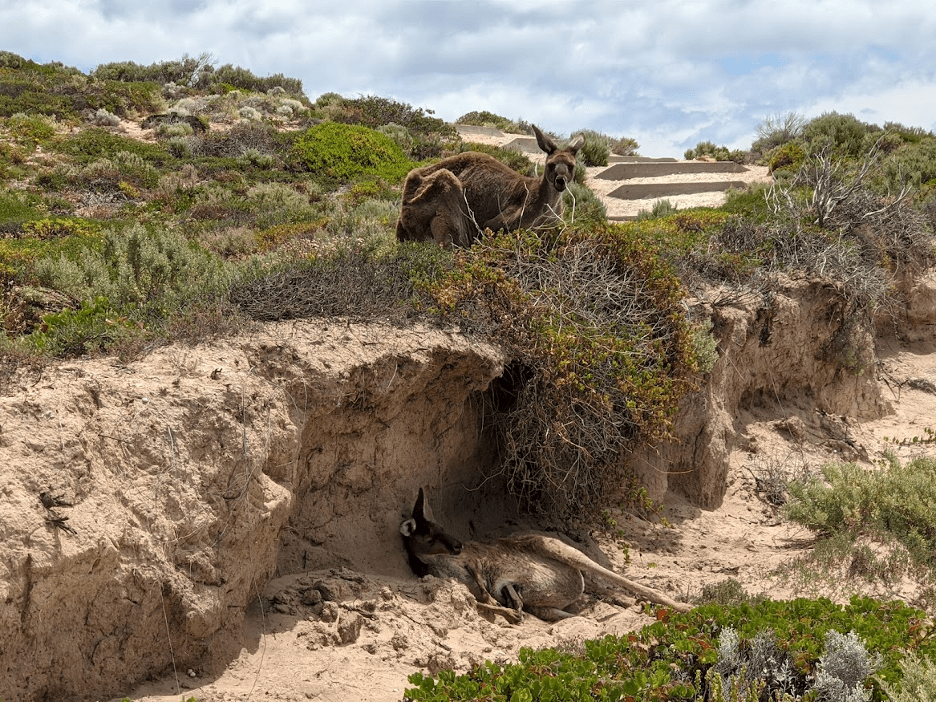
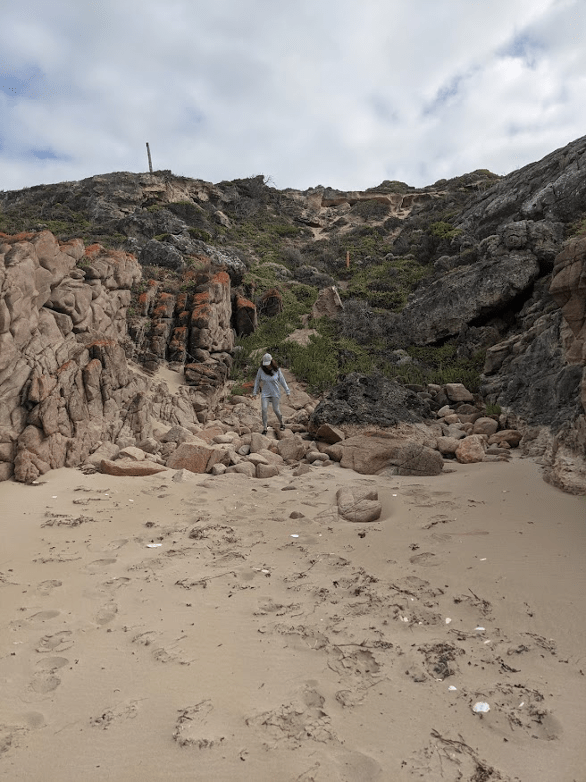
I had as much stamina as Alex and I was determined not to lag behind, but there were numerous distractions. We were walking along rugged coastline on the south of the peninsula overlooking Wedge Island when a pair of roos caught my attention. The buck was overlooking the cliff, and the doe, who was beneath, was bathing herself in the warm sand, with her joey’s legs poking out of her pouch. In the glare, I fumbled to see the image on my phone’s camera in order to snap a photograph.

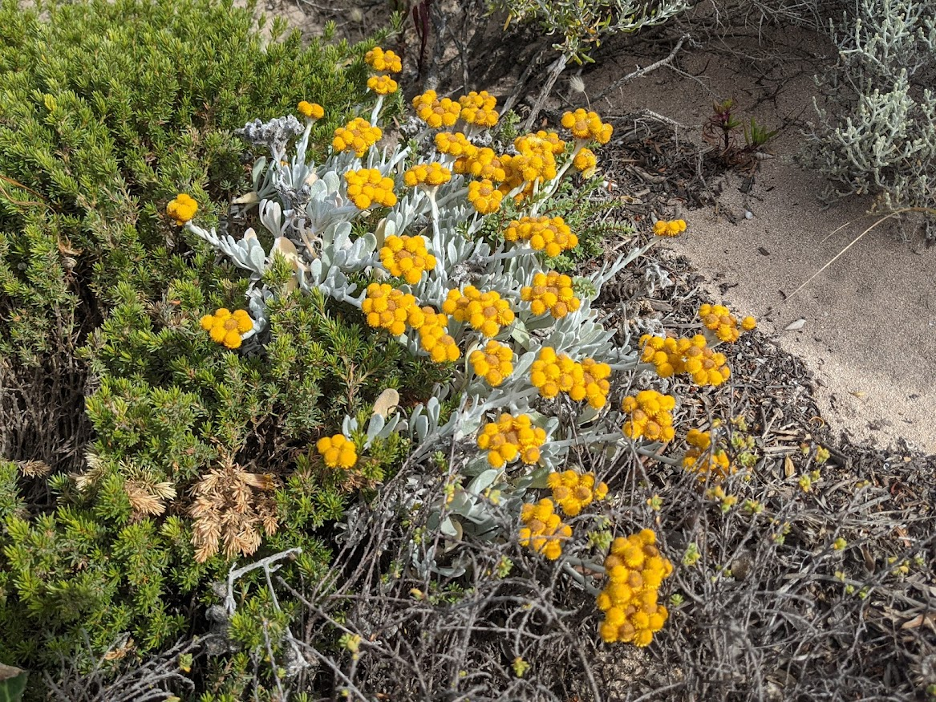
Next the bright yellow wildflowers rising from the succulents demanded my attention as I gazed at the grainy sand and rocks before me.

When I looked up I noticed a gap widening between Alex, Verity, and me.

“Why are you so far behind? Goodness Gracious!” Alex exclaimed.

I tried to explain myself but my voice was carried away in the wind.

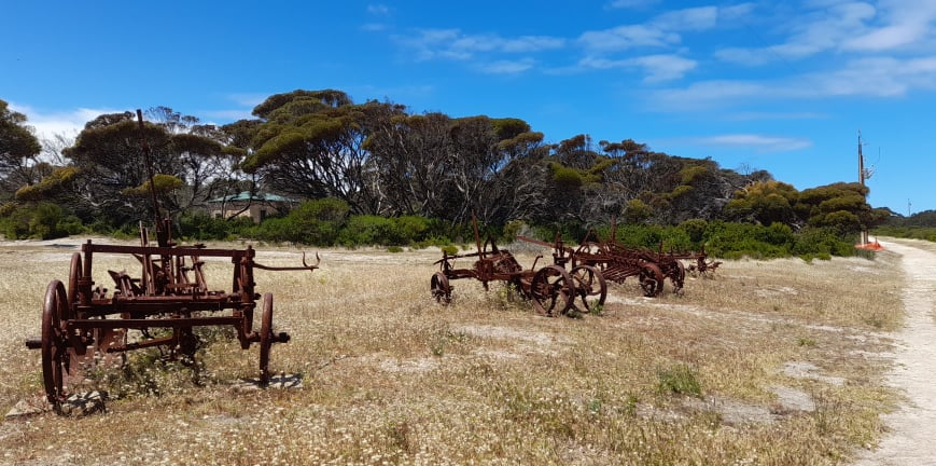
I hastily caught up with Alex and Verity, and we completed the walk. Alex announced that our next walk would be along a trail of ruins in the deserted township of Inneston, a few kilometres inland. Now part of a National Park, Inneston had formerly been a gypsum mining town. The township featured a long-abandoned cricket ground, restored houses, and ruins of houses and a bakery. Abandoned farm machinery and mining equipment, long since left to rust, dotted the trail.

Alex informed me that the Inneston hike was seven kilometres and I bravely assured him that I could take it in my stride. The former railway track where gypsum had been transported had been transformed into a hiking trail.

Because I had lagged so far behind on the coastline walk, Alex now insisted I walk in front. I continued to stride confidently, safe in my position as trail leader. Alex monitored the number of kilometres we had covered on My Tracks on his phone. I felt like we had covered five kilometres but when I asked him he said that we had only covered three. Then when I felt we had covered ten kilometres we had only covered seven. On the return journey I could sense Alex’s strides growing closer behind me, and then Verity’s strides growing closer behind him.

“Hurry up!” insisted Alex.

I couldn’t reply. I was so proud of my stamina and endurance. Alex sensed my silence,

“Are you okay? I guess if you combine all of today’s walks we would have walked seventeen kilometres in total.”

I could feel my face burning and eyes swelling. I took a deep breath to calm myself, but couldn’t help blurting out.

“You go ahead. I don’t mind taking the rear.”

As we covered the remaining few kilometres to the carpark I started lagging further and further behind. I took less interest in the ruins and restored houses. When we arrived back at the car I gratefully heaved myself into the passenger seat and let Alex drive us back to our lodgings. On the way Alex stopped to look at the historic jetty in Stenhouse Bay but I did not budge from the passenger seat when invited to join him.

The next morning we resumed our hiking, and I was back in form, climbing up and down sandy dunes to the beach. It’s not so much that I was shorter than Alex or Verity, or even slower, but rather that I got distracted by the purple, yellow and white wildflowers, and the families of roos. Admittedly, I did start to lose stamina after hiking the first few kilometres while trying to hide from the intense Australian sunshine and stopping the legions of flies from entering my mouth.

After the Yorke Peninsula trip, Alex announced that our next hike would be on Kangaroo Island, which lies between the South Australian mainland and the Southern Ocean. No doubt, I will continue to be mesmerised by nature, not least because the kangaroos are smaller over there and have thick chocolate fur, with darker colouring on the tips of their ears, limbs and tails. I might even spot an endangered glossy-black cockatoo, or a seal. Despite these distractions, I am confident that I will keep up. Unless, of course, I stop to take some photographs along the way.

Meredith Stephens is an applied linguist in Japan. Her work has appeared in Transnational Literature, The Blue Nib, The Font – A Literary Journal for Language Teachers, The Journal of Literature in Language Teaching, The Writers’ and Readers’ MagazineReading in a Foreign Languageand in chapters in anthologies published by Demeter Press, Canada.

.

PLEASE NOTE: ARTICLES CAN ONLY BE REPRODUCED IN OTHER SITES WITH DUE ACKNOWLEDGEMENT TO BORDERLESS JOURNAL
Categories
Nostalgia Slices from Life

Yesterday Once More?

Renowned film analyst Ratnottama Sengupta revisits a page from her past, weaving history and films into an eyewitness account of events that had occurred as chaos reigned on the streets of Cairo, Egypt. 

Cairo Film Festival, November 27 – December 6, 2012

Cairo.

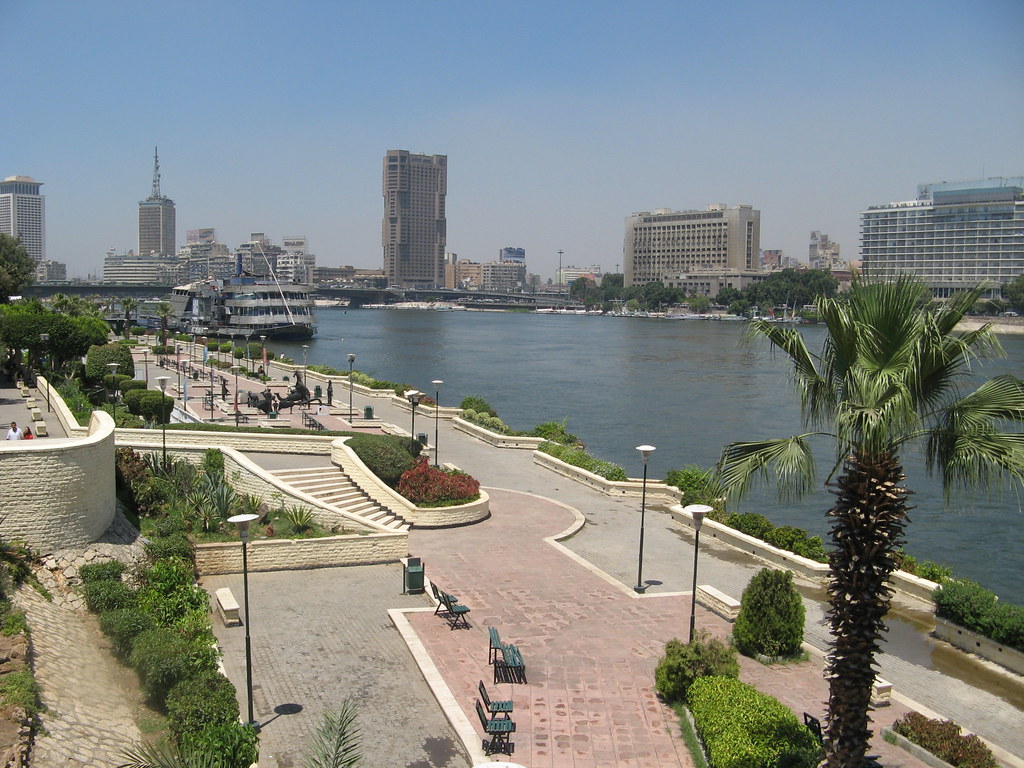
“This one week will change everything,” Amir told Farah in The Winter of Discontent. Ibrahim El Batout’s recapitulation of the Arab Spring had inaugurated the 35th Cairo International Film Festival (CIFF) on November 27 of 2012. “It will take them one week to find out who uploaded the protest on the net,” the activist tells the journalist, “but one week later this government may not be there.”  These words were borne true in January of 2011. They had sounded ironic when the festival was flagged off on the sixth day of Tahrir Square 2 — by Egypt’s Minister for Culture, Mohamed Saber Arab. He had hugged festival director Ezzat Abu Ouf who was in tears as he said, “In difficult times, it is important to protect one’s freedom of expression.”

It surely must have been difficult to host the festival that was paused following the Revolution. “I am Positive” was the slogan of CIFF that urged ‘positive thinking’ on revolution and freedom. Besides the inaugural film by Ibrahim El Batout, who mastered shooting in war zones for international channels, there was an entire section devoted to cinema of revolution. These documentaries included Good Morning Egypt that displayed people’s mixed emotions on the eve of dismantling Mubarak’s regime. The Road to Tahrir Square searched for the roots of the Egyptian revolution in the country’s labour movement. Eyes of Freedom and Street of Death documented the demand to speed up Presidential elections and handing over of authority from the Military Council to a Civilian government. By the end of the day in January 2011, the police and army had attacked the demonstrators and forced them to evacuate Tahrir Square, outraging the world by the human rights violation.    

All this would have been perfect material “to express the heritage of the past, the reality of the present and the dreams of the future” – to quote the city’s Governor, Osama Kamal. For, “cinema records and relays to the world stories of our lives, our thoughts, feelings, social issues, principles…” And “meaningful art is one of the basic pillars of struggle and progress of a people,” he declared. That is why the logo of the revived CIFF depicted the hawk, a symbol of the pharaohs, perched on the metal arm of the revolutionaries in the precious metal of gold.

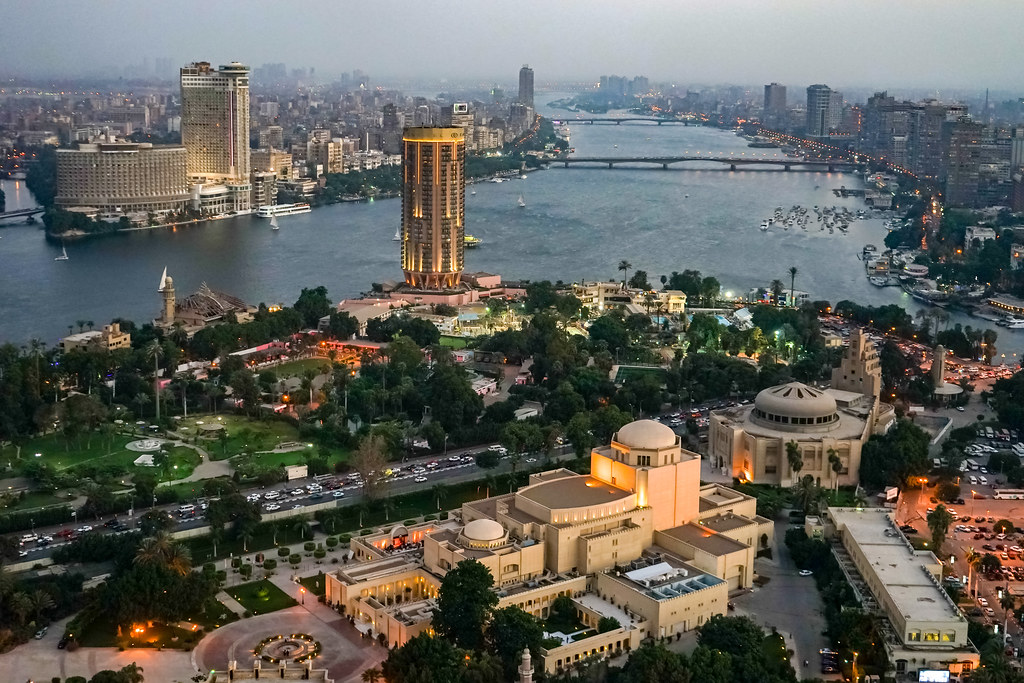
But it had turned ironic as the awards were cancelled due to the reality outside the Opera, close to the Square and venue of the festival that seeks to empower the youth by providing a platform for their talents. On Thursday, Qasir el Niel bridge leading to Tahrir Square had been blocked off. The museum housing the treasures of Tutankhamen was closed as it was on the turbulent Square. People — reportedly paid by the Brotherhood — were being trucked in for Saturday’s show of strength. Deaths were being reported from outlying areas where the Opposition was more restive as the channels were agog with news that the draft of the Constitution was ready and “any hour now” President Mohamed Morsi would sign it, pre-empting the opposition by the judiciary, intelligentsia, and the liberals who would lose much of their freedom if the Shariat laws would be enforced in Cairo’s open society.

The “action replay” on Tahrir Square was protesting the President’s move to arrogate himself extraordinary powers “until the new Constitution is in place.” Their objection was that he had pushed out the Christians and liberals from the Constituent Assembly, in order to ensure a smooth passage of the Constitution and present it as fait accompli before its expected date.

Yes, that one week in November 2012 had once more changed the course of history on Tahrir Square.

Ratnottama Sengupta, formerly Arts Editor of The Times of India, teaches mass communication and film appreciation, curates film festivals and art exhibitions, and translates and write books. She has been a member of CBFC, served on the National Film Awards jury and has herself won a National Award. 

.

PLEASE NOTE: ARTICLES CAN ONLY BE REPRODUCED IN OTHER SITES WITH DUE ACKNOWLEDGEMENT TO BORDERLESS JOURNAL

Categories
Slices from Life

Embroidering Hunger

A story of dochgirs (embroiderers) in Balochistan by Tilyan Aslam

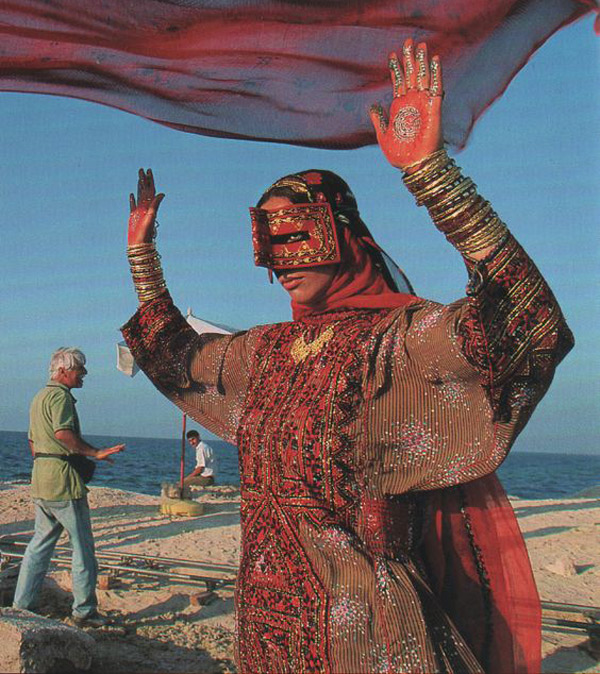
As a Baloch girl when I walk into a room full of people, what outwardly attracts them is my cultural Balochi attire. I often get compliments from people telling me how beautiful and enthralling our Balochi dresses are. I remember once this lady came up to me in an international fair to photograph me for her magazine-project because of the way I was dressed – in a traditional Balochi dress. I have heard it more than enough times about the beauty and creativity of Balochi dresses, but regrettably, those compliments never really got into a point where we could discuss the people and hardwork behind those dresses.

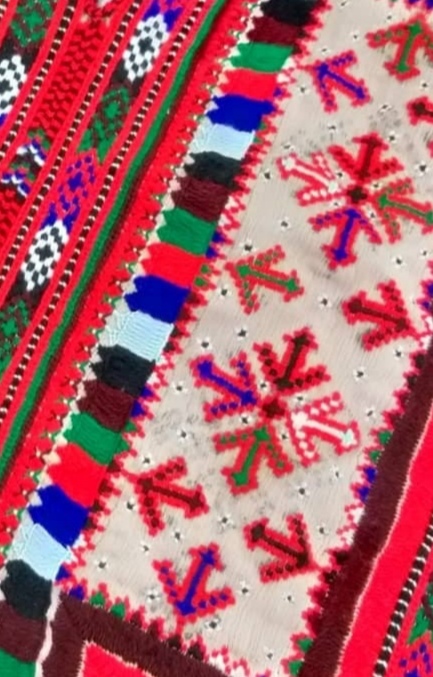
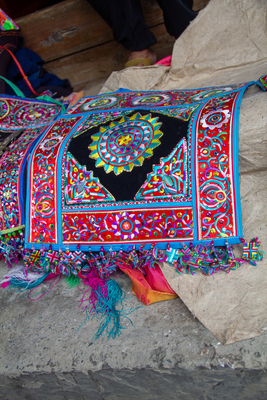
Balochi dresses are the result of utmost passion, hardwork and dedication. The professionals who make Balochi dresses are called ‘dochgir’ in the local Balochi language, and they are the key reasons behind these breathtaking outfits. They make these dresses out of scratch without technology and other resources. They make up their own designs by doing a lot of experiments and end up making something creative and later name it as per their convenience and the structure of the ‘Doch’ (embroidery).

Luckee, a tremendously diligent and hardworking woman in her mid-forties from a village named Saami (Makran, Balochistan), is one of the reasons that I had to write this piece. Her story, unlike any other person I have come across, is rare. Even though, most of the embroiderers are Baloch women who sew dresses to support their families financially, but Luckee’s story is unusual.

In tribal Balochistan, the means of livelihood is either agriculture or livestock. The lives there are very primitive, far from technology and present-day facilities. Baloch women have sewn dresses for centuries for the upkeep of their families, helping their male counterparts from within the house. The handicraft skills of the people of Balochistan are ancestral, passed on from generations.

Dochgirs not only sew or doch (embroideries) in their own villages but travel near and far to make these dresses from almost anyone especially those who they are familiar with already. A few months ago, I got a chance to have a conversation with Luckee about her life and I was amazed with what she shared with me.

The tale of agony, striking poverty and lack of platform for Baloch dochgirs was so gut-wrenching to know from the one already suffering with it. “I was married to a man who didn’t earn. He was a drug addict,” she continued with grievance. “I got divorced after undergoing domestic abuse from my husband.” Long before even Luckee got divorced, she was the only one in her family working and earning. “I have no option, even till today, but to sew dresses and raise my two sons,” states Luckee.

The village of Saami, where she lives, has drastically reduced the population since the past years. The Nawabs and Gichkis who have ruled these places for years, have moved to cities long ago except few of the families. “The only people who haven’t moved out of the village are those who cannot afford to live in big cities – people like us,” she shared, “I used to live with my other family members in their house, but the space was inadequate as my older son got married. So I had no chance, but to buy a cheaper house from someone who no longer lived in the village,” she added. The house she bought is shabby, but gives her a shelter and she is grateful for that. “I had to work hard to sew many Balochi dresses to get money for a committee to buy the house. I still haven’t paid the total amount of my home,” said Luckee, her eyes filled with tears.

When I asked her about the education of her younger son, who passed his 10th grade, her words gave me shivers down to my spine. “Don’t you know about the inflation in the country?” she asked, to which I replied, “Yes, I do, but I’m also well aware of the fact that without education you cannot improve the lives you are living – in poverty and ignorance.”

Her reply was quick and truly upsetting to hear from her own words, “Education is expensive. It is for the rich ones. We barely manage to find meals of our day. With an empty stomach, you cannot think of educating your children, but feeding them,” she also added, “I wish my son could go to college and become a great person after 10th grade, but we cannot afford it.”

In a resource-rich province like Balochistan, the people are enduring poverty in a way that for them two basics of life, food and education still remain the biggest hurdles of life.

Balochistan is a home of arts, culture and creativity. It is very unfortunate to know that the baseline of the creative works; dochgirs, regardless of the efforts they put into their work, rarely manage to find adequate sustenance. Creativity takes courage. Every Baloch dochgir puts their heart and soul in their embroidery work, but sadly their hardwork is not compensated by enough returns.

It is about time that these dochgirs should be given the opportunities and recognition that they deserve. Our government should take steps to promote art and culture in the country and make policies that provide dochgirs with a platform to showcase their talents and skills to a wider community. Hardworking people like Luckee deserve to be given chances to flourish with their handicraft works which deserve coverage, for it is worth it.

Tilyan Aslam belongs to Turbat, Baluchistan who has recently got admission in Quaid-e-Azam University, Islamabad. She has been actively writing since 2019 on various social and gender issues, cultural and travel blogs in different newspapers such as The Daily Times, Balochistan Point, Balochistan Express, Balochistan voices , The Baloch News and some other local websites.

.

PLEASE NOTE: ARTICLES CAN ONLY BE REPRODUCED IN OTHER SITES WITH DUE ACKNOWLEDGEMENT TO BORDERLESS JOURNAL
Categories
Slices from Life

To Daddy — with Love

By Gita Viswanath

Bending over his sketch book with an array of art supplies spread around him, he drew with the concentration of a hawk stalking his prey. He stared at the object he was copying in the classic style of an art student doing his assignment. Whoever said art is therapeutic couldn’t have been more correct. From a sense of redundancy to finding a new joy at the ripe old age of 89, Daddy had bounced back from the day he felt a deep sense of despondency, when he woke up late because as he put it, ‘Wake up early and do what?’ Especially for a man of his era who cannot potter around the kitchen, cannot make grocery lists and cannot fold washed clothes. These are some activities that kept Mummy meaningfully occupied all day through but for Daddy, even television, books and newspapers proved inadequate.

This once smartly attired man went to work daily as a senior official in a public sector undertaking and took off on work to countries like the former USSR, Japan, England and Kenya with a complete sense of purpose and fulfilment. Struck by a paralytic attack almost twenty years ago that left him with a speech impairment and a disabled right hand, he taught himself to write with his left hand. Such was his tenacity and to think a person like this found no meaning in waking up was tragic to say the least. But that was some months ago. Rediscovering his passion for drawing, he has, of late, been engrossed in his new preoccupation, feeling like a child with a box of crayons.  

After all, he had graduated with a major in Zoology around the year 1955. As a child, I had learned to draw an elephant from him. He chose from the shelves, with great care, art pieces he had picked up on his travels – an ebony rhino, a brass coffee kettle, a wooden auto rickshaw and so on. With sketch pens and water colour pens, he began gingerly. Gradually, he became totally absorbed, almost meditative. Probably, each object he drew acted as a mnemonic device plunging him into the memory of another time. Filling time apart, the practice of art had surely enabled him to rediscover his own abilities and despite shaky hands, he found great joy in drawing.

His work with its wavy lines may be the consequence of shaky hands. However, what they evoke is certainly symbolic. The lines that resemble the waves of the sea could not have been more telling for one who worked for a shipping company! The lines, equally, indicate movement and like waves, the unstoppable passage of time. The colour palette is thoughtfully selected to reflect reality, like green and yellow for the autorickshaw, as well as a fine eye for the aesthetic. What’s interesting is also the fact that he drew on only a small part of the page. Of course, a large-sized drawing could be too daunting. Nevertheless, the blankness seemed to point towards a much larger universe that can only be imprinted in minimal ways.

But for now, he seemed to enjoy seeing the blank, white page come alive with colours that he filled into shapes that he was creating. Clearly, he was captivated by the magic of the creative process.

‘Wake up early and do what?’

Daddy draws again!

Gita Viswanath is the author of a novel, Twice it Happened. Her second novel, A Journey Gone Wrong, is forthcoming. She has published short stories and poems in several journals.

.

PLEASE NOTE: ARTICLES CAN ONLY BE REPRODUCED IN OTHER SITES WITH DUE ACKNOWLEDGEMENT TO BORDERLESS JOURNAL

 

Categories
Slices from Life

Welcoming the Dark Half of the Year

By Candice Louisa Daquin

Halloween is one of the oldest fire festivals in the world, perhaps because it considers the relationship between the living and the dead and that has been a primal theme in all human’s lives. Ancient people were more connected to the changing of seasons because their lives literally depended upon it in a way many of us cannot understand today. Most festivals have their origins in food and seasons for this reason. Ancient observations of the dead exist in nearly every recorded culture. Where I live Dias De Los Muertos is as popular as Halloween because we have a 70 percent Hispanic population. Some (though it’s growing smaller) groups of Christians refuse to celebrate Halloween as they feel they are celebrating something Pagan.

True, the celebrations held on October 31, known to exist as far back as the 5th century, were traditionally a Pagan ancient Celtic festival called Samhain. Samhain was not some Devil worshipping name as was incorrectly assumed, but actually ‘Summers End’ in Celtic. The tradition of “dumb supper” included eating but only after inviting ancestors to join in, giving families a chance to interact with people they knew who had died and returned that night as spirits. Children entertained the dead with games while adults would update those who had passed with news. On that night, doors and windows were left open for the dead to eat cakes that had been left for them.

This night was also when people would light bonfires and wear costumes to ward off ghosts. In many ways sharing the idea of remembering the dead with Dias De Los Muertos. Most ancient cultures bred superstition alongside remembrance into a festival of some kind. If you’ve ever been to New Orleans, you’ll know about All Saints Day (and martyrs) which began during the eighth century when Pope Gregory III decided November 1 would be a time to honour all saints who did not have their own holiday. This Catholic holiday caught on in New Orleans in America and is still celebrated today. Many believe the Christian church was deliberately supplanting Pagan festivals of the dead with Christian ones that emphasised more church-related themes. The evening before All Saints Day (el Dia de los Inocentes in Mexico was day of the children also held on November 1) had been known as All Hallows Eve, and later became Halloween. All Hallows came from Middle English with Alholowmesse meaning All Saints’ Day.

Samhain traditionally marked the end of summer and the beginning of winter, which back then was often associated with human death. Harvest was considered a thriving time, Winter, the dying before Spring. Ancient Celts believed Samhain was a special night where the boundary between the worlds of the living and the dead was closer together and the ghosts of the dead could walk the earth. This is where we retain the fearfulness of subjects like death and ghosts in modern times.

Sacred festivals and rituals were part of many Pagan cultures, and Samhain was no exception. The fearfulness was countered with large bonfires (the name bonfire comes from ‘bone fire’ which related to the slaughter of cattle and burning of their bones at this time of year) and druids warded off evil spirits with sacrifices. As blasphemous as that may seem to some modern religions, it was the way ancient people understood things and brought them a sense of control. Not so different really when all things are considered. It is human nature to observe or remember the dead, it is also our tendency to wish to see them again, which is ideal in this ‘thin time of year’.

The Roman’s had celebrated Feralia which was traditionally a commemoration of the passing of the dead, Lemuria, placating the restless dead and Parentalia, honoring the spirits of ancestors. Combining these with Pomona who was the Roman Goddess of fruit and trees, they melded their traditional festivals with more Dias De Los Muertos themes and added apples, which we now incorporate with apple bobbing at Halloween. Apples are also historically connected to the ‘otherworld’ throughout history. It’s fascinating to know these extremely ancient practices are still practiced today, even as we may not know why.

Although we think of modern Halloween as originating from America as modern Christmas (Father Christmas and Christmas fir Trees) from Germany, the truth is American’s got many of their Halloween ideas from ancient European traditions, including ‘trick or treating’. But America definitely made those traditions wide-spread and thus, known worldwide. In the end, it was from America the rest of the world got their cue.

Scottish poet Robert Burns’s poem of the same name helped popularize the actual word Halloween in his poem of the same name. The modern name is two words pushed together. “Hallow” — or holy person — refers to the saints celebrated on All Saints’ Day, (November 1) and the “een” is a contraction of “eve” — or evening before. Thus, the evening before All Saints’ Day.

The Puritans of New England, refused to observe any holidays which might be associated with pagan beliefs – including Christmas, Easter and Halloween, but the Irish, who had always celebrated, shifted North America’s idea of Halloween when they arrived in large numbers after the Potato Famine. The jack o’ lantern which became our carved pumpkin originated from the Irish folk tale of Stingy Jack, a drunk and man who fooled the devil into banning him from hell but due to being a sinner could not enter heaven. When he died, he roamed the world carrying a small lantern made of a turnip with a hot ember from hell inside to light his way. People carved pumpkins or similar to ward off the ghost of Stingy Jack.

Halloween today is a giant commercial day, with companies selling more confectionary on Halloween than any other period in the year. Costumes and parties abound and adults now get into Halloween as much as children. Films specifically for this time of year are made and people relish the more secularised version of Halloween that doesn’t stand for anything that would threaten a family’s value system.

‘Trick or treating’ might have come from an English tradition on All Soul’s Day of giving soul cakes to those who promised to pray for the dead. Churches also gave out food, by way of appeasing spirits, and children would visit houses on Halloween and receive food or drink. Perhaps because food and drink were often scarce in the olden days, this was akin to eating pancakes on ‘Fat Tuesday’ before fasting. The value of food cannot be unappreciated and it features in every festival in some way, irrespective of culture.

The wearing of masks was to make oneself unrecognizable to those spirits who might return on Halloween. Originally called ‘guising’ (later, disguising) people used ash and then later, made masks. A disguise would ensure the Aos Sí, (fairies/spirits/ghosts) wouldn’t take you back with them to the ‘otherworld.’ Many cultures offer food to the dead as a way of respecting them or keeping them from taking the lives of the living.

Mumming, was the art of dressing up, often to act in skits to entertain others. Using anything available, people dressed up on Halloween to disguise themselves and ask for food. In later days, both at Halloween and other events, some people spent a lot of money on elaborate costumes. Like with anything, this was a status symbol, though the core remains the same; dressing up for fun. Allhallowtide was the old name for the originally three-day festival where such things occurred. Allhallowtide included All Saints’ Eve, All Saints’ Day, and the subsequent All Souls’ Day.

Black cats are often not sold at Halloween for fear of people purchasing them for sacrifice or mistreatment. The fear of black cats actually goes back to times where those deemed witches were thought to be able to turn themselves into a black cat. It’s a horrible stigma on innocent creatures, who have often found themselves tortured for the colour of their fur.

A revival of Samhain began in the 1980s with the growing popularity of Wicca. Modern Pagan’s and Wiccans today also observe Samhain as part of their faith. Celtic Reconstructionists celebrate by creating an altar for the dead where a feast is held in honour of loved ones who have died. It is not devil worship but far more an observance of an ancient time of transformation and understanding of the relationship between life and death. Samhain was never about worshipping death or evil. It was about the changing of seasons and preparing for the dying and rebirth of nature as the seasons changed. Through time ancient festivals held around this time of year influenced one another until they merged together and modern times developed the theme commercially. It’s a nice idea to imagine when we send our kids out trick or treating, we’re not worshipping Devils but we are remembering ancient rites held thousands of years ago.

Candice Louisa Daquin is a Psychotherapist and Editor, having worked in Europe, Canada and the USA. Daquins own work is also published widely, she has written five books of poetry, the last published by Finishing Line Press called Pinch the Lock. Her website is www thefeatheredsleep.com

.

PLEASE NOTE: ARTICLES CAN ONLY BE REPRODUCED IN OTHER SITES WITH DUE ACKNOWLEDGEMENT TO BORDERLESS JOURNAL
Categories
Slices from Life

At the Doctor’s

By Farouk Gulsara

A rule is often made for others. 

A morning in the doctor’s clinic, a retired teacher was apprehensive about the nagging pain she had over her left nipple. Her beloved sister had succumbed to dreaded breast cancer. Naturally, she was concerned. 

She came with a stack of her medical reports, old ultrasound pictures and mammography prints. 

“You know Doctor, I have brought all these films for you to see,” she said. “Well, my late sister died at the age of 35 due to breast cancer.” 

Her conjunctiva, showing strains of not sleeping well the night before, was flushed. There was a weakness in her voice. She hoped that it would just turn out to be a red herring, something superficial without much fanfare. After all, she had just undergone a major gastrointestinal surgery four months ago. Indeed, God couldnot be so unkind. She had done her duty as a human, paid her dues to humanity. 

“I cannot be so despicable to get a double whammy,” she thought, gazing at the doctor who was scrutinising intently into her medical records. “I have been a good person.” 

“I see you have kept all your records nicely, pictures from 1996 all the way to 2006,” the doctor blurted out, looking directly at her eyes. He turned back to his perusal of the documents. 

The teacher opened her mouth to say, “I don’t know why, Doctor, my hospital stopped giving my ultrasound pictures for the past few years.” 

“I wonder why?” 

Still deep in thoughts, halfway looking at her and the other at the notes, he verbalised. “They are scared. With the increasing complaints against hospitals and the litigious nature of the society, they may find it better not to give out reports freely.” 

A long pause. 

“There are many people out there just to find fault with others… to kick dirt. They create problems only to exert power because they can. And there are many pseudo-intellectuals to douse the fire with kerosene,” the doctor added, sounding frustrated as if he was one of such victims. 

The patient was quick to rebut: “No, I am not that of person. I was a teacher, I know.” She appeared slightly irritated that the good doctor was wasting time talking rather than diagnosing her! “I hold the medical profession close to my heart with the utmost respect. I don’t find fault.” 

“Why is the doctor smiling?” the teacher wondered. “This cynical doctor better not keep me in further suspense. I don’t think my heart can take all these uncertainties.” 

Time almost stood still. 

In what appeared like aeons later, the healer vocalised. She could not believe what she was hearing. It could not be accurate. After all, she had been keeping these documents so carefully. 

“Ms Nayagam, do you know that the last film that you have been safeguarding for the — the past 15 years actually belongs to a 30-year-old Malay lady, not yours!” 

“What!?” 

“You see here,” he pointed to the printed corner of the ultrasound picture. “Anyway, the rest of the images and your clinical examination are normal.” 

Ms Nayagam felt overwhelmed with an avalanche of relief. Suddenly she felt empty. That is how she had been all her life, anyway. Constantly worrying about something or someone, so much so that her children must have decided to stay away. 

“No, this cannot go on!” she thought. 

“Doctor, can I have the films? I have to go back to the breast clinic to kick up some dirt.” She suddenly found new strength. “I have to complain about this foul-up to the highest of authorities. Some heads need to roll!” 

The smiling doctor broke into a wide grin revealing his coffee-stained teeth. 

“Well, well, well! Now you know why people are becoming defensive these days.” the doctor went into lecture mode again. “One small error and the whole twenty years of good work done on you gone down the drain. Nice!” 

Silence. 

“What is that, Ms Nayagam?” the doctor chided as he gazed directly at his first patient of the day’s eyes. He could see clearly her cholesterol deposits of arcus senilis on her sclera. 

He thought to himself, “What is there in your mouth, Ms Nayagam? A hot potato?” as he scrutinised her slightly agape lower jaw and her face pale with embarrassment. 

.

Farouk Gulsara is a daytime healer and a writer by night. After developing his left side of his brain almost half his lifetime, this johnny-come-lately decided to stimulate the non-dominant part of his remaining half. An author of two non-fiction books, ‘Inside the twisted mind of Rifle Range Boy’ and ‘Real Lessons from Reel Life’, he writes regularly in his blog ‘Rifle Range Boy’.

.

PLEASE NOTE: ARTICLES CAN ONLY BE REPRODUCED IN OTHER SITES WITH DUE ACKNOWLEDGEMENT TO BORDERLESS JOURNAL