Categories
Stories

Healing in the Land of the Free

By Ravi Shankar

The wind blowing across the Long Island Sound chilled his bones. The day was cloudless and the sky blue, but the sun lacked warmth. New York. Dr Ram Bahadur had called the big apple home for over three decades. Winters were cold and snowy. There were cold snaps and the dreaded northeaster brought snow and freezing temperatures. Summers could be surprisingly warm. February in New York was the depth of winter.

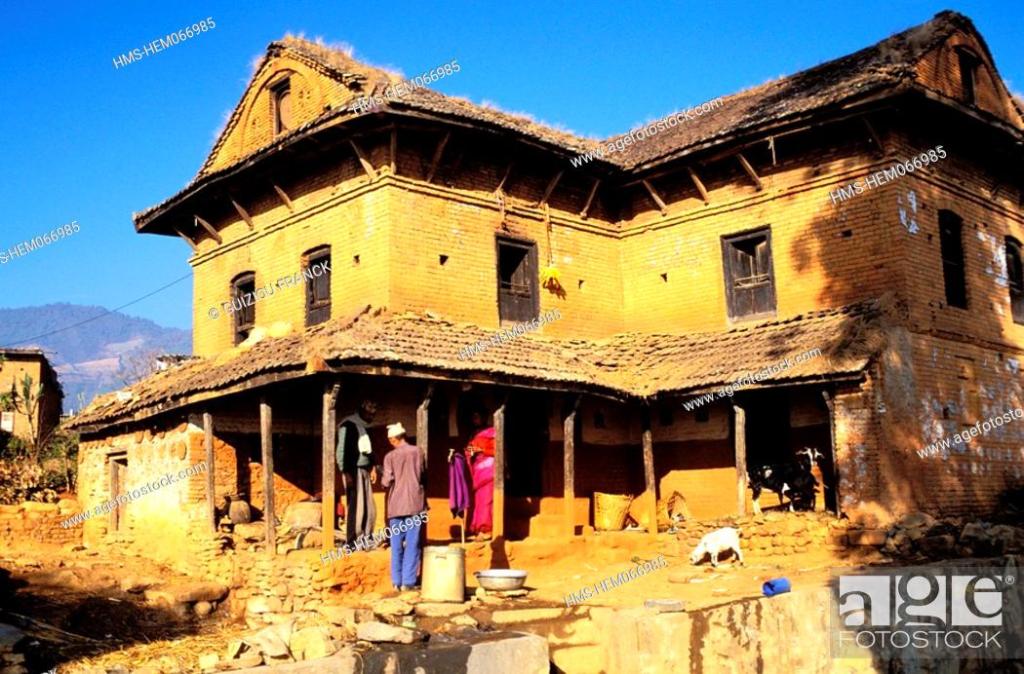
Long Island was blanketed in snow. He had spent the morning clearing snow from the driveway of his home. The suburb of Woodbury was quiet and peaceful. The trees had lost their foliage and were waiting for the warmth of spring to put on a new coat of green. He had a large house with floor to ceiling picture windows. The house was two storied with an attic. There were two bedrooms on the ground and three on the first floor. He had done well in life and was now prosperous.

He still recalled his first days in the big apple. He had just come to the United States from Nepal after completing his postgraduation in Internal Medicine. The first years were tough. He had some seniors doing their residency in New York city. The state of New York offered the largest number of residencies in the country. He did his residency again in internal medicine and then a fellowship in endocrinology.

All his training was completed in New York. He worked for over two decades in large hospital systems. But, for the last five years he started his own private practice. Compared to most other countries medicine in the States paid well. Private practice was certainly lucrative, though the cost of living in New York was high.

He did sometimes think about his home country of Nepal. The Kathmandu valley was still a beautiful place. His visits were few and far in between. Unplanned urbanisation had made the valley dusty and dirty. Winters in Kathmandu were cold but milder compared to New York. The Institute of Medicine (IOM) was the first medical school established in the country. The original intention was to create doctors for rural Nepal. The selection was tough and competitive. He still remembered his joy on learning that he had been selected for the medical course. During the closing decades of the twentieth century Nepal was in turmoil. The insurgency was ongoing, and blockades were the order of the day. Violence was rife and a lot of blood was spilled. 

Most doctors from IOM migrated in search of greener pastures. The others mostly practiced in the valley, the historic heartland of the country. Ram was originally from Gorkha, in the centre of the country but his family had migrated to the capital when he was a few years old. His father was a civil servant while his mother was a housewife. Civil servants did not make much and money was always in short supply. His father was a man of principle and never accepted bribes or tolerated corruption. He still remembered the argument he had with his father when he put forward the plan to migrate to the United States (US) to pursue his residency.   

His parents had both passed away and his siblings were also settled in North America. He rarely visited Nepal these days. The insurgency was followed by the overthrow of the monarchy and then a new constitution was promulgated. A federal structure was set up and while this did have benefits, the expenditures also increased. Each state had to set up an entirely new administrative machinery. He married an American academician who taught Spanish literature at the City University of New York. His wife’s family hailed from the country of Colombia.

New York had a substantial Hispanic population these days. He was now fluent in several languages: Nepali, his mother tongue; English, Spanish and Hindi. He also understood Newari, the language of the Newars, the original inhabitants of the Kathmandu valley. He did think on and off about his motherland. Many Nepali doctors left the country. Working conditions were hard and the pay was poor. To advance, you required political patronage. The frequent changes in government required you to be on good terms with several political parties.

He still missed the food of his childhood. New York was a very cosmopolitan place. There were several Indian restaurants and even a few Nepali ones. He was very fond of bara (a spiced lentil patty) and chatamari (Newari pizza), traditional Newari foods. These had earlier not been available in New York. Luckily for him, two years ago a Newari restaurant had opened in Queens. He was also particular to Thakali food. The Thakalis were an ethnic group who lived in the Kali Gandaki valley north of Pokhara. He particularly fancied green dal, sukuti (dried meat), kanchemba (buckwheat fries) and achar (pickle). Anil was a decent cook and had learned to cook a decent Nepali thali[1]and dhido (thick paste usually made from buckwheat or corn). He also made tasty momos (filled dumplings that are either steamed or fried) and these were much in demand among his companions.

Ram loved the professional opportunities that his adopted homeland provided. He had become a US citizen. Working in the US was more rewarding though the paperwork associated with medical care had steadily increased. Many of his batchmates and seniors lived and worked in New York state and across the state border in New Jersey.

Many of them did miss their homeland and had a vague feeling of guilt for not contributing their share to their original homeland. A few of them were working on a proposal of developing a hospital at the outskirts of Mahendranagar in the far west of Nepal. The Sudurpashchim province had a great need for quality medical care. The details were still being worked out. There were about twenty IOM graduates involved and they decided on an initial contribution of a million dollars each. Despite inflation twenty million dollars was still a substantial sum in Nepal. 

This group of friends collaborated on different social projects. They were also active in promoting a more liberal America where each citizen and resident had access to quality healthcare. The hospital would be their first project outside the US. A strong community outreach component was also emphasised in their project.

The US had made him wealthy. He was a proud American. However, he also owed a deep debt to his home country for educating him and creating a doctor. Now was the time for him to repay that debt, not wholly or in full measure but substantially to the best of his abilities! 

[1] Plate made of a few courses, completing the meal

.

Dr. P Ravi Shankar is a faculty member at the IMU Centre for Education (ICE), International Medical University, Kuala Lumpur, Malaysia. He enjoys traveling and is a creative writer and photographer.

.

PLEASE NOTE: ARTICLES CAN ONLY BE REPRODUCED IN OTHER SITES WITH DUE ACKNOWLEDGEMENT TO BORDERLESS JOURNAL

Click here to access the Borderless anthology, Monalisa No Longer Smiles

Click here to access Monalisa No Longer Smiles on Kindle Amazon International
Categories
Poetry

Tusker Trail

By Mereena Eappen

Fanning the gigantic ears,
wandered the cold-black tusker Arikomban--
the lonely, popular wild elephant of the South
entered the red-warm forest
--an escapade into the immense emerald entity.

Free of shouts and free of pomp now,
the tortured and broken giant shall never return to
the punitive world of the human race.
Fingerless nails and a long trunk are further
soil coated, but then again, he can sense
the transparency of woodlands.
Canopies one after the other
fantasise him and they are unlike
the human land of scorching roads.

Gone away from plastics and away from motor horns,
he may overhear simply the music of nature.
The sunbeams dance on the green grass and
Urge the chirping birds to welcome the new guest.
Many on crossing rails, many by electric fences,
and many more on hunting lost their lives,
but who upkeeps them anymore!
"Dear Arikomban, please don’t come back
to this merciless, dying artificial world
,”
yelled the innocent natives of the busy world.

Mereena Eappen is a Ph.D. scholar from the English Department of St.Thomas College-Palai, India. Her poems are housed in The Alipore Post, Poet’s Choice and Madras Courier. She also does musings on life, photography and content writing.

.

PLEASE NOTE: ARTICLES CAN ONLY BE REPRODUCED IN OTHER SITES WITH DUE ACKNOWLEDGEMENT TO BORDERLESS JOURNAL. 

Click here to access the Borderless anthology, Monalisa No Longer Smiles

Click here to access Monalisa No Longer Smiles on Kindle Amazon International
Categories
Musings

Corner

By Anita Sudhakaran

BOOM! Another big BOOM! And here, my scared Kittu runs to find a peaceful and tranquil corner in our usually quiet home. The cracker ban was only on paper; Kittu will attest to that vehemently. While she was frantically searching for a corner, I was lost in her movements. Sitting and staring at her took me away from her, and I found myself sculpted as le penseur and was thrown into a deep ocean of thoughts, where just one question popped out loud, clear, and flashing; Am I too looking for a corner? A Peaceful, tranquil, no fetters, no concept of pain and gain corner?

Usually on breaks, I visit my home, pushing aside the flash and pomp of Delhi, and I step into another world. Adulting has been a breath of fresh air and yet bizarre to me, realising and answering many unanswered questions hovering in my head. Nonetheless, there are few which will I think remain unanswered forever and some will not have very satisfactory answers. Sometimes, I don’t fully know the question and the answers I look for, and I remain in a perpetual state of being hopelessly muddled. 

To my mind, one thing I came to terms with beautifully, is the concept of uncertainty; impermanence is permanence. Often when I switch something, change places or things, or when people come and go in my life, I am learning to enjoy the changing process and that’s exactly what life is. Change. Even when I am sad about the process, I see the silver lining and cheer up to the fact, that I will be one day equally comfortable and content with what will come to me in my here and now. 

We have often heard the phrase ‘this too shall pass’, but how many of us have thought through it and made it a tool to cope with the future? I have realised, that we humans are extremely convenience-oriented beings. Convenience is everything to us. Just like using this phrase at a time of grief and despair and not when we are brimming with positivity, success, and abundance. 

The ability to be calm amidst the storm, to be present in each moment and not pile up thoughts; good or bad, is the one I need to learn because there is no way I will find my corner where I will be free of societal shackles, rewriting norms and notions. Living in the present doesn’t invoke the action of inactivity. Rather, it promotes being actively present with graceful focus on what is there right now and shuns the act of what I call ‘conveniently everywhere’. Finally, Kittu found her corner, just at the centre of the main entrance hall where the BOOM is loud and clear. She fell into deep sleep as I woke up from the dream.

.

Anita Sudhakaran comes from two states, Kerala and Rajasthan and currently residing in Delhi. She is an avid reader and a lost thinker. 

.

PLEASE NOTE: ARTICLES CAN ONLY BE REPRODUCED IN OTHER SITES WITH DUE ACKNOWLEDGEMENT TO BORDERLESS JOURNAL. 

Click here to access the Borderless anthology, Monalisa No Longer Smiles

Click here to access Monalisa No Longer Smiles on Amazon International

Categories
Poetry

Poetry by Avantika Vijay Singh

MELT AWAY THE BOUNDARIES

See not the blemished skin,
See not the greying hair,
See not the jangling bellies,
Judge not the external appearance
For they are merely illusions...
Where are the boundaries
that divide man from man
but in the shallow pans
of our minds?
What a colossal waste
are these judgements
that birth duality
when in reality
the universe knows only unity!

Melt away the barriers,
for nature knows no walls.
Melt into nature
to dance with the diversity
in the exuberance of the universe’s
musical extravaganza.
Who can judge
if a toucan's colours
Are any prettier than a flamingo's?
Or the smell of petrichor finer than aspens'?

Melt away the barriers of the mind.
For they are just illusions...
And find yourself
Lighter…
Released from the burden of judgement.
Find yourself
Floating like
gold dust on sunbeams,
warm sunshine on a winter morning.

Avantika Vijay Singh is the author of Flowing…in the river of Life and Dancing Motes of Starlight.

PLEASE NOTE: ARTICLES CAN ONLY BE REPRODUCED IN OTHER SITES WITH DUE ACKNOWLEDGEMENT TO BORDERLESS JOURNAL

Click here to access the Borderless anthology, Monalisa No Longer Smiles

Click here to access Monalisa No Longer Smiles on Amazon International

Categories
Stories

Pigeons & People

By R Srinivasan

The following story is an intertwined thread of two independent narratives. The odd numbered paragraphs concern the title Pigeons while the even numbered ones are to be read with the title People.

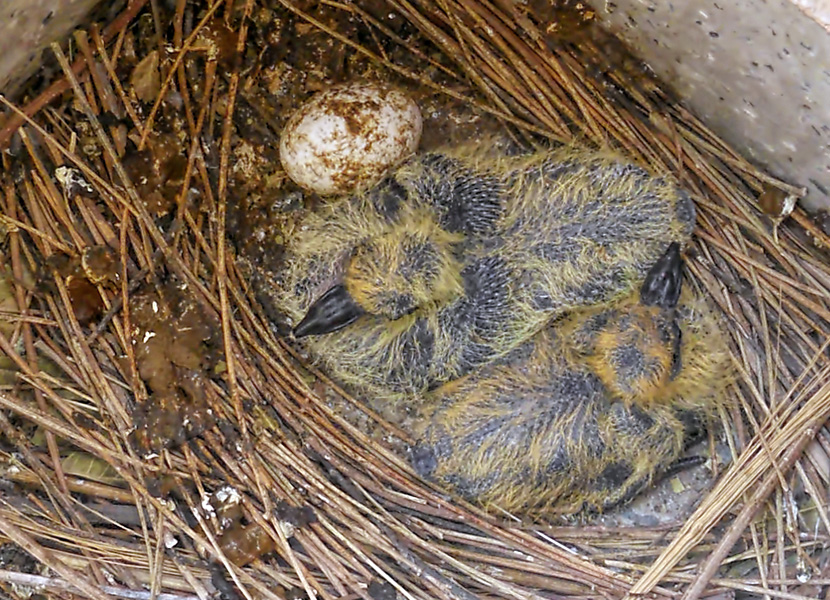
[1] It was in early November that I saw a pigeon perched on our balcony’s sunshade. It was on our neighbour’s sunshade, to be more precise, which adjoins ours. It was an ember breasted grey one. A common variety which I had seen afar many times. Not the one with a fan tail or some exotic racing varieties which were more prized. Soon it was joined by what I assume was its partner. Now, I’m no ornithologist to point out which among the two was the male or female but I can tell you that they wanted to make the barren flowerpots on our balcony their nesting ground.

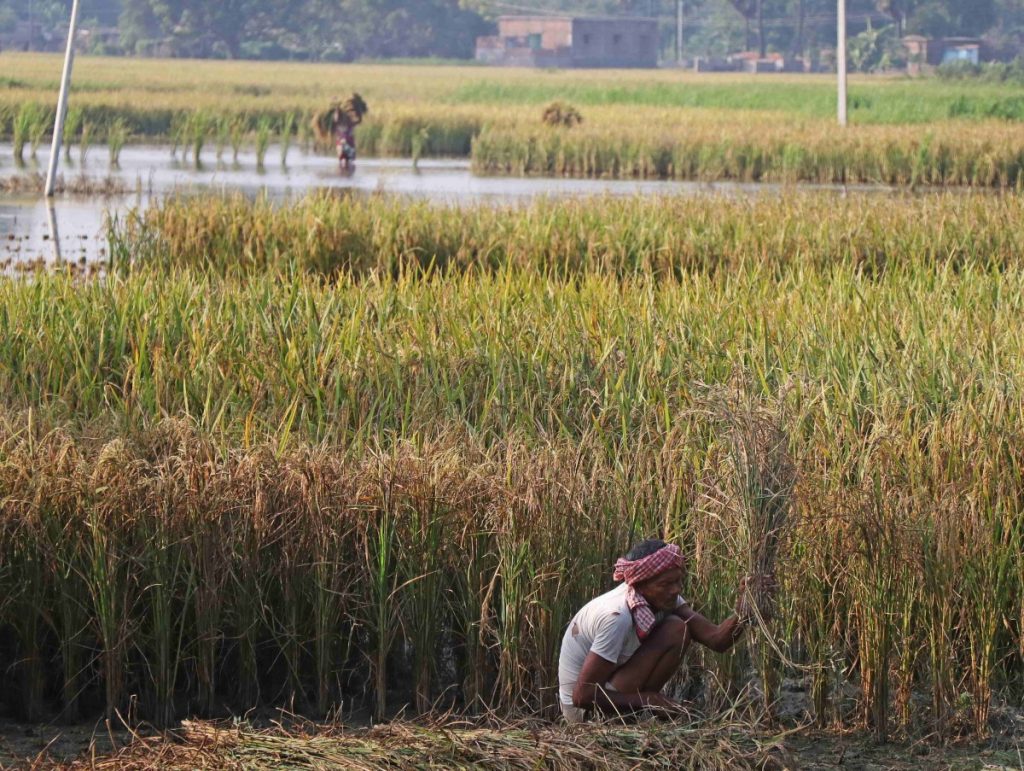
[2] The farms and fields were lying barren for quite some time. No cultivation had been done on these barren lands for the lack of manpower as most of the folk who had once cultivated it had moved to the cities. So, it was with some interest that I watched the immigrant farmer who had leased these barren lands for cultivation from the council. Now, I’m not familiar with his native land or his native tongue but something about his appearance seemed exotic. Soon he was joined by his partner, and they built a home for themselves on these lands.

[3] The pigeon pair went about their work with alacrity and within a few days they had a nest and the dull looking pigeon, which I rightly assumed was the female, sat on the nest for hours together. The ember breast went about collecting food or doing whatever it is that the male kind of its species do all day. Soon, the pigeon nest was the talk of the house.

“They look stupid to me,” my son said. “Why don’t they talk with us?”

“You want the pigeons to talk to you? Have you tried talking to them instead? “ I told him.

“My friend has a parrot, and it talks to him,” he said.

“Parrots are different, they like humans and are comfortable to handle. These are wild pigeons. Not exactly domesticated.” I told him.

“I don’t like them.” He stated.

[4] The first thing that the immigrant farmer did was to put a fence made of dried thorn bushes around the perimeter of the farm. Locals frowned at the sight of this new fence.

“Why do they have to put a fence?” Their immediate neighbours frowned.

“Good fences make good neighbours I suppose,”  I said.

“No one has ever put a fence in the village, not with thorns at least. Grazing flocks may brush up against it,” he said.

“Maybe we should talk to them,” I suggested. 

“Can you speak, whatever it is that they speak?” he asked.

“No but you can just mime it and probably they would understand,” I responded.

“Mime? do I look like a clown?” he asked.

[5] The female pigeon soon laid two eggs. As she brooded on her eggs, we soon discovered, to our surprise, that there were now not one but two adult pigeons that accompanied her. Those occupied the adjoining pots, some of which still had healthy plants in them. My wife, who till recently was tolerant of the pigeon family, now started showing signs of uneasiness.

“Did you notice? now there are three? Soon there will be five!” she said.

“Yeah, I noticed. Five? That would take some time,” I said.

“Our maid told me that these things usually take only around two weeks or so from the time they hatch to being fully mature,” she added.

“How does she know? She keeps pigeons?” I asked.

“She’s from the village and she’s more knowledgeable than you are in these things.”  She looked at me with scorn.

“So, should I call for help and move the nest while they are breeding?” I asked.

“No, that would be cruel,” She said.

[6] No one in the village had noticed the arrival of the two young men. So, when the neighbour saw them working the fields along with the man, they began talking.

“Where did those two come from?” he asked.

“Probably their sons…” I responded.

“Soon they are going to swarm this place,” he grumbled.

“Swarm a twenty-five-acre farm with four people? Aren’t you overdoing it?” I asked.

“Sam told me that these people are up to no good,” he said.

“Does he know their native land or speak their tongue?” I asked.

“Probably. He’s well-travelled you know, better than you and me,”

“So, should I inform the village committee that we should have a word with them about the fence?” I asked.

“No, they’ve leased land. We will wait and watch.”

[7] When the female pigeon left the nest in short breaks, probably foraging for food, I had a chance to look at the eggs and the nest. Littered within the straw and some unidentifiable earths, were two eggs. Strewed around them were little feathers and the whole nest had a pungent smell. It’s just the way they are — I thought — but the sight of pigeon droppings and small unfinished food lying around made the place a mess.

“Our maid says that it’s going to get worse,” my wife told me when I told her of my inspection.

“It’s better that we keep the balcony door shut,” she continued.

“You want to shut the sun out of the house just because a pigeon built a nest in the balcony?” I asked.

“What if they fly inside the house and don’t know the way out?” she asked.

“Try hanging some signs saying “EXIT” pointing to the nearest door,” I told her as her insinuations irritated me.

“You don’t take these things seriously. What if this thing flies inside the house and gets itself killed by the ceiling fan? I am not the one picking it up.” She raised her voice.

“What do you want me to do? Call the bird gypsies and make them catch these for pigeon biryani?” I could not resist this.

Chhee[1]! Don’t talk such things at the dinner table. Do what you want. I am not going in that balcony anymore.” She said with an air of finality.

“It will probably fly away once the egg hatches and the fledgelings are able to fly,” I said.

“You wait and see,”she said.

[8] The village councillor knocked the entrance gates of the farm and waited for a response. Seeing that no one answered and since we knew that there were no dogs, we decided to enter. The one storey house was more of a log cabin. The yard leading up to the house was unkempt. Farm tools, a wooden plough, and some odd unidentifiable things were scattered along both sides of the staircase leading up to the front door which was bolted from outside with a lock. An unfamiliar smell of broth came from the kitchen. The counsellor peered inside the house which only had a living room, a bath, and a kitchen. From the signs on the floor, we could make out that animals, probably sheep and poultry, also made their home with the folks inside the house.  

“How could they live like that?” enquired the councillor.

“They are probably used to having animals around them.” I suggested.

“What kind of people bring sheep and poultry into the living room?”  he wondered. A faint smell at the back of the house beckoned us to that place.

“Is that a dump? That explains why they don’t hand over anything to the municipal garbage van,” he continued.

“There is nothing wrong in composting organic waste. In fact, it’s a good farm practise.” I responded.

“So, you just let your bathroom sewage mix with the kitchen waste and pour the rotting mess in your field?” He pointed towards the heap.

“It’s probably a cultural thing. It may be common practise in their native land. Organic farming, it is called,” I said.

“Well, not here” – He said.

[9] It was late in the evening when I reached home and found that both my wife and son were waiting for me in the hall. Wife was agitated and I could see that my son was scared about something.

“They’ve hatched. The eggs, I mean and now they are five and counting,” my wife started.

“Counting? Are there more in the nest?” I asked.

“Don’t know. Why don’t you go and check?”

“Can’t you or your son, do it? Why should I do everything around here?” I said. The long work hours made me irritable.

“He did and those flying mongrel bats attacked him. See the bruises he suffered? You don’t care about us at all,”  She whimpered.

“Bruises? Show me. How did that happen?”I asked my son.

“He went to the balcony out of curiosity and those wretched things attacked him.” My wife sounded upset.

“Attack? Why should they? They are not eagles. He probably scared them or something.”

“It flew right at me, the chic, it jumped out, stumbled and fell down and its father came flying and attacked me!” my son exclaimed. What he failed to tell me was that he went too close to the fledgelings.  

“Didn’t I not warn you not go near them? They are young…”  I was not allowed to finish.

“And he’s not?” my wife said pointing at my son.

“You don’t seem to take it seriously at all. I’m unable to go the balcony and water the plants. The roses have all but died. We are not even able to use the cloth hangers in that balcony… Look at the mess these things create on the floor and now this attack…”  She was at the point of hysteria.

“Listen, don’t shout at me. I’m not a pigeon catcher. Just wait till they are old enough to fly by themselves and they would go away.” I shouted.

“You are not a pigeon catcher, but how do you know that they will fly away after some time? That balcony smells like a… I don’t know what but smells bad and their droppings are everywhere. My aunt tells me that pigeon droppings can cause avian flu. Some kind of insect breeds in it and causes skin irritation and asthma.” She turned pale while saying this.

“Don’t act up. Do all those pigeon breeders drop dead in their scores?” I asked.

“Yeah, keep talking. When I or your son are hospitalised, you will understand.”

I wanted this thing settled so I said, “Okay. I will see what I can do. I will ask the pet shop owner if he can catch them.”

“I want it done by tomorrow,” my wife said.

“Alright. Alright.” I said not wanting to escalate it further.

[10] When I entered the meeting hall, it was already noisy. Most of the village folk had gathered and there was pandemonium everywhere.

“What happened?” I asked.

“Those immigrant rats have blocked the way to the riverbed. How are we supposed to fish?” one of the farmers shouted.

“There are other places to fish too and why should you go through their farm to the river?” I asked.

“What are you saying? Don’t you not know that the fishing pier is on their side of the river? This is trout season and that’s the best place to fish. They are not opening their gates,” the councillor said. What he failed to say was that the immigrant farmers had found out about our visit had refused to open the gates out of fear.

“Did you speak to them about this? I mean that it is not proper to close a public path?” I asked.

“Yeah, we tried and that’s when they attacked us,” one of the farmers said.

“Attacked? Really?” I queried.

“The man shouted some gibberish, and his sons came charging at us,” the farmer reiterated.

“Probably they too did not understand what we were trying to say,” I told them.

“This must stop. Either they come out and mend their ways or they can go back to wherever they came from,” the farmer concluded forcefully.

“I don’t see how we can drive them back. The council has leased the land to them,” I said.

“You care more about them than about your own folk? Why don’t you go speak to them? I want them out and now.” The farmer was now shouting. I could hear a murmur of approval from others.

“They keep animals in their living rooms. Pestilence spreads from animals to humans. Who knows what they carry?” another farmer added.

“Don’t we not keep the very same animals in our farm and tend to them?” I asked.

“Not in the living room. In pens and stables,” the farmer replied.

“Alright, let me talk to the council,” I said.

[11] “It would cost you two thousand rupees,”  the pet shop owner said.

“Alright. Just get it done.”  I wanted it over.

I told my family that coming morning that the pet shop owner would catch the pigeons and take them away.

“How do you know that they won’t come back? Pigeons have a way of returning to its nests” my wife said.

“Should we change houses then?” I asked.

“No, we need put a metal mesh outside the balcony,” she said.

“Do you even know how much it costs? I don’t have that kind of budget.” I was irritated.

“Okay. Have it your way but when these things come back, you are going to need another two thousand. Why don’t you understand? Spend some more now and protect the house rather than taking such half measures.” She was unrelenting in her offense.

“Alright. I will talk to the metal framer.”

It would cost the upward of twenty-five thousand rupees to fully fence off the balconies with a steel mesh which would allow sun and rain but no pigeons.

[12] “They are willing to let go of their land, but the cost is exorbitant. As per contract, we need to pay them back five years of their lost revenue. But the council has decided to raise taxes and borrow funds to take the land back,” the councillor stated.

“That would only be a temporary measure. How do you guarantee that more such people don’t grab our lands?” a farmer asked.

“Should we put up a barbed fence and a warning sign?” I asked.

“No, we need a law which forbids them from buying or leasing our land.” The farmer’s stance had vocal support from others.

“That needs a bill in parliament. It needs overall approval, and it costs a lot,” I argued.

The counsellor said: “It is better that we spend now to protect our lands than to take some ad hoc measures.”

A bill was later passed in the parliament barring non-natives from buying or leasing cultivable land.

*

A ship load of immigrants just drowned in the channel trying to cross and a flock of pigeons flew southwards trying to find new nesting grounds.

[1] An exclamation of disgust

.

Srinivasan R is an engineer by profession and short story writer by passion.

.

PLEASE NOTE: ARTICLES CAN ONLY BE REPRODUCED IN OTHER SITES WITH DUE ACKNOWLEDGEMENT TO BORDERLESS JOURNAL

Click here to access the Borderless anthology, Monalisa No Longer Smiles

Click here to access Monalisa No Longer Smiles on Amazon International

Categories
Poetry

Poetry by Stuart McFarlane

BURNS LIGHT

A fame, so undoubtable, a flame, unputoutable; where lesser lights faded, their sentiments jaded, his words still shone bright, a timeless delight; as, slow, the world turns so still Rabbie burns.

ONLY THE RAIN

So how are you? Nice to see you again.

“I know your face but can’t place the name”.

That sound you can hear? It’s only the rain. And how have we been?

“Oh, much the same. The pills they give me help dull the pain”.

I’m sorry I’m late. I missed the first train.

“Whoever you are I’m glad that you came. But that sound gets louder. It beats in my brain.”

Don’t worry now. Sleep. It’s only the rain.


UNTITLED

1

Now I am gone -- I wonder was I ever really there? For a while I merely filled an empty space. The empty space remains. And what was my life, after all? Was there ever any substance? As, in water, my reflection briefly glimpsed, then scattered by a sudden wind. Now there’s only water, as there was before.


2

Heaped high, I helped myself, never noticed it was shrinking. Nonchalant, I scooped another spoonful of time; even spilled a few grains. I sense a dull sound of metal on ceramic, for the bowl is empty now.

3

If tomorrow never comes how come I keep meeting it? I know when it comes it’s today and, not long after, yesterday. Time is like an airport carousel, an endless loop in perpetual motion, past, present and future, all entwined, each moment returning to where it once began.


THE YEARS


I no longer believe what once was true. Here’s what the years do.

My world has grown old, once it was new. Here’s what the years do.

I once had many friends, now only a few. Here’s what the years do.

I once knew the alphabet, all the way through. Here’s what the years do.

Now the sky’s black, once it was blue. Here’s what the years do.

You say you know me but I don’t know you. Here’s what the years do.


 Treurende Oude Man (At Eternity’s Gate), 1890, by Vincent Vangogh (1853-1890). Courtesy: Creative Commons

 Stuart McFarlane is now semi-retired. He taught English for many years to asylum seekers in London. He has had poems published in a few online journals.                                                                                                                    

.

PLEASE NOTE: ARTICLES CAN ONLY BE REPRODUCED IN OTHER SITES WITH DUE ACKNOWLEDGEMENT TO BORDERLESS JOURNAL

Click here to access the Borderless anthology, Monalisa No Longer Smiles

Click here to access Monalisa No Longer Smiles on Kindle Amazon International

Categories
Review

How Suffering Unites across Borders

Book review by Rakhi Dalal

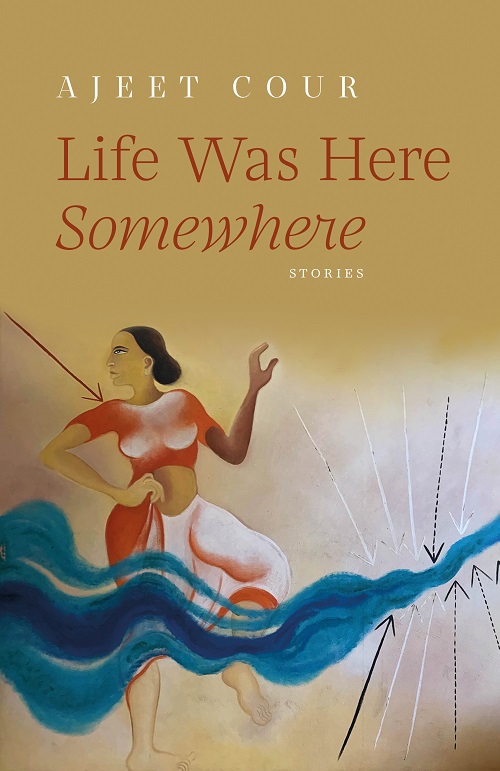
Title: Life Was Here Somewhere

Author: Ajeet Cour

Translators: Ajeet Cour and Minoo Minocha

Publisher: Speaking Tiger Books

India’s independence in 1947 came with its own set of political as well as social uncertainties and challenges. For the people displaced from their native places, it was a struggle to find a home in unknown places amidst strangers, a firm footing to hold. The stories in this collection by Ajeet Cour, a profound and powerful voice in Punjabi Literature, offer observation of everyday lives of common people in the wake of Partition and during the early years of settling of migrants in Delhi and Punjab. But more than accounts of struggle for their livelihoods, these are stories of interpersonal relationships, of pain, anguish, betrayal and heartbreaks.

Ajeet Cour was born in 1934 in Lahore and migrated to Delhi in 1947 after the Partition. She began writing short stories as a teenager and today is the author of twenty-two books which include novels, novellas, short stories, biographical sketches and translations. In 1986, she was awarded the Sahitya Akademi Award for her autobiography. In 2006, she was awarded the Padma Shri for her writing and her contributions in the field of social upliftment. She is the Founder President of the Indian Council for Poverty Alleviation, and has been President, Foundation of SAARC Writers and Literature. In 1977, Ajeet Cour also founded the Academy of Fine Arts and Literature, a non-commercial institution in New Delhi for the promotion of the arts, literature, theatre, music and dance.

This book is a collection of fourteen short stories translated from Punjabi to English by Ajeet Cour and Minoo Minocha. In her note at the beginning of this collection, the author says:

“I write because I am a witness to the horrors of daily life, day-to-day existence of people living next door, or in Punjab or Kashmir or Assam, or in Bosnia or Chechnya or Rawanda, or anywhere else in the world, feeling my destiny entwined with theirs, living in fear, dying like flies. And I can’t look the other way. I write because I believe that those who remain silent become a part of the dark conspiracy.”

The stories comprising this collection are accounts of everyday horrors faced by common people, of the brunt of estranged and conflicted relationships bore by people even as they grappled to find and hold onto a ground in life after the suffering endured during partition. Most of these stories are women centered and carry a first person narrator. The story ‘Walking a Tightrope’ is that of a woman torn between her husband and an irresponsible son disowned by his father. The author offers a nuanced glimpse into before/after the partition in a big household. She employs the image of kitchen to demonstrate a married woman’s domain as well as her confines in a patriarchal household. ‘Death Among Strangers’ is a story of a grief stricken daughter who could not take care well for her father post Partition due to the apathy of her husband. Both stories use death as the pivot which jostles the main women characters out of their pre-determined roles of mother and wife respectively. 

In some of the stories, characters navigate through the ‘babudom’ of Indian Bureaucracy. Trying to find ways to get their problems addressed, they often surrender to the system which becomes increasingly inaccessible to them. Often, the characters are irritated by the system which makes them invisible and works only at the behest of those in power. The title of such a story ‘Clerk Maharaja’, otherwise an oxymoron, denotes the high esteem accorded to a regular class government employee who carries enormous power when it comes to the movement of files from one desk to the other.

In the titular story ‘Life Was Here Somewhere’, a helpless and disgruntled narrator declares the whole country as a heap of garbage no one is interested in cleaning, and those running the country as visceral creatures feasting on the stinking pile.

The story ‘The Kettle is Whispering’ explores kinship between a single and a widowed woman whereas the story ‘Unsought Passion’ explores the ugliness of unwarranted attention. Both stories take us to the corridors of working women hostels in the early years of Delhi post independence, presenting a window to the dynamics of interactions and disagreements.

In a couple of stories the horror of terrorism is explored where the loved ones are either targeted by extremists or by the forces fighting extremism. These stories focus upon the suffering families, their anxieties and pain as they try to make sense of their loss. In ‘Dead-End’ a young woman tries to save a young wounded extremist even though she is apprehensive that he might have killed her brother.

Ajeet Cour poignantly portrays the internal and interpersonal conflicts as faced by ordinary people in the course of their everyday lives in the stories of this collection. Her writing resonates with their pain, her words capture their mindscapes bearing witness to horrifying bestiality humans are capable of and continue to exhibit in their dealings with their fellow human beings. 

Rakhi Dalal is an educator by profession. When not working, she can usually be found reading books or writing about reading them. She writes at https://rakhidalal.blogspot.com/ .

.

PLEASE NOTE: ARTICLES CAN ONLY BE REPRODUCED IN OTHER SITES WITH DUE ACKNOWLEDGEMENT TO BORDERLESS JOURNAL

Click here to access the Borderless anthology, Monalisa No Longer Smiles

Click here to access Monalisa No Longer Smiles on Amazon International

Categories
In Memoriam

Posthumous Poetry by David Skelly Langen

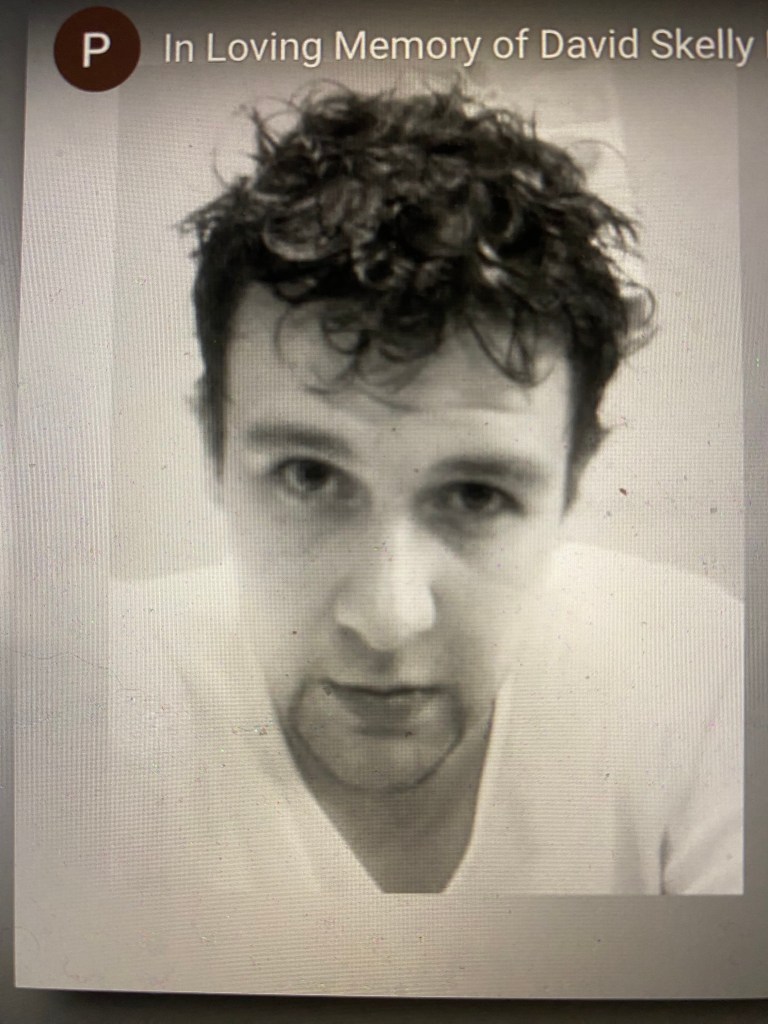
David Skelly Langen (1986-2023)
METRO WEST 

the tall walls make me uncomfortable as I’m shot from every angle
it’s a kodak moment
an interpersonal feel without a signed consent
my privacy is strangled
I’m just another man sitting guilty until proven innocent
the cage is claustrophobic and my mind has no choice but to ride
along shotgun
he looks for smuggled tobacco to roll a cigarette and asks me “Yo, you got one?”
A simple reply will do as an elongated conversation
seems to always lead to confrontation between me and this man
or the officer manning his station
as I walk the green mile my oversized blue flaps stick to the floor, what
a sorry excuse for a shoe passed down from man to man
god only knows the stories that go with them, the sad stories
originating from prison to prison
I live in a prism, confused as I follow the lines, how did I get to this point,
locked away, throw away the key to my
lips, I don’t think I’ll talk today as I sit in this hole, this empty abyss
the punishment given because I spoke with my fists
born into the wild I once again need to fend for myself
as I did as a child, I’ve walked miles but ended up at the wrong place
angry men in blue feel the need to compensate for their stolen
lunch money, don’t laugh, they have the upper hand
you don’t even have soap for a bath, so you ask yourself
am I still a man?
has this west end place stolen my lunch money, I’m placed in front
of a mirror, faced off with
my masculinity, and fascinated with the man I’m facing
I try to reach through or at least lose my mind
I want to be changing places

(“Metro West” refers to the Metro West Detention Centre in Toronto)


PHYSICAL INTRUSION


my mind is stronger than your muscle
you flex to make your point clear
because your go system is pristine
but the frontal lobe screams stop, in front of the cracked mirror
where you find an empty glass, covered in residue. Things seem illusive
This intrusion knows no barrier, adjacent to muscle
so let’s not try to spread a subliminal message
I am a hypocrite, as I know nothing else but
the compelling thought of advancing my position in this broken mirror
life as I see it
you should expect the same from me, as I lack character
but the difference is, I am equipped, with the sword in the stone
because I am strong with characteristics that shine without tone
what need have we to speak, when a gesture
is often remanded for its curtain call, when the water’s too dark
and you think until your mind sinks too deep
your muscle makes you weak
mine makes me acknowledge your weaknesses –
words are seen by millions
muscle is for minions


THE ONE WHO LEFT HIS MIND AT THE STATION

20 packs of beer, get ‘em in I’m a crook
spicy cinnamon with an adrenaline strut
a minion in cuffs, shackled hack, I’m corrupt
back to bat with a black kinda rap, okay enough
it stink like the stuff that come up from yer bowels
I spit shit, drop exlax with the vowels
I’m foul, I speak faeces, I need a towel and shout
I rip through with weapons that repent from my mouth
philosophise preaching as knees weaken weekly
dream big, speak Nietzsche
proposing a toast and civil war with myself
ouch!
the mind’s amiss on arrival, it’s ritual
running circles, I’m tribal, habitual
aboriginal, simple-minded, cynical
freddy krueger slasher but I keep it at a minimal
i‘m Trivial, i‘m jeopardy, I got questions
but hold on, criminal record, oops! forgot to mention
I used to kick it old school, it’s david beckham
a little bit of English with a foot in yer rectum


OVERDOSE


Where are you?

Are you where I see you standing, or somewhere else?

Am I here standing next to you, or somewhere else with you?

Am I alone?

Where did you go? I don’t see you there.

Why is my prescription empty?


(The following poem was added to the poet’s obituary in order to allow him to speak “in his own words” at his funeral)

MY MIND BENDS

the license plate on the back of my head spells trouble
my mind bends
spells spoken to the caves
abducting word skills
from something the world kills
I believe in my own lies, a psychopath in paralysis
diseased with addiction
cavities dance to the pulsing sound of a root canal

Up is nothing more
than an animated feature presentation
Homer as a d-day rather than a replay rarity
hurricanes steep through my kettled mind
I exist in a reign of horror
I’ll make a place on the map just to attract the UN
scissors cut through the vein of ambition
thinking has lost the war
bite the nail I say
using my head to bang nail into coffin

Aerial-David Skelly Langen (1986-2023) was a poet, pugilist, and ongoing survivor of street-level, drug-and-violence mayhem in Toronto, Moncton, and Liverpool, England. He described himself as an “outgoing, self-admitted work in progress.” His poetry is published in a collection of “poems of resistance” in Resistance Poetry 2 (2012) and in the family-based anthology, They Have to Take You In (2014). A posthumous debut collection from his considerable output of rap-based poetry will appear in 2025 under the title, The Red Cardinal, in honour of his crimsoned life in spirit and song. The poems shared here were first published in Resistance Poetry 2 in 2012.

.

PLEASE NOTE: ARTICLES CAN ONLY BE REPRODUCED IN OTHER SITES WITH DUE ACKNOWLEDGEMENT TO BORDERLESS JOURNAL

Click here to access the Borderless anthology, Monalisa No Longer Smiles

Click here to access Monalisa No Longer Smiles on Kindle Amazon International
Categories
Stories

Phôs and Ombra

By Paul Mirabile

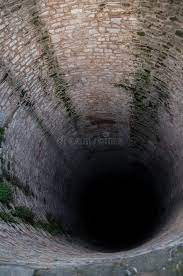
My name is Phôs, and for the love of life I have no idea where I am, or how I came to be in this nowhere. I lie on my back, the earth a spongy bed of unusual odours; above me, a narrow, circular vault, where behind a veil of sailing cumuli shine a moon of alabaster and a steady caravels of stars. So narrow is this vision that I feel terribly compressed, as if trapped within some sort of cistern or pit … perhaps a well …

My body suffers no pain. No one has hurt me. I simply lie here surrounded by narrowness, daring not move lest someone or something be alerted to my presence and attack me; or worse still, that I touch something or someone alien to my daily wont. No, better to count the stars. Which I did … until daylight.

It was the azure that woke me, so bright, so cerulean. And the sun, filling my … my prison ? Perhaps I am in a prison and a well to boot ! A very deep well, perhaps twenty or twenty-five metres deep. Around me are scattered broken stones and bones of animals and humans; little leather pouches, too, here and there, which, when I opened a few held the remains of bread, cheese and dry fruit. Several jugs lay broken or chipped near the bleached bones. They must have been thrown or lowered down here: But by who and why ? In one pouch I discovered two apples and several slices of cheese that smelt edible. About to devour them a sudden rustling from behind interrupted my ‘breakfast’. I swung around. A girl! There lay a tiny young girl. Sleeping or dead? No. She was sleeping, her chest rhythmically heaved to some disturbing dream or nightmare. Her little mouth emitted bird-like sounds, and her face — a doll’s face — was streaked with mud, a clown-like contrast to the whiteness of her almond-shaped face.

I dropped an apple in the pouch, crawled over to the girl and shook her gently out of sleep. Her eyes  opened in wild astonishment, green eyes staring up at me as if I were a monster. I recoiled a few paces and from that tiny, O-shaped mouth. “Who are you ?” flew out like the twitter of a bird from her.

I stood: “My name is Phôs and we are in some sort of well,” I stammered. “I have no idea why we are here.”

The young girl sat up, a look of incredulity cast a shadow over her face : “A well ? Why do you say a well?”

“Just look up at the blue sky. Just look around you: cold, polished stone, a pungent smell of clayish soil. A soil that seems to have marked your face.” I grinned. She immediately rubbed it off with the sleeve of her thread-bare vest. Her face did indeed resemble that of a living doll.

“My name is Ombra,” the girl said, getting to her feet with some difficulty. She screwed up her eyes, looking hard at me. “Odd really, when I see your face I have a strange feeling that I see mine. Like a tainted mirror.”

I stepped back: “But I don’t know what or who I look like. My face has no fixed image in my mind.”

She laughed feebly.

“Of course it has: almond-shaped green eyes, high cheek bones and forehead, a small, pug-nose and oval mouth. So, if you want an image, I’ve just given you one … mine, more or less! Who knows, you may be my brother!” Ombra smiled, but it soon faded as she glanced at the dark walls. “I’m so hungry, so hungry!”

I hurried to the pouch and took out an apple, a slice of bread and cheese. She devoured it all like a wild animal. I followed suit, helping myself to another pouch of bread and stale scones. Ombra moved closer to me: “The exiled. The criminals. The premature dead have been lowered or thrown into this place,” she whispered gravely, examining the skulls. “These scraps of food ; all these whitened and brittle bones belong to the Forgotten Sinbads, Josephs and Orhans … all those Devoid of Light.”

“But why us Ombra ? I am not a Sinbad or a Joseph or an Orhan ! Have I been exiled ? Am I devoid of light ? And you ?”

“Me,” she giggled dollishly. “A mysterious force has illumined our plight, Phôs. Our circumscribed confinement has drawn us together for some reason … For some unknown mission. And this well, if it very well be a well … Well, it has become our meeting place, perhaps even our final resting place.” Ombra pouted in a very coquettish way.

“No! There is no mission! No mysterious force!” I lashed out furiously, shuddering at my own violence. I regained my composure: “Look, at the top, a halo of greenish glow has formed the coping of the well. That is a good omen, believe me. All we have to do is reach the glowing green.”

“The green ? However can a colour become a sign of salvation ? And even if it were a good omen as you say, how are we ever to reach it ?”

It was a pertinent question. Ombra appeared to be very down-to-earth, perhaps a bit too straight forward for my taste, but nevertheless, a wonderfully sensible person. I myself have always been a bit too optimistic, too whimsical! Perhaps she is my sister after all! Notwithstanding…

I jumped to my feet and carefully began inspecting the texture of the circular walls: smooth, nickel-like silver smooth, like a cylinder. Not one rough stone. Odd really for a well, no rough or broken stones, no  chinks or fissures. Every stone as smooth as porcelain. It were as if the whole wall had been glazed or polished. I turned to Ombra, she was crying silently.

Was there no way out then? I stared at my companion with deep sympathy. 

“If only we were winged birds. Birds of lyrical tunes twittering out and far above the shadows of the under-world into the celestial rays of the universe above,” Ombra mused dreamily in a whispery voice, wiping dry her rosy-red cheeks.

A sudden deep vibrating sound, perhaps that of a gong, whose rolling undulations filled the well with reverberating tremors, caused us both to tumble to the bony soil where we cupped our ears and grimaced, so loud was the infernal vibrations: once … twice … thrice. The rolling trailed off into the distant twilight sky whose canvas-like backdrop painted a cartoon moon and isles of stars.

“What was that?” Ombra asked, trembling from the tremors of the unearthly sound.

“A gong of some sorts. A sign of night, I suppose. How strange that night should fall so quickly.” I  searched out an answer on my companion’s face. There was none. “And who struck that gong?”

“The warden of our keep,” Ombra mourned.

“Warden? Keep? Then you really think we are prisoners?”

She nodded. “I’m sure without being sure. You know, I recall nothing of my being here, nor of my childhood. The past becomes hazy whenever I try to recollect it.” She lay on her back using an empty leather pouch as a pillow.

“Yes, neither do I. My childhood has become nebulous since I found myself lying on my back in this awful boneyard. Only the passing of day and night has any signification for me. Look, Ombra, has night not come upon us so unexpectedly?” The young girl groaned without answering.

So in awe we observed the swimming moon in a dark sea of resplendent, floating stars that gradually lost their splendour, descending into a void that our weary eyes could neither follow nor fathom.

Ombra turned to me: “Water? How are we to drink in this dungeon? Food there is, but water?”

I peered at her in the shifting shadows: “Well, it is a well, I think. Yes, but on the other hand it appears to be a cylinder … “

She sat up, her face now bathed in shadows, although her green eyes shone like embers of a once singing flame: “Do you remember how Joseph[1] survived when his jealous brothers threw him into the well like a sack of rocks ?” Ombra suddenly asked me out of the shadows.

“A passing caravan going to Egypt retrieved him.”

“Yes, like those passing stars above us!” Her voice gathered strength. “And how about Orhan’s Red[2], tossed into a well and thought to be dead?”

“Red was stone dead, but somehow his memory or subconscious outlived his corporeal existence and he was able to narrate his tragic tale,” I narrated.

“Exactly!” Ombra’s voice doubled in tone and volume: “Let us not forget Sinbad the mighty sailor [3]; he would have perished in that bone-filled pit if he hadn’t beaten the other widowers or widows to death, taken their jugs of water and loaves of bread and finally escaped…”

“Sinbad wasn’t imprisoned in a pit or well but in a cave … The Cave of Death,” I added.

She sized me up: “Tell me, Phôs, is there any difference between a well and a cave?” She stood, arms akimbo. “Just set the cave vertically and the well horizontally and there you have it!” Ombra pronounced this platitude with considerable aplomb, and rather pedantically, too. I smiled meekly. “Ah, that was truly a miraculous escape.” she intoned. “But tell me, what about the exiled, those poor creatures dumped into the shadowy folds of death by kings, queens and princes. How did they manage their freedom?”

“They hearkened to the chanting of the hoopoe and espied the dense green rays that streamed into their sorrow from the benevolent sky.”

She laughed and concluded gayly: “Well, we are certainly well-versed on the subject of wells ! Now I really understand our mission.”

“Our mission?” I raised an exasperated eyebrow.

“Because we are so well-versed in wells, so well-informed about those fabulous figures of well adventures and misadventures, it seems that it is now our turn to fill the pages of fabled lore. Don’t you see?” I didn’t. All those stories and figures were literary or fictitious. Ombra and I were certainly not a storied couple. Then again, her vibrant voice did indeed seek to enlist my sympathy.

“Perhaps. But I’m no fabulous figure, believe me.” Ombra giggled so loud that her echo raced up the wall of the well, fading into the reddening dawn. 

I sighed, exhausted by all these enigmatic impasses. I wished to lie back and day-dream of green pastures or rye-filled fields. My energetic companion interrupted my drowsiness, but in more subdued tones: “And the dolls, Phôs. We forgot the dolls.”

“The dolls? I know nothing about dolls.”

“Well then let me refresh your memory. Five or six circus-like people found themselves trapped in a cylinder. They had no idea how they had come to be there. One of them, a tiny ballerina, because she was strong and nimble, managed to climb to the top, but once there she toppled into a snowy street like a tiny ballerina doll; a doll with tears running down its plastic-red cheeks.” I frowned at this foolish doll narrative, remarkable though it be. I lay back and ruminated our predicament.

I strained to conjure up one clear image of my past life, hoping to glimpse a scene or two. Nothing. Only bits of knowledge that I must have learnt at school, promptly awakened by Ombra’s unusual questioning. And now, here I am, an unfortunate soul without a history at all. I turned my head to my companion: Was she meditating upon her own amnesia?

Dawn … midday … night sheathed in moonlight were bright. No gong to usher in the twilight! Soon, however, blackness cloaked us as sleep overcame our troubled spirits and souls.

Daylight burst into our confinement like a shower of phosphorescence. I jumped up, mouth parched, eyes puffy from a restless, dream-filled night. I pricked up my ears: to my left, high up on the wall, a dripping, slipping, slithering sound filled my imagination with confused hope. I placed my hands on the smooth stone and through my fingers small runnels of water slipped. Yes, two or three runnels trickled down ever so slowly from between the stones midway up the well wall. I licked the smooth stone, lapping it up as best I could. Then I ran to Ombra, shook her awake and led her to the trickling runnels. She too licked the wall, sating her thirst savagely, heaving and panting with each lap licked.  We were saved … For the moment …

I scoured about the bones and pouches and found some more bread, cheese and dried fruit. Had they been lowered during the night ? Our circumstances had become terribly enigmatic …

As we munched on our meagre breakfast, the violet of dawn grew bluer and bluer, the rays of the sun, hotter and hotter. They warmed our chilly bones. Glancing up at the coping, I again espied that green glow encircling it. A halo of throbbing green. Odd that light, I mused to myself as Ombra washed her face with the clear dripping water. That must be a sign … I’m sure of it ! All of a sudden that hellish roll of the gong buffeted us from left to right: once … twice … thrice … Then it stopped as suddenly as it began. Why had it rolled at dawn? There must be some logic to that vibrating roll! Was the gong-beater confusing us purposely by confounding the signs?

“Are we not in hell?” queried Ombra, refreshed after her ‘morning wash’. “That gong may be the Devil’s instrument to enlighten us on our former faults or delinquencies.”

“Nonsense! What faults or delinquencies? And why Hell, what have we been punished for? Are we a pair of abject criminals? Do we deserve such inhuman treatment?” I responded with more questions.

Ombra shrugged her shoulders, searching about the well for more titbits.

“How can you be sure since your past remains in some sort of veiled unknowingness?” she said. I clenched my fists in contained anger. Ombra responded in an eerie, hollow voice: “The exiled. The forgotten. The unfortunates.” She keened in a soothing liturgical rhythm. I suppressed a desire to jolt her out of that sullen, dull, monotonous dirge. But I ignored that and sat down to brood over our unfair dilemma.

That day was spent poking about pouches and bones, wordless, soundless, helpless, both of us wrapped up in his and her inner world of phantasy and fugitive illusions.

The inky obscurity of night succeeded the bluish light of day. Rosy stars waned. The silver moon waxed. So night after night, day after day we endured our imprisoned existence, two desperate souls forgotten by the outside world. Neither of us had family or friends to rescue us. Neither of us could recollect our past lives, good or bad, no matter how hard we plumbed our memories. It were as if the present alone existed; the past submerged in Lethe’s watery vapours; the future, a glimmer of green light swallowed up daily by the darkling evening tide.

Then it happened! My hands under my head, observing the rotating vault of night, I immediately sat up, for something had caught my eye. Yes, the rays of the moon, now white, now yellowish, now green fell upon several uneven and jutting stones on one side of the well wall; stones fissured, too, whose cleaved spaces allowed fingers to grasp, feet to prod and cling. Exalted, I mentally marked each and every stone of deliverance as the green slipped away into darkness.

At dawn, all agog, I shook Ombra awake and excitedly related my fabulous discovery. And although the uneven, chinked stones could no longer be seen with the naked eye, I had memorised their placements on the wall.

“But how are we to reach them so high up?” Ombra lamented.

“Not we, but you! You alone, Ombra, will make the climb. You, Ombra, will deliver us from this infamy. Your tiny, nimble fingers and feet will slip into those cleaved stones and fissured spaces. Mine are much too big. You will shimmy up that wall and once at the top find rope and get me out. Or you can run for help. Where there is a well there is a village, no?” I was in a state of great excitement, contagious indeed, because Ombra’s face showed signs of warming up to my plan; a face that now beamed with renewed hope, the white of her cheeks crimsoning.

“The plot of our mission is thickening,” Ombra chuckled in a playful tone. “But how are we to reach those first stones?” She looked up and sighed. Suddenly that devilish gong sounded, sending us to the walls where we cupped our ears until once … twice … thrice… the undulating vibrations gradually trailed off, leaving behind a strange humming that quivered within the circumferential stones of the well.

In a flash I had the solution : ‘Ombra, get up on my shoulders, be quick. I’ll lift you up to the first stones and there you can manage on your own, I’m sure of it!”

No sooner was it said than done …

Upon my shoulders, then holding her feet with the palms of my hands Ombra reached the first jutting stones. From there, the agile Ombra climbed, stretching her unusually long arms towards the height of the other fissured stones. She grasped them like a professional alpinist, and with a nimbleness that amazed me, my companion slowly but surely zig-zagged her way from left to right, right to left, clambering ever higher. I cried out encouragement after encouragement as she crept up that wall like a bat, crawling and slithering and creeping. Hours and hours, too, crept by, or so I thought. As Ombra struggled ever upwards, stretching herself towards those liberating stones, seeking them with a strained, panting excitement, I had a weird vision of her body joints stretching like a series of elastic-bands, elongating in some doll-like dislocation. Was I hallucinating ? Her forearms and biceps appeared to draw out then draw in at the elbow with each thrust upwards. Her calves and thighs, too, protracted and contracted at the knee-caps with each salvaging step. I rubbed my eyes to rid myself of these burlesque images. 

“Ombra! Ombra! Have you reached the top? What do you see?” I yelled out far, far below, my voice, hollow like a death rattle.

At this point, the omnisceint narrator intervenes for the faraway Phôs had no idea what his companion had seen or felt as she clung to the green glowing coping of the well. There the exhausted young girl, mouth agape, set her tear-welling eyes on a gigantic void! Yes, their well lay in the middle of nothing! It was a tower some hundreds of metres above … above what she could neither discern nor imagine. No mountain of mirth. No plain of pleasure. No forest of festivity barred the tears from rolling down her crimson-coloured cheeks. Speechless she clung, peering into nothing, only an infinite, horizonless void. The poor girl, overcome by such a tragic spectacle, involuntarily swung a leg over the now greenless coping, and like a broken doll let herself drop, falling … falling into the clamorous silence of the black, bottomless void.

As to Phôs, his arms finally drooped in exhaustion. The green of the coping had long since vanished into night and his companion with it. There was no sign of Ombra …

He stood crestfallen, utterly alone, the expectancy of escape waxing as a dense darkness stole upon him like a shroud of death … 

[1]          Genesis 37-50 (The Torah or First Testament).

[2]          From Orhan Pamuk’s novel My Name is Red, 1998.

[3]          In Arabian Nights, The Viking Press, 1952.  pp. 428-429.

.

Paul Mirabile is a retired professor of philology now living in France. He has published mostly academic works centred on philology, history, pedagogy and religion. He has also published stories of his travels throughout Asia, where he spent thirty years.

.

PLEASE NOTE: ARTICLES CAN ONLY BE REPRODUCED IN OTHER SITES WITH DUE ACKNOWLEDGEMENT TO BORDERLESS JOURNAL

Click here to access the Borderless anthology, Monalisa No Longer Smiles

Click here to access Monalisa No Longer Smiles on Kindle Amazon International

Categories
Poetry

The L-o-s-t Bengal Project 

By Isha Sharma

The year is 1905

The tunes of Tagore’s Amar Sonar Bangla* flower in the streets of Bengal

Curzon calls the Partition to create a divide

However, ‘culture’ thrives

As Muslims and Hindus, unite


The year is 1947

Bloodshed and madness pick up as

Radcliffe creates new lines

People leave ‘homes’

To find new ones

Violence slices humanity

How could Bengal survive?


The year is 1965

Bengal has two sons, one -- West Bengal

The second, ‘East Pakistan’

As conflicts flare again, the memory of the lost home revives

Women adorning sarees sing the lyrics of that Rabindra Sangeet


The year is 1971

Liberation calls are made

As women get raped

A new nation is born but the legacy of the past still prospers


A woman in Bangladesh teaches her daughter tunes of Tagore’s song written in 1905 --

Amar Sonar Bangla may have been lost but is it fully forgotten?

It still hums ...somewhere


* The national anthem adopted by Bangladesh in 1971. It was written by Tagore to unite Bengalis together to oppose the 1905 Partition.

Isha Sharma is passionate about the process of translating emotions into verses. Her works, including articles and poems, have been published in Borderless Journal, Kitaab International, The Indian Literary Review, The Indian Periodical, The Indian Express, Indus Women Writing Newsletter, The Feminist Times, and The Tribune (Student Edition).

.

PLEASE NOTE: ARTICLES CAN ONLY BE REPRODUCED IN OTHER SITES WITH DUE ACKNOWLEDGEMENT TO BORDERLESS JOURNAL. 

Click here to access the Borderless anthology, Monalisa No Longer Smiles

Click here to access Monalisa No Longer Smiles on Kindle Amazon International