Categories
Interview

 Magical Journey of Worlds and Words with Lya Badgley

Keith Lyons in conversation with Lya Badgley
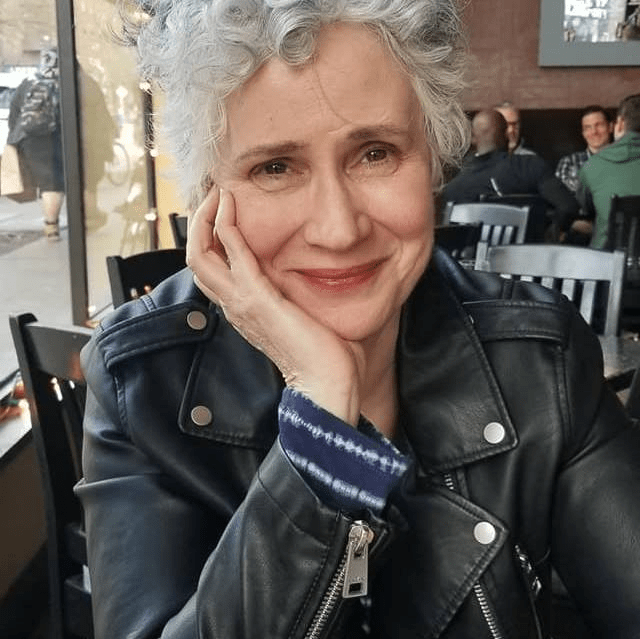
Lya Badgley

Lya Badgley’s life reads like an exotic adventure book you can’t put down, but she writes plot-driven suspense about women overcoming life-changing odds, against a backdrop of global conflict. In this interview, she shares her views about creativity, courage, persistence and resilience.

Youve had an interesting life – how often do people say that to you? How do you tell the story of your life in a short elevator pitch?

I’ve been very lucky to have had choices – many do not. That said, being born in Myanmar to Montana parents, was a good start. From Seattle’s arts scene to documenting war crimes in Cambodia and opening a restaurant in Yangon, my life experiences fuel my creativity. I’ve been a mother, a former city council member, and an environmental activist and now write novels drawing deeply from my lived experiences.

So, you were born in Yangon, Myanmar. How did your parents from the Rocky Mountains come to be in Burma? What are your first memories from there?

My parents discovered the wider world when my father was stationed in northern Japan during the Korean War. They fell in love with Asia, and he went on to dedicate his life to academia, earning a doctorate in political science. They first arrived in Burma (Myanmar) in the late 1950s. One of my earliest memories is coming home from kindergarten in up-country Burma and telling my mother that all the children spoke English in class. Astonished, she accompanied me to school the next day, only to find that the children were speaking Burmese. I had simply assumed it was English. To this day, I love languages.

What kind of environment did your parents create which encouraged your creativity?

My mother was a true artist, always encouraging me to find beauty in everything around me. My father sparked a deep curiosity about the world, especially about the lives of everyday people. Our dinner table conversations were always lively, full of challenges and excitement, fueling my imagination and intellect. I was never allowed to leave the table without sharing something interesting and eating all my vegetables.

In 1987 what changed your life? How does Multiple Sclerosis affect you today?

In 1987, I developed a persistent headache that wouldn’t go away. Within two weeks, I lost vision in one eye. The diagnosis of Multiple Sclerosis came swiftly. I’ll never forget the mix of terror and wonder as I looked at the pointillistic MRI image of my brain, and the doctor casually said, “Yep, see those spots? That’s definitely MS,” as if he were ordering lunch. Strangely, that diagnosis liberated me—after all, what’s the worst that could happen? Now, as I age, the disease may slow my body, but it hasn’t dimmed my spark.

In what ways has being a musician/poet/writer/artist been a struggle and challenge? Do you think that is part of process and it in turn fosters innovation?

The struggles of being an artist—whether overcoming rejection, creative blocks, or balancing art with daily life—are definitely part of the journey. But there’s also magic in that process. There’s something almost alchemical about wrestling with a challenge and, through that tension, creating something entirely new. It’s in those moments of uncertainty that the most unexpected ideas emerge, as if they’re waiting for the right spark. The struggle doesn’t just foster creativity—it transforms it, turning obstacles into opportunities. And the joy comes from watching that magic unfold, as your vision takes on a life of its own.

When did you return to Southeast Asia, and how did you come to work as a videographer on a clandestine expedition interviewing Burmese insurgents, and later helping document the genocide cases in Cambodia?

The short answer is — a boyfriend! In the early ’90s, I returned to Southeast Asia, driven by a deep connection to the region and feeling uncertain about what to do next after a failed marriage. Through a friend I met during Burmese language studies, I stumbled upon an unexpected opportunity to work as a videographer on a covert mission, documenting interviews with Burmese insurgents. That intense experience then led to my role in Cambodia, where I worked with Cornell University’s Archival Project. There, I helped microfilm documents from the Tuol Sleng Museum of Genocide, preserving crucial evidence that would later hold war criminals accountable. Both experiences were life-changing and cemented my passion for telling these vital stories.

You were among the few foreigners to open businesses in Burma in the 1990s. What hurdles were there to opening the 50th Street Bar & Grill Restaurant in Yangon, Myanmar? How was Burma at that time?

Opening the 50th Street Bar & Grill in Yangon in the mid ’90s was a real adventure, and I take great pride in being part of the first foreign-owned project of its kind at that time. Myanmar was just emerging from decades of isolation, with very few foreigners and even fewer foreign businesses. Navigating the bureaucracy was incredibly challenging — layers of red tape, and we often had to rely on outdated laws from the British colonial era just to get things moving. It took persistence, creative problem-solving, and a lot of patience. I had the advantage of understanding the culture and speaking a bit of the language, and I never worked through a proxy. I handled even the most mundane tasks myself—like sitting for hours in a stifling hot bank, waiting to meet the manager, who was hiding in the bathroom to avoid me!

Basic infrastructure issues like inconsistent electricity and unreliable suppliers were ongoing challenges. But despite all the hurdles, Yangon had a special energy then. The people were incredibly warm and resilient, and there was a palpable sense that the country was on the cusp of major change, even though it remained under military rule. Looking back, I’m proud to have been part of something so groundbreaking during such a unique moment in Myanmar’s history. It’s heartbreaking to see the return of darker times.

When did you first start writing and what has kept you writing? 

In the ’80s, I began writing song lyrics for my music, which eventually evolved into poetry. It turned out I had more to say, and my word count steadily grew from there. I write because I have no choice; it’s an essential part of who I am.

Your first novel, The Foreigners Confession, out in 2022, in the middle of the Covid-19 pandemic, weaves together one persons story and a countrys painful history. How do you integrate in the legacy of the past, a personal journey, a war-torn country and the themes of loss and regret?
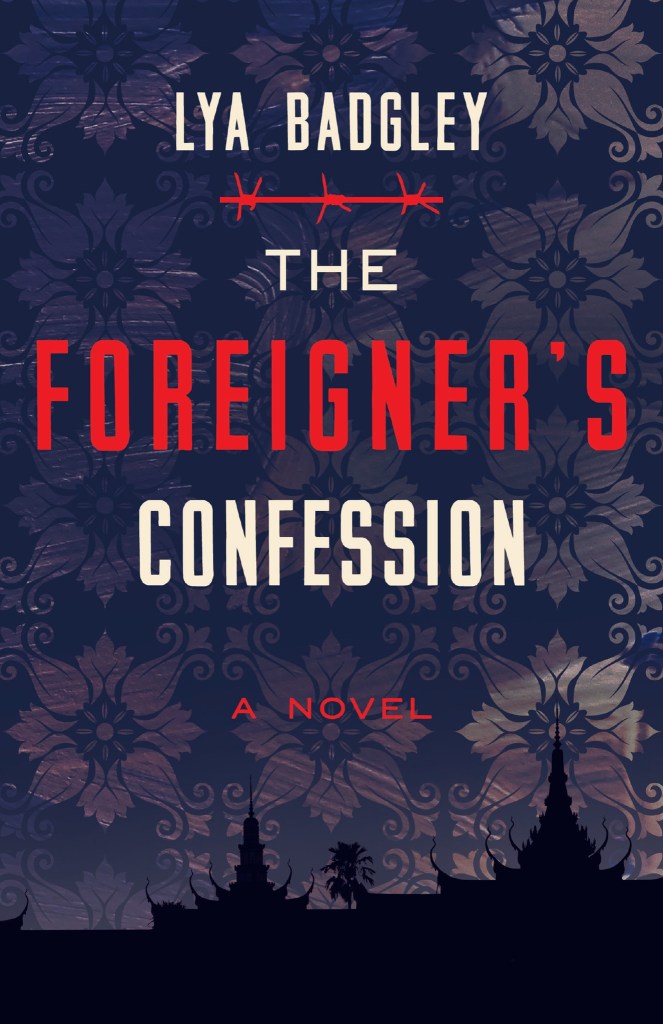
In The Foreigners Confession, I explore the interconnectedness of personal stories and a nation’s history. I like using conflict zones as backdrops for my protagonist’s inner turmoil. These settings highlight the psychological landscape shaped by war and trauma, reflecting the chaos within the character. I’m fascinated by the notion that evil exists in each of us, and under the right circumstances, we’re all capable of bad things. This theme resonates throughout the narrative, as the characters grapple with their moral choices amidst the turmoil surrounding them. As Tom Waits[1] beautifully puts it, “I like beautiful melodies telling me terrible things” — that juxtaposition is central to my writing, illustrating how beauty and darkness can coexist and inform our understanding of the human experience.

When it comes to writing are you a planner or a pantser? Whats your process for writing, particularly when you want to bring in the setting, the history of a place, and authenticity?

I’m a pantser all the way! Just saying the word “spreadsheet” makes me break into a sweat. I wish I could create meticulous diagrams and beautiful whiteboards filled with colorful, fluttering sticky notes, but that just isn’t my style. For me, the story unfolds as I write. I refer to myself as a discovery writer. It’s a slow and sometimes tedious process but discovering what I didn’t know was going to happen is truly amazing. I draw from my personal experiences to provide authenticity.

Does writing suspense/mystery help make a novel more compelling because it has to be well-crafted and cleverly constructed?

I write the story buzzing in my brain and then try to determine the genre.

What do you think about the power and potential of a novel to reach readers in a different way, for example as a vehicle to give insight into the situation in Cambodia or Myanmar, the wider/deeper issues (like geopolitics/colonialism), and the present reflecting a troubled past?

Yes, yes, yes! Novels have the potential to foster empathy and understanding, challenging readers to confront uncomfortable truths. Can we humans please stop being so stupid? It’s doubtful, but we can only hope.
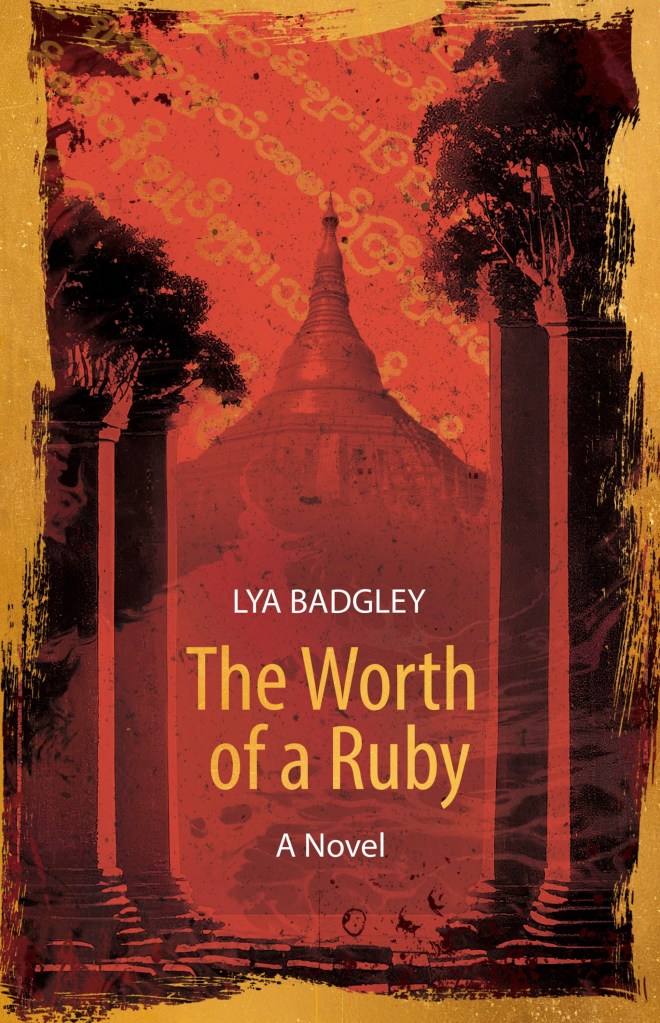
Last year your second novel, The Worth of a Ruby, was launched, and youve recently been in Myanmar. Whats been your impression of the place in 2024, still suffering under the coup and with not such good prospects as in the 2010s? Could you ever go back there to live?

Sitting in the Inya Lake Hotel in Yangon as I write this, I can see that the people here carry a veil over their eyes that I don’t recall from my previous visits. Nevertheless, the cyclical nature of oppression has persisted here for a long time. My husband and I would move back in a heartbeat if there were opportunities and adequate healthcare for my situation. This country remains a part of my identity, and I dream of a future where I can return to help contribute to its recovery.

Your current/recent visit to SE Asia has taken you to what places? What have been the most memorable experiences?

I’m in Yangon until mid-October and will then spend a few days in Singapore, slogging my books to the shops there. As always, the most memorable experiences are renewing the deep connections with the people I care about.

Both your books feature people/countries having to confront their past/dark side. How do you think a novel can help navigate through the complexities and nuances of situations, or at least show that nothing is as black and white as first thought?

That’s a complex question, and any answer can only touch the surface. Both of my novels explore people and countries grappling with their pasts and confronting their darker sides, but the truth is, no single story can fully capture the complexity of these situations. What a novel can do, however, is open a window into the nuances and shades of gray that exist beneath the surface. By diving into characters’ personal struggles and the layered histories of their countries, readers can begin to see that nothing is as black and white as it might seem. A novel helps illuminate the hidden motivations, moral ambiguities, and emotional complexities that are often overlooked, offering a more profound understanding of the tangled web of human experience.

Your work-in-progress novel is set in Bosnia. What themes will that explore?

The themes in my work-in-progress novel set in Bosnia will continue to explore the complexities of personal and national histories, much like my previous work. However, this time I’m weaving in elements of magic realism, drawing inspiration from the Sarajevo Haggadah and Balkan folktales. These mystical elements will add a new layer to the narrative, deepening the exploration of identity, memory, and the ways in which the past haunts the present. The use of folklore will allow me to delve into the region’s rich cultural traditions while keeping the focus on the enduring human themes of loss, resilience, and transformation.

Where is homefor you now? How do you think living in other countries has influenced your outlook and personality?

I am wildly curious, and home is the room I’m sitting in. Though we pay a mortgage on our condo in Snohomish, home has always been more about where I am in the moment than a fixed place. Living in different countries has profoundly shaped my outlook and personality. It’s given me a deep appreciation for diverse perspectives and a sense of adaptability. I’ve learned that people’s values and struggles can be both uniquely local and universally human. Experiencing different cultures has also sparked my curiosity and influenced the way I approach storytelling, allowing me to blend personal and global themes into my work.

What do you think are your points of difference/advantages that you bring to your writing?

One of the key differences I bring to my writing is my unique upbringing. Growing up in Myanmar with parents who encouraged both critical thinking and creativity gave me an early appreciation for the complexities of the world. I’ve lived in many countries and experienced firsthand the way cultures can both clash and blend, and that depth of perspective is something I try to infuse into my stories. Navigating a chronic disease like multiple sclerosis has also shaped my writing. It’s taught me resilience, patience, and how to find beauty in challenging situations. I think these experiences allow me to write characters and narratives that explore the shades of gray in life—the areas where pain, perseverance, and hope intersect.

Why do you think that a high proportion of expats/students/backpackers/digital nomads are from the Pacific Northwest and find themselves living and working in Southeast Asia? (I know three people from Snohomish who live in Asia).

It’s an interesting phenomenon, and I think the Pacific Northwest has some unique qualities that make it a breeding ground for wanderers. Growing up on the edge of the continent, facing west, there’s always been a sense of curiosity about what’s beyond the horizon. The region’s creative spirit—fueled by its music scene, constant rain, endless coffee, and a long history of innovation with computers and tech—fosters a mindset that’s open to exploration and new ideas. People from the PNW are used to thinking outside the box, and there’s a certain resilience that comes from enduring gray skies. This drive for adventure and discovery seems to naturally extend to places like Southeast Asia, where expats, students, backpackers, and digital nomads can experience a different pace of life while still tapping into their creative or entrepreneurial sides. Though, it blows my mind that you know three people from my little town of Snohomish living in Asia!

For aspiring writers and creatives, and for readers of Borderless, whats your advice?

My advice for aspiring writers, creatives, and readers of Borderless is simple: always take the step, go through the door you don’t know. The unknown is where growth, creativity, and discovery happen. Don’t be afraid to embrace uncertainty and take risks in your work and life. Whether it’s starting a new project, exploring a different idea, or venturing into unfamiliar territory, those leaps often lead to the most rewarding experiences. Stay curious, keep pushing boundaries, and trust that the act of creating—no matter how daunting—will always teach you something new.

Where can readers find you?

Email: lyabadgley@comcast.net

Mobile: 360 348 7059

110 Cedar Ave, Unit 302, Snohomish WA 98290

www.lyabadgley.com

www.facebook.com/lyabadgleyauthor

www.instagram.com/lyabadgleyauthor

Youtube: www.youtube.com/@lyabadgleyauthor 

.

[1] American musician

Keith Lyons (keithlyons.net) is an award-winning writer and creative writing mentor originally from New Zealand who has spent a quarter of his existence living and working in Asia including southwest China, Myanmar and Bali. His Venn diagram of happiness features the aroma of freshly-roasted coffee, the negative ions of the natural world including moving water, and connecting with others in meaningful ways. A Contributing Editor on Borderless journal’s Editorial Board, his work has appeared in Borderless since its early days, and his writing featured in the anthology Monalisa No Longer Smiles.

.

PLEASE NOTE: ARTICLES CAN ONLY BE REPRODUCED IN OTHER SITES WITH DUE ACKNOWLEDGEMENT TO BORDERLESS JOURNAL. 

Click here to access the Borderless anthology, Monalisa No Longer Smiles

Click here to access Monalisa No Longer Smiles on Kindle Amazon International
Categories
Slices from Life

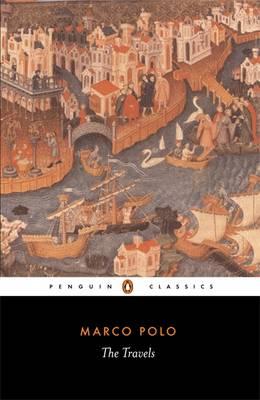
Eva Zu Beck & Marco Polo

San Lin Tun writes of how, in Yangon, he spends the lockdown watching a travel blog by Eva Zu Beck

Neither do I know Eva Zu Beck nor did I know Marco Polo, personally. But both of them are travellers who have impacted many. There is a difference between them because one is the traveller of 14th Century while the other is a contemporary 21st Century traveller.  Marco Polo had travelled through the kingdom of Myanmar but Eva zu Beck has not yet been to Yangon. 

One records his travel in a book or a diary while the other documents her travel by posting it on YouTube, Instagram, and other social media. I wonder who has got more followers, Marco Polo or Eva zu Beck? Or will it be a faux pas to compare like this?

Marco Polo, explorer and writer was a denizen of Venice as well as a Venetian merchant who travelled through Asia along the Silk Road between 1271 and 1295. His travels are recorded in The Travels of Marco Polo that is also known as Book of the Marvels of the World and Il Milione, c. 1300. 

It is a book that revealed to Europeans the mysterious culture and inner workings of the Eastern world, including the wealth and great size of the Mongol Empire and China in the Yuan Dynasty, while giving their first comprehensive look into China, Persia, India, Japan and other Asian cities and countries. 

He, in fact, dictated his stories to a cellmate named Rustichello da Pisa while in a Genoan prisoner of war. Notably and truly, his travel book inspired Christopher Columbus and many other travellers, ensuing after him.

*

You might not know Eva Zu Beck or you might have already known her. But, I think her name can precipitate some interest in you. As for me, I like to watch her vlog on YouTube and so, I plan to subscribe her channel later.

In fact, she is a young girl from Poland and she has travelled a lot for her vlogs. She says that she is a professional traveller and that means that she lives on travelling. I wonder if someone lives on traveling or not. 

*

Recently, I happened to buy a smart television, especially for my two children — for their education and entertainment. When the TV is available for me to watch, I switch channels one after another. 

These days, I like to watch new movies for getting rid of my boredom caused by stay-at-home measures of the pandemic. It is the only way to overcome that dilemma. If you lose your interest in life, imagine what living will be like. 

During this time, my taste in movies has noticeably changed. Now, I like to watch Russian, Iranian, Tamil movies among others. These films seem to be more artistic and better-developed than yesteryear’s movies to me. I feel that way because I had been a staunch fan of Hollywood, Bollywood and Kung Fu movies. I find new flavours in them and watch them again and again. Then, I like to watch documentaries and other interesting channels relating to travel, vacation, nature etc. 

During my surfs through the internet, I unintentionally found Eva Zu Beck’s vlog while I was on a lookout for engrossing channels to ward off my fatigue and weariness of the mind. Then, I found her vlog. I do not know what exactly attracted me to her vlog.

I watch one vlog and I have become hooked to her other vlogs one after another. She took me to new places I have not been before. Her charm and simplicity are part of her charism. She is not pompous, less of a show-off. The down-to-earth style nurtured by her is very well suited to travel blogs.

I like to follow her wherever she leads me to. She leads me on her cycling experiences across Poland to Germany for some days. It is a daunting task for her. Here in Myanmar, two years ago, the founder of Uncharted Horizon, a real lanky and strongly built man named Jochen Meissner went on a cycling venture from Yangon to Singapore in hope of raising funds for good causes. 

When I met him for an interview, he eagerly told me that it took them nearly a month to reach the destination. He briefed me that he would do the cycling to Nepal in the next year. He postponed it because of the outbreak of the pandemic. 

*

In terms of cycling, I find that Eva is a daring cyclist. She stops at camp sites for resting and carried on her cycling tour until she reached her destination. Even, she cried bitterly when she faced real difficulties, I felt sorry for her.

She explained that she was inspired by her grandfather, also a great traveller. She read out some texts from her grandfather’s notebook in a tent. It was truly inspirational. When I watch her explanation of how she got a million subscribers, I felt she really deserved it.

In one of her interviews, she answered that she gave up everything including her previous job to travel fully and to become a full-time traveller. I learnt quite a lot from watching her vlogs. Her vlogs gave me new experiences and new dimension to life. 

Nowadays, if I want to travel, I just need to switch on the YouTube channel and watch Eva’s vlog I don’t need to have passport or visa for travelling. It is one of the best things in life. I just watch her vlog and she will be my travelling guide and companion who will take me to places which I have never been or experienced before.

I feel wonderful because I feel belonged to those places and feel like I have become a global nomad while I am just sitting in my small living room without spending anything thanks to Eva Zu Beck.

San Lin Tun is a freelance writer of essays, poetry, short story and novel in Myanmar and English. His publications have appeared in several magazines such as Asia Literary Review, Kitaab, NAW, PIX, Mad in Asia Pacific, Mekong Review, Ponder Savant and others. He is the author of a novel “An English Writer.”

.

PLEASE NOTE: ARTICLES CAN ONLY BE REPRODUCED IN OTHER SITES WITH DUE ACKNOWLEDGEMENT TO BORDERLESS JOURNAL. 

Categories
Travel

Once Upon A Time in Burma: Leaving on a Jet Plane

By John Herlihy

Lake Inle. Courtesy: Creative Commons

Kalaw was tourist hub at the edge of Inle Lake, with its attitude of holiday resort and its air of clean crisp quality. The indigenous Shan people live predominantly in four main cities around the lake, including Kalaw where we were staying, in the numerous village along the lake’s shores, and on the lake itself. The last two days of our stay along the way to the former capital Rangoon gave us the opportunity to enjoy what the lake had to offer. For our two-day excursions on and around the lake, we boarded a long, narrow hand-made boat of teakwood, painted black and powered by a small motor in the back. The lake itself was quite large, covering nearly 45 square miles, giving ample opportunity for long, leisure rides in the early morning and late afternoon, while in between, we spent much of the day visiting the local sights on the lake itself.

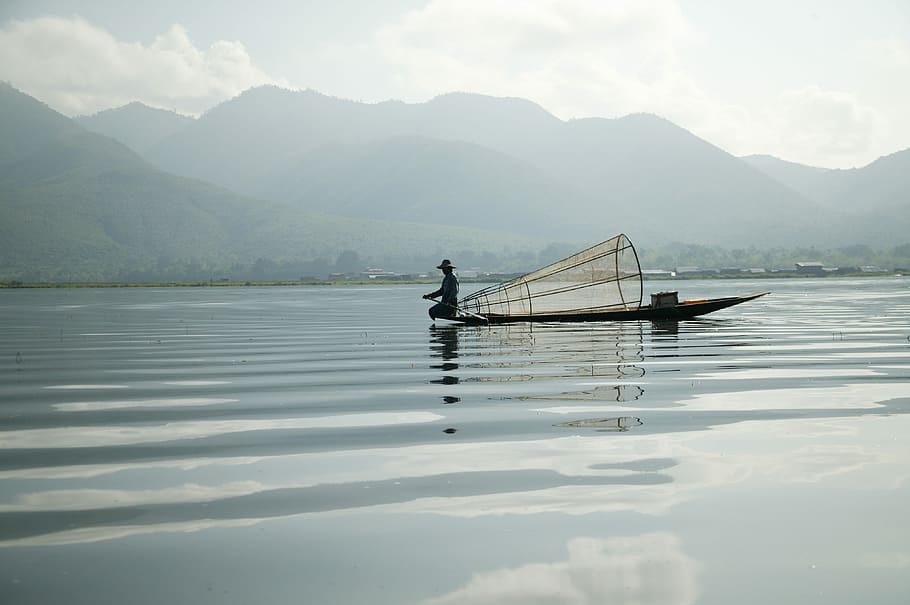
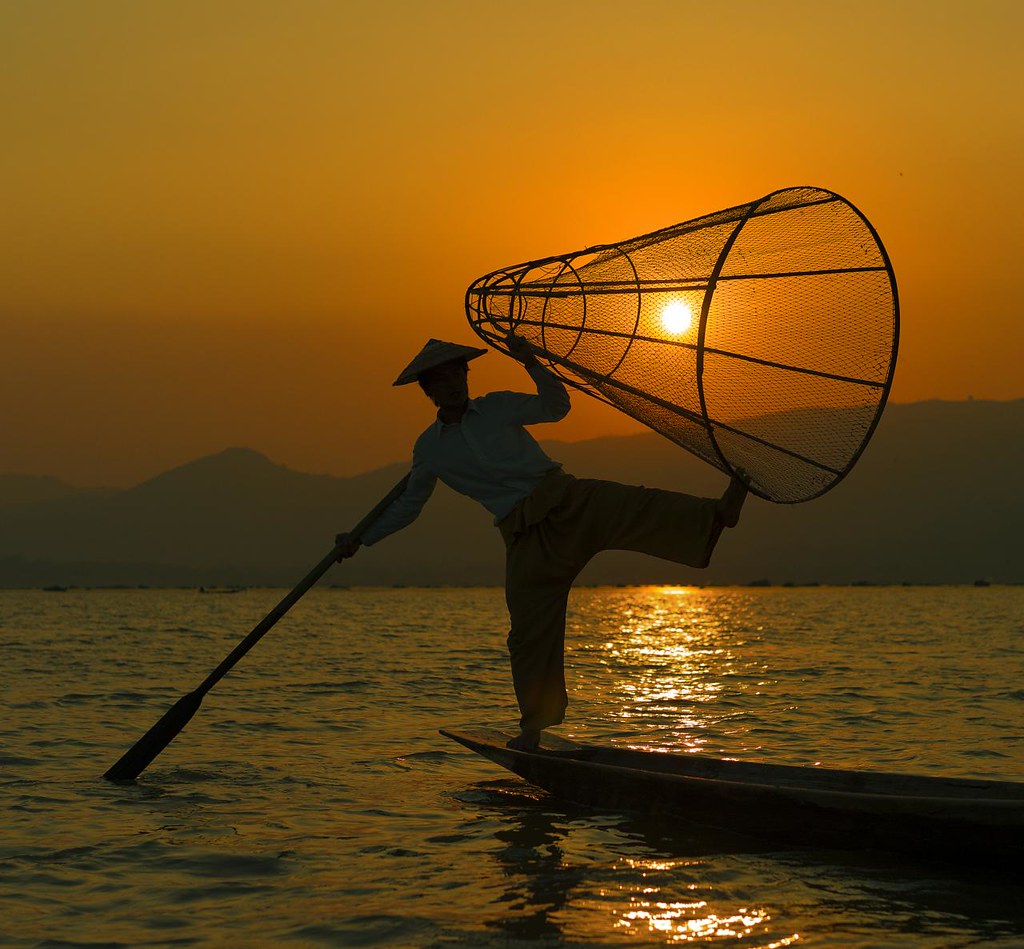
The first morning on the lake took us on an extended ride deeper into the expansive waters. You can see local fishermen fishing there. They live on the lake. The local Burmese fisherman are known for practicing a distinctive style of rowing. They stand on one leg on a small platform in the stern of their long fishing boat, similar to the boat we were riding in, while they wrap their other leg around the single oar as they steer and make their way along. Together with the tubular distinctive fishing nets that lay along the bow of the boat, the fisherman, dressed in their sand-coloured baggy pantaloons tied at the waist with a rope and their white cotton/linen shirts and triangular straw hats that provide mercifully ample shade, offered a picturesque sight as we sped by in our own boat on our way deeper into the interior of the lake. I couldn’t help but think when I saw them again on the way back into Kalaw late in the afternoon just before sunset, that it must have been a long, tedious day indeed, alone out there on the waters, rowing in slow motion with their single foot and finding what fish they may that would provide them with a livelihood for them and their families. I was touch by the nobility, the simplicity, the hardship of the scene, a stolen glance into the lives of others that exotic travel sometimes provides.

Fisherman on Lake Inle. Courtesy: Creative Commons

Further glimpses into the local culture and way of life as we stopped around noontime at a textile factory that stood in the middle of the lake surrounded by other houses, all built of teakwood and bamboo and rising out of the waters on stilts. Throughout our journey overland heading south from Mandalay on the way to Yangon, we had a number of opportunities to visit handicraft and textile shops in order to gain a deeper insight into how these handicrafts are born and worked by the local people. I would like at this point to focus on the textile industry, but before going into the details, let me make passing mention the intricate and incredibly fine and detailed work done by the local people in creating woodcarvings, lacquerware and silverware. The wood carvings are traditionally made from the softwood teak, a high-quality of wood found in abundance throughout the country. The unique art of this craft is handed down from father to son.

I stood in wonder before these young men and women sitting cross-legged on the floor as they meticulously and with great care carved scenes of mythical creatures, deities, fruits and flowers on panels, frames and doors as if it were second nature to them. Such focus and patience that called for these artisans to work throughout the long day from eight in the morning until five in the evening with breaks only for tea and lunch was amazing. They worked with such intimacy between the mind, the hand and then applied to the texture of wood. To watch them work gave an insight into how a work of art is born through not only sheer skill, but also with the devotion and love for the craft that has been handed down generations. Similarly, I went to a lacquerware factory where individuals sat in rows working through the various stages of production of the cups, jewelry boxes, vases and combs, all constructed from bamboo and horsehair, that make up an exquisite repertoire, all finalised in the colourful intimacy of hand-painted scenes from the sap tapped from varnished trees into works of art with all the delicacy of lace.

I am not that interested in precious stones and wear no jewelry, but if you are, then exotic Burma is the place to go. Rubies and sapphires are popular, but jade is the stone most abundantly available. One can easily pick up an exquisite bracelet or necklace for under $10. Of special interest were the beautiful parasols that are so characteristic of old Burma. The parasol is considered a necessity when heading out onto the street to protect oneself from the sun. In Myanmar, many still favor the traditional style, made with bamboo (for the frame and handle) and cotton, which is stretched over the bamboo frame and then decorated with a hand-painted traditional Myanmar design. It is very common to see monks carrying an orange version of the parasol as they go through the streets on their morning rounds with their begging bowl in hand.

As much as I would like to describe in meticulous details all the handicraft shops I visited while in Burma, I will focus my efforts on my experience visiting those textile shops where I climb the wooden stairs from off the dangerously swaying, hand-crafted boat that led up into the inner sanctum of the textile “factory” standing on proud stilts upon the waters of the lake. I place the word factory in quotations marks because it was like no other factory ever visited or ever will visit.

You hear the looms that create these fabulous textiles before you see them — the clear, punctuated sound, the steady beat, the rhythmic sense that something is happening, something is being made. Then the door opens to looms, row after row, casting thin shadows in the late afternoon winter sunlight. The wooden structures seem primitive, skeletal, and yet they are designed to perform and in performing produce minor miracles in the shapes and textures of cloth which are vibrant enough to take on a life that is born of pure art. It took me some time to understand for I had never seen a loom up close before. The spinning wheels of fairy tales were a part of my imagination, but never a part of my reality. Now I stood in the midst of mythical looms from which the fabric of the universe has been created, at least in principle, a loom that could have been in the distant halls of the Greek gods.

There was a seat before the loom and the weft and the warp were drawn by strings up and down and across, moving threads cast in coloured dyes that could have been spun by black forest spiders or perhaps sea snakes from the deep blue. How I loved the whole business of it! I stood there spellbound, unconscious of Peter, the guide, the light and shadows of the room, the wayward dust motes in the air, only this vision of infinite patience. The rhythms of the multiple looms created an exotic and mesmerizing melody of perfected industry. The simplicity and skill of the crafted machine came together to produce a lasting image. There it was, the smell of the wood, the shush of the shuttle, the satisfying way that weft stacks upon weft and the waft intermingled to create this single unity of fabric.

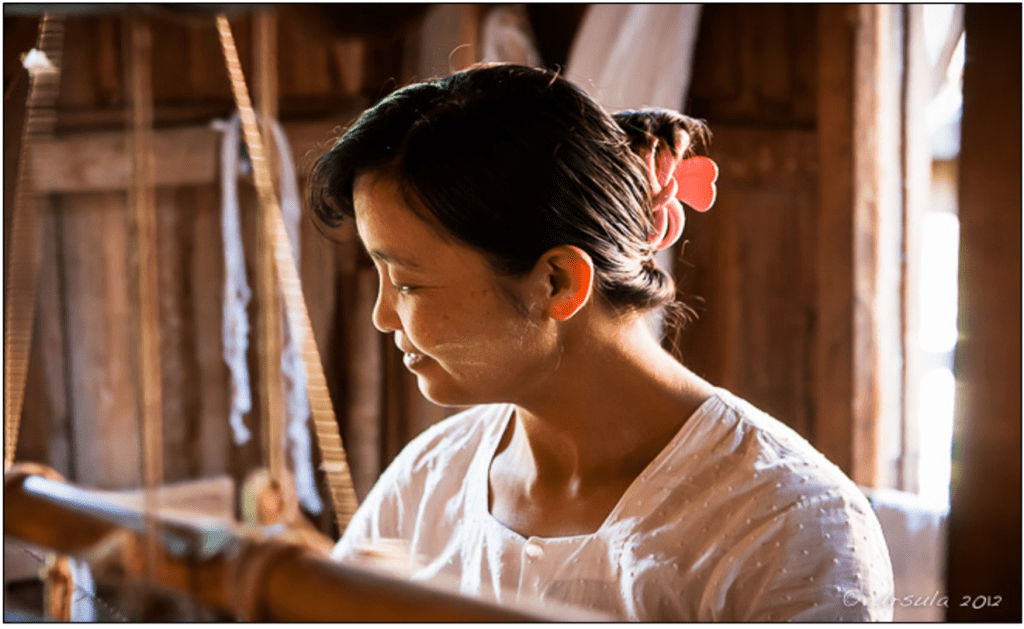
Photo Courtesy: John Herlihy

As I said, a simple wooden seat stood before the loom and upon the seat sat a simple Burmese woman, middle-aged bending forward with slight elegance as if in protection of her loom. Her hair jet black and oiled were pulled together into a bun with a wooden hair clip. The hands of the woman steady and sure, the mind of the woman focused and clear, the face of the woman detached and enduring. This was a labour of love in its finest moment. I stood there — spell-bound, conscious of the moment that would pass, but to be forever etched in my mind as a lasting memory, a moment in time that will never fade. Later, we saw the finished products, filled with colour and light, as though cast down from the rainbows of heaven to shine of glory in their own right. I took away with me a piece of fruit of the loom, in the form of a lotus scarf, made from the thread-like sap drawn from the stem of a lotus flower, a valued treasure that I will keep until my end of days.

Photo Courtesy: John Herlihy

*

In 2006, the Myanmar government established the modern capital of Nay Pyi Taw, north of the former capital Yangon, formerly more commonly known as Rangoon. We reluctantly left the serenity of the Lake Inle and Kalaw for the airport for a short flight down to Yangon for the final several days of our trip. In the heart of downtown Yangon lay the remnants and reminders of the old 19th century colonial style city that has come to be known in the former British colonies. The British seized Rangoon and all of Lower Burma in 1852-53 during the Second Anglo-Burmese War. On the afternoon of our arrival, after checking into our hotel, Peter and I were able to take advantage of enjoying the look and feel of colonial Rangoon as we walked through the spacious parks and lakes, the old colonial buildings, the Parliament and the old Railway Station. The city name, meaning “the end of strife” was once called “The garden city of the East.”

Photo Courtesy: John Herlihy

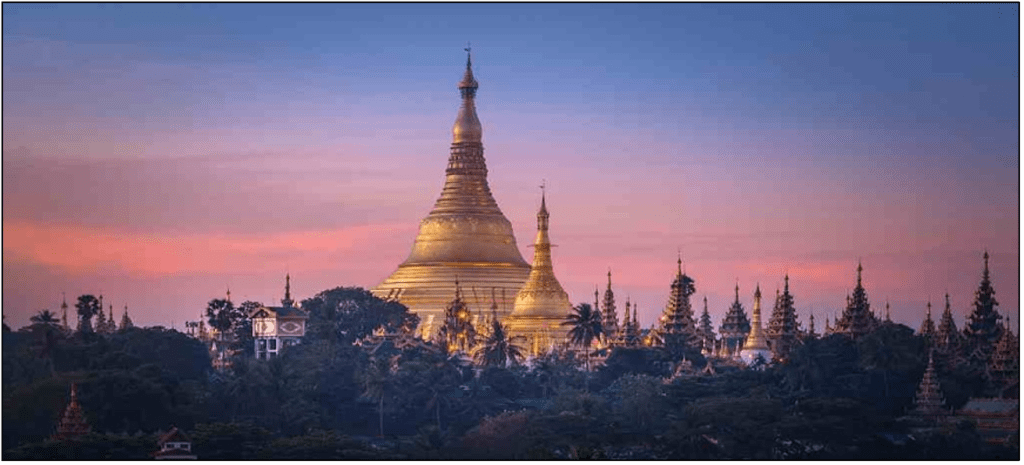
On our last full day in Yangon, we took the opportunity of visiting the famed Shwedagon Pagoda, the Golden Dagon Pagoda, a gilded golden stupa that dominates the skyline in downtown Yangon. Built upon a hill in the center of the town, the golden umbrella dome atop the stunning pagoda shone brilliantly in the crisp winter sunlight. Conveniently, we rode multiple escalators up to the citadel at the Eastern Gate to the enclosure. The most sacred Buddhist Pagoda in Myanmar, it is believed to contain relics of the four previous Buddhas of the present kalpa (an extended cycle of time). Not surprisingly, the extended area in the shadow of the golden dome was crowded with people, tourists mostly from Asia, especially China, and locals from other parts of Myanmar who come to visit as a pilgrimage. The place was also crowded with monks draped in their signature orange monastic robes. I enjoyed how much they seemed to like taking group photos of each other, pushing and shoving just as all young people do everywhere in the world.

At this point, I was perhaps suffering from pagoda-fatigue, sitting image and reclining Buddha fatigue, and yet one cannot help but be caught up in the drama, the sacredness and the mystery of the moment, walking through the grounds that have survived wars and pestilence across the millennia. Historians and archaelogists suggest that the pagoda was built by the Mon people between the 6th and the 10th centuries. However, according to legend the Shwedagon Pagoda was built more than 2,600 years ago, making it the oldest pagoda in the world. The stupa’s pedestal is made of bricks covered with gold plates. Above the base are terraces that only monks and other males can access. Next is the bell-shaped part of the stupa, followed by what is called the turban, then the inverted alms bowl, the inverted lotus petals, the banana bud and finally the umbrella crown. The brown is tipped with 5,448 diamonds and 2,317 rubies. Immediately before the diamond bud is a flag-shaped vane. The very top – the diamond bud – is tipped with a 76 carat (15 g) diamond!

After strolling around soaking in the exotic ambiance that has endured for centuries across the ages under the light of the sun and moon, we finally made our way over to an elaborate enclosure that housed a monumental bell, many times the size of Peter, reminding me of the cracked Liberty Bell on view in Philadelphia! The Maha Gandha (lit. great sweet sound) Bell, a 23-ton bronze bell cast in 1779, was carried off by the British with the intention of shipping it to Kolkata, but because of its abundant size, it fell into the river instead. When the British failed in their attempts to recover it, the local people offered to help provided it would be restored to the stupa. Divers sent down and tied hundreds of bamboo poles underneath the bell and floated it to the surface where the massive ornate bell was safely return to the stupa and now sits in all its glory in a pavilion in the northwest side of the pagoda platform.

On the final night of our stay, in search of our last dinner in Yangon before leaving Myanmar the next morning, Peter and I ambled down a side street in back of our hotel in Chinatown wondering where to eat. At first, the street was quiet and subdued, with little coffee shops and bars invitingly bedecked with red Chinese lanterns. We saw in the distance the street illuminated by overhead fluorescent lighting and larger crowds of people. We soon arrived to see little open-air restaurants spilling out onto porches, sidewalks and the street, with plastic tables and little stools filled with all sorts of people eating dumplings, noodles and fried rice expertly with their chopsticks. It all looked so inviting, I motioned for Peter to stop. After all, so many people couldn’t be so wrong about their choice of where to dine, especially these locals. Peter moved on, undoubtedly thinking of the days at the beginning of the trip and the nights spent going to the bathroom. But his appetite had returned “with a vengeance”!

Then I saw it, at the edge of the curb, tucked in amid the seemingly ravenous diners and pedestrians: a make-shift steel barbeque grill with six sizzling fish spread forth in abandon upon the flaming hot coals whose smoke wafted into the air as well as into my nostrils. I looked down to get a closer look, only to be met by the restaurant’s owner, making gestures of invitation to come inside and sit. I looked inside and saw an empty table amid the crowds. “Is this river fish,” I asked, thinking of the river we had walked alongside earlier in the afternoon. “Yes, yes, li-li-liver fish,” he replied eagerly, having characteristic trouble pronouncing the Western R. “How much,” I growled, deadpan, not wishing to appear the green-eyed tourist. “Six thousand kyat,” he said and smiled. You may recalled what I wrote at the beginning of this tale, that one dollar represented 1,500 kyat. A quick mental calculation told me that this glorious jumbo fish, bursting out of its skin, sizzling in its own juices and cooked to perfection, the fish skin singed to a crisp golden-honeyed brown, cost a measly $4, a bargain, a steal, by anyone’s reckoning. “Peter,” I cried, pointing to the inviting delicacy, “could anyone ask for better than this. Peter turned up his nose, sniffing: “Will it make me sick?”

“How,” I cried, “no herbs or spices, just the freshest possible fish ever.” Against his better judgement, Peter was sorely tempted I could see, and finally agreed with a resigned shrug. “Trust me, Peter, nothing will happen, and you will love this.”

We had drinks and finger snacks until our two fish finally arrived sizzling and steaming in their own juices, “Let’s take a picture,” I suggested, but Peter looked down at my fish more closely with a frown. “Your fish is bigger than my fish,” he said in earnest. “You can have my fish, Peter, no problem, be my guest. You can have the bigger fish and some of mine as well. After all, I could never eat all of this.” And that was our final night, there in Chinatown, in the backstreets of 19th century Rangoon, where people eat fresh fish to their heart’s content as pigeons sit patiently in rows on electric wires overhead as the street cats of Yangon made ready for their own feast.

Leave-taking comes far too soon. As the great leviathan of the plane responded to the lift of the wind, I looked down one last time at the countryside below. I was remembering the great rivers that I had  ridden upon, that wound like snakes through the forested landscape speckled with stupas and pagodas, golden domes shining in the sun, the majestic lakes where people lived over the placid waters on stilts that rose their wooden houses with walls of woven bamboo into the blue of the sky, the black wasteland of mountains that huddled like sleeping animals wishing to be aroused into wakefulness, exuding a peacefulness to accompany the surrounding silence of the emerald forests, where only the wind could stir its silent heart with its whispers. I was remembering the people, the stoic, rounded faces, the street-smart, good-humored guides who took care of us as they would take care of their brothers. They too still whisper their greetings and their farewells in thankful gratitude that we had come to visit, and they had had the honor to lead us through the heart of their homeland.

The journey could be at an end, but the adventure of travel will never finish. It lies there within the mind and heart as a desire to escape from oneself, to let the world reveal itself, to go to places people have never gone before, from the edge of the mind to far beyond the horizon of the world. The pagodas, stupas and temples of ancient lore now a living part of a shared experience, where distant cultures come together in the same way that strangers come together to become friends. Farewell Mandalay — once the mirage of dreams, now the very stuff of a never-ending journey leading to new destinations and new climes, where the sun shines and eagles roam under ancient blue skies, where travelers like me roam across the earth under Heaven’s infinite dome.

Click here to read Part one of Once Upon a Time in Burma

Click here to read Part two of Once Upon a Time in Burma

Click here to read Part three of Once Upon a Time in Burma

John Herlihy, travel writer and poet, has published two collections of travel essays, Journeys with Soul and his more recent Distant Islands and Sealight, available at online booksellers and Amazon.

.

PLEASE NOTE: ARTICLES CAN ONLY BE REPRODUCED IN OTHER SITES WITH DUE ACKNOWLEDGEMENT TO BORDERLESS JOURNAL

Categories
Travel

Once Upon a Time in Burma: Of Friendships & Farewells

John Herlihy takes us through more of Myanmar with his companion, Peter, in the third part of his travelogue through this land of mystic pagodas

Bagan. Courtesy: Creative Commons

Our new guide, Lyme, took up the slack where Swan had left off. The boat drifted away from the shore out into the open waters as Peter and I settled in for a two-hour ride downriver, heading south to the next city on our itinerary called Bagan. The guide Lyme struggled to talk to us over the loud noise of the boat’s engine; but eventually gave up when he realised that he was actually losing his voice. There would be time enough to get to know each other over the next few days of travel. So, I settled in to enjoy the afternoon’s leisurely ride downriver, with the countryside of Burma spread out on either side of the river with its exotic landscape of trees and stupas and golden tipped pagodas that specked the countryside as far as the eye could see. One could never hope for a more peaceful setting.

The next morning, having slept contentedly in the Sincere Smile Hotel, a comfortable, unpretentious three-star hotel that was perfectly adequate to our needs, Lyme met us punctually in the hotel lobby after we finished our sumptuous buffet breakfast. “Pagoda hopping for today,” Lyme joked, a handsome young man who spoke fluent English with an air of an impish, street-taking cavalier. Where and how he was able to pick up such fluency, like a New York street urchin, I would never know. “But not to worry, you will be taken through the grounds of a temple at the end of day in a horse-drawn cart. That should loosen up your bones,” he said to me affectionately at me as he took my arm.

Shwegizon Pagoda. Courtesy: John Herlihy

First stop along the way was the Shwezigon Pagoda, a prototype of Burmese stupas, that consisted of a gold-leafed circular stupa surrounded by smaller temples and shrines, gleaming the sheer essence of gold in the sunlight. Built amazingly enough at the end of the 11th century, this pagoda has especial religious significance because it is said to enshrine a bone and tooth of Gautama Buddha.

From there, Lyme took us to the Manuha Temple, also built in the late 11th century by the captive Mon King Manuha and one of the oldest temples outside of Bagan. The king had colossal Buddha images built at Myinpagan while he was held in captivity. Stricken with remorse, according to the Glass Palace Chronicle, he built a colossal Buddha with legs crossed, and also a dying Buddha, saying: “Whithersoever I migrate in samsara, may I never be conquered by another.” As I visited these pagodas and temples and heard the stories about these kings from our dutiful guide Lyme, I couldn’t help but marvel at the rich and enduring events that took place in the past and the legacy that these people of ancient times left behind for us twenty-first century travelers. Nearly a millennium into their future, we still wander about to gaze upon the wonders they created.

The short, horse drawn cart ride that we were promised turned out to be an ordeal as we were taken through a pot-marked and rutted pathway through the landscape of these gleaming golden temples. Peter mounted the cart up front with the driver, but the guide Lyme and I were tucked into the narrow confines of the open carriage on the back seat. As the horse, trotted along, I was tossed and turned in every direction, holding on for dear life so as not to slip down out of the back of the carriage. It made for a charming picture, but was a most uncomfortable experience, bone-rattling indeed. We also saw the Myingaba Gu Byaukgyi temple, known for its spectacular mural paintings on the walls and ceilings, a true marvel to behold considering the ancient time when they were created. Another spectacular day ended on a cliff at the end of the carriage ride overlooking the grand Ayeyarwaddy, Myanmar’s largest river that now in the dry season as half the size of itself with elaborate sandbars, but still a magnificent sight as its waters cut through the exotic landscape speckled with gleaming pagodas in the twilight.

The next morning, expectant of another day of adventure, I told Lyme, our faithful guide and newly found brother, that we needed to change money. Peter and I exchanged turns changing money to share, changing $50 first one of us that we would spend for a few days, and then another $50 from the other. An odd situation did arise when it came to the bills. Peter was very proud of his dollars (in Germany where he lives, he usually deals in euros), but when it came to changing the money into Burmese kyat, they wouldn’t accept his bills. “Why not?” Peter shouted in outrage as he clutched his precious dollars.

Peter must have been a formidable sight to these diminutive and demur peoples as he towered over them with his close-cropped hair and colossal bulk. We came to learn that the Burmese wanted (and would exchange) only crisp new bills and held firm on this point as they smiled at us sweetly. Having lived abroad for many years and travelled extensively to such places, I quickly understood that they would not budge on this point and that we would have to scramble to find suitable bills among our stashes. Fortunately, I was able to find a few suitable bills that managed to service our needs for the rest of the trip down to Yangon, the former capital known until recently as Rangoon.

The stately and knowledgeable Swan was now a distant memory as the impish and talkative Lyme saw to our every need. We had grown accustomed to his presence with us as we travelled along, like a newfound brother we didn’t know existed. There is no doubt that travelling brings people closer together than would otherwise be experienced. On that particular morning, Peter and I were sitting in the back seat of the car, while Lyme sat up front as we waited for the driver to take care of some business. Like all people these days, he fiddled a while with his phone, searching, surfing, and more searching, for what I know not. Then he put the phone down. Lyme began chit chatting about himself, telling us a little about his experiences as a guide. Upon questioning, it wasn’t long before he opened up and confessed that he had a travel company that he was managing with a partner. They had gotten involved in some kind of student exchange program, he told us dreamily; they had contracts with some high schools in European countries and Lyme’s company facilitated their entry into Burma where he served as their guide. “It was a thriving business,” he told us, “Until my partner cheated on me and ran away with $10,000. I couldn’t pay the bills and couldn’t cover the costs of the hotels and other things.” How many times have I heard that story from friends of mine and others who were cheated somehow by their ‘friends’.

I sat there in the back seat feeling moody; but continued to listen to Lyme as he told us about his family. He came from a big family, and he was the last in line of many children. All of his siblings were married with children of their own. He was the only single son left to take care of his father when he suddenly came down with a serious illness. “My father was my responsibility, that’s our tradition here in Myanmar, as the only son still left at home.” He went on to explain that his father was getting weaker and weaker. Lyme was out on a tour with some high school kids away from home and while he was gone one of those nights, his father had passed away.

As he told us the story, he began to quietly sob. Peter and I sat there stunned as we sat listening to Lyme’s sad tale. He blamed himself apparently for his father death and said that if he had been with him, and had taken better care of him, he would still be alive. “I can never forgive myself,” he told us from the front seat of the car. He continued to sob now, his story ended, and I made a few sympathetic remarks hoping to console him. “You don’t have to forgive yourself, Lyme,” I told him. “I am sure your father looks down upon you now as the faithful son that you always were.”

About a minute of silence passed that morning in the car as we waited for the driver to return. Lyme shook himself like a bird refreshing his feathers as the driver approached the car. “Let’s go,” he said, as if wishing to snap out of it. “We have a full day ahead of us.” Indeed, I thought to myself. We never know the sorrows that other people carry around with them, nor do we know the courage that they bring to bear in meeting life’s moments with the dignity they deserve. I was moved in the way Lyme shared his story with us and his willingness to show the extent of his emotions as well, as an extension, a gift in fact, of a special trust among strangers.

As it happened, I had my own mountain to climb later that day. We headed further south on our way to Mt Popa, an extinct volcano located in Central Myanmar southeast of Bagan. Down through history, it was known as a pilgrimage site with numerous Nat temples and relic sites atop the mountain. Southwest of Mount Popa lies Taung Kalat or pedestal hill that rises 660 meters into the sky. A monastery lies atop of the mountain pedestal that can be reach only by climbing the nearly 800 steps. “Are you up to the task,” Lyme asked, and Peter answered the question for me, “Of course he is, John is like the Duracell battery,” he quipped. I recalled the over 200 steps I had to climb with Peter to reach the Heidelberg Castle several summers earlier, so the thought of nearly 800 steps or nearly 4 times the climb seemed daunting indeed.

Monastery on top of the Mountain. Courtesy: John herlihy

The passageway lead through the base of the cliff where an elaborate marketplace sold their wares to the locals and the tourists alike. Many of the tourists were locals from other parts of Myanmar. The crowds on pilgrimage were vast and the steps making their sinuous way up the mountainside were narrow and deep; but fortunately, there were railings to cling to along the side of the passageway that aided in my ascent. We were an unlikely threesome, Peter, the guide and myself taking up the rear. The ever-present monkeys along the mountainside tried to intrude into our midst looking for food. We had been warned not to let down our guard with these rude, insinuating creatures who like to steal things and make their great escape. Smart phones were their specialty. “Is that red powder or paint smeared upon their asses,” Peter asked naively. “No, Peter,” I chided him. “That is completely natural.” “It can’t be,” he insisted. “Oh, but it is,” I confirmed. Upon reaching the top, where the monastery lay amid the rocky crags, we were treated to yet another fabulous view of the surrounding countryside awash in the clarity of the harsh winter light, clear to the horizon.

*

After making our way back down to Earth from the heights of the hilltop monastery with its clear view to Bagan, we now had a 7 to 8 hours drive through the countryside heading further south to a city called Kalaw, in the Shan State of Myanmar. When we finally arrived at the hotel after the long trek on the windy roads, we were tucked safely into our hotel, called the Royal Inle Hotel, by our faithful guide Lyme. Goodbyes are never easy, particularly when you know you will never see that person again, and we had come to know and value the kind-hearted Lyme. He will always hold a special place in my heart in the way he extended his friendship and trust by giving the true sentiments of his heart away in the telling of his tale of sorrow and woe. Lyme embraced me warmly, like a son to a grandfather, and then he was gone, another gentle breeze to be lost in the wind.

Courtesy: John Herlihy

Click here to read Part one of Once Upon a Time in Burma

Click here to read Part two of Once Upon a Time in Burma

Click here to read Part four of Once Upon a Time in Burma

John Herlihy, travel writer and poet, has published two collections of travel essays, Journeys with Soul and his more recent Distant Islands and Sealight, available at online booksellers and Amazon.

.

PLEASE NOTE: ARTICLES CAN ONLY BE REPRODUCED IN OTHER SITES WITH DUE ACKNOWLEDGEMENT TO BORDERLESS JOURNAL